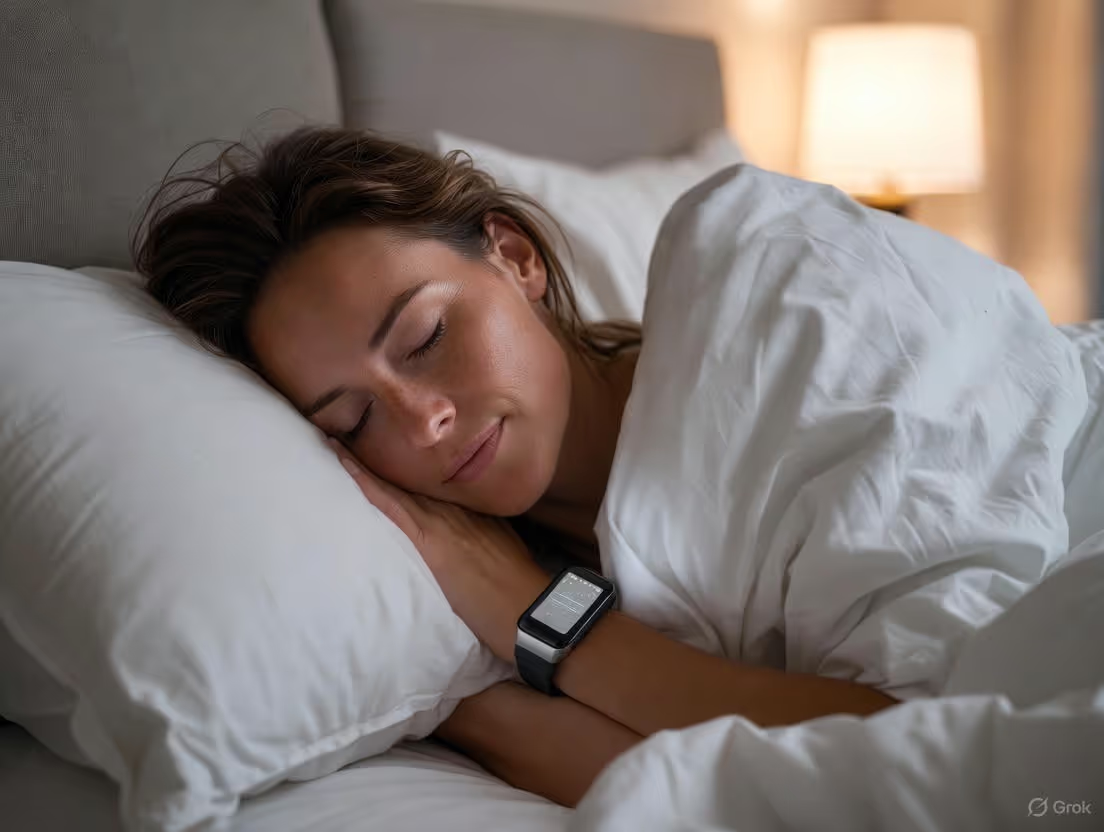
The Top 10 Sleep Improvement Strategies for Busy Lives
Top strategies for busy lives include time-blocking sleep, powering down devices an hour before bed, and using micro-rests during the day.
The Top 10 Sleep Improvement Strategies for Busy Lives
You know the feeling all too well. The 5:30 AM alarm that feels like a personal affront. The groggy, caffeine-fueled scramble through the morning. The 3 PM crash where your eyelids grow heavy and your focus scatters. You power through, checking off tasks until late evening, only to collapse into bed—mind racing, body exhausted yet wired—and stare at the ceiling, willing sleep to come. Tomorrow, the cycle repeats.
In our achievement-obsessed culture, sleep has become the ultimate casualty of busyness. We wear our sleeplessness like a badge of honor, a proof of our dedication. But the science is unequivocal: sacrificing sleep is not a sustainable performance hack; it’s a slow-motion erosion of everything you’re working so hard to build—your health, your cognitive sharpness, your emotional resilience, and your long-term success.
This article is not about adding more to your overflowing plate. It’s a strategic overhaul. We’re moving beyond the generic “sleep more” advice to deliver a precision-engineered blueprint for the modern, demanding life. These are the top 10 sleep improvement strategies that work with your schedule, not against it. They leverage cutting-edge science, behavioral psychology, and smart technology to help you reclaim restorative sleep. This is about working smarter, not just harder, and understanding that the most productive hour of your day may be the one you spend unconscious.
Let’s begin the transformation.
Master Your Light Environment: Your Body's Prime Director
Light is not just for seeing; it’s the most powerful signal your body uses to set its internal clock, the circadian rhythm. This 24-hour biological cycle governs not only sleep and wakefulness but also hormone release, digestion, and cellular repair. For busy professionals whose lives often defy the sun, mastering light exposure is the non-negotiable foundation of great sleep.
The Science of Circadian Rhythm Disruption
Your brain’s suprachiasmatic nucleus (SCN) acts as the master conductor, using light information received through your eyes to synchronize every cell in your body. When you expose yourself to bright blue-light-rich screens late at night, you essentially send a falsified “noon” signal to your SCN. This suppresses the production of melatonin, the crucial sleep-onset hormone, tricking your body into a state of alertness when it should be winding down. A 2022 study in the Journal of Biological Rhythms found that just two hours of evening tablet use delayed melatonin onset by over an hour. For the busy person, this means lying in bed feeling tired but "brain awake," a frustrating paradox with a clear cause.
Strategic Daytime Light Harvesting
The solution is proactive, not just reactive. It begins the moment you wake up.
Morning Light Anchor: Within 30-60 minutes of waking, seek 10-15 minutes of bright, outdoor light. This doesn’t require a long walk; it can be your coffee on the balcony or a brief stroll. This morning "light anchor" resets your circadian clock, promoting alertness now and signaling a clearer sleep drive roughly 14-16 hours later. Think of it as charging your biological battery.
Workday Integration: Position your workspace near a window. The dynamic intensity of natural daylight is far more effective than static office lighting at maintaining circadian alignment. If natural light is scarce, consider a light therapy lamp on your desk for a 20-30 minute session during the morning slump.
The Evening Wind-Down: Creating a Light Sanctuary
This is where the battle for good sleep is often lost—and won.
The 90-Minute Rule: Begin dimming overhead lights 90 minutes before your target bedtime. Switch to lamps with warm, amber-toned bulbs.
Blue Light Defense: Enable "Night Shift" or "Blue Light Filter" modes on all devices at sunset. However, these settings are a compromise, not a cure. The true goal is digital sunset: ceasing all non-essential screen use 60 minutes before bed. This is the single most effective light hygiene habit you can adopt.
Toolkit Essentials: When screens are unavoidable, don amber blue-light-blocking glasses. They are a practical shield for late-night work emergencies. Ensure your bedroom is pitch black. Invest in blackout curtains and cover any tiny LED lights from electronics. Even small amounts of light can fragment sleep architecture.
By treating light as the potent biological tool it is, you stop fighting your physiology and start directing it. You’ll find daytime energy more stable and the descent into sleep far more natural. For a deeper exploration of how technology can help you monitor your body’s readiness for sleep, discover how Oxyzen works by tracking subtle physiological signals that often go unnoticed.
Optimize Your Sleep Schedule: The Power of Consistency
If light is the director, your sleep schedule is the script. The myth of "catching up on sleep" on weekends is just that—a myth. Sleep debt is a real physiological state with cognitive consequences, and while recovery sleep helps, it creates a phenomenon sleep scientists call "social jet lag." Shifting your sleep times on weekends is akin to flying from New York to Los Angeles and back every week, forcing your body into a constant state of circadian misalignment.
Why Inconsistency Is Your Worst Enemy
Your circadian rhythm thrives on predictability. When you go to bed and wake up at wildly different times, you desynchronize the complex hormonal cascade that prepares your body for sleep and wakefulness. This leads to:
Poorer sleep quality, even if you log the same number of hours.
Sunday night insomnia, as your body isn’t ready for an earlier bedtime.
Groggy, unproductive Monday mornings.
Long-term metabolic and cardiovascular strain.
Crafting Your Personalized Sleep Schedule
The goal is not a rigid, joy-killing regimen, but a sustainable framework that respects your biology.
Find Your Chronotype: Are you a natural early riser (Lion), a night owl (Wolf), or somewhere in between (Bear/Dolphin)? Honoring your innate tendency makes consistency easier. Don’t force a 5 AM wake-up if your body screams for sleep until 7.
Set Your Non-Negotiable Wake-Up Time: This is the anchor of your schedule. Choose the earliest time you must be up on your busiest day of the week. Commit to this 7 days a week, with a maximum 60-minute variance on weekends. Yes, even on Saturdays. Consistency here regulates your entire cycle.
Work Backwards to Bedtime: Most adults need 7-9 hours. If your anchor wake-up is 6:30 AM and you need 8 hours, your target bedtime is 10:30 PM. Begin your wind-down routine 90 minutes prior (9:00 PM).
The 15-Minute Rule: If you miss your target bedtime, avoid the "just one more episode" spiral. Give yourself a 15-minute grace period. If you’re still awake after 20 minutes in bed, get up and do a quiet, non-screen activity until you feel sleepy.
Adapting for the Busy Life
Shift Work & Travel: For unavoidable disruptions, use light strategically. For night shifts, use bright light exposure during your "awake" period and absolute darkness for sleep. For jet lag, seek morning light at your destination to reset your clock faster.
The Power of the Power Nap: A well-timed nap can be a recovery tool without sabotaging nighttime sleep. Limit naps to 20 minutes (to avoid sleep inertia) and take them before 3 PM. This can boost alertness without impacting your sleep drive.
By prioritizing schedule consistency over simply chasing more hours, you build a robust, predictable sleep architecture. This creates a cascade of benefits: deeper sleep, easier mornings, and a body that knows exactly what to do and when. For real-world examples of how consistent tracking leads to better habits, you can read our complete guide featuring user stories and data-driven insights.
Craft a Neuro-Centric Bedtime Routine
You cannot sprint into sleep. Sleep is a state of profound neurological deceleration, and your brain needs a structured off-ramp from the high-speed cognitive demands of modern life. A bedtime routine is not a luxury; it’s a series of deliberate cues that signal to your nervous system, "The work is done. It is safe to rest."
The Physiology of the Wind-Down
When stressed or stimulated, your sympathetic nervous system (the "fight-or-flight" system) is dominant. Sleep requires the parasympathetic nervous system (the "rest-and-digest" system) to take over. A routine is a controlled process of switching gears, lowering cortisol (the stress hormone), and allowing melatonin to rise.
Designing Your 60-90 Minute "Sleep Sanctuary" Ritual
This routine should be a gradual, pleasurable descent. Here is a sample framework, adaptable to any schedule:
Minute 0-30: The Digital Detox & Physical Transition
Declare "Screen Bankruptcy": Put all devices on Do Not Disturb and place them outside the bedroom to charge. This physical separation is psychologically powerful.
Prepare Your Environment: Dim the lights, adjust the thermostat to a cool 65-68°F (18-20°C), and perhaps diffuse calming essential oils like lavender or cedarwood.
Tidy Up: A quick 5-minute tidy of your living space can reduce anxiety-inducing clutter, symbolically clearing the mental deck.
Minute 30-60: Activate the Parasympathetic State
Gentle Hygiene: A warm (not hot) bath or shower. The subsequent drop in body temperature as you cool down mimics the natural temperature dip that initiates sleep.
Mindful Practices: This is the core. Choose one:
10-Minute Meditation: Use a guided app focused on sleep or body scans.
Gratitude Journaling: Write down 3 specific things you were grateful for that day. This practice reduces negative pre-sleep ruminations.
Light Reading: Fiction is ideal, as it engages the imagination differently than work-related content. Keep it to physical books or an e-ink reader without a backlight.
Gentle Stretching or Yoga Nidra: 5-10 minutes of very gentle, static stretches or a restorative yoga pose like "legs up the wall" can release physical tension.
Minute 60-90: The Final Association
Consistent Cue: Perform the same final action every night—sipping a small cup of caffeine-free herbal tea (chamomile, passionflower), applying a calming balm, or listening to the same short piece of music.
Into Bed: Get into bed only when you feel sleepy (eyes heavy, head nodding). This strengthens the mental association between bed and sleep, not bed and wakeful worry.
Troubleshooting the Busy Mind
If anxiety about tomorrow's tasks is your main barrier, institute a "brain dump" 30 minutes before your routine starts. Write every to-do, worry, and idea on a notepad. The physical act externalizes the thought, telling your brain, "It is captured. You do not need to hold it now."
By investing this time in a neuro-centric routine, you are not losing an hour of productivity. You are gaining hours of higher-quality sleep and a sharper, more resilient mind for the next day. To understand the core philosophy behind building such sustainable wellness habits, you can explore our story and mission.
Transform Your Bedroom into a Sleep Oasis
Your bedroom environment should be a sanctuary engineered for a single, sacred purpose: sleep (and intimacy). Every sensory input—sight, sound, touch, and temperature—should be curated to promote unconsciousness. For the busy individual, this isn't about interior design; it's about creating a context so powerfully linked to rest that your body begins to relax the moment you cross the threshold.
The Pillars of the Perfect Sleep Environment
1. Darkness: The Non-Negotiable As discussed, light is enemy number one for melatonin. Beyond blackout curtains, achieve pitch-black perfection:
Cover all LEDs: Use black electrical tape on chargers, smoke detectors, and air purifiers.
Consider a Sleep Mask: A well-fitting, contoured sleep mask (like those with cupped eye spaces) is a portable, foolproof solution, especially for travel or shift work.
2. Coolness: The Thermal Trigger Your core body temperature needs to drop by about 1-2 degrees Fahrenheit to initiate and maintain sleep.
Ideal Temperature: Aim for 65-68°F (18-20°C). This range supports the body's natural thermoregulation process.
Bedding Strategy: Use breathable, natural fabrics like cotton, linen, or bamboo for sheets. Layer blankets instead of using one heavy duvet, allowing for easy temperature adjustment through the night.
Advanced Tactics: Cooling mattress pads or pillows can be game-changers for hot sleepers. Even something as simple as chilling your feet (which have a high surface area for heat exchange) can help drop your core temperature faster.
3. Quiet: The Sound of Silence (or Consistent Noise) Unexpected noises—a siren, a creak, a partner's snore—cause micro-arousals, pulling you out of deep sleep even if you don't fully wake.
White Noise Machines: They generate a consistent, broadband sound (like static or rain) that masks disruptive noises. The constant sound becomes predictable, and your brain learns to ignore it.
Earplugs: High-fidelity musician's earplugs or custom-molded options can reduce noise without being uncomfortable.
Soundscapes: Apps or machines that play gentle, non-repetitive nature sounds (ocean waves, forest rainfall) can also be effective for masking.
4. Comfort: The Foundation Your mattress and pillow are the infrastructure of sleep. There is no one-size-fits-all, but general guidelines exist:
Mattress: Should support your spine in a neutral alignment. Side sleepers typically need a softer surface to cushion shoulders/hips; back and stomach sleepers need firmer support.
Pillow: Your head and neck should be aligned with your spine. A pillow that’s too high or too low creates strain. Consider your sleeping position when choosing loft and firmness.
The 7-10 Year Rule: Most quality mattresses have a lifespan of 7-10 years. If yours is sagging or causing pain, it’s time for a replacement—it’s an investment in your daily performance.
The Psychological Cleanse: Declutter for Mental Calm
A cluttered room contributes to a cluttered mind. Visual chaos can subconsciously raise stress levels. Make your bedroom a minimalist zone:
Remove work materials, laptops, and exercise equipment.
Use closed storage for clothing and personal items.
Keep surfaces clear and clean.
By taking control of your sleep environment, you remove barriers your body must fight against to achieve rest. It becomes a passive supporter of your goals. For common questions on optimizing your sleep space with the help of technology, our comprehensive FAQ addresses many practical concerns.
Master the Art of Strategic Nutrition & Hydration
You are not just what you eat; you are when you eat and what you drink. Food and beverage choices are potent levers for sleep chemistry, influencing neurotransmitters, hormones, and core body temperature. For the time-strapped professional, strategic eating is about avoiding landmines and deploying nutrients that work for you, not against you, as the day winds down.
The Daytime Foundation: Setting the Stage
Morning Protein & Light Exposure: Pair your morning light exposure with a protein-rich breakfast (eggs, Greek yogurt). Protein provides tyrosine, an amino acid precursor to dopamine and norepinephrine, promoting daytime alertness and setting a clear wake/sleep contrast.
Caffeine as a Precision Tool, Not a Crutch: Caffeine has a half-life of 5-6 hours. To avoid interference with sleep, institute a "Caffeine Curfew"—no coffee, tea, energy drinks, or dark chocolate after 2 PM for a 10 PM bedtime. Understand that caffeine doesn't just keep you awake; it reduces sleep quality by blocking adenosine receptors and can suppress deep sleep.
Limit Alcohol (The Deceptive Depressant): While alcohol may help you fall asleep faster, it is a catastrophic disruptor of sleep architecture. It metabolizes into aldehydes, which act as stimulants, causing frequent awakenings in the second half of the night and obliterating restorative REM sleep. If you do drink, limit to 1-2 servings and finish at least 3 hours before bed.
The Evening Meal: Timing and Composition
The Goldilocks Window: Eat your last substantial meal 2-3 hours before bedtime. This allows for partial digestion, so your body isn’t working hard to process food when it should be powering down. Going to bed too hungry can also be disruptive, so a very light, sleep-promoting snack 60 minutes before bed is acceptable (see below).
Macronutrient Balance: Avoid heavy, high-fat, or spicy meals close to bed, which can cause indigestion and elevate body temperature. Focus on complex carbs and lean proteins for dinner.
Sleep-Promoting Nutrients & Snacks
Certain foods contain compounds that act as natural sleep aids:
Tryptophan: An amino acid precursor to serotonin and melatonin. Found in turkey, chicken, nuts, seeds, and dairy.
Magnesium: The "relaxation mineral" that helps quiet the nervous system and regulate melatonin. Found in leafy greens, nuts, seeds, and bananas.
Melatonin & Phytonutrients: Tart cherries, walnuts, and tomatoes contain small amounts of melatonin. Herbal teas like chamomile contain apigenin, a flavonoid that binds to GABA receptors, promoting calm.
Ideal Pre-Bed Snack (if needed): A small combo of a complex carb and a tryptophan source can help shuttle tryptophan to the brain. Examples: a small banana with a tablespoon of almond butter, a few whole-grain crackers with a slice of turkey, or a small bowl of plain yogurt with a sprinkle of nuts.
Hydration Strategy
Dehydration can lead to night-time waking due to dry mouth or thirst. Overhydration leads to disruptive bathroom trips. The solution:
Front-Load Fluids: Drink the majority of your water earlier in the day.
Taper Off: Reduce intake 60-90 minutes before bed. Sip small amounts if thirsty.
Monitor Caffeine & Alcohol: These are diuretics; for every serving, drink an extra glass of water to offset fluid loss.
By viewing food as a chronobiotic—a substance that influences your biological clock—you gain a powerful, daily tool for steering your sleep-wake cycle. For more data-driven insights on how daily habits impact your physiological metrics, you can explore our blog for more wellness tips.
Leverage Smart Movement & Exercise Timing
Exercise is one of the most potent, evidence-based sleep promoters. It reduces stress, elevates mood, raises core body temperature (followed by a helpful compensatory drop), and deepens slow-wave sleep. However, for the busy person, the when and what type of exercise is just as critical as the fact of doing it.
The Sleep-Exercise Feedback Loop
Regular physical activity improves sleep quality and duration, while better sleep enhances exercise performance, recovery, and motivation. It’s a virtuous cycle. A 2023 meta-analysis confirmed that consistent exercise significantly reduces the time it takes to fall asleep and increases total sleep time, especially for those with insomnia.
Timing is Everything: Aligning Activity with Your Rhythm
The impact of exercise on sleep is heavily mediated by circadian timing and the stress hormone cortisol.
Morning & Afternoon (The Sweet Spot): Exercising in the morning (with light exposure) is a powerful circadian anchor. Late afternoon/early evening exercise (finishing 3-4 hours before bed) is also excellent. The rise in core body temperature is followed by a pronounced drop during your sleep window, acting as a strong sleep signal. Cortisol, which follows a natural peak in the morning, is appropriately elevated by AM exercise but has time to decline before bed with PM exercise.
High-Intensity Evening Workouts: Proceed with Caution. Vigorous exercise (HIIT, heavy weightlifting, competitive sports) within 90 minutes of bedtime can be overly stimulating for some. It raises cortisol, adrenaline, and body temperature too close to sleep onset. However, this is highly individual. Some well-trained individuals may not be negatively affected.
The Ideal "Sleep-Enhancing" Exercise Protocol
Consistency Over Intensity: A regular 30-minute daily walk is more beneficial for sleep than an intense, sporadic 90-minute gym session that leaves you sore and stressed.
Aerobic Exercise is King for Sleep: Activities like brisk walking, jogging, cycling, and swimming have the most robust evidence for improving sleep quality. Aim for at least 150 minutes of moderate aerobic activity per week.
Strength Training & Yoga: Resistance training also improves sleep. Yoga, particularly restorative or yin styles in the evening, is exceptional for down-regulating the nervous system and blending movement with mindfulness.
The Evening Exercise Compromise: If your only window is late, opt for low-intensity, rhythmic movement. A gentle walk, slow cycling, or light stretching/yoga is ideal. Listen to your body; if evening workouts rev you up, move them earlier.
Movement Micro-Habits for the Desk-Bound
For those in sedentary jobs, accumulating movement throughout the day is crucial:
The 30-Minute Rule: Set a timer to stand, stretch, or walk for 2-5 minutes every half hour.
Post-Dinner Walk: A 15-20 minute walk after your last meal aids digestion, begins the cooling process, and provides a gentle transition from day to evening.
By strategically scheduling movement, you transform exercise from another item on your to-do list into a foundational pillar of your sleep architecture. The goal is to use movement to drive sleep pressure, not to create additional physiological stress at the wrong time. Hearing from others who have integrated this balance can be inspiring; you can read real customer reviews and experiences on how tracking activity influenced their sleep journey.
Manage Stress & Cognitive Load Before Bed
For the high achiever, the mind is often the last frontier to quiet. The mental "to-do" list, replaying of conversations, and anxiety about future demands create a state of cognitive hyperarousal that is fundamentally incompatible with sleep. Managing this isn't about eliminating stress—it's about creating a system to contain it and teaching your nervous system to disengage.
Understanding Pre-Sleep Cognitive Arousal
Your brain's default mode network (DMN), active during rest and self-referential thought, can become a source of rumination at bedtime. When combined with elevated cortisol and adrenaline from the day's stressors, it creates a perfect storm of mental chatter. Sleep requires a shift away from the DMN and into the quieter, slower brainwave states that precede unconsciousness.
Proactive Daytime Stress Management
You cannot compartmentalize a day's worth of stress in the last 10 minutes before bed. The work starts earlier.
Time Blocking & Task Batching: Use your calendar defensively. Schedule specific blocks for deep work, email, and meetings. This reduces the cognitive load of constant task-switching and creates a greater sense of control, reducing ambient anxiety.
The "Worry Period": Schedule a 15-minute "worry appointment" in the late afternoon. During this time, write down every concern. When a worry pops up later, you can consciously defer it: "I already addressed that in my worry period. I can let it go for now."
Mindfulness Micro-Practices: Three 5-minute mindful breathing sessions spread throughout the day (try box breathing: 4 seconds in, 4 hold, 4 out, 4 hold) can lower your overall stress baseline, making the evening wind-down easier.
The Evening Cognitive Shutdown Sequence
This is a structured process to offload mental data.
The Brain Dump (60 Min Pre-Bed): Not a to-do list, but an unfiltered download of everything on your mind—tasks, ideas, frustrations, reminders. Use pen and paper. The physical act is key.
Plan the Next Day: From your brain dump, create a simple, realistic plan for the next day. Identify your 1-3 Most Important Tasks (MITs). This creates closure and certainty, reducing anticipatory anxiety.
Cognitive Closure Ritual: Perform a symbolic act to end the "work day." This could be closing your laptop, shutting your office door, saying a phrase like "My work for today is complete," or changing into distinctly non-work clothing.
Techniques for a Racing Mind in Bed
If, despite your routine, your mind still races:
The 4-7-8 Breathing Method: Inhale quietly through your nose for 4 seconds. Hold your breath for 7 seconds. Exhale forcefully through your mouth, making a "whoosh" sound, for 8 seconds. Repeat 3-4 times. This activates the parasympathetic nervous system powerfully.
Body Scan Meditation: Mentally scan from your toes to your head, consciously relaxing each muscle group. This directs attention away from thoughts and into physical sensation.
Paradoxical Intention: If anxiety about not sleeping is the problem, try gently telling yourself, "I'm just going to rest my body. I don't need to sleep." This can reduce performance anxiety around sleep itself.
By viewing stress management as a daily practice with a specific evening protocol, you build the mental muscle to decouple from the day's demands. You train your brain that the bedroom is a zone of cognitive quiet. For support on integrating these practices with wearable data, our team is here to help answer your questions.
Utilize Strategic Napping & Energy Renewal
In a busy life, the strategic use of naps is not a sign of laziness; it’s a tool for cognitive renewal and performance enhancement. When used correctly, a nap can restore alertness, improve learning and memory consolidation, and boost creativity without sabotaging nighttime sleep. The key lies in precision—length, timing, and purpose.
The Science of the Power Nap
Sleep is composed of cycles. A short nap primarily accesses the lighter stages (N1 & N2), which are rich in sleep spindles—bursts of brain activity linked to memory integration and cognitive resilience. This provides restorative benefits without the deep sleep inertia.
The 20-Minute "Power Nap": The gold standard. This nap length boosts alertness, motor learning, and mood without entering deep sleep (Slow-Wave Sleep), so you wake feeling refreshed, not groggy.
The 90-Minute "Full Cycle Nap": This allows you to complete a full sleep cycle (light, deep, REM). It is beneficial for emotional processing, creativity, and recovering from significant sleep debt. However, it carries a higher risk of sleep inertia and must be timed carefully to avoid impacting nighttime sleep.
The Rules of Strategic Napping
Timing is Paramount: The ideal nap window is between 1 PM and 3 PM. This aligns with the natural post-lunch dip in circadian alertness (the "siesta zone"). Napping after 4 PM for most people will begin to erode sleep pressure for the night.
Keep it Short: For daily use, the 10-20 minute nap is most practical and sustainable. Set an alarm.
Create a Conducive Environment: If possible, nap in a dim, quiet, and cool place. Use an eye mask and earplugs if needed. The goal is to fall asleep quickly to maximize the short window.
Manage Sleep Inertia: Upon waking, give yourself 5-10 minutes to shake off any slight grogginess. Drink a glass of water and expose yourself to bright light to signal "wake time" to your brain.
Alternatives to Napping: Non-Sleep Deep Rest (NSDR)
For those who cannot nap or struggle to fall asleep during the day, NSDR protocols offer similar neurological benefits without unconsciousness.
Yoga Nidra ("Yogic Sleep"): A 10-20 minute guided practice that brings you to the threshold of sleep. Studies show it significantly reduces anxiety and improves subjective sleep quality. Many free guides are available online.
Brief Meditation or Deep Breathing: Even 10 minutes of a focused mindfulness practice can lower cortisol and reset your nervous system, providing a cognitive reset.
The Caveat: Napping is a Tool, Not a Cure
Napping is a supplement to, not a replacement for, good nighttime sleep. If you find yourself needing long naps daily, it is a strong indicator of chronic sleep deprivation or poor sleep quality at night, which should be the primary focus of your efforts.
By mastering the art of the strategic nap, you add a powerful, efficient tool to your wellness toolkit. It allows you to sustainably manage energy across a long day, turning a potential afternoon slump into a period of intentional renewal. To learn more about how to track your daily energy and readiness for such practices, you can discover how Oxyzen works through continuous physiological monitoring.
Optimize Your Caffeine & Substance Use
Caffeine and other substances like alcohol and nicotine are powerful psychoactive compounds that directly antagonize sleep physiology. For the busy professional relying on caffeine for performance and perhaps using alcohol to unwind, optimizing their use is not about total abstinence, but about strategic deployment to maximize their benefits while minimizing their significant sleep-stealing costs.
Caffeine: The Double-Edged Sword
Caffeine works by blocking adenosine receptors in the brain. Adenosine is a neurotransmitter that accumulates throughout the day, creating "sleep pressure." By blocking its signal, caffeine promotes alertness but effectively masks your true level of sleep need.
The Strategic Caffeine Protocol:
Respect the Half-Life: Caffeine has an average half-life of 5-6 hours. This means if you consume 200mg of caffeine at 4 PM, about 100mg is still active in your system at 10 PM. Institute a hard caffeine curfew based on your bedtime. For a 10 PM bedtime, consume no caffeine after 2 PM.
Delay Your First Dose: Avoid caffeine for the first 60-90 minutes after waking. Your cortisol levels are naturally at their peak (the cortisol awakening response), providing natural energy. Introducing caffeine later helps avoid the afternoon crash and reduces total daily intake.
Dose Precisely: Know your sources. A typical drip coffee has ~100mg, an espresso shot ~65mg, black tea ~45mg. Use this knowledge to avoid accidental overconsumption.
Hydrate: For every cup of coffee, drink an equal glass of water to counteract mild dehydration.
Alcohol: The Deceptive Sedative
Alcohol is a sedative that reduces initial sleep latency (time to fall asleep) but devastates sleep architecture.
The REM Sleep Robbery: Alcohol suppresses REM sleep, the critical stage for memory consolidation, emotional regulation, and creativity. As alcohol metabolizes, it causes rebound arousal, leading to fragmented, light sleep in the second half of the night.
The 3-Hour Rule: To minimize impact, cease alcohol consumption at least 3 hours before bedtime. This allows for significant metabolism before sleep.
Quantity Matters: The more you drink, the greater the disruption. Stick to a 1-2 drink maximum if sleep is a priority.
Nicotine: A Powerful Stimulant
Nicotine is a stimulant, increasing heart rate and alertness. Smokers often experience withdrawal symptoms during the night, leading to lighter, more disrupted sleep.
Evening Avoidance: Avoid nicotine for at least 2-3 hours before bed.
Broader Context: Quitting smoking is one of the most significant improvements one can make for overall health and sleep quality, though the initial withdrawal period can be challenging.
Medication & Supplement Awareness
Over-the-Counter & Prescription: Some medications (e.g., certain decongestants, antidepressants, beta-blockers) can interfere with sleep. Always discuss sleep issues with your doctor or pharmacist.
Sleep Aids: Use over-the-counter sleep aids (antihistamines like diphenhydramine) sparingly. They can cause next-day grogginess, tolerance, and do not produce naturalistic sleep architecture. They are for occasional, situational use, not a long-term solution.
By treating these substances as tools with precise instructions for use, you gain control over their effects. You harness caffeine's power for daytime performance without letting it hijack your night, and you understand the true cost of alcohol's seduction. For further resources on balancing lifestyle factors for optimal wellness, our blog offers extensive reading on these topics.
Harness Data & Technology (The Smart Ring Advantage)
In the quest for better sleep, subjective feeling is important, but objective data is transformative. This is where modern wearable technology, specifically advanced smart rings, moves beyond step counting and enters the realm of personal biometrical insight. For the analytical, busy individual, this data provides the feedback loop necessary to move from guessing about sleep to strategically engineering it.
Why a Smart Ring? The Unobtrusive Advantage
Unlike wrist-worn devices, a ring worn on the finger provides a superior signal for key physiological metrics due to the density of capillaries and reduced motion artifact during sleep. It becomes a seamless part of your life, gathering data without interference.
Key Sleep Metrics You Can Now Track & Optimize
Sleep Stages (Architecture): Understanding the balance of Light, Deep, and REM sleep is crucial. Deep sleep is for physical restoration and immune function; REM is for cognitive and emotional health. Data can reveal if you're deficient in a specific stage due to lifestyle factors.
Sleep Latency: The time it takes to fall asleep. Consistently long latency points to issues with your wind-down routine, timing, or cognitive arousal.
Sleep Efficiency: The percentage of time in bed actually spent asleep. A low score (<85%) indicates frequent awakenings or restlessness, pointing to environmental or stress-related disruptors.
Resting Heart Rate (RHR) & Heart Rate Variability (HRV): These are your foundational biomarkers. A lowered nighttime RHR indicates better recovery. HRV is the gold standard metric for nervous system balance. A higher HRV indicates a resilient, adaptable system (more parasympathetic "rest-and-digest" tone). HRV naturally dips during deep sleep and is suppressed by stress, poor sleep, and alcohol.
Respiratory Rate & Body Temperature: Nighttime respiratory rate is a stable health indicator. Circadian body temperature dynamics (a drop at sleep onset, a nadir in the early AM) are central to sleep quality. Disruptions in these curves can signal illness, excessive stress, or hormonal imbalances.
Turning Data into Action: The Personal Sleep Experiment
This is where the magic happens. You move from passive tracking to active experimentation.
The Correlation Game: Notice that on nights you finish eating 4 hours before bed, your deep sleep increases by 15%. Observe that when your daytime average HRV is high, you fall asleep faster. When you have two glasses of wine, your REM sleep plummets and your nighttime HRV crashes.
Test One Variable at a Time: Use the data to test the strategies in this article. For one week, implement a strict digital sunset and note changes in sleep latency and HRV. The next week, adjust your room temperature and observe changes in sleep efficiency.
The "Readiness" Score: Many advanced devices, like the Oxyzen ring, synthesize this data into a morning "Readiness" or "Recovery" score. This isn't a judgment; it's guidance. A low score tells you to prioritize recovery—take it easier, hydrate, maybe opt for a walk instead of HIIT. It’s a quantified voice of reason for the perpetually driven.
Technology as a Partner, Not a Tyrant
The goal is not to become obsessed with every data point, but to use trends to build self-awareness and validate what works for your unique biology. It closes the loop between action and outcome, providing the motivation to maintain healthy habits. To see how this looks in practice and the philosophy behind it, you can learn more about our mission to make this data accessible and actionable.
Implement a Morning Anchor Routine
How you wake up and spend the first hour of your day sets the tone for your circadian rhythm, energy levels, and even your ability to sleep well the following night. A chaotic, reactive morning creates stress and dysregulation that echoes for hours. A consistent, intentional morning routine acts as a powerful circadian anchor, reinforcing your sleep-wake cycle and building momentum for a productive day.
The Science of the Cortisol Awakening Response (CAR)
In the first 30-60 minutes after waking, your body experiences a natural spike in cortisol. This is not bad—it’s a healthy, energizing signal that helps you transition from sleep to wakefulness. A good morning routine works with this CAR, not against it, by providing clear Zeitgebers ("time-givers") that tell your brain the day has begun.
Components of an Effective Sleep-Supportive Morning Routine
This routine should be calm, consistent, and controlled. Aim for 60 minutes, but even 20-30 is transformative.
First 10 Minutes: Gentle Awakening & Hydration
Resist the Phone: Do not check email, news, or social media. This injects stress and fragments your attention before your mind is ready.
Hydrate: Drink a large glass of water. You are dehydrated after 7+ hours of sleep.
Light Exposure: Get sunlight into your eyes as soon as possible (within 30 minutes). Go outside or sit by a window for 5-10 minutes. This is the single most important circadian signal, suppressing melatonin and kickstarting your biological clock.
Minutes 10-30: Movement & Mindfulness
Gentle Movement: This doesn't mean a full workout (unless that's your schedule). It could be 5-10 minutes of stretching, yoga, or a very short walk. The goal is to increase blood flow and body temperature gently.
Mindfulness or Intention Setting: Spend 5 minutes in meditation, deep breathing, or simply writing down your top 1-3 priorities for the day. This cultivates a calm, focused mindset instead of a reactive one.
Minutes 30-60: Nourishment & Preparation
Nutrient-Dense Breakfast: Pair protein, healthy fats, and complex carbs. Avoid the sugar rush that will lead to a mid-morning crash.
Plan Your Day: Briefly review your calendar and to-do list. This reduces uncertainty and anxiety about the day ahead.
Consistent Start Time: Try to begin work or your first formal activity at the same time each day. This reinforces the circadian rhythm.
The Impact on Your Next Sleep
A strong morning routine does two critical things for that night's sleep:
Strengthens the Circadian Signal: Consistent light, activity, and feeding times make your body's clock more robust, leading to a stronger, well-timed sleep drive in the evening.
Reduces Daytime Stress: By starting the day with control and intention, you lower your overall stress burden, making it easier to wind down later. You avoid carrying a chaotic energy from morning straight through to bedtime.
By investing in your morning, you are not just improving your day; you are programming your body for better sleep that night, creating a virtuous cycle of daily renewal. For inspiration on building sustainable routines, you can explore the journey and values that guide our approach to holistic wellness.
Refine Your Chronotype Alignment: Work With Your Biology
You’ve learned the power of consistency, but what if your imposed schedule feels perpetually at odds with your body’s innate desires? This is the realm of chronotypes—your personal biological predisposition for sleep and wake times. Forcing a night owl into a 5 AM "miracle morning" routine is an act of circadian violence, leading to chronic misalignment, or "social jet lag," which carries health risks akin to shift work. True optimization means aligning your lifestyle as closely as possible with your genetic design.
Beyond Early Bird vs. Night Owl: Understanding Your Type
Modern sleep science, led by researchers like Dr. Michael Breus, categorizes chronotypes into four main animal archetypes, each with distinct hormonal and body temperature curves:
The Lion (The Early Riser): Naturally wakes early, full of energy and focus in the morning. Peak productivity occurs before noon. Energy tends to dip in the late afternoon. Best sleeping window: 9 PM - 5 AM.
The Bear (The Follow-the-Sun): The most common type. Sleep-wake cycle follows the sun. Most productive mid-morning through early afternoon. Requires a full 8 hours. Best sleeping window: 11 PM - 7 AM.
The Wolf (The Night Owl): Naturally prefers late nights and struggles with early mornings. Creativity and energy surge in the evening. Peak productivity often occurs late afternoon through night. Best sleeping window: 12 AM - 8 AM (or later).
The Dolphin (The Light Sleeper/Insomniac): Often light, fragmented sleepers with high intelligence and neuroticism. May wake easily and have irregular sleep patterns. They are most productive in spurts, often mid-morning.
Strategic Scheduling for Your Type
The goal isn’t to radically change your chronotype (which is largely genetic) but to organize your life to honor it, minimizing friction.
For Wolves in an Early Bird World:
Protect Your Late Window: If you must wake early, negotiate for a later start time or block your calendar for deep work in the afternoon/evening when you’re naturally sharp.
Maximize Evening Light Management: As a Wolf, you are extra sensitive to evening blue light. Be militant about your digital sunset and use blue-light blockers religiously after dark.
Schedule Important Meetings Later: Advocate for important creative sessions or decision-making meetings in the late morning or afternoon, not at 8 AM.
For Lions Needing to Sustain Energy:
Front-Load Your Day: Schedule your most demanding, strategic work in the early morning. Use afternoons for administrative tasks, meetings, and routine work.
Plan an Afternoon Recharge: A strategic 20-minute nap or NSDR session around 1-2 PM can help you avoid the afternoon crash and maintain performance into the evening for social or family commitments.
Wind Down Deliberately: Lions can crash hard in the evening. Your wind-down routine is critical to prevent falling asleep on the couch too early, which can then lead to nighttime awakenings.
The Compromise and Adaptation
Perfect alignment isn’t always possible. The key is consistency within your type’s range. A Wolf who consistently sleeps from 1 AM to 9 AM is in far better shape than one who oscillates between 10 PM and 3 AM bedtimes. Use your understanding of your type to explain your needs to partners, employers, and yourself. It’s not laziness; it’s biology. Tracking your daily energy and performance with a device like a smart ring can provide objective data to support your natural rhythm. For a deeper look at the data behind personal rhythms, you can explore our blog for more wellness tips on chronobiology.
Advanced Temperature Regulation for Deep Sleep
You’ve set your thermostat to the ideal 65-68°F (18-20°C). That’s an excellent start. But true thermal optimization for sleep is a dynamic, personal process. Your body doesn’t just need a cool room; it needs to execute a precise drop in core temperature to initiate sleep and then maintain a specific thermal gradient throughout the night to preserve deep and REM sleep stages.
The Thermal Dance of Sleep Initiation
As bedtime approaches, your body begins peripheral vasodilation—sending blood to your hands and feet to release heat. This is why you might have cold feet but feel warm overall before sleep; it’s a sign your body is trying to dump heat. The subsequent drop in core temperature is one of the strongest physiological signals for sleep onset.
Advanced Tactics to Trigger the Drop:
The Warm Bath Paradox: Taking a warm bath or shower 60-90 minutes before bed is effective not because it warms you up, but because it brings blood to the skin's surface. When you step out, the rapid evaporation and heat loss cause an exaggerated drop in core temperature, amplifying the sleep signal.
Cooling the Extremities: If your feet are cold, don’t ignore it. Wear socks. This may seem counterintuitive, but cold feet constrict blood vessels, hindering heat loss. Warm socks induce vasodilation in the feet, facilitating the body’s heat-dumping process. Consider a warming foot bath as part of your routine.
Bedding as a Thermoregulatory Tool: The best sleep system is layered and adjustable. A moisture-wicking base layer (like wool or advanced synthetics), a breathable mid-layer (cotton, linen), and a removable top layer (a duvet or blanket) give you control. The Oxyzen smart ring can track your nighttime temperature trends, helping you identify if you’re overheating during specific sleep stages.
Navigating the Night: Sleep Stage Thermoregulation
Your temperature needs change throughout the night:
Deep Sleep (N3): Your body’s thermoregulation is largely suspended. You are most vulnerable to environmental temperature. A room that’s too warm can directly pull you out of this vital restorative stage.
REM Sleep: Your body temporarily loses the ability to thermoregulate and shiver. This is why you are most sensitive to cold during REM. Many people wake up cold in the early morning hours (when REM periods lengthen).
The Smart Solution: Dynamic Bedding Technology is catching up with this need. Bedding systems with dual-zone, water-based temperature regulation (like the Chilipad or Ooler) or advanced air-flow mattresses allow you or you and your partner to set precise temperatures that can even be programmed to change throughout the night (cooler for the first half, slightly warmer for the second). While an investment, for those who are thermal-sensitive, it can be transformative.
Gender and Age Considerations
Women & Menopause: The decline in estrogen directly impacts the body’s thermostat, leading to hot flashes and night sweats. Beyond cooling pads, consider moisture-wicking sleepwear and sheets. Phytoestrogen-rich foods and discussing hormone therapy with a doctor may be appropriate.
Aging Adults: The body’s ability to thermoregulate diminishes with age. Older adults may need a slightly warmer room but still benefit from the core cooling principle to initiate sleep.
By moving from a static "cool room" to a dynamic understanding of your body’s thermal needs, you remove a major physical barrier to uninterrupted, high-quality sleep. It’s about creating the ideal thermal runway for your body’s natural sleep processes to take off and stay airborne all night.
Master Your Relationship with the Bed: Cognitive Re-association
For many busy people, the bed has become a multi-purpose zone: a home office, a dining table, a entertainment center, and a worry chamber. This destroys the most powerful sleep association your brain can have: Bed = Sleep (and Intimacy Only). When you work, watch thrilling shows, or argue in bed, you create cognitive links between the bed and states of stress, alertness, and arousal. Reclaiming this association is a fundamental psychological intervention for insomnia.
The Science of Conditioned Arousal
Insomnia is often maintained by conditioned arousal. The bed itself becomes a cue for anxiety about not sleeping. You walk into the bedroom and your heart rate increases, your mind starts racing—the opposite of what should happen. This is a learned response, and it can be unlearned through a process called stimulus control therapy, a core component of Cognitive Behavioral Therapy for Insomnia (CBT-I).
The Rules of Stimulus Control
These rules are designed to break the negative associations and rebuild a positive, singular one.
Go to bed only when you are sleepy. Not just tired, but sleepy—eyes heavy, head nodding. This ensures a high probability of quick sleep onset.
Do not use the bed for anything except sleep and intimacy. No work, no screens, no eating, no lengthy worry sessions. The only exception is a brief period of light reading (physical book or e-ink) as part of your wind-down, but this should happen before you intend to sleep.
If you don’t fall asleep within 20 minutes (or if you wake up and can’t return to sleep), get out of bed. Go to another room. This is crucial. Do not lie there watching the clock.
During your time out of bed, engage in a quiet, relaxing, and non-screen activity in dim light. Read a boring book, listen to calm music, do some gentle stretching. Do not do anything stimulating or productive (no chores, no work).
Return to bed only when you feel sleepy again. Repeat steps 3 and 4 as often as necessary throughout the night.
Set a consistent wake-up time and get up at that time every day, regardless of how much sleep you got.
Avoid daytime napping. If you must nap, keep it very short and early.
Implementation for the Real World
This can feel rigid, but its effectiveness is unparalleled. For the busy person:
Create a "Worry Station": Have a specific chair, notebook, and dim lamp in another room for your pre-bed brain dump and for any nighttime worry sessions. This physically separates "worry time" from "sleep place."
Reinforce the Positive: When you do fall asleep quickly in bed, take a mental note. Strengthen that association by thinking, "Ah, this is what my bed is for. It feels good to sleep here."
Be Patient: It can take 2-4 weeks to see significant changes. You are rewiring a learned behavior. The first few nights of getting up repeatedly can be frustrating, but it teaches your brain that the bed is not a place to lie awake.
By mastering this relationship, you transform your bedroom from a source of anxiety back into a sanctuary. The simple act of getting into bed becomes a potent psychological cue for sleepiness, not stress. For additional support and answers on implementing such behavioral changes, our comprehensive FAQ is a valuable resource.
While no pill can replace the foundational habits we’ve established, certain supplements and herbs can act as valuable supportive tools within a holistic strategy. Think of them as precision lubricants for a well-built engine, not as fuel. For the busy professional, they can help bridge gaps during periods of high stress, travel, or when fine-tuning other aspects of routine. Crucially, always consult with a healthcare professional before starting any new supplement regimen.
The Evidence-Based Front Runners
Magnesium: Often called the "relaxation mineral," it plays a role in over 300 enzymatic reactions, including those regulating GABA (a calming neurotransmitter). Glycinate or bisglycinate forms are highly bioavailable and less likely to cause digestive upset than oxide. Dose: 200-400 mg about 30-60 minutes before bed.
Melatonin: This is a hormone, not a herb. It’s best used as a chronobiotic—to shift circadian timing—not as a nightly sleep pill. It’s excellent for jet lag (taking it at destination bedtime) or for resetting a delayed schedule. Use the lowest effective dose (0.3mg - 1mg is often sufficient; many store-bought doses are wildly high at 5-10mg, which can cause grogginess and suppress natural production).
L-Theanine: An amino acid found in green tea. It promotes relaxation without sedation by increasing alpha brain waves and modulating neurotransmitters like GABA and serotonin. It can be helpful for calming a racing mind. Dose: 100-400 mg.
Apigenin: A flavonoid found in high concentrations in chamomile. It binds to GABA receptors similarly to certain anti-anxiety medications, but much more gently. Drinking strong chamomile tea is a classic and effective method.
Herbal Allies (Phytotherapy)
Chamomile: The gentle classic. Its effects are mild but real, best used as part of a consistent wind-down ritual.
Valerian Root: The data is mixed, but it appears to improve sleep quality for some by modulating GABA. It has a distinct, earthy odor that some find unpleasant. It may be more effective when used consistently over time rather than acutely.
Lemon Balm: Often combined with valerian, it has calming, anxiolytic properties.
Passionflower: Shown in some studies to be as effective as prescription sleep aids for mild insomnia, with fewer side effects. It also acts on the GABA system.
The Stacking Approach & Timing
Supplements are often most effective in combination and when timed correctly.
A Common "Wind-Down Stack": Magnesium Glycinate (300mg) + L-Theanine (200mg) taken 60 minutes before bed. This combination supports muscular relaxation and mental calm.
For Acute Stress Nights: Adding Apigenin (via chamomile extract) or a modest dose of melatonin (0.5mg) to the above stack.
The Rule of Timing: Take sleep supplements as part of your wind-down routine, not as you’re hopping into bed. They are a signal to begin the process, not an off-switch.
Critical Caveats and Interactions
Quality Matters: Choose supplements from reputable brands that use third-party testing (look for NSF, USP, or Informed-Sport certifications).
Not a Long-Term Crutch: Use these tools situationally or for a defined period (e.g., 4-6 weeks) while you solidify behavioral changes. The goal is to not need them forever.
Interactions: Discuss with your doctor, especially if you are on medications (like blood thinners, sedatives, or antidepressants).
Used wisely, these tools can provide the extra support needed to get over a hump, making it easier to practice good sleep habits. They are part of the toolkit, not the foundation. To understand how supplement use might interact with your physiological data, discover how Oxyzen works to track your body’s response to various interventions.
Optimize for Partnered Sleep: The Art of the Compromise
Sharing a bed can be one of life’s great comforts, but it also introduces a complex set of variables—different schedules, thermostats, movements, and sounds. When one partner struggles with sleep, it often affects the other, creating a cycle of mutual disturbance. Navigating this requires empathy, communication, and practical solutions to achieve what sleep experts call "good sleep divorce"—a state where both individuals achieve restorative sleep, even if it requires some separation.
Identifying and Addressing Common Disruptors
Divergent Schedules: One is a Lion, the other a Wolf.
Solution: The earlier sleeper can use an eye mask and earplugs. The later arriver should have a pre-set, ultra-gentle routine: use a dim red-light nightlight to navigate, have pajamas ready in another room, and slide into bed with minimal disruption. Consider a mattress with good motion isolation.
Snoring and Sleep Apnea: This is a major medical and relational issue.
Solution: The snoring partner must be evaluated by a sleep specialist. Snoring can be a sign of obstructive sleep apnea (OSA), which fragments sleep for both partners and has serious health consequences. Treatments range from CPAP machines to dental devices or positional therapy. While awaiting treatment, the non-snoring partner may need to use earplugs or a white noise machine, or sleep in another room temporarily.
Temperature Wars: The thermostat battle is legendary.
Solution: Invest in dual-zone temperature control bedding, as mentioned earlier. Use separate duvets or blankets of different weights (a common European practice that is brilliantly simple). The warmer partner can use lighter, moisture-wicking pajamas and sheets.
Restlessness and Movement:
Solution: A larger mattress (king or California king) provides space. A high-quality, pocketed coil or memory foam mattress significantly reduces motion transfer. A body pillow between you can create a gentle barrier.
The "Sleep Divorce" Reframe
Sleeping in separate beds or even separate rooms is not a sign of a failing relationship; it can be the ultimate act of care and preservation. If disturbances are severe and solutions aren’t working, consider it.
Frame it Positively: "I love you so much that I want us both to be healthy, happy, and well-rested. Let’s try this so we can be our best selves together during the day."
Protect Intimacy: Schedule intentional couple time before bed for cuddling, talking, or intimacy. Then, part ways for sleep. This separates connection from the potentially disruptive act of sharing a sleep space.
Creating a Shared Wind-Down Ritual
Even with different schedules, a shared pre-sleep ritual can maintain connection. This could be 20 minutes of chatting (not about stressful topics), drinking herbal tea together, or listening to an audiobook or calm music. This shared decompression signals to both nervous systems that it’s time to relax, in sync.
The goal of partnered sleep optimization is mutual rest. It requires moving away from the romantic ideal of sleeping entwined all night and towards the practical reality of ensuring both people wake up feeling restored and connected. For stories of how couples have navigated these challenges, you can read real customer reviews and experiences.
Navigate Shift Work & Extreme Schedules
For healthcare workers, first responders, pilots, and many others, the circadian challenge is not self-imposed; it’s a job requirement. Shift work disorder is a real medical condition characterized by excessive sleepiness during work hours and insomnia during sleep hours, carrying increased risks for metabolic disorders, cardiovascular disease, and mental health issues. The strategies here are about damage control and maximal adaptation.
The Core Principle: Anchor What You Can
When your schedule rotates, you cannot have a consistent bedtime. Instead, you must find other Zeitgebers (time-givers) to anchor your rhythm as much as possible.
For Night Shifts:
Light Strategy is Everything:
During Shift: Seek bright light exposure, especially during the first half of your shift. Use bright light boxes if necessary. This mimics "daytime" for your shifted schedule.
During the Day for Sleep: Your mission is to create absolute darkness. Use blackout curtains, foil on windows, or a sleep mask. Use white noise to block daytime sounds. Your bedroom should be a cave.
Schedule Your Sleep in Blocks: After a night shift, you may need to split sleep: a core block of 4-5 hours immediately after the shift, and then a nap before your next shift. Protect this time as non-negotiable.
Meal Timing: Try to have your "lunch" in the middle of your night shift, and a light "breakfast" before you sleep during the day. Avoid heavy meals right before your daytime sleep.
For Rotating Shifts:
Forward Rotation (Days -> Evenings -> Nights) is Easier: If you have any control, advocate for a schedule that rotates "forward" (clockwise), as it’s easier for the body to delay its clock than advance it.
The 2-3 Day Rule: On a rapidly rotating schedule, it’s nearly impossible for your circadian rhythm to fully adjust. Focus on sleep opportunity and quality rather than perfect alignment. Use all environmental tools (darkness, quiet, coolness) to grab whatever sleep you can, whenever you can.
Strategic Use of Melatonin & Caffeine
Melatonin: Take it at the time you want to be your bedtime according to your shifted schedule. For a night worker sleeping during the day, this would be in the morning after your shift. It helps signal the new sleep time to your brain.
Caffeine: Use it strategically at the start of your shift to promote alertness. Establish a strict cutoff time halfway through your shift to avoid interfering with your upcoming sleep period.
The Critical Role of Recovery on Days Off
On your days off, resist the urge to fully flip back to a "normal" schedule if you return to nights soon. A partial shift is better than a complete reversal, which is akin to weekly transmeridian travel. If you have several days off, you can gradually move back, but avoid spending your first recovery day in bright daylight if you need to sleep that night for work.
This is the hardest scenario for sleep health. It requires meticulous planning, extreme discipline with light and environment, and a deep understanding that you are operating against your biology. The use of a device to track sleep quality and readiness becomes especially critical here to make informed decisions. To learn more about the company dedicated to providing such tools for challenging lifestyles, you can explore our story and mission.
Leverage Mindfulness & Acceptance for Sleep Onset
At some point, despite a perfect routine and environment, you will lie in bed awake. The final, most advanced skill is not about forcing sleep—an impossible task that only creates more anxiety—but about changing your relationship with wakefulness. This is where mindfulness and acceptance-based strategies become your most powerful tools to break the cycle of sleep effort and performance anxiety.
The Paradox of Sleep Effort
Sleep is a passive, involuntary process. The more you try to sleep, the more you activate the conscious, striving parts of your brain (the prefrontal cortex), which is the exact opposite of the mental state required. This "performance anxiety" about sleep is a primary driver of chronic insomnia.
Mindfulness: The Practice of Present-Moment Awareness
Mindfulness teaches you to observe thoughts and sensations without judgment or reaction. Applied to sleep:
Anchoring in the Body: Instead of following thoughts about tomorrow, gently direct your attention to the physical sensations of the bed: the weight of your body, the feel of the sheets, the rhythm of your breath. When your mind wanders (it will), gently guide it back, without criticism.
Listening to Sounds: Treat sounds in the environment—a distant car, the hum of the fridge—as neutral objects of awareness. Don't label them as "annoying" or "disruptive." Just notice them come and go.
The Body Scan (in bed): Systematically bring attention to each part of the body, from toes to head, not to relax it (though that may happen), but simply to feel it exactly as it is. Is there tension? Warmth? Tingling? Just observe.
Acceptance and Commitment Therapy (ACT) Principles
ACT goes a step further, encouraging acceptance of unpleasant internal experiences.
Cognitive Defusion: Learn to see thoughts as just thoughts, not orders or truths. Instead of getting hooked by "I'll never get to sleep; tomorrow will be ruined," you learn to say, "I'm having the thought that I'll never get to sleep." This creates space and reduces the thought's power.
Willingness: Be willing to experience the feeling of frustration or restlessness. Fighting it amplifies it. Instead of thinking, "I need to get rid of this feeling to sleep," try, "I can make room for this feeling and still rest."
Give Up on Sleep (Temporarily): Adopt the paradoxical intention: "I'm not going to try to sleep. I'm just going to rest my body and be comfortable." This removes the performance pressure. Often, sleep then arrives on its own.
Practical "In-Bed" Protocols
The 4-7-8 Breath: As described earlier, a powerful physiological interrupt to the stress cycle.
Counting Backwards from 100 by 3s: A mildly engaging mental task that occupies the cognitive "worry" center just enough to prevent rumination, but is boring enough not to stimulate.
The "5-4-3-2-1" Grounding Technique: Name 5 things you can see, 4 things you can feel, 3 things you can hear, 2 things you can smell, and 1 thing you can taste. This forcefully engages the senses and pulls you into the present.
By cultivating these mental skills, you develop resilience against the inevitable nights when sleep is elusive. You learn that restful wakefulness is still restorative, and that by letting go of the struggle, you create the very conditions for sleep to arise naturally. For more resources on cultivating a mindful approach to wellness, our blog offers extensive reading on the subject.
You’ve implemented the strategies. You’re sleeping better. The danger now is complacency. Life will throw curveballs—a stressful project, travel, illness, a new baby. These events can derail even the best sleep habits. The final strategy is not a sleep tactic, but a meta-strategy for ensuring your hard-won gains are permanent. It’s about building antifragility into your sleep routine.
The Concept of Habit Stacking & Keystone Habits
Your sleep habits shouldn’t exist in isolation. They should be linked to other established routines.
Habit Stacking: Anchor new sleep habits to existing ones. "After I brush my teeth (existing), I will put my phone on the charger outside the bedroom (new)." "After I finish dinner (existing), I will dim the living room lights (new)."
Identify Keystone Habits: Which habit, when done, makes all others easier? For many, it’s the consistent wake-up time. Protecting this one habit reinforces your circadian rhythm, which in turn makes you crave an earlier bedtime, better light exposure, etc. Focus your willpower on defending the keystone.
The "80/20 Rule" for Sleep Maintenance
Perfection is the enemy of consistency. Aim to follow your ideal protocol 80% of the time. This allows for life’s 20%—the late-night social event, the necessary work deadline, the weekend trip.
The One-Night Rule: A single bad night of sleep is meaningless in the long run. Do not catastrophize. Simply return to your routine the next day. Your sleep system is resilient enough to handle it.
The Re-Anchor Protocol: After a disruption (like travel or illness), have a clear 3-day plan to re-anchor. Day 1: Prioritize morning light and your strict wake-up time. Day 2: Re-institute your full wind-down routine. Day 3: Be back to 80% consistency. Having this plan prevents a spiral.
Anticipate and Plan for High-Stress Periods
You know your busy season is coming. Plan your sleep defense in advance.
Schedule Your Wind-Down: Literally block 90 minutes in your calendar as "Sleep Prep - Do Not Schedule."
Dial Up the Fundamentals: Double down on morning light, caffeine curfew, and your bedtime routine. These are your anchors in the storm.
Communicate Your Needs: Tell your team or family, "I need to protect my sleep during this crunch to be at my best." Frame it as a performance necessity.
Regular System Audits
Every quarter, conduct a quick sleep system audit:
Data Review: Look at your sleep tracker trends. Has efficiency dipped? Is HRV trending down? Use this as a diagnostic.
Habit Check: Have you slowly started bringing your laptop to bed? Has your caffeine curfew crept later? Honestly assess.
Environment Check: Are blackout curtains still effective? Has your mattress started to sag?
This proactive maintenance prevents slow, creeping decay of your good habits.
Cultivate a Growth Mindset Towards Sleep
View sleep not as a problem you’ve solved, but as a pillar of health you continuously nurture. There is no finish line. There is only the ongoing practice of listening to your body, respecting your limits, and using tools and data to guide you. It’s a lifelong partnership with your own biology. For ongoing support and to be part of a community focused on this journey, remember you can always reach out with questions or explore our resources.



%402x.svg)