


Understanding HRV and Respiration Rate: The Connected Metrics
Understanding the connection between HRV and your respiration rate.
Understanding the connection between HRV and your respiration rate.
%402x.svg)
Imagine your body as a sophisticated, interconnected network, not just a collection of separate systems. Within this network, two seemingly simple metrics—your heartbeat and your breath—whisper profound truths about your overall health, resilience, and state of being. For decades, this vital dialogue was accessible only in clinical settings. Today, with the advent of personal wearable technology like advanced smart rings, you can eavesdrop on this conversation every minute of your day.
This is not just about tracking steps or counting calories. This is about decoding the fundamental language of your nervous system. Heart Rate Variability (HRV) and Respiration Rate are not isolated data points; they are deeply connected metrics, a dynamic duo that, when understood together, provide an unparalleled window into your stress, recovery, fitness, and even your emotional landscape.
In this comprehensive exploration, we will journey into the physiological bedrock of these metrics, unravel their intricate connection, and reveal how mastering their interplay can transform your approach to wellness, performance, and daily life. Whether you're an athlete optimizing recovery, a professional managing burnout, or simply someone seeking a deeper connection to your body's rhythms, this knowledge is your gateway. For those ready to take this insight into their own hands, devices like the Oxyzen smart ring are pioneering this accessible, continuous monitoring, bringing lab-grade understanding to your fingertips. You can discover how Oxyzen works and its approach to these vital signs on their official homepage.
Let’s begin by understanding the cornerstone of this relationship: the autonomic nervous system, the silent conductor of your body’s symphony.
To grasp why HRV and respiration rate are so powerfully linked, we must first meet the maestro orchestrating them both: the Autonomic Nervous System (ANS). Operating largely below the level of conscious thought, the ANS is the control center for your involuntary bodily functions—your heartbeat, digestion, pupil dilation, and, crucially, your breathing. It's the system that keeps you alive without you having to remember to pump blood or process enzymes.
The ANS has two primary, counterbalancing branches that engage in a constant, delicate dance:
The State of Balance, Not Battle
A common misconception is that these systems are at war, with one trying to "win" over the other. In reality, optimal health is characterized by tonic balance and phasic responsiveness. This means having a healthy baseline tone (a well-calibrated system) and the ability to respond appropriately and dynamically to life's demands—to slam the sympathetic accelerator when sprinting for a bus, and then to smoothly engage the parasympathetic brake afterward to recover.
This is where our two key metrics enter the stage. HRV and respiration rate are two of the most direct, non-invasive windows we have into the ANS's real-time activity and balance. They are the output signals of this internal control system.
The Vagal Nerve: The Information Superhighway
A key player in this dynamic, especially for the PNS, is the vagus nerve. This longest cranial nerve is a bi-directional information superhighway, connecting your brain to your heart, lungs, and gut. "Vagal tone" refers to the activity and efficiency of this nerve. High vagal tone is associated with a strong, responsive parasympathetic system, leading to better emotional regulation, faster physiological recovery, and resilience to stress. Both your breathing pattern and the subtle variations in your heartbeat are powerfully influenced by and reflective of vagal activity.
Understanding the ANS as the foundational framework is critical. It explains why a change in one metric (like a sudden spike in respiration rate) is almost invariably accompanied by a change in the other (a decrease in HRV). They are both listening to the same conductor. In the next section, we will zoom in on the first of these signals: Heart Rate Variability, moving beyond the simple pulse to the powerful story told in the spaces between beats. For a deeper dive into how modern technology interprets these signals, explore our blog for more wellness tips and detailed breakdowns of biometric tracking.

If someone asks you for your heart rate, you’d likely check your pulse and give a number—say, 60 beats per minute (BPM). This is an average. The common assumption is that a "healthy" heart beats with the metronomic regularity of a drum machine: beat...beat...beat...beat... In reality, a healthy heart beats with the complex, adaptive rhythm of a jazz drummer: beat...beat..beat....beat..beat...
This beat-to-beat variation in time is called Heart Rate Variability (HRV). Measured in milliseconds, HRV is the subtle difference in the interval between one heartbeat (R-wave) and the next. If your heart rate is 60 BPM, it does not mean your heart beats exactly once every second. The intervals might be 1.1 seconds, then 0.95 seconds, then 1.05 seconds. This variance is not only normal—it’s a critical sign of health.
Why Variability Equals Vitality
At first glance, it seems counterintuitive. Shouldn't a "strong" heart be perfectly regular? The truth is the opposite. High HRV (greater variability) is generally a marker of good fitness, resilience, and a healthy, responsive autonomic nervous system. Low HRV (less variability) is often associated with stress, fatigue, overtraining, inflammation, or underlying health issues.
Here’s the physiological reason: Your heart is receiving constant signals from both branches of your ANS. The sympathetic nervous system sends signals to speed up the heart, while the parasympathetic (via the vagus nerve) sends signals to slow it down. HRV is a reflection of this ongoing tug-of-war. A high HRV indicates that your body can efficiently adapt to demands—your brake and accelerator are both in good working order and able to make fine-tuned adjustments. A low HRV suggests one system is dominating (often the sympathetic, or "stress" system) or that the communication between them is impaired, leaving your body in a less adaptable, more rigid state.
How HRV is Measured and What the Numbers Mean
HRV is derived from an electrocardiogram (ECG) or a photoplethysmogram (PPG) sensor (like those in smart rings and watches). The raw data is a series of time intervals between heartbeats, called RR intervals. This data is then analyzed using various mathematical methods, with two being most common for personal devices:
It is crucial to understand that there is no universal "good" HRV number. HRV is highly individual. It is influenced by age, genetics, sex, fitness level, and lifestyle. The most powerful use of HRV is in tracking your own trends over time. Is your baseline rising, indicating improved fitness and resilience? Is it suddenly plummeting, suggesting you might be fighting off an illness, are overly stressed, or not recovering from training? This trend analysis is where the true power of HRV lies for personal wellness. For individuals navigating these personal trends, having a reliable device and clear guidance is key, which is why many turn to resources like the Oxyzen FAQ for support on interpreting their unique data.
The Story HRV Tells
Think of your daily HRV reading as your body's morning readiness report. A higher-than-normal score suggests you are well-recovered and primed for physical or mental challenge. A lower-than-normal score is a yellow flag—a suggestion from your body to perhaps take it easy, prioritize sleep, manage stress, or hydrate. It’s a form of biofeedback, allowing you to make data-informed decisions about training intensity, work deadlines, and social commitments.
But HRV doesn't tell the whole story in isolation. To understand why it might be high or low, we often need to consult its intimate partner: your respiration rate.
While most of us can readily quote our resting heart rate or blood pressure, how many know their resting respiration rate? This fundamental metric—the number of breaths you take per minute—is frequently the forgotten vital sign, yet it holds immense diagnostic and wellness power.
Respiration is unique among autonomic functions. It operates on automatic pilot, controlled by brainstem centers that respond to carbon dioxide levels in your blood. However, unlike your heartbeat or digestion, you can also consciously override and control your breathing. This dual-control system makes respiration a powerful bridge between your involuntary physiology and your conscious mind, and a potent tool for influencing your ANS.
More Than Just "Breaths Per Minute"
A resting respiration rate for a healthy adult typically falls between 12 and 20 breaths per minute. However, emerging wellness research suggests that an optimal, well-regulated rate is often lower, in the range of 6 to 10 breaths per minute when at rest. Chronically elevated respiration rates (above 20 at rest) can be a subtle early sign of several issues:
The Depth and Rhythm of Life
The rate is only one dimension. The quality of breathing is equally important:
Your respiration rate is a direct indicator of metabolic and psychological demand. When you exercise, it climbs to fuel muscle activity. When you sleep, it should ideally lower and become very regular. When you are stressed or anxious, it becomes quick and shallow. Monitoring this rate, especially its baseline and its patterns during sleep, provides a continuous readout of your system's load and state of calm. To see how real users track and benefit from this continuous monitoring, you can read authentic real customer reviews on the Oxyzen testimonials page.
Understanding respiration in isolation is valuable, but the magic—and the true diagnostic power—unfolds when we observe its profound, real-time connection with your heartbeat. This connection is a physiological phenomenon known as Respiratory Sinus Arrhythmia.
Now we arrive at the beautiful, mechanistic link that binds HRV and respiration rate together. This link is not a correlation; it is a direct, causative, and hardwired biological mechanism called Respiratory Sinus Arrhythmia (RSA).
RSA describes the natural, rhythmic variation in heart rate that occurs during a breathing cycle. In simpler terms: Your heart rate speeds up slightly when you inhale, and slows down when you exhale.
Let's trace the physiological pathway:
This creates a smooth, wave-like pattern where heart rate and breathing are perfectly synchronized. RSA is not a flaw or an arrhythmia in the pathological sense; it is a sign of a healthy, responsive cardiovascular system and strong vagal tone.
RSA: The Engine of HRV
Crucially, RSA is a primary contributor to your overall HRV, particularly the high-frequency components and metrics like RMSSD. The stronger and more consistent your RSA, the higher your HRV tends to be. This is why breathing practices are such a powerful lever for influencing HRV—they directly modulate the engine that drives it.
What Strong RSA Tells Us:
What Diminished RSA Can Indicate:
Understanding RSA transforms HRV and respiration rate from two separate metrics into a single, coherent story about your nervous system's responsiveness and balance. It explains why paced breathing exercises are so effective for stress reduction: by consciously slowing and deepening your breath, you amplify the RSA wave, enhancing parasympathetic activation, slowing the heart, and increasing HRV—forcing the body into a state of calm. This deep interconnection is at the heart of the vision for integrated wellness technology, a journey you can explore further in Oxyzen's founding story and vision & values.
In the world of biometrics, context is everything. A single data point is a snapshot; two interrelated data points create a narrative. This is the core principle behind monitoring HRV and respiration rate in tandem. Together, they provide a cross-validated, multi-dimensional picture of your autonomic state that neither can offer alone, reducing ambiguity and increasing actionable insight.
Scenario 1: Low HRV – What's the Cause?
You wake up and your HRV is significantly lower than your baseline. Is this cause for concern?
Scenario 2: Elevated Nighttime Respiration Rate
Your smart ring reports your average respiration rate during sleep was 18 breaths per minute, up from your typical 14.
The Synergy for Actionable Insights
This dual-metric approach allows for more nuanced and personalized guidance:
By listening to this conversation between your heart and lungs, you move from guessing about your state to understanding it. This integrated monitoring is the frontier of personal health tech, moving beyond simple activity tracking to true physiological insight. For those seeking to understand the full potential of this integrated approach, learning more about smart ring technology and its evolution provides essential context.

Sleep is not a passive state of inactivity; it is an active, essential, and complex physiological process critical for recovery, memory consolidation, and metabolic health. It is also the most fertile ground for observing the intrinsic, undisturbed relationship between HRV and respiration rate, free from the "noise" of conscious movement and thought.
During sleep, your ANS undergoes predictable shifts that are clearly reflected in these two metrics. The architecture of sleep is divided into cycles, each containing stages:
What Disrupted Patterns Reveal
Monitoring HRV and respiration throughout the night allows you to assess not just sleep quantity, but sleep quality and its restorative value.
By analyzing these metrics together across the sleep timeline, you move beyond just knowing you slept 8 hours. You understand how you slept—how much time was spent in stressful vs. restorative states. This empowers you to make targeted interventions: adjusting room temperature, addressing potential sleep apnea, or changing evening routines to promote deeper, more parasympathetic-dominant sleep. Understanding this nightly dialogue is a core focus for advanced wellness wearables, a mission detailed in the company information and mission on Oxyzen's about page.
Knowing that HRV and respiration are connected via RSA is interesting theory. Knowing how to consciously manipulate your breath to directly influence your HRV and nervous system state is transformative, practical biohacking. This is the realm of heart rate variability biofeedback (HRV-B) and paced breathing.
The principle is straightforward: By practicing slow, deep, and rhythmic breathing, you can stimulate and strengthen the RSA wave, enhancing parasympathetic (vagal) activity, which in turn increases HRV and promotes a state of calm. It’s like doing reps for your vagus nerve.
Evidence-Based Breathing Protocols:
The Biofeedback Loop: See the Change in Real-Time
The true power of these techniques is magnified when you can see their immediate impact. Using a device that provides real-time HRV feedback (like many smart rings or chest straps) turns this into a powerful game. As you begin your coherent breathing, you can watch your HRV number climb and your heart rate gently fall. This visual confirmation:
Consistent daily practice of these techniques doesn't just create a temporary state change; it can lead to tonic improvements—raising your baseline HRV and lowering your baseline respiration rate over time. This signifies a fundamental shift toward a more resilient, calm, and flexible nervous system. For a comprehensive collection of such techniques and their applications, the Oxyzen blog serves as an ongoing resource for practical wellness strategies.
While the core HRV-Respiration connection via RSA is fundamental, their interplay exists within a broader physiological ecosystem. Other key factors modulate and influence this relationship, adding layers of complexity and insight to your data interpretation.
The Role of Blood Pressure and the Baroreflex
Your body has another crucial regulatory loop: the baroreflex. Baroreceptors in your arteries sense blood pressure changes. If pressure drops, the reflex increases heart rate and constricts blood vessels to bring it back up. This reflex interacts with the respiratory system.
Metabolic and Hormonal Influences
Your metabolism speaks the language of the ANS.
Temperature and Circadian Rhythms
The Impact of Hydration and Nutrition
Understanding these additional factors turns you into a skilled detective of your own physiology. A low HRV reading isn't just "stress"; you learn to ask: Was my last meal too heavy? Am I dehydrated? Is my sleep schedule off? Am I in a heated room? This holistic view is essential for anyone serious about optimizing their health data, a philosophy deeply embedded in the brand journey and vision of companies like Oxyzen.
For athletes and dedicated fitness enthusiasts, the difference between peak performance and overtraining often hinges on the body’s ability to recover. This is where the HRV-Respiration duo transitions from a wellness curiosity to a critical performance tool. They provide an objective, internal look at readiness that no training log can match.
Overtraining vs. Optimal Training: The Warning Signals
The goal of training is to apply a stimulus (stress) that prompts the body to adapt and grow stronger. This requires a careful balance. Overtraining syndrome occurs when the stress load chronically exceeds recovery capacity, leading to a performance plateau or decline, increased injury risk, and hormonal dysregulation.
Here, isolated metrics like resting heart rate can be lagging indicators. The combination of HRV and respiration rate offers a more sensitive and early-warning system:
Precision in Periodization and Daily Readiness
Moving beyond avoiding overtraining, elite application uses these metrics for precision programming:
Case in Point: The Endurance Athlete
An endurance runner tracking these metrics might observe:
This data-driven approach removes guesswork, allowing athletes to train with their bodies, not just on them. It personalizes recovery and turns the invisible process of adaptation into a measurable science.

In our modern, always-on world, chronic psychological stress is a pervasive threat to health. Unlike acute stress (a near-miss on the highway), which has a clear beginning and end, chronic stress is a low-grade, continuous drip that dysregulates the nervous system. HRV and respiration rate are not just physical metrics; they are potent, objective barometers of mental and emotional load, serving as early-warning systems for burnout.
The Physiology of Chronic Stress and Anxiety
When the brain perceives a threat (whether a looming deadline or a social conflict), it activates the hypothalamic-pituitary-adrenal (HPA) axis and the sympathetic nervous system. Cortisol and adrenaline flood the system. In the short term, this is adaptive. When this state becomes chronic:
Identifying the Pattern of Burnout
Burnout—a state of emotional, physical, and mental exhaustion—creates a distinct physiological footprint:
Seeing these trends in your own data can be a powerful, non-confrontational signal to intervene before reaching a crisis point. It externalizes an internal feeling of being "wired but tired."
Using the Duo for Proactive Mental Fitness
This is where monitoring shifts from passive tracking to active mental fitness management:
For professionals and individuals navigating high-stress environments, this pair of metrics offers a quantifiable way to manage the most important asset: their nervous system health. It bridges the gap between feeling drained and having data that explains why, paving the way for informed self-care. For those exploring technology to support this journey, understanding the brand's vision & values can provide insight into how these principles are engineered into a product.
The profound insights from HRV and respiration monitoring were once confined to sleep labs, cardiology clinics, and high-performance sports centers. The democratization of this knowledge is a direct result of the wearable technology revolution, led by smart rings, watches, and chest straps. Understanding the capabilities and limitations of these devices is key to becoming an informed user.
The Sensor Suite: PPG and Accelerometry
Most consumer wearables, especially rings and watches, rely on Photoplethysmography (PPG). This optical sensor shines light (usually green LED) into the skin and measures the amount of light reflected back by blood flow. With each heartbeat, blood volume in the capillaries pulses, creating a waveform from which heart rate and, crucially, the intervals between beats (RR intervals) can be derived for HRV calculation.
For respiration rate, devices use sophisticated algorithms that detect the respiratory-induced intensity variation (RIIV) in the PPG signal. As you breathe, changes in thoracic pressure and blood flow create subtle, rhythmic variations in the light signal. Advanced signal processing extracts this breathing rhythm, estimating breaths per minute without requiring a chest strap.
Why the Finger (Smart Ring) is a Prime Location
While watches are ubiquitous, the finger offers distinct advantages for these specific metrics:
Accuracy and Validation: What You Need to Know
No consumer wearable is a medical-grade device. However, the best ones are clinically validated for trend accuracy and relative change. This is the key concept.
Data Interpretation and Actionable Platforms
The raw data is just the beginning. The value is in the software platform that:
This technological leap has put unprecedented self-knowledge in our hands, empowering a proactive, personalized approach to health. To see how this technology is applied and experienced, reviewing real customer reviews and user experiences can be incredibly insightful.
The current state of monitoring HRV and respiration is already transformative, but it represents just the beginning. The convergence of advanced sensors, artificial intelligence, and a deeper understanding of systems physiology is opening frontiers that will further personalize healthcare and wellness.
Multi-Modal Integration and Predictive Analytics
The future lies not in isolated duos but in networks of biomarkers. Imagine a system that continuously analyzes the relationship between:
AI algorithms could analyze these streams in real-time, moving from describing your state to predicting outcomes. For example, a specific pattern of rising nighttime respiration, dropping HRV, and a slight temperature elevation might predict the onset of a respiratory infection 48 hours before symptoms appear, allowing for proactive rest and intervention.
Personalized, Dynamic Health Baselines and "Digital Twins"
Instead of comparing your data to population averages, future systems will build a hyper-personalized model of you—a "digital twin" of your physiology. This model would understand your unique responses:
This would enable truly bespoke recommendations for everything from workout timing to meal composition to optimal bedtime.
Closed-Loop Biofeedback Systems
We currently use biofeedback consciously (watching HRV rise as we breathe). The next step is closed-loop systems that provide subtle, subconscious cues to nudge your nervous system toward balance.
Early Detection of Chronic Conditions
Research is robust on the link between low HRV and increased risk for cardiovascular disease, diabetes, and depression. Long-term, population-scale monitoring of HRV and respiration trends could serve as a massive, decentralized early-warning system. A gradual, years-long decline in a person's HRV trend, coupled with changes in breathing patterns, could trigger preventative lifestyle coaching or earlier clinical investigation long before standard diagnostic thresholds are met.
The Democratization of Deep Health Insight
Ultimately, this trajectory points toward a world where deep, physiological self-knowledge is accessible to everyone. It shifts the healthcare paradigm from reactive sick-care to proactive, personalized health optimization. The humble metrics of heartbeat and breath, understood in their profound connection, are the foundational language of this new era. To stay updated on these evolving frontiers and practical applications, exploring the Oxyzen blog for additional resources is a valuable way to continue learning.
As Heart Rate Variability and respiration rate monitoring enter the mainstream, a number of misconceptions have inevitably arisen. Clarifying these is crucial for anyone seeking to use these metrics effectively and avoid misinterpretation that could lead to unnecessary anxiety or misguided actions.
Myth 1: "A Higher HRV is Always Better."
Reality: While a higher HRV trend generally indicates improving health and resilience, an abnormally high HRV can sometimes be a red flag. For instance, in certain phases of infection, the body can mount a strong vagal (parasympathetic) response, leading to a transient spike in HRV. More importantly, context is everything. An HRV of 80 ms might be excellent for one person but dangerously low for another who typically averages 150 ms. The focus must always be on personal trends and context, not absolute numbers or comparisons with others.
Myth 2: "You Should Aim for the Lowest Possible Respiration Rate."
Reality: While slower breathing (e.g., 6-10 breaths per minute) at rest is often a sign of efficiency and calm, the goal is not to force an unnaturally low rate. "Bradypnea" (abnormally slow breathing) can be a sign of underlying issues, such as metabolic disturbances or drug effects. The true objective is effortless, diaphragmatic breathing at a rate that feels natural and sustainable for your body at rest. Forcing breath holds or ultra-slow breathing outside of a deliberate practice can create stress.
Myth 3: "HRV is Only for Elite Athletes."
Reality: This is perhaps the most limiting myth. While athletes were early adopters, the insights from HRV (especially paired with respiration) are profoundly relevant for anyone managing stress, improving sleep, navigating mental health, recovering from illness, or simply optimizing daily energy. It is a universal metric of nervous system health, applicable to office workers, parents, students, and retirees alike.
Myth 4: "If My HRV is Low, I Must Be Unhealthy."
Reality: A single low HRV reading is meaningless. HRV is inherently variable. It can be low because you had a hard workout, a stressful workday, a poor night's sleep, a couple of drinks, or are fighting off a cold. These are normal physiological responses. The concern arises from a sustained, downward trend over days or weeks that cannot be explained by normal life fluctuations. Isolated dips are data points, not diagnoses.
Myth 5: "Wearables Can't Accurately Measure Respiration Rate."
Reality: Early consumer devices struggled with this, but modern PPG and accelerometer algorithms have become remarkably sophisticated. While not equivalent to a spirometer in a lab, validated wearables (especially those using the finger's stable signal) provide highly reliable trend data for resting and sleeping respiration rate. The accuracy is sufficient to detect meaningful changes, such as the difference between a typical night's rate of 14 and a stressed/sick night's rate of 18.
Myth 6: "Breathing Exercises are Just Placebo; They Don't Really Change Physiology."
Reality: The connection between respiration and the autonomic nervous system (via RSA and the baroreflex) is one of the most robust and well-documented in physiology. Paced breathing doesn't just "calm the mind"; it directly stimulates the vagus nerve, modulates heart rate, and shifts the balance of the ANS. This isn't alternative medicine; it's applied neurocardiology with a wealth of clinical research behind it.
Dispelling these myths empowers you to engage with your data from a place of informed curiosity rather than rigid dogma or anxiety. It allows the metrics to serve as guides, not judges.

Monitoring your HRV trend is not an end in itself. It is a gateway—a foundational practice for adopting a truly proactive and personalized health philosophy. It moves you from a model of "sick care," where you act only when symptoms appear, to one of "health care," where you cultivate resilience to prevent illness and optimize vitality. This final section of our initial exploration connects the data to a broader mindset shift.
From Reactive to Predictive Health Management
Traditional health checkups provide a rearview mirror look: "Your cholesterol is high now." HRV trend analysis offers a forward-looking dashboard: "Your nervous system is showing signs of strain that, if unaddressed, may lead to elevated blood pressure and metabolic issues in the coming years." This predictive power allows for preemptive action. You can adjust your lifestyle before a biomarker crosses a pathological threshold, making prevention practical and personal.
Personalization Beyond Guesswork
The wellness world is full of generic advice: "Eat less, move more, sleep eight hours." But what is the optimal amount of movement for your body right now? Is that new diet reducing your inflammation or adding to your stress? Your HRV trend provides objective, personal feedback. It answers the question, "Is what I'm doing actually working for me?" This turns wellness from a game of following trends into a personalized science experiment where you are the subject.
The Quantified Self Meets the Qualified Self
The danger of any biometric tracking is the potential to become dissociated from your body's own wisdom—ignoring a feeling of fatigue because your "readiness score" is green. The highest level of practice is the integration of the quantified self (the data) with the qualified self (your subjective experience).
Building a Foundation for Longevity
Longevity isn't just about living longer; it's about living with a high quality of life, maintaining physical and cognitive function deep into later years. The physiological hallmarks of aging—declining mitochondrial function, increasing inflammation, reduced metabolic flexibility—are all mirrored in a declining HRV. Therefore, an upward or maintained high HRV trend is a biomarker of "healthspan." The lifestyle choices that promote a positive HRV trend (quality sleep, nutritious food, balanced exercise, stress resilience) are the very pillars of geroscience, the study of slowing biological aging.
A Tool for Sustainable Performance
This philosophy applies whether your goal is corporate performance, athletic excellence, or creative output. Burnout is the enemy of sustainable achievement. Your HRV trend is your buffer gauge. A high or rising trend means you have the capacity to take on challenges, innovate, and push boundaries. A low or falling trend is a warning to consolidate, recover, and shore up your foundations before proceeding. It teaches the critical skill of strategic recovery, which is just as important as strategic effort.
Embracing HRV trend analysis is ultimately about taking respectful, informed responsibility for the only vessel you have for this life. It’s a commitment to listening deeply to its signals, understanding its language, and nurturing its capacity for resilience. It aligns perfectly with the mission of companies like ours, dedicated to providing the tools for this journey, which you can learn more about on our about page. This knowledge empowers you to not just add years to your life, but to add vibrant, healthy life to all your years. The journey continues as we delve deeper into advanced patterns, the impact of specific conditions, and the future of this technology in the next portion of our exploration.
Having established the critical importance of the long-term trend, we now zoom in on a fascinating, often-overlooked layer of insight: the short-term variability within your HRV data. While the trend line shows the overarching narrative, the day-to-day, week-to-week fluctuations are the individual sentences and paragraphs that give the story its texture and immediate meaning. This granular data is not just noise to be smoothed out; it is a rich source of information about your acute stress responses, recovery capacity, and lifestyle alignment.
The Difference Between Trend and Variability
Imagine two individuals with an identical 60-day upward HRV trend. Person A’s daily data points bounce around wildly—a high score one day, a very low one the next, creating a wide, scattered band around the rising average line. Person B’s daily scores climb in a much tighter, more consistent channel.
Neither pattern is inherently "good" or "bad" without context, but they tell different stories about how your nervous system is navigating daily life.
The "Overreaction" Pattern: High Acute Sensitivity
A pattern of dramatic spikes and dips, even while the overall trend is stable, deserves attention.
The "Flatliner" Pattern: Low Responsiveness
Conversely, an abnormally low level of day-to-day variation, especially if the trend is also flat or low, can be a concerning sign.
The "Ideal" Pattern: Responsive Resilience
The most desirable pattern for long-term health is a moderate level of short-term variability superimposed on a stable or gently rising trend. Your HRV has a healthy range: it dips appropriately after a legitimate physiological challenge (a heavy training day, a mentally taxing project) and then robustly rebounds to its baseline or higher within 1-2 days.
Using "HRV Coefficient of Variation" as a Metric
Some advanced platforms are beginning to quantify this short-term variability by calculating a rolling Coefficient of Variation (CV) for HRV—essentially the standard deviation divided by the mean, expressed as a percentage. Tracking this CV trend can be as informative as tracking the HRV mean trend itself. An increasing CV might indicate growing instability, while a decreasing CV alongside a rising mean HRV is the hallmark of strengthening resilience.
By learning to read these micro-patterns, you gain a real-time feedback loop. That sharp dip after a night out confirms the impact of alcohol. The strong rebound after a day of hiking and early sleep validates the benefits of nature and rest. This layer of analysis transforms HRV from a abstract health score into a direct conversation with your daily choices, a concept we explore frequently in our resources on practical biohacking.
Your HRV trend does not exist in a vacuum. It is profoundly shaped by immutable biological factors like age and sex, as well as transitional life stages like pregnancy and menopause. Understanding these contextual baselines is essential to avoid misinterpretation and to set realistic, personalized expectations for your own trajectory.
The Inexorable Decline: HRV and Aging
One of the most well-established facts in physiology is that HRV decreases with age. This decline is a key biomarker of biological aging itself, reflecting a natural reduction in vagal tone and autonomic flexibility.
The Hormonal Landscape: HRV in Women vs. Men
Sex differences in HRV are significant and must be accounted for. On average, premenopausal women tend to have higher HRV than men of the same age, a difference largely attributed to the cardioprotective effects of estrogen.
Pregnancy: A Unique Physiological Stress Test
Pregnancy induces massive cardiovascular and autonomic changes. A healthy pregnancy typically shows a marked increase in HRV during the first and second trimesters, as the body increases blood volume and vagal activity to support the growing fetus. A sharp decline in HRV in the third trimester is normal due to physiological stress and mechanical pressure. However, research suggests that an abnormally low HRV or a premature decline may be associated with pregnancy complications like preeclampsia or gestational diabetes. For expectant mothers, tracking HRV can provide a unique window into their adaptive physiological state, though it should always be done in partnership with an obstetrician.
Setting Personal, Context-Aware Goals
This biological context liberates you from one-size-fits-all goals.
The key is to let your demographic context inform your interpretation, not dictate your potential. Understanding these baselines allows you to ask the right questions: "Am I aging better than expected?" "How is my cycle affecting my resilience?" "How can I navigate this hormonal transition with grace?" This personalized framing is central to our philosophy at Oxyzen, which you can read more about in our company's mission.
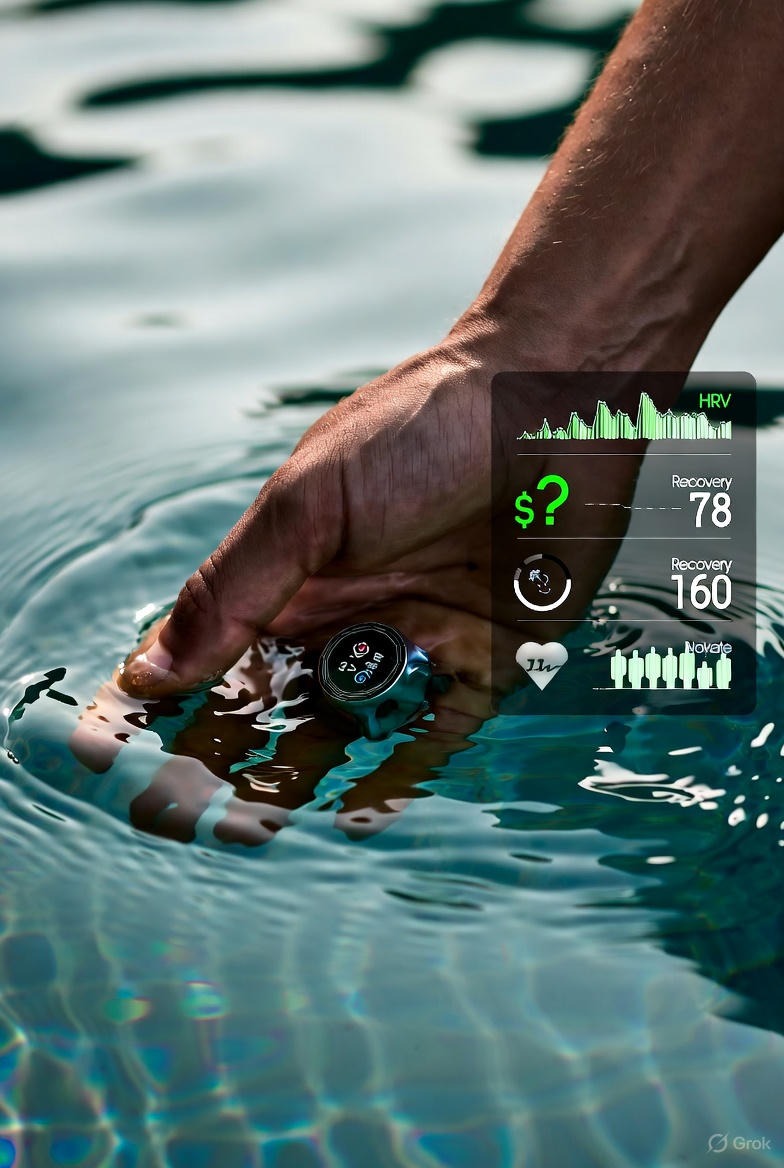
Understanding the theory is one thing; applying it consistently is another. This guide provides a practical, step-by-step framework for integrating the insights from HRV and respiration rate into your lifestyle for tangible, lasting benefits.
Phase 1: Establish Your Baseline (Weeks 1-4)
Phase 2: Identify Your Levers and Patterns (Weeks 5-8)
Phase 3: Experiment and Optimize (Ongoing)
Creating a Supportive Ecosystem:
This iterative process turns you into both the scientist and the subject of your own well-being, creating a powerful, self-reinforcing cycle of awareness and improvement. For any technical questions that arise during this implementation, the Oxyzen FAQ is a dedicated resource for user support.
We have journeyed from the microscopic interplay of neurons and heart cells to the macroscopic implications for performance, mental health, and longevity. The story of HRV and respiration rate is more than a physiological curiosity; it is a cornerstone of a shifting paradigm in how we conceptualize health itself.
From Symptom-Based to System-Based Health
Traditional medicine often operates on a symptom-reduction model: you have high blood pressure, you take a pill to lower it. Monitoring the ANS through HRV and respiration introduces a system-based model. It asks: what is the underlying state of the regulatory system that controls blood pressure, mood, digestion, and immunity? By focusing on the health of the autonomic nervous system—its balance, flexibility, and resilience—we address the root source of myriad symptoms before they crystallize into disease. This is proactive, preventative, and deeply personalized.
The Quantified Self Meets the Qualified Self
The "Quantified Self" movement brought data to every aspect of life. The integration of HRV and respiration bridges this with the "Qualified Self"—the lived, subjective experience. Your data might show low HRV, and your journal might note "feeling irritable and drained." This synergy validates subjective feelings with objective metrics, reducing self-doubt and enabling clearer communication with healthcare providers. It merges the objective and the subjective into a complete picture.
Empowerment Through Self-Knowledge
Ultimately, this knowledge is profoundly empowering. It returns agency to the individual. You are no longer a passive passenger in your body. You can:
This empowerment fosters a deeper, more respectful relationship with your own physiology. You learn to heed its whispers (a slight elevation in resting respiration) so it doesn't have to scream (a panic attack or burnout).
A Call for Compassionate Curiosity
As you move forward with this understanding, the most important tool is not your wearable device, but your attitude. Approach your data with compassionate curiosity, not harsh judgment. The goal is not to achieve a "perfect" score every day—that is neither possible nor desirable. The goal is to understand your body's unique language, to recognize its patterns, and to collaborate with it in the journey toward sustainable well-being.
The connected metrics of HRV and respiration rate offer a timeless truth: your heart and your breath are in constant, wise dialogue. They are the primal rhythm of life itself. By learning to listen to this dialogue, you tap into the most ancient and reliable guide to health you will ever have—the wisdom of your own body.
For those inspired to begin this journey of listening, to explore the technology that makes it possible, and to join a community focused on this deeper understanding of health, the path forward starts with a single step. You can discover how Oxyzen works and begin translating this profound connection into daily insight and action. The conversation between your heart and lungs has been ongoing since your first breath. Now, you have the opportunity to truly understand what it's saying.
Your Trusted Sleep Advocate (Sleep Foundation — https://www.sleepfoundation.org/)
Discover a digital archive of scholarly articles (NIH — https://www.ncbi.nlm.nih.gov/
39 million citations for biomedical literature (PubMed — https://pubmed.ncbi.nlm.nih.gov/)
experts at Harvard Health Publishing covering a variety of health topics — https://www.health.harvard.edu/blog/)
Every life deserves world class care (Cleveland Clinic -
https://my.clevelandclinic.org/health)
Wearable technology and the future of predictive health monitoring. (MIT Technology Review — https://www.technologyreview.com/)
Dedicated to the well-being of all people and guided by science (World Health Organization — https://www.who.int/news-room/)
Psychological science and knowledge to benefit society and improve lives. (APA — https://www.apa.org/monitor/)
Cutting-edge insights on human longevity and peak performance
(Lifespan Research — https://www.lifespan.io/)
Global authority on exercise physiology, sports performance, and human recovery
(American College of Sports Medicine — https://www.acsm.org/)
Neuroscience-driven guidance for better focus, sleep, and mental clarity
(Stanford Human Performance Lab — https://humanperformance.stanford.edu/)
Evidence-based psychology and mind–body wellness resources
(Mayo Clinic — https://www.mayoclinic.org/healthy-lifestyle/)
Data-backed research on emotional wellbeing, stress biology, and resilience
(American Institute of Stress — https://www.stress.org/)


