


Understanding HRV During Illness: How Your Ring Detects Sickness Early
How your ring uses HRV to detect the early signs of illness.
How your ring uses HRV to detect the early signs of illness.
%402x.svg)
It begins with a subtle shift. A low hum of fatigue that you might dismiss as a poor night’s sleep. A vague sense of being “off” your game. While your conscious mind is busy rationalizing—“I’m just stressed,” or “I need more coffee”—a silent, biological alarm is already sounding deep within your body. This early warning system doesn’t broadcast with obvious symptoms like a fever or a cough. Instead, it transmits its signals through the intricate, millisecond-by-millisecond rhythm of your heart. The key to decoding this alert is a metric known as Heart Rate Variability (HRV), and for the first time in human history, wearable technology like the advanced smart ring from Oxyzen is putting this powerful diagnostic tool on your finger, 24/7.
Imagine having a personal health sentinel that whispers a warning 24 to 48 hours before you ever feel the first scratch in your throat or the ache in your muscles. This is not science fiction; it’s the practical application of modern physiology, machine learning, and accessible technology. By continuously tracking the subtle, nuanced changes in your autonomic nervous system via HRV, these sophisticated devices can detect the physiological stress of an impending illness long before your conscious awareness catches up.
For generations, we’ve been reactive with our health. We act only when symptoms become too disruptive to ignore. But what if we could shift to a proactive, predictive model of wellness? Understanding HRV during illness is the cornerstone of this new paradigm. In this comprehensive exploration, we’ll demystify the science behind this vital sign, reveal exactly how your smart ring captures and interprets its delicate signals, and equip you with the knowledge to use this data not just as a curiosity, but as a powerful tool for safeguarding your health. We’ll journey from the fundamental biology of stress and immunity to the cutting-edge algorithms that power early detection, setting the stage for a future where you are truly in tune with your body’s most subtle communications.
To grasp how a ring on your finger can predict sickness, we must first understand the language it’s listening to. Heart Rate Variability, or HRV, is not your heart rate. While your heart rate tells you the number of beats per minute (like 60 BPM), HRV measures the time variation between each successive heartbeat, typically measured in milliseconds. Contrary to what one might assume, a healthy heart does not tick with the monotonous regularity of a metronome. Instead, it dances to a complex, syncopated rhythm orchestrated by the two opposing branches of your autonomic nervous system (ANS): the sympathetic (fight-or-flight) and the parasympathetic (rest-and-digest).
Think of your ANS as the autopilot managing all your body’s unconscious functions—digestion, breathing, and, crucially, heart rate. The sympathetic nervous system is the accelerator, preparing you for action by increasing heart rate and reducing the subtle variability between beats. The parasympathetic nervous system is the brake, promoting recovery and restoration by slowing the heart and, importantly, increasing the variability between beats. HRV is the direct, real-time readout of this ongoing tug-of-war.
A high HRV generally indicates a strong, resilient nervous system. Your body can swiftly adapt to stress and then efficiently return to a calm, restorative state. It’s a sign of good fitness, recovery, and overall adaptability. A low HRV suggests your sympathetic system is dominant—your body is under stress, whether from psychological pressure, physical overtraining, lack of sleep, or, as we will delve into deeply, the early stages of an immune system battle.
Your smart ring, such as the Oxyzen ring, uses photoplethysmography (PPG) sensors—tiny LEDs that shine light into the capillaries in your finger—to detect blood volume changes with each pulse. Sophisticated algorithms then analyze these pulse waveforms to pinpoint the exact moment of each heartbeat, calculating the inter-beat intervals (IBIs) with remarkable precision. This continuous stream of data forms the raw material from which your HRV, and a wealth of other insights, are derived.
This metric is so sensitive that it can be influenced by your breath, a stressful thought, a meal, or a viral invader. It is your body’s most honest communicator, and learning its language is the first step toward predictive health. For a deeper dive into the core technology that makes this possible, you can discover how Oxyzen works on our technology page.
The story of early illness detection is, at its core, the story of your autonomic nervous system mobilizing for war. When a pathogen—a virus or bacterium—breaches your body’s initial defenses, it doesn’t announce itself to you. It announces itself to your immune system. This triggers a complex, systemic inflammatory response, a state biologists call “sickness behavior.”
Your immune cells release signaling proteins called pro-inflammatory cytokines. These cytokines are the alarm bells of your body. Their job is to coordinate a defense, but they also have a profound effect on your brain and nervous system. They communicate with the hypothalamus in your brain, which in turn commands the autonomic nervous system to shift its state. The goal? To create an internal environment that is hostile to the pathogen and conducive to healing. This means increasing body temperature (a fever), promoting sleep, reducing appetite, and, critically, altering cardiovascular function.
Here’s where HRV becomes the canary in the coal mine. The inflammatory cascade directly and indirectly suppresses the activity of the parasympathetic (rest-and-digest) nervous system. It’s as if the body decides, “We are at war; there’s no time for rest and digestion right now,” and pushes hard on the sympathetic accelerator. With the parasympathetic brake lifted and the sympathetic pedal pressed, the fine-grained variability between heartbeats diminishes. HRV drops.
This drop isn’t a random glitch; it’s a purposeful, physiological strategy. The body is redirecting energy and resources toward the immune battle. However, from a monitoring perspective, this dip in HRV is an exceptionally early biomarker. It often occurs during the incubation period of an illness—when the pathogen is replicating but before you’ve developed enough viral or bacterial load to feel classic symptoms like congestion, sore throat, or significant fever.
By tracking HRV trends, your smart ring isn’t detecting the virus itself; it’s detecting your body’s reaction to the virus. It’s eavesdropping on the command center of your defense system as it goes on high alert. This foundational understanding of the ANS as the mediator between infection and measurable physiology is what transforms a simple heart rhythm reading into a powerful predictive health tool.
When discussing HRV, it’s easy to think of it as a single number. In reality, it’s a rich dataset from which several key metrics are extracted, each offering a slightly different window into your nervous system state. Advanced wellness wearables like the Oxyzen ring analyze these metrics to build a more complete and nuanced picture of your health. Understanding these terms will help you interpret your own data more effectively.
RMSSD (Root Mean Square of Successive Differences): This is the gold-standard metric for short-term HRV analysis and is particularly sensitive to parasympathetic (rest-and-digest) nervous system activity. It’s calculated by looking at the differences between consecutive heartbeats. A higher RMSSD typically indicates better recovery and adaptability. When you’re falling ill, the suppression of parasympathetic tone is often clearly reflected in a sharp decline in your RMSSD values.
SDNN (Standard Deviation of NN Intervals): This metric reflects overall HRV over a recording period (often 24 hours for a full picture). It represents the totality of influences on your heart rate, including both sympathetic and parasympathetic inputs, as well as circadian rhythms. A sustained drop in daily SDNN can be a strong indicator of prolonged physiological stress, such as that caused by fighting an infection.
LF/HF Ratio (Low Frequency to High Frequency Ratio): This more advanced metric attempts to quantify the balance between the two branches of the ANS. The interpretation is complex and debated in science, but broadly, a significant shift in this ratio can indicate a change in autonomic balance. During the early stress of illness, this ratio often increases.
HRV Trends and Baselines: Perhaps more important than any single daily number is your personal trend relative to your own baseline. Your wellness ring uses machine learning to establish what “normal” HRV looks like for you—factoring in your age, fitness, and daily patterns. It’s the deviation from this personalized baseline that holds the most predictive power. A 20% drop from your rolling 7-day average RMSSD is a far more significant signal than simply having a “low” score compared to a population average.
Your ring’s companion app synthesizes these metrics into an accessible readiness or recovery score. But behind that simple score lies this complex tapestry of data. By monitoring these parameters continuously—especially during sleep, when external influences are minimized—the device creates a stable, reliable portrait of your autonomic function, making it exquisitely sensitive to the disruptions caused by impending sickness. To see how real users interpret this data in their daily lives, you can explore authentic real customer reviews and experiences.
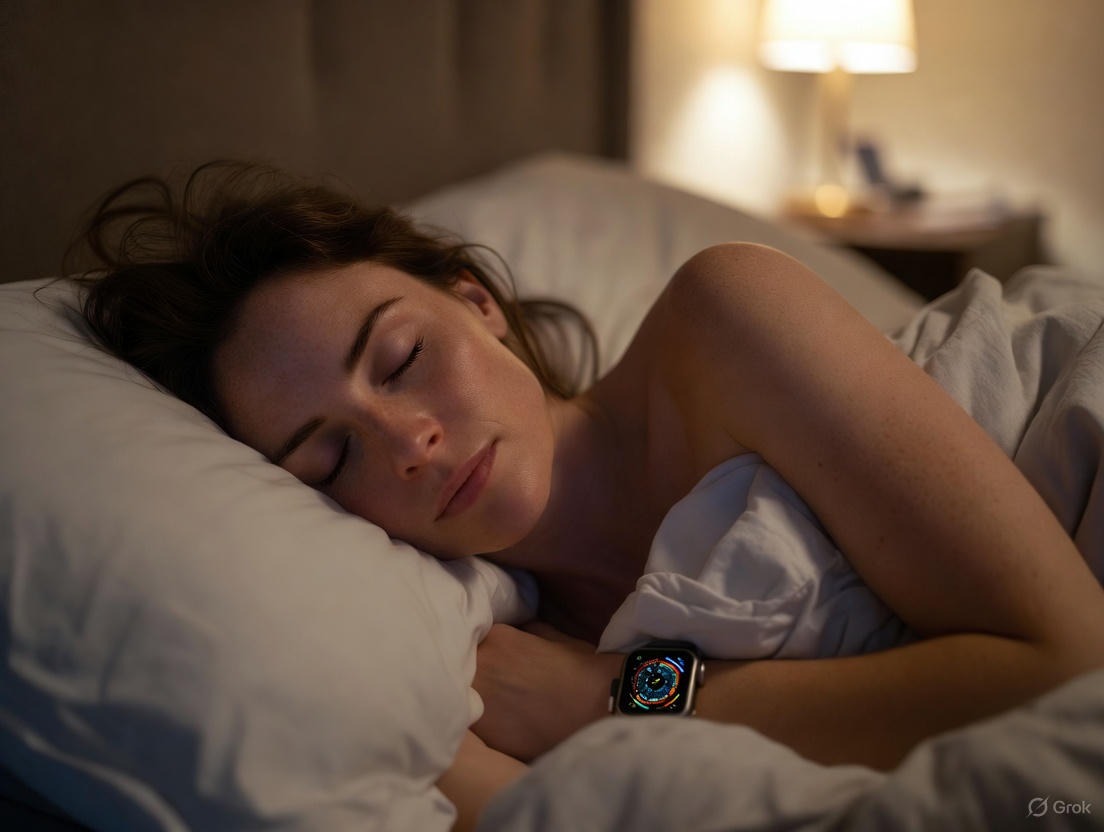
The true power of HRV monitoring shines during the incubation period—the silent, symptom-free gap between exposure to a pathogen and the onset of noticeable illness. For many common viruses like rhinovirus (the common cold) or influenza, this period can last from 24 to 72 hours. This is the window of opportunity for early intervention.
During incubation, the pathogen is actively replicating within your cells. Your innate immune system has detected the invader and is mounting its initial, non-specific defense. As described earlier, this triggers the inflammatory response and the consequent ANS shift. While this internal battle is raging, you may feel perfectly fine, or perhaps experience only the vaguest hint of malaise. A traditional thermometer shows no fever. You are, by all standard measures, healthy.
However, your HRV data tells a different story. In countless user reports and a growing body of research, a distinct pattern emerges:
This predictable dip-and-recovery pattern is the smoking gun. It provides a tangible, data-driven early warning. The practical implication is profound: if you receive an alert from your wellness ring indicating a significant dip in your readiness score or HRV, you are potentially in that critical incubation window. This is not a diagnosis, but a high-fidelity physiological suggestion that your body is under unusual stress and may be fighting something.
Armed with this knowledge, you can choose to act proactively. You might prioritize extra sleep, hydrate meticulously, reduce intense exercise, boost nutrition, and manage stress—all actions that support immune function. This early reinforcement can potentially lessen the severity of the illness, shorten its duration, or, in some cases, help your immune system quash the threat before it ever manifests into full-blown symptoms. This shift from reactive to proactive is at the heart of the mission behind our technology, which you can learn more about in our company's vision.
A critical question arises: if low HRV indicates stress on the autonomic nervous system, how can you tell if that stress is from an impending cold versus a hard workout, a bad night of sleep, or a stressful work deadline? You are correct—HRV is a non-specific biomarker. It signals “something is up,” but not precisely what. This is where context, longitudinal data, and smart algorithm design become paramount.
The Signature of Different Stressors:
How Your Smart Ring Adds Context:
Modern devices don’t rely on HRV in isolation. They use sensor fusion, correlating your HRV data with other metrics your ring collects:
By weaving together these data threads, the ring’s algorithm assigns a probability to the “illness” hypothesis versus other stressors. The alert you receive isn’t based on a single number, but on a holistic analysis of your unique physiological pattern. For answers to common questions about how these features work in practice, our comprehensive FAQ and support page is an excellent resource.
Let’s make this concrete with a fictional, but data-accurate, case study. Meet Alex, a 35-year-old professional who wears an Oxyzen smart ring. Alex’s baseline overnight RMSSD (his primary HRV metric) averages around 55ms, with a normal range between 45ms and 65ms.
The Takeaway: Alex received a physiological warning (the persistent, unexplained HRV drop) roughly 36 hours before clear symptoms appeared. This early notice allowed him to modify his behavior proactively at the critical time when his immune system was mounting its most important initial defense. This likely contributed to a less severe illness and a controlled recovery, preventing the common cycle of “pushing through” and making himself sicker.
The magic of early detection doesn’t happen by accident. It’s the result of a sophisticated technological pipeline embedded within a device designed for 24/7 wearability. Let’s follow the data journey from your finger to an actionable insight.
1. Sensing: Photoplethysmography (PPG)
At the core of the ring are miniature LED lights and optical sensors. When you wear the ring, these LEDs emit light (typically green light, optimal for detecting blood flow) into the skin and capillaries of your finger. The sensor measures the amount of light reflected back. With each heartbeat, a pulse of blood surges through your capillaries, changing how much light is absorbed. This creates a waveform—a plethysmogram—that mirrors your pulse. The ring samples this data hundreds of times per second to capture its precise shape.
2. Signal Processing: Finding the Beat
Raw PPG data is messy. It contains noise from motion (hand movements), ambient light, and other artifacts. Powerful signal processing algorithms first clean this data, isolating the true cardiac signal. Then, they identify the peak of each pulse wave—the moment of maximum blood volume, which corresponds to a heartbeat. The time between these peaks is an Inter-Beat Interval (IBI). Calculating hundreds of these IBIs throughout the night or day provides the fundamental dataset for HRV analysis.
3. HRV Calculation and Fusion
On-device or in the paired smartphone app, specialized algorithms calculate the key HRV metrics (RMSSD, SDNN, etc.) from the IBI series. Crucially, this HRV data is not viewed in a vacuum. It’s instantly fused with other sensor data being collected simultaneously: the ring-derived resting heart rate, respiratory rate (often extracted from the subtle modulation of the PPG signal), and skin temperature. This multi-parameter approach drastically improves the specificity of the analysis.
4. Personalization and Baselining
When you first start using the ring, it enters a learning phase (often 1-2 weeks). During this time, it observes your natural rhythms—your HRV during sleep, your typical RHR, how you respond to exercise and alcohol. It builds a personalized, dynamic baseline model for you. All future data is interpreted in the context of this model. Is today’s HRV low for Alex? This personalization is what makes the data meaningful and prevents false alarms based on generic population averages.
5. Algorithmic Insight and Alerting
Finally, machine learning models trained on vast anonymized datasets of user physiology (including periods of reported illness) analyze your multi-parameter data stream against your personal baseline. They look for the complex, non-linear patterns historically associated with immune response onset. When the probability of such an event crosses a certain confidence threshold, the system generates a user-friendly alert—a lowered “Readiness Score” with contextual notes. This entire intricate process, from light in your capillaries to an insight on your phone, happens automatically, silently empowering you with knowledge. To explore more about the science and research behind this technology, our blog features numerous related articles and deep dives.
As powerful as this technology is, it is essential to approach it with informed realism. A smart ring is a phenomenal wellness tool, not a medical device. Setting appropriate expectations is key to using it effectively and avoiding unnecessary anxiety.
What HRV Monitoring CAN Do:
What HRV Monitoring CANNOT Do:
The Golden Rule: Use the data as a guide, not a gospel. Let it inform your self-awareness and encourage healthier choices, but always couple it with common sense and listening to your own body. The goal is to create a partnership between your subjective feelings and objective data. This balanced, informed perspective is central to our philosophy, which you can read more about in our company's mission and values.
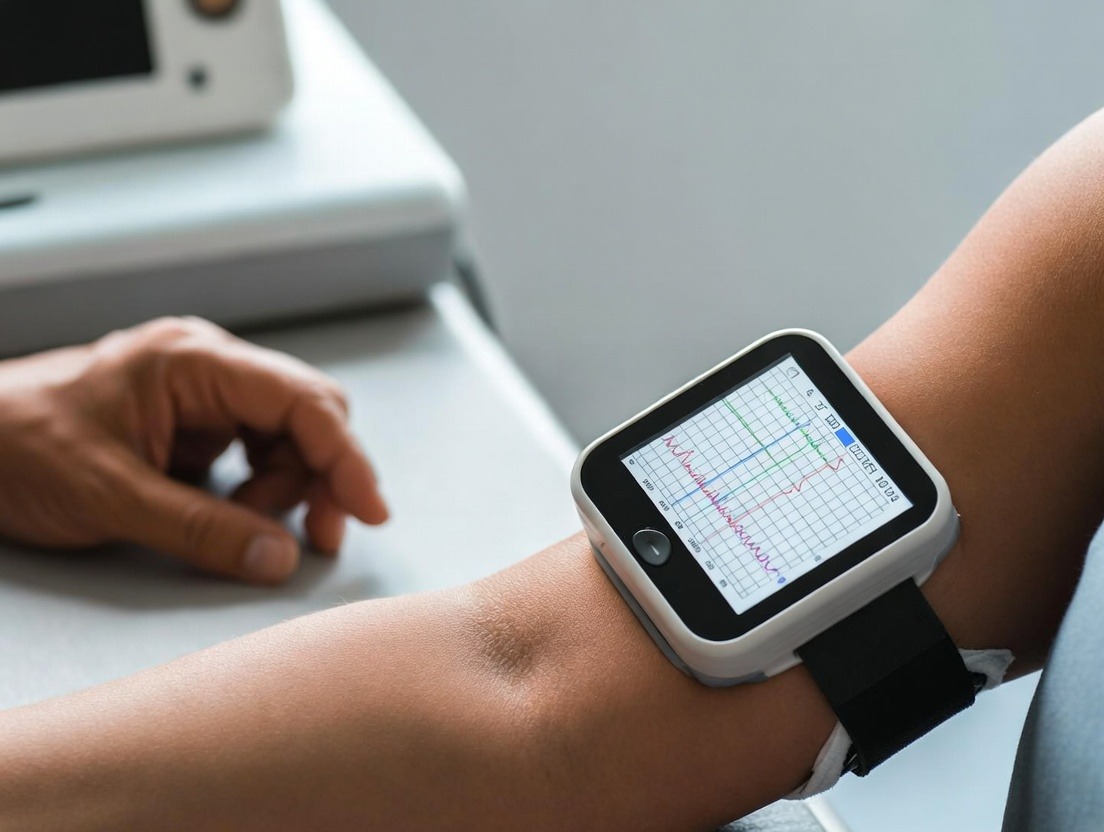
Data without action is merely trivia. The true value of understanding your HRV during illness lies in building a personalized, proactive health protocol. Here’s how to transform those early warnings into tangible health-preserving actions.
1. Establish Your Baseline Calmly:
Don’t obsess over daily numbers during the first few weeks. Let the ring learn your patterns. Use this time to observe what “normal” looks for you without judgment.
2. Create Your “Under the Weather” Action Plan:
When you get a “Low Readiness” alert or see a significant, unexplained dip in your HRV trends, have a pre-defined plan. This removes decision fatigue when you might not be feeling your best. Your plan might include:
3. Respect the Recovery Phase:
Just as the drop comes before symptoms, the rise back to baseline often lags behind feeling better. Use your HRV and RHR data to guide your return to full activity. Just because you feel okay on Thursday doesn’t mean your nervous system has finished its repair work. A gradual return to exercise, guided by a “Good” or “Optimal” readiness score, can prevent relapse and long-term fatigue.
4. Correlate and Learn:
Keep brief notes in your app (if the feature exists) or in a journal. Note when you feel social stress, have a poor diet day, or are exposed to sick people. Over time, you’ll learn to distinguish the “signature” of different stressors in your own data, making you an expert on your own body.
By adopting this protocol, you move from being a passive patient to an active health custodian. Your smart ring becomes the dashboard, but you are the driver, making informed decisions to navigate toward wellness. For continued learning and to stay updated on best practices for using wellness technology, we invite you to explore our blog for more expert wellness tips and research.
To truly harness the predictive power of HRV, we must look to the night. Sleep is not merely a period of rest; it is the primary time for autonomic nervous system recalibration and immune system fortification. During deep, restorative sleep, parasympathetic (rest-and-digest) activity dominates, which should be reflected in higher, more variable HRV. This makes overnight HRV tracking the gold standard for establishing a clean, reliable baseline, free from the noise of daily movement, food intake, and conscious stress.
When illness begins its covert assault, it disrupts this sacred restorative process. The inflammatory cytokines interfering with your nervous system don’t clock out when you go to bed. Consequently, one of the earliest and most telling signs of impending sickness is a disruption in your nocturnal HRV pattern. Your body, even in its state of attempted rest, remains on high alert.
Key Overnight Patterns to Decode:
Your smart ring, like the Oxyzen, leverages this pristine overnight data window. By analyzing hours of uninterrupted, motion-minimized data, it can detect these subtle shifts with far greater sensitivity than spot checks during the day. The "Readiness Score" you see in the morning is predominantly a reflection of this nocturnal autonomic balance. A low score suggests your body spent the night in a state of defensive work rather than restorative repair.
Therefore, prioritizing and protecting sleep isn't just good general advice; it's a critical diagnostic and intervention strategy. High-quality sleep provides the clearest HRV signal and is also the most powerful tool you have to support your immune system once an early warning is detected. Going to bed early when your data suggests trouble is arguably the single most effective action you can take.
We've established that illness causes a drop in HRV via the autonomic nervous system. But to fully appreciate this chain of events, we need to examine the central player in detail: inflammation. Acute inflammation is the body's fundamental, non-specific response to tissue damage or pathogens. It's a complex cascade designed to isolate, destroy, and repair.
When a virus enters your respiratory tract, for example, local immune cells called macrophages engulf the invaders and release those critical signaling molecules: pro-inflammatory cytokines (e.g., IL-1, IL-6, TNF-α). These cytokines are the alarm bells. They do three key things relevant to our story:
This vagal interaction is the direct biological bridge. The vagus nerve has receptors for these inflammatory cytokines. When cytokine levels rise, they stimulate these receptors, sending a signal to the brain that ultimately results in a withdrawal of vagal (parasympathetic) tone. It's a feedback loop: inflammation suppresses the calming vagal influence, which in turn may allow inflammatory processes to proceed less restrained (as the vagus nerve also has anti-inflammatory effects).
This is why HRV, as a measure of vagal tone and autonomic balance, is such a sensitive proxy for systemic inflammation. You're not measuring the cytokines in your blood with a ring; you're measuring their powerful downstream effect on your nervous system. A significant, unexplained dip in HRV, especially RMSSD (which is heavily vagally mediated), is a strong indirect indicator of elevated inflammatory activity.
This connection also explains why other inflammatory events—a particularly tough workout causing muscle damage (local inflammation), a poor diet, or even chronic stress—can also lower HRV. The ring detects the "inflammatory load" on your system. Distinguishing between the inflammation of muscle repair and the inflammation of an infection again comes down to context: Did you just deadlift your personal best, or did this dip arrive out of the blue?
Understanding this bridge demystifies the data. It moves us from "my number is low" to "my body is likely mounting a significant inflammatory response." This framework empowers you to choose anti-inflammatory supportive actions—quality sleep, hydration, phytonutrient-rich foods, stress reduction—with greater conviction. For more on how to build a lifestyle that supports robust health and a resilient nervous system, our blog features detailed guides on nutrition and recovery.
One of the most important, and often overlooked, principles in HRV analysis is profound individual variability. Two people exposed to the same virus, wearing the same model of smart ring, may have quantitatively different HRV responses. This is not a flaw in the technology; it's a reflection of human biological diversity. Your personal HRV signature is influenced by a constellation of factors.
Key Determinants of Individual HRV Response:
The Critical Importance of a Personal Baseline:
This variability is precisely why population norms are almost useless for HRV-guided health. A "good" HRV score for one person might be a sign of concerning stress for another. This is the genius of modern wearable algorithms: they are designed for intra-individual analysis (comparing you to yourself) rather than inter-individual analysis (comparing you to others).
Your ring’s algorithm spends its first weeks learning your unique rhythm—what your HRV looks like on a good night's sleep, after a glass of wine, following a long run. It builds a dynamic, rolling baseline (often a 3-4 week window). All alerts and insights are generated based on deviations from your normal. A 30% drop from your personal baseline is a major event, regardless of whether your baseline is 40ms or 100ms.
This personalization also means you must be patient. The first month of wearing a smart ring is a learning phase for both the device and for you. Avoid the temptation to over-analyze daily numbers. Instead, focus on observing the patterns that emerge in your own life. This journey of self-discovery is at the core of what makes this technology transformative. You can read our founding story to learn more about why we built a product centered on this personal, nuanced understanding of health.
Receiving a low readiness alert or observing a sustained HRV downturn can be unsettling. The key is to move from worry to a structured, rational response. Think of it as your body’s "check engine" light coming on. You don’t panic; you consult the manual and take sensible steps. Here is a tiered, actionable protocol for responding to early warning data.
Step 1: The Contextual Triage (5-Minute Assessment)
First, don't assume it's illness. Quickly audit the obvious:
If you find a clear, proximate cause, note it, prioritize recovery, and observe if your metrics normalize within 1-2 days. The cause may be obvious, but the data quantifies its impact.
Step 2: The Proactive Support Protocol (When Cause is Unexplained)
If no clear culprit emerges, it’s time to enact your "Under the Weather" plan. This is a non-pharmaceutical, supportive strategy aimed at giving your immune system every advantage.
Step 3: Social and Environmental Considerations
Step 4: Monitoring and Escalation
By having this protocol in place, you transform anxiety into agency. The data becomes a cue for empowered, health-supporting action rather than a source of fear.
While the classic model is an acute infection like a cold, the relationship between HRV and the autonomic nervous system means this metric can provide insights into a wider spectrum of health challenges. The common thread is physiological stress and inflammation.
Allergic Reactions and Histamine Response: Significant seasonal allergies or food intolerances can trigger an inflammatory and histaminergic response that stresses the body. It’s not uncommon for individuals to see a dip in HRV during high-pollen days or after exposure to a food allergen, often accompanied by a rise in RHR. The pattern can mimic a mild illness.
Post-Vaccination Immune Response: Vaccines work by stimulating a controlled immune response. It is entirely normal and expected to see a dip in HRV and a rise in RHR for 24-48 hours following certain vaccinations (like the flu shot or COVID-19 booster). This is a positive sign that your immune system is actively building protection. Monitoring this can reassure you that the response is typical and guide you to rest appropriately.
Dental Procedures or Minor Surgeries: Any event that causes tissue trauma, even minor like a dental cleaning or a small surgical procedure, creates local inflammation and systemic stress. Your HRV will often reflect this, giving you an objective measure of the physiological cost of the procedure and a guide for your recovery timeline.
Mental Health and Burnout: Chronic stress, anxiety, and depressive episodes are strongly associated with suppressed HRV, as the sympathetic nervous system remains engaged. A sustained, unexplained low HRV trend over weeks or months, without an acute illness, can be an objective biomarker pointing to mental or emotional overload, often preceding full-blown burnout. This makes HRV a valuable tool for mental wellness, signaling the need for intervention before a crisis point.
Chronic Inflammatory Conditions: For individuals with autoimmune or chronic inflammatory conditions (e.g., rheumatoid arthritis, IBD), HRV can act as a sensitive barometer of subclinical flare-ups. A downward trend may indicate increasing inflammatory activity before pain or other classic symptoms become severe, allowing for earlier lifestyle or therapeutic adjustments.
In all these cases, the pattern recognition is key. Does the dip follow a specific event (vaccine, surgery)? Is it seasonal (allergies)? Or is it chronic and unexplained (pointing to sustained stress or a underlying condition)? This broader view positions HRV not just as a sickness detector, but as a holistic dashboard for total load—the sum of all physical, immune, and psychological stresses on your system. Understanding this full spectrum is part of our commitment to holistic wellness, a topic we explore frequently on our blog for further reading.

We are standing at the frontier of a revolution in personalized health. The current technology, which provides personalized baselines and alerts for acute deviations, is just the beginning. The future lies in the convergence of longitudinal data, artificial intelligence, and large-scale population health insights.
Hyper-Personalized Predictive Modeling:
Future algorithms will move beyond detecting an event in progress to forecasting susceptibility. By analyzing months or years of your data across seasons, life events, and multiple illness cycles, AI could identify your personal "pre-illness" pattern—perhaps a specific sequence of sleep disruption, a slight RHR creep, and then the HRV drop. It could then alert you during this pre-cursor phase, suggesting that based on your historical data, you have a 70% likelihood of developing symptoms in 48 hours if you don't intervene. This shifts the paradigm from early detection to genuine prevention.
Pathogen-Specific Pattern Recognition (The Holy Grail):
While today's HRV dip is non-specific, research is ongoing into whether different pathogens create subtly different autonomic or inflammatory signatures. Could the HRV/RHR/respiratory rate pattern of influenza be algorithmically distinguished from that of a rhinovirus or a bacterial sinus infection? With enough anonymized, user-reported outcome data, machine learning models may one day be able to suggest the type of illness with reasonable probability, guiding more specific early actions.
Integration with Digital Ecosystems:
Your ring's data will not live in isolation. Future platforms will seamlessly integrate this physiological stream with other digital health data: calendar stress (meeting density), environmental data (local pollen or virus prevalence), and even anonymized, aggregated data from your community. An alert could say: "Your HRV shows elevated stress. Notably, influenza cases are spiking in your ZIP code. Consider boosting rest and immune support."
Contributing to Public Health:
With user consent, anonymized, aggregated data from millions of wearable devices could form the most sensitive, real-time disease surveillance network ever conceived. Imagine health authorities detecting an unusual cluster of "physiological stress events" in a city days before people start showing up at clinics, enabling faster, more targeted public health responses.
This future is being built today by companies dedicated to this vision. The core philosophy is one of partnership and empowerment: giving individuals deep insight into their own biology while contributing, anonymously and ethically, to the collective understanding of human health. It’s a future where technology helps us listen to our bodies' whispers, so we never have to hear their screams. To see how we are working towards this future, you can learn more about Oxyzen's mission and long-term vision.
We have journeyed from the fundamental biology of the heartbeat to the speculative frontier of AI-driven health prediction. The throughline is empowerment. Understanding HRV during illness transforms you from a passive recipient of symptoms into an active, informed participant in your own well-being.
The smart ring on your finger is more than a piece of technology; it is a translator. It interprets the ancient, complex language of your autonomic nervous system—a language of milliseconds and variability—into a modern, actionable dashboard. It tells the story of the silent battle waged by your immune system, the story of stress and recovery, of inflammation and repair.
The key lessons from this deep dive are:
Embracing this knowledge does not mean living in fear of a low number. It means cultivating a profound sense of body literacy. It’s about recognizing that the faint signal of a dropping HRV is your body’s way of asking for help, long before it’s forced to shout with debilitating symptoms.
This is the new era of wellness: predictive, personalized, and participatory. By listening to the subtle rhythms of your heart, you gain the power to act not out of desperation, but from a place of informed care. You become the true expert of your own body, equipped with the data and understanding to navigate your health with unprecedented foresight and confidence.
As you continue to explore this relationship between your physiology and your wearable technology, remember that the community and resources behind the product are part of your toolkit. For ongoing support, user stories, and answers to technical questions, our comprehensive FAQ and support hub is always available. And to see how this understanding changes real lives, we invite you to read the testimonials and experiences of others on the same journey.
Theoretical knowledge is solidified through real-world application. To truly appreciate the nuances of HRV during illness, let’s examine detailed, composite case studies across different demographics. These narratives illustrate how the same core physiological signal—a dip in autonomic balance—manifests and is interpreted within varied lives.
Case Study 1: The Endurance Athlete (Maria, 29)
Case Study 2: The Executive Under Pressure (David, 47)
Case Study 3: The New Parent (Sofia, 33)
These cases underscore that interpreting HRV is a personal art informed by science. The ring provides the objective signal, but the user’s awareness of their own unique context—their normal stress patterns, recovery capacity, and life demands—turns that signal into wisdom. For more diverse stories of how individuals use this data, our collection of real customer reviews and experiences offers powerful insights.
Your HRV is not a fate to which you are subject; it is a dynamic reflection of your daily choices. While illness can cause a dip, specific lifestyle interventions can proactively raise your baseline HRV, strengthening your autonomic resilience and potentially making you less susceptible to pathogens, or better equipped to fight them off quickly. This is the proactive side of the equation.
Nutrition: Fueling the Vagus Nerve
What you eat directly impacts inflammation and, by extension, autonomic function.
Exercise: The Delicate Dance of Stress and Adaptation
Physical activity is the prime example of hormesis—a beneficial stress that leads to adaptation.
Mindfulness and Breathwork: Direct ANS Hack
Conscious practices can directly influence the autonomic nervous system, often with immediate, measurable effects on HRV.
By strategically employing these interventions, you don’t just wait for a low HRV alert; you build a fortress of resilience. A higher, more stable baseline HRV means your body has a greater buffer—a wider range of adaptability—before a stressor like an infection pushes you into a danger zone. This is the essence of true wellness: not the absence of challenge, but the capacity to meet it with strength and recover with speed. We explore these lifestyle connections in depth on our blog, with actionable guides and tips.

The connection between HRV and illness isn’t speculative; it’s supported by decades of clinical research, now being validated and extended by wearable technology studies. Here’s a look at some of the foundational and contemporary science that forms the evidence base for this application.
Foundational Clinical Research:
Wearable Validation and Population Studies:
Mechanistic Insights from Recent Papers:
Critical Nuances from the Literature:
The science also cautions against over-simplification:
This robust and growing body of evidence validates the core premise: the autonomic nervous system provides an early, measurable warning of physiological distress, including infection. Smart rings and other wearables are democratizing access to this biomarker, turning esoteric clinical research into daily, actionable personal health intelligence. For those interested in the rigorous science behind our approach, you can discover how Oxyzen works with research-backed algorithms.
While the smart ring provides a continuous, non-invasive stream of autonomic data, it exists within a broader ecosystem of health assessment. Correlating HRV trends with other biomarkers can create a multidimensional and deeply insightful picture of your health, especially when investigating recurring issues or chronic low HRV.
Blood Biomarkers & Inflammation:
Heart Health Diagnostics:
Stress and Hormonal Panels:
Gut Health & Microbiome Analysis:
Creating Your Integrated Health Dashboard:
The most empowered approach is to use your ring’s HRV as your continuous guide and screening tool. A persistent, unexplained low trend can be the prompt to dig deeper with discrete tests (blood, saliva, stool). For example:
*Your Oura Ring shows a 6-week downward trend in HRV despite good sleep and manageable stress. You get blood work showing elevated hs-CRP and low Vitamin D. You begin a targeted anti-inflammatory protocol and Vitamin D supplementation. Over the next 8 weeks, you watch your HRV trend upward on your ring's app, objectively confirming the effectiveness of your intervention.*
This synergy between continuous wearable data and periodic clinical testing represents the future of precision health. It allows for earlier detection of subclinical issues and provides real-time feedback on the efficacy of treatments and lifestyle changes. For questions on how to approach correlating data from different sources, our FAQ and support page offers guidance.
As HRV enters the mainstream wellness conversation, misunderstandings inevitably arise. Clarifying these myths is essential for using the data effectively and avoiding unnecessary anxiety or misguided actions.
Myth 1: A Low HRV Score Means I Am Definitely Getting Sick.
Myth 2: A High HRV Means I Am Invincible and Cannot Get Sick.
Myth 3: I Should Chase a Higher HRV Number at All Costs.
Myth 4: The Daily Readiness Score from My Ring is an Absolute Command.
Myth 5: All HRV Dips During Illness Look the Same.
Myth 6: HRV Monitoring is Only for Elite Athletes or Biohackers.
Myth 7: If I Feel Sick But My HRV is High, I'm Imagining It.
By dispelling these myths, you can approach your HRV data with a balanced, intelligent perspective. It becomes a powerful companion in your health journey—informative but not dictatorial, revealing but not absolute. This balanced philosophy is woven into the fabric of our brand, as you can see in our story and the values that guide us.
Even with a perfect understanding of the theory, you will encounter ambiguous days. Your readiness score is middling, your HRV graph is noisy, and no clear story emerges. Here’s a systematic guide to troubleshooting your data when the signal is murky.
Step 1: Verify Data Quality.
Before interpreting anything, ensure the data is valid.
Step 2: Audit the "Big Four" Lifestyle Influencers.
Systematically check the primary factors that dominate HRV:
Step 3: Look for Cumulative Load.
Sometimes, the cause isn't one big thing but the sum of many small things. A week of mild sleep deprivation, combined with moderate training, suboptimal hydration, and work pressure, can push your system into a stressed state without a single glaring culprit. Look at your weekly trend, not just the daily number.
Step 4: Consider Physiological Cycles (For Women).
For women of reproductive age, the menstrual cycle is a major, predictable modulator of HRV and RHR. HRV is typically highest during the follicular phase (post-period, leading up to ovulation) and lowest in the late luteal phase (pre-menstruation). A low HRV reading that aligns with this phase may be cyclical, not pathogenic. Tracking your cycle alongside your HRV is essential for accurate interpretation.
Step 5: Embrace the "Inconclusive" Outcome.
It is perfectly acceptable—and common—to not find a clear reason for a given data point. Human physiology is complex. There may be factors you're not aware of (a subclinical reaction to a food, an unknown environmental allergen, a very early pathogen your body is quietly handling). In these cases, adopt a neutral stance. Don't force an explanation. Simply observe the trend over the next 24-48 hours. Does it rebound quickly (suggesting a minor, transient stressor)? Or does it continue to trend down (suggesting a mounting issue requiring attention)?
The Principle of Aggregated Trends:
One day of low HRV is a data point. Three days of a sustained downward trend is a signal. When troubleshooting, shift your focus from the single disappointing score to the direction and consistency of the line on your weekly graph. The trend reveals the truth that a single day can obscure.
By developing a calm, systematic troubleshooting routine, you prevent data anxiety and become a more sophisticated user of your own biological information. This journey of becoming your own health detective is part of the profound value these devices provide. For more practical tips on getting the most accurate data and interpreting daily fluctuations, our comprehensive FAQ is an excellent resource.
The ultimate value of a smart ring may not be in its daily alerts, but in the rich, long-term health narrative it helps you write. A single HRV dip tells a short story of stress. A year’s worth of data, interwoven with lifestyle logs and life events, tells the epic of your body’s journey through time—its challenges, its resilience, and its unique patterns.
Identifying Your Personal Risk Windows:
Over time, you may discover you are predictably vulnerable at certain times. For example:
Armed with this historical knowledge, you can pre-emptively bolster your defenses during these known risk windows.
Quantifying the Impact of Lifestyle Changes:
Did switching to a Mediterranean diet actually help? Did that new meditation app make a difference? Longitudinal HRV data provides objective proof.
Creating a Shared Language with Healthcare Providers:
Walking into a doctor’s office with a graph showing a 6-month trend of declining HRV, correlated with your notes on rising fatigue, is far more powerful than saying "I'm tired." It provides objective, longitudinal data that can guide more targeted testing and treatment. It shifts the conversation from subjective complaints to observable physiological trends.
The Legacy of Your Data:
This multi-year dataset becomes a personal health benchmark. As you age, you can see how your baseline naturally changes, and you can observe how your recovery from events (illness, surgery, stress) evolves. This self-knowledge is priceless, fostering a deep, intuitive connection to your body's needs that transcends technology.
In this long view, the smart ring is not a judge, but a scribe. It faithfully records the story of your life as told by your heart. The dips and peaks are not just numbers; they are chapters—the chapter of that fantastic vacation, the chapter of that difficult loss, the chapter of your new training regimen, the chapter where you beat a bug in two days because you saw it coming. This narrative power turns health tracking from a task into a journey of self-discovery. To see how others are writing their own health stories, explore the real customer reviews and experiences shared by our community.
Your Trusted Sleep Advocate (Sleep Foundation — https://www.sleepfoundation.org/)
Discover a digital archive of scholarly articles (NIH — https://www.ncbi.nlm.nih.gov/
39 million citations for biomedical literature (PubMed — https://pubmed.ncbi.nlm.nih.gov/)
experts at Harvard Health Publishing covering a variety of health topics — https://www.health.harvard.edu/blog/)
Every life deserves world class care (Cleveland Clinic -
https://my.clevelandclinic.org/health)
Wearable technology and the future of predictive health monitoring. (MIT Technology Review — https://www.technologyreview.com/)
Dedicated to the well-being of all people and guided by science (World Health Organization — https://www.who.int/news-room/)
Psychological science and knowledge to benefit society and improve lives. (APA — https://www.apa.org/monitor/)
Cutting-edge insights on human longevity and peak performance
(Lifespan Research — https://www.lifespan.io/)
Global authority on exercise physiology, sports performance, and human recovery
(American College of Sports Medicine — https://www.acsm.org/)
Neuroscience-driven guidance for better focus, sleep, and mental clarity
(Stanford Human Performance Lab — https://humanperformance.stanford.edu/)
Evidence-based psychology and mind–body wellness resources
(Mayo Clinic — https://www.mayoclinic.org/healthy-lifestyle/)
Data-backed research on emotional wellbeing, stress biology, and resilience
(American Institute of Stress — https://www.stress.org/)


