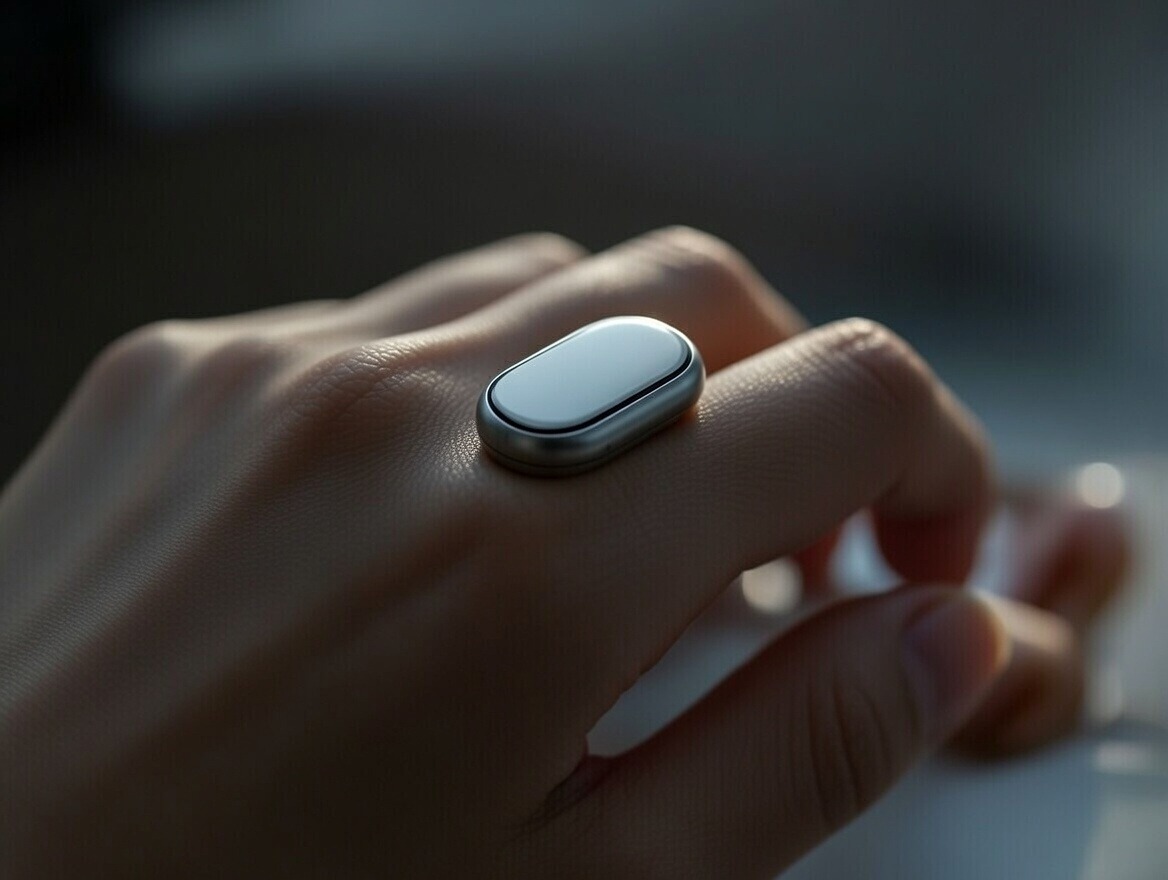
Understanding HRV Zones: Optimal, Moderate, and Low Readiness
Understanding HRV zones: optimal, moderate, and low readiness levels.
Your HRV, Decoded: A Guide to Navigating Your Daily Readiness
For centuries, the steady rhythm of the heart has been a symbol of life itself. But only now, with a sleek, unassuming piece of technology on your finger, can you truly listen to its nuanced language. This isn't about counting beats per minute. It’s about deciphering the microscopic spaces between them—a metric known as Heart Rate Variability (HRV). Think of it not as a simple drumbeat, but as a masterful jazz improvisation. A rigid, monotonous rhythm signals a stressed, fatigued system. A rich, complex, and adaptable variation signifies resilience, balance, and readiness.
This is the paradigm shift brought to your fingertips by advanced wellness wearables like the Oxyzen smart ring. No longer is "feeling tired" a vague guess. Your nervous system is giving you a precise, data-driven report card every single morning. But what does that number mean? Seeing an HRV of 55 ms is one thing. Understanding whether that places you in a state of peak performance, balanced maintenance, or critical need for recovery is everything.
Welcome to the art and science of HRV zones. In this comprehensive guide, we will move beyond the single data point and into the actionable framework of Optimal, Moderate, and Low Readiness. This is your personalized map, translating raw biometrics into a daily game plan for your health, performance, and well-being. Whether you’re an elite athlete fine-tuning your training load, a busy professional managing stress, or simply someone seeking a deeper connection to your body’s signals, mastering your HRV zones is the ultimate tool for modern, intentional living. Discover how Oxyzen works to bring this level of insight to your daily routine.
What is HRV? The Symphony of Your Nervous System
To appreciate HRV zones, we must first understand the conductor behind the music: your autonomic nervous system (ANS). This is the unconscious control center regulating everything from your digestion and breath to your stress response and recovery. The ANS has two primary branches engaged in a constant, dynamic dance:
The Sympathetic Nervous System (SNS): Your "gas pedal" or "fight-or-flight" system. It mobilizes energy, increases heart rate, and sharpens focus in response to demands, stress, or excitement.
The Parasympathetic Nervous System (PNS): Your "brake pedal" or "rest-and-digest" system. It promotes recovery, digestion, healing, and energy storage.
HRV is the direct, non-invasive window into this dance. It measures the millisecond variations in the time intervals between consecutive heartbeats (known as R-R intervals). A higher HRV generally indicates a strong, responsive parasympathetic influence and a nervous system that can adapt fluidly to challenges—it can press the gas when needed and confidently apply the brakes afterward. A lower HRV often suggests a dominant sympathetic tone, where the system is stuck in a state of high alert, lacking the flexibility to shift into recovery.
Crucially, HRV is highly individual. Comparing your HRV to someone else’s is meaningless. A marathon runner might have a baseline of 80ms, while a healthy, fit individual might have a baseline of 40ms. What matters is the trend relative to your own personal baseline. This is why consistent tracking with a precise device like a smart ring is revolutionary—it learns your normal so it can identify your deviations.
Think of it this way: Your average resting heart rate is like checking the engine’s idle speed. HRV is like running a full diagnostic scan, assessing the entire system’s electrical health and adaptability. It’s influenced by a vast array of factors:
Physical: Sleep quality, training load, nutrition, hydration, illness
Mental & Emotional: Acute and chronic stress, anxiety, focus
Environmental: Time of day, circadian rhythm, alcohol consumption, room temperature
By tracking HRV, you’re no longer guessing about your internal state. You are receiving a daily, objective readout of your system’s readiness to perform, adapt, and thrive. It’s the foundational biomarker that makes the concept of readiness zones not just theoretical, but personally actionable. For a deeper dive into the science of biomarkers, explore our blog for more wellness tips and research breakdowns.
Beyond the Number: Why HRV Zones Are Your Actionable Framework
A single HRV reading can be informative, but without context, it’s just a point on a graph. Is today’s dip a sign of productive adaptation from yesterday’s hard workout, or a warning sign of impending illness? This is where the zone framework transforms data into wisdom.
HRV zones—typically categorized as Optimal (High Readiness), Moderate, and Low Readiness—take your individual baseline and create a dynamic, personalized bandwidth for interpretation. Instead of asking "Is my HRV good or bad?" you learn to ask "What zone am I in today, and what does my system need?"
This framework acknowledges a critical truth: Not all stress is bad. The stress of a challenging workout, an engaging project, or a social event is eustress—positive stress that leads to growth and adaptation. Your body responds to this stress, your HRV may dip temporarily, and then, given proper recovery, it rebounds to a higher level (a process called supercompensation). The problem arises when we accumulate too much stress—physical, mental, or emotional—without sufficient recovery. This distress leads to a sustained drop in HRV and a prolonged stay in lower readiness zones.
Here’s how the zone system changes your decision-making:
From Reactive to Proactive: Instead of pushing until you crash (overtraining, burnout), you can adjust in anticipation based on your morning readiness score.
From Generic to Personalized: A generic training plan might say "run 5 miles today." Your HRV zone might say "you’re in Moderate Readiness; stick to zone 2 cardio or mobility work to promote recovery without adding strain."
From One-Dimensional to Holistic: The zones integrate all life stressors. A late night, a tough conversation, and a hard gym session all tax the same system. The zone doesn’t care about the source; it tells you the total impact on your nervous system.
Implementing this framework requires a tool that provides not just an accurate HRV measurement (best taken during sleep or immediately upon waking), but also a clear, intuitive presentation of your zone. This is the core philosophy behind devices designed for holistic insight. By wearing a device like the Oxyzen ring, you get a consistent, nightly measurement that smooths out daytime noise, providing a pure look at your recovery status each morning, complete with your assigned readiness zone and tailored insights.
Zone 1: Optimal Readiness (The Green Zone)
You wake up feeling rested, mentally clear, and physically light. You check your biometrics, and there it is: a green indicator, an HRV at or above your personal baseline. Welcome to Optimal Readiness—the state where your potential is highest.
The Biometric Profile of Peak Potential
This zone is characterized by a harmonious balance in your autonomic nervous system. Your parasympathetic (rest-and-digest) system is dominant, indicating ample recovery from previous stressors. Physiologically, this means:
HRV: At or trending above your established personal baseline.
Resting Heart Rate (RHR): Typically at or near its lowest daily point.
Sleep Quality: Usually reflected in high scores for deep and REM sleep, with minimal disturbances.
Respiratory Rate: Steady and within your normal range.
This is your body’s report card showing an "A+" in recovery. Resources are replenished, inflammation is low, and your hormonal landscape—cortisol, testosterone, growth hormone—is in an optimal balance for performance and repair.
Physical: Energy feels abundant, strength and endurance feel accessible, coordination is on point.
Motivational: You feel naturally driven and eager to engage with challenging tasks.
Strategic Actions for Optimal Days
This is not a zone to waste. It’s a zone to strategically exploit. Your system is primed to handle stress and convert it into growth. Here’s how to capitalize:
Attack High-Priority Work: Schedule your most demanding cognitive tasks—critical decision-making, deep creative work, important presentations.
Execute High-Intensity Training: This is the day for your heaviest lifts, high-intensity interval training (HIIT), speed work, or competitive events. Your body is ready to absorb the load and adapt positively.
Embrace Novelty & Learning: Take on a new skill or a complex problem. Your neuroplasticity is high.
Socialize & Lead: Your emotional resilience is strong, making you an effective leader, collaborator, and connector.
The Key Caveat: Optimal Readiness is not an excuse for recklessness. It’s a license for strategic, focused stress. The goal is to apply a potent stimulus, then return to the behaviors that will help you recover and return to this zone again. It’s a cycle, not a permanent state. Understanding this cycle is part of the journey, much like the one that inspired our founders, which you can read about in our brand journey.
Zone 2: Moderate Readiness (The Yellow Zone)
This is perhaps the most common—and most frequently mismanaged—zone. You wake up feeling… okay. Not great, not terrible. Your data shows a slight dip in HRV, a slight elevation in resting heart rate, and your app flashes a yellow or "Moderate Readiness" indicator. The instinct for many high-achievers is to ignore the yellow light and push through. This is where the magic of biofeedback becomes your greatest ally.
The Physiology of Balance Under Strain
Moderate Readiness indicates your system is under a measurable load. The balance of your autonomic nervous system has shifted. The sympathetic (stress) system has a stronger influence than it did in the Optimal zone, likely because it’s still processing residual stress from the previous 24-72 hours. This could be from:
A moderately intense workout
Minor sleep deprivation (even 30-60 minutes less than usual)
Dehydration or less-than-ideal nutrition
Emotional or mental workload (a busy workday, family logistics)
Minor immune system activity
Crucially, you are not depleted. You are in a state of managed stress. Your body is actively working to restore balance, but it hasn’t completed the job.
Interpreting the "Proceed with Caution" Signal
Think of this zone as your body saying: "I’ve got this, but don’t add any more major stressors to the pile right now. Give me a chance to catch up." The subjective feelings can be subtle: a hint of mental fog, needing an extra cup of coffee to focus, feeling like your workout warm-up takes a little longer, or a general sense of being slightly off your peak.
The Art of Productive Maintenance
The goal in Moderate Readiness is not to push for breakthrough performance. It’s to support your body’s recovery process while maintaining momentum. This is the zone for intelligent, sustainable effort.
Training: Shift to moderate-intensity, skill-focused, or social exercise. This is a perfect day for:
Steady-state cardio (Zone 2 training, a long bike ride, a hike)
Technique work in your sport
A mobility or yoga session
A recreational team sport or social activity
Avoid: Maximal lifts, all-out sprints, or trying to beat personal records.
Cognitive Work: Focus on execution over creation. Tackle administrative tasks, emails, meetings that require less creative firepower, and organizing projects planned on an Optimal day.
Recovery Emphasis: Double down on recovery hygiene:
Be meticulous about hydration and eating nutrient-dense foods.
Prioritize getting to bed early for full sleep cycles.
Consider gentle recovery modalities like foam rolling, meditation, or a walk in nature.
Manage emotional stress through conscious breathing breaks.
Mastering the Yellow Zone is the hallmark of a seasoned biohacker. It’s about respecting the signal, adjusting your plan without derailing it, and trusting that this prudent management is what builds long-term resilience and prevents the crash into the red. For common questions on how to adapt your routine, our FAQ section provides detailed support.
Zone 3: Low Readiness (The Red Zone)
The red indicator. A significant drop in HRV well below your baseline. An elevated resting heart rate. You may already feel it upon waking: a sense of heaviness, fatigue that feels deeper than muscle soreness, mental drain, or even a feeling of being "wired but tired." This is Low Readiness—a clear signal that your nervous system is in a state of distress and requires immediate and respectful attention.
The Physiology of Systemic Strain
In Low Readiness, the sympathetic nervous system is dominant, and the parasympathetic system is suppressed. Your body is prioritizing survival functions over growth, repair, and higher-order performance. This state can be triggered by:
Excessive Training Load: Chronic overreaching or acute overtraining.
Significant Sleep Debt: Multiple nights of poor or insufficient sleep.
Psychological Stress: An intense period at work, personal conflict, or anxiety.
Immunological Fight: The early stages of fighting off a virus or infection (often, a plummeting HRV is one of the very first signs, before symptoms appear).
Severe Dehydration or Nutritional Deficiency.
Alcohol Consumption: Which severely disrupts nervous system balance and sleep architecture.
Your body’s resources are being diverted to deal with the primary stressor. Inflammation may be elevated, hormonal balance is skewed (often with higher cortisol), and your cognitive and physical reserves are depleted.
Recognizing the Unmistakable (and Sometimes Subtle) Signals
While sometimes the feeling is obvious ("I feel awful"), the red zone can also manifest in subtle ways that you might otherwise ignore or "push through":
Uncharacteristic irritability or emotional volatility
Apathy or loss of motivation for things you usually enjoy
Poor coordination or clumsiness
Insatiable hunger or loss of appetite
Feeling chilled or having cold hands/feet (sign of diverted blood flow)
A sudden, unexplained decline in performance during normal tasks
The Mandate for Radical Recovery
This zone carries a non-negotiable instruction: Downshift. Recover. Ignoring this signal is the fastest path to burnout, injury, or illness. The actions here are not about maintaining, but about actively restoring.
Training: Prioritize complete rest or the gentlest movement possible. This means:
Cancel planned intense workouts. Do not "sweat it out."
Only engage in non-strenuous activity: a very slow, short walk, gentle stretching, or restorative yoga. The goal is to stimulate circulation without raising heart rate or creating metabolic stress.
Cognitive Work: Radically reduce demand. If possible, clear your schedule of high-stakes decisions and creative work. Focus on low-stakes, routine tasks, or—better yet—take a mental health day if circumstances allow.
The Recovery Toolkit: Deploy every recovery resource you have:
Sleep: Aim for an early bedtime and consider a nap. Make your sleep environment ideal.
Nutrition: Focus on anti-inflammatory, easy-to-digest foods. Hydrate consistently with water and electrolytes.
Stress Management: This is critical. Practice meditation, deep diaphragmatic breathing (like 4-7-8 breathing), spend time in nature, or engage in a calming hobby.
Warmth: Take a warm bath with Epsom salts. Use a heating pad. Promote vasodilation and relaxation.
Digital Detox: Limit exposure to stressful news and social media.
Viewing the Red Zone not as a failure, but as a protective, intelligent communication from your body is a profound mindset shift. It’s your internal guardian preventing you from doing serious harm. Honoring this zone by resting deeply is what allows for a faster, stronger rebound. As echoed in the experiences of many users, learning to respect this signal can be transformative, a sentiment shared in the real customer reviews we've gathered.
From Static to Dynamic: How Your Baseline Evolves
A common point of confusion arises a few months into HRV tracking: "My HRV used to average 50, and now it averages 60. Am I always in Optimal Readiness now?" This leads us to a crucial, empowering concept: Your HRV baseline is not static; it’s a dynamic, evolving representation of your fitness and resilience.
Think of your baseline as your "sea level." As you get fitter, manage stress better, and improve your sleep, your entire system becomes more resilient. This is like the geological process that raises the continental plate—your entire "landmass" rises. A storm (stress) that once would have caused major flooding (a big HRV dip into Low Readiness) now only causes puddles (a minor dip into Moderate) because your baseline is higher.
What Improves Your Baseline?
Long-term, sustained elevations in your average HRV are a signature of improved autonomic health and physiological resilience. Key lifestyle pillars drive this:
Consistent, Intelligent Cardio Training: Particularly zone 2 (conversational pace) training, which powerfully strengthens parasympathetic tone and mitochondrial efficiency.
Strength Training: Builds metabolic resilience and improves hormonal profiles.
High-Qleep & Sleep Consistency: The single most potent recovery tool. Deep sleep is essential for nervous system repair.
Nutritional Quality: A diet rich in antioxidants, healthy fats, and minerals supports cellular health and reduces inflammation.
Chronic Stress Management: Regular practices like meditation, mindfulness, and spending time in nature lower background sympathetic tone.
Mind-Body Connection: Practices like yoga and tai chi explicitly train nervous system balance.
The Detraining Effect
The converse is also true. Periods of inactivity, poor sleep, chronic high stress, or illness can lower your baseline. This is why tracking is so valuable—it can show the gradual creep of lifestyle slippage long before you feel it subjectively or see it in the mirror.
Your wellness device should automatically account for this, using rolling averages (e.g., the past 30-60 days) to define your personal zones. This means the green, yellow, and red zones move up with you as you get fitter. The goal isn’t to stay in green forever based on an old number; it’s to consistently challenge your system appropriately so that your baseline itself trends upward over time. This philosophy of evolution and growth is core to our vision and values as a company.
The Daily Ritual: How to Use Your Morning Readiness Score
Knowledge is powerless without a ritual for application. The true transformation happens in the 5 minutes after you wake up. Here is a step-by-step guide to turning your morning readiness score into a powerful daily decision-making tool.
Step 1: The Non-Judgmental Check-In Before you even look at your phone or ring data, take 30 seconds. Ask yourself: "How do I feel?" Note your energy, mental clarity, muscle soreness, and emotional tone. This develops your subjective intuition alongside the objective data.
Step 2: Observe the Data Open your companion app. Note your Readiness Score (or zone color) and its primary drivers. Did low HRV drive it? Poor sleep? Elevated resting heart rate? This tells you the "why."
Step 3: The 5-Minute Pivot This is where you adapt your day. Don't rigidly stick to a pre-written plan.
Green (Optimal): Proceed with your most challenging plan. Attack.
Yellow (Moderate): Pivot to your "B" plan. Defer the high-intensity workout for a moderate one. Swap creative work for administrative work. Add an extra recovery session.
Red (Low): Activate your "C" plan—the recovery protocol. Cancel intense exercise. Radically simplify your day. Your only goal is restoration.
Step 4: Log Context (The Secret Weapon) In your app’s journal or notes, quickly log any potential influencers from the last 24 hours that the sensor might not capture:
"Big argument with spouse last night"
"Drank two glasses of wine"
"Felt a scratchy throat before bed"
"Exceptionally focused and productive workday" This builds a personal cause-and-effect library. Over weeks, you’ll see patterns: "Whenever I have alcohol, my HRV drops 20% and I’m in Yellow the next day."
Step 5: Set Intentionality for the Day Ahead Based on your zone, set one intention. For Green: "I will channel this energy into my key project." For Yellow: "I will be kind to my body and prioritize steady pacing." For Red: "My job today is to rest without guilt."
This ritual turns passive tracking into active self-coaching. It puts you back in the driver’s seat, using data as your navigator, not your critic.
The Holistic Picture: Correlating HRV with Other Biomarkers
While HRV is a superstar metric, it doesn’t tell the whole story in isolation. Its power is magnified exponentially when correlated with other key biomarkers tracked by advanced wearables. Think of HRV as the director of the film, but you need to see the performances of the lead actors to understand the full plot.
1. Resting Heart Rate (RHR):
The Dynamic Duo: HRV and RHR are best interpreted together.
Red Flag Pattern: Low HRV + Elevated RHR = A strong indicator of high systemic stress, potential illness, or overtraining. This combination is your body’s clearest distress signal.
2. Sleep Metrics:
Sleep is the Input, HRV is the Output. Your HRV score is largely a report card on your previous night’s sleep.
Deep Sleep & HRV: High amounts of deep (slow-wave) sleep are strongly correlated with higher overnight and morning HRV. This is when the most potent physical recovery and parasympathetic activity occur.
REM Sleep & Mental Recovery: While REM is more brain-active, quality REM sleep is crucial for emotional processing and cognitive recovery, which indirectly supports nervous system balance.
Disruptions & Wakefulness: Frequent awakenings or restlessness keep the sympathetic system engaged, crushing HRV.
3. Body Temperature:
Nocturnal Temperature: A continuous temperature sensor can detect subtle shifts. A sustained elevation in your nighttime temperature trend often precedes illness or indicates intense inflammation, almost always accompanied by a drop in HRV.
Circadian Rhythm: The temperature minimum, typically in the early morning, is a key circadian marker. A well-timed, regular temperature rhythm supports robust HRV.
4. Respiratory Rate:
A stable, low respiratory rate during sleep (typically 12-16 breaths per minute for adults) is associated with good recovery. A sudden spike can indicate stress, apnea events, or the onset of illness, correlating with HRV dips.
5. Activity & Recovery Balance:
The story isn't complete without looking at your daytime strain. A day of high activity with poor recovery will show in next morning’s HRV. Modern systems provide a "Stress/Strain" score during the day and a "Recovery" score at night, creating a complete daily cycle of exertion and repair.
By viewing HRV as the central hub in a network of interconnected data, you move from a one-dimensional view ("my HRV is low") to a diagnostic, multidimensional understanding ("my HRV is low, my RHR is up 5 bpm, my sleep was restless, and my temperature is elevated—I am likely fighting something off and need complete rest"). This integrated approach is what transforms a simple tracker into a true health intelligence platform. To see how these metrics come together in a real-world product, learn more about smart ring technology and its capabilities.
Navigating the Gray Areas: Context is King
Even with a perfect understanding of zones and biomarkers, life presents ambiguous scenarios. The data gives you the "what," but your conscious context provides the irreplaceable "why." Here’s how to navigate common gray areas.
Scenario 1: "My HRV is high (Green), but I feel terrible."
Possible Context: This can happen in the early stages of some infections, where the body mounts a strong immune response that can paradoxically increase HRV temporarily before it plummets. It can also occur after severe stress or trauma, where the system is in a state of heightened, fragile alertness.
Action: Always trust profound subjective feelings over data. The data is a tool, not an oracle. If you feel ill or emotionally wrecked, prioritize recovery regardless of a green score. Log it and see what happens over the next 24 hours.
Scenario 2: "My HRV is low (Red), but I feel fantastic and energized."
Possible Context: This is common with "functional overreaching." You’ve applied a massive, novel training stimulus (e.g., a first marathon, a hard fitness camp). The body is in a significant state of stress and inflammation, which lowers HRV, but the euphoria of accomplishment, endorphins, and mental excitement mask the fatigue. The system is deeply stressed but not yet depleted.
Action: Proceed with extreme caution. This is a critical juncture. Your body is asking for resources to repair. If you ignore the red signal and add more stress because you "feel good," you risk tipping into non-functional overreaching or injury. Celebrate the effort, but enact a disciplined Red Zone recovery plan.
Scenario 3: "My data is all over the place with no clear pattern."
Possible Context: Inconsistent lifestyle habits (wildly variable sleep times, erratic eating, alcohol binges on weekends) will create chaotic data. It can also indicate an underlying health issue that should be discussed with a doctor.
Action: Focus on consistency in fundamentals for two weeks: sleep schedule, meal timing, hydration, and gentle movement. See if a pattern emerges. Chaos in life creates chaos in data. The goal of tracking is to find the signal in the noise, which requires first reducing the noise.
Scenario 4: "A major life event (good or bad) is skewing everything."
Context: A wedding, a new job, a bereavement, a vacation—these major life events create massive psychological and often physical stress (travel, changed routines).
Action: Use the data for awareness, not judgment. Don’t stress about being in the Red Zone during a period of grief. The data simply confirms the immense load on your system. Use it to give yourself permission to rest. Conversely, the excitement of a wedding might keep you sympathetically charged (lower HRV) even while happy. Understand the context, be kind to yourself, and use the data to guide gentle recovery when the event passes.
Mastering HRV is as much about interpreting data through the lens of your life story as it is about the numbers themselves. This nuanced, human-centric application of technology is what leads to sustainable well-being.
The Pillars of Influence: Lifestyle Factors That Shape Your HRV Zones
Your morning readiness score is not a random verdict; it is the direct consequence of the choices and exposures of the previous 24-72 hours. Each pillar of your lifestyle acts as a lever, pulling your autonomic nervous system toward balance or strain. Understanding how to manipulate these levers is the key to intentionally spending more time in the Optimal zone. Let’s explore the primary architects of your daily readiness.
1. Sleep: The Non-Negotiable Foundation
If HRV is the report card, sleep is the study session. There is no single factor more potent for parasympathetic recovery and nervous system repair than high-quality sleep.
The Deep Sleep Connection: During deep (slow-wave) sleep, your brain waves slow to a synchronized rhythm, growth hormone is released, and your parasympathetic nervous system takes the wheel. This is when your heart rate drops to its lowest, breathing becomes very regular, and HRV naturally rises. A night rich in deep sleep typically results in a strong morning HRV. Disruptions, whether from noise, stress, or sleep apnea, fragment this precious state and crush HRV.
Consistency Over Chronotype: While getting enough hours is vital (typically 7-9 for adults), consistency of timing is equally powerful for HRV. Going to bed and waking up at wildly different times each day confuses your circadian rhythm, destabilizing the hormonal signals that regulate your ANS. A consistent schedule, even on weekends, trains your body to enter and exit recovery phases efficiently.
The Pre-Sleep Ritual: The hour before bed is a launch sequence for recovery. Exposure to blue light from screens suppresses melatonin and keeps the sympathetic system engaged. A calming ritual—dim lights, reading, gentle stretching, meditation—initiates the physiological wind-down, setting the stage for a recovery-boosting night. As many of our users have found, tracking how these rituals impact their sleep and readiness score is revelatory; you can read their complete guide to sleep optimization for more shared insights.
2. Nutrition & Hydration: Fueling Resilience
What you put into your body is the raw material for neurotransmitters, hormones, and cellular repair—all of which govern ANS function.
Inflammatory vs. Anti-Inflammatory Foods: A diet high in processed sugars, refined carbs, and unhealthy fats promotes systemic inflammation. Inflammation is a significant stressor that activates the sympathetic nervous system, lowering HRV. Conversely, a diet rich in antioxidants (berries, leafy greens), omega-3 fatty acids (fatty fish, walnuts), and phytonutrients from colorful plants fights inflammation and supports PNS activity.
Meal Timing & Size: A large, heavy meal, especially close to bedtime, diverts massive energy to digestion, creating metabolic stress that can impair sleep quality and lower overnight HRV. Lighter evening meals and finishing eating 2-3 hours before bed are generally beneficial. Erratic eating patterns also create metabolic stress, while consistent meal times promote rhythmic, predictable function.
Hydration Status: Dehydration increases blood viscosity, forcing your heart to work harder (raising RHR) and reducing ANS flexibility (lowering HRV). Even mild dehydration can negatively impact your metrics. Consistent, adequate water intake is a simple yet profoundly effective lever for maintaining readiness.
Alcohol & Caffeine: Alcohol is a potent parasympatholytic—it directly suppresses your rest-and-digest system. While it may help you fall asleep initially, it devastates sleep architecture (particularly REM) and leads to a characteristic crash in overnight and morning HRV. Caffeine, a sympathomimetic, directly stimulates your stress response. Its half-life is long (5-6 hours), so afternoon coffee can still be affecting your nervous system at bedtime, hindering recovery.
3. Training Load & Recovery: The Delicate Dance
Physical exercise is the quintessential example of “good stress” (eustress). The right dose builds resilience; the wrong dose breaks it down.
The Dose-Response Relationship: A single, challenging workout will cause an acute dip in HRV. This is normal and desired—it’s the stimulus for adaptation. With proper recovery (sleep, nutrition), your HRV should then “supercompensate,” rebounding to a level equal to or higher than before, indicating increased fitness. This is how your baseline improves.
Overtraining vs. Under-Recovering: Sustained low HRV alongside elevated RHR and poor sleep is less often about too much training and more about too little recovery. You may be able to handle the physical load if your sleep, stress, and nutrition are dialed in. The problem arises when life stress piles on top of training stress, and recovery habits falter.
Type of Exercise Matters:
Chronic Cardio & Overtraining: Excessive, monotonous high-intensity or long-duration cardio without adequate recovery can chronically elevate sympathetic tone.
Strength Training & Resilience: Properly programmed resistance training, with its focus on recovery between sets and days, can significantly improve ANS resilience and HRV over time.
Low-Intensity Steady-State (LISS): Activities like walking, easy cycling, or hiking are powerfully parasympathetic. They promote recovery without adding significant strain, making them ideal for Moderate or Low Readiness days.
4. Psychological & Emotional Stress: The Silent Load
Your brain cannot distinguish between a physical threat and a psychological one. A looming deadline, financial worry, or relationship conflict activates the same sympathetic cascade as facing a predator.
Acute vs. Chronic Stress: An acute stressful event causes a predictable HRV dip, followed by a recovery. Chronic, unmanaged stress is the true enemy of readiness. It creates a sustained, low-grade sympathetic tone, suppressing HRV and locking you into the Yellow or Red zones. Your body is in a constant state of alert, exhausting its reserves.
The Power of Perception: Your reaction to stress is as important as the stressor itself. Feelings of helplessness or anxiety amplify the physiological impact. Cultivating a sense of control, using stress-management techniques, and finding meaning in challenges can buffer the effect on your ANS.
Mindfulness & HRV: This is not just wellness jargon; it’s a physiological tool. Practices like meditation, deep breathing (especially with extended exhalations), and coherent breathing (~5.5 breaths per minute) directly stimulate the vagus nerve, the main conduit of the parasympathetic system. Regular practice can increase your HRV baseline and improve your system’s ability to return to balance after a stressor. It’s like strength training for your nervous system’s brakes.
Mastering these pillars turns you from a passive observer of your data into an active engineer of your state. You begin to see direct cause and effect: “The late-night wine and work email led to poor sleep, hence my Yellow zone. Today, I’ll prioritize hydration, a walk, and an early bedtime.” This is the feedback loop that drives lasting behavior change. For personalized guidance on navigating these factors, our support team is always available to answer questions in our comprehensive FAQ.
The Athlete's Edge: HRV-Guided Training for Peak Performance
For the performance-oriented individual, HRV monitoring is nothing short of a revolution. It moves training from pre-written, static periodization to dynamic, responsive programming—a concept known as autoregulation. This is where the science of readiness zones becomes the art of elite preparation.
From Periodization to Autoregulation
Traditional training plans are based on predicted adaptation over weeks and months (macrocycles and microcycles). They assume your body will respond as expected on a given day. But life is not predictable. HRV-guided training introduces a feedback loop: Your body’s readiness dictates the day’s prescription.
The System: Each morning, you input (or your app syncs) your readiness data.
The Adjustment: The planned workout is then scaled according to your zone.
Green Zone: Execute the planned high-intensity or high-volume session as written. The body is primed for it.
Yellow Zone: Modify intensity or volume. This is critical. A planned interval session might become a tempo run. A heavy lifting day might shift to a technique-focused, sub-maximal session. The goal is to maintain stimulus without digging a deeper recovery hole.
Red Zone: Complete rest or very low-intensity active recovery (e.g., 20-minute walk). Pushing through a red signal is the hallmark of overtraining. The planned workout is postponed or canceled.
Case Study: The Overtraining Avoidance
Consider a marathon runner in a heavy training block. The plan calls for a long run on Sunday. On Saturday morning, her HRV drops 15% below baseline (Red Zone) after a stressful work week and poor sleep. The traditional approach: “The plan says 20 miles, so I run 20 miles.” The HRV-guided approach: She swaps the long run for a 45-minute gentle walk or swim. She doubles down on sleep and nutrition. By Monday, her HRV has recovered to Yellow, and she completes a shortened, modified run. By Tuesday, she’s back in Green. Result: She avoided compounding fatigue, likely prevented an injury or illness, and maintained consistent training quality instead of blindly chasing mileage.
Building Resilience, Not Just Fatigue
The ultimate goal of performance training is not to accumulate fatigue, but to build resilience. HRV provides the clearest sign of which is happening.
Positive Adaptation: A pattern of acute dips after hard sessions followed by returns to baseline or higher indicates successful supercompensation. Fitness is improving.
Negative Trend: A pattern of progressively lower HRV over days and weeks, despite attempts at rest, indicates a slide into non-functional overreaching. This requires a significant deload or rest period, which the data will validate when HRV begins to climb.
For teams and coaches, this technology is transformative. It allows for the individualization of training within a group setting, ensuring each athlete is stressed optimally for their current state. It turns coaching from guesswork into a data-informed partnership. This athlete-centric approach to technology reflects the core mission behind our tools, which you can discover more about here.
Beyond the Gym: HRV for Mental Performance & Burnout Prevention
While athletes were early adopters, the profound implications of HRV zones for cognitive workers, entrepreneurs, and anyone facing mental and emotional demands are perhaps even more significant. Your brain is your primary performance organ, and it runs on the same exhausted nervous system as your muscles.
The Cognitive Readiness Signal
Mental work—deep focus, creative problem-solving, emotional regulation, decision-making—is metabolically expensive and requires a balanced, resilient nervous system.
Optimal Readiness (Green): This is your state of flow potential. Cognitive resources are plentiful. You can sustain deep work, make sharp decisions, and regulate emotions effectively. This is the day to schedule your most important strategic thinking, writing, or creative sessions.
Moderate Readiness (Yellow): This is a state of managed cognition. Your bandwidth is reduced. Attempts at deep, creative work will feel strained and inefficient. This is the ideal day for executional tasks, meetings, administrative work, and learning (absorbing information rather than generating it).
Low Readiness (Red): This is a state of cognitive depletion. Willpower is low, emotional reactivity is high, and decision-making is impaired. Making important choices or engaging in complex debates in this state is a recipe for poor outcomes. The mandate is cognitive rest: light reading, organizing, and minimizing demanding input.
HRV as an Early-Warning System for Burnout
Burnout is not an event; it’s a creeping process of emotional, mental, and physical exhaustion caused by prolonged stress. HRV is arguably the best objective early-warning system available.
The Burnout Trajectory: It often follows a recognizable pattern in the data:
Chronic Stress Phase: HRV begins a slow, steady decline over weeks. You’re spending more time in Yellow, with occasional dips into Red that you “recover” from, but the baseline is slipping.
Detachment Phase: As the ANS remains under constant strain, subjective feelings of cynicism and detachment emerge. HRV is now consistently low, and Red Zone days become more frequent, even without obvious “reasons.”
Exhaustion Phase: The system is depleted. HRV is flat and low, RHR is elevated, and sleep is poor. This is full-blown burnout, requiring significant intervention.
The Intervention: By observing the Chronic Stress Phase in your data—the sustained downward trend—you can intervene before subjective burnout sets in. This intervention looks like the Radical Recovery protocol: saying no to non-essential commitments, taking mental health days, prioritizing sleep and nature, and potentially seeking professional support. The data provides the objective justification to prioritize self-care without guilt.
Emotional Regulation & The Vagus Nerve
HRV is directly linked to vagal tone—the activity of your vagus nerve, which is the commander of the parasympathetic system and a key player in emotional regulation. High HRV is associated with greater emotional resilience: the ability to experience a stressor, have an emotional response, and then return to baseline. Low HRV is linked to emotional lability—getting “stuck” in states of anxiety, frustration, or sadness.
By using your readiness zone to guide your day, you are indirectly training your emotional regulation. On a Red day, you consciously avoid stressful confrontations, knowing your capacity is low. On a Green day, you can tackle difficult conversations from a place of strength. This awareness is a powerful form of emotional intelligence. The journey to developing such tools is often personal, much like the one that inspired our own founding story and vision.
The Technology Behind the Insight: How Smart Rings Master Nocturnal HRV
To trust the zones, you must trust the data. The rise of the smart ring as the premier form factor for recovery tracking is no accident. It is a deliberate engineering choice optimized for capturing the most pristine physiological signal possible: nocturnal HRV.
Why Nighttime Measurement is Gold Standard
Daytime HRV is noisy. It’s affected by posture, movement, eating, talking, and emotional stimuli. Trying to get a clean read on your autonomic balance during the day is like trying to take a precise audio recording in a busy street.
During sleep, particularly in the deep sleep phases, your body is in its most standardized state. External influences are minimized, and your nervous system reveals its true restorative capacity. A nightly, multi-hour recording provides a stable, averaged HRV value (often labeled “HRV Balance” or “Recovery HRV”) that is far more reliable and actionable than a single spot-check during the day.
The Ring Advantage: Accuracy & Consistency
The Optimal Vascular Window: The finger, specifically the palmar digital arteries, provides a strong photoplethysmogram (PPG) signal for measuring blood volume changes with each heartbeat. It’s less prone to motion artifact during sleep than a wrist, which can bend and twist.
Unobtrusive Form Factor: A ring is comfortable to sleep in, leading to higher compliance than a chunky watch. You’re more likely to wear it every night, which is critical for establishing an accurate baseline.
Multi-Sensor Fusion: Advanced rings don’t rely on HRV alone. They combine:
A 3D Accelerometer: Precisely tracks sleep stages (based on movement) and differentiates rest from wakefulness.
A Body Temperature Sensor: Continuously monitors subtle shifts in core temperature, a key circadian and health marker.
The Optical PPG Sensor: Measures heart rate and, by analyzing the precise timing between beats, derives HRV.
The SpO2 Sensor: Monitors blood oxygen saturation, useful for detecting respiratory disturbances. The algorithm synthesizes these data streams. For example, it knows to calculate your HRV value primarily from deep sleep segments, ignoring periods of wakefulness or REM where heart rate is more variable.
From Raw Data to Your Readiness Score: The Algorithmic Magic
This is where the real technology shines. The raw sensor data undergoes a sophisticated process:
Signal Cleaning: Algorithms filter out motion noise and poor signal periods.
Biomarker Extraction: Key metrics (average nighttime HRV, lowest resting heart rate, sleep duration, temperature deviation, etc.) are extracted.
Baseline Comparison: Each metric is compared to your personal rolling baseline (e.g., the last 30 days).
Weighted Scoring: The deviations are weighted based on their importance for recovery. A large drop in HRV and a spike in RHR might carry more weight than a slight reduction in sleep duration.
Zone Assignment: A composite “Readiness” or “Recovery” score is generated, which maps to your Green, Yellow, or Red zone. The app then provides the top contributing factors (e.g., “Low HRV,” “Elevated Temperature”).
This end-to-end process—from capturing a clean signal on your finger while you sleep to delivering a simple, colored insight with context by morning—is the technological marvel that makes personalized, daily biofeedback accessible. It democratizes a level of self-knowledge once available only in sleep labs. To see this technology in action and how it integrates into a user’s life, the user experiences shared by our community are telling.
The Long Game: Tracking Trends & Building Your Personal Health Intelligence
The daily zone is your tactical guide. The long-term trend is your strategic map. Shifting your focus from “What zone am I in today?” to “What is my three-month trend telling me?” unlocks the deepest value of HRV tracking: the construction of your own Personal Health Intelligence.
How to Read Your Trend Lines
The HRV Baseline Trend: Is the squiggly line of your daily HRV slowly drifting upward, holding steady, or drifting downward over months? An upward trend is a powerful indicator of improving fitness and resilience. A downward trend warrants a lifestyle audit.
The Sleep Consistency Plot: Overlay your sleep duration and quality scores. Do improvements in sleep hygiene correlate with upward shifts in your HRV baseline? They almost always do.
The Life-Event Correlation: This is your personal research project. Use the app’s journal or your own notes. Can you see clear, repeated cause-and-effect?
“Alcohol → next day Red Zone.”
“Weekend camping trip (nature, no screens) → consistent Green streak.”
“Project deadline week → gradual HRV decline.”
Identifying Your Unique Levers and Limits
Through trend analysis, you move from general advice to personal truth. General advice says “alcohol affects sleep.” Your personal data tells you exactly how much it affects your HRV and for how long. You learn your own recovery rate. You discover that you need two full nights of sleep to recover from a very hard workout, or that your system is particularly sensitive to late caffeine.
This intelligence allows you to plan proactively. You know that if you have a major presentation on Thursday, you need to guard your sleep and stress levels on Tuesday and Wednesday to ensure Optimal Readiness. You know that a celebratory dinner with wine will likely mean a Moderate day tomorrow, so you shouldn’t also schedule a hard workout.
From Self-Tracking to Proactive Health
Perhaps the most profound application is in preventive health. We’ve discussed how a sudden, unexplained plunge into the Red Zone can be an early sign of infection, often before symptoms appear. But long-term trends can also hint at subtler issues:
A gradual, persistent decline in HRV and sleep quality despite good habits could indicate an underlying issue like untreated sleep apnea, a nutrient deficiency, or chronic stress that needs addressing.
Observing how your body responds to different diets, training modalities, or supplements becomes a data-driven experiment (N-of-1 trial).
By becoming an expert on your own trends, you become a more empowered partner in your health journey. You walk into a doctor’s or coach’s office not just with symptoms, but with a detailed log of your physiological patterns. This is the future of personalized wellness, and it starts with the consistent, intelligent tracking of your readiness zones. For ongoing learning and to see how others are applying these insights, our blog is a continually updated resource.
Mastering Your Transitions: Practical Strategies for Moving Between Zones
Understanding the zones is step one. Learning how to skillfully navigate the transitions between them—how to climb out of the Red, stabilize in the Yellow, and extend your stays in the Green—is where true mastery lies. This is the applied curriculum of autonomic fitness.
Protocol for Escaping the Red Zone (Low Readiness)
When you find yourself in Red, the goal is not to jump immediately to Green. It’s to move, with intention, to Yellow.
Immediate Triage:
Movement: Only non-strenuous activity. A 10-20 minute walk in daylight (without headphones, if possible) is ideal. It provides gentle movement, sunlight for circadian regulation, and a mindfulness break.
Nourishment: Focus on hydration with electrolytes. Eat simple, anti-inflammatory foods like bone broth, cooked vegetables, and lean protein. Avoid sugar and processed foods.
Cognitive Unload: Cancel or defer any non-essential decision-making. Use auto-pilot for routine tasks.
The Evening Reset: This is critical for breaking the cycle.
Digital Sunset: Implement a strict no-screens policy 90 minutes before bed.
Warm Bath: A warm (not hot) bath 1-2 hours before bed can help lower core body temperature afterward, promoting sleep onset and stimulating the PNS.
Breathing Practice: 10 minutes of diaphragmatic breathing or a 4-7-8 breathing pattern (inhale 4, hold 7, exhale 8) to directly stimulate vagal tone.
Early Bedtime: Aim to be in bed 60 minutes earlier than usual, even if you don’t fall asleep immediately. The rest is beneficial.
The Next Day (Target: Yellow): If you’ve successfully reset, you may wake in Yellow. Do not test the system with a hard workout. Continue with gentle movement, good nutrition, and stress management. Consolidate the recovery.
How to Stabilize in the Yellow Zone (Moderate Readiness)
The Yellow Zone is your maintenance and preparation space. The goal here is to provide enough positive stimulus to maintain fitness without tipping into Red, while stacking recovery habits to push toward Green.
The “Green-Lite” Day: Structure your day like an Optimal day, but at 70% intensity.
Workout: Instead of HIIT, do steady-state cardio. Instead of a 1-rep max, do a volume session at 70-80% of your max.
Work: Execute planned tasks, but avoid marathon deep-work sessions. Use the Pomodoro Technique (25 minutes focused, 5-minute break) to prevent cognitive drain.
Recovery Stacking: This is your focus. Be impeccable with meals, hydration, and a solid evening wind-down routine. Add an extra recovery modality—a foam rolling session, a meditation app session, or a sports massage.
Extending Your Green Zone (Optimal Readiness) Streaks
While you can’t live in Green perpetually, you can create conditions for longer, more frequent visits.
The Post-Green Recovery Paradox: After a day of high performance (intense training, big cognitive output), you must deliberately downshift the next day, even if your morning score is still Green. This is counterintuitive but vital. The stressor has been applied; now provide the resources for adaptation. A Green day after a big stressor is often a “false Green” indicating your body is mobilizing resources to repair. Support it with Yellow-zone activities.
Strategic De-Loading: Proactively schedule easier weeks (every 4th or 5th week) where you reduce training volume by 40-60% before your metrics crash. This promotes supercompensation and resets your baseline higher, leading to a longer, more productive next training block.
Lifestyle Buffer Management: View your resilience as a battery. On Green days, you have a full charge. Be mindful of what you “spend” it on. If you use it for a huge workout and a 10-hour workday, you’ll likely be in Yellow tomorrow. If you balance a hard workout with a relaxing evening, you may preserve Green longer. It’s about energy budgeting.
By developing specific protocols for each transition, you stop being a passenger on your own physiological rollercoaster and become the pilot, gently guiding your system toward sustainable high performance and well-being. This level of personalized strategy is what we are passionate about enabling, a principle deeply embedded in our company's mission.
Beyond the Individual: HRV in Relationships, Teams, and Broader Health Contexts
The power of HRV zones extends far beyond personal optimization. When we understand that our nervous system state directly impacts our communication, empathy, resilience, and collective performance, these insights become tools for building healthier relationships, more cohesive teams, and even informing broader healthcare conversations. This is where biofeedback transcends the self and enters the realm of social and systemic well-being.
The Interpersonal Dance: How Your Readiness Zone Affects Your Relationships
Your autonomic state is not a private affair; it radiates outward, influencing every interaction. This phenomenon, rooted in neurobiology, is called limbic resonance or co-regulation.
The Green Zone Connector: When you are in Optimal Readiness, your prefrontal cortex—the seat of empathy, emotional regulation, and thoughtful communication—is fully online. You are more likely to:
Listen actively without formulating a defensive response.
Pick up on subtle social and emotional cues.
Respond to conflict with curiosity rather than reactivity.
Exude a calm, stable presence that can help soothe an agitated partner, child, or friend.
The Yellow Zone's Thin Patience: In Moderate Readiness, your cognitive and emotional bandwidth is reduced. You have less patience for ambiguity or inefficiency. You might:
Misinterpret neutral statements as criticisms.
Snap or use a sharper tone than intended.
Withdraw from connection because social interaction feels like an additional demand.
The Red Zone's Isolation & Reactivity: Low Readiness is a state of threat detection. The brain’s limbic system (the emotional center) is hyper-active, and the prefrontal cortex is offline. This leads to:
High Emotional Reactivity: Small issues trigger disproportionate anger, sadness, or anxiety.
Negative Perception Bias: You are primed to see the worst in situations and the actions of others.
A Desire for Isolation: Social engagement feels overwhelming and draining.
Practical Application for Couples & Families: Sharing your “zone status” can be a powerful communication tool. A simple, non-blaming statement like, “Heads up, I’m in the Yellow today, so my patience is a bit thin. I might need a little extra space,” or “I’m in the Red, I’m not ignoring you, I’m just really depleted,” can preempt conflict. It externalizes the state as a temporary physiological condition, not a character flaw. Partners can learn to recognize the signs in each other and respond with support (“You seem like you’re in the Red; can I take this task off your plate?”) rather than escalation.
The High-Performing Team: Collective Readiness as a Competitive Advantage
Imagine a work team where members have insight not only into their own cognitive capacity but also into the collective “team readiness.” This is the next frontier in organizational wellness and performance.
Synchronized Stress & Recovery: Teams that go through intense periods together (a product launch, a busy season) often experience collective burnout. Shared awareness of HRV principles can guide team leaders to schedule deliberate recovery periods after a big push, rather than immediately jumping to the next project.
Meeting Scheduling with Biomarkers in Mind: What if you could avoid scheduling a critical, creative brainstorming session on a day when half your team is in the Red or Yellow from a company-wide deadline the day before? While individual data should remain private, fostering a culture where people feel empowered to manage their workload based on their capacity can lead to more effective, humane scheduling.
Leadership & "Contagious" Calm: A leader’s nervous system state has an outsized impact on their team. A leader in a sympathetically dominant state (Low HRV) can inadvertently create a climate of anxiety and urgency. A leader with high HRV and strong self-regulation can project calm and clarity, which is literally contagious through the process of co-regulation. Investing in a leader’s recovery is an investment in team psychological safety and performance. The journey to creating tools that support such holistic performance is part of our vision and values at Oxyzen.
HRV as a Complementary Health Signal: Working with Professionals
While HRV data from a consumer wearable is not a diagnostic medical tool, it serves as an exceptionally valuable phenotyping device and conversation starter with healthcare professionals.
For Therapists & Mental Health Professionals: A client’s HRV trend provides objective data on their physiological response to stress and treatment. A therapist might see that a client’s HRV begins to rise as they make progress in cognitive behavioral therapy (CBT) or EMDR, confirming the physiological impact of psychological healing. Conversely, a persistent low HRV might indicate the need to address somatic or lifestyle factors alongside talk therapy.
For Functional Medicine & Integrative Doctors: HRV data is a goldmine. It helps answer:
Is this intervention working? Did a change in diet, a new supplement, or a sleep protocol move the needle on autonomic balance?
What is the patient’s stress burden? The data quantifies what is often reported subjectively.
How is their recovery from illness or treatment? Tracking the return of HRV to baseline can be a clear marker of regained resilience post-surgery, infection, or chronic illness flare-up.
For Physical Therapists & Athletic Trainers: It guides return-to-play decisions. An athlete’s HRV returning to and stabilizing at baseline is a stronger sign of readiness to return to full competition than just the absence of pain. It indicates the nervous system, which controls motor coordination and injury risk, has recovered.
The Crucial Disclaimer: It is essential to never use HRV data to self-diagnose or ignore professional medical advice. Its role is to provide a rich, longitudinal dataset that makes you a more informed participant in your own health journey. If you observe a severe, unexplained, and persistent drop in your HRV alongside other symptoms, it is data to bring to a doctor, not a replacement for seeing one. For more on how to interpret data safely, our FAQ section offers guidance.
Advanced Topics & Deep Dives: Vagus Nerve Stimulation, HRV Biofeedback, and Gender Differences
As we solidify our understanding of the core framework, we can explore some of the fascinating advanced territories in the world of HRV and autonomic neuroscience. These topics illuminate the levers we can pull for deeper system influence and highlight important individual considerations.
The Vagus Nerve: Your Body’s Information Superhighway
The vagus nerve (cranial nerve X) is the physical conduit for much of your HRV story. It’s the main pathway of the parasympathetic nervous system, connecting your brain to your heart, lungs, digestive tract, and other key organs. Vagal tone—the strength and responsiveness of this nerve—is directly correlated with HRV. High vagal tone means a strong, quick "brake pedal" and greater resilience.
Direct Stimulation Practices (Vagus Nerve Stimulation - VNS): Beyond general lifestyle, specific practices can "exercise" the vagus nerve:
Cold Exposure: A brief cold shower or face immersion (the "dive reflex") powerfully stimulates the vagus nerve, leading to an immediate, though sometimes delayed, increase in HRV.
Humming, Chanting, Singing: These activities vibrate the vocal cords, which are directly connected to branches of the vagus nerve. This is a simple, accessible daily practice.
Gargling Vigorously: Engages the same muscles and nerves at the back of the throat.
Social Connection & Laughter: Positive social engagement and genuine laughter are potent vagus stimulants, linking emotional health directly to physiological resilience.
HRV Biofeedback Training: Rewiring Your Nervous System
This is the active, clinical-grade application of HRV principles. HRV biofeedback involves using a sensor (often a heart rate monitor) and software that displays your HRV in real-time, typically as a wave or a game. The goal is to learn, through practice, to increase your HRV amplitude voluntarily.
The Coherent Breathing Technique: The most common protocol involves breathing at a specific, resonant frequency—typically around 5.5 breaths per minute (about 5.5-second inhale, 5.5-second exhale). At this pace, the rhythms of your heart, blood pressure, and respiration synchronize, creating a state of "coherence" characterized by a smooth, sine-wave-like pattern in HRV and a profound sense of calm.
The Benefits: Regular HRV biofeedback training has been shown in studies to:
Significantly increase baseline HRV over time.
Reduce symptoms of anxiety, depression, and PTSD.
Improve emotional regulation and focus.
Enhance recovery from physical stress.
The Takeaway: While daily readiness tracking is monitoring, HRV biofeedback is training. It’s the gym workout for your autonomic nervous system. Many modern wellness wearables are beginning to incorporate guided breathing sessions designed to induce this state, making this powerful tool more accessible than ever.
Gender, Hormones, and HRV: Important Variations
A one-size-fits-all approach to HRV interpretation falters without acknowledging biological sex differences. Hormonal fluctuations across the menstrual cycle have a significant, predictable impact on HRV in pre-menopausal women.
The Follicular Phase (Post-period to Ovulation): As estrogen rises, it tends to have a parasympathetic (calming) effect. Many women see their HRV rise and their RHR drop during this phase. This often aligns with higher energy, better stress resilience, and greater capacity for intense training.
The Luteal Phase (Post-Ovulation to Menstruation): After ovulation, progesterone dominates. Progesterone is a stimulant and raises core body temperature. It increases sympathetic tone and metabolic rate. Consequently, HRV often declines and RHR increases (by 3-8 bpm) during this phase. The body is under a higher metabolic load.
Menstruation: At the onset of bleeding, with the drop in both hormones, HRV may reach a cycle low for some women, correlating with the need for recovery.
Critical Implications for Training & Self-Compassion:
Cyclical Periodization: A female athlete might plan her hardest training sessions and key competitive events during the higher-capacity follicular phase, and schedule deload weeks, technique work, and more recovery during the luteal phase. Fighting against this physiological reality is counterproductive.
Baseline Considerations: A woman’s "true" baseline HRV is not a single number but a range that varies predictably throughout her cycle. Advanced tracking apps now offer "cycle-syncing" features that account for this, preventing unnecessary alarm at a natural dip. Understanding your personal pattern fosters self-compassion; a dip in the luteal phase isn’t "bad recovery," it’s normal physiology.
For men, testosterone also influences ANS function, with optimal levels supporting a healthy balance. However, the fluctuations are less dramatic and predictable on a monthly basis. The key takeaway is that comparing HRV across genders, or even between women at different cycle phases, is not valid. Personal trend analysis within the context of your own biology is paramount. To see how real users integrate this nuanced understanding into their lives, the community stories we share can be illuminating.
Troubleshooting & Common Pitfalls: When the Data Doesn’t Seem to Make Sense
Embarking on a journey of biofeedback is a learning process. There will be days, or even weeks, where the data seems confusing, contradictory, or frustrating. This is normal. Let’s demystify some common roadblocks and establish a troubleshooting mindset.
Pitfall 1: Obsessing Over the Daily Number
The Problem: Checking your score compulsively, feeling elated with Green and defeated with Red, and letting it dictate your self-worth. The Solution: Adopt a trend-based mindset. Zoom out on your app to the weekly or monthly view. Look at the forest, not the trees. A single Red day is a blip. A two-week downward trend is meaningful information. Remember, the data is a neutral tool for course correction, not a judgment of your character.
Pitfall 2: Ignoring Profound Subjective Feelings
The Problem: “My app says Green, but I feel awful. I guess I should push through.” The Solution: Your subjective experience is primary data. The sensor is measuring a limited set of physiological signals. It cannot capture everything (e.g., the early stages of a migraine, specific emotional pain, certain types of illness). If you feel ill, exhausted, or emotionally fragile, honor that feeling regardless of the score. Use the apparent discrepancy as a journaling prompt: “I feel terrible but my HRV is high. What’s going on? Am I emotionally drained but physically recovered?” The body’s signals are complex.
Pitfall 3: Not Accounting for Context (The "Why" Behind the "What")
The Problem: Seeing a Red zone and having no idea why, leading to frustration. The Solution: Become a detective. This is where the journal feature is non-negotiable. Log:
Stressful events
Unusual food/alcohol
Travel across time zones
Changes in medication or supplements
Social interactions Over time, patterns emerge. Without context, data is just a number. With context, it becomes a story of cause and effect.
Pitfall 4: Expecting Linear Improvement
The Problem: Believing that because you’ve started tracking and “doing everything right,” your HRV should go up every day. The Solution: Understand non-linearity and the concept of “stress + rest = growth.” Improvement looks like a stock market chart: overall upward trend with lots of dips and spikes. The dip after a hard workout is necessary for the subsequent supercompensation spike. Plateaus are normal. The journey is dynamic.
Pitfall 5: Sensor & Data Quality Issues
The Problem: Erratic, implausible data spikes or drops. The Solution:
Fit is King: Ensure your ring or wearable is snug but comfortable. A loose fit can cause poor signal.
Battery & Syncing: Keep your device charged. Ensure it syncs regularly to maintain accurate baselines.
Know the Limitations: Very cold hands can temporarily reduce peripheral blood flow, making signal acquisition harder. Certain tattoos or skin conditions under the sensor can interfere.
Look for Corroboration: Do other metrics align? If HRV is “high” but RHR is also sky-high and sleep was terrible, it may be a signal error or a very specific state (like illness onset). Trust the consensus of multiple metrics.
Developing a calm, curious, and investigative relationship with your data is as important as the data itself. It’s a partnership, not a dictatorship. For technical assistance and common questions on device usage, our dedicated support portal is designed to help.
The Future of Readiness: Where Personalized Biomarker Tracking is Heading
We are standing at the precipice of a revolution in personalized health. The current model of HRV and readiness tracking is just the first chapter. The convergence of advanced sensor technology, machine learning, and a deeper understanding of systems biology points to a future where our understanding of “readiness” will become exponentially more precise, predictive, and integrated.
Multi-Omics Integration: The Full Picture
Future wellness technology won’t rely on physiological sensors alone. It will integrate data streams from multiple “omes” to build a complete health avatar.
The Genome: Understanding genetic predispositions (e.g., to inflammation, caffeine metabolism, muscle fiber type) can personalize interpretations of HRV data and recommendations.
The Blood Biomarker Profile: Imagine a future where a tiny, at-home finger-prick blood test (measuring cortisol, CRP for inflammation, vitamins, hormones, etc.) syncs with your ring data. A low HRV coupled with elevated CRP would point squarely to an inflammatory issue, while the same low HRV with optimal blood markers might point to neural or emotional overload.
The Gut Microbiome: The gut-brain-heart axis is a major frontier. The state of your gut microbiome directly influences inflammation, neurotransmitter production, and stress response—all reflected in HRV. Future syncs with gut microbiome test results could provide dietary recommendations tailored to improve autonomic balance.
Predictive Analytics & AI-Driven Coaching
Moving from descriptive (“You are in Red”) to predictive and prescriptive insights is the next leap.
Illness Prediction: Algorithms will get better at recognizing the unique “signature” of an impending cold or flu in your combined data (HRV drop + temperature rise + elevated RHR + changes in nocturnal respiratory rate) and alert you 24-48 hours before symptoms, so you can proactively rest.
Injury Risk Forecasting: For athletes, machine learning models will analyze training load, movement quality from wearable sensors, and recovery metrics to predict soft-tissue injury risk with high accuracy, prompting pre-habilitation exercises.
Truly Dynamic AI Coaches: Your app won’t just show data; it will act as a coach. It will learn your responses: “Every time you do two hard workouts in a row with less than 8 hours of sleep, your HRV crashes for three days. Let’s space those workouts differently.” It could dynamically adjust a training plan imported from your coach’s software based on your daily readiness.
Seamless Life Integration & Invisible Sensing
The technology will fade into the background while providing richer insights.
Advanced Form Factors: Sensing will move deeper into the background—smart fabrics, unobtrusive patches, or even ambient sensors in your home and car that assess your state through subtle cues.
Passive, Continuous Context: Your phone will passively log contextual data (calendar stress, weather, location, travel) and automatically correlate it with your biometric trends. “Your HRV is consistently 20% lower on days with back-to-back meetings. Consider blocking focus time.”
Closed-Loop Systems: Integration with other smart systems. For example, your readiness data could adjust the lighting and temperature in your home for optimal wind-down, or prompt your meditation app to suggest a specific session when it detects rising stress markers.
This future is not about more data for data’s sake. It’s about actionable wisdom—a system that knows you so well it can guide you toward your health and performance goals with uncanny personalization, freeing your mental energy to live your life. This ambitious vision of integrated, intelligent health is what drives ongoing innovation, a journey you can learn more about here.
Crafting Your Personal Protocol: A Step-by-Step Guide to Implementation
Understanding the theory is essential, but transformation happens in implementation. This final section is your practical playbook for integrating HRV zone awareness into your life, starting today. We’ll build a protocol from the ground up.
Phase 1: The Foundation Month (Weeks 1-4)
Goal: Gather data and establish your baseline without making changes.
Acquire Your Tool: Choose a reliable device, like a smart ring, that measures nocturnal HRV. Wear it consistently every night.
Establish the Ritual: Implement the morning check-in ritual described earlier: Feel, Observe, Pivot, Log.
NO Changes Yet: For this month, do not try to “optimize.” Live your normal life. The goal is to see your authentic baseline and patterns. Log context diligently.
Key Learnings: By week 4, you should know:
Your approximate HRV baseline range.
How alcohol, late nights, hard workouts, and stress affect your numbers.
What your typical zone distribution is (e.g., 60% Green, 30% Yellow, 10% Red).
Phase 2: The Intervention Phase (Month 2 & Beyond)
Goal: Systematically experiment with one pillar at a time to see its effect.
Pick One Lever: For 2-3 weeks, focus on improving just one area. For example: Sleep Hygiene.
Action: Set a consistent bedtime/wake-up time, enforce a 60-minute screen-free buffer before bed, and make your bedroom cool and dark.
Observe: Does your sleep score improve? Does your time in the Green zone increase? Does your HRV baseline drift up?
Evaluate & Integrate: After 2-3 weeks, analyze the trend. If positive, this change becomes a non-negotiable habit. If no change, it might not be your primary lever, or the intervention needs tweaking.
Move to the Next Lever: Once the first habit is solidified, choose another. Examples:
Week 5-8: Hydration (aim for 0.5 oz per lb of body weight daily).
Week 9-12: Strategic Caffeine (none after 2 PM).
Week 13-16: Daily Mindfulness (10 minutes of meditation or coherent breathing).
Week 17-20: Training Autoregulation (actually modifying workouts based on your zone).
Building Your Decision Matrix
Create a simple, personalized guide for yourself. Here’s a template:
My Morning Zone
Training/Cognitive Plan
Recovery Priority
Self-Talk Mantra
Optimal (Green)
Execute planned high-intensity/focus work. Go for PRs or deep work.
Support with good nutrition. Don’t neglect recovery post-session.
“I am primed. I will channel this energy with purpose.”
Moderate (Yellow)
Pivot to moderate intensity/execution. Tempo > Intervals. Admin > Creation.
“I am in maintenance. I will be smart and support my body.”
Low (Red)
Rest or very gentle movement only. Cancel intense plans. Minimize decisions.
Radical recovery. Hydrate, rest, warm bath, early bed, breathe.
“My job today is restoration. I honor this signal to heal.”
The Long-Term Mindset: Patience & Self-Compassion
This is a lifelong practice, not a 30-day fix. Your baseline, life circumstances, and goals will change. The protocol is not rigid; it’s a flexible framework.
Re-baseline After Major Life Events: After a big trip, an illness, or a change in job, give yourself a few weeks to establish a new normal.
Avoid Comparison: Your HRV is yours alone. Celebrate your trends, not someone else’s numbers.
Embrace the Feedback: A Red day is not a failure. It is invaluable information, perhaps the most important kind—a signal that you were approaching a limit. Thank your body for the warning and take care of it.
By following this phased approach, you move from being a consumer of data to an architect of your own well-being. You develop not just better biomarkers, but a deeper, more trusting, and responsive relationship with the one body and mind you have for this lifetime. This journey of empowered self-knowledge is what we are dedicated to supporting, a commitment detailed in our company's mission. For continued learning and community support as you build your protocol, explore our blog for more wellness tips and shared experiences.



%402x.svg)