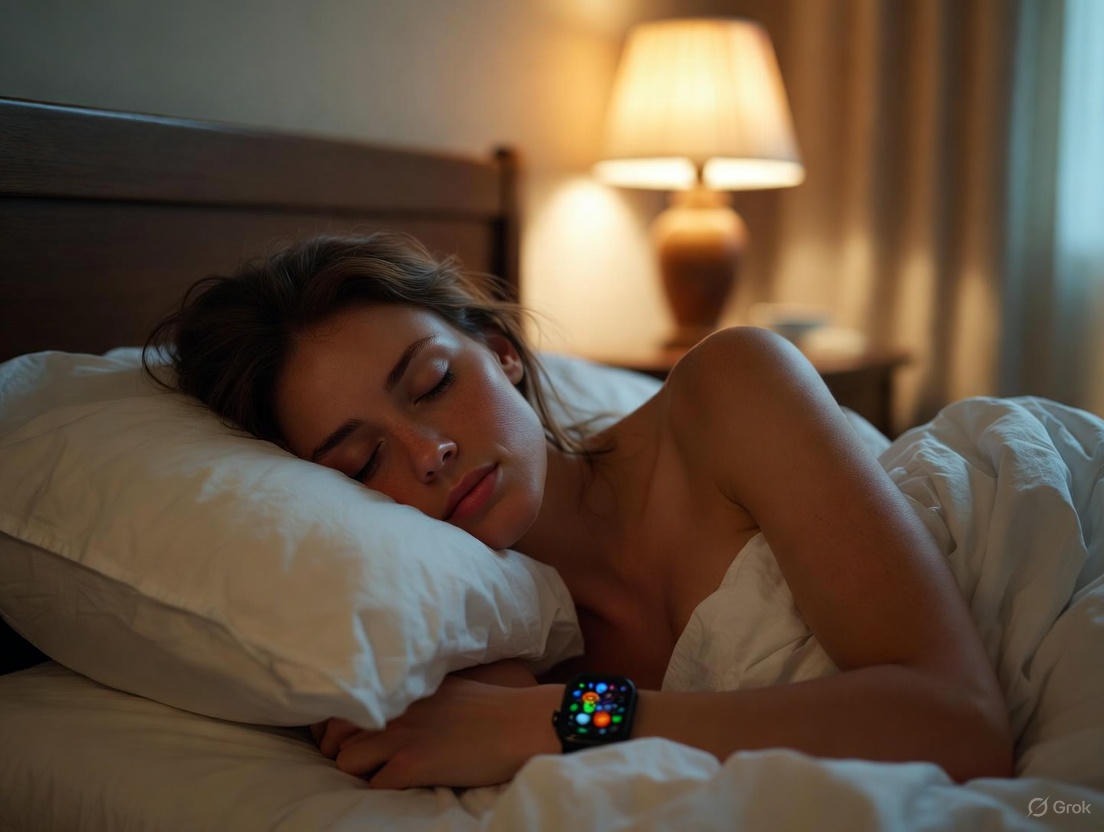
How to Use Your Smart Ring Data for Daily Health Optimization
How to use the data from your smart ring for daily health improvement.
The Silent Mentor on Your Finger: Unlocking Daily Vitality Through Your Smart Ring Data
You slip it on in the morning, a sleek band of titanium or ceramic, and forget it’s there. But while you go about your day—crushing deadlines, chasing kids, chasing dreams—this unassuming piece of wearable tech is tirelessly recording the silent symphony of your body. Your heart whispers with every beat. Your skin tells tales of stress and calm. Your sleep holds cryptic diaries of restoration. This is your smart ring, a guardian of your most intimate biometrics. Yet, for many, it remains a passive accessory, a fountain of data that flows into an app, only to be glanced at and forgotten.
But what if you could move beyond passive observation to active optimization? What if the numbers on your screen transformed into a personalized, daily blueprint for unparalleled energy, resilience, and health? This is the promise and power of proactive data literacy. Your smart ring isn't just a reporter; it's a mentor. It holds the keys to understanding your unique physiology, revealing how your lifestyle choices—from that second cup of coffee to the late-night scroll—ripple through your nervous system and impact your readiness for life.
The journey from data to wisdom is where transformation happens. It’s about learning the language of your own body. A slight elevation in your nighttime resting heart rate isn't just a number; it could be your body’s early warning system, hinting at impending illness or incomplete recovery. A dip in your Heart Rate Variability (HRV) isn't an abstract metric; it's a clear signal from your autonomic nervous system begging for rest or a lighter workout. This article is your comprehensive guide to becoming fluent in this language.
We will demystify the core biometrics—sleep stages, HRV, resting heart rate, body temperature, and activity—moving beyond what they are to what they mean for you, uniquely. We’ll build your personal health baseline, the crucial "normal" against which all changes are measured. Then, we’ll dive into actionable daily protocols: how to structure your morning review, adjust your day in real-time, and engineer your evenings for restorative sleep. We’ll explore advanced tactics like correlating data with lifestyle logs, stress mitigation, and workout optimization, empowering you to make iterative, evidence-based changes that compound over time.
Consider this the end of guessing about your well-being and the beginning of knowing. The path to daily health optimization is not about perfection; it's about connection. It starts with listening to the silent mentor on your finger. Let's begin.
Decoding the Dashboard: Your Core Biometrics Explained
Before you can optimize, you must understand. Opening your smart ring’s companion app can feel like staring at the cockpit of a spaceship—flashing numbers, colorful graphs, and unfamiliar terms. Don’t let this intimidate you. Each metric is a vital signpost on your road to wellness. Let’s translate them into plain English and, more importantly, into actionable insight.
Sleep: The Foundation of All Health Your smart ring’s most profound insights likely come while you’re unconscious. It tracks not just duration, but architecture:
Total Sleep & Efficiency: This is your baseline. Are you giving yourself enough time in bed? Efficiency (time asleep vs. time in bed) matters more than you think. Falling below 85% often indicates restlessness or sleep disturbances.
Sleep Stages (Light, Deep, REM): Think of these as different shifts for bodily repair. Deep sleep is for physical restoration, immune function, and memory consolidation. REM sleep is for cognitive and emotional processing, creativity, and learning. Your ring shows you the balance. Chronically low deep sleep? Your body isn’t getting the physical repair it needs. Disrupted REM? You might feel emotionally frayed or forgetful.
Restlessness & Awakenings: Frequent spikes here can point to environmental issues (room temperature, noise), dietary triggers (late meals, alcohol), or underlying stress.
Heart Rate Variability (HRV): Your Body’s Resilience Score If you learn only one metric, make it HRV. It’s the gold standard for measuring your autonomic nervous system (ANS) balance—the interplay between stress (sympathetic "fight or flight") and recovery (parasympathetic "rest and digest").
A higher HRV generally indicates greater resilience, adaptability, and recovery capacity. Your body can easily switch between effort and ease.
A lower HRV suggests your system is under strain—from physical stress, emotional anxiety, illness, or poor recovery. It’s your body’s most honest feedback loop. Tracking HRV trends is far more valuable than any single daily number.
Resting Heart Rate (RHR): The Engine’s Idle Speed Your RHR, measured at your most peaceful state during sleep, is a hallmark of cardiovascular fitness and overall load.
A gradual decrease over time can indicate improving fitness.
A sudden, sustained increase (typically 5-7 bpm above your baseline) is one of the clearest early warnings of overtraining, impending illness, or dehydration.
Body Temperature: The Subtle Fever Advanced smart rings track peripheral body temperature trends. While not a diagnostic tool, trends are illuminating.
A elevated nightly temperature trend can signal the onset of a viral infection, a woman’s ovulation phase, or systemic inflammation.
A lower-than-baseline trend can sometimes correlate with metabolic slowdown or extreme fatigue.
Activity & Recovery: The Yin and Yang This isn't just step counting. It’s the synthesis of movement (steps, active calories, intensity minutes) against the backdrop of your recovery metrics (HRV, RHR, sleep).
The magic lies in the balance. A high activity score paired with a low recovery score is a recipe for burnout and injury.
This data empowers you to practice autoregulation—listening to your body’s readiness signals to decide if today should be a vigorous workout or a gentle walk.
Understanding these metrics in isolation is step one. The real magic, which we will build in the next section, comes from weaving them together to establish your unique, personal baseline. For a deeper dive into the science behind these biometrics, our wellness research blog features ongoing analysis and expert insights.
Establishing Your Personal Baseline: What’s “Normal” for YOU?
In the world of health optimization, generic benchmarks are often useless. The average resting heart rate or "normal" sleep duration means little when compared to your normal. Your body is a unique ecosystem, and your smart ring’s primary job is to help you map its terrain. Establishing a personal baseline is the critical, non-negotiable foundation for all that follows. Without it, you’re interpreting data in a vacuum, prone to misinterpretation and unnecessary alarm.
Why Your "Normal" is Your North Star A baseline is your physiological fingerprint. It’s the collection of averages and ranges that define your body at equilibrium—when you’re well-rested, well-nourished, and not under acute stress. This is your home base. Any meaningful deviation from this baseline—a drop in HRV, a spike in RHR, a fragmentation of sleep—is a signal. It’s your body communicating that something is off, allowing you to investigate why with context.
The 30-Day Discovery Phase To establish a reliable baseline, commit to a minimum of 30 days of consistent wear and observation with minimal experimental intervention. During this phase:
Wear Consistently: The ring must be on your finger, especially during sleep. Data gaps create blind spots.
Live Normally: Don’t make drastic changes to your diet, exercise, or sleep habits yet. The goal is to capture an honest picture of your current state.
Log the Context: Use a simple notes app or the journal feature in your ring’s app. Briefly note daily factors: stress levels, workout intensity, alcohol consumption, meal times, and any notable events.
Calculating Your Key Baselines After 30 days, analyze the trends. Don’t fixate on daily volatility; look for the central tendency.
Sleep Baseline: Calculate your average total sleep, efficiency, and time in each stage. Note your typical bedtime and wake-up time variance.
HRV Baseline: Find your average HRV. More importantly, note your range. What’s a "good" day and a "low" day for you? This establishes your personal bandwidth.
RHR Baseline: Determine your average overnight RHR. Know this number by heart.
Temperature Baseline: Understand your individual nightly average. For women, note cyclical patterns corresponding to your menstrual phase.
Identifying Your Personal Triggers & Boosters During this phase, correlations will start to emerge, even without trying. You’ll begin to see data stories:
"On nights after two glasses of wine, my deep sleep plummets by 40%."
"When I work out after 8 PM, my resting heart rate is elevated by 4 bpm."
"On days I meditate for 20 minutes, my afternoon HRV reading is consistently higher."
These are your first priceless insights. They transform the ring from a tracker into a teacher. This foundational knowledge empowers you to move from passive tracking to active daily protocol, which is where optimization truly begins. To understand the philosophy behind creating personalized health tools, you can read about our mission to make this kind of insight accessible to everyone.
The Morning Review: Your 5-Minute Daily Health Briefing
The most successful people in the world start their day with intention. They review their priorities, their goals, their schedule. Now, you can add a revolutionary layer to that ritual: a review of your body’s operational readiness. Your morning smart ring data review is a 5-minute health briefing that sets the tone for your entire day. It’s not about judgment; it’s about informed strategy.
Step 1: The Holistic Score – Start with the Big Picture Most apps provide a singular "Readiness" or "Recovery" score. This is a valuable, algorithmically weighted summary of your night. Treat it as your executive summary. A high score (e.g., 85+) is a green light. A moderate score (70-84) is a yellow light—proceed with awareness. A low score (<70) is a red light, a clear suggestion from your body to prioritize rest and recovery.
Step 2: The Deep Dive – Interpreting the Signal Triad Never rely on the score alone. Always check the three core nocturnal metrics that feed into it:
Sleep Quality vs. Quantity: Did you get enough and was it efficient? Eight hours with low efficiency can be worse than six hours of solid, uninterrupted sleep.
HRV Trend: Compare today’s HRV to your personal baseline. Is it stable, higher, or significantly lower? A lower HRV is your nervous system’s request for a lighter day.
RHR Status: Is your resting heart rate within 1-3 bpm of your baseline, or is it elevated? An elevated RHR is a classic flag for systemic stress or fatigue.
Step 3: The Contextualization – “Why” Behind the “What” This is where your personal log from the previous day becomes crucial. Ask yourself:
"My HRV is low today. What did I do yesterday? Was it that intense workout, the difficult conversation, or the late dinner?"
"My sleep was restless. Did I have caffeine after 3 PM, or was I stressed about today’s presentation?"
This practice of connecting cause and effect builds profound self-awareness.
Step 4: The Daily Prescription – Adjusting Your Plans Now, use this briefing to autoregulate your day.
Green Light Day: You’re recovered and resilient. Schedule your most demanding cognitive work, your hardest workouts, your important meetings. Your body is primed for performance.
Yellow Light Day: Practice moderation. Maybe swap the high-intensity interval training for strength training or a long walk. Tackle important tasks in the morning when your energy is likely higher. Be extra mindful of nutrition and hydration.
Red Light Day: This is a day for radical self-care. It is not a failure; it’s strategic recovery. Prioritize gentle movement (walking, stretching), easy nutrition, hydration, and stress-reduction techniques. Consider an earlier bedtime. Forcing performance on a red light day often leads to deeper burnout and injury.
By making this briefing a non-negotiable part of your morning, you stop fighting your physiology and start working with it. You trade brute force for intelligent force. And if you ever have questions about interpreting your specific data, our comprehensive FAQ and support page is a great resource for guidance.
Real-Time Daytime Adjustments: Listening to Live Signals
Your smart ring’s guidance doesn’t end when you get out of bed. While its most accurate physiological data comes from the controlled environment of sleep, many rings now offer live daytime metrics—like real-time heart rate and periodic HRV snapshots—that can serve as invaluable check-in points. The key is to use this data not for obsessive monitoring, but for mindful course correction throughout your day.
The Power of the Midday HRV Snapshot Some devices allow you to take a quick, seated HRV reading during the day. This is a powerful tool to gauge your current stress state.
The Protocol: Sit calmly for 1-2 minutes, then initiate the reading. Compare it to your morning HRV and your baseline.
The Insight: A significant drop from your morning reading suggests accumulated stress—be it mental, emotional, or physical. It’s a signal that your nervous system is tilting into "fight or flight" mode.
The Action: This is your cue for a micro-recovery. Don’t push through. Instead, engage in a 5-minute reset: box breathing (4-second inhale, 4-second hold, 6-second exhale), a short walk outside without your phone, or even just closing your eyes and focusing on relaxation.
Activity Monitoring for Dynamic Movement Goals Instead of chasing a generic 10,000 steps, use your ring to guide intelligent movement.
The Sedentary Alert: If your ring nudges you that you’ve been inactive, heed it. A 3-5 minute walk every hour improves circulation, glucose metabolism, and mental focus.
Pacing Your Output: Notice your heart rate during work. Are you stressed and tense, leading to an unnaturally elevated heart rate even while sitting? This is a visceral cue to practice desk-based relaxation techniques.
Correlating Subjective Feelings with Objective Data This is a profound practice. When you feel a certain way, check the data.
You feel a sudden afternoon energy crash. Check your activity and heart rate data. Did you sit motionless for 4 hours? Was your heart rate elevated from morning stress? The data confirms the cause, moving you from "I'm tired" to "My energy crashed because I was sedentary and stressed, which spiked my cortisol."
You feel inexplicably anxious. A glance at a high real-time heart rate can be the objective mirror you need. It moves the experience from an abstract emotion to a measurable physiological state, which is often easier to address with breathing or grounding techniques.
Stress Tracking and Guided Breathing Many rings now include continuous stress tracking (derived from heart rate variability and motion) and offer guided breathing sessions.
Use the Stress Graph: Don’t just watch it climb. When you see a prolonged "stressed" period, intervene. Step away from the computer, have a glass of water, or change your environment.
Leverage Guided Breathing: When prompted or when you self-initiate, follow the breathing pacer. Even 60 seconds can significantly shift your ANS balance, lowering your heart rate and increasing HRV. This is biofeedback in its simplest, most powerful form.
By integrating these real-time check-ins, you transform your smart ring from a historian into a real-time coach. It helps you catch stress and misalignment early, when they are easiest to correct, preventing a bad hour from turning into a bad day that then ruins your night’s sleep. For real-world examples of how users integrate these signals into busy lives, our testimonials page shares inspiring stories of transformation.
Evening Rituals & Sleep Engineering: Preparing for Optimal Recovery
Your day doesn’t end when you get into bed; it culminates there. The quality of your sleep is not a random event—it is the direct result of the hours that precede it. This is where you transition from tracking to true engineering. Using your smart ring’s historical data, you can design an evening ritual that systematically cues your nervous system for deep, restorative sleep, turning your night into an active recovery session.
Decoding Your Personal Sleep Disruptors Your baseline data holds the clues. Look back over the past month and identify the patterns:
Late Eating: Do nights with meals within 2-3 hours of bedtime show reduced deep sleep or elevated resting heart rate?
Alcohol: Does even a single drink fragment your sleep, suppressing crucial REM in the second half of the night?
Late Screen Time: Do nights of late-night TV or social media scrolling correlate with delayed sleep onset and restless light sleep?
Evening Exercise: Does intense exercise after 7 PM keep your core temperature and heart rate elevated, delaying your body’s natural wind-down?
Building Your Personalized Wind-Down Protocol Armed with this insight, construct a 60-90 minute "sleep gate" ritual.
The Digital Sunset: Based on your data, set a firm time to stop work and dim bright screens. Use blue light filters aggressively. Consider the final 30 minutes completely screen-free.
The Last Call for Food & Drink: Establish your last eating time based on what your data shows you can tolerate. For most, finishing meals 3 hours before bed is ideal. Limit fluids 90 minutes before bed to minimize disruptions.
The Environment Check: Your ring’s temperature data is sensitive to room temperature. Most people sleep best in a cool room (~65-68°F or 18-20°C). Ensure your bedroom is dark and quiet.
The Nervous System Downshift: Actively stimulate your parasympathetic system. This could be:
Light stretching or yoga nidra to release physical tension.
Reading a physical book under soft light.
A gratitude journal or planning the next day to offload mental chatter.
A mindfulness or gentle breathing exercise to lower heart rate.
Using the Ring as a Feedback Loop Wear your ring consistently through your evening and night. In the morning, review not just the sleep data, but the lead-up. Did your heart rate begin to descend during your wind-down ritual? Did your body temperature follow its ideal curve? This feedback allows you to fine-tune your ritual over time, discovering what truly works for your unique biology.
The Power of Consistency The single greatest sleep hack your ring can reveal is the impact of a consistent sleep schedule. Going to bed and waking up at roughly the same time, even on weekends, reinforces your circadian rhythm. Your ring will show you how this consistency leads to higher sleep efficiency, more stable HRV, and a lower RHR. Your body craves predictability.
By engineering your evenings with data-driven intention, you stop hoping for good sleep and start creating it. You become the architect of your recovery. This proactive approach to the night ensures you wake up with a higher "Readiness" score, creating a virtuous cycle of daily performance. To learn more about the journey behind creating a device that respects this holistic cycle of day and night, you can discover our story.
The Art of Correlation: Linking Data to Lifestyle Choices
Raw data is interesting, but correlated data is transformative. This stage moves you from observing general trends to establishing clear, personal cause-and-effect relationships. It’s the scientific method applied to your own life. By systematically logging lifestyle factors and comparing them to your biometric outcomes, you move from vague guesses like "I think dairy bothers me" to confident conclusions like "On days I consume dairy, my nighttime resting heart rate increases by an average of 8% and my sleep efficiency drops by 12%."
Creating a Simple Correlation Journal You don’t need a complex spreadsheet. A simple notes app with daily headings works perfectly. Track these key variables:
Nutrition: Meal times, heavy/light meals, alcohol consumption, caffeine intake (time and amount), any suspected food sensitivities.
Exercise: Type, duration, intensity, and time of day.
Stress & Mind: Subjective stress level (1-10), major events, mood, minutes of meditation or mindfulness.
Environment: Travel, changes in bedtime, unusual daily routines.
The Analysis: Looking for Patterns, Not Perfection Once a week, review your journal alongside your weekly biometric report. Ask specific questions:
Workout Impact: How does a 7 AM vs. a 7 PM strength session affect my sleep architecture? Which yields better recovery (HRV/RHR) the next day?
Caffeine Cut-off: Is my 3 PM coffee affecting sleep onset? Does moving it to 1 PM resolve it?
Social & Alcohol: What is the exact impact of two glasses of wine on my deep sleep percentage and REM sleep?
Rest Day Value: After a true rest day (very low activity), what is the magnitude of improvement in my HRV?
From Correlation to Actionable Insight The goal is not to live in a lab but to gain actionable intelligence.
Discovery: "Every time I have a high-sugar dessert after dinner, my sleep graph shows multiple awakenings in the first half of the night."
Hypothesis: "The sugar spike is disrupting my sleep stability."
Experiment: "For one week, I will avoid sugar after 6 PM."
Result: "My sleep awakenings decreased by 70%. Conclusion: Late sugar is a major sleep disruptor for me."
This process empowers you to make personalized, evidence-based decisions. You abandon generic health advice and adopt a protocol tailored by and for your body. It turns your smart ring into the most important research tool you own.
Leveraging Advanced Features Many companion apps now include tagging or journaling features. Use them! Tag days as "Travel," "Hard Training," "Family Event," or "Sick." Over months, you can filter your long-term data by these tags to see the macroscopic impact of different life modes on your physiology. This long-view analysis is incredibly powerful for understanding your resilience over seasons of life. For more ideas on conducting your own personal health experiments, explore our blog where we regularly discuss user case studies and methodologies.
Optimizing Fitness & Avoiding Overtraining
For the fitness enthusiast or athlete, a smart ring is arguably the most powerful tool available outside a professional sports lab. It shifts training from a paradigm of "more is better" to one of "smarter is supreme." The core principle is stress adaptation: you apply a stressor (workout), then you recover, and your body adapts to become stronger. The ring’s genius is its ability to quantify both the stressor (via activity/heart rate) and, crucially, your readiness for the next one (via HRV, RHR, sleep).
Using Readiness Scores to Guide Training Intensity Your morning readiness score should be your primary input for your daily workout decision.
High Readiness (Green): Perfect day for a key session—high-intensity intervals, heavy strength training, race-pace work. Your body can handle the load and will likely adapt positively.
Moderate Readiness (Yellow): Day for a maintenance or technique session—moderate-paced cardio, skill work, lighter weights. The goal is to stimulate without breaking down.
Low Readiness (Red): Day for mandatory recovery—gentle mobility, walking, or complete rest. Training hard today risks injury, illness, and digresses your fitness.
The Golden Metric: Heart Rate Variability (HRV) Trend For serious athletes, the multi-day HRV trend is the ultimate guide.
Balanced Trend: HRV fluctuates but returns to baseline, indicating good adaptation.
Downward Trend: A consistent drop in HRV over 3-5 days is the clearest objective sign of overtraining syndrome. It means you are accumulating more fatigue than you can recover from. The only correct response is to dramatically reduce training load and increase recovery focus until the trend reverses.
Upward Trend: A gradual rise in HRV over a training block can indicate positive adaptation and increasing fitness—provided RHR is stable or dropping and sleep is good.
Tracking Workout Load & Recovery Balance Use your ring’s activity/exertion data alongside your recovery metrics.
Weekly View: At the end of the week, look at your activity graph superimposed on your recovery graph. Do they have an inverse relationship (high activity paired with low recovery)? That’s a warning.
Post-Workout Impact: Analyze how different workout types affect your next night’s sleep and recovery scores. Does endurance running trash your deep sleep? Does heavy lifting spike your RHR? This allows you to schedule demanding workouts on nights where you can prioritize sleep afterward.
Precision Rest Days A rest day is not a failure; it’s a strategic part of the program. Your ring tells you when you truly need one, preventing both undertraining and overtraining. It also tells you when you’re fully recovered and ready to go hard again, eliminating guesswork and maximizing the efficiency of your training cycle.
By embracing this data-driven, autoregulated approach to fitness, you train in harmony with your body, not against it. You achieve better results with less risk of burnout and injury, turning cyclical frustration into linear, sustainable progress.
Stress Management Through Objective Biofeedback
Stress is not a villain; it’s an essential physiological response. The problem is chronic, unmanaged stress that keeps our nervous system stuck in a sympathetic-dominant state. The insidious nature of modern stress is that we often become numb to it—we don’t realize our baseline anxiety level is elevated. Your smart ring cuts through this subjectivity, providing an objective, real-time mirror to your nervous system state. This turns stress management from an abstract concept into a tangible, measurable practice.
Seeing the Invisible: The Stress Graph The continuous stress score feature (available on many advanced rings) is a game-changer for self-awareness. It visualizes your sympathetic and parasympathetic balance throughout the day.
The Pattern Recognition: You’ll start to see predictable spikes (the morning commute, a weekly meeting, dealing with emails) and prolonged plateaus of high stress.
From Awareness to Action: Simply observing this graph creates a moment of mindfulness. "Oh, my stress level has been high for 90 minutes straight. I’ve been lost in that stressful report." This awareness alone can initiate a shift.
Using Breathing as a Direct Lever Your ring’s guided breathing function is biofeedback training. It shows you your real-time heart rate and often prompts you to achieve "coherence"—a state where heart rate rhythms sync with breathing.
The Protocol: When you see a stress spike or feel subjectively anxious, initiate a 3-5 minute guided breathing session.
The Objective Feedback: Watch your heart rate line fall on the screen as you follow the pacer. This provides instant positive reinforcement. You are not hoping you’re calming down; you are seeing your physiology calm down.
The Long-Term Effect: Regular practice trains your nervous system to return to balance more quickly, increasing your overall stress resilience, which will be reflected in a higher baseline HRV over time.
Correlating Stress with Performance Use your data to prove to yourself the cost of unchecked stress.
Note how days with prolonged high stress scores correlate with poorer sleep that night.
Observe how a stressful morning often leads to poorer cognitive focus and decision fatigue in the afternoon.
See the direct line from a high-stress week to a suppressed immune response (elevated RHR, lower HRV).
This evidence is powerful motivation to prioritize stress management not as a luxury, but as a non-negotiable component of health and performance.
Building Stress-Resilient Routines With this data, you can engineer stress buffers into your day.
Scheduled Micro-breaks: Based on your typical stress pattern, schedule 5-minute breathing or walking breaks before you normally spike.
Post-Stress Recovery Rituals: After a known high-stress event (e.g., a big presentation), schedule 15 minutes for a deliberate recovery activity instead of jumping straight back into work.
Environment Tweaks: If your stress is consistently high in a certain location or during a certain task, the data gives you the objective reason to change that environment or approach.
By using your ring as a biofeedback tool, you move from being a victim of stress to being an active participant in managing your nervous system. You gain agency, and with it, a profound sense of control over your well-being.
Nutritional Insights and Meal Timing from Physiological Data
While your smart ring cannot directly analyze the food on your plate, it is an exquisitely sensitive reporter of how that food affects your inner environment. By paying attention to the physiological responses to your eating habits, you can uncover powerful, personalized nutritional insights that go far beyond calorie counting. This is about optimizing for metabolic harmony, digestive peace, and hormonal balance as reflected in your core biometrics.
The Dinner-to-Sleep Connection Your sleep data is one of the best proxies for assessing your evening meal.
The Deep Sleep Disruptor: Consistently low deep sleep? Look at your pre-bedtime eating window and meal composition. Large, heavy, or high-fat meals within 3 hours of bed force your digestive system to work overnight, competing with physical restoration processes and often reducing deep sleep percentage.
The Restlessness Link: Frequent awakenings, especially in the first half of the night, can be linked to blood sugar spikes and crashes triggered by high-glycemic or sugary foods before bed.
The Experiment: Try moving your last meal to 3-4 hours before bedtime and making it balanced (protein, healthy fat, fiber). Observe the impact on your deep sleep and restlessness scores over a week.
Hydration Status and Cardiovascular Metrics Dehydration has a direct and rapid effect on your cardiovascular system, which your ring captures clearly.
Elevated Resting Heart Rate: One of the earliest signs of even mild dehydration is a rise in your RHR. If you see an unexplained bump in your morning RHR, ask yourself about your hydration the day before.
Reduced HRV: Dehydration increases sympathetic nervous system activity, which can suppress your HRV.
The Action: Use these metrics as a hydration reminder. An elevated RHR with no other obvious cause is a signal to prioritize water and electrolyte intake throughout the day.
Caffeine and Alcohol: The Quantifiable Impact Your data can precisely define your personal tolerance levels.
Caffeine Cut-off: Log your last coffee time. Do you see a correlation with longer sleep latency (time to fall asleep) or more fragmented light sleep? For many, caffeine after 2 PM has a measurable negative impact.
Alcohol’s True Cost: Alcohol is a sedative, not a sleep aid. The data is unequivocal: it suppresses REM sleep (vital for mental recovery) and leads to increased awakenings in the second half of the night as the body metabolizes it. Your ring will show this as a night with adequate deep sleep but severely truncated REM and high restlessness. Seeing this graph can be a powerful motivator to limit or time alcohol consumption strategically.
Inflammation and Temperature Trends While subtle, a sustained elevation in your nighttime body temperature trend can sometimes indicate dietary inflammation. If you are experimenting with an elimination diet (e.g., removing gluten or dairy), monitor whether the change correlates with a slight normalization of your temperature baseline and improvements in RHR and HRV.
Intermittent Fasting and Energy Metrics If you practice time-restricted eating, your ring can help you optimize the window. Do you have more stable energy (as shown by fewer heart rate spikes and better stress scores) with a 14-hour fast versus a 16-hour fast? Does breaking your fast later in the day improve your morning focus? Your physiological data provides clues.
By treating your smart ring as a continuous internal monitor, you become a nutritional detective. You move from following fads to following facts—the facts of your own body’s unique responses. This empowers you to build an eating pattern that truly supports your energy, recovery, and long-term health.
Long-Term Trend Analysis: Spotting Health Shifts Over Months and Years
The daily and weekly view of your smart ring data is for tactical adjustments. The long-term, panoramic view—spanning months, seasons, and years—is for strategic wisdom. This is where subtle, powerful trends emerge that are invisible in the daily noise. It’s the difference between watching waves and understanding the tide. Long-term trend analysis transforms your device from a fitness tracker into a lifelong health guardian.
Identifying Seasonal Patterns Your biology is not static across the year.
Winter vs. Summer: You may see a slightly higher average RHR and lower HRV in the deep winter months, possibly related to less daylight, different activity patterns, or immune system activity. Conversely, you might see your best recovery scores during a favorite summer activity season.
Allergy Season: For sufferers, the inflammatory load of allergy season can manifest in elevated RHR and disrupted sleep, clearly visible as an annual trend.
Aging Gracefully with Data A long-term data set becomes a personalized blueprint for healthy aging.
Establishing Age-Related Baselines: Instead of comparing yourself to a 25-year-old athlete, you track your own metrics against your own past. A gradual, very slight increase in average RHR over a decade might be normal for you, while a sudden jump is a signal.
Monitoring Fitness Maintenance: You can see if your training regimen is effectively maintaining your cardiovascular fitness (stable or declining RHR) and resilience (stable HRV) as you age.
The Ultimate Early-Warning System This is perhaps the most profound application.
The Slow Drift: A sustained, multi-week downward drift in HRV coupled with a creeping elevation in RHR, even if sleep seems okay, can be an early indicator of chronic stress, overtraining, subclinical illness, or a lifestyle imbalance. Catching this trend early allows for proactive intervention long before symptoms arise.
Pre- and Post-Illness Mapping: When you do get sick, tag it. Your data will show you the exact timeline: the rise in RHR and temperature 1-2 days before you felt symptoms, the crash in HRV during the illness, and the extended recovery period afterwards. This knowledge makes you more attuned to these early signals in the future.
Lifestyle Change Validation Making a big change—a new job, moving cities, starting a meditation practice, having a child? Your long-term trends will objectively show you the physiological impact.
You can see the stress of a transition period and then the eventual adaptation.
You can validate the positive impact of a new wellness habit, not by how you feel, but by the gradual improvement in your 6-month HRV average or your sleep consistency score.
Creating Your Personal Health Timeline Over years, your aggregated data becomes a unique health journal, far more accurate than memory. You can look back and understand the physiological story of different chapters of your life. This historical self-knowledge is invaluable for making informed decisions about your future.
By regularly reviewing your data in this macroscopic way—zooming out to the 90-day and yearly views—you cultivate a deep, intuitive understanding of your body’s rhythms and responses. You become the world’s leading expert on the one subject that matters most: you. For inspiration on how others have used long-term data to transform their health journey, the real-user experiences shared in our testimonials offer powerful proof of concept.
Integrating with Your Ecosystem: Wearable Synergy and Data Unification
The smart ring is a powerhouse of continuous, passive physiological data, but it doesn’t exist in a vacuum. You likely own other devices—a smartwatch for GPS runs, a scale for body composition, a sleep tracker under your mattress, or apps for nutrition and mindfulness. When these tools operate in silos, you get fragmented insights. The true frontier of optimization lies in data unification: strategically connecting these dots to create a holistic, multi-dimensional view of your health. Your smart ring should be the central, integrative hub of this ecosystem.
The Central Tenet: The Ring as the ANS Hub Position your smart ring’s data as the core measure of your internal state—your autonomic nervous system (ANS) balance, recovery status, and sleep quality. This is data about how your body is responding to life. Other devices provide crucial context on the inputs and outputs.
Smartwatch/Fitness Tracker: Provides precise external workload data (GPS pace, elevation, workout heart rate zones, step count). The synergy is clear: your watch tells you the workout you did; your ring tells you how well you recovered from it and if you’re ready for the next one.
Smart Scale: Provides body composition (weight, muscle mass, body fat percentage, water %). Correlate monthly body comp trends with your average HRV and RHR. Are you losing muscle while your RHR trends up? That could indicate overtraining and catabolic stress. Are you gaining fat while HRV is low? That could point to metabolic or hormonal stress.
Continuous Glucose Monitor (CGM): For those using this advanced tool, the correlation is revolutionary. You can see in real-time how a glucose spike from a meal affects your heart rate, HRV, and even next-night sleep architecture. It directly links nutrition to physiological outcomes.
Practical Unification: Using Health Platforms The easiest way to unify data is through a central aggregator platform.
Apple Health (iOS) or Google Fit (Android): These are universal hubs. Configure your smart ring app, your fitness tracker app, your scale app, and your nutrition app (like MyFitnessPal) to read and write data to this central repository.
Specialized Platforms: Apps like Strava, Whoop, or TrainingPeaks for athletes can often import HRV and sleep data from the ring, combining it with workout data for supremely detailed readiness analytics.
The Manual Review: Even a simple weekly ritual works. Every Sunday, open your ring app, your fitness app, and your weight log. Look at the weekly averages side-by-side. Note the story they tell together.
The Actionable Insight from Synergy Here’s where the magic happens:
Scenario 1: Your smartwatch shows you crushed a personal best 10k. Your ring shows your HRV plummeted and RHR spiked for two nights after. Insight: That effort created a significant recovery debt. The unified data prescribes 2-3 easy days to supercompensate, preventing injury.
Scenario 2: Your smart scale shows a sudden 3-pound jump in weight (likely water). Your ring shows a correlated elevation in resting heart rate and a dip in HRV. Insight: This is likely systemic inflammation, possibly from a new food, an impending illness, or excessive training load.
Scenario 3: Your meditation app shows a 30-day streak. Your ring’s long-term trend shows a 15% increase in your average HRV over the same period. Insight: You have objective, personal proof that your mindfulness practice is directly increasing your physiological resilience.
By creating this feedback loop between different data types, you stop making decisions based on a single metric. You make smarter, more nuanced choices that respect the complexity of your biology. This integrated approach is at the heart of modern, personalized wellness, a philosophy we are deeply committed to at Oxyzen.
Navigating Data Privacy and Building Trust with Your Device
In an age of digital surveillance and data brokerage, entrusting your most intimate biometrics—your heartbeat, your sleep patterns, your stress—to a device requires profound trust. This relationship is the foundation of effective use. You cannot fully engage with a tool you suspect might misuse your information. Therefore, understanding data privacy, security, and the ethics of your wearable company is not an administrative footnote; it is a critical step in your optimization journey.
Understanding the Data Lifecycle: Collection, Storage, and Use Become an informed user. Before you sync your ring, investigate the company’s privacy policy. Ask these key questions:
Where is my raw data stored? Is it on your phone (local) or in the company’s cloud servers? Local storage is generally more private but limits cross-device access and long-term backup.
Is my data anonymized and aggregated? Responsible companies use de-identified, aggregated data to improve their algorithms (e.g., "we analyzed 10 million nights of sleep to better detect REM stages"). This is generally acceptable and beneficial.
Is my data sold or shared with third parties? The answer must be a clear NO for health data. It should not be sold to advertisers, data brokers, or insurers.
What control do I have? Can you delete your account and all associated data permanently? This is a fundamental right.
Best Practices for Protecting Your Biometric Privacy
Use Strong, Unique Credentials: Protect your account with a strong, unique password and enable two-factor authentication (2FA) if offered.
Review App Permissions: Regularly check what other apps or services have permission to access your wearable’s data through Apple Health/Google Fit. Revoke access for anything non-essential.
Understand the Trade-off of Features: Some advanced features, like community comparisons or personalized insights, may require cloud processing. Decide if the benefit is worth the data transfer for you.
Choose Companies with Transparent Values: Support brands that are forthright about their privacy stance, treat it as a core feature, and often undergo independent security audits.
Building a Relationship Based on Transparency A company’s commitment to privacy should be evident in its communication. Look for:
A clear, readable privacy policy, not a legal labyrinth.
Proactive communication about data practices, not just burying it in terms of service.
A culture of user empowerment, giving you clear tools to control your information.
When you trust that your data is secure and used ethically, you engage with your device more openly and consistently. You’re more likely to wear it nightly, log details honestly, and explore its features deeply. This trust unlocks the full potential of the tool. For a clear explanation of how we handle this sacred responsibility, we invite you to review our detailed FAQ on data security and privacy.
The Power of Community and Comparative Insights (Without Obsession)
Humans are inherently social and comparative creatures. While your personal baseline is your ultimate guide, understanding how you fit into broader populations can provide valuable context, motivation, and normalization. The key is to use community data as a lens for understanding, not a stick for self-judgment. Used wisely, it can deepen your self-awareness and connect you to a like-minded wellness community.
Normative Data: Understanding the Bell Curve Most apps offer some form of comparison, like "Your sleep is in the top 20% for your age and gender." This is normative data.
The Healthy Use: This can be encouraging or motivating. If you’re in the bottom quartile for HRV, it might validate your focus on recovery. If you’re in the top quartile for sleep duration, it confirms good habits.
The Pitfall: Obsessing over being "above average" in every metric is a path to anxiety. A 55-year-old should not compare their HRV to a 25-year-old athlete’s. Use age and gender filters to ensure relevant comparisons.
Community Challenges and Shared Goals Many platforms feature group challenges (e.g., "30 Days of Sleep Consistency" or "Weekly Step Challenges").
The Benefit: These can provide positive social accountability and make the journey more fun. Sharing struggles and tips with others following a similar path is invaluable.
The Caveat: Ensure the challenge aligns with your personal data. If a "highest step count" challenge comes during a week your ring shows low recovery, participating aggressively would be counterproductive. Use your data to compete smartly, not blindly.
Learning from the Collective: Pattern Recognition Aggregated, anonymous community data can reveal fascinating macro-trends that inform your personal approach.
"Data shows our users see a 15% average decrease in sleep quality during daylight saving time changes." Knowing this helps you normalize your own dip and perhaps be more proactive with light management.
"Our female users show a predictable pattern of rising resting heart rate and body temperature in the luteal phase." Seeing this broader pattern can help women attribute physiological changes to their cycle rather than unnecessary worry.
Avoiding Comparison Syndrome The mantra is: "Compare to yourself yesterday, not to someone else today."
Turn off public leaderboards if they cause stress.
Remember that community averages include people who don’t prioritize health, people who are ill, and elite athletes. It’s a wide, often irrelevant spectrum.
Your mission is to optimize your potential, not match a stranger’s genetic lottery or lifestyle.
By engaging with community features intentionally, you can gain support, context, and a sense of shared purpose without falling into the trap of toxic comparison. It transforms a solitary pursuit into a connected journey. Reading real user stories and experiences can be a wonderful way to feel part of a community without the pressure of direct competition.
Building Your Personalized Health Optimization System
You now possess the knowledge: you understand the metrics, have established your baseline, practice daily and seasonal reviews, and can correlate data with lifestyle. The final step is synthesis—weaving these discrete practices into a seamless, sustainable, and personalized Health Optimization System. This is not a rigid set of rules, but a dynamic operating manual for your life, powered by data and refined by experience.
The Components of Your System Think of your system as having interconnected modules:
The Input Layer: Your conscious choices (nutrition, exercise, work, relationships).
The Sensing Layer: Your smart ring and other wearables, passively collecting biometric feedback.
The Analysis Layer: Your daily/weekly review rituals where you interpret the data.
The Decision Layer: Where you apply insight to adjust inputs (e.g., "I see low recovery, so I'll swap my workout for yoga.").
The Refinement Layer: Your long-term trend analysis, where you tune the entire system.
Creating Your Personal Protocol Document Take the insights from this guide and codify them. Write down your personal rules of engagement.
My Daily Protocol: "I will review my readiness score by 8 AM. If it's green, I proceed with my planned workout. If yellow, I switch to Zone 2 cardio. If red, I do 30 minutes of mobility and prioritize an early bedtime."
My Evening Protocol: "Digital sunset at 9:30 PM. Last meal by 7 PM. Reading and breathing exercises from 10 PM. Lights out by 11 PM."
My Weekly Review: "Every Sunday morning, I will review my weekly HRV trend, average sleep, and workout load. I will plan the next week's training and key recovery periods accordingly."
My Triggers & Responses: *"IF my RHR is >5 bpm above baseline for two days, THEN I will increase hydration, prioritize sleep, and consider reducing caffeine. IF my deep sleep is <1 hour for three nights, THEN I will enforce a stricter 4-hour eating window before bed."*
Embracing Iteration and Non-Linearity Your system is a living document. It must evolve as you age, as your goals change, and as you learn more about yourself.
Quarterly Tune-Ups: Every 3 months, revisit your baseline numbers. Have they improved? Stayed stable? This informs whether your current lifestyle system is effective.
Life Season Adjustments: A system for a training-heavy summer will differ from a system for a work-intensive project quarter or during the postpartum period. Allow your protocols to flex with your life seasons.
The 80/20 Principle: Your system should deliver 80% of the benefits with 20% of the effort. If it becomes overly complex and burdensome, it is unsustainable. Simplify. Focus on the key metrics and levers that move the needle for you.
Cultivating Self-Compassion Within the System Data is objective; your relationship with it should be compassionate. The goal is optimization, not perfection.
A "red" recovery day is not a failure; it's valuable information and an opportunity for restorative practice.
A week of poor data during a vacation or illness is not a regression; it's part of the human experience. The system should have room for life to happen.
The ultimate metric is not your HRV number, but your quality of life: your energy, resilience, joy, and presence.
By building this personalized system, you graduate from being a passive user of technology to an active architect of your well-being. Your smart ring becomes the compass for this lifelong journey, providing the feedback needed to stay on course, adjust to storms, and navigate toward your fullest, healthiest potential. This journey of continuous learning and adaptation is what drives us, and you can learn more about our vision for empowering it.
Troubleshooting and Beyond: When the Data Doesn't Make Sense
The path of data-driven wellness is not always a smooth, upward trend line. You will encounter anomalies, contradictions, and days where the numbers seem to tell a story that clashes completely with how you feel. These moments are not failures of the technology or your body; they are critical learning opportunities. Developing the skill to troubleshoot your data builds a deeper, more nuanced relationship with your biometrics and prevents you from dismissing valuable signals as mere "glitches."
The "Feel Great, Data Poor" Paradox You wake up feeling refreshed, energetic, and clear-headed, only to find a low readiness score, suppressed HRV, and elevated RHR. This disconnect can be frustrating.
Potential Causes & Investigations:
Dehydration/Mild Illness: Your subjective feeling might be the early "up" phase of your body fighting something, while the data shows the underlying immune activation (higher RHR, lower HRV). Check for a slight sore throat or unusual thirst.
High Cortisol Morning: A surge of cortisol can create a feeling of alertness and even euphoria, masking underlying fatigue. This is common after poor sleep or high stress. The data is revealing the cost of that cortisol spike.
Sensor Error/Ring Fit: Ensure the ring is snug (but not tight) on your finger. A loose fit, especially on cold nights, can cause gaps in data or inaccurate heart rate readings. Try a different finger if this is a recurring issue.
The "Calm Before the Storm": Sometimes, the body's stress response can create a temporary sense of hyper-alertness. Trust the aggregate data over a single subjective moment.
The Action: Proceed with caution. Don't ignore the good feeling, but honor the data by choosing a moderate "yellow light" day. Stay extra hydrated, monitor yourself, and see if the feeling persists or if fatigue emerges later.
The "Feel Terrible, Data Great" Conundrum Conversely, you might feel sluggish, foggy, and drained, yet your ring reports excellent sleep, high HRV, and a perfect readiness score.
Potential Causes & Investigations:
Psychological vs. Physiological State: Your biometrics measure physiological recovery of the nervous system and cardiovascular system. They do not measure existential dread, boredom, lack of motivation, or neurotransmitter imbalances (like low dopamine). You can be physically recovered but mentally or emotionally spent.
Blood Sugar & Nutrition: You can wake up with a perfectly calm ANS but have low blood sugar or be dehydrated, causing immediate fatigue. The data reflects the night, not the current moment's glucose levels.
Over-reliance on Score: The algorithm weights certain metrics. Perhaps your sleep was long and efficient (boosting the score), but you got zero deep sleep (which you feel acutely). Drill into the sleep stage details.
Circadian Dip: You might be hitting a natural afternoon lull. The morning data was accurate for that time.
The Action: Address the non-physiological layers. Look at your mental load, find engaging tasks, ensure you're eating balanced meals, and consider if you need a purpose or mood boost rather than physical rest.
Dealing with Inconsistent or Missing Data Gaps in your data stream break the continuity needed for reliable trend analysis.
Common Causes:
Low Battery: A ring that dies mid-sleep creates a blackout. Make charging part of your morning routine (e.g., while showering).
Poor Fit on Specific Fingers: Finger size can change with temperature, hydration, and time of day. The ring that fits at noon might be loose at 4 AM. Find your most consistently sized finger.
Sync Errors: Ensure Bluetooth is enabled and the app is updated. Occasionally force-closing and reopening the app can re-establish the connection.
Firmware Issues: Keep your ring's firmware updated for optimal sensor performance and bug fixes.
The Action: Establish a "ring check" habit—a quick glance to confirm it's on, charged, and synced. If data is consistently erratic on one finger, experiment with another. Most companies provide sizing kits for this reason.
When Trends Plateau or Regress You’ve been diligent for months, but your HRV is stuck, your RHR won't budge lower, or your sleep scores are flat.
The Investigation:
Adaptation: Your body has adapted to your current routine. The same inputs now yield the same outputs. No further progress is a signal to change the stimulus.
Hidden Stressor: A low-grade, chronic stressor (a difficult relationship, a job you tolerate, a dietary intolerance you’ve ignored) might be capping your potential.
Overtraining/Under-recovering: You might be in a chronic, low-grade recovery debt, keeping your system in a holding pattern.
Need for New Metrics: The metrics you're focusing on may have maxed out their relevance for your current goal. It might be time to shift focus (e.g., from sleep duration to sleep consistency, or from HRV to heart rate during exercise).
The Action: Introduce a deliberate change. This could be a deload week, a new form of exercise, a meditation retreat, or working with a coach to identify blind spots. Use the ring to measure the impact of this new variable.
Mastering this troubleshooting mindset transforms you from a passive data consumer to an active health detective. It reinforces that the data is a guide, not a gospel, and that the ultimate instrument—your subjective experience—must always be in dialogue with the objective numbers.
The Future at Your Fingertip: Where Smart Ring Technology is Heading
The smart ring on your finger today represents just the beginning of a biometric revolution. As sensor miniaturization, battery technology, and AI analytics advance at a breakneck pace, the near-future capabilities of these devices will make today's tracking seem rudimentary. Understanding this trajectory helps you appreciate your current device as a powerful first-generation tool and get excited for how it will evolve to become an even more integrated health partner.
Non-Invasive, Continuous Blood Biomarker Monitoring The holy grail of wearable tech is moving from measuring indirect signals (like heart rate) to measuring direct blood chemistry.
Glucose: Non-invasive glucose monitoring via optical sensors is in advanced development. This would be transformative not just for diabetics, but for anyone wanting to understand their metabolic health in real-time, directly correlating food with physiological response.
Lactate: Continuous lactate monitoring could provide live feedback on muscular exertion and anaerobic threshold, revolutionizing athletic training.
Electrolytes & Hydration: Moving beyond simple impedance, future sensors may directly measure sodium and potassium levels, providing precise hydration and electrolyte balance guidance.
Hormones: While more complex, tracking circadian cortisol rhythms or identifying ovulation through estrogen/progesterone proxies could become possible.
Advanced Nervous System Mapping and Mental State Detection Beyond HRV, future rings may use more sophisticated photoplethysmography (PPG) and new sensor types to decode the nervous system with greater granularity.
Real-Time ANS State: A literal, continuous readout of sympathetic vs. parasympathetic dominance, perhaps with haptic feedback to nudge you toward calm.
Cognitive Load & Focus Detection: By analyzing subtle heart rate and pulse wave variability patterns associated with different mental states, your ring could tell you when you're in a flow state versus cognitively overloaded, suggesting optimal times for deep work or breaks.
Emotional Valence Detection: Early research suggests biometric patterns can correlate with basic emotional states. Future devices might recognize signatures of anxiety, sadness, or joy, prompting supportive interventions.
Predictive Health Analytics and True Early Warning With years of longitudinal data and population-level AI, the ring will shift from descriptive to truly predictive.
Illness Prediction: Algorithms will become so refined they could predict the onset of a common cold, flu, or even metabolic disturbance 24-48 hours before symptoms, with high accuracy.
Long-Term Risk Assessment: By analyzing trends in vascular stiffness (from pulse wave velocity), inflammation markers, and sleep architecture, rings may provide personalized risk assessments for conditions like hypertension or sleep apnea, prompting early clinical intervention.
Personalized AI Health Coach: An onboard AI, trained on your unique data, will move beyond generic tips to offer hyper-personalized recommendations. *"Based on your current low HRV trend and elevated temperature, and your calendar showing a busy week, I recommend you postpone your intense workout to Thursday and prioritize 8.5 hours of sleep tonight with a 9 PM wind-down."*
Seamless Integration and Invisible Design The technology will fade into the background.
Extended Battery Life: Weeks or months of battery from new energy-harvesting technologies or ultra-low-power chips.
Universal Device Independence: Rings will connect directly to cellular or other networks, acting as standalone health guardians that sync when convenient, not constantly.
Fashion and Customization: Rings will become truly fashionable—different finishes, gemstones, and designs that are indistinguishable from high-end jewelry, removing the final barrier to constant wear.
Embracing this future means viewing your current smart ring not as a final product, but as the beginning of a long-term partnership with a tool that will grow smarter and more insightful alongside you. Staying informed about these advancements allows you to leverage new features as they emerge. We are committed to being at the forefront of this innovation, and you can follow our journey and research as these future capabilities unfold.
Sustaining the Journey: Avoiding Burnout and Cultivating a Balanced Relationship with Data
The initial months with a smart ring are often marked by enthusiastic engagement—the "honeymoon phase" of discovery. The true challenge, and the mark of success, is integrating its insights into a sustainable, lifelong practice without succumbing to data anxiety, obsession, or burnout. The goal is not to be ruled by the ring, but to be informed by it, using it to cultivate a more intuitive and compassionate relationship with your body.
Recognizing the Signs of Data Obsession (Orthosomnia) "Orthosomnia" is a modern term describing the preoccupation with achieving perfect sleep data, often leading to increased anxiety and worse sleep.
Symptoms: Checking your app compulsively, feeling intense anxiety or self-judgment over a "red" score, altering your life rigidly and joylessly to chase metrics, losing trust in your own bodily feelings.
The Antidote: Remember the Data as Guide, Not Grade principle. The numbers are feedback, not a report card on your worth. If anxiety spikes, institute a "data Sabbath"—take the ring off for a weekend and reconnect with how you feel.
Embracing the Macro View: From Daily Volatility to Long-Term Trends The daily volatility of biometrics is normal. A single bad night or a low HRV day is noise.
The Practice: Make your primary review the weekly average and the 30-day trend line. This smooths out the noise and reveals the true signal. Did one bad night matter in the context of a great week? Probably not.
The Mindset Shift: Ask not "Was today perfect?" but "Is my general direction correct over the last 90 days?"
Re-Calibrating with Subjective Feeling Your lived experience is the ultimate validation metric. Periodically, conduct a "subjective audit."
The Questions: Do I have sustainable energy for my daily life? Do I recover well from stress? Do I enjoy my workouts and sleep well most nights? Do I feel resilient and generally healthy?
The Comparison: If the answer to these is "yes," but your HRV is "lower than average," your personal baseline is likely just fine. The data serves you, not the other way around.
Designing a Sustainable Protocol: The Minimum Effective Dose Your daily and weekly rituals should be simple enough to maintain during busy, stressful, or vacation times.
The 5-Minute Morning Review: Stick to the brief. Score, HRV trend, RHR, sleep hours. Done.
The Weekly Tune-Up: 15 minutes on a Sunday to review trends and plan. No more.
Seasonal Check-Ins: A deeper 30-minute review every 3-4 months to adjust baselines and goals.
If your system feels burdensome, simplify it. Often, focusing on just one or two key metrics (e.g., sleep consistency and weekly HRV average) yields 80% of the benefit.
Using Data to Foster Self-Compassion, Not Criticism Reframe how you speak to yourself about the data.
Instead of: "My HRV is terrible. I failed."
Try: "My HRV is low today. My body is asking for support. What gentle care can I offer it?"
Let the data be a compassionate prompt for self-care, not a critic. A low score is an invitation, not an indictment.
Knowing When to Take a Break There is wisdom in occasionally stepping away to reconnect with your innate biofeedback.
Schedule a ring-free vacation or a month off each year.
Use these breaks to practice listening to your body's signals without technological mediation. You'll often return with a fresher, healthier perspective.
By intentionally designing a balanced relationship with your data, you ensure this tool remains a powerful ally for decades, not a source of temporary novelty or lasting stress. It becomes a lens for self-understanding, not a leash. This balanced philosophy is core to our vision at Oxyzen, where we believe technology should enhance human wisdom, not replace it. You can learn more about our human-centric values here.
Your Call to Action: Embarking on a Lifetime of Optimized Living
You have journeyed from decoding basic metrics to building a personalized system, troubleshooting complexities, and envisioning the future. You now hold the map and the compass. The path of data-empowered wellness lies open before you. But knowledge without action remains theoretical. Your call to action is not a single step, but a commitment to a new way of being: a lifelong practice of curious, compassionate, and consistent engagement with the greatest project you will ever undertake—your own health and vitality.
Start Where You Are: The First 30 Days Revisited If you are new to this, your mandate is clear: Observe.
Wear. Consistently. Charge it, put it on, and leave it on. Make it a part of you.
Log. Simply. Note sleep times, meals, workouts, and stress in a simple journal.
Review. Without Judgment. Each morning, look at the data as an anthropologist studying a fascinating subject—you. Look for one simple correlation each week.
Establish. Your Baseline. Let the numbers settle. Find your normal.
For the Seasoned User: Elevate Your Practice If you’ve been on this path, your call is to Deepen.
Conduct a System Audit. Is your current protocol sustainable? Is it still yielding insights? Simplify or advance it.
Initiate a Correlation Experiment. Pick one lingering health question and design a 30-day experiment. Use your data to find the answer.
Teach Someone. Sharing this knowledge forces you to articulate it clearly and reinforces your own understanding. Mentor a friend or family member.
Explore Long-Term Trends. Zoom out to your one-year or multi-year view. Write down three key things you’ve learned about your body’s long-term rhythms.
The Ultimate Integration: From Optimization to Actualization Remember, the final goal of health optimization is not a perfect biometric score. It is vitality—the energy to pursue your passions, the resilience to weather life's storms, the presence to enjoy simple moments, and the health to live a long, meaningful life.
Let the data inform your decisions, but let your values and joy guide your life.
Use the energy and resilience you build to connect more deeply, create more boldly, and contribute more fully.
View your smart ring as the training wheels for heightened bodily awareness. The aim is to one day ride so well that you intuitively know the state of your engine, only glancing at the dashboard for confirmation on long, unfamiliar journeys.
Your journey is unique, iterative, and never complete. There will be peaks of discovery and valleys of confusion. There will be months of progress and weeks of plateau. This is not a linear path to a finish line, but a spiral of deepening understanding.
You now possess a tool of unparalleled intimacy and insight. It is a companion for the marathon of life, helping you pace your efforts, navigate your challenges, and recover your strength. The data is the map. You are the explorer. The territory is your one, wild, and precious life.
Begin. Observe. Experiment. Refine. And most importantly, live—vibrantly, resiliently, and wisely.
For ongoing support, community, and the latest insights on living a data-informed wellness life, we invite you to continue the conversation with us. Explore deeper resources on our blog, find answers in our comprehensive FAQ, and connect with the stories of others who are walking this path on our testimonials page. Your journey to optimized living is just beginning.



%402x.svg)