


How Wearable Health Tech Enables Preventive Healthcare
How wearable tech enables a proactive, preventive approach to health.
How wearable tech enables a proactive, preventive approach to health.
%402x.svg)
For centuries, the practice of medicine was primarily reactive. We waited for the cough, the pain, the fatigue—the undeniable signal of something broken—before seeking help. The entire system was, and largely still is, architected around diagnosing and treating illness after it manifests. But a quiet, data-driven revolution is rewriting this narrative, shifting the focus from reactive sick care to proactive healthcare. At the heart of this transformation is a device so discreet, so integrated into daily life, that its power is easy to underestimate: the modern wearable, and specifically, the smart ring.
This is the story of preventive healthcare, reimagined. It’s a move away from annual check-ups—snapshots in time—toward a continuous, real-time dialogue with your own body. Imagine having a personal health guardian, working 24/7, learning your unique rhythms, and whispering early warnings long before symptoms shout. This is the promise of advanced wearable technology. By unlocking a constant stream of personalized physiological data, these devices are empowering individuals to become the CEOs of their own well-being, enabling interventions that are timely, personalized, and profoundly effective.
This article will explore how wearable health technology, particularly sophisticated devices like the Oxyzen smart ring, is dismantling the old paradigm. We’ll journey through the core pillars of health it monitors, understand the science of early detection, and witness how this continuous flow of data is creating a future where healthcare is predictive, personalized, and powerfully preventive.

The foundation of preventive healthcare is information. For decades, our primary source of health information was the episodic check-up: a blood pressure reading taken in a stressful clinical setting, a heart rate measured while you’re seated on a paper-covered table, a snapshot of blood work from a single morning. These data points, while valuable, are inherently limited. They tell us what was happening at one specific moment, under atypical conditions, completely disconnected from the context of your sleep, stress, activity, and daily life.
This is like trying to understand the plot of a complex film by seeing only three random frames. You might get a sense of the characters or the setting, but you’ll miss the cause-and-effect, the building tension, and the subtle foreshadowing that predicts the climax. Our health is a dynamic, continuous story, not a collection of still images.
Enter the era of continuous monitoring. Wearable health technology, worn seamlessly day and night, fills in the narrative. It captures the context behind the data. It knows that your elevated resting heart rate today followed a night of poor sleep, which was preceded by a day of high stress. It tracks how your body recovers from exercise, how your temperature fluctuates with your menstrual cycle or immune response, and how your heart rate variability (HRV)—a key marker of nervous system resilience—ebbs and flows with your lifestyle.
This shift is monumental. It transforms health from a periodic assessment to an ongoing conversation. Devices like the Oxyzen smart ring are engineered for this continuous dialogue. Their unobtrusive form factor ensures compliance; you simply forget it’s there, allowing it to gather authentic, naturalistic data. This creates a rich, multi-layered baseline of your normal. And once we know your normal, we can identify with remarkable sensitivity the often-subtle deviations that signal something is amiss—weeks, sometimes months, before traditional symptoms appear.
This continuous data stream is the bedrock of modern prevention. It moves us from guessing to knowing, from generic advice to personalized insight, and from treating disease to sustaining wellness. To learn more about the philosophy behind this continuous approach to well-being, you can explore our story and the vision that drives it.
So, what exactly is this "continuous dialogue" comprised of? Advanced wearables translate the silent language of your autonomic nervous system into actionable data. They monitor a suite of interconnected vital signs that, together, paint a holistic picture of your physiological state. Let’s decode these core metrics and understand why their continuous tracking is a game-changer for prevention.
Resting Heart Rate (RHR): More than just a number, your RHR is a fundamental indicator of cardiovascular fitness and overall health. A trend of decreasing RHR over time typically signals improved fitness. Conversely, a sustained, unexplained elevation can be one of the earliest red flags for issues like overtraining, chronic stress, dehydration, or the onset of an infection. A wearable catches this trend long before you’d ever think to check your pulse manually.
Heart Rate Variability (HRV): This is arguably the most critical metric for preventive health. HRV measures the tiny, millisecond variations in the time intervals between your heartbeats. Contrary to intuition, a higher HRV is generally better. It indicates a resilient, adaptable autonomic nervous system—one that can seamlessly switch between the energy-expending "fight or flight" (sympathetic) mode and the restorative "rest and digest" (parasympathetic) mode. Chronically low HRV is a powerful predictor of burnout, excessive stress, fatigue, and increased risk for a host of chronic conditions. Continuous HRV tracking allows you to see how your lifestyle choices—sleep, nutrition, exercise, meditation—directly impact your nervous system resilience.
Blood Oxygen Saturation (SpO2): While familiar from clinical pulse oximeters, continuous nocturnal SpO2 monitoring unlocks deep insights. It’s crucial for detecting sleep apnea, a condition often undiagnosed that fragments sleep and strains the cardiovascular system. But its utility extends further. Tracking overnight SpO2 trends can reveal patterns related to respiratory health, altitude adaptation, and overall recovery quality.
Skin Temperature: A continuous baseline of your distal body temperature (like at the finger) is incredibly sensitive. A sustained elevation, even as slight as 1-2 degrees Fahrenheit above your personal norm, is a highly reliable early indicator of physiological stress, often signaling the body’s inflammatory response to illness, infection, or even overtraining—frequently 24-48 hours before you feel symptoms.
Activity & Metabolic Burn: Beyond step counting, advanced devices use accelerometers and algorithms to measure active minutes, sedentary behavior, and estimate calorie expenditure. This data is essential for energy balance, weight management, and ensuring you are moving enough—or recovering adequately—to support your health goals.
Together, these metrics form a symphony of data. Isolated, each tells a story. Analyzed in concert—seeing how a dip in HRV correlates with a temperature rise and a spike in RHR—they provide a diagnostic-level picture of your body’s status. This is the precision toolset that turns intuitive guesswork into informed, preventive action. For a deeper dive into how these metrics work together, our blog features detailed analyses and user case studies.
In healthcare, one-size-fits-all is not just ineffective; it can be dangerous. A "normal" blood pressure range or "healthy" RHR is a population average, a broad statistical band that may have little relevance to you as an individual. The true power of continuous monitoring isn't in comparing your numbers to the general public; it’s in establishing your own, highly personalized baseline.
Your body has its own unique fingerprint of health. Your normal RHR, your typical HRV range, your circadian temperature rhythm—these are as individual as your personality. A continuous wearable like the Oxyzen smart ring spends its first weeks with you learning this fingerprint. It learns what your data looks like when you are well-rested, properly fueled, and stress-managed. It establishes your personal wellness zone.
Once this baseline is firmly established, the device becomes exquisitely sensitive to deviations. It’s no longer asking, "Is the user’s RHR within the textbook 60-100 bpm range?" It’s asking, "Is today’s RHR significantly higher than this specific user’s 30-day average?" This shift is revolutionary.
For example, your personal RHR baseline might be 58 bpm. A textbook might say 58 is "athletic" and fine. But if your ring detects a consistent creep up to 65 bpm over five days—while still technically "normal"—it can send you an early alert. This deviation could be the earliest sign of:
Without a personal baseline, this crucial early warning is completely invisible. With it, you have a window of opportunity. You can proactively increase hydration, prioritize sleep, dial back intense training, or practice stress-reduction techniques—potentially heading off a full-blown cold, a case of burnout, or an injury.
This personalized benchmark transforms data from confusing numbers into meaningful, actionable insights. It empowers you to understand your body’s specific language, making you an expert on your own health. It’s the cornerstone of truly personalized preventive care.

If preventive healthcare has a secret weapon, it is unquestionably sleep. Sleep is not downtime; it is a period of intense biological activity essential for cognitive function, metabolic health, immune resilience, emotional regulation, and cellular repair. Poor sleep is a direct causal factor for a staggering array of chronic diseases, from obesity and type 2 diabetes to cardiovascular disease and depression. Therefore, optimizing sleep is perhaps the most potent single preventive intervention available.
Yet, for decades, our understanding of our own sleep was limited to subjective, often inaccurate, feelings of grogginess or refreshment. Wearable technology has ripped away the veil, providing an objective, granular analysis of our sleep architecture.
Advanced devices move far beyond simple "sleep duration" tracking. They use a combination of heart rate, HRV, movement, and sometimes SpO2 and temperature to model your sleep stages:
The balance and continuity of these stages are what define truly restorative sleep. A wearable can reveal if you’re getting sufficient deep sleep for physical recovery, or if you’re deficient in REM, which might explain daytime brain fog or emotional volatility. It can detect disruptions—often caused by sleep apnea (via SpO2 drops), environmental disturbances, or late-night eating—that pull you out of these vital stages.
Furthermore, wearables track crucial sleep-related metrics like:
By providing this feedback loop, wearables empower you to become a sleep scientist for your own life. You can run experiments: Does a 60-minute "no-screen" buffer before bed improve your deep sleep? Does an afternoon coffee disrupt your sleep continuity? Does a mindfulness practice lower your sleep latency?
Armed with this data, you can move from guessing to strategically optimizing the single most impactful lever for long-term health. Quality sleep, validated by data, becomes a non-negotiable pillar of your preventive health strategy, strengthening your body’s defenses against the daily wear and tear of life.
Stress is not an abstract concept; it is a measurable physiological cascade. When your brain perceives a threat (whether a looming deadline or an actual physical danger), it triggers the release of hormones like cortisol and adrenaline. Your heart rate accelerates, blood pressure rises, digestion slows, and your entire system prepares for "fight or flight." In acute doses, this is healthy and adaptive. The problem of our modern era is chronic stress—a low-grade, persistent activation of this system that wears down the body’s resilience like water dripping on stone.
Until recently, we had poor tools to measure this invisible load. We relied on subjective feelings of being "stressed out," which we often normalize or ignore until we reach a breaking point. Wearable technology now makes the invisible visible by providing objective, quantifiable biomarkers of stress and nervous system resilience.
The crown jewel of this measurement is Heart Rate Variability (HRV). As mentioned, a higher HRV indicates a healthy, flexible nervous system that can respond to stress and then efficiently return to a calm, restorative state. A chronically low or declining HRV is a clear, data-driven warning sign that your system is overloaded and losing its resilience. It’s your body’s way of saying, "I’m running a deficit."
Beyond HRV, wearables track other stress proxies:
The power of this quantification is twofold. First, it provides awareness. You can see, in cold, hard data, the physiological cost of a brutal workweek, a personal conflict, or even overtraining. You can’t argue with a graph showing your HRV plummeting for five straight days.
Second, it enables precision intervention. With this feedback, you can test which stress-reduction techniques actually work for your body. Does a 10-minute meditation session in the morning cause a measurable uptick in your daytime HRV? Does a nature walk lower your RHR more effectively than watching TV? Does journaling before bed improve your sleep latency?
This transforms stress management from a vague wellness cliché into a precise, data-driven practice. You learn to identify your personal stress signatures early and deploy your most effective recovery tools before burnout sets in. By building resilience proactively, you fortify yourself against a primary driver of chronic disease and mental health challenges. It’s preventive healthcare for the mind and body, in real time.
The advice to "exercise more" is universal, but it is also blunt and potentially harmful without nuance. The principle of training is rooted in stress and adaptation: you apply a stimulus (exercise), which causes intentional, manageable stress, and with proper recovery, your body adapts and grows stronger. The critical, often missing, element is knowing when to apply that stimulus and with what intensity. Pushing hard when your body is already stressed or under-recovered leads to injury, illness, and regression—the opposite of preventive health.
This is where the synergy of wearable data creates a powerful tool for intelligent activity. Modern devices don't just count steps; they help you balance exertion with recovery through metrics like Readiness or Recovery Scores. These are composite scores derived from your nightly data—HRV, RHR, sleep quality, and temperature—that provide a personalized recommendation for the day’s activity level.
Imagine waking up to a score that synthesizes the past night’s recovery. A high score, based on excellent sleep and strong HRV, is a green light for a challenging workout. Your body is primed to perform and adapt. A low score, triggered by poor sleep, a high RHR, or a depressed HRV, is a recommendation to prioritize recovery: perhaps a gentle walk, yoga, or complete rest. This isn't about being lazy; it’s about respecting your body’s signals and training smarter.
This intelligent guidance is preventive healthcare in action for anyone who is active. It helps:
Furthermore, continuous activity tracking provides a holistic view of your movement beyond formal exercise. It highlights sedentary periods, encourages non-exercise activity thermogenesis (NEAT), and helps you understand your true total daily energy expenditure. This holistic view ensures that your movement strategy supports your metabolic health, cardiovascular fitness, and musculoskeletal integrity for the long term, making activity a sustainable pillar of prevention rather than a sporadic source of strain.
This is where the narrative of wearable tech moves from optimization to potentially life-saving intervention. The most profound impact of continuous physiological monitoring may lie in its ability to detect the earliest, subclinical signs of illness and metabolic dysregulation—often long before a patient would ever schedule a doctor’s appointment.
The human body is a magnificent network of interconnected systems. When something begins to go awry—an incipient infection, a metabolic shift, an inflammatory process—it telegraphs these changes through subtle shifts in our autonomic nervous system. These shifts are the "foreshadowing" in the story of our health. A continuous wearable is the perfect device to read these early signals.
Detecting Illness Onset: As referenced, a sustained elevation in resting heart rate and skin temperature, coupled with a drop in HRV, is a remarkably consistent triad signaling that the body is fighting something. For viral infections like the flu or even common colds, this pattern often emerges 1-3 days before you feel a sore throat or fatigue. This early warning provides a critical window to hydrate, rest, and support your immune system, potentially reducing the severity and duration of the illness.
Uncovering Metabolic & Cardiovascular Clues: Trends over time can be even more insightful. Gradual, sustained increases in resting heart rate or decreases in HRV can be early markers of chronic stress, rising blood pressure, or metabolic changes linked to insulin resistance. Nocturnal SpO2 patterns are critical for screening sleep apnea, a major risk factor for hypertension, heart disease, and stroke that affects millions who are undiagnosed.
Women’s Health & Hormonal Tracking: For women, continuous temperature and HRV data can provide exquisite insight into the menstrual cycle, helping to confirm ovulation, map cycle phases, and identify patterns related to PMS or potential hormonal imbalances. This data empowers women with knowledge about their unique physiology.
It is crucial to state: A wearable is not a diagnostic medical device. It does not replace a physician. What it is, however, is an unparalleled early warning system. It provides you and your healthcare provider with a rich, longitudinal dataset that says, "Something has changed." You can then bring this objective data to a professional for further investigation. This transforms the clinical conversation from "I don’t feel well" to "My data shows a significant deviation from my baseline starting seven days ago, culminating in these symptoms." That is a powerful shift, enabling faster, more targeted, and more preventive medical care. For answers to common questions about how this data should be interpreted, our comprehensive FAQ provides detailed guidance.

All the data in the world is useless if it doesn’t lead to sustainable action. This is the historic Achilles' heel of health advice: generic recommendations fail because they aren’t tailored to the individual’s life, biology, and psychology. Wearable technology bridges this gap by creating a hyper-personalized feedback loop that is the key to lasting behavioral change.
Humans are motivated by visible progress and clear cause-and-effect. When you can see a direct line between an action and a positive result in your own data, it creates powerful reinforcement. This is the "quantified self" principle in service of prevention.
The Feedback Loop in Action:
This loop personalizes every dimension of health:
This process moves you from following external rules to becoming an expert on your own body’s responses. It empowers self-efficacy. The device isn’t a boss issuing commands; it’s a coach providing feedback. This data-driven personalization is the missing link that turns knowledge into lasting, healthy habits—the very foundation of a preventive lifestyle.
A single data point is a clue. A week of data is a pattern. A year of continuous, multi-metric data is a profound narrative of your health. The ultimate power of wearable technology is not in monitoring individual metrics in isolation, but in the integration of these data streams to reveal holistic insights no single metric could provide.
Think of your body as a complex ecosystem. Sleep affects stress. Stress affects metabolism. Metabolism affects energy. Energy affects activity. Activity affects sleep. They are all inextricably linked. Advanced wearables and their companion apps are now sophisticated enough to perform this integrative analysis.
For example, the app might surface an insight like:
This is contextual, intelligent analysis. It moves beyond "Your HRV is low" to "Here’s the likely context for your low HRV, and here are the related systems that might be involved."
Furthermore, the future of prevention lies in connecting this rich physiological data with other digital health tools. Imagine a world where your wearable data can be securely integrated (with your consent) with:
This creates a truly centralized, holistic health dashboard. It breaks down the silos between different aspects of your well-being, allowing you and your healthcare team to see the complete picture. This integrated view is essential for effective, personalized prevention, as it acknowledges that we are not a collection of separate parts, but a deeply interconnected whole. Discover how Oxyzen is working towards this integrated vision on our about us page.
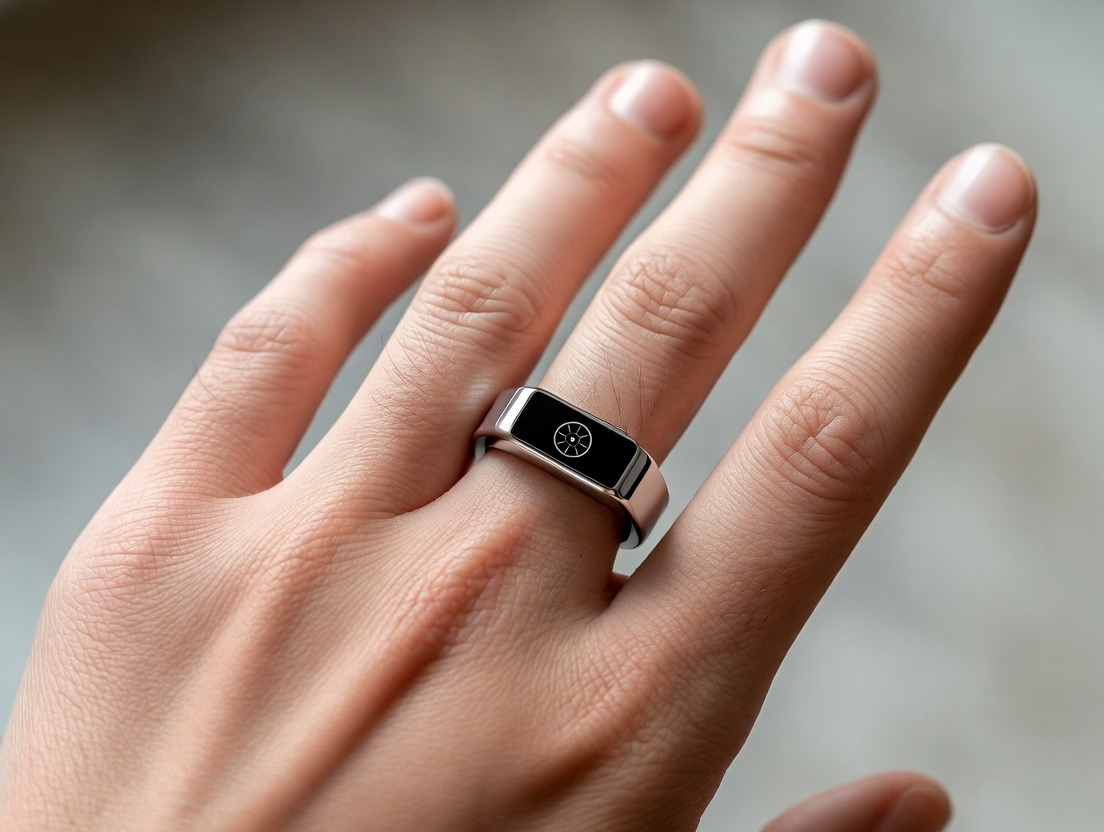
All the capabilities discussed so far are technologically possible in various wearable forms. However, the vehicle for this continuous, preventive monitoring is not incidental; it is fundamental to its success. This is where the smart ring, like Oxyzen, holds a distinct and powerful advantage over wrist-worn devices for 24/7 health intelligence.
The goal of preventive monitoring is to capture your body’s authentic, undisturbed signals. Any barrier to consistent wear or any source of data noise compromises this mission. The smart ring elegantly solves for both.
1. Unobtrusive Comfort & Compliance: A ring is perhaps the most familiar and comfortable wearable form factor known to humanity. It is lightweight, has no bulky screen to dig into your wrist, and doesn’t require tightening a band. You wear it and forget it—during sleep, showers, typing, workouts, and daily life. This seamless integration guarantees the highest possible compliance, which is the absolute prerequisite for establishing a true, continuous baseline. A device left on the nightstand cannot protect your health.
2. Superior Physiological Signal Location: The finger is a superior site for several key measurements. It is rich in capillaries, providing a strong, consistent blood flow signal for optical heart rate and SpO2 sensors. This can lead to more reliable readings, especially during sleep, compared to the wrist, where bone and tendon can interfere. Furthermore, the ring form factor naturally minimizes motion artifact during sleep and daily activities, reducing data noise.
3. Discreetness & Aesthetics: Health monitoring becomes a truly silent partner. There are no screens lighting up in meetings or at the cinema. The design can be sleek and personalized, resembling a piece of modern jewelry rather than a tech gadget. This removes any social or aesthetic barrier to constant wear, making preventive health a private, integrated part of your identity.
4. Optimized for Recovery & Sleep Metrics: Since the most critical data for prevention (HRV, RHR, sleep stages, temperature) is gathered at night, the device must be supremely comfortable for sleep. A smooth, form-fitting ring is less likely to cause pressure points or awareness than a watch, leading to better sleep quality for the user and, consequently, better data quality.
In essence, the smart ring isn’t just a different shape for the same technology; it is a design philosophy centered on human factors. It prioritizes compliance, signal integrity, and discretion to ensure that the revolutionary promise of continuous health monitoring is fully realized. It is the ideal form factor for a device whose job is to be your constant, unseen health guardian. To see how real users experience this advantage, browse through their shared experiences in our testimonials section.
We stand on the brink of the next leap forward: moving from descriptive and diagnostic insights to truly predictive and prescriptive health guidance. The catalyst for this leap is Artificial Intelligence (AI) and machine learning, applied to the vast, longitudinal datasets generated by continuous wearables.
Today’s best devices tell you what is happening or what has happened: "Your HRV is low today." "Your sleep was disrupted last night." The next generation, powered by AI, will tell you what is likely to happen and what you should do about it.
Predictive Analytics: By analyzing months or years of your personal data alongside aggregated, anonymized population data, AI algorithms can identify highly individualized patterns that predict future states. For instance, it might learn that for you, a specific combination of a slight temperature rise plus two consecutive nights of low deep sleep predicts a 75% likelihood of a headache in two days. Or that a gradual 10-day decline in your HRV during a busy work period consistently predicts a drop in motivation and energy the following week.
Prescriptive & Proactive Coaching: This is where it becomes transformative. The system wouldn’t just alert you to the predicted outcome; it would proactively suggest a personalized intervention to prevent it. "Our data suggests you’re at high risk for a tension headache. Consider your 15-minute evening yoga routine tonight, which has historically improved this pattern by 60%." Or: "Your resilience data indicates a high probability of burnout in the coming week. We’ve automatically simplified your training plan and suggest scheduling two 20-minute meditation sessions."
This shifts the model from a passive dashboard to an active, intelligent health partner. It’s a paradigm where technology doesn’t just inform you of problems, but helps you systematically prevent them from occurring in the first place. This is the ultimate expression of preventive healthcare: a system that learns you, anticipates your unique vulnerabilities, and guides you with precision toward sustained well-being.
The journey through the capabilities of wearable health technology reveals a future that is already taking shape on our fingers. We have moved from a world of health ignorance and reactive care to one of profound awareness and proactive empowerment. The smart ring, and devices like it, are democratizing access to the kind of deep physiological insight that was once available only in elite athletic labs or sleep clinics.
This technological shift is doing two revolutionary things simultaneously:
1. Empowering the Individual: It is making each person the active author of their health story. With continuous, personalized data, we are no longer passive patients waiting for a crisis. We are informed, engaged participants who can see the impact of our choices, understand our bodies’ unique language, and take precise, timely action to stay within our zone of resilience and wellness.
2. Transforming the Healthcare System: On a macro scale, this influx of real-world, continuous data has the potential to reshape medicine from the ground up. It provides a new, powerful tool for clinicians—longitudinal data outside the clinic walls. It enables population health studies with unprecedented granularity. Most importantly, it aligns economic and health incentives by focusing the entire system on preventing expensive, debilitating chronic disease rather than just managing it.
The path to a healthier society is not through more hospitals or more advanced reactive treatments alone. It is through embedding prevention into the fabric of daily life. Wearable health technology, particularly in its most seamless and effective forms, is the tool that makes this possible. It turns prevention from an abstract ideal into a daily, data-driven practice.
This is only the beginning of our exploration. In the next portion of this article, we will delve into the practical implementation of this technology, explore case studies of its impact, address privacy and data security, and look even further ahead to the horizon of human health optimization. The era of waiting for sickness is over. The era of continuous, intelligent, preventive health is here.
To begin your own journey into data-driven prevention and experience the seamless integration of a health guardian designed for modern life, discover how Oxyzen works.
The true measure of any health technology is not the sophistication of its sensors, but its ability to catalyze meaningful, lasting change. A continuous stream of data, no matter how insightful, can become mere background noise without a framework for translation. The critical bridge between information and transformation is the Personalized Prevention Protocol—a dynamic, living plan built on your unique data, designed to move you from awareness to sustained action.
Building this protocol is a collaborative process between you and the intelligence gathered by your wearable. It involves moving beyond generic wellness advice (“get 8 hours of sleep,” “exercise 150 minutes per week”) to creating a set of rules and routines exquisitely tailored to your physiology, lifestyle, and goals. Here’s how that process unfolds, step by data-informed step.
Step 1: Establish and Refine Your Baseline. The first 30 days are a discovery phase. Your device is learning, and so are you. You observe how your vital signs naturally fluctuate. You might note that your baseline RHR is naturally higher in the luteal phase of your cycle, or that your HRV is consistently highest on weekend mornings. This isn’t judgment; it’s mapping your terrain.
Step 2: Identify Your Key Leverage Points. With a baseline established, you can now identify which metrics are your most sensitive indicators and which areas offer the greatest potential for improvement. For one person, sleep consistency might be the low-hanging fruit that dramatically boosts HRV. For another, managing afternoon stress might be the key to unlocking better sleep. Your data highlights these personal leverage points. The Oxyzen.ai blog is a valuable resource for understanding how to identify and act on these personal insights.
Step 3: Design Micro-Experiments. This is the heart of the protocol. Instead of a massive, overwhelming lifestyle overhaul, you conduct targeted, two-week experiments. For example:
You can run similar experiments on hydration, caffeine cutoff times, morning light exposure, types of exercise, or meditation practices. Each experiment is guided by a hypothesis and validated by objective data.
Step 4: Create "If/Then" Rules for Early Warnings. Your protocol includes personalized contingency plans based on your wearable’s alerts. These are your pre-written prescriptions for when you deviate from your baseline.
These rules transform early warnings from anxiety-inducing alerts into clear, calming action plans. You’ve already decided what to do, so you can execute without stress or decision fatigue.
Step 5: Iterate and Evolve. A Personalized Prevention Protocol is never static. As you age, as your fitness changes, as your life circumstances shift, so too will your baseline and your optimal routines. The protocol evolves with you. A practice that once boosted your HRV may lose its efficacy; a new form of movement might become your most potent recovery tool. The continuous feedback loop ensures your preventive strategy is always current, always relevant, and always personalized to the person you are today.
This protocol is your ultimate empowerment tool. It turns the vast potential of health data into a clear, actionable, and deeply personal roadmap for lifelong wellness.
The rise of consumer wearables is not creating a parallel, disconnected system of self-care; rather, it is forging a powerful new partnership between patients and healthcare providers. For the clinician, high-quality, longitudinal data from a device like a smart ring is not a threat to their expertise, but a revolutionary tool that enriches it, transforming the clinical encounter from a snapshot into a feature-length film.
Enhancing Diagnostic Precision: A patient presenting with fatigue, for example, is a common and challenging diagnostic puzzle. Is it anemia, thyroid dysfunction, depression, sleep apnea, or chronic stress? Traditionally, a doctor would order lab tests and ask for a subjective sleep history. Now, imagine the patient arrives with a three-month trend graph showing chronically depressed HRV, frequent nocturnal awakenings, and subtle but sustained resting heart rate elevation. This data immediately points the investigation toward sleep quality and autonomic nervous system dysregulation, potentially fast-tracking a sleep study or a stress-cortisol evaluation. It makes diagnosis less of a guessing game.
Optimizing Treatment and Medication Management: For patients managing chronic conditions like hypertension, atrial fibrillation (Afib), or anxiety, wearable data provides unprecedented visibility into treatment efficacy. A cardiologist can see not just a once-a-week blood pressure reading, but a daily trend of RHR and HRV in response to a new medication or dose. A psychiatrist can observe how a patient’s sleep architecture and stress biomarkers change after starting a new therapeutic regimen. This enables truly personalized titration—adjusting treatment based on the body’s continuous response, not just intermittent check-ins.
Improving Adherence and Accountability: "Are you exercising more? Are you sleeping better?" are questions often met with optimistic but inaccurate patient recall. Wearable data provides an objective record. A physical therapist can see if a patient is actually doing their prescribed daily walks. A diabetes educator can correlate glucose trends with the patient’s activity and sleep data. This shared objectivity fosters honest conversation, allows for targeted troubleshooting, and celebrates verifiable progress, strengthening the therapeutic alliance.
The "Bring-Your-Own-Data" (BYOD) Future: Forward-thinking practices are beginning to integrate patient-generated health data (PGHD) into electronic health records. In this model, a patient can securely share key wearable trends with their care team ahead of an appointment. The doctor reviews the trends, noting a steady decline in HRV over the quarter, and uses the precious face-to-face time to discuss why and strategize solutions, rather than spending it gathering basic status information.
Of course, this new paradigm requires navigation. Clinicians need education on interpreting consumer-grade biometrics, and patients need guidance on what data is clinically relevant. The goal is not to overwhelm the physician with raw data streams, but to empower the patient to become a prepared, data-informed partner. By bringing objective, longitudinal insights to the appointment, the patient elevates the dialogue, enabling a collaborative, efficient, and profoundly more preventive approach to care. For more on how this partnership model is central to our vision, you can read about our mission and values.
To move from theory to tangible impact, let’s examine hypothetical but data-grounded case studies that illustrate how continuous wearable monitoring enables preventive healthcare across different life stages and challenges. These stories showcase the transition from reactive symptom management to proactive health preservation.
Case Study 1: The High-Performing Executive (Preventing Burnout)
Case Study 2: The Peri-Menopausal Woman (Navigating Hormonal Transition)
Case Study 3: The Amateur Athlete (Optimizing Performance & Preventing Injury)
These cases illustrate that prevention is not one-size-fits-all. It is a personal narrative written in data, and wearables provide the pen.
As we embrace the power of wearable health tech, it is imperative to navigate its landscape with clear-eyed awareness of its limitations and our responsibilities. Three critical pillars must support this preventive health revolution: Accuracy, Privacy, and Ethics.
1. The Quest for Accuracy and Clinical Validation: Not all wearables are created equal. The market is flooded with devices making bold claims. For preventive health, where data informs potentially significant lifestyle and even clinical decisions, sensor accuracy and algorithmic reliability are paramount.
2. The Paramount Importance of Data Privacy and Security: Your physiological data is among the most personal information that exists. It can reveal your sleep patterns, stress levels, and potentially early signs of illness. How this data is handled is non-negotiable.
3. Ethical Considerations and the "Quantified Self" Dilemma: The data-driven path has potential psychological pitfalls that require mindful navigation.
Navigating this landscape wisely means being an informed consumer. Choose devices from companies that prioritize transparency, privacy, and clinical rigor. Use the data with self-compassion, understanding its context and limitations. By doing so, you harness the power of the technology while safeguarding your well-being on all levels.
The transformative power of wearable technology extends far beyond the individual wearing the device. When aggregated and anonymized, this river of continuous physiological data from millions of users forms an ocean of insights with the potential to revolutionize public health, medical research, and our fundamental understanding of human biology. This is the frontier of population health intelligence.
Revolutionizing Epidemiological Research: Traditional epidemiology relies on surveys, sporadic lab tests, and health records—data that is often incomplete, retrospective, and subjective. Imagine a study on the impact of a new city-wide green space initiative. Instead of relying on self-reported "well-being" surveys, researchers could analyze aggregated, anonymized trends in HRV, sleep quality, and activity levels from wearable users in affected neighborhoods versus control areas. The result would be an objective, real-time measure of the intervention’s physiological impact on community stress and health.
Early Detection of Public Health Threats: On an even larger scale, wearable networks could act as an early warning system for public health emergencies. A sudden, synchronized increase in resting heart rate and decrease in HRV across a geographic population could signal the early, pre-symptomatic spread of an infectious disease outbreak—potentially weeks before hospital admissions spike. This could enable faster, more targeted public health responses.
Accelerating Clinical Trials and Drug Development: In clinical trials for new medications or therapies, wearables provide a continuous, objective measure of efficacy and side effects. Instead of a patient reporting "I feel less fatigued" at a monthly visit, the trial can track 24/7 activity levels, sleep quality, and heart rate trends. This yields richer, more sensitive data, potentially shortening trial timelines, reducing required participant numbers, and leading to more effective, personalized dosing guidelines.
Mapping "Real-World" Baselines and Disease Progression: Medical science has established norms based on limited clinical measurements. What does the 24/7 physiology of a "healthy" 50-year-old actually look like across seasons, geographies, and cultures? How do vital sign trends in the year preceding a type 2 diabetes diagnosis differ from those who remain healthy? Massive, longitudinal wearable datasets can answer these questions, creating dynamic, real-world maps of health and disease progression that were previously impossible to chart.
The Critical Imperative of Privacy and Anonymization: This incredible potential is inextricably linked to an ethical imperative. The aggregation of data for public good must be done with the highest standards of privacy preservation. Data must be fully anonymized and stripped of all personally identifiable information. Participation in such research should always be opt-in, transparent, and controlled by the individual. The trust of users is the foundation upon which this entire frontier is built.
By contributing anonymized data to this collective knowledge base (with full consent and control), users of devices like the Oxyzen smart ring can become part of something larger than themselves—a citizen-scientist movement helping to build a healthier future for all. This collective intelligence is perhaps the most profound preventive healthcare tool of all, turning individual wellness into a global asset.
The preventive health wearable of the future does not operate in a vacuum. Its full potential is unlocked when it becomes the central, intelligent node in a seamlessly connected health ecosystem. This ecosystem integrates with the other digital and physical environments we inhabit, creating a holistic, automated, and context-aware system for well-being.
Integration with the Smart Home: Imagine a world where your home responds to your physiological state to optimize your health.
The AI Health Assistant: Beyond the app dashboard, your wearable data will fuel a conversational AI health coach. You could ask, "Why was my sleep score low last night?" and the AI, analyzing your data, might respond: "Your deep sleep was reduced by 25%. This correlates with your alcohol consumption two nights in a row, which is known to suppress deep sleep. Your HRV also dropped. I recommend a dry night tonight and your 10-minute legs-up-the-wall routine before bed to encourage recovery."
Synergy with Other Health Tech: True integration means breaking down data silos.
This connected ecosystem moves prevention from a manual, conscious practice to an ambient, supportive environment. The technology recedes into the background, working synergistically to nudge your daily choices and modulate your environment in alignment with your physiological needs. It creates a world where the healthiest choice becomes the easiest, and sometimes, the automated choice. This is the seamless future of embedded, intelligent preventive care.
The ultimate goal of preventive healthcare is not merely to add years to life, but to add life to years. This concept is captured in the distinction between lifespan (how long you live) and healthspan (how long you live in good health, free from chronic disease and disability). Wearable technology is emerging as a fundamental tool for maximizing healthspan—what we call the Longevity Dividend.
Modern medicine has excelled at extending lifespan, often by managing end-stage diseases. But these added years are frequently accompanied by a prolonged period of decline, frailty, and medication dependence. The new paradigm, powered by data, focuses on compressing that period of morbidity—pushing the onset of age-related decline as far back as possible to enjoy a long, vibrant, and functional life.
How Wearables Support the Healthspan Mission:
The Longevity Dividend is the compounded interest earned on daily investments in health. Wearable technology provides the portfolio statement, showing you the growth (or decline) of your physiological capital in real time. It shifts the focus from fearing aging to actively engineering a long, healthy, and high-functioning life. This is the pinnacle of preventive healthcare: not just avoiding disease, but actively cultivating sustained vitality. For those inspired by this journey, our story delves deeper into the philosophy of designing technology for lifelong wellness.
Embarking on your journey with a continuous health monitor is exciting, but the influx of data can be overwhelming. The key to success is a structured, patient, and curious approach. Your first 90 days are a period of learning, not judgment. Here is a phased guide to building a sustainable, insightful practice.
Phase 1: The Observation Month (Days 1-30) – Become a Data Naturalist
Phase 2: The Connection Month (Days 31-60) – Discover Patterns and Correlations
Phase 3: The Protocol Month (Days 61-90) – Design Your Personal System
Golden Rules for the First 90 Days:
By following this phased approach, you integrate the technology into your life in a way that is insightful, empowering, and sustainable, laying the groundwork for a lifetime of data-driven prevention.
We have journeyed from the fundamental shift to continuous monitoring, through the intricate language of vital signs, and into the far-reaching implications for individuals, medicine, and society. The through line is clear: wearable health technology is fundamentally altering our relationship with our own bodies and the concept of healthcare itself.
The smart ring, or its wearable equivalent, is more than a gadget; it is an Invisible Guardian. It works tirelessly in the background, translating the silent, analog language of your physiology into a digital narrative you can understand. It doesn't scold or shame; it informs. It doesn't diagnose disease; it illuminates the path away from it.
This technology fosters a new relationship with health—one that is proactive, personalized, participatory, and predictive.
This is not a future of cold, robotic health management, but of profound reconnection. By giving us a window into our inner workings, these tools can cultivate a deeper sense of body literacy and self-compassion. We learn to honor our need for recovery, respect our individual limits, and celebrate our unique rhythms.
The era of passive, reactive healthcare is ending. In its place, we are building a culture of continuous, intelligent, and empowered prevention—one heartbeat, one night of sleep, one moment of managed stress at a time. The Invisible Guardian is on duty, ensuring that the story of your health is one of sustained vitality, resilience, and well-being for all the chapters to come.
In the final portion of this comprehensive exploration, we will peer over the horizon at the emerging technologies set to redefine prevention once more, answer the most pressing questions from new users, and provide a consolidated blueprint for building your preventive health strategy in the modern age.
To see how this philosophy comes to life in a product designed for this very purpose, discover the technology behind Oxyzen.
Your Trusted Sleep Advocate: Sleep Foundation — https://www.sleepfoundation.org
Discover a digital archive of scholarly articles: NIH — https://www.ncbi.nlm.nih.gov/
39 million citations for biomedical literature :PubMed — https://pubmed.ncbi.nlm.nih.gov/
Experts at Harvard Health Publishing covering a variety of health topics — https://www.health.harvard.edu/blog/
Every life deserves world class care :Cleveland Clinic - https://my.clevelandclinic.org/health
Wearable technology and the future of predictive health monitoring :MIT Technology Review — https://www.technologyreview.com/
Dedicated to the well-being of all people and guided by science :World Health Organization — https://www.who.int/news-room/
Psychological science and knowledge to benefit society and improve lives. :APA — https://www.apa.org/monitor/
Cutting-edge insights on human longevity and peak performance:
Lifespan Research — https://www.lifespan.io/
Global authority on exercise physiology, sports performance, and human recovery:
American College of Sports Medicine — https://www.acsm.org/
Neuroscience-driven guidance for better focus, sleep, and mental clarity:
Stanford Human Performance Lab — https://humanperformance.stanford.edu/
Evidence-based psychology and mind–body wellness resources:
Mayo Clinic — https://www.mayoclinic.org/healthy-lifestyle/
Data-backed research on emotional wellbeing, stress biology, and resilience:
American Institute of Stress — https://www.stress.org/


