


Wearable Health Tech Guide: Integration With Healthcare Systems
How wearable health tech is integrating with formal healthcare systems.
How wearable health tech is integrating with formal healthcare systems.
%402x.svg)
In an era where a tiny device on your finger can whisper the secrets of your heart, a quiet revolution is unfolding not just on our wrists and fingers, but within the very architecture of global healthcare. The sleek smart rings, discreet fitness trackers, and advanced biosensing wearables we wear are no longer mere vanity gadgets or step-counting curiosities. They are evolving into legitimate, data-rich portals to our personal physiology, generating a continuous stream of actionable health intelligence. Yet, for all their sophistication, a critical question remains: How does this torrent of personal data move beyond our smartphones to actually improve our medical care, enhance clinical decisions, and empower our doctors?
This guide is not just about what your wearable can track—it's about the transformative journey that data takes from your body into the heart of modern healthcare systems. We are standing at the precipice of a new paradigm: seamless wearable integration. Imagine a world where your cardiologist reviews your nightly heart rate variability trends before your appointment, where your sleep data from your ring helps a specialist diagnose a disorder, or where silent warnings from your wearable trigger proactive, preventative outreach from your care team. This is the promise of connected health—a future where healthcare is proactive, personalized, and participatory.
The potential is staggering. From managing chronic conditions like diabetes and hypertension to enabling remote patient monitoring (RPM) for post-operative recovery, integrated wearables are poised to alleviate strain on overburdened systems and improve outcomes. However, the path to this integrated future is paved with complex challenges: daunting data privacy concerns, the labyrinth of interoperability between different tech systems, regulatory hurdles, and the crucial need for clinical validation. As we explore the deep integration of wearables like the advanced health-tracking smart rings from innovators such as Oxyzen, we will map out this landscape. We’ll examine the technology enabling this shift, the real-world applications already changing lives, and the hurdles we must collectively overcome to build a healthier, more connected future. This is your guide to understanding how the device on your finger is becoming a cornerstone of the next generation of healthcare.
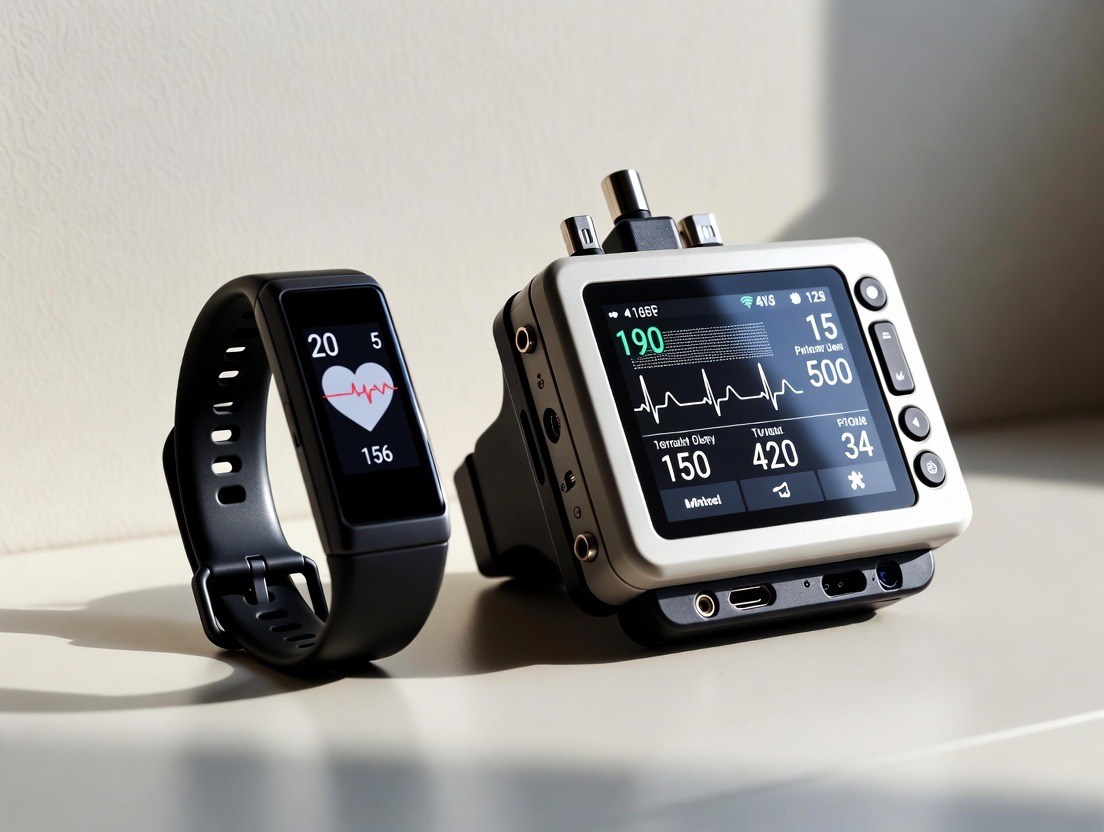
The journey of wearable health technology is a story of ambition scaling upwards—from counting steps to potentially saving lives. The first wave of wearables, epitomized by early pedometers and basic heart rate monitors, was squarely focused on quantified self and wellness. Their goal was motivation and awareness, providing users with simple metrics like daily activity goals, rudimentary sleep duration, and calories burned. The data was often siloed, proprietary, and clinically "noisy"—interesting for the user but of limited value to a medical professional due to a lack of precision, context, and regulatory validation.
The pivot from "wellness" to "health" marks the critical paradigm shift we are experiencing today. This transition is fueled by several concurrent technological explosions. First, sensor miniaturization and sophistication have reached a point where clinical-grade measurements can be captured from non-invasive, consumer-friendly devices. Advanced photoplethysmography (PPG) sensors in today's smart rings, for example, don't just measure heart rate; they can capture heart rate variability (HRV), blood oxygen saturation (SpO2), and even estimate respiratory rate. Second, the rise of powerful, low-energy microprocessors and AI allows for on-device processing and advanced algorithm development. This means your wearable isn't just collecting raw data; it's analyzing it in real-time to identify patterns, anomalies, and trends that have medical significance.
Third, and perhaps most crucially, is the shift in data philosophy. Wellness data was often an endpoint. Health data, in the integrated model, is a starting point—a continuous feed meant for translation and action within a broader clinical ecosystem. This requires a fundamental change in how data is structured, secured, and shared. It’s no longer about a weekly summary email; it’s about a secure, standardized data stream that can be ingested by electronic health record (EHR) systems, interpreted by clinical algorithms, and reviewed by care teams.
Companies at the forefront, like Oxyzen, are designing their technology with this clinical integration in mind from the ground up. Their focus isn't just on sleek design and user experience, but on the accuracy, reliability, and interoperability of the data their devices generate. This foundational shift is what transforms a smart ring from a clever piece of consumer electronics into a potential partner in your long-term health management. To understand the full scope of how this technology has developed, one can explore our detailed blog posts on sensor evolution and data accuracy over at our blog.
The implications of this shift are profound. We are moving from episodic, reactive care—"I go to the doctor when I feel sick"—to continuous, proactive health management. Your wearable becomes a sentinel, constantly gathering a baseline of your normal physiology, making it dramatically easier to detect and flag meaningful deviations. This creates the foundational layer upon which true integration with healthcare systems is built: trusted, actionable data.
To comprehend how a wearable can interface with something as complex and secure as a hospital's IT system, we must deconstruct the technological stack that makes it possible. This stack is a multi-layered architecture, each layer essential for transforming raw biological signals into clinically useful information.
Layer 1: The Sensor Suite. This is the physical interface with your body. In a modern smart ring or wearable, this typically includes:
Layer 2: The On-Device Processing & AI. Raw sensor data is just a waveform. The magic happens in the algorithms. Modern wearables use embedded AI to process this data directly on the device (edge computing). This serves two key purposes: 1) Power Efficiency: Processing data locally reduces the need to constantly transmit raw data, saving battery life. 2) Real-Time Insights: It enables immediate feedback, such as detecting a fall or an irregular heart rhythm and alerting the user on the spot. These algorithms are trained on massive, diverse datasets to recognize patterns—for instance, classifying sleep stages (light, deep, REM) from movement and heart rate data, or identifying potential signs of atrial fibrillation (AFib) from pulse waveform irregularities.
Layer 3: Interoperability & Standards. This is the most critical layer for healthcare integration. For data to flow from your wearable into a doctor's workflow, it must speak the right language. This is where standards like HL7 FHIR (Fast Healthcare Interoperability Resources) and Continua Design Guidelines come into play. FHIR is a modern data standard for exchanging healthcare information electronically. Think of it as a universal translator for health data. A wearable platform that is FHIR-enabled can package its data—say, a week's worth of resting heart rate and sleep efficiency metrics—into a standardized "Resource" that can be seamlessly and securely pushed into a compatible Electronic Health Record (EHR) system like Epic or Cerner.
Without this layer of interoperability, wearable data remains trapped in its app, a digital island of potential. With it, the data becomes a structured part of your official health record, viewable alongside your lab results and doctor's notes. Companies building for the future of integrated health, like Oxyzen, invest heavily in ensuring their systems are designed for this level of interoperability, understanding that data fluidity is as important as data accuracy. For those curious about the technical foundations of our approach, you can learn more about our technology and mission.
The most immediate and impactful application of integrated wearable tech is in the realm of Remote Patient Monitoring (RPM). RPM is a healthcare delivery method that uses technology to monitor patients outside of conventional clinical settings, and it has exploded in adoption and reimbursement, particularly since the COVID-19 pandemic. Integrated wearables are the perfect frontline tool for RPM programs, providing a continuous, unobtrusive data stream for managing chronic conditions and post-acute recovery.
Chronic Disease Management: Consider a patient with hypertension. Traditionally, management relies on sporadic in-office blood pressure checks and perhaps a home cuff used a few times a day. An integrated wearable with validated pulse waveform analysis can provide dozens of passive blood pressure estimates throughout the day and night, revealing nocturnal hypertension or "white coat" syndrome patterns. This rich dataset allows a care team to tailor medication types and timing with unprecedented precision. Similar models are transforming care for:
Post-Operative and Senior Care: After surgery or for an aging population living independently, wearables offer safety and efficiency. They can monitor mobility and activity levels to ensure a patient is recovering as expected. More advanced systems can detect falls and automatically alert emergency contacts. This enables "hospital-at-home" models, where patients can be discharged earlier but still remain under the virtual observation of their care team, improving outcomes and patient satisfaction while reducing healthcare costs.
The key to effective RPM is actionable alerting. The system must be smart enough to filter out insignificant noise and only flag clinically meaningful trends to the care team, preventing alert fatigue. This requires close collaboration between device manufacturers, software developers, and clinicians to define the right rules and thresholds. The testimonials from users and clinicians who have experienced this shift firsthand can be powerful; you can read some of these transformative accounts in our user testimonials section.

As the flow of deeply personal health data intensifies, the questions of privacy, security, and ethical control become paramount. This isn't just your step count; this is your sleep pattern, your stress physiology, your cardiac rhythm. The integration of this data into healthcare systems places it under the umbrella of Protected Health Information (PHI), which is stringently regulated in many regions by laws like HIPAA in the United States and GDPR in the European Union.
The Security Imperative: Healthcare data is a prime target for cybercriminals. Therefore, any wearable platform aiming for clinical integration must implement enterprise-grade security. This includes:
The Privacy and Consent Conundrum: Beyond keeping data safe from hackers, there is the crucial question of how it is used by the authorized entities themselves. True patient-centric integration must be built on informed, granular, and dynamic consent. Patients must understand:
The ideal system allows patients to be the stewards of their own data. They should be able to easily grant or revoke access to specific data streams for specific purposes and timeframes through a clear, user-friendly portal. This is a fundamental shift from the traditional, one-time, blanket-consent form. It empowers patients and builds the trust that is essential for the widespread adoption of integrated wearable health. For a deeper dive into how we handle these critical issues, our FAQ page addresses many common privacy and data questions.

If data privacy is the ethical cornerstone of integration, interoperability is the technical backbone. The healthcare IT landscape is famously fragmented, with hundreds of different Electronic Health Record (EHR) systems in use globally, each with its own proprietary data formats. For wearable data to be useful in a clinical context, it cannot exist solely in a manufacturer's app. It must be able to flow into the systems where clinicians actually work.
This is where standards like HL7 FHIR and the SMART on FHIR framework become revolutionary.
HL7 FHIR (Fast Healthcare Interoperability Resources): FHIR is a modern, web-based standard for exchanging healthcare information. It structures data into discrete "Resources" (e.g., an Observation resource for a heart rate reading, a Patient resource, a Practitioner resource). These resources are easily understood by both humans and machines and can be exchanged via modern API (Application Programming Interface) calls—the same technology that allows different apps on your phone to talk to each other. When a wearable platform structures its sleep data as a FHIR Observation resource, it becomes a digital package that any FHIR-compliant EHR can theoretically unpack and understand.
SMART on FHIR: This is the framework that brings FHIR to life in clinical workflows. SMART (Substitutable Medical Applications, Reusable Technologies) defines how third-party applications can be launched securely from within an EHR's interface. Imagine this: A doctor opens a patient's chart in their Epic EHR system. Within the chart, a SMART on FHIR "tile" or app appears, labeled "Wearable Health Dashboard." The doctor clicks it. Without having to log in to a separate system, the SMART app launches directly within Epic, securely pulls the patient's wearable data (authorized via FHIR APIs), and displays it as clean graphs of heart rate trends, sleep efficiency, and activity levels—all alongside the patient's medications and problem list.
This seamless, in-workflow integration is the holy grail. It removes friction for the clinician, who no longer has to juggle multiple logins and windows. It ensures the wearable data is viewed in the full clinical context. And it makes the data actionable. The clinician can now make a decision informed by 30 days of continuous physiology, not just a single point-in-time measurement. The commitment to building on these open standards is a clear indicator of a wearable company's serious intent to serve the clinical market, a principle that guides the development of platforms like Oxyzen.
Not all health data is created equal in the eyes of regulatory bodies. The leap from a "general wellness" product to a device that provides data intended for clinical decision-making triggers a need for regulatory review and clearance. This process validates that the device is safe and effective for its intended medical purpose.
Key Regulatory Pathways:
For healthcare systems and providers, regulatory clearance is a gatekeeper. It provides a level of assurance and mitigates liability. Before integrating data from a wearable into a patient's record or care plan, a hospital's IT and legal departments will almost certainly require evidence of the appropriate regulatory approvals for the device's specific clinical functions. This is why the journey of a company like Oxyzen involves not just engineering and design, but a deep commitment to the scientific and regulatory process, as detailed in our story of research and development.

The most elegant technology and perfect interoperability standards will fail if they are not adopted by the two key human groups in the equation: Healthcare Providers and Patients.
Overcoming Clinician Skepticism: Many doctors are rightfully cautious. They face an avalanche of health tech hype and "disruptive" apps of dubious quality. For providers to trust and use wearable data, several conditions must be met:
Engaging and Empowering Patients: For patients, adoption hinges on value, burden, and trust. The device must provide clear value—either in managing a concerning condition, achieving a health goal, or providing peace of mind. The burden must be low; a medical device that is uncomfortable, requires constant charging, or needs complex calibration will be abandoned. This is where the form factor of a smart ring has a significant advantage over bulkier medical monitors—it fits seamlessly into daily life.
Finally, as discussed, trust in data privacy and security is fundamental. Patients need to feel in control of their intimate health data. Successful integration platforms will excel not just at technology, but at communication, education, and transparent data governance, fostering a true partnership between patient and provider. Seeing how others have successfully integrated this technology into their lives can be inspiring; a collection of such experiences is available on our testimonials page.
The theoretical potential of integrated wearables is compelling, but it is the real-world pilot programs and clinical successes that prove its viability. Across the globe, healthcare institutions are partnering with technology companies to deploy these solutions with measurable results.
Use Case 1: Managing Hypertension at Scale. A large U.S. health system launches an RPM program for patients with uncontrolled hypertension. Participants are given a connected wearable capable of frequent, cuffless blood pressure estimation. The data streams into a centralized dashboard monitored by a team of pharmacists and nurses. Algorithms flag patients whose trends are moving in the wrong direction. The care team can then intervene via telehealth, adjusting medications. Result: A significant increase in the number of patients achieving blood pressure control, a reduction in in-person visits, and a lower rate of stroke and cardiovascular events in the enrolled population.
Use Case 2: Post-Cardiac Surgery Recovery. A hospital implements a "Home After Heart Surgery" program. Discharged patients wear a smart ring that monitors heart rate, HRV, activity, and sleep. The care team can see if a patient is becoming less active (a sign of potential complications) or if their sleep is severely disrupted (impacting healing). A sudden, sustained drop in HRV triggers a nursing call to check for signs of infection or other issues. Result: Fewer preventable readmissions, higher patient satisfaction, and more efficient use of hospital beds.
Use Case 3: Population Health in Employer Wellness. A self-insured corporation provides employees with the option to use a wearable like the Oxyzen ring as part of a advanced wellness program. Aggregated, anonymized data helps the company understand workforce-wide stress and sleep patterns. More importantly, employees can choose to share specific data streams with a dedicated health coach to work on personalized goals like improving sleep hygiene or managing work-related stress, with the coach having access to objective data rather than just self-report. Result: Improved employee well-being metrics, potentially lower healthcare costs for the employer, and a more engaged workforce. To explore more about how such integrations are structured, you can find related articles and case studies on our blog.
These cases illustrate a common thread: success requires a tripartite partnership between the technology (accurate, interoperable device), the clinical model (redesigned workflows and staffing), and the financial model (aligned incentives and reimbursement).
The ultimate promise of continuous, integrated physiological data is the shift from reactive and managed care to truly predictive and preventative health. This is where the convergence of big data, artificial intelligence, and wearable biosensors opens a visionary frontier.
Predictive Analytics at the Individual Level: By establishing a multi-parameter baseline for an individual over months or years, advanced machine learning models can identify subtle, preclinical deviations that precede a major health event. For example, research is exploring how trends in resting heart rate, HRV, skin temperature, and sleep could predict the onset of an infection like the flu 24-48 hours before symptoms appear. Similarly, complex pattern analysis might one day provide early warnings for metabolic shifts toward pre-diabetes or mental health episodes. This turns healthcare into a system of early-warning sentinels, allowing for low-cost, low-intensity interventions (e.g., rest, hydration, a check-in with a coach) to avert a high-cost crisis (e.g., hospitalization).
Population Health and Research: Aggregated and anonymized data from millions of consented users creates an unprecedented real-world evidence engine. Researchers can study:
For health insurers and public health agencies, this data can help identify at-risk communities, tailor public health messaging, and design more effective wellness programs. It moves us from a system that treats sickness to one that fosters health. This future-oriented vision is what drives innovators in the space; you can read about the long-term vision that guides companies at the forefront in resources like the Oxyzen story.
For all its promise, the integrated wearable future faces significant practical and ethical hurdles that must be addressed for it to be equitable and sustainable.
The Cost and Reimbursement Challenge: High-quality, clinically-validated wearables and the platforms that support their integration are not cheap to develop or maintain. The question of who pays is central. Possibilities include:
The Digital Divide and Health Equity: If not consciously designed for inclusivity, this technology could exacerbate existing health disparities. Access requires not just a device, but also a smartphone, reliable internet, digital literacy, and often, proficiency in a dominant language. Solutions must include:
The goal must be to use technology to close equity gaps, not widen them. This means building business and care models that are accessible to all, a challenge that requires thoughtful policy, philanthropic partnership, and ethical design from the ground up. For a deeper understanding of how one company approaches these challenges, our FAQ section touches on questions of accessibility and our broader mission is detailed here.
For a hospital, clinic, or health network looking to begin integrating wearable data, the path can seem daunting. Here is a conceptual roadmap, breaking down the journey into manageable phases:
Phase 1: Define Clinical & Strategic Objectives. Start with the "why." Are you aiming to reduce readmissions for heart failure? Improve diabetes outcomes in a specific population? Launch a premium concierge medicine offering? The clinical goal will dictate the technology requirements and success metrics.
Phase 2: Assemble a Cross-Functional Team. This is not just an IT project. The team must include clinical champions (doctors, nurses, care managers), IT/security experts, compliance/legal staff, patient experience representatives, and finance/revenue cycle managers.
Phase 3: Evaluate and Select Technology Partners. Create a request for proposal (RFP) based on your objectives. Key evaluation criteria must include:
Phase 4: Pilot and Iterate. Start small with a tightly defined pilot program—e.g., 50 patients with uncontrolled hypertension in a single clinic. Monitor everything: patient adherence, clinician satisfaction, workflow integration, data quality, and clinical outcomes. Use this pilot to iron out kinks, refine protocols, and build a business case for broader rollout.
Phase 5: Scale and Optimize. Based on pilot success, develop a scaling plan. This includes training for more staff, marketing the program to eligible patients, finalizing reimbursement workflows, and continuously monitoring outcomes and cost-effectiveness. As the program scales, the rich data asset you create can then feed into higher-order initiatives in predictive analytics and population health.
This structured approach turns a moonshot vision into a series of practical, de-risked steps, paving the way for a new era of connected, intelligent, and personalized care. For healthcare leaders and curious individuals looking for more resources on this journey, a wealth of information can be found by exploring the Oxyzen blog for the latest insights and guides.
The integration of wearable data is not merely a technical feat; it represents a fundamental power shift in the patient-provider relationship. For decades, healthcare has operated on a paternalistic model: the doctor, armed with episodic test results and clinical expertise, instructs the patient. The patient’s own lived experience and data collected outside the clinic were often relegated to subjective anecdote. The emergence of Patient-Generated Health Data (PGHD)—formally defined as health-related data created, recorded, or gathered by or from patients (or family members) outside the clinical setting—is dismantling this old dynamic.
Wearables are the most powerful PGHD engines ever created. They provide objective, quantitative, and continuous data about a patient’s life, transforming subjective reports of "I've been tired lately" into a dashboard showing a 40% reduction in deep sleep and elevated nighttime heart rates over the past three weeks. This data empowers patients in two profound ways.
First, it fosters self-awareness and agency. By seeing the direct impact of a late-night meal on their sleep quality, or the correlation between a stressful workday and a plummeting Heart Rate Variability (HRV) score, individuals become active experimenters in their own health. They can make informed lifestyle adjustments and observe the results in near real-time. This turns health management from a set of abstract doctor’s orders into a tangible, personal feedback loop.
Second, and more revolutionary for the clinical encounter, it enables shared decision-making. When a patient arrives for an appointment, they are no longer a vessel of symptoms to be diagnosed. They are a partner bringing a critical dataset to the table. A discussion about fatigue is no longer speculative; it is a collaborative analysis of sleep architecture graphs. A conversation about hypertension management is informed by dozens of daily blood pressure trends, revealing patterns completely invisible during a quarterly check-up.
This shift requires a new set of skills—data literacy—for both parties. Patients need to understand what their data means in a general sense, while clinicians need to learn how to quickly interpret, trust, and contextualize this new information stream within their diagnostic reasoning. The ideal outcome is a therapeutic alliance where the doctor’s clinical expertise is merged with the patient’s expertise in their own daily life and physiology. The wearable becomes the shared lens through which health is viewed, creating a collaborative path toward better outcomes. This philosophy of partnership is core to the mission of companies building for this future, as you can see in the values outlined in the Oxyzen story.
For the seamless flow of PGHD from a wearable into a clinical workflow, a robust and invisible infrastructure layer must exist. This backbone is a complex ecosystem of software platforms, secure networks, and intermediary services that handle the "plumbing" of health data.
At the device level, data is synced via Bluetooth to a smartphone app, which then transmits it to a secure cloud platform owned by the wearable manufacturer (e.g., Oxyzen's cloud). This platform is where the heavy lifting occurs: raw data is processed by advanced algorithms, transformed into user-friendly metrics and insights, and stored in a structured database. For integration, however, this cannot be the final destination.
This is where integration platforms and health data aggregators enter the scene. Companies like Apple (with its Health Records API), Google (Google Fit), and dedicated healthcare intermediaries (e.g., Validic, Human API) act as bridges or "on-ramps." They can aggregate data from hundreds of different wearable devices and apps, standardize it into a common format (like FHIR), and provide a single, secure API endpoint for healthcare providers to pull from. This solves a massive problem for a hospital: they don't want to build and maintain separate integrations with dozens of individual wearable companies. They want one connection to a trusted aggregator that can deliver standardized data from many sources.
On the healthcare provider side, the endpoint is the Electronic Health Record (EHR). Modern EHRs like Epic, Cerner, and Allscripts have developed specific capabilities to ingest PGHD. Epic, for instance, has its "Cosmos" database and "Share Everywhere" framework, while Cerner has its "HealtheIntent" platform. The integration typically works in one of two ways:
Crucially, this infrastructure must handle data normalization. A step count from Brand A's device may be calculated slightly differently than from Brand B's. A resting heart rate reading might be an average from one platform and a spot measurement from another. The infrastructure must apply rules to ensure data displayed in the clinician's view is as consistent and comparable as possible, even when sourced from a multitude of devices. This behind-the-scenes orchestration is what makes the simple, clean graphs in a doctor's chart possible, and understanding this ecosystem is key for anyone looking to implement such solutions, a topic we often explore in depth on our blog.
Perhaps no medical specialty has been more immediately transformed by wearable integration than cardiology. The ability to detect atrial fibrillation (AFib)—a common, often asymptomatic, but dangerously stroke-inducing irregular heart rhythm—outside of the clinic is a paradigm-shifting application. This case study illustrates the complete integration loop in action.
The Problem: AFib is notoriously elusive. It can come and go (paroxysmal AFib), meaning a patient might be in normal rhythm during their annual ECG. By the time symptoms are felt, a stroke may have already occurred. Traditional monitoring involved bulky, short-term Holter monitors (24-48 hours) or invasive implantable loop recorders—both costly and limited in duration or accessibility.
The Wearable Solution: Smartwatches and rings with advanced PPG sensors and on-device AI algorithms can now perform passive, continuous rhythm screening. The device monitors the pulse waveform for irregularities suggestive of AFib. If a potential episode is detected, the user receives a notification to take a prompt, motionless reading for confirmation. Some devices can even generate a single-lead ECG on demand by having the user touch a metal electrode on the device.
The Integration Pathway:
The Impact: This integrated pathway turns millions of consumers into sentinel nodes for early AFib detection. Clinical trials, like the Apple Heart Study, have demonstrated the feasibility of this approach. The result is a dramatic increase in diagnostic yield, allowing for earlier, preventative treatment. It moves cardiology from reactive intervention after damage has occurred to proactive risk management. For individuals curious about how this feels from a user's perspective, reading real user testimonials about catching potential health issues early can be enlightening.
This cardiology model is now being replicated for other conditions—like sleep apnea detection through nocturnal SpO2 and pulse rate variability, or early signs of heart failure decompensation—proving that wearable integration is a scalable framework for proactive care.
While hospital-EHR integration is the clinical gold standard, the fusion of wearable data is also revolutionizing adjacent sectors that deeply influence population health: corporate wellness, health insurance, and virtual care.
Employer Wellness 2.0: Gone are the days of simple step challenges for a water bottle prize. Progressive employers are deploying integrated wearable platforms as a core part of their benefits strategy. In these programs, employees are offered a device (like an Oxyzen ring) and access to a digital health platform. The key differentiator is actionable integration. Data isn't just for the employee; with their consent, it can be used in two powerful ways:
Health Insurance and Value-Based Care: Insurers, particularly those moving to value-based care models, have a direct financial incentive to keep members healthy. Integrated wearables become powerful tools for risk stratification and engagement.
The Telehealth Catalyst: The telehealth boom created a need for better remote diagnostics. Wearable integration is the answer. A virtual visit is far more effective when a doctor can review a week of physiological data before the call. Platforms like Teladoc and Amwell are increasingly building partnerships with wearable companies to allow patients to seamlessly share data pre-consultation. This transforms a telehealth appointment from a conversation based on symptoms to a data-informed clinical consultation, greatly enhancing its quality and diagnostic power. For more insights into how technology is shaping the future of remote care, resources are available on the Oxyzen blog.
The raw data streams from a wearable—the PPG waveform, the accelerometer signals—are indecipherable to a human. The transformation of this data into a "sleep score," an "AFib notification," or a "stress alert" is the work of sophisticated artificial intelligence (AI) and machine learning (ML) models. This AI layer is the brain of the integrated wearable ecosystem, and its development is a discipline blending data science, clinical medicine, and ethics.
The Training Process: Creating these algorithms is not a simple programming task. It requires large, diverse, and accurately labeled datasets. For example, to train a sleep staging algorithm, developers need thousands of nights of raw sensor data (PPG, accelerometer) that have been simultaneously validated with polysomnography (PSG)—the gold-standard sleep study conducted in a lab. The PSG provides the "ground truth" labels (Wake, Light, Deep, REM sleep) for each 30-second epoch of the night. The ML model is then trained to find the complex patterns in the wearable sensor data that correlate with these PSG-defined stages.
Similarly, an AFib detection algorithm is trained on ECG-confirmed episodes of arrhythmia, teaching the model to recognize the unique signature of AFib in a pulsatile waveform. The quality and size of these training datasets directly determine the algorithm's accuracy and generalizability across different ages, ethnicities, and body types.
From Cloud to Edge: Initially, this complex processing happened in the cloud. Today, to enable real-time alerts and preserve battery life, a process called edge AI is crucial. The most computationally efficient version of the algorithm is distilled and embedded directly into the wearable's firmware. This allows the device to process data locally and generate instant insights (like a "body battery" recovery reading upon waking) without constant data transmission.
Continuous Learning and Personalization: The most advanced AI systems employ federated learning or personalized baselines. Instead of sending all user data to a central server to improve the algorithm (a privacy concern), federated learning allows the model to learn from data locally on the device and only share anonymous model improvements. Furthermore, algorithms can adapt to an individual's baseline. Your "normal" HRV range is unique. The AI can learn your personal norms, making it more sensitive to deviations that are truly meaningful for you compared to the population average.
This powerful AI engine is what turns a data deluge into clinically relevant, personalized insights, forming the intellectual core of any serious health wearable platform. The commitment to rigorous, science-driven AI development is a cornerstone for those aiming for true healthcare integration, a principle you can learn more about at Oxyzen's about page.
Beyond managing known conditions, one of the most profound potentials of integrated wearables lies in their role as a longitudinal biomarker tracking system. Many chronic diseases—like neurodegenerative disorders (Alzheimer's, Parkinson's), autoimmune conditions, and even some cancers—have a long preclinical phase where subtle physiological changes occur years before diagnosable symptoms appear. Wearables, worn continuously, are uniquely positioned to detect these early whispers of change.
The Power of the Baseline: The key is establishing a multi-parameter personal baseline. For a healthy 40-year-old, their wearable is constantly recording their normative ranges for resting heart rate, HRV, sleep architecture, gait symmetry, skin temperature, and more. Over time, the AI can monitor for persistent, subtle shifts away from this baseline.
Emerging Research Frontiers:
In an integrated healthcare future, these long-term trends wouldn't just live in an app. They would be part of a preventive health record. During an annual wellness visit, a physician could review a "Physiological Year in Review" report, spotting concerning multi-year trends that warrant earlier, more sensitive diagnostic testing or lifestyle intervention. This transforms healthcare from a system that finds disease to one that preserves health by identifying and mitigating risk in its earliest, most treatable stages. To stay abreast of the latest research in this exciting field, following resources like our blog is invaluable.
The power of continuous monitoring and AI-driven alerts brings with it a suite of ethical dilemmas that society, regulators, and manufacturers must grapple with. Integration amplifies these issues, as data moves from a personal sphere into a clinical one with real-world consequences.
Algorithmic Bias and Health Equity (Revisited): If an AFib detection algorithm is trained predominantly on data from white, middle-aged men, how accurate is it for a young Black woman or an elderly Asian man? Algorithmic bias is a critical risk. Poorly representative training data can lead to lower accuracy and higher error rates for underrepresented groups, potentially leading to misdiagnosis or missed diagnoses. Ensuring diverse training datasets and transparent reporting of algorithm performance across demographics is an ethical imperative for any company seeking clinical trust.
The Risk of Overdiagnosis and Overtreatment: When you monitor anything continuously, you will find variations. Not every heart rate spike is clinically meaningful; not every irregular rhythm is dangerous AFib (it could be benign PVCs). The flood of data can lead to overdiagnosis—identifying "conditions" that would never cause symptoms or harm. This, in turn, can trigger a cascade of unnecessary, invasive, and costly follow-up tests and treatments, causing patient anxiety and wasting healthcare resources. Clinicians and algorithm designers must work together to set intelligent, evidence-based thresholds for alerts to minimize false positives and focus on clinically significant events.
Patient Anxiety and the "Worried Well": Constant access to health metrics can backfire, creating a state of hyper-vigilance or "orthosomnia"—an unhealthy preoccupation with achieving perfect sleep data. A dip in a readiness score could cause undue stress. An inconclusive rhythm notification can trigger debilitating health anxiety. Integration must be paired with patient education and context. Platforms should be designed to present data in a way that informs rather than alarms, and care pathways must include clear communication about the meaning (and limits) of wearable-derived alerts. Support for managing the psychological impact of constant monitoring is crucial, a topic we often address in our support and FAQ resources.
These are not reasons to halt progress, but rather critical design constraints. The most ethical and successful integration platforms will be those that proactively address bias, build specificity into their alerts, and design for patient psychological safety as diligently as they design for data accuracy.
The path to wearable integration looks dramatically different depending on the structure, funding, and cultural norms of a country's healthcare system. Examining these global perspectives provides a richer understanding of the challenges and opportunities.
The United States: The Private Market Catalyst. The U.S., with its complex mix of private insurance, employer-based plans, and government programs (Medicare/Medicaid), is often the first market for innovation due to its size and willingness to pay. Integration is heavily driven by value-based care incentives and RPM reimbursement codes. Private health systems and ACOs adopt wearables to reduce hospital readmissions and improve outcomes metrics. Employers use them to lower healthcare costs. The challenge is fragmentation and equity; adoption can be rapid for the insured and affluent but out of reach for others.
Europe: The Regulatory and Public Health Focus. In single-payer or heavily regulated systems like the UK's NHS, Germany's statutory health insurance, or the Nordic countries, adoption is more methodical and centralized. The focus is often on evidence-based medicine and cost-effectiveness for the entire population. National health technology assessment bodies (like NICE in the UK) evaluate whether a wearable intervention provides sufficient clinical benefit to justify public funding. Pilots are common, but nationwide rollout requires rigorous proof of efficacy and budget impact. Data privacy regulations (GDPR) are also particularly stringent.
Asia-Pacific: Rapid Tech Integration and Aging Populations. Countries like Japan, South Korea, and Singapore face the dual drivers of technologically savvy populations and rapidly aging societies. Governments are actively promoting digital health solutions to manage the burden of chronic disease in older adults. In China, massive tech companies are integrating wearables with their super-app ecosystems, creating powerful but centralized data platforms. The focus is often on efficiency and scalability to serve vast populations.
Emerging Economies: The Leapfrog Opportunity. In regions with limited traditional healthcare infrastructure, wearables paired with telehealth present a leapfrog opportunity. Mobile-first health solutions can bypass the need to build countless physical clinics, bringing basic health monitoring and specialist consultation via smartphone to remote areas. The challenge here is affordability, connectivity, and designing for low-resource settings.
Each model offers lessons. The U.S. demonstrates the power of market incentives. Europe highlights the need for robust evidence. Asia shows the scale of integration possible with public-private alignment. The future likely holds a hybrid global model, where lessons are shared and technologies are adapted to local contexts, all moving toward a more proactive, data-informed standard of care worldwide.
The final piece of the integration puzzle looks beyond the wearable itself to the connected ecosystem it inhabits. The convergence of 5G networks, the Internet of Things (IoT), and smart home devices is paving the way for a truly ambient, always-connected health monitoring environment—the "smart home clinic."
The 5G Enabler: The high speed, low latency, and massive device capacity of 5G networks are critical for the future of real-time health integration. It enables:
The IoT Health Hub: The wearable becomes the central, mobile node in a personal health IoT network. It can interact with:
The Ambient "Smart Home Clinic": Imagine a system for an elderly person living alone. A wearable detects a fall. Instantly, 5G alerts family and a call center. Smart lights turn on to illuminate a path for paramedics. A smart lock grants emergency access. The patient's vital signs and recent health trends are already transmitted to the receiving hospital's ER. This is the culmination of integration—a responsive, intelligent environment that supports health and safety seamlessly.
This future requires unprecedented levels of interoperability not just in healthcare, but across consumer electronics, telecom, and home automation industries. It raises new questions about data sovereignty and security in an exponentially more connected world. Yet, the potential to create safer, more independent living, especially for vulnerable populations, is immense. Exploring the cutting edge of this convergence is a passion for those building the future of health tech, as you'll find in forward-looking discussions on the Oxyzen blog.
The landscape of wearable health technology is shaped by two distinct archetypes: the Big Tech conglomerates (Apple, Google, Samsung, Amazon) and the specialty health technology companies (like Oura, Whoop, and Oxyzen). Their approaches to healthcare integration, driven by different core competencies and business models, are creating complementary yet sometimes competing pathways into the clinical realm.
Big Tech: The Ecosystem Play
Companies like Apple and Google are leveraging their unparalleled strengths in ubiquitous hardware, massive user bases, and platform dominance. Their strategy is not necessarily to be the medical device per se, but to become the indispensable data conduit and interoperability layer.
The Big Tech value proposition is scale and convenience. They bring health monitoring to millions almost as a byproduct of owning a popular consumer device. Their challenge is depth of engagement and perceived focus; a device meant for notifications, calls, and fitness may not be seen as a dedicated health tool by the most serious users or clinicians.
Specialty Health Companies: The Vertical Depth Play
In contrast, companies like Oura, Whoop, and Oxyzen are built from the ground up with a singular focus on advanced physiological sensing and health optimization. Their business models depend on subscription-based insights, deeper user engagement, and clinical partnerships.
The specialty value proposition is depth, accuracy, and dedicated health focus. They appeal to the “prosumer” of health and to clinicians seeking reliable, interpretable data from a device designed purely for that purpose. The challenge is achieving the scale and mainstream awareness of a Big Tech player.
Convergence and Coexistence: The future is not winner-take-all. We are likely to see a layered ecosystem. Big Tech provides the broad, convenient platform and patient-facing data aggregation. Specialty companies provide the deep, validated vertical solutions for specific conditions or high-performance needs. A patient might use an Apple Watch for general activity and notifications, and an Oxyzen ring for detailed sleep and autonomic nervous system tracking, with both data streams—if the patient chooses—flowing into their clinician’s dashboard via interoperable standards. This coexistence empowers patient choice and clinical flexibility, a future our team is actively building towards, as outlined in our company's vision.
For integrated wearable data to be trusted and actionable in a clinical setting, it must transcend being an interesting metric to become a validated digital biomarker. A digital biomarker is a objective, quantifiable physiological or behavioral data collected and measured by digital devices. The journey from raw sensor output to accepted clinical tool is a rigorous scientific and regulatory process.
The Validation Hierarchy: Not all data is created equal. The field is evolving a hierarchy of evidence:
The Gold Standard Problem: Validation requires a reference standard. For sleep, it’s PSG. For arrhythmia, it’s a 12-lead ECG or cardiologist adjudication. These studies are expensive, slow, and logistically challenging. The industry is innovating with "bring-your-own-device" (BYOD) clinical trials and remote, decentralized study designs to gather real-world validation evidence at scale.
The Reproducibility Crisis: A major hurdle is the lack of standardization in how metrics are calculated. One company’s "deep sleep" or "HRV" (root mean square of successive differences, or RMSSD?) may be algorithmically different from another’s. This makes comparing studies and combining data in clinical practice difficult. Initiatives are emerging to create common data models and reporting standards for digital biomarkers, akin to the CONSORT guidelines for clinical trials.
The Role of Peer-Reviewed Research: For a wearable metric to be adopted by the medical community, it must be vetted through publication in reputable, peer-reviewed journals. Companies serious about integration, like Oura with its large-scale research collaborations or Oxyzen with its commitment to scientific rigor, invest heavily in this process. Published research provides the independent verification that gives clinicians confidence to use the data. Readers interested in the science behind the metrics can often find summaries and discussions of this research on dedicated blog and resource pages.
The end goal is a library of FDA-qualified digital endpoints—biomarkers that regulatory bodies recognize as valid tools for monitoring disease or health in clinical trials and care. Achieving this will turn the promising signals from our wearables into the new vital signs of the 21st century.
For healthcare systems and insurance payers (both public and private), the decision to invest in wearable integration is ultimately a financial one. The technology must demonstrate a clear Return on Investment (ROI) by reducing costs, improving revenue, or both. The business case rests on shifting care to lower-cost settings and preventing high-cost adverse events.
The Cost-Savings Drivers (The "Hard" ROI):
The Revenue-Enhancement Drivers (The "Soft" ROI & Value-Based Care):
Building the Business Case: A successful ROI analysis must look beyond device cost. It must factor in:
The economic model is proving compelling. A 2023 study in the Journal of Medical Economics found a virtual care management program with RPM for heart failure patients yielded an ROI of 2.7:1—for every dollar invested, $2.70 was saved. This tangible financial logic, coupled with improved care, is the engine driving health system adoption, a trend we monitor and discuss in our industry analyses at the Oxyzen blog.
For the frontline clinician, the arrival of integrated wearable data is a practical workflow change. Success depends not on simply having the technology, but on effectively embedding it into daily practice. Here is a guide for care teams navigating this transition.
Step 1: Start with a Defined Clinical Protocol. Don't just "look at wearable data." Define exactly what you will monitor, for whom, and what you will do with the information. For example: "For our post-TKA (total knee arthroplasty) patients, we will monitor daily step count and sleep duration via wearable for 14 days post-discharge. If steps decrease by >50% for two consecutive days, the RN will call the patient to assess for pain or complications." Clear protocols prevent ambiguity and alert fatigue.
Step 2: Designate Roles and Responsibilities. Who on the team is responsible for monitoring the dashboard? Is it a dedicated care coordinator, a nurse, or the physician? Who responds to alerts? Who educates the patient? Define these roles clearly. Successful programs often use licensed practical nurses (LPNs) or medical assistants as first-line data reviewers, escalating only meaningful trends to RNs or physicians.
Step 3: Integrate Data into the Clinical Narrative. Wearable data should not live in a separate silo. Train staff to synthesize it into progress notes. Instead of just documenting "Patient reports sleeping poorly," the note can state: "Patient reports fatigue. Wearable data shows sleep efficiency has declined from average 92% to 78% over past week, with increased nocturnal awakenings. Correlates with reported work stress. Will discuss sleep hygiene strategies." This integrates objective data with subjective report.
Step 4: Develop Patient Communication Templates. How do you explain this to patients? Create simple handouts and scripted messages:
Step 5: Address Liability and Documentation. Work with legal/risk management to create guidelines. If a patient shares Afib data, what is the timeframe for review? Document all reviews and actions taken (or not taken) in the EHR. The standard of care is evolving to consider accessible PGHD; not reviewing data a patient has formally shared could become a liability, just as ignoring a lab result would be.
Step 6: Iterate Based on Feedback. Regularly ask both staff and patients: Is this useful? Is it burdensome? What’s confusing? Refine protocols based on real-world use. The most successful implementations are agile and patient-centered, a philosophy that resonates with the user-focused approach detailed in Oxyzen's user testimonials.
For clinicians, this shift is an opportunity to practice at the top of their license, making more informed decisions with richer data while delegating routine monitoring. It transforms their role from passive recipient of patient report to active manager of a continuous health stream.
The entire integrated health ecosystem fails if the patient abandons the wearable or disengages from the program. Therefore, patient experience (PX) design is not a superficial concern—it is the critical determinant of success. Effective PX in this context must address physical comfort, cognitive load, and emotional resonance.
The Adherence Triad: Comfort, Convenience, Charging.
Designing for Health Data Literacy:
Presenting raw data to a non-expert can be overwhelming or alarming. Effective platforms use:
Fostering Empowerment, Not Anxiety:
The tone and framing of data are paramount. Design should emphasize trends over single data points and progress over perfection. Features like "body battery" or "readiness" scores that integrate multiple metrics can provide a simpler, more holistic picture than obsessing over one fluctuating metric. Platforms should include educational content that normalizes variations and teaches users how to respond constructively to their data.
Inclusive and Accessible Design:
Interfaces must be designed for varying levels of tech-savviness and physical ability. This includes large fonts, simple navigation, voice-reader compatibility, and multi-language support. For elderly populations, involving family members in the setup and monitoring through "circle of care" sharing features can be crucial for success.
Ultimately, the patient experience must make the user feel seen, supported, and in control. The wearable and its app should feel like a knowledgeable, non-judgmental companion on their health journey, not a source of extra work or worry. When designed well, the device itself becomes a positive motivator for engagement, creating a virtuous cycle where the value derived from the data reinforces the habit of wearing it. This user-centric focus is often what separates successful health tools from mere data collectors, a distinction clear in the real-world experiences shared by our community.
As we stand at the nexus of biology, data science, and connectivity, the next decade promises to blur the lines between healthcare and daily life entirely. Integration will move beyond periodic data dumps into the EHR towards dynamic, intelligent health systems that are predictive, personalized, and participatory.
The Era of the "Digital Twin": A central concept will be the development of a personal health digital twin—a sophisticated, AI-driven computer model of an individual’s physiology. Continuously updated with data from wearables, genomic profiles, gut microbiome assays, and environmental exposures, this twin will serve as a sandbox for health. Before prescribing a new medication, a doctor could simulate its effect on your digital twin, predicting efficacy and side effects with high precision. You could test the impact of a new exercise regimen or diet virtually before committing.
Fully Closed-Loop Systems: Integration will enable true autonomous therapy. For diabetics, we already see the beginning with closed-loop insulin pumps that react to CGM data. The next decade will expand this concept. Imagine a system where a wearable detecting rising anxiety biomarkers (HRV, skin conductance) triggers a connected device to release a microdose of calming aromatherapy or begins a guided breathing exercise on your smart speaker—all before you consciously feel stressed.
Ubiquitous and Unobtrusive Sensing: Wearables will become even more invisible. The future points to epidermal electronics (stick-on patches), smart fabrics, and ambient room sensors that capture health data without any conscious action from the user. Your bathroom mirror might measure cardiac metrics via laser speckle imaging, while your steering wheel monitors sympathetic nervous tone during your commute. The smart ring or band will remain, but as one node in a vast, invisible sensing network.
AI as a Collaborative Diagnostic Partner: Clinicians will be assisted by specialist AI co-pilots. A cardiology AI, trained on millions of hours of wearable rhythm data, will highlight subtle, pre-symptomatic patterns in a patient’s data that even an expert might miss, presenting a differential diagnosis with confidence scores. The clinician remains the ultimate decision-maker, but is augmented by superhuman pattern recognition.
The Democratization of Medical Discovery: With millions of consented individuals contributing continuous PGHD, medical research will undergo a revolution. We will move from slow, expensive, siloed clinical trials to continuous, real-world observational studies. Patients with rare diseases will find each other in digital communities, and their aggregated data will power research on their own conditions. The line between patient and research participant will fade in a new model of participatory science.
This future is not without peril—it demands unprecedented vigilance on privacy, equity, and the preservation of the humanistic core of healing. Yet, the potential is to create a world where disease is intercepted early, where treatments are perfectly tailored, and where the healthcare system exists to maintain our wellness, not just repair our illness. This is the horizon we are marching toward—a future where technology integrates so seamlessly with healthcare that it quietly, powerfully, extends and enhances every life. It is a future built on the foundational work happening today, a journey you can learn more about through the ongoing story of innovators in this space.
Your Trusted Sleep Advocate: Sleep Foundation — https://www.sleepfoundation.org
Discover a digital archive of scholarly articles: NIH — https://www.ncbi.nlm.nih.gov/
39 million citations for biomedical literature :PubMed — https://pubmed.ncbi.nlm.nih.gov/
Experts at Harvard Health Publishing covering a variety of health topics — https://www.health.harvard.edu/blog/
Every life deserves world class care :Cleveland Clinic - https://my.clevelandclinic.org/health
Wearable technology and the future of predictive health monitoring :MIT Technology Review — https://www.technologyreview.com/
Dedicated to the well-being of all people and guided by science :World Health Organization — https://www.who.int/news-room/
Psychological science and knowledge to benefit society and improve lives. :APA — https://www.apa.org/monitor/
Cutting-edge insights on human longevity and peak performance:
Lifespan Research — https://www.lifespan.io/
Global authority on exercise physiology, sports performance, and human recovery:
American College of Sports Medicine — https://www.acsm.org/
Neuroscience-driven guidance for better focus, sleep, and mental clarity:
Stanford Human Performance Lab — https://humanperformance.stanford.edu/
Evidence-based psychology and mind–body wellness resources:
Mayo Clinic — https://www.mayoclinic.org/healthy-lifestyle/
Data-backed research on emotional wellbeing, stress biology, and resilience:
American Institute of Stress — https://www.stress.org/


