


Wearable Health Tech Guide: Price vs Value Analysis
Analyzing the price versus the value of different wearable devices.
Analyzing the price versus the value of different wearable devices.
%402x.svg)
Imagine waking up not to a blaring alarm, but to a gentle vibration on your finger. Your smart ring has analyzed your sleep cycles, heart rate variability, and body temperature, determining the optimal moment in your light sleep phase to rouse you. You feel refreshed, not groggy. Over your morning coffee, a glance at your phone shows a digest: your resting heart rate is trending lower, your recovery score is excellent after yesterday’s workout, and it’s flagging a slight elevation in skin temperature—a potential early sign of oncoming stress or illness. This isn’t science fiction; it’s the daily reality enabled by today’s most advanced wearable health technology, packaged in a device no larger than a ring.
In the sprawling marketplace of health tech, from $30 basic fitness trackers to $1,000+ premium smartwatches and smart rings, consumers face a dizzying paradox of choice. The central question has evolved from “Do I need a wearable?” to “Which wearable offers genuine value for my health and my wallet?” Price tags can be deceptive. A lower upfront cost might obscure limited functionality, poor accuracy, or a subscription paywall that escalates the true cost of ownership. Conversely, a premium investment might deliver profound, actionable health insights that preempt medical issues, optimize performance, and fundamentally enhance your quality of life.
This comprehensive guide cuts through the noise. We will move beyond specs and marketing buzzwords to perform a rigorous price-versus-value analysis of the wearable health tech landscape. Our mission is to equip you with the framework to discern between mere cost and true worth. We’ll explore the hidden economics of wearables, decode the critical metrics that matter, and examine how emerging form factors like smart rings are redefining personal health monitoring. Whether you’re a biohacker seeking an edge, someone managing a chronic condition, or simply a wellness-minded individual, understanding this balance is key to making an investment that pays dividends in your most valuable asset: your health.
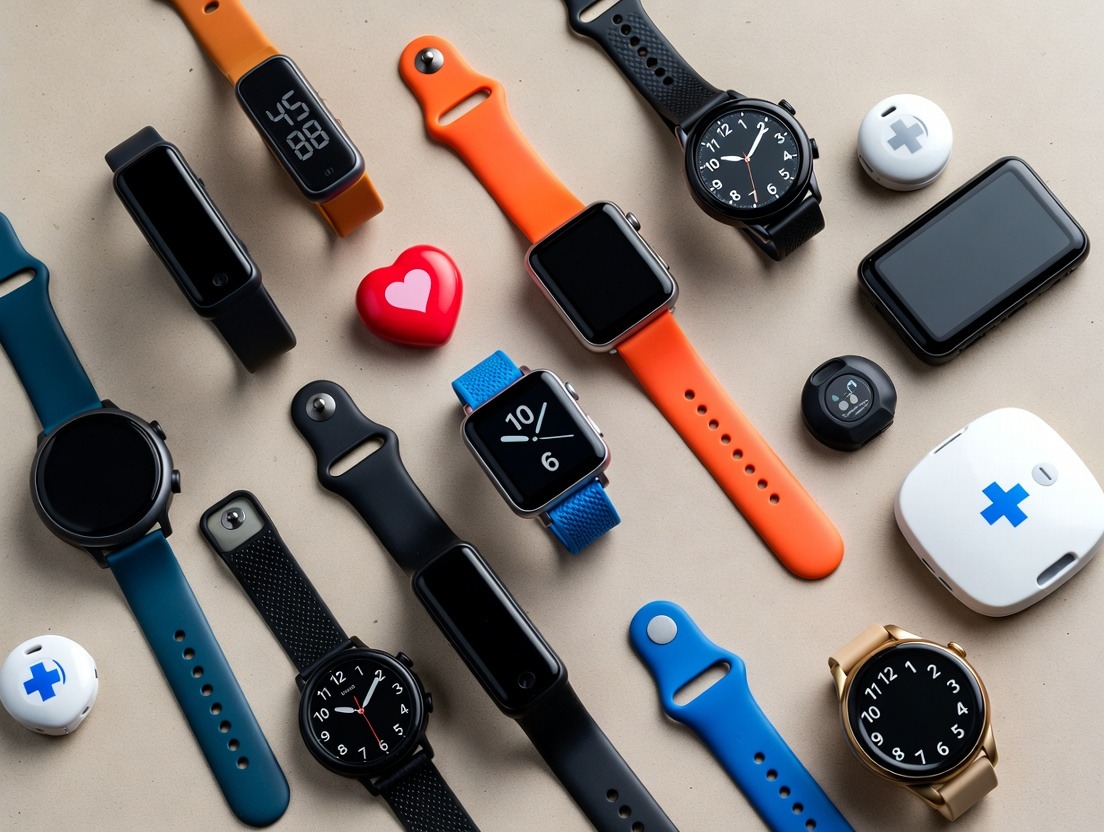
The journey of wearable health technology is a story of rapid miniaturization and ambitious expansion. It began on the wrist, with pedometers evolving into clip-on fitness trackers, which then blossomed into the multifunctional smartwatches we know today. Each iteration brought more sensors, more data points, and a broader promise. We now stand at an inflection point where the category is splitting into three distinct tiers, each with its own price point and value proposition.
Tier 1: Basic Activity Trackers. This is the entry point. Devices in this category, often priced between $30 and $150, focus on step counting, basic sleep timing, and heart rate monitoring. Their value lies in awareness and motivation—the "10,000 steps" paradigm. They answer the question, “Did I move enough today?” However, the data tends to be rudimentary, with less emphasis on clinical-grade accuracy or deep analysis. The long-term value can plateau once the initial motivation wears off.
Tier 2: Advanced Smartwatches & Smart Rings. Here, the game changes. Ranging from $200 to $700+, these devices (like high-end smartwatches and sophisticated smart rings) incorporate a suite of sensors: optical heart rate, blood oxygen (SpO2), skin temperature, and accelerometers. They don’t just collect data; they interpret it. Using advanced algorithms, they provide readiness scores, stress tracking, detailed sleep staging, and recovery metrics. The value shifts from simple awareness to actionable insight. For example, a device might suggest you take it easy because your Heart Rate Variability (HRV) is low, indicating poor recovery. This tier is where wellness truly becomes personalized and proactive. Brands like Oxyzen are at the forefront here, packing lab-grade insights into a sleek, unobtrusive form factor. You can discover how Oxyzen works to see this philosophy in action.
Tier 3: Medical & Prescription-Grade Wearables. This is the clinical frontier. These are FDA-cleared or CE-marked devices that diagnose, monitor, or manage specific medical conditions (e.g., continuous ECG for atrial fibrillation, glucose monitors for diabetics). They can cost from hundreds to thousands of dollars and are often prescribed or recommended by physicians. Their value is unequivocal: managing chronic disease and potentially saving lives. They represent the ultimate convergence of consumer technology and healthcare.
Understanding this landscape is the first step in our value analysis. Your ideal device isn't necessarily the most expensive one in Tier 3, but the one in the tier that aligns with your health goals. For most people seeking comprehensive, 24/7 wellness optimization without a clinical diagnosis, Tier 2—particularly the advanced, always-on nature of smart rings—is becoming the gold standard for value.
When evaluating a wearable, the sticker price is just the tip of the financial iceberg. To perform a true price-versus-value analysis, we must dive into the concept of Total Cost of Ownership (TCO). This includes all direct and indirect costs associated with the device over its usable lifetime, which often reveals a very different picture of value.
The Upfront Price: This is the simplest comparison point—the number you see on the website or in the store. A $99 fitness band seems like a steal next to a $449 smart ring. But this is where the analysis must begin, not end.
The Subscription Sinkhole: Many device manufacturers are adopting a software-as-a-service (SaaS) model. A device might have a moderate upfront cost, but its most powerful features—advanced sleep analysis, personalized health reports, fitness coaching, or data trends—are locked behind a monthly or annual subscription fee. A $250 device with a $10/month subscription costs $370 in the first year and $490 over two years. Suddenly, the value proposition shifts dramatically. Always ask: What functionality do I lose if I stop paying?
The Hardware Lifespan & Replacement Cycle: A cheaper device often uses lower-grade materials and batteries. Its lifespan might be 1-2 years before the battery degrades significantly or the device becomes obsolete. A more expensive, well-built device with a robust battery might last 3-4 years or more. When you amortize the cost over years of service, the premium device often has a lower annual TCO. Durability is a key component of value.
The Ecosystem Lock-in: Are you buying a device or entering an ecosystem? If your wearable only works seamlessly with a specific phone brand or requires its own proprietary apps, you are incurring an indirect "switching cost." The value of your device is tied to your continued use of that ecosystem. Open, cross-platform compatibility increases a device's long-term value by giving you freedom.
The Intangible Costs: Data & Privacy. This is the most overlooked cost. A "free" app or a cheap device might monetize your most sensitive data—your sleep patterns, heart rate, location—by selling it to third parties or using it for advertising. What is the value of your health privacy? A reputable company with a clear, strict privacy policy that treats your biometric data as your property adds immense value, even if it charges a premium upfront. We encourage you to read our complete guide on data privacy in wearables to understand this critical issue.
Ultimately, the device with the highest value is not the cheapest nor the most expensive upfront, but the one with the most transparent, fair, and sustainable TCO that delivers the insights you need over the longest period.
In the sea of graphs and numbers generated by wearables, it’s easy to suffer from data overload. Not all metrics are created equal. True value lies not in the quantity of data, but in the quality and actionability of a few key biomarkers. Let’s decode the core health metrics that move the needle from information to transformation.
Heart Rate Variability (HRV): The North Star of Recovery. HRV is not your heart rate; it’s the subtle variation in time between each heartbeat. A higher HRV generally indicates a resilient, recovered, and adaptable nervous system (parasympathetic dominance), while a lower HRV suggests stress, fatigue, or illness (sympathetic dominance). It’s one of the most sensitive and powerful metrics for overall well-being. A valuable wearable doesn’t just show you a nightly HRV number; it tracks the trend over time and contextualizes it, prompting you to rest or adjust your training.
Resting Heart Rate (RHR) & Trends. While simple, a trending RHR is profoundly informative. A consistently low RHR typically indicates good cardiovascular fitness. A sudden, unexplained increase can be one of the earliest signs of overtraining, impending illness, or chronic stress.
Sleep Staging & Quality (Beyond Just Duration). Anyone can track hours in bed. Value comes from understanding sleep architecture: the cycles of light, deep, and REM sleep. Each stage plays a distinct role in physical recovery, memory consolidation, and emotional regulation. A high-value device uses multiple sensors (like movement and pulse oximetry) to estimate these stages accurately and provide actionable feedback—like suggesting a slightly earlier bedtime if you’re consistently missing deep sleep.
Body Temperature (Circadian Rhythm & Illness). Continuous wrist or finger-based skin temperature tracking is a game-changer. It reveals your personal circadian rhythm, showing when your body is naturally primed for sleep and wakefulness. More importantly, a elevated baseline temperature trend is a extremely reliable early warning sign of infection, inflammation, or even, for women, ovulation.
Blood Oxygen (SpO2) & Respiratory Insights. No longer just for hospitals, overnight SpO2 monitoring can screen for potential sleep apnea events (dips in blood oxygen). Coupled with a breathing rate metric, it provides a window into your respiratory health during sleep, a critical component of overall recovery.
Activity & Readiness: The Feedback Loop. The pinnacle of value is when these metrics synthesize into an actionable recommendation. This is the "Readiness" or "Recovery" score offered by advanced devices. By analyzing your HRV, RHR, sleep, and temperature, the device scores your body’s preparedness for strain. It might tell you to go hard on your workout, take a restorative walk, or prioritize recovery. This closes the loop from data to decision, transforming a tracker into a true health advisor. For a deeper dive into interpreting these metrics, our resource library at the Oxyzen.ai blog offers extensive, user-friendly guides.
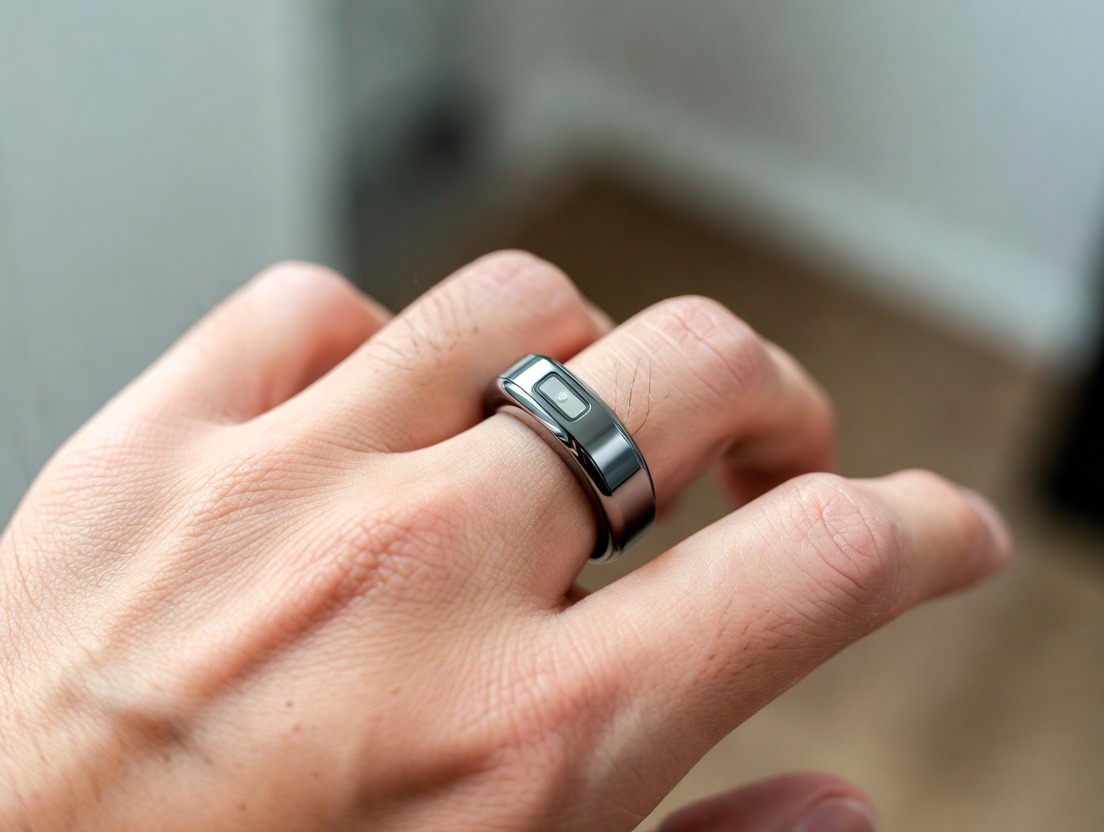
The wrist has dominated wearable tech for over a decade. But a quiet revolution is taking place on a different finger. Smart rings represent a fundamental shift in the paradigm of personal health monitoring, addressing many of the inherent limitations of the wrist-worn form factor. Their value proposition is rooted in three core advantages: physiological, practical, and psychological.
Physiological Superiority: A Better Signal. The finger is a superior location for several key biomarkers. It has a rich capillary bed, providing a stronger and more reliable optical signal for heart rate, HRV, and SpO2 than the wrist, especially during sleep or when your hand is moving. The palmar side of the finger is also less prone to temperature fluctuations from the environment, making it ideal for continuous body temperature tracking. In essence, the data is simply more accurate and consistent, which is the non-negotiable foundation of any valuable insight.
The 24/7 Wearability Factor. This is perhaps the most compelling argument. A ring is unobtrusive. It doesn’t get in the way during typing, sports, or sleep. It doesn’t need to be removed for comfort. You can wear it in the shower, swimming, or while washing dishes (with appropriate water resistance). This leads to uninterrupted data collection. Gaps in data create blind spots. A ring’s ability to be worn constantly ensures a complete, continuous picture of your physiology, capturing every nap, workout, and stressful work meeting without fail.
Psychological Comfort & "Invisibility." A smartwatch is a screen, a notification hub, a piece of tech that demands attention. A ring is primarily jewelry—a passive observer. This reduces "screen anxiety" and digital distraction. It collects data silently in the background, freeing you to live your life without constant biofeedback during the day (unless you seek it). This seamless integration into daily life enhances compliance and reduces the chance of "wearable burnout."
Aesthetic and Personal Expression. Unlike the utilitarian look of most trackers, a smart ring can be a stylish accessory. Companies are designing rings in various finishes (titanium, ceramic, carbon fiber) that look like modern jewelry. This shifts the device from a "tech gadget" to a personal item you’re proud to wear, again supporting long-term, consistent use.
The smart ring, therefore, isn't just a smaller smartwatch. It's a purpose-built device optimized for the most valuable thing in health tracking: reliable, continuous, longitudinal data. Its value lies in its commitment to being forgotten as a device but remembered as a source of truth for your body’s signals. To see how this philosophy is engineered into a product, you can explore the Oxyzen.ai about-us page, which details the mission behind creating such a seamless health tool.
All the beautiful apps, sleek designs, and promising features in the world are worthless if the underlying data is flawed. In health tech, accuracy isn't a luxury; it's the bedrock of trust and, therefore, value. You cannot manage what you cannot measure correctly. This section explores why accuracy varies so wildly and how to identify devices you can trust.
The Sensor Hardware Race. It starts with the quality of the photoplethysmogram (PPG) sensor—the green light that measures blood flow. Cheaper devices use older-generation, lower-resolution sensors. Premium devices invest in medical-grade, multi-path PPG sensors with advanced filtering. The same applies to accelerometers, temperature sensors, and SpO2 modules. Superior hardware captures a cleaner raw signal, which is the essential first step.
The Algorithm is the Secret Sauce. Raw sensor data is noisy. This is where proprietary algorithms make all the difference. Two devices with identical sensors can produce vastly different results based on the intelligence of their software. How does the algorithm filter out motion artifact during a workout? How does it distinguish between deep sleep and quiet rest? Leading companies invest millions in R&D, clinical validation studies, and machine learning to refine these algorithms. They often publish white papers or have their metrics validated by independent research institutions.
Clinical Validation vs. "Consumer Grade." Be wary of marketing claims. Look for language like "clinically validated," "FDA-cleared for specific uses," or "peer-reviewed study." A device claiming "clinical-grade accuracy" should be able to point to the evidence. For example, many top-tier smart rings and watches have published studies comparing their HRV and sleep staging accuracy against polysomnography (the medical gold standard) or ECG chest straps.
The Real-World Test: Consistency Over Absolute Perfection. While lab accuracy is crucial, consider real-world reliability. Does the device lose heart rate lock during high-intensity interval training? Do the sleep stages make logical sense based on how you feel? A valuable device provides consistent, trendable data. Even if the absolute number is off by a small margin, if it reliably moves up or down in response to your lifestyle, it provides immense actionable value. The trend is often more important than a single data point.
Transparency as a Value Indicator. A company confident in its accuracy is transparent about its methods. Look for detailed FAQ sections, tech blogs explaining their metrics, and clear documentation on how data is processed. This openness builds trust. If a company is vague or makes hyperbolic claims without evidence, it’s a major red flag. You can always visit our FAQ to see an example of the depth of information a trustworthy brand should provide about its technology and data.
When you pay a premium for a health device, a significant portion of that cost is the assurance of accuracy. It’s the difference between a toy giving you educated guesses and a tool providing credible insights you can bet your health on.
A wearable can have best-in-class sensors and brilliant insights, but if it’s constantly dead on your nightstand, its real-world value plummets to zero. Battery life is not a mere specification; it is the single greatest factor determining whether a device becomes a seamlessly integrated part of your life or a frustrating chore. Convenience is the gateway to consistent data, and consistent data is the source of all value.
The Charging Interruption Problem. Every charging session creates a data gap. For a wrist-based device charged every night, you lose all sleep data—arguably the most critical recovery metric. Some devices promote "fast charging" as a solution, but it still requires you to remember a daily routine. A device with 5-7 day battery life allows you to charge during a sedentary, low-data-value time, like during a Sunday evening shower or while working at your desk, preserving crucial overnight tracking.
Smart Rings vs. Smartwatches: A Battery Paradigm. This is a key differentiator. A smartwatch, with its always-on or frequently-lit screen, GPS, and myriad of notifications, is a power-hungry device. Daily charging is the norm. A smart ring, with no screen and a focused sensor suite optimized for efficiency, routinely achieves 5-7 days of battery life on a single charge. This isn’t just an incremental improvement; it’s a fundamental shift in user experience that guarantees uninterrupted monitoring.
The Psychology of "Set It and Forget It." The highest compliment for a tool is that it becomes invisible. A device you only need to think about once a week fades into the background of your life. You’re not anxiously watching battery percentages or packing chargers for short trips. This low-friction experience dramatically increases the likelihood of long-term, habitual use. And in health tracking, habits are everything.
Charger Design & Ecosystem. Value extends to the charging experience. Is the charger compact and travel-friendly? Does it use a ubiquitous USB-C cable or a proprietary magnetic puck that’s easy to lose? Can you use a portable power bank to charge it? These small details affect daily convenience. The best devices provide a charging case that holds multiple charges for the ring, effectively extending "time off the grid" to weeks.
Battery Degradation & Long-Term Value. Lithium-ion batteries degrade over time. A device designed for value considers this. It uses a high-quality battery cell and software that manages charge cycles healthily to maximize lifespan. Some companies even offer battery replacement programs. A device whose battery becomes unusable in 18 months has a very high true cost of ownership, regardless of its initial price.
When evaluating a device, project the battery routine into your actual life. Will it work for you? The ability to provide continuous, gap-free insights without being a burden is a massive, often underappreciated, component of a wearable's true worth.

The wearable device is only half of the product. The companion app is the brain, the translator, and the coach. It is the interface where raw biometric streams are transformed into coherent narratives about your health. The depth, design, and intelligence of this software are where the value of your investment is ultimately realized—or squandered.
Data Presentation: From Overwhelming to Understandable. A low-value app dumps data on you: endless charts, unfiltered numbers, and disconnected metrics. A high-value app practices progressive disclosure. It gives you a clear, at-a-glance overview (a Readiness Score, a Sleep Score) on the home screen. Then, it allows you to drill down into the details if you want. It uses clean visualizations, plain-language explanations, and highlights what’s important. It answers "So what?" for every data point.
Personalization & Contextualization. This is the hallmark of a premium ecosystem. The app learns your baseline. It knows your typical sleep duration, your normal HRV range, and your activity patterns. With this knowledge, it can provide personalized insights: *"Your HRV is 15% lower than your 30-day average, consider a lighter workout today."* It asks for context—"Did you consume alcohol last night?" or "Are you feeling stress?"—to help you and the algorithm understand the drivers behind the data.
Actionable Guidance & Behavioral Coaching. The pinnacle of app value is moving beyond insight to prescription. The best apps don't just tell you your sleep was poor; they offer a personalized wind-down routine, suggest a schedule adjustment, or integrate with smart lights to gradually dim your environment. They might provide guided breathing exercises when stress is detected or nudge you to move after an hour of inactivity. This closed-loop system turns passive tracking into active health improvement.
Integration & the Holistic Health Picture. No device is an island. High-value apps play well with others. They sync seamlessly with major health platforms (Apple Health, Google Fit), fitness services (Strava, TrainingPeaks), and nutrition trackers (MyFitnessPal). This creates a unified dashboard of your wellness, where your smart ring’s recovery data can inform your workout app’s training plan. This interoperability multiplies the value of each individual tool.
Roadmap & Evolution. A static app is a dying app. Look for a company that demonstrates a commitment to continuous software improvement through regular updates, new feature rollouts, and responsiveness to community feedback. The value of your hardware grows over time if the software it connects to is constantly getting smarter. Checking a company’s blog can often give you a window into their development philosophy and upcoming features.
An expensive device with a poorly designed app is a bad investment. Conversely, a moderately priced device with an intelligent, evolving, and insightful ecosystem can offer extraordinary value by becoming a true partner in your health journey.
In an era where data is the new oil, the information generated by your wearable is among the most sensitive possible. It’s a continuous, intimate diary of your body: when you sleep, your stress levels, your heart’s behavior, and potentially your location patterns. The privacy policies and security practices of a wearable company are not just fine print; they are a direct reflection of the value they place on you as a customer versus you as a data product.
The Business Model Behind the Data. This is the critical question: How does this company make money? If the device is surprisingly cheap, there’s a strong chance the revenue model involves aggregating and anonymizing (or worse, not anonymizing) your biometric data to sell to third parties—health insurers, advertisers, or data brokers. You are trading your most personal information for a discount. A company whose primary revenue is from selling hardware and/or software subscriptions has a fundamentally aligned incentive: to protect your data to earn your trust and continued business.
End-to-End Encryption & Data Anonymization. Look for clear language on how data is handled. Is biometric data encrypted both in transit (from ring to phone) and at rest (on their servers)? Is it anonymized before any aggregate analysis? A trustworthy company will often state that your raw biometric data is yours and is never sold. They may use aggregated, anonymized datasets to improve algorithms, but this should be opt-in and transparent.
Local Processing vs. Cloud Reliance. An emerging standard for privacy is on-device or on-phone processing. This means the raw data from your sensors is processed directly on your smartphone into insights, and only the high-level insights (not the raw waveform data) are sent to the cloud for syncing across devices. This minimizes the exposure of your sensitive biometric streams. Companies that prioritize privacy are moving aggressively toward this model.
Transparency & Control. A valuable company gives you control. A clear, accessible privacy dashboard should allow you to see what data is collected, understand how it’s used, and have the option to delete it entirely. Compliance with stringent frameworks like GDPR (Europe) and CCPA (California) is a good baseline indicator of serious data protection practices.
The "Creepiness" Factor. Consider the long-term implications. Could this data be used by an insurer to adjust premiums? By an employer to gauge productivity or stress? While currently regulated in some regions, the future is uncertain. Choosing a company with a principled stance on data sovereignty is an investment in your future privacy. Learning about a brand’s core values, like those shared on the Oxyzen.ai our-story page, can provide essential insight into their ethical foundations regarding user data.
In the price-versus-value equation, robust privacy and security are a premium feature that adds immense intangible value: peace of mind. It’s the assurance that your journey to better health isn’t being monetized in ways that could harm you later.
A wearable is a piece of electronics you subject to the rigors of daily life: sweat, impacts, water, temperature swings, and constant wear. Its physical construction is a direct statement about its intended lifespan and, by extension, its long-term value. Furthermore, as an item worn 24/7, its design determines whether it’s something you’re happy to have on your body. Durability and aesthetics are deeply intertwined with functional value.
Materials Matter: From Plastic to Aerospace-Grade. Entry-level devices are often made of polycarbonate or coated plastics. They scratch easily, can degrade with UV exposure and sweat, and feel cheap. Mid-range to premium devices use materials like surgical-grade stainless steel, titanium, or ceramic. Titanium, in particular, offers an exceptional strength-to-weight ratio, is hypoallergenic, and is highly resistant to corrosion. These materials cost more but pay dividends in longevity and daily satisfaction. A scratch on plastic feels like damage; a patina on titanium can feel like character.
The Engineering of Resilience. Look for rated certifications: Water resistance (ATM or IP ratings) is non-negotiable. A device should withstand showers, swimming, and sweat without a second thought. Dust resistance is also key for long-term sensor health. The design should also consider antenna placement (for robust Bluetooth connection) and structural integrity to withstand the occasional knock against a doorframe.
The Screen Dilemma (or Lack Thereof). Smartwatches face a constant battle between beautiful, immersive screens and battery life. Those screens are also vulnerable to cracks and scratches. The smart ring form factor sidesteps this entirely. By forgoing a screen, it eliminates a major point of failure, extends battery life dramatically, and allows the design to focus on form and durability. The "display" becomes your smartphone, which you already have and upgrade separately.
Aesthetic Versatility & Personal Fit. A valuable wearable should fit your life, not force you to adapt to it. Can it be worn with a business suit, at the gym, and to sleep without looking out of place? Sleek, minimalist designs in neutral finishes (matte black, brushed titanium, ceramic white) offer this versatility. The ability to swap bands on a watch or choose a ring finish that suits your style adds to the perceived and real value, as you’re less likely to grow tired of it.
Long-Term Support & Repairability. Does the company offer a warranty that reflects confidence in its build? Is there a path for battery replacement after a few years? While most consumer electronics are not fully repairable, a company’s stance on product lifespan and support is telling. A brand that designs for durability and stands behind it reduces your total cost of ownership and environmental impact.
When you invest in a durable, well-designed device, you’re investing in a companion for years, not months. This transforms the purchase from a disposable tech gadget into a lasting tool for wellness, making the higher initial cost a wiser financial and personal decision over time.

Not every high-value device is high-value for you. The final, and perhaps most important, piece of the price-versus-value puzzle is ruthless self-assessment. A professional athlete, a biohacker managing chronic fatigue, a shift worker, and someone simply looking to be more active all have vastly different needs. The device that offers supreme value is the one whose strengths are laser-aligned with your personal objectives.
The Performance Athlete & Serious Trainee. For this user, value is defined by precision and granularity. Key needs include:
The Health Optimizer & Biohacker. This user is focused on longevity, sleep, and systemic health. Key needs include:
The Individual Managing a Specific Condition (e.g., stress, anxiety, sleep disorders). For this user, value is therapeutic and diagnostic. Key needs include:
The General Wellness Enthusiast. This user wants to build better habits and maintain a healthy baseline. Key needs include:
By honestly defining your primary use case, you can ignore features you’ll never use and invest in the capabilities that will deliver tangible returns for your health. Reading about real-world applications from people like you can be invaluable; browsing Oxyzen.ai testimonials can provide concrete examples of how different individuals extract value from the same powerful tool.
Armed with an understanding of the landscape, the true costs, the critical metrics, and your personal goals, it’s time to synthesize this into a practical decision-making framework. This step-by-step guide will help you move from overwhelm to a confident choice that balances price and profound value.
Step 1: The "Why" Audit. Before looking at a single product, write down your top three health or fitness goals for the next year. Be specific. Is it "improve sleep quality and feel more rested," "increase cardiovascular fitness to run a 5K," or "manage daily stress levels"? Your device must excel in tracking the metrics relevant to these goals.
Step 2: Set Your True Budget. Consider Total Cost of Ownership. Determine a realistic budget that includes the device and any potential first-year subscription fees. Remember: a device that costs $400 and lasts 4 years ($100/year) often has better value than a $150 device that lasts 18 months ($100/year) and lacks key features you need.
Step 3: Filter by Form Factor & Non-Negotiables.
Step 4: Research with a Critical Eye. For the 2-3 devices that pass the filters:
Step 5: Evaluate the Ecosystem. Download the companion app from the App Store/Google Play if possible (many have demo modes). Judge its intuitiveness. Does it feel like a tool for insight or just a data repository? Can you easily understand what it’s telling you to do?
Step 6: Consider the Exit Strategy. What is the warranty and return policy? A company offering a 30-day no-questions-asked return policy is confident you’ll find value. What is the resale market like for the device? Premium, durable brands often hold reasonable resale value, further reducing your net cost.
By following this framework, you shift the decision from an emotional reaction to marketing or price, to a rational evaluation of how a tool will integrate into and improve your life. The goal is to find the device that you will use consistently, trust implicitly, and that will provide a return on investment measured not in dollars, but in better days, more restful nights, and a deeper understanding of your own health. For ongoing support and community discussion after your purchase, remember that resources like our FAQ page are there to help you maximize the value of your journey.
The smart ring is not merely a miniature smartwatch. It is a purpose-engineered device built around a core thesis: the optimal health monitor is the one you can forget you’re wearing, but never forgets to monitor. This section delves into the intricate engineering, material science, and competitive landscape that separates a true health-tracking ring from a novelty gadget. Understanding this depth is key to assessing its premium value proposition.
The Engineering Challenge: Packing a Lab into a Ring. The primary constraint is space. A ring’s internal volume is a fraction of a watch case. This demands a radical approach to component design. Advanced smart rings use rigid-flex printed circuit boards (PCBs) that can bend and conform to the curved interior, maximizing space efficiency. Sensors are selected not just for capability, but for their footprint and power efficiency. The battery isn’t a flat cell but often a custom-curved or segmented cell that wraps around the interior. This level of integration is a feat of micro-engineering that justifies a higher cost over simpler, modular designs.
The Sensor Array: A Multi-Layered Approach. Accuracy stems from sensor fusion. A leading smart ring doesn’t rely on a single PPG sensor. It uses multiple photodiodes and LEDs, sometimes at different wavelengths (green for heart rate/HRV, red/infrared for SpO2), arranged to capture the optimal signal from various finger sizes and skin tones. A 3D accelerometer and gyroscope track movement and orientation. A high-precision skin temperature sensor, often in direct contact with the palmar side of the finger, completes the suite. These sensors work in concert; the accelerometer data helps the algorithm filter out motion noise from the PPG signal during sleep, for example.
The Fit Imperative: Why Size & Comfort Are Technical Specs. On a finger, fit is everything—for both comfort and data integrity. A ring that is too loose will shift, causing signal dropout and inaccurate temperature readings. A ring that is too tight is uncomfortable and can even affect blood flow, ironically skewing the very biomarkers it’s trying to measure. The value leaders offer comprehensive sizing kits with multiple dummy rings to wear for 24+ hours, ensuring you find the perfect fit. The interior contour is also carefully designed for all-day comfort, often with a flat inner profile to prevent spinning.
Market Comparison: The Ring Landscape. As of now, the high-end smart ring market consists of a few key players, each with a slightly different value focus:
Choosing between them comes down to aligning their core value strength with your primary goal: unparalleled sleep analysis (Oura), real-time coaching (Circular), metabolic focus (Ultrahuman), or balanced, subscription-free precision (Oxyzen).
Abstract value is one thing; tangible, life-changing impact is another. Let’s move from theory to practice by examining hypothetical but data-informed case studies. These scenarios illustrate how a high-value wearable can deliver a return on investment (ROI) that far exceeds its financial cost, sometimes in life-altering ways.
Case Study 1: Sarah, The Overtrained Marathoner. Sarah, 38, was following an aggressive training plan for her first marathon. Despite increasing her mileage, her race times in workouts were slipping, and she felt chronically fatigued. Her $500 smart ring showed a consistent, weeks-long decline in her HRV and a rising resting heart rate, while her sleep scores were poor despite being in bed for 8 hours. The "Recovery" metric was persistently red. One morning, it flagged a +1.5°C spike in her baseline temperature. Interpreting this data, she took an at-home COVID test, which was positive. Value Realized: The device provided an objective, early warning system that overruled her subjective "push-through" mentality. She took a full week off, avoiding a likely case of overtraining syndrome (which can take months to recover from) and a more severe viral illness. The ROI: Saved months of lost training, potential medical costs, and preserved her long-term running health.
Case Study 2: David, The Stressed Executive with Sleep Apnea. David, 52, felt constantly drained. He attributed it to work stress. His wife complained about his loud snoring. A $400 smart ring with SpO2 monitoring revealed the truth: repeated, significant blood oxygen dips (desaturations) throughout the night, particularly during REM sleep. His sleep data showed he was never achieving restorative deep sleep. Armed with this trend data, he consulted a sleep specialist. A subsequent lab sleep study confirmed moderate obstructive sleep apnea. He was prescribed a CPAP machine. Value Realized: The wearable acted as an accessible, first-pass screening tool. It provided the concrete evidence needed to seek professional help. Post-CPAP, his ring data showed normalized SpO2, dramatically improved deep sleep, and a 20% increase in his HRV. The ROI: A dramatic improvement in daily energy, reduced long-term risk of cardiovascular disease, stroke, and diabetes linked to untreated apnea, and potentially extended lifespan.
Case Study 3: Maya, The Woman Navigating Perimenopause. Maya, 47, began experiencing erratic sleep, night sweats, and unexplained anxiety. Her doctor suggested it could be the onset of perimenopause but said tracking symptoms would help. Her smart ring’s continuous temperature tracking revealed a clear, chaotic pattern in her circadian temperature rhythm, correlating perfectly with nights of poor sleep. The stress metric also showed unexplained spikes. By logging her symptoms in the app alongside this data, she could see objective proof of her hormonal shifts. Value Realized: The device provided validation and removed the "is it all in my head?" doubt. It gave her and her doctor a detailed, longitudinal report to discuss, leading to a more informed treatment plan focused on sleep hygiene and targeted interventions. The ROI: Reduced anxiety, empowered self-advocacy in healthcare, and a better-managed transition.
Case Study 4: Alex, The Wellness Beginner. Alex, 28, wanted to "get healthier" but didn't know where to start. A $300 fitness tracker showed steps and sleep duration but offered little insight. Upgrading to a more advanced device, he learned from his readiness score that his poor sleep was linked to late-evening workouts. He used the stress tracker to identify that his caffeine after 2 PM spiked his nervous system load. Value Realized: The device served as a personal health coach, creating awareness of cause-and-effect relationships he never perceived. It moved him from generic "exercise more" to specific, impactful behaviors like timing his workouts earlier and cutting off caffeine. The ROI: Better sleep, more effective workouts, and the foundational knowledge to build lasting healthy habits.
In each case, the value of the device transcended its price. It provided clarity, early detection, and personalized insight—services that, if obtained through repeated specialist consultations, would cost thousands. This is the essence of the price-versus-value equation in high-end wearables.
We are on the cusp of a paradigm shift, from reactive and descriptive health tracking to predictive and preventative health guidance. The next wave of value in wearables will be driven by artificial intelligence (AI) and machine learning operating on the vast, longitudinal datasets these devices collect. This is where the true potential for life-saving, cost-saving impact lies.
From Insights to Predictions: The AI Health Coach. Current devices are adept at telling you what has happened: "You slept poorly last night," "Your HRV is low today." The future lies in prediction: "Based on your declining sleep efficiency and rising RHR trend over the past 72 hours, there is an 85% probability you will come down with a viral illness in the next 48 hours. Prioritize rest, hydration, and consider reducing social engagements." This moves the user from a passive observer to an active participant in preventative health.
Longitudinal Biomarker Baselines & Early Disease Detection. The most powerful diagnostic tool is your own baseline. By continuously monitoring a suite of biomarkers for years, an AI can learn your unique, healthy "fingerprint." Subtle, multi-parameter deviations from this baseline could signal the earliest stages of chronic conditions like hypertension, metabolic syndrome, or inflammatory diseases long before clinical symptoms appear. Research is already exploring how changes in HRV, nighttime heart rate, and temperature trends can correlate with the onset of conditions like Lyme disease or even clinical depression.
Integration with Digital Therapeutics (DTx). The wearable will become the control and feedback loop for prescribed digital therapies. Imagine a device that not only detects an acute anxiety spike via HRV and skin conductance but then automatically launches a personalized, clinically-validated breathing exercise on your phone to mitigate it. Or a system for cardiac rehab patients where their wearable guides exercise intensity in real-time, ensuring they stay in a safe, therapeutic zone.
The Closed-Loop Health Ecosystem. The future wearable won’t be a silo. It will be the central node in a personalized health ecosystem. It will seamlessly integrate data from smart scales, connected blood pressure cuffs, at-home lab tests, and even genetic data (with consent) to build a holistic, multi-system view of your health. The AI will synthesize this information to provide truly personalized nutrition, exercise, and sleep prescriptions.
Ethical Considerations and the Role of the Physician. This powerful future raises critical questions. Who owns the predictive algorithms? How are false positives and the anxiety they induce managed? The role of the wearable will be to inform and empower, not to diagnose. The highest-value future devices will be those that can generate clinician-friendly reports, facilitating a more data-rich, collaborative partnership between patient and doctor. The goal is augmented intelligence, not replacement. Understanding a company’s vision for this future, as often shared in their brand journey and values, is a forward-looking measure of its commitment to responsible innovation.
The wearable you buy today is a platform. Its future value will be amplified by over-the-air software updates that bring these AI-driven capabilities to your wrist or finger. Investing in a device from a company with a strong R&D focus in AI and data science is an investment in a tool that will grow smarter and more valuable with time.
The path to finding value is also littered with potential missteps. Even with the best intentions, buyers can end up with an expensive paperweight or a device that creates more frustration than insight. Let’s navigate the most common pitfalls to ensure your investment pays off.
Pitfall 1: The Feature Frenzy. The temptation is to buy the device with the longest spec sheet: ECG, skin temperature, SpO2, GPS, music storage, contactless pay, etc. The Trap: You pay for a multitude of features you’ll never use, while the core health sensors may be mediocre. The Avoidance: Revisit your "Why" audit. Do you need an on-device ECG, or is accurate, continuous HRV tracking for recovery more important? Prioritize depth and accuracy in the 2-3 metrics critical to your goals over a shallow breadth of features.
Pitfall 2: The Brand Name Bias. Assuming the most marketed or historically dominant brand is automatically the best for you. The Trap: The market leader’s strengths might not align with your needs (e.g., a brand famous for GPS running metrics might have weaker sleep analytics). Their business model might also rely on a subscription you dislike. The Avoidance: Research based on your specific use case, not general brand reputation. Read comparative reviews that pit devices against each other for the specific functions you care about.
Pitfall 3: Ignoring the Subscription Model. Falling in love with a device’s hardware only to discover its core functionality is gated behind a paywall after a free trial. The Trap: You’re locked into a perpetual monthly fee. If you stop paying, your $400 device becomes a basic step tracker. This radically alters the TCO. The Avoidance: Before purchasing, thoroughly investigate the software model. Is there a subscription? What features are locked? Calculate the 3-year TCO including subscription fees. Consider devices that offer lifetime access to core insights with a one-time purchase.
Pitfall 4: Underestimating the Importance of the App. Buying a device for its sleek design without ever looking at its companion app. The Trap: You receive raw, unintelligible data streams with no guidance, leading to confusion and disengagement. The Avoidance: Before buying, search for video reviews that walk through the app interface. Download the app if it has a demo mode. Ensure its presentation style matches your learning preference (simple scores vs. detailed graphs).
Pitfall 5: Expecting a Medical Diagnosis. Using consumer wearable data to self-diagnose or contradict medical advice. The Trap: This is dangerous and can lead to unnecessary anxiety or, worse, ignoring serious symptoms because your device doesn’t flag them. The Avoidance: Internalize the mantra: Consumer wearables are for wellness optimization and trend observation, not diagnosis. They are tools for generating hypotheses to discuss with a doctor, not for drawing conclusions. A responsible company will reinforce this; their support and FAQ pages should clearly state the device’s intended use.
Pitfall 6: The Novelty Wear-Off. Not having a clear plan for integrating the data into your life. The Trap: You’re excited for the first two weeks, checking data constantly, but then the novelty fades and the device ends up in a drawer. The Avoidance: Set a specific, weekly ritual. For example: "Every Sunday morning, I will review my weekly sleep and recovery trends and plan my workout intensity for the coming week based on my readiness score." This habit integration is what extracts lasting value.
By being aware of these pitfalls, you transform from an impulsive buyer into a discerning consumer, dramatically increasing the odds that your chosen wearable will become a valued, long-term part of your wellness toolkit.
In a modern value analysis, we must extend our calculus beyond personal cost and benefit to include environmental impact. The electronics industry is a significant contributor to e-waste, and the "disposable tech" cycle is unsustainable. The ecological footprint of a wearable is a growing component of its overall worth, especially for the conscious consumer.
The E-Waste Problem of Cheap Wearables. Low-cost devices are often designed with planned obsolescence. They use non-replaceable batteries that degrade within 12-18 months, and their plastic housings are not meant to be disassembled or repaired. When the battery life becomes unusably short or the device feels outdated, it joins the 50 million tons of annual global e-waste, leaching toxins into landfills. The low upfront price externalizes the environmental cost.
Designing for Longevity: A Hallmark of Value. A premium device should be built to last. This starts with material selection: durable titanium or stainless steel that won’t degrade with daily wear. It continues with engineering for repairability, where possible. Some forward-thinking companies are exploring modular designs or offering official battery replacement services to extend the device's functional life to 4, 5, or even more years. This "right-to-repair" philosophy is a significant value add.
Software Support as Sustainability. A device's lifespan isn't just physical; it's digital. A company that provides consistent software updates for older hardware models keeps them functionally relevant and secure for years. Abandoning devices after 2 years with no updates forces premature upgrades and contributes to e-waste. Long-term software support is an ethical commitment that enhances product value.
Packaging and Carbon Neutrality. Examine the unboxing experience. Is the packaging minimal, recyclable, and plastic-free? Some companies now offset the carbon emissions from the production and shipping of their devices or use recycled materials in their construction. These practices reflect a holistic view of the product's lifecycle impact.
The Resale and Recycling Ecosystem. A durable, desirable device holds its value on the secondary market. A robust resale market (on platforms like eBay or Swappa) extends the life of the product and makes it more accessible to a wider audience. Furthermore, responsible companies should have a clear end-of-life recycling program, where they take back old devices to ensure proper disassembly and material recovery.
When you choose a well-made, durable device from a company committed to long-term support and responsible practices, you are not just investing in your health; you are casting a vote for a more sustainable tech industry. This ethical dimension is an increasingly important part of the value proposition for the modern consumer. Understanding a company’s commitment to this, often detailed in their mission and company information, completes the picture of what you are supporting with your purchase.
We have journeyed through the multifaceted landscape of wearable health technology, dissecting the components of cost, scrutinizing the pillars of value, and aligning technology with human goals. The central thesis remains: The cheapest device is often the most expensive in the long run, while the most expensive device may offer little value if it doesn’t align with your life.
The true sweet spot—the point of optimal value—is found at the intersection of three circles:
This analysis reframes the purchase from a simple tech buy to a strategic investment in personal capital. It’s akin to investing in a high-quality mattress for sleep, ergonomic furniture for your work health, or nutritious food for your body. The returns are measured in energy, prevention, self-knowledge, and performance.
For the performance-driven individual, value is quantified in peak output and injury avoidance. For the health-conscious person, it’s in proactive management and longevity. For the curious beginner, it’s in education and sustainable habit formation.
As the technology rapidly evolves toward AI-driven, predictive health, the device you choose today should be a platform you can trust—a platform built on accurate sensors, intelligent software, ethical data practices, and durable hardware. It should be from a company whose vision for the future aligns with your own health aspirations.
Your next step is action. Revisit the framework. Perform your audit. Research with the critical eye you now possess. And when you find the device that fits not just your finger or wrist, but your life and goals, you will have mastered the price-versus-value equation. You will have secured a tool that pays you back daily, in the most valuable currency of all: a healthier, more vibrant, and more informed life.
The power of a wearable extends far beyond its silicon and sensors; it taps into fundamental principles of human psychology. The "Quantified Self" movement—tracking personal data to gain self-knowledge—isn't just a tech trend; it's a behavioral intervention. Understanding the psychological mechanisms at play reveals why these devices can be so transformative when used correctly, and why they can also lead to obsession and anxiety. This knowledge is critical for extracting positive value from your device.
The Hawthorne Effect & The Power of Observation. Simply knowing you are being measured changes your behavior. This well-documented phenomenon means that the act of wearing a tracker makes you more conscious of your activity, sleep, and choices. You might take the stairs because you know your step count is being recorded, or go to bed earlier to "protect" your sleep score. This observational effect is the initial engine of behavior change and a core part of a wearable's value.
Gamification & The Dopamine of Goal Completion. Well-designed apps leverage gamification: turning health goals into a game with rewards. Closing your "activity ring," achieving a "perfect sleep week," or hitting a new HRV high score triggers a small release of dopamine, the brain's "feel-good" neurotransmitter associated with reward and motivation. This positive reinforcement loop encourages repetition of the healthy behavior. However, the value is in sustainable habit formation, not in chasing meaningless badges. The best systems gamify the process (consistent movement, wind-down routines) rather than just the outcome.
From External to Internal Locus of Control. Many people feel their health is governed by external forces: genetics, a busy schedule, or plain bad luck. Wearables can foster an internal locus of control—the belief that your own actions directly influence outcomes. When you see a clear graph showing that your afternoon walk lowers your nighttime resting heart rate, or that a late coffee ruins your deep sleep, you move from feeling powerless to feeling empowered. You learn the levers you can pull to affect your own biology. This is perhaps the most profound psychological value a device can provide.
The Double-Edged Sword: Data Anxiety and Orthosomnia. The flip side is a phenomenon clinicians call "orthosomnia"—an unhealthy preoccupation with achieving perfect sleep data. Similarly, athletes can develop "recovery anxiety," constantly checking HRV and fearing a "red" score. This transforms a tool for wellness into a source of stress, defeating its purpose. Value Tip: Use the data as a guide, not a gospel. Learn to occasionally ignore the scores based on how you feel. A device should expand your self-awareness, not replace your bodily intuition.
The Confirmation and Narrative Bias. We are prone to interpreting data in a way that confirms our pre-existing beliefs. If you feel tired, you might latch onto a slightly low sleep score as the "proof," ignoring other factors like diet or stress. Alternatively, we create stories: "My HRV is down because of that hard workout Tuesday," when it might be due to dehydration or an unrelated work stressor. The value of a sophisticated device is in its ability to correlate and suggest causes, but the human must remain the final interpreter, aware of these cognitive biases.
Building Identity: "I am a person who values recovery." Ultimately, sustained behavior change occurs when a new action becomes part of your identity. A wearable can facilitate this. You don't just "go to bed early"; you "protect your sleep because you're a person who prioritizes recovery." The consistent, objective feedback from the device reinforces this new self-image, making the behavior more automatic and less reliant on willpower.
To harness the psychological power positively, set process-oriented goals ("I will use my device's wind-down reminder five nights this week") rather than solely outcome-oriented goals ("I must get a sleep score of 90"). This focuses on the controllable behaviors that lead to better health, leveraging the device as a supportive coach rather than a strict judge. For more on building a healthy relationship with your data, our resource library offers guides on avoiding burnout and finding balance.
The ultimate validation and amplification of a wearable's value occur when its data bridges the gap between daily life and the doctor's office. We are moving toward an era of collaborative, data-informed healthcare, where patient-generated health data (PGHD) from wearables becomes a vital part of the clinical conversation. However, this integration must be navigated thoughtfully to be effective.
The Current State: Information Asymmetry. Typically, a doctor sees a snapshot of your health during a 15-minute annual physical, relying on your memory for historical context ("How has your sleep been?"). This is fraught with recall bias. Wearable data provides a continuous, objective record that fills this informational void. It can show a cardiologist the trend of your resting heart rate over six months, or a sleep specialist the pattern of your oxygen saturation dips.
Creating a Clinically Useful Report. The key to successful integration is curation, not data dumping. Walking into a doctor's appointment with 200 pages of raw heart rate graphs is counterproductive. Value lies in the app's ability to generate a summary report:
Opening the Dialogue with Your Provider. Approach the conversation collaboratively: "Doctor, I've been tracking my sleep with this device because of my ongoing fatigue. I've noticed a consistent pattern of waking up feeling unrested, and the data shows I'm getting very little deep sleep. I've brought a summary report. I'd value your perspective on what this might indicate and if further evaluation is warranted." This positions you as an engaged partner in your care.
The Limits and Legalities. It is crucial to remember that consumer wearables are not medical devices (unless they have specific FDA/CE clearances for diagnostic functions). A doctor cannot and should not diagnose based solely on this data. Its role is to provide supportive evidence, prompt further investigation, and monitor trends between visits. The data is a powerful tool for generating hypotheses, not delivering verdicts.
The Future: Prescribed Digital Biomarkers. We are already seeing pioneers in cardiology, sleep medicine, and endocrinology who actively recommend specific wearables to their patients for remote monitoring. For example, a cardiologist might prescribe a wearable with ECG to monitor for atrial fibrillation recurrence, or a sleep doctor might use a ring's SpO2 data to track CPAP efficacy at home. In this model, the wearable becomes a formal part of the treatment plan, with data flowing securely into the patient's electronic health record.
For the individual, this integration represents the pinnacle of a wearable's value proposition: it turns personal curiosity into professional-grade insight, making healthcare more proactive, personalized, and participatory. Before sharing data, ensure you understand your device’s data sharing and export capabilities, which are often detailed in the company’s support and FAQ pages.
While general wellness is a major use case, the transformative value of wearables often shines brightest for specialized populations with specific, high-stakes needs. For these users, the device is less a lifestyle accessory and more an essential tool for management, safety, and performance.
For the Competitive Athlete & Serious Trainee:
For the Aging Population & Seniors:
For Individuals Managing Chronic Conditions:
For these groups, the price of a high-end, accurate wearable is easily justified against the costs of a preventable injury, a hospitalization, or a severe health crisis. The value is not just in data, but in security, autonomy, and a deeper partnership in managing one’s health.
As wearables become more powerful and integral to our health understanding, they force us to confront complex ethical questions. A truly valuable technology must be evaluated not only on what it does, but on how it does it, and for whom. This section explores the moral dimensions of the wearable revolution.
Who Owns Your Biometric Data? This is the paramount ethical question. When you generate heart rate, sleep, and location data, is it your property, the device manufacturer's, or a shared asset? The value-aligned answer is clear: You own your data. A trustworthy company will have a transparent policy stating that you retain ownership of your raw biometric data, that it is not sold to third parties, and that you can delete it entirely at any time. The business model should be based on hardware and software value, not on monetizing your most intimate information.
Algorithmic Bias and the Risk of Health Disparities. AI and algorithms are only as good as the data they are trained on. If the training datasets for sleep staging, heart rate detection, or SpO2 algorithms are predominantly composed of data from young, male, light-skinned individuals, the algorithms may be less accurate for women, older adults, or people with darker skin tones. This is not hypothetical; studies have shown some optical heart rate sensors are less accurate on darker skin. Value Responsibility: Companies must actively invest in diverse training datasets and conduct validation studies across diverse populations. As a consumer, you can inquire about this. A company committed to equitable health, as part of its vision and values, will be proactive in addressing bias.
The Digital Divide and Healthcare Accessibility. High-end wearables are luxury items. This raises the concern that they could exacerbate health disparities, creating a "quantified self" elite with access to deep personal insights, while others are left with only annual checkups. The ethical challenge is to make this technology more accessible without compromising on privacy (i.e., not offering "free" devices that sell data). Potential paths include:
Informed Consent in an Era of Passive Monitoring. Consent for data collection is often buried in lengthy Terms of Service. Ethical design involves meaningful, ongoing consent—clear, concise explanations of what is collected, how it's used, and easy-to-use privacy controls that aren't hidden. Users should be able to opt-in to specific data uses (like research) rather than facing an all-or-nothing choice.
The Duty of Care and "Actionable Insight" Responsibility. If a device detects a severe anomaly—like a heart rhythm consistent with AFib or prolonged, severe sleep apnea—what is the company's responsibility? Simply displaying it in an app may not be enough for a user who doesn't understand the gravity. The ethical approach involves clear, prominent warnings in plain language suggesting immediate medical consultation, not just a red icon in a graph.
Navigating this ethical frontier is part of being an informed consumer. By supporting companies that prioritize user ownership, algorithmic fairness, and transparent consent, you champion a future where wearable health tech elevates society as a whole, rather than creating new divides.
Your Trusted Sleep Advocate: Sleep Foundation — https://www.sleepfoundation.org
Discover a digital archive of scholarly articles: NIH — https://www.ncbi.nlm.nih.gov/
39 million citations for biomedical literature :PubMed — https://pubmed.ncbi.nlm.nih.gov/
Experts at Harvard Health Publishing covering a variety of health topics — https://www.health.harvard.edu/blog/
Every life deserves world class care :Cleveland Clinic - https://my.clevelandclinic.org/health
Wearable technology and the future of predictive health monitoring :MIT Technology Review — https://www.technologyreview.com/
Dedicated to the well-being of all people and guided by science :World Health Organization — https://www.who.int/news-room/
Psychological science and knowledge to benefit society and improve lives. :APA — https://www.apa.org/monitor/
Cutting-edge insights on human longevity and peak performance:
Lifespan Research — https://www.lifespan.io/
Global authority on exercise physiology, sports performance, and human recovery:
American College of Sports Medicine — https://www.acsm.org/
Neuroscience-driven guidance for better focus, sleep, and mental clarity:
Stanford Human Performance Lab — https://humanperformance.stanford.edu/
Evidence-based psychology and mind–body wellness resources:
Mayo Clinic — https://www.mayoclinic.org/healthy-lifestyle/
Data-backed research on emotional wellbeing, stress biology, and resilience:
American Institute of Stress — https://www.stress.org/


