


The Wearable Health Tech Guide: Rings, Watches, and Beyond
A guide covering smart rings, smartwatches, and other wearable devices.
A guide covering smart rings, smartwatches, and other wearable devices.
%402x.svg)
The relationship we have with our own health is undergoing a profound and personal revolution. For decades, understanding our bodies was largely reactive: we visited doctors when something felt wrong, interpreted vague symptoms, and relied on annual check-ups that offered a static snapshot of our well-being. Today, that paradigm is shifting from reactive to proactive, from generalized to hyper-personalized, and from occasional to continuous. At the heart of this change is wearable health technology.
This guide is your comprehensive map to this new frontier of self-knowledge. We are moving beyond simple step counters. The modern wearable is a sophisticated biometrical data hub, a 24/7 companion that deciphers the silent language of your physiology—your heart's rhythms, your sleep architecture, your nervous system's stress responses, and your body's subtle thermal shifts. This isn't just about tracking; it's about translating. These devices turn opaque bodily signals into clear, actionable insights, empowering you to make informed decisions about your sleep, recovery, stress management, and overall fitness.
The market has exploded with form factors to suit every preference and purpose. The ubiquitous smartwatch sits on your wrist, a powerful mini-computer for fitness and connectivity. The sleek smart ring adorns your finger, offering unobtrusive, continuous health monitoring perfect for sleep and all-day wear. Beyond these, innovative sensors are weaving into the fabric of our clothing, hiding in earphones, and even adhering discreetly to our skin.
But with great choice comes great complexity. How do you navigate the sea of options between a feature-packed Apple Watch, a recovery-focused Oura Ring, a rugged Garmin, or an emerging smart garment? What do terms like HRV, SpO2, and "readiness score" actually mean for your life? Are subscription fees worth it, and how do you protect the intimate data these devices collect?
This guide aims to answer all these questions and more. We will dissect the technology, compare the major players, explore the specialized tools for women's health and advanced biometrics, and provide a clear framework for choosing the right device for your unique health journey. Consider this your foundational text for building a smarter, more informed, and more empowered relationship with your health, one data point at a time. Welcome to the future of you.
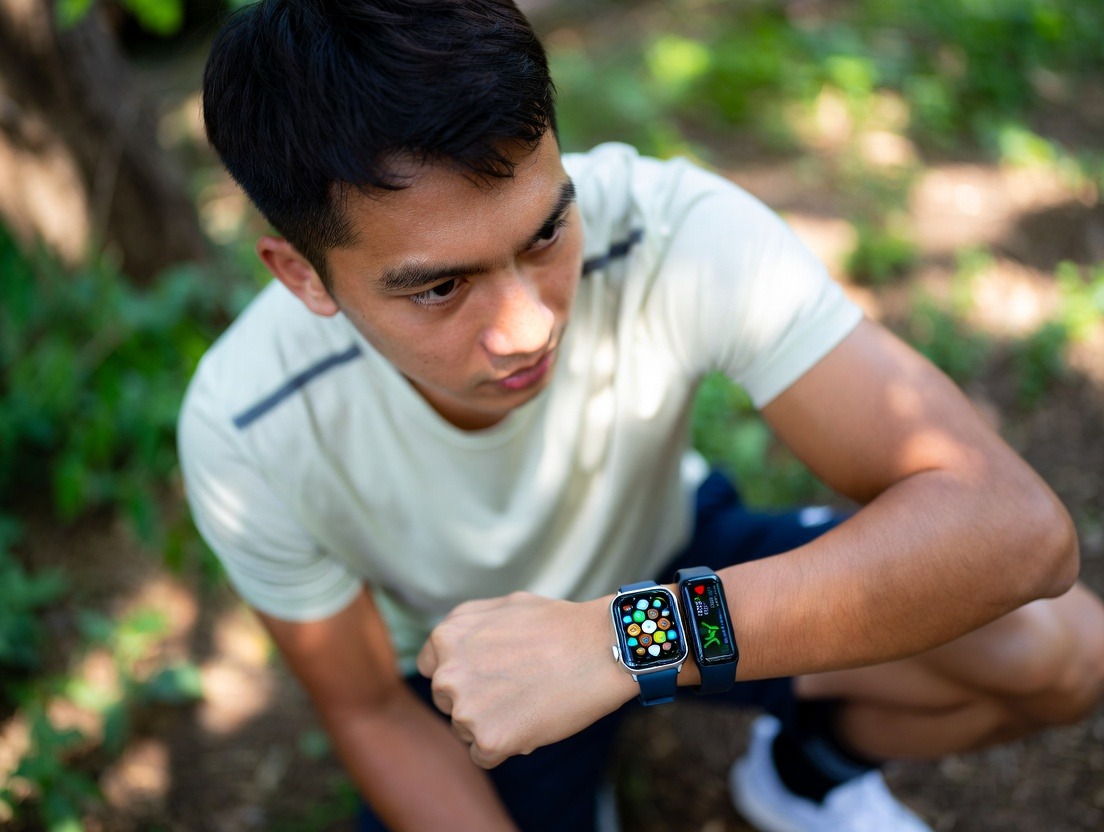
The story of health management is being rewritten. Gone are the days when our primary interaction with health data was a fleeting glance at a doctor’s chart during an annual physical. The new narrative is one of continuous, proactive engagement, and wearable technology is the pen writing it. This shift represents more than a gadget trend; it’s a fundamental change in how we understand and interact with our own bodies. We are transitioning from a model of episodic, symptom-driven care to one of continuous, data-driven wellness.
Historically, health insights were retrospective and often vague. You felt tired, so you guessed you needed more sleep. You felt sore, so you assumed you overdid a workout. The "why" was often a mystery. Wearables illuminate that mystery by providing an objective, real-time stream of biometric data. They answer the "why" with hard evidence: You're tired because your Heart Rate Variability (HRV) is low and your deep sleep was disrupted. You're sore and your body temperature is elevated, suggesting heightened inflammation. This transforms health from a guessing game into a science of the self.
This scientific approach empowers personalized intervention. Generic advice like "get 8 hours of sleep" or "exercise 30 minutes a day" is replaced with specific, individualized guidance. Your wearable learns your unique baselines. It might tell you that your optimal sleep window is 10:30 PM to 6:30 AM based on your circadian rhythm, while suggesting your friend aims for 11:00 PM to 7:00 AM. It can recommend when you’re physiologically ready for a high-intensity workout or when you should prioritize a recovery walk based on your overnight recovery score. This level of personalization was once only available to elite athletes with dedicated sports scientists; now, it’s accessible from a device on your wrist or finger.
The impact extends into preventive health. By monitoring subtle, long-term trends, wearables can act as early warning systems. A gradual, sustained increase in resting heart rate or a dip in HRV can signal overtraining, prolonged stress, or the onset of illness long before you feel symptoms. For example, many users of devices like the Oura Ring noted changes in their biometrics days before testing positive for COVID-19. This early awareness allows for proactive rest, hydration, and stress management—potentially mitigating the severity of an illness or preventing it altogether.
Furthermore, wearables are fostering a new era of collaborative healthcare. The data from these devices is becoming a valuable tool for conversations with medical professionals. Instead of describing how you "felt" over the last month, you can show your doctor charts of your sleep patterns, heart rate trends, and activity levels. This objective data can help diagnose conditions like sleep apnea, atrial fibrillation, or hormonal imbalances more efficiently. As noted in coverage of CES 2026, new devices are emerging with clinical-grade ambitions, like the Withings Body Scan 2, which aims to measure over 60 biomarkers from a smart scale, pending FDA approval. This bridges the gap between daily wellness and medical diagnostics.
Ultimately, the rise of wearable tech signifies a move toward holistic health sovereignty. It puts the tools of understanding directly in your hands. By making the invisible visible, these devices demystify the body's inner workings, reduce anxiety through knowledge, and provide a clear feedback loop for your lifestyle choices. You are no longer a passive passenger in your health journey but an informed pilot, with wearable technology as your instrument panel, guiding you toward optimal and sustained well-being.
The term "wearable" instantly conjures an image of a wristwatch, but the landscape of health tech has dramatically diversified. Today, sensors are finding their way onto and into our bodies in increasingly subtle, specialized, and powerful forms. This expansion beyond the wrist is driven by a simple truth: different form factors solve different problems and cater to distinct preferences, ultimately offering a more personalized and effective health-tracking experience.
Let’s explore the key players in this evolving ecosystem:
The Smart Ring: Discreet, Continuous Monitoring
The smart ring is the fastest-growing challenger to wrist-based dominance. Its primary advantage is unobtrusive, 24/7 wearability. Rings are comfortable to sleep in, don’t interfere with watches or jewelry, and their small size makes them easy to forget you’re wearing—until you check the insightful data they’ve collected. They excel as passive health monitors, providing exceptional data on sleep, recovery, and all-day stress through sensors that measure heart rate, HRV, skin temperature, and blood oxygen.
The market is vibrant, led by the Oura Ring 4, renowned for its polished app and comprehensive insights, though it requires a monthly subscription. Strong subscription-free alternatives include the Ultrahuman Ring Air, which focuses on circadian rhythm and metabolic health, and the Samsung Galaxy Ring, which integrates seamlessly with the Samsung ecosystem and offers AI-powered insights. For those on a budget, the Amazfit Helio Ring and RingConn Gen 2 provide capable core tracking without ongoing fees.
The Smartwatch & Fitness Tracker: The Wrist-Based Command Center
This remains the most versatile and popular category. Modern smartwatches (like the Apple Watch and Samsung Galaxy Watch) are powerful mini-computers that blend active fitness tracking, health monitoring, and smartphone connectivity (notifications, calls, apps). Fitness trackers (like those from Fitbit and Garmin) often prioritize longer battery life and deeper fitness analytics over smart features.
The wrist is an ideal location for features that require user interaction: a screen for viewing real-time workout stats, GPS for mapping runs, NFC for contactless payments, and alerts for high or low heart rate. They are active companions for your daily life and workouts.
Specialized & Emerging Form Factors: The Cutting Edge
This is where innovation gets exciting. The future of wearables is not one-size-fits-all, but a collection of specialized tools:
Choosing Your Form Factor: A Matter of Priority
Your ideal device depends on your primary goal:
The expansion of form factors means there’s now a health-tech solution for virtually every lifestyle and need. The journey no longer begins with "which watch," but with a more fundamental question: "What do I want to learn about myself, and how do I want to learn it?".
Wearable devices provide a torrent of data, but raw numbers are meaningless without interpretation. This section is your decoder ring, translating the key biometrics from medical jargon into actionable insights about your daily well-being. Understanding these metrics transforms your wearable from a simple tracker into a true health advisor.
Heart Rate Variability (HRV): Your Body's Stress Buffer
HRV is arguably the most important and misunderstood metric in wellness tech. It does not measure how fast your heart beats, but rather the tiny, millisecond variations in time between each heartbeat. Think of your heart not as a metronome, but as a jazz drummer—the slight, complex rhythm changes are a sign of health.
A higher HRV generally indicates a stronger, more resilient autonomic nervous system. It means your body can efficiently switch between the stress-response ("fight or flight") and recovery ("rest and digest") states. A trend of lower HRV can signal that your body is under sustained stress—from poor sleep, overtraining, emotional anxiety, or illness—and is struggling to recover. Your wearable will track your HRV, especially during sleep, to help calculate recovery or "readiness" scores, guiding you on whether to push hard or take it easy.
Resting Heart Rate (RHR): Your Metabolic Baseline
Your Resting Heart Rate is the number of times your heart beats per minute while you are completely at rest (often measured during sleep). It’s a fundamental indicator of cardiovascular fitness and overall metabolic health. A lower RHR typically suggests a more efficient heart muscle and better aerobic fitness.
Trends are crucial here. A sudden, unexplained increase in your overnight RHR can be one of the earliest signs of impending illness, dehydration, or excessive fatigue. By monitoring your personal baseline, you can catch these deviations early.
Sleep Stages (Light, Deep, REM): The Architecture of Restoration
Modern wearables use movement, heart rate, and HRV to estimate your time in different sleep stages. Each stage has a vital purpose:
Your device will analyze the proportion and duration of these stages. Consistently low deep or REM sleep, even with adequate total hours, can explain persistent fatigue or brain fog.
Skin Temperature: Your Body's Silent Signal
Wearables with a skin temperature sensor (like most smart rings) track deviations from your personal baseline, not your absolute temperature. A sustained elevated temperature trend can indicate the onset of illness, inflammation, or hormonal changes like ovulation. For women, this is a key metric for cycle tracking. A lower-than-baseline temperature can sometimes be linked to poor circulation or metabolic slowdown.
Blood Oxygen (SpO2): A Measure of Respiratory Health
This metric measures the percentage of oxygen-saturated hemoglobin in your blood. While a healthy individual typically registers between 95-100%, wearables look for significant dips during sleep. Frequent, prolonged dips can be a potential indicator of sleep apnea or other breathing disturbances.
Respiratory Rate: The Pace of Your Physiology
The number of breaths you take per minute, often measured during sleep. Like RHR, a steady, low respiratory rate is generally a sign of good fitness and relaxation. A higher-than-normal rate, especially during sleep, can be a subtle sign of stress, illness, or respiratory issues.
Putting It All Together: The "Scores"
Most platforms synthesize these raw metrics into easy-to-digest scores:
The true power lies not in obsessing over a single day's number, but in observing trends over weeks and months. This longitudinal view reveals how your lifestyle—your sleep hygiene, workout intensity, nutrition, and stress management—directly impacts your physiology. It turns abstract health concepts into a clear, personal cause-and-effect relationship, empowering you to make changes with confidence.
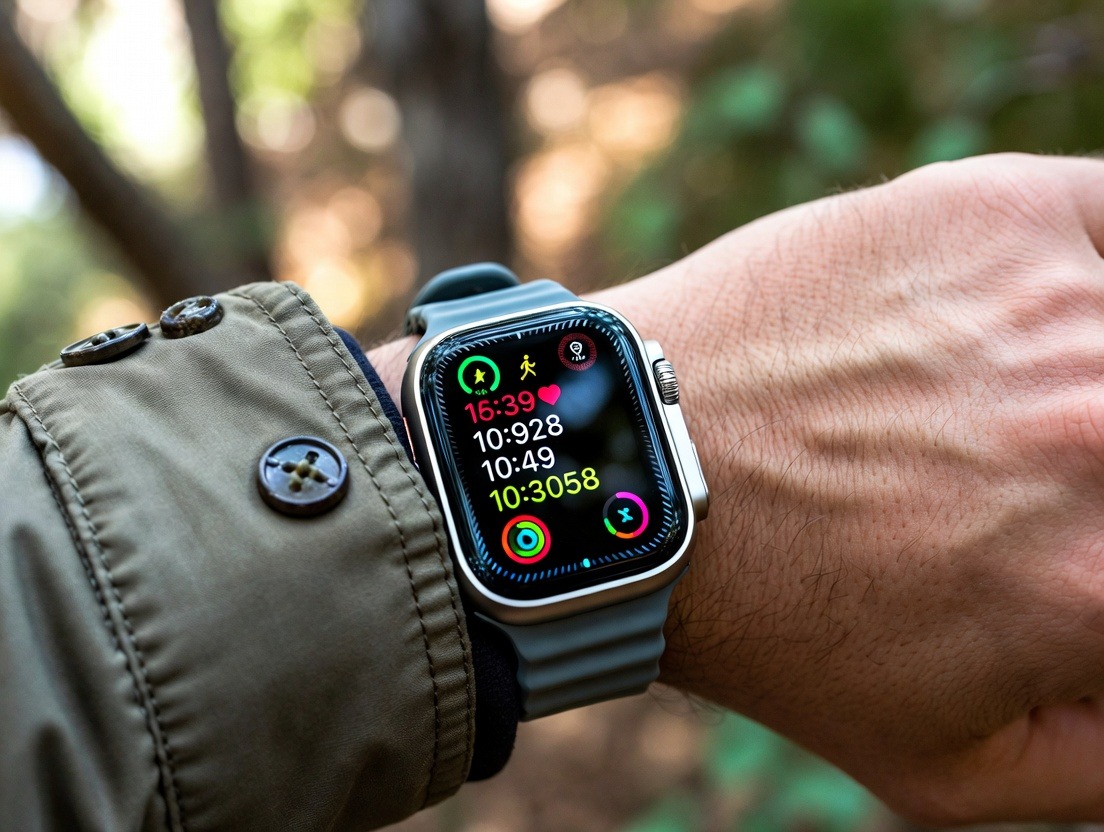
The smartwatch remains the undisputed king of versatility in the wearable world. It’s a Swiss Army knife for your wrist, blending health tracking, fitness coaching, communication, and entertainment. But within this category, significant divides exist between multi-purpose smartwatches and fitness-first trackers. Understanding this landscape is key to choosing your ideal wrist companion.
The All-Purpose Smartwatch: Your Phone's Best Friend
Devices like the Apple Watch Series and Samsung Galaxy Watch are defined by their deep integration with your smartphone and their vibrant app ecosystems. They are designed to be an extension of your digital life.
The Fitness & Adventure Tracker: Built for Endurance and Data
Brands like Garmin, Coros, and high-end Fitbit models cater to athletes and outdoor enthusiasts. Their priority is performance analytics and resilience.
The Hybrid & Stylish Tracker: Discreet Wellness
For those who prioritize aesthetics and simplicity, devices like the Garmin Lily, Withings ScanWatch, or Fitbit Luxe offer a bridge. They resemble traditional watches or fine jewelry but pack core health tracking—heart rate, sleep, SpO2, and activity—into a stylish package with impressive battery life. They provide essential insights without a constant stream of smartphone interruptions.
Making Your Choice: Key Decision Points
The smartwatch arena proves there is no single "best" device—only the best device for your specific lifestyle, goals, and aesthetic. The power is now on your wrist to choose the tool that aligns with how you live and move.
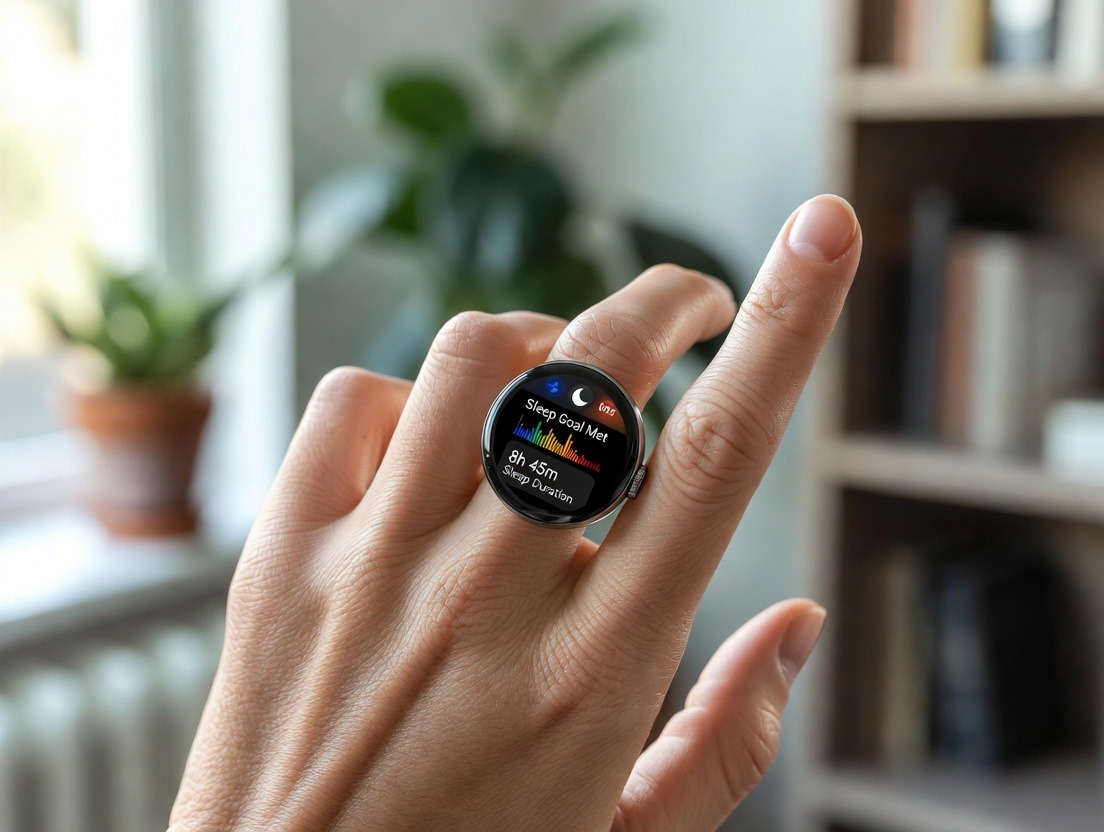
Smart rings represent the most significant evolution in wearable form factor in years. They have moved from niche curiosities to mainstream contenders by solving a critical user pain point: the desire for continuous, unobtrusive health insight without the bulk or distraction of a wrist device. This section delves into why the ring format is so powerful and provides a detailed comparison of the market leaders shaping this discreet revolution.
The Core Value Proposition: Why a Ring?
The advantages of the smart ring are intrinsically linked to its design:
Market Leaders Compared
The smart ring market is dynamic, with fierce competition between the established pioneer and ambitious challengers. A key differentiator is the subscription model, which has become a major point of contention for consumers.
Feature/Aspect
Oura Ring 4 (The Incumbent)
Samsung Galaxy Ring (The Ecosystem Challenger)
Ultrahuman Ring Air (The Biohacker's Choice)
RingConn Gen 2 / Amazfit Helio (The Value Champions)
Key Strength
Polished app, comprehensive insights, strong clinical backing.
Seamless Samsung integration, AI insights, stylish design.
Unique metabolic & circadian focus (caffeine timing, etc.), subscription-free.
Affordable price, strong core tracking, no subscription fee.
Biggest Drawback
Mandatory $5.99/month subscription to access all data and insights.
Limited functionality without a Samsung Galaxy phone; expensive hardware.
App can feel overwhelming with data; less intuitive than Oura.
Apps less polished; fewer advanced insights and guided recommendations.
Battery Life
~7 days
~7 days (with portable charging case)
~6 days
RingConn: ~10+ days Helio: ~4 days
Best For
The user who wants the most actionable, coach-like insights and is willing to pay a premium for the full service.
The dedicated Samsung phone user who values ecosystem synergy and AI-powered analysis without a subscription.
The data enthusiast who loves diving deep into circadian biology and metabolic health without ongoing fees.
The budget-conscious buyer who wants reliable sleep and activity tracking without any recurring cost.
Navigating Legal & Market Dynamics
It’s important to note that this market is evolving amid competition. In 2025, Oura successfully secured a US import ban on rivals Ultrahuman and RingConn over patent disputes, though RingConn has since settled. This highlights the fierce battle for market share in this booming space. Consumers should stay informed, as availability can be affected by such factors.
The Verdict on Rings
Smart rings are not meant to replace smartwatches for active workout tracking or connectivity. As one reviewer succinctly put it, "A smartwatch is an active companion... A smart ring is a passive health monitor". They excel as always-on wellness guardians, particularly for sleep, recovery, and stress. The choice often boils down to a simple question: Do you prioritize the deepest, most guided insights (Oura, with its fee), or do you value ownership of your data and freedom from subscriptions (Ultrahuman, RingConn, Samsung)? Both paths offer a powerful, discreet window into your 24/7 health.
While rings and watches capture the spotlight, the most transformative innovations in health wearables are often happening in less obvious places. The frontier is moving beyond accessory-based devices and towards integrated, clinical-grade, and highly specialized sensing. This new wave embeds technology seamlessly into our lives, targeting specific health demographics and conditions with unprecedented precision. Let’s explore the technologies that are defining the next chapter.
Women's Health Tech: Closing the Data Gap
Historically, health tech has taken a one-size-fits-all approach, often neglecting female-specific physiology. That is changing rapidly. New devices are finally providing data-driven insights into hormonal health, menopause, and fertility.
Advanced Biometric Monitors: The At-Home Health Scan
The line between consumer wellness and medical-grade diagnostics is blurring. Companies are creating dedicated devices for deep, periodic health assessments.
Novel Interfaces and AI Integration
How we interact with our health data is also evolving.
Practical & Niche Problem-Solvers
Some of the most compelling new tech tackles very specific, everyday health challenges.
The Implication: A Fragmented yet Specialized Future
This explosion of specialized devices suggests a future where, instead of one "do-it-all" wearable, individuals might use a suite of complementary tools: a smart ring for continuous core biometrics, a specialized patch for managing a specific condition (like menopause), a smart scale for monthly detailed scans, and a voice band for contextual logging. This ecosystem approach promises a more complete, nuanced, and ultimately more useful picture of holistic health, moving us decisively from simple fitness tracking to true health management.
Owning a powerful wearable is only the first step. The true magic—and the path to transformative health change—happens when you learn to integrate its data stream into the context of your daily life. Raw biometrics tell what is happening; your lifestyle provides the why. This section is a practical guide on how to become your own best health scientist by creating a coherent, holistic picture from multiple data sources.
The Power of the Central Hub: Apple Health & Google Fit
Think of these platforms as your health data's operating system. Both Apple Health (iOS) and Google Fit (Android) are designed to be secure repositories that pull information from all your connected devices and apps.
Context is King: Logging the "Why" Behind the Data
Your wearable knows your heart was elevated at 3 PM, but it doesn't know if that was due to a stressful meeting, a coffee, or a brisk walk. Manual logging fills these gaps.
The Art of Pattern Recognition
With data flowing into a central hub and enriched with your logs, you can start detective work. Look for these key patterns:
From Insight to Action: Creating Feedback Loops
The goal is to create a positive feedback loop: Data → Insight → Action → Improved Data.
Tools for Deeper Integration
Integrating your data turns passive tracking into active self-discovery. It moves you from asking, "What did my device say today?" to asking the far more empowering question: "What is my body telling me, and what can I learn from it to live better?" This is the essence of becoming an expert on your own health. For more strategies on building these positive feedback loops, explore our blog for more wellness tips and personalized guides at https://oxyzen.ai/blog.
Wearable devices collect the most intimate data imaginable: your heart's rhythm as you sleep, your location throughout the day, physiological signs of stress, and patterns that could reveal underlying health conditions. While this data holds the key to personalized wellness, it also creates a significant responsibility for both users and companies. Navigating the privacy and security landscape is not an optional part of using wearables; it is a fundamental requirement for safe and ethical engagement with this technology.
Understanding the Data You Generate
First, it’s crucial to grasp the sensitivity of the information at stake. A typical smart ring or watch generates:
Key Questions to Ask Any Wearable Company
Before trusting a device with your data, you must become an informed consumer. Here are critical questions to research:
The Subscription Model's Privacy Implication
The rise of mandatory subscriptions (e.g., Oura's $5.99/month fee) adds a layer to this discussion. You are not just paying for software updates; you are paying for the ongoing cloud storage, processing, and analysis of your highly sensitive lifelong health data. This creates a different relationship than a one-time purchase where the data might be processed more locally. Understand what the recurring fee truly encompasses.
Practical Steps for Protecting Your Privacy
The Future: Privacy by Design
The industry's gold standard is moving toward "privacy by design," where data minimization, local processing, and user control are built into the product from the ground up. Companies that are transparent about their practices and give users granular control will earn trust in this sensitive market.
Your health data is a priceless asset and a profound vulnerability. Using wearable technology responsibly means being vigilant about its stewardship. By choosing companies with strong ethical standards and taking personal precautions, you can harness the power of this technology while building a fortress of privacy around your most personal information. For a deeper look at how one company approaches these critical issues, you can learn more about our mission and data philosophy at https://oxyzen.ai/about-us.

Entering the world of advanced health wearables requires a financial decision that goes beyond a simple upfront price tag. The market today is split between traditional purchase models and the increasingly common "hardware + subscription" hybrid. Understanding the long-term cost of ownership and the value proposition behind it is essential to making a choice you won't regret. Let's break down the economics of your wellness investment.
The Upfront Hardware Spectrum
Smart wearables range dramatically in initial cost, generally reflecting build quality, sensor sophistication, and brand positioning.
With the vast landscape of wearables laid out, the final and most crucial step is turning this knowledge into a confident decision. Choosing a device is deeply personal; the "best" device is the one that seamlessly integrates into your life to help you achieve your specific goals. This step-by-step framework is designed to cut through the noise and guide you to your ideal health tech companion.
Begin by looking inward. Ask yourself: "What is the single most important thing I want to learn or improve about my health?" Be brutally honest. This "North Star" will anchor every subsequent decision.
Your primary goal heavily influences the best device type. Use this quick guide:
Your existing tech and daily habits are non-negotiable constraints.
Look beyond the sticker price. Calculate the true 2-year cost.
With a shortlist of 2-3 devices that pass the steps above, dive into feature specifics aligned with your North Star.
Before clicking "buy," consider these final factors:
There is no perfect scorecard. The right choice is the device that best aligns with your unique hierarchy of needs: your core goal, your lifestyle container, your budget, and your personal values. By following this framework, you move from being overwhelmed by choice to being empowered by it, ready to select a tool that will become a genuine catalyst for your well-being. For real-world examples of how different people made their choice, you can read authentic user experiences and reviews at https://oxyzen.ai/testimonials.
The wearable health tech revolution is not slowing down; it is accelerating into new dimensions of sophistication, personalization, and clinical integration. The devices of the next 2-5 years will move beyond tracking and into the realms of prediction, prevention, and truly personalized intervention. Based on current trajectories and expert analysis, here are the most compelling frontiers we are about to cross.
The next leap is predictive analytics. Current devices tell you what has happened. Future devices, powered by advanced AI trained on massive, anonymized datasets, will tell you what is likely to happen.
The most anticipated breakthrough is the ability to measure key blood biomarkers without a single drop of blood. Several technologies are racing to make this a reality:
Wearables will stop being standalone gadgets and become integrated nodes in a comprehensive, automated health ecosystem.
The form factor will continue to evolve toward complete invisibility and integration.
This powerful future brings profound questions.
The future of wearable health tech is not just about more metrics; it's about more meaning. It points toward a world where our technology understands our bodies as unique, complex systems and provides a gentle, proactive nudge toward sustained health, effectively becoming an always-on, AI-powered guardian of our well-being. The journey from counting steps to predicting illness is well underway, and it promises to make each of us the true CEO of our own health.
You've chosen your perfect device. It arrives, sleek and full of promise. Now comes the most important phase: integrating it into your life in a healthy, sustainable way that leads to lasting improvement, not anxiety or obsession. This guide covers the practicalities of first use, habit formation, and maintaining a balanced relationship with your most personal piece of technology.
The initial month is not for making judgments or drastic changes. Its sole purpose is data collection and baseline establishment.
Once you have a baseline, use the data as a gentle guide, not a strict commander.
"Quantified Self" fatigue is real. Here's how to stay balanced:
For those who want to go deeper:
Living successfully with a wearable means mastering the tool without letting the tool master you. It's about cultivating a curious, compassionate, and slightly detached relationship with your data. The ultimate goal is not a perfect score, but the self-knowledge and empowered habits that lead you to a healthier, more balanced life. For additional support and answers to common user questions, our community and resources are available at https://oxyzen.ai/faq.
Our journey through the world of wearable health technology reveals a clear and empowering truth: we are no longer passive passengers in our health journey. The convergence of advanced sensor technology, insightful data analytics, and user-centric design has placed an unprecedented level of personal health intelligence directly into our hands—or on our fingers and wrists.
We began by exploring the paradigm shift from reactive to proactive wellness, understanding how these devices illuminate the invisible language of our bodies. We navigated the expanding universe of form factors, from the discreet power of the smart ring to the versatile command center of the smartwatch and the cutting-edge potential of specialized biosensors. We decoded the critical metrics—HRV, RHR, sleep architecture—transforming them from jargon into a personal dashboard of well-being.
We compared the titans of the industry, weighed the value propositions against the realities of subscription models, and peered into a future where wearables predict illness and offer non-invasive blood labs. Finally, we equipped you with a practical framework for choosing your device and a sustainable philosophy for living with it without burnout.
The central theme that emerges is personalization. Health is not generic. Your optimal sleep window, your unique stress response, your perfect training load—these are yours alone. Wearable technology provides the mirror to see them clearly. But the reflection is only as good as the observer. The data is inert without your curiosity, your context, and your willingness to act.
This guide is a starting point. The real story begins when you use these tools to write your own narrative of health. It’s a narrative where you can see the direct impact of a good night's sleep on your day, where you can manage stress with awareness before it becomes burnout, and where you can train smarter by respecting your body's signals for recovery.
As you move forward, remember the core principles:
The future of health is personalized, proactive, and participatory. You now hold the knowledge to step into that future confidently. Whether you choose a ring, a watch, or a device yet to be invented, you are choosing to engage with your health in the most informed way in human history. Your empowered future starts now. To continue this journey and explore how one vision is shaping this future, discover the mission and story behind our approach at https://oxyzen.ai/our-story.
Your Trusted Sleep Advocate: Sleep Foundation — https://www.sleepfoundation.org
Discover a digital archive of scholarly articles: NIH — https://www.ncbi.nlm.nih.gov/
39 million citations for biomedical literature :PubMed — https://pubmed.ncbi.nlm.nih.gov/
Experts at Harvard Health Publishing covering a variety of health topics — https://www.health.harvard.edu/blog/
Every life deserves world class care :Cleveland Clinic - https://my.clevelandclinic.org/health
Wearable technology and the future of predictive health monitoring :MIT Technology Review — https://www.technologyreview.com/
Dedicated to the well-being of all people and guided by science :World Health Organization — https://www.who.int/news-room/
Psychological science and knowledge to benefit society and improve lives. :APA — https://www.apa.org/monitor/
Cutting-edge insights on human longevity and peak performance:
Lifespan Research — https://www.lifespan.io/
Global authority on exercise physiology, sports performance, and human recovery:
American College of Sports Medicine — https://www.acsm.org/
Neuroscience-driven guidance for better focus, sleep, and mental clarity:
Stanford Human Performance Lab — https://humanperformance.stanford.edu/
Evidence-based psychology and mind–body wellness resources:
Mayo Clinic — https://www.mayoclinic.org/healthy-lifestyle/
Data-backed research on emotional wellbeing, stress biology, and resilience:
American Institute of Stress — https://www.stress.org/


