


The Wearable Health Tech Guide to Sleep Tracking Devices
A guide to devices specifically designed for sleep tracking.
A guide to devices specifically designed for sleep tracking.
%402x.svg)
In an era where a tiny device on your finger can whisper the secrets of your heart, a quiet revolution is unfolding not just on our wrists and fingers, but within the very architecture of global healthcare. The sleek smart rings, discreet fitness trackers, and advanced biosensing wearables we wear are no longer mere vanity gadgets or step-counting curiosities. They are evolving into legitimate, data-rich portals to our personal physiology, generating a continuous stream of actionable health intelligence. Yet, for all their sophistication, a critical question remains: How does this torrent of personal data move beyond our smartphones to actually improve our medical care, enhance clinical decisions, and empower our doctors?
This guide is not just about what your wearable can track—it's about the transformative journey that data takes from your body into the heart of modern healthcare systems. We are standing at the precipice of a new paradigm: seamless wearable integration. Imagine a world where your cardiologist reviews your nightly heart rate variability trends before your appointment, where your sleep data from your ring helps a specialist diagnose a disorder, or where silent warnings from your wearable trigger proactive, preventative outreach from your care team. This is the promise of connected health—a future where healthcare is proactive, personalized, and participatory.
The potential is staggering. From managing chronic conditions like diabetes and hypertension to enabling remote patient monitoring (RPM) for post-operative recovery, integrated wearables are poised to alleviate strain on overburdened systems and improve outcomes. However, the path to this integrated future is paved with complex challenges: daunting data privacy concerns, the labyrinth of interoperability between different tech systems, regulatory hurdles, and the crucial need for clinical validation. As we explore the deep integration of wearables like the advanced health-tracking smart rings from innovators such as Oxyzen, we will map out this landscape. We’ll examine the technology enabling this shift, the real-world applications already changing lives, and the hurdles we must collectively overcome to build a healthier, more connected future. This is your guide to understanding how the device on your finger is becoming a cornerstone of the next generation of healthcare.
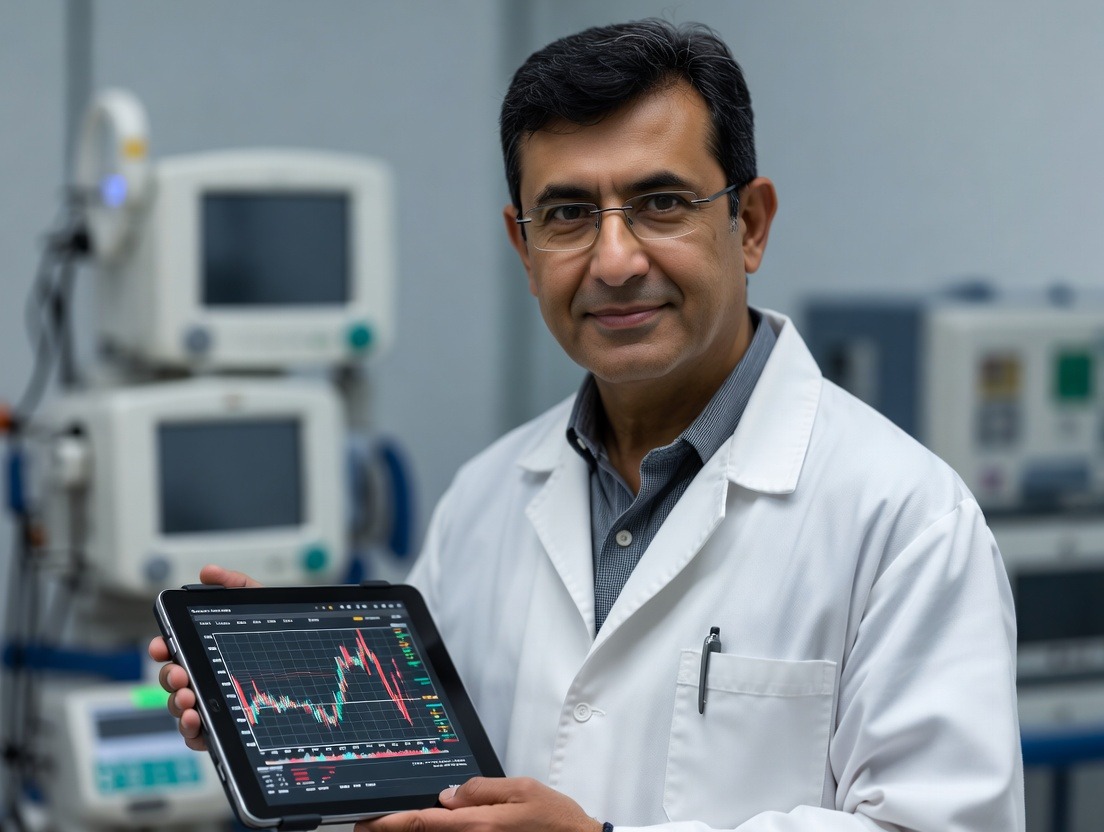
The journey of wearable health technology is a story of ambition scaling upwards—from counting steps to potentially saving lives. The first wave of wearables, epitomized by early pedometers and basic heart rate monitors, was squarely focused on quantified self and wellness. Their goal was motivation and awareness, providing users with simple metrics like daily activity goals, rudimentary sleep duration, and calories burned. The data was often siloed, proprietary, and clinically "noisy"—interesting for the user but of limited value to a medical professional due to a lack of precision, context, and regulatory validation.
The pivot from "wellness" to "health" marks the critical paradigm shift we are experiencing today. This transition is fueled by several concurrent technological explosions. First, sensor miniaturization and sophistication have reached a point where clinical-grade measurements can be captured from non-invasive, consumer-friendly devices. Advanced photoplethysmography (PPG) sensors in today's smart rings, for example, don't just measure heart rate; they can capture heart rate variability (HRV), blood oxygen saturation (SpO2), and even estimate respiratory rate. Second, the rise of powerful, low-energy microprocessors and AI allows for on-device processing and advanced algorithm development. This means your wearable isn't just collecting raw data; it's analyzing it in real-time to identify patterns, anomalies, and trends that have medical significance.
Third, and perhaps most crucially, is the shift in data philosophy. Wellness data was often an endpoint. Health data, in the integrated model, is a starting point—a continuous feed meant for translation and action within a broader clinical ecosystem. This requires a fundamental change in how data is structured, secured, and shared. It’s no longer about a weekly summary email; it’s about a secure, standardized data stream that can be ingested by electronic health record (EHR) systems, interpreted by clinical algorithms, and reviewed by care teams.
Companies at the forefront, like Oxyzen, are designing their technology with this clinical integration in mind from the ground up. Their focus isn't just on sleek design and user experience, but on the accuracy, reliability, and interoperability of the data their devices generate. This foundational shift is what transforms a smart ring from a clever piece of consumer electronics into a potential partner in your long-term health management. To understand the full scope of how this technology has developed, one can explore our detailed blog posts on sensor evolution and data accuracy over at our blog.
The implications of this shift are profound. We are moving from episodic, reactive care—"I go to the doctor when I feel sick"—to continuous, proactive health management. Your wearable becomes a sentinel, constantly gathering a baseline of your normal physiology, making it dramatically easier to detect and flag meaningful deviations. This creates the foundational layer upon which true integration with healthcare systems is built: trusted, actionable data.
To comprehend how a wearable can interface with something as complex and secure as a hospital's IT system, we must deconstruct the technological stack that makes it possible. This stack is a multi-layered architecture, each layer essential for transforming raw biological signals into clinically useful information.
Layer 1: The Sensor Suite. This is the physical interface with your body. In a modern smart ring or wearable, this typically includes:
Layer 2: The On-Device Processing & AI. Raw sensor data is just a waveform. The magic happens in the algorithms. Modern wearables use embedded AI to process this data directly on the device (edge computing). This serves two key purposes: 1) Power Efficiency: Processing data locally reduces the need to constantly transmit raw data, saving battery life. 2) Real-Time Insights: It enables immediate feedback, such as detecting a fall or an irregular heart rhythm and alerting the user on the spot. These algorithms are trained on massive, diverse datasets to recognize patterns—for instance, classifying sleep stages (light, deep, REM) from movement and heart rate data, or identifying potential signs of atrial fibrillation (AFib) from pulse waveform irregularities.
Layer 3: Interoperability & Standards. This is the most critical layer for healthcare integration. For data to flow from your wearable into a doctor's workflow, it must speak the right language. This is where standards like HL7 FHIR (Fast Healthcare Interoperability Resources) and Continua Design Guidelines come into play. FHIR is a modern data standard for exchanging healthcare information electronically. Think of it as a universal translator for health data. A wearable platform that is FHIR-enabled can package its data—say, a week's worth of resting heart rate and sleep efficiency metrics—into a standardized "Resource" that can be seamlessly and securely pushed into a compatible Electronic Health Record (EHR) system like Epic or Cerner.
Without this layer of interoperability, wearable data remains trapped in its app, a digital island of potential. With it, the data becomes a structured part of your official health record, viewable alongside your lab results and doctor's notes. Companies building for the future of integrated health, like Oxyzen, invest heavily in ensuring their systems are designed for this level of interoperability, understanding that data fluidity is as important as data accuracy. For those curious about the technical foundations of our approach, you can learn more about our technology and mission.

The most immediate and impactful application of integrated wearable tech is in the realm of Remote Patient Monitoring (RPM). RPM is a healthcare delivery method that uses technology to monitor patients outside of conventional clinical settings, and it has exploded in adoption and reimbursement, particularly since the COVID-19 pandemic. Integrated wearables are the perfect frontline tool for RPM programs, providing a continuous, unobtrusive data stream for managing chronic conditions and post-acute recovery.
Chronic Disease Management: Consider a patient with hypertension. Traditionally, management relies on sporadic in-office blood pressure checks and perhaps a home cuff used a few times a day. An integrated wearable with validated pulse waveform analysis can provide dozens of passive blood pressure estimates throughout the day and night, revealing nocturnal hypertension or "white coat" syndrome patterns. This rich dataset allows a care team to tailor medication types and timing with unprecedented precision. Similar models are transforming care for:
Post-Operative and Senior Care: After surgery or for an aging population living independently, wearables offer safety and efficiency. They can monitor mobility and activity levels to ensure a patient is recovering as expected. More advanced systems can detect falls and automatically alert emergency contacts. This enables "hospital-at-home" models, where patients can be discharged earlier but still remain under the virtual observation of their care team, improving outcomes and patient satisfaction while reducing healthcare costs.
The key to effective RPM is actionable alerting. The system must be smart enough to filter out insignificant noise and only flag clinically meaningful trends to the care team, preventing alert fatigue. This requires close collaboration between device manufacturers, software developers, and clinicians to define the right rules and thresholds. The testimonials from users and clinicians who have experienced this shift firsthand can be powerful; you can read some of these transformative accounts in our user testimonials section.
As the flow of deeply personal health data intensifies, the questions of privacy, security, and ethical control become paramount. This isn't just your step count; this is your sleep pattern, your stress physiology, your cardiac rhythm. The integration of this data into healthcare systems places it under the umbrella of Protected Health Information (PHI), which is stringently regulated in many regions by laws like HIPAA in the United States and GDPR in the European Union.
The Security Imperative: Healthcare data is a prime target for cybercriminals. Therefore, any wearable platform aiming for clinical integration must implement enterprise-grade security. This includes:
The Privacy and Consent Conundrum: Beyond keeping data safe from hackers, there is the crucial question of how it is used by the authorized entities themselves. True patient-centric integration must be built on informed, granular, and dynamic consent. Patients must understand:
The ideal system allows patients to be the stewards of their own data. They should be able to easily grant or revoke access to specific data streams for specific purposes and timeframes through a clear, user-friendly portal. This is a fundamental shift from the traditional, one-time, blanket-consent form. It empowers patients and builds the trust that is essential for the widespread adoption of integrated wearable health. For a deeper dive into how we handle these critical issues, our FAQ page addresses many common privacy and data questions.
If data privacy is the ethical cornerstone of integration, interoperability is the technical backbone. The healthcare IT landscape is famously fragmented, with hundreds of different Electronic Health Record (EHR) systems in use globally, each with its own proprietary data formats. For wearable data to be useful in a clinical context, it cannot exist solely in a manufacturer's app. It must be able to flow into the systems where clinicians actually work.
This is where standards like HL7 FHIR and the SMART on FHIR framework become revolutionary.
HL7 FHIR (Fast Healthcare Interoperability Resources): FHIR is a modern, web-based standard for exchanging healthcare information. It structures data into discrete "Resources" (e.g., an Observation resource for a heart rate reading, a Patient resource, a Practitioner resource). These resources are easily understood by both humans and machines and can be exchanged via modern API (Application Programming Interface) calls—the same technology that allows different apps on your phone to talk to each other. When a wearable platform structures its sleep data as a FHIR Observation resource, it becomes a digital package that any FHIR-compliant EHR can theoretically unpack and understand.
SMART on FHIR: This is the framework that brings FHIR to life in clinical workflows. SMART (Substitutable Medical Applications, Reusable Technologies) defines how third-party applications can be launched securely from within an EHR's interface. Imagine this: A doctor opens a patient's chart in their Epic EHR system. Within the chart, a SMART on FHIR "tile" or app appears, labeled "Wearable Health Dashboard." The doctor clicks it. Without having to log in to a separate system, the SMART app launches directly within Epic, securely pulls the patient's wearable data (authorized via FHIR APIs), and displays it as clean graphs of heart rate trends, sleep efficiency, and activity levels—all alongside the patient's medications and problem list.
This seamless, in-workflow integration is the holy grail. It removes friction for the clinician, who no longer has to juggle multiple logins and windows. It ensures the wearable data is viewed in the full clinical context. And it makes the data actionable. The clinician can now make a decision informed by 30 days of continuous physiology, not just a single point-in-time measurement. The commitment to building on these open standards is a clear indicator of a wearable company's serious intent to serve the clinical market, a principle that guides the development of platforms like Oxyzen.
Not all health data is created equal in the eyes of regulatory bodies. The leap from a "general wellness" product to a device that provides data intended for clinical decision-making triggers a need for regulatory review and clearance. This process validates that the device is safe and effective for its intended medical purpose.
Key Regulatory Pathways:
For healthcare systems and providers, regulatory clearance is a gatekeeper. It provides a level of assurance and mitigates liability. Before integrating data from a wearable into a patient's record or care plan, a hospital's IT and legal departments will almost certainly require evidence of the appropriate regulatory approvals for the device's specific clinical functions. This is why the journey of a company like Oxyzen involves not just engineering and design, but a deep commitment to the scientific and regulatory process, as detailed in our story of research and development.

The most elegant technology and perfect interoperability standards will fail if they are not adopted by the two key human groups in the equation: Healthcare Providers and Patients.
Overcoming Clinician Skepticism: Many doctors are rightfully cautious. They face an avalanche of health tech hype and "disruptive" apps of dubious quality. For providers to trust and use wearable data, several conditions must be met:
Engaging and Empowering Patients: For patients, adoption hinges on value, burden, and trust. The device must provide clear value—either in managing a concerning condition, achieving a health goal, or providing peace of mind. The burden must be low; a medical device that is uncomfortable, requires constant charging, or needs complex calibration will be abandoned. This is where the form factor of a smart ring has a significant advantage over bulkier medical monitors—it fits seamlessly into daily life.
Finally, as discussed, trust in data privacy and security is fundamental. Patients need to feel in control of their intimate health data. Successful integration platforms will excel not just at technology, but at communication, education, and transparent data governance, fostering a true partnership between patient and provider. Seeing how others have successfully integrated this technology into their lives can be inspiring; a collection of such experiences is available on our testimonials page.
The theoretical potential of integrated wearables is compelling, but it is the real-world pilot programs and clinical successes that prove its viability. Across the globe, healthcare institutions are partnering with technology companies to deploy these solutions with measurable results.
Use Case 1: Managing Hypertension at Scale. A large U.S. health system launches an RPM program for patients with uncontrolled hypertension. Participants are given a connected wearable capable of frequent, cuffless blood pressure estimation. The data streams into a centralized dashboard monitored by a team of pharmacists and nurses. Algorithms flag patients whose trends are moving in the wrong direction. The care team can then intervene via telehealth, adjusting medications. Result: A significant increase in the number of patients achieving blood pressure control, a reduction in in-person visits, and a lower rate of stroke and cardiovascular events in the enrolled population.
Use Case 2: Post-Cardiac Surgery Recovery. A hospital implements a "Home After Heart Surgery" program. Discharged patients wear a smart ring that monitors heart rate, HRV, activity, and sleep. The care team can see if a patient is becoming less active (a sign of potential complications) or if their sleep is severely disrupted (impacting healing). A sudden, sustained drop in HRV triggers a nursing call to check for signs of infection or other issues. Result: Fewer preventable readmissions, higher patient satisfaction, and more efficient use of hospital beds.
Use Case 3: Population Health in Employer Wellness. A self-insured corporation provides employees with the option to use a wearable like the Oxyzen ring as part of a advanced wellness program. Aggregated, anonymized data helps the company understand workforce-wide stress and sleep patterns. More importantly, employees can choose to share specific data streams with a dedicated health coach to work on personalized goals like improving sleep hygiene or managing work-related stress, with the coach having access to objective data rather than just self-report. Result: Improved employee well-being metrics, potentially lower healthcare costs for the employer, and a more engaged workforce. To explore more about how such integrations are structured, you can find related articles and case studies on our blog.
These cases illustrate a common thread: success requires a tripartite partnership between the technology (accurate, interoperable device), the clinical model (redesigned workflows and staffing), and the financial model (aligned incentives and reimbursement).
The ultimate promise of continuous, integrated physiological data is the shift from reactive and managed care to truly predictive and preventative health. This is where the convergence of big data, artificial intelligence, and wearable biosensors opens a visionary frontier.
Predictive Analytics at the Individual Level: By establishing a multi-parameter baseline for an individual over months or years, advanced machine learning models can identify subtle, preclinical deviations that precede a major health event. For example, research is exploring how trends in resting heart rate, HRV, skin temperature, and sleep could predict the onset of an infection like the flu 24-48 hours before symptoms appear. Similarly, complex pattern analysis might one day provide early warnings for metabolic shifts toward pre-diabetes or mental health episodes. This turns healthcare into a system of early-warning sentinels, allowing for low-cost, low-intensity interventions (e.g., rest, hydration, a check-in with a coach) to avert a high-cost crisis (e.g., hospitalization).
Population Health and Research: Aggregated and anonymized data from millions of consented users creates an unprecedented real-world evidence engine. Researchers can study:
For health insurers and public health agencies, this data can help identify at-risk communities, tailor public health messaging, and design more effective wellness programs. It moves us from a system that treats sickness to one that fosters health. This future-oriented vision is what drives innovators in the space; you can read about the long-term vision that guides companies at the forefront in resources like the Oxyzen story.

For all its promise, the integrated wearable future faces significant practical and ethical hurdles that must be addressed for it to be equitable and sustainable.
The Cost and Reimbursement Challenge: High-quality, clinically-validated wearables and the platforms that support their integration are not cheap to develop or maintain. The question of who pays is central. Possibilities include:
The Digital Divide and Health Equity: If not consciously designed for inclusivity, this technology could exacerbate existing health disparities. Access requires not just a device, but also a smartphone, reliable internet, digital literacy, and often, proficiency in a dominant language. Solutions must include:
The goal must be to use technology to close equity gaps, not widen them. This means building business and care models that are accessible to all, a challenge that requires thoughtful policy, philanthropic partnership, and ethical design from the ground up. For a deeper understanding of how one company approaches these challenges, our FAQ section touches on questions of accessibility and our broader mission is detailed here.
For a hospital, clinic, or health network looking to begin integrating wearable data, the path can seem daunting. Here is a conceptual roadmap, breaking down the journey into manageable phases:
Phase 1: Define Clinical & Strategic Objectives. Start with the "why." Are you aiming to reduce readmissions for heart failure? Improve diabetes outcomes in a specific population? Launch a premium concierge medicine offering? The clinical goal will dictate the technology requirements and success metrics.
Phase 2: Assemble a Cross-Functional Team. This is not just an IT project. The team must include clinical champions (doctors, nurses, care managers), IT/security experts, compliance/legal staff, patient experience representatives, and finance/revenue cycle managers.
Phase 3: Evaluate and Select Technology Partners. Create a request for proposal (RFP) based on your objectives. Key evaluation criteria must include:
Phase 4: Pilot and Iterate. Start small with a tightly defined pilot program—e.g., 50 patients with uncontrolled hypertension in a single clinic. Monitor everything: patient adherence, clinician satisfaction, workflow integration, data quality, and clinical outcomes. Use this pilot to iron out kinks, refine protocols, and build a business case for broader rollout.
Phase 5: Scale and Optimize. Based on pilot success, develop a scaling plan. This includes training for more staff, marketing the program to eligible patients, finalizing reimbursement workflows, and continuously monitoring outcomes and cost-effectiveness. As the program scales, the rich data asset you create can then feed into higher-order initiatives in predictive analytics and population health.
This structured approach turns a moonshot vision into a series of practical, de-risked steps, paving the way for a new era of connected, intelligent, and personalized care. For healthcare leaders and curious individuals looking for more resources on this journey, a wealth of information can be found by exploring the Oxyzen blog for the latest insights and guides.
The most profound insights from sleep tracking rarely come from the sleep data alone. They emerge when your nocturnal biometrics are woven together with the other threads of your life: your daytime activity, your workout intensity, your calorie intake, your meditation minutes, and even your menstrual cycle. This is the power of the digital health ecosystem—a connected web of apps and devices that, together, paint a holistic portrait of your wellbeing. A sleep tracker in isolation is a powerful tool, but a sleep tracker integrated into this ecosystem is a transformative health partner.
The Central Hub: Health Platforms
Platforms like Apple Health (iOS), Google Fit (Android), and Samsung Health act as the central repositories for your health data. Your sleep tracker can write its data here, and in turn, read data from other connected sources. This creates powerful, automatic correlations without any manual work. Imagine seeing a dashboard where:
This interoperability breaks down data silos. You’re no longer looking at sleep in a vacuum; you’re seeing its cause-and-effect relationship with every other aspect of your health.
Specific Integrations That Change the Game
The Smart Home Connection
Integration extends beyond your phone. The "Internet of Things" (IoT) allows your sleep data to interact with your environment.
Choosing an Ecosystem
When selecting a sleep tracker, consider its "connectedness." Does it play nicely with Apple Health or Google Fit? Does its brand have a robust first-party ecosystem of complementary apps and insights? A device from a company with a vision for holistic wellness, like Oxyzen, is built with these integrations in mind, understanding that sleep is one vital signal in a symphony of health data. You can learn more about this integrated approach to wellbeing on the company’s main site, Oxyzen.ai. The goal is a seamless flow of information that turns fragmented data points into a coherent, actionable story of your health, empowering you to make smarter decisions every single day.
The gleaming promise of quantified sleep comes with a shadow—a set of psychological and ethical considerations that every informed user must navigate. While data empowers, it can also imprison if we're not mindful. The path to better sleep should not come at the cost of our mental peace or personal privacy.
The Privacy Paradox: Who Owns Your Night?
When you strap on a tracker, you're not just collecting data; you're transmitting incredibly intimate details about your body's most vulnerable state to a company's servers. This data is a goldmine. It can include your precise location (when you go to bed), your heart rate patterns (which can infer stress, arousal, or even certain health conditions), and your detailed behavioral routines.
Key questions you must consider:
The Rise of Orthosomnia: The Perfection of Sleep
Coined by sleep researchers, orthosomnia is a non-clinical term describing the anxiety and preoccupation that arises from striving for perfect sleep data. It's the irony of sleep tracking: the very act of measuring can become an impediment to the thing you're trying to improve.
Managing the Mental Load: Healthy Data Habits
To avoid these pitfalls, cultivate a mindful relationship with your tracker:
The most advanced wellness technology understands this balance. It designs its user experience to educate and encourage, not to shame or induce anxiety. It prioritizes user privacy as a core feature, not an afterthought. For anyone concerned about how their data is handled, a transparent company will always provide clear answers, often detailed in a dedicated FAQ or privacy policy section. The ultimate aim is to use technology to become more attuned to your body's natural signals, not to replace your internal wisdom with an external algorithm. The data should serve you, not the other way around.
You have your device, you understand the metrics, and you’re aware of the pitfalls. Now, let’s translate that knowledge into a daily practice that delivers results. Effective sleep tracking is a skill, and like any skill, it requires a consistent methodology to yield its true benefits. This isn't about passive wearing; it's about active engagement with the tool.
Step 1: The Foundational Setup
Step 2: The Daily Ritual – Logging Context
The data from the night is the "effect." Your job is to log the potential "causes." Spend 60 seconds each evening or morning tagging your day in the app. Common tags include:
Step 3: The Morning Review – The 5-Minute Insight Scan
Don't get lost in the weeds. Make your morning check efficient and purposeful:
Step 4: The Weekly Audit – Spotting the Trends
Once a week (Sunday morning works well), open the weekly or monthly view.
Step 5: The Quarterly Tune-Up – Reevaluating Goals
Every few months, reassess.
By following this structured approach, you move from being a passive data collector to an active sleep scientist, using your own life as the laboratory. The tracker becomes a true partner in your wellness journey, providing the feedback necessary for intelligent, personalized iteration toward your best rest.
The sleep tracking devices of today are merely the first chapter in a story of profound biomedical innovation. We are on the cusp of a shift from descriptive tracking ("This is how you slept") to predictive and prescriptive health intelligence ("You are at risk for poor sleep tonight, and here’s how to prevent it"). The convergence of advanced sensors, artificial intelligence, and a deeper understanding of human physiology is set to redefine our relationship with rest.
Hyper-Personalized AI Sleep Coaching
Future devices will move beyond simple correlation to true causation modeling. Imagine an AI coach that knows not just that alcohol disrupts your sleep, but how much disrupts it, and at what time it becomes problematic for your specific physiology. It will synthesize sleep data with your calendar, local weather (humidity and temperature affect sleep), and even your genetic predispositions (if you choose to share that data) to offer micro-personalized recommendations:
Multi-Modal Sensor Fusion & New Biomarkers
The next generation of wearables will look beyond the wrist and finger, incorporating data from other points:
Predictive Health & Early Disease Detection
This is the most transformative frontier. Longitudinal sleep data is a treasure trove for detecting subtle, early signs of health issues. Researchers are already finding that changes in sleep patterns, heart rate rhythms, and breathing can be early markers for:
Your sleep tracker could evolve into a true preventive health guardian, alerting you to "check-in" with your doctor based on anomalous biometric trends, long before a clinical symptom appears.
The Seamless, Invisible Interface
The hardware will continue to fade into the background. We'll move towards smart fabrics (pyjamas or bedding with woven sensors), contactless room-based systems so advanced they become standard in homes and hotels, and perhaps even ingestible or implantable micro-sensors for clinical-grade, continuous monitoring. The goal is a zero-friction, always-on understanding of our physiology.
The future of sleep tech is not about more graphs; it's about more meaning. It’s about systems that understand your past, interpret your present, and guide you toward a healthier future. Companies at the forefront of this research, driven by a mission to harness technology for human thriving, are shaping this future. You can explore the vision behind one such approach by delving into Oxyzen's story. The journey to reclaiming our sleep is just beginning, and the road ahead is illuminated by data, intelligence, and a deeper connection to our own biology than we ever thought possible.
Navigating the marketplace of sleep trackers can feel overwhelming. Beyond categories, you need to understand the specific philosophies, strengths, and quirks of leading brands and models. This deep dive goes beyond spec sheets to examine what it’s actually like to live with these devices, and who they are ideally suited for.
The Smart Ring Arena: Oura vs. Circular vs. Ultrahuman
The Smartwatch Powerhouses: Apple, Garmin, & Google
The Dedicated Fitness Band: Whoop 4.0
Choosing the right model ultimately depends on which ecosystem resonates with your life and which data presentation style motivates you. For a more nuanced comparison that aligns with specific wellness philosophies, resources like the Oxyzen blog often explore these differences in detail, helping you move beyond features to find the right fit for your personal health journey.
Sleep tracking often reveals a frustrating truth: you can be in bed for eight hours, but if those hours are misaligned with your innate biological timing, the sleep may not be restorative. This is the domain of chronobiology—the science of our internal timekeeping. Understanding your chronotype (your body's natural preference for sleep and wake times) and respecting your circadian rhythm is perhaps the most profound sleep hack available, far surpassing any gadgetry.
What is a Chronotype? It's Not Just "Early Bird vs. Night Owl."
Popularized by Dr. Michael Breus, chronotypes are often categorized into four animal archetypes, which provide a more nuanced framework:
How Sleep Trackers Reveal Your Rhythm
Your device provides objective data to move beyond guesswork:
Circadian Hacking: Aligning Your Life with Your Biology
Once you identify your tendency, you can structure your day for peak performance and recovery.
Respecting vs. Resisting Your Nature
Society is built for Bears. The key isn’t necessarily to force a Wolf to become a Lion (a nearly impossible task), but to negotiate with your chronotype. A Wolf might negotiate a later start time at work, or block their morning calendar for deep work. A Lion might decline late dinners, protecting their wind-down time.
Your sleep tracker is the tool that provides the evidence to have these negotiations—with your employer, your family, and most importantly, with yourself. It validates that your struggle isn't a lack of discipline, but a biological mismatch. By hacking your schedule to fit your chronotype, you unlock more energy, better mood, and truly restorative sleep. For a deeper exploration of how technology can help you discover and honor your unique biological blueprint, exploring a brand’s philosophy on personalized health, such as that found at Oxyzen about us, can provide valuable perspective.
While the principles of good sleep apply to everyone, specific life circumstances present unique challenges that demand tailored strategies. For athletes, parents, and shift workers, sleep tracking isn't a luxury; it's an essential tool for survival and performance optimization. The data shifts from being interesting to being mission-critical.
For the Athlete: Where Sleep is Non-Negotiable Performance Fuel
For athletes, sleep is the ultimate performance-enhancing drug. It's when human growth hormone is released, muscles repair, and the brain consolidates motor skill learning.
For Parents (Especially of Newborns & Infants): Survival Mode Metrics
Parental sleep is famously fragmented. The goal here isn't perfect 8-hour blocks; it's about maximizing the quality of short sleep windows and managing cumulative sleep debt.
For Shift Workers: Battling Biology in a 24/7 World
Shift work is a direct assault on circadian biology, increasing risks for metabolic disorders, cardiovascular disease, and mental health issues. For shift workers, sleep tracking is a defensive tool for harm reduction.
For all these groups, the sleep tracker provides an objective record in a chaotic, demanding life. It turns subjective exhaustion into measurable data, which can guide practical interventions, foster self-compassion, and provide a roadmap back to baseline when the intense season passes. Real-world stories of individuals using data to navigate these challenges can be incredibly motivating, like those shared in Oxyzen testimonials. The device becomes an ally in the struggle, proving that even in less-than-ideal conditions, knowledge and small, data-informed adjustments can make a profound difference.
Your sleep tracker identifies the problem; this toolkit helps you fix it. While behavior change is foundational, a strategic combination of evidence-based supplements and supportive technology can act as powerful levers to improve sleep quality, especially when used intentionally and measured against your biometric data.
Evidence-Based Supplements (Consult a Doctor First)
Tech & Gear for the Sleep Sanctuary
The Experimentation Framework
The key is systematic experimentation. Don't throw everything at the wall at once.
This method turns you into a scientist of your own sleep. For more detailed guides on specific supplements, tech reviews, and how to structure these self-experiments, resources like the Oxyzen blog are invaluable. Remember, the tracker provides the feedback; this toolkit provides the variables. Together, they form a powerful system for engineered restoration.
You can take the right supplements and have the best tracker, but if your sleep environment is working against you, you're fighting a losing battle. Your bedroom should be a cave—a sanctuary engineered for one purpose only: unparalleled biological restoration. This guide uses principles from environmental psychology, circadian science, and biophilia to transform your bedroom from a place you end your day to the place you recharge for the next one.
The Non-Negotiable Trinity: Dark, Cool, Quiet
The Invisible Environment: Air Quality & EMFs
The Psychology of Space: Order, Scent, and Mindset
Tech Integration for an Automated Sanctuary
This is where your sleep tracker and smart home can create magic. Imagine:
Building your sanctuary is a project. Start with one pillar—perhaps darkness—and perfect it. Then move to temperature, then sound. Use your sleep tracker to validate each improvement. Does adding blackout curtains increase your deep sleep? Does lowering the thermostat reduce nighttime awakenings? This environmental optimization, tracked with hard data, is one of the most effective and permanent ways to upgrade your sleep quality. For more inspiration and product recommendations that align with a holistic, tech-enhanced wellness lifestyle, exploring a company's curated vision at Oxyzen.ai can offer valuable ideas. Your bedroom should be your favorite room in the house because it’s the engine of your renewal.
Your Trusted Sleep Advocate: Sleep Foundation — https://www.sleepfoundation.org
Discover a digital archive of scholarly articles: NIH — https://www.ncbi.nlm.nih.gov/
39 million citations for biomedical literature :PubMed — https://pubmed.ncbi.nlm.nih.gov/
Experts at Harvard Health Publishing covering a variety of health topics — https://www.health.harvard.edu/blog/
Every life deserves world class care :Cleveland Clinic - https://my.clevelandclinic.org/health
Wearable technology and the future of predictive health monitoring :MIT Technology Review — https://www.technologyreview.com/
Dedicated to the well-being of all people and guided by science :World Health Organization — https://www.who.int/news-room/
Psychological science and knowledge to benefit society and improve lives. :APA — https://www.apa.org/monitor/
Cutting-edge insights on human longevity and peak performance:
Lifespan Research — https://www.lifespan.io/
Global authority on exercise physiology, sports performance, and human recovery:
American College of Sports Medicine — https://www.acsm.org/
Neuroscience-driven guidance for better focus, sleep, and mental clarity:
Stanford Human Performance Lab — https://humanperformance.stanford.edu/
Evidence-based psychology and mind–body wellness resources:
Mayo Clinic — https://www.mayoclinic.org/healthy-lifestyle/
Data-backed research on emotional wellbeing, stress biology, and resilience:
American Institute of Stress — https://www.stress.org/


