


Wearable Health Tech Guide: Subscription Models vs One-Time Purchase
Comparing devices that require subscriptions to one-time purchases.
Comparing devices that require subscriptions to one-time purchases.
%402x.svg)
In an era where our smartphones have become portals to our health, a new, more intimate wave of technology is taking center stage: the smart ring. Sleek, unobtrusive, and worn 24/7, these devices promise a continuous stream of data about our sleep, recovery, activity, and even stress. They represent a profound shift from reactive healthcare to proactive, personalized wellness. But as you stand ready to invest in this frontier of personal biometrics, a critical question emerges—one that defines not just your initial purchase, but your long-term relationship with your data and your health: Do you choose a one-time purchase or commit to a recurring subscription model?
This decision is far more nuanced than a simple price comparison. It's about value, ownership, and the future of your health journey. The allure of a single, upfront payment is clear: complete ownership, no hidden fees, predictable costs. Yet, the subscription model whispers promises of constant evolution—regular software updates, new features, advanced AI insights, and dedicated support that grows smarter with you.
This comprehensive guide is designed to be your trusted advisor at this crossroads. We will dissect the very DNA of these two business models, moving beyond marketing slogans to reveal the true long-term costs, benefits, and philosophical implications of each choice. Whether you’re a data-driven biohacker, a wellness enthusiast seeking better sleep, or someone taking the first step toward quantified self, understanding this fundamental divide is the key to making an investment that aligns with your health goals and financial comfort for years to come. By the end of this exploration, you will possess a clear, confident framework for choosing the path that turns a piece of wearable tech into a genuine partner in your lifelong wellness. To see how one company approaches this ecosystem, you can explore the vision behind Oxyzen.
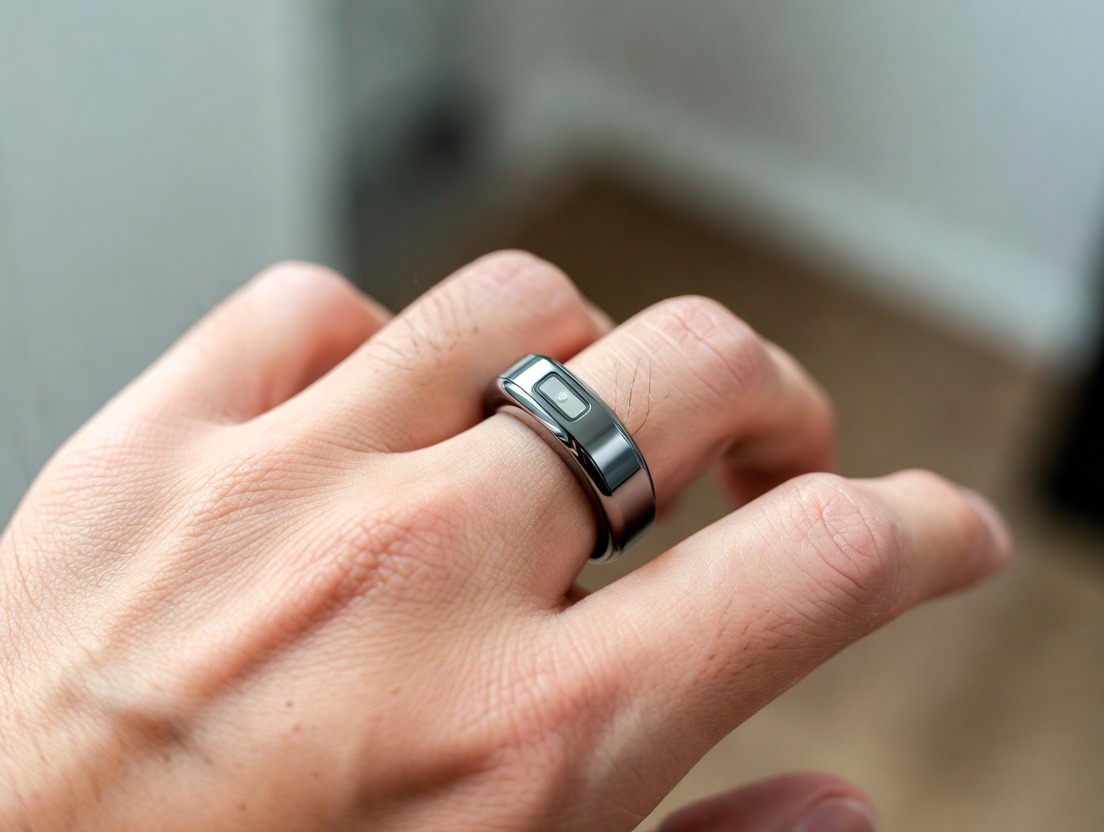
To understand the subscription versus purchase debate, we must first appreciate the technological marvel that sparked it. The smart ring is not merely a shrunken fitness band. Its form factor is its genius. Placed on the finger, it taps into a rich vascular landscape, allowing for potent and consistent photoplethysmography (PPG) sensor readings to track heart rate, heart rate variability (HRV), and blood oxygen saturation. Its constant wear, even during sleep and high-intensity workouts where wrist-worn devices can falter, provides a uniquely continuous data set.
This isn't just about counting steps. Modern smart rings are sophisticated bio-monitors. They analyze sleep architecture with clinical-grade precision, breaking down your night into light, deep, and REM cycles. They measure body temperature trends, a key metric for menstrual cycle tracking and early illness detection. They assess your readiness to perform each morning by synthesizing data on sleep, recovery, and stress, offering a tangible score to guide your daily exertions. This depth of insight moves us from simple tracking to genuine interpretation of our body's signals.
The market’s evolution has been rapid. From early niche devices, we now have a range of rings offering everything from basic activity metrics to comprehensive wellness ecosystems. This sophistication comes at a cost, not just in hardware but in the ongoing software development, cloud storage, and AI analysis required to make raw data meaningful. This operational reality is the engine behind the subscription model's rise. For a deeper dive into the technology making this possible, our blog offers detailed explorations.
Ultimately, the smart ring’s value proposition is intimacy and continuity. It offers a silent, always-on dialogue with your physiology. The question now is: what kind of relationship do you want with the interpreter of that dialogue? A one-time consultant you own outright, or an evolving expert you pay a retainer?
The traditional consumer model is beautifully simple: you pay a single, upfront fee, and the product is yours. Forever. In the world of smart rings, this model carries a powerful psychological and financial appeal that resonates with a significant portion of users.
The Psychology of True Ownership: There’s an undeniable sense of finality and control in a one-time purchase. You have acquired a tool. Its capabilities, as defined at the moment of sale, are now your permanent asset. There is no looming monthly or annual bill, no concern about price hikes, and no risk of losing core functionality if you decide to stop paying. This model respects the user’s desire for predictability and eliminates the "bill fatigue" associated with the growing number of modern subscriptions. It feels like a clean transaction—a finished deal.
Financial Predictability and Long-Term Value: From a budgeting perspective, the math is straightforward. A ring might cost $250-$400. Even if it lasts only two years (though many are built to last longer), the annualized cost drops significantly after the first year. For the financially savvy or those wary of recurring expenses, this model offers clear total cost of ownership. There’s a ceiling on your investment, and the device becomes more cost-effective with each passing month you use it.
The Target User Profile: This model is ideal for the "set-and-forget" user or the feature-focused enthusiast. If your primary needs are robust sleep tracking, consistent activity monitoring, basic HRV measurement, and you are happy with the feature set at launch, a one-time purchase is profoundly satisfying. You get what you see, and you own it outright. It also appeals to those concerned with data privacy in a specific way; while data may still be processed in the cloud, the business model is not inherently tied to monetizing your ongoing engagement through a subscription, which can align with a preference for transactional clarity.
However, the ownership model has its inherent constraints. The device in your hand is physically and digitally static. While most reputable companies will offer critical bug fixes and security updates, you are generally not paying for—and therefore cannot expect—significant new features, advanced algorithmic improvements, or major platform overhauls post-purchase. Your ring today will likely have the same analytical capabilities five years from now, even as the science of biometric interpretation advances. For many, this is a perfectly acceptable trade-off for the peace of mind and simplicity of ownership. To see how a company committed to this model structures its support, you can always visit their FAQ for common questions.

The subscription model reframes the smart ring from a product into a service. Here, your upfront payment (which may be lower, higher, or separate) grants you access to the hardware, but the ongoing fee is your ticket to a living, breathing software platform. This paradigm is becoming increasingly common, and its value proposition is rooted in continuous innovation and depth of service.
The Philosophy of a Living Product: Companies employing this model argue that the real value isn't the titanium or sensors on your finger, but the insights derived from your data. A subscription funds the constant research and development needed to improve algorithms, add new health metrics, refine sleep staging accuracy, and develop personalized guidance. Your ring isn't a snapshot of 2024 technology; it's a device whose intelligence should grow in 2025, 2026, and beyond. This model aligns the company's success with your long-term health outcomes, not just a single sale.
Breaking Down the Value Bundle: A typical subscription often bundles several key services:
The "Unlock" Model Variation: A popular hybrid is the "hardware + subscription" approach, where the ring is sold at a price that includes its core functions, but premium insights (like advanced sleep analysis, long-term health reports, or training plans) are locked behind a subscription paywall. This allows users to get started with ownership but opt into a deeper, evolving layer of intelligence.
The subscription model is powerful for the engaged user who wants their tool to evolve. It’s ideal for those who view health as a dynamic journey and want a tech partner that actively develops new ways to support it. However, it introduces a recurring financial commitment and the potential for frustration if perceived innovation doesn't match the fee. The relationship becomes ongoing, for better or worse. For examples of how a subscription can enhance the user experience through community and stories, you can read real user testimonials here.
Let's move from theory to practical impact. How do these models truly differ in your day-to-day experience and long-term planning? We’ll examine critical factors side-by-side.
Initial Cost & Financial Perception:
Long-Term Financial Implications (The 5-Year View):
This is where the rubber meets the road. Imagine a ring with a $349 one-time cost versus a $299 ring with a $9.99/month subscription.
Feature Access & Platform Evolution:
Data Ownership & Long-Term Access:
Customer Support & Warranty:
The choice here is fundamentally between certainty and potential. Ownership offers a known entity with finite cost. Subscription offers a relationship with variable, but potentially growing, value. To understand how one company balances these priorities, you can learn more about their mission and approach.
Beyond the price tags and feature lists lie the less-obvious costs and considerations that can sway your decision. A truly informed choice requires looking at the fine print and long-term implications.
The Obsolescence Factor:
The "Comfort & Fit" Sunk Cost: A unique risk with rings is the perfect fit. Sizing is critical. If you get it wrong, you're often stuck with an expensive, non-returnable item (due to hygiene). Some companies offer exceptional sizing kits and return policies, but this is a hidden logistical cost to research thoroughly, regardless of payment model.
Data Portability and Exit Strategies:
What happens when you want to leave? With a one-time purchase, you stop using the device and app. Your data may be exportable, but moving years of granular sleep stages into another system is often impractical.
With a subscription, cancelling is a financial decision. The more profound question is: what happens to your curated health history? Does the company provide a full data export (in a usable format like CSV or via the Apple Health/Google Fit bridge) upon cancellation, or is it lost? Your ability to take your data with you is a critical, often overlooked cost of entry.
The Psychological Cost of "Bill Fatigue" vs. "Innovation FOMO":
These models tax your mind in different ways. A subscription adds to the mental ledger of recurring expenses, contributing to decision fatigue and the feeling of being nickel-and-dimed. Conversely, a one-time purchase user might experience "innovation FOMO" (Fear Of Missing Out) when they see subscribers of another brand get exciting new features, wondering if their owned device is now "dumb" by comparison.
Understanding these hidden layers is crucial. They transform the decision from a simple price comparison to a holistic assessment of risk, future-proofing, and personal preference. For further research on making the most of your wearable tech investment, consider exploring additional resources and guides.

To ground this analysis, let's follow two hypothetical but realistic users on their journeys with different models.
Alex, The Data-Driven Marathon Trainer (Chooses a One-Time Purchase Ring):
Alex needs reliable, consistent data: 24/7 heart rate for training load, HRV for recovery tracking, and sleep quality metrics. Their needs are focused and performance-oriented. They choose a reputable one-time purchase ring for $379.
Sam, The Executive Seeking Stress Resilience (Chooses a Subscription-Based Ring):
Sam is a high-performing professional battling poor sleep and work stress. They need insights, not just data. They choose a ring with a $249 upfront fee and a $12.99/month subscription for advanced analytics.
These stories highlight that the "best" model is deeply personal. It depends on whether you seek a stable tool or an evolving advisor. For more narratives on how different individuals integrate technology into their wellness journeys, our testimonials page offers a wealth of experiences.
This debate extends beyond money into the realms of ethics and digital autonomy. The model you choose can reflect your stance on data ownership and corporate responsibility.
Data as the Product? In a pure one-time purchase model, the transaction is clear: you buy a device. The company's incentive is to sell more devices, perhaps using aggregated, anonymized data to improve future hardware. Your individual data's monetary value to them is indirect.
In a subscription model, you are the ongoing customer. The company's primary goal is to retain you. This can align incentives beautifully—they must keep you happy with the service. However, it also creates a powerful incentive to deeply analyze your data to improve stickiness and potentially, to find secondary monetization avenues (like anonymized data partnerships for health research), often outlined in the privacy policy.
Privacy Policies & Transparency: Scrutinize the privacy policy of any ring company, but pay extra attention under a subscription model. Ask:
The Philosophical Divide: The one-time purchase appeals to a philosophy of discrete ownership: "I bought a thing, it gives me data, that data is mine." The subscription model aligns with a philosophy of service and partnership: "I am funding an ongoing research project on myself, in exchange for guided insights." Neither is inherently more private, but the nature of the relationship with the company is fundamentally different.
Your comfort with this relationship is paramount. A company that is transparent about its data use and aligns its business model with your health success, not just data extraction, is key. To understand how one organization views this responsibility, you can read about their company values and mission.
The wearable health tech field is accelerating. New biomarkers like continuous glucose monitoring (via non-invasive sensors), advanced electrolyte balance tracking, and even early infection detection are on the horizon. How do these models position you for the next wave?
The Upgrade Path:
Software-Defined Hardware: Many modern rings have sensors capable of more than they currently measure. A temperature sensor, for instance, could be used for more than sleep and menstrual tracking; with the right algorithms, it might one day contribute to a metabolic health score.
Ecosystem Lock-in vs. Flexibility: Subscribing to a platform builds your history in one ecosystem. Switching brands means starting your data journey over, which is a significant barrier. A one-time purchase gives you more flexibility to switch brands when you next buy, but you also start from zero. Your decision today may determine your biometric "home" for the next decade.
Future-proofing isn't just about hardware; it's about access to innovation. The subscription model is explicitly designed for this, while the ownership model requires you to re-enter the market periodically to capture leaps in technology.

Armed with this knowledge, how do you decide? Use this actionable checklist to evaluate your own priorities. Score each factor based on what matters most to you.
1. Financial Personality:
2. Your Tech Engagement Style:
3. Primary Health Goals:
4. Long-Term Vision:
5. Data Philosophy:
Take your answers. If you leaned toward predictability, fixed needs, and ownership, a one-time purchase is likely your strong candidate. If you leaned toward evolution, engagement, coaching, and are comfortable with a recurring investment in your health, strongly consider the subscription model. For any lingering questions on specifics, a company's FAQ page is often the best place to start.
As we reach the midpoint of this exploration, a definitive "winner" has not emerged—because there isn't one. The core revelation is that the choice between a subscription model and a one-time purchase for your smart ring is not about which is objectively better, but about which is perfectly aligned with your personal psychology, financial approach, and health aspirations.
The one-time purchase model is a bastion of simplicity and sovereignty. It offers freedom from ongoing commitments and delivers a finite product for a finite price. It is the rational choice for the focused user who can define their needs clearly and whose needs are unlikely to change dramatically. It is a purchase of a health tool.
The subscription model is an engine of partnership and progression. It offers an evolving relationship with a platform dedicated to uncovering deeper layers of insight from your body's data. It is the dynamic choice for the curious user who views wellness as a lifelong journey of discovery and wants a tech partner that promises to learn and grow alongside them. It is an investment in a health service.
In the next portion of this guide, we will delve even deeper. We will analyze specific real-world ring brands and their model implementations, explore the total cost of ownership calculations with detailed spreadsheets, examine the role of community and social features in each model, and finally, gaze into the crystal ball to see what the future of wearable tech monetization might hold. The goal is to equip you not just to choose a ring, but to forge a lasting, satisfying partnership with your own health data.
Your journey to a more quantified self is unique. The path you choose should feel less like a compromise and more like the natural next step in your personal wellness evolution. To continue your research and see the full spectrum of what's possible, we invite you to explore the broader world of wearable health technology on our blog.
Understanding the theoretical landscape is crucial, but the real world is defined by specific products and strategies. Let's examine how prominent players in the smart ring arena implement these business models, dissecting their approaches to reveal what your money actually buys. This analysis moves beyond marketing to the tangible value proposition of each.
The Premium One-Time Purchase Paradigm: Oura Ring
Oura pioneered the modern smart ring category and has become synonymous with high-quality, holistic readiness tracking. For years, it operated on a pure one-time purchase model. Its current structure is a telling evolution: a significant upfront hardware cost (starting around $300) plus a mandatory monthly subscription (circa $5.99) to access the full depth of its insights. This "hybrid-unlock" model is instructive. It demonstrates that even a premium-priced device can no longer sustain its advanced analytics platform without recurring revenue. Users own the elegant hardware, but the actionable intelligence—the very reason most buy it—is a service. This approach targets users who value best-in-class design and are willing to pay for what is perceived as the most sophisticated algorithm, accepting the ongoing fee as the cost of accessing top-tier R&D.
The Subscription-First Ecosystem: Whoop
Whoop represents the purest embodiment of the service model. The hardware (the Whoop strap, and now the Whoop ring) is often offered at no upfront cost or a very low fee. The user commits to a substantial monthly or annual subscription (around $25-$30/month). The device itself is almost a consumable—a sensor pod that can be swapped into new bands or form factors as they are released. Whoop’s entire value is its coaching platform, its strain/recovery/sleep analysis, and its hyper-engaged community. It invests heavily in subscriber-only features, research partnerships, and content. This model is for the all-in wellness enthusiast who wants a 24/7 coach and sees the fee as an investment in performance optimization, with hardware as a mere accessory to the service. Their foray into the ring form factor underscores that the sensor location is flexible; the subscription is the core product.
The Value-Oriented Ownership Play: Brands like Circular Ring & Ultrahuman
A new wave of competitors is aggressively targeting the market's desire for ownership. Brands like Circular Ring and Ultrahuman often promote a robust one-time purchase model. They offer rings with impressive spec sheets—similar sensors tracking SpO2, HR, HRV, temperature—at competitive upfront prices. Their value proposition hinges on delivering 80-90% of the "insight" functionality without a mandatory subscription. Advanced features may be gated (e.g., detailed historical trends or personalized plans), but the core daily metrics are fully accessible. This model appeals directly to the user frustrated by the "paywall fatigue" of other brands. It asks: "Do you need a constantly evolving AI coach, or do you need reliable, actionable data you can interpret yourself or with other apps?" Their success depends on maintaining robust, long-term software support for their one-time purchasers, a significant operational challenge.
The Niche and Emerging Contenders
The landscape is expanding rapidly. Movano’s Evie Ring, focused on women’s health, is exploring a direct-to-consumer model with a clear one-time purchase and potential optional subscriptions for deeper content. RingConn and McClear position themselves as straightforward, subscription-free alternatives from the outset. Meanwhile, tech giants like Samsung with its Galaxy Ring are entering the fray, likely bundling the ring into their existing ecosystem subscription services (like Samsung Health) or device pre-orders, using it as a hardware lever to deepen engagement with their software platform.
Key Takeaway for the Consumer: No model exists in a vacuum. Oura’s hybrid approach acknowledges the cost of software excellence. Whoop’s pure subscription justifies it with intense engagement. The value-focused brands challenge the necessity of recurring fees altogether. Your choice of brand is now inherently a choice of business philosophy. You must ask: Does this company's revenue model align with how I believe ongoing innovation should be funded? For a look at how one company navigates these industry dynamics, you can learn more about Oxyzen’s approach and story.
Let's move from qualitative analysis to hard numbers. The emotional appeal of "owning" versus "subscribing" must be stress-tested with financial logic. Here, we’ll build and compare 5-year cost scenarios for different user profiles, factoring in realistic variables like hardware upgrades and subscription price inflation.
Scenario A: The Committed Subscriber (Premium Service Model)
Scenario B: The Hybrid Model User (High-End Hardware + Unlock)
Scenario C: The Value-Oriented Owner
Scenario D: The One-Time Purchase Purist
The Inflation and "Creep" Factor: Subscriptions are rarely static. A $6.99/month fee today could be $9.99 in three years. Your annual cost can creep up without a hardware upgrade. Conversely, the one-time purchase is immune to this, but you bear 100% of the risk if the device fails just after warranty.
Conclusion of the Model: There is no cheapest option in absolute terms; there is only the most cost-effective for the value received. The pure subscription can cost 4.5x more than the pure ownership model over five years. Is the evolving coaching, community, and hardware upgrades worth that premium? For some, absolutely. For others, the value model or one-time purchase provides 90% of the utility at 25% of the cost. You must define what that missing 10% of utility is worth to you. For further financial planning insights related to health tech, our blog features several relevant deep dives.
Modern wellness is rarely a solitary journey. Many find motivation, accountability, and insight in community. The business model of your smart ring can significantly influence the nature and quality of this social dimension.
Subscription as a Gateway to Gated Community: For pure-subscription and hybrid models, the community is often a core feature of the value bundle. These are gated, curated spaces where all members are invested subscribers. This can create a high-signal environment. Think of Whoop’s community, where members compare strain scores, participate in sponsored challenges, and share recovery protocols. Or Oura’s Circles, where small, private groups can opt to share readiness scores. These features foster a sense of belonging to a premium club of committed individuals. The company actively moderates and fuels these spaces with exclusive content, AMAs with experts, and member spotlights. The community becomes a retention tool, increasing the "switching cost" emotionally and socially.
Ownership Models and Open Ecosystems: Rings sold on a one-time purchase model often lack a dedicated, branded community. Their social strategy is different: integration. They focus on seamlessly exporting data to open, third-party platforms where communities already thrive—like Strava, Apple Health, or Google Fit. Here, the community is not ring-specific; it's activity-specific. Your ring data fuels your presence on Strava, where you compete with cyclists and runners using all kinds of devices. This approach offers flexibility and leverages massive existing networks. The social accountability comes from your existing circles, not a new ring-specific app. It prioritizes data portability over a walled garden.
The Psychology of Shared Metrics: Sharing your "Readiness" score with a close group (common in subscription apps) can be powerfully motivating. It transforms an abstract number into a social token, encouraging healthy competition and support. However, it also raises privacy considerations. Does sharing this intimate biometric data with friends create positive pressure or anxiety?
Conversely, sharing a "Peloton ride powered by my [Ring Brand] data" on social media is a different statement—it's about performance and the tech ecosystem, not the daily intimacy of your recovery.
Challenges, Groups, and Gamification: Subscription platforms excel at gamification within their walls. They can run monthly "Sleep Consistency" challenges or "Recovery Improvers" leagues with badges and recognition. This structured play can be highly engaging for the right personality. One-time purchase brands may offer less of this native gamification, leaving it to the user to find challenges in connected apps like MyFitnessPal or Adidas Running.
The Support Community: There's also the functional community of user support. Subscription brands often have vibrant, company-moderated user forums where troubleshooting and tips are shared. For one-time purchase brands, users often turn to independent Reddit threads or Facebook groups, which can be sources of great grassroots advice but lack official support guarantees.
Your preference here is telling. Do you want to join a dedicated "tribe" of users who all bought into the same philosophy and service, creating a shared language around your ring's specific metrics? Or do you prefer your ring to be a silent, unbiased data collector that feeds into the broader, device-agnostic digital health and fitness communities you're already part of? The former is often bundled with a subscription; the latter is a hallmark of an open, ownership-focused device. To see how community feedback shapes a product, you can explore real user stories and experiences.
The relentless pace of technological innovation presents a unique dilemma: your perfectly functional ring is suddenly "last year's model." How each business model handles this inevitability dramatically impacts your wallet and your experience.
The Subscription "Seamless Upgrade" Promise: This is a major selling point for service models. Since the company's revenue is tied to your ongoing membership, not your hardware, they have a strong incentive to keep you on modern sensors. They often offer:
This model reduces decision fatigue. You don't agonize over when to buy; the company informs you when an upgrade is available, often with a simple, low-friction swap. The cost of R&D and new hardware is amortized across the entire subscriber base, not shouldered by you in one lump sum.
The Ownership "Strategic Purchase" Cycle: For the one-time purchaser, an upgrade is a deliberate, significant financial decision. It involves:
The "Software-Defined Hardware" Advantage: This is a critical concept. Some rings are built with sensors that have untapped potential. A PPG sensor's capabilities can be enhanced via software updates to read new biomarkers. A temperature sensor's data can be reinterpreted by a new algorithm.
The Environmental and E-Waste Consideration: Frequent upgrade cycles, encouraged by subscription models, raise concerns about electronic waste. A program that responsibly recycles old hardware is essential. The ownership model, with its longer hold periods, intuitively feels less wasteful, though a broken, un-upgradable owned device still becomes trash. The most sustainable model may be one that supports long-lasting hardware with updatable software—a challenging balance to strike.
Your tolerance for obsolescence is key. If you crave being on the cutting edge and want the upgrade process to be managed for you, the subscription path is compelling. If you prefer to milk every last ounce of value from a purchase and upgrade only when the leap is revolutionary, ownership keeps you in control of the timing and the purse strings. For insights into how a company plans for sustainable innovation, you can read about their long-term vision and values.
The quality and longevity of customer support is not just a convenience; it's a direct reflection of the business model's priorities and a critical component of your long-term experience. This is where the fundamental difference between a "transaction" and a "relationship" becomes starkly evident.
Subscription Models: Support as a Retention Engine
When you pay monthly, you are not a past sale; you are a current revenue stream. This fundamentally changes the support dynamic.
One-Time Purchase Models: Support as a Cost Center
For a company that made its money when you clicked "buy," support is an expense that must be carefully managed.
The "Hybrid" Model Reality: For rings with an optional subscription, you may encounter a two-tiered support system. Subscribers get premium support, while one-time purchasers get standard (slower) service. This explicitly quantifies the value of support as part of the subscription bundle.
What to Look For & Questions to Ask:
Regardless of model, research the company's support reputation.
Excellent support can make a mediocre device feel premium. Poor support can make a technological marvel a source of endless frustration. The model you choose sets your baseline expectation: is support a perpetual right of membership, or a limited-time warranty on a product?
Your biometric data is the soul of your smart ring experience—a digital twin of your physical well-being. But what happens to this intimate chronicle if you cancel a subscription, if the company shuts down, or if you simply want to move on? The business model you choose profoundly impacts your sovereignty over this valuable asset.
The Lock-In Effect of Subscription Ecosystems
In a subscription model, your data's primary home is the company's proprietary platform. Its value to you—and to them—is in its continuity and the insights derived from long-term trends.
The (Theoretical) Freedom of One-Time Purchase
With a pure ownership model, the philosophical stance is clearer: you bought the device, the data it generates is yours. The practical execution, however, is often murky.
Privacy Philosophies: Anonymization, Aggregation, and Monetization
Read the privacy policy carefully, but read it through the lens of the business model.
Action Steps for Any Buyer:
Your data is your health legacy. Choose a model and a company whose policies on portability align with your view of this data as your personal property. For a deeper discussion on data ethics in wearable tech, our blog features ongoing commentary.
The way we pay for something subtly changes how we use it and the value we derive from it. This is the realm of behavioral economics, and it's acutely relevant to your choice between a subscription and a purchase.
The Sunk Cost Fallacy & The "Must-Use" Effect of Subscriptions
A recurring fee acts as a constant, gentle nudge. The "I'm paying for it, so I better use it" mentality is powerful. This can be highly positive, fostering consistent engagement with your health metrics. You're more likely to check your readiness score daily, complete a sleep journal, or follow a guided stress-reduction module if you feel you're "getting your money's worth." This recurring investment can translate into greater mindfulness and better health habits—the subscription becomes an accountability partner. However, it can also create a subtle sense of guilt or waste if life gets busy and you disengage, turning a wellness tool into a source of low-grade financial anxiety.
The Endowment Effect & The "Proud Owner" Mentality of One-Time Purchase
When you pay a significant sum upfront, you take ownership psychologically. This is linked to the endowment effect—we ascribe more value to things we own. You may develop a deeper attachment to the physical ring itself and feel a sense of pride in your purchase. The engagement is driven not by a recurring bill, but by intrinsic interest. The relationship is on your terms. You can take a month off from obsessing over your data without feeling you've wasted money. This can lead to a healthier, less pressured relationship with the technology. The risk is the opposite of subscription guilt: complacency. The device can become background noise, a forgotten tool in a drawer, because there's no financial trigger to re-engage.
Framing the Value: "Health Investment" vs. "Tech Purchase"
Which Psychological Profile Fits You?
Understanding your own behavioral wiring is key. The "better" model is the one that will keep you engaged positively, not the one that induces either guilt or neglect. For stories of how different personalities have integrated these devices into their lives, real user testimonials can be revealing.
The smart ring market is in its adolescence. As technology matures and consumer preferences solidify, where will the balance between subscription and ownership settle? Several likely trajectories are emerging.
1. The Stratification of Tiers: The future is not "subscription vs. purchase," but a multi-layered menu. We'll see clearer tiers:
2. The Insurance & Employer-Sponsored Model: This is a potential game-changer. As the health predictive power of rings improves, health insurance providers and progressive employers may subsidize or fully cover subscriptions. Your ring becomes a preventative health device, and your aggregated, anonymized data helps lower group risk and healthcare costs. In this scenario, the subscription model becomes invisible to the user but dominant in the market.
3. The "Super App" Bundle: Tech giants (Apple, Google, Samsung) may bundle ring data and insights into their existing ecosystem subscriptions (e.g., Apple One Premier). The ring becomes another sensor feeding a holistic digital health profile that includes fitness, mindfulness, and maybe even financial wellness. The subscription is for the entire ecosystem, not the ring alone.
4. The Rise of True Interoperability & Data Marketplaces: A future driven by user ownership could see the rise of open standards. Your ring from Brand A writes raw data to a personal health vault you control (like a decentralized digital health wallet). You then grant permission—and potentially even get paid—for different services (Brand B's sleep analysis, Company C's fitness coaching, Research Institute D's population study) to analyze your data on your terms. This disrupts the current walled-garden model entirely.
5. Hardware-as-a-Service (HaaS) Refinement: The pure subscription model will refine its upgrade cycles. Instead of arbitrary timelines, upgrades will be tied to meaningful sensor advancements. You'll get a new ring not because it's been 18 months, but because the new model has a validated, new sensor (e.g., for non-invasive hydration or glucose monitoring) that unlocks a new tier of service.
Preparing for Tomorrow Today:
When you buy a ring now, you're buying into a company's vision as much as its current product. Is the company building a walled garden it controls, or is it championing open data and user choice? Are its public roadmaps focused on locking in features behind paywalls, or on creating undeniable value that justifies an ongoing relationship? Your choice today is a small vote for the kind of digital health future you want to live in. To understand how one company is thinking about this future, you can explore their foundational vision and story.
We have traversed the technological, financial, psychological, and ethical landscape of this critical choice. Now, it's time to synthesize this knowledge into a personal, actionable framework. This is not a quiz with one right answer, but a weighting exercise to clarify your priorities.
Step 1: Rank Your Core Priorities (1-5, 5 being most important)
Copy these and assign a score:
Step 2: Assess Your User Profile (Check all that apply)
Step 3: Apply the Weighted Lens
Your Non-Negotiables Checklist:
Before you click "buy," answer these for any brand:
The journey to select a smart ring is a microcosm of modern consumerism: it's a choice between owning a product and engaging with a service, between finality and evolution, between independence and partnership. In the realm of personal health, this choice feels especially profound because it touches the core of our being—our physical data.
There is no universally correct answer. The vibrant competition between subscription and purchase models is ultimately beneficial for you, the consumer. It forces companies to justify their value proposition relentlessly. The subscription model must prove its ongoing worth, month after month. The ownership model must deliver exceptional quality and longevity to justify its upfront ask.
The smart ring, in any form, is a remarkable tool. It grants us a previously impossible lens into the silent rhythms of our bodies. Whether you choose to buy a window through which to view this landscape yourself, or subscribe to a guided tour that evolves and reveals new details over time, you are taking a powerful step toward self-knowledge.
Let your decision be an empowered one, made not on impulse but on alignment. Align the payment structure with your financial philosophy. Align the feature evolution with your engagement style. Align the data policy with your personal ethics. When these elements are in harmony, the ring on your finger will cease to be a piece of technology you think about. It will become a seamless, valuable part of your journey toward a healthier, more aware life.
Your health narrative is yours to write. Choose the tool—and the terms—that best empowers you to be its author.
Your Trusted Sleep Advocate: Sleep Foundation — https://www.sleepfoundation.org
Discover a digital archive of scholarly articles: NIH — https://www.ncbi.nlm.nih.gov/
39 million citations for biomedical literature :PubMed — https://pubmed.ncbi.nlm.nih.gov/
Experts at Harvard Health Publishing covering a variety of health topics — https://www.health.harvard.edu/blog/
Every life deserves world class care :Cleveland Clinic - https://my.clevelandclinic.org/health
Wearable technology and the future of predictive health monitoring :MIT Technology Review — https://www.technologyreview.com/
Dedicated to the well-being of all people and guided by science :World Health Organization — https://www.who.int/news-room/
Psychological science and knowledge to benefit society and improve lives. :APA — https://www.apa.org/monitor/
Cutting-edge insights on human longevity and peak performance:
Lifespan Research — https://www.lifespan.io/
Global authority on exercise physiology, sports performance, and human recovery:
American College of Sports Medicine — https://www.acsm.org/
Neuroscience-driven guidance for better focus, sleep, and mental clarity:
Stanford Human Performance Lab — https://humanperformance.stanford.edu/
Evidence-based psychology and mind–body wellness resources:
Mayo Clinic — https://www.mayoclinic.org/healthy-lifestyle/
Data-backed research on emotional wellbeing, stress biology, and resilience:
American Institute of Stress — https://www.stress.org/


