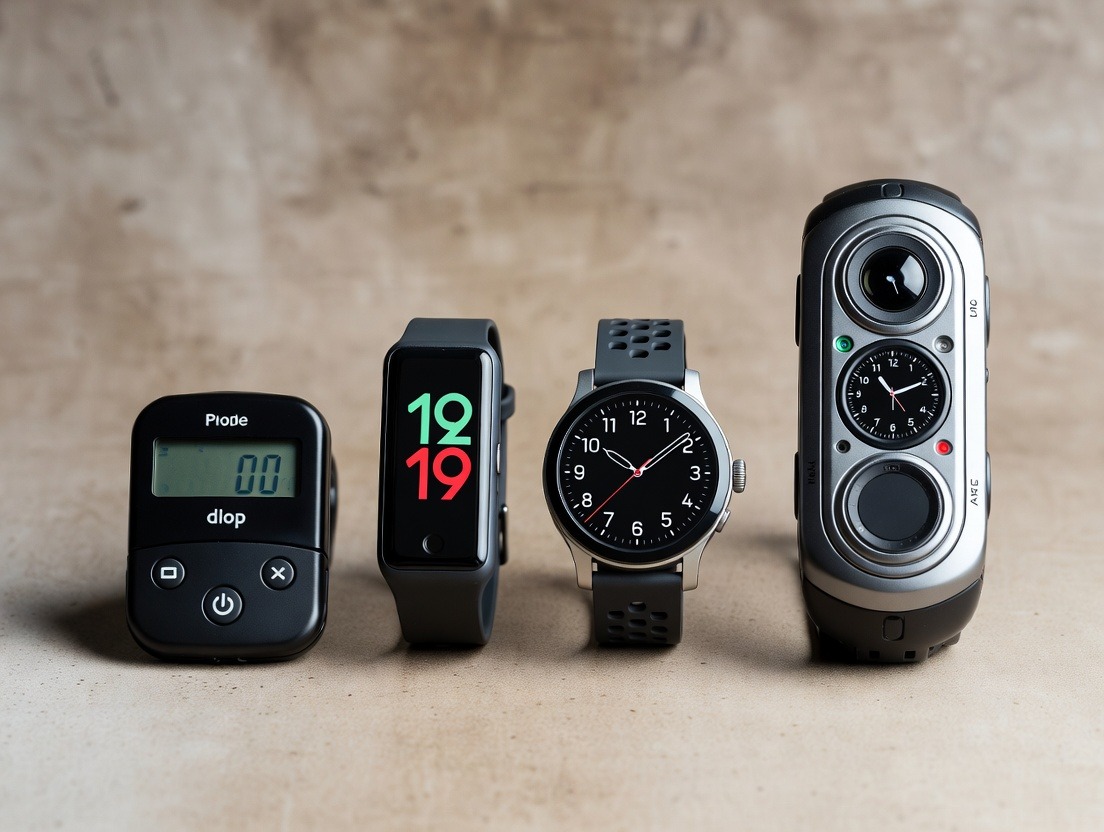
Wearable Health Tech Guide: Understanding Health Metrics
A guide to understanding the health metrics provided by wearables.
Wearable Health Tech Guide: Understanding Health Metrics
Imagine a device that listens to the whispers of your body before they become screams. It tracks the silent rhythm of your heart, the invisible tides of your sleep, and the unseen fires of your stress, all from a sleek band on your wrist or a discreet ring on your finger. This is the promise of modern wearable health tech. No longer simple step counters, these sophisticated guardians have unlocked a new era of personalized, proactive health intelligence. But with this influx of data comes a critical question: What does it all mean?
We are inundated with numbers—resting heart rate, HRV, SpO2, sleep stages, readiness scores—a digital symphony of our physiology. Yet, without understanding the score, the music is just noise. This guide is your conductor. It’s a deep, comprehensive journey into the core health metrics that your wearable device is tracking. We will demystify the data, moving beyond the dashboard to uncover the profound stories your body is telling you every second of every day. This knowledge is power—the power to optimize your energy, enhance your recovery, manage stress, and build a resilient foundation for long-term vitality. Your journey from data to wisdom starts here.
The Evolution of Wearables: From Pedometers to Health Guardians
The journey to the smart ring on your finger began not with microchips, but with simple mechanics. The first wearable activity tracker, the pedometer, is credited to 18th-century watchmakers who created a device that counted a person's steps by detecting the hip's motion. For centuries, this was the extent of our self-quantification: a single, crude metric of movement.
The digital revolution of the late 20th and early 21st centuries changed everything. The introduction of heart rate monitors for athletes in the 1980s gave a glimpse into cardiovascular exertion. Then, the explosion of smartphones and their sensors created a perfect storm. The first modern wearables, like early Fitbits, combined accelerometers with basic Bluetooth syncing, turning step-counting into a social, gamified experience. The goal was motivation through numbers, however simplistic.
The true paradigm shift occurred when these devices stopped just looking outward at our movement and started looking inward at our physiology. The incorporation of optical photoplethysmography (PPG) sensors—those little green lights on the back of your device—was a game-changer. PPG allowed for continuous, non-invasive monitoring of heart rate and, by extension, the calculation of heart rate variability (HRV), a profound marker of nervous system health.
Suddenly, wearables weren't just fitness gadgets; they were windows into our autonomic nervous system, our recovery status, and our sleep quality. The Oura Ring and Whoop Strap pioneered this shift towards holistic "readiness" and recovery metrics, while Apple, Samsung, and Google integrated deep health insights into their broader ecosystems. The latest frontier, embodied by devices like the Oxyzen Smart Ring, is the move towards clinical-grade sensing and actionable health predictions, wrapping this powerful technology into ever-more elegant and unobtrusive forms.
Today's wearables are health guardians. They work 24/7 to establish your unique baselines, detect deviations, and provide context for how your lifestyle choices—sleep, nutrition, exercise, stress—directly impact your biological firmware. This evolution from pedometer to guardian represents one of the most significant leaps in personalized health management in history, putting a research-grade biofeedback lab on your body. To truly appreciate the depth of insights available today, you can explore the Oxyzen.ai blog, which delves into the latest research and applications of this transformative technology.
Why Metrics Matter: Data as the Language of Your Body
In a world obsessed with optimization—from our workflows to our coffee routines—it's astonishing how often we neglect our most important asset: our own biology. We navigate our days based on vague feelings of "tiredness," "stress," or "being off," without a concrete language to describe our state. This is where quantified health metrics change the game. They translate the subjective, often-ignored whispers of your body into objective, actionable data.
Think of it this way: You wouldn't manage a high-performance athlete's training or a critical business project based on hunches alone. You'd use key performance indicators (KPIs). Your body is the ultimate high-performance system, and health metrics are its KPIs. They provide:
Objectivity Over Guesswork: "I feel rundown" becomes "My HRV has dropped 15% below my baseline for three consecutive nights, and my resting heart rate is elevated by 8 beats per minute." This precise data removes ambiguity, helping you identify real patterns versus temporary moods.
Personalized Baselines: Public health guidelines are valuable, but they are population averages. Is a resting heart rate of 65 BPM good? For a 20-year-old athlete, it might be high. For a 60-year-old, it might be excellent. Your wearable learns your normal, creating a personalized benchmark against which all changes are measured. This individualized approach is at the core of effective personal wellness, a philosophy you can learn more about at Oxyzen.ai.
Early Detection of Trends: Often, our bodies signal distress long before we consciously feel unwell. A gradual creep in resting heart rate or a steady decline in deep sleep can be early warnings of overtraining, impending illness, or chronic stress accumulation. Metrics give you a chance to intervene proactively—to rest, hydrate, or manage stress—before a minor dip becomes a full-blown crash.
Empowerment and Agency: Seeing the direct impact of a good night's sleep on your readiness score, or the negative effect of late-night alcohol on your heart rate variability, creates a powerful feedback loop. It transforms health from an abstract concept into a tangible, manageable system. You move from being a passenger in your body to becoming its informed pilot.
Enhanced Communication with Healthcare Providers: Walking into a doctor's office with weeks of trended data on your sleep, resting heart rate, and activity levels is far more powerful than saying, "I've been tired lately." It provides context and can help guide more informed conversations about your health.
Data, in this context, is not about cold numbers or biohacking obsession. It's about cultivating a deeper, more respectful dialogue with yourself. It's the language that allows you to listen to what your body has been trying to say all along.
Heart Rate (HR): The Fundamental Rhythm of Life
Your heartbeat is the most fundamental rhythm of your existence, a steady drum marking the passage of every second you are alive. More than just a pulse, it is a dynamic and responsive indicator of your body's immediate needs, fitness level, and overall cardiovascular health. Understanding the different facets of heart rate, as tracked by your wearable, is the first step in decoding your body's signals.
Resting Heart Rate (RHR): Your Body's Idle Speed
Resting Heart Rate is the number of times your heart beats per minute (BPM) when you are completely at rest—awake but calm, and not having recently exerted yourself or consumed stimulants. It is a cornerstone metric of cardiovascular efficiency.
What it Tells You: A lower RHR generally indicates a stronger, more efficient heart. A well-conditioned heart muscle can pump more blood with each beat (higher stroke volume), so it doesn't need to beat as often to supply the body with oxygen. Conversely, a higher RHR can suggest deconditioning, stress, illness, or other underlying issues.
The "Normal" Range & What's "Good": While the typical adult range is 60-100 BPM, for fit individuals, it's common to see RHR in the 50s or even 40s. Elite athletes can have RHRs in the 30s. The key is trending. A sudden, sustained increase in your personal RHR (e.g., 5-10 BPM above your normal for several days) is often one of the clearest early warnings from your wearable that your body is fighting something—be it stress, lack of recovery, dehydration, or the onset of an illness.
How to Use the Data: Track your RHR trend over time. Celebrate its gradual decrease as you get fitter. Pay close attention to unexplained spikes. If your RHR is elevated, consider it your body's request for more rest, better hydration, and stress management before pushing yourself further.
Active & Maximum Heart Rate: Measuring Exertion
During activity, your heart rate climbs to meet the increased demand for oxygenated blood in your muscles. This is where Heart Rate Zones come into play.
Heart Rate Zones: These are percentage-based ranges of your estimated Maximum Heart Rate (commonly calculated as 220 minus your age, though formulas can vary). Zones range from Very Light (50-60% of max) to Maximum (90-100% of max). Your wearable uses these zones to categorize the intensity of your workout.
Why Zones Matter: Different zones train different physiological systems. Lower zones (Zone 2) are fantastic for building aerobic base and fat metabolism, while higher zones (Zones 4 & 5) improve lactate threshold and peak performance. Monitoring time in zones helps you ensure your training matches your goals—avoiding junk miles that are too hard to be easy and too easy to be hard.
Recovery Heart Rate: This is the speed at which your heart rate drops in the first minute after intense exercise. A faster drop (e.g., a decrease of 20+ BPM in the first minute) is a sign of good cardiovascular fitness and efficient autonomic nervous system function. A sluggish recovery can indicate overtraining or fatigue.
The Takeaway: Your heart rate is a real-time barometer of your body's state. A low, stable resting heart rate signifies resilience and efficiency. Its response to exercise reveals your fitness, and its behavior during recovery shows your body's ability to handle and bounce back from stress. It is the foundational metric upon which many other advanced insights are built. For a deeper dive into how modern devices track and interpret this vital sign, the Oxyzen.ai FAQ provides clear, detailed explanations.
Heart Rate Variability (HRV): The Golden Metric of Resilience & Recovery
If Resting Heart Rate is the steady drumbeat, Heart Rate Variability is the subtle, complex rhythm between the beats. It is arguably the most insightful and misunderstood metric provided by advanced wearables. Contrary to what the name might imply, a higher HRV is generally better. It is the premier non-invasive window into the state of your autonomic nervous system (ANS) and your body's readiness to perform, adapt, and thrive.
What is HRV, Really?
HRV measures the precise, millisecond variations in the time intervals between consecutive heartbeats (known as R-R intervals). It is not an arrhythmia; it is a sign of a healthy, responsive heart. Think of it like this: A metronome is perfectly consistent (low variability), but a skilled jazz musician breathes with the music, speeding up and slowing down subtly with emotion and phrase (high variability). Your heart should be the jazz musician.
This variability is controlled by the two branches of your ANS:
The Sympathetic Nervous System (SNS): Your "gas pedal." It accelerates heart rate, preparing you for action, stress, or "fight or flight."
The Parasympathetic Nervous System (PNS): Your "brake pedal." It slows heart rate, promoting "rest and digest," recovery, and calm.
HRV is the balance of this tug-of-war. High HRV indicates a strong, dominant parasympathetic influence and a flexible system that can adapt smoothly to demands. Low HRV suggests sympathetic dominance—your body is in a state of stress, overwhelm, or fatigue, leaving less capacity to handle new challenges.
What Influences Your HRV?
Nearly every aspect of your lifestyle leaves a fingerprint on your HRV:
Positive Influencers (Increase HRV): Consistent, quality sleep; regular moderate exercise; meditation and mindfulness; deep breathing; proper hydration and nutrition; positive social connections.
Negative Influencers (Decrease HRV): Physical overtraining or lack of recovery; psychological stress (work, relationships); poor sleep (short duration or disrupted); alcohol consumption; illness or infection; dehydration.
How to Use Your HRV Data: The Trend is Everything
Never obsess over a single day's HRV number. The immense power of HRV lies in its trend and your personal baseline.
Establish Your Baseline: Your wearable will track your HRV (often during sleep for consistency) over several weeks to determine your unique normal range.
Track the Trend: Look for sustained deviations. A multi-day dip below your personal baseline is a clear, science-backed signal that your body is under strain and prioritizing recovery over performance.
Make Informed Decisions: Use this signal. On a low HRV day, it might be wise to choose a light walk over a high-intensity interval training (HIIT) session, prioritize an early bedtime, or practice stress-reduction techniques. It's a tool for sustainable effort, helping you push when you're resilient and pull back when you're vulnerable, thus preventing burnout and injury.
HRV transforms health management from reactive to predictive. It allows you to see the cost of your lifestyle choices and adjust in real-time, making it the golden metric for anyone seeking to optimize recovery, manage stress, and build long-term resilience. The profound impact of this metric is often reflected in user experiences, as seen in the Oxyzen.ai testimonials where individuals share how HRV insights have changed their approach to daily wellness.
Blood Oxygen Saturation (SpO2): Monitoring Your Essential Fuel
Every cell in your body requires a constant supply of oxygen to produce energy, repair itself, and function properly. Blood Oxygen Saturation, measured as SpO2, is the percentage of your hemoglobin—the oxygen-carrying protein in red blood cells—that is fully loaded with oxygen. It is a critical vital sign that offers a direct look at the efficiency of your breathing and circulatory systems.
Understanding the Numbers
SpO2 is expressed as a percentage. For a healthy individual at sea level, a normal SpO2 level is typically between 95% and 100%. Readings consistently below 95% may warrant attention, and levels below 90% are generally considered a cause for concern and should be evaluated by a healthcare professional.
How Wearables Measure It: The Magic of PPG
Wearables use the same optical heart rate sensors (PPG) to estimate SpO2. These sensors shine both red and infrared light into the skin. Oxygenated hemoglobin (oxyhemoglobin) and deoxygenated hemoglobin absorb these lights differently. By analyzing the ratio of light absorption, the device can calculate the percentage of oxygen-saturated hemoglobin in your capillaries.
Key Insights from SpO2 Monitoring
While a single spot-check is of limited value, trended SpO2 data, especially during sleep, unlocks powerful insights:
Sleep Apnea & Breathing Disruption: The most significant application in consumer wearables is the detection of potential sleep-disordered breathing. During an apnea event (a pause in breathing), blood oxygen levels can drop (called a desaturation). Your wearable can track these nightly dips. Frequent, significant desaturations (e.g., drops below 90%) can be a flag for conditions like Obstructive Sleep Apnea (OSA), which is notoriously under-diagnosed but has major impacts on cardiovascular health, daytime fatigue, and cognitive function.
Illness & Altitude: A sudden, sustained drop in your baseline SpO2 can be an early sign of a respiratory illness, like a cold, flu, or more serious infection, as your lungs' ability to oxygenate blood is compromised. Similarly, tracking SpO2 while acclimating to high altitude is valuable, as oxygen levels naturally decrease with elevation.
General Respiratory Health: For athletes or those with respiratory conditions, monitoring SpO2 during and after intense exercise can provide feedback on lung efficiency and recovery.
A Note on Limitations
Wrist- and ring-based SpO2 measurements are estimates and are not considered medical-grade. They are screening and trend-tracking tools, not diagnostic devices. However, they are incredibly powerful for raising awareness. A pattern of nightly desaturations is a compelling reason to seek a formal sleep study, potentially uncovering a hidden health issue. By bringing this invisible process into the light, SpO2 monitoring empowers you to have more informed conversations about your respiratory health.
Sleep Tracking: Deconstructing the Third of Your Life
Sleep is not a passive state of inactivity; it is a highly active, neurologically orchestrated period of restoration, memory consolidation, hormonal regulation, and cellular repair. Poor sleep undermines every aspect of health, from cognitive function and mood to immune resilience and metabolic health. Wearable sleep tracking moves us beyond guessing "I slept okay" to understanding the architecture of our night.
Beyond Duration: The Stages of Sleep
Modern wearables use a combination of movement (accelerometry), heart rate, HRV, and sometimes temperature to estimate your progression through the sleep cycle, which consists of four main stages repeated every 90-120 minutes:
Light Sleep (Stages N1 & N2): This is the gateway to sleep and comprises about 50-60% of the night. It's a period of transition where the body begins to disengage, and brain waves start to slow. It's essential for overall rest and memory processing.
Deep Sleep (Stage N3, Slow-Wave Sleep): This is the most physically restorative phase. During deep sleep, growth hormone is released, tissue repair occurs, the immune system is strengthened, and the brain clears metabolic waste. It's crucial for physical recovery and feeling refreshed. Your heart rate and breathing are at their slowest and most regular.
REM Sleep (Rapid Eye Movement): This is the mentally restorative and dreaming stage. The brain is highly active (similar to wakefulness), but the body is paralyzed (sleep atonia). REM sleep is vital for emotional processing, memory consolidation, creativity, and learning. Your heart rate and breathing become more variable and irregular.
Key Sleep Metrics and Their Meaning
Your wearable synthesizes data into key scores and times:
Sleep Duration: The total time spent asleep. While 7-9 hours is the general recommendation, consistency and quality are equally important.
Sleep Efficiency: The percentage of time in bed actually spent asleep. A high efficiency (e.g., >90%) means less tossing and turning.
Time in Each Stage: Your device provides a breakdown. Significant deviations from your personal norms can be insightful. For example, a lack of deep sleep may leave you feeling physically unrefreshed, while suppressed REM can impact mood and cognitive sharpness.
Sleep Latency: The time it takes you to fall asleep. Consistently long latency (e.g., >30 minutes) can indicate bedtime habits out of sync with your circadian rhythm or elevated pre-sleep stress.
Wake After Sleep Onset (WASO): The total time spent awake after initially falling asleep. High WASO fragments sleep and reduces its restorative quality.
How to Use Your Sleep Data
Sleep data is your nightly report card on your lifestyle.
Identify Disruptors: See the direct impact of evening alcohol (which often suppresses REM early in the night and causes rebounds later, increasing wake-ups), caffeine, late meals, or screen time on your sleep depth and fragmentation.
Optimize Timing: Use your consistent wake-up time and data on your sleep cycles to work with your biology, not against it. Waking during a light sleep stage feels much easier than being ripped from deep sleep.
Validate Feelings: When you feel exhausted despite being in bed for 8 hours, the data might show very low deep sleep or high WASO, validating your experience and moving you to find solutions rather than just pushing through fatigue.
By deconstructing sleep, wearables give you the evidence needed to prioritize and protect this non-negotiable pillar of health. The quest for better sleep is a common thread in our Oxyzen.ai blog, where we explore the latest science and practical tips for mastering your rest.
Body Temperature: Your Internal Thermostat as a Health Signal
Core body temperature is a tightly regulated cornerstone of human physiology, typically hovering around 98.6°F (37°C). It follows a daily rhythm (circadian rhythm), dipping to its lowest point in the early morning hours and rising throughout the day to promote alertness. Deviations from your personal temperature rhythm are powerful, early-warning signals that something is amiss internally.
The Shift to Continuous Monitoring
While a single thermometer reading can tell you if you have a fever, the revolutionary aspect of wearable temperature tracking is its continuity. Advanced devices, often using sensors on the skin's surface or, more accurately, from the skin of the finger (a good proxy for core temperature), track your temperature trend every night.
What Temperature Trends Reveal
Ovulation & Menstrual Cycle Tracking: For those who menstruate, a sustained biphasic temperature shift is a key biomarker. Basal Body Temperature (BBT) is slightly lower in the follicular phase (first half of the cycle) and rises by about 0.5-1.0°F after ovulation due to increased progesterone, remaining elevated through the luteal phase. Continuous wearable tracking automates this, providing clear, chart-free insights into cycle phases and fertility windows with unprecedented ease.
Onset of Illness: One of the body's first lines of defense against infection is to raise its internal temperature to create a less hospitable environment for pathogens. A sustained elevation in your nocturnal temperature baseline—often 1-2 days before you feel any symptoms—is a highly reliable early indicator that your immune system is actively fighting something. This allows for proactive rest and hydration.
Overtraining & Stress: Chronic physical or psychological stress can also dysregulate body temperature rhythms, leading to a higher baseline or a blunted daily cycle. This is another piece of the puzzle, alongside HRV and RHR, that indicates systemic strain and insufficient recovery.
Sleep Quality & Circadian Health: The natural nighttime dip in temperature is crucial for initiating and maintaining deep sleep. A disrupted temperature rhythm (e.g., a less pronounced dip) can be both a cause and a consequence of poor sleep, often linked to late-night light exposure or irregular sleep schedules.
A Note on Accuracy and Placement
For true physiological insight, the measurement site matters. Skin temperature on the wrist can be influenced by external factors (room temperature, bedding). Temperature sensing from the finger, as done by a smart ring, is considered superior for tracking core-related trends because the arteries in the fingers (digital arteries) are in close communication with the body's core temperature regulation center. This is part of the thoughtful design and science behind devices focused on accurate health monitoring, a topic explored in Oxyzen.ai's story of innovation.
Activity & Calorie Metrics: Moving Beyond the Step Count
The humble step count democratized activity tracking, but it is a profoundly limited metric. Ten thousand steps of leisurely shopping are not physiologically equivalent to ten thousand steps of weighted hiking. Modern wearables provide a far more nuanced picture of your daily energy expenditure and activity quality through a suite of advanced metrics.
Active Calories vs. Total Calories
Total Calories Burned (TDEE): This is your Total Daily Energy Expenditure—the sum of calories your body burns in a 24-hour period. It includes your Basal Metabolic Rate (BMR, calories burned at complete rest for basic functions), the Thermic Effect of Food (TEF, energy to digest food), and your Active Energy.
Active Calories: These are the calories burned through all movement above your resting metabolic rate. This includes everything from formal exercise to walking, gardening, and even fidgeting (Non-Exercise Activity Thermogenesis, or NEAT). This is the number you can most directly influence through behavior.
METs & Exercise Minutes: Measuring Intensity
To move beyond steps, wearables use Metabolic Equivalents of Task (METs).
What are METs? One MET is defined as the rate of energy expenditure while sitting at rest. Moderate-intensity activities (like brisk walking) fall in the 3-6 MET range, meaning they burn 3-6 times the calories of sitting. Vigorous activities (like running) are >6 METs.
How Wearables Use METs: By combining heart rate (a proxy for exertion) with movement data, your device estimates the MET level of your activity. It uses this to:
Categorize Exercise Intensity: Accurately label a session as "Moderate" or "Vigorous."
Calculate Active Calories More Precisely: Intensity matters far more than simple movement for calorie burn.
Track "Active Minutes": Many health guidelines (like the WHO's 150 minutes of moderate activity per week) are based on time spent at or above a certain intensity threshold (e.g., >3 METs). Your wearable automatically logs these minutes, showing you true progress toward health-based goals, not just step-based ones.
The Limitations and the Big Picture
It is crucial to remember that all calorie burn estimates from wearables are just that—estimates. They can have margins of error, especially for certain activities like cycling or weightlifting. Their greatest value is not in obsessive calorie accounting, but in:
Understanding Relative Impact: Seeing clearly that a 30-minute HIIT session burns more active calories and contributes more vigorous minutes than a 30-minute walk provides accurate feedback on effort.
Spotting Inactivity Trends: Noticing that your daily active calorie burn has been consistently low for a week can motivate you to incorporate more movement, even in small ways.
Balancing the Energy Equation: When combined with other metrics, it helps you see the relationship between energy output (activity) and your body's demand for recovery (as seen in HRV, RHR, and sleep). It completes the picture of your daily strain and helps you balance activity with adequate rest.
By evolving from steps to METs and intensity-based minutes, wearables guide us toward more meaningful, health-promoting movement. For practical advice on integrating this data into a balanced routine, our Oxyzen.ai blog offers ongoing guidance and expert insights.
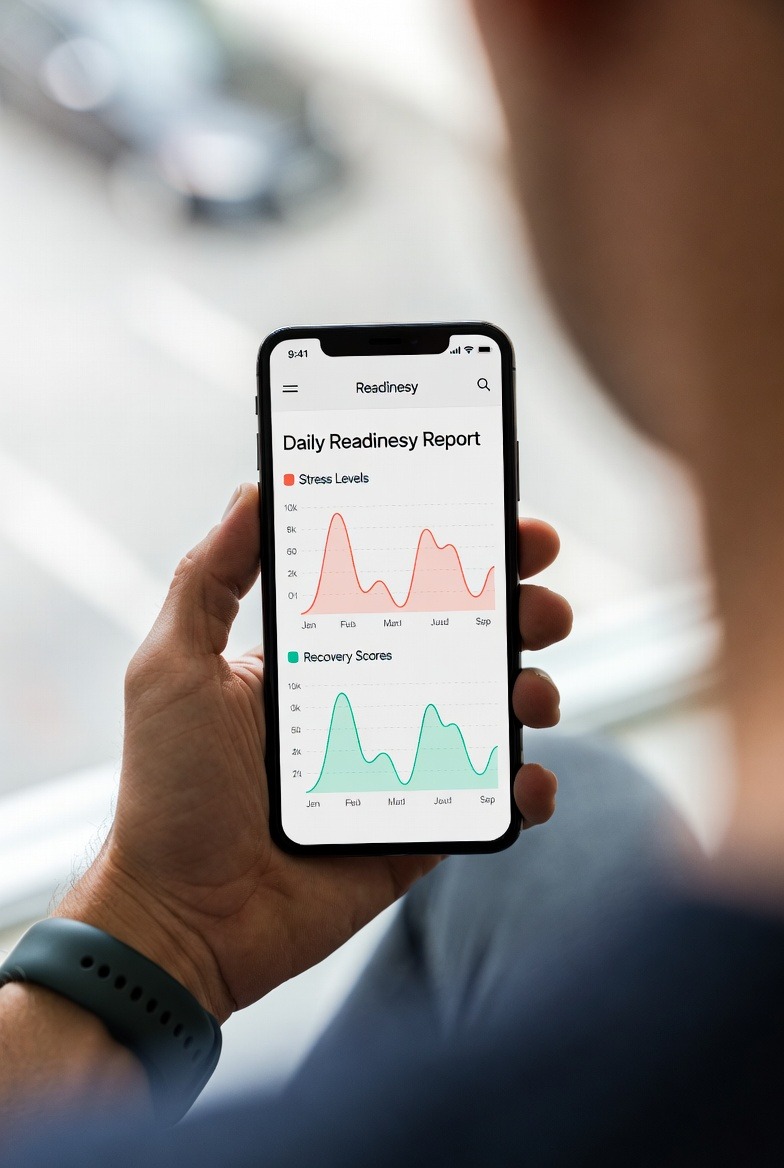
Stress & Recovery Scores: Your Wearable's Daily Readiness Report
You now understand the individual instruments—HRV, RHR, sleep, temperature. The true magic of an advanced wearable is how it synthesizes these disparate data streams into a simple, actionable daily summary: your Stress/Recovery/Readiness Score. This is your device's interpretation of your body's biological capacity for the day ahead.
The Symphony of Data
No single metric tells the whole story. A low HRV suggests strain, but what if you slept 9 hours of high-quality sleep? A slightly elevated RHR could be due to yesterday's hard workout (a positive stress) or the onset of illness (a negative stress). The algorithms behind these composite scores weigh multiple factors to provide context:
Primary Inputs: Heart Rate Variability (HRV) is almost always the most heavily weighted component due to its sensitivity to overall stress and recovery status. Resting Heart Rate (RHR) and its trend is another critical input. Sleep Quality & Duration (especially deep and REM sleep) provide the foundation. Body Temperature trends offer clues about immune activation and circadian rhythm.
Secondary Inputs: Recent Activity Load (how hard you've trained recently) and Sleep Consistency (your bedtime and wake time regularity) are also factored in.
What the Score is Telling You
While each brand has its own naming convention (Readiness, Recovery, Daily Strain), the message is similar:
High Score (e.g., "Ready," "Peak Recovery"): Your physiological metrics are green across the board. Your body has recovered well from previous stressors, your nervous system is resilient, and you have a high capacity to take on physical, mental, or emotional challenges. This is the day to go for a personal best, tackle a big project, or engage in demanding social activities.
Moderate Score (e.g., "Maintain," "Moderate Recovery"): Your body is in a balanced state. Some metrics may be slightly off baseline. The recommendation is often to proceed with your planned activities but avoid adding exceptional strain. Stick to your routine, maybe with a focus on good fueling and stress management.
Low Score (e.g., "Recover," "Low Recovery"): Multiple metrics are signaling distress. Your HRV is likely low, RHR elevated, and sleep may have been poor. This is your body's clear request for rest. The intelligent response is to prioritize recovery: choose gentle movement like walking or yoga, ensure excellent sleep hygiene, hydrate well, and manage psychological stress. Pushing through on a low score increases injury and illness risk and hinders long-term progress.
From Reactive to Proactive Living
This daily readiness report is the culmination of the wearable's purpose. It moves you from reacting to how you feel (which can be biased by motivation or denial) to responding to what your body's systems are objectively saying. It teaches you to respect your limits and capitalize on your strengths, creating a sustainable, injury-resistant, and high-performance lifestyle. It embodies the principle of listening first, then acting—a philosophy central to our mission at Oxyzen.ai/about-us.
Respiratory Rate & The Future of Predictive Metrics
As sensor technology and algorithms mature, wearables are beginning to track increasingly subtle and predictive physiological signals. One of the most important of these emerging metrics is Respiratory Rate (RR)—the number of breaths you take per minute.
Why Breathing Rate Matters
Respiratory rate is a fundamental vital sign, often more sensitive to metabolic stress and illness than heart rate or blood pressure. It is controlled by the brainstem and responds to changes in carbon dioxide levels, oxygen demand, and even emotional state.
At Rest: A typical adult respiratory rate is 12-20 breaths per minute. Like RHR, a lower resting RR can indicate good cardiopulmonary fitness. Your wearable tracks this continuously, establishing your personal baseline.
During Sleep: RR should be slow and regular. Significant increases in your sleeping respiratory rate can be a subtle sign of sleep-disordered breathing, fever, or other metabolic stressors.
Early Illness Detection: One of the earliest physiological changes before the onset of noticeable symptoms (like cough or fatigue) is an increase in resting respiratory rate. Your body subtly increases breathing to meet the increased metabolic demands of an activated immune system. Tracking this trend can provide an even earlier warning than temperature alone.
The Horizon: Glucose, Hydration, Blood Pressure & ECG
The frontier of wearable sensing is expanding rapidly toward non-invasive monitoring of metrics previously only available in clinics:
Continuous Glucose Monitoring (CGM): While currently requiring a tiny under-skin sensor, research into fully non-invasive optical or spectroscopic glucose sensing is intense. Understanding personal glucose responses to food could revolutionize nutrition.
Hydration Status: Using bioelectrical impedance or advanced optical analysis to estimate fluid levels in tissues.
Blood Pressure: Some devices already offer on-demand optical pulse wave analysis to estimate blood pressure, though accuracy is evolving. True continuous, cuffless monitoring is a major goal.
Electrocardiogram (ECG): Already available on many smartwatches, ECG apps can detect atrial fibrillation (AFib) and other arrhythmias by measuring the heart's electrical activity from the wrist or finger. This turns a wearable into a potential lifesaver for cardiac monitoring.
The Vision: A True Health Guardian
The future of wearable health tech is not just more metrics, but a more integrated, predictive, and personalized health model. Imagine a device that notices a confluence of subtle changes—a slight uptick in resting respiratory rate, a small elevation in nocturnal temperature, a dip in HRV—and suggests, "Your metrics suggest your body may be fighting something. Consider extra rest and fluids today." This shift from descriptive to predictive and prescriptive is the ultimate goal, transforming our wearables from trackers into true AI-powered health guardians. To stay updated on these exciting advancements as they develop, we invite you to explore Oxyzen.ai, where the future of personal health technology is being shaped.
Interpreting Your Data: From Numbers to Actionable Insights
The dashboard on your wearable app is a landscape of numbers, graphs, and colored scores. The bridge between this landscape and a healthier, more optimized you is interpretation. Data alone is inert; the insights you draw from it are transformative. This process involves understanding context, recognizing meaningful patterns, and learning to tell the difference between normal daily fluctuations and significant biological signals.
The Golden Rule: Trend Over Snapshot
The single most important principle in interpreting health metrics is to ignore the daily snapshot and focus on the multi-day or weekly trend. Your body is a dynamic system, not a static machine. A single low HRV reading or a high resting heart rate one morning could be due to a single poor night's sleep, a hard workout the day before, or even a vivid dream. It’s noise. A trend of three or more consecutive days of depressed HRV and elevated RHR, however, is a clear signal—your body is under sustained strain and recovery is lacking.
Context is King: The Lifestyle Log
Your data does not exist in a vacuum. The number "HRV: 35 ms" is meaningless without context. Was it after a night of celebratory drinks? Following your hardest workout of the month? Or during a period of intense work deadlines? This is why the most successful users of wearables religiously use the app's journal or tagging features.
Tag Potential Influencers: Log workouts, alcohol consumption, caffeine intake (especially late), large meals before bed, stressful events, travel, and even menstrual cycles.
Correlate to Find Your Triggers: After a few weeks, you can start to see undeniable correlations. You might discover that even one glass of wine truncates your REM sleep, that your HRV plummets during deadline weeks, or that your body temperature rhythm is disrupted by late-night screen time. This turns vague feelings ("alcohol messes with my sleep") into quantifiable, personal truth.
Establishing Your Personal Baseline
For the first 2-4 weeks with a new wearable, your primary goal should not be optimization, but observation. Wear the device consistently (especially during sleep) and live your normal life. This period allows the algorithms to learn what "normal" looks like for you. Your 45 ms HRV might be someone else's 65 ms. Your deep sleep average of 1.5 hours might be your sweet spot. Once this personal baseline is established, deviations from it become powerfully meaningful.
The Art of Synthesis: Reading the Full Story
True insight comes from synthesizing multiple data points, not isolating one. Here’s how to read a combined report:
Scenario A (Recover): Sleep Score: 85 (Great). HRV: High/Trending Up. RHR: Low/At Baseline. Readiness Score: High. Insight: Your body is fully recovered and resilient. You have high capacity for physical and mental output. It’s a great day to challenge yourself.
Scenario B (Maintain): Sleep Score: 72 (Okay). HRV: Slightly Below Baseline. RHR: Slightly Elevated. Readiness Score: Moderate. Insight: Your body is managing but showing signs of residual strain from recent activities. Prioritize good nutrition, hydration, and maybe choose moderate exercise over high-intensity. Focus on sleep hygiene tonight.
Scenario C (Rest): Sleep Score: 65 (Poor). HRV: Low & Trending Down. RHR: Elevated 8+ BPM. Body Temperature: Slightly Elevated. Readiness Score: Low. Insight: Multiple systems are signaling distress. This is a clear biological red flag for potential illness, overtraining, or extreme stress. The only appropriate action is proactive rest: gentle movement only, early bedtime, stress reduction, and extra fluids. Ignoring this pattern invites burnout or sickness.
By moving from number-checking to pattern recognition and contextual synthesis, you transform your wearable from a fancy tracker into a true bio-feedback coach. For a practical guide on starting this journey of interpretation, the Oxyzen.ai FAQ is an excellent resource for common questions and best practices.
Wearable Form Factors: Rings, Watches, Patches & Beyond
The sensor technology may be similar, but the vessel that carries it—the form factor—profoundly influences the quality, consistency, and convenience of the data you receive. Choosing the right device is about matching its physical design to your lifestyle and health-tracking goals.
The Smart Ring: Unobtrusive, Continuous Insight
Exemplified by Oura, Ultrahuman, and now Oxyzen, the smart ring represents a philosophy of seamless, 24/7 monitoring.
Pros:
Ideal Sensor Placement: The finger, specifically the base of the finger, offers a rich vascular bed (the palmar digital arteries) that provides a strong, clean signal for PPG (heart rate, HRV, SpO2) and is an excellent site for skin temperature measurement, being closely tied to core temperature regulation.
Unmatched Wearability: Its small size and lack of a screen make it comfortable for continuous wear, including during sleep and high-impact sports. It doesn't get in the way.
Consistent Data: Because it's so easy to wear all the time, it captures a perfectly consistent data set—the same sensor is always on the same finger, providing an uninterrupted physiological record. This consistency is key for accurate trend analysis.
Discreet & Fashionable: It looks like jewelry, making it suitable for formal settings or for those who dislike the look of a tech watch.
Cons:
Limited Real-Time Feedback: Most rings lack a screen, so you can't glance at your heart rate during a workout. Interaction happens via a smartphone app.
Battery Life & Charging: While battery life is often 4-7 days, it requires periodic charging, unlike some passive patches.
Sizing Constraints: You need a properly fitted ring for optimal sensor contact and comfort.
The Smartwatch: The Versatile Powerhouse
Dominant players like Apple Watch, Garmin, Fitbit, and Samsung Galaxy Watch offer a comprehensive, all-in-one solution.
Pros:
Real-Time Display & Interaction: The screen provides instant feedback on metrics, notifications, and workout pacing. It's an interactive device.
Broad Feature Set: Often includes GPS, contactless payments, music storage, calls/texts, and a vast library of third-party apps.
Advanced Fitness Coaching: Brands like Garmin provide incredibly detailed training metrics, maps, and performance analysis for athletes.
On-Demand ECG: Many now include FDA-cleared ECG apps for arrhythmia detection.
Cons:
Potential for Data Gaps: People often take watches off to charge, during sleep, or for comfort, creating gaps in the continuous health timeline. Sensor placement on the wrist can also be less consistent.
Sleep Discomfort: Some find a watch bulky or distracting to wear in bed.
"Wrist Noise": The wrist is a more active area, and movements can sometimes introduce more artifact into sensitive metrics like HRV compared to the more stable finger.
The Smart Patch/Adhesive Sensor: Clinical-Grade Continuity
Devices like the now-discontinued Whoop Strap 3.0 (a textile band) and emerging medical-grade patches represent the pinnacle of consistent wear.
Pros:
Uninterrupted Wear: Designed to be worn for weeks or months at a time, often with waterproofing, enabling truly gap-free data collection.
Optimal Placement: Can be placed on the upper arm, chest, or torso, which are excellent locations for cardiac and movement data.
Minimalist Design: No screen to distract; purely a sensing device.
Cons:
Subscription Models & Cost: Often require ongoing monthly fees.
Limited Consumer Appeal: Adhesive patches can be irritating to the skin and are not aesthetically versatile.
Less Mainstream: Fewer options and less integration with broader smartphone ecosystems.
The Future: Invisible Integration
The trajectory is toward even greater invisibility and integration. We are moving toward:
Smart Fabrics: Sensors woven directly into clothing.
Earable Devices: Advanced health monitoring in hearables (earbuds), leveraging the ear's rich blood flow.
Non-Contact Sensing: Radar and camera-based systems that can measure vital signs from a distance, embedded in your home environment.
Choosing Your Form Factor: It boils down to priority. For the most consistent, high-fidelity health and recovery data with zero lifestyle intrusion, the smart ring is often the superior choice. For a versatile, screen-based companion that blends fitness, health, and connectivity, the smartwatch reigns. The journey to find the perfect form factor is part of the larger mission, something we detail in Oxyzen.ai/our-story, where user-centric design meets cutting-edge science.
Accuracy & Limitations: A Critical Look at the Data
Embracing wearable data requires an equally important understanding of its boundaries. These devices are revolutionary consumer health tools, but they are not infallible medical devices. A critical, informed perspective ensures you benefit from their insights without being misled by their limitations.
The "Good Enough" Paradigm
For most health and wellness purposes, modern wearables are "good enough." The trends they show in HRV, RHR, sleep stages, and temperature are directionally accurate and incredibly valuable for spotting patterns and making lifestyle adjustments. The key insight is that the relative change (your HRV dropping 20% from your baseline) is typically more reliable than the absolute number (whether your HRV is precisely 50 ms or 55 ms).
Where Accuracy Can Vary
Certain metrics and scenarios are more prone to error:
Sleep Stage Detection: While wearables are excellent at distinguishing sleep from wake and estimating total sleep time, the breakdown into light, deep, and REM sleep is an estimate based on movement and heart rate patterns. It correlates well with polysomnography (the clinical gold standard) but is not identical. A medical sleep study uses brain waves (EEG), which is the only definitive way to stage sleep.
Calorie Burn: This is often the least accurate metric. Algorithms based on heart rate and population averages can be off by 10-40%, especially for non-step-based activities like cycling, weightlifting, or yoga. Use it as a rough guide, not a precise accounting tool.
Blood Oxygen (SpO2): Wrist- and ring-based SpO2 are useful for tracking trends and significant dips (like during sleep apnea events), but for an absolute, clinically-accurate SpO2 percentage, a medical-grade finger pulse oximeter (which uses transmission PPG through the finger) is more reliable.
Signal Artifacts: Intense movement, loose fit, tattoos, or very cold skin can interrupt the optical sensor's ability to read your blood flow, causing gaps or spikes in data. This is why nighttime data (when you're still) is often considered the most reliable.
The Human Factor: You Are Not an Algorithm
The biggest limitation isn't the sensor—it's the interpretation. Algorithms provide generalized insights, but they don't know your unique context.
The "High Readiness" Fallacy: An algorithm might give you a high score because your metrics are stable, but it doesn't know you're emotionally drained from a difficult conversation or fighting the first scratchy throat of a cold. You must always layer subjective feeling over objective data.
Individual Biology: Some people naturally have lower HRV. Some see less dramatic temperature shifts during their cycle. Your data is meaningful only in the context of your normal.
Data Anxiety & Orthosomnia: A potential downside is becoming overly fixated on the numbers, leading to sleep anxiety ("I need to get my deep sleep score up") or compulsive behavior. This is counterproductive. The goal is to use data to support well-being, not to become a source of stress.
Best Practices for Trustworthy Data
Wear It Consistently: Especially during sleep, for the cleanest signals.
Ensure a Proper Fit: A ring or watch should be snug but comfortable. A loose device yields poor data.
Charge Strategically: Charge your device during a predictable, low-activity time (e.g., while showering and getting ready) to minimize data gaps.
Look for Patterns, Not Perfection: Focus on multi-day trends and correlations with your lifestyle journal.
Use It as a Guide, Not a Gospel: Let the data inform your choices, not dictate them absolutely. If you feel great but your score is middling, listen to your body. If you feel terrible but your score is high, still prioritize rest.
By understanding both the power and the constraints of this technology, you become a savvy consumer of your own health information. For a transparent discussion on what our technology can and cannot do, we encourage users to visit Oxyzen.ai/faq.
Integrating Wearable Data into a Holistic Wellness Plan
Data is a tool, not a destination. The ultimate value of your wearable is realized only when its insights are woven into the fabric of your daily life, informing and enhancing a holistic approach to wellness. This is where metrics move from being interesting to being transformative.
The Four Pillars Framework
Use your data to audit and optimize the four foundational pillars of health:
Sleep: This is your non-negotiable foundation. Let your sleep score and breakdown guide your habits. If your deep sleep is consistently low, prioritize a cooler, darker bedroom and an earlier cutoff for caffeine. If sleep latency is high, institute a strict digital sunset. Your data provides the "why" behind the standard sleep advice, making it personally compelling.
Nutrition: While most wearables don't track food directly, they show you the impact of your dietary choices. Observe how late-night meals affect your resting heart rate and sleep quality. See how alcohol devastates your HRV and REM sleep. Notice if certain food patterns correlate with higher energy and better recovery. This biofeedback can be more motivating than any calorie count.
Movement: Use your readiness score and HRV trend to practice periodization. Match your workout intensity to your recovery status. Go hard on "Green" days, focus on technique and moderate work on "Yellow" days, and embrace active recovery (walking, stretching) on "Red" days. This prevents overtraining and promotes sustainable progress.
Stress Management: Your HRV is a direct line to your nervous system. Use it to validate the effectiveness of your stress-reduction practices. After a meditation session or a walk in nature, check your HRV in the moment or see its effect on your nightly reading. This turns abstract practices into tangible, rewarding biofeedback loops.
Creating Your Personal Feedback Loops
The magic happens in the feedback loop: Action → Data → Insight → Improved Action.
Experiment & Observe: "If I stop caffeine after 2 PM, what happens to my sleep latency?" "If I add 10 minutes of meditation before bed, does my HRV trend improve over a week?" "How does a weekend of hiking versus a weekend of city socializing reflect in my recovery metrics?"
Set Process-Based Goals: Instead of "lower my resting heart rate," set goals like "prioritize 7+ hours of sleep 5 nights this week" or "take a 10-minute breathing break when my daytime stress alert goes off." These are actions your data can directly reward.
When to Consult a Professional
Your wearable is a superb companion, but it is not a doctor. Certain data patterns should prompt a conversation with a healthcare provider:
Consistently Low Nocturnal SpO2: Frequent dips below 90% warrant a sleep study evaluation.
Unexplained, Persistent Tachycardia: A resting heart rate that remains unusually high for you without an obvious cause.
ECG Irregularity Notifications: Any alert for atrial fibrillation or an irregular rhythm should be followed up immediately.
Data that Validates Persistent Symptoms: If you feel chronically fatigued and your data shows perpetually poor sleep and low HRV, take that objective record to your doctor to investigate potential underlying causes like thyroid issues, anemia, or sleep apnea.
Integrating wearable data is about building a more attuned, responsive, and compassionate relationship with yourself. It’s a continuous conversation, not a one-time assessment. For inspiration on how others have successfully integrated this technology into their lives, the Oxyzen.ai testimonials page shares real stories of transformation and discovery.
The Ethical & Privacy Landscape of Your Biometric Data
As we invite these devices deeper into our lives, we are entrusting them with our most intimate data: the continuous, real-time story of our bodies. This creates a profound responsibility for both the user and the company collecting the data. Navigating the ethical and privacy landscape is not an add-on to using a wearable; it is a core part of being an informed consumer in the digital health age.
What Data is Collected, and Who Owns It?
A high-end wearable collects a staggering amount of sensitive information:
Identifiable Biometric Data: Heart rate patterns, sleep architecture, temperature rhythms, activity maps, and potentially location data.
Inferred Data: Your stress levels, recovery state, fertility window, and predictions about illness or overtraining.
Lifestyle & Behavioral Data: When you sleep, work out, and likely, through tags, what you eat and drink.
The critical question is: Who owns this digital version of you? Legally, this is often governed by lengthy Terms of Service and Privacy Policies. Ethically, the strongest stance is that you own your data, and the company is its steward. You should have clear rights to access it, download it, delete it, and control how it is used beyond providing you with the core service.
How Your Data Can Be Used: The Good, The Bad, and The Commercial
The Good (Service & Improvement): Data is used to power your personal insights, improve algorithms through anonymized, aggregate research, and potentially (with explicit consent) contribute to large-scale health studies that could benefit public health.
** Bad & The Ugly:** The primary risks are:
Commercialization: Selling or sharing your aggregated, de-identified data to third parties for marketing, advertising, or other commercial purposes.
Insurance & Employer Implications: While currently protected in many regions (like by HIPAA in the U.S. when tied to a healthcare provider), there is a fear that biometric data could one day be used by insurers to adjust premiums or by employers to monitor employee well-being or productivity in invasive ways.
Data Breaches: A hack of a health data server could expose your intimate biometric history.
Protecting Your Digital Self: Questions to Ask
As a user, you have power. Before choosing a wearable, investigate the company's data practices:
Privacy Policy: Do they sell or share your data with third-party advertisers? Look for clear, unambiguous "We do not sell your personal data" statements.
Data Anonymization: For research and improvement, is data fully aggregated and anonymized (stripped of all personal identifiers)?
Transparency & Control: Do they provide a clear, user-friendly dashboard to see what data is collected and offer easy-to-use controls to delete it or opt out of certain uses?
Company Philosophy: Does the company publicly articulate a strong ethical stance on data ownership and user privacy? A company's founding values, often found on pages like Oxyzen.ai/about-us, can be a strong indicator of its long-term commitment to ethical stewardship.
Your Role as a Data Custodian
Use Strong Passwords & 2FA: Secure your associated app and account.
Review App Permissions: Only grant the app permissions it absolutely needs.
Understand Your Settings: Take 10 minutes to go through the privacy and data sharing settings in your app and adjust them to your comfort level.
Stay Informed: Data policies can change. Periodically review updates from your device manufacturer.
Using wearable tech is a partnership. You provide the data; the company provides the insight and protection. Choosing a partner who respects the sanctity of your biometrics is as important as choosing a device with accurate sensors. It’s about trust, and that trust is built on transparency and user empowerment.
Future Trends: Where Wearable Health Tech is Headed
The wearable health revolution is accelerating, not plateauing. The next decade will see these devices evolve from reactive trackers to proactive, predictive, and deeply integrated health partners. Driven by advances in sensor miniaturization, artificial intelligence, and material science, the future is focused on three key areas: clinical-grade capability, predictive personalization, and invisible integration.
1. The March Toward Medical-Grade Accuracy & New Biomarkers
The line between consumer wellness and medical devices will continue to blur.
Non-Invasive Blood Glucose Monitoring: This is the "holy grail." Several major tech and biotech companies are investing billions in optical or spectroscopic methods to measure glucose through the skin without a needle. Success would revolutionize diabetes management and metabolic health for millions.
Continuous Blood Pressure Monitoring: Moving beyond spot-checks to true cuffless, continuous BP tracking using Pulse Transit Time (PTT) or other PPG-derived methods. This would provide unprecedented insight into cardiovascular health and stress responses throughout the day.
Advanced Biomarkers in Sweat & Interstitial Fluid: Wearables will begin to analyze sweat or fluid at the skin's surface to measure electrolytes (for hydration), lactate (for athletic performance), cortisol (for stress), and even markers of inflammation.
2. AI-Driven Predictive Health & Personalized Coaching
Raw data is useless without intelligent interpretation. The next leap is AI that doesn't just report, but predicts and prescribes.
Illness Prediction: Algorithms will analyze the confluence of subtle shifts in RHR, HRV, respiratory rate, and temperature to predict the likelihood of illness (like a cold or flu) 24-48 hours before symptoms appear, prompting preemptive lifestyle actions.
Personalized Health Nudges: Instead of generic advice ("get more sleep"), your AI coach will learn what specifically works for you. It might say: "Based on your data, a 20-minute afternoon walk has historically boosted your next-night deep sleep by 15%. Would you like to schedule one today?"
Mental Health Support: By correlating physiological markers (HRV patterns, sleep, voice tone analysis from a connected microphone) with self-reported mood, wearables could provide early insights into periods of anxiety or depression and suggest evidence-based interventions.
3. Invisible, Ambient, and Integrated Sensing
The ultimate goal is for health monitoring to disappear into the background of our lives.
Smart Rings & Earables Mature: Rings will become lighter, more powerful, and with longer battery life. Advanced health monitoring in earbuds will leverage the ear's excellent blood flow for robust sensing.
Smart Fabrics & Epidermal Electronics: Clothing with woven sensors and ultra-thin, skin-like "electronic tattoos" will provide medical-grade data without any separate device to wear or charge.
Ambient Room Sensors: Radar and high-resolution camera systems in your home (developed with strict privacy safeguards) could monitor your breathing, heart rate, and even gait speed as you move about your daily routine, creating a holistic picture of your health in your living environment.
The Empowered Patient of the Future
The convergence of these trends points to a future where individuals are the CEOs of their own health, equipped with continuous, clinical-grade data and an AI co-pilot. This will shift healthcare from a reactive, episodic model ("sick care") to a proactive, continuous, and personalized model of true health maintenance. It promises earlier interventions, more effective management of chronic conditions, and a population more in tune with their own biology. To follow these exciting developments as they emerge from research into reality, we invite you to explore the latest insights on the Oxyzen.ai blog.
Choosing Your Ideal Wearable: A Buyer’s Guide
With an overwhelming array of options, from $50 fitness bands to $500+ smart rings and watches, choosing the right device is crucial. Your ideal wearable should feel like a seamless extension of your goals, not a source of friction or regret. This guide focuses on the key questions to ask yourself, moving beyond marketing hype to find your perfect match.
Step 1: Define Your "Why" (The Primary Use Case)
Your primary goal dictates everything. Rank these in order of importance:
A. Holistic Health & Recovery Monitoring: Your main interest is in sleep quality, stress tracking (HRV), readiness scores, and long-term health trends. You want to optimize recovery and prevent burnout.
B. Fitness & Athletic Performance: You need detailed workout metrics (GPS, pace, heart rate zones, training load), performance analysis, and sport-specific features.
C. General Wellness & Activity Motivation: You want to move more, close your activity rings, get basic sleep info, and perhaps have smart notifications on your wrist.
D. Medical/Health Condition Management: You have a specific need, such as monitoring for atrial fibrillation (ECG), tracking SpO2 for respiratory concerns, or managing a condition like diabetes (looking toward future CGM integration).
Step 2: Evaluate Key Selection Criteria
Once you know your "why," drill down on the specifics:
Sensor Accuracy & Core Metrics:
For Health & Recovery (A), prioritize devices known for excellent nocturnal HRV, skin temperature, and sleep staging. The sensor placement (finger vs. wrist) becomes critical here. A smart ring often has an advantage.
For Fitness (B), look for proven optical heart rate accuracy during intense activity, built-in GPS, and advanced training metrics (VO2 Max, recovery time, load focus).
For Medical (D), ensure the device has the FDA-cleared or CE-marked features you need (e.g., ECG, accurate SpO2).
Form Factor & Lifestyle Fit:
24/7 Wear & Sleep: Do you want to wear it 24/7, including to bed? If yes, comfort is paramount. A lightweight ring or a very comfortable, slim watch is best.
Aesthetics: Do you want it to look like jewelry, a tech gadget, or be invisible? Will you wear it to formal events?
Battery Life: How often are you willing to charge? Rings typically last 4-7 days, watches 1-3 days, some patches weeks.
Software Ecosystem & Insights:
App Quality: Is the app intuitive? Does it present insights clearly or just dump data on you? Try to see screenshots or reviews.
Actionable Guidance: Does it give you a simple, synthesized score (Readiness/Recovery) and clear suggestions, or does it leave you to interpret raw graphs?
Data Export & Integration: Can you export your raw data? Does it sync with other health apps you use (Apple Health, Google Fit, Strava)?
Privacy Philosophy & Cost Model:
Upfront vs. Subscription: Is it a one-time purchase, or does it require a monthly fee to access advanced analytics? Understand the total cost of ownership.
Data Policy: Revisit the ethical section. Choose a company whose data practices you trust. A brand's commitment to its users is often reflected in its core values, which you can explore on pages like Oxyzen.ai/our-story.
Recommendation Matrix
For the Health & Recovery Optimizer: A Smart Ring (like Oura, Oxyzen) or a Whoop Strap is likely your best choice. They are built for this from the ground up.
For the Serious Athlete: A high-end Garmin or Apple Watch Ultra is the industry standard, offering unparalleled fitness metrics and durability.
For the Balanced, Connected User: A mainstream Apple Watch, Samsung Galaxy Watch, or Google Pixel Watch offers the best blend of health features, fitness, and smart connectivity.
For the Budget-Conscious Motivator: A Fitbit Charge or Xiaomi Mi Band provides excellent core activity and sleep tracking at a low cost.
Final Step: The Commitment
Remember, the most expensive or feature-rich device is not the best—the one you will wear consistently is. Choose the tool that aligns with your true goals and disappears into your life, quietly gathering the insights that will empower you to live better. For detailed comparisons and to see how one leading option is designed to meet these needs, you can learn more about smart ring technology at Oxyzen.ai.
Getting Started & Maximizing Your Wearable’s Value
You’ve chosen your device. Now, the real work—and the real reward—begins. The first weeks are a critical setup period that will determine whether your wearable becomes a transformative tool or just another piece of forgotten tech in a drawer. Here is your action plan to ensure you extract maximum value from day one.
Phase 1: The Foundation Month (Weeks 1-4)
Wear It Consistently: This is non-negotiable. Wear the device all day and all night. The goal is to eliminate data gaps so the algorithm can build a true baseline. Charge it during a predictable, low-activity routine (like during your morning shower).
Live Normally, But Mindfully: Don't try to "game" the system or live perfectly. Go about your regular life—have your usual coffee, workouts, and social drinks. The device needs to learn your authentic patterns, including your stressors.
Journal Religiously: Use the tagging feature in your app for everything: alcohol, caffeine, late meals, intense workouts, travel, stressful workdays, menstrual cycle, sickness. This creates the context that will make your data intelligible later.
Resist the Urge to Over-Analyze: Ignore the daily scores for the first two weeks. They are meaningless without a baseline. Your only job is to collect data.
Phase 2: The Insight Phase (Week 4 Onward)
Establish Your Personal Baselines: After 3-4 weeks, look at your averages. What is your typical resting heart rate? Your HRV range? Your sleep duration and composition? These are your numbers. Write them down or take a screenshot.
Start Identifying Patterns: Now, cross-reference your journal tags with your metric trends.
Go to a night you tagged "Alcohol." What happened to your REM sleep and resting heart rate?
Look at a period of high work stress. Did your HRV trend down?
After a day of intense exercise, how did your readiness score respond the next day?
Run Small Experiments: Based on initial patterns, start testing positive changes.
Experiment: "If I stop screens 90 minutes before bed, what happens to my sleep latency and deep sleep?"
Experiment: "If I add a 10-minute meditation after work, does it affect my evening HRV?"
Let the data tell you what works for YOUR biology.
Phase 3: The Integration Phase (Ongoing Mastery)
Let Data Guide Key Daily Decisions:
Morning Check: Use your readiness/recovery score as a guide for the day's intensity. Let it give you permission to rest or the confidence to push.
Workout Planning: Match your training to your recovery status. This is the core of sustainable fitness.
Evening Wind-Down: If your data shows you're stressed (high daytime heart rate, low HRV trend), prioritize a calming routine over stimulating activities.
Avoid These Common Pitfalls:
Data Obsession: Checking your app every hour creates anxiety, not insight. Check it twice a day: once in the morning to plan your day, and once in the evening to log context.
Ignoring Subjective Feelings: You feel awful, but your score is 85. Still listen to your body. The device is a advisor, not an oracle.
Comparing to Others: Your HRV of 40 is not "worse" than someone else's 80. Comparison is the thief of joy—and accurate self-assessment.
Engage with the Community: Many device brands have user communities—forums, Facebook groups, subreddits. These can be goldmines for tips, understanding odd data points, and finding motivation. Sharing experiences with others on a similar journey can be incredibly valuable, as echoed in many Oxyzen.ai testimonials.
The Long Game: Patience and Curiosity
The ultimate value of a wearable is not revealed in a month, but over quarters and years. It helps you see the long-term impact of lifestyle choices, tracks your fitness progress, and becomes an early-warning system as you age. Approach it with the curiosity of a scientist studying the most fascinating subject: yourself. For ongoing support, tutorials, and advanced tips as you progress on this journey, remember that resources like the Oxyzen.ai blog are there to support your path to mastery.



%402x.svg)