


How Wearable Health Tech Supports Chronic Disease Management
How wearable tech helps people manage ongoing chronic conditions.
How wearable tech helps people manage ongoing chronic conditions.
%402x.svg)
For millions, managing a chronic disease is a daily calculus of guesswork, memory, and reaction. Did that twinge mean something? Was my heart rate elevated because of the stairs or an impending issue? Did I sleep poorly, or is my condition flaring up? For decades, this vital data existed in a black box, only glimpsed during brief, stressful visits to the doctor’s office—a snapshot that rarely told the whole story.
Enter the silent revolution: wearable health technology. No longer just step counters for the fitness-obsessed, the latest generation of devices—particularly the sleek, always-on smart ring—is emerging as a pivotal tool in the long-term management of chronic conditions. By transforming subjective feeling into objective, continuous data, these wearables are shifting healthcare from a reactive model to a proactive, personalized, and empowering one. This isn't about replacing your doctor; it’s about finally giving you and your care team the 24/7 insight needed to make smarter, more informed decisions every single day.
This article will delve deep into how this technology, epitomized by advanced devices like the Oxyzen smart ring, is creating a new paradigm for chronic disease management. We'll explore the specific physiological markers it tracks, the conditions it most impacts, and the profound shift towards data-driven, preventative care. We are standing at the intersection of medical science and personal technology, and the path forward is one of unprecedented personal control over our health journeys.

The traditional model of chronic disease management is, by its nature, episodic and reactive. A patient with hypertension, for instance, might have their blood pressure checked a few times a year at a clinic—a setting notorious for causing "white coat syndrome" that skews readings. A person with diabetes relies on painful finger-prick tests for momentary glucose snapshots. This system creates massive data gaps, leaving patients and providers to interpolate their health story from a handful of data points.
Wearable technology shatters this model by enabling continuous, passive monitoring. A device worn day and night collects a rich, longitudinal dataset that reflects your body’s true baseline and its nuanced responses to sleep, stress, activity, and diet. This represents a fundamental paradigm shift with three core pillars:
This shift empowers the concept of "precision wellness." Management is no longer a one-size-fits-all protocol but a dynamic, personalized plan that can be adjusted in near real-time. For a deep dive into how this technology is built and validated, you can explore the science behind our approach at Oxyzen.
The result is a transition from managing illness to optimizing health, even within the constraints of a chronic condition. It’s the difference between putting out fires and installing a sophisticated smoke alarm system.
To understand the power of wearables, we must move beyond simple step counts and explore the sophisticated physiological biomarkers they now track—metrics that speak directly to the root of many chronic diseases.
Heart Rate Variability (HRV): The Master Metric of Resilience
HRV is the subtle variation in time between each heartbeat. Contrary to intuition, a higher HRV is typically better—it indicates a robust, adaptable autonomic nervous system that can smoothly switch between exertion (sympathetic mode) and recovery (parasympathetic mode). Low HRV is a significant marker of chronic stress, inflammation, and systemic strain. It’s a powerful predictor for:
Resting Heart Rate (RHR) & Continuous Heart Rate: The Engine’s Idle
Your resting heart rate is a foundational vital sign. A consistently elevated RHR can indicate overtraining, chronic stress, dehydration, or the onset of illness. For chronic disease management, continuous heart rate tracking can reveal:
Blood Oxygen Saturation (SpO2): The Fuel Gauge
Peripheral capillary oxygen saturation measures how much oxygen your red blood cells are carrying. While familiar from the pandemic, its chronic application is profound:
Skin Temperature & Thermoregulation: The Body’s Thermostat
Continuous wrist or finger-based temperature monitoring tracks your circadian temperature rhythm and can detect subtle shifts.
Sleep Architecture Analysis: The Foundation of Healing
Sleep is when the body repairs itself. Wearables now estimate sleep stages (light, deep, REM) through movement and heart rate data.
By integrating these data streams, a wearable device paints a holistic, real-time picture of your autonomic nervous system balance, metabolic health, and recovery status. This is the language of your body, finally translated. For a more detailed look at what each metric means for your daily life, our blog features ongoing analysis and user guides.
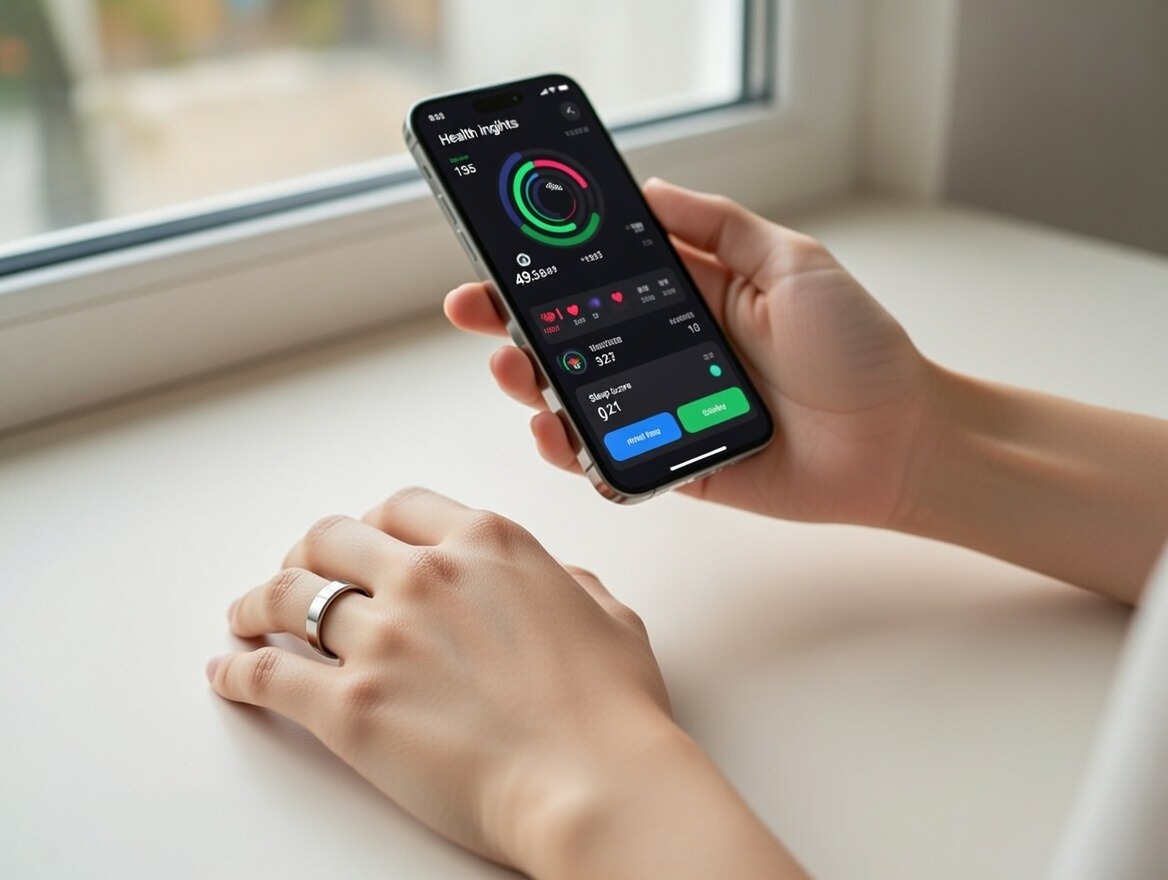
While wrist-worn trackers popularized the category, the smart ring form factor represents a significant evolution, particularly for chronic disease management. The choice of form factor is not merely aesthetic; it directly impacts data quality, user compliance, and clinical relevance.
The Power of the Finger: A Superior Vascular Access Point
The finger’s vasculature is rich and closer to the surface than the wrist. This allows for stronger photoplethysmography (PPG) signals—the optical method used to measure heart rate, HRV, and SpO2. The result is often more accurate and consistent readings for these critical biomarkers, especially during sleep and periods of low movement, which is essential for reliable trend analysis.
Unparalleled Wearability and Compliance
The ultimate wearable is one you forget you’re wearing. A smart ring is:
Nighttime Data Fidelity: The Golden Window
For chronic conditions, sleep data is often the most revealing. The body, freed from conscious activity, reveals its underlying state. A smart ring’s comfort and secure fit minimize motion artifacts during sleep, providing a cleaner signal for analyzing nocturnal HRV, resting heart rate, SpO2 dips, and sleep stages. This makes it an exceptional tool for uncovering sleep-disordered breathing and assessing true physiological recovery.
From Consumer Gadget to Trusted Tool
The discreet, always-on nature of the smart ring moves the device from the realm of a fitness accessory to a seamless part of one’s life. This fosters higher long-term compliance—the single most important factor for generating the longitudinal data that transforms chronic care. When monitoring becomes effortless and integrated, patients are more likely to stick with it, creating the consistent dataset needed for meaningful insights. This philosophy of seamless integration is core to our mission at Oxyzen, which you can read more about here.
The smart ring, therefore, isn’t just another gadget; it’s an optimized platform for clinical-grade, continuous biomonitoring designed for real life.
Cardiovascular diseases (CVDs) remain the leading cause of death globally, and their management relies heavily on monitoring and lifestyle modification. Wearable tech is becoming a cornerstone of modern cardiology.
Hypertension: The Silent Killer, Now Loudly Monitored
Hypertension management has long been hampered by unreliable, sporadic readings. Wearables change the game through:
Heart Failure: Predicting Exacerbations Before They Happen
For heart failure patients, a primary goal is to avoid hospitalization due to fluid buildup (congestion). Wearables offer predictive insights:
Arrhythmia Detection: Constant Vigilance
While diagnosis requires medical-grade ECG, consumer wearables with PPG and ECG capabilities perform a vital screening and monitoring role.
Personalized Cardiac Rehabilitation
After a heart event, safe, gradual exercise is paramount. Wearables allow therapists to set personalized heart rate zones and monitor adherence and recovery (through post-exercise HRV) remotely, making rehabilitation safer and more data-driven.
The continuous data stream turns the management of heart disease from a periodic assessment into a dynamic, responsive process, potentially preventing crises and optimizing daily quality of life.
The management of diabetes and obesity hinges on the intricate balance between glucose, insulin, activity, sleep, and stress. Wearables provide the multi-dimensional data needed to navigate this balance.
The Glucose-Insulin Puzzle: Beyond the Finger Prick
While continuous glucose monitors (CGMs) are the gold standard for direct glucose tracking, wearable biometrics provide the crucial context that explains why glucose levels fluctuate.
Obesity and Metabolic Syndrome: Understanding the Energy Equation
Weight management is more than calories in vs. calories out; it's about metabolic health.
The Future: Non-Invasive Glucose Monitoring
The holy grail is a non-invasive, continuous glucose sensor integrated into a wearable form factor like a ring. While not yet commercially reliable, rapid advances in spectroscopy and sensor fusion make this a foreseeable future, which would create a completely seamless loop of metabolic monitoring.
For now, the integration of CGM data with the holistic biometric profile from a smart ring or watch represents the most comprehensive personal metabolomics platform ever available outside a clinic. It empowers individuals to become true experimenters of their own biology. For those navigating these complex conditions, finding the right tools is key, and you can see how others have integrated this technology into their lives.

Conditions of the nervous and immune systems are notoriously variable, with unpredictable flares and remissions. Wearables offer a objective window into this variability, helping to identify triggers and quantify symptom severity.
Multiple Sclerosis (MS) and Fatigue Management
Fatigue is one of the most debilitating and invisible symptoms of MS.
Parkinson’s Disease: Monitoring Motor Symptoms and Medication Cycles
Wearables can track the motor fluctuations that define Parkinson's.
Rheumatoid Arthritis (RA) and Lupus: Predicting and Quantifying Flares
The inflammatory flares in autoimmune diseases are often preceded by subtle physiological shifts.
For individuals with these complex conditions, data provides a sense of control in the face of unpredictability. It transforms subjective, hard-to-describe symptoms into objective metrics that can be discussed clearly with healthcare providers.
The mind-body connection is not a metaphor; it is a physiological reality mediated by the nervous and endocrine systems. Chronic stress, anxiety, and depression are not just mental health issues—they are potent drivers and exacerbators of nearly every physical chronic disease. Wearables make this invisible link visible and manageable.
Quantifying the Autonomic Nervous System (ANS)
The ANS, controlling heart rate, digestion, and stress response, is the primary bridge between psyche and soma. Wearables are essentially ANS monitors.
Sleep as the Foundation of Mental Health
Depression and anxiety have a bidirectional, destructive relationship with sleep.
Building Behavioral Activation and Resilience
For depression, "behavioral activation"—engaging in rewarding activities—is a core therapy. Wearables support this by:
The Burnout Prevention Tool
Chronic workplace stress leading to burnout has a clear physiological profile: flattened circadian rhythm, rising resting heart rate, plummeting HRV, and deteriorating sleep. Wearables serve as an early-warning system, providing objective data to justify necessary lifestyle or work changes before reaching a crisis point.
By externalizing internal states, wearables reduce the stigma and mystery of mental health, framing it as a manageable aspect of overall physiological wellness. They provide the proof that self-care practices are working on a biological level, which is incredibly motivating.
For those with respiratory diseases, the fear of not getting enough air is a constant undercurrent. Wearable technology brings monitoring out of the clinic and into daily life, focusing on prevention and early intervention.
Sleep Apnea: Uncovering the Nocturnal Struggle
Sleep apnea is a major comorbidity with hypertension, heart disease, and diabetes. Lab sleep studies are the gold standard but are a single-night snapshot.
Chronic Obstructive Pulmonary Disease (COPD) and Asthma: Predicting Exacerbations
The goal in managing these conditions is to prevent acute flare-ups that lead to hospitalizations.
Breathwork Biofeedback
Many wearables now integrate guided breathing exercises. For respiratory patients, using these sessions while seeing real-time HRV increase and heart rate decrease provides powerful biofeedback, training the body in more efficient breathing patterns and reducing anxiety-related breathlessness.
This constant, gentle monitoring provides a safety net for respiratory patients, allowing them to engage in life with more confidence, knowing their device is keeping a vigilant watch on their most critical vital sign. If you have specific questions about how this monitoring works in practice, our FAQ page covers many common technical and usage topics.

The true potential of wearable data is unlocked not in isolation, but when it flows into and enriches the clinical relationship. This creates a new model of collaborative care.
From Anecdote to Objective Data
Patients often struggle to accurately describe their symptoms over a 3-6 month period. "I've been more tired" becomes powerful when paired with a chart showing a 20% decline in deep sleep and a 10% increase in resting heart rate over the last eight weeks. This transforms vague complaints into specific, measurable problems a provider can address.
Remote Patient Monitoring (RPM) and Virtual Care
Wearables are the backbone of effective RPM programs. Instead of waiting for a scheduled visit, providers can receive automated alerts or periodically review dashboards showing key trends for their high-risk patients. A heart failure nurse can see a patient's gradual nocturnal heart rate rise and proactively adjust diuretics via a telehealth call, potentially preventing an ER visit. This makes care more proactive, convenient, and efficient.
Medication and Treatment Efficacy Tracking
"Are the new blood pressure pills working?" Instead of relying on a few home readings, the provider can review a month of continuous heart rate, HRV, and activity-correlated BP logs. For a new antidepressant, seeing a gradual improvement in sleep architecture and HRV provides objective evidence of biological response alongside subjective mood reports.
Personalized Lifestyle Prescriptions
A doctor can now move beyond generic advice like "reduce stress and sleep more." They can look at the data and say: "Your data shows your stress peaks every Tuesday afternoon and your sleep is most disrupted when you exercise after 8 PM. Let's target a 5-minute breathing exercise for Tuesdays and shift your workout to the morning."
The Challenge of Data Overload
This new model presents challenges. Clinicians are time-pressed and cannot sift through gigabytes of raw data. The solution lies in smart software aggregation. The wearable’s companion app must synthesize data into clinician-ready reports: one-page summaries highlighting trends, anomalies, and correlations relevant to the specific condition. This turns data into actionable clinical intelligence.
This partnership empowers both parties: the patient becomes an engaged, data-literate partner in their care, and the provider gains a continuous stream of relevant, real-world evidence to guide precision interventions.
As wearables collect our most intimate physiological data—a digital fingerprint of our very being—questions of privacy, security, and ethical use become paramount. Trust is not a feature; it is the foundation upon which this entire health revolution is built.
The Sensitivity of Biometric Data
Your continuous heart rate pattern can reveal your emotional state, sleep schedule, and potentially infer activities. Your HRV trend could indicate a hidden health condition. This data is arguably more sensitive than a credit card number, as it cannot be changed if compromised. Users must have absolute confidence in how it is handled.
The Pillars of a Trustworthy Platform
The Healthcare Integration Imperative
When data is shared with a healthcare provider, it must flow through secure, HIPAA-compliant (or equivalent regional standard) channels. The wearable ecosystem must integrate with electronic health records (EHRs) and provider portals in a secure, standardized way, not through unsecured email or screenshots.
Empowering the User with Control
A trustworthy platform gives users a clear dashboard: a simple view of every connection and share, with the ability to revoke access instantly. It provides easy-to-understand privacy settings and regular transparency reports.
Building this trust is a non-negotiable responsibility for companies in this space. At Oxyzen, we believe that your health data belongs to you, and our role is to provide the secure, private tools to help you understand it. You can learn more about our commitment to privacy and security on our main site.
We are currently in the era of descriptive and diagnostic analytics—wearables tell us what happened and offer clues as to why. The imminent future lies in predictive and prescriptive intelligence, powered by artificial intelligence and machine learning.
From Trends to Predictions
Future algorithms will analyze your unique longitudinal dataset alongside vast, anonymized population data to identify personalized risk patterns. The system won't just tell you that you had a bad night's sleep; it might alert you: "Based on your current sleep deficit, rising resting heart rate, and past data, you have a 65% higher probability of a tension headache tomorrow. Consider an earlier bedtime and hydrate well today."
Condition-Specific Predictive Models
Research is already advancing on models that predict:
The Rise of the AI Health Coach
Beyond alerts, the next step is an intelligent, contextual guide. This isn't a generic chatbot, but a system trained on your data and validated medical knowledge.
Integration with Multi-Modal Health Data
The future wearable will be the hub, not the sole source. It will seamlessly integrate data from:
This fusion creates a comprehensive "digital twin"—a dynamic model of your health that can be used to simulate the potential outcomes of different lifestyle or medication choices.
This future is not about machines replacing human care. It is about augmented intelligence—leveraging technology to handle pattern recognition and data synthesis, freeing up both the patient and the clinician to focus on human connection, nuanced judgment, and meaningful action. It promises a world where chronic disease management is not just supported, but intelligently guided, every hour of every day.
The true measure of a health technology's success is not in its sensor specifications, but in how it changes human behavior and experience. For chronic disease management, the core challenges have always been adherence, motivation, and the psychological burden of a relentless condition. Wearable technology, when designed thoughtfully, directly addresses these human factors, shifting the patient's role from passive recipient to active CEO of their own health.
The Empowerment Feedback Loop
Chronic illness can often foster a sense of helplessness. Wearables create a powerful counter-narrative through a tangible feedback loop:
This loop fosters self-efficacy—the belief in one's own ability to influence outcomes. This psychological shift is arguably as therapeutic as the behaviors themselves for long-term management.
Adherence Through Integration and Insight
Medication non-adherence is a staggering problem, costing billions and worsening outcomes. Wearables combat this not through nagging, but through insight and integration.
Reducing the "Burden of Disease"
The mental load of constantly monitoring one's own symptoms—"Am I short of breath? Is that ache normal?"—is exhausting, a phenomenon called "scanning." Continuous, passive monitoring from a wearable can reduce this anxiety by offloading the scanning duty to the device. You can go about your day knowing the ring will alert you to a meaningful trend, allowing you to mentally disengage from hyper-vigilance and simply live. This restoration of mental space is a priceless quality-of-life improvement.
By making the invisible visible and the intangible tangible, wearable technology does more than manage disease—it restores a sense of agency, clarity, and control to the individual at the center of the care journey.
To move from theory to practice, let's examine detailed, composite case studies that illustrate the transformative integration of wearable data into chronic disease management. These stories are amalgamations of common real-world experiences.
Case Study 1: Sarah – Type 2 Diabetes & Metabolic Health
Case Study 2: David – Controlled Hypertension & Early CHF Monitoring
Case Study 3: Maria – Rheumatoid Arthritis Flare Prediction
These stories underscore the shift from generic care to N-of-1 medicine, where the individual is their own most important clinical trial, and the wearable is the primary data collection instrument.
Implementing wearable technology for chronic disease management is a process, not a plug-and-play solution. Here is a practical guide to building an effective, sustainable personal protocol.
Phase 1: Foundation & Baseline (Weeks 1-4)
Phase 2: Correlation & Discovery (Weeks 5-12)
Phase 3: Integration & Optimization (Ongoing)
Choosing the Right Tool for You
Not all wearables are created equal. For chronic disease management, prioritize:
The journey is one of becoming a student of your own physiology. It requires curiosity and patience, but the reward is a level of self-knowledge that transforms chronic disease management from a burden into a masterclass in personal wellness. For those seeking to understand the nuances of different devices, our blog offers comparative insights and user-driven content.
While the potential is vast, it is crucial to approach wearable health technology with clear-eyed realism. Overhyping leads to disillusionment. Understanding the current limitations is key to using the technology effectively and safely.
It's a Trend Monitor, Not a Diagnostic Device
This is the most critical distinction. Consumer wearables are wellness tools that generate data for health insights. They are not medical devices cleared for diagnosis.
The Accuracy Imperative and Signal Noise
All sensor data has noise. Motion artifacts, poor fit, cold hands (for rings), and skin tone can affect optical sensor accuracy. The focus should be on trends over time rather than absolute precision of a single reading. A reading of 95% SpO2 today vs. 97% tomorrow is noise; a steady decline from a baseline of 98% to 94% over two weeks is a significant trend.
The Risk of Data Anxiety and Orthosomnia
For some, constant access to health data can backfire, creating a new anxiety called "orthosomnia" – an unhealthy preoccupation with perfect sleep scores, or "data anxiety" from over-interpreting every blip.
The "So What?" Problem: From Data to Action
A flood of data without a framework for interpretation is overwhelming and useless. The value is not in the number, but in the actionable insight derived from it. Users must pair the device with education (from their doctor, credible sources, or the device's own guided insights) to understand what changes to make in response to the data.
The Digital Divide and Health Equity
Advanced wearables are expensive. This risks creating a two-tier system where data-driven, proactive care is only available to the affluent, widening health disparities. The industry must work towards scalable solutions, insurance reimbursement models, and clinically-validated lower-cost options to ensure this revolution benefits all.
The Human Element is Irreplaceable
No algorithm can replace the empathy, nuanced judgment, and therapeutic relationship of a skilled healthcare provider. The wearable's job is to enhance that relationship, not replace it. The most powerful management plan will always combine the objective data from the machine with the subjective wisdom and clinical expertise of the human.
By acknowledging these limitations, we ground our expectations. The wearable is a powerful compass, but it is not the map or the destination. The human user, in partnership with their care team, must always remain the navigator.
The standalone smart device is a powerful tool, but its impact multiplies exponentially when integrated into a broader digital health ecosystem. This integration is what transforms personal health tracking into coordinated chronic care management.
Telehealth: The Perfect Clinical Partner
Virtual care visits were often limited by a lack of objective data. Wearables solve this.
Electronic Health Records (EHRs): Bridging the Data Chasm
For data to be clinically useful, it must flow into the system where healthcare decisions are made: the EHR.
The Caregiver Portal: Extending the Circle of Support
For elderly patients or those with cognitive challenges, family caregivers are essential. Secure, privacy-controlled caregiver portals allow designated family members to view key wellness trends (with the patient's consent).
Pharmacy and Medication Management Integration
Adherence is a pharmacy issue. Future integrations could allow pharmacists, with consent, to view relevant trends. Did a patient's resting heart rate become erratic after starting a new medication? This could prompt a pharmacist to call the patient and doctor about a potential side effect or interaction.
Building the "Health Data Layer"
The ultimate vision is a patient-controlled "health data layer" – a secure digital repository where all their health data lives (wearable data, EHR data, genomic data, etc.). The patient grants granular, time-limited access to different members of their care team as needed. The wearable is a primary feeder into this layer.
This connected ecosystem moves us away from siloed data and fragmented care towards a model of continuous, contextual, and collaborative health management. It ensures the rich data from your wearable doesn't stay on your phone, but actively participates in your medical care. To see how one company is envisioning this integrated future, you can learn about our mission and vision here.
We stand at an inflection point in the history of chronic disease management. The convergence of miniaturized sensors, powerful algorithms, and ubiquitous connectivity has birthed a new toolset that fundamentally changes the scale and granularity of health observation. What was once inferred from annual check-ups can now be measured continuously; what was subjective complaint can now be supported by objective trend.
The journey we've explored—from decoding the body's language through biomarkers, to leveraging the discrete power of the smart ring, to applying this data across specific conditions from diabetes to depression—paints a clear picture: the future of chronic care is continuous, contextual, and deeply personalized.
This is not a future of cold, robotic medicine. It is quite the opposite. By externalizing our internal states, these technologies make the invisible visible, fostering a profound dialogue between the patient and their own body. They empower individuals with knowledge, turning them from passengers into pilots of their health journey. They equip clinicians with a richer, real-world evidence base, transforming appointments from detective work into strategic collaboration.
The path forward requires navigating challenges—ensuring privacy, managing data overload, maintaining equitable access, and always remembering that the technology serves the human, not the other way around. But the direction is inevitable. The ability to monitor our vital health signals as easily as we monitor our email is becoming the new standard of care.
In the next portion of this comprehensive exploration, we will delve even deeper. We will examine the cutting-edge research on non-invasive biomarkers, the role of AI in generating truly prescriptive health advice, the economic impact of widespread wearable adoption on healthcare systems, and the ethical frameworks needed to guide this powerful technology. We will also provide a comprehensive buyer's guide for choosing the right device and building a lasting, effective personal health protocol.
The silent revolution on your finger is just beginning. It promises a world where chronic disease is not just managed, but mastered; where health is not a static state, but an optimized, dynamic process; and where every individual has the data they need to live their fullest, healthiest life.
The current generation of wearables has mastered the art of tracking our heart’s rhythm, our blood's oxygen, and our body’s temperature. But this is merely the foundation. The next frontier is the non-invasive, continuous measurement of biomarkers that currently require blood draws, urine samples, or specialized clinic visits. This leap will unlock a truly holistic, real-time dashboard of our biochemistry, transforming chronic disease management from tracking symptoms to intercepting molecular pathways.
The Quest for Non-Invasive Glucose
The pursuit of a reliable, non-invasive glucose monitor (NGM) is the most prominent and consequential challenge. While CGMs have revolutionized diabetes care, they still require a subcutaneous filament. Research into multi-sensor fusion offers promise:
Hydration and Electrolyte Balance
Chronic dehydration is a hidden exacerbator of many conditions, from kidney disease to migraines to hypertension. Current wearables infer hydration poorly (via skin dryness). Next-gen devices may use:
Stress Hormones and Inflammation Markers
Cortisol is the primary stress hormone, and C-reactive protein (CRP) is a key marker of systemic inflammation. Lab tests are snapshots.
Lactate and Metabolic Efficiency
Lactate, long mislabeled as a simple "waste product," is a crucial metabolic fuel and signaling molecule. Continuous lactate monitoring (CLM) via a non-invasive wearable would be a game-changer.
The Dream of a "Lab-on-the-Skin"
The ultimate vision is a wearable that acts as a continuous, multi-analyte biosensor—a "lab-on-the-skin." Using a combination of optical, electrochemical, and enzymatic sensors embedded in a comfortable adhesive patch or ring, it would provide a rolling stream of data on a panel of biomarkers: glucose, lactate, electrolytes, cortisol, and more.
The Data Science Imperative
The sheer complexity of these multi-sensor signals makes AI and machine learning not just advantageous, but essential. The algorithms must perform deconvolution—separating the overlapping signals of multiple biomarkers from a single, complex data stream—and personalized calibration, learning each user's unique physiological "fingerprint" over time.
This frontier moves us beyond tracking how the body behaves (heart rate, movement) to tracking how it functions at a molecular level. It promises a future where a diabetes patient sees not just their glucose, but the cortisol spike that caused it; where a heart failure patient is alerted to fluid retention by electrolyte shifts before their weight even changes. This is the dawn of truly predictive, physiological-based healthcare.
Today's wearables are data collectors. Tomorrow's, powered by sophisticated AI, will be health co-pilots. The role of AI is to find meaning in the multidimensional noise, moving from description ("what happened") to diagnosis ("why it happened") to, ultimately, prescription ("what to do about it").
Personalized Pattern Recognition: Learning Your Unique Physiology
Population-level health guidelines are useful, but individual biology varies wildly. Machine learning (ML) excels at establishing a personalized baseline model.
Predictive Analytics: The "Health Forecast"
This is where AI's potential for chronic disease management becomes revolutionary. By analyzing longitudinal data, AI can identify precursor patterns that precede negative health events.
Generating Prescriptive, Dynamic Guidance
The final stage is AI that doesn't just predict, but advises. This requires combining physiological data with a knowledge graph of medical and lifestyle science.
The "Digital Twin" Concept
The most advanced application is the creation of a computational "digital twin"—a dynamic, computer-based model of your physiology. Your wearable data continuously updates this twin. Doctors (or you) could then run simulations: "If we increase the dosage of this medication, what is the predicted effect on the twin's 24-hour heart rate and sleep?" or "What is the likely glycemic outcome of eating this meal, given the twin's current metabolic state?" This turns treatment into a low-risk, personalized simulation before any real-world intervention.
Ethical Guardrails and the "Black Box" Problem
This power comes with profound responsibility. AI recommendations must be explainable and conservative. A system must be able to justify its suggestion in terms a human can understand, and it must never replace a doctor's diagnosis. Its role is to provide insights and options, not mandates. The human, with their clinician, must always remain the ultimate decision-maker.
AI is the engine that will convert the tsunami of wearable data into a navigable stream of personalized, proactive, and prescriptive health intelligence. It is the key to moving from tracking to truly transforming chronic disease outcomes. For ongoing discussions about the ethics and future of AI in health, our blog features expert commentary and analysis.
The adoption of wearable health technology is not just a clinical decision; it's an economic one. For individuals, insurers, and national health services, the central question is: Does the investment in this technology lead to a net reduction in the staggering costs of chronic disease? The emerging evidence suggests a resounding yes, but the financial models are still evolving.
The Crushing Cost of Chronic Disease
First, consider the baseline. In the United States alone, chronic diseases account for approximately 90% of the nation's $4.1 trillion in annual healthcare expenditures. The costs are not just direct medical (hospitalizations, procedures, drugs), but also indirect: lost productivity, disability, and informal caregiving. Conditions like heart failure, diabetes, and COPD are among the most expensive to manage, largely due to the cost of acute exacerbations and hospital readmissions.
How Wearables Drive Down Costs: The Mechanisms
The Individual's Cost-Benefit Analysis
For an individual paying out-of-pocket, the calculation involves:
The Payer's (Insurer/Health System) Perspective
For an insurer, covering wearables is an investment in risk reduction. They are betting that spending $300 per member per year on a monitoring device for their diabetic or hypertensive population will save them $1000+ per member in avoided claims. This is the core of value-based care—paying for outcomes and health, rather than just procedures and visits. Employers, who bear massive costs in healthcare premiums and lost productivity, are also becoming major drivers, offering wearables as part of corporate wellness programs.
The Broader Economic Impact: The "Healthspan Dividend"
Beyond direct medical cost savings, there is a macroeconomic argument. By helping people manage chronic diseases more effectively, wearables can extend healthspan—the number of years lived in good health. This keeps people in the workforce longer, reduces disability claims, and lessens the burden on social support systems. It creates a more productive, resilient population.
Barriers to Economic Realization
The economic case for wearables in chronic disease management is compelling and strengthening. As clinical evidence mounts and reimbursement models mature, these devices will transition from consumer electronics to essential medical tools, funded not just by individuals, but by the systems that benefit from their cost-saving, life-improving results.
As wearable health technology becomes more powerful and pervasive, it ventures beyond the realm of gadgetry into the deeply personal territory of our biological essence. This demands not just technological innovation, but a robust, proactive ethical framework. The core principles must be privacy, autonomy, justice, and beneficence.
Data Sovereignty: Who Owns Your Digital Self?
The principle must be unequivocal: The individual is the sovereign owner of their physiological data. The data generated by a wearable is a digital extension of the self. Terms of Service (ToS) must be crystal clear: the company is a custodian or processor of the data, not the owner. Users must have the right to:
Informed Consent Beyond the Click-Through
Agreeing to a 20-page ToS is not informed consent. Ethical design requires:
The Insurer and Employer Dilemma: Protection vs. Surveillance
One of the most pressing ethical questions is the use of wearable data by insurers and employers.
Algorithmic Bias and Health Equity
AI models are trained on data. If that data is predominantly from wealthy, white, male, and able-bodied populations, the algorithms will perform poorly—and potentially dangerously—for women, people of color, the elderly, and those with less common conditions. This can exacerbate existing health disparities.
The Duty of Care and Liability
If a wearable's algorithm provides a "health forecast" or suggestion, what is the company's liability if a user acts on it and has a negative outcome? The ethical and legal position must be that:
Building trust is not a regulatory hurdle; it is the fundamental prerequisite for this technology to fulfill its promise. Users must feel confident that the device on their finger is a guardian of their health, not a spy or a tool for discrimination. This ethical foundation is non-negotiable, and at Oxyzen, we believe transparency is the cornerstone of that trust. You can read about our commitment to these principles here.
The integration of wearable tech into chronic disease management is not occurring in a uniform global vacuum. Adoption rates, regulatory pathways, and cultural acceptance vary dramatically, painting a complex picture of a worldwide health transformation in progress.
Regional Adoption Drivers and Barriers
The Regulatory Maze: Wellness Device vs. Medical Device
This is the single biggest institutional factor shaping the market.
Cultural Attitudes Towards Health Data and Privacy
The Role of Public Health Systems
In nations with single-payer or socialized medicine (e.g., UK's NHS, Nordic countries), the government is the primary purchaser. Here, adoption hinges on cost-effectiveness studies conducted by agencies like the UK's National Institute for Health and Care Excellence (NICE). If a wearable intervention for diabetes management is proven to save the system money while improving outcomes, it could be prescribed at scale, massively accelerating adoption.
Standardization: The Key to Interoperability
For global ecosystems to work, data needs to speak a common language. Organizations like the Continual Design Alliance (CDA) and standards like FHIR (Fast Healthcare Interoperability Resources) are working to create universal frameworks for wearable data. This will allow a device made in Taiwan to seamlessly integrate with an EHR in Canada and a clinician's app in Brazil.
The global landscape is a patchwork of opportunity and complexity. Success for wearable health tech will depend not just on brilliant engineering, but on nuanced navigation of regulatory pathways, cultural sensitivities, and economic models that differ from Berlin to Bangalore. This global journey is one of the most fascinating aspects of our work, as we share stories of users from diverse backgrounds finding value in this technology.
With the landscape mapped, the final step is practical action. Choosing the right device and building a sustainable practice is crucial. This guide cuts through the marketing to focus on what matters for chronic disease management.
The Buyer's Guide: What to Look For (Beyond the Hype)
The Long-Term Success Plan: Avoiding Burnout and Staying Engaged
Buying the device is day one. The goal is to still be using it meaningfully in year three.
Building Your Support Team
The journey with a wearable is a marathon, not a sprint. It is a long-term partnership with technology to foster a deeper, more empowered partnership with your own body. The goal is not a perfect score every day, but a clear, confident understanding of the unique, amazing system that is you, and the tools to care for it optimally for a lifetime. For practical answers to common setup and usage questions, our FAQ is a valuable ongoing resource.
We have journeyed from the fundamental principles of biometric tracking to the cutting edge of non-invasive sensing and AI-driven prescriptive care. We've examined the profound impact on specific diseases, wrestled with the ethical imperatives, and navigated the global and economic landscapes. The through line is unequivocal: Wearable health technology is ceasing to be an optional accessory and is becoming an integral, indispensable layer of modern chronic disease management.
This is not a future prediction; it is a present-day evolution. The evidence is no longer merely anecdotal; it is clinical, economic, and experiential. The devices are moving from our wrists and fingers into the standard workflows of cardiologists, endocrinologists, and mental health professionals. The data they generate is transitioning from curious self-knowledge to a component of the official medical record.
The call to action is clear and directed at every stakeholder in the health ecosystem:
For Individuals and Patients: Embrace your role as the primary stakeholder in your health. Educate yourself. Approach wearable technology not as a magic cure, but as the most powerful lens ever created to understand your daily physiology. Use it to ask better questions, to collaborate more effectively with your care team, and to find the personalized levers that optimize your wellbeing. Start the conversation. You can explore the possibilities and begin your own journey of discovery here.
For Healthcare Providers and Clinicians: Lean into this change. Welcome the data-informed patient. See their charts and trends not as a challenge to your expertise, but as a richer history and physical exam than was ever before possible. Invest time in learning how to interpret this data stream efficiently. Advocate for the IT integrations that will bring this data seamlessly into your workflow. Become a guide in the age of patient-generated health data.
For Health Systems, Insurers, and Policymakers: Accelerate the inevitable. Develop clear, fair reimbursement pathways for remote physiological monitoring. Invest in the interoperability standards that will make data fluid and useful, not siloed. Establish strong ethical and legal guardrails against discrimination and data misuse. Fund the cost-effectiveness research that will justify scaling these tools to the populations that need them most.
For Innovators and Companies: Build with responsibility. Prioritize clinical validation, not just feature counts. Design for privacy, equity, and accessibility from the first line of code. Be transparent stewards of the profound trust users place in you with their most intimate data. Remember that you are not building gadgets; you are building the infrastructure for a healthier human future.
The silent revolution on your finger is now speaking in a clear, data-rich voice. It tells a story not of disease, but of dynamic, manageable health. It offers a path from passive patienthood to engaged partnership. The goal is no longer merely to manage illness, but to cultivate vitality within the framework of our individual challenges. This is the promise of wearable health technology: a future where we are all empowered, informed, and active authors of our own health stories. The next chapter begins today.
Your Trusted Sleep Advocate: Sleep Foundation — https://www.sleepfoundation.org
Discover a digital archive of scholarly articles: NIH — https://www.ncbi.nlm.nih.gov/
39 million citations for biomedical literature :PubMed — https://pubmed.ncbi.nlm.nih.gov/
Experts at Harvard Health Publishing covering a variety of health topics — https://www.health.harvard.edu/blog/
Every life deserves world class care :Cleveland Clinic - https://my.clevelandclinic.org/health
Wearable technology and the future of predictive health monitoring :MIT Technology Review — https://www.technologyreview.com/
Dedicated to the well-being of all people and guided by science :World Health Organization — https://www.who.int/news-room/
Psychological science and knowledge to benefit society and improve lives. :APA — https://www.apa.org/monitor/
Cutting-edge insights on human longevity and peak performance:
Lifespan Research — https://www.lifespan.io/
Global authority on exercise physiology, sports performance, and human recovery:
American College of Sports Medicine — https://www.acsm.org/
Neuroscience-driven guidance for better focus, sleep, and mental clarity:
Stanford Human Performance Lab — https://humanperformance.stanford.edu/
Evidence-based psychology and mind–body wellness resources:
Mayo Clinic — https://www.mayoclinic.org/healthy-lifestyle/
Data-backed research on emotional wellbeing, stress biology, and resilience:
American Institute of Stress — https://www.stress.org/


