


How Wellness Ring Algorithms Calculate Health Metrics
How wellness ring algorithms process data to create health metrics.
How wellness ring algorithms process data to create health metrics.
%402x.svg)
You wake up feeling refreshed, but your ring suggests a slightly elevated resting heart rate and a lower-than-usual heart rate variability (HRV). Yesterday’s stressful meeting left a deeper physiological imprint than you realized. By evening, as you prepare for bed, the ring gently nudges you: “Consider a 15-minute wind-down routine; recovery tonight is prioritized.” This isn’t magic—it’s mathematics. It’s the silent, continuous work of sophisticated algorithms, transforming faint light signals and subtle motion into a narrative of your health.
Welcome to the frontier of personal biometrics. The modern wellness ring represents a monumental leap from basic step-counters to a clinical-grade health observatory worn on your finger. But the raw data—fluctuating light absorption, tiny accelerometer readings—is meaningless noise without interpretation. The true genius lies not in the sensors themselves, but in the complex algorithms that act as translators, converting this noise into actionable insights about sleep, recovery, stress, and overall vitality. This article pulls back the curtain on that translation process.
For brands like Oxyzen, pioneering in this space, the algorithm is the core intellectual property, the "brain" of the device. It’s what separates a piece of hardware from a true health companion. Understanding how these calculations work demystifies your data, empowers you to trust the insights, and ultimately, helps you forge a more intelligent partnership with your own body. Let’s embark on a deep dive into the computational engine powering your wellness journey, starting with the fundamental data that fuels it all.
Before any complex calculation can begin, the ring must first become a meticulous data collector. It's a non-stop biometrical eavesdropper, capturing a symphony of physiological signals through a suite of miniaturized sensors. Think of this stage as gathering the raw ingredients before a master chef creates a gourmet meal. Without precise, high-fidelity raw data, even the most advanced algorithm cannot produce reliable insights.
At the heart of most wellness rings are Photoplethysmography (PPG) sensors. These emit light—typically green, red, and sometimes infrared LEDs—into the capillaries in your finger. A photodetector then measures the amount of light that is not absorbed as it reflects back. Blood absorbs light more effectively than surrounding tissue, and with each heartbeat, blood volume in the capillaries surges slightly. This creates a rhythmic oscillation in the reflected light—the PPG waveform. This tiny, light-based pulse wave is the primary source for a staggering number of downstream metrics.
Simultaneously, a 3-axis accelerometer and gyroscope are in constant motion. They aren't just counting steps. They measure the orientation, intensity, and frequency of movement with milligravity precision. This data distinguishes between typing, walking, running, and the micro-movements of different sleep stages. It also identifies periods of absolute stillness, which is crucial for capturing clean physiological data without motion corruption.
A third critical sensor is the skin temperature thermometer. Unlike a simple ambient check, this sensor presses against the palmar side of your finger to track changes in your peripheral body temperature over 24-hour cycles. These fluctuations, often fractions of a degree, are telling biomarkers for circadian rhythm phase, onset of illness, and menstrual cycle stages.
Finally, all this data is timestamped with extreme precision and correlated. The algorithm needs to know not just what happened, but when and in what sequence. A rising heart rate during accelerometer-detected motion means exercise. The same rise during accelerometer-detected stillness means stress or a sleep disturbance. This synchronized, multi-modal data stream—PPG, motion, temperature, and time—forms the foundational layer. For a deeper look at the sensor technology that makes this possible, you can explore our blog for more technical breakdowns.
The journey from this raw stream to a simple "Readiness Score" or "Sleep Score" is long and computationally intensive. It begins with the critical first step: finding your pulse in a sea of noise.
The PPG waveform is a messy signal. Superimposed on the clean, periodic pulse you'd see in a textbook are artifacts from hand movements, pressure changes as the ring shifts, and even changes in ambient light. The algorithm's first and most vital job is to perform a digital excavation: to find the true cardiac rhythm buried within this noise. This process, known as heart rate (HR) and heart rate variability (HRV) extraction, is a masterpiece of real-time signal processing.
The initial stage involves heavy filtering. Digital bandpass filters are applied to the raw PPG data. These act like audio equalizers for light signals, aggressively attenuating frequencies that are too high (likely from sudden jolts or tremors) and too low (likely from slow temperature drifts or the ring slowly rotating), preserving only the frequency range where a human heartbeat—typically between 0.5 Hz (30 BPM) and 4 Hz (240 BPM)—would reside.
Next comes peak detection. The cleaned-up waveform, which now resembles a series of rolling hills (each hill representing a heartbeat), is analyzed to find the precise apex of each pulse peak. The time difference between consecutive peaks is called the Inter-Beat Interval (IBI), measured in milliseconds. Instantaneous Heart Rate is simply 60,000 divided by the IBI (in ms). But a single IBI is prone to error. Algorithms therefore use probabilistic models and historical buffers. They ask: "Given the last 10 valid IBIs, is this new candidate peak physiologically plausible?" If a peak is too close or too far from the expected time, it may be flagged as a motion artifact and discarded or interpolated.
This string of IBIs is the goldmine. Its average gives us Resting Heart Rate (RHR). But more importantly, the subtle, millisecond-level variations between consecutive, normal heartbeats give us Heart Rate Variability (HRV). HRV is not calculated by a simple standard deviation of IBIs in real-world devices. Instead, time-domain methods like RMSSD (the Root Mean Square of Successive Differences) are preferred for short-term, wearables-based measurements. RMSSD is particularly good at filtering out longer-term trends and capturing the fast, beat-to-beat changes influenced by the parasympathetic nervous system (your "rest-and-digest" branch).
To do this, the algorithm takes a window of IBIs—often a 5-minute window during confirmed sleep or a deep rest period—calculates the differences between successive IBIs, squares those differences, averages them, and then takes the square root. The result, your HRV in milliseconds, is a profound indicator of autonomic nervous system balance and recovery status. It’s a number that is meaningless in isolation but incredibly powerful when tracked over time, a principle core to the Oxyzen philosophy of longitudinal health tracking.
Once a clean, reliable pulse is established, the algorithm can move beyond rate and variability to dissect the very shape of the pulse wave itself, unlocking a deeper layer of cardiovascular intelligence.
The pulse is more than its timing; its shape is a story. The morphology of the PPG waveform—the specific upstroke, peak, and downstroke of each light pulse—contains a wealth of information about blood pressure dynamics, vascular stiffness, and even blood oxygenation. Advanced wellness ring algorithms are beginning to tap into this rich vein of data, moving from pure chronometry to volumetric analysis.
One of the most common derived metrics is Pulse Amplitude. This is simply the height of the PPG peak from its baseline. It’s a relative measure of blood volume change at the measurement site. Significant drops in amplitude during sleep can sometimes indicate periods of heightened sympathetic arousal (like during an apnea event or a nightmare), as blood is shunted away from the periphery. Tracking amplitude trends can also help in understanding vasoconstriction and dilation patterns over a 24-hour cycle.
A more sophisticated analysis involves the waveform's inflection points. A typical PPG wave has a main systolic peak and often a smaller, secondary diastolic peak or a distinct notch on the descending limb. The timing and ratio between these features are influenced by the reflection of the pressure wave from the periphery back to the aorta. As arteries stiffen with age or poor cardiovascular health, the reflected wave returns faster, altering the waveform's shape. Algorithms can calculate a Pulse Wave Velocity (PWV) proxy or an Augmentation Index estimate by analyzing these timing relationships. While not as accurate as clinical tonometry, longitudinal tracking of this proxy metric by a device like Oxyzen can show meaningful trends in vascular health.
Perhaps the most well-known application is the estimation of Blood Oxygen Saturation (SpO2). This requires at least two wavelengths of light (usually red and infrared). Oxygenated hemoglobin (HbO2) absorbs more infrared light and allows more red light to pass, while deoxygenated hemoglobin (Hb) does the opposite. By comparing the ratios of the absorbed light across the two wavelengths, particularly during the pulsatile (AC) component of the signal, the algorithm can estimate the percentage of oxygen-saturated hemoglobin in the blood. This calculation, performed continuously overnight, is what enables rings to screen for potential sleep apnea events characterized by cyclical blood oxygen desaturations.
Each of these metrics—amplitude, shape, SpO2—adds a new dimension to the health portrait. They transform the PPG sensor from a simple pulse timer into a comprehensive vascular and respiratory monitor. For users curious about the accuracy and application of these specific features, our FAQ section provides detailed explanations. But to truly understand states like sleep or stress, the algorithm must perform a grand fusion, marrying this cardiovascular data with movement and temperature.
Sleep is not a monolithic state. It's a dynamic, cyclical journey through light, deep, and REM stages, each with distinct physiological signatures. No single sensor can accurately identify these stages. The accelerometer might see stillness, confusing deep sleep with quiet wakefulness. The PPG might see a raised heart rate, confusing REM sleep with light sleep. The breakthrough comes from sensor fusion—the algorithmic integration of multiple data streams into a single, coherent interpretation. This is where wellness rings truly shine.
The process, often built upon models like Hidden Markov Models (HMMs) or deep neural networks, treats sleep staging as a probabilistic sequence. The algorithm is trained on thousands of hours of polysomnography (PSG) data—the clinical gold standard—learning the multivariate patterns that define each stage.
Here’s how the fusion works in practice for a given 30-second epoch of the night:
The algorithm weighs all these inputs simultaneously. For example: Low movement, very low heart rate, high HRV, slow breathing, and rising skin temperature? High probability of deep sleep. Low movement, elevated and variable heart rate, irregular breathing? High probability of REM sleep.
This fused calculation results in the hypnogram—the sleep stage graph. From this, all other Sleep Metrics are derived: total sleep time, time in each stage, sleep efficiency, and sleep latency. The accuracy of this fusion directly determines the value of your sleep feedback. It’s a complex ballet of data, and understanding the "why" behind your score can be enlightening, as shared by many users in our collection of real-world testimonials. Once sleep is decoded, the same fusion principle is applied to the waking state to tackle an even more elusive metric: stress.

Stress is a full-body neurological and endocrine event, but we often only become aware of it at a conscious, often overwhelming, level. Wellness ring algorithms aim to provide an objective, physiological measure of this internal state, often termed "stress" or "load," and its counterpoint, "recovery." This isn't about labeling emotions, but about measuring the body's autonomic and metabolic cost of living.
The primary algorithmic tool for this is analyzing autonomic nervous system (ANS) balance through cardiovascular signals. As mentioned, HRV, specifically metrics like RMSSD, is a direct window into parasympathetic (rest-and-digest) activity. When you are recovered and resilient, your parasympathetic system is strong, leading to higher HRV. During acute stress—be it psychological, physical, or immunological—the sympathetic (fight-or-flight) system dominates, suppressing parasympathetic activity and lowering HRV.
However, HRV alone is noisy and context-dependent. A hard workout will legitimately lower HRV as part of a healthy stress response. Therefore, the algorithm must again fuse data:
Advanced algorithms don't just give a snapshot "stress score." They build a daily strain or load metric, often on a scale of 1-10 or 1-21. This is calculated by summing the cardiovascular cost of your day: the duration and intensity of activity (from accelerometer data), the metabolic cost of maintaining an elevated heart rate, and the suppression of HRV. A day of back-to-back meetings and deadlines might yield a high mental strain score with a distinct physiological signature, even without a formal workout.
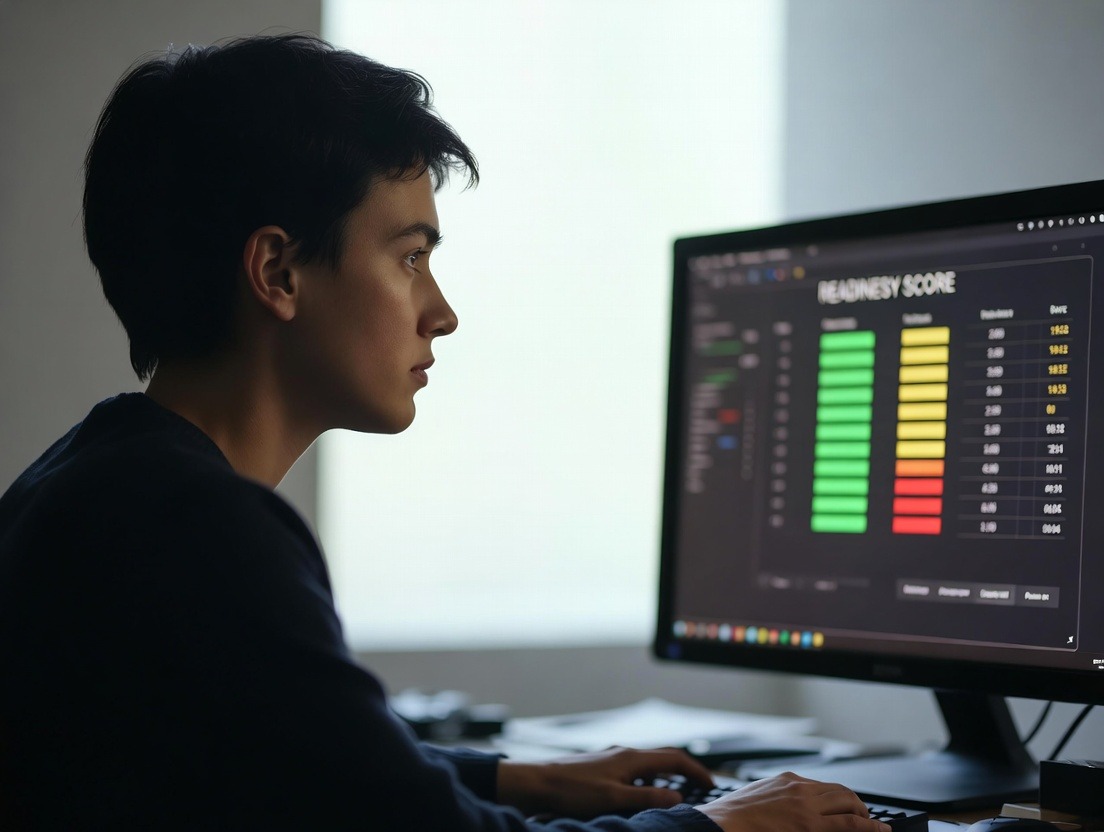
The counterpart is the readiness or recovery score. This is typically a morning assessment, fusing last night's sleep quality (depth, efficiency) with the state of your ANS upon waking (morning HRV, resting heart rate). It answers the question: "Given the strain I incurred yesterday and how my body repaired last night, how prepared am I to take on new stress today?" This dynamic between strain and recovery is the cornerstone of personalized wellness guidance, a journey that begins with understanding your own unique baseline, a concept central to the Oxyzen approach to personalized health.
A heart rate of 55 BPM might be dangerously low for one person and a sign of peak athletic fitness for another. An HRV of 35 ms might be normal for a 50-year-old but low for a 25-year-old. This is why the most critical function of a wellness ring algorithm isn't just calculation—it's personalization. The device must learn you to provide meaningful insights. It does this by establishing a dynamic, evolving baseline over a critical initial period, typically 7-14 days.
During this "learning phase," the algorithm is in intensive data-gathering mode. Its goal is not to judge but to observe. It calculates your personal averages and ranges for:
These aren't static numbers. They are stored as rolling averages (e.g., a 30-day trailing window). This allows the algorithm to distinguish between normal daily fluctuations and statistically significant deviations that signal a meaningful change in status.
The learning is continuous. For instance, as you get fitter, your resting heart rate may trend downward. The algorithm will slowly adjust your baseline RHR downward, so it now expects this new, lower number as your "normal." It then watches for deviations from your new norm. This prevents the ring from constantly congratulating you on improved fitness and instead uses the updated baseline to spot new instances of strain or illness.
This personalization extends to adaptive goal setting. Your daily activity goal might be set based on your own historical movement data, not a generic 10,000 steps. Your sleep goal adapts to how much you actually need to wake up with a high recovery score, not a fixed 8 hours.
This creates a truly individualized health model. The ring isn't comparing you to a population of millions; it's comparing you to yourself from last week, last month, and last season. This self-referential analysis is what makes the data profoundly actionable. It turns the ring from a tracker into a coach that knows your unique physiology. With this personalized baseline in place, the algorithm can then perform one of its most valuable functions: early detection of anomalies.
One of the most praised features of advanced wellness wearables is their uncanny ability to signal impending illness or excessive fatigue, sometimes before you feel any symptoms. This isn't clairvoyance; it's sophisticated anomaly detection powered by your established personal baseline. The algorithm acts as a sentinel, constantly looking for multivariate deviations that fall outside your normal pattern.
The signature of oncoming illness (like a common cold or flu) is often a distinct physiological triad:
When the algorithm detects a concurrent deviation in two or more of these core metrics—especially if the deviation is sustained over 24-48 hours and occurs without a high physical strain context—it can flag a potential "body sickness" event. It's not diagnosing the flu, but it is telling you, "Your physiology is currently under a significant non-physical stressor; prioritize rest and recovery."
Similarly, the pattern of overtraining syndrome (OTS) or non-functional overreaching has a different, but identifiable, fingerprint:
The algorithm detects these patterns as a persistent divergence from your recovery baseline. Instead of a one-time alert, it might show a consistent downtrend in your recovery scores and add a contextual note: "Consistent high strain with low recovery. Consider a period of active rest."
This predictive capacity transforms the device from a historical recorder to a proactive health guardian. It empowers you to act—to take a rest day, hydrate, sleep more—potentially mitigating the severity or duration of an illness or preventing an overtraining injury. It’s the culmination of continuous data collection, precise calculation, and deep personalization. To see how this feature has impacted real users, you can read about their experiences in our testimonials. But the algorithm's work doesn't end with detection; it extends to guiding your daily actions through smart integration.
Raw data is inert. An insight without a pathway to action is just trivia. The final, and most user-facing, layer of wellness ring algorithms is the recommendation engine. This is where calculations translate into personalized nudges, adaptive goals, and ecosystem integrations that close the loop between awareness and behavior change.
The simplest form of guidance is the contextual notification. Based on its fused calculations, the ring's companion app might suggest:
These aren't random. They are triggered by specific algorithmic thresholds. For example, if sleep staging shows a latency of >30 minutes for three nights in a row, it might trigger a "Sleep Onset" guide.
More advanced integration involves biometric-based automation. By leveraging open APIs (Application Programming Interfaces), the ring's algorithmic output can become an input for other smart systems in your life. Imagine:
These integrations require the algorithm to package its insights into clean, standardized data packets that other apps can understand and act upon. It moves the ring from being an island of data to the central hub of a responsive, health-optimized environment.
Furthermore, the algorithm enables progressive goal adaptation. If you consistently hit your sleep goal, it might nudge the target by 15 minutes. If you consistently fail to recover from a certain workout type, it might suggest adjusting the intensity or volume. This creates a dynamic, co-adaptive relationship between you and the device. For those interested in exploring the full potential of these smart integrations, our blog frequently covers the future of connected wellness.
Yet, with all this sophisticated computation, a fundamental question remains for the user: How much of this can I truly trust? This leads us to the critical, and often misunderstood, realm of accuracy and limitations.
No sensor on your finger is a medical device. This is the most important caveat, and reputable brands like Oxyzen are transparent about it. The algorithms are performing estimations, not clinical measurements. Understanding the source and scope of their limitations is key to building intelligent trust in your data.
Sources of Error and Noise:
How Algorithms Manage Uncertainty:
Sophisticated algorithms don't just spit out a number; they often have an implicit or explicit confidence interval. During periods of high signal quality (deep sleep, seated rest), the confidence in the calculated HRV is high. During a workout or a busy workday with lots of hand movement, the confidence is lower. Better apps will visually indicate data quality—for instance, by showing solid lines for high-confidence periods and dotted lines for estimated or low-confidence periods.
Validation is Key: Trust is built on peer-reviewed validation. Look for brands that publish (or partner with research institutions to publish) validation studies comparing their algorithmic outputs to gold-standard measures. For example: How does the ring's sleep staging algorithm compare to PSG? How does its resting heart rate compare to an ECG chest strap? These studies provide statistical measures of agreement, like mean absolute error or correlation coefficients, giving you a scientific basis for trust.
Ultimately, the greatest strength of these algorithms is trend analysis. The absolute number on a single day may have a small margin of error. But the direction and magnitude of change over weeks and months—a downward trend in resting heart rate, a gradual increase in HRV, a consistent improvement in deep sleep percentage—are highly reliable and meaningful. They cut through the daily noise to reveal the true signal of your health trajectory. This longitudinal, trend-based approach is a core part of our mission at Oxyzen.
Today's algorithms are primarily rule-based or use supervised machine learning models trained on labeled datasets (e.g., PSG-labeled sleep). The future lies in more advanced, adaptive artificial intelligence that will make our current rings seem rudimentary. We are moving from descriptive analytics ("what happened") to diagnostic ("why it happened") and truly predictive ("what will happen") health models.
Deep Learning for Richer Pattern Recognition: Future algorithms will use deep neural networks to analyze the entire raw PPG waveform, accelerometer data stream, and temperature data as a unified, high-dimensional input. This could uncover novel, subtle biomarkers for conditions like atrial fibrillation (irregular heartbeat) onset, glycemic variability trends, or even early signs of metabolic syndrome, far beyond today's standard metrics.
The Power of the Network: Federated Learning. Imagine if an algorithm could learn from the aggregated, anonymized patterns of millions of users without ever exporting their personal data. This is federated learning. The model is sent to devices, learns locally on your data, and only the learned weights (the patterns, not the data) are sent back to improve the global model. This could, for example, rapidly identify the global physiological signature of a new seasonal flu strain or improve sleep staging for niche populations.
True Predictive Triage: Instead of alerting you that you seem to be getting sick, a future algorithm might predict it 36 hours in advance with high probability, based on the precursor patterns it has learned. It could then suggest a personalized intervention protocol: "Based on your physiology, increasing sleep by 90 minutes tonight and taking 3g of Vitamin C may reduce symptom severity by 40%." This shifts the paradigm from reactive to proactive health management.
Multimodal Data Fusion Beyond the Ring: The ultimate algorithm won't rely solely on ring data. It will securely and privately integrate with your anonymized electronic health records, genetic data (where available), and continuous data from other devices. This holistic model would provide a stunningly complete picture of your health, identifying risks and opportunities unique to your biology. The journey toward this future is an exciting one, and we document the steps and possibilities in our ongoing research and blog updates.
As we stand at the convergence of biometrics, algorithms, and personal wellness, it's clear that the humble ring is becoming one of the most powerful tools for health empowerment ever created. It demystifies the inner workings of our bodies, providing a continuous, objective dialogue about our state of being. By understanding the sophisticated calculations happening in the background, we can move from being passive data consumers to active participants in a scientifically-informed journey toward better health. The algorithm is the translator, but you are the author of the story it tells.

The most advanced algorithm is rendered useless without an engaged, informed human to act on its insights. This section marks a pivotal turn in our exploration—from how the ring calculates to how you interpret. Data points on a screen are abstract; their true power is unlocked when they resonate with your lived experience and catalyze positive change. This is the art and science of building a collaborative partnership with your wellness technology.
The first step is moving beyond daily score-chasing. A single day's "Readiness" score of 72 is a data point. That same score viewed across a month—showing a dip every Sunday night after a weekend of social engagements and late nights, followed by a rebound by Tuesday—is actionable intelligence. The goal is to cultivate pattern recognition in yourself that mirrors the algorithm's pattern recognition.
Start by conducting your own personal "experiments." The ring provides the objective measurement. For one week, prioritize a 30-minute wind-down routine before bed. Observe the algorithm's response: does your sleep latency decrease? Does your deep sleep percentage increase? Conversely, have two glasses of wine with dinner and note the stark impact on your heart rate and HRV overnight, and your suppressed recovery score the next morning. This process of hypothesis-testing transforms the ring from a judge into a biofeedback tool. You begin to learn your body's unique language, with the algorithm as your ever-present interpreter. For those just starting this journey, our FAQ offers practical tips on getting the most from your data.
This leads to the core principle of contextualization. Always layer your subjective reality onto the objective metrics. Log brief notes in your app: "Intense work deadline," "60-min hard interval run," "Felt great today," "Felt a tickle in my throat." Over time, you'll decode what "stress" looks like for you physiologically versus "productive exertion." You'll learn that your body's response to emotional stress and physical stress, while similar in some metrics, may have tell-tale differences in your temperature or sleep architecture. This human context is the final, indispensable data stream that the sensor cannot capture. It’s what completes the feedback loop, turning raw computation into personal wisdom.
To fully appreciate the sophistication inside today's wellness ring, it’s instructive to look back at the journey of wearable algorithms. This evolution mirrors our growing understanding of what truly matters for holistic health—moving from simple external activity to profound internal state.
The Step-Counter Era (1980s-2000s): The first wearable algorithms were mechanical and crude. The Japanese manpo-kei (10,000-step meter) used a basic pendulum mechanism to count steps. Early digital pedometers used a simple accelerometer threshold: a voltage spike beyond a certain level counted as a "step." The algorithm was a binary gatekeeper: step or no-step. Insight was limited to a single, easily gamified number, with no context for intensity, duration, or physiological cost.
The Heart Rate Monitor Revolution (2000s-2010s): The integration of optical heart rate (first in chest straps, then in wristwear) was a quantum leap. Algorithms now had a direct physiological signal. They could calculate average heart rate during exercise, estimate calorie burn with slightly more accuracy (using formulas like the Harris-Benedict equation modified by heart rate), and define "heart rate zones." This introduced the concept of exercise intensity based on personal physiology (% of max HR), a significant step toward personalization.
The Sleep Tracking Dawn (2010s): Initially, sleep was inferred from lack of movement. Algorithms would label any prolonged period of accelerometer stillness as "sleep." This was famously inaccurate, confusing reading in bed with being asleep. The breakthrough came with the integration of heart rate variability. By fusing low movement with a dropping, steadying heart rate, algorithms could more accurately guess sleep onset and differentiate light from deep sleep based on how low the heart rate dropped. This was the birth of the multi-sensor fusion model that defines today's devices.
The Rise of the PPG Powerhouse (Late 2010s-Present): The miniaturization of medical-grade PPG sensors enabled a flood of new biomarkers. Algorithms evolved from just tracking heart rate to analyzing the pulse wave itself. This unlocked HRV for the masses, nocturnal SpO2, and respiratory rate estimation. The computational model shifted from simple threshold-based logic to probabilistic machine learning models trained on massive biomedical datasets. The goal expanded from tracking fitness and sleep to assessing autonomic nervous system balance, recovery, and overall physiological strain.
The Current Frontier: The Wellness Ring (2020s): The ring form factor, with its superior PPG signal (due to better vasculature and less motion on the finger than the wrist) and skin temperature sensor, has pushed algorithms further. They now integrate circadian temperature rhythm as a core biomarker. The focus has solidified on physiological readiness and resilience rather than just activity quantification. Algorithms are becoming predictive, using patterns to forecast states rather than just report past ones. This journey from counting steps to decoding the nervous system is a testament to the relentless innovation in the field, a story of progress we are proud to be part of at Oxyzen.
While proprietary algorithms are complex, understanding the foundational mathematical concepts they employ demystifies the process. Let's lift the lid slightly on a few key formulas that power your daily insights. Remember, these are often calculated on smoothed, cleaned data within specific time windows.
1. Resting Heart Rate (RHR):
This isn't just your lowest heart rate of the day. A robust algorithm identifies periods of confirmed rest (via accelerometer) and physiological calm (stable, low HRV) typically during sleep or upon waking. It then takes a percentile-based average (often the 30th-40th percentile) of heart rate samples during these qualified periods over 24 hours. This method filters out occasional dips and provides a stable, representative baseline.
2. Heart Rate Variability (RMSSD):
As mentioned, RMSSD is a preferred time-domain metric. Here is the actual calculation for a given window (e.g., 5 minutes during deep sleep):
3. Respiratory Rate (RR) from PPG:
This is a brilliant example of indirect calculation. Breathing causes rhythmic changes in intrathoracic pressure, which slightly modulates blood pressure and blood volume, seen as a low-frequency amplitude modulation on the PPG signal (called Respiratory Sinus Arrhythmia). The algorithm applies a frequency-domain transformation (like a Fast Fourier Transform - FFT) to the PPG amplitude or the IBI series. This transformation identifies the dominant frequency in the 0.1-0.4 Hz range (6-24 breaths per minute). That dominant frequency is then converted to breaths per minute.
4. Sleep Score Algorithm (Conceptual):
While highly complex, a simplified weighted model might look like this:
Sleep Score = (w₁ × Sleep Efficiency %) + (w₂ × Deep Sleep % of TST) + (w₃ × REM Sleep % of TST) - (w₄ × Wake After Sleep Onset %) - (w₅ × Sleep Latency Factor)
Where *w* are dynamically adjusted weights. The algorithm also considers factors like consistency with your personal sleep schedule and physiological restoration (how low your night-average heart rate was).
Understanding these building blocks fosters trust. You see there's a rigorous, mathematical method behind the scores, not just a random number generator. For a deeper dive into the science of these metrics, our blog features detailed explainers from our research team.
The body location of a sensor dramatically shapes the data it collects and, consequently, the algorithms required to process it. A wellness ring isn't just a smaller smartwatch; it's a different class of device with distinct algorithmic advantages and challenges.
Signal Quality & Primary Data:
Sleep Staging Performance:
Activity & Exercise Tracking:
In essence, the ring algorithm is optimized for restorative metrics (sleep, recovery, stress) where signal fidelity during stillness is paramount. The wrist algorithm is a hybrid, optimized for 24/7 wear and activity detection, accepting some compromise on physiological signal purity. The chest strap remains the specialist for pure cardiovascular accuracy during exertion. Understanding this helps you choose the right tool—or combination of tools—for your specific health optimization goals, a topic we often help users navigate through direct support and resources.
For an algorithm's output to be meaningful—not just interesting—it must be grounded in science. Clinical validation is the rigorous process of comparing a wearable's metrics against established medical-grade equipment in controlled or real-world settings. This process is what separates evidence-based insights from wellness guesswork.
Validation typically follows a structured protocol:
What Validation Means for You:
When a brand like Oxyzen publishes a validation study showing its sleep staging has a 90% agreement with PSG for distinguishing Light/Deep/REM/Wake, it’s not a marketing claim—it’s a scientific one. It tells you that when the ring says you were in deep sleep, you very likely were. It provides the confidence interval for your daily data.
Validation also drives algorithmic improvement. Discrepancies identified in studies—for example, the ring consistently overestimating REM sleep in people with insomnia—feed back into the model. Engineers can retrain the algorithm on these specific edge cases, leading to iterative improvements in accuracy for all users.
Furthermore, ongoing clinical research explores new biomarker discovery. By collecting ring data alongside other medical tests in long-term observational studies, scientists can ask: "Do specific patterns in nocturnal heart rate and temperature predict the onset of a migraine?" or "Can we identify a physiological signature of depression relapse?" This research frontier is where today's wellness algorithms could evolve into tomorrow's preventive health tools. We believe in this evidence-based approach, which is core to our company's mission and development philosophy.
Your wellness data is among the most personal information you can generate. It’s a continuous diary of your body’s inner state. Therefore, the algorithms and the systems that support them must be architected with privacy and security as foundational principles, not afterthoughts. Understanding this protection is crucial for trust.
The Principle of On-Device Processing:
The most significant privacy advancement is moving computation from the cloud to the ring itself. Where possible, raw PPG and motion data are processed directly on the ring's microcontroller. The outputs—heart rate, HRV, sleep stages—are then synced to your phone. The raw biometric stream never leaves your device. This minimizes data exposure and is a hallmark of privacy-first design.
End-to-End Encryption (E2EE):
When data is transmitted (from ring to phone, or phone to secure servers for backup), it must be encrypted. E2EE means the data is scrambled on your device and can only be unscrambled by your authenticated app or your personal, private key. Not even the company providing the service can access the plain-text data in transit.
Anonymization and Aggregation for Research:
If you opt-in to contribute your anonymized, aggregated data for research, a rigorous process occurs. First, all personally identifiable information (PII) like name, email, and exact location is stripped. Your data is then given a random, non-reversible identifier. It is often aggregated with thousands of other users' data before analysis. This means researchers might study "the average heart rate response to late-night eating in a cohort of 10,000 anonymous users," not your heart rate after your pizza. Brands should be transparent about this process and always make it an opt-in choice.
Algorithmic Privacy (Federated Learning):
As mentioned earlier, federated learning is a paradigm shift for privacy. Instead of sending "User A's sleep data" to the cloud to improve the sleep algorithm, the improved algorithm comes to the data. The model learns locally on your phone, and only the mathematical adjustments (the "learnings") are sent back to be blended with learnings from other users. Your private data never leaves your personal ecosystem.
Your Control and Ownership:
A fundamental ethical tenet is that you own your data. Reputable platforms provide clear tools for you to access, export, and delete your data permanently. You should have granular control over sharing, even within the app's social features.
When evaluating a wellness ring, inquire about these practices. A commitment to privacy is a commitment to respecting the intimacy of the insights being generated. At Oxyzen, we believe that empowering your health should never come at the cost of compromising your personal security, a principle detailed in our company policies and values.
Even with a clinically validated algorithm, the journey from data to wisdom is fraught with potential for misinterpretation. Becoming a savvy interpreter of your own metrics is key to avoiding anxiety, confusion, or drawing incorrect conclusions. Here are common pitfalls and how to navigate them.
Pitfall 1: Obsessing Over Single-Day Scores.
The human body is not a machine that outputs the same numbers daily. Natural biological variation, hormonal cycles, digestion, and minor daily stressors cause fluctuations. A 10-point drop in your HRV or a 5-point drop in your Sleep Score is likely normal noise, not a catastrophe. Solution: Always view your data through the lens of trends. Use the weekly or monthly average view. Is the line generally moving in the desired direction over 4-6 weeks? That’s what matters.
Pitfall 2: Misattributing the Cause of a Signal.
The algorithm identifies a physiological state, not its cause. A low recovery score could mean you're getting sick, but it could also mean you're dehydrated, drank alcohol, are menstruating, or are experiencing emotional stress. Solution: Practice contextual logging. Before panicking, run through a mental checklist: Hydration? Alcohol? Caffeine? Stressful event? Period? This turns a moment of worry into a moment of mindful inquiry.
Pitfall 3: Comparing Your Numbers to Others.
This is perhaps the most damaging pitfall. Your HRV of 35 ms is neither "good" nor "bad" compared to your friend's 80 ms. These metrics are highly personal, influenced by age, genetics, fitness, and even the specific device's measurement site. Solution: Your only valid comparison is you. Use your own rolling baseline as the sole benchmark for progress or decline. The community features should be for motivation and shared learning, not numerical competition.
Pitfall 4: Ignoring Subjective Feelings for Objective Data.
If you feel energetic and great but your ring says your recovery is low, it’s tempting to dismiss your own feelings. Conversely, if you feel tired but your scores are high, you might push yourself unnecessarily. Solution: Treat the data as a consultant, not a commander. It provides one perspective—a physiological one. Your subjective feeling is another critical perspective. When they conflict, use it as a curiosity prompt. "I feel great but my body is showing stress signs. Am I running on adrenaline? Should I pace myself today?"
Pitfall 5: Expecting Linear, Immediate Improvement.
Health optimization is a marathon with plateaus and occasional setbacks. Expecting your HRV to climb every week will lead to frustration. Solution: Set process-based goals instead of outcome-based goals. Instead of "Increase my HRV by 10 points," set a goal of "Complete my wind-down routine 5 nights this week" or "Hit my sleep goal 6 times." Trust that the algorithm will reflect the positive impact of these consistent behaviors over time. For more guidance on building these sustainable habits, our blog is a dedicated resource.
The ultimate validation of personal wellness technology may be its integration into the formal healthcare system. While not a diagnostic tool, a wellness ring can become a powerful adjunct to professional care, providing continuous, real-world data that fills the gaps between occasional clinical check-ups.
The Pre-Consultation Log:
Imagine visiting your doctor for fatigue. Instead of struggling to recall your sleep patterns over the last month, you can show a clear graph of your sleep efficiency, resting heart rate trend, and HRV data. This objective log moves the conversation from "I feel tired" to "My data shows consistently poor sleep architecture and a rising resting heart rate, which peaked after this stressful life event." This empowers both patient and physician.
Remote Patient Monitoring (RPM):
For chronic conditions like hypertension, heart failure, or sleep apnea management, continuous monitoring is invaluable. A physician can prescribe a wellness ring as an RPM tool. The algorithm's outputs—nocturnal heart rate, SpO2, activity levels—can be monitored by a care team. Alerts can be set for significant deviations (e.g., a sustained spike in resting heart rate in a heart failure patient, which can signal fluid retention), enabling early intervention before a crisis.
Mental Health Support:
Therapists treating anxiety, depression, or PTSD are increasingly using physiological data. The ring's stress and recovery metrics, along with sleep data, provide an objective measure of autonomic dysregulation. A patient can learn to correlate feelings of anxiety with a physiological signature (low HRV, high heart rate) and use biofeedback techniques to actively modulate their nervous system, with the ring providing real-time feedback on their success.
Challenges and the Path Forward:
Integration faces hurdles: data standardization (different brands output data in different formats), clinical workflow (doctors lack time to interpret streams of raw data), and regulatory clarity. The solution lies in clinician-facing dashboards that algorithmically summarize months of patient data into actionable insights (e.g., "Trending toward elevated cardiovascular risk," "Sleep consistency has improved by 25% since last visit"). Furthermore, the development of FDA-cleared algorithms for specific use cases (like atrial fibrillation detection or sleep apnea screening) will bridge the gap from wellness to medical device.
For the user, this means your long-term data trove could one day be your most valuable health asset. It creates a bridge between the daily self-care enabled by your ring and the expert care provided by medical professionals, fostering a more collaborative, data-informed model of health. It’s a future we are actively working towards, as part of our broader vision for health technology.
This portion of the article has taken us from the user's interpretation of data, through the historical and technical foundations of the algorithms, and into the critical realms of validation, privacy, and healthcare integration. The final third of this comprehensive guide will explore the future of this technology, tackle ethical considerations, and provide a holistic framework for using your wellness ring to build a truly optimized life.
As we integrate algorithmic health insights deeper into our lives, we must confront the profound ethical questions they raise. This technology, designed to empower, also has the potential to exacerbate inequality, create new anxieties, and challenge our very notions of health and normalcy. Building an ethical future for wellness algorithms requires proactive examination, not just of their mathematical efficiency, but of their human impact.
Algorithmic Bias and Representation:
Wellness algorithms are trained on datasets. If those datasets are not diverse, the algorithms will not perform equitably for all. A PPG algorithm primarily trained on lighter skin tones may struggle with accurate heart rate detection on darker skin, as melanin absorbs the sensor's light differently. Motion algorithms trained on younger, able-bodied movement patterns might misclassify the activities of an older adult or someone with a different gait. This isn't just an accuracy issue; it’s an equity issue. It means the benefits of this technology could be unevenly distributed. The solution lies in deliberately diverse training datasets and ongoing bias auditing, where algorithms are explicitly tested across different demographics—age, sex, skin tone, body composition—and refined until performance parity is achieved. For companies in this space, this is a non-negotiable commitment to inclusive health.
The Quantified Self vs. The Qualified Life:
There's a danger in reducing the rich, subjective experience of well-being to a dashboard of numbers—a phenomenon known as "metric fixation." When a sleep score dictates your self-worth, or a low HRV induces panic, the tool has become counterproductive. This can lead to orthosomnia, a paradoxical insomnia driven by obsessive pursuit of perfect sleep data. The ethical design of both the algorithm and the user interface must guard against this. Metrics should be presented as informative guides, not verdicts. Language should be neutral and encouraging, not judgmental. Features like "data vacations" or the ability to hide scores are essential, reminding users that the goal is a well-lived life, not a perfectly quantified one.
Data Sovereignty and Informed Consent:
True consent requires understanding. When users agree to share data for "research," do they understand how it will be aggregated, anonymized, and used? Could their de-identified data, when combined with other datasets, be theoretically re-identified? Ethical platforms practice radical transparency. They explain data flows in clear language, provide granular opt-in/opt-out controls for every use case (e.g., "Improve our sleep algorithm" separate from "Share with third-party research partners"), and ensure users can delete their data footprint entirely. The relationship must be one of stewardship, not ownership.
The Accessibility Divide:
High-end wellness rings are premium products. This creates a "biometric divide," where the wealthy have access to deep physiological insights that can optimize their healthspan, while others do not. While market forces drive innovation, there is an ethical imperative to consider how these insights can be democratized. This could involve research partnerships with public health institutions, developing lower-cost essential models, or open-sourcing certain non-proprietary algorithms for public good. The vision of a healthier society shouldn't be gated by a paywall. Our commitment to this broader mission is part of the story we strive to tell.
Navigating these ethical waters is the responsibility of manufacturers, regulators, and informed users alike. By asking these hard questions, we ensure that the evolution of wellness technology remains aligned with its highest purpose: to uplift and empower all individuals on their health journey.
The ring form factor is a platform, and its current sensor suite is just the beginning. The next decade will see a new wave of miniaturized biosensors, each demanding novel algorithms to unlock their potential. These advancements will transform the ring from a health monitor into a true real-time physiology lab.
Continuous Non-Invasive Glucose Monitoring (cgGM):
This is the holy grail. While current implementations are in early stages, the principle involves multi-wavelength spectroscopy, often using mid-infrared or radio waves to detect glucose concentration through interstitial fluid. The algorithmic challenge is Herculean: isolating the minute glucose signal from overwhelming noise caused by skin temperature, hydration, movement, and other blood constituents. Success would mean tracking glycemic variability, spotting insulin resistance trends years before prediabetes, and understanding the personalized impact of food on energy and focus. The algorithm would need to learn your unique metabolic responses, creating a dynamic model of your biochemistry.
Electrodermal Activity (EDA) for Sympathetic Tone:
EDA measures tiny changes in the skin's electrical conductivity caused by sweat gland activity, a direct proxy for sympathetic nervous system arousal. Integrating micro-electrodes into a ring band would provide a second, complementary nervous system signal to pair with HRV (which reflects parasympathetic activity). The algorithm would fuse EDA "storms"—sudden peaks indicating acute stress—with heart rate and motion data. This could distinguish between the stress of a challenging workout (high HR, high EDA) and the stress of an anxiety attack (high HR, high EDA, but with no motion), enabling far more nuanced stress and recovery analytics.
Blood Pressure Trends via Pulse Wave Analysis:
As discussed, PPG waveform shape contains information about vascular stiffness and pressure. Next-gen algorithms, potentially using transit-time analysis between two PPG sensors spaced apart on the ring, aim to provide trended estimates of systolic and diastolic pressure. The goal isn't to replace a cuff for a single diagnostic reading, but to track your nocturnal blood pressure dipping pattern (a critical cardiovascular health marker) and observe how your pressure responds to daily stressors, meals, and sleep. This requires algorithms calibrated to the individual through periodic cuff-based checks.
Hydration and Electrolyte Balance:
Bioimpedance sensors, which pass a tiny, unfelt electrical current through tissue, could be miniaturized for a ring. The resistance to the current is influenced by water and electrolyte content. An algorithm analyzing bioimpedance spectroscopy at multiple frequencies could estimate fluid compartment shifts (intracellular vs. extracellular), providing early warning of dehydration or electrolyte imbalance, crucial for athletes and overall metabolic function.
The Ultimate Fusion: The Multimodal Health Model
The future algorithm won't process these sensors in isolation. It will build a unified physiological model. Imagine: Elevated glucose + suppressed HRV + elevated resting heart rate + skin temperature rise = high probability of inflammatory response. Action: Recommend anti-inflammatory foods and prioritize sleep. This model would move from describing states to prescribing personalized, context-aware interventions. It’s a future of hyper-personalized, predictive well-being that we are actively researching, and you can follow our explorations into these frontiers on our blog.
With an understanding of the algorithm's workings and its future, the final step is synthesis: building a sustainable, personalized system for using this technology. This isn't about following rigid rules, but about creating a flexible framework that serves your unique life and goals.
Step 1: Define Your "Why" and Set Thematic Goals.
Before looking at a single metric, ask: What do I want to optimize for? Is it resilience to stress? Athletic performance? Sleep quality? Long-term cardiovascular health? Your "why" dictates which metrics become your key performance indicators (KPIs). For resilience, your primary KPIs are HRV trend and recovery scores. For sleep, it's sleep consistency and deep sleep. Choose 1-2 primary themes to focus on for a 3-month cycle.
Step 2: Establish Rituals of Review, Not Obsession.
Designate two specific, short times to engage with your data: a morning review (5 mins to check recovery score and set an intention for the day) and a weekly deep dive (15 mins on Sunday evening to review weekly trends, correlate with your logged context, and plan for the week ahead). This contains data engagement to productive windows and prevents compulsive checking.
Step 3: Run N=1 Experiments.
Use the scientific method on yourself.
Step 4: Create Positive Feedback Loops.
Link positive behaviors to pleasant outcomes. For example: "If I hit my sleep goal 5 nights this week, I will treat myself to a long walk in nature on Saturday." The ring provides the objective validation of the achieved goal, reinforcing the behavior. The focus shifts from punishing yourself for a bad score to rewarding yourself for consistent process.
Step 5: Integrate, Don't Isolate.
Weave the insights into your existing tools. Use the ring's readiness score to inform your workout planner. Use your wind-down data to set a smart home "night mode" trigger. Share relevant trends with your healthcare provider or coach. The ring should become a seamless input into your broader life management system, not a standalone destination.
Step 6: Schedule Regular "Data-Detox" Assessments.
Every 3-6 months, ask: Is this device still serving my "why"? Am I feeling more empowered or more anxious? If it's the latter, it may be time for a full data detox—turning off all notifications or even taking a week off from wearing the ring. The tool must serve you, not the other way around. For community support and ideas on building these frameworks, many users find value in connecting with others through shared stories and experiences.
We have journeyed from the raw photonic signals in a fingertip capillary, through the complex digital filtering and probabilistic models that transform noise into metrics, to the ethical implications and future possibilities of this intimate technology. The story of the wellness ring algorithm is, fundamentally, a story of augmented introspection.
These algorithms grant us a sense that was evolutionarily withheld: the real-time, objective perception of our own autonomic nervous system, our circadian rhythms, our metabolic whispers. They externalize the internal, giving us a language for the previously ineffable states of our bodies. Yet, for all their sophistication, they remain brilliant assistants, not oracles.
The ultimate algorithm is the one that runs on experience, intuition, and conscious choice—the human mind. The wearable's calculations provide the "what." Your lived experience provides the "why." Together, they create a powerful dialogue. The ring might say, "Your nervous system is stressed." You respond, "Yes, I had a difficult conversation today, and now I understand the physiological cost. I will choose a quiet evening." This is symbiotic intelligence.
The promise of this technology is not a life dictated by scores, but a life informed by them. It’s about moving from guessing to knowing, from generic advice to personalized insight, from treating illness to optimizing vitality. It’s about closing the feedback loop between our daily choices and their biological consequences, fostering a newfound sense of agency over our own well-being.
As we move forward, the challenge and opportunity lie in maintaining balance. We must champion algorithms that are not only smart but also fair, private, and transparent. We must be users who are not just data consumers but curious, compassionate self-scientists. When we achieve this balance, the wellness ring ceases to be merely a piece of technology. It becomes a companion on the lifelong journey of understanding and caring for the incredible, complex system that is you.
This exploration of how wellness ring algorithms calculate health metrics is just the beginning. To continue learning and stay updated on the latest in personalized health technology, we invite you to explore the full range of resources and insights available and to discover more about the philosophy driving this innovation forward. The future of knowing yourself is here, and it’s waiting at your fingertips.


