


How Your Wellness Ring Enables Continuous Daily Health Optimization
How a wellness ring allows for ongoing, daily health optimization.
How a wellness ring allows for ongoing, daily health optimization.
%402x.svg)
Imagine a health companion that never sleeps, one that deciphers the subtle whispers of your body 24 hours a day. It understands the quality of your rest before you open your eyes, senses the rise of stress before it clouds your mind, and tracks the vitality of your heart with every single beat. This isn't a scene from a science fiction novel; it is the daily reality enabled by the modern wellness ring. This elegant, unassuming piece of wearable technology has fundamentally shifted the paradigm from reactive healthcare to proactive, continuous health optimization. By moving beyond the sporadic snapshot of an annual check-up, a device like the Oxyzen ring provides a rich, flowing narrative of your well-being, offering the insights you need to make empowered, daily decisions that compound into a lifetime of better health.
The journey to optimal health is not a destination, but a continuous path—a series of daily choices influenced by real, personalized data. In the following comprehensive guide, we will explore the multifaceted ways your wellness ring acts as both a guardian and a guide. We will dissect the sophisticated technology packed into its compact form, journey through the critical 24-hour biological cycles it monitors, and demonstrate how the seamless integration of this data creates a powerful, actionable feedback loop for your life. This is the beginning of a deep dive into how continuous monitoring unlocks a new dimension of self-knowledge and control. To understand the philosophy behind this groundbreaking approach to personal health, you can explore our story and founding vision.
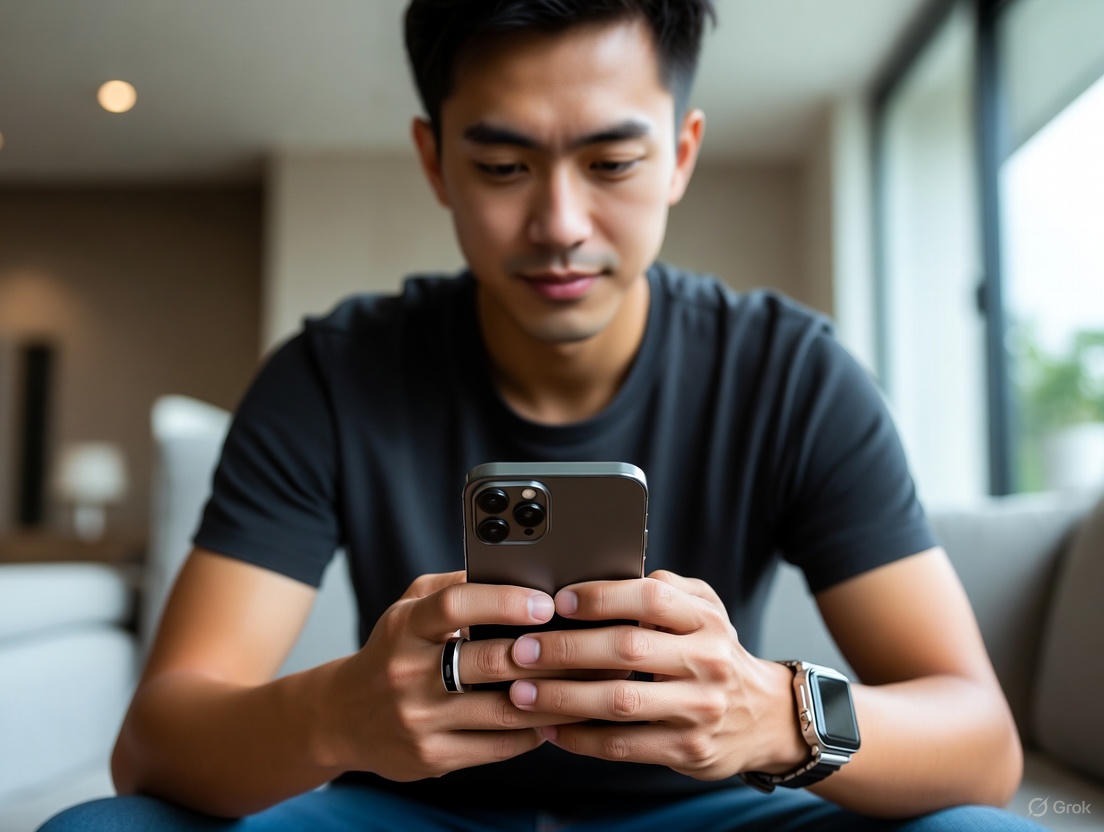
For generations, our primary model for understanding our health has been episodic and clinical. We visit a doctor when we feel unwell, undergo tests that capture a single moment in time, and receive advice based on population-level averages. This model, while invaluable for diagnosing illness, is poorly suited for optimizing wellness. It misses the dynamic, ever-changing nature of the human body—the daily rhythms, the subtle trends, and the personalized responses to diet, stress, sleep, and exercise.
The first wave of digital health tracking brought us step counters and basic heart rate monitors. These were revolutionary in raising awareness but were often limited to single metrics and required manual input. They provided data points, not understanding. The true breakthrough came with the shift to continuous, multi-parametric monitoring. This is the core differentiator of advanced wellness rings.
A modern device like the Oxyzen ring represents the convergence of several technological advancements: miniaturized medical-grade sensors, low-power processing, advanced algorithms, and user-centric design. It rests on the finger—an ideal location with rich vascular access—gathering data passively and perpetually. This continuous stream creates a baseline unique to you. It knows your normal resting heart rate, your typical sleep patterns, and your personal stress thresholds. With this baseline established, the ring can detect meaningful deviations, offering insights that are profoundly contextual.
This evolution means health is no longer a mystery punctuated by occasional check-ups. It becomes a living, breathing dataset that you can engage with daily. The ring transforms intangible feelings of fatigue, stress, or poor recovery into tangible, objective metrics. This empowers a shift from guessing to knowing, from generic advice to personalized strategy. For a deeper look at the technology that makes this possible, learn more about how Oxyzen works.
Beneath the sleek, often titanium exterior of a wellness ring lies a compact laboratory of advanced sensors. Understanding what these sensors measure and, more importantly, how the data is interpreted, is key to appreciating the device's power. This isn't just about collecting numbers; it’s about translating physiological signals into health intelligence.
The primary workhorse is the Photoplethysmography (PPG) sensor. This green LED light illuminates the capillaries in your finger, detecting subtle changes in blood volume with each heartbeat. From this single stream of raw data, sophisticated algorithms extract a wealth of information:
Complementing the PPG sensor is a 3-axis accelerometer. This measures movement and acceleration, allowing the device to distinguish between sleep and wakefulness, identify different sleep stages (by correlating movement with heart rate patterns), and track basic activity levels and periods of rest.
The magic happens in the fusion of these data streams through proprietary algorithms. For instance, sleep staging isn't guessed from movement alone. The algorithm analyzes heart rate dip, HRV patterns, movement, and SpO2 to provide a nuanced picture of your light, deep, and REM sleep cycles. Stress is not a simple heart rate spike; it's interpreted through a combination of HRV, activity level, and sometimes skin temperature. This sensor fusion creates a holistic picture far greater than the sum of its parts.
These algorithms are often built on vast datasets and validated through clinical research, turning raw sensor data into accurate, meaningful health metrics. It’s this intricate dance of hardware and software that transforms a piece of jewelry into a personal health dashboard. If you have specific questions about how these metrics are generated and used, our comprehensive FAQ section provides detailed answers.
The most fundamental cycle your wellness ring optimizes is the circadian rhythm—the natural, internal process that regulates your sleep-wake cycle and repeats roughly every 24 hours. Your ring provides an objective, detailed audit of this cycle, moving beyond "I slept okay" to a data-rich analysis of your night and its impact on your day.
Sleep Analysis goes far beyond duration. A sophisticated ring breaks down your night into:
Upon waking, the ring synthesizes this nocturnal data, along with recent activity and stress trends, to generate a Readiness or Recovery Score. This isn't a arbitrary number; it's a personalized recommendation on how to approach your day. A high score suggests your body is recovered and primed for intense training or high cognitive load. A low score is a clear signal from your body to prioritize rest, gentle movement, and stress management—even if you feel fine subjectively.
This daily feedback loop is transformative. It teaches you to listen to your body's objective signals, helping you avoid the common trap of overtraining or pushing through cumulative fatigue, which can lead to burnout, injury, or illness. By honoring your daily readiness, you build a sustainable foundation for long-term health. For real-world examples of how this impacts daily life, you can read user experiences and testimonials.
If continuous heart rate monitoring gives you the rhythm of your engine, Heart Rate Variability (HRV) gives you a real-time readout of the driver—your autonomic nervous system (ANS). This metric has moved from research labs to the forefront of personalized wellness, and your ring is the perfect device to track it continuously.
HRV measures the tiny, millisecond variations between successive heartbeats. Contrary to intuition, a higher HRV (more variability) is generally a sign of better health, resilience, and fitness. It indicates a balanced ANS that can fluidly switch between the sympathetic "fight or flight" state (which increases heart rate and reduces variability) and the parasympathetic "rest and digest" state (which lowers heart rate and increases variability).
Your wellness ring tracks your HRV throughout the day and night, revealing powerful patterns:
By making your ANS activity visible, HRV transforms abstract concepts of "stress" and "recovery" into a concrete, personal dial you can learn to influence. It empowers you to ask: "What lifestyle choices raise my HRV, and which ones lower it?" This turns health optimization into a personal science experiment. To explore more about how metrics like HRV are applied in daily wellness, our blog features numerous in-depth articles.
While your heart tells one story, your breath tells another. Blood oxygen saturation (SpO2) and respiratory rate are vital signs that have historically been invisible outside of a clinical setting. Your wellness ring brings this monitoring into your daily life, offering critical insights, especially during the vulnerable period of sleep.
SpO2 measures the percentage of hemoglobin in your blood that is carrying oxygen. A normal, healthy reading is typically between 95% and 100%. During sleep, it's normal for this to dip slightly, but significant or frequent drops can be indicative of sleep-disordered breathing, such as sleep apnea. Your ring can track these nocturnal SpO2 trends, flagging potential issues that lead to fragmented sleep, chronic fatigue, and long-term cardiovascular strain. This early awareness can be a crucial prompt to seek professional evaluation.
Respiratory Rate (breaths per minute) is another key metric. An elevated resting or sleeping respiratory rate can be an early sign of various issues, including respiratory infection, anxiety, or cardiac stress. By establishing your personal baseline, your ring can alert you to sustained increases that may warrant attention.
The continuous monitoring of these respiratory metrics completes the picture of your nocturnal health. It answers questions like: "Was my poor sleep quality due to stress, an irregular schedule, or a physical breathing issue?" This data moves sleep tracking from a fitness tool to a genuine wellness and early-awareness system. It empowers you with knowledge about a fundamental physiological process that operates silently in the background of your life.

"Stress" is a ubiquitous but nebulous term. Your wellness ring demystifies it by providing an objective, physiological stress score. This isn't based on your mood journal (though that can be complementary), but on how your body is actually responding to demands.
The stress metric is typically derived from a combination of data, most centrally HRV and heart rate. When your body perceives a stressor—be it psychological (a work deadline), physical (a hard workout), or environmental (lack of sleep)—the sympathetic nervous system activates. This causes a decrease in HRV and an increase in heart rate. Your ring's algorithms detect this pattern and assign a score or level.
The power of continuous tracking is in revealing patterns:
Closely linked to stress is energy expenditure. By combining heart rate data (which correlates with metabolic rate) and accelerometer data, your ring provides an estimate of calories burned throughout the day. More importantly, it segments this into active energy (from exercise and movement) and resting energy (calories burned simply to keep you alive). This helps create a more nuanced view of your metabolic health than diet apps that rely on crude formulas.
Understanding your unique stress and energy patterns allows you to strategically manage your day. You can schedule demanding cognitive work during your predicted high-energy windows and protect time for recovery when your data suggests you need it. It turns daily life from a series of reactive events into a strategically managed portfolio of energy investment.
While dedicated workouts are important, the science is clear: your overall daily movement—your Non-Exercise Activity Thermogenesis (NEAT)—is a massive contributor to long-term metabolic health, weight management, and longevity. A wellness ring excels at encouraging this foundational layer of activity.
Unlike a phone that you can leave on your desk, a ring on your finger captures all your movement. It tracks:
The ring’s continuous nature allows it to remind you to move after a period of inactivity, turning a sedentary workday into a more dynamic one. This is crucial because research shows that even regular exercise does not fully offset the risks of sitting for long, uninterrupted hours.
Furthermore, the ring provides context for your exercise. It can auto-detect workout types (like running, cycling, or strength training) and, when integrated with its recovery metrics, tell you not just how hard you worked, but how well you recovered from that work. This creates a virtuous cycle: you move consistently throughout the day (NEAT), engage in purposeful exercise, and then use your recovery data (sleep, HRV, readiness) to determine the optimal timing and intensity of your next activity session. This holistic view ensures your activity supports your health, rather than undermining it through inadequate recovery.
One of the most advanced features in some wellness rings is continuous skin temperature monitoring. While it doesn't provide a clinical core body temperature reading, tracking the subtle trends in your peripheral skin temperature overnight is incredibly informative.
Your body's core temperature follows a circadian rhythm, dipping to its lowest point during sleep and rising toward morning to help you wake up. This rhythm is governed by your master circadian clock and is finely tuned. Deviations in your personal nightly temperature trend can signal important changes:
This biometric turns your ring into a subtle early-warning system and a powerful tool for understanding your unique hormonal cycle. It adds another layer of context to other metrics—for example, a drop in HRV combined with a rising temperature trend is a strong signal to prioritize rest. Understanding these interconnected signals is key to the Oxyzen philosophy of holistic health, a principle detailed in our company mission and values.
This is the most critical, yet often overlooked, superpower of continuous monitoring: the establishment of your personal baseline. Health is not a universal number. A "good" resting heart rate for one person might be a sign of concern for another. Your wellness ring doesn't just throw numbers at you; it interprets them through the lens of your normal.
During the first few weeks of wear, the device is quietly learning. It calculates your average resting heart rate, your typical HRV range, your normal sleep duration and efficiency, and your daily activity patterns. It learns the unique rhythm of your life.
Once this baseline is established, the ring becomes exceptionally intelligent. It can detect:
This personalization is what separates a wellness ring from generic health advice. It moves you from asking "Is this number good?" to asking "What does this change in my numbers mean?" This self-referential framework is the foundation of truly personalized health optimization. For more on how to interpret your personal data journey, our blog offers guides and expert insights.
Raw data, in isolation, can be overwhelming or meaningless. The true genius of a system like Oxyzen lies in data integration—the sophisticated synthesis of all these parallel streams (heart, movement, oxygen, temperature) into a coherent, actionable story.
Your companion app is not just a list of metrics; it's a Holistic Health Dashboard. It correlates your sleep score with your next-day stress levels. It overlays your workout intensity with your subsequent recovery metrics. It shows you how a period of high work stress might be impacting your deep sleep. This cross-talk between systems is where profound insights are born.
For example:
This integrated dashboard turns you into the CEO of your own health. You have a unified command center to review the performance of all your "biological departments." You can identify cause-and-effect relationships in your own life, test hypotheses, and make informed adjustments. It transforms self-care from a collection of disjointed habits (sleep, diet, exercise) into a synchronized, data-informed strategy. To see this integration in action and explore the full capabilities, discover the Oxyzen platform.
Data without action is merely trivia. The ultimate purpose of your wellness ring is to close the Personalized Feedback Loop: Measure → Understand → Act → Re-measure. This loop turns passive tracking into active optimization.
1. Measure (The Ring's Role): The ring passively and continuously gathers all the biometric data we've discussed, establishing your baseline and detecting deviations.
2. Understand (The App & Your Role): The app synthesizes the data, presenting trends, correlations, and scores (Readiness, Sleep, Stress). Your role here is to practice "data mindfulness"—observing without judgment, looking for patterns, and forming hypotheses. ("My sleep suffers when I work past 8 PM." "My HRV is highest on days I meditate.")
3. Act (Your Role): This is the intervention phase. Based on your understanding, you make a deliberate, small change to your behavior. This is not about drastic overhauls but about micro-optimizations. Examples:
4. Re-measure (The Ring's Role): The ring immediately begins measuring the impact of your action. Did the meditation lower your stress score? Did the earlier wind-down improve your deep sleep percentage? Did taking a rest day bring your HRV back up?
This loop, iterated daily, creates a powerful form of biofeedback. You learn what truly works for your unique biology. It replaces dogma ("you must get 8 hours of sleep") with personalized truth ("I need at least 90 minutes of deep sleep to feel recovered, which for me requires a 10 PM bedtime and a cool room").
The ring provides the objective, non-judgmental feedback necessary to make this loop effective. It removes guesswork and emotional bias, empowering you to make incremental, evidence-based changes that compound into transformative health results over time. This journey from data to daily living is what we are passionate about at Oxyzen, and you can read about the real-world impact from our community.
The most profound potential of continuous biometric monitoring lies in its predictive capacity. By establishing a deeply personal, multi-parameter baseline, your wellness ring becomes a sensitive early warning system, capable of detecting deviations that often precede noticeable symptoms. This shifts the health paradigm from diagnostic (reacting to illness) to predictive and preventive (avoiding illness).
Your body doesn't get sick suddenly. It sends subtle, physiological signals in the days leading up to a manifest event. Traditional healthcare often misses these whispers, but your ring hears them. Key predictive indicators include:
The Actionable Insight: When your dashboard shows two or more of these red flags converging—e.g., elevated RHR, depressed HRV, and poor sleep—it’s your body’s equivalent of a "check engine" light. This isn't a cue for anxiety, but for proactive intervention. You can immediately deploy your wellness toolkit: prioritize sleep, hydrate aggressively, reduce training intensity, consume nutrient-dense foods, and perhaps even use mindfulness to lower stress chemicals. In many cases, this early intervention can help you mitigate the severity of an illness or avoid it altogether. This predictive power transforms you from a passive patient into an active guardian of your own health. For a deeper understanding of the science behind these predictive biomarkers, our FAQ section delves into the research.

We touched on sleep analysis earlier, but its role is so central to continuous optimization that it demands a dedicated exploration of strategy. Your ring provides the diagnostic map; the action plan turns that map into a transformed landscape of rest. Optimizing sleep is not about a single "hack"; it's about aligning your daily behaviors with your nocturnal physiology.
Beyond Duration: The Quality Imperative
Your ring’s detailed breakdown allows you to target specific phases of sleep:
The Wind-Down Protocol: Data-Informed Relaxation
Your ring can show you exactly how long it takes you to fall asleep (sleep latency). Use this data to craft a personalized wind-down ritual. If your latency is 45 minutes, your "ritual" should begin an hour before bed. This might include dimming lights, using blue-light blockers, gentle stretching, reading a physical book, or practicing breathing exercises—all while tracking how these changes improve your latency and sleep efficiency score.
Daytime Behaviors That Dictate Nighttime Sleep
Continuous monitoring reveals powerful daytime levers:
By treating sleep as a measurable skill and using your ring’s feedback, you systematically engineer the conditions for perfect recovery. The result is not just feeling less tired, but enhancing cognitive function, emotional stability, and metabolic health every single day. This holistic approach to wellness through data is central to the philosophy you can read about in our company story.
For the fitness enthusiast or dedicated athlete, the wellness ring transitions from a health monitor to an essential performance optimization tool. It replaces the outdated "no pain, no gain" mentality with a precise, biologically-informed training methodology. The goal shifts from merely logging workouts to ensuring each session contributes positively to your adaptive reserve.
Personalized Periodization Based on Readiness
The daily Readiness/Recovery Score is your pre-workout green light, yellow light, or red light.
This dynamic approach prevents the common pitfall of sticking rigidly to a weekly plan while ignoring your body's actual state. It allows for autoregulation—letting your physiology dictate the training load.
Quantifying the Training Effect & Tracking Overtraining
Your ring measures the input (the workout's strain on your body) and the outcome (your recovery).
By comparing these, you can see if you are adapting positively (workout strain followed by full recovery and a super-compensation, often seen with a gradual rise in baseline HRV) or digging a hole (workout strain followed by failed recovery, seen as a plummeting HRV and rising RHR over days). This is the ultimate safeguard against overtraining syndrome.
Optimizing Taper & Competition Timing
For event preparation, your ring data is invaluable. During a taper, you can objectively confirm that your body is recovering: HRV should trend upward, RHR downward, and sleep quality should peak. Walking into race day, you have quantitative proof that you are physically and physiologically ready to perform. The confidence from this data can be as powerful as the physical taper itself. To see how real users have applied this to their training, explore the experiences shared in our testimonials.
In our always-on culture, stress is inevitable. The goal of health optimization is not to eliminate stress, but to build resilience—the ability to encounter stress, respond effectively, and return to baseline quickly. Your wellness ring provides the mirror to see your stress response in real-time and the tools to actively manage it.
Mapping Your Stress Landscape
The continuous stress graph reveals not just spikes, but patterns:
Biofeedback for Nervous System Training
This is where the ring becomes an active training device. You can use it for biofeedback sessions:
Lifestyle Design for Lower Allostatic Load
Use long-term trend data to redesign your life for lower stress. If your data shows Tuesday afternoons are consistently a stress peak, you can:
By objectively identifying stressors and quantifying the effectiveness of your management techniques, you move from feeling vaguely "stressed out" to strategically managing your nervous system load. This leads to not just better health metrics, but greater calm, focus, and emotional stability in daily life.
While a wellness ring doesn't track calories or macros, it provides something arguably more valuable: objective feedback on how your body responds to what you eat. It turns nutrition into a personal n=1 experiment.
The Postprandial Response
Monitor your stress score and heart rate for 2-3 hours after meals.
Digestion & Sleep Connection
Your sleep data is a profound report card on your evening nutrition.
Hydration Status
Dehydration has a direct and measurable impact on your physiology. Even mild dehydration can cause:
Individual Food Sensitivities
For those exploring elimination diets (e.g., for gluten, dairy), the ring provides unbiased data. You can track HRV, RHR, and sleep quality as you reintroduce foods. A negative reaction often shows up as increased inflammation (elevated RHR), stress (lowered HRV), or disrupted sleep, providing clear feedback to guide your personal nutrition plan. This journey of discovery through data is a topic we often explore; you can find related nutritional insights on our blog.
For women, the monthly hormonal cycle is not a bug in the system; it's a fundamental feature. A wellness ring, particularly one with skin temperature tracking, provides an unprecedented tool for cycle syncing—aligning lifestyle, diet, and training with the natural ebb and flow of estrogen and progesterone. This transforms the cycle from a source of symptoms into a blueprint for optimization.
Mapping the Phases with Biometrics:
Actionable Cycle-Aware Planning:
Using this data, a woman can plan her month strategically:
This application turns women's health from a marginalized afterthought in fitness tech into a sophisticated, personalized science, empowering women to work with their biology, not against it.
The ultimate goal of daily health optimization is not just feeling good today, but building a foundation for a long, vibrant, and healthy life—a concept known as healthspan. Your wellness ring tracks several key biomarkers that are strongly correlated with longevity and biological age.
HRV as a Longevity Metric: Heart Rate Variability is perhaps the single best autonomic biomarker of aging. HRV naturally declines with age, but a higher HRV for your age cohort is associated with better cardiovascular health, resilience, and even cognitive function. By using lifestyle interventions (exercise, stress management, nutrition) to maintain or improve your HRV trend over years, you are directly investing in your longevity portfolio.
Resting Heart Rate (RHR) and Cardiovascular Health: A lower RHR (within a healthy, personal range) typically indicates greater cardiovascular efficiency and parasympathetic tone. Tracking this over time provides a simple, powerful gauge of your heart's fitness.
Sleep Consistency & Deep Sleep Preservation: The quality and architecture of sleep change with age, with deep sleep often decreasing. Actively preserving deep sleep through the strategies outlined earlier is a direct assault on one of the primary markers of biological aging. Consistent, high-quality sleep is non-negotiable for cellular repair, metabolic health, and cognitive preservation.
Recovery Efficiency: How quickly you return to baseline after a stressor (physical, mental, or immunological) is a hallmark of a robust system. Your ring quantifies this recovery speed. By improving it through training and lifestyle, you enhance your system's resilience—the very definition of aging well.
The Long-Term Trend View:
The real power for longevity tracking is in the trend lines over months and years. The daily and weekly fluctuations matter less than the directional movement of your key baselines. Is your average nighttime HRV gently rising year-over-year due to consistent training and good sleep? That's a fantastic sign. Is your deep sleep percentage holding steady despite getting older? That's a victory.
By making these biomarkers visible, the wellness ring turns the abstract concept of "healthy aging" into a tangible, manageable project. It provides the feedback necessary to calibrate your lifestyle choices for the long game, ensuring that your daily actions are consciously building a healthier future. This mission of empowering long-term vitality is at the heart of our company's purpose.
The true potential of your ring’s data is unlocked when it is not a siloed island of information, but part of a connected digital health ecosystem. Integration amplifies its power exponentially.
Syncing with Fitness Apps (Strava, Apple Health, Google Fit):
This allows for a unified activity profile. Your ring provides the 24/7 physiological context (recovery, sleep, stress), while your running watch or gym app provides the detailed workout metrics (pace, power, reps). Viewed together, you can answer: "How did my 10K time correlate with my sleep quality and readiness score for the past week?"
Potential for Healthcare Provider Integration:
The future of personalized medicine involves sharing longitudinal patient-generated health data (PGHD) with clinicians. Imagine sharing a 3-month trend report of your sleep, HRV, and SpO2 with your doctor before an appointment regarding fatigue. This provides objective, rich data far beyond "I'm tired." It can help differentiate between potential causes like sleep apnea, overtraining, or thyroid issues, leading to more efficient and accurate care.
Lifestyle App Connectivity:
Integration with meditation apps (like Calm, Headspace), nutrition trackers (like MyFitnessPal), or even your calendar can reveal profound insights. You could see the direct HRV impact of a 10-minute meditation session or correlate a week of poor nutrition logging with a dip in recovery scores.
The Central Hub:
Your wellness ring, due to its continuous, biometric nature, becomes the central hub of this ecosystem. It is the source of truth for your body's state, providing the context that makes data from other apps meaningful. This cohesive picture turns fragmented digital health tools into a unified command center for your well-being. To explore how Oxyzen fits into and enhances your personal ecosystem, you can discover more on our main platform page.
With great data comes great responsibility. A common pitfall is analysis paralysis—becoming overwhelmed or anxious by the constant stream of numbers. The goal of optimization is empowerment, not obsession. Here’s how to use your ring sustainably:
Focus on Trends, Not Single Data Points: Never stress over one night of poor sleep or one low HRV reading. Biology is noisy. Look at the 7-day and 30-day rolling averages. What is the direction of the trend? This provides perspective and reduces daily anxiety.
Let the Composite Scores Guide You: Use the high-level scores (Readiness, Sleep, Stress) as your primary daily guides. They are designed to synthesize complexity into simple, actionable feedback. Dive into the granular data (HRV, RHR, sleep stages) only when you need to diagnose why a score is what it is.
Set 1-2 Micro-Goals at a Time: Don't try to optimize sleep, training, stress, and nutrition simultaneously. Based on your trends, choose one area. For two weeks, focus solely on improving sleep latency by 10 minutes. Use the ring to measure your success. Then move to the next goal. This creates a series of small wins.
Embrace Non-Linear Progress: Health optimization is a journey of peaks and valleys. There will be weeks of fantastic data and weeks of backslides due to travel, illness, or life events. The ring helps you navigate these valleys with awareness and return to your positive trends more quickly.
Remember the Human Element: The data is a tool to connect you more deeply to your body's intuition, not replace it. If your readiness score is high but you feel exhausted, rest. The data is a guide, not a tyrant. The ultimate metric is how you feel living your life.
By adopting this mindful, trend-focused, goal-oriented approach, you build a sustainable, lifelong partnership with your data. It becomes a quiet coach in the background, enabling continuous optimization without burnout. This balanced philosophy is central to the user experience we strive to create, as reflected in the real stories from our community.
The wellness ring of today is a remarkable achievement, but it is merely the progenitor of a new generation of health technology. The frontier is moving from descriptive analytics (what happened) to predictive and prescriptive analytics (what will happen and what to do about it). The convergence of continuous biometrics, artificial intelligence (AI), and advanced sensor technology points to a future where your wearable becomes a true health guardian.
Advanced Multi-Sensor Integration: Future iterations will likely incorporate a wider array of non-invasive sensors. We may see:
AI-Powered Personal Health Models: The next leap will be the development of your Personal Digital Twin—an AI model trained on your unique, longitudinal dataset. This model won't just track; it will learn the complex, nonlinear interactions between your sleep, nutrition, stress, and genetics. It could:
Seamless Proactive Intervention: The feedback loop will tighten and become more automated. Imagine your ring detecting a stress spike during a work meeting and subtly vibrating to cue a breathing exercise, or detecting a significant nocturnal SpO2 drop and suggesting a specific type of follow-up with a telehealth professional. The device will move from a passive monitor to an active, context-aware health partner.
This future is not about replacing healthcare professionals, but about creating a rich, continuous stream of objective data that empowers both the individual and their care team. It promises a shift from episodic, symptom-driven care to continuous, data-driven health stewardship. The foundational work we do today with current technology is building the dataset and the behavioral framework for this intelligent future. You can learn more about our vision for this future in the story of our mission and development.

As we welcome devices that generate the most intimate portrait of our physiology ever conceivable—a portrait of our subconscious nervous system, our vulnerabilities, our nightly struggles—we must confront critical questions of data sovereignty, privacy, and ethical use. This biometric data is not akin to a step count; it is profoundly personal health information.
The Sacredness of Biometric Data: Your sleep architecture, stress patterns, and HRV trends reveal more about your internal state than a social media feed ever could. This data can indicate mental health struggles, potential illness, and personal habits. Protecting this data is paramount. Users must prioritize companies that employ end-to-end encryption, where data is encrypted on the device and remains encrypted during transmission and storage, readable only by you.
Transparency and User Control: A trustworthy provider must be transparent about:
The Ethical Imperative for Companies: For companies like Oxyzen, the ethical mandate is clear. This data is a privilege to handle, not an asset to exploit. Policies must be designed with a "privacy-first" and "user-benefit-first" architecture. The primary business model should be providing value to the user through insights and a superior product, not monetizing user data. Furthermore, algorithms must be built and audited to avoid bias and ensure they provide safe, responsible recommendations.
Navigating the Social and Psychological Landscape: On a personal level, we must also navigate the ethics of self-quantification. It is unethical to use this data to berate oneself for a "poor" sleep score or to fuel orthorexic or compulsive behaviors. The data should be used with self-compassion, as a guide for support, not as a report card for self-worth. The goal is enlightenment, not punishment.
As users, we must be informed digital citizens. We should read privacy policies, understand data flows, and support companies that align with these ethical principles. Our health data is the final frontier of personal privacy, and its protection is non-negotiable. We are committed to this standard, and you can review our approach in detail on our platform's privacy and security pages.
While the journey of health optimization is deeply personal, it need not be solitary. One of the most powerful yet underutilized aspects of modern wellness technology is its ability to foster connected, informed communities—not for comparison, but for shared learning and support.
From Isolated Data to Collective Wisdom: When individuals come together to share their n=1 experiments—how a certain supplement affected their HRV, how a particular bedtime routine improved deep sleep, how they navigated a health challenge using their data—they create a repository of practical, real-world knowledge. This collective wisdom is far more nuanced and actionable than generic health advice. A company's blog or forum can be a hub for these shared stories, like the experiences you can find in our user testimonials section.
Support for Specific Goals and Challenges: Communities can form around specific use cases: athletes training for an event, individuals managing a chronic condition like POTS or Long COVID, women navigating perimenopause, or shift workers fighting for quality sleep. In these groups, the shared language of biometrics (HRV, RHR, sleep stages) allows for precise communication and targeted support. "My HRV dropped 20% after my second vaccine dose and took 5 days to recover," is a statement that provides immediate context and reassurance to others.
The Role of Coaches and Professionals: This data-rich environment also elevates the practice of health coaches, nutritionists, and therapists. A client can share relevant, objective trends with their professional, moving conversations from "I feel tired" to "My sleep efficiency has been below 80% for two weeks, and my nighttime HRV is on a downward trend." This allows for more precise, collaborative problem-solving and accountability.
Mitigating the Pitfalls of Comparison: A strong community ethos must actively discourage toxic comparison. Your baseline is your own. A community should celebrate personal progress and resilience, not absolute numbers. The focus is on sharing strategies and fostering encouragement, not leaderboards.
By tapping into community, you move beyond the limits of your own experience. You gain access to a wider range of hypotheses, solutions, and moral support, making the path of continuous optimization less daunting and more enriching. It transforms the pursuit of health from a private struggle into a shared human endeavor.
After this exhaustive journey through technology, physiology, and application, we arrive at a central, unifying principle: the consistent use of a wellness ring can act as a "keystone habit." As coined by Charles Duhigg, a keystone habit is a small change or routine that unintentionally carries over into other areas of life, sparking a chain reaction of positive behaviors.
How the Ring Functions as a Keystone Habit:
The Ripple Effects: This keystone habit doesn't just optimize biometrics; it restructures your life.
The ring becomes the focal point that aligns your daily choices with your long-term health goals. It is the tool that turns vague intention into disciplined, informed action. This synthesis of intention, data, and action is the core of what it means to live an optimized life.
We began this exploration with a vision: a health companion that never sleeps, deciphering the whispers of your body to enable continuous optimization. We have traversed the landscape of sensors and algorithms, delved into the rhythms of sleep and stress, and applied this knowledge to training, nutrition, and longevity. We have peered into the future and grounded ourselves in the ethics of this intimate journey.
The ultimate value of your wellness ring is not in the terabytes of data it collects, but in the wisdom it helps you cultivate. Data is inert; wisdom is alive. Wisdom is the ability to discern the meaningful signal from the daily noise. It is the self-knowledge to understand that a low readiness score is an invitation to self-care, not a failure. It is the resilience to see a downward trend and respond with curiosity and strategy, not anxiety.
This device empowers you to become the author of your own health narrative. No longer are you reliant solely on annual snapshots and generic advice. You have a continuous, personal dialogue with your own physiology. You are equipped to make micro-adjustments that compound into macro transformations. You are building not just a healthier body, but a more mindful, intentional, and resilient life.
The path of continuous optimization is a lifelong practice of learning, adapting, and growing. It is a commitment to showing up for yourself every day, armed with knowledge and guided by your own unique data. Your wellness ring is the compass on that journey—a tool of unparalleled insight that, when used with intention and balance, can guide you toward your fullest potential for health and vitality.
We are honored to be part of this journey with you. To begin or deepen your own path of continuous optimization, discover how Oxyzen is designed to be your guide.
Your Trusted Sleep Advocate: Sleep Foundation — https://www.sleepfoundation.org
Discover a digital archive of scholarly articles: NIH — https://www.ncbi.nlm.nih.gov/
39 million citations for biomedical literature :PubMed — https://pubmed.ncbi.nlm.nih.gov/
Experts at Harvard Health Publishing covering a variety of health topics — https://www.health.harvard.edu/blog/
Every life deserves world class care :Cleveland Clinic - https://my.clevelandclinic.org/health
Wearable technology and the future of predictive health monitoring :MIT Technology Review — https://www.technologyreview.com/
Dedicated to the well-being of all people and guided by science :World Health Organization — https://www.who.int/news-room/
Psychological science and knowledge to benefit society and improve lives. :APA — https://www.apa.org/monitor/
Cutting-edge insights on human longevity and peak performance:
Lifespan Research — https://www.lifespan.io/
Global authority on exercise physiology, sports performance, and human recovery:
American College of Sports Medicine — https://www.acsm.org/
Neuroscience-driven guidance for better focus, sleep, and mental clarity:
Stanford Human Performance Lab — https://humanperformance.stanford.edu/
Evidence-based psychology and mind–body wellness resources:
Mayo Clinic — https://www.mayoclinic.org/healthy-lifestyle/
Data-backed research on emotional wellbeing, stress biology, and resilience:
American Institute of Stress — https://www.stress.org/


