
The End of Generic Health Advice: How Your Wellness Ring Becomes Your Personal Health AI

For decades, the pursuit of better health has been a journey of averages and approximations. We’ve been told to aim for 10,000 steps—a figure born from a 1960s Japanese marketing campaign, not clinical research. We’ve been advised to get 8 hours of sleep, ignoring the genetic variations that make some of us thrive on seven and others need nine. We’ve followed one-size-fits-all nutrition plans, only to watch them work miracles for a friend and fail utterly for ourselves. This paradigm of generic health advice is crumbling, and in its place, a new era of hyper-personalized, data-driven wellness is dawning—and it’s happening on your finger.

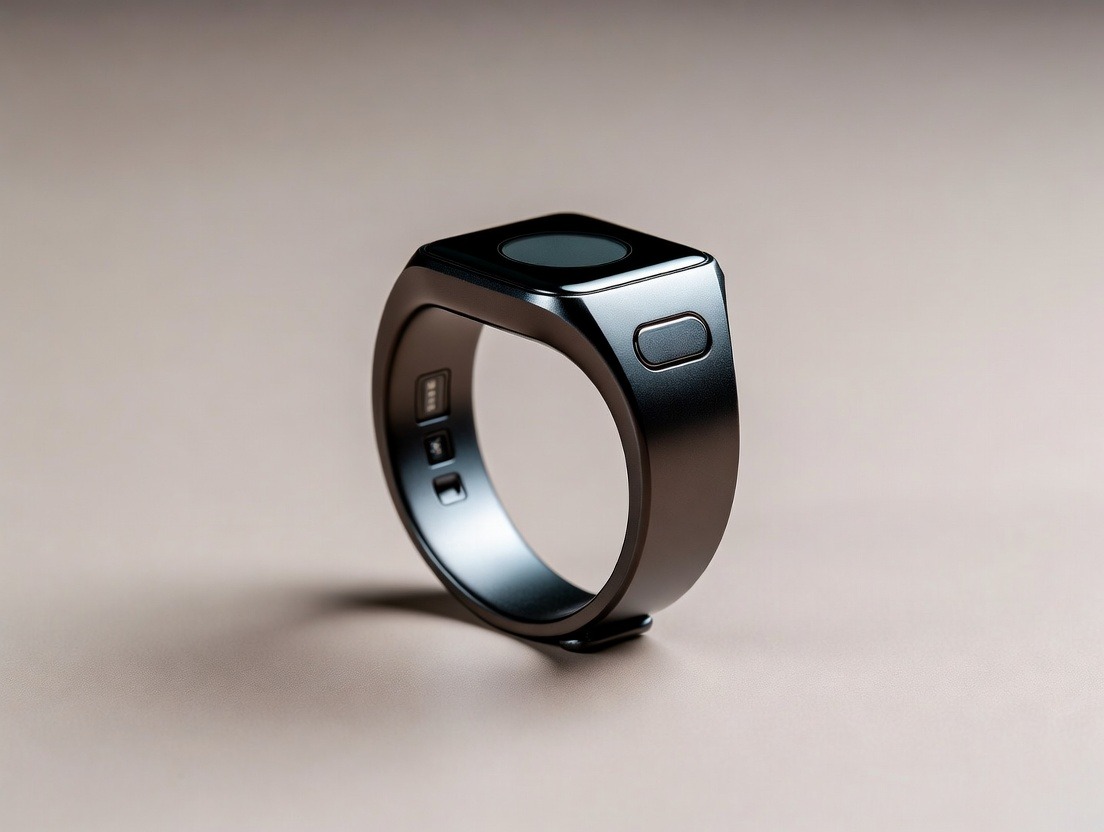
The modern wellness ring is no mere step counter or sleep tracker. It is a biocompatible, sensor-packed personal research lab that operates 24/7, gathering a continuous, multidimensional stream of data unique to you. It moves beyond monitoring and into the realm of understanding, correlation, and personalization. This article delves deep into the sophisticated technology and complex algorithms that transform this silent stream of data—your heart’s rhythms, your body’s temperature fluctuations, your movement patterns, and your nervous system’s whispers—into actionable, profoundly personal health recommendations. This is the story of how a device learns the unique language of your body to become your most trusted health ally. To see how this technology is brought to life, you can discover the vision behind Oxyzen.
The Foundation: Beyond Steps and Sleep—What Data Does a Wellness Ring Really Collect?

To understand personalization, we must first appreciate the sheer depth and nuance of the data being collected. Early wearables gave us a superficial glance at our activity. The modern wellness ring conducts a symphony of physiological measurements.

Core Biometric Signals:

  • Heart Rate (HR) & Heart Rate Variability (HRV): This is the cornerstone of physiological insight. While heart rate tells you how fast your engine is running, HRV—the millisecond variations between beats—reveals how well your autonomic nervous system (ANS) is balanced. It’s a direct window into your stress resilience, recovery status, and overall nervous system health. A high HRV typically indicates good adaptability and recovery, while a low HRV can signal stress, fatigue, or illness.
  • Skin Temperature & Body Temperature Trends: Continuous wrist or finger temperature monitoring is a game-changer. It’s not about a single reading but tracking the circadian rhythm of your temperature. A detectable shift in your baseline temperature trend is one of the earliest and most reliable indicators of oncoming illness, inflammation, or, for women, ovulation and cycle phase changes.
  • Blood Oxygen Saturation (SpO2): Measured via photoplethysmography (PPG) sensors, nocturnal SpO2 monitoring can reveal sleep disturbances like sleep apnea. Daytime drops can also indicate respiratory issues or acute illness.
  • Movement & Inertial Data: This goes far beyond step counts. A precision accelerometer and gyroscope detect the intensity, duration, and patterns of movement. Crucially, they analyze periods of stillness to measure true rest and identify subtle restless movements during sleep that impact quality.

The Derived Metrics: The Real Insights
The raw data is just the beginning. The magic happens when these signals are fused and processed by advanced algorithms to create derived metrics that paint a holistic picture of your health.

  • Sleep Architecture: The ring doesn’t just track "sleep." It maps your sleep stages—light, deep, and REM—throughout the night. It calculates your sleep latency (how long it takes to fall asleep), sleep efficiency (percentage of time in bed actually asleep), and wake-after-sleep-onset (WASO) events. This detailed breakdown is essential for personalized sleep advice.
  • Recovery & Readiness Scores: By synthesizing overnight HRV, resting heart rate (RHR), sleep data, and temperature, the ring generates a daily "readiness" or "recovery" score. This is your body’s objective report card, telling you whether you’re primed for intense exertion or in need of a restorative day.
  • Stress Monitoring: By analyzing acute changes in HRV and heart rate in response to events (both physical and mental), the ring can identify periods of high stress. Over time, it learns your personal stress patterns and physiological responses.
  • Activity & Caloric Burn: Using your personal physiological data (like heart rate) combined with movement, it provides a far more accurate estimate of active calorie expenditure than a simple step-based formula.

This rich, multi-layered data tapestry forms the immutable foundation for all personalization. It is your body’s unique digital fingerprint. For a deeper dive into the specific technology that enables this, our FAQ page breaks down the science.

The Algorithmic Brain: How Machine Learning Transforms Data Into Understanding

Collecting data is one thing. Making sense of it is another. This is where machine learning (ML) and artificial intelligence (AI) move the ring from a data logger to an intelligent advisor. The process is layered and iterative.

1. Baseline Establishment: Learning Your Normal
During an initial setup period (typically 7-14 days), the ring’s algorithms are not giving advice. They are in observation mode, learning your unique baselines. What is your normal resting heart rate? What does your optimal HRV look like? What is your typical sleep duration and temperature curve? This phase is critical because there is no universal "good" score—only what is good for you. The system builds a personalized model of your physiology at rest.

2. Pattern Recognition & Correlation
Once your baseline is established, the ML models begin their real work: detecting deviations and finding correlations. This happens on two levels:

  • Intra-day Patterns: Does your heart rate spike every day at 3 PM? Does your HRV dip sharply after your morning coffee? Does your sleep quality suffer on days you work late? The algorithm correlates physiological events with timestamps and your logged activities (if you provide them).
  • Longitudinal Trends: Over weeks and months, the system looks for slower-moving trends. Is your resting heart rate creeping up over six weeks? Is your deep sleep percentage in a steady decline? Is your temperature baseline shifting? These trends are powerful indicators of lifestyle impacts, training overload, or underlying health shifts.

3. Predictive Analytics & Proactive Insights
The most advanced systems use historical data to make predictions. By analyzing your past responses, the algorithm can begin to forecast outcomes. For example, if you have 20 historical data points showing that a combination of late alcohol consumption and high daytime stress leads to poor sleep, it can proactively flag that risk when the pattern emerges again. It shifts from telling you what happened to warning you what might happen based on your personal history.

This continuous loop of data ingestion, pattern recognition, and model refinement is the "brain" of the operation. It’s what allows the ring to move from saying "You slept 6 hours" to "Your sleep was 22% less restorative than your baseline, likely due to the late dinner and elevated evening cortisol suggested by your HRV pattern." For more on the cutting-edge research guiding these algorithms, our team shares ongoing insights on the Oxyzen blog.

Circadian Rhythm Alignment: Tuning Your Life to Your Body's Internal Clock

One of the most powerful applications of continuous biometric data is the ability to map and honor your circadian rhythm—the roughly 24-hour internal clock governing almost every physiological process, from hormone release to digestion to cognitive function. Your wellness ring acts as an objective circadian cartographer.

Mapping Your Unique Chronobiology:
The ring uses three primary signals to chart your rhythm in real-time:

  1. Core Body Temperature Rhythm: Your temperature naturally dips to its lowest point during late sleep and rises to a peak in the late afternoon. The ring’s continuous temperature tracking plots this wave with precision.
  2. Heart Rate & HRV Rhythm: Your resting heart rate is typically lowest during sleep and rises throughout the day, while HRV follows an inverse pattern. Deviations from your personal norm are telling.
  3. Activity & Sleep Patterns: Your natural periods of movement and rest reinforce the clock.

Personalized Recommendations from Circadian Data:
With this map, the ring can offer advice timed to your biology, not the clock on the wall.

  • Optimal Workout Windows: It can identify when your body is primed for high-intensity performance (often aligned with your peak temperature and cortisol rhythm) and when to focus on recovery or light activity.
  • Cognitive Work Scheduling: It can suggest when to tackle demanding, focused work (often during rising temperature phases) and when to shift to administrative tasks.
  • Meal Timing Insights: Emerging research links meal timing to circadian health. The ring might notice that late meals consistently disrupt your temperature recovery and sleep, prompting a suggestion to shift dinner earlier.
  • Wind-Down Guidance: By tracking how quickly your body temperature drops and heart rate decreases in the evening, it can personalize your bedtime routine, suggesting when to start dimming lights based on your physiology, not a generic "1 hour before bed" rule.

This alignment is a profound shift from fighting your body’s natural rhythms to flowing with them, unlocking better energy, sleep, and metabolic health. It’s a cornerstone of the personalized wellness philosophy you can learn more about at Oxyzen.
Sleep Personalization: Crafting Your Perfect Night, Every Night

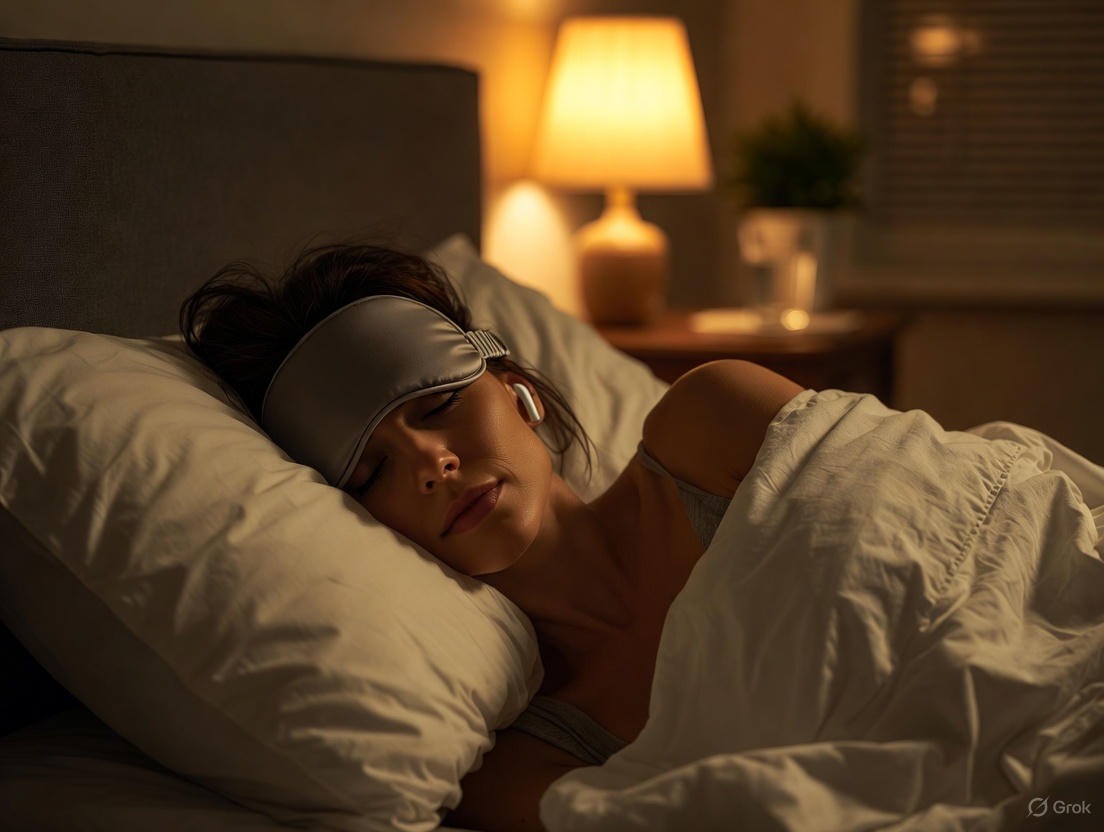
Generic sleep advice is notoriously frustrating. "Sleep more" is useless if you don’t know why you’re sleeping poorly. Your wellness ring deconstructs your sleep into actionable components and provides feedback looped to your daily life.

Beyond Duration: The Quality Quadrants
The ring personalizes by focusing on the pillars of sleep quality:

  • Sleep Latency: If your data shows you consistently take over 30 minutes to fall asleep, recommendations will focus on your evening routine—suggesting earlier caffeine curfews, tailored wind-down practices, or adjustments to evening light exposure.
  • Sleep Maintenance: If you struggle with frequent awakenings (high WASO), the investigation turns to lifestyle factors that fragment sleep: alcohol consumption (which the ring can often infer from temperature and HRV disruptions), late meals, room temperature, or untreated sleep disorders like apnea (flagged via SpO2 drops).
  • Sleep Architecture: The balance of light, deep, and REM sleep is crucial. If your deep sleep is consistently low, recommendations may focus on increasing daytime physical activity or managing afternoon stress. If REM sleep is suppressed, it may look at factors like alcohol or certain medications.

The Day-Before Dashboard:
The most sophisticated sleep personalization is predictive and proactive. By analyzing your daytime data—stress, activity, recovery score—the ring can provide a "Sleep Forecast" by the afternoon. It might say: "Your high stress load and intense workout today may impact sleep depth. Consider a 20-minute mindfulness session and a magnesium-rich dinner to support recovery." This transforms sleep from a passive outcome to an active, daily practice you can optimize.

Real people are experiencing these transformations daily. As one user shared on our testimonials page, "The ring showed me that my 'healthy' evening glass of wine was destroying my deep sleep. I shifted it to weekends only and it was like gaining a superpower."

Stress & Recovery Mapping: Building Your Personal Resilience Profile

Stress is not inherently bad; it’s your body’s response to any demand. The problem is chronic, unmanaged stress without adequate recovery. Your wellness ring quantifies both sides of this equation, creating a personal resilience profile.

Objective Stress Detection:
Unlike journaling (which relies on subjective feeling), the ring detects physiological stress through:

  • Acute HRV Suppression: A sudden, significant drop in HRV is a hallmark of a stress response, whether from an emotional conversation, a work deadline, or a hard workout.
  • Heart Rate Elevation unrelated to physical movement.
  • Increased Restlessness detected by the motion sensors.

The key insight here is context. The ring learns what triggers your stress response. Does your HRV plummet during your weekly team meeting? Does your heart rate stay elevated for hours after a family phone call?

Quantifying Recovery: The True Antidote
Recovery is the process of returning to baseline. The ring measures this through:

  • Nocturnal Recovery: How well do your HRV and resting heart rate recover during sleep? This is your most important recovery phase.
  • Daytime Recovery: Are you able to return to physiological baseline between stressors?

Personalized Resilience-Building Recommendations:
Based on your unique stress patterns and recovery capacity, advice becomes highly targeted.

  • For the user with high work stress and poor daytime recovery, the ring might prioritize micro-breaks and diaphragmatic breathing exercises.
  • For the athlete, it might correlate tough training sessions with prolonged recovery times, suggesting adjustments to workout intensity or focusing on post-workout nutrition and hydration.
  • It can even identify effective interventions: "Your 10-minute meditation session at 2 PM correlated with a 15% faster HRV recovery. Try this after high-stress events."

This continuous mapping teaches you not just to manage stress, but to build a more resilient system, informed by your body’s direct feedback. For strategies on integrating these insights, explore our curated blog resources.

Activity & Fitness Optimization: Your Body as Your Coach

The era of blindly following a pre-packaged training plan is over. Your wellness ring enables a dynamic, responsive approach to fitness where your daily physiological readiness dictates the plan.

Readiness-Based Training:
Your morning recovery score is the ultimate gatekeeper for your workout. This isn't about being lazy; it's about training smart to avoid overtraining, injury, and burnout.

  • High Readiness Score: Your body signals it’s primed. The recommendation might be: "Go for that new personal record. Your nervous system is recovered and adaptive."
  • Moderate/Low Readiness Score: The advice shifts. "Your system is still recovering. Focus on light cardio, mobility, or active recovery today. Pushing hard now may set you back."

Personalized Cardio Zones:
Forget age-based formulas (220 - age). Your ring uses your measured resting heart rate and historical maximum heart rate data (from past intense efforts) to calculate your truly personal heart rate zones. A Zone 2 cardio session (critical for building aerobic base) is then perfectly tailored to your physiology, ensuring you train at the correct intensity for the desired metabolic effect.

Workout Effect Analysis & Adaptive Goals:
Post-workout, the ring analyzes the impact: How long did your heart rate stay elevated? How much did it suppress your HRV? How did it affect your sleep that night? Over time, it learns the cost and benefit of different workout types for you. It can then adapt future goals: "Based on your slow recovery from the last two interval sessions, let's increase your rest interval by 30 seconds next time."

This creates a closed-loop system where your body’s feedback directly shapes your fitness journey, making it more effective, safer, and sustainable. To understand how this philosophy is embedded in our product, you can read about our mission here.

Nutritional & Hydration Insights (Indirect but Powerful)

While no ring directly measures glucose or nutrient levels (yet), it provides powerful indirect proxies that can revolutionize your relationship with food and drink.

The Metabolic & Inflammatory Signal:
Your body’s response to food is written in your biometrics.

  • Postprandial Physiological Stress: A large, inflammatory, or difficult-to-digest meal can cause a noticeable drop in HRV and a rise in resting heart rate for several hours as your body diverts energy to digestion. The ring can detect this "meal stress" and correlate it with your food logs.
  • Sleep Disruption from Late Meals: It can clearly show how a late dinner pushes back your temperature drop, delays sleep onset, and reduces deep sleep.
  • Hydration Status: Mild dehydration thickens the blood, making the heart work harder. This often manifests as a subtle but noticeable rise in resting heart rate and a drop in HRV, especially upon waking. The ring can flag these patterns as potential hydration cues.

Personalized Experimentation Framework:
This turns the ring into a perfect n-of-1 experimentation tool. You can test hypotheses:

  • "Does dairy at dinner affect my sleep?" (Check the sleep architecture data the next morning).
  • "Do I perform better with a pre-workout snack?" (Check the workout HR data and post-workout recovery).
  • "Is my afternoon slump linked to lunch?" (Check the HRV and stress data post-meal).

The data provides objective feedback, cutting through the noise of generic diet trends and helping you build a way of eating that serves your unique biology.

Hormonal Cycle Tracking (For Female Users): A Paradigm of Personalization

For women, the ultimate example of personalization is cycle-syncing. A woman’s physiology is not static; it changes dramatically across the 28-day (on average) infradian rhythm. A wellness ring, particularly with temperature tracking, is exceptionally well-suited to map this.

Basal Body Temperature (BBT) & Beyond:
The ring automates and enhances the classic BBT method. By tracking waking temperature with extreme precision, it can confirm ovulation (a sustained temperature rise) and map the distinct phases of the cycle: follicular (lower temp) and luteal (higher temp).

Phase-Aware Recommendations:
With this framework, every other piece of advice can be contextualized.

  • Training: During the high-hormone, higher-temperature luteal phase, the body may be better suited for strength maintenance and lower-intensity cardio. The ring might suggest dialing back on high-intensity goals and focusing on recovery. In the follicular phase, with rising estrogen, it might note improved endurance and capacity for building new muscle.
  • Nutrition: Cravings, energy needs, and micronutrient requirements shift. Insights can be timed to these changes.
  • Recovery & Sleep: The ring objectively shows how sleep architecture and recovery scores naturally fluctuate across the cycle, normalizing these changes and advising self-compassion during more challenging phases.
  • Predictive Insights: By learning your personal cycle length and patterns, it can forecast upcoming transitions, allowing you to plan your life and workouts in harmony with your biology, not in conflict with it.

This application alone demonstrates the profound limitation of static health advice and the transformative power of a device that understands your body’s inherent cycles.

Longitudinal Health Trend Analysis: Your Early Warning System

The most profound value of a wellness ring may be its role as a long-term health sentinel. By establishing your personal baseline, it becomes exquisitely sensitive to deviations that could indicate emerging issues.

Detecting the Signal in the Noise:
Short-term fluctuations are normal. The power lies in detecting slow, meaningful trends that you would never notice day-to-day.

  • A Gradual Rise in Resting Heart Rate: An increase of 5-10 bpm over several months, outside of a heavy training block, can be an early sign of overtraining, chronic stress, or the onset of illness like a thyroid issue or infection.
  • A Sustained Drop in HRV: A long-term decline in your HRV baseline is a strong indicator that your nervous system is under chronic strain, potentially from lifestyle factors, hidden inflammation, or other health pressures.
  • A Shift in Temperature Baseline: As mentioned, this is a classic early sign of systemic inflammation, hormonal changes, or metabolic shifts.

Proactive, Not Reactive Health:
This turns healthcare on its head. Instead of waiting for symptoms to become severe enough to seek help, you have a dashboard of your own vital trends. You can bring this objective data to a healthcare professional, transforming a conversation from "I feel tired" to "My data shows a 40% decline in my HRV and a 7-bpm rise in RHR over the last 3 months, despite adequate sleep." This empowers more informed, preventative, and precise medical conversations.

The Human-in-the-Loop: Integrating Your Subjective Experience

For all its technological sophistication, the most powerful system is a hybrid one: the algorithm plus you. This is the "Human-in-the-Loop" model. Your subjective input—how you feel—provides the context that turns data into wisdom.

The Logging Synergy:
When you log activities (a tough workout, a stressful event, a dietary change, a poor night of sleep due to a sick child), you "label" the data for the algorithm. This massively accelerates its learning. It can then say: "Ah, that HRV dip was from an intense workout," versus " that HRV dip was from an emotional stressor." The patterns become clearer.

Mood & Symptom Tracking:
By logging your energy, mood, focus, and physical symptoms (headaches, digestion, etc.), you create a bridge between the objective biometrics and your lived experience. The ring can then find correlations you’d never spot: "On days when your HRV is below your baseline by 15%, you report low mood 80% of the time." This validates your feelings with data and points to levers for change.

The Feedback Loop of Empowerment:
This interactive process—the ring suggests, you act, the ring measures the result, you log your feel—creates a virtuous cycle of self-knowledge. You become an expert on your own body, equipped with empirical evidence. You move from following external rules to developing an internal compass, calibrated by your own unique data. This journey of discovery is something we hear about constantly; read the stories from our community to see it in action.

Privacy, Security, and the Ethics of Personal Data

This deep personalization requires deep data—your most intimate physiological information. Addressing the questions of privacy, security, and ethical use is not an add-on; it is fundamental to the value proposition.

The Core Principles:

  • Data Ownership: You must own your data. This means clear terms, the ability to export all your raw data, and control over how it is used.
  • Anonymization & Aggregation: For the purpose of improving algorithms, data should be anonymized and aggregated. Your personal, identifiable data should not be sold to third parties.
  • On-Device Processing vs. Cloud: The most sensitive processing can sometimes be done on the device itself (the ring or phone), with only anonymized, derived insights sent to the cloud, minimizing exposure.
  • Transparency: Clear, accessible privacy policies that explain what is collected, where it goes, and who can access it are non-negotiable.

A Partnership of Trust:
Using a wellness ring is entering a data partnership. The user trusts the company with their health fingerprint. In return, the company must be a meticulous steward of that data, employing enterprise-grade encryption, transparent practices, and user-centric controls. This trust is the bedrock upon which all personalized insights are built. We are committed to this principle, and you can understand our values and commitment in our story.

The Integration Era: From Insights to Actionable Ecosystems

The true power of personalized health data is not confined to an app on your phone. It’s realized when those insights seamlessly integrate into your daily life, influencing your environment and connecting to the broader healthcare ecosystem. This is where the wellness ring transitions from a personal informant to a central hub in a smart, responsive health network.

Creating a Context-Aware Health Environment:
Imagine your biometric data acting as a key that unlocks optimal conditions for your well-being.

  • Smart Home Integration: Your evening wind-down could be automated. As your ring detects a drop in heart rate and a rise in HRV signaling relaxation, it could communicate with smart lights to gradually dim, adjust your thermostat to the ideal sleeping temperature your data has shown you prefer, and even prompt your smart speaker to play your most effective calming soundscape.
  • Digital Workspace Coordination: During a focused work session, if the ring detects a prolonged stress response (elevated HR, low HRV), it could trigger a "focus break" reminder on your computer, suggest a two-minute breathing exercise on your phone, or even temporarily pause notifications.
  • Fitness Equipment Synergy: Your morning readiness score could automatically be sent to your smart treadmill or fitness app, which then adjusts the day’s suggested workout intensity and duration in real-time, creating a perfectly adaptive training plan.

This level of integration moves personalization from being advisory to being experiential. The environment itself responds to your physiological state, reducing friction and making healthy choices the default, effortless path. For ideas on building such a connected wellness routine, our blog features numerous integration guides.

The Future is Predictive: From Descriptive Analytics to Prescriptive Health

The current frontier of wellness technology lies in shifting from descriptive (“This is what happened to your sleep last night”) and diagnostic (“This is why it happened”) analytics to truly predictive and prescriptive models. This is the next leap in personalization.

Predictive Health Forecasting:
Leveraging vast longitudinal data and population-level insights (anonymized and aggregated), advanced algorithms can begin to forecast individual risks.

  • Illness Prediction: By analyzing subtle deviations in resting heart rate, HRV, and skin temperature trends—often 24-48 hours before symptoms appear—the system could provide an early alert: “Your biometric patterns suggest a 70% likelihood of an oncoming immune response. Prioritize rest, hydration, and reduce stress.”
  • Performance Forecasting: For athletes, it could predict the risk of overtraining syndrome or injury based on recovery trends, training load, and physiological markers, suggesting deload weeks before performance plummets.
  • Mental Well-being Trends: By correlating physiological stress signatures with logged mood, it could identify patterns that precede periods of low mental resilience, prompting proactive coping strategy reminders.

Prescriptive, Dynamic Action Plans:
Following a prediction comes a prescription. Future systems won’t just suggest; they will create dynamic, adaptive plans.

  • Adaptive Sleep Schedules: Instead of a fixed bedtime, the ring could analyze your day’s stress, activity, and circadian rhythm to calculate your ideal sleep window for the coming night, prescriptively adjusting it night by night.
  • Dynamic Nutrition Guidance: Integrated with food logging apps, it could move beyond tracking to suggesting meal timing and composition based on your upcoming activity, current recovery status, and even hormonal phase.
  • Personalized Supplement & Habit Stacking: Based on correlation analysis of your data, it could identify which interventions (e.g., morning sunlight, magnesium supplementation, evening meditation) have the most measurable positive impact on your biomarkers, then prompt you to "stack" these habits at optimal times.

This predictive-prescriptive loop represents a move from reactive health management to proactive health orchestration. To understand our vision for this evolving future, you can explore the roadmap at Oxyzen.

The Quantified Self in Clinical Care: Bridging the Gap to Medicine

Perhaps the most significant impact of personalized wellness ring data will be its role in bridging the chasm between daily lifestyle and formal medical care. This is the domain of the "quantified self" meeting clinical validation.

Empowering the Patient-Provider Conversation:
The ring provides objective, longitudinal data that is often missing in brief clinical encounters.

  • For Chronic Conditions: A patient with hypertension can show their cardiologist not just sporadic office readings, but 24/7 blood pressure trends (via new pulse transit time algorithms), stress-response patterns, and the impact of sleep on their cardiovascular load.
  • For Sleep Disorders: Instead of relying on subjective recall, a patient can present months of sleep architecture data, SpO2 graphs, and restlessness logs to a sleep specialist, potentially streamlining the path to diagnosis for apnea or insomnia.
  • For Mental Health: Therapists treating anxiety or depression can review objective stress and recovery physiology alongside patient-reported moods, identifying tangible physiological triggers and measuring the impact of therapeutic interventions like CBT or medication.

Remote Patient Monitoring & Proactive Care:
Healthcare systems are increasingly adopting Remote Patient Monitoring (RPM). A clinician-prescribed wellness ring could allow for:

  • Post-operative Recovery Tracking: Monitoring heart rate, HRV, and activity to ensure a patient is recovering within expected parameters and flagging potential complications like infection (via temperature spikes) early.
  • Chronic Disease Management: Helping manage conditions like diabetes (by correlating lifestyle with glucose trends via connected CGMs) or heart failure by monitoring for early signs of decompensation.
  • Preventative Health Baselines: Establishing a detailed, multi-year health baseline for every individual, making it dramatically easier to detect when something is genuinely off course.

This integration requires rigorous data accuracy, clinical-grade validation, and secure, HIPAA-compliant data channels. It represents the ultimate personalization: your daily life data becoming a core component of your personalized medical record. We are frequently asked about the clinical potential of our technology, and we address many of these questions in our detailed FAQ.

The Social & Behavioral Layer: Community, Accountability, and Shared Insights

Human behavior is profoundly social. Personalization doesn’t have to mean isolation. The next layer of advanced wellness platforms leverages social dynamics and behavioral science to enhance adherence and motivation.

Anonymous, Insight-Driven Communities:
Platforms can facilitate connection based not on arbitrary groups, but on shared physiological patterns or goals.

  • Phase-Based Communities: Women in the same menstrual cycle phase can share experiences and strategies for energy management, creating support grounded in biological synchronicity.
  • Recovery-Type Groups: Users with similar stress response profiles or recovery patterns can compare effective interventions, creating a crowd-sourced knowledge base for specific physiological challenges.
  • Challenge & Accountability: Friends can participate in "healthy challenges" based on personalized metrics (e.g., "improve sleep consistency" rather than just "steps"), with each person’s goals and progress measured against their own baseline, fostering fair and meaningful competition.

Behavioral Science "Nudges":
Personalized data allows for hyper-relevant behavioral nudges, timed to when you are most receptive.

  • Pre-commitment Devices: The system might ask you on a high-readiness morning: "You’re primed for a great workout. Would you like to schedule and commit to it for 6 PM today?" This leverages the decision-making bias of commitment.
  • Implementation Intentions: It can prompt you to create specific "if-then" plans: "If my stress score goes above 80 this afternoon, then I will take a 5-minute walking break."
  • Reward & Reinforcement: The system can identify what truly feels rewarding to you. Does a high recovery score feel like a win? Does seeing a positive sleep trend motivate you? It can then emphasize feedback in that format.

This layer acknowledges that the most perfect algorithm is useless without user engagement. By weaving in social proof and behavioral design tailored to your personality and patterns, the system helps you build lasting habits around your insights.

Beyond the Ring: The Multi-Device Personalized Health Mesh

The finger is an excellent location for continuous sensing, but it is not the only one. The future of personalized health is a "mesh" of complementary devices, with the wellness ring serving as the central, always-on data hub.

Synergistic Device Ecosystems:

  • Smart Scales & Body Composition: Daily ring data on recovery and stress combined with weekly detailed body composition (muscle mass, body fat, water%) from a smart scale provides a complete picture of metabolic health and training efficacy.
  • Continuous Glucose Monitors (CGM): This is the holy grail of integration for metabolic personalization. The ring’s data on sleep, stress, activity, and heart rate can be cross-referenced with glucose trends to reveal how your lifestyle uniquely affects your blood sugar stability, moving far beyond generic glycemic index charts.
  • Smart Clothing & ECG Patches: For more detailed cardiac monitoring or specific athletic training, data from a chest-strap ECG or smart shirt can fill in gaps during intense activity, with the ring providing the seamless background context.
  • Environmental Sensors: Data from a home air quality monitor or wearable UV sensor can contextualize physiological reactions. Was that HRV dip due to stress, or due to elevated PM2.5 levels?

The Unified Health Dashboard:
In this model, the ring’s app becomes the unified dashboard, the single source of truth. It synthesizes data from all connected devices, applying its learning algorithms to this richer dataset to provide even more nuanced, causal insights. It can answer questions like: "How does my glucose response to Meal X change when I am sleep-deprived versus well-rested?" or "Does my heart rate variability improve more from meditation or from a 20-minute walk when my air quality is good?"

This multi-device personalization represents a comprehensive approach to biohacking, where every tool contributes to a unified, deeply personal model of your health. For a look at how we envision this connected future, visit our homepage to see our ecosystem vision.

Personalization for Specialized Populations: Athletes, Shift Workers, and More

Generic advice fails spectacularly for people with non-standard lifestyles. Advanced personalization tailors itself to the unique demands and rhythms of specialized populations.

The Elite Athlete:
For athletes, the ring is not a wellness tool but a performance optimization engine.

  • Load & Fatigue Modeling: It integrates subjective training load with objective physiological strain (TRIMP - Training Impulse based on heart rate), recovery scores, and sleep data to create a personal fatigue model, predicting when peak performance is possible and when injury risk is high.
  • Travel & Circadian Optimization: For athletes crossing time zones, it provides a precise roadmap for adjusting light exposure, meal timing, and sleep schedules to minimize jet lag based on their personal circadian phase.
  • Taper & Peak Guidance: In the crucial weeks before competition, it can guide the personalization of the "taper"—the reduction in training volume—by ensuring the athlete arrives at the start line not just rested, but physiologically primed.

The Shift Worker:
For nurses, pilots, factory workers, and others with irregular schedules, maintaining health is an uphill battle against biology.

  • Circadian Rhythm Support: The ring helps map the individual’s shifted rhythm and offers personalized strategies for anchoring it despite changing sleep windows. It can identify the best times for strategic caffeine use, light exposure, and naps.
  • Health Risk Mitigation: It actively monitors for the known risks of shift work—increased inflammation, metabolic dysregulation, sleep debt—by tracking long-term trends in resting heart rate, HRV, and glucose (if connected). Recommendations focus on countermeasures: precise meal timing to aid metabolism, optimized sleep hygiene for daytime sleeping, and stress management tailored to their unique schedule-induced pressures.
  • Recovery Maximization: It identifies which sleep periods are most restorative and helps protect them, turning chaotic sleep into a managed asset.

The Perimenopausal Woman:
This life stage is a dramatic physiological shift often met with generalized advice.

  • Symptom Correlation: The ring can correlate subjective symptoms (hot flashes, night sweats, sleep disruption, mood changes) with objective data (temperature spikes, sleep stage disruptions, HRV volatility), providing validation and clarity.
  • Intervention Efficacy Tracking: It becomes a tool to measure what works. Does a specific dietary change stabilize temperature fluctuations? Does a new supplement improve sleep continuity? The data provides clear feedback, replacing guesswork.
  • Holistic Baseline Monitoring: It tracks the long-term health metrics that become crucial in this phase: cardiovascular trends, metabolic recovery, and stress resilience, empowering women to manage their health transition proactively.

These examples demonstrate that personalization is not a luxury; for those outside the "9-to-5" norm, it is a necessity for maintaining health and performance. Real-world experiences from diverse users highlight this; you can read their stories in our testimonials.

The Limits of Algorithms: When Human Judgment and Intuition Reign

In our exploration of deep personalization, a critical counterpoint must be made: the algorithm is a guide, not a god. There are inherent limits to data-driven insights, and wisdom lies in knowing when to override the machine with human judgment and somatic intuition.

The "Black Box" Problem & Correlation vs. Causation:
Even the most advanced ML models can sometimes be inscrutable. They can tell you that "A" (e.g., eating after 8 PM) is strongly correlated with "B" (poor deep sleep) for you, but they cannot always delineate the precise causal pathway. Is it the timing, the food type, the portion, or the act of eating while stressed? Human experimentation and intuition are required to dissect the correlation.

The Missing Qualitative Data:
The ring cannot measure everything that matters. It cannot quantify the joy of a spontaneous late-night dinner with friends, the mental release of a challenging workout, or the soul-nourishing effect of a weekend spent in nature. Blindly following data that says "this disrupts your sleep" could lead to an overly rigid, impoverished life. The human must weigh the quantitative cost against the qualitative benefit.

Listening to Somatic Intelligence:
Your body’s felt sense—its intuition—is the oldest personalization system. Sometimes, you feel exhausted despite a high readiness score. Sometimes, you feel vibrant despite a poor sleep graph. This dissonance is information. It may indicate an unmeasured factor (like emotional well-being) or a flaw in the algorithm’s model for you. Honoring that felt sense, and using it to question and refine the data, creates a true dialogue between you and your technology.

The Danger of Orthosomnia:
An over-reliance on sleep and health data can lead to "orthosomnia"—an unhealthy preoccupation with achieving perfect data. This anxiety itself degrades sleep and health, creating a vicious cycle. The ultimate personalization knows when to tell you to take the ring off for a night, to stop looking at the scores, and to simply live, trusting your body’s innate wisdom.

The most sophisticated user is not the one who obeys every prompt, but the one who engages in an informed, critical, and flexible partnership with their technology. This balanced perspective is a topic we often discuss; find deeper reflections on our blog.

The Road Ahead: Emerging Sensors and the Holy Grails of Personalization

The evolution of the wellness ring is accelerating. Research labs and tech companies are racing to integrate new sensor modalities that will unlock even deeper layers of personalization.

Non-Invasive Biomarker Sensing:
This is the next frontier. Imagine a ring that can measure:

  • Cortisol: The primary stress hormone. Tracking its diurnal rhythm through sweat or interstitial fluid would provide a direct biochemical correlate to HRV stress data, transforming stress management from inference to measurement.
  • Lactate & Electrolytes: For athletes, real-time lactate trends could define truly personal anaerobic thresholds. Electrolyte balance monitoring could prevent hyponatremia and optimize hydration strategies.
  • Inflammatory Markers (e.g., CRP): Tracking low-grade inflammation through biomarkers would provide an early warning system for chronic disease and a direct measure of how diet and lifestyle modulate this critical risk factor.

Advanced Metabolic & Hydration Insights:

  • True Hydration Status: Moving beyond proxy heart rate signals to direct measurement via skin impedance or other methods.
  • Ketones & Metabolic Flexibility: For those on specific diets or managing metabolic health, non-invasive ketone sensing would show when the body is effectively switching fuel sources.

Neurological & Cognitive Metrics:

  • Sleep EEG-Lite: More advanced analysis of sleep through neurological signals could differentiate sleep stages with even greater accuracy and potentially track sleep spindle density, linked to memory consolidation.
  • Cognitive Load & Focus: By combining heart rate, HRV, and perhaps future neuro-sensors, the ring could estimate periods of high cognitive focus and mental fatigue, optimizing work and break schedules on a neurophysiological level.

The integration of even one or two of these biomarkers would catapult personalization into a new realm, enabling recommendations based on a near-complete picture of your endocrine, metabolic, and immune status. Staying abreast of these advancements is part of our core mission, which you can learn about in our company story.

Conclusion of This Portion: The Personalized Health Paradigm is Here

We have journeyed from the foundational sensors on a ring to a vision of a seamlessly integrated, predictive, and clinically-relevant health ecosystem. The core thesis is undeniable: the era of generic health advice is obsolete. The technology exists today to understand your body as the unique, dynamic, and complex system that it is.

The wellness ring personalizes health recommendations through a majestic, multi-stage process: Continuous, multi-parameter data collection establishes your biometric fingerprint. Machine learning algorithms discern your personal baselines and patterns. Circadian and hormonal mapping contextualizes data within your body’s natural rhythms. Insights are then applied across sleep, stress, activity, and nutrition, with increasing sophistication. This data bridges to clinical care and connects with a broader device ecosystem, all while being tempered by essential human judgment.

This is not just about optimizing the self; it is about a fundamental shift in agency. It democratizes access to the kind of continuous physiological insight once available only in elite sports labs or research hospitals. It turns each of us into the principal investigator of our own health, equipped with a powerful tool for n-of-1 experimentation.

The ultimate personalization, however, is the wisdom you build. The ring provides the data, the correlations, and the suggestions. You provide the context, the values, and the choice. In this partnership, you are not a passive patient following orders. You are an informed, empowered human, using technology to write your own, personalized definition of well-being. The journey to truly knowing yourself has found its most powerful tool yet.

To begin your own journey with this technology and see how it can start mapping your unique physiology, visit Oxyzen to learn more.

The Personalized Health Paradigm in Action: From Data to Daily Life Transformation

The true measure of any technology is not its sophistication, but its tangible impact on human lives. Having explored the how and the what of personalization, we now turn to the so what—the practical, lived experience of integrating deeply personalized health data into daily decision-making, long-term planning, and holistic well-being. This is where the raw data transforms into wisdom and the ring evolves from a tool into a trusted partner.

The Day in the Life of a Personalized Health Loop:
Imagine a day guided not by habit or guesswork, but by a continuous, gentle dialogue with your body’s signals.

  • Morning: Your alarm doesn't jolt you awake. Instead, you’re gently roused by a smart wake-up system triggered by your ring, which identified the optimal point in your light sleep cycle within a 30-minute window. Your first glance isn't at social media, but at your personalized dashboard. Today’s Readiness Score is 72—not your peak, but solid. The insight explains: "Good overnight recovery. Slightly elevated resting heart rate suggests mild dehydration or lingering inflammation. Deep sleep was slightly below your baseline." The prescriptive nudge: "Prioritize electrolyte-rich fluids this morning and consider a 20-minute walk instead of high-intensity training."
  • Afternoon: A subtle vibration on your finger. A glance at your phone shows a notification: "Elevated stress signature detected for 45 minutes." You realize you’ve been heads-down in a tense work project. The ring suggests a "3-3-3 Reset": 3 minutes of deep breathing, 3 minutes looking out the window, and 3 minutes of light stretching. You comply, and 15 minutes later, a follow-up notification arrives: "Physiological stress markers returning to baseline. Well done."
  • Evening: As you wind down, the ring’s app provides a Sleep Forecast: 88/100. The detail reads: "Excellent conditions predicted. High daytime activity + completed stress recovery + no late meal detected = optimal sleep potential." It suggests starting your wind-down routine now and dimming lights to lock in the benefit.

This seamless integration represents the pinnacle of personalization: a system that not only understands your past and present state but actively guides you toward a better future state in real-time, with minimal cognitive load. To explore how users are weaving these insights into their routines, our blog is filled with real-life case studies.

Building Your Personal Health Protocol: A Step-by-Step Framework

Personalized data can feel overwhelming. The key is to move from passive observation to active protocol-building. Here is a framework for using your ring’s insights to construct your unique health playbook.

Phase 1: The Observation Month (Weeks 1-4)

  • Action: Wear the ring consistently. Log only major, obvious variables (e.g., "intense workout," "sick," "travel," "drank alcohol"). Do not attempt to change behavior.
  • Goal: Establish a rock-solid, multi-parameter baseline. Let the algorithm learn your true normal without interference. Observe patterns without judgment. Notice: When does your energy dip? How does your body react to your regular coffee? What does a "good" sleep graph actually look like for you?

Phase 2: The Correlation Hunt (Weeks 5-8)

  • Action: Start reviewing weekly and monthly trend reports. Look for one or two clear correlations. The most common starting points:
    • Sleep & Evening Behavior: How do late meals, alcohol, or screen time affect your deep sleep and resting heart rate?
    • Recovery & Workouts: How long does it take your HRV to recover after different types of exercise?
    • Stress & Daily Events: Can you pinpoint meetings, commutes, or social interactions that trigger physiological stress responses?
  • Goal: Move from "I think" to "I know." Identify 1-2 high-impact, modifiable levers in your life.

Phase 3: The Targeted Experiment (Weeks 9-12)

  • Action: Design a simple n-of-1 experiment around one correlation. Example: If late meals correlate with poor sleep, experiment with finishing dinner 3 hours before bedtime for two weeks. Log it. Do not change anything else.
  • Goal: Establish causation. Did the intervention move the needle on your objective metrics (sleep score, HRV, RHR)? The data provides undeniable feedback, creating a powerful reinforcement loop for positive change.

Phase 4: Protocol Stacking & Integration (Ongoing)

  • Action: Once you have validated 2-3 effective interventions (e.g., morning sunlight improves mood score, post-workout protein aids recovery, a 10 p.m. digital curfew boosts deep sleep), begin to "stack" them into a daily protocol. Use the ring’s reminders or habit-tracking features to build consistency.
  • Goal: Transform isolated insights into an automatic, personalized lifestyle infrastructure that sustains your well-being.

This methodical approach turns abstract data into a personal owner’s manual. For support and answers during this process, our FAQ section is a valuable resource.

Overcoming Plateaus and Adapting to Life’s Changes

A static health protocol will eventually fail because life is not static. Personalization shines in its ability to help you navigate plateaus, life transitions, and periods of disruption.

When Progress Stalls:
You’ve optimized your sleep, nailed your nutrition, and your scores have plateaued. Now what?

  • Data Deep Dive: Use the ring’s longitudinal view. Has a metric you’ve ignored started a slow decline? Perhaps your heart rate during exercise has crept up, indicating changed cardiovascular efficiency, or your nocturnal HRV has stabilized at a lower-than-optimal level.
  • The "Controlled Disruption" Experiment: Introduce a novel stimulus. Change your workout type, try a new supplement (like adaptogens for stress), or experiment with a different sleep schedule. The ring will measure the impact with precision, telling you if the disruption was beneficial or harmful.
  • Re-baselining: Accept that your "100%" evolves. After a major life event, illness, or as you age, your physiological baselines will shift. The ring helps you consciously re-baseline, setting new, realistic goals aligned with your current biology, not your 25-year-old self.

Navigating Major Life Transitions:

  • Career Change or Retirement: A massive shift in daily structure and purpose. The ring becomes an anchor, tracking how the change affects stress physiology, activity patterns, and sleep. It can alert you to the risks of sudden sedentariness or the stress of a new role, prompting proactive adjustments.
  • Parenthood: The ultimate disruptor. For new parents, sleep personalization is about maximizing the quality of every minute. The ring can identify which sleep naps are most restorative, track the immense physiological load of caring for an infant, and suggest micro-recovery strategies during precious downtime.
  • Menopause & Andropause: As discussed, this is a masterclass in personalization. The ring tracks the transition objectively, helping you differentiate between symptoms and separate what’s hormonal from what’s lifestyle-based, empowering you to find what truly works in this new phase.

In all cases, the ring provides continuity of self-knowledge. It answers the question, "How is this change affecting my unique system?" This is the antithesis of generic transition advice. The journey through such transitions is profound; read how others have navigated them with data.

The Ethics of Enhancement: Personalization, Performance, and the Line

As personalization technology grows more powerful, it raises profound ethical questions about self-optimization. Where is the line between wellness and an obsessive pursuit of biohacked perfection? Between listening to your body and overriding it with data?

The "Optimization Trap":
The risk is that personalization can fuel a pathological drive for perfect scores, turning health into a high-stakes game. This can lead to:

  • Ignoring Joy: Skipping a celebratory dinner with friends because it will "ruin" your sleep score.
  • Overtraining: Pushing through a workout because your readiness score is high, even when you feel unwell.
  • Anxiety: Becoming stressed about stress metrics, creating a recursive loop of poor health.

Guarding Against the Trap:
Personalized systems must—and increasingly do—build in safeguards and philosophical prompts.

  • "Sometimes" Rules: The app might acknowledge, "Data shows alcohol disrupts your sleep. For optimal recovery, avoid it. But life is for living. If you choose to drink, here’s how to mitigate the impact..."
  • Emphasis on Trends, Not Daily Scores: Smart design highlights weekly averages and monthly trends, making a single "bad" day statistically irrelevant and reducing daily anxiety.
  • Integration of Qualitative Metrics: Prompting for "joy," "connection," and "fulfillment" logs alongside biometrics, forcing a holistic view of health.

The most ethical personalization empowers choice; it does not dictate it. It provides the "what" and the "why," but it must leave the "whether to" firmly in the hands of the human, whose values extend beyond the measurable. We believe deeply in this balanced approach, which is woven into our company's mission and values.

The Community of Selves: How Aggregated, Anonymous Data Elevates Everyone

Your personalized data, when anonymized and aggregated, becomes a powerful force for collective discovery. This is the less visible but equally revolutionary aspect of the wellness ring ecosystem.

The Power of the Population Cohort:
By analyzing billions of data points from millions of users (with all personal identifiers removed), researchers can answer questions never before possible at scale.

  • Uncovering Hidden Patterns: Does a specific combination of sleep disruption and elevated resting heart rate predict susceptibility to seasonal illness across demographics? Do certain workout types universally improve HRV in people over 50?
  • Refining Algorithms for Edge Cases: Data from shift workers, perimenopausal women, and elite athletes improves the models for everyone, making the algorithms more robust and inclusive.
  • Demographic-Specific Insights: Companies can discover that recovery strategies effective for 30-year-old males in North America are different from those for 50-year-old females in Asia, leading to more culturally and biologically nuanced product development.

Contributing to a Healthier Future:
By opting in to share anonymized data, you become a citizen scientist in a global health project. Your unique physiology contributes to a map of human health that can:

  • Inform Public Health Policy: Provide real-world evidence on how sleep deprivation correlates with regional stress patterns or how economic shifts impact population-level recovery metrics.
  • Advance Academic Research: Partner with universities to study chronobiology, stress physiology, and metabolic health in free-living populations, not just in lab settings.
  • Drive Product Innovation: User data directly fuels the development of new features, sensors, and insights that loop back to benefit the entire community.

This creates a virtuous cycle: personalization improves the individual, whose anonymized data improves the model, which in turn enhances personalization for all. It’s a profound shift from isolated self-tracking to participating in a collective journey of human understanding.

The Long-Term Vision: A Lifetime Health Model and Preventative Healthcare

Project the current trajectory forward a decade. The ultimate expression of personalization is not a ring, but a Continuous, Lifetime Health Model—a dynamic, AI-powered digital twin of your physiology that evolves with you from young adulthood into old age.

Your Health, Forward and Reverse Engineered:

  • The Predictive Lifeline: This model would integrate data from your ring, genomic information, gut microbiome profiles, regular blood tests, and medical history. It wouldn't just track; it would project. It could run simulations: "If you maintain your current stress load, your model projects a 40% increased risk of hypertension in 8 years. Implementing X and Y interventions now reduces that projected risk to 10%."
  • Precision Prevention: Instead of generic screening schedules, you would receive personalized screening recommendations. Your model, noting a slow creep in inflammation markers and a family history, might recommend a coronary calcium scan at 45, while your friend’s model, with different data, recommends waiting until 55.
  • The Ultimate Personal Health Record: This becomes your most valuable health asset. When you visit any doctor, you grant access to relevant parts of your model, providing them with a decades-long context no 15-minute interview could ever achieve.

Redefining the Doctor-Patient Relationship:
In this future, the clinician’s role shifts from detective (spending time gathering clues) to strategic interpreter and guide. They can query your model: "Show me how this patient’s HRV has responded to different SSRI medications in the past," or "Simulate the impact of adding a statin to their regimen given their current activity and inflammation data."

This turns healthcare from a reactive, episodic model focused on treating disease to a proactive, continuous partnership focused on sustaining health. It is the full realization of the promise hidden within today’s wellness ring data. This vision is central to why we do what we do; you can learn about our long-term goals in our story.

Getting Started: How to Choose and Maximize Your Personalized Wellness Ring

With the landscape laid bare, how do you, as a consumer, choose the right tool and ensure you get the profound personalization promised?

Selection Criteria for True Personalization:

  1. Sensor Quality & Diversity: Prioritize devices with proven, medical-grade PPG sensors for heart rate/HRV, a skin temperature sensor, and a reliable SpO2 sensor. These are the non-negotiable foundations.
  2. Algorithmic Sophistication: Research the company’s science team. Do they publish peer-reviewed research? Do they explain their readiness/recovery score methodology? Look for mentions of machine learning and personal baselines.
  3. Data Ownership & Portability: Can you export all your raw data? Is it siloed, or can you integrate it with other platforms (Apple Health, Google Fit, Strava)? You should own your digital footprint.
  4. Actionable Insights, Not Just Data: The app should provide clear, contextual insights and suggestions, not just graphs. Look for narrative summaries and "why this matters" explanations.
  5. Ecosystem & Roadmap: Does the company have a vision for broader integration (with CGMs, smart homes, EHRs)? A vibrant ecosystem amplifies personalization.

Maximizing Your Device from Day One:

  • Commit to Consistency: The ring must be worn 22+ hours a day, especially during sleep, to build an accurate model. It’s a commitment, not a casual accessory.
  • Engage with the Logging: Initially, log your major activities, meals, and moods. This "labels" the data for the algorithm, supercharging its learning about you.
  • Focus on Trends, Not Daily Numbers: Train yourself to look at weekly reports and monthly views. A single bad score is noise; a downward trend is a signal.
  • Start with One Insight: Don’t try to overhaul your life. Pick one area (sleep, stress, workout recovery) and use the data to make one small, sustainable change. Let success build upon success.

Choosing the right tool is the first step in a lifelong partnership. To compare features and understand what makes a specific approach unique, a great starting point is to explore the technology and philosophy behind Oxyzen.

Conclusion: The Dawn of a New Relationship with Ourselves

We stand at the beginning of a revolution in human self-understanding. The personalized wellness ring is more than a gadget; it is the key that unlocks a new paradigm of health—one that is dynamic, contextual, and intimately personal.

It replaces the noisy, conflicting, and generic advice of the past with a clear, data-driven signal from within. It shifts our focus from comparing ourselves to population averages to understanding our unique, evolving baseline. It transforms health from a destination to be reached into a continuous, conscious, and optimized journey.

This technology does not seek to make us all the same perfectly optimized human. Quite the opposite. By revealing our profound physiological individuality—our unique sleep needs, stress signatures, recovery curves, and circadian rhythms—it allows us to embrace and work with our differences. It provides the objective feedback needed to craft a life that doesn’t just look healthy on paper, but that truly resonates with and supports the singular biology of the person living it.

The personalized health recommendation is the end of guessing and the beginning of knowing. It is the convergence of cutting-edge sensor technology, artificial intelligence, and ancient wisdom: "Know thyself." Now, for the first time in history, we have a tool that can help us do that from the inside out, every minute of every day. The future of health is not generic. It is you.

To embark on this journey of deep self-knowledge and personalized well-being, the first step is to find the right guide for your unique path. Discover how this technology can begin mapping your personal health story.

Citations:

Your Trusted Sleep Advocate: Sleep Foundation — https://www.sleepfoundation.org

Discover a digital archive of scholarly articles: NIH — https://www.ncbi.nlm.nih.gov/

39 million citations for biomedical literature :PubMed — https://pubmed.ncbi.nlm.nih.gov/

Experts at Harvard Health Publishing covering a variety of health topics — https://www.health.harvard.edu/blog/  

Every life deserves world class care :Cleveland Clinic - https://my.clevelandclinic.org/health

Wearable technology and the future of predictive health monitoring :MIT Technology Review — https://www.technologyreview.com/

Dedicated to the well-being of all people and guided by science :World Health Organization — https://www.who.int/news-room/

Psychological science and knowledge to benefit society and improve lives. :APA — https://www.apa.org/monitor/

Cutting-edge insights on human longevity and peak performance:

 Lifespan Research — https://www.lifespan.io/

Global authority on exercise physiology, sports performance, and human recovery:

 American College of Sports Medicine — https://www.acsm.org/

Neuroscience-driven guidance for better focus, sleep, and mental clarity:

 Stanford Human Performance Lab — https://humanperformance.stanford.edu/

Evidence-based psychology and mind–body wellness resources:

 Mayo Clinic — https://www.mayoclinic.org/healthy-lifestyle/

Data-backed research on emotional wellbeing, stress biology, and resilience:

 American Institute of Stress — https://www.stress.org/
