


How Your Wellness Ring Tracks Personal Health Insight Evolution
How your wellness ring tracks how your personal health insights evolve.
How your wellness ring tracks how your personal health insights evolve.
%402x.svg)
For centuries, rings have symbolized commitment, power, and identity. Today, a new kind of ring is making a different, deeply personal promise: the promise of self-knowledge. The unassuming wellness ring on your finger is more than a piece of tech; it’s a continuous, intimate dialogue with your own biology. It’s a silent sentinel, gathering a narrative of data that tells the story of you—not as a static snapshot, but as a dynamic, evolving being.
We’ve moved far beyond the simple step counters of yesterday. The modern wellness ring represents a paradigm shift in personal health: from reactive care to proactive insight, from generalized data to hyper-personalized intelligence. It tracks not just what you do, but how your body responds. It sees the subtle whispers of stress before they become shouts, charts the quality of restoration in your sleep, and maps the unique rhythms of your heart. This isn't about chasing arbitrary metrics; it's about understanding your personal baseline and its daily, monthly, and yearly fluctuations.
The journey from raw biometrics—beeps, pulses, and numbers—to genuine, actionable health wisdom is the true evolution at hand. It’s a story written in heart rate variability, skin temperature, and blood oxygen levels. This article will delve deep into that evolution, exploring how this discreet device on your finger synthesizes complex data into a coherent picture of your wellbeing, empowering you to become the author of your own health story. Consider this your guide to understanding the profound conversation happening right now between you and the technology you wear.
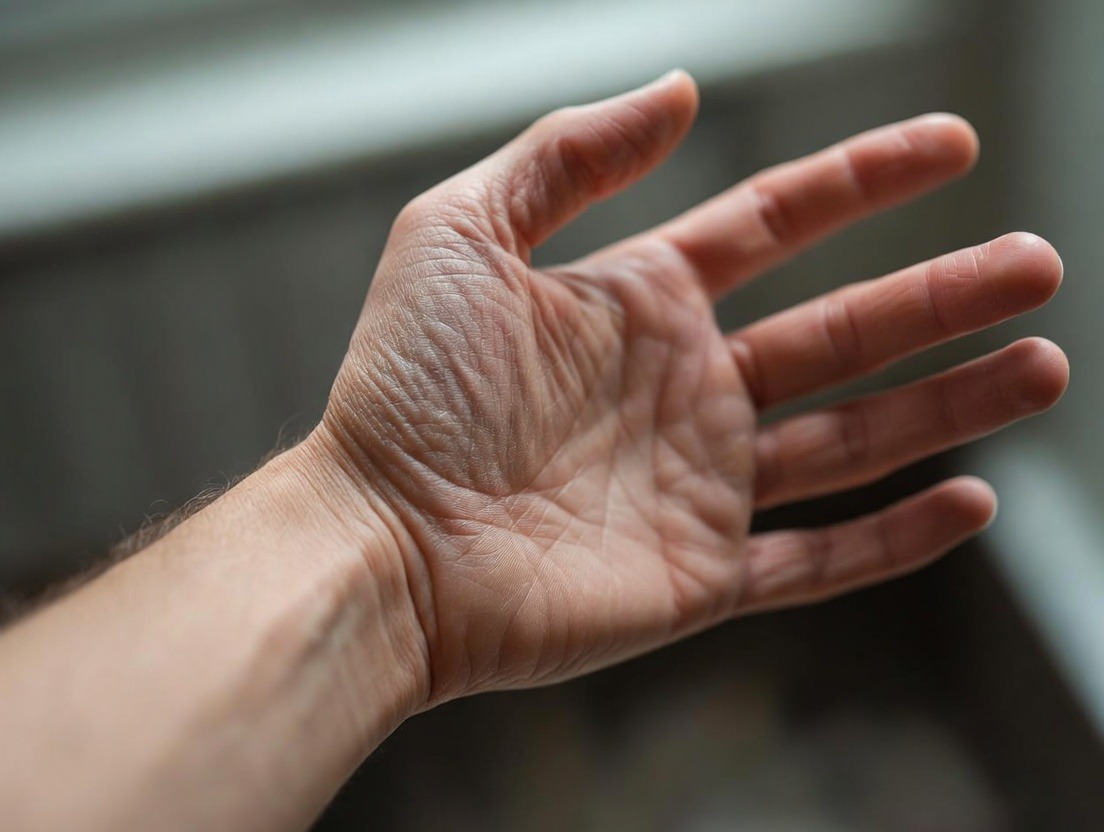
The quest for personal biometrics sparked a battle on the body: the wrist versus the finger. While smartwatches conquered the wrist with multifunctional flair, the wellness ring made a deliberate, scientifically-informed choice for the finger. This isn't a matter of aesthetics; it's a fundamental advantage in data fidelity.
The radial artery on the wrist is a robust vessel, but it's surrounded by bone, tendon, and significant tissue. Sensors here must contend with motion artifact—the "noise" created by everyday wrist movements. The finger, specifically the base of the finger, offers a superior vascular pathway. The palmar digital arteries are rich, accessible, and closer to the skin's surface. This anatomical real estate allows photoplethysmography (PPG) sensors—the technology that uses light to measure blood flow—to capture a cleaner, stronger signal with less interference. For metrics like heart rate and, critically, Heart Rate Variability (HRV), signal purity is everything. HRV measures the nuanced millisecond variations between heartbeats, a key indicator of autonomic nervous system balance. A noisy signal can render this delicate data useless.
Furthermore, the finger provides a more consistent placement for temperature sensing. Core body temperature variations, especially the subtle nocturnal dip and rise, are a cornerstone of circadian rhythm and readiness tracking. A ring sensor, snug against the finger, maintains consistent skin contact. A wrist device, by contrast, can shift, lift away from the skin, or be affected by ambient air trapped between the band and the wrist, compromising temperature accuracy.
This anatomical advantage translates to a critical benefit: 24/7 wearability. For holistic health insight, continuity is key. Many people remove a watch to sleep, type, or engage in certain activities, creating data gaps. A ring is unobtrusive, comfortable for sleep, and doesn't interfere with daily tasks, enabling truly continuous monitoring. This uninterrupted data stream is the bedrock upon which longitudinal health trends—the true "evolution" of your insights—are built. As you explore the technology behind Oxyzen, you’ll see how this precise placement is leveraged for clinical-grade insights.
The era of step-counting as the pinnacle of personal metrics is over. Today's wellness rings focus on a sophisticated quartet of biomarkers that offer a far richer, more inward-looking portrait of your health. These four data streams work in concert, each validating and contextualizing the others.
Heart Rate Variability (HRV) – The Voice of Your Nervous System: If resting heart rate is the volume of your heart's speech, HRV is its emotional cadence and complexity. It measures the subtle variations in time between each heartbeat. A higher, more variable HRV typically indicates a resilient, adaptable autonomic nervous system—your body is ready to respond to stress and recover effectively. A lower, less variable HRV can signal that your system is under sustained strain, fatigued, or fighting illness. Your ring tracks this nightly, providing a daily "readiness" score that asks, "Is your body prepared for challenge, or does it need rest?"
Blood Oxygen Saturation (SpO2) – The Efficiency Gauge: This metric measures the percentage of oxygen-carrying hemoglobin in your blood. While daytime SpO2 is typically stable, nocturnal SpO2 is where rings reveal critical insights. Dips during sleep can indicate sleep apnea or breathing disturbances, events that fragment sleep and strain the cardiovascular system, even if you don't fully wake. Monitoring this trend over time reveals your breathing quality and circulatory efficiency during your most restorative hours.
Skin Temperature – The Silent Trendsetter: A single temperature reading means little. It's the trend that holds power. Your ring tracks your baseline temperature and its circadian fluctuations—the natural dip that helps initiate sleep and the rise that helps you wake. Deviations from your personal norm, especially a sustained elevated nighttime temperature, can be one of the earliest signals of oncoming illness, inflammation, or, for women, ovulation in their cycle. It's a non-verbal cue from your body’s internal environment.
Sleep Architecture – The Foundation of Restoration: Modern sleep tracking goes far beyond "light" vs. "deep." Advanced rings use movement, heart rate, and HRV to map sleep stages (awake, light, deep, REM) with remarkable accuracy. The goal isn't just duration, but quality and structure. Are you getting enough restorative deep sleep for physical repair? Are you cycling through sufficient REM sleep for memory consolidation and mood regulation? The ring quantifies this architecture night after night, showing how lifestyle choices directly impact the scaffolding of your recovery. For a deeper dive into how these metrics translate to daily life, our blog features numerous case studies and guides.

Raw biometrics are like individual words—potentially meaningful, but limited in isolation. The transformative power of a modern wellness ring lies in its ability to synthesize these words into coherent sentences, paragraphs, and ultimately, the ongoing story of your health. This is the alchemy of contextual intelligence.
An elevated resting heart rate in the morning could mean you’re dehydrated, stressed, coming down with a virus, or simply had a vigorous workout the night before. By itself, it’s an ambiguous alert. But when the ring’s algorithm cross-references that heart rate with a depressed HRV, a slightly elevated skin temperature trend, and a fragmented sleep graph from the same night, the story clarifies: your body is likely fighting an infection. Conversely, that same elevated heart rate paired with excellent HRV, normal temperature, and great sleep recovery tells a story of positive cardiovascular adaptation to fitness.
This contextual layer is what turns a dashboard of numbers into a personal health narrative. The ring learns your patterns. It understands that for you, a glass of wine with dinner lowers your nighttime HRV by 8%. It notices that your deepest sleep consistently occurs in the first half of your sleep cycle. It correlates your weekly tennis match with a predictable temperature elevation the following morning from muscle repair inflammation.
The platform behind the ring becomes a narrative engine. Instead of reporting "SpO2: 95%," it might say, "Your blood oxygen remained stable throughout the night, and your breathing was regular—great for cognitive recovery." Instead of "Sleep Score: 78," it explains, "Your sleep was slightly less restorative than usual due to more time awake after going to bed late. Focusing on a consistent bedtime could help improve deep sleep." This shift from data reporting to insight translation is fundamental. It empowers you with not just the "what," but the "so what?" To see how this intelligence is built from the ground up, you can learn more about our mission and data philosophy at Oxyzen.
Human biology is not a flat line; it is a symphony of overlapping rhythms. The most well-known is the circadian rhythm, your roughly 24-hour internal clock governing sleep, temperature, hormone release, and metabolism. Your wellness ring is a master cartographer of this daily cycle, charting your personal chronotype through consistent patterns in body temperature minimum, sleep propensity, and energy fluctuations.
But beyond the daily tide lies a powerful, often overlooked lunar-scale rhythm: the infradian rhythm. For individuals who menstruate, this is exemplified by the menstrual cycle, a ~28-day biological program that influences everything from basal body temperature and resting heart rate to sleep architecture, metabolism, and cognitive function. A wellness ring, with its continuous temperature and biometric tracking, becomes an invaluable tool for mapping this cycle with passive, objective data—no manual input required.
Here’s how the story unfolds across the cycle phases:
For non-menstruating individuals, longer-term infradian rhythms still exist in patterns of stress, recovery, and performance. By observing trends over weeks and months, the ring can help identify personal cycles of high resilience and periods requiring more recuperation. This rhythm-aware insight moves health management from a one-size-fits-all daily approach to a nuanced, phase-based strategy, allowing you to align work, exercise, and rest with your body’s natural cadence.

We all know the feeling of stress, but have you ever been able to measure its direct physiological footprint on your body? The wellness ring makes the invisible visible by using HRV as a primary, objective lens into your nervous system's load.
The autonomic nervous system (ANS) has two main branches: the sympathetic ("fight or flight") and the parasympathetic ("rest and digest"). Stress, whether psychological (a work deadline), physical (a hard workout), or immunological (a cold), activates the sympathetic branch. In a healthy system, this is followed by parasympathetic recovery. HRV is the window into this balance. High sympathetic tone suppresses HRV; strong parasympathetic activity promotes it.
Your ring tracks this balance continuously, but most importantly during sleep—when external stimuli are minimized, and your body’s true state of restoration (or struggle) is revealed. A night of low HRV, even with decent sleep duration, indicates your nervous system worked overtime to recover, leaving less "bandwidth" for the coming day. The ring translates this into a Stress Score or Readiness Score.
But the insight goes deeper than a single number. By correlating HRV trends with your activity and lifestyle data (which you log in the app), the ring helps you identify your unique stress signatures and recovery triggers. For example:
This transforms stress from a vague, overwhelming concept into a quantifiable, manageable set of inputs and outcomes. You learn not just that you're stressed, but what specific factors are most taxing for your system, and what practices (e.g., an afternoon walk, a meditation session, an earlier bedtime) most effectively promote your parasympathetic recovery. This is the core of moving from being a victim of stress to becoming a steward of your own resilience. For practical tips on managing these metrics, our community often shares their experiences and solutions.
The medical community is increasingly treating sleep as a sixth vital sign, as critical as blood pressure or pulse. Wellness rings are at the forefront of this shift, moving sleep analysis from guesswork to a precise science of restoration. They deconstruct the monolithic block of "sleep" into its constituent, vital parts.
Sleep Staging Precision: Using a combination of accelerometry (movement), heart rate, and HRV, advanced algorithms can now distinguish between light, deep, and REM sleep with accuracy rivaling consumer-grade dedicated devices. Each stage has a distinct physiological signature:
Your ring doesn't just log these stages; it benchmarks them against your personal history and population norms, highlighting, for instance, if you're consistently deficient in deep sleep.
Latency and Efficiency: How long does it take you to fall asleep (sleep latency)? What percentage of your time in bed are you actually asleep (sleep efficiency)? The ring provides objective answers, eliminating the "it felt like hours" guesswork. Consistently long latency can point to circadian misalignment or pre-sleep habits.
The Disruption Index: This is where the ring's sensitive sensors shine. They log every awakening and restlessness period—even those too brief for you to remember. A high disruption index, often linked to poor sleep hygiene, stress, or environment (e.g., a partner snoring), severely impacts sleep quality, no matter the total duration.
Respiratory Analysis: By analyzing the subtle, cyclical variations in the PPG signal caused by breathing (a technique called respiratory sinus arrhythmia), the ring can estimate your breathing rate throughout the night. Paired with SpO2, it builds a picture of your respiratory stability, flagging potential issues like sleep-disordered breathing.
By aggregating these granular metrics into a composite Sleep Score, the ring provides a holistic, nightly report card on your recovery. More importantly, by tracking these variables over time, it reveals how your sleep architecture changes with training load, diet, alcohol, stress, and life events, giving you unparalleled control over your most powerful recovery tool.
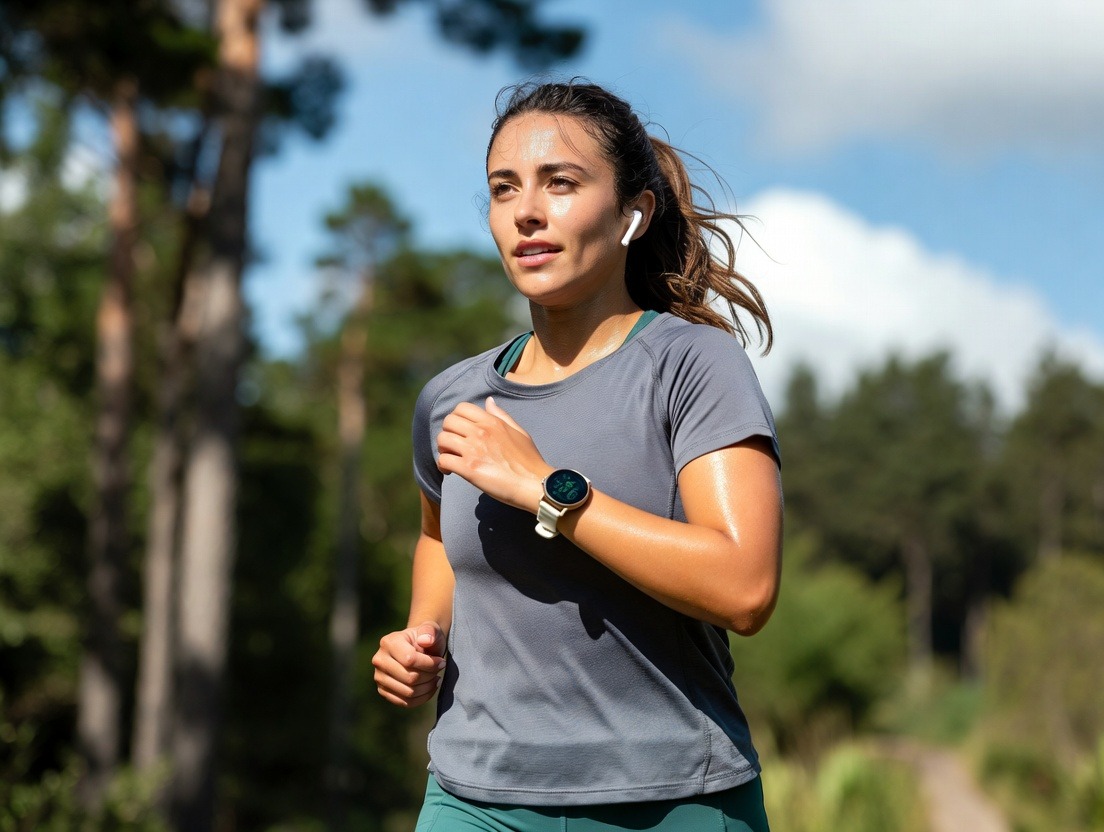
For the fitness enthusiast, the wellness ring closes a critical feedback loop that smartwatches alone often miss. While a watch excels at tracking the output of a workout (pace, distance, heart rate zones during exertion), the ring specializes in measuring the outcome: your body’s physiological response and need for recovery after the fact.
This creates a powerful "Stimulus → Response → Adaptation" model.
1. The Stimulus (The Workout): You log a strenuous activity—a long run, a heavy lifting session, a high-intensity interval training (HIIT) class. Your watch captures the performance metrics.
2. The Measured Response (The Ring's Nightly Report): This is where the ring takes over. That night and into the next day, it quantifies the cost of the stimulus:
3. The Adaptation Guidance (The Insight): The ring synthesizes this response data into a Readiness or Recovery Score. This score answers the essential question: "Based on how my body has responded, am I physiologically prepared for another demanding workout today, or do I need active recovery or rest?"
This feedback loop prevents the two most common fitness pitfalls: under-recovery and non-functional overreaching. Pushing hard when your readiness score is low can lead to injury, illness, and burnout. Conversely, resting when your body is showing strong resilience and adaptation signals might mean missing an opportunity for positive gains.
The ring enables autoregulated training. Instead of blindly following a pre-set plan that says "Hard Run Tuesday," you can adjust: "If my readiness score is >85, I'll do my planned hard run. If it's between 70-85, I'll switch to a moderate run. If it's <70, I'll take an active recovery day." This is the pinnacle of personalized fitness—listening to your body's objective signals in near real-time to optimize performance and health together. For athletes navigating this balance, our FAQ covers many common training-and-recovery questions.
The most profound insights from a wellness ring are not found in daily scores, but in the long-term trends that unfold over weeks, months, and years. This longitudinal data is what transforms a health tracker into a personal health observatory. The fundamental concept here is the establishment of your unique, dynamic baseline.
When you first put on a ring, it begins a learning period. Over the first few weeks, its algorithms aren't just collecting data; they're learning you. They calculate your average resting heart rate, your normal HRV range, your typical sleep architecture, and your circadian temperature curve. There is no "perfect" universal number—only what is normal and optimal for you.
Once this personal baseline is established, the ring’s true power emerges: the detection of statistically and physiologically meaningful deviations.
This long game is the "evolution" in "health insight evolution." It moves you from asking "How did I sleep last night?" to asking "How is my sleep quality trending this quarter compared to last?" It provides the hard data to answer life's bigger health questions: Is my new job sustainable for my nervous system? How does becoming a parent affect my biometrics? What is the long-term effect of my training regimen? This historical view is invaluable, and understanding the philosophy behind capturing it is part of the story we're proud to share.
A wellness ring is a powerful solo instrument, but its symphony becomes truly rich when integrated with the broader orchestra of your digital health ecosystem. This synergy breaks down data silos, creating a unified, multi-dimensional model of your wellbeing.
Fitness Apps & Wearables: Connecting your ring to platforms like Strava, Apple Health, Google Fit, or Whoop allows for a seamless merge of data. Now, that strenuous cycling workout from Strava is automatically correlated with the significant HRV dip and elevated temperature your ring recorded the following night. The ring provides the "why" behind the performance data.
Nutrition & Hydration Loggers: Apps like MyFitnessPal or Cronometer log your nutritional inputs. When synced, you can investigate powerful correlations: Does a day of lower carbohydrate intake affect your sleep depth? Does logging a higher sodium meal correlate with a higher nighttime heart rate? Does consistent hydration track with higher HRV scores?
Mindfulness & Stress Apps: Connections with Headspace, Calm, or your phone's native mindfulness timer allow you to see the direct physiological impact of meditation. Did that 10-minute session before bed measurably improve your sleep latency or increase your HRV that night? This turns a subjective feeling of calm into an objective, reinforcing data point.
Women's Health & Cycle Trackers: For those tracking cycles, integration with apps like Clue, Natural Cycles, or Apple Health's cycle logging overlays menstrual phases directly onto your biometric charts. This allows for breathtaking clarity: you can see the exact day of your thermal shift, observe the luteal-phase heart rate elevation as a clear plateau, and understand how sleep quality fluctuates predictably with your cycle phase.
Smart Home & Environment: Future-forward integrations could include data from smart thermostats (room temperature impacting sleep), air quality monitors, or even smart lighting (tracking light exposure's effect on circadian rhythm). This contextualizes your biometrics within your physical environment.
By serving as a central, physiological data hub, the ring synthesizes these disparate streams. The app becomes a command center where you don't just see that your "Readiness is low today," but you see a possible chain of causality: "A late, intense workout (from Strava) + a poor night's sleep in a warm room (from your sleep data) + lower calorie intake yesterday (from MyFitnessPal) = Your body needs a recovery day." This interconnected intelligence is the future of holistic self-care. To see how Oxyzen envisions this connected ecosystem, you can explore our vision for integrated wellness on our main site.
Wearing a device that continuously collects your heart rate, temperature, and sleep patterns raises vital questions about data ownership, privacy, and ethical use. This biometric data is uniquely personal and sensitive—a digital fingerprint of your inner state. Trust is not a feature; it is the foundational requirement.
The Core Principles of Biometric Privacy:
The "De-Identification" Challenge: True anonymization of continuous biometric data is notoriously difficult. A dataset of heart rate patterns over time could potentially be re-identified. Ethical companies must be upfront about these limitations and implement the highest possible safeguards, treating all data as personally identifiable information (PII).
The Value Exchange: In exchange for providing this deeply personal data, users rightfully expect immense value: groundbreaking insights, proactive health alerts, and software that improves their lives. The ethical line is crossed when data is monetized in ways that don't directly benefit the user—such as being sold to third-party advertisers or insurers without explicit, informed consent.
For the user, it is crucial to vet a wellness company's privacy stance as rigorously as its sensor technology. Ask: Is privacy a core part of their brand story? Are their policies easy to find and understand? Do they use on-device processing where possible to minimize data transmission? The peace of mind that comes from knowing your most intimate data is handled with integrity is a critical component of the wellness journey itself. This commitment to ethical data stewardship is central to who we are, a principle you can read about in our company's foundational values.
We’ve explored how a wellness ring translates biometrics into insights about your present and recent past. But the next frontier—the true vanguard of personal health evolution—is predictive analytics. This is where the ring transitions from being a historian of your body to becoming a forecaster, using patterns in your longitudinal data to anticipate potential future states.
This capability is built on a foundation of massive, anonymized datasets and sophisticated machine learning. By analyzing patterns across millions of user-nights of sleep, stress events, and illness episodes, algorithms can identify subtle, precursor signatures that often precede common health events.
Illness Prediction: The pattern is often remarkably consistent: a sustained elevation in resting heart rate above your baseline, a dip in HRV, a rise in skin temperature (sometimes before a fever is perceptible), and an increase in nocturnal respiratory rate. In isolation, one of these might be noise. In concert, they form a high-probability signal that your immune system is actively engaged. A ring with predictive algorithms won’t diagnose you with a specific virus, but it may alert you: “Significant biometric deviations detected. Your body is showing signs of physiological stress often associated with oncoming illness. Prioritizing rest and hydration is recommended.” This gives you a 24-48 hour head start to support your immune system.
Overtraining & Injury Risk: For athletes, predictive analytics look at the relationship between strain and recovery over time. The system learns what a healthy "stress + recovery" curve looks like for you. If it detects a pattern of accumulating load (from logged workouts) without commensurate biometric recovery (poor sleep scores, chronically depressed HRV), it can flag a rising risk of non-functional overreaching or injury. The alert shifts from “You’re not recovered today” to “At your current trajectory, you are at high risk of burnout in the next 7-10 days if load is not moderated.”
Mental Wellbeing Correlates: While no device can diagnose anxiety or depression, it can detect their strong physiological correlates. Periods of self-reported or logged high stress in the app, when correlated with biometric data, reveal a personal stress signature. Over time, the ring may identify the early physiological markers of that signature (e.g., a specific pattern of sleep fragmentation coupled with a higher daytime heart rate) even before you consciously register feeling overwhelmed. It can then nudge you toward your proven coping mechanisms.
The ethical imperative here is profound. Predictions must be framed as probabilistic insights, not diagnoses. The goal is empowerment, not anxiety. The value lies in shifting your agency from reactive to pre-emptive, giving you the data to make small, timely interventions that can potentially alter the course of your health narrative. For a look at how data is shaping the future of proactive wellness, our blog frequently explores these emerging topics.
If sensors are the ring’s senses, and algorithms are its brain, then Artificial Intelligence (AI) and Machine Learning (ML) are its evolving consciousness. AI is what transforms a generic tracking device into a truly adaptive personal health co-pilot. It moves the platform from offering the same insights to everyone to learning what matters uniquely to you.
Continuous Personal Baselines: Traditional health metrics use population averages. AI-powered systems dismiss this as largely irrelevant. Through ML, your ring’s system continuously refines your personal baseline model. It understands that your “healthy” resting heart rate of 58 BPM is different from another person’s 48 BPM, and it tracks deviations from your norm, not a textbook ideal.
Behavioral Correlation Discovery: This is where AI becomes your personal health detective. The ML engine constantly sifts through your biometric data and your lifestyle logs (exercise, nutrition, caffeine, alcohol, stress events). It looks for statistically significant correlations that you might miss. It might surface an insight like: “For you, consuming caffeine after 2 PM has a 76% correlation with a 22% reduction in deep sleep duration.” Or, *“Your 30-minute afternoon walks are associated with a 12% average increase in your nightly HRV the following night.”* These aren’t generic wellness tips; they are data-driven, personalized behavioral prescriptions.
Adaptive Goal Setting and Coaching: Static goals (“Get 8 hours of sleep”) can be demotivating and irrelevant. An AI co-pilot creates adaptive goals based on your own trends and life context. If it sees you’ve had three high-strain days in a row, it might adjust your next day’s “sleep goal” to focus on quality and suggest an earlier wind-down ritual. If your recovery scores are consistently excellent, it might nudge you to gently increase your activity load to encourage positive adaptation. The guidance evolves as you do.
Pattern Recognition for Complex Conditions: For individuals managing chronic conditions like hypertension or insomnia, AI can identify complex, multi-day patterns. It might discern that for you, a specific sequence of poor sleep leads to elevated next-day resting heart rate, which in turn predicts a higher stress response to work challenges. Understanding these chains of causality provides powerful levers for intervention.
The AI doesn’t replace human judgment or medical expertise; it augments it. It gives you a highly informed, 24/7 companion that knows your body’s language, helping you make daily choices that are aligned with your unique physiology and long-term objectives. This deeply personalized approach is core to our mission, which you can read more about in our story.
While the primary value of your wellness ring is intensely personal, there is a secondary, profoundly impactful value that emerges when billions of data points are aggregated and anonymized across a global user base. This population-level data becomes a powerful lens for public health and scientific discovery, creating a collective health intelligence that was previously impossible to gather at scale.
Real-World Disease Surveillance: Imagine tracking the spread of a seasonal influenza virus not by doctor visits (which lag), but by real-time, aggregated anomalies in resting heart rate, skin temperature, and sleep disruption across a geographic region. This “biometric weather map” could provide public health officials with earlier warnings and more precise location data for outbreaks, enabling faster, more targeted responses.
Understanding Sleep at Scale: Researchers can analyze anonymized sleep data from millions of people across different countries, cultures, age groups, and professions. What are the real-world sleep patterns of new parents versus shift workers? How does sleep architecture naturally change with age in a massive, healthy population? This data moves sleep science out of the small, controlled lab study and into the messy, beautiful reality of human life.
Validating Lifestyle Interventions: Do mindfulness apps actually improve physiological stress markers at a population level? What is the average effect of alcohol consumption on sleep stages across different age groups? Does a four-week fitness program produce measurable, sustained changes in HRV? Aggregated ring data can provide large-scale, objective validation (or refutation) for wellness trends and interventions, separating hype from evidence.
Demographic & Genetic Health Insights: With proper consent and ethical safeguards, researchers could study how biometric patterns differ across populations, potentially uncovering new insights into health disparities or the physiological expression of genetic traits. This could accelerate research into conditions influenced by circadian rhythms and autonomic function.
The critical covenant here is that this research must be built on the pillars of user anonymity, explicit opt-in consent, and strict data security. Users should have the clear choice to contribute their anonymized data to this greater good, understanding that by doing so, they are part of a movement to advance human health knowledge for everyone. This collective mission is something we believe in deeply, as part of our vision for a healthier world, which you can explore further here.
One of the most enlightening experiences in the wellness ring journey is the moment a subjective feeling is validated—or contradicted—by objective data. This builds what we call the Mind-Body Bridge, closing the gap between perception and physiology. It cultivates a deeper, more accurate sense of interoception—your ability to perceive the internal state of your body.
Validation and Revelation:
Calibrating Your Internal Gauge: Over time, this constant feedback recalibrates your self-awareness. You begin to recognize the subtle bodily sensations that correspond to a dropping HRV or a rising temperature. You learn to distinguish between mental fatigue and deep physical exhaustion. You start to predict your own data: “I bet my sleep score will be low after that late dinner,” and you’re often right. This refined interoception is a superpower for modern life, allowing you to respond to your body’s needs with precision before they become crises.
Informing Recovery Choices: This bridge directly informs action. Without data, you might push through fatigue with caffeine, mistaking it for laziness. With data showing a low recovery score, you understand it’s a physiological need, and you might choose a nap, a walk, or hydration instead. The subjective feeling (“tired”) meets the objective cause (“nervous system depletion”), leading to a more effective solution (“parasympathetic activation”).
Building this bridge is a practice. It involves regularly checking your data while tuning into how you feel, noting the matches and mismatches. Many users find that journaling a few subjective notes alongside their daily scores accelerates this learning process, creating a rich diary of their mind-body connection. Reading about real user experiences and testimonials often highlights this powerful "aha" moment of connection.
Raw data and insights are inert without action. The ultimate promise of the wellness ring is to inform and inspire tangible, positive changes in your daily life. It acts as a biofeedback loop for three core pillars of lifestyle: Nutrition, Activity, and Sleep Hygiene.
Nutritional Biofeedback:
Activity Optimization:
Sleep Hygiene Experimentation: The ring turns sleep hygiene from a list of “shoulds” into a personal laboratory.
The process becomes a cycle: Implement a change → Observe the biometric result → Refine and repeat. This data-informed experimentation is the essence of personalized wellness, turning your life into a continuous, positive feedback loop for health. For practical guides on running these personal experiments, our blog is a dedicated resource.
With great data comes great responsibility—and the potential for overwhelm. A common challenge, especially for diligent users, is data anxiety: the tendency to obsess over daily scores, misinterpret normal fluctuations as failures, or feel pressured by the constant stream of metrics. The goal of the ring is empowerment, not enslavement. Here’s how to navigate the noise and maintain a healthy relationship with your data.
1. Focus on Trends, Not Daily Dots: A single day’s low sleep score or HRV reading is a data point, not a verdict. Biology is variable. Stress happens, nights are imperfect, and the body has its own rhythms. Zoom out. Look at your weekly average, your 30-day trend line. Is the general direction positive? That’s what matters. A bad day is just noise on the signal of your long-term health.
2. Understand Your "Range of Normal": Through the app, learn what your normal, healthy ranges are for key metrics (e.g., “My HRV typically fluctuates between 45 and 65”). When a value falls within your range, even if it’s at the lower end, it’s normal for you. Anxiety only spikes when you compare your number to someone else’s or an idealized average.
3. Use the Data as a Guide, Not a Grade: Your readiness score is a suggestion for how to approach your day, not a test you passed or failed. A “low” score isn’t a mark of poor performance; it’s valuable information that your body needs gentleness. Reframe it from judgment to guidance.
4. Embrace "Detective Mode," Not "Judge Mode": When you see a deviation, don’t judge yourself. Get curious. Switch into detective mode: “Fascinating! My HRV is low today. What happened yesterday? Did I sleep poorly? Was my workout too intense? Am I stressed about that meeting?” This objective curiosity separates you from the data and turns it into a puzzle to solve, not a criticism to internalize.
5. Schedule Check-Ins, Don’t Constantly Refresh: Designate specific times to review your data—perhaps once in the morning to check readiness and once in the evening to reflect. Avoid the compulsive app-checking throughout the day. Let the ring work in the background as your silent sentinel.
6. Listen to Your Body First: If you feel great but your score is mediocre, trust your feeling. If you feel terrible but your score is high, honor your need for rest. The data is one input; your lived experience is the most important input. The ring’s job is to inform that experience, not override it.
7. Know When to Take a Break: It’s perfectly healthy to take the ring off for a weekend, a vacation, or whenever you feel it’s becoming a source of stress rather than support. This can reset your relationship and remind you that you are in control. For more support on finding balance, our FAQ addresses common user concerns about data mindfulness.
The current suite of sensors in wellness rings—PPG, temperature, accelerometer—is just the opening chapter. Research labs and tech companies are actively developing the next generation of miniaturized sensors that could soon integrate into this discreet form factor, opening up even deeper layers of self-knowledge.
Continuous Glucose Monitoring (CGM) Integration: This is one of the most anticipated frontiers. While current CGMs require a subcutaneous filament, non-invasive optical and spectroscopic methods are in rapid development. A ring that could track glucose trends would revolutionize metabolic health awareness for millions, not just diabetics. It would show real-time how different foods, meal timings, and stress levels impact your blood sugar stability, which is intricately linked to energy, mood, cognitive function, and long-term health.
Electrodermal Activity (EDA) for Direct Stress Response: EDA measures tiny changes in the skin’s electrical conductivity caused by sweat gland activity, which is directly controlled by the sympathetic nervous system. It’s a pure, immediate measure of psychological or physiological arousal. Integrating EDA would allow the ring to detect acute stress responses throughout the day—during a tense conversation, while working, or even during meditation—providing a second-by-second map of your nervous system’s reactions to your environment.
Blood Pressure Trends: While capturing absolute blood pressure from the finger is challenging, estimating trends and pulse wave velocity (a marker of arterial stiffness) through advanced PPG analysis is an active area of research. Tracking relative changes in BP and vascular health overnight could provide powerful insights into cardiovascular risk and the impact of lifestyle.
Hydration & Electrolyte Balance: By analyzing the optical properties of tissue and blood, future sensors may be able to infer hydration status. This could be a game-changer for athletes, those in hot climates, or anyone seeking to optimize cognitive and physical performance.
Advanced Biochemical Sensing (Lactate, Cortisol): The holy grail is non-invasive sensing of key biomarkers like blood lactate (for athletic threshold training) or cortisol (the primary stress hormone). While likely further out, progress in lab-on-a-chip technology and spectral analysis hints at a future where a ring could provide a daily biochemical panel.
The integration of these sensors will demand even more sophisticated AI to synthesize the multi-modal data into coherent, actionable insights. The ring of the future may not just suggest you’re stressed; it may know if that stress is driven by hypoglycemia, dehydration, or an emotional trigger, and offer a tailored recommendation. This exciting trajectory is part of the innovative spirit you can learn about in our company’s ongoing story of development.
The health journey is often deeply personal, but it is not always solitary. There are times when sharing your biometric insights with a trusted partner—a family member, a coach, or a healthcare provider—can multiply their value, providing context, support, and professional interpretation.
Family & Partner Connectivity: Sharing data with a spouse or partner fosters mutual understanding and support. They can see why you might need an early night (your sleep score has been low) or why you’re prioritizing a rest day (your recovery is in the red). For parents monitoring a teen athlete, it can provide objective data on sleep and recovery to guide conversations about balance. For adults caring for aging parents, remote viewing of trends in activity and sleep patterns could offer peace of mind or early warning signs of decline.
Coach & Trainer Integration: For those working with a fitness coach, trainer, or nutritionist, sharing your readiness and sleep data transforms the relationship. Instead of guessing, your coach can see exactly how your body is responding to the training plan. They can adjust volume and intensity in real-time based on your recovery metrics, preventing overtraining and maximizing results. This creates a truly collaborative, data-informed partnership for performance.
The Doctor-Patient Dialogue: This is perhaps the most transformative application. Imagine walking into your physician’s office not just with subjective descriptions of “poor sleep” or “fatigue,” but with a 90-day graph of your sleep stages, resting heart rate trend, and nocturnal HRV. For conditions like insomnia, sleep apnea, anxiety, POTS, or Long COVID, this objective longitudinal data is clinical gold. It moves the conversation from “How have you been feeling?” to “I can see the pattern of your struggle right here.” It can help with diagnosis, track the efficacy of a treatment (like a new medication or CPAP therapy), and provide a concrete basis for lifestyle recommendations. Patients become empowered, active participants in their care.
The key to this sharing is user-controlled, consent-based, and secure data portals. You should decide exactly what data to share, with whom, and for how long. The ability to generate simple, printable reports from your app data for a medical appointment is an essential feature. This bridges the gap between the quantified self and the healthcare system, paving the way for a more preventative, personalized, and participatory model of medicine. To understand how we view this collaborative future, you can explore our vision for connected wellness.
Having a wellness ring is like possessing a powerful diagnostic tool. But a tool is only as effective as the system you build around it. To move from passive observation to active transformation, you need to construct your Personal Health Operating System (OS)—a set of consistent practices, routines, and decision-making frameworks fueled by your biometric data. This turns insights into lived reality.
Step 1: Establish Your Morning Ritual (The Planning Phase)
Your morning ring data—the Readiness Score, sleep breakdown, and HRV—sets the tone for your day. Instead of a quick glance, make this a deliberate ritual.
Step 2: Utilize Mid-Day Checkpoints (The Calibration Phase)
Your body’s state isn’t static. Use your subjective feelings to calibrate the morning’s plan.
Step 3: Engineer Your Evening Wind-Down (The Optimization Phase)
Your evening choices directly write the script for your night’s biometrics. Use your ring’s historical data to engineer a better night.
Step 4: Conduct Weekly Reviews (The Strategy Phase)
This is where you move from tactics to strategy. Once a week, spend 15 minutes reviewing your weekly trends in the app.
By building this OS, you create a closed-loop system: Data → Insight → Action → New Data. The ring provides the feedback, and your Personal Health OS defines the responsive programming. For a repository of strategies and routines shared by other users, our blog is an ever-growing resource.
While managing daily energy and weekly recovery is vital, the wellness ring’s most profound gift may be its ability to inform a longevity strategy. By tracking key biomarkers over years, you shift from optimizing for today to investing in your healthspan—the number of years you live in good health. The ring becomes a longitudinal study of one: you.
Tracking Your Physiological Age: Certain metrics are strong proxies for biological, as opposed to chronological, age.
Informing Decade-Scale Interventions: This long-view data allows you to make impactful, evidence-based decisions about your life.
The ring empowers you to be the principal investigator in your own lifelong health project. The goal isn’t immortality, but vitality—compressing morbidity and ensuring that your later years are characterized by energy and engagement, not decline and disease. This long-term, values-driven approach is woven into the story and mission of our company.
In the quest for perfect data, there’s a danger: we might outsource our self-awareness to the algorithm. The most evolved health practice marries the objective power of the ring with the deep, subjective wisdom of your own lived experience. This is the practice of qualitative self-awareness.
The Journaling Synergy: Numbers tell the “what,” but your journal holds the “why.” The most powerful practice is to pair your daily biometric review with brief journaling.
Listening to the Body’s Nuanced Language: The ring tracks gross metrics, but your body speaks in subtle dialects.
Using Data to Validate Intuition, Not Replace It: The ring’s role is to be a truth-teller for your intuition. When you have a gut feeling that something is off, the data can confirm it, giving you confidence to act. Conversely, when your intuition says you’re strong but the data says you’re depleted, it’s an invitation for a curious conversation with yourself: “Am I overriding my body’s signals with adrenaline or caffeine?”
The "Ring-Off" Wisdom: Periodically, take the ring off for a day or a weekend. Reconnect with your innate ability to gauge your energy, hunger, and need for rest without external validation. This prevents data dependence and keeps your internal compass calibrated. When you put it back on, you often find your subjective assessments and the objective data are more closely aligned than ever—a sign of growing, integrated self-awareness.
This balanced approach ensures technology serves your humanity, not the other way around. It’s about using the ring as a mirror to see yourself more clearly, not as a cage that defines your worth by a number. For reflections on finding this balance, our community’s testimonials often highlight this integrative journey.
Abstract concepts come to life through story. Let’s examine two composite, anonymized case studies that illustrate the transformative power of longitudinal ring data in addressing common, complex health puzzles.
Case Study 1: The "Always Tired" Executive (Solving the Sleep-Quality Mystery)
Case Study 2: The Overtraining Athlete (Preventing Burnout)
These stories exemplify how the ring moves health from guessing to knowing. It provides the objective evidence that unlocks behavioral change and provides a clear roadmap to feeling better. For more such real-world examples, you can explore detailed narratives on our blog.
To get the most from your silent sentinel, it’s essential to ensure it’s operating optimally and that you’re interpreting its signals correctly. Here is a practical guide to troubleshooting common issues and optimizing your setup.
Ensuring Data Accuracy:
Optimizing App and Insight Value:
Interpreting with Context:
By taking an active, informed role in managing your device and interpreting its messages, you transition from a passive consumer of data to an expert user of a powerful health tool.
While companies bear the heavy responsibility for data security and privacy, as users, we also have an ethical responsibility in this new era of intimate self-tracking. Wearing a wellness ring turns you into both a beneficiary and a custodian of sensitive data. Navigating this role requires mindful awareness.
Informed Consent & Understanding: It is our responsibility to actually read (or at least understand the key points of) the privacy policy and terms of service. What are you agreeing to? Do you understand how your data may be used for research or product improvement? Are you comfortable with it? Informed use is ethical use.
Resisting Reductionism: We must vigilantly guard against the temptation to let the data reduce our self-worth or complex humanity to a set of numbers. You are not a “75.” You are a person who had a 75 readiness score today. The metric is a facet of your experience, not the totality of it. This mindset protects against data anxiety and obsessive behaviors.
Avoiding Dangerous Self-Diagnosis: The ring provides insights, not diagnoses. It is unethical and potentially dangerous to use ring data to self-diagnose conditions like sleep apnea, arrhythmias, or clinical depression. The ethical response to concerning trends is to take the data to a qualified healthcare professional for interpretation within the full context of your health. The ring is a conversation starter with your doctor, not a replacement for them.
Sharing Data Responsibly: If you choose to share your data with friends, on social media, or in communities, do so thoughtfully. Avoid creating competitive or judgmental environments around scores. Frame your shares as personal stories of learning (“Here’s how I discovered X about myself”), not as prescriptions for others or boasts of achievement. Respect that everyone’s baseline and journey are unique.
Considering the Long-Term Digital Legacy: Your biometric dataset could become one of the most extensive health records in existence over your lifetime. Think about its long-term stewardship. What happens to this data if the company is acquired or shuts down? Do you have a way to export and archive it? While companies must provide solutions, users should consider these questions.
By adopting this ethical compass, we ensure that the quantified self movement remains a force for empowerment, enlightenment, and positive health evolution, rather than a source of anxiety, reductionism, or misuse. It’s part of a collective journey we’re all on, which you can learn more about in our company’s stated values and mission.
We began this exploration with a simple premise: the modern wellness ring is charting a revolution in personal health insight. We’ve journeyed from the anatomical advantage of the finger, through the core quartet of biomarkers, into the alchemy that turns data into stories, rhythms, and predictions. We’ve seen it act as a stress meter, a sleep architect, a fitness feedback loop, and a longevity lens.
But what is the ultimate destination of this evolution? It is not a life spent staring at graphs, enslaved to scores. The true destination is transcendence—the point where the technology becomes so integrated, so insightful, and so intuitive that it gradually works itself out of a job.
The goal is to use the ring as a master teacher. Its objective feedback trains your interoception, calibrating your inner sense of energy, stress, and need for recovery. Its long-term trends educate you on what truly works for your unique biology. Over months and years, you internalize the lessons. You begin to feel the dip in HRV before you see it. You intuitively crave an early bedtime when your body needs it. You recognize the early signs of illness without an alert.
The ring, in its ideal future role, becomes less of a daily crutch and more of a periodic check-in—a silent sentinel that chimes in only when it detects a meaningful deviation from the healthy, attuned baseline it helped you establish. It becomes a guardian for your hard-earned self-knowledge.
This journey—from ignorant to informed, from disconnected to attuned, from tracking to transcendence—is the grand narrative of personal health in the 21st century. The wellness ring is not just a gadget; it is a companion for this voyage inward. It offers a map written in the language of your own physiology, empowering you to navigate the complex terrain of modern life with resilience, wisdom, and grace.
The evolution of insight is, ultimately, the evolution of the self. By listening to the data with curiosity, balancing it with qualitative wisdom, and taking empowered action, you are not just tracking your health. You are actively participating in its creation, day by day, night by night, heartbeat by heartbeat. This is the promise fulfilled: a deeper, more conscious, and more vibrant partnership with the one body and mind you have for life.
To begin or continue your own journey with a tool built for this purpose, you can explore what Oxyzen offers for your path to deeper understanding.
Your Trusted Sleep Advocate: Sleep Foundation — https://www.sleepfoundation.org
Discover a digital archive of scholarly articles: NIH — https://www.ncbi.nlm.nih.gov/
39 million citations for biomedical literature :PubMed — https://pubmed.ncbi.nlm.nih.gov/
Experts at Harvard Health Publishing covering a variety of health topics — https://www.health.harvard.edu/blog/
Every life deserves world class care :Cleveland Clinic - https://my.clevelandclinic.org/health
Wearable technology and the future of predictive health monitoring :MIT Technology Review — https://www.technologyreview.com/
Dedicated to the well-being of all people and guided by science :World Health Organization — https://www.who.int/news-room/
Psychological science and knowledge to benefit society and improve lives. :APA — https://www.apa.org/monitor/
Cutting-edge insights on human longevity and peak performance:
Lifespan Research — https://www.lifespan.io/
Global authority on exercise physiology, sports performance, and human recovery:
American College of Sports Medicine — https://www.acsm.org/
Neuroscience-driven guidance for better focus, sleep, and mental clarity:
Stanford Human Performance Lab — https://humanperformance.stanford.edu/
Evidence-based psychology and mind–body wellness resources:
Mayo Clinic — https://www.mayoclinic.org/healthy-lifestyle/
Data-backed research on emotional wellbeing, stress biology, and resilience:
American Institute of Stress — https://www.stress.org/


