


How Your Wellness Ring Validates Effective Healthy Aging Tips
How a wellness ring provides data to confirm which healthy aging tips work.
How a wellness ring provides data to confirm which healthy aging tips work.
%402x.svg)
For generations, the pursuit of healthy aging was guided by anecdotal advice, generic prescriptions, and a frustrating amount of guesswork. We were told to "get good sleep," "manage stress," and "stay active," but without personalized, quantifiable feedback, it was impossible to know if our efforts were truly moving the needle. Were those eight hours in bed truly restorative? Was your morning walk sufficiently elevating your heart rate? Did that meditation session actually calm your nervous system?
Enter the modern wellness ring. This unassuming piece of wearable technology has revolutionized our approach to longevity, transforming vague wellness goals into a precise, data-driven science. It’s no longer about hoping you’re on the right path; it’s about knowing with empirical certainty. This article will explore how your wellness ring acts as the ultimate validation tool, proving which healthy aging strategies genuinely work for your unique biology. We’ll move beyond theory and into the realm of personalized proof, showing how continuous biometric monitoring turns timeless wisdom into a customized blueprint for vitality.
By tracking everything from heart rate variability (HRV) and resting heart rate to sleep stages, body temperature, and activity levels, these devices create a dynamic, 24/7 feedback loop. They answer the most critical question in any wellness journey: "Is what I'm doing actually working?" This isn't just about counting steps; it's about understanding the profound, internal physiological shifts that define biological aging. The data from your finger becomes the irrefutable evidence that separates effective, life-extending habits from wasted effort, empowering you to invest your time and energy in the strategies that deliver the greatest return for your long-term health.

For decades, the primary metric of aging was simple: your date of birth. This chronological age, however, is a poor predictor of healthspan—the period of life spent in good health. Two 50-year-olds can have radically different internal physiological states; one might have the resilience of a 40-year-old, while another may be experiencing the wear and tear associated with a 65-year-old. The groundbreaking shift in modern longevity science is the focus on biological age—a measure of how well your body’s systems are functioning relative to your chronological years.
Your biological age is influenced by a complex interplay of factors: cellular health, metabolic function, cardiovascular fitness, immune resilience, and even the length of your telomeres (the protective caps on your chromosomes). The exciting revelation is that while you can't change your birth year, you can directly influence your biological age through lifestyle. This is where the concept of "aging velocity" comes in—the rate at which your biological age changes over time. Positive lifestyle interventions aim to slow, halt, or even reverse this velocity.
But how do you measure something as nuanced as biological age? This is the foundational role of your wellness ring. It doesn't just track isolated metrics; it monitors the key biomarkers that serve as proxies for your systemic health and aging process. For instance:
By establishing your personal baselines in these areas, your wellness ring creates a living portrait of your biological age. When you implement a new healthy aging tip—say, adopting a time-restricted eating window or a new high-intensity interval training (HIIT) routine—the ring provides immediate, objective feedback. Did your nighttime HRV improve? Did your deep sleep percentage increase? Did your resting heart rate trend downward over two weeks? These are not just data points; they are direct measurements of your aging velocity. Companies like Oxyzen.ai are at the forefront of synthesizing this data into actionable insights, helping users move beyond guesswork. You can explore their approach to understand how this technology is built on a foundation of rigorous physiological science.
The validation is in the velocity. If your biomarkers improve, you have concrete proof that your chosen intervention is positively influencing your biological age. If they stagnate or worsen, the ring prompts you to adjust your approach. This transforms healthy aging from a passive hope into an active, optimized experiment where you are both the scientist and the subject.

We’ve long been told that "sleep is important," but wellness ring data elevates this from a platitude to a non-negotiable pillar of healthy aging. Sleep is not merely a state of rest; it is a critical, active period of cellular repair, metabolic regulation, and cognitive consolidation. Poor sleep accelerates biological aging, while high-quality sleep is arguably the most potent rejuvenation tool at our disposal. Your wellness ring validates this by moving beyond simple duration to analyze the architecture and quality of your sleep, showing you exactly how your "rest" is working—or failing—as an anti-aging therapy.
Every night, your body cycles through stages of light sleep, deep sleep (slow-wave sleep), and REM (rapid eye movement) sleep. Each stage has a distinct restorative function:
A wellness ring tracks these stages using advanced sensors like photoplethysmography (PPG) and accelerometers. It tells you not just that you slept for 7 hours, but that you achieved 1.5 hours of deep sleep and 1.8 hours of REM sleep, with minimal disruptions. This granularity is revolutionary for validating sleep tips.
Consider common healthy aging sleep advice: "Maintain a consistent sleep schedule," "Keep your bedroom cool and dark," or "Avoid blue light before bed." Before wearable tech, you might try these and feel slightly better, but the evidence was subjective. Now, you can test each tip with laboratory-grade precision at home.
Or perhaps you decide to prioritize a 10 PM bedtime for two weeks. Your ring might reveal a significant improvement in HRV during sleep and a more stable, lower resting heart rate throughout the night—both biomarkers of enhanced recovery and reduced systemic stress. Conversely, a single late-night work session or a heavy meal before bed will show up as reduced deep sleep, more awakenings, and a depressed HRV score the next morning, visually demonstrating the tangible cost of that habit.
This feedback loop empowers you to become an expert on your own sleep. You learn which behaviors are truly restorative and which are detrimental. The data validates the timeless wisdom of good sleep hygiene while allowing you to personalize it to an exact science. For those looking to dive deeper into optimizing this critical pillar, the Oxyzen.ai blog offers a wealth of resources on sleep science and practical strategies backed by biometric tracking.
If you were to choose a single metric from your wellness ring that most succinctly captures your body's capacity for healthy aging, Heart Rate Variability (HRV) would be a top contender. Far from being an obscure data point for elite athletes, HRV has emerged as a powerful, accessible biomarker of autonomic nervous system (ANS) balance, resilience, and overall physiological readiness. In essence, HRV measures the subtle variations in time intervals between consecutive heartbeats. Contrary to intuition, a higher, more variable HRV is a sign of health—it indicates a heart that is responsive and adaptable to the demands of your environment, emotions, and thoughts.
Your ANS has two main branches: the sympathetic ("fight-or-flight") and the parasympathetic ("rest-and-digest"). A high HRV suggests a strong, dominant parasympathetic tone, meaning your body is efficient at relaxing, recovering, and maintaining homeostasis. A low or declining HRV often indicates sympathetic dominance—a state of chronic stress, poor recovery, or underlying inflammation. Because it is so sensitive, HRV acts as an early-warning system and a validation tool, responding to both positive and negative lifestyle inputs long before you might feel the effects.
For the healthy aging enthusiast, tracking HRV provides unparalleled insight into whether your lifestyle is promoting resilience or accelerating wear and tear. Let's see how it validates common longevity tips:
Your wellness ring tracks HRV continuously, but most reliably during sleep when external influences are minimized. Your "HRV baseline" becomes a key vital sign. When you try a new supplement, change your diet, or even adjust your workout timing, the HRV trend is your report card. An upward trend validates the intervention as beneficial for your systemic resilience. A downward trend is a clear signal to reconsider or investigate further—perhaps you're overtraining, fighting off an illness, or not recovering from a new dietary change.
This makes HRV the ultimate biofeedback tool for healthy aging. It moves concepts like "balance" and "resilience" out of the abstract and into the quantifiable. By learning to read and respond to your HRV data, you are literally training your nervous system for greater longevity, one validated habit at a time. For users curious about the nuances of their HRV data or experiencing unexpected readings, resources like the Oxyzen.ai FAQ can provide essential guidance on interpretation and next steps.
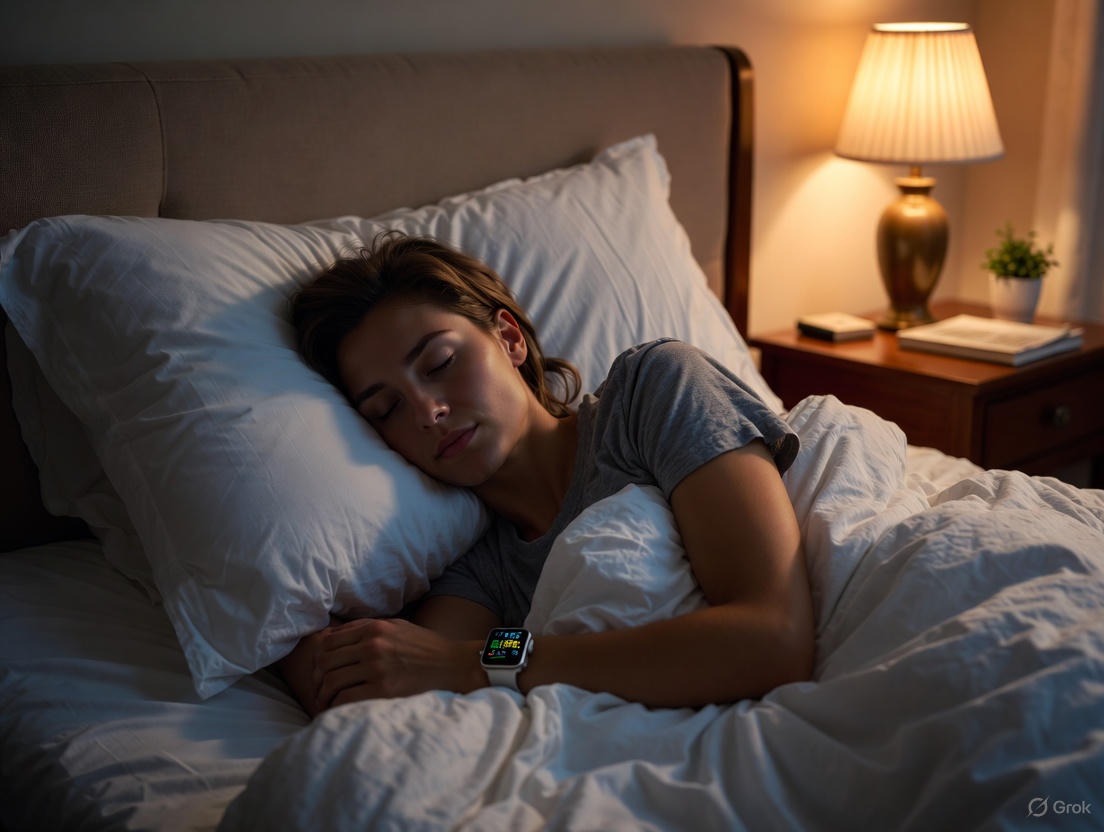
While Heart Rate Variability captures the nuance of your nervous system, Resting Heart Rate (RHR) serves as a straightforward, powerful gauge of your cardiovascular engine's efficiency. Measured in beats per minute (bpm), your RHR is the number of times your heart contracts while you are completely at rest—typically during sleep or upon first waking. In the context of healthy aging, a lower RHR is generally associated with better cardiovascular fitness, stronger heart muscle function, and a reduced risk of age-related heart disease.
Think of your heart as a pump. A stronger, more efficient pump can deliver the same volume of blood with fewer beats. Each beat requires energy and creates wear. Therefore, a heart that beats 50 times per minute at rest is theoretically undergoing less cumulative "mechanical stress" over a lifetime than one beating at 75 bpm. Epidemiological studies consistently link a lower RHR with greater longevity. Your wellness ring provides the perfect tool to track this metric objectively, as it automatically calculates your true resting heart rate during periods of deep rest, free from the spikes caused by daily movement.
Tracking RHR transforms generic cardiovascular advice into a personalized fitness narrative. Common tips like "get regular aerobic exercise" and "maintain a healthy weight" find their proof in the downward drift of your RHR trend line.
By monitoring your RHR, you gain a daily readout of your heart's workload and efficiency. It validates the effectiveness of your endurance training, highlights the impact of recovery and lifestyle choices, and serves as a canary in the coal mine for potential health disruptions. This allows you to proactively manage one of the most critical systems for long-term health. Seeing the tangible results of your efforts—a lower, more stable RHR—provides immense motivation, proving that your actions are directly strengthening the very organ that powers your life. The journey of countless users who have witnessed these positive shifts is documented in the real-world experiences found in Oxyzen.ai testimonials.
The mantra "move more" is a cornerstone of healthy aging, but it is dangerously incomplete without its crucial counterpart: "recover well." The goal is not simply to accumulate activity but to stimulate positive physiological adaptation through strategic stress (exercise) and then allow the body to repair and become stronger during rest. This harmonious cycle of stress and recovery is where true fitness gains, metabolic health, and longevity are forged. Your wellness ring is the essential tool for mastering this balance, ensuring your activity is purposeful and your rest is intentional.
Modern wellness rings do far more than count steps. They use a combination of accelerometers, heart rate monitoring, and sometimes pulse oximetry to estimate activity intensity, calories expended, and active minutes. More importantly, they synthesize this activity data with recovery metrics like HRV, RHR, and sleep quality to present a holistic picture of your readiness or recovery score. This score tells you whether your body is primed for a challenging workout or in need of a gentler, restorative day.
This dynamic feedback validates a more nuanced approach to exercise for longevity:
The danger for many motivated individuals is a constant, moderate-to-high level of activity without sufficient recovery—a state that can lead to plateaus, injury, and chronically elevated stress hormones, which accelerate aging. Your wellness ring protects against this by making the need for recovery visible. A string of hard workouts will manifest as a declining readiness trend. Following that data's advice by taking an easy day will be validated when your readiness score rebounds.
This transforms your fitness journey from a linear pursuit of "more" into a cyclical, intelligent dialogue with your body. You learn the unique impact different activities have on your system, how long you need to recover, and how to time your hardest efforts for when you are physiologically prepared. This personalized approach maximizes the benefits of exercise for healthy aging while minimizing the risks of injury and chronic fatigue, ensuring your activity sustains you for the long run. Understanding this philosophy is core to the mission of companies focused on holistic health, as detailed in Oxyzen.ai's our-story page, which outlines the vision behind integrating activity and recovery insights.
Your body is not a static machine; it is a symphony of rhythms. The most powerful of these is your circadian rhythm—the roughly 24-hour internal clock that governs not just sleep and wakefulness, but also hormone secretion, metabolism, cellular repair, and even gene expression. Disruption of this natural rhythm (through shift work, irregular sleep schedules, or excessive nighttime light exposure) is strongly linked to accelerated aging, metabolic disorders, and cognitive decline. A groundbreaking feature of advanced wellness rings is continuous skin temperature monitoring, which provides a stunningly accurate window into this internal timing and its health.
Your core body temperature follows a distinct circadian wave: it is lowest in the early morning (around 4-5 AM), begins to rise before you wake (helping to promote alertness), peaks in the late afternoon or early evening, and then declines in the evening to facilitate sleep onset. This temperature rhythm is a master regulator, signaling to various systems when to be active and when to rest. Your wellness ring tracks the subtle shifts in peripheral (skin) temperature, which closely mirror this core rhythm.
By analyzing your temperature curve, the ring can validate whether your lifestyle is in sync with your biology:
Furthermore, continuous temperature monitoring can reveal longer-term cycles, such as the infradian rhythms associated with the menstrual cycle in women, providing incredible insight into hormonal health. It can also detect deviations from your personal norm—a slight elevation in baseline temperature might be the earliest sign of an oncoming illness, inflammation, or a metabolic shift, allowing for proactive rest and care.
In essence, your temperature rhythm is the graphical output of your body's master clock. A wellness ring that tracks it allows you to see, for the first time, whether your daily habits are harmonizing with or fighting against this fundamental rhythm. Aligning with your circadian biology is a profoundly effective healthy aging strategy, reducing systemic stress and optimizing every physiological process. Your ring provides the live feedback needed to achieve and maintain this crucial alignment.

We live in an era where "stress management" is universally prescribed but subjectively measured. We're told to "reduce stress," yet our perception of stress can be unreliable—we might adapt to a high-stress state as "normal," or conversely, worry excessively about minor pressures. The critical insight for healthy aging is that it's not the stressor itself, but your body's physiological response to it, that determines its impact on your longevity. Chronic activation of the stress response (elevated cortisol, sympathetic nervous system dominance) accelerates cellular aging, weakens the immune system, and damages the cardiovascular system. Your wellness ring cuts through subjective perception to deliver the objective truth of your stress load by monitoring its direct physiological signatures.
Key metrics like Heart Rate Variability (HRV), resting heart rate (RHR), and respiratory rate become your stress barometers. When your body is under strain—whether from work deadlines, emotional conflict, intense exercise, or hidden inflammation—these metrics shift in predictable ways: HRV drops, RHR increases, and breathing may become faster and shallower, even at rest.
This objective data transforms stress management from a guessing game into a science:
Your ring can also track "stress" through derived scores that combine heart rate, HRV, and activity data to estimate periods of sympathetic arousal throughout the day. Reviewing this timeline can be illuminating—you might see predictable spikes during your commute or afternoon slump. With this knowledge, you can schedule a five-minute breathing break or a walk precisely when your body needs it most.
This capability makes your wellness ring the ultimate biofeedback device for nervous system training. You learn which techniques (box breathing, meditation, cold exposure) most rapidly improve your metrics. Over time, by consistently practicing these techniques in response to the data, you can actually raise your baseline resilience, leading to a higher average HRV and lower average RHR. You are not just managing stress episodically; you are fundamentally rewiring your stress response for greater calm and longevity. For individuals new to interpreting these complex signals, support resources like the Oxyzen.ai FAQ can be invaluable for understanding what your body's data is communicating.
The relationship between nutrition, metabolism, and aging is profound. What we eat influences inflammation, oxidative stress, hormone regulation, and even gene expression—all key drivers of biological age. Yet, nutritional advice is often contradictory and highly individualized. A diet that energizes one person may cause bloating and fatigue in another. While wellness rings are not direct nutrient trackers, they provide powerful metabolic feedback that validates how your body is responding to your dietary choices, moving nutrition from dogma to personalized discovery.
Your body's reaction to food manifests in several key biometrics:
This creates a framework for personalized nutritional experimentation:
This approach moves you away from following rigid, external diet rules and toward becoming an expert on how food fuels your body. The ring provides the non-judgmental feedback loop: you input a dietary variable, and your physiology outputs the result. This empowers you to build a way of eating that truly supports your metabolic health, reduces invisible inflammation, and promotes longevity, all validated by your own data. Diving deeper into the intersection of nutrition and biometrics is a common topic explored in resources like the Oxyzen.ai blog.
Healthy aging is not a destination reached by a single heroic effort; it is a path paved by daily, consistent habits. The difference between trying a healthy tip and living a healthier life is repetition. Sporadic efforts produce sporadic results. It is the aggregate of small, daily actions—the "habit stack"—that compounds over months and years to dramatically shift your biological age. This is where the motivational and accountability power of your wellness ring becomes perhaps its most valuable feature. It turns the abstract concept of "consistency" into a visible, rewarding, and self-reinforcing journey.
A wellness ring provides the ultimate consistency engine through three key mechanisms:
Consider the common healthy aging tip: "Walk 30 minutes a day." Doing it once is easy. Doing it every day for a year is transformative. Your ring tracks this consistency. It shows you that on the weeks you hit your daily step goal, your sleep scores are 15% higher and your stress scores are 20% lower. This isn't a coincidence; it's causality demonstrated through relentless data collection.
The ring helps you build the habit stack by making the invisible visible. You stack a habit of "lights out by 10:30 PM" with "no phone in bed," and you watch your deep sleep increase. You stack "morning walk" with "post-walk protein breakfast," and you see your afternoon energy slumps vanish from your activity graph. Each small, consistent habit validates and supports the next.
This transforms the daunting project of "healthy aging" into a manageable, daily game of incremental improvement. The focus shifts from an overwhelming future goal to the simple question: "What can I do today to make my data a little better tomorrow?" This is the sustainable, lifelong approach that wellness rings are uniquely designed to support. The journey of building these consistent, data-validated habits is a story shared by many, captured in the collective experiences found in Oxyzen.ai testimonials.
The greatest flaw in one-size-fits-all health advice is the assumption of a uniform human biology. We are all unique ecosystems with different genetic predispositions, life histories, microbiomes, and circadian typologies (e.g., "night owls" vs. "morning larks"). A tip that is a miracle for one person may be ineffective or even harmful for another. The paradigm shift ushered in by biometric wearables is the move from generalized wellness to personalized optimization. Your data stream is the key that unlocks what works specifically for you.
Your wellness ring is the engine of this personalization. It doesn't tell you what you should do based on population averages; it shows you what you did and how your body responded. This creates a closed-loop system for self-experimentation (known as n-of-1 biohacking) that is the future of preventive health.
This process turns you into the authority on your own health. You stop outsourcing your well-being to generic magazines and online lists. Instead, you develop a deep, data-informed intuition about your body. You can confidently say, "I know that if I do X, my body responds with Y." This is empowerment.
Furthermore, this longitudinal data set becomes an invaluable asset for healthcare professionals. Instead of describing symptoms vaguely, you can show a doctor a graph of your resting heart rate trending upward over three months, or a persistent disruption in your sleep architecture. This objective history can lead to faster, more accurate diagnoses and more collaborative treatment plans.
In the quest for healthy aging, personalization is not a luxury; it is a necessity. Your wellness ring provides the continuous, multifaceted data required to escape the averages and craft a lifestyle perfectly calibrated to your unique, aging self. Learning to leverage this tool is a journey in itself, one that is supported by the educational mission behind platforms like Oxyzen.ai, where the focus is on empowering users with personalized insights.
The true power of a wellness ring is not just in its daily or weekly insights, but in its ability to reveal the long-term narrative of your health. By aggregating months and years of data, it allows you to see the profound correlation between your daily habits and long-term physiological trends. This shifts the focus from short-term fixes to sustainable lifestyle patterns that directly influence your healthspan—the quality and length of your healthy years. This longitudinal view transforms the device from a fitness tracker into a personal health historian, documenting the story of your choices and their cumulative impact.
Consider biomarkers like Resting Heart Rate (RHR) and Heart Rate Variability (HRV). A single day’s reading is a data point; a 90-day trend line is a powerful health indicator. A gradual, sustained decrease in your average RHR over six months of consistent aerobic exercise is not just a measure of improved fitness; it’s a quantifiable reduction in your cardiovascular risk profile and a marker of a more efficient, "younger" heart. Similarly, a steady upward climb in your HRV baseline over a year of dedicated stress management and sleep hygiene is a direct measurement of your growing resilience and autonomic nervous system balance—key defenses against age-related decline.
This long-view data validates the most critical principle of healthy aging: consistency compounds. The ring makes this invisible compounding visible.
This historical data is invaluable for proactive health management. A subtle but persistent rise in your resting heart rate, outside the context of intense training, could be an early flag for overtraining, prolonged stress, or a thyroid issue. A gradual dampening of your body temperature rhythm’s amplitude might suggest circadian disruption needing attention. Your ring provides the evidence to bring to a healthcare professional, moving conversations from symptoms to data-driven patterns.
Ultimately, this long-game perspective fosters a patient, strategic mindset. You learn that a single bad day or week doesn’t define your health; it’s the overarching direction of your trends that matters. This encourages you to stick with positive habits through plateaus, knowing that the cumulative effect is what will show up in your long-term data—and in your future vitality. For those committed to this long-term journey, connecting with a community and learning more about the comprehensive vision behind this technology can provide both inspiration and context.
Our health does not exist in a vacuum. It is in constant dialogue with our environment: the light we see, the air we breathe, the noise we hear, and the daily routines we follow. Healthy aging tips often include optimizing these environmental factors, but their impact can feel intangible. Your wellness ring bridges this gap by showing you the direct physiological impact of your surroundings, allowing you to engineer a personal environment that actively promotes longevity.
Light: The Master Zeitgeber
We’ve touched on morning light for circadian reset, but your ring can validate your entire light exposure pattern. Consistently poor sleep scores and a lagging temperature rhythm might point to insufficient bright light during the day and/or excessive blue light at night. By intentionally increasing daylight exposure (e.g., a walk at noon) and implementing a strict "no screens before bed" rule, you can watch as your sleep latency decreases and your sleep stage distribution improves. The data validates that you are properly syncing your internal clock with the solar day, a foundational anti-aging practice.
Temperature & Thermoregulation
Beyond circadian rhythms, ambient temperature affects sleep quality and recovery. Your ring’s sleep data can reveal if your bedroom is too warm. You might see more nighttime awakenings and less deep sleep during summer months or in an overheated room. Experimenting by lowering your thermostat by a degree or two can be validated by immediate improvements in sleep depth and continuity. The ring proves you’ve created a more optimal environment for cellular repair.
Routine & Predictability
Your autonomic nervous system thrives on predictability. Erratic meal times, irregular sleep schedules, and chaotic daily routines force your body into a state of constant anticipation and adjustment, which is a subtle but chronic stressor. By using your ring to establish and stick to consistent daily anchors—a regular wake time, meal times, wind-down routine—you are likely to see a reduction in daily stress score variability and an improvement in overall HRV stability. The data shows that your body relaxes into the safety of a predictable rhythm.
The Digital Environment
The constant ping of notifications, the endless scroll of social media, and the work emails that invade the evening are potent psychological stressors. Your ring’s stress score can objectively capture their toll. Try a "digital sunset" one hour before bed for a week. The validation comes not just in feeling calmer, but in a visible drop in your heart rate during that pre-sleep period and a higher HRV reading overnight. This gives you the evidence needed to set and maintain healthier digital boundaries.
The Social Environment
As hinted earlier, your social interactions leave a biometric signature. The ring can objectively show that an evening spent in positive, connecting conversation supports recovery, while a conflict-ridden encounter can undermine it. This data empowers you to be more intentional about your social investments, prioritizing time with people and in settings that are physiologically regenerative.
By using your wellness ring as a biofeedback tool for environmental tweaks, you move from passively inhabiting your world to actively designing it for health. Each positive change—blackout curtains, a consistent morning routine, a cooler bedroom, scheduled digital detoxes—is validated by concrete improvements in your core biomarkers. You become the architect of a longevity-promoting lifestyle, with your ring providing the blueprint in the form of relentless, objective feedback. Exploring the stories of others who have optimized their lifestyles can provide powerful ideas, much like those shared in the community-focused Oxyzen.ai testimonials.
The data from a wellness ring is transformative, but it is not an end in itself. The ultimate goal is to integrate these insights into a cohesive, holistic philosophy of health that guides your decisions beyond what the device can measure. The ring provides the "what"—the objective feedback on your physiology. The holistic philosophy provides the "why" and the "how"—the context, meaning, and broader practices that create a fulfilling, resilient life. This integration prevents data from becoming a source of anxiety and instead makes it a tool for empowered self-awareness.
From Metrics to Meaning
A low HRV score is data. Understanding that it reflects your body's need for rest and recovery gives it meaning. The holistic approach asks: "What brings me deep restoration?" It might be data-validated meditation, but it might also be reading a novel, gardening, or playing with your dog—activities whose positive impact is reflected in subsequent metrics, even if the ring doesn't track them directly. The ring validates the physiological outcome of your chosen restorative practice, whatever it may be.
The Limits of Quantification
Not every pillar of healthy aging is easily quantified. Purpose, creativity, deep social connection, and spiritual practice are profound drivers of well-being and longevity that a sensor cannot measure. A holistic philosophy uses ring data to secure the foundational pillars—sleep, movement, metabolic health, circadian rhythm—thereby freeing up mental and physical energy to invest in these qualitative, unmeasurable aspects of a vital life. When your sleep and stress are managed, you have more capacity for joy, connection, and contribution.
Avoiding Orthosomnia
An over-fixation on perfect sleep data can lead to "orthosomnia," a condition where the pursuit of perfect scores ironically creates sleep-disrupting anxiety. A holistic philosophy uses the data as a guide, not a god. It recognizes that a single night of poor sleep is not a catastrophe but a data point in a long trend. It encourages you to listen to the ring's suggestions but also to your own intuition and lived experience.
Creating a Feedback Loop, Not a Report Card
The integrated view sees the daily readiness score not as a pass/fail grade, but as a gentle suggestion for the day's template. A low score isn't a failure; it's valuable information suggesting a day of gentle movement, nourishing food, and early rest. This shifts your relationship with the device from one of judgment to one of collaborative partnership.
Synthesizing with Other Health Information
Your ring data is one powerful layer of your health picture. A holistic approach combines it with other information: regular blood work (like lipid panels, HbA1c, and inflammation markers), how you feel subjectively, and feedback from trusted healthcare providers. When your ring shows declining HRV and your blood work reveals elevated inflammation markers, you have a multi-layered, compelling case to investigate dietary or stress-related triggers. This integration creates a truly comprehensive view of your healthspan.
By anchoring your wellness journey in both cutting-edge data and timeless holistic principles, you build a sustainable practice. The ring provides the precision to optimize your biology, while the holistic philosophy provides the wisdom to live a meaningful, connected, and balanced life. This synergy is where the true art and science of healthy aging converge. For those seeking to deepen this integrated understanding, resources that discuss the broader mission and science, such as the information found at Oxyzen.ai/about-us, can be instrumental.
For decades, the focus of healthy aging was predominantly physical—maintaining mobility, heart health, and organ function. However, a revolutionary understanding has taken hold: cognitive decline is not an inevitable consequence of aging, and brain health is inextricably linked to bodily health. The emerging field of "mental fitness" emphasizes proactive, daily habits to preserve and even enhance cognitive function, emotional resilience, and psychological well-being throughout the lifespan. Your wellness ring, perhaps surprisingly, becomes a critical tool in validating these mental fitness strategies by monitoring their profound physiological echoes.
The brain is not an isolated organ; it is the most metabolically active system in the body, deeply affected by and affecting everything from inflammation and glucose regulation to sleep quality and autonomic balance. The ring's biometrics serve as a proxy for brain-state and neurological stress.
Validating Cognitive Load and Recovery
Mental work—deep focus, problem-solving, learning a new skill—is a form of stress on the brain, requiring energy and creating metabolic byproducts. Just like physical exercise, it requires recovery. Your ring can detect this.
The Physiology of Emotional Regulation
Emotions are not purely psychological events; they are full-body experiences with distinct biometric signatures. Anxiety can trigger a rapid heart rate and shallow breathing. Frustration can cause a spike in skin conductance (a metric some advanced rings estimate via temperature and HRV). Your ring provides an objective readout of your emotional physiology.
Sleep as Cognitive Housekeeping
This cannot be overstated: sleep is the cornerstone of cognitive longevity. During deep sleep, the brain's glymphatic system clears out beta-amyloid plaques, proteins strongly associated with Alzheimer's disease. REM sleep is crucial for memory consolidation and emotional processing. Your ring’s sleep stage analysis is, therefore, a direct report on your brain's nightly maintenance cycle.
The Impact of Novelty and Learning
Learning new, complex skills (a language, an instrument, a dance) is a powerful stimulus for neuroplasticity—the brain's ability to rewire itself. This cognitive challenge creates mild, beneficial stress. Your ring may reflect this initial engagement with a slight shift in stress metrics, but consistent practice should, over time, correlate with improved recovery scores as your brain becomes more efficient and resilient. It validates that you are "working out" your brain.
By connecting mental effort and emotional states to tangible physiological data, your wellness ring demystifies mental fitness. It proves that calming your body calms your mind, that restoring your body restores your brain, and that the disciplined, daily practices of cognitive care are not abstract—they are reflected in the very rhythms of your heart and the quality of your sleep. This makes the pursuit of a sharp, resilient mind a measurable, and therefore, more motivating endeavor.
The traditional healthcare model is largely reactive: you experience symptoms, you visit a doctor, you receive a diagnosis and treatment. Healthy aging, in contrast, demands a proactive model—one that identifies deviations from your personal baseline before they manifest as symptoms or disease. This is the predictive power of continuous biometric monitoring. Your wellness ring acts as an early-warning system, detecting subtle shifts that signal your body is under strain, allowing for early, often lifestyle-based, intervention.
The predictive capability lies in the establishment of your personal baseline. Population averages are irrelevant; what matters is what is normal for you. Your ring learns this over weeks of observation. Once this baseline is established, it can flag meaningful deviations—signals that often precede illness or indicate overtraining by days.
The Illness Prediction Signature
One of the most consistent findings among users of advanced wearables is the ability to detect the onset of illness, such as a common cold or even viral infections like COVID-19, before obvious symptoms appear.
Predicting Overtraining and Burnout
For the active individual, the line between productive training and detrimental overreaching is thin. Your ring draws this line with data.
Uncovering Hidden Stressors and Sensitivities
Sometimes, the stressor isn't a virus or a workout, but something in your diet or environment. A persistent, low-grade elevation in RHR or depression of HRV without an obvious cause can be a clue.
This shift from reactive to proactive is the single most transformative aspect of using a wellness ring for healthy aging. It empowers you to manage your health in real-time, based on objective signals from your body. You are no longer waiting for a crisis; you are continuously fine-tuning your system to avoid one. This predictive, preventative approach is the very essence of extending healthspan. For anyone new to interpreting these predictive signals, platforms with robust support, like the resources available at Oxyzen.ai/faq, can help users learn to recognize and act on these early warnings effectively.
Loneliness and social isolation are now recognized as potent risk factors for mortality, comparable to smoking and obesity. Conversely, strong social ties are linked to lower rates of disease, better cognitive function, and longer life. While "nurture your relationships" is sage advice, how do you quantify its impact? Your wellness ring provides a fascinating, objective lens into the physiological benefits—and costs—of your social world, validating connection as a non-negotiable pillar of healthy aging.
Social interactions, both positive and negative, trigger complex neuroendocrine responses that directly influence the biomarkers your ring tracks.
The Physiology of Positive Connection
Meaningful, supportive social engagement typically promotes a state of safety and belonging, activating the parasympathetic ("rest-and-digest") nervous system.
The Physiology of Conflict and Isolation
Conversely, hostile interactions, social rejection, or extended periods of isolation are processed by the body as threats, activating the sympathetic ("fight-or-flight") system and inflammatory pathways.
The "Dose" of Socialization
Your ring data can even help you find your optimal "dose" of socializing. Introverts and extroverts have different social energy budgets.
Community and Group Accountability
The rise of wearable tech has created new forms of social connection centered on shared health goals. Joining a "step challenge" with friends or a community focused on healthy aging (like those often fostered by brands committed to wellness) creates positive peer pressure and accountability.
By providing a physiological report card on your social life, your wellness ring elevates the importance of community from soft advice to hard science. It allows you to audit your relational world: which relationships and activities are truly restorative (and show up as such in your data), and which are depleting? This empowers you to invest your time and emotional energy more wisely, building a social fabric that actively supports your longevity. Reading about others who have leveraged technology to enhance their wellness journey, as seen in the Oxyzen.ai testimonials, can reinforce the power of this connected, data-aware approach.
An ocean of data is useless without a map to navigate it. The final, and most crucial, step in the validation chain is the translation of insights into action—specifically, into simple, sustainable daily rituals. Your wellness ring’s greatest value is not in the graphs it generates, but in the small, repeatable behavior changes it inspires. The data validates what works, and then your challenge is to ritualize those winning behaviors, weaving them into the fabric of your day until they become automatic.
The key is to start micro-rituals that are directly tied to your data insights.
The Morning Ritual (Validated by Sleep & Readiness Scores)
The Workday Energy Ritual (Validated by Stress & Activity Data)
The Pre-Sleep Ritual (Validated by Sleep Latency & HRV)
The Nutritional Ritual (Validated by Recovery & RHR)
The power of ritual lies in its automation. By turning a data-validated action into a ritual, you bypass the need for daily willpower. It becomes "just what you do." Your wellness ring then switches from being a prompt for that single action to being an auditor of the ritual's ongoing efficacy. It provides the positive reinforcement loop: ritual -> improved data -> motivation to maintain the ritual.
This process turns healthy aging from a project into a practiced lifestyle. You are no longer "on a plan" or "doing a challenge"; you are living a life designed around rituals that your own physiology has certified as effective. This is the ultimate expression of personalized, validated wellness. For more ideas on building these sustainable rituals, exploring curated content from experts on platforms like the Oxyzen.ai blog can offer a continual stream of inspiration and technique.
As with any powerful tool, there is a right way and a wrong way to use biometric data. An obsessive, anxious fixation on daily scores can undermine the very wellness you seek, leading to stress, unhealthy behaviors, or "orthosomnia" (anxiety over perfect sleep data). Cultivating a healthy, productive relationship with your wellness ring is therefore a critical skill in itself. The goal is to use the data as a compassionate guide, not a harsh judge.
Embrace Trends, Not Dailies.
The most important rule: Ignore the daily noise; watch the weekly and monthly trends. A single day of low HRV or poor sleep is meaningless—it could be due to a hard workout, a stressful email, or a one-off late night. It’s the direction of your 7-day or 30-day averages that tells the real story about your health trajectory. Focusing on trends prevents you from overreacting to normal physiological variability and helps you see the true impact of your habits over time.
Context is King.
Always interpret your data with context. Manually log notes in your app for unusual days: "Intense HIIT session," "Drank two glasses of wine," "Big work presentation," "Felt a cold coming on." This context turns a confusing data dip into a clear, understandable cause-and-effect lesson. Without context, data can be alarming. With context, it becomes educational.
You Are Not Your Score.
Your 85 sleep score is not a grade on you as a person. It is feedback from one of your body's systems on one night. Detach your self-worth from the metrics. View the scores as impersonal information, like the gauge on your car's dashboard. A low fuel light isn't a judgment; it's useful information so you can take action. Treat your biometrics the same way.
Listen to Your Subjective Feelings.
Your lived experience is data too. If you feel fantastic—energetic, clear-headed, joyful—but your readiness score is "low," trust your feelings. The ring's algorithms are based on general models, but you are the expert on you. Use the objective data to inform your subjective experience, not override it. If you feel great, go for that run, even if the ring suggests taking it easy.
Avoid Comparison.
Your HRV of 45 is not "worse" than someone else's 85. These metrics are highly individual, influenced by age, genetics, and fitness type. Comparing your data to others’ is a futile and discouraging exercise. The only valid comparison is you vs. your past self. Is your trend moving in a direction you want?
Take Data Holidays.
It can be incredibly freeing to take a day off from checking your data. Wear the ring for collection, but resist the urge to check the app. This helps break any compulsive checking habits and reconnects you with your body's innate wisdom and signals.
By navigating data with this balanced mindset, you harness the power of the technology without becoming enslaved by it. The ring becomes a partner in a curious, compassionate exploration of your health, not a source of anxiety. This mature relationship is essential for long-term engagement and truly sustainable healthy aging. Learning to navigate this balance is part of the user journey that responsible companies support, as seen in the thoughtful resources compiled at Oxyzen.ai/faq.
The current capabilities of wellness rings are impressive, but they represent just the beginning of a seismic shift in personalized health optimization. The convergence of continuous biometric monitoring, artificial intelligence, advanced biomarker discovery, and even genomics is paving the way for a future where healthy aging is not just validated but predicted, pre-empted, and hyper-personalized with stunning precision. Your ring is the foundational device in this coming revolution.
Multi-Modal Biomarker Integration
The future lies in synthesizing data from your ring with other health streams.
AI-Powered Coaching and Predictive Insights
Current apps provide data; future platforms will provide AI-driven prescription. Advanced algorithms will analyze your longitudinal data to:
Non-Invasive Advanced Sensing
Future ring iterations may incorporate new sensors:
The Longitudinal Health Record
Your decades of ring data will become your most valuable health asset—a Longitudinal Health Record that shows your aging trajectory in exquisite detail. This record will be shareable with healthcare providers, giving them an unprecedented view of your health in the context of your life, not just a snapshot in a clinic.
In this future, your wellness ring evolves from a tracker to the central hub of your personal health ecosystem. It will not only validate healthy aging tips but will actively generate them, uniquely for you. It will shift medicine from a focus on treating disease to a focus on cultivating and preserving optimal function—the true definition of healthspan. This visionary future is what drives innovation in the field, a vision that is often rooted in a clear mission, such as the one detailed at Oxyzen.ai/our-story.
Your Trusted Sleep Advocate: Sleep Foundation — https://www.sleepfoundation.org
Discover a digital archive of scholarly articles: NIH — https://www.ncbi.nlm.nih.gov/
39 million citations for biomedical literature :PubMed — https://pubmed.ncbi.nlm.nih.gov/
Experts at Harvard Health Publishing covering a variety of health topics — https://www.health.harvard.edu/blog/
Every life deserves world class care :Cleveland Clinic - https://my.clevelandclinic.org/health
Wearable technology and the future of predictive health monitoring :MIT Technology Review — https://www.technologyreview.com/
Dedicated to the well-being of all people and guided by science :World Health Organization — https://www.who.int/news-room/
Psychological science and knowledge to benefit society and improve lives. :APA — https://www.apa.org/monitor/
Cutting-edge insights on human longevity and peak performance:
Lifespan Research — https://www.lifespan.io/
Global authority on exercise physiology, sports performance, and human recovery:
American College of Sports Medicine — https://www.acsm.org/
Neuroscience-driven guidance for better focus, sleep, and mental clarity:
Stanford Human Performance Lab — https://humanperformance.stanford.edu/
Evidence-based psychology and mind–body wellness resources:
Mayo Clinic — https://www.mayoclinic.org/healthy-lifestyle/
Data-backed research on emotional wellbeing, stress biology, and resilience:
American Institute of Stress — https://www.stress.org/


