


What Consistent Low HRV Tells You (Health Warnings Your Ring Sees)
What consistently low HRV tells you about potential health warnings.
What consistently low HRV tells you about potential health warnings.
%402x.svg)
Your smart ring is more than a sleep tracker. It's a guardian, a sentinel on your finger, quietly listening to the most primal rhythm of your life: your heartbeat. Not just its speed, but its subtle, millisecond-by-millisecond variations. This metric, Heart Rate Variability (HRV), is a direct window into your nervous system and the single most powerful biomarker of resilience your wearable can provide.
While a low HRV reading for a day or two might signal a tough workout, poor sleep, or a stressful day at the office, a consistent downward trend or chronically low HRV is your body broadcasting a priority signal. It’s not your ring being judgmental; it’s translating the language of your physiology. Think of it as your internal "check engine" light moving from a fleeting flicker to a steady, urgent glow. This sustained signal is what we’re going to decode. Over the course of this comprehensive exploration, we’ll move from the foundational science of HRV to the specific, often interconnected, health warnings that a persistently low HRV can reveal. We’ll empower you with actionable strategies, not just data, transforming this warning into a roadmap for recovery and sustained vitality. This journey into your body's inner signals starts with understanding the profound conversation happening beneath your skin.
To understand why a low HRV is significant, we must first move beyond the simple "beats per minute" of your heart rate. Your heart is not a metronome. A healthy, resilient heart beats with a complex, irregular rhythm that is exquisitely responsive to your moment-to-moment needs. This beat-to-beat irregularity is your Heart Rate Variability.
At its core, HRV is the measure of the time interval between successive heartbeats, measured in milliseconds. If one beat comes 1.05 seconds after the last, and the next comes 0.95 seconds later, that’s high variability. If every beat is precisely 1.00 seconds apart, that’s low variability—and paradoxically, a sign of potential trouble.
HRV is not primarily about the heart muscle itself; it's about the system controlling it: the Autonomic Nervous System (ANS). The ANS is the automatic control center for every unconscious process—digestion, breathing, temperature regulation, and, crucially, heart rate. It has two primary branches engaged in a constant, dynamic tug-of-war:
High HRV indicates a strong, responsive vagus nerve and a balanced ANS. It means your body can swiftly accelerate into stress mode when needed and, just as importantly, powerfully apply the brakes to recover afterward. It’s a sign of cardiovascular fitness, resilience, and biological youth.
Consistently Low HRV tells the opposite story. It suggests your nervous system is stuck in a state of sympathetic dominance—a chronic, low-grade "fight-or-flight" mode. The brake pedal (parasympathetic system) is weak or unresponsive. Your body has lost its adaptive flexibility. It's like an engine constantly revving at a high RPM, with no ability to downshift and cool down. This state, often called allostatic load, is the physiological bedrock for a host of downstream health issues. Your smart ring, like the advanced models from Oxyzen, detects this by measuring these micro-fluctuations night after night, providing an objective, unfiltered readout of your nervous system's state, far more telling than how you might feel subjectively.
The most immediate and common warning signaled by sustained low HRV is that you are operating under a significant and unrelenting burden of stress. This goes beyond feeling "a bit busy." We’re talking about the physiological architecture of chronic stress and its most severe consequence: burnout.
Acute stress—a work deadline, a public speech, a near-miss accident—causes a sharp, brief spike in cortisol and adrenaline, a jump in heart rate, and a temporary drop in HRV. This is normal and healthy. The problem arises when the stressor doesn't relent: a toxic work environment, chronic financial worries, long-term caregiving, or unprocessed emotional trauma.
In this state, the sympathetic nervous system never fully disengages. Cortisol levels remain dysregulated. The constant signal to your heart is "be ready for danger," which suppresses the vagus nerve's calming influence. The result is a suppressed, low HRV that becomes your new baseline. Your ring's data will show a graph that fails to recover, trending downward over weeks or months. This isn't just "feeling stressed"; it's a measurable state of sympathetic overdrive.
Chronic stress inevitably progresses if unchecked. The initial phase often feels like being "wired and tired"—anxious yet exhausted. HRV remains low. Eventually, the body's systems start to falter under the constant demand. This is the progression toward clinical burnout, which the World Health Organization classifies as an occupational syndrome characterized by:
A chronically low HRV is the perfect physiological correlate to this state. It quantifies the "energy depletion" at a cellular level. Research has consistently shown that individuals with burnout have significantly lower HRV than healthy controls. Your ring isn't just tracking sleep; it's providing an early-warning biomarker for a state that can take months or years to recover from. For those navigating high-pressure careers, understanding this link is non-negotiable. You can learn more about tracking these patterns in our dedicated resource on the Oxyzen blog.
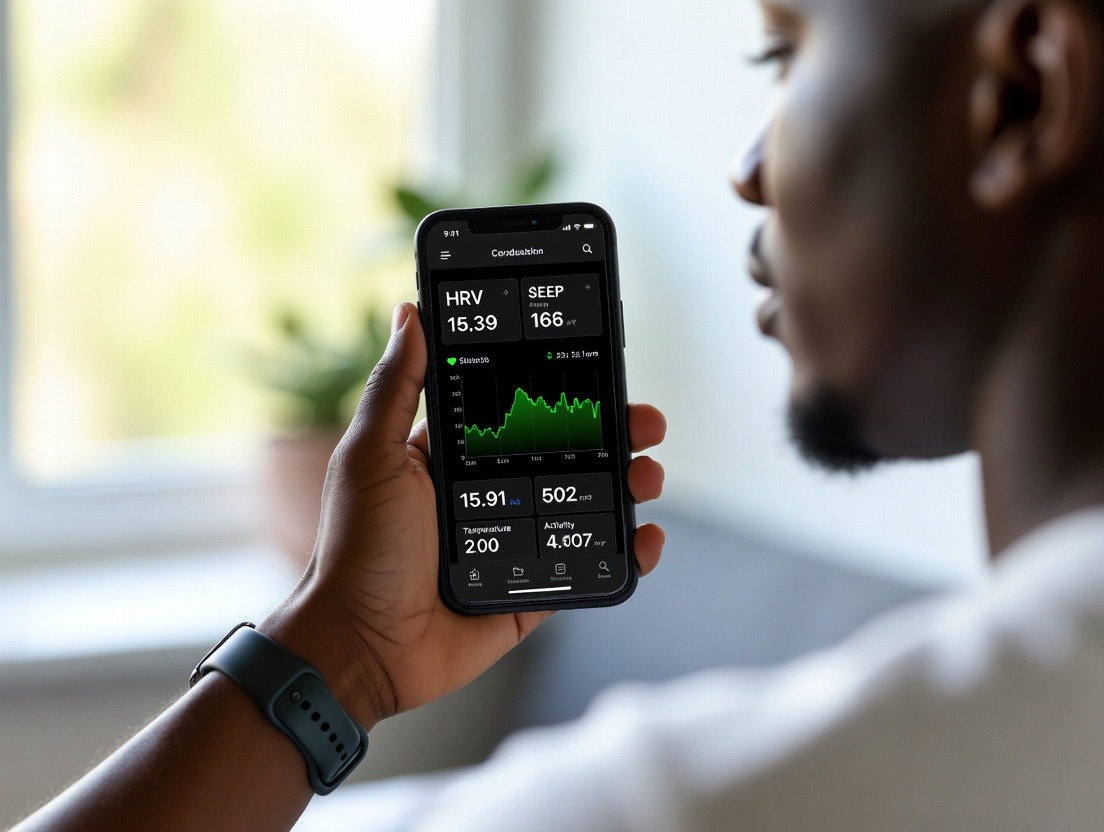
One of the most glaring red flags a smart ring can detect is the intimate, vicious cycle between low HRV and poor sleep. They are a chicken-and-egg scenario, each one powerfully fueling the other.
Sleep, particularly deep (slow-wave) sleep and REM sleep, is the primary time for parasympathetic (rest-and-digest) dominance. This is when HRV should naturally rise, the vagus nerve is active, tissue repair occurs, and the brain clears metabolic waste. It's your body's nightly reset button.
When your baseline HRV is low due to chronic stress, you enter each night with a physiological handicap. Your nervous system is already tipped toward "alert." This makes it incredibly difficult to descend into the deep, restorative stages of sleep. You may sleep for 8 hours but spend very little time in truly reparative sleep. Your ring likely shows frequent awakenings, low deep sleep scores, and a heart rate that doesn't drop sufficiently overnight.
Here’s the cycle in action:
This creates a state of sleep debt that isn't just about hours, but about quality. Your body is never catching up. A smart ring makes this invisible cycle visible. You can see the direct correlation: a night of low HRV and high resting heart rate is almost always paired with a poor sleep score. Breaking this cycle is foundational to improving overall health, and it starts with recognizing the pattern. For practical steps on improving sleep hygiene tailored to your biometric data, our FAQ page offers science-backed guidance.
Moving deeper into the systemic implications, a persistently low HRV is a strong indicator of elevated systemic inflammation. This is not the acute, localized inflammation from a sprained ankle, but a chronic, low-grade, body-wide inflammatory state that is a known driver of virtually every modern chronic disease.
The link, once again, is the vagus nerve. This key component of the parasympathetic system doesn't just slow the heart. It has a powerful anti-inflammatory function, known as the "cholinergic anti-inflammatory pathway." When the vagus nerve is active (signaled by high HRV), it releases neurotransmitters that inhibit the production of inflammatory cytokines—chemical messengers like TNF-alpha and Interleukin-6 that promote inflammation.
When HRV is chronically low, it indicates vagal tone is weak. This "inflammation brake" is failing. Without this inhibitory signal, inflammatory processes can run unchecked. Studies have shown direct correlations: individuals with lower HRV have higher levels of C-reactive protein (CRP), a key marker of systemic inflammation.
This chronic inflammatory state is insidious. You may not feel the classic signs of heat, swelling, or pain. Instead, it manifests as:
It’s a metabolic and immunological burden that directly suppresses your heart's ability to vary its rhythm. Your body's resources are diverted to managing this hidden fire, leaving less capacity for adaptive flexibility. Therefore, a low HRV trend can be an early warning sign that inflammatory processes are underway, long before more specific symptoms or lab markers appear. This insight is at the core of why we built Oxyzen—to surface these hidden signals. You can read about our story and the mission to make this level of health insight accessible.
The connection between your nervous system and your metabolism is profound. A consistently low HRV is a significant predictor of metabolic dysfunction, particularly insulin resistance—the precursor to Type 2 diabetes and a cornerstone of metabolic syndrome.
Recall that sympathetic dominance (low HRV) is a "fight-or-flight" state. A key part of this response is the rapid mobilization of glucose into the bloodstream to fuel muscles for action. Under chronic stress, the hormones cortisol and epinephrine constantly signal the liver to release glucose. This leads to chronically elevated blood sugar levels.
Over time, the cells in your body, overwhelmed by this constant sugar flood and the inflammatory environment that often accompanies it, become resistant to the signal of insulin (the hormone that tells cells to take in glucose). This is insulin resistance. The pancreas must pump out more and more insulin to achieve the same effect, leading to hyperinsulinemia.
Research is unequivocal: individuals with low HRV have a higher prevalence of insulin resistance and metabolic syndrome. The relationship is bidirectional:
It’s another vicious cycle. Your smart ring, by tracking HRV, can provide an early, non-invasive clue that your metabolic health may be heading in a dangerous direction, often before your fasting blood glucose or HbA1c tests show clear abnormalities. This makes HRV a powerful tool for preventive health, allowing for lifestyle interventions in diet, exercise, and stress management before a full-blown diagnosis. For those using data to transform their health, the testimonials from Oxyzen users often highlight breakthroughs in understanding their metabolic patterns.
While a high resting heart rate is a known cardiovascular risk factor, HRV provides a much more nuanced and earlier warning about the health of your heart and blood vessels. Consistently low HRV is a robust, independent predictor of cardiovascular events and mortality.
The heart's rhythm is generated by its natural pacemaker, the sinoatrial (SA) node. This node is richly innervated by both branches of the ANS. Healthy vagal (parasympathetic) input provides a stabilizing effect on the heart's electrical activity. It increases the heart's electrical stability and raises the threshold for dangerous arrhythmias (irregular heartbeats).
When vagal tone is low (indicated by low HRV), this protective, stabilizing influence is diminished. The heart becomes more susceptible to electrical instability. This is why low HRV is strongly associated with an increased risk of:
Beyond electricity, low HRV is linked to endothelial dysfunction. The endothelium is the thin, single-cell lining of all your blood vessels. It is not a passive barrier; it's an active organ that regulates blood pressure, clotting, and immune function. A healthy endothelium is flexible and responsive.
Chronic sympathetic activation and inflammation (both signaled by low HRV) damage the endothelium, making it stiff and dysfunctional. This is the first step in the development of hypertension and atherosclerosis. Studies show that people with lower HRV have impaired endothelial function. Your smart ring, therefore, is tracking a biomarker that speaks to the very flexibility and health of your entire vascular system.

The warning signs of low HRV are not confined to the physical body; they resonate powerfully within the mind. The brain and the heart are in constant, intimate dialogue via the ANS. A disrupted heart rhythm pattern is both a consequence and a contributor to mental and emotional strain.
Clinical anxiety and depressive disorders have a clear physiological signature: significantly reduced HRV. The constant worry and hypervigilance of anxiety maintain sympathetic dominance. The lethargy and withdrawal of depression are also linked to poor autonomic regulation and low vagal tone.
This isn't merely correlation. Therapies that improve mental health, like cognitive-behavioral therapy (CBT) and mindfulness-based stress reduction (MBSR), have been shown to increase HRV. The relationship is a two-way street: improving the mind improves the body's rhythm, and improving the body's rhythm (through HRV biofeedback, for example) can alleviate symptoms of anxiety and depression.
Even outside of clinical diagnoses, daily mental and emotional labor takes a toll. The phenomenon of "cognitive load"—the total amount of mental effort being used in working memory—directly impacts the ANS. Making constant decisions, multitasking, processing large amounts of information, and managing interpersonal conflicts all deplete cognitive resources and drive sympathetic activity.
This leads to decision fatigue, where your ability to make good choices deteriorates over the course of a demanding day. A consistently low HRV throughout your workweek can be an objective measure of this cognitive and emotional burden. It’s a signal that your brain is operating under a heavy tax, leaving fewer resources for patience, creativity, and rational thought. Recognizing this pattern is the first step toward building mental recovery into your day, just as you would physical recovery after a workout. We explore these concepts in depth for our community on the Oxyzen blog.
For the fitness enthusiast or athlete, HRV is arguably the most valuable metric a wearable can provide. It cleanly distinguishes between beneficial, adaptive training stress and harmful, destructive overreaching or overtraining.
The principle is simple but powerful: intense exercise is a sympathetic stressor. It causes acute inflammation, muscle damage, and a temporary drop in HRV. The gains happen during recovery, when the parasympathetic system rebounds, HRV rises, and repair occurs.
Overtraining Syndrome (OTS) occurs when the balance between stress and recovery is chronically skewed. An athlete continues to apply high training loads without adequate rest. The body cannot rebound. HRV remains suppressed day after day. This is not just "being tired"; it's a state of maladaptation characterized by:
By tracking your HRV each morning (a practice made effortless by a smart ring), you can move from a fixed training schedule to a responsive, body-guided one. If your HRV is significantly lower than your baseline, it’s a clear signal from your nervous system that you are under-recovered. This might be due to training, but also life stress, poor sleep, or illness.
On a low HRV day, the smart move is to modify your training: take a rest day, do light active recovery, or focus on technique rather than intensity. This prevents digging a deeper recovery hole and helps you avoid the weeks- or months-long setback of full-blown overtraining syndrome. It transforms your ring from a simple activity tracker into a personal recovery coach. Many elite and everyday athletes have shared how this data-driven approach revolutionized their training; you can find some of their experiences in our user testimonials.
Finally, we arrive at perhaps the most profound implication of a consistently low HRV: it is a biomarker of biological aging and diminished functional resilience. In essence, it suggests your body is aging faster than your chronological years would indicate.
Heart Rate Variability naturally declines with age. A 20-year-old has a much higher HRV, on average, than a 70-year-old. This decline reflects the natural wear and tear on the ANS and the cardiovascular system. However, the rate of this decline varies dramatically between individuals based on lifestyle, genetics, and health status.
When your HRV is chronically low for your age group, it places you in a category of someone with a "older" autonomic nervous system. You have less adaptive capacity, or homeostenosis—a narrowing of the body's ability to maintain stability in the face of change. This is the opposite of homeostasis, a wide, robust stability.
Resilience is not the absence of stress; it is the speed and efficiency with which you recover from it. Low HRV quantifies poor resilience. It means a minor stressor—a poor night's sleep, a cold, a work argument—creates a larger and longer-lasting physiological disturbance. Your system is brittle, not anti-fragile.
This has long-term consequences for longevity and healthspan. Research consistently links higher HRV with greater longevity and lower all-cause mortality. It is a summary metric of your system-wide integrity. By working to raise and maintain your HRV, you are not just solving for today's stress or poor sleep; you are actively investing in your long-term vitality, slowing biological aging, and building a body that can thrive amidst life's inevitable challenges. This holistic view of long-term wellness is central to our mission at Oxyzen, where we believe technology should empower not just awareness, but lasting, positive change.
Having explored the nine critical health warnings signaled by a persistently low Heart Rate Variability, we now move from diagnosis to action. Understanding the "why" is only half the battle; the true power of this biometric insight lies in its ability to guide meaningful, personalized change. This next portion of our deep dive focuses on the systematic approach to reversing low HRV, building resilience, and transforming data into a tangible roadmap for improved health and vitality. We will shift from what your ring sees to what you can do.
Seeing a downward trend in your HRV can be alarming, but a scattergun approach to fixing it is often ineffective and frustrating. The key is to become a detective, using your smart ring data alongside mindful self-observation to identify the primary drivers unique to your life. A systematic diagnosis is the first, non-negotiable step toward effective intervention.
Your HRV data does not exist in a vacuum. The most powerful insights come from correlation. Modern smart rings and their companion apps allow you to view your HRV score alongside other metrics. Your investigation should focus on finding patterns by asking:
Through this correlation process, you will likely identify one or two primary "levers" that most powerfully affect your HRV. For most people, these fall into a few key categories:
By systematically diagnosing your personal pattern, you avoid wasting energy on interventions that don't address your core issue. This focused approach is what transforms data from a source of anxiety into a source of empowerment. For a deeper exploration of interpreting your own data patterns, our resource library on the Oxyzen blog offers detailed case studies and guides.

For the vast majority of people, sleep is the most powerful and non-negotiable lever for improving HRV. You cannot out-supplement, out-meditate, or out-exercise chronically poor sleep. Here, we move beyond basic "sleep hygiene" to advanced, physiology-focused strategies for using sleep as your primary HRV recovery tool.
The goal isn't just more sleep, but better sleep architecture—the structure of your sleep cycles. Deep (Slow-Wave) sleep and REM sleep are particularly crucial for autonomic and psychological recovery.
Your smart ring provides the feedback loop to test these strategies. Implement one change at a time for at least a week and observe:
This iterative process of hypothesis, intervention, and data review turns you into an expert on your own sleep biology. The goal is to create a sleep environment and routine that consistently allows your nervous system to achieve the deep, restorative states where HRV can naturally elevate. If you have specific questions about sleep tracking accuracy or best practices, our comprehensive FAQ at Oxyzen addresses many common user queries.
If sleep is the passive, overnight foundation for HRV recovery, breathwork and related techniques are the active, on-demand tools you can use any time to stimulate your vagus nerve and shift your nervous system state. This is direct training for your "brake pedal."
The most evidence-based breathing technique for improving HRV is resonant or coherent breathing. The goal is to breathe at a rate that maximizes the natural rhythm between your heart rate and your breathing, a phenomenon called respiratory sinus arrhythmia. For most adults, this optimal rate is 5.0 to 5.5 breaths per minute (typically 5-second inhale, 5-second exhale).
Stimulating the vagus nerve extends beyond the lungs. It is a long, meandering nerve that connects to multiple organs. Other effective techniques include:
The beauty of these tools is their accessibility. A 5-minute coherent breathing session before a meeting, 30 seconds of cold water at the end of your shower, or humming a tune during your commute are all micro-interventions that, practiced consistently, cumulatively rebuild your autonomic resilience. To see how real people integrate these practices into modern life, explore the shared journeys in our user testimonials.
What you eat directly fuels—or inflames—the systems that govern your HRV. Nutrition for HRV is less about a single "magic" food and more about strategic patterns that support mitochondrial health, reduce systemic inflammation, and stabilize blood sugar.
Focus on building a dietary pattern that provides the raw materials for a healthy nervous system and a calm immune response.
Equally important is identifying and reducing intake of substances that are direct antagonists to autonomic balance.
Track the impact of these nutritional choices with your ring. Notice your HRV and sleep scores after a night with alcohol versus a night without. Observe the difference after a day of balanced, whole-food meals versus a day of processed snacks. This biofeedback makes the connection between food and physiology undeniable, empowering smarter daily choices.
Exercise is a paradoxical stressor: it acutely lowers HRV, but chronic, appropriate training raises your baseline HRV. The difference lies in the balance between dose and recovery. The wrong exercise regimen is a major cause of low HRV; the right one is its most powerful long-term builder.
Think of your exercise program as a pyramid, with each level serving a specific purpose for autonomic health.
The gains from exercise happen during recovery, not the workout itself. If you constantly train in the middle and top layers of the pyramid without adequate base-layer activity and rest, you will drive your HRV into the ground.
By aligning your movement with your recovery capacity, you stop fighting your body and start training with it. This philosophy of responsive, data-informed training is at the heart of modern athletic longevity and is a core principle we champion at Oxyzen, where we believe technology should enhance, not complicate, your wellness journey.
Chronic mental and emotional patterns are not abstract; they have a direct electrochemical impact on your autonomic nervous system. Training your mind is as concrete as training your body when it comes to improving HRV.
Persistent worry, rumination, and a sense of overwhelm keep the sympathetic nervous system engaged. Cognitive and behavioral strategies can directly interrupt these patterns.
Just as negative states suppress HRV, cultivating positive ones can enhance it. This isn't about forced positivity, but intentional engagement.
These practices rewire your brain's habitual response to daily events, moving it from a default state of reactivity to one of greater responsiveness and balance. This mental reset is a long-term project, but your HRV data provides the objective proof that it's working, reinforcing the positive cycle. For more on integrating mindfulness with biometric tracking, our community shares insights on the Oxyzen blog.

Knowledge and sporadic action are not enough. The final, and perhaps most important, step is embedding these interventions into the fabric of your daily life through sustainable habit formation. The goal is to make high-HRV living your automatic default, not a constant struggle.
Don't try to overhaul everything at once. Identify one or two "keystone habits" that will have a domino effect on other areas of your life.
To install these habits, use "habit stacking"—attaching the new behavior to an existing one. "After I pour my morning coffee (existing habit), I will sit by the window for 5 minutes of morning light and breathwork (new habit)." "After I brush my teeth at night (existing habit), I will plug my phone in outside the bedroom and read for 20 minutes (new habit)."
Your smart ring is the ultimate habit-formation tool because it provides immediate, objective feedback.
By building systems, not relying on willpower alone, you create a lifestyle that naturally supports a high-resilience, high-HRV physiology. This is the essence of sustainable wellness—a journey supported by insight, not dictated by it. To learn more about the philosophy behind building lasting health through technology, you can explore our story at Oxyzen.
As you become more adept at managing your HRV, you may wish to deepen your understanding or confront persistent issues that resist lifestyle changes. Knowing when and how to escalate your investigation is a sign of sophisticated self-care.
For a more complete picture, consider correlating your HRV data with other biomarkers, either through home testing or professional labs.
While lifestyle is powerful, some causes of low HRV require medical diagnosis and treatment. Consult a healthcare professional if your low HRV is accompanied by:
A functional medicine doctor, cardiologist, or endocrinologist familiar with HRV can help interpret your data in a clinical context. They can order advanced tests (like a 24-hour Holter monitor for HRV analysis or a sleep study) to rule out or diagnose underlying conditions. Your smart ring data provides a compelling, longitudinal record to bring to these appointments, moving the conversation from subjective symptoms to objective patterns. For technical questions about how your device collects and interprets this data, our support FAQ is always available.
We have journeyed from understanding the stark warnings of a suppressed HRV to building a comprehensive toolkit for recovery. Now, we arrive at the synthesis: weaving these threads into a cohesive, long-term philosophy for living. This final section is about moving beyond fixing a problem to fostering a dynamic, resilient relationship with your body. It’s about integrating insight from your smart ring into a sustainable practice of self-awareness, enabling you to not just avoid disease, but to actively cultivate vitality and thrive in the face of life’s inevitable demands.
While HRV Age provides a personalized benchmark, it's vital to understand the broader biological landscapes it operates within. Your age, gender, and unique genetics create the canvas upon which your lifestyle paints the picture of your HRV.
The Natural Arc of HRV with Chronological Age
The population curves used to calculate HRV Age exist for a reason. HRV is generally highest in childhood and adolescence, reflecting peak autonomic flexibility. It begins a gradual, steady decline in early adulthood, continuing through middle and older age. This decline is associated with reduced parasympathetic tone and a general decrease in organ system reserve. Therefore, a 60-year-old with an HRV Age of 55 is demonstrating exceptional autonomic preservation, while a 25-year-old with an HRV Age of 30 is showing premature aging. The metric's power is in showing where you sit relative to your peers and, more importantly, where you are trending relative to yourself.
The Critical Influence of Sex and Hormones
Gender is one of the most significant modifiers of HRV. Pre-menopausal women, on average, have higher HRV than men of the same age. This is thought to be influenced by the cardioprotective effects of estrogen. However, women experience a much more dynamic HRV landscape due to hormonal cycles:
Genetic Blueprint and the "Set Point"
Each of us has a genetic predisposition that sets a broad range for our potential HRV. Some people are simply born with a naturally high or low "set point." This is why the personalized baseline is non-negotiable. Your goal is not to achieve someone else's HRV number; it is to optimize your own range. If your genetic set point is lower, a "young" HRV Age for you might be numerically lower than a "young" age for someone with a high set point. The trend is your truth.
Understanding these factors cultivates self-compassion and precision. It prevents the futile comparison of your data to a partner's or friend's. It allows a woman to understand her cycle's impact, and it helps everyone see their data through the lens of their unique biological journey. This personalized understanding is a cornerstone of our philosophy; we believe technology should adapt to human biology, not the other way around. Learn more about our human-centric approach to health tech.

The connection between your heartbeat and your emotions is not poetic metaphor; it is hard-wired physiology. The state of your autonomic nervous system, as revealed by your HRV Age, is both a reflection of and a contributor to your mental and emotional landscape. This bridge between the physical and psychological is where HRV Age becomes a tool for holistic well-being.
HRV as a Biomarker of Emotional Regulation
The prefrontal cortex (PFC)—the brain's executive control center for managing emotions—is intimately connected to the brainstem, which controls the ANS. High HRV is associated with strong prefrontal inhibition over amygdala-driven stress reactions. In practical terms:
Clinical Implications: Anxiety, Depression, and PTSD
Research consistently shows that individuals with anxiety disorders, major depressive disorder, and PTSD have significantly lower HRV than healthy controls. Their HRV Age would be markedly older. This isn't just a correlation; it's part of the pathophysiology. The chronic sympathetic dominance and low parasympathetic activity feed the psychological state, creating a vicious cycle: stress lowers HRV, and low HRV makes one more vulnerable to stress.
Stress Resilience and Burnout Prevention
In the workplace, HRV is a powerful objective measure of allostatic load—the cumulative burden of chronic stress. A declining HRV trend is one of the earliest signs of heading toward burnout.
Cultivating Coherence: The Heart-Brain Connection
Practices like heart-focused breathing, meditation, and gratitude do more than just "feel good." They create psychophysiological coherence, a state where heart rhythms become smooth and ordered (increasing HRV), brainwave patterns synchronize, and emotional states stabilize. In this coherent state, your HRV is high, and your biological systems function with maximal efficiency. Regularly inducing coherence is like giving your nervous system a tune-up, directly contributing to a younger HRV Age and greater emotional equilibrium.
By paying attention to your HRV Age, you are, in effect, tuning into the physical rhythm of your emotional health. It makes the intangible tangible, giving you a metric to manage your mental well-being with the same diligence as your physical fitness. For strategies on using your data to build mental resilience, our blog offers science-backed guidance.
What you eat doesn't just affect your waistline; it directly programs your nervous system and fuels the fires of inflammation—two primary drivers of your HRV Age. The link between metabolic health and autonomic function is profound and bidirectional.
Insulin Resistance and the Stressed Nervous System
A diet high in refined carbohydrates and sugars leads to repeated blood sugar spikes and insulin surges. Over time, this can lead to insulin resistance. This metabolic dysfunction is a major stressor on the body:
The Gut-Brain-Heart Axis
Your gut is your "second brain," housing a vast network of neurons and communicating directly with your CNS via the vagus nerve—the main conduit of your parasympathetic system. An unhealthy gut microbiome (dysbiosis) or a "leaky gut" inflamed intestinal lining:
Dietary Strategies for a Younger HRV Age
The Proof is in the Data
You can run your own experiment: After establishing a baseline, make a sustained dietary change for 3-4 weeks—such as eliminating added sugars, increasing vegetable intake, or having an earlier dinner. Observe the trend in your HRV and HRV Age. This direct feedback turns nutrition from a confusing set of rules into a personalized science, showing you what truly "fuels" your resilience. Many of our users have shared how seeing this connection transformed their relationship with food.
The ultimate goal of tracking HRV is not to become a slave to a daily number, fostering anxiety with each dip. It is to cultivate bio-awareness—a deep, intuitive, and data-informed connection with your body's signals. This transforms health from a passive state of "not being sick" to an active, participatory practice of flourishing.
The traditional healthcare model is largely reactive: you feel symptoms, you seek a diagnosis, you receive treatment. Wearable data, and HRV in particular, enables a radical shift.
This shift empowers you as the primary steward of your wellbeing. Your smart ring becomes a compass, not a critic. It answers the question: "What does my body need today to stay resilient for tomorrow?" This philosophy is core to why companies like Oxyzen exist—to put this level of personal insight directly into your hands, empowering a more conscious and empowered approach to daily living. For a deeper look at the vision driving this technology, you can explore our story.
A single low HRV reading is a data point. A two-week declining trend is a story. The art of bio-awareness lies in interpreting the narrative, not obsessing over the punctuation.
This nuanced understanding prevents burnout from tracking itself. It turns data review into a mindful check-in, a conversation with your physiology, rather than a judgmental scorecard.
The technology on your finger is just the beginning. The field of autonomic monitoring and digital health is advancing at a breathtaking pace, promising even deeper and more actionable insights in the near future.
Current consumer wearables primarily provide a single, averaged HRV score (often measured during sleep). The future lies in continuous HRV tracking and analyzing its dynamic patterns throughout the day.
HRV is powerful, but it becomes extraordinary when fused with other data streams. The next generation of wearables will synthesize multiple biomarkers to paint a complete picture.
These advancements will further blur the line between personal wellness and professional healthcare, providing individuals and their providers with rich, longitudinal datasets for preventive care and chronic disease management. Staying informed about these developments can be as simple as following trusted sources like the Oxyzen blog for updates and analysis.
Let’s crystallize everything into a practical, phased plan. This 90-day roadmap is designed to systematically build your awareness and habits without overwhelm.
Goal: Establish consistency in tracking and identify 1-2 key levers.
Goal: Act on insights and measure the impact.
Goal: Refine your personal formula and build long-term habits.
A consistent low HRV is indeed a profound health warning, a telegraph from your inner systems asking for attention. We have dissected its origins—from chronic stress and poor sleep to inflammation and metabolic strain—and armed you with a formidable arsenal of strategies to address it: precision sleep optimization, direct vagal stimulation, strategic nutrition, intelligent movement, and cognitive reframing.
But remember, the true value of this journey is not in achieving a perfect number. It is in the heightened relationship you develop with yourself. Your smart ring is a mirror, reflecting the consequences of your choices and the state of your inner world with impartial clarity. It is not a master to be obeyed without question.
The goal is autonomic flexibility—the capacity to engage fully with life's challenges (sympathetic engagement) and then to fully, deeply recover (parasympathetic restoration). It is this dynamic dance that defines health, not a static point of perfection.
Let your data inspire curiosity, not anxiety. Let it guide you toward more restful sleep, more mindful moments, more nourishing food, and more intentional movement. Use it to build a life that feels as good on the inside as you aspire for it to look on the outside. This is the promise of modern bio-awareness: a partnership between human intuition and technological insight, working in concert to help you not just live longer, but to live better, more vibrantly, and more in tune with the remarkable, rhythmic wisdom of your own body.
Start Your Journey: If you're ready to move from insight to action, to begin listening to your body's most subtle signals, the first step is choosing a tool that provides accurate, meaningful data. Explore how a device designed with this philosophy in mind can become your guide. Learn more about the approach and technology at Oxyzen, and find answers to your practical questions in our comprehensive FAQ. Your story of resilience begins with a single signal.
Your Trusted Sleep Advocate (Sleep Foundation — https://www.sleepfoundation.org/)
Discover a digital archive of scholarly articles (NIH — https://www.ncbi.nlm.nih.gov/
39 million citations for biomedical literature (PubMed — https://pubmed.ncbi.nlm.nih.gov/)
experts at Harvard Health Publishing covering a variety of health topics — https://www.health.harvard.edu/blog/)
Every life deserves world class care (Cleveland Clinic -
https://my.clevelandclinic.org/health)
Wearable technology and the future of predictive health monitoring. (MIT Technology Review — https://www.technologyreview.com/)
Dedicated to the well-being of all people and guided by science (World Health Organization — https://www.who.int/news-room/)
Psychological science and knowledge to benefit society and improve lives. (APA — https://www.apa.org/monitor/)
Cutting-edge insights on human longevity and peak performance
(Lifespan Research — https://www.lifespan.io/)
Global authority on exercise physiology, sports performance, and human recovery
(American College of Sports Medicine — https://www.acsm.org/)
Neuroscience-driven guidance for better focus, sleep, and mental clarity
(Stanford Human Performance Lab — https://humanperformance.stanford.edu/)
Evidence-based psychology and mind–body wellness resources
(Mayo Clinic — https://www.mayoclinic.org/healthy-lifestyle/)
Data-backed research on emotional wellbeing, stress biology, and resilience
(American Institute of Stress — https://www.stress.org/)


