


Why You Wake Up Groggy: The Deep Sleep Disruption Problem
Understand why waking up groggy indicates deep sleep disruption problems. Learn about sleep inertia causes and solutions to protect restorative stages for refreshed mornings.
Understand why waking up groggy indicates deep sleep disruption problems. Learn about sleep inertia causes and solutions to protect restorative stages for refreshed mornings.
%402x.svg)
You open your eyes. The alarm is blaring, daylight is creeping in, but instead of feeling refreshed, you’re met with a thick mental fog. Your body feels heavy, your mind is muffled, and the thought of launching into the day is almost unbearable. This isn’t just “not being a morning person.” This is grogginess—a state of impaired alertness and cognitive function that can last for hours, derailing your productivity, mood, and overall well-being.
For decades, we’ve chalked it up to not getting “enough hours” of sleep. But what if the culprit isn’t the quantity of your sleep, but its quality? Specifically, what if the architecture of your sleep—the delicate sequence of cycles your brain and body must navigate each night—has been fundamentally disrupted? Emerging research points to a pervasive, often invisible problem: the systematic erosion of deep sleep, our most restorative sleep stage.
Deep sleep, or slow-wave sleep, is the period when your body repairs tissues, builds bone and muscle, and strengthens the immune system. Your brain engages in critical housekeeping, clearing metabolic waste and consolidating memories. When this stage is fragmented or cut short, you can sleep for eight hours and still wake up feeling utterly unrefreshed. You’ve logged the time, but you missed the main event.
This article is a deep dive into the silent epidemic of deep sleep disruption. We will deconstruct the complex tapestry of modern life—from the blue light on your phone to the hidden stress in your nervous system—that sabotages this vital phase. More importantly, we will move beyond simplistic “sleep hygiene” tips to explore the science of sleep architecture and how innovative technology, like advanced wellness wearables from companies such as Oxyzen, is providing the data and insights needed to diagnose and solve this problem. The path to waking up truly refreshed begins with understanding why you’re not.

That heavy, disoriented feeling upon waking has a scientific name: sleep inertia. It’s a physiological state of impaired cognitive and sensory-motor performance that occurs immediately after awakening. Think of your brain as a complex machine. During sleep, especially deep sleep, it powers down certain systems for maintenance. Sleep inertia is the groggy lag time it takes for all systems—particularly the prefrontal cortex responsible for decision-making, attention, and self-control—to come back online at full capacity.
For most people, this inertia lasts 15 to 30 minutes. But when deep sleep is disrupted, the inertia can persist for hours, morphing into a chronic morning fog. Symptoms include poor short-term memory, reduced visual attention, slower reaction times, and a profound desire to return to sleep. You might find yourself pouring orange juice into your cereal or staring blankly at your computer screen, unable to form a coherent thought.
The cost of this daily grogginess is staggering, extending far beyond personal frustration.
The common reflex is to reach for more caffeine or sugar, creating a vicious cycle of artificial energy spikes and crashes that further degrade sleep quality later. To break the cycle, we must stop blaming “sleep” in general and start investigating the specific breakdown in the sleep cycle. The first place to look is the master conductor of this cycle: your circadian rhythm.
To understand deep sleep disruption, you must first appreciate the elegant symphony of a normal sleep night. This symphony is conducted by your circadian rhythm—a roughly 24-hour internal clock housed in the brain’s suprachiasmatic nucleus. It regulates not just sleep-wake cycles, but also body temperature, hormone release (like melatonin and cortisol), digestion, and cell regeneration. This rhythm is primarily set by light exposure, which is why modern lighting patterns have thrown it into disarray.
When functioning optimally, your circadian rhythm orchestrates a predictable pattern of sleep stages throughout the night, known as sleep architecture. A full sleep cycle lasts about 90 minutes and repeats four to six times.
The distribution is key. Your body prioritizes deep sleep early. If you go to bed at 11 p.m., your deepest, most restorative cycles likely occur before 3 a.m. If you consistently cut your sleep short (e.g., waking at 5 a.m. for work), you are systematically cheating yourself of deep sleep, even if you get some REM later. Conversely, if your sleep is fragmented—constantly interrupted by noise, discomfort, or internal disturbances—you may never sink into sustained, productive deep sleep phases.
This architecture explains why “catching up” on weekends is a flawed concept. You cannot bank sleep or retroactively add deep sleep cycles. The disruption has already occurred, with metabolic and cognitive consequences. The goal, therefore, is to protect the natural structure of sleep every night. Yet, our 21st-century environment seems designed to dismantle it piece by piece. For a deeper exploration of how technology can help you visualize your own sleep architecture, our blog features insights on interpreting sleep stage data.
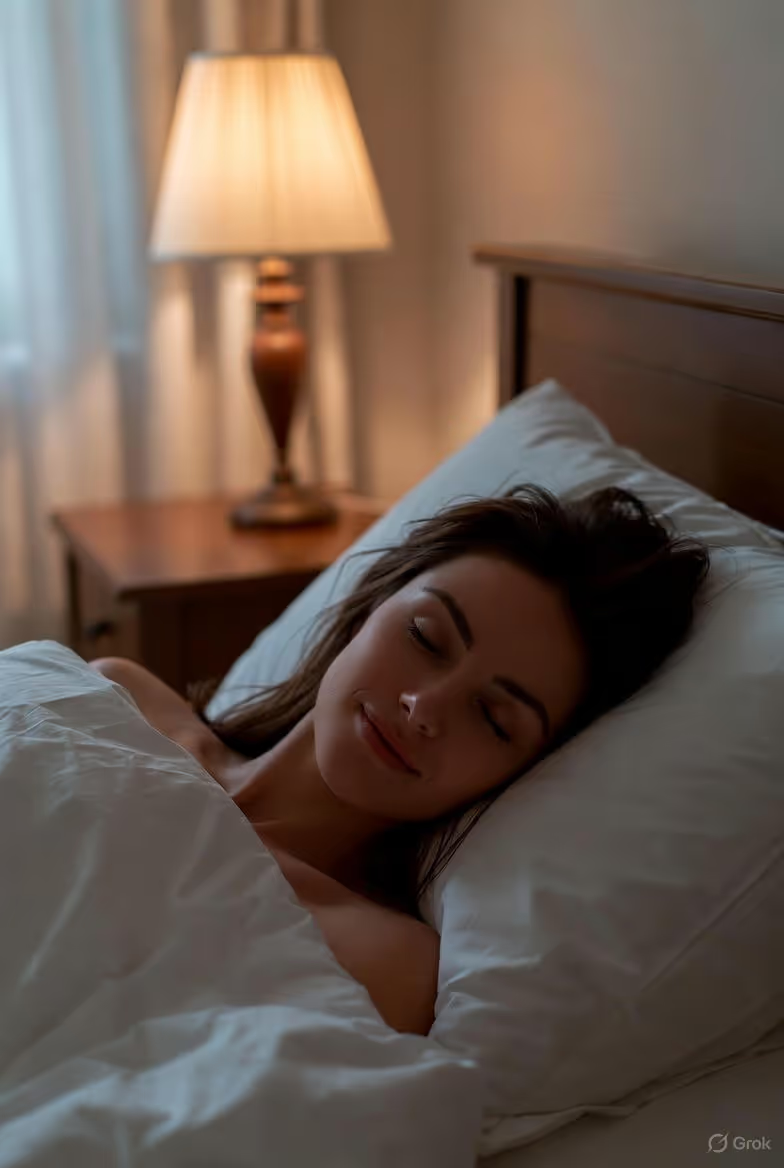
The most pervasive and potent disruptor of deep sleep is one you likely hold in your hand right now: artificial light, specifically blue wavelength light. Your circadian rhythm evolved to take its primary cue from the sun—blue-rich daylight in the morning suppresses melatonin and promotes alertness, while the warm, red hues of sunset signal the pineal gland to secrete melatonin, preparing the body for sleep.
Smartphones, tablets, laptops, LEDs, and TVs emit concentrated bursts of this alertness-promoting blue light. When you binge-watch a series or scroll through social media at 10 p.m., you are essentially broadcasting a “false sunrise” signal to your brain. The result? Melatonin production can be suppressed by over 50%, significantly delaying its release and pushing your entire sleep schedule later.
But the damage isn’t just about falling asleep later. This phase shift truncates the front end of your sleep, precisely where deep sleep should be most dominant. If you fall asleep two hours later but must wake at the same time, you have directly carved out time from your most restorative sleep window. The sleep you do get is more likely to be lighter and more fragmented.
The impact goes deeper than the eyes. Research published in Chronobiology International shows that screen use before bed not only delays sleep onset but also reduces the overall amount of slow-wave (deep) sleep and REM sleep. The cognitive and emotional stimulation from content—be it a stressful work email, an exciting game, or an anxiety-inducing news feed—further activates the brain, making the transition into the deep, quiet waters of N3 sleep much harder to achieve.
Mitigating the Digital Saboteur:
Fixing your light environment is the single most effective step you can take, but it’s only the first layer. As we’ll see, what you consume—both in terms of substances and information—creates another layer of disruption deep within your nervous system.
We often use substances to manage our energy and mood, unaware that they are double-edged swords that slash through our sleep architecture.
Caffeine is an adenosine antagonist. Adenosine is a neurotransmitter that builds up in your brain throughout the day, creating “sleep pressure.” Caffeine blocks its receptors, making you feel alert. The problem? Caffeine has a half-life of 5-6 hours. That 3 p.m. latte means that at 9 p.m., 50% of its caffeine is still active in your system, artificially reducing sleep pressure. This can lead to:
Alcohol, despite its sedative reputation, is a profound deep sleep destroyer. It may help you fall asleep faster, but it dramatically alters sleep architecture. As alcohol is metabolized later in the night, it causes:
Diet and Late-Night Eating also play crucial roles. A large, heavy, or spicy meal too close to bedtime forces your digestive system to work overnight, raising core body temperature and disrupting the natural cooling process required for deep sleep. Blood sugar spikes and crashes from high-glycemic foods can also trigger wakefulness.
The path to deeper sleep requires mindful consumption. Consider a caffeine curfew of noon, view alcohol as a guaranteed sleep disruptor (not an aid), and finish eating at least 3 hours before bed. This allows your body to enter its nighttime restorative mode rather than staying in digestive mode. As you’ll learn on our FAQ page, many users find that tracking how these choices affect their sleep data is a powerful motivator for change.
If light and chemicals are the external saboteurs, stress and anxiety are the internal architects of sleep disruption. You cannot talk about deep sleep without addressing the state of the autonomic nervous system (ANS). The ANS has two primary branches: the sympathetic (“fight-or-flight”) and the parasympathetic (“rest-and-digest”).
Deep sleep is the ultimate parasympathetic state. It requires a sense of safety and relaxation for the brain to relinquish control and sink into slow-wave delta patterns. Chronic stress, anxiety, rumination, and unresolved emotional tension keep the sympathetic nervous system on a low-grade “alert.” This creates a state of hyper-arousal—a biological readiness for threat that is utterly incompatible with deep sleep.
Even if you physically fall asleep, a hyper-aroused brain lingers in lighter stages of sleep (N1 and N2), vigilant for danger. It’s like running antivirus software in the background all night; it drains resources and prevents the system from going into deep maintenance mode. This manifests as:
The stress hormone cortisol follows a diurnal rhythm: high in the morning to help you wake, it should steadily decline throughout the day, reaching its lowest point around midnight. Chronic stress flattens this curve, leaving elevated cortisol levels at night, which directly interferes with melatonin and blocks entry into deep sleep.
Managing this invisible storm is not about “eliminating stress” but about building down-regulation skills. Techniques like diaphragmatic breathing, mindfulness meditation, and gentle yoga before bed signal safety to the nervous system, encouraging the parasympathetic branch to take over. This is the foundational work of sleep hygiene that no supplement can replace. Understanding your personal stress-sleep connection is a core part of the mission at Oxyzen, where we focus on holistic data for a calmer, more recovered life.
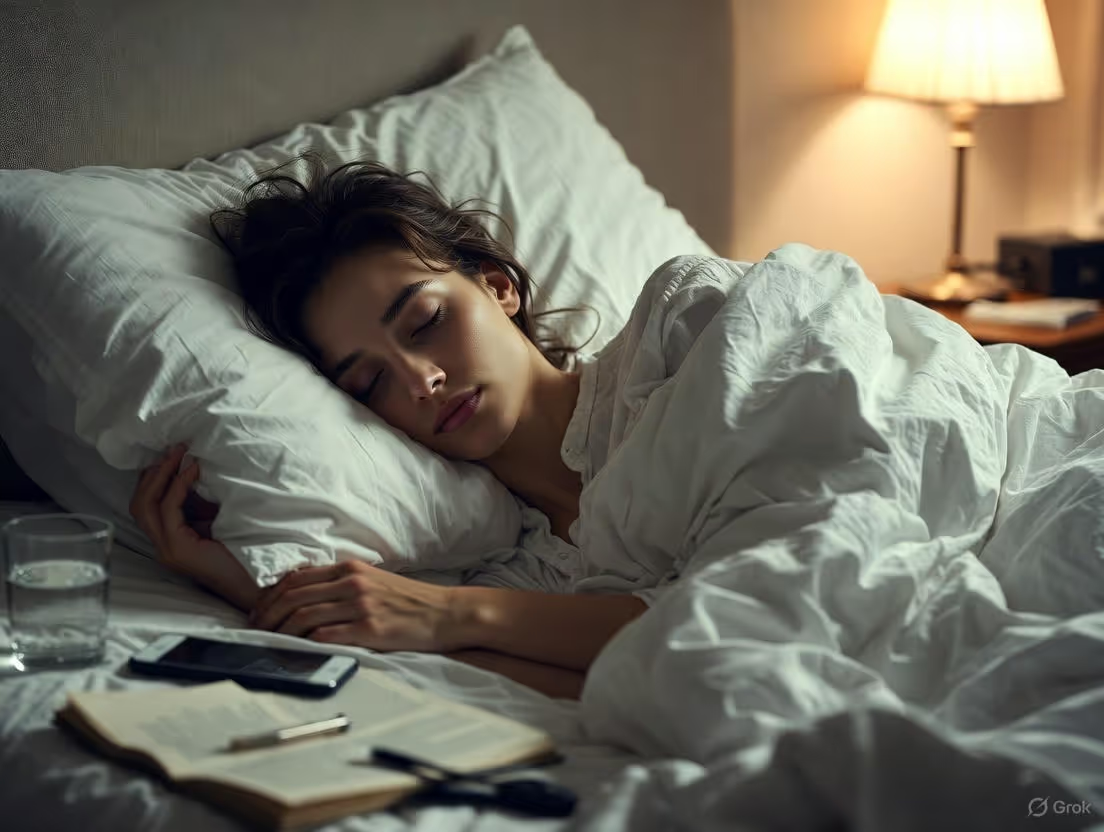
Your sleep environment is your sanctuary, and subtle, often-ignored factors within it can make or break your deep sleep.
Core Body Temperature is a primary sleep regulator. To initiate and maintain sleep, especially deep sleep, your core temperature must drop by about 1-2 degrees Fahrenheit. This process is facilitated by vasodilation—blood vessels in your skin widening to release heat. This is why you might feel warm just as you fall asleep; your body is dumping heat.
A room that’s too warm (generally above 68°F or 20°C) hinders this cooling process, preventing you from reaching the deepest, most restorative stages of sleep. The quality of your bedding matters immensely. Synthetic materials can trap heat, while breathable natural fibers like cotton, linen, or advanced moisture-wicking performance fabrics facilitate this critical thermoregulation.
Noise Pollution is a stealthy deep sleep disruptor. Even if a sound doesn’t fully wake you, it can cause a micro-arousal—a shift from a deeper stage to a lighter one. A passing car, a snoring partner, or a creaking house can repeatedly pull your brain out of deep sleep (N3) back into light sleep (N2). Over a night, this fragmentation severely degrades sleep quality. You accumulate time in bed but are robbed of the continuous, unbroken stretches necessary for true restoration.
Light Pollution, beyond screens, is also crucial. Even small amounts of ambient light from a streetlamp, digital clock, or power strip can pass through closed eyelids and be registered by the brain’s photoreceptors, subtly suppressing melatonin and creating a shallower sleep state.
Optimizing Your Sanctuary:
Crafting the perfect cave might seem basic, but its impact on protecting deep sleep is profound and immediate. For more practical tips on crafting the ideal sleep environment, our community often shares their successful setups and stories on our testimonials page.
Sometimes, grogginess is not a lifestyle problem but a medical one. Several clinical sleep disorders directly target and diminish deep sleep. Persistent, severe morning fatigue despite adequate time in bed warrants consideration of these conditions.
Sleep Apnea is a primary culprit. Characterized by repeated pauses in breathing during sleep (apneas) or shallow breaths (hypopneas), it creates a cascade of disruption. Each breathing cessation causes a drop in blood oxygen, triggering a mini-arousal to restart breathing. These arousals, which can happen hundreds of times a night, are often so brief the sleeper is unaware. However, they constantly interrupt the progression into and maintenance of deep sleep. The result is a night spent cycling between light sleep and brief awakenings, with virtually no sustained restorative sleep. The classic symptom? Waking up exhausted, as if you never slept, often with a headache and dry mouth.
Restless Legs Syndrome (RLS) and Periodic Limb Movement Disorder (PLMD) create an irresistible urge to move the legs (RLS) or involuntary jerking movements during sleep (PLMD). These sensations and movements occur most frequently in the evening and during lighter sleep stages, preventing the transition into deep sleep and causing frequent awakenings.
Insomnia, particularly maintenance insomnia (difficulty staying asleep), fragments the sleep cycle. The inability to string together the 90-minute cycles needed to reach and sustain deep sleep leaves individuals stuck in unsatisfying light sleep.
If you suspect a sleep disorder, seeking evaluation from a sleep specialist is critical. Treatment, such as CPAP therapy for sleep apnea, can be life-changing, restoring not just sleep continuity but reclaiming the deep, restorative stages that erase grogginess. The journey to diagnosing these issues often starts with noticing persistent patterns, something that detailed sleep tracking can help illuminate.
For generations, understanding our sleep was an exercise in guesswork. We relied on subjective feelings (“I tossed and turned”) and crude metrics like time in bed. The advent of consumer wearable technology—first fitness bands, and now sophisticated smart rings and watches—has revolutionized this, pulling back the curtain on the previously invisible world of sleep architecture.
These devices use a combination of sensors (photoplethysmography/PPG for heart rate, accelerometers for movement, and increasingly, skin temperature and pulse oximetry) to estimate sleep stages. While not as precise as a clinical polysomnogram (PSG), the gold-standard sleep study, they provide remarkably accurate trend data night after night. This longitudinal view is where their power lies.
For the first time, you can see evidence of deep sleep disruption directly. You might observe:
This objective feedback loop is transformative. It moves you from speculation (“I feel tired”) to insight (“My deep sleep was 40% below my baseline last night, and my resting heart rate was elevated. What did I do differently?”). It empowers you to become a scientist of your own sleep, running gentle experiments to see what truly works for your unique biology.
Brands like Oxyzen are at the forefront of this movement, integrating multiple health signals—sleep, recovery, activity, stress—into a cohesive picture of readiness. This holistic view is essential because, as we’ve seen, sleep does not exist in a vacuum. It is the outcome of your entire day. By learning more about how Oxyzen’s technology works to provide this integrated picture, you can start to connect the dots between your daily habits and nightly restoration.
Armed with an understanding of the saboteurs and the data to see their effects, we can now build a proactive, personalized defense of deep sleep. This isn’t about a rigid routine but about creating a “sleep-promoting” lifestyle.
The Wind-Down Protocol: Your evening should be a gradual descent into sleep, not a sudden crash. Create a 60-90 minute buffer zone before bed. This is for low-stimulation activities: reading a physical book, gentle stretching, listening to calming music or podcasts, taking a warm (not hot) bath (the subsequent cooldown aids the temperature drop), or practicing meditation. This ritual signals to your brain and nervous system that it’s time to shift states.
Daylight Anchor and Movement: Deep sleep at night is fortified by bright light exposure and physical activity during the day. Aim for at least 30 minutes of outdoor light in the morning to firmly set your circadian clock. Regular exercise, particularly earlier in the day, increases deep sleep pressure. However, avoid intense workouts too close to bedtime, as they can be stimulating.
Consistency is King: Your circadian rhythm thrives on predictability. Waking up and going to bed at roughly the same time every day—even on weekends—stabilizes your internal clock and makes the onset of deep sleep more reliable. This is more powerful than any supplement.
Mindful Consumption Revisited: Enforce your caffeine curfew. Rethink alcohol as a sleep tax. Hydrate well throughout the day but taper off fluids 1-2 hours before bed to minimize disruptive bathroom trips. Opt for a light, sleep-supportive evening snack if needed, like a small handful of nuts or a banana, which contain magnesium and tryptophan.
The Cognitive Shutdown: For a busy mind, keep a “brain dump” journal by your bed. Write down tomorrow’s tasks, lingering worries, or creative ideas. This act transfers them from your cycling thoughts to the page, clearing mental space for sleep.
Implementing even a few of these foundational habits can create a dramatic shift in sleep continuity and depth. The key is consistency and observation. For a comprehensive collection of strategies and user experiences that bring these principles to life, explore the resources on our blog.
We are on the cusp of a new era in sleep health—one that moves beyond generic advice into truly personalized sleep optimization. The future lies in the seamless integration of multi-modal data to create a holistic picture of your “readiness” and its direct link to sleep quality.
Imagine a system that doesn’t just track your sleep stages but understands their context. It correlates your low deep sleep score with data showing elevated nighttime heart rate variability, a slightly higher baseline skin temperature, and a log of a difficult afternoon meeting. The insight isn’t just “you had poor sleep”; it’s “your sleep was fragmented likely due to elevated sympathetic nervous system activity from residual stress, compounded by a suboptimal sleep environment temperature.”
This level of integration allows for personalized nudges:
This is the philosophy behind next-generation wellness wearables. It’s not about more data for data’s sake; it’s about actionable intelligence. The goal is to close the loop between your daily life, your sleep, and how you feel each morning. By providing a clear, causal link between choices and outcomes, this technology fosters true behavioral change and empowers you to become the architect of your own recovery.
This journey—from groggy mornings to refreshed awakenings—requires a shift from passive suffering to active investigation. It demands that we respect sleep not as a blank period of inactivity, but as a complex, active, and vital physiological process that we can nurture and protect. The story of modern sleep disruption is complex, but the path to reclaiming it is becoming clearer with every advance in our understanding and tools. To learn about the vision driving this kind of personalized health technology, you can read our story. The first step out of the groggy fog is turning on the light of knowledge. What you discover may change your nights, and your days, forever.
We obsess over mattresses and pillows, but often ignore the very air we breathe for eight hours. Your bedroom’s atmospheric environment—its biome—plays a critical, underrated role in achieving and sustaining deep sleep. Poor air quality and improper humidity create a low-grade physiological stress that prevents the nervous system from fully settling into its most restorative state.
Carbon Dioxide (CO2) Buildup: In a sealed, modern bedroom, you exhale CO2 all night. As levels rise, even within standards considered “safe” for indoor air, research indicates a direct impact on sleep quality. A study published in Indoor Air found that elevated CO2 concentrations (above 1000 ppm) were associated with:
Volatile Organic Compounds (VOCs) and Particulates: Off-gassing from furniture, paints, carpets, and cleaning products introduces VOCs. Dust mites, pet dander, and outdoor pollutants are particulates. These can irritate the respiratory system, triggering mild inflammation or allergic reactions. Even if you don’t wake up sneezing, this irritation can cause micro-arousals, increase nasal congestion, and force more mouth breathing—which is less efficient, dries the throat, and can worsen conditions like mild sleep apnea.
The Humidity Sweet Spot: Humidity is a Goldilocks variable. Air that is too dry (<30% relative humidity) dries out mucous membranes in the nose and throat, leading to irritation, increased snoring, and a higher susceptibility to viruses. Air that is too humid (>60% RH) creates a breeding ground for dust mites and mold, potent allergens. Both extremes disrupt sleep. The ideal range for sleep is between 40% and 60% RH. This maintains comfortable airways and supports the body’s natural thermoregulation.
Optimizing Your Air for Deep Sleep:
By curating the bedroom biome, you remove a layer of invisible biological stress, allowing your body to focus its energy on deep recovery, not low-grade defense. As many of our users at Oxyzen have discovered, optimizing their environment was the missing puzzle piece to consolidating their sleep.
Society operates on a roughly 9-to-5 schedule, but our internal timing is not one-size-fits-all. Your chronotype is your genetically predisposed natural inclination for sleep and wake times. It’s why some people are vibrant “larks” at dawn and others are creative “owls” at midnight. Forcing an owl into a lark’s schedule is a surefire recipe for chronic deep sleep deprivation and grogginess, because it misaligns your sleep window with your body’s prime time for deep sleep.
Chronotypes exist on a spectrum, often categorized as:
The mismatch arises because societal structures (work, school) overwhelmingly favor morning types. An evening type forced to wake at 6 a.m. is essentially in a state of perpetual social jet lag. To get up, they must cut their sleep short during their later, biologically-preferred deep sleep period. They may “get” 7 hours, but it’s 7 hours misaligned with their rhythm, meaning less deep sleep and more fragmented sleep overall. The resulting grogginess is often misinterpreted as laziness or poor discipline, when it’s a biological conflict.
The Deep Sleep Connection: The timing of your deepest slow-wave sleep is tightly locked to your circadian rhythm’s temperature minimum (your lowest core body temperature, which usually occurs in the second half of your biological night). For a morning type, this might be at 4 a.m. For an evening type, it might be at 7 a.m. Waking an evening type at 6 a.m. is like waking a morning type at 3 a.m.—you are pulling them from the depths of their most restorative cycle.
Navigating a Non-Morning World:
Respecting your chronotype isn’t about surrendering to it entirely, but about understanding your biological constraints and working with them, not against them, to carve out a protected window for deep restoration. For more resources on aligning your lifestyle with your biology, our blog frequently covers personalized wellness strategies.
The market is flooded with over-the-counter and natural supplements promising “deeper, more restorative sleep.” But do they actually promote the architecturally sound, deep slow-wave sleep we need, or do they merely induce a sedated state that can further disrupt natural cycles? The answer is nuanced and critical.
Melatonin: This is a chronobiotic (a rhythm-setter), not a classic sedative. It’s most effective for shifting circadian timing (e.g., jet lag, delayed sleep phase disorder) or signaling that it’s time to sleep. At low doses (0.5-3 mg), it can help initiate sleep. However, there is limited evidence that standard melatonin supplementation increases deep sleep duration in healthy adults. It helps you get to sleep, but doesn’t necessarily architect a better sleep. High doses can sometimes cause next-day grogginess and suppress the body’s own production.
Magnesium: This mineral is a cofactor for hundreds of enzymatic processes and acts as a natural NMDA receptor antagonist and GABA agonist, promoting relaxation. Deficiency is linked to restless sleep. Supplemental magnesium (particularly glycinate or threonate) can improve sleep quality, reduce nighttime awakenings, and in some studies, increase slow-wave sleep by supporting nervous system calm. This is one of the more promising supplements for directly influencing sleep architecture.
GABA and L-Theanine: These are calming neurotransmitters/amino acids. They can reduce the time to fall asleep by lowering anxiety and physiological arousal. While they promote relaxation conducive to sleep, direct evidence for significantly boosting deep sleep metrics is still emerging.
The Sedative Trap: Antihistamines (Diphenhydramine, Doxylamine): Found in drugs like Benadryl or OTC sleep aids (e.g., ZzzQuil), these are anticholinergic sedatives. They knock you out by blocking acetylcholine, a key neurotransmitter for learning, memory, and—crucially—REM sleep. They profoundly suppress REM and can create a “hangover” effect. They do not promote natural, structured deep sleep; they create a drugged, architecture-flattened state. Regular use is linked to cognitive decline and does not address the root cause of sleep issues.
The Paradox: Many supplements and aids create a perception of sleep (unconsciousness) without guaranteeing its quality (healthy cycling through stages). They can mask the symptoms of deep sleep disruption while potentially making the underlying architecture worse.
A Principled Approach:
True deep sleep enhancement comes from optimizing the system, not overriding it with chemicals. For specific questions on how lifestyle interacts with sleep physiology, our FAQ addresses many common queries.
If you want to predict how deep your sleep will be tonight, look at how recovered your body is today. The most profound metric connecting daytime physiology to nighttime sleep quality is Heart Rate Variability (HRV).
HRV is not your heart rate, but the variation in time between each heartbeat. Controlled by the autonomic nervous system (ANS), a higher HRV generally indicates a healthy, resilient nervous system with strong parasympathetic (“rest-and-digest”) tone and flexibility to adapt to stress. A lower HRV suggests dominant sympathetic (“fight-or-flight”) activity, fatigue, or inadequate recovery.
The HRV-Deep Sleep Feedback Loop:
Tracking HRV provides a readiness score for your life. It answers: “Is my body recovered enough to take on stress (physical, mental), or do I need to prioritize rest?” Ignoring a consistently low HRV and pushing through with intense workouts or high stress is a direct assault on your potential for deep sleep that night.
Using HRV Insights:
By monitoring HRV, you move from guessing about sleep to managing the inputs that dictate it. This holistic view of recovery is central to the philosophy behind advanced wellness tracking. Understanding this interconnectedness is part of our story of creating technology that looks at the whole picture of health, not just isolated metrics.
One of the most profound, yet normalized, changes in human biology is the age-related decline in deep sleep. It’s a key reason why older adults often report lighter, more fragmented sleep and wake up less refreshed, even without specific sleep disorders.
The Inevitable Decline: Research is clear: both the quantity and quality of slow-wave sleep diminish with age. A young adult may spend 20-25% of the night in deep sleep. By middle age, this can drop to 10-15%, and in older adults, it may be 5% or less. Furthermore, the “amplitude” or intensity of the slow brain waves decreases. The deep sleep becomes shallower.
Causes are Multifaceted:
Why This Matters Beyond Grogginess: The decline of deep sleep isn’t just about feeling tired. It’s linked to:
Fighting the Decline: Aggressive Sleep Hygiene is Non-Negotiable
While the decline is natural, the slope is not fixed. Lifestyle choices can significantly preserve deep sleep architecture later in life.
Aging doesn’t doom you to terrible sleep. It means the fundamentals covered in this article—light, temperature, routine, stress management—transition from “good ideas” to essential medicine for preserving brain health and vitality. For a community exploring these strategies, the shared experiences on our testimonials page can be a source of inspiration and practical ideas.
Sharing a bed is an expression of intimacy, but from a sleep architecture perspective, it can be a minefield of disruption. The phenomenon of “sleep discordance”—when partners have different sleep schedules, habits, or issues—is a major, often unspoken, thief of deep sleep.
The Disruptors in Duo Sleep:
The Data Behind the Discord: Studies using actigraphy (movement tracking) on couples show that when one partner moves, there’s a high probability the other will move or experience a sleep stage shift within a minute. This is called sleep synchrony, but in this context, it’s synchrony of disruption. Research also confirms that couples report poorer subjective sleep quality when they share a bed versus sleeping alone, despite the emotional benefits of co-sleeping.
Strategies for Synchronized Sleep:
Protecting your deep sleep in a partnership requires negotiation and sometimes creative solutions. It’s a balance between the emotional connection of shared rest and the biological necessity of uninterrupted sleep. Finding that balance is a key part of long-term health for both individuals.
Your actions during the day don’t just set the stage for sleep—they actively construct it. Two of the most powerful levers you have are napping and exercise, but their impact on deep sleep is entirely dependent on timing and duration.
The Nap Paradox:
Napping is a double-edged sword. Done correctly, it can boost alertness and performance without harming nighttime sleep. Done incorrectly, it can steal the essential “sleep pressure” needed to drive deep sleep at night.
Rule of Thumb: If you struggle with insomnia or achieving deep sleep at night, avoid long or late naps. If you nap, keep it short and early.
Exercise: The Ultimate Deep Sleep Promoter (With a Caveat)
Regular physical activity is one of the most evidence-based ways to increase slow-wave deep sleep. Exercise increases body temperature, and the subsequent drop a few hours later promotes sleep onset. It also builds up adenosine (the “sleep pressure” chemical), depletes glycogen stores, and promotes adaptations that require deep sleep for recovery.
The Individual Factor: Genetics play a role. Some people (“non-responders”) can work out intensely at night and sleep fine, while others are highly sensitive. The only way to know is to experiment and track.
Actionable Insight: Use your energy and recovery metrics. If your wearable shows a high daytime activity load and a rising HRV, your body is likely primed for deep sleep. If you do an evening workout and notice your heart rate remains elevated for hours and your sleep is restless, you have your answer. This kind of personalized feedback is what makes modern wellness tracking so valuable for dialing in your unique formula for deep rest. To learn more about how to integrate this data into your daily decisions, visit our FAQ.
The brain doesn’t have a monopoly on sleep regulation. A growing body of research reveals a vibrant, two-way communication highway—the gut-brain axis—where your digestive system and its resident trillions of microbes (the microbiome) directly influence sleep architecture, particularly deep sleep.
The Vagus Nerve Highway: The primary route of communication is the vagus nerve, a major parasympathetic nerve that runs from the brainstem to the abdomen. A healthy, diverse microbiome produces metabolites like short-chain fatty acids (SCFAs) and neurotransmitters (e.g., GABA, serotonin—a precursor to melatonin) that send “all is well” signals up the vagus nerve to the brain, promoting calm and readiness for rest.
The Microbial Metronome: Evidence suggests gut bacteria have their own circadian rhythms, influencing and being influenced by our sleep-wake cycles. Disruption of sleep (like jet lag) can quickly alter microbiome composition. Conversely, an unhealthy gut (dysbiosis) can disrupt sleep:
Dietary Links to Deep Sleep:
The Sleep-Diet Cycle: Poor sleep increases cravings for high-sugar, high-fat “comfort foods,” which further degrade microbiome health. This creates a negative feedback loop: bad sleep -> poor food choices -> worse gut health -> worse sleep.
Nurturing the Connection for Deeper Sleep:
By viewing your gut as a partner in sleep, not just a digestive tube, you unlock another powerful lever for improving sleep depth and reducing morning grogginess. The journey to holistic health is interconnected, a principle we explore deeply in our resources at Oxyzen.
Sleep is a hormonal orchestration. Two of the lead players, cortisol and melatonin, perform a precise diurnal dance. When this dance is in sync, deep sleep thrives. When it's off-rhythm, grogginess ensues. Understanding this tango is key to fixing deep-seated sleep issues.
The Ideal Rhythm:
The Disrupted Tango & Deep Sleep Consequences:
Restoring the Rhythm:
Tracking heart rate variability (HRV) and resting heart rate can serve as excellent proxies for this hormonal balance. A low HRV and elevated nighttime heart rate often reflect high cortisol activity. By using data from holistic wellness trackers, individuals can see the direct impact of their stress-management efforts on their readiness for deep sleep. This kind of insight is at the core of what we aim to provide at Oxyzen.
When lifestyle changes aren't enough to banish grogginess, it's time to move from self-tracking to professional diagnosis. Understanding the hierarchy of sleep assessment tools empowers you to seek the right help.
The Consumer Wearable (The Trend Spotter):
As discussed, devices like advanced smart rings and watches are phenomenal for showing trends and correlations. They answer: "Is my deep sleep decreasing over time?" and "Does alcohol correlate with a lower HRV?" Their limitations are in absolute diagnostic precision for sleep stages and specific disorders. They are excellent for motivation, insight, and identifying patterns to discuss with a doctor.
The At-Home Sleep Test (The Disorder Screener):
Prescribed by a physician, these simplified devices typically measure airflow, breathing effort, heart rate, and blood oxygen levels. They are primarily used to screen for moderate to severe Obstructive Sleep Apnea (OSA). You use them for one or two nights in your own bed. While convenient, they do not measure brain waves (EEG) and thus cannot accurately assess sleep stages or diagnose disorders like insomnia or narcolepsy.
The In-Lab Polysomnogram (PSG) (The Gold Standard):
This is the comprehensive diagnostic tool. Conducted in a sleep lab, it uses a full array of sensors:
A PSG can diagnose the full spectrum of sleep disorders: sleep apnea (central and obstructive), narcolepsy, periodic limb movement disorder, REM sleep behavior disorder, and complex insomnia. It provides an exact map of your sleep architecture.
When to Seek a Professional Evaluation:
Taking your wearable data to a sleep specialist can provide a powerful starting point for the conversation. It moves the discussion from "I'm tired" to "My data shows consistently fragmented sleep and elevated nighttime heart rate, which has persisted for three months despite these interventions." This data-informed approach is championed by forward-thinking health professionals and is aligned with the detailed tracking available through devices featured on our blog.
Waking up groggy isn't just a daily inconvenience; it's a canary in the coal mine for long-term health. Chronic deep sleep deprivation—the persistent, nightly shortfall of slow-wave sleep—is not a benign condition. It is an independent risk factor for some of the most prevalent and serious diseases of our time.
1. Metabolic Mayhem: Type 2 Diabetes and Obesity
Deep sleep is when the body regulates glucose and insulin sensitivity. Disrupt it, and the following happens:
2. Cardiovascular Consequences: Hypertension and Heart Disease
During deep sleep, heart rate and blood pressure naturally dip, giving the cardiovascular system a period of vital rest. Fragmented sleep with little deep sleep blunts this "nocturnal dipping."
3. Neurological Nightmares: Cognitive Decline and Alzheimer's Risk
This is perhaps the most critical connection. Deep sleep is the brain's glymphatic system's prime time for activity. This waste-clearance system flushes out metabolic debris, including amyloid-beta and tau proteins—the very proteins that clump together in the brains of Alzheimer's patients.
4. Immune System Impairment: Vulnerability to Illness
Deep sleep boosts the immune system. It's when the body produces and releases cytokines, proteins that target infection and inflammation. Deprive the body of deep sleep, and:
The message is clear: protecting deep sleep is an act of preventive medicine. It is as important for long-term health as diet and exercise. This profound understanding of sleep's role in systemic health drives the mission behind comprehensive wellness technology, a story you can explore further in our story.
Your Trusted Sleep Advocate: Sleep Foundation — https://www.sleepfoundation.org
Discover a digital archive of scholarly articles: NIH — https://www.ncbi.nlm.nih.gov/
39 million citations for biomedical literature :PubMed — https://pubmed.ncbi.nlm.nih.gov/
Experts at Harvard Health Publishing covering a variety of health topics — https://www.health.harvard.edu/blog/
Every life deserves world class care :Cleveland Clinic - https://my.clevelandclinic.org/health
Wearable technology and the future of predictive health monitoring :MIT Technology Review — https://www.technologyreview.com/
Dedicated to the well-being of all people and guided by science :World Health Organization — https://www.who.int/news-room/
Psychological science and knowledge to benefit society and improve lives. :APA — https://www.apa.org/monitor/
Cutting-edge insights on human longevity and peak performance:
Lifespan Research — https://www.lifespan.io/
Global authority on exercise physiology, sports performance, and human recovery:
American College of Sports Medicine — https://www.acsm.org/
Neuroscience-driven guidance for better focus, sleep, and mental clarity:
Stanford Human Performance Lab — https://humanperformance.stanford.edu/
Evidence-based psychology and mind–body wellness resources:
Mayo Clinic — https://www.mayoclinic.org/healthy-lifestyle/
Data-backed research on emotional wellbeing, stress biology, and resilience:
American Institute of Stress — https://www.stress.org/


