


What Is HRV? The Health Metric Your Smart Ring Tracks (And Why It Matters)
Explains HRV, a health metric tracked by smart rings, and its importance.
Explains HRV, a health metric tracked by smart rings, and its importance.
%402x.svg)
In the quiet hours of deep sleep, as your body repairs and your mind dreams, your heart tells a story. It’s not the steady, monotonous thump-thump you might imagine. Instead, it’s a dynamic, nuanced rhythm—a subtle dance of milliseconds between each beat. This variation, almost imperceptible without the right technology, is one of the most profound windows into your overall well-being. It’s called Heart Rate Variability, or HRV, and for decades, it was a metric confined to cardiology clinics and sports science labs.
Today, that window is on your finger. The rise of advanced wearable technology, specifically smart rings like those from Oxyzen, has democratized access to this deeply personal biomarker. No longer just for elite athletes or patients under clinical supervision, HRV is now a daily data point for anyone seeking to understand the intricate dialogue between their body and their life.
But what does this number actually mean? Is a higher HRV always better? Why does it plummet after a stressful day or a poor night's sleep? And most importantly, how can you use this information not just to track, but to genuinely transform your health? This article is your definitive guide. We will journey from the fundamental biology of your heartbeat to the practical, actionable insights you can glean from your own data. We’ll demystify the science, explore its profound connection to your nervous system, debunk common myths, and illustrate how integrating HRV awareness with a tool like an Oxyzen smart ring can empower you to make smarter decisions about stress, recovery, sleep, and performance. This isn't just about data; it's about developing a deeper, more intuitive connection with your own body's signals.
To understand HRV, we must first dismantle a common misconception: a healthy heart is not a metronome. If your heart beat at a perfectly constant 60 beats per minute, the interval between each beat would be exactly 1.000 second. In reality, these intervals fluctuate. One beat might come after 1.052 seconds, the next after 0.987 seconds. This beat-to-beat change, measured in milliseconds, is your Heart Rate Variability.
Think of it this way: Your heart rate is the average speed of your heart over a period of time (e.g., 60 BPM). Your HRV is the consistency of the timing between each individual beat. A higher HRV indicates greater variability—more adaptability in the timing. A lower HRV suggests less variability and a more rigid, predictable rhythm.
This variability is not a sign of weakness or arrhythmia; it is a hallmark of a robust, responsive, and healthy autonomic nervous system (ANS). Your ANS is your body's automatic control center, regulating functions like digestion, breathing, and heart rate without conscious thought. It has two primary branches constantly engaged in a delicate tug-of-war:
HRV is the real-time scorecard of this tug-of-war. When you are calm, relaxed, and recovering, your PNS is more dominant, and your heart rhythm exhibits higher variability—it can easily speed up or slow down as needed. When you are stressed, anxious, or ill, your SNS takes the lead, creating a more rigid, less variable heart rhythm to prepare for perceived threat.
Therefore, HRV is a direct, non-invasive proxy for your autonomic nervous system balance and your body’s resilience. It quantifies your physiological capacity to handle stress, recover from exertion, and maintain internal stability. It’s your body’s way of whispering—and sometimes shouting—feedback about your lifestyle. As we explore in greater depth on our blog, this single metric connects the dots between your mind, your body, and your daily habits in a way few others can.

Diving deeper, the autonomic nervous system is the master conductor, and your heart is the orchestra. Every breath you take, every thought you have, and every environmental stimulus you encounter influences the conductor’s baton, which in turn changes the music—your HRV.
The mechanism is elegant. Your heart’s natural pacemaker, the sinoatrial (SA) node, sets the baseline rhythm. However, it receives constant neural input from both the SNS and PNS. The sympathetic nerves release norepinephrine, which accelerates the heart rate by making the SA node fire more frequently. The parasympathetic nerves, primarily via the vagus nerve, release acetylcholine, which decelerates the heart rate, putting the brakes on the SA node.
Crucially, this input is not constant; it pulses with every breath. This is where a key phenomenon occurs: Respiratory Sinus Arrhythmia (RSA). When you inhale, you naturally inhibit vagal (PNS) tone, allowing your heart rate to increase slightly to oxygenate the blood more efficiently. When you exhale, vagal tone increases, slowing the heart rate down. This creates a natural, healthy rhythm tied to your breath—a primary source of high-frequency HRV.
A resilient, healthy system shows strong RSA and high overall HRV. It can swiftly ramp up the SNS to meet a challenge (like a sprint or a difficult conversation) and then efficiently re-engage the PNS to recover and restore afterward. A system under chronic stress, however, loses this fluidity. The SNS becomes overactive, the PNS influence weakens, and the heart’s rhythm becomes less variable and more stuck in a high-alert pattern.
This is why HRV is such a powerful metric. It doesn’t just tell you your heart is beating; it tells you how your entire nervous system is managing the symphony of your life. It reflects the cumulative load of all stressors—physical, mental, emotional, and environmental. By tracking it, you’re not just monitoring your heart; you’re listening to the conductor. For those curious about the technology that captures this delicate symphony, our FAQ page details how devices like the Oxyzen ring accurately measure these subtle variations.
When you glance at your smart ring app and see an HRV number—say, 45 ms—what does that represent? Scientists have developed several mathematical methods to quantify the complex signal of your heart’s timing, primarily falling into two categories: Time Domain and Frequency Domain analysis. Understanding these helps you interpret what your wearable is actually telling you.
Time Domain Measures are the most common in consumer wearables. They calculate variability directly from the time intervals between heartbeats (known as RR intervals).
Frequency Domain Measures use power spectral analysis to break down the heart rate signal into its constituent rhythmic frequencies, like separating white light into a rainbow. This reveals which part of your nervous system is driving the variability.
For the everyday user, your smart ring’s app simplifies this complexity into a single, actionable number (usually based on RMSSD) and a trend line. The real power lies not in obsessing over a single day’s absolute value, but in observing your personal baseline and the direction of the trend over time. A sustained drop from your personal norm is a far more significant signal than comparing your “45” to someone else’s “80.” This personalized approach to data is at the core of our philosophy at Oxyzen, a principle born from our own journey and values.
You might wonder, “I’m not a professional athlete; why should I care about my HRV?” The answer lies in its staggering predictive and reflective power for overall health, longevity, and quality of life. HRV is far more than a fitness metric; it’s a holistic health metric.
1. A Powerful Predictor of Cardiovascular Health and Longevity: Clinically, low HRV is a well-established, independent predictor of increased risk of mortality after a heart attack. More broadly, it is associated with a higher risk of developing cardiovascular disease, hypertension, and atherosclerosis. A high HRV indicates a heart and nervous system that are resilient and adaptable—key traits for long-term health.
2. A Mirror of Mental and Emotional Well-being: The brain-heart connection is a two-way street. Chronic stress, anxiety, depression, and PTSD are consistently linked to lower HRV. The state of constant sympathetic arousal literally leaves a signature on your heart’s rhythm. Conversely, interventions that improve mental health—like mindfulness, meditation, and cognitive-behavioral therapy—have been shown to increase HRV. Tracking it can provide tangible, physiological feedback on your emotional management.
3. The Gold Standard for Recovery and Readiness in Fitness: For athletes, HRV is indispensable. A higher-than-baseline HRV often indicates good recovery and readiness for intense training. A significant drop can signal under-recovery, overtraining, or the onset of illness, allowing an athlete to intelligently adjust their workout to a lighter session or rest day, preventing injury and burnout. This principle applies equally to anyone with an active lifestyle.
4. An Indicator of Sleep Quality and Regeneration: Your deepest sleep stages, particularly slow-wave sleep, are when parasympathetic activity dominates and HRV typically reaches its nightly peak. Poor sleep quality, fragmentation, or insufficient sleep will blunt this nightly recovery surge. Tracking nightly HRV can help you correlate sleep behaviors (like late-night eating or screen time) with physiological outcomes.
5. A Sentinel for Inflammation and Illness: The onset of an infection, a bad allergic reaction, or an inflammatory response places significant stress on the body. This systemic stress is almost always preceded or accompanied by a noticeable dip in HRV, often before overt symptoms like a fever or sore throat appear. Many users report their HRV dropping a day or two before they “feel sick.”
In essence, HRV matters because it integrates signals from across your entire biological system. It is your body’s unvarnished report card. While other metrics like step count or resting heart rate are useful, HRV operates at a deeper regulatory level. It doesn’t just tell you what you did; it tells you how your body is responding to everything you do. To see how real people are using this insight to change their lives, you can read their firsthand accounts in our testimonials.
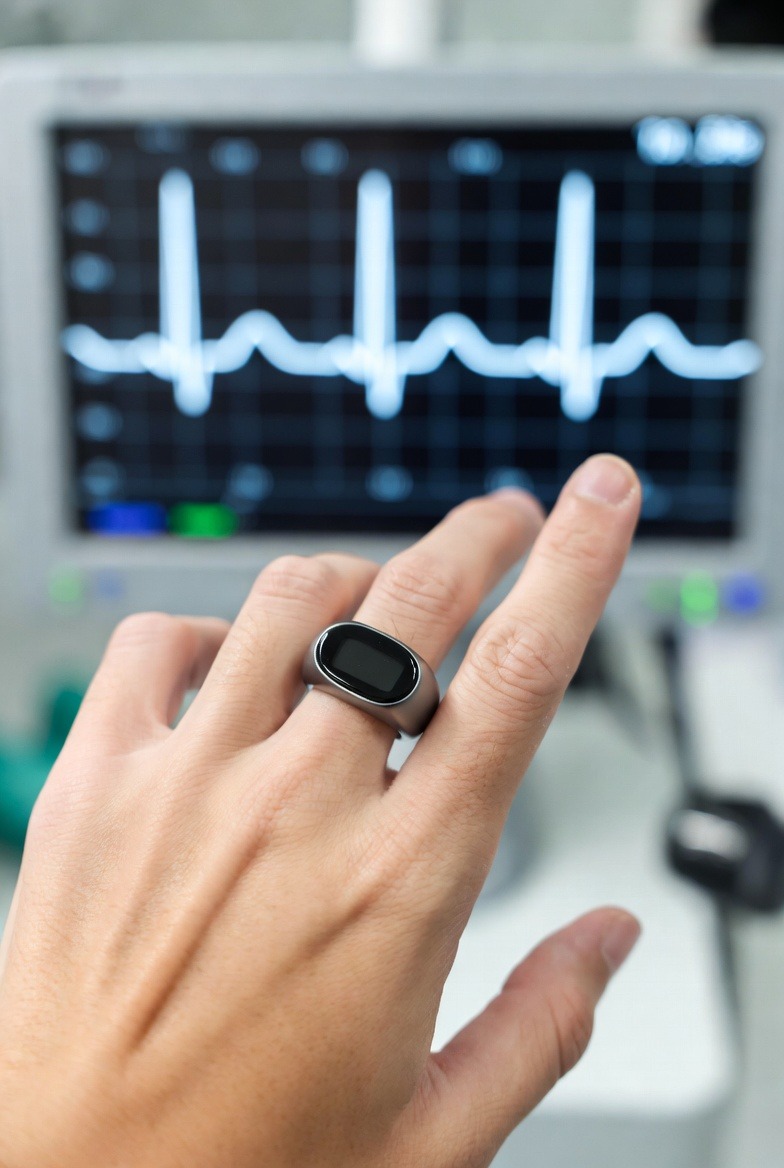
Historically, measuring HRV required expensive, cumbersome equipment. The clinical gold standard is an electrocardiogram (ECG), which uses electrodes placed on the chest to capture the precise electrical activity of the heart, pinpointing each R-wave (the peak of the heartbeat) with extreme accuracy.
The advent of photoplethysmography (PPG) technology revolutionized accessibility. PPG uses a light source (like a green LED on a wearable) and a sensor to detect subtle changes in blood volume in your capillaries with each heartbeat. By analyzing the pulse wave, algorithms can estimate the timing between beats. Early PPG was prone to motion artifact, making it unreliable for HRV’s millisecond-level precision.
Today’s advanced wearables, particularly smart rings, represent a third wave in this measurement revolution. Why are rings like Oxyzen uniquely suited for HRV tracking?
This technological leap has moved HRV from the lab to the living room. It’s no longer a cryptic number in a medical file; it’s a daily insight on your smartphone, empowering proactive health management. The mission behind this accessible technology is something we’re deeply passionate about, which you can learn more about here.
You’ve worn your ring, you have your first week of HRV data, and now the critical question arises: “Is my HRV good?” This is the most common and important hurdle in the journey. The cardinal rule of HRV is: Do not compare your absolute number to anyone else’s.
HRV is highly individualized. Influencing factors include:
Therefore, the only meaningful comparison is you vs. you. The goal is to establish your personal baseline—typically the rolling average over a few weeks of normal, healthy living—and then monitor deviations from that baseline.
How to Read the Signals:
A single low reading is not cause for alarm; it’s a data point. A string of low readings, however, is a clear signal to prioritize rest, hydration, nutrition, and stress-reducing practices. This process of contextualization—layering lifestyle factors atop your biometric data—is where the true transformation from data to wisdom occurs.
Your HRV is a living metric, responding in near real-time to your choices. Understanding these levers gives you the power to actively improve your resilience.
Positive Modulators (Typically Increase HRV):
Negative Modulators (Typically Decrease HRV):
By tracking your HRV, you can run personal experiments. Try a week of early bedtimes, incorporate 10 minutes of daily breathing, or cut out late-night snacks. Observe how your body’s score—your HRV—responds. This creates a powerful feedback loop for sustainable behavior change. For more ideas on experiments to run, our blog is filled with actionable guides and tips.
The wearable market is crowded, with watches, chest straps, and now rings all offering HRV. Each has pros and cons, but for consistent, recovery-focused HRV tracking, the smart ring has distinct advantages.
The smart ring’s value proposition is continuous, comfortable, and clinically-valid measurement with a focus on recovery metrics. It is designed not as a general-purpose smart device, but as a dedicated wellness tool that prioritizes the quality of its core biometrics—like HRV—above all else. This dedicated focus is what allows users to build that essential personal baseline and see meaningful trends.
As HRV enters the mainstream, misconceptions abound. Let’s clear the air.
Myth 1: “A higher HRV is always better.”
Reality: While a higher HRV relative to your own baseline is generally a sign of good recovery and resilience, an abnormally high HRV can sometimes indicate issues. For example, in certain phases of illness or in highly trained athletes at the peak of overtraining syndrome, the body’s regulatory systems can become dysregulated, sometimes leading to paradoxically high readings. Context and trends are everything.
Myth 2: “I should check my HRV multiple times a day and worry about every dip.”
Reality: This leads to “HRV anxiety,” which defeats the purpose. HRV has a natural circadian rhythm—it’s typically lower in the morning, rises in the evening, and peaks during deep sleep. Acute stressors like a meeting or a workout will cause temporary dips. The most valuable metric is your nightly average, taken in a state of rest. Obsessing over minute-to-minute changes is counterproductive.
Myth 3: “My HRV score is a definitive, medical-grade diagnosis.”
Reality: Your wearable HRV is a fantastic wellness and trending tool, but it is not a medical device. It provides guidance and insight, not diagnosis. A consistently low HRV is a strong signal to evaluate your lifestyle and potentially consult a healthcare professional, but it does not diagnose a specific disease.
Myth 4: “If my HRV is low today, I must skip my workout entirely.”
Reality: A low HRV is information, not a command. It suggests your body is under stress. The intelligent response is to listen and adjust. This might mean swapping a high-intensity interval training (HIIT) session for a gentle walk, yoga, or mobility work. It doesn’t always mean complete rest, but it does mean training smarter.
Myth 5: “HRV is only useful for elite athletes.”
Reality: As we’ve established, HRV is a holistic metric of nervous system balance. Anyone experiencing stress, poor sleep, or managing a chronic health condition can gain profound insights from tracking their HRV trends. It’s a universal biomarker for human resilience. We’ve seen this firsthand in the diverse experiences shared by our community at Oxyzen, which you can discover here.

This is where the rubber meets the road. Tracking HRV is fascinating, but its true value is realized when it moves you from passive observation to active, intelligent adaptation.
Step 1: Establish Your Baseline & Observe. Wear your device consistently for at least 2-4 weeks without making drastic changes. Establish your average resting HRV and see how it naturally fluctuates.
Step 2: Correlate with Lifestyle. Use a journal or app notes to log daily factors: sleep duration/quality, workout intensity, stress levels, alcohol, diet, and mood. Start looking for patterns. Does HRV dip after nights you worked late? Does it improve on weekends?
Step 3: Form a Hypothesis & Experiment. See a pattern? Form a hypothesis. “I think my HRV drops when I have more than two drinks.” Or “I think my morning meditation improves my nightly HRV.” Then, intentionally change one variable and observe the effect on your data over several days.
Step 4: Implement “HRV-Informed Decisions.” This is the practice of letting your body’s data guide your daily choices.
Step 5: Practice Patience and Holism. HRV responds to sustainable lifestyle changes, not quick fixes. Don’t expect one good night’s sleep to fix a month of burnout. View it as a long-term conversation with your body. The goal is not to maximize a number, but to use that number to build a life that feels as good as the data looks. For ongoing support and ideas on this journey, our FAQ and support resources are always available.
Resilience is not just a psychological concept; it is a physiological state. It’s your body’s ability to withstand a stressor, adapt, and return to equilibrium efficiently. HRV is the quantifiable signature of this biological resilience. To understand why, we must delve into the concept of allostatic load.
Allostatic load refers to the cumulative "wear and tear" on the body from chronic overactivity or underactivity of physiological stress response systems. Imagine your body’s stress response as a high-performance car. Acute stress is like pressing the accelerator—it’s necessary for performance. Allostatic load is what happens when you ride the brakes and the accelerator at the same time, for miles on end. The systems overheat, parts wear down, and efficiency plummets.
HRV sits at the center of this model. A high, robust HRV indicates a system with a strong "brake"—the parasympathetic nervous system. After a stressor, it can swiftly apply the brakes, calming the heart rate, lowering blood pressure, and initiating repair processes. This efficient return to baseline conserves energy and minimizes cellular damage.
A low, rigid HRV indicates a system where the brakes are weak and the accelerator is sticky. The stress response lingers. Cortisol levels remain elevated, inflammation persists, and the body remains in a state of catabolic breakdown. Over time, this state erodes resilience and is the fertile ground for chronic conditions—from hypertension and metabolic syndrome to anxiety and burnout.
The Predictive Power: Studies have shown that individuals with higher baseline HRV exhibit:
In essence, your HRV provides a real-time readout of your allostatic load and your current resilience "balance." By monitoring it, you’re not just tracking a heart metric; you’re tracking your systemic capacity to navigate life’s demands without breaking down. It offers a proactive warning system, allowing you to intervene with restorative practices before the wear and tear manifests as illness or injury. This scientific backbone is what informs the very purpose of tools like the Oxyzen ring, a story rooted in our mission to make this science accessible.
HRV is a dynamic metric that tells a story across the entire human lifespan, reflecting the development, maturation, and eventual decline of our autonomic nervous system.
Infancy and Childhood: HRV is present even in newborns and is a critical marker of healthy autonomic development. In fact, abnormal HRV in infants is a researched indicator of potential developmental challenges and is even studied in relation to Sudden Infant Death Syndrome (SIDS). As children grow, their HRV typically increases, mirroring the development of vagal tone and emotional regulation capacities. Active, playful childhoods lay the groundwork for a resilient nervous system.
Adolescence and Early Adulthood: This period often sees peak HRV levels, coinciding with peak physical resilience and cardiovascular efficiency. However, the modern adolescent faces unprecedented psychological and social stressors, which can suppress HRV. Tracking during these formative years could provide invaluable feedback on the impact of sleep, social media use, and academic pressure on fundamental health.
Adulthood (30s-50s): This is where lifestyle choices become the dominant force. The natural, gradual age-related decline in HRV can be significantly accelerated or decelerated by behavior. An adult with a sedentary job, chronic stress, and poor sleep may see a steep decline, while an active, health-conscious peer may maintain a HRV profile closer to someone a decade younger. This decade is the prime window for using HRV as a feedback tool to protect long-term health.
Middle Age and Beyond (60+): Lower HRV is a robust, independent predictor of morbidity and mortality in older populations. It is linked to frailty, cognitive decline, and increased risk of cardiovascular events. However, the news is profoundly hopeful: HRV is modifiable at any age. Studies show that interventions like regular aerobic exercise, strength training, and mindfulness can increase HRV in older adults, directly improving their resilience and quality of life. It becomes less about chasing the high numbers of youth and more about optimizing and supporting the system you have.
This lifespan perspective underscores that HRV is not a static trait but a fluid biomarker of your life’s trajectory. It reinforces that the daily habits cultivated by monitoring your data are investments in your long-term functional healthspan—the number of years you live in good health. For practical advice on building these habits at any age, our blog offers a wealth of resources.
For nearly half the population, HRV tracking requires an additional layer of contextual understanding: the hormonal cycle. The autonomic nervous system is highly sensitive to the fluctuations of estrogen and progesterone, making a woman’s HRV inherently more variable—and informative—across her menstrual cycle.
Understanding the Pattern (in a healthy, ovulatory cycle):
Why This Matters for Training and Recovery:
The concept of "cycle-syncing" finds a powerful data partner in HRV. A woman using her smart ring data can objectively see her body’s unique rhythm.
Ignoring this cycle can lead to misinterpretation. A woman seeing a week-long HRV dip might mistakenly think she’s overtraining or falling ill, when in fact, she is simply in her luteal phase. By tracking both HRV and her cycle, she can differentiate between a normal hormonal dip and a true stress signal, leading to more intuitive and effective self-care. This level of personalized insight is a cornerstone of modern wellness technology, a principle deeply embedded in the Oxyzen approach.

Sleep is the single most powerful and non-negotiable reset button for your autonomic nervous system, and HRV provides an objective, behind-the-scenes look at how effective that reset actually is.
During sleep, your body cycles through stages, each with a distinct autonomic signature:
What Your Nightly HRV Reveals About Your Sleep:
Therefore, tracking your sleep HRV is more valuable than tracking daytime spot checks. It’s the ultimate benchmark of your recovery. By correlating nights of high HRV with behaviors (e.g., no screens before bed, a cool room, no late meals) and nights of low HRV with other behaviors (alcohol, stress, late caffeine), you can engineer your evening routine to maximize this critical recovery period. Many users find this data so compelling they share their success stories, like those featured in our user testimonials.
The latest frontiers of neuroscience and physiology reveal that our organs are in constant, intelligent conversation. The “Mind-Gut-Heart Axis” describes the bidirectional communication between the brain, the enteric nervous system (the "second brain" in the gut), and the cardiovascular system. HRV is emerging as a key biomarker of this system’s harmony.
The Vagus Nerve: The Information Superhighway
The tenth cranial nerve, the vagus nerve, is the physical conduit for this conversation. It connects the brainstem to the heart, lungs, and most of the digestive organs. It is the primary pathway for parasympathetic signals that slow the heart (increasing HRV) and promote "rest and digest" functions.
How the Gut Talks to the Heart:
The Practical Implications for HRV:
You can have a direct, measurable impact on your HRV through your gut health.
By tracking your HRV, you can observe how your digestive system responds to different foods and eating patterns. A consistently low HRV might be a clue to investigate gut health. Conversely, practices that improve vagal tone—like slow, deep breathing—can improve gut motility and function, creating a positive feedback loop. This holistic view of the body is essential for true wellness, a topic we often explore in greater detail for those seeking further reading.
Collecting data is the first step. Transforming it into a personalized, living action plan is the ultimate goal. This is the process of moving from knowing your number to understanding your body’s unique language.
Phase 1: The Observation Period (Weeks 1-4)
Phase 2: The Connection Phase (Weeks 5-8)
Phase 3: The Experimentation Phase (Ongoing)
Phase 4: The Integration Phase (Lifestyle)
This action plan turns a smart ring from a data collector into a personal health coach. It fosters a proactive, curious, and empowered relationship with your own body. Remember, the objective is not a perfect score every day, but a resilient system that can handle life’s imperfections and bounce back stronger. For support and answers on this journey, our comprehensive FAQ is designed to help.
We are standing at the precipice of a healthcare revolution, shifting from reactive sick-care to proactive, personalized health optimization. HRV, as a central, accessible, and information-rich biomarker, is poised to play a starring role in this new paradigm.
1. Early Disease Detection and Risk Stratification: As large datasets grow from consumer wearables, machine learning algorithms will get better at detecting subtle, long-term HRV patterns that precede clinical diagnosis of conditions like atrial fibrillation, hypertension, diabetes, and even depression. Your device may one day provide a personalized risk assessment, prompting early, preventative intervention with your doctor.
2. Personalized Training and Nutrition: Beyond generic plans, your HRV data could feed algorithms that dynamically adjust your daily workout intensity, recommend specific micronutrients you may be lacking based on stress patterns, or suggest an optimal time for cognitive work versus creative tasks.
3. Digital Therapeutics and Biofeedback: HRV biofeedback is already a validated therapeutic tool for anxiety, PTSD, and hypertension. Future wearables will integrate immersive, real-time biofeedback experiences—guiding your breathing with visual cues to directly raise your HRV and calm your nervous system on demand.
4. Longitudinal Healthspan Tracking: Your lifelong HRV trend could become a core component of your "healthspan portfolio," providing an objective measure of your biological aging versus your chronological age. Interventions could be judged by their ability to improve or maintain this trajectory.
5. Integration with Other Biomarkers: The future lies in sensor fusion. Combining HRV with continuous glucose monitoring, cortisol sampling, and advanced sleep staging will create a multidimensional picture of health, where HRV acts as the integrative "output" metric showing how all these systems are interacting.
The smart ring on your finger today is the early prototype of this future. It represents a fundamental shift: putting the power of deep physiological insight directly into the hands of individuals, enabling them to become the CEOs of their own health. This isn't about replacing doctors; it's about creating informed, data-empowered partners in the healthcare journey. This vision of empowered, proactive wellness is what drives the team at Oxyzen every day.
As you become fluent in the language of HRV, the next level involves nuanced interpretation and steering clear of common analytical errors that can lead to confusion or "HRV anxiety." Moving beyond the simple "high is good, low is bad" mantra requires a deeper toolkit.
Understanding Signal vs. Noise:
Not every fluctuation is meaningful. Your HRV graph will have daily "noise"—small, random variations inherent to any biological system. The "signal" is the sustained trend over 5-7 days. Focus on the rolling weekly average as your primary guide, not the jagged day-to-day line. A single-day plunge amidst an otherwise stable high trend is likely noise (a bad meal, an argument). A whole week of values dragging 20% below your baseline is a significant signal.
The Context Quadrant Model:
Advanced interpretation involves plotting your HRV against other key metrics to create a more complete picture. Imagine a simple 2x2 grid:
The Pitfall of Over-Averaging:
While the nightly average is key, completely ignoring the profile of your HRV throughout the night can hide clues. Some advanced apps show your HRV by sleep stage. A healthy profile shows a steady rise into deep sleep, peaking in the middle of the night, and then a gradual decline toward morning. A flat, low line all night, or a peak that occurs very late, can indicate poor sleep quality or circadian misalignment, even if the average number looks acceptable.
The "Supercompensation" Lag:
After a period of intense stress or training, your HRV may not immediately bounce back. Sometimes, the lowest point occurs 24-48 hours after the stressor, during the repair phase. Don't panic if your HRV is low on a rest day following a hard block of training; it may be a sign your body is deeply engaged in rebuilding. The key is that it should then recover to or above baseline within a few days.
By adopting this multi-metric, trend-aware mindset, you transition from a data spectator to a skilled interpreter. You learn to ask not just "what is my number?" but "what story is my body telling me across all its signals?" This level of insight is what transforms data into actionable wisdom, a principle central to the holistic approach we champion at Oxyzen, as reflected in our user-focused philosophy.
What if you could actively exercise your vagus nerve and directly increase your HRV, much like lifting weights strengthens a muscle? This is not science fiction; it's the established practice of HRV Biofeedback (HRV-B). It moves you from passive tracking to active training of your autonomic resilience.
The Core Principle: Coherent Breathing.
HRV-B is grounded in the physiological phenomenon of Respiratory Sinus Arrhythmia (RSA). The goal is to synchronize your heart rate rhythm with your breathing cycle, maximizing the natural variability. This state of synchronization is called psychophysiological coherence, characterized by a smooth, sine-wave-like pattern in your heart rate and a significant, immediate boost in HRV.
The Simple Protocol (The 5-5 Method):
Why It Works: This specific breathing rate (typically 5-6 breaths per minute) optimally stimulates the baroreflex—the body's blood pressure regulatory system—and enhances vagal traffic. It creates a resonant frequency where the influences of breathing, heart rate, and blood pressure waves amplify each other, pushing the nervous system into a highly efficient, coherent state.
The Evidence and Benefits: Clinical studies show HRV-B can:
Integrating Biofeedback with Your Smart Ring:
The most powerful application is using your device for live feedback. Some advanced platforms allow you to see your real-time HRV or heart rate rhythm on screen as you practice your breathing. You can literally watch your heart rhythm smooth into a coherent wave as you master the technique, creating a powerful positive reinforcement loop. This turns abstract relaxation into a tangible, skill-based practice.
Making HRV-B a daily habit—even for just 10 minutes—is one of the most potent, direct interventions you have to raise your baseline resilience. It’s the ultimate active use of your HRV data. For guided sessions and further exploration of such techniques, our blog resource library is an excellent place to start.
Theory is powerful, but real-life stories illuminate the profound, practical impact of HRV awareness. Here are anonymized composites based on common user experiences, showing how this metric guides diverse journeys.
Case Study 1: The Overtrained Executive (Michael, 42)
Case Study 2: The Stressed New Parent (Sarah, 34)
Case Study 3: The Inflamed Food Detective (David, 29)
These cases illustrate that HRV is not a one-size-fits-all metric. It is a personalized compass, guiding decisions in fitness, mental health, and nutrition by providing an objective report on internal states.
While HRV is a powerful wellness tool, its relationship with specific medical conditions is complex and should be navigated with both curiosity and caution. It can serve as a valuable adjunct but never a replacement for professional medical diagnosis or treatment.
Anxiety and Depression: As mentioned, low HRV is a common feature, reflecting the chronic sympathetic activation and emotional dysregulation. HRV biofeedback is now a recognized complementary therapy. Patients can use their HRV trend to see the physiological impact of therapy, medication, or lifestyle changes, providing motivating, tangible evidence of improvement.
Post-COVID Syndrome (Long COVID): Many "long haulers" report dysautonomia—a malfunction of the autonomic nervous system—with symptoms like tachycardia, fatigue, and dizziness. HRV is often significantly and persistently suppressed in these cases. For these individuals, tracking HRV can help pace activity: staying within an energy "envelope" that doesn't cause a major HRV crash, thus potentially preventing post-exertional malaise (PEM). It becomes a crucial guide for graded, gentle recovery.
Cardiovascular Disease (CVD): In clinical cardiology, low HRV post-myocardial infarction is a strong, independent predictor of mortality. For patients with managed CVD, working with a cardiac rehab specialist, a rising HRV trend through supervised exercise and stress management can be an encouraging sign of improved autonomic function and cardiac resilience.
Diabetes and Metabolic Syndrome: Insulin resistance and high blood glucose are inflammatory states that stress the nervous system, lowering HRV. Conversely, low HRV may predict the development of type 2 diabetes. Improving HRV through exercise and diet can be both a goal and a marker of metabolic improvement.
A Critical Disclaimer: It is imperative to state that a low HRV does not diagnose any of these conditions, and a high HRV does not guarantee their absence. HRV is influenced by a universe of factors. If you have a diagnosed condition, discuss HRV tracking with your healthcare provider. Use it as a tool for self-awareness and to monitor your body's response to your treatment plan, not for self-diagnosis. For any health concerns, always seek professional medical advice. Our FAQ also addresses the intended use and limitations of wellness tracking technology.
For the athletic population, HRV is the cornerstone of the modern, data-driven training philosophy. It shifts programming from arbitrary schedules to a fluid, biologically-responsive model.
Periodization Guided by HRV:
Traditional periodization plans blocks of training (mesocycles) in advance. HRV allows for autoregulated periodization.
Identifying Overtraining Syndrome (OTS):
OTS is a severe condition of maladaptation. HRV helps distinguish normal training fatigue from the dangerous descent into OTS:
The "Sweet Spot" for Adaptation:
Research suggests the optimal state for positive physical adaptation is a moderate, manageable stress that briefly lowers HRV, followed by a full recovery. Chronically high HRV might actually indicate insufficient training stimulus, while chronically low HRV indicates excessive strain. The art lies in dancing on the edge of that stress-recovery curve, using HRV as your guide.
For the everyday fitness enthusiast, this means no more guessing if you’re "too sore to train." Your HRV provides a clear, physiological answer. It empowers you to push when your body is resilient and rest when it is vulnerable, maximizing gains while minimizing risk. This sophisticated application of biometrics is at the heart of why performance-focused individuals choose dedicated tools, as explored in the journey behind devices like those from Oxyzen.
Food is information that directly programs your nervous and immune systems. Every meal is an opportunity to either support or stress your biology, and HRV provides the feedback.
Macronutrients and Meal Timing:
Key Micronutrients and Compounds:
The Gut-HRV Connection (Revisited):
Remember, hydration is part of nutrition. Even mild dehydration increases sympathetic activity. Use your HRV as a biofeedback tool to discover your personal optimal eating pattern—your body will tell you what fuels its resilience best. For ongoing discussions on nutrition and performance, our community shares insights on the Oxyzen blog.
Your environment is not just a backdrop; it's an active participant in shaping your nervous system. Beyond diet and exercise, intelligent lifestyle design can create a world that supports high HRV.
Light: Your Master Circadian Regulator
Temperature: The Thermoregulation Link
Sound and Noise Pollution:
Digital Hygiene and Psychological Space:
Social and Purposeful Living:
By auditing and intentionally shaping these environmental factors, you stop fighting against a stress-inducing world and start co-creating an environment that nurtures your nervous system. This holistic self-care is the ultimate application of HRV wisdom, moving from fixing symptoms to designing a foundation for sustained vitality.
Your Trusted Sleep Advocate (Sleep Foundation — https://www.sleepfoundation.org/)
Discover a digital archive of scholarly articles (NIH — https://www.ncbi.nlm.nih.gov/
39 million citations for biomedical literature (PubMed — https://pubmed.ncbi.nlm.nih.gov/)
experts at Harvard Health Publishing covering a variety of health topics — https://www.health.harvard.edu/blog/)
Every life deserves world class care (Cleveland Clinic -
https://my.clevelandclinic.org/health)
Wearable technology and the future of predictive health monitoring. (MIT Technology Review — https://www.technologyreview.com/)
Dedicated to the well-being of all people and guided by science (World Health Organization — https://www.who.int/news-room/)
Psychological science and knowledge to benefit society and improve lives. (APA — https://www.apa.org/monitor/)
Cutting-edge insights on human longevity and peak performance
(Lifespan Research — https://www.lifespan.io/)
Global authority on exercise physiology, sports performance, and human recovery
(American College of Sports Medicine — https://www.acsm.org/)
Neuroscience-driven guidance for better focus, sleep, and mental clarity
(Stanford Human Performance Lab — https://humanperformance.stanford.edu/)
Evidence-based psychology and mind–body wellness resources
(Mayo Clinic — https://www.mayoclinic.org/healthy-lifestyle/)
Data-backed research on emotional wellbeing, stress biology, and resilience
(American Institute of Stress — https://www.stress.org/)


