


Why Elite Athletes Track HRV (And Why You Should Too)
Why top athletes track HRV and why it's valuable for everyone.
Why top athletes track HRV and why it's valuable for everyone.
%402x.svg)
In the pre-dawn stillness of a high-performance training center, a world-class sprinter doesn't begin with a stretch or a sprint. Instead, they pick up their phone, glance at a single number on an app, and make a critical decision about their entire day's training. That number isn't sleep score or resting heart rate. It's their Heart Rate Variability (HRV)—a profound, yet subtle, signal from their nervous system. This same metric, once the exclusive secret of Olympic training labs, is now emerging as the single most important biofeedback tool for anyone seeking to optimize their health, performance, and resilience.
For decades, the pursuit of peak performance was a game of pushing limits—train harder, sleep more, eat cleaner. Yet, elite athletes and their sports scientists discovered a paradoxical truth: more isn't always better. Sometimes, the most powerful move is to do less. The key to unlocking this "when" lies not in how you feel subjectively, but in the objective, millisecond-level conversation between your heart and your brain: your HRV.
This is the story of that conversation. It’s a story that explains why a Tour de France champion might skip an intense interval session based on a morning reading, or why an NFL quarterback uses his HRV data to guide his mental recovery. More importantly, it’s a story about why this metric is arguably more relevant for the non-athlete—the busy parent, the stressed executive, the fitness enthusiast, and anyone navigating the relentless demands of modern life. You are an athlete in the arena of your own life. Your recovery, your stress, and your capacity to perform at your best matter just as much. With the advent of accessible technology like the Oxyzen smart ring, this deep physiological insight is now at your fingertips.
This article will demystify HRV, moving beyond the complex science to deliver actionable wisdom. We’ll explore the “why” behind its elite adoption, translate that into your “how,” and reveal how tracking this vital sign can transform your approach to training, recovery, stress management, and overall well-being.
To understand why HRV is so revolutionary, we must first listen to what it’s saying. At its core, Heart Rate Variability is a measure of the subtle variations in time between each heartbeat. Contrary to what you might assume, a healthy heart does not tick with the metronomic regularity of a clock. Instead, it dances—speeding up slightly with each inhale and slowing down with each exhale. This dance is orchestrated by your autonomic nervous system (ANS), the unconscious control center for nearly every function in your body.
Your ANS has two primary branches engaged in a constant, dynamic tug-of-war:
HRV is the readout of this ongoing conversation. A higher HRV generally indicates a strong, responsive parasympathetic influence and a healthy balance between the two systems. It suggests your body is resilient, can adapt to stress effectively, and has ample capacity for recovery. A lower HRV suggests sympathetic dominance—your system is under strain, fatigued, or chronically stressed, leaving less room for adaptive variation.
Think of your body as a high-performance vehicle. Your resting heart rate is like the engine's idle speed. HRV, however, is the quality of the suspension system. A car with a great suspension (high HRV) can handle potholes and sharp turns (stressors) smoothly, maintaining control and returning quickly to a stable state. A car with worn-out suspension (low HRV) gets jolted by every bump, takes longer to settle, and is at greater risk of damage over rough terrain.
From Lab to Wrist: The Measurement Revolution
Historically, measuring HRV required cumbersome ECGs in clinical settings. The breakthrough for athletes came with the realization that accurate HRV could be derived from simpler heart rate data, especially when taken under consistent conditions (like first thing in the morning). This gave birth to the daily morning readiness check. Now, with wearable technology like the Oxyzen smart ring, this measurement is automated, continuous, and seamlessly integrated into your life. The ring’s 24/7 monitoring captures not just a single snapshot, but the narrative of your nervous system throughout your day, sleep, and workouts, providing a depth of insight previously unimaginable outside a research lab. You can learn more about the specific sensor technology that makes this possible on our FAQ page.
In the world of biometrics, we are surrounded by data: steps, calories, active minutes, sleep stages, and resting heart rate. While valuable, these are often lagging indicators—they tell you what has already happened. HRV is different. It is a leading indicator, a forecasting tool for your physiological and psychological state.
Resting Heart Rate (RHR) vs. HRV: The Critical Difference
Many people track their resting heart rate as a sign of fitness. While a lower RHR can indicate improved cardiovascular efficiency, it’s a blunt instrument. It can be lowered by both superior fitness and by overtraining, illness, or fatigue. HRV provides the context. You might see your RHR creep up and your HRV plummet—a classic sign your body is fighting something or is deeply fatigued. Conversely, as fitness improves, you might see a gradual rise in HRV alongside a lowering of RHR. HRV tells the why behind the heart rate number.
The Ultimate Readiness Score
This is why elite athletes treat HRV as their daily "readiness" or "trainability" score. It answers the pivotal question: "Does my body have the physiological capacity to benefit from a hard workout today, or would that stress push me deeper into fatigue and injury risk?"
This shift transforms training from a pre-written calendar of suffering into a responsive dialogue with your body. It replaces "no pain, no gain" with a smarter philosophy: "train smart, then gain." For the everyday individual, this dashboard is equally powerful. A sudden dip in your HRV could warn you of an oncoming cold before symptoms appear, highlight that a work deadline is affecting you more than you realized, or confirm that a poor night's sleep had a real physiological cost. To see how real people use this data in their daily lives, you can explore their stories in our testimonials.
While athletes discovered HRV for performance, the most profound applications extend far beyond the track or gym. Your autonomic nervous system governs everything from your mood and digestion to your immune response and cognitive function. Therefore, HRV becomes a mirror reflecting your total life load.
The Stress Barometer
Chronic stress is the sympathetic nervous system stuck in the "on" position. This constant state of alert depletes your PNS (the brake), leading to lowered HRV. By tracking HRV, you can:
Sleep Quality, Unmasked
Sleep trackers provide data on duration and stages, but HRV during sleep—specifically the rise in parasympathetic (PNS) activity—is a direct measure of your sleep's restorative quality. High nighttime HRV is associated with deep, restorative sleep. If your sleep duration looks good but your HRV remains flat or low overnight, it indicates your nervous system isn't fully powering down, pointing towards issues like sleep apnea, alcohol consumption, or late-night screen time that your sleep stage data alone might miss.
The Mind-Gut Connection
The vagus nerve, a superhighway of the PNS, directly links your brain to your heart and gut. High HRV (indicating strong vagal tone) is associated with better digestion, reduced inflammation, and even improved emotional regulation. This connects the dots between how you feel emotionally, how you perform physically, and how you process food—all viewed through the lens of a single, trackable metric. For a deeper dive into the science of wellness tracking, our blog features ongoing analysis and insights.
Let’s move from theory to practice. How does this actually look in the regimented life of an elite competitor? The protocol is surprisingly simple, yet its impact is transformative.
The Morning Ritual: The 60-Second Check
Upon waking, before coffee, checking a phone, or even getting out of bed, an athlete takes a short, consistent reading. This is often done via a chest strap or a wearable device like a ring, which can provide an even more seamless experience as it automatically captures this data during sleep. This morning HRV value, often combined with RHR and subjective mood markers, becomes their North Star for the day.
Case Study: The Adaptive Training Week
Imagine a marathon runner in peak training.
Without HRV, the Tuesday workout might have been completed in a fatigued state, offering minimal gain while increasing injury risk and delaying full recovery for Thursday's key session. The entire training cycle becomes more efficient and less risky.
Periodization and Tapering
Coaches use HRV trends over weeks and months to guide periodization—the planned manipulation of training load. They can objectively see when an athlete is adapting (HRV stable or rising despite increased load) versus maladapting (HRV trending down). This is especially critical during the taper before a major competition. HRV helps ensure the athlete arrives at the start line not just rested, but physiologically primed—a state known as "supercompensation."

You may not have a coach, a training plan for the Olympics, or hours a day to devote to recovery. The beautiful truth is that the principles are universally applicable and scalable. Your "performance" might be delivering a presentation, managing your team, having patience with your children, or simply having energy for your hobbies at the end of the day.
Your Personalized Morning Check-In
Your version of the elite protocol can be fully automated with a device like the Oxyzen ring. While you sleep, it gathers your baseline HRV and RHR. Instead of a manual test, you simply wake up and check your app. You’re looking for your personal trends, not comparing to others. Is your number in your normal range? Is it significantly higher or lower than your recent average?
Making Data-Driven Daily Decisions
Managing Life Stress and Preventing Burnout
For the professional, this is arguably HRV's greatest gift. A sustained drop in HRV over a work-intensive period is an unbiased plea from your body. It empowers you to:
This proactive management shifts you from reacting to crashes to sustaining high performance in your career and life over the long term. The our story page details our mission to bring this level of self-awareness and proactive health management to everyone.
Recovery is not passive; it’s an active physiological process. HRV doesn’t just tell you to recover; it helps you understand how to recover most effectively and lets you know when you’re done.
Different Strokes for Different Folks: What Actually Moves the Needle?
We all have generic recovery advice: "get more sleep," "try meditation." But what works for you? HRV turns recovery into a personal experiment.
Sleep Optimization
Since HRV is a direct output of your ANS, it provides the clearest picture of your sleep’s restorative power. You can use it to:
This turns sleep from a black box into an optimizable system for restoration.
No metric is a holy grail, and intelligent use of HRV requires understanding its nuances. Elite athletes know this, and you should too.
HRV is Deeply Personal
You cannot compare your HRV number to anyone else’s. A young, endurance athlete might have an average in the 80s (ms), while a healthy, fit older individual might average in the 40s. Genetics, age, and individual physiology play massive roles. The only comparison that matters is you vs. you. The trend over time is the story.
The Acute vs. Chronic Drops
Not every dip is a crisis. A sharp drop after an exceptionally hard workout is normal and expected—it’s a sign of a proper training stimulus. The concern is when it doesn’t bounce back within a day or two, indicating poor recovery. Conversely, a gradual, chronic decline over weeks while training load is steady points to non-training stressors (life, diet, sleep) piling up.
It’s One Piece of the Puzzle
HRV must be used in context. This is known as the "biofeedback triad":
If all three point to fatigue (low HRV, feeling terrible, poor sleep), the signal is clear. If your HRV is low but you feel fantastic and slept well, it might be an anomaly. Always use the data to inform, not override, your own lived experience. For more on interpreting your data and avoiding common pitfalls, our blog is a continually updated resource.
Accessibility is what has fueled the HRV revolution. Let’s explore the options, culminating in why a smart ring is becoming the tool of choice for both athletes and wellness-focused individuals.
The Gold Standard: ECG Chest Straps
These provide the most accurate beat-to-beat data, ideal for short morning readings or during exercise. The downside is the need to wear a strap, making continuous, all-day and sleep tracking impractical for most.
Optical Sensors (Wrist-Worn Watches/Bands)
These use LED lights to measure blood flow at the wrist. Convenient for 24/7 wear, but the wrist is a suboptimal location for consistent, medical-grade HRV accuracy due to movement and lower blood perfusion. Data can be noisy, especially during sleep or activity.
The Smart Ring Advantage: The Oxyzen Example
The finger, specifically the palmar digital arteries, offers a strong, stable pulse signal, often compared to the earlobe for reliability. A ring like Oxyzen leverages this:
For those seeking a complete, effortless window into their nervous system without compromising accuracy or lifestyle, the smart ring represents the next evolution in personal biomonitoring. You can discover how Oxyzen works and its full suite of features designed for this precise purpose.
Knowledge is powerless without action. Here is your starter plan to integrate HRV wisdom into your life, starting today.
Step 1: Establish Your Baseline (The 2-Week Observer)
If you have a tracking device, wear it consistently for two weeks without trying to change anything. Go about your normal life. The goal is to find your average range and natural fluctuation. Note what a "good" day and a "low" day look like for you numerically.
Step 2: Connect the Dots (The Detective Phase)
Start a simple journal (many apps do this automatically). Note high-stress days, hard workouts, poor sleep, alcohol consumption, and social events. After your baseline period, look back. Can you see the correlations? This phase builds your personal intuition around the data.
Step 3: Implement One Change (The Experiment)
Based on your observations, pick one recovery lever to pull.
Monitor your HRV trend in response. Does it improve?
Step 4: Learn the Language of Your Body (The Dialogue)
Begin using your daily score (or weekly average) to gently guide choices. A low score isn't a failure; it's valuable information. It’s your body saying, "I'm dealing with a lot right now." Honor that. The goal isn't to have high HRV every single day—that's impossible—but to build a lifestyle that supports a resilient, higher baseline over time, with the wisdom to navigate the dips.
We stand at the forefront of a paradigm shift in personal health. For a century, medicine and fitness have been largely reactive: we get sick, then treat symptoms; we feel tired, then drink coffee; we get injured, then stop training. HRV, and the ecosystem of technology it represents, flips this model. It offers a predictive, preventive, and participatory approach to well-being.
Imagine a future where:
This is the future elite athletes live in now. It is a future of agency, where you are no longer a passenger in your own body, but an informed pilot with a sophisticated dashboard. The technology, like the Oxyzen smart ring, is the vehicle. The data is the map. But the journey—toward greater resilience, sustainable performance, and a deeper connection to your own physiology—is uniquely yours.
The conversation between your heart and your brain has been ongoing since your first breath. It’s time we all started to listen. To continue exploring how this technology integrates into a holistic wellness lifestyle, we invite you to read our complete guide on building a data-informed wellness practice.
The journey into understanding your body’s most nuanced signals has only just begun. We've established the "what" and the "why." Now, we delve into the intricate "how"—the practical, day-to-day application that separates casual tracking from transformative insight. This is where the theoretical framework of HRV meets the concrete reality of your life, your goals, and your unique physiology.
Elite athletes succeed through ritual and consistency. Your HRV practice is no different. It’s not about obsessing over a single number, but about building a structured, mindful routine around the data. This ritual turns information into wisdom.
The Ideal Measurement Window: Why Consistency is King
The single most important factor in tracking HRV for trend analysis is consistency in timing and conditions. The gold standard is a short measurement taken within the first 5-10 minutes of waking, before getting out of bed, drinking water, or checking your phone. This captures your autonomic nervous system in its most neutral state, free from the immediate influences of posture, hydration, light, and mental activity. For users of a continuous wearable like the Oxyzen ring, this is automated. The device identifies this natural waking period and calculates your "Morning Readiness" score, synthesizing your HRV, RHR, sleep data, and temperature trends into a single, actionable metric. This eliminates human error and makes the ritual effortless.
Beyond the Morning: Spot-Checking for Stress Management
While the morning reading is your baseline, the power of continuous wearables allows for fascinating "spot checks" throughout the day. These can help you manage stress in real-time.
Creating Your Personal HRV Dashboard
Your app is your mission control. Beyond the daily score, focus on these three key views:

Food is information, and every meal sends a direct message to your autonomic nervous system. HRV tracking turns nutrition from a game of calories and macros into a science of physiological impact. What you eat, and when you eat it, can be seen in your data within hours.
The Acute Effects: Meal Timing and Composition
Chronic Adaptations: Diets and HRV
Long-term dietary patterns leave a clear signature on HRV.
The brain is the ultimate organ of performance, and its state is inextricably linked to the autonomic nervous system. HRV isn’t just a physical metric; it’s a window into cognitive and emotional capacity. High HRV is correlated with better executive function, emotional regulation, and resilience under pressure.
HRV as a Cognitive Readiness Indicator
Your ability to focus, make decisions, and solve complex problems is heavily influenced by your autonomic state. Sympathetic dominance (low HRV) narrows focus to immediate threats—great for escaping danger, bad for strategic thinking. Parasympathetic balance (high HRV) allows for the prefrontal cortex, the brain’s executive center, to function optimally.
Emotional Regulation and the Vagal Brake
The polyvagal theory, pioneered by Dr. Stephen Porges, links high vagal tone (and thus higher HRV) to our social engagement system—our ability to stay calm, connected, and responsive in social and emotional situations. The vagus nerve acts as a "brake" on emotional reactivity.
While athletes use HRV to optimize peak performance, another group benefits profoundly from its insights: those focused on longevity and healthy aging. HRV is one of the most powerful biomarkers of biological age and systemic health. It naturally declines with age, but the rate of decline is heavily influenced by lifestyle.
HRV as a Biomarker of Biological Age
Chronological age is just a number. Biological age reflects the functional state of your systems. A higher-than-average HRV for your age group is a strong indicator of a younger biological age. It reflects better vascular health, robust nervous system function, and lower systemic inflammation—all hallmarks of longevity.
Using HRV to Guard Against Sarcopenia and Frailty
The age-related loss of muscle mass (sarcopenia) and function is a primary driver of frailty. Exercise is the antidote, but improper dosing in an aging body carries higher risk. HRV provides the safety mechanism.
Cognitive Decline and Autonomic Health
Research is increasingly drawing links between low HRV and cognitive decline, including a higher risk for dementia. The health of the cardiovascular and autonomic systems is directly tied to brain health through blood flow and inflammation. Maintaining a higher HRV through the lifestyle pillars discussed—exercise, nutrition, sleep, and stress management—becomes a proactive strategy for cognitive preservation. Our commitment to making this technology accessible for all ages and goals is part of our core vision, detailed in our about us section.
For half the population, a critical layer of complexity—and opportunity—exists: the menstrual cycle. Hormonal fluctuations across the cycle directly influence autonomic nervous system balance, core temperature, and recovery capacity. Ignoring this cycle renders any rigid training or wellness plan suboptimal, if not counterproductive.
Mapping Your Cycle to Your Data
With continuous wearables that track skin temperature and HRV, women can observe their unique physiological patterns.
From Frustration to Empowerment
Without this knowledge, a woman might interpret a luteal-phase dip in HRV and performance as a personal failing or a loss of fitness. With data, it’s recognized as a normal, predictable phase of the cycle. This transforms frustration into strategic empowerment. She can:
For women in perimenopause and menopause, tracking HRV and temperature becomes equally crucial for navigating the transition, understanding symptom patterns, and evaluating the impact of lifestyle or hormone therapies.
In professional team sports—from soccer to basketball to rugby—HRV has moved beyond individual monitoring to a tool for strategic team management. It influences decisions on who plays, how the team trains, and even tactical approaches on game day.
The Team Dashboard
Sports scientists aggregate anonymous HRV data from the entire team to create a "team readiness" picture.
The Tactical Implications
On a game day, a coach with access to pre-game HRV data (with player consent) might make subtle tactical adjustments. A key defender showing low readiness might be provided with more cover or given specific instructions to conserve energy. This objective data complements the coach’s subjective eye, creating a more complete performance picture.
Building a Culture of Honest Recovery
Perhaps the most significant impact is cultural. In a hyper-competitive environment where "toughing it out" is often glorified, HRV provides an objective, non-negotiable language for recovery. It allows a player to say, "My data shows I’m not recovered," without stigma. It shifts team culture from always pushing harder to pushing smarter, which over a long season leads to more players available for more games at a higher level of performance. This philosophy of team-wide resilience is something we believe in deeply, as reflected in the values behind our story.
With great data comes great responsibility. The potential pitfall of any biometric tracking is the shift from using data as a servant to becoming a slave to it. HRV is a guide, not a gospel. Healthy engagement requires a mindful approach.
Signs of HRV Obsession
Cultivating a Healthy Relationship with Your Data

HRV is the star of the show, but it performs best with a supporting cast. No single metric tells the whole story. The convergence of multiple data streams creates a rich, multi-dimensional picture of your health.
The Core Synergy: HRV + Resting Heart Rate + Sleep Data
This is the foundational trio.
The Outer Layer: Activity, Nutrition, and Subjective Logs
This integrated approach is the future of personalized health. It moves us from isolated metrics to a true digital twin of your physiology, where the interplay between systems tells a coherent story. To see how the Oxyzen ecosystem is designed to weave these threads together, you can learn more about smart ring technology and its holistic approach.
You now hold the knowledge that was once confined to sports science labs. The principles are clear, the technology is accessible. The final step is commitment—not to perfect numbers, but to a lifelong practice of listening and responding.
Start Simple, Start Now.
If you take nothing else from this, start with this: Observe your breathing and seek consistency in one recovery habit. Whether you have a device or not, your body is giving you signals. Pairing intentional breathwork with a regular sleep time is a powerful, zero-cost entry point to influencing your own HRV.
The 90-Day Experiment.
For those ready to dive in with technology, commit to a 90-day observational period. Wear your device consistently. Log your life context. Do not try to change everything at once. Simply watch, learn, and connect the dots. By day 91, you will have a fundamentally new understanding of your personal physiology. You will know what "ready" feels like and looks like in your data.
From Self-Knowledge to Self-Mastery.
This journey with HRV is a path to self-mastery. It’s about moving from:
The ultimate goal is not to be tied to your device, but to internalize its lessons. Over time, you will develop a finely tuned intuition. You’ll feel the subtle signs of sympathetic overload before your data confirms it. You’ll know the deep, rested feeling of parasympathetic recovery. The data becomes a periodic check-in, a trusted advisor confirming your own innate wisdom.
The elite athlete tracks HRV to win medals and championships. You can track it to win a healthier, more resilient, and more vibrant life—where you have the energy for your passions, the resilience for life’s challenges, and the longevity to enjoy it all. The conversation between your heart and brain is waiting for you to join. It’s time to listen. To begin your own journey with the tools designed for this purpose, we invite you to discover how Oxyzen works and explore the real-world experiences of others in our testimonials.
The foundational knowledge is in place. You understand the symphony of your nervous system and the powerful story told by the spaces between your heartbeats. Now, we venture into the advanced applications—the nuanced, cutting-edge practices that separate good from great, and recovery from true regeneration. This portion of our exploration moves beyond the basics of “green light, red light” and into the realm of optimizing the very biological pathways that govern your health, performance, and longevity.
For those who have mastered the fundamentals of sleep, nutrition, and mindful training, the world of deliberate HRV enhancement opens up. These are the tools used by elite performers, executives, and anyone seeking to actively strengthen their autonomic nervous system’s capacity. This isn't just about recovering better; it's about building a more resilient foundation.
Deliberate Cold Exposure: The Vagus Nerve Shock
The plunge into cold water is a profound autonomic challenge. The initial shock triggers a massive sympathetic "fight-or-flight" spike. Yet, with consistent practice, the learned response becomes a powerful, rapid parasympathetic rebound. The body adapts by strengthening the vagus nerve’s ability to apply the "brake" and restore balance. This is visible in HRV data.
Respiratory Biofeedback: The Direct Dial to Your ANS
Breathing is the only autonomic function we can easily consciously control, making it our direct interface with the ANS. Specific breathing patterns can directly increase HRV and shift the system toward parasympathetic dominance.
Strategic Nutrient Supplementation
Certain nutrients act as direct co-factors for neurological and cardiovascular function. While food comes first, targeted supplementation can support HRV, especially under high stress.
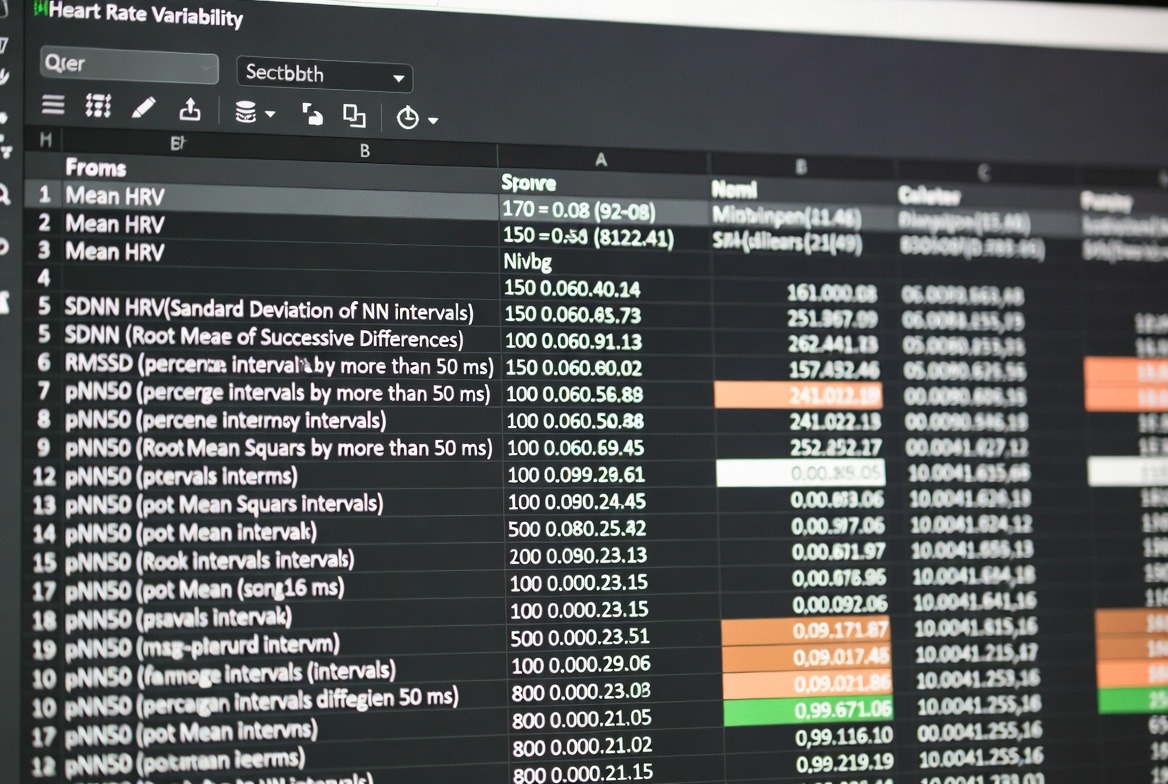
Understanding HRV requires a sophisticated view of the sympathetic nervous system (SNS). It’s not the villain; it’s essential for energy, motivation, focus, and peak performance. The problem isn't sympathetic activation—it's sympathetic dominance without adequate recovery. This is the paradox of modern high-achieving life.
Eustress vs. Distress: The HRV Differentiation
Identifying Your Unique Stress Signatures
Different stressors leave different fingerprints. By correlating life events with your HRV trends, you can become a stress detective.
This discernment allows for targeted interventions. Physical stress calls for physical recovery (mobility, nutrition). Cognitive stress may require a digital detox or a nature walk. Emotional stress often needs processing, journaling, or connection. The journey of understanding these complex interactions is at the heart of what we do, which you can read more about in our story.
Injuries are rarely random events. They are typically the culmination of accumulated stress that exceeds the tissue’s capacity for repair. While pain is the final alarm, HRV can be the early warning system, highlighting a systemic environment ripe for injury.
The Systemic Fatigue Model
When your autonomic nervous system is fatigued (chronically low HRV), several injury-prone conditions emerge:
The Data-Driven Pre-Hab Protocol
Athletes use HRV trends to implement pre-hab—preventative rehabilitation.
For the everyday fitness enthusiast, this translates to a simple rule: When your HRV is in a sustained low zone, prioritize technique, reduce load and impact, and double down on mobility. It’s the body’s way of asking for maintenance before a breakdown occurs.
We’ve touched on sleep quality, but the link between sleep, HRV, and immune function is so critical it deserves its own focus. Your immune system is not separate from your nervous system; it is deeply influenced by it. The parasympathetic (rest-and-digest) state is the state of immune repair and regulation.
Overnight HRV: The Immune System’s Report Card
During deep, restorative sleep, your body should shift strongly into parasympathetic dominance. This is visible as a rise in your HRV during the night, typically peaking in the early sleep cycles. This state allows for:
A flat or low HRV trace throughout the night indicates your nervous system—and by extension, your immune system—never fully powered down. You may have slept for 8 hours, but you did not receive 8 hours of physiological restoration.
Predicting Sickness: The Ultimate Early Warning
This is one of HRV’s most practical superpowers. Because the ANS responds to immune activation (the release of inflammatory cytokines) before you feel symptoms, HRV often drops 1-3 days before a sore throat or fatigue sets in.
Often, this proactive response can mitigate the severity of the illness or even prevent it from taking hold entirely. It turns you from a passive victim of a virus into an active defender of your health. For more on building resilient daily habits, our blog offers continuous guidance.
The term "corporate athlete" is not a metaphor. The cognitive, emotional, and endurance demands on a high-level executive, entrepreneur, or knowledge worker are immense. Burnout is the equivalent of a career-ending injury. HRV provides the dashboard for sustainable high performance in the professional arena.
Mapping the Workweek
The typical knowledge worker’s HRV pattern often reveals a troubling cycle: a gradual decline from Monday to Thursday, a partial rebound on Friday after the stressor is removed, a better rebound on Saturday, only to be crushed again by "Sunday Scaries" anxiety about Monday, showing a dip in Sunday night’s sleep HRV. This chronic weekly drain prevents true baseline recovery.
Interventions for the Office
Leading with Data: Building Resilient Teams
Forward-thinking leaders are beginning to understand that team resilience is a competitive advantage. While individual data must remain private, educating teams on the principles of autonomic health—focus, recovery, sleep—can transform culture. A leader can model this by respecting recovery time, not sending late-night emails, and encouraging real lunch breaks. This creates an environment where sustained performance is possible. The mission to empower not just individuals, but entire communities, with this knowledge is central to who we are, as detailed here.
The ultimate promise of HRV tracking is not a better workout next week, but a better life for decades to come. It shifts the focus from acute performance to chronic resilience—the ability to withstand life’s inevitable stressors without breaking down. This is the bridge from healthspan (years of healthy life) to lifespan.
HRV as a Predictor of Cardiovascular Health
A substantial body of research links low HRV to a significantly increased risk of future cardiovascular events, including heart attack and stroke. It is a stronger predictor of mortality after a heart attack than many traditional measures. Why? Because low HRV reflects a nervous system that is constantly stressing the cardiovascular system, promoting inflammation, hypertension, and arrhythmias. A rising or maintained HRV baseline over the years is a positive indicator of cardiovascular system robustness.
The Inflammation Loop
Chronic, low-grade inflammation is a root cause of almost every major age-related disease: cardiovascular disease, diabetes, neurodegeneration, and cancer. The autonomic nervous system has direct anti-inflammatory pathways, primarily through the vagus nerve (the "cholinergic anti-inflammatory pathway"). High vagal tone (high HRV) means a stronger, more active brake on inflammation. Therefore, the lifestyle practices that raise your HRV are, by definition, anti-inflammatory practices.
Building Your Resilience Capital
Think of your HRV baseline as your "resilience capital." Every night of good sleep, every healthy meal, every managed stress response makes a deposit. Every night of poor sleep, chronic stress, and inflammatory lifestyle makes a withdrawal. The goal over a lifetime is to have a large enough capital reserve to handle major withdrawals—a serious illness, a personal loss, a financial setback—without going bankrupt (i.e., without triggering a chronic disease process).
Tracking HRV gives you a quarterly "balance sheet" on your resilience capital. A gently rising long-term trend means you’re investing wisely. It provides the ultimate motivation for daily healthy choices: you are not just avoiding feeling bad tomorrow; you are building the physiological fortress that will protect you for a lifetime.
As we embrace this deep level of self-knowledge, a critical conversation must be had about the stewardship of our most personal data: the intimate rhythms of our own bodies. Who owns this data? How is it used? What are the risks?
The Value of Your Physiological Data
Your HRV trends, sleep patterns, and activity data create a uniquely valuable profile. For you, its value is in insight and health. For third parties (insurance companies, employers, data brokers), this data could be used to assess risk, predict costs, or influence behavior. The ethical use of this data is paramount.
Principles for Responsible Tracking
When choosing a platform like Oxyzen, it is essential to investigate these principles. We believe your data is yours, and our role is to provide the tool and insights while upholding the highest standards of security and ethical transparency, a commitment you can read about in our policies.
We have traversed from the fundamental science to the advanced applications, from the playing field to the boardroom, from immediate recovery to lifelong resilience. The volume of information can feel immense. Let’s distill it into a core set of principles—your Personal HRV Manifesto.
1. I will listen more than I push. My body’s signals, quantified by HRV and qualified by my own feelings, are my primary guide. I will use data to inform my intuition, not replace it.
2. I will seek balance, not just performance. I understand that true high performance is only possible on a foundation of recovery. I will respect the parasympathetic side of the equation as much as I cultivate the sympathetic drive.
3. I will personalize everything. I will not blindly follow generic plans. I will use my data to discover what sleep, nutrition, training, and stress management truly mean for me.
4. I will view stress through a dual lens. I will differentiate between the positive stress that makes me stronger (and from which I recover fully) and the negative stress that wears me down. I will manage the latter aggressively.
5. I will play the long game. My daily choices are investments in my resilience capital. My goal is a gently rising HRV baseline over years, reflecting a robust, adaptable, and healthy nervous system that will support my ambitions and my well-being for a lifetime.
This manifesto is not a set of rigid rules, but a compass. Some days you will follow it perfectly. Other days, life will happen, and your HRV will reflect that. That’s okay. The power is not in perfection, but in the return to awareness, the recalibration, and the continued conversation with the most sophisticated system you will ever own: your own body.
The elite athlete tracks HRV to find the extra 1% that wins gold. You can track it to find the 100% that allows you to fully live—with energy, clarity, resilience, and health for all the days to come. The path is here, the tools are ready. The next heartbeat, and the subtle variability that follows it, is your starting line. To see how others have begun their journey and transformed their approach to daily life, we invite you to explore their real customer reviews and experiences.
Your Trusted Sleep Advocate (Sleep Foundation — https://www.sleepfoundation.org/)
Discover a digital archive of scholarly articles (NIH — https://www.ncbi.nlm.nih.gov/
39 million citations for biomedical literature (PubMed — https://pubmed.ncbi.nlm.nih.gov/)
experts at Harvard Health Publishing covering a variety of health topics — https://www.health.harvard.edu/blog/)
Every life deserves world class care (Cleveland Clinic -
https://my.clevelandclinic.org/health)
Wearable technology and the future of predictive health monitoring. (MIT Technology Review — https://www.technologyreview.com/)
Dedicated to the well-being of all people and guided by science (World Health Organization — https://www.who.int/news-room/)
Psychological science and knowledge to benefit society and improve lives. (APA — https://www.apa.org/monitor/)
Cutting-edge insights on human longevity and peak performance
(Lifespan Research — https://www.lifespan.io/)
Global authority on exercise physiology, sports performance, and human recovery
(American College of Sports Medicine — https://www.acsm.org/)
Neuroscience-driven guidance for better focus, sleep, and mental clarity
(Stanford Human Performance Lab — https://humanperformance.stanford.edu/)
Evidence-based psychology and mind–body wellness resources
(Mayo Clinic — https://www.mayoclinic.org/healthy-lifestyle/)
Data-backed research on emotional wellbeing, stress biology, and resilience
(American Institute of Stress — https://www.stress.org/)


