


Why Social Rest Is Part of a Complete Recharge Guide
Understanding "social rest" and its role in a complete recharge.
Understanding "social rest" and its role in a complete recharge.
%402x.svg)
You’ve optimized your mattress, blacked out your windows, and silenced your notifications. You’ve invested in blue-light blockers, sleep podcasts, and the perfect weighted blanket. Yet, you still wake up feeling groggy, unrested, and a step behind your potential. What’s the missing piece in your meticulously crafted sleep sanctuary?
The answer lies not in what you can see or hear, but in what you feel on a primal, physiological level: temperature.
Temperature is the invisible conductor of your sleep symphony. It doesn’t merely influence your comfort; it commands the very biological processes that define restorative sleep. From the moment you begin to wind down, your core body temperature initiates a precise, orchestrated drop—a signal to your brain that it’s time to switch from alertness to restoration. This thermal journey is the bedrock of sleep onset, sleep architecture, and ultimately, the quality of your physical and cognitive recharge.
For centuries, this was a hidden process, felt but not measured. Today, the advent of advanced health-tracking technology, particularly sophisticated smart rings like those developed by Oxyzen, is pulling back the curtain. These devices provide a continuous, non-invasive window into your nocturnal thermal physiology, revealing how even subtle deviations in your personal temperature rhythm can fragment sleep, shorten crucial deep sleep cycles, and leave you running on a depleted battery.
This deep dive explores the profound and nuanced relationship between temperature and sleep. We’ll journey through the science of your internal thermostat, decode the environmental ideal, and examine how modern life—from stress to technology—disrupts this delicate balance. Most importantly, we’ll equip you with actionable strategies, backed by data and personalized insights, to master your thermal environment and unlock the most restful, regenerative sleep of your life. Your journey to optimal recharge begins by understanding the most fundamental cue your body knows.
To understand why temperature is so critical for sleep, we must first look under the hood at the human body’s ingenious cooling mechanism. Sleep isn’t a passive state you fall into; it’s an active, metabolically driven process initiated by a complex dance between your brain and your body’s thermal regulation system.
At the core of this system is your circadian rhythm, your internal 24-hour clock. As evening approaches and light levels fade, your brain’s suprachiasmatic nucleus (SCN)—the master clock—signals the pineal gland to release melatonin. This “hormone of darkness” does more than make you feel sleepy. It triggers a critical event: vasodilation.
Vasodilation is the widening of blood vessels, particularly those close to the skin’s surface in your hands, feet, and face. Think of it as your body opening its thermal windows. By redirecting warm blood from the core to the periphery, your body efficiently radiates heat into the environment. This process causes your core body temperature to drop by about 1-2 degrees Fahrenheit (0.5-1 degree Celsius) from its late-afternoon peak, reaching its lowest point in the middle of your sleep cycle.
This temperature drop is not a side effect of sleep; it is a prerequisite for it. Research consistently shows that the initiation of sleep is most likely to occur during this downward thermal trajectory. The declining core temperature acts as a powerful signal to sleep-regulating centers in the brain, promoting the transition from wakefulness to light sleep and then into the deep, restorative stages.
“The circadian sleep-wake cycle is coupled to the circadian rhythm of core body temperature. The falling phase of the temperature rhythm is a permissive zone for sleep onset, while the rising phase is associated with waking,” notes a seminal review in the journal Sleep Medicine Reviews.
The relationship is so fundamental that scientists can manipulate sleep by manipulating temperature. Warm baths taken 1-2 hours before bed, for instance, are a potent sleep aid not because they heat you up, but because they enhance the cooling process. The warm water draws blood to the skin’s surface, and when you step out, the rapid heat loss through evaporation and radiation accelerates the core temperature drop, easing you into sleep more quickly.
Conversely, if your core temperature remains elevated or your body cannot efficiently dissipate heat, the signal to sleep is disrupted. Your brain remains in a state of heightened alert, interpreting the warmth as a sign that it’s not yet time to shut down for repair. This is why it’s so hard to fall asleep on a hot, stuffy night or after intense late-night exercise that spikes your core temperature.
Understanding this biological imperative is the first step. The next is learning how to read your own body’s unique thermal language—a task that was once impossible without a lab but is now accessible through the science behind modern health-tracking technology embedded in wearable devices. By tracking your personal temperature curve, you move from guessing about your sleep to understanding its foundational driver.
The Goldilocks Zone: Finding Your Perfect Sleep Temperature
If a cooling core is the biological ticket to sleep, then your bedroom environment is the venue. Creating the right ambient conditions is essential for enabling your body’s natural cooling process to proceed unimpeded. This brings us to the concept of the “Goldilocks Zone” for sleep temperature—not too hot, not too cold, but just right.
Extensive sleep studies point to a relatively narrow range for optimal sleep onset and maintenance. For most adults, the ideal bedroom temperature falls between 60-67 degrees Fahrenheit (15.5-19.5 degrees Celsius). Within this range, your body can most effectively shed excess heat without having to activate energy-consuming warming mechanisms (like shivering) that disrupt sleep.
Why is this range so specific?
However, the “perfect” temperature is not a universal constant. It’s a personal equation influenced by several factors:
Finding your personal Goldilocks Zone requires experimentation and, increasingly, data. This is where a smart ring becomes an invaluable partner. Rather than guessing how last night’s room temperature affected you, a device like the Oxyzen ring can show you the correlation between your ambient environment and objective sleep metrics like restlessness, time spent in deep sleep, and overall sleep score. It takes the guesswork out of the equation, allowing you to personalize the device to your body and its unique thermal needs.
Ultimately, your goal is to create an environment that feels slightly cool when you first lie down, allowing your body to do the rest of the work. It’s about setting the stage so your biological thermostat can perform its critical nightly descent without interference.
While your thermostat sets the stage, the real drama of thermal regulation occurs within a few inches of your body—in your personal sleep microclimate. This is the immediate environment created by your mattress, bedding, sleepwear, and even the person sleeping next to you. Understanding and managing this microclimate is often more important than the number on your wall-mounted thermostat.
1. The Science of Bedding Materials:
Your bedding is not just fabric; it’s a thermal management system. Different materials have vastly different properties:
2. The Strategic Layer System:
Adopting a layering approach, much like one does for outdoor activities, offers maximum control. Instead of one heavy duvet, use a breathable base sheet, a light blanket, and a removable comforter. This allows you to make micro-adjustments throughout the night as your temperature fluctuates across sleep cycles without fully waking.
3. Sleepwear as a Tool:
What you wear (or don’t wear) to bed is a direct dial on your microclimate. Opt for loose-fitting, breathable fabrics like cotton, modal, or moisture-wicking technical fabrics designed for sleep. Tight or restrictive clothing can impede circulation and heat dissipation. For those who sleep hot, going commando can significantly improve airflow and cooling.
4. The Partner Factor:
Co-sleeping adds a major thermal variable—another body emitting roughly 100 watts of heat. This can be a source of comfort or a cause of overheating. Strategies here include using separate blankets (a “Scandinavian sleep method” staple), choosing a larger bed, and selecting a mattress with good motion isolation and independent temperature regulation, like those with gel-infused memory foam or air-flow channels.
Managing this microclimate is a key pillar of sleep hygiene that modern devices help you quantify. By correlating your sleep data with changes in your bedtime setup—like switching to linen sheets or lighter pajamas—you can see tangible proof of what works for you. For more foundational tips on building a holistic sleep-healthy lifestyle, our guide on how a smart ring helps implement daily healthy aging tips offers a broader perspective. The goal is to become the architect of your own ideal sleep environment, layer by layer.
Your sleep is not a monolithic block of unconsciousness. It’s a dynamic journey through distinct stages—light sleep, deep sleep, and REM sleep—each with unique physiological signatures and, importantly, unique thermal profiles. Understanding this nightly thermal rollercoaster is key to appreciating why temperature stability is so crucial for restorative sleep.
The journey begins as you fall asleep. During NREM (Non-Rapid Eye Movement) Sleep, particularly as you descend into Stage N3 (Deep Sleep or Slow-Wave Sleep), your body’s thermoregulatory precision relaxes. You become more like a cold-blooded animal, your body temperature drifting toward the ambient temperature of your environment. This is a state of minimized energy expenditure, maximal physical restoration, and hormone release (like growth hormone). A stable, cool environment is paramount here; a spike in room temperature can easily pull you out of this vulnerable, deeply restorative state.
Then, as you cycle into REM Sleep, the stage associated with dreaming, memory consolidation, and emotional processing, something fascinating happens. Your brain becomes highly active, almost wake-like, but your body enters a state of paralysis (atonia). Crucially, your body’s ability to thermoregulate is virtually suspended. You cannot shiver to warm up or sweat to cool down. You are thermally defenseless.
This is why ambient temperature spikes are so disruptive during REM sleep. If the room gets too hot, your body cannot initiate its standard cooling response (sweating and vasodilation) because the motor commands for sweating are inhibited. The resulting thermal stress often leads to an awakening or a shift to a lighter sleep stage, effectively cutting short your vital REM cycle. This fragmentation is a primary reason you wake up feeling unfocused and emotionally off-kilter after a hot night.
The cyclical nature of this process—90-120 minute cycles from light to deep to REM sleep—means your body’s sensitivity to temperature is not constant. It’s most vulnerable during deep sleep and REM. A room that starts cool but heats up significantly by 3 AM (due to poor insulation or a failing thermostat) can wreak havoc on the later, REM-rich cycles of your sleep.
This underscores the value of continuous temperature monitoring. A single nightly temperature reading is meaningless when your needs change by the hour. Advanced wearables provide a graph of your skin temperature variability throughout the night, which often mirrors your sleep architecture. A smooth, stable temperature line often correlates with consolidated sleep, while jagged spikes and dips align with restlessness and awakenings. By reviewing this data, you can begin to diagnose problems, like identifying if a late-night REM awakening was caused by a partner stealing the covers or a heating system kicking on. This kind of insight is at the forefront of how health-tracking technology enables personalized wellness, moving you from generic advice to precise, personal solutions.

For most, achieving thermal sleep bliss is a matter of optimizing environment and behavior. But for millions, the body’s internal thermostat itself is malfunctioning due to underlying health conditions. These conditions can turn the natural, gentle cooling slope into a jagged mountain range of discomfort and sleep disruption.
1. Menopause and Peri-Menopause:
This is one of the most common culprits. The fluctuation and eventual decline in estrogen directly affect the hypothalamus, the brain’s temperature control center. This can lead to hot flashes and night sweats—sudden, intense feelings of heat, flushing, and drenching perspiration that can bolt a woman awake multiple times per night. The sleep fragmentation from these thermal surges is a primary driver of the chronic insomnia and fatigue reported during this life stage.
2. Thyroid Disorders:
The thyroid gland is your metabolic throttle. An overactive thyroid (hyperthyroidism) revs up your metabolism, increasing heat production and often causing heat intolerance, sweating, and insomnia. An underactive thyroid (hypothyroidism) slows metabolism, leading to cold intolerance, which can make it difficult to achieve the initial warm-feet vasodilation needed to start the cooling process.
3. Sleep Disorders (e.g., Sleep Apnea):
Obstructive Sleep Apnea (OSA) causes repeated breathing pauses, leading to micro-awakenings and oxygen drops. Each apnea event is a stressor that can trigger a surge in sympathetic nervous system activity and core temperature. Furthermore, the effort to breathe against a closed airway generates significant internal heat. Treating OSA with CPAP therapy often improves sleep quality partly by stabilizing this chaotic thermal environment.
4. Chronic Illness and Neuropathies:
Conditions like fibromyalgia, multiple sclerosis, and diabetic neuropathy can involve dysautonomia—a dysfunction of the autonomic nervous system that controls, among other things, blood vessel dilation and constriction. This can lead to an inability to properly regulate temperature, causing either excessive sweating or cold extremities.
5. Infections and Fevers:
This is the body’s deliberate thermostat reset. The hypothalamus raises the body’s set-point temperature to help fight pathogens. The resulting fever creates an internal environment that feels cold (hence chills) while the core is hot, utterly disrupting normal sleep initiation and maintenance.
For individuals managing these conditions, passive observation isn’t enough. Proactive management is key. Tracking nocturnal temperature trends can provide invaluable objective data for discussions with healthcare providers. Seeing a graph of temperature spikes correlating with wake-ups can validate the severity of night sweats or help fine-tune thyroid medication. It transforms subjective complaints (“I’m always hot at night”) into objective evidence. This proactive approach is a cornerstone of how modern wearables can enable preventive health monitoring, catching subtle deviations before they become major problems. Understanding your body’s unique thermal patterns is a powerful form of self-knowledge, especially when navigating chronic health challenges.
Even if you don’t have a clinical condition, the rhythms and habits of modern life are masterful at sabotaging your body’s thermal sleep signals. Three of the biggest culprits are psychological stress, blue light exposure, and mistimed eating—all of which exert their influence, in part, by hijacking your core temperature.
1. The Stress-Heat Feedback Loop:
When you experience stress—whether from a looming deadline, an argument, or general anxiety—your body activates the “fight-or-flight” sympathetic nervous system. This triggers the release of cortisol and adrenaline, which in turn increase heart rate, blood pressure, and metabolic rate. A higher metabolic rate means more internal heat production. Furthermore, stress-induced vasoconstriction (tightening of blood vessels) prevents heat from escaping through your skin. The result? An elevated core temperature at the very time it should be dropping. This creates a vicious cycle: stress raises temperature, which inhibits sleep, which increases stress about not sleeping.
2. Blue Light and Melatonin Suppression:
The light from smartphones, tablets, computers, and TVs is rich in short-wavelength blue light. This light is particularly effective at suppressing melatonin production because your photoreceptors are most sensitive to it. As discussed, melatonin is the hormonal trigger for the vasodilation that starts the core temperature drop. By blocking melatonin, blue light essentially delays the “Go” signal for your body’s cooling process. Your biological night is postponed, leaving you alert and warm when you should be drowsy and cool.
3. The Thermic Effect of (Late) Food:
Digesting food requires energy and generates heat—a phenomenon known as the thermic effect of food (TEF). A large, heavy, or protein-rich meal can increase metabolic rate and core temperature for several hours. Eating too close to bedtime means your body is busy digesting and generating heat when it should be cooling down. Spicy foods can compound this by directly stimulating thermoreceptors, making you feel hotter. Alcohol is a double-agent: it may initially cause vasodilation and feelings of warmth (and drowsiness), but as it is metabolized, it leads to fragmented sleep and can cause rebound vasoconstriction and night sweats later in the night.
Combating these saboteurs requires deliberate ritual-building:
Mastering these behavioral levers is a critical skill for modern sleep health. For a comprehensive look at how technology can assist in building these essential habits, explore our resource on how wellness ring basics help build healthy habits. It’s about creating a lifestyle that supports, rather than fights, your innate biological need for a cool, quiet night.
Armed with the knowledge of why temperature matters, the modern sleeper has an arsenal of high-tech and low-tech tools at their disposal to become the master of their thermal domain. This isn’t about adding complexity; it’s about using data and innovation to create effortless, personalized comfort.
1. The Data Foundation: Wearable Temperature Tracking
The first step to solving a problem is measuring it. This is the revolutionary power of a advanced health wearable. Unlike a room thermostat, a device like the Oxyzen ring measures your body’s response to the environment. It tracks distal skin temperature (at the finger), which is a proven proxy for the core cooling process and circadian rhythm shifts.
2. Smart Bedroom Climate Control
3. Advanced Bedding Technology
4. Low-Tech, High-Impact Hacks
Never underestimate simple solutions:
The key is to start with data, then experiment. Use your wearable to track the impact of one change at a time—a new pillowcase, a lower thermostat setting, a pre-bed meditation. This empirical approach ensures you invest time and money into solutions that actually work for your physiology. For those ready to explore the tools of the trade, the journey often begins at the main storefront for product discovery.
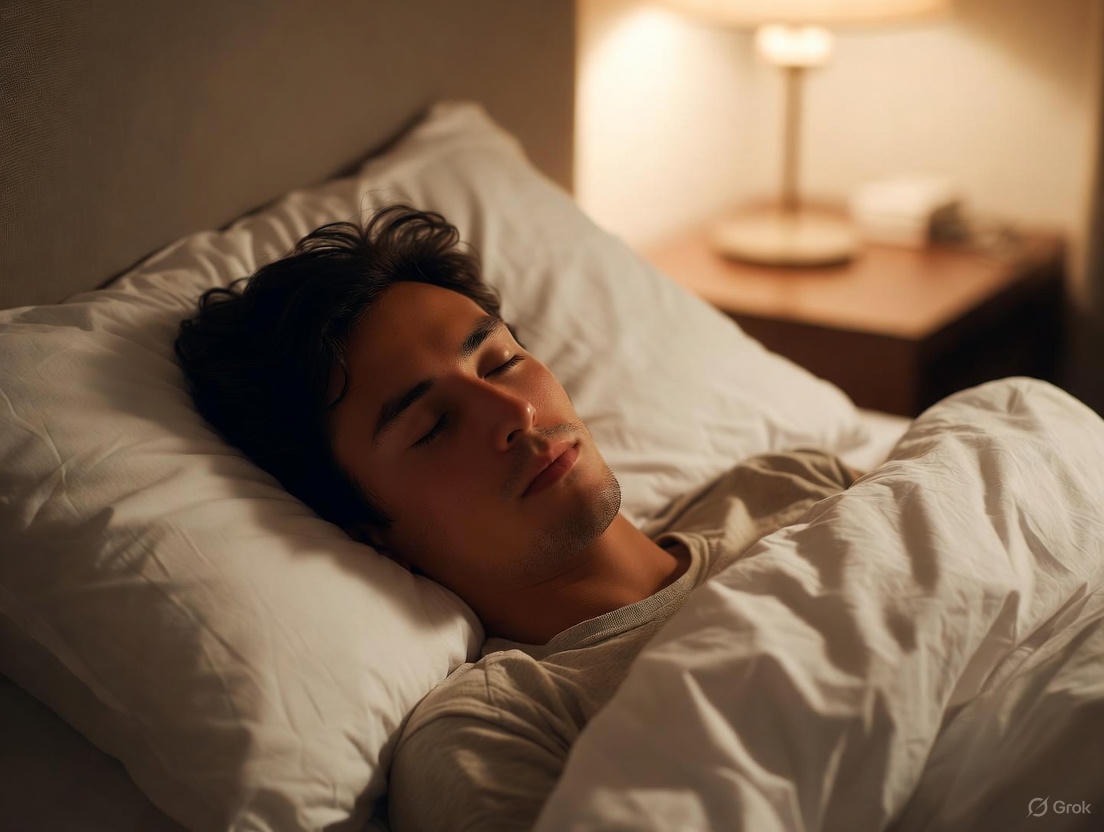
Theory and product lists are helpful, but nothing illustrates the power of thermal optimization like a real-world journey. Let’s follow “Alex,” a fictional composite based on common user experiences, over a month of using data to transform his sleep.
Week 1: The Baseline (The Problem)
Alex is a 38-year-old knowledge worker who describes himself as a “poor sleeper.” He feels hot at night, tosses and turns, and wakes up groggy. He sets up his new smart ring and collects baseline data for a week without changing anything.
Week 2: Environmental Intervention
Armed with data, Alex makes his first changes:
Week 3: Behavioral Tweaks
Encouraged, Alex targets pre-sleep behavior:
Week 4: Fine-Tuning & Personalization
With major gains locked in, Alex fine-tunes:
Mastering your sleep temperature does more than just make you feel better tomorrow. It is an investment in your long-term cognitive, metabolic, and cardiovascular health. The deep, consolidated sleep facilitated by an optimal thermal environment is when your body performs its most critical maintenance work. Disrupt that, and the consequences compound over years.
Cognitive & Mental Health:
Deep NREM sleep is crucial for memory consolidation—transferring short-term memories to long-term storage. REM sleep is essential for emotional processing and creativity. Temperature disruptions that fragment these stages impair these functions, leading to brain fog, poor concentration, and emotional volatility. Chronic sleep fragmentation is a significant risk factor for depression and anxiety disorders.
Metabolic Health & Weight Management:
Sleep deprivation and poor sleep quality throw your hunger hormones into disarray. It increases ghrelin (the “hunger hormone”) and decreases leptin (the “satiety hormone”). It also increases cortisol and promotes insulin resistance. A study in the Annals of Internal Medicine found that cutting sleep from 8.5 to 4.5 hours per night for just 4 days reduced fat cells’ insulin sensitivity by 30%—a precursor to type 2 diabetes. By protecting your deep sleep, you protect your metabolic equilibrium.
Cardiovascular System:
During deep sleep, your heart rate and blood pressure dip significantly, giving your cardiovascular system a rest. Frequent awakenings, especially those triggered by thermal stress, cause repeated spikes in blood pressure and heart rate. Over time, this contributes to hypertension, inflammation, and increased strain on the heart. Quality sleep is non-negotiable for heart health.
Immune Function & Cellular Repair:
Deep sleep is when the body releases the majority of its growth hormone, which is vital for tissue repair and muscle growth. It’s also when the immune system releases cytokines, proteins that help fight infection and inflammation. Poor sleep compromises this nightly refresh and reboot, leaving you more susceptible to illness and slowing recovery.
In essence, the cool, stable sleep you cultivate tonight is not a luxury. It’s a pillar of preventive medicine. It’s your body’s scheduled time for repair, rebalancing, and resilience-building. By prioritizing thermal sleep hygiene, you are directly investing in a healthier, sharper, and more vibrant future. To understand how this fits into the broader evolution of personal health stewardship, consider reading about the evolution of health-tracking technology from manual to smart rings. The goal is to use every tool available—from knowledge to technology—to safeguard your most valuable resource: your restorative sleep.
In the first part of our deep dive, we explored the foundational science of why your body must cool to sleep, the ideal environmental conditions, and how modern life disrupts this delicate thermal ballet. We saw how data from advanced wearables can illuminate the hidden connections between a jagged temperature graph and a groggy morning. But understanding the problem is only half the battle. Now, we transition from why temperature matters to the granular, actionable how—how to build a personalized system for thermal excellence that lasts a lifetime.
This section is about optimization, personalization, and forward-thinking strategy. We will explore the nuanced differences in temperature needs across demographics, delve into the art of crafting perfect pre-sleep rituals, and examine the cutting-edge future of sleep technology. We'll also confront common pitfalls and provide a practical roadmap for implementing lasting change. The goal is to equip you with a comprehensive, master-level understanding of thermal sleep hygiene, transforming your bedroom from a passive space into an active, intelligent partner in your recovery and health.
The 60-67°F (15.5-19.5°C) range is an excellent starting point, but it’s a population average. Your personal ideal is a unique signature written by your age, biological sex, metabolic rate, and even your fitness level. Ignoring these factors is like prescribing the same shoe size to everyone—it will fit some perfectly and leave others uncomfortable and unstable.
The Aging Thermostat:
As we age, our bodies undergo significant changes in thermoregulation:
Sex Differences: Hormones in the Driver's Seat
Biological sex is one of the strongest determinants of thermal perception and need, largely due to hormones and body composition.
Metabolic Rate: Your Personal Furnace
Your basal metabolic rate (BMR)—the energy your body uses at complete rest—is your internal furnace. Individuals with a naturally high BMR (often linked to more muscle mass, larger body size, or hyperthyroidism) are literal heat machines. They will almost always gravitate toward the cooler end of the spectrum and may struggle in standard sleep environments. Conversely, someone with a lower BMR may need the ambient temperature to be warmer to initiate the sleep process without feeling uncomfortably cold.
The Fitness Factor: Regular exercise, particularly strength training, increases muscle mass and metabolic rate, which can raise heat production. However, it also improves cardiovascular efficiency and peripheral circulation, potentially enhancing the body's ability to dissipate heat. The net effect is complex, but fit individuals often report sleeping better in cooler environments. Tracking how your sleep temperature responds on days with intense workouts versus rest days can be illuminating.
Navigating these nuances is where generic advice fails and personalized data shines. A smart ring that tracks your long-term trends can help you identify your own patterns—do you sleep hotter in the week before your period? Do your temperature drops improve after a month of strength training? This level of insight is the cornerstone of personalized wellness enabled by health-tracking technology. It moves you from demographic generalizations to a true understanding of your unique physiology.
Even with the best intentions and technology, it's easy to stumble into traps that undermine thermal sleep. Let's debunk common myths and clarify frequent mistakes to solidify your understanding.
Pitfall 1: "I'll Just Crank the AC Down to 60°F."
The Reality: Excessively cold temperatures can be as disruptive as hot ones. If the room is too cold, your body will vasoconstrict to conserve heat, directly opposing the vasodilation needed for sleep onset. You may shiver, which is a high-energy muscle activity incompatible with sleep. The goal is cool, not cold. Start at the recommended range and adjust based on your personal data and comfort.
Pitfall 2: "Socks in Bed? That's Too Hot."
The Reality: This is a classic misconception rooted in good logic but missing a key physiological point. For many people, especially those with poor circulation or who often have cold feet, warm feet are a trigger for overall body cooling. Cold feet signal vasoconstriction. By warming your feet (with socks or a heating pad—removed before sleep), you dilate the blood vessels in your extremities. This actually facilitates greater heat loss from your core. The "warm feet, cool body" paradigm is a powerful sleep hack for the right person.
Pitfall 3: "Alcohol Helps Me Sleep (and Warm Up)."
The Reality: Alcohol is a sedative, not a sleep aid. It may help you lose consciousness faster, but it severely degrades sleep quality. It suppresses REM sleep early in the night and causes a rebound effect later, leading to fragmented, light sleep. Thermally, it causes initial vasodilation (the "flush"), but as it metabolizes, it can lead to nighttime sweating and vasoconstriction. It also relaxes the muscles in your upper airway, worsening snoring and sleep apnea. It's a net negative for thermal regulation and sleep architecture.
Pitfall 4: "I Sleep Hot, So I Should Use No Covers."
The Reality: The sensation of light pressure from bedding can be psychologically comforting and promote melatonin release. The trick is to use the right covers. A lightweight, breathable cotton or linen sheet or a specialized cooling blanket can provide that comforting touch without trapping heat. Sleeping completely uncovered can sometimes lead to feeling chilly later in the night as your core temperature drops, causing an awakening. The layering system is a more sophisticated solution.
Pitfall 5: "My Partner and I Just Have to Suffer/Compromise."
The Reality: As explored, dual-zone climate control beds are the ultimate solution. If that's not feasible, the "Scandinavian Sleep Method" is a brilliant low-tech alternative: each partner uses their own separate duvet or blanket on a shared bed. This allows each person to choose their ideal weight and material without compromise. Combined with appropriate sleepwear, it can resolve most thermal conflicts.
Pitfall 6: Ignoring Daytime Behaviors.
The Reality: Your thermal sleep readiness is built all day. Chronic dehydration makes it harder to sweat and cool efficiently. A diet high in processed foods can promote inflammation, which may affect thermoregulation. Lack of daytime light exposure weakens your circadian signal, making the nighttime temperature drop less robust. Sleep is a 24-hour rhythm, not an isolated event.
Avoiding these pitfalls requires moving beyond folk wisdom and embracing a science-based, data-informed approach. When you have questions, turning to reliable resources is key. Our FAQ section for support and common questions and the blog post on wellness ring basics with common questions answered are designed to provide clear, expert guidance to navigate exactly these kinds of complexities.
The Future is Cool (and Warm): Emerging Trends in Sleep Temperature Tech
The frontier of sleep technology is moving beyond maintaining a static temperature and towards creating a truly adaptive, biologically synchronized, and health-optimizing environment. The future of thermal sleep regulation is predictive, personalized, and integrated into a holistic health ecosystem.
1. Predictive Biometric Integration
The next generation of systems won't just react; they will anticipate. Imagine your climate-controlled bed pad receiving a live data feed from your smart ring.
2. Non-Contact Sensing and Room AI
Bedside devices like the Withings Sleep Analyzer (a mat under the mattress) already track sleep without wearables. Future iterations will incorporate thermal imaging and advanced radar to map body temperature and breathing without any contact.
3. Advanced Material Science
The fabrics of your sleep environment are getting smarter at a molecular level.
4. Circadian Lighting Integration
Light and temperature are the twin drivers of circadian rhythm. Future smart homes will synchronize them perfectly.
5. Health Diagnostic Thermal Monitoring
Continuous temperature data will move beyond optimization into the realm of early detection.
These trends point to a future where your sleep environment is an active, intelligent partner in health—a seamless extension of your body's own regulatory systems. To stay abreast of these rapid developments, following resources that explore the future of wearable health tech is essential for any modern wellness enthusiast.

Knowledge is power, but execution is results. This 30-day plan breaks down the journey into manageable weekly steps, focusing on measurement, environmental change, behavioral ritual, and finally, fine-tuning. Use a journal or the notes section in your health-tracking app to document your observations.
Week 1: Measurement & Baseline (Days 1-7)
Theme: Become a scientist of your own sleep.
Week 2: Environmental Optimization (Days 8-14)
Theme: Master your sleep cave.
Week 3: Ritual Building (Days 15-21)
Theme: Craft your pre-sleep thermal nightcap.
Week 4: Fine-Tuning & Personalization (Days 22-30)
Theme: Refine based on data and feel.
Remember, perfection is not the goal. Consistency and awareness are. This plan is a framework—adapt it to your life. For ongoing support and inspiration as you build these new habits, our blog for additional resources and related articles is continually updated with the latest insights and user stories.
Conclusion of Section: The Empowered Sleeper
We have journeyed from the microscopic action of vasodilation in your capillaries to the macroscopic view of smart home ecosystems and future tech. The central thesis is immutable: temperature is not a minor comfort factor; it is a primary biological regulator of sleep, the foundation upon which all other sleep hygiene practices rest.
By understanding the science, respecting your personal physiological nuances, leveraging modern technology for insight and control, and building consistent, cooling rituals, you seize control of this invisible conductor. You are no longer a passive victim of a restless night. You are an architect of your recovery.
The data from your finger, the feel of your sheets, the coolness of the air you breathe as you drift off—these are the tools of your craft. The result is more than just better sleep. It is improved daytime energy, sharper cognition, stabilized mood, a more resilient metabolism, and a powerful, proactive investment in your long-term health. In a world that constantly pushes us to do more, be more, and burn hotter, the revolutionary act is to intentionally, skillfully, and consistently cool down. Your body, and your future self, will thank you for it.
In the previous sections, we have built a robust framework for understanding the profound, non-negotiable relationship between temperature and sleep. We've explored the biological imperative for cooling, personalized the ideal environment, integrated technology, and crafted an actionable roadmap. Now, we complete this deep dive by situating thermal sleep mastery within the larger context of your total wellness. This final portion examines the symbiotic relationship between temperature and other critical sleep factors, teaches you to become an expert interpreter of your own biometric data, and reveals how optimizing this one pillar can create a positive ripple effect across your entire 24-hour health ecosystem.
True rest and recharge are not the result of a single perfect variable, but the harmonious interplay of many. Temperature is the lead instrument, but its melody is supported by the rhythms of light, nutrition, movement, and stress. Furthermore, the ultimate value of tracking lies not in the data points themselves, but in the informed, personalized actions they inspire. This is where we move from theory and tactics to wisdom and integration.
Think of your sleep environment as an orchestra. For the performance to be transcendent, all sections must be in tune and in time. Temperature is the conductor, but the string section of light, the woodwinds of sound, and the percussion of stress must play their parts perfectly.
Light & Temperature: The Circadian Duet
Light is temperature's most powerful partner. They are the twin external Zeitgebers ("time-givers") that synchronize your internal clock.
Sound & Temperature: Masking the Disruption
Sound doesn't directly change your core temperature, but it profoundly affects your thermal stability. A sudden noise—a siren, a snore, a door slam—can trigger a micro-arousal or full awakening. This jolt of alertness comes with a sympathetic nervous system spike, which can include a rapid, small increase in heart rate and metabolic heat production. In a thermally vulnerable state like REM sleep, this can fragment your cycle.
Stress & Temperature: The Vicious Cycle
We've touched on this, but it bears emphasizing in this symphonic context. Chronic stress is like a musician playing out of tune and out of time. It elevates cortisol, which raises core temperature and promotes alertness. This directly antagonizes the parasympathetic "rest-and-digest" state required for cooling.
Mastering sleep is about conducting this entire orchestra. You tune the temperature, cue the light, mask the sound, and calm the stress response. For a deeper look at how wearable technology integrates these various data points to give you a complete picture, explore our article on how health-tracking technology enables personalized wellness.
Collecting data is step one. The true magic—and the source of real personal power—lies in interpretation. A temperature graph from your smart ring isn't just a line; it's a story about your night, your health, and your life. Let's learn to read it.
1. The Ideal Profile: A Smooth, Descending Slope
What you want to see is a gentle, consistent decline from bedtime, reaching its lowest point (nadir) typically in the second half of your sleep, followed by a gradual rise as morning approaches. This clean curve indicates:
2. The Shallow Drop: The "Stuck in Neutral" Signal
If your temperature line is almost flat or shows a very gradual decline, it suggests your body is struggling to initiate its cooling process.
3. The Nocturnal Spike: The "Alarm Bell" in the Night
A sharp, V-shaped spike in the middle of an otherwise smooth line is a clear sign of a sleep disruption.
4. The Early Rise: The "Premature Sunrise"
When your temperature begins a steep climb well before your alarm, it signals a prematurely truncated sleep cycle.
5. Long-Term Shifts: The "Baseline Drift"
Over weeks or months, you might notice your average nightly temperature trending slightly higher or lower.
Becoming fluent in this language transforms you from a passive user to an active health collaborator. For more on how to get the most from your device from day one, our guide on wellness ring mastery from unboxing to expert user is an excellent companion resource.
Investing in cool, stable sleep pays massive dividends across every facet of your daytime existence. This isn't just about feeling less tired; it's about upgrading your core operating system.
Cognitive & Professional Performance:
Emotional & Mental Resilience:
Metabolic & Physical Health:
The Holistic Win:
When you sleep better, you have more energy to exercise. Exercise, in turn, improves sleep depth and thermal regulation. You make better food choices, which further supports stable energy and sleep. This creates a virtuous cycle of wellness, with thermal-optimized sleep as the keystone habit. It's the ultimate form of self-care that propels every other positive change. This holistic impact is what drives the passionate community behind brands focused on this mission, as shared in our story and founding vision.

You've cooled your room, built your ritual, and studied your data, but you're still not sleeping well. What now? It's time to look deeper and consult strategically.
Step 1: The Data-Driven Audit
Before you assume the worst, conduct a rigorous audit:
Step 2: The Strategic Professional Consultation
When you see a doctor, come prepared. You are no longer the patient who says, "I'm tired." You are the informed collaborator who says:
This level of detail is transformative for a healthcare provider. It moves the conversation past generic advice and towards targeted investigation. Your data can help differentiate between, for example, anxiety-driven insomnia and a potential physiological disorder. For insights into how doctors are increasingly using this data, see what doctors find most useful about wellness ring basics.
Step 3: Exploring Advanced Support
Remember, technology and good habits are powerful tools for optimization and early detection, but they are not substitutes for professional medical diagnosis and treatment when a serious underlying condition is present.
Your body's temperature rhythm is a 24-hour wave. What you do during the day directly shapes the slope and depth of the nighttime drop. Optimizing for sleep is a full-day endeavor.
Morning (6 AM - 12 PM): Amplify the Peak
Afternoon (12 PM - 6 PM): Sustain the Signal
Evening (6 PM - 10 PM): Initiate the Descent
Integrating with Activity Tracking: A smart ring that tracks activity and movement helps you see the direct correlation. You'll likely notice that days with well-timed, moderate-to-vigorous activity lead to better sleep scores and more stable temperature graphs than completely sedentary days or days with intense activity too close to bedtime.
This holistic view turns sleep from a compartmentalized event into the natural, deserved culmination of a well-structured day. It's the ultimate expression of self-respect—honoring your body's need for both vigorous activity and profound rest within the same circadian framework.
Thermal sleep mastery is not a "set it and forget it" achievement. It's a lifelong practice that requires seasonal adaptation and periodic reassessment as your body and life change.
Seasonal Shifts:
Life Stage Transitions:
The Annual "Sleep System" Check-Up:
Once a year, perform a full audit:
This proactive, adaptive approach ensures that your commitment to quality sleep evolves with you, providing a foundation of recovery and resilience through every season of life.
We have journeyed to the core of one of sleep's most fundamental, yet most overlooked, mechanisms. The message is clear and evidence-based: To sleep deeply is to sleep coolly.
From the intricate vasodilation in your fingertips to the smart ecosystem in your bedroom, every strategy circles back to facilitating your body's innate need for a nocturnal temperature drop. This is not a hack; it is a realignment with human biology.
You now possess the knowledge to:
This journey transforms your relationship with sleep from one of frustration to one of empowerment. You are no longer hoping for rest; you are systematically engineering the conditions for it. The result—improved energy, sharper mind, stable mood, and resilient health—is the ultimate ROI.
Remember, the pursuit of perfect sleep is a paradox; it often creates the anxiety that prevents it. Use these principles not as a rigid checklist, but as a palette of tools. Experiment compassionately. Observe what your data tells you. Celebrate the cool, restful nights, and learn from the restless ones without self-judgment.
Your rest and recharge are the foundation upon which you build your life's work, joy, and health. By mastering the invisible conductor of temperature, you take conscious, powerful control of that foundation. Now, turn down the thermostat, slide into your breathable sheets, and let your body do what it was designed to do: cool down, tune out, and recharge profoundly.
Continue Your Wellness Journey:
Your Trusted Sleep Advocate (Sleep Foundation — https://www.sleepfoundation.org/)
Discover a digital archive of scholarly articles (NIH — https://www.ncbi.nlm.nih.gov/
39 million citations for biomedical literature (PubMed — https://pubmed.ncbi.nlm.nih.gov/)
experts at Harvard Health Publishing covering a variety of health topics — https://www.health.harvard.edu/blog/)
Every life deserves world class care (Cleveland Clinic -
https://my.clevelandclinic.org/health)
Wearable technology and the future of predictive health monitoring. (MIT Technology Review — https://www.technologyreview.com/)
Dedicated to the well-being of all people and guided by science (World Health Organization — https://www.who.int/news-room/)
Psychological science and knowledge to benefit society and improve lives. (APA — https://www.apa.org/monitor/)
Cutting-edge insights on human longevity and peak performance
(Lifespan Research — https://www.lifespan.io/)
Global authority on exercise physiology, sports performance, and human recovery
(American College of Sports Medicine — https://www.acsm.org/)
Neuroscience-driven guidance for better focus, sleep, and mental clarity
(Stanford Human Performance Lab — https://humanperformance.stanford.edu/)
Evidence-based psychology and mind–body wellness resources
(Mayo Clinic — https://www.mayoclinic.org/healthy-lifestyle/)
Data-backed research on emotional wellbeing, stress biology, and resilience
(American Institute of Stress — https://www.stress.org/)


