


Why Your HRV Changes Every Day (And What Your Ring Is Detecting)
Why your HRV fluctuates daily and what your ring is detecting.
Why your HRV fluctuates daily and what your ring is detecting.
%402x.svg)
You wake up, glance at your smart ring's app, and see a number that gives you pause. Your Heart Rate Variability (HRV) is significantly lower than yesterday. A fleeting thought crosses your mind: "Am I getting sick? Did I overdo it at the gym? Is stress catching up to me?" In the modern landscape of quantified health, HRV has emerged as a critical, yet deeply personal, metric—a whisper from your nervous system about your body's readiness and resilience. But unlike a static measurement such as height, your HRV is a living, breathing reflection of your life, fluctuating with every workout, every stressful email, every night of deep sleep, and every moment of calm.
If you've ever been puzzled by these daily oscillations, you're not alone. The very nature of HRV is change. A "good" or "bad" score is less important than understanding the story behind the trend. Your smart ring, like the advanced technology from Oxyzen, is more than just a sleep tracker; it's a continuous biofeedback device, capturing the subtle, millisecond-level variations in your heartbeat that reveal the delicate tug-of-war between stress and recovery happening within you 24/7.
This article will demystify the daily dance of your HRV. We'll journey into the science of why it changes, decode what your wearable is actually detecting beneath the skin, and empower you to move beyond simple number-watching into a profound understanding of your body's unique language. This isn't about achieving a perfect score; it's about learning to listen, so you can make informed choices that enhance your energy, performance, and long-term well-being.
To comprehend why HRV changes, we must first understand what it is. Heart Rate Variability is not your heart rate. While your heart rate tells you how many times your heart beats per minute, HRV measures the tiny variations in time between each successive heartbeat. These intervals, measured in milliseconds, are not consistent. If your heart beat like a perfect metronome, your HRV would be zero. Fortunately, it doesn't—and that variability is a hallmark of health.
Think of your body as a sophisticated orchestra. Your heart is the drum, keeping the fundamental rhythm. Your autonomic nervous system (ANS) is the conductor, constantly adjusting the tempo and intensity based on the internal and external environment. This conductor has two principal sections:
HRV is the real-time readout of this ongoing dialogue between the accelerator and the brake. A higher HRV generally indicates a more resilient, adaptable system where the parasympathetic influence is strong, allowing your body to recover effectively and respond fluidly to challenges. A lower HRV suggests the sympathetic system is dominant, perhaps due to chronic stress, illness, or insufficient recovery, leaving your system in a more taxed, less flexible state.
Your smart ring detects this symphony by using photoplethysmography (PPG)—a method that shines light into the capillaries in your finger and measures the subtle changes in blood volume with each pulse wave. Advanced algorithms then analyze these pulse-to-pulse intervals to calculate your HRV. As you’ll discover, countless factors influence the conductor's decisions moment to moment, which is why your score is a living narrative, not a fixed grade. For a deeper dive into how this technology translates light into life insights, you can always explore the detailed science on our blog.
Your HRV is a holistic mirror, reflecting inputs from every corner of your life. The fluctuations you see day-to-day are the aggregate result of a complex equation where lifestyle, biology, and environment are the variables. Let's break down the primary drivers.
Sleep: The Ultimate Recalibration. Sleep is non-negotiable for HRV. During deep sleep (N3), your body enters its most potent parasympathetic-dominant state. Blood pressure drops, the brain cleanses metabolic waste, and growth hormone is released for tissue repair. This is when your nervous system recovers its balance. Poor sleep quality, insufficient duration, or inconsistent timing directly rob your system of this essential recovery window, leading to a suppressed HRV the following day. Your ring isn't just tracking sleep stages; it's quantifying the effectiveness of your nightly nervous system reset.
Physical Activity: The Double-Edged Sword. Exercise is a potent stimulus that acutely lowers HRV as your sympathetic system drives effort. This is normal and desirable. The magic happens during the recovery period after exercise. A well-trained, recovered body will see a "supercompensation" effect, where HRV rebounds to a higher baseline. This is a sign of improved fitness and adaptability. However, excessive volume or intensity without adequate recovery leads to accumulated fatigue, where HRV remains chronically low—a classic sign of overtraining. Your ring helps you distinguish between the beneficial stress of a good workout and the warning signs of doing too much.
Psychological Stress: The Silent Suppressor. Mental and emotional stress trigger the same physiological cascade as physical threat. A looming deadline, a difficult conversation, or financial worry can keep your SNS subtly engaged for hours or even days, dampening vagal activity and lowering HRV. Chronic, unmanaged stress is one of the most common culprits behind a consistently low HRV trend. The mind-body connection here is direct and powerful.
Nutrition and Hydration: The Biochemical Foundation. What you put in your body sets the biochemical stage. Large, heavy meals, especially close to bedtime, can divert blood flow to digestion, disrupting sleep and HRV. Alcohol is a major depressant of the nervous system that severely disrupts heart rhythm and sleep architecture, crashing HRV. Dehydration thickens blood, making the heart work harder and reducing variability. Conversely, balanced nutrition and optimal hydration provide the raw materials for a resilient system.
Circadian Rhythm: Your Body's Master Clock. Your HRV follows a distinct diurnal pattern. It typically peaks during the night in sync with deep sleep, reaches a dip in the late morning, and often has a secondary, smaller peak in the afternoon (reflecting the natural circadian dip in alertness). Disrupting this rhythm—through jet lag, night shifts, or erratic sleep schedules—flattens and confuses this natural wave, leading to suboptimal HRV patterns. Consistency is key.
Understanding these drivers turns your HRV data from a mysterious number into a actionable feedback loop. It answers the "why" behind the change. For instance, a low score after a night of poor sleep and a hard workout makes perfect sense. A surprisingly high score after a day of relaxation and an early bedtime is your body saying "thank you." To see how real users interpret these patterns, check out some real-world experiences in our testimonials.
While sleep, stress, and exercise are the major levers, a host of subtler, often overlooked factors play significant supporting roles in your daily HRV score. Ignoring these is like trying to understand a weather system by looking only at temperature, while ignoring humidity and air pressure.
Breathing: The Direct Line to Your Vagus Nerve. Your breathing pattern is one of the few autonomic functions you can consciously control, and it has an immediate effect on HRV. This is due to respiratory sinus arrhythmia (RSA). As you inhale, your heart rate naturally speeds up slightly (SNS influence); as you exhale, it slows down (PNS influence via the vagus nerve). Deep, slow, diaphragmatic breathing—especially with a prolonged exhale—directly stimulates vagal activity, creating larger, healthier oscillations in your heart rhythm and boosting HRV. Shallow, rapid chest breathing, common during stress, has the opposite effect. Many wearables, including advanced rings, can actually track your breathing rate, providing a crucial clue to your nervous system state.
Hydration Status & Electrolytes: The Fluid of Life. Water is the medium through which every electrical impulse in your body travels. Even mild dehydration increases blood viscosity, forcing your heart to work harder to pump blood, which reduces its rhythmic flexibility. Electrolytes like sodium, potassium, and magnesium are critical for proper nerve conduction and muscle contraction, including the heart muscle. An imbalance can disrupt the precise electrical timing that HRV measures. That post-alcohol or post-salty-meal HRV crash is often a combination of dehydration and electrolyte disruption.
Hormonal Fluctuations: The Internal Tide. Hormones are potent chemical messengers that directly influence autonomic balance. The menstrual cycle is a prime example for those who menstruate. During the follicular phase (after menstruation), rising estrogen tends to support higher HRV. The luteal phase (after ovulation), under the influence of progesterone (which can have a slight stimulating effect) and premenstrual symptoms, often sees a natural dip in HRV. For men, testosterone also plays a role in autonomic regulation, with levels following a circadian and seasonal rhythm. Ignoring these biological cycles can lead to misinterpretation of perfectly normal HRV trends.
Environmental Factors: The Outside World Within. Your body is constantly interacting with its environment. Extreme heat or cold creates physiological stress as your body works to thermoregulate. High altitude reduces oxygen availability, challenging your system. Even ambient light exposure, especially blue light at night, can suppress melatonin and disrupt circadian rhythms, indirectly lowering next-day HRV. Your body doesn't distinguish between "good" and "bad" stress—it simply responds to the total load, or allostatic load, from all these combined sources.
Recognizing these hidden influencers empowers you to refine your self-experimentation. Perhaps that mid-afternoon HRV dip is linked to shallow breathing during back-to-back meetings. Maybe a gradual weekly decline is tied to a cumulative hydration deficit. By layering this knowledge, you move closer to speaking your body's language fluently. For more nuanced tips on navigating these subtle factors, our FAQ section offers practical guidance.
When you look at your HRV score in an app, you're seeing the distilled result of a sophisticated technological process happening on your finger. It's easy to take it for granted, but understanding how your ring captures this delicate signal builds trust in the data and clarifies its limitations.
The Sensor: Photoplethysmography (PPG). Unlike an electrocardiogram (ECG), which measures the heart's electrical activity via electrodes, most smart rings (and watches) use PPG. It employs tiny LED lights (usually green for optimal blood vessel penetration) to illuminate the skin and capillaries on the underside of your finger. A photodetector then measures the amount of light reflected back. With each heartbeat, a surge of oxygenated blood pulses through the capillaries, absorbing more of the light. The detector sees these rhythmic changes in blood volume as a waveform—your pulse.
From Pulse to Interval: Capturing the Beat. The raw PPG waveform is then processed by algorithms to identify the precise peak of each pulse wave—the moment of maximum blood volume. The time between these peaks is called the Inter-Beat Interval (IBI), measured in milliseconds. If one beat occurs at 1,000 ms and the next at 1,050 ms, the difference is 50 ms. This sequence of IBIs is the raw material for all HRV calculations.
The Calculation: Time and Frequency Domains. Your device's app doesn't just show you a list of millisecond intervals. It runs statistical analyses on these intervals to produce a single, digestible number. The most common method used by consumer wearables is rMSSD (the root mean square of successive differences). rMSSD is particularly good at capturing the short-term, beat-to-beat variability influenced by the parasympathetic nervous system and is less sensitive to longer-term trends. It's well-suited for the shorter, non-continuous measurement periods used by wearables (often 2-5 minute samples during sleep or brief resting readings).
Other analytical methods include:
Why Nighttime Measurement is Gold Standard. Your ring likely provides your "HRV baseline" from a reading taken during a specific period of deep sleep. This is intentional and scientifically sound. During the day, HRV is wildly responsive to momentary events—standing up, talking, drinking coffee. A daytime spot-check is a snapshot of a moving target. During deep sleep, however, environmental and behavioral "noise" is minimized. Your body is in its most consistent, intrinsic state, providing a cleaner, more comparable window into your autonomic nervous system's baseline recovery capacity. This nightly reading is the cornerstone of trend analysis.
It's important to remember that PPG is an indirect measure and can be susceptible to motion artifact. This is why the finger—with its excellent blood flow and relative immobility during sleep—is often a superior location to the wrist for consistent, high-fidelity data capture. The relentless pursuit of accuracy in this space is a core part of the Oxyzen story and mission.
Now that you know what is being measured and why it changes, the most critical skill becomes interpretation. Obsessing over a single day's score is like judging a novel by one sentence. The true power of HRV lies in the trend.
Establishing Your Personal Baseline. The first rule of HRV is: Do not compare your number to anyone else's. HRV is highly individual. Genetics, age, fitness level, and even the specific measurement device and algorithm affect the absolute number. A score of 45 ms might be low for one person and excellent for another. Your mission is to establish your own baseline range—typically the average of your nightly readings over a few weeks of relatively normal, healthy living. This personal range becomes your "normal."
Recognizing Meaningful Patterns. Once you have a baseline, you can start to read the story:
The Art of Contextualization. Data without context is just noise. Your ring provides the "what," but you provide the "why." This is where journaling (even mentally) becomes invaluable. Tag your days with notes: "Intense leg day," "6 hours of sleep," "big presentation," "dinner with friends," "feel a cold coming on." Over time, you'll build a personal playbook. You'll learn that two glasses of wine drops your HRV by X%. That a 90-minute yoga session boosts it. That your HRV naturally dips in the week before your period. This personalized feedback loop is where true behavior change happens.
By focusing on the multi-day trend and layering in life context, you transform your HRV from a source of anxiety into a trusted advisor. For more perspectives on building this intuitive relationship with your data, our community's shared stories can be a great resource.
For most smart ring users, the primary HRV metric they see is a "Recovery" or "Readiness" score derived largely from their nighttime HRV reading. This section is dedicated to unpacking that intimate relationship between the quality of your sleep and the number that greets you in the morning.
Deep Sleep: The HRV Power Hour. Not all sleep stages are created equal for autonomic recovery. While light sleep (N1/N2) and REM sleep have their vital functions, it's during deep sleep (N3 or slow-wave sleep) that the parasympathetic nervous system truly takes the reins. Research consistently shows that HRV reaches its highest amplitudes during this stage. The brain waves slow to a crawl, blood pressure drops, and the body focuses on physical repair, growth hormone release, and immune system strengthening. The amount and continuity of your deep sleep are directly correlated with your morning HRV reading. Frequent awakenings or a lack of deep sleep fragmentation deny your nervous system this crucial recovery window.
Sleep Latency and HRV: The Wind-Down. How you fall asleep matters. A long sleep latency (the time it takes to fall asleep) often reflects a mind and body that are still sympathetically aroused. You might be in bed, but your nervous system is still "on." This prolonged state of attempted sleep with high cognitive or physiological arousal can suppress HRV throughout the early part of the night, setting a lower tone for the entire sleep period. Practices that promote a calm transition to sleep—like breathing exercises, meditation, or a digital curfew—directly support a healthier HRV profile from the moment you lose consciousness.
The Impact of Sleep Disruptions. Apneas, limb movements, or even environmental noises that cause micro-arousals (brief awakenings you may not remember) trigger immediate sympathetic spikes. Your heart rate jumps, and HRV plummets in that moment. A night riddled with these events creates a choppy, suppressed HRV graph. Devices that track blood oxygen saturation (SpO₂) alongside HRV, like some advanced rings, can be particularly revealing here, as they can identify potential sleep-disordered breathing events that correlate with HRV crashes.
Circadian Alignment is Everything. Going to bed and waking up at consistent times strengthens your circadian rhythm. A strong circadian rhythm creates a predictable, robust wave of HRV throughout the 24-hour period, with a pronounced peak during sleep. Erratic sleep schedules—different bedtimes on weekends, shift work—blunt this wave. Your nervous system doesn't know when to fully engage the brakes, leading to a lower and less dynamic HRV.
The Morning Dip and Your "Readiness." Your reported HRV score is usually an average or peak from a specific sleep segment. A low score doesn't necessarily mean you had "bad" sleep in the traditional sense (you might have slept 8 hours) but rather that your nervous system did not achieve a deep state of recovery during that sleep. It's a more nuanced measure of sleep's effectiveness rather than just its quantity. It's telling you, "Based on how your autonomic nervous system behaved last night, your body is not fully recovered." This is the cornerstone of the "readiness" concept. It's a recommendation to perhaps take the foot off the gas—choose a lighter workout, prioritize hydration and nutrition, and manage stress deliberately. To learn more about optimizing sleep for recovery, our blog features dedicated guides on this very topic.
While physical stress is tangible, the impact of psychological and emotional stress on HRV is profound and often more insidious. Your nervous system does not differentiate between a physical threat (a snarling dog) and a psychological one (an overflowing inbox). The same sympathetic cascade is triggered, and if the stress is chronic, the brake (parasympathetic system) begins to fail.
The Physiology of Worry. When you ruminate on an anxiety-provoking thought, your brain's amygdala (the fear center) activates. This signals the hypothalamus and pituitary gland, culminating in the release of cortisol from your adrenal glands. Cortisol, while essential in acute bursts, in chronic excess, impairs the function of the vagus nerve and reduces the heart's sensitivity to its calming signals. This biochemical roadblock results in a lower, less variable heart rhythm. You are literally, physiologically, stuck in a state of high alert.
Cognitive Load and HRV. Even without strong emotion, pure cognitive demand—intense focus, multitasking, problem-solving—draws metabolic resources and activates stress pathways. Studies show that tasks requiring sustained attention or working memory can suppress HRV. This is why after a long day of mentally demanding work, even if you were seated at a desk, you can feel physically drained. Your HRV will often reflect that neural fatigue.
The Recovery Paradox of "Good Stress." It's crucial to note that not all stress is bad. Eustress—the stress of a challenging but rewarding project, a passionate performance, or an exciting life event—also activates the SNS. The key difference between eustress and distress often lies in perception of control and the quality of the recovery period afterward. If you feel in control and can subsequently relax, your HRV will likely rebound. If you feel helpless and the stress is unrelenting, the dip becomes a plateau.
Social Connections and Vagal Tone. Interestingly, positive social interactions and feelings of connection can boost vagal tone and HRV. The vagus nerve is linked to structures that control facial expression, vocalization, and listening—all key to social engagement. Loneliness and social isolation, conversely, are associated with chronic stress and lower HRV. Your relationships are not just emotionally nourishing; they are autonomic nervous system regulators.
HRV as a Biofeedback Tool for Stress Management. This is where the real-time power of a wearable shines. By observing how specific thoughts, situations, or conversations affect your HRV (some advanced devices can even show live HRV), you gain objective biofeedback. You can experiment with interventions: Does a 5-minute breathing exercise raise your live HRV? Does taking a walk outside after a stressful meeting help it recover faster? This turns stress management from an abstract concept into a tangible, trainable skill. You learn to actively engage your vagal brake. For individuals looking to build these practices, our resources and support can provide a starting point.

The food and drink you consume are the building blocks for every cell and chemical process in your body, including those governing your autonomic nervous system. The timing, quantity, and quality of your intake create a daily physiological landscape that your HRV faithfully maps.
The Meal Timing Effect: Feast and (HRV) Famine. Eating a large meal, particularly one high in fat and refined carbohydrates, triggers a complex physiological response. Blood is shunted to the digestive system, core temperature may rise, and hormones like insulin spike. For the nervous system, this is a significant homeostatic disturbance. As a result, HRV typically drops for several hours post-meal. This is why consuming a large meal close to bedtime is so detrimental to sleep quality and overnight HRV—your body is trying to digest instead of descending into deep, restorative sleep. A lighter evening meal, finished 2-3 hours before bed, often supports a higher recovery score.
Alcohol: The Ultimate HRV Disruptor. Alcohol's impact on HRV is dramatic and multi-faceted. It is a central nervous system depressant that severely disrupts the architecture of sleep, virtually eliminating restorative deep sleep in the latter half of the night. It causes dehydration, inflammation, and disrupts the heart's electrical stability, leading to a characteristic pattern of very low, chaotic HRV. The "rebound" effect later in the night can involve sympathetic surges. Even one or two drinks can be clearly visible in your recovery data the next morning, serving as powerful, objective feedback on its true physiological cost.
Caffeine and Stimulants: A Delicate Balance. Caffeine works by blocking adenosine receptors, promoting alertness. Acutely, it can cause a slight increase in heart rate and a decrease in HRV—a sympathetic nudge. For habitual users, tolerance develops. The greater concern with caffeine is its timing. Its half-life is 4-6 hours, meaning consuming it in the late afternoon or evening can impede sleep onset and depth, indirectly crushing next-day HRV through the mechanism of poor sleep. Individual sensitivity varies wildly, making personal experimentation key.
Hydration: The River of Variability. As mentioned, blood is over 90% water. When you're dehydrated, blood volume decreases and blood viscosity increases. Your heart must work harder and beat faster to maintain blood pressure and circulation, leaving less room for the elegant variability between beats. Chronic under-hydration presents as a persistent, background suppressant of HRV. Proper hydration, especially with electrolytes lost through sweat, ensures optimal fluidity for your cardiovascular and nervous systems to perform their delicate dance.
Inflammation and Food Sensitivities. Chronic, low-grade inflammation from diets high in processed foods, sugars, and unhealthy fats creates a systemic stressor. Inflammation-producing cytokines can directly interfere with autonomic function. For some individuals, specific food sensitivities (e.g., to gluten or dairy) can trigger immune and inflammatory responses that lower HRV for days. Tracking HRV alongside an elimination diet can be a revealing tool for identifying these hidden triggers.
By viewing your nutrition through the lens of HRV, you move beyond calories and macros to understanding food as information for your nervous system. It encourages mindful eating patterns that support, rather than sabotage, your recovery and resilience. This holistic approach to wellness through data is central to the vision behind Oxyzen's technology.
Knowledge is only power when applied. This final section of our foundation is about synthesis—taking the science of HRV and turning it into a personalized, sustainable practice for better living. It's about moving from passive observation to active partnership with your body.
Step 1: Observe Without Judgment. Commit to a minimum two-week observation period. Wear your ring consistently (especially at night), and simply watch the trends. Don't try to change anything yet. Note your average baseline and your natural range of fluctuation. Get comfortable with the fact that the number will change daily.
Step 2: Correlate with Context. Start a simple log. Each morning, note your HRV score and then list the key inputs from the previous 24-48 hours: Sleep duration/quality, workout intensity/duration, perceived stress level (1-10), alcohol consumption, meal size/timing, and any notable events. Use tags in your app if available. The goal is to spot patterns, not to judge them.
Step 3: Experiment with One Variable at a Time. Once you see a pattern (e.g., "alcohol always crashes my score," or "I feel great but my HRV is low after heavy lifting"), run a controlled experiment. For one week, eliminate evening alcohol and observe the HRV trend. The next week, add an extra 30 minutes of sleep. Or, after a heavy training day, commit to a full rest day and see if your HRV rebounds higher. This methodical approach isolates causes and builds your personal playbook of what works for you.
Develop Your Resilience Toolkit. Based on your experiments, build a toolkit of practices proven to support your HRV:
Embrace the Long Game. HRV is not a daily score to "win." It is a compass, not a stopwatch. There will be weeks where life happens—travel, illness, deadlines—and your HRV will reflect that. That's okay. The goal is not a perpetually high line graph, but rather the resilience to dip and then recover. Over months and years, the goal is a gently rising baseline, indicating a stronger, more adaptable system.
By integrating this awareness, you are no longer just tracking data; you are engaging in a continuous conversation with the deepest layers of your physiology. You are becoming the expert on your own well-being. This journey of discovery and optimization is what we are passionate about supporting at every step, which you can learn more about through our complete platform.
Now that you have a foundational playbook for understanding your daily HRV fluctuations, it's time to explore the deeper implications. How do these autonomic nervous system signals translate to real-world performance, long-term health, and personalized medicine? This section of our guide moves from the "what" and "why" into the "so what," equipping you with advanced knowledge to leverage HRV as a true cornerstone of proactive wellness.
For athletes and fitness enthusiasts, HRV has transcended from a curious biofeedback metric to an essential component of the modern training toolkit. It provides an objective, internal view of readiness that no external metric (like pace, weight lifted, or even perceived exertion) can match. It’s the difference between following a rigid, pre-written plan and executing an adaptive, biologically-informed one.
The Principle of Supercompensation. All effective training is based on a simple cycle: stress, recovery, adaptation. You apply a training load (stress), which acutely lowers HRV and creates fatigue. During the recovery period, if adequate, your body repairs and strengthens itself, leading to adaptation—you become fitter, faster, or stronger. HRV is the direct window into this recovery phase. A successful cycle is marked by a dip in HRV post-workout, followed by a rebound to baseline or higher within 24-48 hours. This “supercompensation” is visualized as a rising HRV trend over a training block, indicating positive adaptation.
The Overtraining Alarm. Overtraining syndrome (OTS) is not just “feeling tired.” It’s a state of prolonged maladaptation where recovery mechanisms are overwhelmed. Before performance plummets and injury risk soars, your HRV sends an early, persistent warning. The classic signature is a chronically suppressed HRV baseline. Instead of rebounding after rest days, your score remains stubbornly low. You may also see a loss of diurnal variation (the normal daily wave flattens) and a failed stress response (your HRV doesn’t dip after a hard workout because your system is already maxed out). Ignoring these signs and continuing to push leads down a dangerous path. Smart rings allow for daily, non-invasive monitoring, making them ideal for catching this downward trend early.
Personalizing Your Training Load. This is where HRV-guided training shines. Instead of arbitrary rest days, you let your physiology dictate:
This dynamic approach prevents digging a deeper recovery hole and ensures you are applying stress when your body is most capable of benefiting from it. It turns training from a guessing game into a dialogue.
Sport-Specific Nuances. Different sports place different stresses on the autonomic system. Endurance athletes may see very clear correlations between weekly mileage and HRV trends. Strength and power athletes might observe stronger links to central nervous system fatigue, with HRV reacting to heavy lifting sessions. Combat or high-skill sports athletes may see pronounced dips from the combined physical and psychological stress of competition. Understanding your sport’s unique signature refines your interpretation.
By integrating HRV into your performance paradigm, you move from training hard to training smart. You maximize gains while minimizing injury and burnout risk. This philosophy of listening to the body’s signals is a core tenet of modern, intelligent fitness, a topic we frequently explore for our community on the Oxyzen blog.

Beyond performance, HRV holds profound implications for general health and longevity. A substantial and growing body of research positions low HRV not just as a marker of current stress, but as a powerful independent predictor of future health outcomes. It is a biomarker of systemic resilience—or the lack thereof.
The Inflammation Connection. Chronic, low-grade inflammation is a silent contributor to nearly every major modern disease, from cardiovascular conditions to diabetes and neurodegenerative disorders. Pro-inflammatory cytokines (signaling molecules) directly interfere with the function of the vagus nerve and the sinus node of the heart, suppressing HRV. Conversely, the vagus nerve itself has anti-inflammatory properties via the “cholinergic anti-inflammatory pathway.” Thus, a low HRV can both reflect existing inflammation and indicate a diminished capacity to control it, creating a vicious cycle. Monitoring HRV trends can be an early warning sign of rising inflammatory burden long before clinical symptoms appear.
Cardiovascular Health and HRV. The link between HRV and heart health is one of the strongest and most established. Reduced HRV is a recognized predictor of:
Metabolic Health and Diabetes. Insulin resistance and metabolic syndrome are closely tied to autonomic dysfunction. The parasympathetic nervous system plays a key role in stimulating insulin release and promoting nutrient storage. When vagal tone is low (reflected in low HRV), this regulatory mechanism is impaired. Studies show individuals with low HRV are at a significantly higher risk of developing type 2 diabetes. Furthermore, for those with diabetes, low HRV is associated with poorer glucose control and a higher risk of complications.
Mental Health and Neurological Resilience. The brain-gut-heart axis, mediated largely by the vagus nerve, is a two-way street. Just as psychological stress lowers HRV, a low HRV may contribute to mood disorders. Research consistently shows that individuals with depression, anxiety, and PTSD have, on average, lower HRV than healthy controls. Enhancing vagal tone through HRV-biofeedback and related practices is now a legitimate adjunct therapy in mental health, helping to increase emotional regulation and resilience. It’s a tangible physiological target for improving psychological well-being.
The "Biological Age" Signal. While chronological age is fixed, biological age reflects the functional state of your systems. HRV naturally declines with age as autonomic flexibility decreases. However, the rate of this decline varies dramatically based on lifestyle. A person with a higher HRV than the average for their age group can be said to have a “younger” autonomic nervous system. By actively working to maintain or improve your HRV, you are directly influencing a key marker of your systemic aging process.
This predictive power transforms your smart ring from a recovery tool into a long-term health sentinel. Observing a sustained, unexplained downward trend in your HRV baseline is a compelling reason to consult a healthcare professional for a deeper investigation. It’s about moving from reactive sick-care to proactive, data-informed self-care, a mission we are deeply committed to at Oxyzen.
As you become more adept at reading your HRV, you’ll inevitably encounter patterns that seem to contradict the basic rules. These “paradoxes” are not errors; they are advanced lessons from your nervous system, requiring a more nuanced level of interpretation.
The "Too High" HRV Paradox. While higher HRV is generally better, an unusually sharp, sustained spike can sometimes be a sign of distress, not wellness. This can occur in certain pathological states like severe infection (the body is mounting a massive, dysregulated stress response) or in the early stages of overtraining where the body is in a hyper-aroused, fatigued state. More commonly, a paradoxically high reading can happen after extreme fatigue or sleep deprivation—it’s as if the system is so exhausted that its regulatory mechanisms become erratic. Context is critical: a high HRV coupled with feelings of illness, extreme fatigue, or poor performance is a red flag, not a green light.
The Fitness Plateau and HRV. As you get fitter, your HRV baseline may rise, but this improvement is not linear. You may reach a point where your HRV stabilizes even as your performance continues to improve slowly. This is normal. The HRV signal may also become “quieter.” A very fit, resilient nervous system can handle standard training loads with minimal fluctuation, leading to less dramatic daily swings. The focus then shifts from chasing a higher number to maintaining a stable, high baseline and watching for the negative dip that signals true overreach.
The Impact of Medications and Supplements. Numerous substances directly affect autonomic tone and must be factored into your analysis.
If you start or stop a medication, expect a shift in your HRV baseline. This doesn’t mean the medication is “bad,” but it is changing your physiological landscape. It’s a reason to re-establish your new personal baseline.
The Challenge of Chronic Conditions. For individuals with chronic illnesses (e.g., autoimmune diseases, fibromyalgia, POTS), the autonomic nervous system is often fundamentally dysregulated. HRV is typically lower and more chaotic. In these cases, the goal is not to compare to healthy population averages, but to find your own optimal range. Small improvements within your personal context are significant victories. Tracking can help identify personal triggers (like specific foods or activities) that worsen autonomic symptoms, providing a powerful tool for managing life with a chronic condition.
Navigating these advanced scenarios requires patience and a refusal to oversimplify. It underscores that HRV is a deeply personal biomarker that tells a complex story. When the data seems confusing, returning to the foundational principles—context, trend, and personal baseline—is always the right move. For support in working through these nuanced interpretations, our comprehensive FAQ is a valuable resource.
The technology on your finger is just the beginning. The field of personal biometrics is evolving at a breathtaking pace, driven by advances in sensor technology, artificial intelligence, and personalized health science. Understanding this trajectory helps us see the full potential of daily HRV monitoring.
Multi-Sensor Fusion: The Whole is Greater Than the Sum. The next generation of devices won’t rely on PPG alone. We’re moving toward sensor fusion—combining PPG with other modalities like:
By fusing these data streams, AI can build a vastly more complete and accurate picture of your physiological state, moving from simple metrics (like “HRV is low”) to sophisticated diagnoses (like “autonomic imbalance suggestive of impending upper respiratory infection, compounded by mild sleep debt”).
Predictive Analytics and Personalized AI Coaching. The true power lies in prediction. Algorithms are being trained on massive datasets to recognize patterns that precede specific events. Imagine your device sending you a notification: “Based on your declining HRV, rising resting heart rate, and temperature trend, there’s an 85% probability you are fighting off a virus. Consider rest and hydration.” This shifts the paradigm from descriptive to prescriptive and predictive.
Furthermore, AI will act as a personalized health coach. Instead of generic advice (“get more sleep”), it will learn your unique patterns and provide tailored recommendations: “For you, consuming caffeine after 2 PM correlates with a 40% reduction in deep sleep. Try your last cup before noon tomorrow.” It will adjust your training plan in real-time, suggest the optimal time for cognitive work, and even recommend de-stress techniques based on what has historically worked best for you.
Integration with Digital Health Ecosystems. The isolated app is becoming obsolete. The future is interoperability. Your ring’s data will seamlessly integrate with electronic health records (with your consent), providing your doctor with objective, longitudinal data far more revealing than a snapshot in a clinic. It will connect with nutrition apps, fitness platforms, and mental wellness tools, creating a unified dashboard of your health. This ecosystem approach, where data flows to empower both you and your care team, is the cornerstone of truly proactive medicine.
Non-Invasive Blood Chemistry on the Horizon. Research is pushing the boundaries of what optical sensors can detect. Experimental technologies aim to use advanced spectroscopic methods with PPG to estimate key blood biomarkers—like glucose trends, lactate, cortisol, and hemoglobin levels—non-invasively. While still in development, this represents the holy grail: continuous, non-invasive insight into your internal biochemistry, with HRV serving as the central integrating metric for how those biochemical states affect your nervous system.
This exciting future is not science fiction; it’s the logical next step in the journey of self-knowledge that begins with understanding your HRV today. Being an early adopter of this technology means you are already building the longitudinal data set that will make future, more advanced insights uniquely powerful for you. Witnessing and contributing to this evolution is a key part of our ongoing story at Oxyzen.
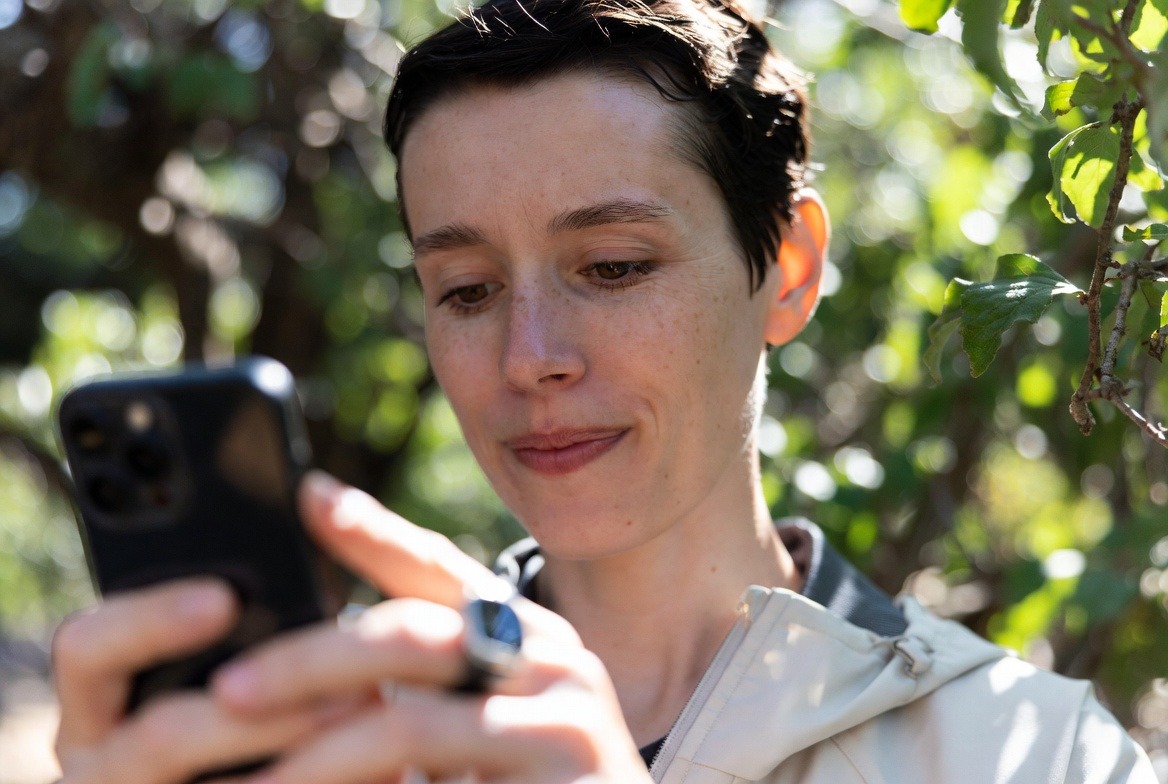
Theory is essential, but application is everything. Let’s translate the science into actionable narratives for different archetypes. How does HRV monitoring manifest in the daily life of a busy professional, a new parent, or a retiree? Seeing these examples can help you refine your own approach.
The Corporate Executive (High Stress, Sedentary).
The New Parent (Sleep Fragmentation, Erratic Schedule).
The Endurance Athlete (Structured Training, High Load).
These vignettes illustrate that HRV is not a one-size-fits-all tool. Its value is in its adaptability to your unique life circumstances, providing a common language—your body’s language—to guide decisions amid chaos. Reading about others' journeys can provide solidarity and inspiration, which is why we share authentic user testimonials.
As we embrace the power of biometric data, a responsible discussion requires acknowledging its limits and navigating the ethical landscape. Blind faith in data can be as problematic as ignoring it.
Technical Limitations: Signal vs. Noise.
Psychological Risks: Obsession and Orthosomnia.
Ethical Considerations: Data Privacy and Ownership.
Navigating this landscape requires a balanced, informed approach. Use your device as a guide and a teacher, not a judge. Trust the trend over the single data point. And always prioritize how you feel over what the app says. Choose technology partners who are transparent about their science and staunch defenders of your privacy. Our commitment to these principles is outlined in our core values and mission.
Knowledge culminates in action. This final section provides a structured, step-by-step plan to integrate HRV awareness into your life not as a chore, but as a sustainable, enlightening practice that enhances rather than complicates your daily routine.
Weeks 1-2: The Observation Phase.
Weeks 3-4: The Correlation & Experimentation Phase.
Month 2 and Beyond: The Refinement and Habit Stacking Phase.
Building Your Personal Dashboard: Beyond the app, create a simple weekly review ritual. Every Sunday, glance at your weekly HRV trend. Ask yourself:
This 5-minute reflection builds powerful self-awareness and connects the dots between your choices and your physiology.
When to Seek Professional Guidance.
Use your data as a communication tool with healthcare providers. If you observe a sustained, unexplained decline in your HRV baseline over several weeks, coupled with symptoms like unrelenting fatigue, poor sleep, or mood changes, it’s time to consult a doctor. Bring your trends with you. It’s objective evidence that can help guide investigations into thyroid function, adrenal health, sleep apnea, or other underlying conditions.
By following this phased plan, you build a healthy, lifelong relationship with your biometric data. It becomes a source of empowerment, not anxiety. You are not just wearing a ring; you are engaging in a continuous, enlightening conversation with the very core of your vitality. To continue this journey of discovery with the latest insights and community support, we invite you to explore the full range of resources available.
We have now journeyed through the science, the technology, and the practical application of Heart Rate Variability. You possess a robust playbook for understanding the daily fluctuations in your autonomic nervous system. This final portion of our comprehensive guide is dedicated to mastery—transforming that knowledge into advanced protocols, exploring the cutting edge of direct nervous system training, and solidifying a philosophy of health that is both data-informed and deeply intuitive. Here, we move beyond tracking and into active co-creation of your resilience.
For those ready to deepen their practice, specific structured protocols can actively train your nervous system for greater resilience. This is the realm of HRV biofeedback (HRV-BFB) and targeted lifestyle interventions designed to provoke measurable autonomic adaptation.
Structured HRV Biofeedback Training. Unlike passive tracking, HRV-BFB is an active, engaged practice where you use real-time feedback to learn to raise your HRV voluntarily. The core mechanism is resonance frequency breathing.
The "HRV-Friendly" Week Design. Beyond acute training, you can structure your entire week to support autonomic balance.
Technology-Assisted Sleep Optimization. Use your ring’s granular sleep data to go beyond duration.
These protocols represent the shift from being a passenger to becoming the pilot of your nervous system. For detailed guides on implementing such techniques, our curated blog content is continually updated with evidence-based methods.

To see the true power of an integrated HRV practice, let’s examine two detailed, hypothetical case studies based on common, real-world patterns. These narratives connect all the dots—data, context, intervention, and outcome.
Case Study 1: The Burnt-Out Manager (Chronic Stress -> Recovery)
Case Study 2: The Plateaued Marathoner (Overtraining -> Peak Performance)
These cases illustrate that HRV is not just a number, but a narrative tool for change. Seeing your own story reflected in objective data can be the most powerful motivator for sustainable habit transformation. Many such transformative journeys are shared in our user testimonials.
One of the most exciting frontiers in physiology is the understanding of the bidirectional communication between the heart, brain, and gut—often called the “little brain” due to its own extensive neural network. HRV sits at the center of this axis, acting as both an indicator and a modulator of its health.
The Vagus Nerve: The Information Superhighway. The tenth cranial nerve, the vagus, is the physical link in this axis. It carries signals from the organs to the brain (afferent) and from the brain to the organs (efferent). High HRV is a sign of strong vagal tone, meaning this communication highway is active and efficient.
Gut Health Directly Influences HRV. Your gut microbiome produces a vast array of neurotransmitters and metabolites that affect brain and heart function.
HRV as a Feedback Tool for Gut Interventions. This connection means you can use HRV to experiment with gut health.
HRV, Emotional Regulation, and the Social Nervous System. The same vagus nerve is central to our capacity for social engagement. The Polyvagal Theory, developed by Dr. Stephen Porges, posits that the vagus has evolved to not just regulate internal organs, but to control facial expression, vocalization, and listening—key to social connection. A high HRV is associated with a greater capacity for social engagement, empathy, and emotional regulation. When we feel safe and connected, our ventral vagal complex is active (supporting high HRV). When we feel threatened, we shift into sympathetic fight/flight (lower HRV) or, in extreme cases, dorsal vagal shutdown (very low, flat HRV).
Therefore, working to improve your HRV isn’t just a physical pursuit; it’s an investment in your emotional and social well-being. Practices that increase HRV—like coherent breathing, meditation, and positive social interaction—directly strengthen the neural pathways for calm and connection. Understanding this deep interconnectedness is part of the philosophy that guides our holistic approach at Oxyzen.
One of the most valuable practical applications of daily HRV tracking is its prescient ability to signal the onset of illness, often 24-48 hours before symptoms appear. It also provides an objective gauge of recovery.
The Signature of Immune Activation. When your body detects a pathogen (virus, bacteria), it mounts an immune response. This involves the release of pro-inflammatory cytokines. As discussed, these molecules interfere with autonomic function, typically suppressing HRV. Furthermore, the body deliberately shifts resources to the immune system, which can feel like fatigue—a state that is parasympathetically dominated but in a pathological, not restorative, way. This often leads to a characteristic pattern:
Using the Data Proactively. When you see this pattern:
HRV and Long-Term Health Conditions. For those managing autoimmune diseases, chronic fatigue, or post-viral syndromes, HRV monitoring is invaluable. It helps:
In this context, your smart ring becomes a personal early-warning system and recovery guide, empowering you to act with foresight rather than react to full-blown illness. For practical advice on using wearables during sickness, our FAQ section covers common questions.
As we reach the culmination of this guide, it is essential to address the most important meta-skill: balancing the quantitative power of data with the qualitative wisdom of your own lived experience. The goal is synthesis, not substitution.
Data as a Compass, Not a Captain. Your HRV score is a point of information. It is not the truth. The truth is your holistic experience of being alive in your body. Use the data to ask better questions, not to hand down verdicts. A low score should prompt the question: “What is my body trying to tell me?” not the statement: “I am failing at recovery.”
Cultivating Interoception. Interoception is your sense of the internal state of your body—the ability to perceive hunger, fullness, heartbeat, emotional feelings, and subtle energy shifts. Ironically, an over-reliance on external data can dull this innate skill. The practice is to check the data after you check in with yourself. In the morning, ask: “How do I feel? Rested? Drained? Eager? Anxious?” Then look at your score. Over time, you will calibrate your subjective feelings with the objective metric, making your intuition sharper and more trustworthy.
Embracing the “Good Enough” Recovery. The wellness industry often pushes optimization toward an unattainable ideal. This can lead to orthosomnia and data anxiety. The philosophy of listening embraces “good enough.” Some days, getting 6.5 hours of fragmented sleep because you were caring for a loved one or finishing an important project is good enough. Your HRV will reflect the cost, and that’s okay. Resilience isn’t about avoiding all dips; it’s about having the capacity to dip and rebound. A life perfectly optimized for a high HRV might be a very narrow, sheltered life. A rich, full life will have HRV fluctuations. The goal is to build the resilience to enjoy the richness.
The Long View: Trends Over Time. Zoom out. Look at your HRV trend over 6 months, a year. Is the general direction positive? Are you recovering from stressors more quickly? These are the true measures of success. The day-to-day noise fades away, revealing the meaningful signal of your overall health trajectory.
This balanced, compassionate approach ensures that technology serves you, not the other way around. It aligns with a vision of human-centric wellness, which you can learn more about in our company’s core story.
The journey through the meaning of your daily HRV fluctuations is, ultimately, a journey into self-knowledge. We began by decoding the symphony of your nervous system, learned to identify the conductors—sleep, stress, nutrition, movement—and then mastered the art of interpreting the score. We’ve seen how this single metric connects the dots between your gut and your heart, your mind and your performance, your today and your long-term health.
Your smart ring is more than a piece of technology; it is a translator. It takes the silent, millisecond-language of your heartbeat and renders it into a story you can understand—a story of strain and ease, of challenge and recovery, of the beautiful, dynamic struggle to maintain balance in a complex world.
Remember these core tenets as you move forward:
By embracing this knowledge, you are no longer a passive recipient of health. You are an active participant, a scientist in your own life, equipped with the tools to listen deeply, respond wisely, and cultivate a state of resilient well-being that is uniquely your own.
This journey of discovery is continuous. As science evolves and technology advances, so too will our understanding. We invite you to continue this exploration, to share your insights, and to become part of a community dedicated to living more consciously. For ongoing learning, support, and the latest in what’s possible at the intersection of technology and human health, the conversation continues at Oxyzen.
Your Trusted Sleep Advocate (Sleep Foundation — https://www.sleepfoundation.org/)
Discover a digital archive of scholarly articles (NIH — https://www.ncbi.nlm.nih.gov/
39 million citations for biomedical literature (PubMed — https://pubmed.ncbi.nlm.nih.gov/)
experts at Harvard Health Publishing covering a variety of health topics — https://www.health.harvard.edu/blog/)
Every life deserves world class care (Cleveland Clinic -
https://my.clevelandclinic.org/health)
Wearable technology and the future of predictive health monitoring. (MIT Technology Review — https://www.technologyreview.com/)
Dedicated to the well-being of all people and guided by science (World Health Organization — https://www.who.int/news-room/)
Psychological science and knowledge to benefit society and improve lives. (APA — https://www.apa.org/monitor/)
Cutting-edge insights on human longevity and peak performance
(Lifespan Research — https://www.lifespan.io/)
Global authority on exercise physiology, sports performance, and human recovery
(American College of Sports Medicine — https://www.acsm.org/)
Neuroscience-driven guidance for better focus, sleep, and mental clarity
(Stanford Human Performance Lab — https://humanperformance.stanford.edu/)
Evidence-based psychology and mind–body wellness resources
(Mayo Clinic — https://www.mayoclinic.org/healthy-lifestyle/)
Data-backed research on emotional wellbeing, stress biology, and resilience
(American Institute of Stress — https://www.stress.org/)


