


Your Smart Ring Tracks HRV—Here's What That Actually Means for You
What tracking HRV with your smart ring means for your personal health.
What tracking HRV with your smart ring means for your personal health.
%402x.svg)
Your fitness tracker counts steps. Your smartwatch pings you for standing up. But that sleek, unassuming ring on your finger? It’s quietly recording something far more profound: your Heart Rate Variability, or HRV.
If you’ve scrolled through your companion app and seen that metric—a number that fluctuates daily, sometimes puzzlingly—you’re not alone. HRV is one of the most powerful yet misunderstood biomarkers in modern wellness. It’s not just another data point; it’s a direct window into your nervous system, your recovery, your stress, and your overall physiological resilience. For decades, this insight was confined to clinical labs and elite athletic training facilities. Now, thanks to advancements in miniaturized sensors and AI, it’s accessible 24/7 from a device you barely feel.
But what does that number actually mean for your daily life? Is a higher score always better? Why does it drop after a night of poor sleep or spike during a vacation? And most importantly, how can you move from passively observing this metric to actively using it to make smarter decisions about your training, sleep, stress management, and long-term health?
This article will demystify HRV completely. We’ll journey from the fundamental biology of your heartbeat to the practical, actionable insights your smart ring provides. You’ll learn not just to read the number, but to understand the complex symphony of your body it represents, and how to conduct it toward a state of greater balance and performance. Whether you’re a biohacker, a stressed professional, an athlete, or simply someone curious about optimizing your well-being, understanding your HRV is the key to moving beyond generic health advice into a world of truly personalized, data-driven living.
At first glance, a heartbeat seems metronomic: ba-dum… ba-dum… ba-dum. But if you could listen with the precision of a smart ring’s photoplethysmography (PPG) sensor, you’d hear a subtle, vital rhythm: ba-dum… ba-dum…… ba-dum. The time between each successive heartbeat is not identical; it varies by milliseconds. This is Heart Rate Variability.
Contrary to intuition, higher HRV is generally a sign of good health. It indicates a robust, responsive autonomic nervous system (ANS). Think of your ANS as your body’s autopilot, controlling everything you don’t consciously think about: digestion, pupil dilation, and, crucially, your heart. It has two primary branches engaged in a constant, dynamic tug-of-war:
HRV is the expression of this conversation. When your body is at ease, the PNS is more dominant, gently applying the brake and allowing for more variability between beats—a sign of adaptability. During stress, the SNS hits the gas, pushing the heart to a more steady, rigid rhythm to provide consistent output, thus lowering variability. A healthy system switches between these states efficiently. A low, stagnant HRV can signal an overtaxed system stuck in a sympathetic-dominant state, which is linked to burnout, fatigue, and increased risk for numerous health issues.
Your smart ring, like the advanced Oxyzen smart ring, calculates HRV by measuring these inter-beat intervals (often called RR intervals) throughout the night, providing the cleanest signal away from the noise of daily movement. It then uses algorithms (like the common RMSSD or SDNN) to spit out a number, usually in milliseconds. This nightly reading becomes your baseline, your body’s honest report card on the total stress—physical, mental, and emotional—you’ve experienced in the last 24 hours and how well you’ve recovered from it.
It’s a silent language, but once you learn to interpret it, it tells a vivid story about your internal state, a story far richer than any step count could ever provide.
The journey of HRV from an esoteric medical measurement to a mainstream wellness metric is a tale of technological triumph. Historically, obtaining an accurate HRV reading required an electrocardiogram (ECG) in a clinical setting—a cumbersome process with sticky electrodes attached to the chest. Its use was largely reserved for assessing cardiac patients or monitoring the finely-tuned training of Olympic athletes.
The democratization of this biomarker hinges on two key innovations: sensor miniaturization and sophisticated data processing.
The Sensor: PPG in a Ring. Your smart ring doesn’t use electrodes. Instead, it uses Photoplethysmography. A tiny LED light on the inner band shines into the capillaries in your finger. As your heart pumps, blood volume in these vessels changes minutely, which affects how much light is absorbed versus reflected back to the ring’s optical sensor. These pulsatile changes are used to detect each heartbeat and, with high enough fidelity, the precise timing between them. The ring form factor is uniquely advantaged for this: the finger provides a strong PPG signal, and wearing it during sleep minimizes motion artifact—the primary enemy of clean data.
The Brain: Beyond Raw Data. A raw PPG signal is noisy. This is where artificial intelligence and machine learning come in. The ring’s onboard processors and companion app algorithms perform a herculean task. They must:
Brands leading in this space, like Oxyzen, invest heavily in proprietary algorithms to ensure this translation from light signal to insightful metric is as accurate and reliable as possible. This commitment to accurate data is foundational; as you’ll learn, the entire value of HRV rests on trusting the measurement. You can explore the deep technical philosophy behind one such approach on Oxyzen's Our Story page.
The result is that you now have access to what was once a secret of the pros. This isn't just a gadget; it's a personal health observatory, delivering a nightly digest of your nervous system's activity straight to your smartphone.
So, you open your app each morning and see your HRV score. Let’s say it’s 52 ms. Is that good? Bad? The first, and most critical, rule of HRV is this: The absolute number is almost meaningless without context. The true power lies in the trend and the deviations from your personal baseline.
Your body is unique. Genetic factors, age, fitness level, and even gender influence what a "normal" HRV range is for you. A score of 45 ms might be excellent for one person and a sign of trouble for another. Therefore, the primary goal for the first few weeks of wearing your ring is to establish your personal baseline—the range where your HRV typically sits when you’re living your regular life, feeling balanced, and recovering well.
Once that baseline is established, the daily story emerges through changes:
Your smart ring app synthesizes this by giving you a readiness or recovery score. This score is primarily driven by your HRV in context with other metrics like resting heart rate and sleep data. A low readiness score isn’t a punishment; it’s a personalized recommendation to choose a gentle yoga session over a high-intensity interval training (HIIT) workout, or to prioritize an early night over late socializing. It’s your body’s wisdom, quantified.
HRV doesn’t discriminate between stress types; it measures the total load on your system. This is both its power and a point of confusion. A low score could mean you’re physically overtrained or that you’re having a relationship argument. Learning to decode the source is key to taking the right corrective action.
The Signature of Physical Stress: When physical strain is the primary driver, HRV patterns often correlate closely with other metrics. You’ll typically see:
The pattern here is one of resource depletion. Your body has broken down tissue (muscle, connective) and needs energy and time to rebuild.
The Signature of Mental/Emotional Stress: When psychological factors dominate, the data picture can look different:
The pattern here is one of neurological activation. Your sympathetic nervous system is chronically engaged, suppressing the restorative parasympathetic activity.
Why This Distinction Matters: Your intervention changes based on the source.
Your smart ring provides the "what"—your system is stressed. Your job is to use contextual awareness to deduce the "why." Over time, you’ll become adept at reading these subtle differences, transforming generic data into a precise diagnostic tool for your life. For more on managing different stress types, our resource hub at the Oxyzen blog offers numerous deep dives.
Sleep is not merely a period of inactivity; it’s an intensive renovation shift for your body and brain. It is the primary time when your parasympathetic nervous system takes the driver’s seat, enabling physical repair, memory consolidation, and metabolic regulation. Consequently, the relationship between sleep and HRV is deeply symbiotic and is where your smart ring delivers some of its most actionable insights.
Deep Sleep and HRV: The Golden Connection. Not all sleep is created equal. The deep sleep stage (Slow-Wave Sleep) is particularly crucial for HRV recovery. During deep sleep:
Your smart ring tracks sleep stages, allowing you to see a direct correlation: nights with abundant, uninterrupted deep sleep are almost invariably followed by mornings with higher HRV and readiness scores. Conversely, a night fragmented by alcohol, late-night eating, blue light exposure, or an irregular schedule will show suppressed deep sleep and a lower HRV.
Using Your Ring to Engineer Better Sleep for Higher HRV. This is where passive tracking becomes active optimization. Your ring’s data can guide you to experiment with proven sleep hygiene levers:
By treating sleep as the non-negotiable foundation of your HRV and overall health, you create a virtuous cycle: better sleep leads to higher HRV, which leads to better stress resilience and daily performance, which in turn makes it easier to prioritize and achieve good sleep. It’s the most powerful positive feedback loop you can cultivate.
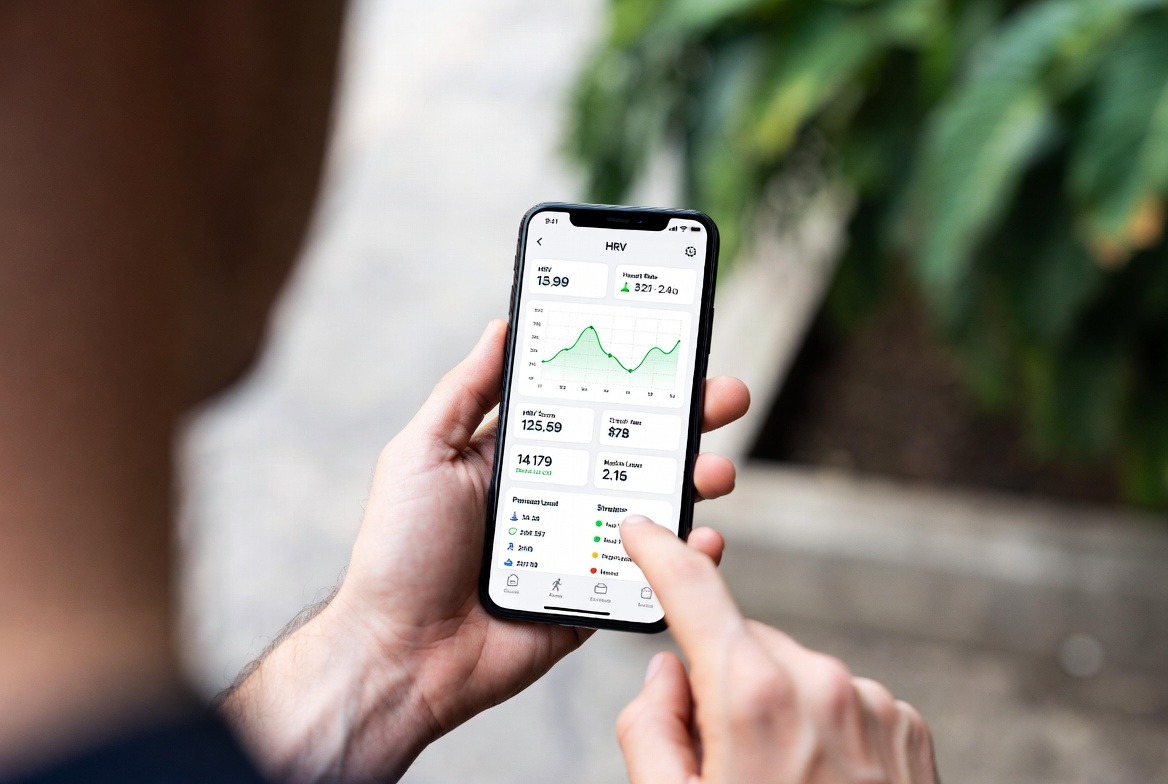
You are what you eat, and your HRV is a real-time reflection of that. The food you consume directly influences inflammation, gut health, blood sugar stability, and oxidative stress—all of which are "heard" by your autonomic nervous system and reflected in your heart's rhythm.
The Inflammatory Fire. Chronic, low-grade inflammation is a significant stressor on the body and a known suppressor of HRV. Diets high in ultra-processed foods, refined sugars, industrial seed oils, and excessive red meat can stoke this fire. Conversely, anti-inflammatory foods rich in polyphenols and omega-3s help dampen it. You might see a dip in HRV after a day of dietary indiscretion and a steady climb during a period of eating whole, nutrient-dense foods.
The Blood Sugar Rollercoaster. This is a major, immediate player. When you eat a meal high in refined carbohydrates without balancing fiber, protein, or fat, your blood glucose spikes rapidly, followed by an insulin-driven crash. This glycemic volatility is a form of metabolic stress that activates the sympathetic nervous system. Your smart ring can reveal this: a large, sugary dessert or a pasta-heavy dinner may lead to a more restless night and a suppressed morning HRV. Stable blood sugar, achieved through balanced meals, supports a calmer ANS and higher variability.
Hydration & Electrolytes: The Fundamentals. Even mild dehydration increases heart rate and reduces blood volume, forcing the heart to work harder and reducing HRV. Electrolytes like sodium, potassium, and magnesium are critical for nerve transmission and muscle function—including the heart muscle. An imbalance can directly disrupt the rhythmic interplay that creates HRV. If you see an unexplained HRV drop, consider whether you drank enough water or if a sweaty workout created an electrolyte deficit.
Personalized Nutrition Through Biofeedback. This is the frontier. Instead of following a generic diet, you can use your HRV as a biofeedback tool to identify what your body uniquely thrives on. The process is simple:
This moves nutrition from dogma ("This diet works!") to a personal experiment ("Does this diet work for me?"). For specific questions on how to conduct such experiments, our community and support team have compiled helpful starting points in the Oxyzen FAQ.
For anyone who exercises, HRV is a game-changer. It flips the script from rigid, pre-programmed workout plans to an adaptive, responsive approach that honors your body’s daily readiness. This paradigm, known as HRV-Guided Training, is used by elite athletes to prevent overtraining and now, by anyone with a smart ring.
The Principle of Functional Overreaching vs. Overtraining. Effective training involves strategically stressing the body (breaking it down) so it supercompensates and grows stronger during recovery. This is functional overreaching. Overtraining occurs when the stress load chronically exceeds recovery capacity, leading to stagnation, injury, illness, and burnout. The line between the two is invisible—until you have HRV data.
How to Use Your Readiness Score: Most smart ring apps will distill your HRV, resting heart rate, and sleep into a simple readiness or recovery score (e.g., 1-100 or "Low," "Balanced," "High").
Real-World Impact: Imagine you have a heavy leg day scheduled for Tuesday. You wake up, check your app, and see a low readiness score due to a poor night's sleep after a stressful workday. The old you might have slogged through the workout, feeling terrible and seeing poor results. The HRV-informed you reschedules the leg day for tomorrow and takes a 30-minute walk instead. On Wednesday, you wake up with high readiness, crush the workout, and achieve personal bests. You’ve just used data to turn a potential setback into a super-compensation.
This dynamic approach reduces injury rates, prevents burnout, and leads to better long-term results because every workout is aligned with your body’s actual capacity. It’s the end of guessing and the beginning of intelligent training.
While factors like sleep, nutrition, and exercise indirectly influence HRV by changing your body’s stress load, there is a way to directly "hack" your autonomic nervous system and boost HRV in real-time: through deliberate breathwork and meditation. This is where you go from observing your ANS to actively steering it.
The Direct Line: Your Breath. Breathing is unique—it’s an automatic function you can also consciously control. By altering your breathing pattern, you send direct signals to your brainstem, influencing the ANS balance. Slow, deep, diaphragmatic breathing (at around 5-7 breaths per minute for most people) is a powerful PNS activator. It stimulates the vagus nerve, the main highway of the parasympathetic system, leading to an immediate increase in HRV.
You can prove this to yourself with your smart ring. Sit calmly, start a mindfulness session in your app, and engage in 5 minutes of paced breathing (e.g., inhale for 4 seconds, exhale for 6 seconds). Check your real-time HRV graph afterward; you will likely see a noticeable spike. This isn't just a temporary trick; regular practice strengthens your vagal tone, raising your baseline HRV over time.
Meditation and Mindfulness: The Long Game. Consistent meditation practice reduces background sympathetic chatter and fosters a state of non-reactive awareness. Studies show that long-term meditators have significantly higher baseline HRV than non-meditators. The practice essentially trains your nervous system to return to equilibrium more quickly after a stressor—a trait known as psychological resilience. Your smart ring quantifies this journey, showing you the tangible, physiological payoff of your mental training.
Practical Integration: Use your ring’s data for biofeedback during practice. Notice which techniques (body scan, loving-kindness, breath awareness) lead to the greatest calming effect as reflected in your post-session metrics. This creates a powerful feedback loop: the data motivates the practice, and the practice improves the data.
This ability to self-regulate is perhaps the most profound gift of understanding HRV. It empowers you to take a stressful moment—a tense meeting, pre-competition nerves—and use your own breath as a tool to regain balance, clarity, and physiological control. It turns stress management from a vague concept into a measurable skill.
Your autonomic nervous system is not an island. It is continuously influenced by and interacts with your social world and physical environment. Your smart ring’s HRV data can reveal surprising connections that extend far beyond your personal habits.
The Social Syncing Effect: Human connection has a measurable physiological impact. Positive, supportive social interactions—a deep conversation with a friend, laughing with a partner, physical touch like a hug—can stimulate the PNS and boost HRV. Conversely, chronic social stress, loneliness, or conflict in relationships creates a persistent sympathetic burden, suppressing HRV. You might review your data and notice your highest readiness scores consistently follow days spent with close friends or family, or that a period of relationship discord coincides with a downward trend. This data underscores that investing in healthy relationships isn't just good for the soul; it's good for your nervous system.
Your Digital Environment: The constant ping of notifications, the endless scroll of social media, and the hyper-stimulation of the digital world create a state of chronic low-level alertness. This "always-on" culture keeps your SNS subtly engaged, making it harder for the PNS to dominate during rest periods. An intentional digital detox, especially in the hours before bed, can be one of the most effective ways to see an improvement in sleep depth and, consequently, morning HRV.
The Natural World: The concept of "forest bathing" (Shinrin-yoku) is backed by science. Time spent in nature, particularly in green spaces, lowers cortisol, blood pressure, and sympathetic activity while increasing HRV. The mechanisms are thought to involve phytoncides (airborne chemicals from plants), the calming effects of natural sounds, and the reduction of sensory overload from urban environments. Your ring can validate this: compare your HRV after a walk in a park versus a walk on a busy city street.
Using These Insights: This broad view encourages you to audit not just your personal habits, but your entire ecosystem. Are your relationships net energizers or drainers? Is your digital diet cluttering your mental space? Are you getting enough "green time"? By optimizing your environment for nervous system health, you create a foundation that makes all other positive habits easier to maintain. The Oxyzen about page details how this holistic view of well-being is central to the product's mission.
With great data comes great responsibility. Misinterpreting HRV can lead to unnecessary anxiety or poor decisions. Let’s clarify common pitfalls to ensure you use this tool wisely.
Pitfall 1: Obsessing Over the Daily Number. HRV is inherently variable. A single low day is not a crisis; it’s information. It’s the trend over 7-14 days that indicates a meaningful shift. Don’t let a morning low score ruin your day. Instead, see it as a cue to be kind to yourself and choose recovery-oriented behaviors.
Pitfall 2: Chasing an Ever-Higher Number. HRV is not a video game score you need to maximize at all costs. It has an upper limit influenced by genetics and age. The goal is not an infinite climb, but optimal stability within your healthy range. A stable, responsive HRV that recovers quickly from dips is the true sign of resilience, not a number that constantly breaks records.
Pitfall 3: Ignoring Context (The "Why" Behind the "What"). As discussed, a low HRV requires detective work. Blaming the wrong cause (e.g., thinking you're sick when you're actually emotionally stressed) leads to the wrong intervention. Always cross-reference with your life log: training, sleep, diet, stress events.
Pitfall 4: Comparing Your HRV to Others. This is perhaps the most dangerous mistake. Due to the factors mentioned earlier, comparing absolute values is meaningless and can be deeply discouraging. Focus exclusively on your baseline and your trends. Your journey is personal.
Pitfall 5: Letting the Ring Override How You Feel. The data is a guide, not a god. If your readiness score is high but you feel awful (like the onset of a headache or general malaise), listen to your subjective feeling. The converse is also true: if the score is low but you feel energetic and great, proceed with cautious optimism. The skill is in marrying the objective data with your subjective intuition.
Best Practice: The Holistic Dashboard. Never look at HRV in isolation. Always view it as part of a dashboard that includes:
This integrated view provides a balanced, accurate picture of your state. By avoiding these pitfalls, you ensure your smart ring remains an empowering coach, not a source of stress—a tool for self-knowledge, not self-judgment. For ongoing discussions on best practices and user experiences, the real-world stories shared in Oxyzen testimonials can be incredibly insightful.
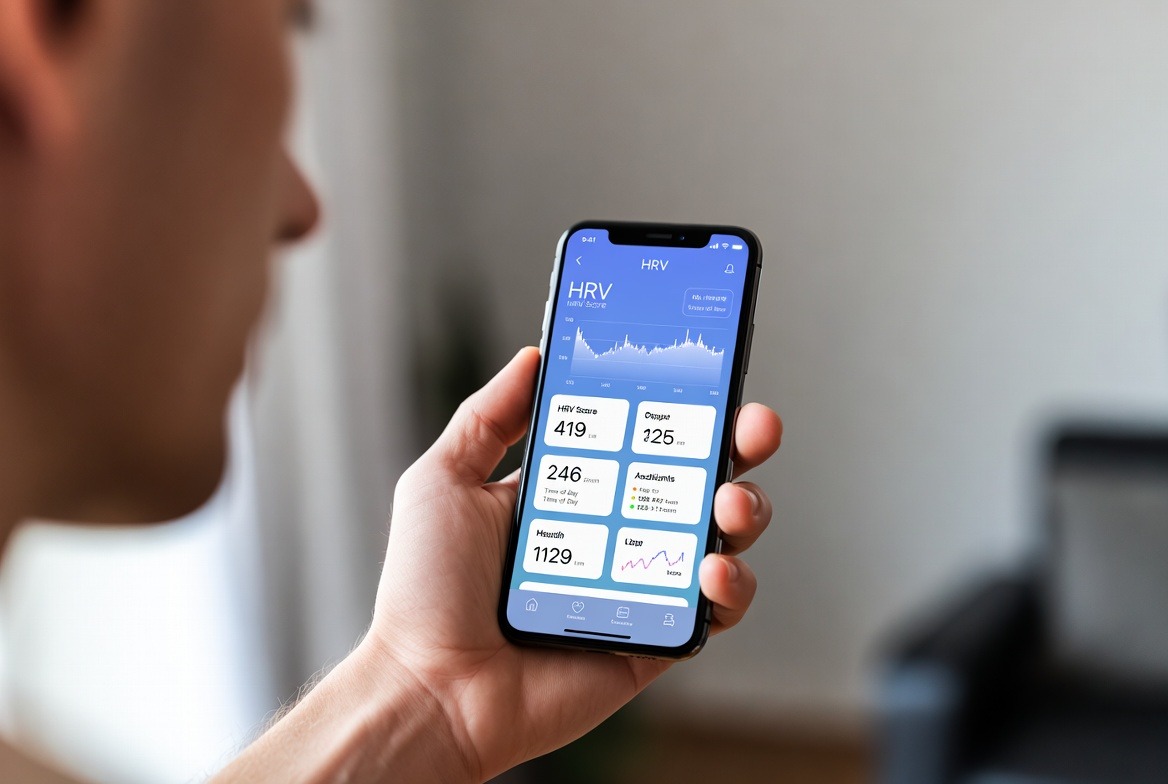
Knowledge is only potential power. The real transformation happens when you translate the insights from your smart ring into a sustainable, personalized action plan. This final section is about building your framework—a set of protocols triggered by your data—to consistently nudge your nervous system toward greater balance and resilience.
Step 1: Establish and Accept Your Baseline. Spend 3-4 weeks living your normal life while wearing the ring. Observe your average HRV and the range of normal fluctuations without trying to "game" it. This is your foundational truth.
Step 2: Create Your "Green, Yellow, Red" Protocol. Based on your app’s readiness score or your observed HRV trend, define clear action rules for yourself.
Step 3: Conduct Monthly Reviews. At the end of each month, don’t just look at the daily graphs. Look at the weekly averages. Ask:
Step 4: Embrace the Experiment. Use your plan as a living document. If you introduce a new supplement, change your workout split, or start a meditation app, observe the impact on your 2-week HRV trend. Let your body’s data be the judge of what works for you.
This systematic approach moves you from being a passive consumer of data to an active architect of your own well-being. Your smart ring and its HRV metric become the compass for a more intentional, resilient, and high-performing life. The journey to understanding this silent language of your heart is, ultimately, a journey to a deeper understanding of yourself. To continue exploring the nuances of this journey, from advanced biohacking to simple daily tips, a wealth of information awaits on our comprehensive Oxyzen blog.
The conversation around HRV often centers on performance, recovery, and daily readiness. However, the most profound implication of this biomarker may lie in its predictive power for long-term health. A consistently low or declining HRV is not just a sign of a bad week; it’s a potential early-warning signal for systemic dysfunction and chronic disease risk. By paying attention to this trend, you gain a powerful tool for preventative, proactive healthcare.
The Stress-Disease Connection. Chronic sympathetic nervous system dominance—the state reflected by low HRV—creates a physiological environment ripe for disease. Persistently elevated stress hormones like cortisol and adrenaline lead to:
Epidemiological research bears this out. Numerous studies have shown that low HRV is an independent predictor of all-cause mortality and is strongly associated with the development and progression of cardiovascular disease, diabetes, depression, and anxiety disorders.
HRV as a Vital Sign. Forward-thinking clinicians are beginning to view HRV as a "fifth vital sign," alongside blood pressure, heart rate, temperature, and respiratory rate. It provides a dynamic, functional readout of the body's resilience and adaptability that static blood tests or annual check-ups cannot. While your smart ring data is not a diagnostic medical device, the trends it reveals are invaluable information to bring to a healthcare conversation. A long-term downward trend in your HRV baseline is a quantifiable reason to seek a deeper health investigation.
The Preventive Power of Tracking. This is where the daily habit of checking your readiness score transforms from an optimization tool into a health-preservation strategy. By using your HRV to guide lifestyle choices, you are actively manipulating the very physiological pathways that lead to chronic disease.
Your smart ring becomes a long-term health sentinel. It allows you to shift from a disease-care model—reacting to problems after they arise—to a true healthcare model, where you continuously nurture your system's fundamental resilience. This preventative mindset is core to the philosophy behind brands focused on long-term well-being, a vision you can explore further in the foundational principles outlined on Oxyzen's About Us page.
HRV is not just influenced by your nervous system; it is in a constant, intricate dialogue with your endocrine system—the network of glands that produce hormones. Understanding this relationship is crucial for interpreting HRV data accurately, especially across different life stages and for all genders.
Cortisol: The Primary Antagonist. The stress hormone cortisol has a direct, suppressive effect on HRV. It enhances sympathetic activity and inhibits parasympathetic function. Your daily cortisol rhythm—high in the morning to help you wake, gradually declining through the day—should ideally mirror an inverse HRV rhythm (lower in the AM, rising through the night). Chronic stress flattens this cortisol curve and keeps HRV perpetually low. Your smart ring data can thus be a proxy for assessing whether your stress management techniques are effectively regulating cortisol.
Sex Hormones: Estrogen, Progesterone, and Testosterone. These hormones significantly modulate ANS function.
The Female Cycle: A Masterclass in HRV Interpretation. For those who menstruate, the hormonal cycle is the single biggest factor in HRV variation, and ignoring it leads to confusion. A typical pattern might look like this:
Life Stages: Pregnancy, Perimenopause, and Andropause.
The Takeaway: Never judge a daily HRV score in a hormonal vacuum. Use cycle-tracking features in your app or manual logging to overlay your hormonal phase. This teaches self-compassion and provides a powerful framework for syncing your lifestyle—training, nutrition, stress management—with your biology, not against it. For more on personalizing data to your unique physiology, our community shares experiences and tips on the Oxyzen blog.

Your smart ring app likely gives you a single HRV number, but under the hood, that number is derived from complex analysis of the inter-beat interval data. Different algorithms tell slightly different stories. Understanding these can deepen your insight, especially if your app provides access to these raw metrics or their trends.
Time-Domain Metrics: The Classics
These are calculated directly from the time between heartbeats.
Frequency-Domain Metrics: The Nervous System Breakdown
This analysis uses mathematical transforms to separate the HRV signal into different frequency "bands," each linked to different physiological processes.
What This Means For You:
The key is to avoid analysis paralysis. These advanced metrics are the orchestra's individual sections, but your readiness score is the symphony you hear. Use the details to fine-tune your understanding, but let the main melody guide your daily decisions.
Embracing HRV tracking requires a balanced perspective. While revolutionary, the technology from a smart ring is not infallible. Understanding its limitations prevents misinterpretation and ensures you use the data wisely, not dogmatically.
1. The PPG Fidelity Gap. As discussed, smart rings use optical PPG sensors, not medical-grade ECG. While excellent for trends and night-time measurement, PPG is more susceptible to:
2. The "Apples to Oranges" Problem. Never compare your HRV number from one brand/device to another. Different devices use different sensors, different sampling rates, different algorithms (RMSSD vs. SDNN vs. proprietary scores), and calculate over different time windows (last 5 min of sleep vs. whole night average). Your Oura, Whoop, Garmin, and Oxyzen ring will all give you different absolute numbers. This is why your personal baseline on one device is sacred, and cross-device comparison is meaningless.
3. The Individuality Quagmire. As emphasized, an HRV of 30 ms could be dangerously low for one person and perfectly normal for another. Age alone causes a significant decline. Population averages are virtually useless for individual assessment. The wearable industry's push toward generalized "health scores" can sometimes gloss over this critical nuance, so always contextualize feedback within your own history.
4. The "Why" Remains Elusive. The device tells you the "what" with stunning clarity: your HRV is down. It cannot tell you the "why." Is it the hard workout, the hidden virus, the fight with your partner, or the inflammatory lunch? That diagnostic layer requires your conscious awareness and personal logging.
5. Data Anxiety and Orthosomnia. A real risk is becoming so obsessed with optimizing the score that it creates a new source of stress ("I must get a high HRV score tonight"), ironically lowering your HRV. Similarly, "orthosomnia"—the pursuit of perfect sleep data—can lead to sleep anxiety. The tool should reduce stress, not become its source.
Navigating Limitations Wisely:
By acknowledging these boundaries, you empower yourself to use the technology with confidence and discernment. It’s a phenomenal guide for your wellness journey, but you are still the one walking the path. For technical specifics on how one device manages these challenges, you can often find detailed explanations in the Oxyzen FAQ.
Data comes alive through stories. Here are composite, anonymized case studies illustrating how individuals from different walks of life have used HRV data from their smart rings to create meaningful change.
Case Study 1: The Overtrained Marathoner.
Case Study 2: The Burnt-Out Executive.
Case Study 3: The Person Navigating Hormonal Health.
These stories illustrate the universal truth: HRV provides a common language between your body's silent signals and your conscious mind, enabling precise, personalized interventions that lead to tangible improvements in performance, health, and quality of life. Reading real user testimonials can provide further inspiration and relatability.

HRV is a superstar biomarker, but it doesn't perform alone. Its true interpretive power is unlocked when viewed in concert with other data streams, both from your smart ring and from other sources. This integrated approach creates a holistic dashboard for your health.
The Core Triad (From Your Ring):
Secondary Ring Metrics:
External Biomarkers to Correlate:
Creating Your Personal Health Dashboard: The goal is synthesis. For example:
By weaving these threads together, you move from isolated metrics to a rich tapestry of understanding. You're not just tracking HRV; you're conducting a continuous, personal health audit. For guides on how to start this integrative practice, resources like the Oxyzen blog often provide frameworks and user experiences to learn from.
Your autonomic nervous system is exquisitely tuned to your environment. Beyond the obvious stressors, subtle environmental factors—light, temperature, and noise—profoundly affect your circadian rhythm and, by extension, your HRV. Mastering these can be a game-changer for your recovery data.
1. Light: The Master Zeitgeber. Light exposure is the most powerful cue for your circadian clock, which in turn governs the daily rhythm of your ANS and cortisol.
2. Temperature: The Goldilocks Zone for Sleep. Core body temperature must drop to initiate and maintain sleep. This drop is also closely tied to parasympathetic activation.
3. Noise: The Silent Sleep Saboteur. Even if you don't fully awaken, background noise (traffic, a partner snoring, urban sounds) can cause micro-arousals, shifting you out of deep sleep and keeping your SNS slightly engaged.
Tracking Environmental Levers with Your Ring: This is where you become a biohacking scientist.
Your smart ring quantifies the payoff of these environmental tweaks. It provides objective proof that optimizing your surroundings isn't just about comfort—it's a direct investment in your nervous system's recovery capacity. Simple, free changes can often yield more significant HRV improvements than expensive supplements.
For the dedicated athlete, HRV is the ultimate secret weapon, moving beyond simple daily readiness into the realms of strategic periodization, peaking, and competition preparation. It provides a physiological basis for artful training planning.
HRV-Guided Periodization. Traditional periodization blocks (base, build, peak, taper) are based on calendar time. HRV allows for dynamic periodization, where the length and intensity of each block are responsive to your body's actual adaptation.
The Art and Science of the Taper. The taper before a key event is about reducing fatigue while maintaining fitness. HRV is the perfect guide to nail it.
Race Week and Day-Of Guidance. HRV can inform final preparations.
Case Study: The Marathon Taper. A runner sees HRV climb from 60 to 85 ms over a 2-week taper. On race morning, it's at 82 ms, and RHR is at its lowest. This is a near-perfect physiological preparation signal, giving a massive confidence boost. Conversely, a score of 65 on race morning would be a data-driven cue to adjust race strategy, start more conservatively, and prioritize fueling.
This level of application turns your smart ring into a personal sports science lab, empowering you to collaborate with your coach (or self-coach) with unprecedented physiological transparency. For athletes sharing their data-driven journeys, platforms like the Oxyzen testimonials page can offer real-world inspiration and strategy ideas.
While HRV naturally declines with age, this trend is not a fixed destiny. It's a clarion call for intentional practice. For individuals over 50, tracking and improving HRV becomes a potent strategy for compressing morbidity—staying healthy, active, and resilient for as long as possible.
Why HRV Matters More With Age. The age-related decline in HRV reflects a gradual loss of autonomic flexibility, often coupled with increased low-grade inflammation ("inflammaging") and reduced vascular compliance. This loss of adaptability makes it harder to recover from stressors, increasing the risk of falls, illness, and chronic disease. Therefore, a higher HRV in older age is one of the strongest biomarkers of physiological youth and resilience.
Key Focus Areas for the 50+ Demographic:
Redefining "Recovery." For older adults, recovery isn't just about bouncing back from a workout. It's about recovering from a day of gardening, a busy social schedule, or even a mentally taxing task. The smart ring's readiness score helps pace activity to prevent the boom-bust cycles that lead to injury or exhaustion.
The Empowerment of Data. Seeing a gradual improvement in HRV baseline over months, despite chronological aging, is incredibly empowering. It provides tangible proof that lifestyle interventions are working at a cellular and systemic level. It shifts the narrative from managing decline to actively building resilience.
For this demographic, the smart ring is less about athletic performance and more about functional autonomy and healthspan. It provides the feedback needed to invest energy in the practices that truly matter for long-term vitality, making the golden years not just longer, but richer and more independent. This commitment to lifelong well-being aligns with the core mission of many wellness technology companies, as seen in their foundational values on pages like Oxyzen's About Us.
Your HRV’s response to illness is one of its most dramatic and instructive behaviors. It serves as a barometer of immune system activity and a guide for convalescence, proving invaluable for everything from a seasonal cold to the complex recovery from long COVID.
The Acute Illness Pattern: The "Sick Dip." When your body detects a pathogen, it launches an immune response—an intensely inflammatory and energy-intensive process. This is a massive allostatic load, dominated by sympathetic and inflammatory signaling.
Actionable Guidance from the Data:
HRV and Long COVID / Post-Viral Fatigue. For those grappling with long COVID or similar post-viral syndromes, HRV tracking is exceptionally valuable, yet requires careful interpretation.
In sickness and in health, HRV offers an internal compass. It teaches respect for the body's profound energy demands during immune function and provides a data-driven path out of convalescence, protecting you from the setback of doing too much, too soon. For support and community insights on navigating health challenges with data, resources like the Oxyzen FAQ and blog can be helpful starting points.
HRV is not just a physiological metric; it is deeply entwined with your psychology and your perception of safety. The groundbreaking Polyvagal Theory, developed by Dr. Stephen Porges, provides the perfect framework for this connection, introducing the concept of neuroception—your nervous system's unconscious scanning of the environment for safety, danger, or life threat.
Polyvagal Theory and the Three States:
Neuroception and Your Daily HRV. Your HRV score each morning is, in part, a readout of your cumulative neuroception from the previous day. Did your nervous system perceive safety (supportive interactions, a calm environment, a sense of agency)? Or did it perceive chronic, low-grade danger (work pressures, social friction, internal criticism, trauma triggers)?
Implications for Mental Health and Trauma:
What This Means for Your Practice: When you see a low HRV, ask not only "What did I do?" but also "How safe did I feel?"
Cultivating a sense of safety is a direct HRV intervention. This can be through:
Understanding this psychological layer transforms HRV from a simple fitness metric into a tool for profound emotional and neurological healing. It underscores that true well-being requires not just a healthy body, but a nervous system that feels safe. Exploring this mind-body connection is a frequent theme in holistic wellness content, such as that found on the Oxyzen blog.
The science of HRV reveals a startling and beautiful truth: our nervous systems are not isolated. They can synchronize with others—a phenomenon known as HRV synchrony or physiological coherence. This has profound implications for relationships, teamwork, and even collective healing.
The Science of Synchrony. When two people are in a positive, attuned, and empathetic connection—such as a therapist and client, a couple in a loving conversation, or a mother and infant—their heart rhythms and HRV can begin to entrain and synchronize. This is facilitated by the social engagement system of the vagus nerve (the ventral vagal pathway). It's a biological manifestation of true connection.
What This Looks Like in Practice:
Using This Concept Personally:
The Broader Implications: This science suggests that our well-being is interconnected. Fostering healthy, attuned relationships isn't just emotionally satisfying; it's a biological necessity that raises our collective capacity for resilience. In a world often marked by disconnection, actively seeking and creating moments of physiological synchrony is a radical act of health promotion, for ourselves and our communities.
This understanding brings a new depth to the data on your finger. It's not just about you; it's about how you connect. A high HRV baseline makes you a better, more stable coregulator for others, creating a positive ripple effect. Investing in your own nervous system health, therefore, becomes a gift to your social circle. For stories of how technology can foster connection and understanding, pages like Oxyzen's Our Story often touch on these human-centric values.
As we willingly strap sophisticated biometric sensors to our bodies, we must confront critical questions about the data they generate. Your HRV trend is intimate—a digital fingerprint of your stress, resilience, and vulnerabilities. Navigating the ethics of this new landscape is essential for true empowerment.
Key Ethical Considerations:
The Future: A User-Centric Model. The ideal future is one of sovereign health data.
How to Be a Discerning User Now:
The most responsible companies in this space will view themselves not as data extractors, but as stewards of their users' most personal information, empowering them with insights while fiercely protecting their privacy and autonomy. This ethical foundation is as important as the technology itself, a principle often articulated in a company's core mission, such as that found on Oxyzen's About Us page.
Knowledge culminates in action. This 90-day protocol is designed to systematically integrate HRV wisdom into your life, moving from observation to mastery, building sustainable habits that elevate your resilience baseline.
Phase 1: Days 1-30 — The Foundation & Observation (As detailed in Section 18).
Phase 2: Days 31-60 — The Intervention & Connection Phase.
Phase 3: Days 61-90 — The Optimization & Personalization Phase.
The 90-Day Review & Beyond: At day 90, answer:
This structured approach transforms passive tracking into an active self-development project. The ring is your measurement tool, but you are the agent of change. By the end of 90 days, responding to your HRV will have become second nature—a integrated part of your intuition for living well. For ongoing support and new ideas beyond the 90 days, communities and resources like those linked from the Oxyzen homepage can provide continued inspiration.
Your Trusted Sleep Advocate (Sleep Foundation — https://www.sleepfoundation.org/)
Discover a digital archive of scholarly articles (NIH — https://www.ncbi.nlm.nih.gov/
39 million citations for biomedical literature (PubMed — https://pubmed.ncbi.nlm.nih.gov/)
experts at Harvard Health Publishing covering a variety of health topics — https://www.health.harvard.edu/blog/)
Every life deserves world class care (Cleveland Clinic -
https://my.clevelandclinic.org/health)
Wearable technology and the future of predictive health monitoring. (MIT Technology Review — https://www.technologyreview.com/)
Dedicated to the well-being of all people and guided by science (World Health Organization — https://www.who.int/news-room/)
Psychological science and knowledge to benefit society and improve lives. (APA — https://www.apa.org/monitor/)
Cutting-edge insights on human longevity and peak performance
(Lifespan Research — https://www.lifespan.io/)
Global authority on exercise physiology, sports performance, and human recovery
(American College of Sports Medicine — https://www.acsm.org/)
Neuroscience-driven guidance for better focus, sleep, and mental clarity
(Stanford Human Performance Lab — https://humanperformance.stanford.edu/)
Evidence-based psychology and mind–body wellness resources
(Mayo Clinic — https://www.mayoclinic.org/healthy-lifestyle/)
Data-backed research on emotional wellbeing, stress biology, and resilience
(American Institute of Stress — https://www.stress.org/)


