


Body Awareness Basics: The Heart Rate-Emotion Connection
The connection between your heart rate and your emotional state.
The connection between your heart rate and your emotional state.
%402x.svg)
In a world of constant notifications and unending to-do lists, we've become experts at tracking everything except the most important system we’ll ever manage: our own body. We count steps, monitor calories, and log workouts, yet we remain startlingly disconnected from the subtle, real-time signals our physiology sends us—signals that hold the key to understanding our emotions, stress, and overall well-being. The most profound of these signals is your heartbeat. It’s not just a mechanical pump keeping you alive; it’s a dynamic, responsive narrator of your inner emotional world. Every flutter, every surge, every steady rhythm tells a story about what you’re feeling, often before your conscious mind has even registered it. This is the heart rate-emotion connection, and learning its language is the first, most critical step in cultivating true body awareness.
This journey isn't about achieving a disembodied state of calm. It's about building a nuanced, intimate dialogue with your own physiology. By understanding how your heart rate intricately mirrors and influences your emotional state, you move from being a passenger in your body to a skilled navigator. You gain the ability to recognize rising anxiety before it becomes overwhelming, to identify genuine excitement versus nervous stress, and to harness the power of your physiology to cultivate genuine resilience. Modern technology, particularly from the emerging world of smart wearables like the Oxyzen smart ring, is placing this profound wisdom right at our fingertips—or more accurately, on our fingers—offering continuous, precise data that was once only available in a lab. This article will serve as your foundational guide, exploring the fascinating science, the practical applications, and the transformative power of listening to the story your heart is telling you.
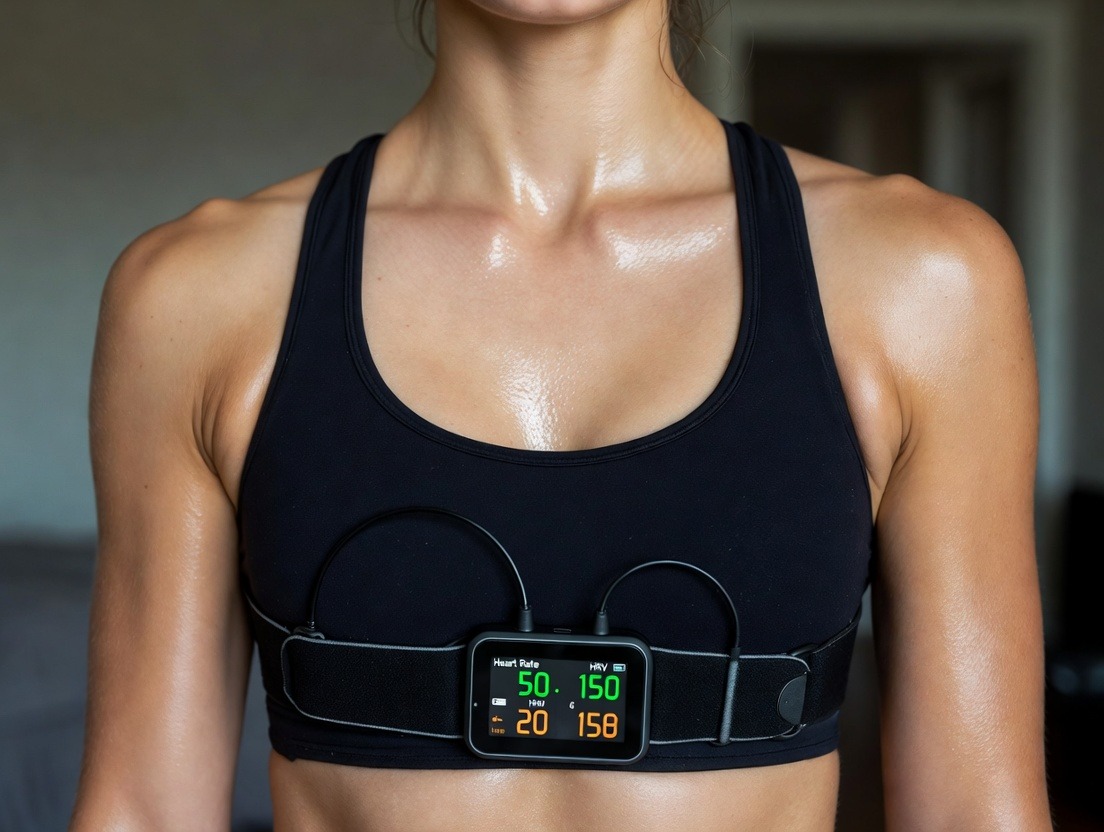
Long before the invention of the electrocardiogram or the photoplethysmography (PPG) sensor in your smart ring, humans intuitively understood the heart's connection to emotion. Our language is steeped in this wisdom: we speak of "heartache," "hearts racing" with fear, "warm hearts" of love, and feelings felt "deep in our heart." This isn't mere poetry; it's a primal, embodied recognition of a biological truth. Ancient healing systems from Traditional Chinese Medicine to Ayurveda positioned the heart not just as a physical organ, but as a central seat of consciousness, spirit, and emotion. They observed, correctly, that emotional disturbance was immediately reflected in the pulse—a practice still used by skilled practitioners today.
This historical intuition points to a fundamental reality: the heart and the emotional brain are in constant, bidirectional conversation. They are linked via the autonomic nervous system (ANS)—the command network controlling involuntary bodily functions like digestion, respiration, and, crucially, heart rate. When you encounter a stimulus, emotional or otherwise, your brain doesn't just send a message to your mind; it sends a cascade of electrochemical commands to your entire body via the ANS. Your heart is one of the first and most responsive organs to react. A perceived threat, even a subtle one like an aggressive email, triggers the sympathetic "fight-or-flight" branch, releasing adrenaline and causing your heart rate to spike, preparing you for action. Conversely, a feeling of safety or contentment engages the parasympathetic "rest-and-digest" branch, slowing the heart and promoting calm.
The modern science of psychophysiology has confirmed these ancient observations with rigorous data. Researchers can now measure how specific emotions create distinct "fingerprints" in our heart rate patterns. For instance, emotions like anger and frustration often cause a chaotic, jagged heart rate pattern, while emotions like appreciation and compassion create a smooth, coherent rhythm. This isn't just about speed (beats per minute), but about the nuanced pattern of the intervals between beats—a metric known as Heart Rate Variability (HRV). Your heart's rhythmic response is a high-fidelity mirror of your emotional state, offering a more truthful report than your sometimes unreliable or avoidant conscious thoughts. By learning to read this rhythm, you reclaim an ancient, embodied form of intelligence.
If you only monitor your average heart rate, you're missing the most insightful part of the story. Imagine listening to a symphony but only hearing the average volume. You'd miss the harmony, the crescendos, and the pauses that give the music its meaning and emotional impact. Similarly, the true language of your heart's emotional communication is found not in the steady drumbeat, but in the subtle, millisecond variations between each beat. This is Heart Rate Variability (HRV), and it is arguably the single most important metric for assessing your nervous system balance and resilience.
Technically, HRV is a measure of the variation in time between successive heartbeats (known as R-R intervals). A higher HRV generally indicates a healthy, adaptable heart and a resilient nervous system. It means your body can swiftly and efficiently switch between states of engagement (sympathetic) and recovery (parasympathetic). Your heart can accelerate when needed and decelerate quickly when the challenge has passed. A lower HRV, on the other hand, suggests a nervous system that is stuck in a pattern—often chronically stressed or "on"—with less flexibility to respond to changing demands. It's like a car with a stuck accelerator; it can only go fast, making it difficult to navigate and leading to wear and tear.
So, what does HRV have to do with emotion? Everything. Emotional regulation is fundamentally a process of flexible response. When you experience a stressful emotion, a healthy system will mount an appropriate physiological response (a brief heart rate increase, a dip in HRV) and then efficiently return to baseline. If you have poor emotional regulation, that stress response lingers. Your HRV stays suppressed, your heart rate remains elevated, and your body remains in a low-grade state of alert. This chronic state is the bedrock of anxiety, burnout, and numerous physical health issues. By monitoring your HRV, you gain an objective window into your emotional recovery capacity. For example, a consistently low morning HRV can be a clear signal of accumulated emotional or physical stress that you haven't fully processed, even if you tell yourself you're "fine." It's a metric that calls for introspection and care. Furthermore, understanding HRV is a cornerstone for interpreting other health data, such as understanding the factors that impact your overall sleep quality and why it matters more than hours.
To truly grasp the heart rate-emotion connection, we must venture into the elegant, complex dialogue between your heart and your brain. This is not a one-way street where the brain commands and the heart obeys. It is a continuous, dynamic feedback loop—a conversation where each profoundly influences the other. The primary pathway for this conversation is the vagus nerve, the longest cranial nerve in your body, which acts as a superhighway carrying signals between the brain, heart, lungs, and gut. This nerve is the physical conduit for mind-body communication.
When an emotional stimulus is processed—say, you're about to give a presentation—your brain's amygdala (the threat detector) and prefrontal cortex (the executive decision-maker) assess the situation. If deemed a challenge, they signal the brainstem to activate the sympathetic nervous system via the vagus nerve and other pathways. Your heart rate increases. But here’s the crucial part: specialized cells in your heart and arteries called baroreceptors sense this increase in heart rate and blood pressure. They send this information right back up the vagus nerve to the brain, specifically to areas like the insula, which is responsible for interoception—your sense of the internal state of your body.
Your brain listens to your heart. This ascending feedback directly shapes your conscious emotional experience. A racing heart can intensify feelings of anxiety or excitement. Research using neuroimaging shows that when the heart's rhythm is coherent (a state linked to positive emotions), the brain's cortical function improves—leading to better cognitive performance, heightened awareness, and greater emotional stability. Conversely, a disordered, chaotic heart rhythm can disrupt neural communication in the brain, impairing judgment and amplifying negative emotional states. This loop explains why simply focusing on slowing and deepening your breath (which stimulates the vagus nerve and slows the heart) can calm your mind. You are literally using the body's feedback system to send a "safety" signal to the brain, interrupting the cycle of stress. You are not just thinking yourself calm; you are physiologically compelling your brain to feel calm.
While a single heart rate number gives a basic snapshot, the patterns of your heart rate over time reveal a rich tapestry of emotional experience. Different emotional states tend to produce distinct physiological signatures. Learning to recognize these "emotional fingerprints" allows you to move from a vague sense of feeling "bad" or "stressed" to a precise understanding of your inner landscape.
Consider anxiety versus genuine excitement. Both can cause an elevated heart rate. However, anxiety is often accompanied by a low, chaotic HRV, shallow chest breathing, and muscle tension. The pattern feels jagged and unsustainable. Excitement or eager anticipation, while also raising heart rate, can occur alongside a higher, more variable HRV and deeper, more rhythmic breathing. The pattern feels more like a wave of energy. The context and the accompanying physical sensations provide the clues. Similarly, sadness or depression often presents not with a dramatically high heart rate, but with a flattened, low-variability rhythm—a physiological expression of low energy and disengagement.
Anger and frustration create a very specific signature: a strong, sharp spike in heart rate, often with a surge in blood pressure and a tense muscular brace. The heart rhythm during anger is typically incoherent and erratic. In contrast, emotions like gratitude, compassion, and love are associated with what researchers call "cardiac coherence." This is a state where heart rate, breathing, and blood pressure oscillations become synchronized in a smooth, wave-like pattern. It’s a state of high efficiency and harmony between the heart and brain, accessible through focused breathing techniques and the intentional cultivation of positive emotion. A smart wellness device like the Oxyzen ring can help you identify these patterns in your own life. You might notice that your heart rate variability plummets during long meetings, signaling frustration, or that it becomes coherent during a walk in nature, signaling calm. This data transforms abstract emotions into observable, manageable patterns, empowering you to take targeted action. For instance, recognizing a pattern of evening heart rate elevation could lead you to investigate your pre-sleep routine and its impact, perhaps by using a sleep quality checklist to see if you are getting truly restful sleep.
One of the most powerful aspects of developing body awareness through heart rate monitoring is its ability to bypass cognitive denial and emotional suppression. Our minds are masters of storytelling and avoidance. We can rationalize stress ("I'm just busy"), ignore simmering resentment ("It's fine"), or intellectualize anxiety ("It's illogical to feel this way"). But the body keeps the score. It faithfully records the physiological cost of every ignored emotion and unaddressed stressor. Your heart rate data can serve as a compassionate, non-judgmental truth-teller, revealing stressors you've normalized and emotional responses you've tucked away.
For example, you might believe your workday is "manageable," but your wearable shows a consistent pattern of elevated resting heart rate and suppressed HRV every weekday afternoon between 2-4 PM. The data points to a hidden stressor—perhaps post-lunch energy crashes, difficult interactions with a particular colleague, or a recurring, demanding task. Without this data, you might just feel chronically tired or irritable by evening, blaming it on a generic "long day." With it, you have a specific target for intervention.
This principle is especially relevant for emotional experiences we suppress. Grief, unresolved anger, or persistent worry may not always be at the forefront of consciousness, but they can maintain a low-level activation of the sympathetic nervous system. This manifests as a higher-than-normal resting heart rate, difficulty recovering from exercise (shown by a heart rate that stays elevated long after you’ve stopped), and a lower baseline HRV. By observing these physiological markers, you are given a gentle prompt to check in with yourself. The data isn't an indictment; it's an invitation. It asks: "What might my body be responding to that my mind is overlooking?" This process of biofeedback—using external data to gain internal awareness—is a cornerstone of modern somatic therapies and a critical tool for preventing the long-term health consequences of chronic, hidden stress, which are extensively detailed in research on how poor sleep quality affects your health.

Awareness is only the first step. The ultimate goal is to use this awareness to build emotional agility—the ability to navigate life's ups and downs with flexibility and grace, rather than being hijacked by automatic reactions. This is where real-time heart rate feedback, or biofeedback, becomes a transformative practice. Biofeedback uses technology to give you immediate information about a physiological process, allowing you to learn to consciously influence it. In this case, seeing your heart rate or HRV in real-time on your smartphone or device gives you a powerful tool for self-regulation.
The process works through operant conditioning. You learn what mental and physical activities move your physiology in a desired direction. For instance, you might practice a simple breathing exercise: inhale for a count of four, hold for four, exhale for six. As you do this, you watch your heart rate line on a graph begin to smooth and descend, and your HRV score increase. This immediate visual confirmation reinforces the behavior. It proves to you, tangibly, that you have agency over your nervous system. Over time, you internalize this connection. You no longer need the screen; you develop an interoceptive sense of when your heart is racing and the trained skill to calm it.
This skill turns moments of potential emotional hijacking into opportunities for choice. In a tense conversation, you might feel the initial surge of anger (and sense your heart rate spike). With training, instead of lashing out reactively, you can use a micro-practice—a deep, hidden breath, a grounding sensation—to stimulate your vagus nerve and apply a "brake" to your physiology. This creates a precious pause between stimulus and response. In that pause lies your freedom to choose a more skillful, values-aligned action. You move from being a reactor to a responder. This foundational skill also enhances every other wellness endeavor you undertake, from exercise recovery to improving your rest, as you learn to actively manage your state. It’s a skill that complements other foundational health practices, much like understanding the science of sleep quality and what happens when you sleep well complements your nightly routine.
Until recently, accessing the kind of detailed, continuous heart rate and HRV data required for deep body awareness was impractical for daily life. Chest-strap monitors are accurate but uncomfortable for all-day wear. Smartwatches offer good data but can be bulky, and their optical sensors on the wrist are more prone to motion artifact—inaccuracies caused by movement. The emergence of the smart ring, like Oxyzen, represents a paradigm shift in personal physiological monitoring. Worn on the finger, it provides a unique combination of clinical-grade accuracy, unparalleled comfort, and 24/7 continuity.
The finger is an ideal location for photoplethysmography (PPG) sensors, which use light to measure blood volume changes with each heartbeat. The arteries in the finger are rich and accessible, often providing a stronger, cleaner signal than the wrist, especially during sleep when the hand is still. This makes smart rings exceptionally accurate for tracking nighttime physiology, which is a goldmine of data for understanding recovery and stress. While you sleep, your conscious mind is offline, and your body's true state is revealed. A high resting heart rate and low HRV during sleep are two of the clearest indicators of systemic stress or poor recovery, as explored in our analysis of sleep quality vs. REM sleep and understanding the difference.
The unobtrusive nature of a ring is its second superpower. Because it’s always on and you rarely feel it, it captures data seamlessly throughout your entire life: during work, exercise, social interactions, meals, and sleep. This creates a holistic, longitudinal dataset that a device you take off can never match. You can see how a stressful meeting impacts your physiology for hours afterward, how different foods affect your resting heart rate, or how your weekend relaxation truly translates into nervous system recovery. This continuous data stream moves you from spot-checking your health to understanding the narrative of it. It connects the dots between lifestyle, emotion, and physiology, empowering you to make changes that are informed by your body's unique responses, not generic advice.
A common pitfall when starting to track any health metric is comparing your numbers to generalized averages or, worse, to others. The most important insights from heart rate and HRV data are not gleaned from a single reading, but from understanding your own personal trends and baselines. What is a "good" or "bad" number is almost entirely individual. A resting heart rate of 55 might be normal for a conditioned athlete but a sign of bradycardia for someone else. An HRV of 40 could be a fantastic, high number for one person and a concerning low for another.
Therefore, the first and most critical step is to establish your personal baseline during a period of relative normalcy—not when you're sick, under unusual stress, or on vacation. Wear your tracking device consistently for at least two weeks to a month. During this time, observe your average resting heart rate (RHR) and HRV, particularly your sleeping RHR and morning HRV. Your sleeping RHR is typically your truest resting rate, free from the influences of posture, activity, and mental stress. Your HRV upon waking, measured after a few minutes of calm lying in bed, is a clean snapshot of your recovery from the previous day.
Once you have this baseline, you can begin to interpret daily deviations. If your morning HRV drops 20% below your personal rolling average, it’s a strong signal that your body is dealing with extra load—be it from an intense workout, an emotional challenge, an impending illness, or poor recovery due to factors that destroy sleep quality that most people ignore. The goal isn't to have the highest HRV every day; that's impossible. The goal is to understand the why behind the fluctuations. This personalized feedback loop is where the magic happens. You become a scientist of your own life, running gentle experiments: "If I turn off screens an hour earlier, does my sleeping heart rate drop?" "If I meditate for 10 minutes at lunch, does my afternoon HRV improve?" Your body's responses, shown in your data, provide the answers.
Knowledge without application is inert. The true power of understanding the heart rate-emotion connection lies in having a toolkit of practical, evidence-based techniques to influence your physiology in real-time. These techniques are designed to stimulate the vagus nerve and promote a shift from sympathetic arousal to parasympathetic calm, creating heart rhythm coherence.
The Foundational Practice: Resonant Frequency Breathing. This is the most potent and research-backed technique for quickly increasing HRV and achieving coherence. It involves breathing at a specific, slow pace—typically around 5 to 6 breaths per minute (an inhale of 5 seconds and exhale of 5 seconds, for example). This pace generally synchronizes your heart rate, blood pressure, and respiratory cycles, maximizing efficiency. To practice: sit comfortably, place a hand on your heart, and breathe slowly and deeply, imagining your breath flowing in and out directly through your heart area. Aim for just 5-10 minutes daily. Using a biofeedback app that guides your pace can be incredibly helpful for beginners.
The Instant Reset: The Physiological Sigh. Popularized by neuroscientist Dr. Andrew Huberman, this is a fast-acting pattern to reduce acute stress. It consists of a double-inhalation through the nose (a full inhale, then a second, shorter "sip" of air to fully expand the lungs), followed by a long, slow exhale through the mouth. Performing just one to three of these sighs can rapidly lower your heart rate and induce calm during a moment of panic or frustration.
The Grounding Anchor: Cold Exposure. A brief splash of cold water on the face, or holding a cold compress to your cheeks and eye area, can trigger the "diving reflex," which immediately slows the heart rate and stimulates the vagus nerve. It’s a powerful, portable shock to the system that can break a cycle of rising anxiety.
The Lifestyle Pillar: Consistent Sleep Hygiene. Your daytime heart rate coherence is profoundly built on the foundation of your nighttime recovery. Poor or fragmented sleep leaves your nervous system stuck in a sympathetic-dominant state, making you more emotionally reactive and physiologically frazzled all day. Prioritizing deep, restorative sleep is non-negotiable. For a comprehensive approach, our guide on the sleep quality formula of temperature, light, and timing offers actionable strategies. These daily rituals and instant resets give you direct control, allowing you to use the connection between your heart and emotions not just as a diagnostic tool, but as a steering mechanism for your daily well-being.
Body awareness is holistic. Your heart does not operate in a vacuum; its rhythm is the integrated output of everything you do and experience. Therefore, the most profound insights emerge when you view your heart rate and HRV data in the context of other key lifestyle metrics: sleep, activity, and subjective readiness. This integrated view stops you from misinterpreting data and guides truly intelligent lifestyle choices.
Sleep and Heart Rate: This is the most critical connection. Your sleeping heart rate and HRV are the ultimate metrics of recovery. A lower sleeping heart rate and higher sleep HRV indicate effective physical and mental restoration. If you see a spike in your sleeping heart rate, it could point to late eating, alcohol consumption, an overly warm room, or undigested emotional stress from the day. It provides a concrete reason why you might wake up feeling unrefreshed, a phenomenon explained in why you wake up tired and the sleep quality connection. Correlating your heart data with sleep stages from your smart ring can show you how stress impacts your deep sleep, which is crucial for nervous system repair.
Activity and Heart Rate: How your heart responds to exercise and recovers afterward is a masterclass in your fitness and stress levels. A slower return to baseline heart rate after a standard workout (poor heart rate recovery) can be a sign of overtraining, inadequate recovery, or underlying stress. Conversely, observing your resting heart rate gradually decrease over months is a clear, positive sign of improved cardiovascular fitness.
Subjective Readiness: The final piece is your own felt sense. Most good tracking systems include a daily morning log for mood, energy, and stress. The magic happens when you compare this subjective report with your objective HRV and resting heart rate. You might log "feeling great," but see a low HRV. This discrepancy invites you to consider if you're pushing through subtly or ignoring early signs of strain. Alternatively, a high HRV matching high energy is a green light to take on challenging tasks. This integrated, holistic analysis—viewing heart data as the central thread in the tapestry of your lifestyle—is what turns information into wisdom and data into a personalized blueprint for sustainable well-being.
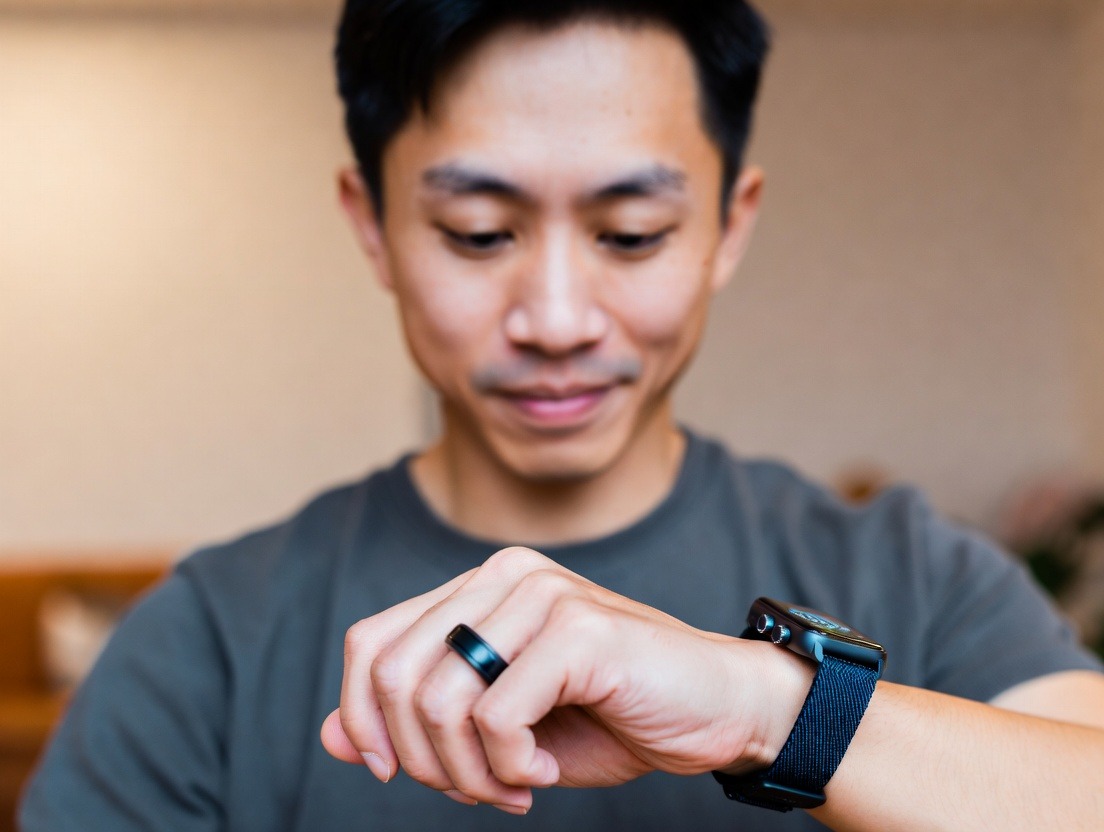
We live in an age of unprecedented convenience and connection, yet also one of chronic, low-grade stress. This modern stress landscape is unique. It's often not characterized by acute, life-threatening dangers, but by a persistent barrage of micro-stressors: the ping of a work notification at 9 PM, the endless scroll of negative news, the ambient pressure to be "on" and productive, the subtle anxiety of social comparison. This type of stress is insidious because it can bypass our conscious alarm systems. We adapt, we normalize it, we tell ourselves we're "used to it." But our hearts are not fooled. They register every unanswered email as a subtle threat, every financial worry as a weight, every unresolved conflict as a lingering tension. This is where heart rate data becomes an essential truth-teller, cutting through the noise of cognitive denial.
The physiological signature of modern chronic stress is often not a constantly sky-high heart rate, but a disrupted, inflexible pattern. You might see: a resting heart rate that trends 5-10 beats per minute higher than your true baseline; a heart rate variability that is consistently suppressed, showing less of the healthy "wiggle" between beats; and a heart rate that overreacts to minor stimuli and is slow to recover. For instance, a small disagreement might cause a heart rate spike that takes hours to subside, whereas a resilient system would bounce back in minutes. This pattern indicates a nervous system that is perpetually vigilant, stuck in a sympathetic-dominant gear. It's like driving a car with one foot constantly on the brake and the other on the accelerator—it's inefficient and leads to rapid wear and tear.
Understanding this modern stress signature is the first step toward managing it. Your heart rate data allows you to identify your personal stress triggers with pinpoint accuracy. You may discover that your biggest physiological stressor isn't your job presentation, but your chaotic morning commute. Or that "harmless" late-afternoon coffee has a dramatic impact on your evening resting heart rate, sabotaging your recovery. This data empowers you to move from a vague sense of being "stressed" to a strategic understanding of your stress load and its sources. You can then implement targeted interventions, such as establishing a digital sunset ritual to counter work creep, or using breathing techniques before a known trigger. By honoring the truth your heart is telling you about your total load, you can begin to design a life that supports, rather than depletes, your physiological resources. This is especially crucial because this type of chronic stress load is a primary driver of poor recovery, which directly undermines sleep quality for shift workers, despite strategies that actually work being available.
In our quest for productivity, we've celebrated the myth of multitasking. We pride ourselves on juggling a video call, answering emails, and monitoring chat channels simultaneously. However, heart rate coherence research reveals a stark physiological truth: what we call multitasking is often rapid, chaotic task-switching, and it comes at a significant cost to our nervous system. When your attention is fragmented, your brain is forced to constantly reorient, a process that activates stress pathways. This is vividly reflected in your heart rhythm, which becomes irregular and incoherent.
True focus, on the other hand, is a physiologically coherent state. When you are deeply engaged in a single, meaningful task—a state psychologists call "flow"—your brain and body enter a mode of synchronized efficiency. Your breathing becomes regular, your muscle tension decreases, and your heart rhythm becomes smooth and wave-like. This state of cardiac coherence is not just pleasant; it’s highly productive. Research from the HeartMath Institute shows that during states of coherence, cognitive function improves, reaction times quicken, and emotional stability increases. Essentially, your entire system is operating in harmony.
This has profound implications for how we structure our work and lives. Chasing the illusion of multitasking creates physiological chaos, leading to mental fatigue, increased errors, and emotional irritability. Prioritizing monotasking—dedicated blocks of time for single-focus work—cultivates physiological coherence, leading to higher quality output and sustained energy. You can use your heart rate variability as a biofeedback tool to practice this. Set a timer for 25 minutes to work on one task with all other notifications silenced. Observe your HRV during this period compared to a period of typical, fragmented work. You will likely see a measurable difference. By prioritizing focus, you're not just managing your time; you're managing your nervous system's state, creating the internal conditions for both excellence and well-being. This practice of cultivating focus is a daytime complement to ensuring your mind can wind down effectively at night, a key component of improving sleep quality in just one week, as we've tested.
Human beings are wired for connection. Our nervous systems are not isolated units; they are designed to co-regulate—to influence and be influenced by the nervous systems of those around us. This phenomenon, known as "interpersonal neurobiology" or "physiological resonance," is powerfully mediated by the heart. When we feel safe, seen, and connected with another person, our physiological states can synchronize. Studies have shown that during positive, attuned interactions—like a heartfelt conversation with a close friend or a loving embrace—the heart rhythms of both individuals can become more coherent and even begin to align.
Conversely, social conflict and isolation have a directly measurable, negative impact on our heart. A hostile argument, a moment of feeling misunderstood, or the chronic pain of loneliness triggers a potent stress response. Your heart rate spikes, your HRV crashes, and your body floods with cortisol. This isn't just an emotional experience; it's a cardiovascular event. The quality of our relationships literally gets under our skin, becoming a major determinant of our long-term heart health and emotional resilience.
Monitoring your heart rate during social interactions can provide fascinating, sometimes uncomfortable, insights. You might notice your heart rate remains calm and steady while video-calling a supportive family member, but skyrockets and becomes erratic during a meeting with a critical colleague. This data objectively highlights which relationships are nourishing and which are depleting to your system. It moves relationship assessment from the subjective realm of "I don't like them" to the objective observation that "this interaction causes a significant stress response in my body." This awareness empowers you to set boundaries, manage the duration and context of draining interactions, and consciously invest more time in connections that foster physiological coherence. Furthermore, repairing social ruptures through apology and forgiveness isn't just morally good; it's a physiological necessity to resolve the lingering stress those conflicts cause, which can otherwise echo into your nights, disrupting the hidden link between sleep quality and mental health.
Every substance you ingest is a chemical message to your body, and your cardiovascular system is a primary recipient. The age-old adage "you are what you eat" finds a real-time, measurable truth in your heart rate data. Understanding how nutrition, stimulants, and depressants affect your rhythm is a key pillar of holistic body awareness.
Nutrition and Meal Timing: Large, heavy meals, particularly those high in refined carbohydrates and unhealthy fats, require significant energy to digest. This diverts blood flow to the gut and can cause a noticeable increase in resting heart rate for several hours post-meal—a phenomenon known as postprandial tachycardia. For some, specific foods (like high-histamine items or personal allergens) can trigger more pronounced reactions. Conversely, a balanced meal with lean protein, fiber, and healthy fats typically results in a more stable physiological response. Perhaps most critically, late-night eating is a notorious disruptor. Consuming calories close to bedtime forces your digestive system to work when it should be powering down, elevating your core body temperature and heart rate throughout the night, thereby directly lowering your sleep quality score, as explained by what your number really means.
Caffeine: As a central nervous system stimulant, caffeine's primary action is to block adenosine receptors, the neurotransmitters that promote sleepiness. This leads to an increase in sympathetic nervous system activity, raising heart rate and blood pressure. The effects are highly individual. One person might see a modest, brief heart rate increase after a morning coffee, while another might experience a prolonged spike and a significant drop in HRV, indicating a strong stress response. Crucially, caffeine's half-life is 5-6 hours, meaning it can linger in your system long after your last sip. An afternoon coffee can absolutely ruin your sleep quality even 8 hours later, leading to a elevated sleeping heart rate and reduced HRV, even if you fall asleep.
Alcohol: While often mistaken for a depressant that aids sleep, alcohol is a potent disruptor of sleep architecture and heart rhythm. Initially, it may sedate you, helping you fall asleep faster. However, as your liver metabolizes it, alcohol fragments the second half of your sleep, suppressing crucial REM sleep and causing awakenings. Physiologically, alcohol increases heart rate and reduces HRV significantly during sleep. Your heart has to work harder while your body tries to detoxify. A single glass of wine at dinner can be clearly visible in your overnight heart rate graph as a sustained elevation above your normal baseline. Tracking this provides irrefutable, personal data on the true recovery cost of that "wind-down" drink.
By observing these patterns, you can make informed, personalized decisions about your intake. The data removes the guesswork, showing you exactly how your lifestyle choices translate into physiological load.

Exercise is the quintessential example of a positive stressor, or "hormetic" stress—a controlled dose of challenge that makes the system stronger. When you exercise, you deliberately create a significant physiological demand: your muscles require more oxygen, your core temperature rises, and your sympathetic nervous system is fully engaged. Your heart rate climbs, sometimes dramatically, to meet this demand. In the moment, this looks identical to a stress response. The magic, however, is in what happens after: the recovery.
A healthy, resilient cardiovascular system is defined not just by how high your heart rate gets during exercise, but by how quickly and efficiently it returns to baseline afterward. This metric, known as Heart Rate Recovery (HRR), is a powerful indicator of fitness and autonomic nervous system health. A rapid drop in heart rate within the first minute after stopping exercise (e.g., a decrease of 20 beats or more) is a sign of strong vagal tone and good cardiovascular health. A slow recovery suggests deconditioning, overtraining, or high underlying stress.
This creates the movement paradox: the acute stress of exercise is what builds your long-term resilience to all other forms of stress. Regular, appropriate physical activity strengthens the heart muscle itself, improves the efficiency of your vascular system, and enhances your nervous system's flexibility. Over time, this leads to a lower resting heart rate and a higher baseline HRV—the hallmarks of a robust, adaptable system. You become less reactive to minor daily stressors because your body is trained to handle and recover from significant physiological challenges.
Tracking your heart rate during workouts provides essential safety and optimization data. Staying within designated heart rate zones ensures you're training effectively for your goals (e.g., fat-burning vs. cardiovascular peak). More importantly, monitoring your post-exercise recovery and your resting heart rate trend the following morning tells you if you're recovering adequately. If your morning resting heart rate is elevated by 7+ beats per minute for two days after a hard workout, it's a clear signal to prioritize rest or engage in light active recovery. This data-driven approach prevents overtraining and ensures your movement habits are truly building, not undermining, your overall resilience. This careful balance is as important for physical recovery as understanding the surprising connection between sleep quality and weight.
Of all the automatic functions in your body, breathing is the unique gateway—the one you can easily consciously control to influence the rest. The connection between your breath and your heart rate is direct and mechanical, governed by a phenomenon called Respiratory Sinus Arrhythmia (RSA). RSA is the natural, healthy variation in heart rate that occurs during a breathing cycle: your heart rate increases slightly as you inhale (sympathetic slight activation) and decreases as you exhale (parasympathetic activation via the vagus nerve). This is why your HRV exists; it's partly a reflection of this breath-heart dance.
You can harness this built-in mechanism to become the conductor of your own nervous system. By deliberately slowing and deepening your exhalation, you amplify the parasympathetic, calming signal with each breath out. This is the physiological basis of almost every relaxation technique across cultures. Here are three tiered practices to build mastery over your Breath-Heart Bridge:
1. The Coherent Breath (Foundation): This is the practice of breathing at your "resonant frequency," typically 5-6 breaths per minute. Inhale for a count of 5, exhale for a count of 5. This pace optimizes the RSA effect, creating maximal heart rhythm coherence. Practice for 5-10 minutes daily to build baseline resilience. Using a visual pacer or a biofeedback app that displays your heart rhythm in real time can dramatically accelerate learning.
2. The Exhalation Emphasis (Instant Calm): When feeling acutely stressed, don't worry about a perfect count. Simply make your exhalation longer than your inhalation. A simple 4-6-8 pattern works wonders: inhale through your nose for 4, hold gently for 6, exhale slowly through your mouth for 8. The extended exhale is a direct "brake" on a racing heart.
3. Heart-Focused Breathing (Advanced Integration): Combine slow breathing with a positive emotional focus. As you breathe coherently, place your hand over your heart center and recall a feeling of appreciation, care, or gratitude for someone or something. Imagine breathing that feeling in and out through your heart area. Research shows this practice not only creates physiological coherence faster but also helps re-pattern emotional responses.
By mastering your breath, you hold a remote control for your heart. In any situation—before a difficult conversation, when anxiety rises, or when trying to fall asleep—you have a tool to directly intervene in the stress cycle and guide your body back toward balance. This self-regulation skill is the practical, daily application of all the theory, turning the heart rate-emotion connection from a concept into a lived competency. It's a skill that serves you 24/7, whether you're managing daytime stress or preparing your nervous system for restorative sleep, a key strategy in any beginner's comparison of the best sleep quality tracking methods.
While technology provides invaluable objective data, the ultimate goal of body awareness is to internalize this knowledge and develop a keen sense of interoception: your ability to perceive the internal sensations of your body. This is the felt sense of your heartbeat, your breath, hunger, fullness, tension, and emotional stirrings. In our externally focused world, this innate skill has atrophied for many. We ignore hunger cues until we're ravenous, don't notice shallow breathing until we're panicked, and override fatigue with caffeine. Heart rate data serves as a training wheel for rebuilding this critical inner sense.
Start by using the data as a prompt for internal check-ins. When your device alerts you to a high stress reading or you see a spike on your graph, pause. Close your eyes if possible. Ask yourself:
At first, you may draw a blank. That's normal. Simply asking the questions begins to rewire your brain's insula, the region responsible for interoceptive awareness. Over time, you'll begin to notice the subtle physical sensations that precede a heart rate surge—a tightening in the chest, a flutter in the stomach. You'll recognize the feeling of coherence—a sense of openness, warmth, and steady flow in the center of your chest.
This cultivated interoception is your safeguard against becoming overly reliant on technology. It allows you to navigate your emotional and physical world with wisdom even when your device is off your finger. It turns body awareness from a data-analysis task into an embodied, living practice. You become fluent in the language of your own physiology, able to interpret its signals directly and respond with care. This deep self-knowledge is the foundation of intuitive living and effective self-care, enabling you to make choices that are truly aligned with your body's needs, including knowing when to prioritize rest, a decision supported by understanding sleep quality vs. sleep quantity and which you should prioritize.
Understanding the heart rate-emotion connection is not about achieving a state of perpetual, flat-line calm. That is neither possible nor desirable. Life is dynamic, with natural rhythms of exertion and rest, challenge and recovery, sorrow and joy. The goal is coherent living—a lifestyle where your daily habits, choices, and responses support your nervous system's natural flexibility and resilience. It's about widening your "window of tolerance" so you can experience life's full intensity without being thrown into dysregulation.
Integration looks like creating a personal framework based on your newfound awareness:
This integrated path turns body awareness from an interesting concept into the operating system for a more intentional, resilient, and vibrant life. You are no longer at the mercy of unconscious stress and unchecked emotion. You have the data, the tools, and the felt sense to participate actively in your own well-being. The steady, wise rhythm of your own heart becomes your guide, reminding you that within you lies an intelligence far older and wiser than any external metric—an intelligence waiting to be listened to, understood, and trusted.
We often compartmentalize our lives: the emotional self, the physical self, the intellectual self. Yet, the heart rate-emotion connection reveals the profound fallacy of this separation, particularly when it comes to cognitive performance. Your ability to think clearly, solve complex problems, make decisions, and access creativity is not a purely cortical event happening in an isolated brain. It is deeply embedded in the physiological state of your entire body, with your heart's rhythm acting as the conductor of the neural symphony. A coherent heart rhythm doesn't just feel calm; it primes your brain for peak performance.
The mechanism is rooted in the brain-heart dialogue. When your heart rhythm is coherent—smooth, wave-like, and ordered—it sends a synchronized, powerful signal up the vagus nerve to the brainstem, which then distributes this pattern to higher brain regions. This synchronization, known as cortical facilitation, enhances neural communication. Essentially, the "noise" in the brain's electrical activity decreases, allowing for clearer signaling. Studies using EEG show that during states of heart coherence, brainwave patterns shift toward greater alpha wave synchronization, associated with relaxed focus and "flow" states, and away from the high-beta waves linked to anxious, scattered thinking.
This translates to tangible cognitive benefits. In high-pressure situations—a critical negotiation, a technical exam, a creative pitch—anxiety typically triggers a chaotic heart rhythm, which in turn fragments cognitive function. Attention narrows excessively, working memory falters (the "blanking out" phenomenon), and flexible thinking diminishes. Conversely, an individual who uses breathing techniques to achieve cardiac coherence before and during the challenge maintains access to their full cognitive toolkit. Their perception remains broad, they can hold multiple pieces of information in mind, and they can make novel connections. The coherent heart rhythm creates a physiological platform for psychological resilience and intellectual agility. This is why elite performers, from athletes to surgeons, are increasingly training in heart rate variability biofeedback; they are training their physiology to support their skill under pressure. This state of calm focus is also the exact opposite of the hyper-aroused state that plagues modern sleep, underscoring the critical importance of managing daytime physiology for nighttime restoration, a principle explored in the science of sleep quality and what happens when you sleep well.
The true power of heart rate and HRV tracking is not unlocked in a day or a week, but over months and seasons. A single data point is a snapshot; a year of data is a documentary of your life. This longitudinal view reveals patterns and rhythms that are invisible in the short term, offering profound wisdom about your unique physiology, your responses to life’s seasons, and the long-term impact of your habits.
Seasonal and Cyclical Rhythms: You will likely observe that your baseline HRV and resting heart rate are not static. They follow natural cycles. Many people see a dip in resilience during the dark winter months, potentially linked to reduced sunlight and vitamin D. Women may observe clear, recurring patterns in resting heart rate and HRV correlated with their menstrual cycle, often with a lower HRV and higher RHR in the luteal phase pre-menstruation. Acknowledging these biological rhythms allows for self-compassion and intelligent scheduling—planning demanding projects during phases of higher physiological resilience, and scheduling more rest and recovery during natural dips.
The Impact of Life Events: A longitudinal graph becomes a biometric journal. You can see the clear physiological signature of a stressful tax season, a joyous vacation, a period of grief, or a new fitness regimen. You can witness your heart's struggle through a bout of illness (even a mild cold causes a notable HRV drop) and its gradual recovery. This teaches you about your personal capacity for load and your unique recovery trajectory. It provides hard evidence of what truly nourishes or depletes you, moving you beyond societal "shoulds" to personalized truth.
Habit Stacking and Compound Interest: This long-term view allows you to see the compound interest of small, positive habits. The consistent daily meditation, the commitment to a weekly yoga class, the decision to stop eating after 8 PM—these may not cause a dramatic shift overnight. But over three, six, or twelve months, the trend line of your average HRV may slope gently upward, and your resting heart rate may trend downward. This is incontrovertible feedback that your lifestyle is building resilience. Conversely, it can show the insidious creep of negative habits. That extra glass of wine becoming a nightly ritual, the gradual increase in work hours—their cumulative toll becomes visible in a suppressed HRV trend before it manifests as burnout or illness. This long-view turns health into a narrative you can author with intention, chapter by chapter, habit by habit. It also highlights the non-negotiable role of recovery, deeply connected to consistent sleep quality improvement and where to start for maximum results.
While heart rate awareness is a tool for universal well-being, its patterns become especially significant when examining clinical emotional health disorders like Generalized Anxiety Disorder (GAD), Panic Disorder, and Depression. In these conditions, the heart rate-emotion connection isn't merely informative; it is often pathological. The feedback loop between the brain and heart becomes a vicious cycle, and understanding this cycle is a critical step toward breaking it.
Anxiety and Panic: In anxiety disorders, the threat-detection system is hyperactive, perceiving danger where none exists. This leads to a near-constant, low-grade activation of the sympathetic nervous system. The physiological signature is often a resting heart rate that is chronically elevated from the individual's true baseline and an HRV that is consistently low. The heart is stuck in a state of readiness. In Panic Disorder, this escalates into acute, catastrophic spikes. A panic attack is a full-blown, inappropriate fight-or-flight response: heart rate can rocket to 150+ BPM, breathing becomes rapid and shallow (hyperventilation), and HRV plummets. The terrifying physical sensations—racing heart, chest pain, dizziness—are driven by this physiological storm, which in turn fuels the fear of dying or losing control, tightening the loop.
Depression: The cardiac signature of major depression is often one of arousal as much as depletion. While lethargy is a hallmark, research consistently shows that individuals with depression frequently have a higher resting heart rate and lower HRV compared to non-depressed individuals. This suggests a state of chronic physiological stress and inflexibility. The body is agitated and on alert, even as the mind feels numb and hopeless. This dissonance between a racing body and a stagnant mind is a core agony of the condition.
For those managing these conditions, heart rate data must be approached with therapeutic guidance. It can be a powerful psychoeducation tool, helping individuals objectify their experience: "This is a physiological event called a panic attack. My heart is racing, but I am not dying. I can use my breath to influence it." Biofeedback training for increasing HRV is an evidence-based adjunct therapy for anxiety. However, for some, seeing a high heart rate number can itself become an anxiety trigger (cardiophobia). Therefore, this work is best done within a supportive clinical framework. The goal is to use the data not for surveillance, but for empowerment—to prove that the mind can learn to regulate the body, and in doing so, rewrite the emotional narrative. This journey of regulation is profoundly supported by foundational health practices, particularly addressing the bidirectional relationship highlighted in the hidden link between sleep quality and mental health.

As we embrace devices that provide intimate, continuous physiological data, we must navigate the transition from being tech-assisted to becoming tech-obsessed. The purpose of a smart ring or any biometric tracker is to enhance human awareness and agency, not to replace intuition or create a new source of anxiety. Without conscious intention, the quest for optimization can become a prison of its own.
The Pitfall of the "Perfect Score": It is easy to fall into the trap of chasing a higher HRV or a lower RHR as an end in itself, turning your well-being into a daily performance to be graded. This mindset ironically activates the very achievement-oriented stress the data is meant to help you manage. If a low HRV reading in the morning sparks self-criticism ("I failed at recovering"), the tool has become counterproductive. The data is not a judgment; it is information. A low score isn't a "bad" grade; it's a compassionate alert from your body asking for curiosity and care.
Context is King: Data without context is meaningless. A low HRV could mean you're getting sick, you're emotionally stressed, you're adapting to a new workout, or you had a single glass of wine. The number alone doesn't tell the story. The crucial work is in the interpretation—the gentle self-inquiry that connects the external metric to your internal experience and external circumstances. This prevents the data from becoming an isolated, anxiety-provoking totem.
The Ethical Landscape: As this technology advances, critical questions arise. Who owns this profoundly personal data? How is it secured? Could it be used by insurers or employers to assess risk or performance in ways that are reductive and unfair? As users, we must be informed consumers, understanding the privacy policies of the devices we wear. The ideal technology is one that processes sensitive data with strong encryption, gives the user full ownership and control, and uses on-device processing where possible to minimize data transmission.
The path of the tech-enabled human is one of partnership. We use the objective clarity of the machine to illuminate the subjective wisdom of the body. We let the data serve our humanity, not define it. We remember that the goal is not a perfect biometric readout, but a rich, meaningful, and resilient human life. This balanced perspective is essential for all health tracking, whether for daytime stress or for understanding your sleep quality score and what your number really means without becoming enslaved by it.
The implications of heart rate coherence extend far beyond personal well-being into the realm of social and organizational health. If individuals co-regulate, then teams, families, and entire organizations have a collective physiology—a dynamic shaped by the emotional tones and rhythms of its members. Leaders, in particular, have a disproportionate impact on this collective nervous system through a phenomenon known as "emotional contagion." A leader's physiological state is literally contagious; their stress or calm ripples through their team, affecting group performance, psychological safety, and innovation.
A leader who is chronically stressed, with a dysregulated heart rhythm, broadcasts that stress nonverbally through tone of voice, facial expressions, and body language. This triggers threat responses in team members, narrowing their cognitive focus toward threat-avoidance and away from collaboration and creative risk-taking. Meetings led from this state are often inefficient and draining. Conversely, a leader who has cultivated personal coherence—who can maintain a regulated physiology under pressure—creates a container of psychological safety. Their calm is also contagious. It allows team members to feel secure, think broadly, and contribute openly.
Forward-thinking organizations are beginning to recognize this. Some are incorporating resilience training that includes HRV biofeedback for leaders and high-stress teams. The concept is not to create a culture of surveillance, but one of shared responsibility for the collective emotional climate. Teams can develop a shared language around "load" and "recovery," normalizing the need for breaks after intense collaboration. Meetings can start with a minute of centering breath work to bring the group into a more coherent, present state. By acknowledging the physiological underpinnings of teamwork, we move toward designing workplaces that are not only human-friendly but human-optimizing. This systemic approach to well-being acknowledges that an individual’s recovery is also dependent on their environment, much like maintaining sleep quality during travel requires adapting to new systems and contexts.
We are on the cusp of a revolution in personalized health, driven by the convergence of continuous biometric sensing and artificial intelligence. The current model of tracking is largely descriptive: it tells you what has happened to your heart rate. The next generation will be predictive and prescriptive. By analyzing vast longitudinal datasets of your unique physiology alongside contextual data (calendar, location, weather), AI algorithms will move from showing you patterns to anticipating your needs and offering personalized guidance.
Imagine your system learning that, for you, a series of back-to-back meetings on Tuesdays consistently leads to a 30% HRV drop on Wednesday morning. It could then proactively suggest: "Based on your history, your recovery is often impacted by dense meeting days. Would you like to schedule a 15-minute breathing buffer between your 2 PM and 3 PM calls tomorrow?" Or, it might notice the early physiological signatures of an oncoming common cold—a subtle, sustained rise in resting heart rate and drop in HRV 24-48 hours before symptoms appear—and prompt you to hydrate, rest, and maybe skip the intense workout.
This AI will not be a boss, but a deeply intuitive advisor. It will understand your personal baselines and rhythms better than any human (or even your conscious self) possibly could. It could correlate heart data with other metrics—like those detailing how smart rings measure sleep quality more accurately—to provide holistic insights: "Your deep sleep was reduced by 20% last night, and your morning HRV is low. The common factor seems to be your heart rate was elevated after 10 PM. Consider moving your evening meal earlier."
This future promises a move from generalized wellness advice ("get 8 hours of sleep," "meditate") to hyper-personalized, dynamic protocols that adapt to your life in real time. The ethical considerations are significant—requiring immense trust, transparency, and user control—but the potential to prevent burnout, illness, and emotional crisis by listening to the body's whispers before they become screams is profound. This represents the ultimate maturation of the heart rate-emotion connection: a seamless, intelligent partnership between human consciousness and machine learning to foster enduring well-being.
Theory is essential, but transformation requires practice. The following 30-day blueprint is designed to systematically build your competency in utilizing the heart rate-emotion connection. It progresses from observation to intervention to integration.
Weeks 1 & 2: The Observer Phase (Days 1-14)
Weeks 3 & 4: The Influencer Phase (Days 15-30)
The Integration Bridge (Ongoing)
As we reach the culmination of this foundational exploration, the most important shift is one of relationship. We must move from viewing our heart as a mechanical pump to be optimized, to embracing it as a wise, responsive companion on the journey of our life. It is the constant drumbeat to which the dance of our existence unfolds. Its rhythms hold the memory of every joy, every grief, every challenge met, and every moment of peace.
This lifelong conversation with your heart is the essence of true body awareness. It is a dialogue of curiosity, not control. Some days, your heart will race with exhilarating passion or necessary action. Other days, it will ask for slowness, for rest, for the deep, nourishing stillness that is the source of renewal. The skill is in learning the language—to know when the quickening is a call to engagement and when it is a cry for help; to know when the steadiness is strength and when it is stagnation.
The technology we wear, the data we review, the breaths we take—these are all simply methods to quiet the external noise so we can better hear this internal, ancient wisdom. The heart rate-emotion connection is not a modern discovery, but a modern rediscovery of a truth our ancestors knew in their bones: that the body and spirit are one, and the heart is the bridge.
By listening to its story, we learn the story of ourselves. We learn our capacity, our triggers, our sources of joy, and our need for connection. We learn that resilience is not about being unbreakable, but about being adaptable—about having a heart that can beat fiercely with life and then, when the moment passes, return to a calm, steady rhythm, ready for whatever comes next. This is the ultimate goal: to live a coherent life, in rhythm with yourself, empowered by the profound and simple awareness that everything you feel, your heart has already felt, and in its beat, you can find your way home.
Your Trusted Sleep Advocate: Sleep Foundation — https://www.sleepfoundation.org
Discover a digital archive of scholarly articles: NIH — https://www.ncbi.nlm.nih.gov/
39 million citations for biomedical literature :PubMed — https://pubmed.ncbi.nlm.nih.gov/
Experts at Harvard Health Publishing covering a variety of health topics — https://www.health.harvard.edu/blog/
Every life deserves world class care :Cleveland Clinic - https://my.clevelandclinic.org/health
Wearable technology and the future of predictive health monitoring :MIT Technology Review — https://www.technologyreview.com/
Dedicated to the well-being of all people and guided by science :World Health Organization — https://www.who.int/news-room/
Psychological science and knowledge to benefit society and improve lives. :APA — https://www.apa.org/monitor/
Cutting-edge insights on human longevity and peak performance:
Lifespan Research — https://www.lifespan.io/
Global authority on exercise physiology, sports performance, and human recovery:
American College of Sports Medicine — https://www.acsm.org/
Neuroscience-driven guidance for better focus, sleep, and mental clarity:
Stanford Human Performance Lab — https://humanperformance.stanford.edu/
Evidence-based psychology and mind–body wellness resources:
Mayo Clinic — https://www.mayoclinic.org/healthy-lifestyle/
Data-backed research on emotional wellbeing, stress biology, and resilience:
American Institute of Stress — https://www.stress.org/


