


Body Awareness Basics: How Smart Rings Amplify Your Senses
How smart rings act as an extension of your natural senses.
How smart rings act as an extension of your natural senses.
%402x.svg)
Imagine a world where you could truly listen to your body’s quietest whispers—the subtle rise in core temperature that signals stress an hour before you feel anxious, the almost imperceptible dip in heart rate variability that whispers of impending fatigue, or the precise moment your body slips from light sleep into the restorative depths. For centuries, the quest for profound body awareness has been the domain of elite athletes, mystic yogis, and Zen masters, achieved through decades of disciplined introspection. For the rest of us, the signals our bodies send are often a mystery, lost in the noise of daily life until they become shouts in the form of burnout, illness, or chronic fatigue.
Today, that landscape is fundamentally shifting. We stand at the precipice of a new era in self-knowledge, not through esoteric practice alone, but through a seamless fusion of ancient wisdom and space-age technology. Enter the smart ring: an unassuming piece of wearable tech that is quietly revolutionizing our ability to perceive, interpret, and respond to our body’s most intimate data. This is not about outsourcing your intuition to a machine; it’s about amplifying your innate senses with a continuous, objective stream of insight. It’s about turning the vague feeling of being "run down" into a clear understanding of your sleep architecture, stress load, and recovery needs.
This article is your deep dive into the foundational principles of body awareness and how the latest smart ring technology serves as a powerful sensory amplifier. We will move beyond the basic step-counting of earlier wearables and into the realm of autonomic nervous system tracking, predictive health insights, and personalized lifestyle feedback. We’ll explore the science behind the sensors, decode the metrics that matter most, and provide a framework for using this data not to become obsessive, but to become more attuned, resilient, and proactive in your pursuit of holistic well-being. The journey to mastering your body’s language starts here.

We live in a world of overwhelming external stimulus. Notifications ping, screens glow, and deadlines loom, creating a cacophony that drowns out our internal dialogue. This phenomenon, often called "exteroception" dominance—where our attention is fixated on the external environment—has a direct cost: the atrophy of our "interoception," our ability to sense the internal state of our body.
Evolutionarily, this is a bizarre reversal. Our ancestors survived by being exquisitely tuned to internal cues: hunger drove the hunt, fatigue mandated rest, and subtle shifts in energy signaled safety or danger. Today, we override these signals with caffeine, sugar, artificial light, and sheer willpower. The 3 PM energy crash? A coffee solves it. That tightness in the shoulders from stress? We ignore it until it becomes a migraine. The feeling of being unrested despite "enough" sleep? We accept it as normal. We have, in essence, become deaf to a biological language that is constantly speaking to us.
The consequences are etched into our modern health crisis. Chronic stress goes unchecked until it manifests as hypertension or anxiety disorders. Poor sleep quality accumulates, sabotaging cognitive function and metabolic health—a topic we explore in depth in our analysis of how poor sleep quality affects your health, backed by research. We misinterpret signals, confusing dehydration for hunger, anxiety for a lack of productivity, and chronic fatigue for a personal failing.
Rebuilding this connection requires a translation tool. We need something that can make the invisible visible, the subconscious conscious. This is the core promise of advanced biometric tracking. By giving us an objective, quantified mirror of our internal state, these tools don't create a new dependency; they begin the process of re-education. They help us relearn what a balanced nervous system feels like, what true recovery looks like, and how our daily choices—from that second cup of coffee to a 15-minute walk—resonate within us for hours or even days. The first step in amplifying your senses is understanding just how much you've been missing.
The journey of the wearable wellness tracker has been one of relentless miniaturization and seeking the ideal point of contact with the body. We began with bulky chest straps, moved to clippable devices, and then entered the era of the smartwatch. While watches brought biometrics to the masses, they are, from a purely physiological measurement standpoint, a compromise.
The wrist is a dynamic, bony area with relatively poor blood perfusion compared to other sites. Watch sensors must contend with constant motion, varying tightness, and placement issues that can lead to signal noise, especially during sleep—a critical period for data collection. This is why many watch-based sleep scores can feel generic or inaccurate.
The finger, however, presents a unique and superior alternative. It houses dense vasculature, with arteries close to the skin's surface, allowing for a stronger and cleaner photoplethysmogram (PPG) signal—the foundational light-based measurement for heart rate, blood oxygen, and more. A ring form factor is also inherently stable, minimizing motion artifact during the night. This stability translates to more precise data on sleep stages, respiration, and nighttime movement.
Furthermore, the ring eliminates a significant drawback of watches: social and practical friction. A ring is unobtrusive. You can wear it while typing, playing sports, or sleeping comfortably. It doesn’t light up your bedroom with notifications, making it a purely passive, background sensing tool dedicated to wellness, not distraction. This 24/7 wearability is the key to continuous, not spot-check, data. It captures your body’s story during all life’s chapters—work, rest, exercise, and recovery—painting a complete picture rather than a series of disconnected snapshots. By choosing the optimal biological and practical platform, the smart ring is poised to deliver a fidelity of body awareness that was previously only available in clinical settings.
Once you slip on a smart ring, you are granted access to a dashboard of your inner workings. But data without understanding is just noise. Let’s translate the key metrics from confusing charts into the clear language of your body.
Heart Rate (HR) & Heart Rate Variability (HRV): Your heart rate is the drumbeat; HRV is the complex rhythm between the beats. While a resting heart rate gives a general fitness indicator, HRV is the gold standard for measuring your autonomic nervous system (ANS) balance. A higher HRV typically indicates a resilient, adaptable system where the "rest-and-digest" (parasympathetic) branch is strong. A downward trend in HRV can be a powerful, early warning sign of overtraining, accumulated stress, or impending illness. Seeing your HRV score each morning offers a direct readout of your body’s readiness to perform or its need to recover.
Body Temperature: Continuous core temperature tracking (often via the proximal finger) is a game-changer. It moves beyond spotting a fever to revealing delicate circadian rhythms. A natural dip at night is essential for initiating sleep, while a rise helps you wake. The ring can detect subtle, trend-based shifts—like the slight elevation that can occur from intense training, metabolic activity, or even the onset of an infection days before symptoms appear. For women, this data becomes profoundly insightful for tracking menstrual cycles and predicting physiological phases with new accuracy.
Respiratory Rate: How many breaths you take per minute, especially during sleep, is a vital sign often ignored. An elevated nocturnal respiratory rate can be a silent indicator of sleep disruption, stress, or underlying cardiorespiratory issues. It’s a metric of effortless, autonomic function.
Blood Oxygen Saturation (SpO2): Monitoring SpO2 throughout the night can reveal intermittent drops (desaturations) that might indicate sleep-disordered breathing, like sleep apnea—a condition many people have without knowing it. Consistent, high-quality sleep is impossible with frequent oxygen dips.
Sleep Staging & Quality: This is where smart rings truly shine. By synthesizing movement, heart rate, HRV, and temperature, they estimate time spent in Light, Deep, and REM sleep. More important than the raw hours is the structure and quality of that sleep. Did you get enough deep sleep for physical restoration? Enough REM for memory consolidation? As we detail in our comparison of sleep quality vs. REM sleep, understanding the difference is crucial for interpreting what your sleep data truly means for your waking life.
Together, these metrics form an interconnected symphony. A stressful day (lower HRV) can lead to a higher nighttime temperature, disrupting deep sleep, which then results in a higher resting heart rate and lower HRV the next morning—a vicious cycle made visible. The ring doesn’t just show you the notes; it shows you the music of your physiology.

Arguably the most transformative feature of advanced smart rings is the integration of these disparate data points into a single, actionable metric: the Readiness or Recovery Score. This isn't a vague "feel-good" number; it's a data-driven algorithm that acts as your body's daily forecast.
Think of it this way: You wouldn't plan a strenuous hike without checking the weather. Similarly, you shouldn't plan an intense workout, a critical business presentation, or a demanding social day without checking your body's internal "weather." The Readiness Score does exactly that. By analyzing your previous night's sleep (quality, duration, restoration), your daily stress and activity load, and your physiological markers like HRV and temperature trends, it generates a score each morning.
A high score (e.g., 85-100) is a green light. It suggests your body has recovered well and is primed for performance, learning, and stress. You might decide to tackle that high-intensity interval training (HIIT) session or schedule your most demanding cognitive work.
A moderate score (e.g., 70-84) is a yellow light—a cue for mindfulness. Your body is functional but not at its peak. Perhaps you opt for a steady-state cardio session like walking or cycling instead of heavy lifting, or you schedule breaks more deliberately throughout your workday.
A low score (e.g., below 70) is a red light and a crucial message. It’s your body’s objective plea for rest. Ignoring it and pushing through with intense exercise or high stress is like driving your car with the engine warning light on. The smart move here is active recovery: gentle movement like yoga or stretching, prioritizing hydration and nutrition, and employing stress-management techniques. This proactive approach, guided by data, can prevent burnout, overtraining syndrome, and illness.
This score transforms body awareness from a philosophical concept into a practical, daily decision-making tool. It teaches you to honor your body's needs in real-time, moving from a rigid, calendar-based schedule for exercise and rest to a dynamic, responsive, and ultimately more sustainable model of well-being.
For too long, we have been hypnotized by the cult of "8 hours." But sleep is not a simple commodity measured only in quantity. You can be in bed for nine hours and still wake up feeling exhausted if the quality of that sleep was poor. This is the fundamental paradigm shift that smart ring data enables: a move from sleep tracking to true sleep intelligence.
A smart ring provides a granular analysis of your night that goes far beyond a simple "sleep score." It maps your sleep architecture—the cyclical journey through Light, Deep, and REM stages. Each stage has a distinct purpose: Deep sleep is for physical repair and immune function, while REM sleep is for emotional processing and memory consolidation. An imbalance, such as consistently low deep sleep, can explain persistent muscle soreness or a weakened immune response, despite "adequate" time in bed.
Furthermore, the ring quantifies disturbances you may be completely unaware of. It can identify periods of restlessness, measure how long it took you to fall asleep (sleep latency), and track how often you woke up (sleep interruptions), even if you don't remember them. It monitors environmental factors like nighttime temperature shifts that can disrupt your slumber. Perhaps most importantly, it can spot potential signs of sleep disorders, such as patterns of irregular breathing or significant oxygen desaturations, prompting you to seek professional evaluation.
This intelligence allows for targeted improvement. Instead of blindly trying to "sleep more," you can experiment with specific interventions. Does a hot bath 90 minutes before bed, which aids the natural temperature drop, increase your deep sleep percentage? Does avoiding caffeine after 2 PM, as discussed in our article on how caffeine ruins your sleep quality even 8 hours later, reduce your sleep latency? Does using blackout curtains improve your sleep efficiency?
By shifting the focus to quality and structure, smart rings empower you to optimize your sleep as the foundational pillar of health. For a comprehensive look at how this technology achieves its accuracy, delve into our explainer on how smart rings measure sleep quality more accurately. This isn't about perfection; it's about understanding the levers you can pull to make your sleep work more effectively for you.
"Stress" is a word so overused it has almost lost its meaning. We vaguely know we're "stressed," but the feeling is amorphous—a blend of mental anxiety and physical tension. Smart ring technology demystifies stress by translating it from a subjective emotion into an objective, physiological data point.
The primary proxy for this is Heart Rate Variability (HRV) and its inverse relationship with stress. When your sympathetic nervous system ("fight-or-flight") is activated by a stressor—be it a work email, an argument, or a hard workout—your HRV typically drops. Your heart beats in a more rigid, metronomic pattern. A smart ring, by taking continuous or frequent spot measurements, can detect these dips throughout the day.
Suddenly, you have a timeline of your physiological stress response. You can look at your data and see a distinct HRV dip correlated with your 10 AM meeting, a slow recovery after your lunchtime workout, or a sustained low period during a hectic week. This is transformative for two reasons.
First, it fosters identification and awareness. You might discover that certain tasks or interactions you considered "normal" are, in fact, significant physiological stressors. This objective feedback helps you pinpoint the true cost of activities and people in your life.
Second, it enables you to test the efficacy of your de-stressing tools with real data. Does your 10-minute meditation practice actually raise your HRV? Does a 15-minute walk in nature after work help your nervous system recover faster than scrolling through social media? You can move from guessing to knowing what truly works for your unique biology.
By viewing stress as a measurable waveform, you can start to manage its amplitude and duration. The goal isn't to eliminate stress—a certain amount is essential for growth and adaptation (eustress)—but to prevent it from becoming chronic, dysregulated distress. The ring acts as a biofeedback loop, helping you close the gap between feeling "wound up" and taking an action that genuinely winds you down, thereby building greater resilience over time.
While heart rate gets most of the attention, continuous body temperature monitoring is the silent sleeper hit of smart ring technology, offering insights that span reproductive health, metabolic efficiency, and immune defense.
For women, this is nothing short of revolutionary. The basal body temperature (BBT) method of fertility and cycle tracking has existed for decades, but it required meticulous manual measurement first thing in the morning with a specialized thermometer. A smart ring automates this perfectly. It detects the subtle, biphasic pattern of the menstrual cycle: a lower temperature during the follicular phase and a sustained rise of about 0.3-0.5°C (0.5-1.0°F) after ovulation due to increased progesterone. This provides a clear, charted view of cycle regularity, confirms ovulation, and helps identify the fertile window and luteal phase length with unprecedented ease and accuracy. For those trying to conceive or simply understand their hormonal rhythm, this is empowering, hands-off data.
For athletes and fitness enthusiasts, temperature is a critical recovery and performance metric. Intense exercise creates micro-inflammation and metabolic activity, which can raise core temperature for 24-48 hours. By tracking this, an athlete can see if they are fully thermally recovered before imposing another significant load, reducing the risk of overtraining. A persistent, unexplained elevation in baseline temperature could also be the earliest sign of a brewing infection or illness, allowing for pre-emptive rest—a superpower for anyone looking to stay healthy.
On a daily basis, your temperature circadian rhythm is a core component of your sleep-wake cycle. A ring can show you if your lifestyle (late-night screen time, irregular meals, weekend sleep-ins) is blunting this natural rhythm, which is crucial for sleep quality and overall metabolic health. Understanding your personal thermal biology is a profound new layer of body awareness, connecting dots between lifestyle, hormones, and health that were previously invisible.
The modern fitness mantra often glorifies "more is more." But true, sustainable fitness and health live in the balance between stress and recovery—the concept of hormesis. Too little activity leads to deconditioning; too much leads to breakdown. Finding your personal "Goldilocks Zone" is the holy grail, and a smart ring provides the map.
Traditional activity trackers count steps and estimate calories burned, which are useful but one-dimensional outputs. A smart ring enriches this picture by showing you the physiological input or cost of that activity. You did a hard 60-minute workout. The ring shows you the impact: a significant dip in HRV, an elevated resting heart rate overnight, and a rise in body temperature. This is the "stress" side of the equation—the necessary stimulus for growth.
The magic happens when you pair this with the recovery data. How long did it take for your HRV to rebound to its baseline? Did your sleep quality suffer or improve? Did your Readiness Score plummet the next day or hold steady?
Over weeks and months, patterns emerge. You might learn that two high-intensity strength sessions per week are optimal for you, but a third consistently tanks your recovery for three days. You might discover that a long, slow run has a minimal impact on your HRV, while a short, intense sprint session has a profound one. This allows you to periodize your training intelligently, aligning hard efforts with days of high readiness and scheduling de-load weeks when your data trends downward.
This applies not just to formal exercise but to life's total activity load. A day of stressful travel, chasing kids, and missing meals can be as physiologically taxing as a gym session. The ring doesn't differentiate the source of stress; it simply reports the systemic impact. This holistic view helps you balance all forms of exertion—physical, mental, and emotional—with intentional recovery, ensuring you are progressing without pushing yourself into a state of chronic fatigue. It transforms fitness from a game of guesswork into a guided, responsive dialogue with your body.

The ultimate power of continuous biometric data is not in the daily numbers, but in the long-term trends and personal correlations it reveals. You become the subject, scientist, and results of your own ongoing "n-of-1" study. A smart ring is the lab notebook.
The human body is not a generic machine; it's a uniquely calibrated system influenced by genetics, lifestyle, age, and environment. Generalized health advice ("drink 8 glasses of water," "get 150 minutes of cardio") is a starting point, but optimization happens at the personal level. This is where pattern recognition comes in.
By reviewing your data over weeks and months, you can answer highly personal questions with data-backed evidence:
This process moves you from passive tracking to active discovery. You stop chasing generic benchmarks and start cultivating a deep understanding of what "optimal" uniquely looks and feels like for you. You learn the specific inputs that lead to your best outputs in energy, mood, and performance. This is the pinnacle of body awareness: using empirical self-knowledge to craft a lifestyle that doesn't just work on paper, but works perfectly for the intricate, one-of-a-kind system that is you.
A common and valid concern with deep biometric tracking is the potential for fostering anxiety or obsessive-compulsive behavior—a condition sometimes called "orthosomnia," where the pursuit of perfect sleep data ironically ruins sleep. The key to avoiding this pitfall is to shift your mindset from controller to curious observer, and from daily fixation to trend-based guidance.
The data from your smart ring should serve you, not the other way around. Here is a practical framework for healthy integration:
1. Morning Check-In, Not All-Day Stare: Make a habit of reviewing your Readiness Score and sleep data once in the morning, as you would check the weather. Let it inform your broad plans for the day (e.g., "I'm in the yellow, I'll take it easier today"), then put the app away. Avoid constantly refreshing or checking live stress scores throughout the day, as this itself can become a stressor.
2. Focus on Weekly & Monthly Trends: Don't over-interpret a single day's low HRV or poor sleep score. Bodies have natural variability. Instead, look at the line graph over a week or month. Is the overall trend moving in a positive direction? Are you seeing more green readiness days than a month ago? Trends are meaningful; daily fluctuations are noise.
3. Run Intentional Experiments: When you want to improve something, use the data experimentally. For one week, implement a new bedtime ritual (e.g., no screens after 10 PM) and observe the trend in your sleep latency and deep sleep. This turns data into a tool for empowered change, not a report card to fear.
4. Correlate with Subjective Feel: Always pair the objective data with your subjective experience. How do you feel today? If you have a high readiness score but feel exhausted, listen to your feeling. The data is a guide, not an oracle. This keeps you connected to your innate senses, using the technology to augment, not replace, them.
5. Act on Clear Signals, Not Small Dips: Reserve significant action for clear, persistent signals. Three days of plummeting HRV and rising resting heart rate? That's a strong cue to prioritize rest, hydration, and stress management. A single night of poor sleep? That's life. Carry on.
By adopting this balanced approach, the smart ring becomes a powerful lens that brings your body's needs into focus, allowing you to make smarter, more compassionate choices that compound into lasting well-being, free from digital anxiety.
We have crossed a significant threshold in our exploration. We’ve moved from being deaf to our body’s signals to having them translated into a rich, continuous data stream. We understand the key metrics—HRV, temperature, sleep architecture—and we see how they weave together into a daily readiness forecast. But here lies the next, more profound challenge: transforming this passive inflow of information into active, embodied wisdom. This is the journey from knowing to doing, from data to dialogue.
The true potential of amplified body awareness is not realized in the app’s dashboard, but in the subtle, moment-to-moment choices we make in response to it. It’s about closing the feedback loop. The ring provides the feedback; our conscious action completes the loop. This section is about building that practice—cultivating a responsive, compassionate dialogue between your conscious mind and the intelligent, data-illuminated wisdom of your body.
One of the most immediate applications of smart ring technology is its potential as a personal, portable biofeedback device. Biofeedback, in a clinical setting, involves using sensors to provide real-time information about physiological functions (like heart rate or muscle tension) with the goal of learning to consciously control them. A smart ring brings a simplified, accessible form of this powerful tool into your daily life.
Imagine this scenario: You’re about to enter a high-stakes meeting. You feel a familiar flutter of anxiety. You glance at your phone (discreetly) and see your live "stress" metric, derived from HRV and heart rate, is elevated and climbing—a objective confirmation of your subjective state. This awareness alone is the first step of interoceptive re-education: "Ah, this feeling has a measurable signature."
Now, instead of simply enduring the stress, you engage in a deliberate practice. You take three slow, deep diaphragmatic breaths, focusing on extending your exhalation. You wait 60 seconds and observe. Does the metric stabilize or begin to trend downward? This is real-time, experimental learning. You are directly observing the cause-and-effect relationship between a calming technique and your autonomic nervous system.
Over time, this practice accomplishes two things. First, it builds self-efficacy. You are no longer a passive victim of stress; you become an active agent with proven tools to modulate it. Second, it trains your subjective awareness. Eventually, you may not need to check the metric. You’ll simply notice the early somatic signs of stress (shallow breath, shoulder tension) and deploy your breathwork instinctively, because you have repeatedly seen it work. The ring accelerates the conditioning process, providing the tangible reinforcement that turns an intellectual concept ("breathing helps") into a deeply wired, physiological truth.
This art extends beyond acute stress. You can use evening data to see which wind-down rituals—a warm bath, gentle stretching, reading fiction—most effectively lower your nighttime heart rate and prepare you for sleep. You become the architect of your own calm, using data as your blueprint.
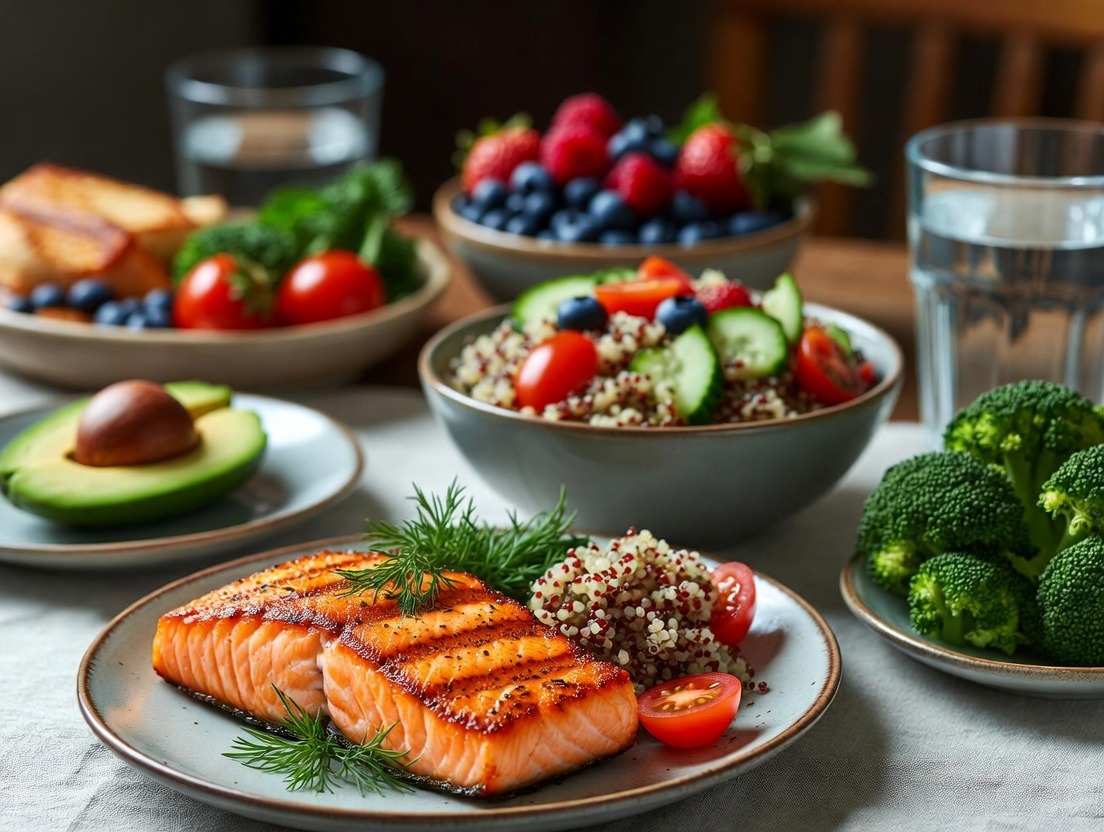
The world of nutrition is fraught with contradictory advice, fad diets, and one-size-fits-all prescriptions. "Keto works!" "No, plant-based is best!" "Intermittent fasting is the key!" The frustrating truth is that individual responses to food are highly variable, influenced by genetics, microbiome, metabolic health, and even circadian rhythms. Smart ring data offers a path through this noise by showing you how different foods and eating patterns affect your physiology, not just your waistline.
This isn't about calorie counting. It’s about observing downstream, systemic effects. Here’s what to watch for after meals or in response to dietary changes:
By treating your diet as a series of experiments and observing the biometric outcomes, you move from dogmatic eating to intuitive, data-informed eating. You might discover that you personally thrive on a higher-protein breakfast, that your afternoon energy crash is tied to a specific lunch choice, or that your sleep is deeply sensitive to meal timing. This process, detailed further in our exploration of the hidden link between sleep quality and mental health, reveals how foundational nutrition is to every system in your body, from stress resilience to cognitive function.
In the knowledge economy, our brain is our primary tool. Yet, we often use it with blunt, inefficient strategies, grinding through tasks based on the clock rather than our cognitive capacity. Smart ring data can illuminate your personal rhythms of focus, energy, and mental recovery, allowing you to align demanding work with your biological peaks.
Identifying Your Ultradian Rhythms: Beyond the 24-hour circadian cycle, our bodies operate on ~90-120 minute ultradian rhythms—oscillations between higher alertness and lower focus. A smart ring can help you identify yours. You might notice a pattern: your HRV tends to be highest and your stress metric lowest during mid-morning, suggesting a window of calm, focused energy. A dip in HRV and a rise in resting heart rate may signal the natural trough of this rhythm, a time for a break.
Scheduling Deep Work: The concept of "deep work"—uninterrupted, cognitively demanding tasks—is central to high achievement. Use your readiness score and morning metrics to schedule your most important deep work sessions on days when your body is primed for performance. On a lower-readiness day, batch administrative, less demanding tasks instead of forcing creative output.
Measuring the Cost of Context Switching & Digital Stress: The constant ping of notifications and the habit of multitasking are known cognitive stressors. Your ring can quantify this. Try an experiment: For one workday, practice "monotasking" with notifications silenced. Compare your stress metric trend line to a typical, interruption-filled day. The visible difference can be a compelling argument for changing your work hygiene.
The Role of Movement Breaks: Sedentary behavior is a physiological stressor. Observing your data can show you how a simple 5-minute walk every hour can lower your continuous stress reading and improve circulation. It turns movement from a fitness obligation into a direct cognitive and metabolic performance tool.
By mapping your work to your biology, you stop fighting your natural ebbs and flows and start riding them. You achieve more with less perceived effort and burnout, because you are working with your body, not against it.
While daily and weekly data is invaluable for immediate adjustments, the grand narrative written in your long-term trends is perhaps the most significant. This is the story of your healthspan—the period of life spent in good health, not just longevity. A smart ring becomes a longitudinal tracker of your systemic resilience.
The Baseline and The Trend: Over the first month of use, your device establishes a personal baseline for metrics like resting heart rate, HRV, and sleep quality. The magic happens in the months and years that follow. Is your average HRV on a gentle upward slope, indicating improved autonomic balance and resilience? Is your resting heart rate slowly trending downward, a sign of improved cardiovascular efficiency? Are you seeing more consistent, high-quality sleep cycles as you refine your habits?
These positive trends are the ultimate biomarkers of a healthy lifestyle. They are hard evidence that your choices—in exercise, nutrition, stress management, and sleep—are paying dividends at the cellular and systemic level. Conversely, a gradual, sustained decline in these metrics can be an early, objective warning to reassess your lifestyle or even consult a healthcare professional before symptoms arise.
Aging Gracefully, Data in Hand: Our physiology changes with age. Resting heart rate variability naturally decreases. Sleep architecture shifts, often with less deep sleep. A smart ring helps you distinguish between natural, age-related changes and preventable declines. It empowers you to focus on the levers you can control. For instance, while some loss of deep sleep may be natural, you can fiercely protect the quality of the sleep you do get by optimizing your environment and routine, a topic explored in sleep quality and aging: what changes and what you can control. Seeing your data helps you age not just with acceptance, but with agency.
This long-view transforms the purpose of tracking from short-term optimization to lifelong investment. It turns daily habits into the building blocks of durable vitality, providing the most meaningful feedback of all: the assurance that you are actively nurturing the system that carries you through life.
Human beings are not isolated biological units; we are socially contagious creatures. Our nervous systems co-regulate with those around us—a phenomenon visible in the synchronized heart rates of close friends in conversation or the mirrored stress levels in a family unit. As smart rings become more prevalent, they open a fascinating, albeit careful, frontier in body awareness: the potential to understand our physiological interconnectedness.
Consensual, Shared Insights: Imagine a scenario where committed partners both wear smart rings. With consent and purpose, they could observe how their cycles of stress and recovery interact. Does one partner's night of poor sleep or high work stress impact the other's metrics the next day? Can they identify shared patterns of calm and connection—perhaps weekend hikes or device-free dinners—that positively boost both their readiness scores? This isn't about surveillance; it's about building shared empathy and cooperative wellness strategies, creating a "team" approach to household health.
Athletic Teams and Performance Groups: For sports teams, the aggregated data from rings could help coaches manage collective fatigue, optimize training loads, and even spot when a bug is moving through the team before players feel symptoms, allowing for proactive rest. It moves team management from intuition to informed strategy.
The Critical Caveat: Privacy and Boundaries: This application requires the highest degree of ethical consideration. Data must be shared only with explicit, revocable consent. The purpose must be positive and collaborative, not judgmental or coercive. The focus should be on nurturing connection and shared well-being, not creating social pressure or blame. Used wisely, this dimension could deepen our understanding of how our health is woven into the fabric of our relationships, reminding us that caring for ourselves is intrinsically linked to caring for our communities.
To wield this technology with wisdom, we must also understand its boundaries. A smart ring is a powerful tool, but it is not a medical device, a psychic, or a substitute for innate bodily wisdom.
It Measures Correlates, Not Direct Causes: The ring measures outputs like heart rate and movement to infer states like sleep stages or stress. These are highly educated estimates, not direct measurements from a polysomnogram (sleep lab) or a blood test. It can tell you your sleep was "restless," but not the precise reason why (e.g., apnea vs. indigestion vs. anxiety).
It Lacks Contextual Nuance: The algorithm doesn't know you just had a heartbreaking conversation or are coming down with a cold. A low HRV could mean overtraining, or it could mean your immune system is fighting valiantly. This is why pairing data with subjective notes ("felt emotionally drained," "sore throat starting") is crucial for accurate interpretation.
It Can't Replace Medical Diagnosis or Intuition: A smart ring is for wellness optimization and early awareness, not diagnosis. A consistent pattern of low blood oxygen at night should prompt a visit to a sleep specialist, not a self-diagnosis of apnea. Similarly, if your data says "you're ready" but your intuition screams "I need rest," your intuition wins every time. The data is a consultant, not the CEO of your body.
The Risk of Data Anxiety: As mentioned earlier, an unhealthy attachment to scores can backfire. The goal is improved lived experience, not a perfect graph. It’s essential to periodically disconnect from the data and simply feel. Take a vacation without obsessing over your sleep score. Have a celebratory meal without worrying about the postprandial heart rate spike. The data should serve a life well-lived, not become the point of living itself.
By acknowledging these limitations, we ground our use of technology in reality. We prevent magical thinking and cultivate a balanced partnership where technology informs our human experience without dictating it.
We are in the nascent stages of this sensory revolution. The current generation of smart rings provides a stunning glimpse into our inner world, but the road ahead promises even deeper integration and sophistication. The future of body awareness technology is moving towards seamless, predictive, and profoundly personalized insights.
Multi-Modal Sensing Convergence: The next leap will likely involve rings that incorporate additional sensing modalities. Imagine a ring with a tiny, medical-grade ECG sensor for even more precise heart rhythm analysis. Or one with non-invasive biomarkers sensing through the skin, tracking molecules like cortisol (the stress hormone) or glucose trends for metabolic insights. This would move tracking from "how stressed do you seem?" to "what is your actual stress hormone level?"
Advanced AI and Predictive Personalization: As artificial intelligence evolves, so will its application to biometric data. Future systems won't just tell you what happened; they will predict what might happen and offer personalized prescriptions. An AI coach might analyze your data and say: "Based on your elevated temperature and declining HRV trend, you have an 85% likelihood of coming down with a cold in 48 hours. I recommend you prioritize sleep, increase your vitamin C intake, and consider canceling your intense workout tomorrow." Or: "Your data shows you are optimally primed for learning a new skill this afternoon. Shall I schedule your language lesson for 3 PM?"
True Human-Computer Symbiosis: The ultimate goal is an effortless, ambient partnership. The technology will fade into the background, providing gentle, context-aware nudges through haptic feedback on the ring itself—a gentle vibration when your stress levels creep up during a meeting, or a warm pulse when it's the ideal time for you to wind down for bed based on your personal circadian rhythm. The feedback loop becomes instantaneous and intuitive, weaving body awareness directly into the fabric of our perception.
We have journeyed through the philosophy and potential of amplified body awareness, exploring the science behind the metrics and the future of this technology. Now, we arrive at the most critical chapter: the how. Knowledge without application is merely trivia. This section is your comprehensive, actionable playbook for integrating a smart ring and its data into your life in a way that is sustainable, insightful, and truly transformative. We will move from theory to daily practice, covering everything from choosing your device to building lasting rituals.
The market for smart rings is evolving rapidly, moving from niche curiosities to sophisticated wellness tools. Selecting the right one is the foundational first step. It’s not about finding the “best” ring in a vacuum, but the best ring for you. Here are the key factors to consider, beyond mere aesthetics.
1. Core Sensor Suite & Accuracy: This is non-negotiable. At minimum, a serious wellness ring should track:
2. Battery Life & Charging: A ring should be forgettable. Look for a device that lasts at least 5-7 days on a single charge. Charging should be simple—a compact docking case is ideal. The less you have to think about power, the more seamless your 24/7 data stream will be.
3. App Ecosystem & Data Interpretation: The hardware is only half the product; the software is your interface with the data. Evaluate the app. Is it intuitive or cluttered? Does it provide clear scores (Readiness, Sleep, Activity) with simple explanations? Does it offer actionable insights, or just present raw graphs? Can you add subjective notes (mood, diet, symptoms)? A great app educates you and empowers you to see connections.
4. Form Factor, Fit & Comfort: You will wear this every night, during workouts, and in the shower. It must be comfortable. Consider weight, thickness (profile), and inner contour. A flat, wide inner surface often provides better sensor contact than a fully rounded one. Accurate sizing is paramount; most companies send sizing kits. Remember, fingers swell slightly during sleep and exercise.
5. Ecosystem & Privacy Philosophy: Does the ring play well with other apps you use, like Apple Health, Google Fit, or Strava? Crucially, investigate the company’s privacy policy. Your biometric data is deeply personal. Where is it stored? How is it used? Is it anonymized for research? Choose a company that is transparent and treats data privacy as a core tenet, not an afterthought.
6. Durability & Water Resistance: A rating of IP68 or equivalent is standard, meaning it can withstand immersion and is dust-tight. Some rings offer scratch-resistant coatings (like PVD or DLC) on the outer shell. Consider your daily activities when choosing a finish.
By prioritizing these functional aspects, you select a tool built for insight, not just a piece of tech jewelry. It becomes a reliable partner in your body awareness journey.
The moment you put on your ring and sync the app, resist the urge to immediately analyze, judge, or change your behavior. The first month has one primary, critical objective: establish your unique, personal baseline. Your body is not a textbook; it is an individual. This period is for observation and calibration.
Weeks 1-2: The “Do Nothing” Phase: Simply wear the ring consistently. Go about your normal life—your usual sleep schedule, workouts, diet, and stressors. Do not try to “perform” for the ring. The goal is to capture an honest snapshot of your status quo. During this time, you will learn the rhythm of the app, see how your data fluctuates naturally, and get a feel for your normal ranges for resting heart rate, HRV, and sleep scores.
Weeks 3-4: The “Note-Taking” Phase: Continue wearing it normally, but start adding brief, subjective notes in the app each morning and evening. How do you feel? “Energy 7/10, slight headache.” “Slept terribly, mind racing.” “Felt amazing after yoga.” “Ate a large dinner late.” This begins the process of correlation. You’re not changing anything yet; you’re building a diary alongside your data.
Key Baseline Metrics to Observe:
By the end of 30 days, you will have moved from comparing yourself to population averages to understanding your own normal. This self-referenced baseline is the only meaningful benchmark against which to measure future progress. It turns abstract data into your data.
Your morning readiness or recovery score is your daily launch code. Here is a detailed framework for interpreting it and planning your day accordingly. Think of it as a collaborative planning session with your body.
Green Zone (High Readiness: e.g., 80-100)
Yellow Zone (Moderate Readiness: e.g., 60-79)
Red Zone (Low Readiness: e.g., Below 60)
This matrix turns a simple number into a dynamic daily guide. It cultivates flexibility and self-compassion, replacing a rigid schedule with an intelligent, responsive flow.
Sleep is the cornerstone of all recovery and the most impactful lever you can pull for overall health. Your ring provides the feedback to design a sleep ritual that works for your specific biology. Move beyond generic “sleep hygiene” to personalized “sleep optimization.”
Step 1: Diagnose with Data. Use your ring’s sleep breakdown to identify your specific challenge.
Step 2: Craft Your Personalized Wind-Down Sequence. Based on your diagnostics, build a 60-90 minute pre-sleep routine. It might look like: Dim lights & no screens > Warm bath > 10 pages of a physical book > 5-minute gratitude journal > Lights out. Stick with a new ritual for at least a week while monitoring your sleep score, deep sleep %, and resting heart rate trend to gauge its effectiveness.
Step 3: Optimize Your Wake-Up. Use your data to find your ideal wake window. Most rings estimate a “wakefulness” time based on when you are in light sleep. Waking during light sleep leads to less grogginess than being jarred from deep sleep. If your alarm is flexible, use this feature. Upon waking, seek bright light immediately to anchor your circadian rhythm, and note how this affects your energy levels versus sleeping in a dark room.
This iterative process—identify, intervene, measure—turns sleep from a passive state into an active practice of restoration.
Modern fitness culture often celebrates “no days off.” Smart ring data reveals a more nuanced truth: progress happens in the space between stress and recovery. Here’s how to use your data to optimize your movement practice.
Periodization for the Individual: Instead of a pre-written 5-day split, let your readiness score guide your weekly workout plan. Block your calendar for potential workout slots, but decide the type and intensity of each session the morning of, based on your score.
Quantifying the “Non-Exercise” Activity: Your ring values all movement. Observe how a day filled with walking, gardening, and taking the stairs influences your stress metric and sleep compared to a sedentary day. This validates Non-Exercise Activity Thermogenesis (NEAT) as a critical component of metabolic health and recovery.
Identifying Overtraining & Under-Recovery: Watch for these warning signs in your trends:
The Power of the “Micro-Workout”: On yellow days, a short, sharp burst of activity (e.g., 10 minutes of bodyweight circuits) can sometimes improve your stress metric and mood without the systemic cost of a long session. Use your ring to discover these personalized thresholds.
This approach fosters a sustainable, lifelong relationship with movement, where exercise is a responsive dialogue, not a punitive monologue.
Emerging science highlights the gut as a “second brain,” intimately linked to mood, immunity, and overall physiology. While a smart ring can’t directly measure your microbiome, it can show you the systemic effects of your digestive health and dietary choices.
Tracking Digestive Stress: As noted earlier, observe your post-meal heart rate and HRV. A pronounced and prolonged dip can indicate a meal that is difficult to digest or inflammatory for you. Common patterns emerge: maybe dairy, large portions of red meat, or highly processed meals consistently show this signature.
The Sleep-Gut Loop: Poor sleep disrupts gut barrier function and healthy microbiota. Conversely, an unhappy gut can disrupt sleep through discomfort, inflammation, and neurotransmitter production. Use your ring to observe this loop. After a night of poor sleep, do you crave different foods? Does a period of digestive upset (which you note subjectively) correlate with poorer sleep scores and lower HRV? This awareness can motivate you to prioritize both sleep and gut-friendly foods (like fiber and fermented foods) simultaneously.
Stress and Digestion: The autonomic nervous system directly controls digestion. High sympathetic (“fight-or-flight”) activity halts digestion. You can see this live: a major stress event during the day might correlate not just with a stress metric spike, but with bloating, discomfort, and a change in next-morning data. This teaches you to manage stress not just for mental calm, but for optimal metabolic function.
By using your biometric data as a downstream reporter on gut health, you gain clues about one of the most complex and influential systems in your body, guiding you toward choices that promote harmony across all fronts.
Your body does not exist in a vacuum. Its signals are constantly shaped by your environment—both physical and social. Body awareness, therefore, extends outward. Use your data to engineer an environment that supports your physiology.
The Physical Habitat:
The Social Habitat:
By tuning your environment to support your biology, you reduce the constant, low-grade friction that drains resilience, making it easier to maintain a state of balance and awareness.
This practical guide provides the framework. The next and final portion of our exploration will delve into advanced integration, the psychology of sustainable tracking, and the ultimate goal: transcending the tool to achieve a state of effortless, embodied flow.


