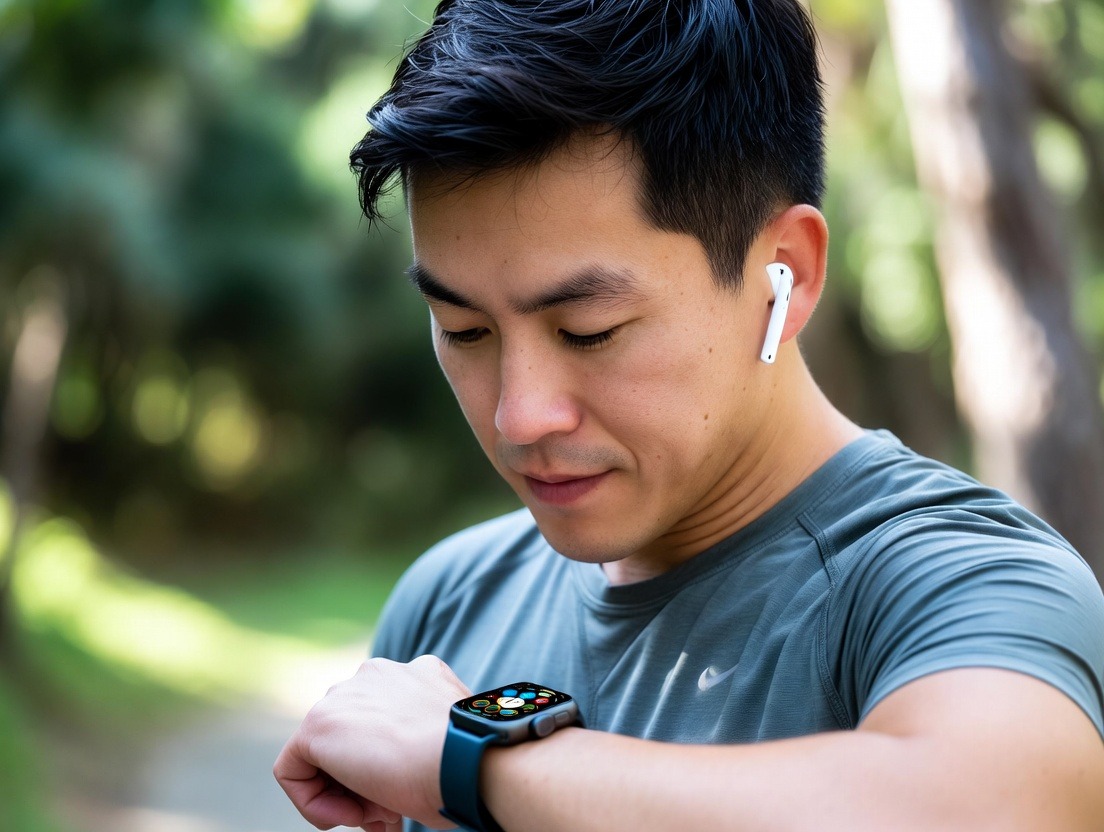
How to Choose Wearable Health Tech for Specific Health Goals
How to choose a wearable based on your specific health objectives.
The Precision Health Revolution: Why Your Health Goal Demands the Right Wearable
For decades, health advice was generic. "Get more sleep." "Manage your stress." "Improve your cardio." It was well-intentioned but frustratingly vague. How much more sleep? What’s triggering your stress? Is your heart rate recovering efficiently after a workout? We were navigating our most personal journey—our wellbeing—with a blindfold on.
Enter the era of wearable health technology. What began as simple step counters has exploded into a sophisticated ecosystem of devices capable of tracking everything from your heart's subtle rhythms to your body's overnight repair processes. This isn't just about counting anymore; it's about understanding. We’ve moved from generic fitness to precision health—a paradigm where data illuminates your unique biological blueprint, enabling interventions as specific and personalized as you are.
But this incredible power comes with a new challenge: choice. The market is flooded with wristbands, smartwatches, smart rings, and clipped sensors, each boasting a dizzying array of features. Choosing the wrong device is more than a minor inconvenience; it can lead to "data fatigue," misguided efforts, and abandoned goals. The gap between having data and gaining actionable insight is vast.
This comprehensive guide is designed to bridge that gap. We will move beyond spec sheets and marketing hype to a goal-first methodology. Whether you're an athlete fine-tuning performance, a professional battling burnout, someone seeking deeper sleep, or an individual managing a chronic condition, the right wearable acts as your 24/7 health ally. It translates the silent language of your body into a clear dashboard for your life.
The journey to optimal health is not a straight line; it's a complex, personal landscape. Let's ensure you have the perfect map and compass. Explore the philosophy behind modern health tracking on our blog to understand why this personalized approach matters now more than ever.
Understanding Your "Why": The Critical First Step Before You Buy
Before you compare a single battery life or sensor specification, you must start with a deep, honest conversation with yourself. The most advanced wearable in the world is useless if it doesn't align with your fundamental purpose for wearing it. This step is about moving from a vague desire ("I want to be healthier") to a specific, measurable, and personally meaningful health goal.
The Pitfall of Generic Tracking
Many people buy a wearable because it's popular or recommended, only to find themselves overwhelmed by irrelevant data. If your primary concern is improving sleep quality, getting constant notifications about hourly step goals can become a source of stress, not motivation. If you're training for a marathon, a device that only tracks basic activity will leave you lacking the advanced metrics you need. This misalignment is the leading cause of device abandonment.
Conducting Your Personal Health Audit
Take a week to observe your life without any new tech. Ask yourself these pivotal questions:
Energy & Daily Function: When do you feel most drained? Is it mid-afternoon slumps, constant brain fog, or a lack of motivation for things you used to enjoy?
Sleep & Recovery: Do you wake up feeling refreshed, or is it a struggle to get out of bed? Do you spend hours tossing and turning, or wake up frequently?
Stress & Resilience: What are your physical signs of stress? Tight shoulders, a quick temper, digestive issues? How long does it take you to calm down after a stressful event?
Physical Performance: Are you hitting plateaus in your training? Are you recovering poorly between workouts, leading to nagging injuries or persistent fatigue?
Long-Term Biomarkers: Are you curious about underlying trends in your heart health, metabolic function, or how your lifestyle truly affects your physiology?
Defining Your North Star Goal
Based on your audit, crystallize one or two primary objectives. Be specific. For example:
Vague: "I want to sleep better."
Specific & Actionable: "I want to increase my deep sleep from an average of 45 minutes to 75 minutes per night and identify the evening habits (like late meals or screen time) that are disrupting my sleep continuity."
Vague: "I want to get fit."
Specific & Actionable: "I want to improve my cardiovascular endurance by lowering my resting heart rate by 5 BPM over the next 90 days and ensure I am properly recovered before each training session to prevent overtraining."
Your "North Star" goal will become the lens through which you evaluate every feature of every device. It shifts the question from "What can this device do?" to "How will this device help me achieve my specific outcome?" This foundational clarity is the non-negotiable first step in a successful wearable journey. For inspiration on how others have defined their health journeys, you can read real user experiences and testimonials.
The Wearable Landscape: Decoding Wristbands, Watches, Rings & Beyond
With your goal firmly in mind, it's time to survey the field. Modern wearables come in several distinct form factors, each with inherent strengths, trade-offs, and philosophical approaches to health tracking. Understanding this landscape is key to matching the tool to your task.
The Smartwatch: The Digital Command Center
The smartwatch is the most recognizable player. Devices like the Apple Watch, Samsung Galaxy Watch, and Garmin Forerunner series are essentially powerful mini-computers on your wrist.
Strengths: Comprehensive Connectivity. They offer rich notifications, call handling, music control, and app ecosystems. For fitness, they provide GPS tracking, workout modes for dozens of activities, and often onboard music storage. The screen allows for immediate, detailed data visualization.
Considerations: Battery life is often measured in days, sometimes requiring daily charging. The size and weight can be obtrusive, especially for sleep tracking or during certain exercises. There can be a cognitive load from constant notifications, which may counter stress-reduction goals. Data can sometimes prioritize breadth over physiological depth.
Best For: The multi-tasker who wants a seamless extension of their phone, the serious outdoor athlete needing robust GPS and mapping, or someone who prefers direct, screen-based interaction with their data.
The Fitness Tracker/Wristband: The Focused Motivator
Think of brands like Fitbit or the lower-end Garmin models. These are the streamlined cousins of the smartwatch, often screen-less or with simple displays.
Strengths: Simplicity and Battery Life. They excel at core tracking—steps, heart rate, sleep stages—with exceptional battery life, often lasting a week or more. They are typically lighter, less obtrusive, and more affordable. The focus is on clear, motivational metrics.
Considerations: Limited smart features and smaller screens (if any). Data analysis and granularity can be more basic. May lack advanced training metrics or the ability to dive deeply into physiological trends.
Best For: The beginner entering the world of health data, someone focused purely on daily activity and sleep fundamentals, or those who want minimal distraction and maximum battery life.
The Smart Ring: The Unobtrusive Biometric Sleuth
This is the newest and most discrete category, with devices like Oura Ring, and emerging leaders like our own Oxyzen smart ring. Worn on your finger, it represents a fundamental shift in philosophy.
Strengths: Unmatched Wearability. Its size, weight, and form factor make it easy to forget you're wearing it, leading to 24/7 compliance—the holy grail of accurate longitudinal data. The finger is a rich source of arterial blood flow data, allowing for highly precise heart rate, heart rate variability (HRV), and blood oxygen (SpO2) tracking, especially during sleep. It removes the screen-based distraction entirely.
Considerations: No real-time display for workout stats (data is synced to a phone app), limited to no notification support. Sizing is critical for accuracy. It excels in recovery and readiness metrics but may not replace a dedicated sports watch for hardcore, real-time workout pacing.
Best For: The individual prioritizing sleep optimization, stress management, and holistic recovery. The person who finds watches uncomfortable, especially at night. Anyone seeking profound, clinically-validated biometric insights without a screen on their body. It’s for those who believe the best wearable is the one you don't notice. Discover more about how smart ring technology enables this continuous tracking.
Specialized Devices: The Targeted Experts
This category includes chest-strap heart rate monitors (e.g., Polar H10), continuous glucose monitors (CGMs like Dexcom), dedicated ECG devices (e.g., KardiaMobile), and wearable thermometers.
Strengths: Clinical-Grade Accuracy in their specific domain. A chest strap is the gold standard for heart rate during exercise. A CGM provides real-time glucose dynamics no optical sensor can match.
Considerations: They are single-purpose, often require additional subscriptions or consumables, and add another device to manage. They are tools for a specific, deep dive.
Best For: Serious athletes requiring utmost heart rate accuracy, individuals with diabetes or those using metabolic health optimization, or people with specific cardiac concerns under medical guidance.
The choice isn't always either/or. Many adopt a hybrid approach: a smart ring for 24/7 readiness and sleep, paired with a chest strap or watch for high-intensity workout accuracy. It starts with knowing what each tool is designed to do best.
The Core Biometric Toolkit: What Metrics Actually Matter for Your Goal?
Now we descend from the hardware to the software—the actual data points these devices collect. Not all metrics are created equal, and their importance is entirely dependent on your North Star goal. Let's translate the alphabet soup of biosignals into actionable intelligence.
The Sleep Quartet: Beyond Just "Time in Bed"
For sleep and recovery goals, these are your foundational metrics:
Sleep Stages (Light, Deep, REM): The architecture of your night. Deep sleep is crucial for physical restoration and immune function. REM sleep is tied to memory consolidation and emotional processing. A good device doesn't just track time; it tracks the balance and continuity of these stages.
Sleep Latency: How long it takes you to fall asleep. Consistently high latency can point to evening routine or circadian rhythm issues.
Sleep Efficiency: The percentage of time in bed you are actually asleep. Waking up multiple times fragments sleep, reducing efficiency and quality.
Resting Heart Rate (RHR) & Heart Rate Variability (HRV): RHR typically drops during sleep; a lower nighttime RHR indicates better cardiovascular efficiency. HRV is your body's "readiness" score—a higher HRV during sleep suggests your nervous system is in a relaxed, recovery-oriented state. This is a cornerstone metric tracked meticulously by devices like the Oxyzen smart ring.
The Stress & Recovery Duo: Your Nervous System's Dashboard
For managing stress and optimizing daily performance, these metrics are key:
Heart Rate Variability (HRV): This is not your heart rate. HRV measures the tiny, millisecond variations between each heartbeat. It is the single best non-invasive indicator of your autonomic nervous system balance. A higher HRV generally indicates greater resilience and recovery capacity, while a lower HRV can signal stress, fatigue, or illness. Tracking trends over time is far more valuable than any single number.
Stress Score/ANS Balance: Many devices synthesize heart rate, HRV, and activity data to provide a cumulative "stress" metric or a visualization of your sympathetic ("fight or flight") vs. parasympathetic ("rest and digest") nervous system activity throughout the day.
The Activity & Performance Triad: Moving with Purpose
For fitness and performance goals, look beyond steps:
Active Minutes & Heart Rate Zones: More insightful than total steps, this shows time spent in moderate-to-vigorous activity. Understanding your personal heart rate zones (Zone 2 for base endurance, Zone 5 for peak performance) allows for targeted training.
VO2 Max Estimate (Fitness Age): A powerful predictor of overall cardiovascular health and aerobic endurance. It estimates your body's maximum ability to utilize oxygen during exercise. Seeing this number improve is a strong validation of your training regimen.
Recovery Time & Training Load: Advanced devices estimate how long your body needs to recover after a workout and measure your cumulative training strain over days. This prevents overtraining and helps you time high-intensity sessions for maximum benefit.
The Emerging Frontier: Body Temperature & Blood Oxygen
Skin Temperature Trends: No single reading is diagnostic, but nighttime temperature trends can be incredibly revealing. A sustained elevated baseline can indicate the onset of illness, inflammation, or hormonal changes like ovulation.
Blood Oxygen Saturation (SpO2): While daytime SpO2 is generally stable, nocturnal SpO2 monitoring can screen for breathing disturbances during sleep, such as potential sleep apnea events, where oxygen levels temporarily dip.
The magic isn't in one metric, but in the correlation. Did a late, heavy dinner correlate with a spike in your nighttime skin temperature and a drop in deep sleep? Did a high-stress workday lead to a suppressed HRV the following morning, suggesting you need a light day? This is where a device that prioritizes 24/7 biometrics, like a smart ring, shines. For a deeper dive into interpreting these complex signals, our blog features expert analysis and guides.
Mastering Sleep & Optimizing Recovery
If your North Star is waking up refreshed, repairing your body, and building resilience, your wearable needs to be a dedicated sleep lab on your body. This requires a device engineered for the night.
The Non-Negotiable: 24/7 Wear & Nighttime Precision
The biggest mistake is removing your device at night. Recovery happens around the clock, with sleep being the main event. Your tool must be so comfortable and unobtrusive that you forget it's there. This immediately positions smart rings and certain minimalist wristbands as top contenders. A bulky watch with a hard case and bright screen is antithetical to sleep hygiene.
Key Features to Prioritize
Detailed Sleep Staging Algorithm: The device must go beyond "sleep" vs. "awake." Look for validated breakdowns of light, deep, and REM sleep. Accuracy here is paramount.
Sleep Score & Readiness Metrics: A good device synthesizes your sleep data, nighttime HRV, RHR, and temperature into a single, easy-to-understand "Readiness" or "Sleep Score" to guide your day. Should you push hard or prioritize rest?
Restorative Sleep Tracking: Does it identify periods of particularly stable sleep and high recovery? Some advanced algorithms pinpoint your most restorative phases.
Sleep Environment Insights: The best apps will correlate your biometrics with lifestyle logs (caffeine, alcohol, late meals, evening workouts) to show you why your sleep was good or poor.
Actionable Insights, Not Just Data
The goal is to move from "I slept poorly" to actionable intelligence:
Discovery: "My deep sleep drops by 40% when I have alcohol within 3 hours of bedtime, even if I fall asleep quickly."
Discovery: "My resting heart rate is consistently 8 BPM lower and my HRV higher on nights I finish my last meal by 7 PM."
Protocol: "My readiness score is low today. Instead of a HIIT class, I'll take a walk and focus on hydration. I'll also aim for a 15-minute earlier bedtime tonight."
This iterative process of measure, learn, and adjust turns your wearable from a passive tracker into an active recovery coach. It empowers you to create a personalized sleep protocol based on your body's unique signals, not generic advice. This philosophy of personalized recovery is at the heart of what we believe in, which you can learn more about in our company's mission.
Taming Stress & Building Emotional Resilience
For those whose goal is to navigate a high-pressure world with more calm and balance, the wearable must function as a real-time stress barometer and nervous system guide.
The Autonomic Nervous System (ANS) as Your Target
Stress management is about balancing your ANS. Your device needs to move beyond a simple "relax" reminder and actually measure your system's state.
Key Features to Prioritize
Continuous HRV Tracking: This is the cornerstone. You need a device that tracks HRV throughout the day and night, not just a single morning snapshot. Spotting an acute stress response (a sudden dip in HRV) during a meeting allows for immediate, micro-interventions like breathing exercises.
Stress/ANS Scoring: Look for a feature that provides an ongoing score or graph of your stress/arousal levels. The best ones differentiate between "good" stress (a challenging workout) and "bad" stress (anxiety).
Guided Breathing Integration: The device or its app should offer simple, guided breathing sessions (e.g., coherence breathing) proven to shift the nervous system into a parasympathetic state. Even better if it can use your real-time heart rate to personalize the pace.
Recovery & Readiness Emphasis: A high-stress day should logically impact your next-day readiness score. The device should connect the dots, advising recovery to prevent burnout.
From Awareness to Regulation
The power lies in creating a feedback loop:
Awareness: You receive a notification that your stress levels have been elevated for 90 minutes. You pause and realize you've been in back-to-back, frustrating video calls.
Intervention: You activate a 5-minute guided breathing session on your phone, paced by the device.
Verification: You watch your heart rate drop and your HRV begin to stabilize on the app's graph in real-time.
Learning: Over time, you identify your unique stress triggers (e.g., specific times of day, types of tasks) and proactively schedule breathing or movement breaks.
This transforms stress from an abstract, overwhelming feeling into a measurable, manageable physiological process. Your wearable becomes a biofeedback tool, training you to recognize and regulate your internal state—a skill with profound benefits for mental and physical health. For common questions on how this technology works in practice, our FAQ section provides detailed answers.
Elevating Fitness & Athletic Performance
For the athlete or dedicated fitness enthusiast, the wearable must be a robust training partner, providing the metrics to optimize every workout, prevent overtraining, and maximize results.
The Shift from Output to Outcome
Performance isn't just about crushing every session; it's about strategic strain and intelligent recovery. Your device should help you answer: "Am I training effectively, and is my body ready for it?"
Key Features to Prioritize
Workout Modes & GPS: A wide array of sport-specific modes and accurate GPS are essential for tracking pace, distance, and route for running, cycling, swimming, etc.
Real-Time Heart Rate Zones: The device should display your current zone during exercise, allowing you to stay in a targeted zone (like Zone 2 for endurance building) in real time.
Advanced Performance Metrics: VO2 Max estimate, training load/effect, and recovery time advisor are critical. These metrics tell you the impact of your workout and prescribe the necessary recovery before your next hard effort.
Recovery & Readiness (Again): Paradoxically, the most important feature for performance might be the recovery score. Pushing hard when your readiness is low is a recipe for injury and stagnation. A device that emphasizes this, often via morning HRV trends, is invaluable.
The Synergy of Two Devices
For the serious athlete, the optimal setup is often a hybrid system:
A smart ring or comfortable 24/7 tracker to monitor nightly recovery, HRV trends, and sleep quality. This provides your foundational "readiness to perform" data.
A dedicated sports watch or chest strap for real-time, high-accuracy heart rate and GPS data during the workout itself.
This combination gives you the complete picture: the deep physiological readiness from the ring and the precise output metrics from the watch. It allows you to align your training intensity with your body's actual capacity, turning guesswork into a science.
Managing Weight & Metabolic Health
For goals centered on weight management, body composition, and metabolic fitness, the wearable's role is to provide behavioral insights and metabolic proxies that go far beyond a calorie counter.
Moving Beyond "Calories In, Calories Out"
The simplistic model is flawed. Metabolism is deeply tied to sleep, stress, circadian rhythms, and hormonal health. Your device should help you optimize these underlying levers.
Key Features to Prioritize
Activity & Non-Exercise Activity Thermogenesis (NEAT): Consistent, all-day movement (NEAT) is a major metabolic driver. A device that encourages you to move hourly or tracks active minutes is more helpful than one focused only on formal workouts.
Sleep Quality Metrics: Poor sleep disrupts the hormones ghrelin and leptin, increasing hunger and cravings. Excellent sleep tracking is a non-negotiable for weight management.
Stress Tracking: Chronically elevated cortisol (the stress hormone) can promote abdominal fat storage and increase appetite. Managing daily stress is a direct metabolic intervention.
Heart Rate-Based Calorie Estimates: While not perfectly precise, trends in active and resting energy expenditure can be informative, especially when correlated with other data.
The Power of Correlation for Behavioral Change
The goal is to connect lifestyle dots:
Discovery: "On nights I get less than 6 hours of sleep (per my device), my step count drops by 30% the next day and I log 400 more calories in my food app."
Discovery: "My afternoon stress score consistently spikes. That's when I find myself heading to the office snack cabinet."
Protocol: "To support my metabolism, I will: 1) Protect my sleep score of 85+, 2) Use my device's inactivity alerts to ensure I move every hour, and 3) Do a 5-minute breathing exercise when my stress score rises to break the stress-snacking link."
By focusing on the foundational pillars of metabolism—sleep, stress, and consistent movement—your wearable helps you build sustainable habits that support your weight goals from the ground up.
Monitoring Specific Health Conditions & Vital Signs
For individuals managing conditions like hypertension, atrial fibrillation (AFib), or sleep apnea, or for those simply wanting to keep a vigilant eye on key vitals, data accuracy, clinical validity, and proactive monitoring become paramount.
The Imperative of Medical-Grade Features
This domain demands features that meet higher standards. Important Note: No consumer wearable is a medical device. They are for wellness insights and early detection of potential issues to discuss with a healthcare professional.
ECG (Electrocardiogram) App: Available on some smartwatches, this takes a medical-grade, single-lead ECG to check for signs of AFib. It's a powerful screening tool for those with concerns, but results must be shared with a doctor.
High/Low Heart Rate & Irregular Rhythm Notifications: These background monitors can alert you to potential tachycardia, bradycardia, or irregular rhythms like AFib, prompting timely medical consultation.
Blood Oxygen (SpO2) Monitoring: Continuous nocturnal SpO2 tracking can reveal significant dips indicative of sleep-disordered breathing, a key symptom of sleep apnea.
Blood Pressure Monitoring (Emerging): Some devices offer estimates of blood pressure trends using pulse wave analysis, but these are not replacements for calibrated cuffs. Accuracy is rapidly improving.
Due Diligence and the Doctor Partnership
If this is your primary goal:
Research Validation: Look for devices whose specific health sensing features have published clinical validation studies from independent institutions.
FDA Clearances: Note if features like ECG or sleep apnea screening have received FDA clearances (or equivalents in your region), which indicates a higher level of reviewed data.
Data Sharing: Ensure the device's app can generate easy-to-share PDF reports (for ECGs, sleep reports, vital trends) that you can take directly to your physician.
Your wearable becomes a longitudinal logbook of your vitals, providing objective data to inform more productive conversations with your healthcare provider. It shifts the dialogue from "I sometimes feel my heart flutter" to "My device recorded three episodes of possible AFib this month, here are the ECG strips."
The App & Ecosystem: Where Data Becomes Wisdom
The hardware captures signals, but the software is where the magic happens. A beautiful device with a poorly designed app is a brick. The app is your dashboard, your coach, and your journal. Its quality is as important as the sensor's.
The Hallmarks of a Great Health App
Intuitive, Actionable Dashboard: Your key metrics (Readiness, Sleep, Activity) should be presented clearly upon opening, with a logical flow to deeper data. It should tell you a story, not just show numbers.
Trend Analysis & Correlation: Can you easily view weekly, monthly, and yearly trends for HRV, sleep, or RHR? Even better, can you add lifestyle tags (alcohol, caffeine, sickness, period) and see how they graphically correlate with your biometrics? This is the single most powerful feature for learning.
Personalized Insights & Guidance: Does the app provide brief, intelligent commentary on your data? "Your elevated nighttime temperature trend coincided with a drop in deep sleep." This transforms data into insight.
Data Portability & Integration: Can you export your raw data? Does it integrate with other health ecosystems like Apple Health Kit or Google Fit? This prevents "data lock-in" and allows you to use third-party analysis tools if desired.
Many premium devices now operate on a hardware + software subscription model. Ask yourself:
What core features are behind the paywall? Are they advanced insights, guided content, and in-depth analysis, or are they basic health metrics you need?
Does the subscription provide ongoing value through updated algorithms, new features, and expert content that helps you improve? The ecosystem is where your investment lives day-to-day. Test-drive app reviews and screenshots as diligently as you compare hardware specs. A vibrant, insightful app is what turns a one-time purchase into a long-term health partnership.
Accuracy & Validation: Cutting Through the Marketing Hype
In a market rife with claims, how do you separate genuine precision from optimistic estimation? Trust in your data is fundamental; if you can't trust the numbers, you can't act on them.
The "Good Enough" Spectrum
Accuracy is contextual. For general wellness trends (tracking your own HRV trend over time), consistency is more important than absolute clinical precision. However, for specific uses like detecting atrial fibrillation or guiding heart-rate zone training, the bar is much higher.
How to Assess a Device's Credibility
Look for Published Research: Reputable companies invest in third-party validation. Search for "[Device Name] validation study" in academic journals. Have independent universities or labs tested its sleep staging, HRV, or ECG against gold-standard medical equipment?
Understand Sensor Technology: Photoplethysmography (PPG) is the optical heart rate sensor used in most wearables. Newer multi-LED, multi-wavelength PPG arrays (green, red, infrared) generally provide better accuracy, especially for SpO2 and during motion, than older single-LED setups.
Consider Form Factor Physiology: The finger's vascular bed is dense and less affected by motion artifact during sleep than the wrist, which is why smart rings often post superior nocturnal heart rate and HRV data. A chest strap is still the gold standard for dynamic, high-motion heart rate accuracy.
FDA Clearances & Certifications: While not a guarantee of consumer accuracy, an FDA clearance for a specific feature (like ECG) means the company submitted clinical data proving it works as intended for that use case. Look for other marks like CE (Europe).
Practical Reality Check
No optical wrist-based sensor is perfect during high-intensity, interval training with rapid heart rate changes. Cadence lock (where the sensor mistakenly tracks your arm movement rate instead of heart rate) can occur. For the most demanding users, a dedicated chest strap is the answer. For 24/7 wellness tracking, focus on validation for sleep, resting metrics, and trends. The commitment to accuracy is a core part of our story and engineering philosophy.
Lifestyle & Design: The Often-Overlooked Dealbreakers
The most accurate device in the world fails if you won't wear it. Technical specs must meet human reality. This is where personal lifestyle and aesthetic preference take center stage.
The Compliance Factor
Health tracking is a longitudinal game. Insights build over weeks and months. Continuous wear is critical, especially for recovery and sleep metrics. Ask yourself:
Sleep Comfort: Can you sleep comfortably with it? Is it lightweight, smooth, and without a protruding sensor bump that digs into your wrist?
Daily Wear: Does it fit under shirt cuffs? Is it appropriate for your work environment (e.g., formal office)? Does it bother you during typing, exercise, or daily tasks?
Water Resistance: Is it rated for swimming and showering? Sweat-proof is not the same as swim-proof. At least 5 ATM or IP68 rating is recommended for true versatility.
Battery Life: The Rhythm of Charging
Battery life dictates your relationship with the device.
Daily Charging: Common with full-color touchscreen smartwatches. This often means you cannot track sleep if you charge at night, or you must remember a midday top-up.
Weekly+ Charging: Common with fitness bands and smart rings. A 5-7 day cycle means you can charge during a weekly shower or desk session without missing data. This dramatically increases compliance for 24/7 tracking.
Ultra-Long Life: Some basic trackers go weeks. Consider what you're sacrificing in features for this longevity.
Aesthetic & Customization
You will look at and wear this device every day. Do you like how it looks?
Watch vs. Jewelry vs. Discreet: Does a watch fit your style, or would a ring or minimalist band feel more "you"?
Band & Finish Options: Can you change bands (metal, leather, silicone) to match occasions? Does the ring come in different finishes (matte, shiny, black, gold)?
Screen vs. No Screen: Do you need/want constant visual feedback, or do you prefer a "set it and forget it" device that quietly collects data for you to review later on your phone?
This category is deeply personal. The right device feels less like a piece of tech and more like a natural part of your life—one that you want to keep on, because when you do, it rewards you with understanding. For those curious about how design informs function in the smart ring category, learn more about the Oxyzen approach.
The Investment: Cost, Value, and the Total Cost of Ownership
Choosing a wearable is a financial decision that extends beyond the initial price tag. It's an investment in your health, and like any investment, understanding the total cost and long-term value is crucial to making a smart choice that you won't regret.
Decoding the Price Spectrum: From $50 to $700+
Wearables occupy a vast price range, and the cost typically reflects a combination of sensor technology, build quality, brand, and software ecosystem.
Budget Tier ($50 - $150): This is the domain of basic fitness trackers and older model wristbands. They track steps, distance, basic sleep (often just movement), and may have optical heart rate. They are great for entry-level motivation but lack advanced biometrics, granular insights, and often have shorter lifespans or less accurate sensors. The app experience is usually basic.
Mid-Tier ($150 - $350): This competitive range includes most current-generation fitness bands, some smartwatches, and entry-point smart rings. Here you find robust heart rate tracking, improved sleep staging, SpO2, stress tracking, and better apps with trend analysis. This is the "sweet spot" for most wellness-focused users seeking actionable data without premium extras.
Premium Tier ($350+): This includes flagship smartwatches (Apple Watch Ultra, high-end Garmins) and advanced smart rings. You pay for premium materials (titanium, sapphire glass), the most advanced multi-sensor arrays, clinical-grade features (ECG, validated sleep algorithms), highly sophisticated coaching software, and robust build quality for extreme conditions. The software often includes deeper AI-driven insights and personalized guidance.
The Hidden Cost: Subscription Models
This is the most critical part of the modern wearable equation. Many companies now employ a "hardware + software service" model.
What’s Typically Free: Basic data viewing (today's steps, last night's sleep duration, current heart rate).
What’s Often Behind a Paywall: The very insights that make the device valuable. This can include:
Advanced Analytics: Your long-term trends, readiness scores, personalized insights ("Your elevated HRV suggests you're well-recovered"), and correlation analyses.
In-depth Health Reports: Detailed PDFs for sleep, monthly assessments, etc.
New Features: Future algorithm updates and new metrics may only be added for subscribers.
Ask Before You Buy: "What is the monthly/annual subscription cost, and what core features will I lose without it?" A $300 device with a mandatory $10/month subscription has a two-year total cost of $540. A device with a higher upfront cost but no required subscription may offer better long-term value. Always calculate the 3-year total cost of ownership.
Assessing Long-Term Value: Beyond the Price Tag
Value is not just about cost; it's about return on investment. Consider:
Durability & Build Quality: A device with a scratch-resistant sapphire screen and titanium casing may cost more but could last 4+ years without looking battered. A plastic device may need replacing every 2 years.
Software Support & Updates: Does the company have a history of supporting older devices with meaningful software updates for years, or do they orphan them quickly to push new hardware? A supported device stays relevant.
Actionable Outcomes: The ultimate value question: "Will this device provide me with insights that lead to measurable improvements in my health goal?" A device that helps you consistently sleep better, manage stress, and avoid burnout delivers immense personal and even professional value that far exceeds its monetary cost. It’s an investment in your most important asset: you.
Privacy & Data Security: Who Owns Your Body's Data?
In the quest for better health, we often willingly share our most intimate data: our sleep patterns, heart rhythms, location, and activity. It’s imperative to pause and ask: What happens to this deeply personal biometric information? Privacy is not a feature; it's a fundamental right and a critical factor in choosing a health partner.
The Data Lifecycle: Collection, Storage, and Use
Every company has a privacy policy, but few read it. You should understand the key points:
Data Collection: What exactly are they collecting? Is it just processed metrics (sleep score, steps), or are they storing raw PPG waveform data, GPS trails, or continuous audio (if it has a mic)?
Data Storage & Anonymization: Where is the data stored? Is it anonymized and aggregated (stripped of your personal identifiers) when used for research or product improvement? Reputable companies will state this clearly.
Data Sharing & Selling: This is the most important clause. Does the company sell your individual, personally identifiable health data to third parties, like advertisers or data brokers? The gold standard is a firm "No." Some may share aggregated, anonymized data for research purposes, which can help advance health science, but this should be opt-in and transparent.
Data Access & Deletion: Can you easily download all your raw data in a standard format (like CSV)? Can you permanently delete your account and all associated data if you choose to leave the platform? Strong data ownership gives you these rights.
Questions to Ask Before You Trust a Platform
"Is my health data used for advertising?" The answer should be no.
"Who within the company has access to my individual data?" Ideally, it should be strictly limited to essential engineering and support personnel under strict protocols.
"What security measures protect my data?" Look for mentions of encryption in transit and at rest (like AES-256 bit encryption).
"What is your company's fundamental philosophy on data ownership?" Do they view your data as your property, or as a resource for their business model? You can often gauge this from their public statements and the transparency of their privacy center.
Choosing a wearable is choosing a steward for your biological blueprint. Opt for companies that are transparent, have a clear "no selling" policy, and treat data security as a core tenet of their product, not an afterthought. Your health journey should be private by default. For a clear example of how one company approaches this, you can review Oxyzen's privacy commitment and FAQs.
Making the Final Decision: A Step-by-Step Selection Framework
You've defined your goal, explored the landscape, and understood the key considerations. Now it's time to synthesize everything into a final decision. This framework will help you move from analysis paralysis to confident choice.
Re-Anchor to Your "North Star"
Re-state your primary and secondary health goals. Write them down at the top of a page. This is your decision filter. Any device that doesn't excel in serving these goals, no matter how cool its other features, should be deprioritized.
Create a Weighted Feature Checklist
Not all features are equally important to you. Create a simple scoring system. For example:
Important (Weight = 2): Battery life (7+ days), intuitive app, stress score.
Nice-to-Have (Weight = 1): On-device GPS, music storage, ECG.
List your top 3-5 devices. For each, score how well it meets each feature (1-5 scale), multiply by the weight, and tally a score. This forces objective comparison based on your priorities.
The "Life Fit" Test
Imagine wearing the device for a month. Be brutally honest:
Morning: Will you charge it, or is it already charged from last week?
Workday: Will it get caught on sleeves, look inappropriate in meetings, or distract you with constant notifications?
Workout: Will it feel secure and accurate during your preferred activities?
Night: Will it be comfortable to sleep with, or will you be tempted to take it off?
Weekend: Does it fit your casual or active lifestyle?
A device that fails the life fit test will end up in a drawer, regardless of its specs.
Consult Trusted, Unbiased Sources
Go beyond marketing and sponsored reviews.
Seek Long-Term Reviews: Look for articles or videos titled "6-Month Review" or "One Year Later." These reveal durability, software support, and whether the insights remained valuable over time.
Dive into Expert Communities: Forums like Reddit (e.g., r/wearables, r/ouraring, r/Garmin) are treasure troves of real-user experiences, common bugs, and honest pros/cons. Search for your specific goal within these communities.
Check Independent Validation: Revisit the accuracy section. Have credible tech or health publications tested the specific metrics you care about?
Acknowledge the Intangibles
Finally, listen to your gut. Does one platform's philosophy resonate with you more? Do you prefer a company with a clear mission-driven story focused on holistic health over one focused on social competition and gamification? The device that aligns with your values will foster a more positive, lasting relationship.
By following this framework, you transition from being marketed to to becoming an informed strategist, deliberately selecting the tool that will become a seamless and powerful part of your health journey.
Getting Started: Onboarding for Success from Day One
You've made your choice and the box has arrived. This moment is critical. A poor onboarding experience can lead to confusion, mistrust of early data, and quick abandonment. A successful start sets the foundation for long-term engagement and insight.
Phase 1: The Calibration Period (Weeks 1-2)
Do not make any drastic changes based on initial data. Your device, and more importantly, you, need time to calibrate.
Wear It Consistently: This is the single most important instruction. Wear the device 24/7, only removing it for charging if necessary. The goal is to establish a baseline.
Focus on Data Collection, Not Judgment: Your first few sleep scores or readiness numbers are just data points. They are not a grade. Their purpose is to start painting a picture of your current normal. Ignore the impulse to "hack" a better score immediately.
Populate Your Lifestyle Log: Diligently use the app's tagging feature for caffeine, alcohol, late meals, intense workouts, sickness, and stress. This future correlation data is pure gold.
Phase 2: The Observation & Pattern Recognition Period (Weeks 3-4)
Now you can start to look for trends.
Look for Weekly Patterns: Does your sleep score dip every Sunday night (anticipation anxiety for Monday)? Does your HRV trend higher on weekends? Open the app's trend view and observe.
Make One Small, Informed Change: Based on an early observation, test one gentle intervention. For example: "My data shows I'm restless after late dinners. This week, I'll finish eating by 7:30 PM and see if my sleep efficiency improves."
Explore the App Deeply: Watch tutorial videos, read the in-app guides, and explore additional resources on the Oxyzen blog for deeper understanding. Learn what each metric actually means for you.
Building a Sustainable Ritual
Integrate checking your data into a healthy daily ritual, not an obsessive habit.
The Morning Check: Glance at your readiness or sleep score over your morning coffee. Let it inform, not dictate, your day. A low score isn't a failure; it's information to handle your day with more self-care.
The Weekly Review: Once a week, spend 10 minutes looking at your trends and correlations. This is when you do your real "health detective work," connecting lifestyle choices to biometric outcomes.
Charge with Routine: Integrate charging into an existing habit—during your morning shower, while at your desk on a video call, or during a weekly movie night. This prevents data gaps.
A successful start is patient, curious, and non-judgmental. You are building a partnership with a tool designed to listen to your body. Give it, and yourself, the grace to learn the language. For any technical or setup questions during this phase, a good FAQ and support section is invaluable.
The Future of Wearable Health Tech: What’s on the Horizon?
The devices we have today are just the beginning. The frontier of wearable health is moving at a breathtaking pace, driven by advances in sensor miniaturization, AI, and biomarker discovery. Understanding these trends helps you see your purchase not as an endpoint, but as a step into an evolving future of self-knowledge.
The next generation will move from measuring indirect signals to assessing blood chemistry without a needle.
Non-Invasive Glucose Monitoring: Several major companies are racing to develop optical (using Raman spectroscopy) or other methods to estimate blood glucose trends continuously. This would be a watershed moment for metabolic health optimization, diabetes management, and understanding personalized nutrition.
Lactate & Electrolyte Sensing: For athletes, real-time lactate threshold tracking without a blood prick would revolutionize training. Monitoring electrolytes like sodium and potassium could prevent hyponatremia and optimize hydration.
Cortisol & Hormone Trends: While pinpoint accuracy is challenging, detecting trends in stress hormones like cortisol from sweat or interstitial fluid could provide direct insight into adrenal health and stress response.
The AI Health Coach: Hyper-Personalization & Predictive Insights
Raw data is overwhelming. The future is AI that synthesizes it into a proactive coach.
Predictive Health Nudges: Instead of telling you you had poor sleep, your device will notify you in the afternoon: "Your current HRV trend and activity levels suggest your body needs more recovery tonight. Consider a lighter dinner and a 30-minute earlier bedtime."
Integrated, Personalized Plans: Your wearable will communicate with your smart kitchen scale, food-logging app, and workout equipment to create a dynamic, closed-loop system. It might suggest a post-workout meal based on the intensity of your session and your current metabolic state.
Longitudinal Disease Risk Assessment: By analyzing years of subtle biomarker trends (heart rate patterns, temperature variability, sleep architecture changes), AI may identify early, pre-symptomatic signatures of certain conditions, prompting preventative lifestyle or medical consultation much earlier.
Form Factor Evolution: Invisible, Integrated Biomonitoring
The ultimate wearable may be one you don't perceive at all.
Smart Fabrics & Patches: Biometric sensors woven into clothing or embedded in disposable skin patches will provide medical-grade monitoring for specific applications (post-op recovery, infant monitoring, athletic performance) with zero thought required.
Earable & Hearable Tech: Advanced hearing aids and premium earbuds are already adding heart rate and temperature sensors. The ear is a stable, vascular site ideal for continuous monitoring.
The "Digital Twin": The culmination of all this data will be a living, digital model of your physiology—a "digital twin." You could simulate how a new medication, a different diet, or a change in time zone might affect your body before trying it in real life.
This exciting future underscores the importance of choosing a platform today that is committed to innovation, software updates, and ethical data use. The device on your wrist or finger is the gateway to a lifetime of deepening understanding, powered by technology that is increasingly sensitive, intelligent, and seamlessly integrated into our lives. It’s a journey of discovery that is just getting started. To see one vision of this future in development, you can explore the vision and values behind Oxyzen.
Deep Dive Case Study: The Corporate Burnout Survivor – From Chronic Stress to Sustainable Energy
Profile: Maya, 42, is a senior project manager in the tech industry. Her goals were clear: “I need to stop feeling perpetually wired and tired. I want to find a sustainable energy level, stop the Sunday night dread, and protect my long-term health from the effects of chronic stress.”
The Challenge: Maya was caught in the classic high-achiever loop: long hours, constant “fight-or-flight” mode, poor sleep despite exhaustion, and using caffeine and late-night wine to regulate her energy. Her previous wearable was a basic fitness tracker that only showed steps and poor sleep, adding to her frustration without offering solutions.
Device Selection: Based on her “North Star” of stress management and sustainable energy, Maya prioritized 24/7 wearability, advanced HRV and stress tracking, and a strong focus on recovery metrics. She chose a smart ring for its discrete, comfortable form factor and its reputation for providing accurate, longitudinal data on nervous system balance, which she could wear without distraction day and night.
The Data-Driven Transformation (Months 1-3):
Week 1 – The Sobering Baseline: Maya’s initial data was a revelation. Her average nightly HRV was in the “low” range (consistent with high stress). Her sleep graph showed frequent awakenings, and her stress score stayed elevated well into the evening. The “readiness” score was low almost every morning, confirming she was starting each day in a deficit.
The First Insight – The Caffeine/Afternoon Crash Link: By using the lifestyle tagging feature, she correlated her 3 PM double espresso with a noticeable spike in her stress score and a subsequent crash in energy. The data showed her body was not handling the afternoon caffeine well.
Intervention #1: She replaced her 3 PM espresso with a 10-minute walk outside and a glass of water. The wearable’s guided breathing feature helped her through the initial withdrawal headache. Result: The afternoon stress spike vanished, and her evening stress scores began to decline earlier.
The Second Insight – The “Wine for Sleep” Myth: Maya tagged her evening glass of wine. The data was unequivocal: on wine nights, her deep sleep percentage plummeted, her resting heart rate was 10-15 BPM higher, and her HRV was suppressed. The alcohol was sabotaging the very recovery she thought it was aiding.
Intervention #2: She limited alcohol to two nights a week, never within 3 hours of bedtime. On other nights, she substituted with herbal tea. Result: Her deep sleep increased by an average of 25 minutes per night, and her morning readiness scores started showing “good” and even “optimal” readings.
The Third Insight – The Unwind Ritual Gap: Her data showed it took her body over 90 minutes to transition from a high-stress state to a restful state after finishing work. She was going straight from her laptop to bed.
Intervention #3: She instituted a mandatory 60-minute “digital sunset” with no screens, incorporating light stretching and reading. She used the ring’s real-time stress graph to see her nervous system calm down during this ritual. Result: Her sleep latency (time to fall asleep) decreased from 45 minutes to under 15.
The Outcome at 6 Months: Maya’s biometrics told a new story. Her average HRV had climbed into the “balanced” range. Her sleep scores were consistently high. Most importantly, she reported feeling a “resilience buffer”—she could handle work stress without it derailing her entire system. Her wearable was no longer just a tracker; it was her biofeedback coach, providing objective proof that her lifestyle changes were working at a physiological level. This empowered her to sustain them. For others looking to transform stress into strength, reading about real user journeys can be incredibly motivating.
Deep Dive Case Study: The Endurance Athlete – From Overtrained to Optimized
Profile: David, 35, is an amateur triathlete training for his first Ironman. His goal: “I need to peak on race day without getting injured or burnt out. I want to know the difference between pushing hard and pushing too hard.”
The Challenge: David followed a rigid, high-volume training plan but frequently felt flat, suffered from niggling injuries, and had inconsistent performance. He used a sports watch for pace and distance but had no insight into his body’s readiness to perform. He was flying blind on recovery.
Device Selection: For David, the priority was detailed workout metrics, reliable heart rate zones, and—critically—superior recovery and readiness analytics. He opted for a hybrid system: a high-end multisport watch for GPS, swim metrics, and real-time pacing, paired with a smart ring to wear 24/7 for foundational recovery data (HRV, sleep quality, resting heart rate).
The Data-Driven Transformation (Months 1-3):
Establishing Baselines: The first month established David’s personal norms. His watch provided his baseline VO2 Max and lactate threshold heart rate. His ring established his personal “green zone” for HRV and sleep needs.
The Pivotal Insight – The False “Easy Day”: David’s plan had a scheduled “easy recovery day” after a brutal weekend of long bike and run sessions. His watch showed a low-impact workout. But his ring’s morning readiness score was “Poor,” with a significantly depressed HRV and elevated resting heart rate. The data screamed that his body was still in deep repair mode.
Intervention #1 – Listening to Readiness: Against his plan’s instruction, David replaced the scheduled easy run with true active recovery: 30 minutes of very light cycling in Zone 1 and extra sleep. Result: The next day, his readiness score jumped back to “Good.” He executed his next key workout with more power and felt better than expected.
The Second Insight – Sleep as the Ultimate Performance Enhancer: David noticed a direct, quantitative correlation. On nights his ring recorded sleep scores above 85 (driven by high deep sleep and good efficiency), his next-day workout power output and perceived effort were markedly better.
Intervention #2 – Prioritizing Sleep like Training: He began treating sleep with the same discipline as his workouts. He set a non-negotiable bedtime based on his wake-up time, optimized his bedroom environment, and used the ring’s sleep data to see which pre-bed routines (e.g., foam rolling vs. screen time) led to higher scores. Result: His average sleep score increased, and his consistency in hard workouts improved dramatically.
The Third Insight – Taper Precision: As race day approached, his traditional 3-week taper felt arbitrary. Using his ring’s trend data, he could see his HRV climbing and his resting heart rate dropping—clear signs of supercompensation. This gave him the confidence to stick to the taper plan, trusting the biometrics over his feeling of “detraining.”
The Outcome at 6 Months: David completed his Ironman strong, with no injuries during the training cycle. He learned that performance is not just the work you do, but the recovery you allow. His hybrid system gave him the complete picture: the output (watch) and the input capacity (ring). He now plans his training blocks around his readiness metrics, leading to more progressive gains and less guesswork. This scientific approach to performance is a topic we explore in depth on our blog for dedicated athletes.
Deep Dive Case Study: The Metabolic Health Seeker – From Weight Struggle to Hormonal Harmony
Profile: Lena, 50, is perimenopausal. Her goal: “I want to lose 20 pounds that won’t budge, have steady energy all day, and understand what’s happening with my changing metabolism.”
The Challenge: Calorie restriction and increased cardio were no longer working. Lena felt bloated, had intense sugar cravings in the afternoon, and her energy was erratic. She felt at war with her own body.
Device Selection: Lena needed a device that moved beyond simple calorie counting to track the foundational metabolic pillars: sleep, stress, and circadian rhythm. She needed to see correlations. She chose a device renowned for its comprehensive sleep analysis, reliable resting metabolic rate (RMR) estimation, and stress tracking—a feature-rich health watch with a strong wellness app.
The Data-Driven Transformation (Months 1-3):
The First Insight – The Cortisol-Caffeine-Craving Cycle: Lena logged her 6 AM black coffee on an empty stomach. Her wearable’s stress score showed an immediate and sustained spike. By mid-morning, she’d crash and crave carbs. The data visualized the cycle: caffeine → acute stress response (cortisol) → blood sugar crash → craving.
Intervention #1 – The Breakfast First Rule: She committed to eating a protein- and fat-rich breakfast (e.g., eggs, avocado) before her first sip of coffee. Result: The morning stress spike from caffeine was halved, and her cravings pushed back by several hours. Her energy became more stable.
The Second Insight – The Late-Eating & Sleep Temperature Link: Lena often ate dinner after 9 PM. Her sleep data showed a clear pattern: on late-eating nights, her skin temperature trend was elevated, and her deep sleep was significantly reduced. The body was busy digesting instead of repairing.
Intervention #2 – The 12-Hour Overnight Fast: She aimed to finish eating by 7 PM, creating a 12-13 hour fasting window until breakfast. Result: Her sleep scores improved, her morning resting heart rate was lower, and she woke up feeling less puffy. The scale began a slow, steady descent for the first time in years.
The Third Insight – The NEAT Deficit: Lena’s step count was decent, but her device’s “inactivity alerts” showed she was sitting for 4-5 hour blocks during her workday. Non-Exercise Activity Thermogenesis (NEAT) is a huge metabolic lever, especially during menopause.
Intervention #3 – The Hourly Movement Micro-Habit: She obeyed every inactivity alert. Each hour, she got up for 3-5 minutes to walk, stretch, or do a household chore. Result: Her daily calorie expenditure (according to the device’s estimate) increased by over 200 calories per day without a single formal workout—simply by raising her metabolic baseline.
The Outcome at 6 Months: Lena lost 15 pounds steadily. More importantly, she regained a sense of agency over her metabolism. She understood that her weight was not a calorie math problem but a hormonal signaling problem influenced by sleep, stress, and meal timing. Her wearable provided the “why” behind the advice, allowing her to build a personalized, sustainable metabolic lifestyle. Understanding the body's signals is key, and for those with questions, our FAQ section covers many metabolic health topics.
Advanced Data Interpretation: Moving Beyond the Scores
Once you’ve lived with your device for a few months, the real mastery begins. This is about interpreting the subtle language of your biometrics, understanding the context, and avoiding common misinterpretation traps.
HRV: The Master Metric (And How to Read It Correctly)
The Trend is Everything: A single low HRV reading means nothing. A downward trend over 7 days suggests accumulating stress, inadequate recovery, or the onset of illness. An upward trend suggests improving fitness and resilience. Plot your weekly average.
The Absolute Number Myth: Never compare your HRV to someone else’s. It is highly individual—influenced by age, genetics, and fitness. Your 40 ms is not “worse” than someone else’s 80 ms. Your own baseline is your only relevant benchmark.
Context is King: A temporarily depressed HRV after a legitimately hard workout is a sign of proper training stress. A depressed HRV when you haven’t trained is a red flag for other stressors (emotional, work, dietary, immunological).
Sleep: Understanding the Architecture
Deep Sleep vs. REM Trade-offs: It’s normal for these to have an inverse relationship night-to-night. Don’t fret if one is lower and the other higher. Look at your weekly averages to ensure you’re getting sufficient amounts of both over time.
Sleep Latency & Efficiency Are Behavioral Gold: Consistently long sleep latency points directly to your pre-bed routine. Poor efficiency (lots of wake-ups) can point to environment (light, noise, temperature), diet (alcohol, late food), or undiagnosed sleep disorders (like apnea, which may show as SpO2 dips).
The “Sleep Score” Deconstruction: When your score is low, drill down. Was it due to short duration, low efficiency, lack of deep sleep, or a high resting heart rate? Each cause points to a different solution.
The Art of Correlation: Becoming Your Own Health Detective
This is the most powerful skill you can develop.
The 3-Day Lag Effect: Understand that the impact of a stressor (a brutal workout, a big night out) often shows up most strongly in your data 1-3 days later. Don’t just look at the day of the event.
Using the Tagging Feature Religiously: Tag everything: alcohol, caffeine, menstruation, illness, travel, intense workdays, arguments, massage, meditation. After 2-3 months, use the app’s correlation view or simply observe your graphs. You will see undeniable patterns: “Every time I tag ‘spicy dinner,’ my sleep graph shows more disturbances.” “My HRV reliably dips 2 days before my period starts.” This is personalized science.
The Bio-Individuality Revelation: Through correlation, you’ll discover what works for you. Maybe intermittent fasting skyrockets your energy and HRV, or maybe it tanks it. Maybe morning workouts suit your rhythm, or maybe evening ones do. The data removes dogma and reveals your personal truth.
Mastering this level of interpretation transforms your wearable from a reporter into a co-pilot. It enables you to have informed conversations with coaches, nutritionists, and doctors, bringing hard data about your lived experience to the table. For more advanced tips on reading your body’s signals, our blog is a continual resource for deep dives.
Troubleshooting & Common Wearable Pitfalls
Even with the best device and intentions, you’ll encounter bumps. Anticipating and navigating these common issues will keep you on track and prevent disillusionment.
“My Data Seems Inaccurate or Erratic”
Fit is Fundamental: For optical sensors (wrist or finger), a snug but comfortable fit is critical. A device that shifts will produce garbage data, especially during sleep or exercise. For rings, ensure it fits well past the knuckle but can be removed with a gentle twist. A watch should be worn a finger’s width above the wrist bone.
Sensor Contact & Skin Tone: Optical sensors need good skin contact. Hairy wrists, tattoos, and very dark skin can sometimes interfere with accuracy. Ensuring the sensor is clean and using a slightly tighter fit during workouts can help. For clinical-grade accuracy during exercise, a chest strap is the definitive solution.
The Algorithm Learning Period: Some devices, especially those using new AI models, can take a few weeks to “learn” your personal patterns. Early data may be less accurate as it calibrates.
“I’m Getting Data Fatigue / Obsessed with Scores”
Shift from Daily Score to Weekly Trend: Make a pact with yourself to only do a deep dive into trends once a week. The daily score is a weather report; the weekly trend is the climate. Obsessing over daily fluctuations is counterproductive and stressful.
Embrace the “Why” Over the “What”: When you see a low score, practice curiosity, not judgment. Instead of “My sleep score is bad, I failed,” ask, “I wonder what contributed to my lower sleep score last night? Let me check my tags and see if I can learn something.”
Take a “Data Vacation”: If it’s becoming a source of anxiety, take the device off for a weekend. Reconnect with how you feel subjectively. The device is a tool for enhancing body awareness, not replacing it.
“The Battery Life is Worse Than Advertised”
Feature Management: Constantly using GPS, always-on display, and continuous SpO2 sensing will decimate battery life. Turn off features you don’t actively need. Use a watch face that isn’t animation-heavy.
Bluetooth & Notification Drain: Being constantly connected to your phone and receiving a high volume of notifications consumes power. Consider limiting notifications to only the most essential.
The Charging Ritual: Build your charging into a predictable, low-data-loss routine. For a ring, charge during your morning shower. For a watch, charge while you’re getting ready in the morning or during a desk-based work session.
“I’m Not Seeing Any Progress Toward My Goal”
Revisit Your Goal & Timeframe: Are you expecting linear, daily improvement? Biological change happens in cycles and plateaus. Give any intervention at least 3-4 weeks before assessing.
Check for Conflicting Behaviors: You might be doing one thing right (going to bed early) but undermining it with another (scrolling in bed, having a late cocktail). Use correlation to spot these conflicts.
Consider Device Limitations: Is your device truly capable of measuring the progress you seek? If your goal is muscle gain, a scale and body fat calipers are better tools than a wearable. Your device might be tracking the supportive pillars (sleep, recovery) for that goal, not the outcome itself.
Navigating these pitfalls is part of the journey. It’s a sign you’re engaging deeply with the process. Remember, the goal is not a perfect data stream, but a better, more informed you. For technical support and answers to common usage questions, a robust FAQ and support hub is essential.
Building Your Long-Term Health System: The Wearable as the Hub
Your wearable is not a standalone oracle. Its true power is unleashed when it becomes the central hub of a personalized health ecosystem—a system that turns fragmented data into coherent, actionable wisdom.
Integration: Connecting the Dots with Other Apps
Use your device’s compatibility with major health platforms (Apple Health, Google Fit, Samsung Health) as a central aggregator.
Nutrition + Biometrics: Sync your food logging app (like Cronometer or MyFitnessPal). Now you can see: Did that high-carb lunch lead to an afternoon energy crash in my stress data? Does my HRV respond better on high-protein days?
Mindfulness + Stress: Sync your meditation app (like Calm or Headspace). Correlate meditation sessions with your stress score graphs to see their direct physiological impact and identify the most effective type or duration for you.
Training Plans + Readiness: Sync your structured training plan from apps like TrainingPeaks or Strava. Overlay your wearable’s daily readiness score on your planned workouts. This allows for true dynamic training—scaling intensity up or down based on your body’s signals, not just the calendar.
Creating Your Personal Health Dashboard
Leverage apps that can pull in data from all these sources (Apple Health is a powerful one for iOS users) to create a single dashboard view. Imagine one screen showing: yesterday’s nutrition, last night’s sleep stages, this morning’s HRV, today’s planned workout, and your current stress level. This holistic view prevents siloed thinking and reveals the interconnectedness of all health domains.
The Quarterly Health Review
Institutionalize a practice of reflection every 3 months.
Export Your Data: Download your key trend data (HRV, sleep, RHR, activity) as a CSV or PDF.
Review with Your Goals: Look at the 3-month trend lines. Are they moving in the direction of your North Star goal? Is your average HRV higher? Is your sleep efficiency improving?
Identify Winning Strategies: What 2-3 interventions (e.g., earlier dinner, daily walk, 10-min meditation) most consistently correlated with positive biometrics? Double down on those.
Plan the Next Quarter: Based on your progress, set your next micro-goal. “My sleep is now consistently good. Next quarter, I want to focus on improving my cardiovascular fitness by increasing my Zone 2 training time by 20%.”
The Role of Professional Guidance
Your wearable data is a powerful bridge to professionals.
With Your Doctor: Bring reports showing your resting heart rate trend over 6 months, or a PDF of your sleep data with SpO2 dips. It moves the conversation from symptoms to evidence.
With a Nutritionist or Dietitian: Share your energy and HRV trends alongside your food log. They can provide far more personalized advice.
With a Coach or Therapist: Show how your stress metrics correlate with work events or life changes. It provides an objective measure of emotional load and recovery.
By building this system, you graduate from passive tracking to active health management. Your wearable is the sensor suite feeding data into the command center of your life, empowering you to make precise, confident decisions about your wellbeing every day. This systematic approach is a reflection of a deeper philosophy, one you can learn more about in our company’s story.
Ethical Considerations & The Human Element in a Quantified Life
As we embrace the power of data, we must also engage in a crucial meta-conversation: How do we use this technology wisely, without letting it diminish our humanity? The goal is augmentation, not replacement.
Avoiding the Tyranny of Optimization
There is a danger in turning life into a relentless project of biohacking and optimization. The quest for a perfect sleep score can make you anxious about sleep. Obsessing over HRV can become a new source of stress.
The 80/20 Principle: Focus on the few lifestyle changes (the 20%) that yield 80% of the benefits—like consistent sleep times, managing major stressors, and daily movement. Don’t burn energy micromanaging the last 1% of performance.
Listen to Subjective Feeling: Your “felt sense” is valid data. If your readiness score is “high” but you feel terrible, listen to your body. The device is a guide, not a dictator. Sometimes you need to rest even when the data says you can perform.
Data Privacy Revisited: The Social and Insurance Dimension
Beyond corporate data use, consider your personal sharing.
Social Sharing & Comparison: Be mindful of sharing your scores on social media. It can create unhealthy comparison (biometrics are not a competition) and pressure to perform for an audience rather than for your own health.
The Insurance Question: As wearables become more advanced, the temptation for health/life insurance companies to offer discounts for sharing data will grow. This presents an ethical quandary. Could “poor” lifestyle data one day raise your premiums? Understand the long-term implications before opting into such programs.
Preserving Intuition and Joy
The ultimate aim of self-knowledge is greater freedom and joy, not more constraints.
Know When to Ignore It: On your birthday, enjoy the cake. On vacation, stay up late laughing with friends. These are the experiences that make life rich and contribute to health in ways no sensor can measure—through connection, joy, and meaning.
Use Data to Enable Freedom, Not Restrict It: Good data should empower you to say, “I know my body is resilient and recovered, so I can fully enjoy this challenging hike/special event/intense project.” It provides confidence, not limitation.
Technology is a tool. Wisdom lies in knowing when to use it, when to set it aside, and how to integrate its insights into a life well-lived—a life that values numbers, but treasures feelings, connections, and experiences just as much. This balanced philosophy is core to creating technology that truly serves human flourishing, a topic we are passionate about at Oxyzen, as detailed in our mission and values.



%402x.svg)