The Complete Guide to Understanding Your Wellness Ring Health Metrics
A complete guide to understanding the data from your wellness ring.
The Complete Guide to Understanding Your Wellness Ring Health Metrics
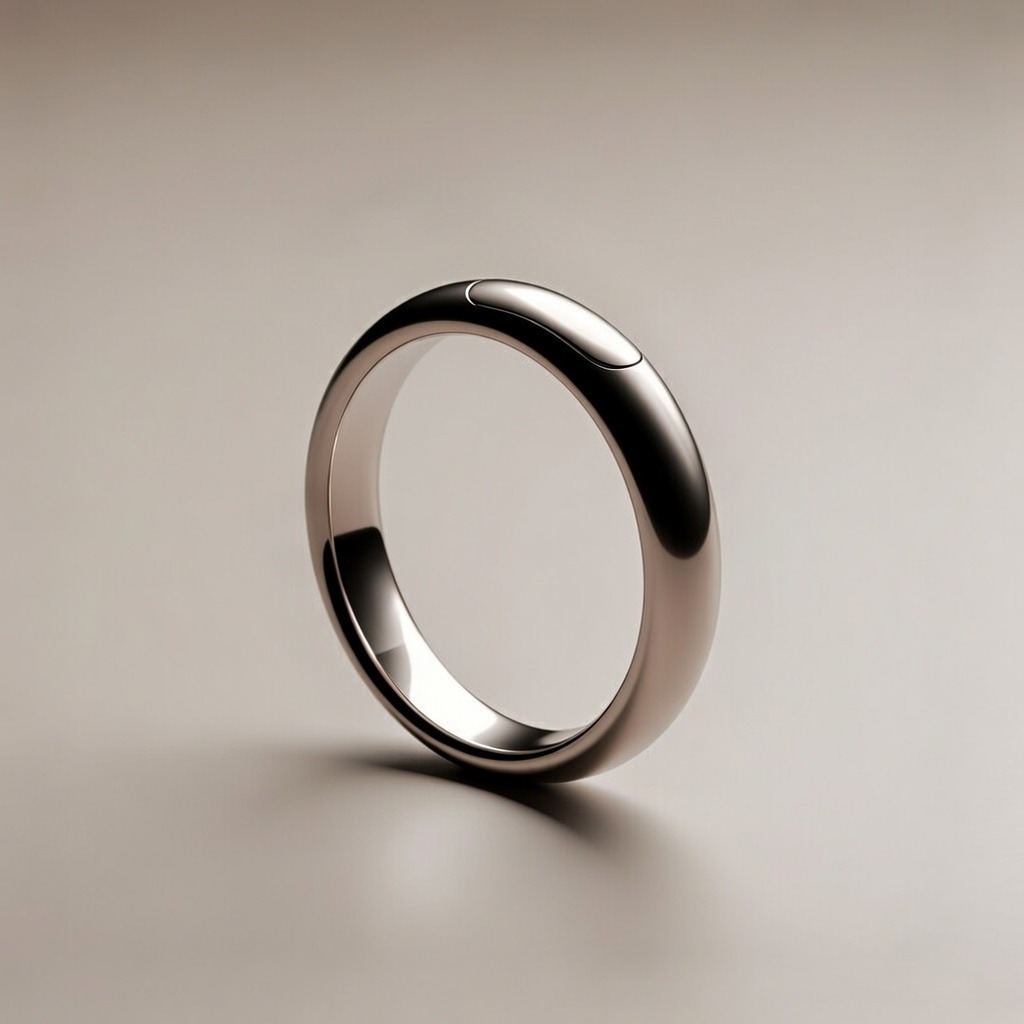
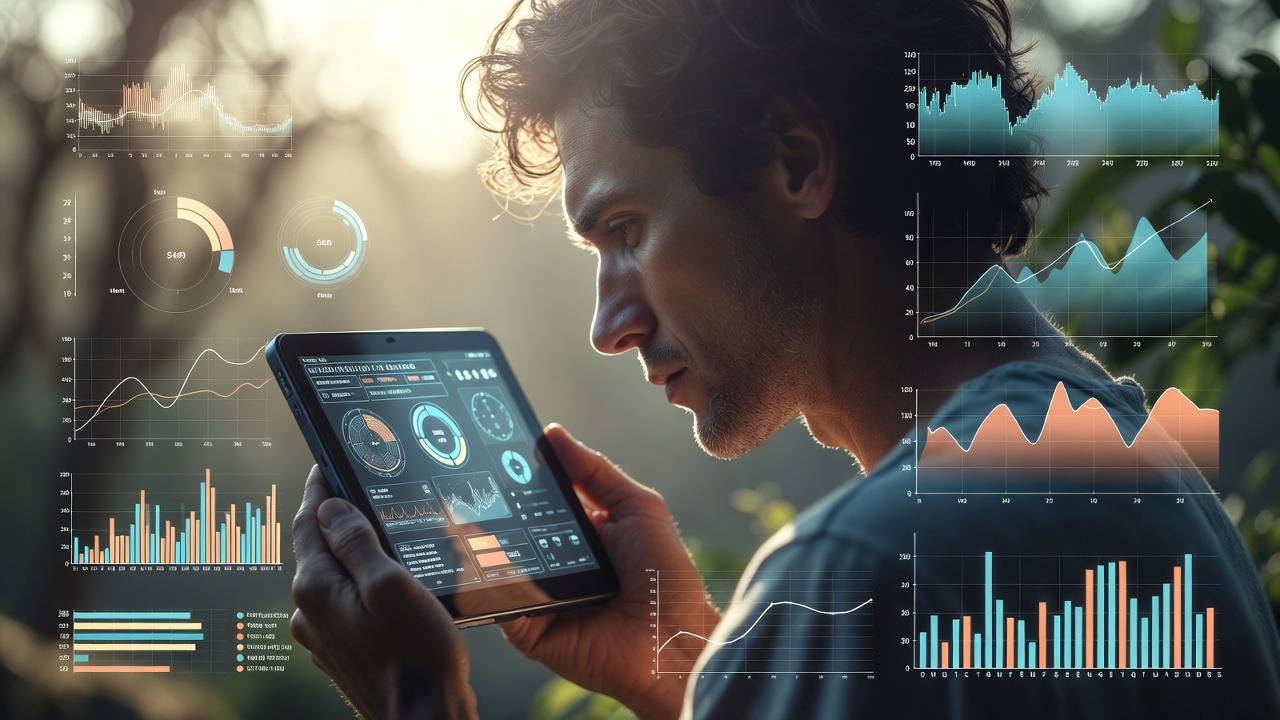
You slip it on your finger each morning, a subtle band of titanium or ceramic. Throughout the day, it quietly hums along, and as you sleep, it glows with infrared light, capturing the hidden rhythms of your body. This is the modern wellness ring—a device that transforms your finger into a portal to your deepest health data. But what happens after the metrics are gathered? The charts, graphs, and scores can feel like a foreign language, leaving you with more questions than answers. Is a sleep score of 82 good? What does it mean when your Heart Rate Variability (HRV) suddenly dips? How can you translate these numbers into tangible steps for a healthier, more vibrant life?
This guide is your universal translator. We’re moving beyond simply tracking to truly understanding. Your wellness ring is not a judge; it’s a deeply personal biofeedback tool, a 24/7 health guardian offering insights that were once only accessible in a sleep lab or a clinical setting. By learning its language, you unlock the power to make informed decisions, spot subtle trends before they become problems, and take a truly proactive role in managing your well-being.
From the foundational beats of your heart to the mysterious phases of your sleep, from your daily readiness to your long-term stress resilience, we will decode every major metric. You’ll learn not just what they are, but why they matter, how they interconnect, and—most importantly—how you can use this knowledge to optimize your energy, performance, and health for years to come. Welcome to a new era of self-knowledge, powered by the technology you wear.
The Foundation: What Your Ring Actually Measures (And How)
Before we dive into specific metrics like HRV or REM sleep, it's crucial to understand the "how." The magic of a wellness ring lies in its sophisticated, miniaturized sensor array, packed into a form factor designed for 24/7 wear. Unlike a smartwatch on your wrist, the finger offers unique advantages: a rich capillary bed with strong blood flow and minimal motion artifact during key activities like sleep. This position is the secret to its clinical-grade accuracy for many parameters.
At the heart of most advanced wellness rings, like those developed by pioneers in the field, are three primary sensing technologies working in concert:
1. Photoplethysmography (PPG): This is the core technology. Tiny LED lights (usually green and infrared) shine into the capillaries on the underside of your finger. A photodetector then measures the amount of light reflected back. With each heartbeat, blood volume in the capillaries increases slightly, absorbing more light. The detector captures these minuscule fluctuations, creating a waveform called a photoplethysmogram. From this continuous stream of data, your ring derives your heart rate (HR), heart rate variability (HRV), and even blood oxygen saturation (SpO2) by using specific wavelengths of light.
2. A 3-axis Accelerometer: This motion sensor tracks movement in all directions. It’s the workhorse for identifying activity levels, differentiating between sedentary behavior, walking, and running. Crucially, during sleep, it provides the primary data for detecting gross body movements, which helps distinguish between sleep stages (light vs. deep sleep often involves less movement) and identify periods of wakefulness.
3. A Skin Temperature Sensor: A highly sensitive thermistor measures the subtle changes in the temperature of your skin. This is not about telling you if you have a fever, but about tracking nocturnal distal body temperature, which follows a distinct circadian rhythm. Your core temperature drops to initiate sleep, and your fingers and toes release heat. By tracking this minute-by-minute change, the ring gains powerful insight into sleep onset, circadian rhythm alignment, and even potential illness onset (a rising baseline temperature can be an early signal).
The true intelligence, however, isn't in the raw data—it's in the fusion. Advanced algorithms, often powered by machine learning, take these simultaneous data streams (PPG, motion, temperature) and cross-reference them to filter out noise and provide remarkably accurate readings. For example, the algorithm uses accelerometer data to know when you're moving vigorously, so it can temporarily discount heart rate spikes as exercise, not stress. It uses temperature trends to confirm that you are truly asleep, not just lying still.
This multi-sensor fusion is what separates a simple activity tracker from a comprehensive wellness tool. It’s the technological bedrock that allows your ring to tell a coherent story about your body’s autonomic nervous system, recovery state, and sleep architecture. To see this sophisticated technology in action and learn more about the specific sensor fusion approach, you can explore the science behind devices like the Oura Ring or similar innovations at Oxyzen.ai.
Your heart rate, measured in beats per minute (BPM), is the most fundamental and recognizable vital sign. But when monitored continuously by your wellness ring, it transforms from a simple number into a dynamic narrative of your daily life and overall cardiovascular health. Let's break down the two most important heart rate metrics from your ring: Live Heart Rate and Resting Heart Rate (RHR).
Live/Active Heart Rate: This is the real-time reading of your heart's activity. Your ring tracks this throughout the day, painting a picture of how your body responds to various stimuli.
During Exercise: It shows your workout intensity. Are you in the fat-burning zone or pushing into peak cardio? Your ring helps you stay in your target zone.
During Stress: A sudden spike while sitting at your desk can be a clear indicator of a stressful phone call, an intense email, or even caffeine intake.
During Recovery: Post-workout, watching your heart rate gradually descend to its baseline is a marker of good cardiovascular fitness. The faster it drops, the fitter you tend to be.
Resting Heart Rate (RHR): This is the star of the show for long-term health tracking. Your ring is uniquely positioned to find your true RHR because it captures it during the most reliable state: your deepest sleep, usually in the early hours of the morning before you wake. This eliminates the influence of stress, digestion, or casual movement.
Why Your RHR is a Powerhouse Metric:
Cardiovascular Fitness Indicator: In general, a lower RHR indicates a stronger, more efficient heart. A well-conditioned heart can pump more blood with each beat, so it needs to beat fewer times per minute at rest. For adults, a RHR between 60-100 BPM is considered "normal," but fit individuals often have a RHR in the 50s or even 40s.
Early Warning System: A sustained increase in your baseline RHR (e.g., 5-10 BPM above your personal average for several days) is one of the clearest signals your body sends. It can indicate:
Overtraining or Inadequate Recovery: Your body is struggling to repair itself.
Oncoming Illness: Your immune system is gearing up, often before symptoms appear.
Dehydration or Lack of Sleep: Basic physiological stress raises your RHR.
Chronic Stress: Persistent mental or emotional load keeps your sympathetic nervous system ("fight or flight") subtly engaged.
Trend Over Time: The single-day number is less important than the trend. Your personal baseline is your gold standard. By watching the trend line in your app, you learn what "normal" looks like for you and can immediately spot meaningful deviations.
How to Use This Data:
Establish Your Baseline: Wear your ring consistently for at least two weeks to understand your personal, trend-based RHR.
Morning Check: Get in the habit of glancing at your RHR each morning. A slightly elevated rate is a cue to prioritize hydration, good nutrition, and perhaps take a recovery day instead of an intense workout.
Correlate with Life Events: Look back at periods of high stress, great sleep, or illness in your timeline. See how your RHR reacted. This builds intuitive knowledge about your body's responses.
Track Fitness Progress: As you build cardiovascular fitness over months, you should see a gentle downward trend in your baseline RHR—a concrete sign your heart is getting stronger.
Think of your RHR as the calm, steady voice of your heart's efficiency. Listening to it daily is one of the simplest yet most profound acts of preventive health you can perform. For a deeper dive into how heart rate data intersects with other metrics like sleep, the team at Oxyzen.ai/blog frequently publishes detailed analyses and user case studies.
The Stress & Recovery Compass: Heart Rate Variability (HRV)
If Resting Heart Rate is the steady drumbeat of your heart, Heart Rate Variability (HRV) is the complex, syncopated jazz rhythm happening between those beats. It is the measure of the tiny, millisecond variations in the time interval between consecutive heartbeats. Counterintuitively, higher HRV is generally better—it signifies a resilient, adaptable nervous system.
The Science of HRV: Your heart rate is not meant to be metronomic. It is constantly being fine-tuned by the two branches of your autonomic nervous system (ANS):
Sympathetic Nervous System (SNS): The "gas pedal." It prepares for action, releasing stress hormones like cortisol and adrenaline, which increase heart rate and decrease HRV (making intervals more uniform).
Parasympathetic Nervous System (PNS): The "brake pedal." It promotes "rest and digest," calming the body, slowing heart rate, and increasing HRV (creating more variation between beats).
A high HRV indicates that your body is in a state where it can easily toggle between these two systems—you can respond vigorously to a challenge (like a workout or a work deadline) and then smoothly return to a calm, recovery state. A low HRV suggests your sympathetic system is dominant, leaving your body in a constant state of low-grade stress with less capacity to recover.
What Your Wellness Ring Tells You:
Your ring calculates your nighttime HRV, typically presenting it as an average score (like the rMSSD or SDNN metric) over the course of your sleep. This is the most reliable measurement, as it captures your body in its natural recovery state, free from the acute stresses of the day.
Interpreting Your HRV Score:
Personal Baseline is Everything: Like RHR, HRV is highly individual. A score of 45 might be excellent for one person and low for another. Age, genetics, and fitness all play a role. The critical task is to find your normal range.
High HRV (Relative to Your Baseline): A great sign! It suggests:
Effective recovery from previous day's stress/exercise
Good resilience to upcoming stressors
Strong parasympathetic ("rest and digest") activity
You are likely feeling energized and ready for challenge
Low HRV (Relative to Your Baseline): A flag that your body is under strain. Causes include:
Physical overtraining or insufficient recovery
Mental or emotional stress
Poor sleep quality or lack of sleep
Dehydration or poor nutrition
Oncoming illness
Alcohol consumption (HRV often plummets after drinking)
HRV as Your Daily Guide:
This is where HRV becomes a powerful tool for lifestyle design. Many advanced wearables use HRV, combined with other data, to create a "Readiness" or "Recovery" score. The logic is simple: if your body is showing signs of strong recovery (high HRV, low RHR, good sleep), you are "ready" to take on physical and mental strain. If it shows signs of stress (low HRV, high RHR), you should prioritize rest, hydration, and gentle movement.
Actionable Steps:
Don't Chase an Absolute Number. Chase consistency and positive trends within your own baseline.
Use it for Training Decisions. A consistently low HRV might mean you need an extra rest day or a deload week, even if you "feel" fine.
Experiment and Observe. Try going to bed an hour earlier for a week. Notice how meditation or a relaxing walk affects your next morning's score. Did that late-night social event with alcohol crash your HRV? Your ring provides objective feedback.
Be Patient. HRV can be noisy day-to-day. Look at 3-7 day rolling averages for true trends.
HRV is your direct line to your nervous system's balance. It empowers you to work with your body's needs, not against them, transforming guesswork into guided self-care. If you have specific questions about how HRV is calculated or how to interpret drastic changes, the comprehensive support section at Oxyzen.ai/faq can be an excellent resource.
The Sleep Architect: Understanding Sleep Stages & Sleep Score
Sleep is not a monolithic state of unconsciousness. It's a meticulously choreographed architectural feat, a nightly journey through distinct stages that each serve a critical purpose for physical repair, memory consolidation, and emotional regulation. Your wellness ring acts as a personal sleep architect, mapping this journey every night to give you a blueprint of your rest.
The Four Stages of Sleep (Based on Modern Classification):
Wakefulness: The periods before you fall asleep, during brief arousals, and before you finally get up. Your ring aims to minimize this time for a more efficient sleep.
Light Sleep (N1 & N2): This is the gateway to sleep and constitutes about 50-60% of your night. Your body begins to disengage from its surroundings, heart rate and breathing slow, and body temperature drops. It's essential for physical recovery and metabolic health. Think of it as basic maintenance mode.
Deep Sleep (N3, Slow-Wave Sleep): This is the most physically restorative phase. It's when human growth hormone is released, facilitating tissue repair, muscle growth, and immune function. Your heart rate and breathing are at their slowest, and it's very difficult to be awakened. This stage is crucial for physical recovery from the day's activities. A lack of deep sleep leaves you feeling physically drained.
REM Sleep (Rapid Eye Movement): The stage most associated with vivid dreaming. Your brain is highly active, nearly as active as when you're awake, but your body is in a state of temporary paralysis (atonia). REM sleep is the cognitive and emotional janitor. It's critical for memory consolidation, learning, creativity, and processing emotions. Skimping on REM can lead to brain fog and emotional volatility.
How Your Ring Detects These Stages: It uses a masterful combination of its sensors:
Heart Rate & HRV: These follow distinct patterns in each stage. In Deep Sleep, HR and HRV are typically low and steady. As you transition to REM, your heart rate becomes more variable and can even spike, similar to awake states.
Movement (Accelerometer): Gross body movement is minimal in Deep and REM sleep. Frequent movement indicates Light Sleep or wakefulness.
Breathing Rate: Derived from the heart rate signal, your respiratory rate also slows in Deep Sleep and becomes irregular in REM.
Skin Temperature: The gradual cooling and warming cycle throughout the night correlates strongly with your sleep-wake rhythm and stage progression.
The algorithm synthesizes this data to create a hypnogram—a graph of your sleep architecture—showing how you cycled through these stages approximately every 90 minutes throughout the night.
Your Sleep Score: The Composite Grade
Your nightly Sleep Score (typically out of 100) is a composite metric designed to simplify the complexity. While each app has its own formula, it generally weighs:
Total Sleep Time: The foundation. Are you getting enough total sleep (7-9 hours for most adults)?
Sleep Efficiency: The percentage of time in bed you were actually asleep. Aim for >85%.
Sleep Architecture: The balance and sufficiency of Deep and REM sleep.
Restfulness: How fragmented your sleep was (based on awakenings or toss-and-turn events).
Timing: Did you go to bed at a consistent, chronobiologically appropriate time?
How to Use This Data:
Look Beyond the Score: A score of 85 is meaningless if you don't know why. Did you get great Deep sleep but miss REM? Drill into the stages.
Identify Your Patterns: Are you consistently short on Deep sleep? This might point to intense late-day exercise or caffeine timing. Low REM? Could be linked to alcohol or late-night screen time.
Experiment with Timing: Your circadian rhythm heavily influences sleep stages. Earlier bedtimes often promote Deep sleep, while REM sleep bouts lengthen toward morning. Use your ring's data to find your ideal window.
Correlate with How You Feel: Note your energy and mood upon waking. Do you feel great with 7 hours of high-efficiency sleep but groggy with 9 hours of fragmented sleep? This builds personal intuition.
Your sleep data is a story about your night. Learning to read it allows you to become the editor, making small changes to write a better story—and a better tomorrow. For more insights on optimizing each sleep stage and understanding your personal sleep chronotype, our community often shares their stories and tips at Oxyzen.ai/testimonials.
The Oxygen Story: Blood Oxygen Saturation (SpO2) & Breathing Rate
While your heart and brain take center stage in most health discussions, the silent, life-sustaining process of respiration holds profound insights into your wellness. Your ring tracks two key respiratory metrics: Blood Oxygen Saturation (SpO2) and Breathing Rate, offering a window into your respiratory health, sleep quality, and even your body's response to altitude or illness.
Blood Oxygen Saturation (SpO2):
This metric measures the percentage of your hemoglobin—the protein in red blood cells—that is carrying oxygen. A healthy, resting SpO2 level at sea level is typically between 95% and 100%. Your ring uses infrared PPG sensors to estimate this value periodically throughout the night (and sometimes during the day).
Why Nighttime SpO2 is Critical:
During the day, conscious breathing keeps SpO2 stable. At night, however, breathing patterns can change, making SpO2 a powerful sleep health indicator.
General Baseline: A stable, normal SpO2 throughout the night is a positive sign of healthy respiratory function.
Significant Dips: Brief, repetitive dips in SpO2 (usually defined as drops of 3-4% or more from baseline) can be a signal of sleep-disordered breathing. The most common form is obstructive sleep apnea (OSA), where the airway briefly collapses, interrupting breathing and reducing oxygen flow. Symptoms include loud snoring, daytime fatigue, and morning headaches.
Environmental Factors: Sleeping at a high altitude will naturally result in a lower baseline SpO2 as the air is thinner. Your ring can help you acclimatize safely by monitoring this.
Illness Indicator: Respiratory infections, like colds, flu, or more serious conditions, can cause your nighttime SpO2 to drop or become more variable, even before you feel major symptoms.
Breathing Rate (Respiratory Rate):
This is the number of breaths you take per minute. For a healthy adult at rest, this is usually between 12 and 20 breaths per minute. Your ring derives this metric from the subtle, rhythmic oscillations in your heart rate data caused by the pressure changes of breathing (a phenomenon called Respiratory Sinus Arrhythmia).
What Your Breathing Rate Tells You:
A Marker of Relaxation vs. Stress: A lower resting breathing rate (e.g., 12-14) is often associated with a calm, parasympathetic-dominant state (like during meditation or deep sleep). A higher rate (e.g., 18-20 at rest) can indicate physical exertion, anxiety, stress, or discomfort.
Nocturnal Baseline: Your breathing rate during deep, stable sleep is your true physiological baseline. It’s remarkably consistent from night to night for a given individual.
Early Signal of Issues: A sustained increase in your nighttime breathing rate, relative to your personal baseline, is a remarkably sensitive metric. It can be an early sign of:
Oncoming illness (your body working harder)
Cardiovascular strain
Worsening asthma or allergies
Sleep apnea events (breathing often becomes faster and shallower after an apnea to "catch up" on oxygen)
How to Use This Data Together:
Establish Your Personal Normal: Wear your ring consistently to learn what "normal" SpO2 and breathing rate look like for you during sleep.
Look for Correlations: In your app's sleep timeline, see if dips in SpO2 correlate with spikes in breathing rate or brief awakenings. This pattern is suggestive of disrupted breathing.
Use as a Health Dashboard: If you wake up feeling unrefreshed and see a pattern of frequent SpO2 dips and/or an elevated breathing rate, it may be worth discussing with a healthcare professional.
Track Illness and Recovery: If you get sick, observe how these metrics change. Your return to your personal baselines can be an objective sign that you are fully recovering, even if you still feel a bit off.
These respiratory metrics transform your ring from a fitness tracker into a genuine health guardian. They provide objective, nocturnal data about a vital system that is otherwise almost impossible to monitor in daily life. To understand how these features were developed and the research behind them, you can read about the commitment to health innovation at Oxyzen.ai/our-story.
Your Internal Clock: Body Temperature & Circadian Rhythm
You have a master clock. It doesn't tick or chime, but it governs nearly every aspect of your biology: your sleep-wake cycle, hormone release, digestion, and even your mood. This is your circadian rhythm, a roughly 24-hour internal cycle synchronized primarily by light. One of its most reliable and measurable outputs is your core body temperature, and your wellness ring provides a unique window into this rhythm by tracking your nocturnal skin temperature.
The Temperature Rhythm:
Your core body temperature isn't constant. It follows a predictable daily waveform:
Late Afternoon/Early Evening: Temperature peaks. This is often when you feel most alert and physically capable.
As Bedtime Approaches: Your core temperature begins to drop. This cooling is a critical signal to your brain that it's time to initiate sleep. To cool the core, your body increases blood flow to the extremities (hands and feet), releasing heat.
During Sleep: Temperature reaches its lowest point, usually in the second half of the night (coinciding with your longest deep sleep phase).
Morning: As you approach wake-up time, your core temperature begins to rise again, helping you transition to alertness.
How Your Ring Measures It:
The ring's skin temperature sensor doesn't give you a "fever or not" reading. Instead, it tracks the subtle changes in the temperature of your finger across the night, with precision down to 0.1º Celsius. This distal skin temperature is a proxy for the core rhythm—when your core is cooling for sleep, your fingers warm up as they release heat.
What Your Temperature Data Reveals:
Circadian Rhythm Alignment: A clear, predictable nightly temperature curve indicates a well-synchronized circadian clock. A flattened, erratic curve suggests your rhythm may be disrupted by factors like irregular sleep schedules, late-night light exposure, or shift work.
Sleep Onset & Quality: The timing of your temperature drop is a powerful predictor of sleep onset. If you try to go to bed before this natural drop, you may struggle to fall asleep. A smooth, significant drop is associated with faster sleep onset and more stable sleep.
An Early Illness Detector: This is one of the most talked-about features. A sustained elevation in your baseline nighttime temperature—even a fraction of a degree over several nights—can be a very early sign that your body is mounting an immune response, often 1-3 days before you feel any symptoms of a cold, flu, or other infection.
Hormonal and Metabolic Insights: For women, the menstrual cycle has a pronounced effect on basal body temperature (BBT). The ring can track the subtle biphasic pattern: a lower temperature in the follicular phase (post-menstruation) and a sustained rise after ovulation in the luteal phase. This can provide valuable insights into cycle timing and hormonal health. Temperature is also influenced by metabolism and can be affected by intense exercise or significant dietary changes.
How to Use This Data:
Optimize Your Schedule: If your data shows you consistently cool down later at night, consider a later bedtime and waking time, if possible. Fight your biology less.
Preempt Sickness: Seeing a rising temperature baseline is a cue to double down on immune-supportive habits: prioritize sleep, hydrate, reduce stress, and load up on nutrients. It’s a powerful early warning to rest.
Understand Your Cycle: Women can use the temperature trend feature to gain awareness of their ovulation and cycle phases, complementing other cycle tracking methods.
Assess Lifestyle Impact: Did that late-night work session or heavy evening meal blunt your temperature drop and affect your sleep? Your ring provides the objective feedback.
Your skin temperature trend is a silent, continuous broadcast of your body's internal state and timing. Learning to interpret it allows you to live more in sync with your natural rhythm, potentially boosting everything from your athletic performance to your immune resilience. For more information on the science of circadian health and how to align your lifestyle, the experts behind the technology share their philosophy at Oxyzen.ai/about-us.
The Movement Mosaic: Activity & Calorie Burn
While wellness rings are renowned for their recovery and sleep insights, they are also sophisticated, all-day activity trackers. However, their approach to movement is often more nuanced than a simple step count. They focus on painting a complete picture of your daily energy expenditure—the balance between movement and rest—which is crucial for overall health, weight management, and metabolic fitness.
Beyond Steps: Understanding Your Activity Profile
Your ring uses its accelerometer to classify your movement throughout the day into different intensity levels:
Inactive/Sedentary Time: Periods of little to no movement. Modern health science has identified prolonged sedentary time as an independent risk factor for poor health, even for those who exercise regularly. Your ring can help you become aware of these long stretches.
Low-Intensity Activity (LIA): This includes casual walking, household chores, and standing desk work. It's the fabric of non-exercise activity thermogenesis (NEAT), which can contribute significantly to total daily calorie burn.
Moderate to High-Intensity Activity: This includes dedicated exercise like brisk walking, running, cycling, or strength training. Your ring aims to automatically detect these sessions, recording their duration and intensity.
Metabolic Energy: Active & Total Burn
This is where the science gets personal. Your ring doesn't just guess; it builds a model of your metabolism.
Resting Metabolic Rate (RMR): The number of calories your body burns at complete rest to maintain vital functions (breathing, circulation, brain activity). The ring estimates this based on your personal data (like heart rate trends, body temperature, and provided biometrics like age, height, and weight).
Active Calories Burned: These are the calories burned through all activity above your resting rate—from taking the stairs to your morning run.
Total Daily Energy Expenditure (TDEE): This is the sum of your RMR + Active Calories. It's your personal "calorie budget" for the day. Understanding your TDEE is foundational for any fitness or body composition goal, whether it's maintenance, loss, or gain.
How This Data is More Useful Than a Simple Step Goal:
It Encourages Balanced Movement: Instead of just chasing 10,000 steps (which could be a single walk), the ring encourages you to reduce long sedentary blocks and spread movement throughout the day. Many rings have inactivity alerts to remind you to get up and move.
It Personalizes Your Targets: Your "activity score" or calorie burn goal is based on your metabolism and your usual activity level, making it a more meaningful and achievable target than a one-size-fits-all step count.
It Contextualizes Exercise: That 30-minute run isn't just an isolated event. The ring shows how it contributed to your daily TDEE and, in the following days, how it impacted your recovery metrics (HRV, RHR). This teaches you about your individual recovery needs.
It Highlights NEAT: By tracking all-day burn, you see the power of non-exercise activity. Choosing to walk to the store, take walking meetings, or do yardwork all adds up meaningfully to your metabolic health.
How to Use Your Activity Data:
Focus on Breaking Sedentary Time: Set a goal to get up and move for 2-5 minutes every hour. This is arguably more important for long-term health than a single workout.
Use TDEE for Informed Nutrition: If you're tracking nutrition, use your personalized TDEE as a starting point for your daily intake, adjusting based on your specific goals.
Balance Activity with Recovery: Let your recovery metrics (from the previous sections) guide your high-intensity activity. High activity with low recovery is a recipe for burnout and injury. The ring helps you find the sustainable sweet spot.
Celebrate Consistency: A week of meeting your personalized activity goal, filled with consistent daily movement, is a bigger health win than one heroic day of exercise followed by days of stagnation.
Your activity mosaic tells the story of how you live your life in motion. By focusing on the full spectrum—from rest to vigorous exercise—you can build a sustainable, balanced, and metabolically healthy lifestyle.
The Morning Report: Readiness & Recovery Scores
You wake up. Do you hit the ground running for an intense workout, or do you prioritize gentle movement and recovery? For generations, this was a guessing game based on subjective feelings of grogginess or energy. Now, your wellness ring synthesizes the night's biometric data into a single, actionable metric: your Readiness or Recovery Score.
This score is the culmination of everything we've discussed so far. It's the algorithm's interpretation of your body's preparedness to handle physical, mental, and environmental stress for the coming day. It is not a judgment, but a recommendation—a data-driven suggestion for how to best support your body.
What Goes Into a Readiness Score?
While each brand has its own proprietary formula, they generally integrate these core nighttime metrics:
Sleep Quality & Quantity: Your Sleep Score is a massive contributor. Did you get enough total, efficient sleep with good architecture?
Heart Rate Variability (HRV): The star of the show. A high HRV (relative to your baseline) is a strong positive contributor, indicating good autonomic nervous system balance and recovery.
Resting Heart Rate (RHR): An elevated RHR pulls the score down, signaling potential strain, incomplete recovery, or oncoming illness.
Sleep Balance & Consistency: Did you go to bed and wake up at your usual times? A consistent schedule boosts scores.
Body Temperature: A significant deviation from your personal baseline (especially an elevated trend) can lower the score as a potential sign of immune activation or circadian disruption.
Previous Day's Activity: Some scores factor in whether you had a particularly strenuous day, suggesting you may need more recovery.
Interpreting Your Score (Typically on a 0-100 Scale):
High Readiness (e.g., 70-100): Your body is showing strong signs of recovery and resilience. This is a green light to engage fully—tackle challenging workouts, important meetings, or creative projects. Your system is primed to handle stress and adapt positively.
Moderate Readiness (e.g., 30-70): Your body is in a neutral or slightly strained state. Proceed with awareness. This is a day for maintenance, not peak performance. Consider a moderate workout instead of a high-intensity one, focus on steady work rather than frantic deadlines, and be diligent about nutrition and hydration.
Low Readiness (e.g., below 30): Your biometrics are signaling significant strain or incomplete recovery. This is a red flag advising you to prioritize rest and recovery. This is not a day to push through. Opt for complete rest, gentle movement like walking or stretching, prioritize sleep, and manage stress. Ignoring a low score repeatedly is a fast track to overtraining, burnout, or illness.
How to Truly Leverage Your Readiness Score:
Let It Guide, Not Dictate: The score is a powerful advisory tool, not an absolute command. Use it in conjunction with how you feel subjectively. Sometimes you feel great with a moderate score—listen to that too.
Make It a Daily Ritual: Check your score as part of your morning routine. Let it inform your daily plan before your old habits and obligations take over.
Become a Detective: When you get an unusually high or low score, tap into the breakdown. Why is it high? Amazing sleep and high HRV? Why is it low? Elevated temperature and high RHR? This investigation builds immense self-knowledge.
Track the Impact: On days you follow a high readiness score with a tough workout, how do you feel afterward? On days you honor a low score with rest, how quickly does your score bounce back? This feedback loop teaches you about your personal recovery patterns.
Use It for Long-Term Planning: If you're planning a rigorous training block, your readiness score can help you identify when to insert a deload or rest week before your performance crashes.
The Readiness Score transforms complex physiological data into a simple, daily conversation with your body. It democratizes the concept of "listening to your body," giving you an objective voice to guide you toward sustainable performance and long-term health. For personal stories on how this feature has changed daily routines, you can find real user experiences at Oxyzen.ai/testimonials.
The Personalized Baseline: Why Your Normal Isn't Anyone Else's
This is the most critical concept in mastering your wellness ring, and it underpins every metric we've explored. In the world of quantified self, you are your own control group. The absolute numbers are far less important than the trends and deviations from your own personal baseline.
A heart rate variability of 35 might be catastrophically low for one person and a personal best for another. Eight hours of sleep might leave one person feeling refreshed and another groggy. The power of continuous wear is that it learns you over time, establishing what "normal" looks like for your unique biology, lifestyle, and current life circumstances.
How Your Ring Establishes Your Baseline:
Advanced algorithms don't start giving you meaningful insights on day one. They require a "burn-in" or learning period—typically 1-2 weeks of consistent wear, especially during sleep. During this time, the device is:
Collecting data on your natural rhythms.
Calculating your average HRV, RHR, breathing rate, and temperature.
Understanding your typical sleep duration and timing.
Observing your normal activity patterns.
After this period, the trends and scores become meaningful because they are measured against your standard, not a population average.
Why This is a Game-Changer:
Eliminates Comparisonitis: There's no point in comparing your HRV of 42 to your friend's 85. You have different genetics, ages, fitness levels, and stress profiles. Your mission is to understand what a change to 35 or 55 means for you.
Detects Meaningful Changes: A 10% drop in your HRV is a significant signal, regardless of the starting number. A 0.3°C rise in your temperature baseline is a red flag. The system is exquisitely tuned to detect deviations from your norm.
Tracks Your Evolution: As you get fitter, manage stress better, or improve your sleep, your baselines will shift. You might see your RHR trend down and your HRV trend up over months. This is objective proof of improved physiological resilience.
Adapts to Life Stages: Your baseline isn't static for life. Pregnancy, menopause, changing jobs, entering a new training phase—all these will shift your norms. The ring helps you navigate these transitions by showing you what your "new normal" looks like.
How to Work With Your Personal Baseline:
Commit to Consistency: Wear your ring every night and as much as possible during the day, especially in the beginning. Gaps in data make it harder for the algorithm to understand you.
Observe, Don't Obsess: Don't fixate on a single day's bad number. Look at the 3-day and 7-day rolling averages in your app to see the real trend, smoothing out daily noise.
Tag Your Life: Use the journal or tagging feature in your app. Note days you were sick, had alcohol, traveled across time zones, had a major work presentation, or started a new workout program. Later, you can see exactly how these events impacted your biometrics relative to your baseline.
Reset Your Baseline When Needed: After a major life change (e.g., recovering from a long illness, having a baby, retiring), allow a new 2-week period for your ring to learn your new rhythms.
Embracing the concept of a personal baseline frees you from arbitrary goals and empowers you with self-knowledge. Your ring becomes a mirror reflecting your unique biology, allowing you to make changes that are truly personalized and effective. To learn more about the technology that makes this personalized tracking possible, the engineering and design philosophy is detailed at Oxyzen.ai/our-story.
Connecting the Dots: How Metrics Interact and Tell a Story
Individually, each metric we've covered is a valuable piece of data. But their true power is revealed in their symphony—the way they interact, influence, and contextualize each other. Your wellness ring's app is designed to help you see these connections, transforming isolated numbers into a coherent narrative about your health. Let's explore some common, powerful interconnections.
The Overtraining Narrative:
Story: You've been pushing hard with daily intense workouts.
Data Connections:
Activity Score: High and consistent.
Readiness Score: Begins a steady decline over several days.
HRV: Trends downward.
RHR: Trends upward.
Sleep: May show increased restlessness or awakenings, and a decrease in deep sleep as the body struggles to repair.
Takeaway: The high activity is not being matched by adequate recovery. The body is under cumulative strain. The solution isn't more work; it's deliberate rest.
The Oncoming Illness Narrative:
Story: You feel fine, but something is brewing.
Data Connections:
Body Temperature: The earliest sign—a sustained rise in your baseline over 1-3 nights.
RHR: Follows the temperature up, becoming elevated.
HRV: Often takes a sharp dive.
Respiratory Rate: May increase slightly.
Sleep Score: Drops as sleep becomes more fragmented as the immune system works.
Takeaway: Your immune system is activated. This is a critical window to prioritize sleep, hydration, and nutrition to potentially mitigate the severity or duration of the illness.
The "Perfect Storm" of Poor Recovery:
Story: A late-night social event.
Data Connections:
Sleep Timing & Duration: Late bedtime, potentially shorter total sleep.
HRV: Often plummets dramatically due to alcohol's impact on the nervous system.
RHR: Significantly elevated.
Sleep Stages: REM sleep is often severely suppressed in the first half of the night.
Next Day Readiness: A steep drop.
Takeaway: A single lifestyle choice has a measurable, multi-metric impact on physiological recovery. The data provides clear feedback on the cost of that choice.
The Positive Adaptation Narrative:
Story: You've started a consistent meditation practice and prioritized a regular sleep schedule.
Data Connections:
Sleep Consistency: Improves markedly.
Sleep Score & Efficiency: Trend upward.
HRV: Over weeks, begins a gradual upward trend.
RHR: May show a gentle downward trend.
Readiness Scores: Become more consistently higher.
Takeaway: Positive lifestyle changes are effectively improving your autonomic nervous system balance and resilience. The data reinforces the behavior.
How to Practice Connecting the Dots:
Use the Timeline View: Scroll through your day and night in the app. See how spikes in daytime heart rate (stress) correlate with that night's sleep. See how a daytime workout impacted that night's deep sleep.
Look for Cause and Effect: When you see a dramatic change in one metric (like a crashed HRV), immediately check the others from that period. What else changed? Temperature? RHR? Sleep?
Embrace the "Why": Most apps offer a "What This Means" or factor breakdown for scores. Read them! They explain which metrics contributed most to a high or low score.
Build Your Own Anecdotes: "Every time I work out after 8 PM, my deep sleep percentage drops." "When I drink even one glass of wine, my HRV drops by 30%." This personalized knowledge is gold.
By learning to see these interconnections, you move from being a passive data collector to an active health detective. You start to understand the levers of your own well-being and how to pull them with precision. For more examples of these data narratives and how to interpret them, our resource library at Oxyzen.ai/blog offers ongoing analysis and guides.
The Art of Tracking: Journaling, Tags, and Building Context
Your wellness ring’s sensors provide an objective, quantitative stream of data—the what. But the why often lies in the qualitative details of your life. This is where the practice of contextual journaling transforms your device from a passive monitor into an intelligent partner in your health journey. By manually logging your daily activities, moods, and choices, you create a rich layer of context that allows you to decode the stories your biometrics are telling.
Why Context is King:
Imagine you see a significant dip in your HRV. Was it due to:
A grueling workout?
A stressful argument?
Two glasses of wine with dinner?
The start of a common cold?
The biometric data alone can’t distinguish between these causes. They all stress the body in different ways. By tagging or journaling these events, you can look back and see, “Ah, my HRV crashes every time I have alcohol,” or “My RHR stays elevated for two days after a major work deadline.” This turns vague intuition into actionable knowledge.
What to Track for Maximum Insight:
Lifestyle & Nutrition: Log meals, alcohol consumption, caffeine intake (and timing), and hydration levels. This can reveal how food sensitivities, late caffeine, or dehydration impact your sleep and recovery.
Exercise & Activity: Beyond the ring’s auto-detection, tag the type of workout (e.g., heavy strength, long run, HIIT, yoga) and your perceived exertion. This helps you understand which activities boost your readiness and which ones require longer recovery.
Mindfulness & Stress: Log meditation sessions, therapy appointments, or simply note days of high mental stress or emotional events. Correlate this with your stress-related metrics (daytime heart rate, sleep onset time, HRV).
Symptoms & Health: Note headaches, menstrual cycle phases, digestion issues, or any minor ailments. This can help identify patterns (e.g., changes in body temperature or resting heart rate around your cycle).
Environment & Schedule: Tag travel across time zones, late-night work, social events, or changes in your sleep environment. These are major disruptors of circadian rhythm.
How to Use Journaling Effectively:
Start Simple: Don’t overwhelm yourself. Pick 1-2 things you suspect impact you (e.g., alcohol and late screen time) and log them consistently for two weeks.
Use the Tagging Feature: Most wellness apps have quick-tap tags (like a wine glass or dumbbell icon). This takes seconds and builds a visual log alongside your data.
Review Weekly: Set aside 10 minutes once a week to review your data timeline with your tags. Look for correlations. Does a “work stress” tag consistently sit under a spike in your resting heart rate? Does a “yoga” tag often precede a higher sleep score?
Conduct Personal Experiments: Use the journal to track a deliberate change. For example: “For one week, I will stop caffeine after 2 PM.” At the end of the week, review your sleep latency (time to fall asleep) and deep sleep scores. The data provides objective proof of the experiment’s outcome.
This practice of adding context closes the feedback loop. You stop guessing and start knowing. It empowers you to make informed changes because you have clear evidence of what works—and what doesn’t—for your unique biology. As the founders of Oxyzen.ai often emphasize, the ultimate goal of this technology is to foster this deep level of self-awareness and actionable insight.
Advanced Insights: Long-Term Trends and Health Forecasting
While daily scores and morning readiness are invaluable for short-term decisions, the true transformative power of your wellness ring unfolds over months and years. This longitudinal data set becomes a personal health database, revealing slow-moving trends, seasonal patterns, and the long-term impact of lifestyle choices. It shifts the focus from reactive daily adjustments to proactive health forecasting and lifetime planning.
Identifying Your Physiological Seasons:
Just as nature has seasons, your body may have them too. Your long-term data can reveal patterns you’d never notice day-to-day.
Seasonal Variations: Many people see lower HRV and higher RHR in the deep winter months, potentially due to less sunlight, reduced activity, and more time indoors. Conversely, summer might bring better scores. Recognizing this can help you adjust expectations and self-care routines seasonally.
Training Cycles: If you’re an athlete, you can see your metrics evolve through base building, peak training, tapering, and recovery phases. A successful training block should show a gradual improvement in baseline HRV and RHR, followed by predictable strain during peak load, and then super-compensation during a taper.
Life Cycle Transitions: Changing jobs, becoming a parent, going through menopause—these major life events leave a clear signature in your biometrics. The data can help you navigate these transitions with more grace, showing you how your “new normal” establishes itself and when you might need extra support.
The Power of the Baseline Shift:
Watching your personal baselines move over time is the ultimate measure of progress or decline.
Positive Drift: A steady, gradual increase in your average HRV and decrease in your average RHR over 6-12 months is one of the strongest objective indicators you can have of improved cardiovascular fitness and autonomic resilience. It means your body is handling stress more efficiently and recovering better.
Negative Drift: The opposite trend—declining HRV, rising RHR, worsening sleep efficiency—is a major red flag. It suggests chronic, accumulating stress that isn’t being resolved. This could be from undiagnosed lifestyle inflation, an underlying health issue, or chronic overreaching. Catching this negative drift early gives you a chance to intervene long before a health crisis occurs.
From Tracking to Forecasting:
With enough historical data, you can start to move from observation to prediction.
Illness Prediction: We discussed temperature as an early warning. With long-term data, you learn exactly what a 0.4°C rise from your baseline means for your likelihood of getting sick.
Performance Forecasting: By understanding how your body typically responds to certain training loads, you can better predict when you’ll be ready for a peak performance or when you risk injury from overtraining.
Lifestyle ROI: You can literally see the return on investment of a positive habit. For example, after three months of consistent meditation, does your data show a lower average resting heart rate and less sleep fragmentation? This turns abstract wellness advice into a quantifiable, personally verified truth.
How to Analyze Long-Term Trends:
Use the ‘Trends’ or ‘Insights’ Tab: All serious wellness apps have a view that shows your key metrics over 1, 3, 6, and 12-month periods. Make a habit of reviewing this monthly.
Look for the Slope, Not the Noise: Ignore the daily zigzags. Look at the overall direction of the line. Is it gently sloping up, down, or staying flat?
Correlate with Major Life Events: Use your journal tags as bookmarks. Can you see a clear before-and-after effect on your charts from a major vacation, a period of grief, or the start of a new exercise regimen?
Share with Professionals: This long-term data is a goldmine for doctors, nutritionists, and coaches. It provides objective evidence of your health trajectory that no single office visit can capture.
By embracing the long view, you become the CEO of your own health, equipped with a quarterly report on your most important asset: your body. This foresight is the ultimate promise of personalized wellness technology—moving from sick care to true health care.
Navigating the Data: Common Pitfalls and How to Avoid Them
The flood of data from a wellness ring is empowering, but it can also lead to anxiety, obsession, and misinterpretation—a phenomenon sometimes called “orthosomnia” (an unhealthy preoccupation with perfect sleep data) or more broadly, “quantified self-stress.” To ensure your ring remains a tool for empowerment rather than a source of stress, it’s crucial to navigate these common psychological and analytical pitfalls.
Pitfall 1: Obsessing Over Single Data Points
The Trap: Waking up to a sleep score of 65 or an HRV 10 points below average and letting it ruin your day, assuming you’re “unhealthy” or “failing.”
The Reality: Daily biometrics are inherently noisy. A single night of poor data is meaningless in isolation. It could be due to a sensor mis-read, a one-off bad night, or normal biological variation.
The Solution: Always look at trends. Use 3-day and 7-day rolling averages to smooth out the noise. A single low score is a blip; a week-long downward trend is a signal worth investigating.
Pitfall 2: Chasing Arbitrary Benchmarks
The Trap: Believing you must achieve an HRV of 100, a sleep score of 90, or 2 hours of deep sleep because you read it online or a friend has it.
The Reality: As established, your baseline is your only meaningful benchmark. Genetics, age, and lifestyle create enormous variation. What’s optimal for a 25-year-old elite athlete is not optimal for a 50-year-old CEO.
The Solution: Disable social comparisons if your app has them. Focus solely on your own graphs and your personal bests. Your goal is to improve your numbers over time, not match someone else’s.
Pitfall 3: Ignoring Subjective Feelings
The Trap: Feeling energetic and great but seeing a low readiness score and deciding you must be wrong, forcing yourself to rest.
The Reality: The data is a powerful advisor, not an oracle. Your subjective feeling—how you actually feel—is a crucial data point in itself. Sometimes the body and mind are ready even if the metrics are temporarily off.
The Solution: Practice data-informed decision making, not data-dictated living. If you feel good with a moderate score, proceed with awareness but don’t let the score veto your intuition. Note the discrepancy and see how you feel later in the day.
Pitfall 4: Over-Attributing Cause and Effect
The Trap: Seeing your HRV drop and immediately blaming the salad you ate for lunch, without considering other factors like work stress, subtle dehydration, or an impending illness.
The Reality: The body is a complex system. Effects are often multi-causal. Jumping to conclusions can lead to unnecessary restrictions or anxiety.
The Solution: Look for consistent patterns, not one-off correlations. Use your journal. If your HRV drops 4 out of 5 times you eat that salad, then you have a pattern. If it happens once, it’s just a data point.
Pitfall 5: Forgetting the Big Picture
The Trap: Getting so focused on optimizing sleep and recovery scores that you avoid important life experiences—late-night conversations with friends, travel adventures, or celebratory meals—for fear of “wrecking your data.”
The Reality: The ultimate goal of health is to live a fuller, richer, more engaged life. Data should serve life, not the other way around.
The Solution: Schedule “data-off” moments. Give yourself permission to live spontaneously sometimes. Use the ring to recover well from those moments, not to avoid them entirely. Remember, resilience is built by experiencing stress and then recovering from it, not by avoiding all stress.
Adopting a healthy, balanced mindset is as important as understanding the metrics themselves. Your ring is a tool for self-compassion and curiosity, not for self-judgment. If you find yourself struggling with data anxiety, many users find it helpful to read about the human-centric philosophy behind these tools at Oxyzen.ai/about-us, which emphasizes insight over obsession.
Integrating Your Ring Data with Other Health Tools
Your wellness ring is a powerhouse, but it doesn’t exist in a vacuum. It’s one piece of your larger health and fitness ecosystem. To get a truly holistic view, you can integrate its data with other apps and devices. This creates a synergistic feedback loop where insights from one platform enrich your understanding of the data in another.
1. Fitness and Workout Apps (Strava, Apple Health, Google Fit, Training Peaks):
The Integration: Connect your ring so your nightly recovery and sleep data flows into your fitness app. Conversely, allow your fitness app to send detailed workout data (type, duration, GPS route, heart rate zones) to your ring’s app.
The Benefit: This creates the ultimate training-recovery feedback loop. In Strava or Training Peaks, you can see your sleep score and readiness next to your morning run data. Did a poor recovery score predict a sluggish-feeling workout? Did an amazing sleep score correlate with a personal best? This turns abstract recovery metrics into practical coaching insights.
2. Nutrition and Calorie Tracking Apps (MyFitnessPal, Cronometer):
The Integration: Share data so your ring’s Total Daily Energy Expenditure (TDEE) populates your nutrition app’s calorie budget.
The Benefit: Instead of guessing or using a generic formula, you’re fueling your body based on your personal, actual energy burn from that specific day—which changes based on your activity, sleep, and even recovery state. This dramatically improves the accuracy of nutrition plans for weight management or performance.
3. Mindfulness and Meditation Apps (Calm, Headspace, Whoop):
The Integration: Some rings allow you to log meditation sessions directly, or you can manually tag them. The goal is to see the impact.
The Benefit: Objectively answer the question: “Is meditation really helping me?” By tagging your sessions, you can look for downstream effects on your daytime stress (via heart rate dips) and, more importantly, on your nighttime recovery metrics (HRV, deep sleep). This provides powerful motivation to maintain the practice.
4. Women’s Health and Cycle Tracking Apps (Clue, Flo, Natural Cycles):
The Integration: This is one of the most powerful synergies. Connect your ring so its nocturnal skin temperature and resting heart rate data feeds into your cycle tracker.
The Benefit: Temperature is a primary biomarker for ovulation. Your ring provides a seamless, automated temperature reading every night, eliminating the hassle of manual basal body temperature (BBT) measurement. This can greatly enhance the accuracy of fertility awareness or simply provide deeper insight into how your cycle phases affect your sleep, recovery, and performance. You might discover your HRV reliably dips in your luteal phase, explaining premenstrual fatigue.
5. Electronic Health Records and Doctor Visits:
The Integration: While not always direct, you can take screenshots or generate reports from your ring’s app.
The Benefit: Coming to a doctor’s appointment with 3 months of data showing a steadily rising resting heart rate and poor sleep efficiency is far more powerful than saying, “I feel tired.” It provides objective, longitudinal evidence that can guide diagnostic testing and treatment plans.
Creating Your Central Hub: Apple Health & Google Fit
For most users, Apple Health (iOS) or Google Fit (Android) act as the central nervous system. You can set your wellness ring to write all its data (sleep, HRV, RHR, respiration, etc.) to this central health repository. Then, you can grant other, specialized apps permission to read that data. This avoids siloed information and lets you build a complete dashboard of your health.
By intentionally integrating your data, you stop seeing disconnected numbers and start seeing a unified story of your lifestyle’s impact on your biology. This interconnected view is the frontier of personalized health. For technical guidance on setting up these integrations, the support team provides clear steps at Oxyzen.ai/faq.
Optimizing Your Lifestyle: Actionable Steps Based on Your Data
Data is meaningless without action. This is where your journey transitions from observation to transformation. Your wellness ring’s metrics provide a clear feedback loop, allowing you to run targeted experiments on your own life. Here, we translate common data patterns into concrete, actionable steps you can take to improve your health.
What the Data Suggests: Chronic sleep debt, poor sleep hygiene, or unresolved life stress is preventing proper recovery, keeping your sympathetic nervous system activated.
Actionable Steps:
Defend Your Sleep Window: Based on your data, pick a consistent bedtime that allows for 7.5-8 hours in bed. Use the ring’s bedtime reminder feature.
Create a Thermal Ritual: Facilitate your body’s natural temperature drop. Take a warm bath or shower 60-90 minutes before bed. The subsequent cooldown mimics the sleep-onset signal.
Wind Down the Mind: If your data shows high pre-sleep heart rate, implement a 30-minute “no-screen” buffer. Try reading a physical book, light stretching, or a short meditation using an app like Calm or Headspace.
Investigate “Sleep Stealers”: Use journal tags for caffeine, alcohol, and late meals. Does your deep sleep percentage drop when you log a late dinner? The data will give you a personal curfew.
Scenario 2: Declining HRV Trend Over Weeks
What the Data Suggests: Your allostatic load (cumulative stress) is exceeding your recovery capacity. This could be from overtraining, work pressure, or emotional strain.
Actionable Steps:
Introduce a Deload Week: If you’re active, reduce training volume and intensity by 40-50% for a week. Observe if your HRV trend reverses.
Prioritize Parasympathetic Activities: Schedule 10-15 minutes daily of deliberate recovery. This isn’t passive rest, but active down-regulation: slow, diaphragmatic breathing (5-second inhale, 5-second exhale), gentle yoga, or walking in nature.
Audit Your Schedule: Look at your calendar alongside your HRV dip. Is it packed with back-to-back meetings or social obligations? Practice strategic “no’s” or schedule 10-minute buffers between commitments.
Nutrition for Resilience: Ensure you’re eating enough, especially if active. Under-eating is a massive stressor. Focus on nutrient density—plenty of colorful vegetables, quality protein, and healthy fats to support nervous system function.
Scenario 3: Elevated Nighttime Temperature Baseline
What the Data Suggests: Your immune system is activated, potentially fighting an oncoming infection or dealing with inflammation.
Actionable Steps:
Go into “Recovery Mode” Immediately: This is your early warning system. Prioritize 8+ hours of sleep, even if it means canceling non-essential plans.
Hyper-Hydrate: Increase your water and electrolyte intake. Add herbal teas like ginger or echinacea.
Boost Immune Nutrients: Focus on meals rich in zinc (pumpkin seeds, lentils), vitamin C (bell peppers, kiwi), and antioxidants (berries, dark leafy greens).
Reduce Stress & Strain: Postpone intense workouts. Swap them for very gentle movement like walking or restorative yoga. Your body’s resources are needed elsewhere.
Scenario 4: High Activity but Low Readiness Scores
What the Data Suggests: You’re burning the candle at both ends. High output is not being matched with adequate input, leading to a recovery deficit.
Actionable Steps:
Embrace “Pulsing”: Instead of constant high intensity, structure your week with clear hard days and easy days. Let your readiness score guide which is which.
Focus on Sleep Quality Over More Activity: One extra hour of high-quality sleep will do more for your performance and health than an extra hour of moderate-intensity cardio.
Check Your NEAT on Rest Days: On low-readiness days, aim for light, continuous movement (walking, stretching) instead of being completely sedentary. This aids recovery without adding strain.
Practice “Stress-Free” Time: Schedule activities that are genuinely enjoyable and not performance-oriented: listening to music, a hobby, or time with loved ones without an agenda.
Scenario 5: Poor Sleep Efficiency (Long Time Awake in Bed)
What the Data Suggests: Difficulty falling or staying asleep, often linked with anxiety, a mismatched circadian rhythm, or poor sleep association with the bed.
Actionable Steps:
Get Out of Bed: If awake for more than 20 minutes, get up. Go to another room and do a quiet, non-stimulating activity in dim light (e.g., read a boring book). Return to bed only when sleepy. This rebuilds the association that bed = sleep.
Maximize Morning Light: View bright, outdoor light within 30-60 minutes of waking. This is the strongest signal to anchor your circadian clock, making you sleepy at the right time later.
Create a “Worry Pad”: Keep a notepad by your bed. If anxious thoughts are keeping you awake, write them down with a simple action step for tomorrow. This offloads the cognitive burden.
The key is to change one variable at a time and observe the impact over 3-7 days. Your ring provides the objective report card. This methodical approach turns wellness from a vague concept into a personalized science project where you are both the researcher and the subject. For a continuous stream of such optimization tips and user success stories, our community shares their journeys at Oxyzen.ai/blog.
Special Populations: Data Interpretation for Athletes, Shift Workers, and More
While the core principles of biometrics apply to everyone, specific lifestyles and physiological states demand nuanced interpretation. Your personal context dramatically changes what “optimal” data looks like. Let’s explore how to tailor your understanding for special circumstances.
For the Endurance or Strength Athlete:
Expected Patterns: Athletes will have a wider dynamic range in their data. Very low resting heart rates (40s-50s) and higher HRV scores are common due to high cardiac efficiency. However, the trend is still everything.
Key Metric: HRV & RHR Response to Load. A perfectly executed training block should show a gradual improvement in baseline HRV over the macrocycle, with expected acute dips after the hardest sessions. A sharp, sustained drop in HRV with a rising RHR is the cardinal sign of overtraining syndrome and requires immediate reduction in load.
The Performance Paradox: The day of a competition or key hard session, your readiness score might be moderate, not high. This is normal due to pre-event nervous system arousal (lower HRV, slightly higher RHR). The key is that your baseline leading into the event was strong.
Actionable Insight: Use the ring to identify your individual recovery window. How many days after a marathon or heavy leg day does it take for your HRV to fully rebound? This personal knowledge is invaluable for periodizing your training.
For the Shift Worker or Irregular Schedule:
The Core Challenge: Circadian rhythm disruption is inevitable. The goal is not to achieve perfect scores, but to manage the disruption and find personal stability within the chaos.
Re-framing the Baseline: You may need to establish separate baselines for “day shift sleep” and “night shift sleep.” Don’t compare them directly.
Key Metric: Sleep Consistency & Temperature Rhythm. Even if your sleep is displaced, aim for consistency within your shift cycle. Going to bed at the same time after each night shift is better than a wildly varying schedule. Your temperature curve will likely be flattened; the goal is to see it re-establish a clear rhythm during periods of consistent sleep, even if it's out of phase with the sun.
Actionable Insight: Use light strategically. After a night shift, wear blue-light blocking glasses on the drive home. Make your bedroom a cave—pitch black, cool, and quiet. Use the ring to find the sleep duration that maximizes your personal recovery, even if it’s during the day.
For Women Across the Menstrual Cycle:
The Fundamental Truth: Hormonal fluctuations are not noise; they are a central signal. Your cycle will significantly impact your metrics, and tracking this is a superpower.
Expected Patterns:
Follicular Phase (Post-period to Ovulation): Often a “spring” phase. Energy and readiness scores may be higher. HRV may trend up, RHR down. This is a great window for intense training and new challenges.
Luteal Phase (Post-Ovulation to Period): The “autumn” phase. Core temperature is elevated (as confirmed by your ring). HRV may naturally dip, RHR may rise slightly. Sleep may be more fragmented. This is a window for maintenance, strength-focused training, and prioritizing recovery.
Key Metric: Nocturnal Temperature & RHR. The sustained temperature shift is the clearest biomarker of ovulation. The rise in RHR in the luteal phase is normal for many women.
Actionable Insight: Cycle-sync your life. Schedule demanding projects, important meetings, and peak workouts for your follicular phase. Schedule more recovery, administrative tasks, and social downtime for your luteal phase. This is not capitulating to your cycle; it’s collaborating with it for sustainable performance.
For Those Managing Chronic Stress or Anxiety:
The Data Pattern: A signature of chronically elevated sympathetic tone: higher baseline RHR, lower baseline HRV, more sleep fragmentation, and a flatter temperature rhythm.
Key Metric: HRV as a Feedback Tool. In this context, HRV is less a performance metric and more a nervous system tone indicator. The goal is gentle upward pressure on the baseline.
Actionable Insight: Use the ring to prove what works. Tag your stress-management practices (therapy, breathwork, nature time). The connection between a logged meditation session and a slightly calmer nighttime heart rate provides tangible, reinforcing feedback. Focus on small, consistent wins that nudge your nervous system toward safety.
For Older Adults:
Expected Patterns: Resting heart rate may be slightly higher and HRV lower than younger population averages. This is a normal part of aging and should not be a cause for concern.
Key Metric: Deviation from Personal Baseline & Sleep Quality. The principles of tracking trends and deviations become even more critical. A significant change from their normal is the key signal. Sleep architecture also changes with age, with less deep sleep. The focus should be on sleep consistency and quality rather than achieving youthful stage percentages.
Actionable Insight: The ring is a fantastic tool for monitoring stability. It can provide early warnings of potential health shifts and reinforce the massive benefits of daily movement, social connection, and consistent routines for healthy aging.
Understanding your unique context allows you to filter the data through the right lens, setting appropriate expectations and focusing on the most relevant insights for your life. This personalized approach is at the heart of the mission detailed at Oxyzen.ai/our-story.
The Future of Ring Metrics: What’s on the Horizon?
The technology powering wellness rings is advancing at a breathtaking pace. The metrics we have today are just the foundation. Researchers and engineers are working on next-generation sensors and algorithms that will unlock even deeper layers of physiological insight. Here’s a glimpse at what the future may hold for the data on your finger.
The Promise: This is the holy grail for metabolic health tracking. Using advanced optical sensors (like Raman spectroscopy) or radio waves, future rings may estimate blood glucose levels without a needle.
The Impact: This would provide unparalleled insight into metabolic flexibility, how your body responds to different foods, and energy stability throughout the day. It could help millions manage pre-diabetes, optimize nutrition for athletes, and simply understand their personal carbohydrate tolerance.
2. Advanced Hydration & Electrolyte Status:
The Promise: By analyzing the optical properties of blood and interstitial fluid, rings may be able to infer hydration levels and key electrolyte balances.
The Impact: This would be a game-changer for athletes, those in hot climates, or anyone prone to dehydration. It could provide a direct alert to drink water or replenish electrolytes before performance declines or a headache sets in.
3. Blood Pressure Trends:
The Promise: While getting a precise, clinical blood pressure reading from the finger is challenging, estimating relative changes and trends in blood pressure is becoming more feasible through Pulse Transit Time (PTT) analysis—measuring the speed of the pulse wave between two points.
The Impact: Monitoring nocturnal blood pressure dips and trends could provide critical, continuous data for managing hypertension and understanding cardiovascular load, all from a simple ring.
4. Cortisol & Hormone Trend Detection:
The Promise: While direct hormone measurement is unlikely in the near term, advanced algorithms may infer patterns of hormonal stress by combining heart rate variability, skin temperature, sleep architecture, and activity data more intelligently.
The Impact: This could provide a more nuanced picture of adrenal health and chronic stress patterns, helping to identify the physiological signature of burnout long before it becomes debilitating.
5. Advanced Sleep Staging & Disorder Detection:
The Promise: More sensors (like single-lead ECG) and better AI will lead to sleep staging accuracy that rivals clinical polysomnography. Furthermore, algorithms will get better at classifying sleep disorder signatures—not just apnea, but limb movement disorders, insomnia subtypes, and circadian rhythm disorders.
The Impact: The ring could become a powerful pre-screening and monitoring tool for sleep medicine, allowing for easier diagnosis and at-home tracking of treatment efficacy.
6. Emotional State & Cognitive Readiness Inference:
The Promise: By analyzing the complex interplay of heart rhythm patterns (going beyond simple HRV), respiratory rate, and subtle skin conductance changes (galvanic skin response), future devices may offer insights into emotional arousal states and cognitive fatigue.
The Impact: Imagine a gentle nudge that you’re showing signs of cognitive overload and should take a break, or feedback that a certain activity consistently calms your nervous system. This bridges the gap between physical and mental well-being.
7. True Longitudinal Disease Risk Biomarkers:
The Promise: The ultimate goal is for these devices to identify subtle, long-term shifts in biomarker aggregates that correlate with disease risk long before symptoms appear—a kind of “check-engine light” for the human body.
The Impact: This shifts healthcare firmly into the realm of prevention. A ring could alert you and your doctor to early metabolic, cardiovascular, or inflammatory trends, allowing for lifestyle interventions at the most effective time.
These advancements will demand even greater user literacy. Understanding the difference between trend data and diagnostic data, and maintaining a healthy relationship with more intimate metrics, will be crucial. The companies leading this charge, like those behind the vision at Oxyzen.ai, are not just building hardware; they are building the educational frameworks to help users navigate this powerful future responsibly.
Beyond the Ring: Cultivating Holistic Health Awareness
Your wellness ring is a technological marvel, but it is not a panacea. The data it provides exists within the larger, richer context of your lived human experience. The most profound health optimization happens when you use the objective metrics from your ring to deepen your subjective, embodied awareness—and vice versa. This synergy is the key to holistic well-being.
Listening to Your Body’s Wisdom: Your body communicates in sensations, emotions, and intuition long before a metric shifts. The ring’s data should help you learn this language, not replace it.
The “Feel vs. Data” Check-in: Each morning, before you look at your scores, take 30 seconds. Ask: How do I feel? Rested or drained? Eager or anxious? Light or heavy? Then look at your data. Does it align? Over time, you’ll sharpen your internal gauge. You’ll start to feel the difference between a 65 and an 85 sleep score in your bones.
Noticing Subtle Cues: A craving for salty food might correlate with data showing poor hydration or electrolyte imbalance. A feeling of mental agitation might precede a measurable spike in your daytime heart rate. Your ring validates these hunches, turning them into knowledge.
The Limits of Quantification: Some of the most vital aspects of health are unquantifiable by a sensor.
Social Connection & Joy: A night out with close friends might lower your sleep score due to late hours and a glass of wine, but the boost to your mental health and sense of belonging is immeasurably valuable. The data should inform the choice (“I’ll need to sleep in tomorrow”), not veto the experience.
Purpose & Meaning: The stress of working on a meaningful project has a different physiological fingerprint than the stress of a toxic job. Your ring might show similar HRV dips, but the long-term health outcomes are worlds apart. The numbers lack this crucial context.
Spiritual and Emotional Peace: The calm after meditation, the awe of a mountain view, the warmth of gratitude—these states foster health in profound ways that a ring can only infer indirectly through a lowered heart rate.
Building a Supportive Ecosystem: Your ring is a tool for personal agency, but health is also communal.
Share with Trusted Allies: Sharing your data trends with a supportive partner, coach, or doctor creates accountability and shared understanding. They might notice patterns you miss.
Use Data to Communicate Needs: “My data shows I’m really rundown, so I need to prioritize sleep this week” is a more effective and objective way to set boundaries than just saying “I’m tired.”
Complement with Professional Guidance: A ring is not a doctor. Use alarming or persistent trends (like chronic low HRV or frequent oxygen dips) as a catalyst to seek professional medical advice, bringing your data as a detailed health log.
Cultivating a Balanced Relationship with Data: To keep your ring in its proper role as a servant, not a master, practice these habits:
Schedule Data Reviews: Don’t check compulsively. Designate specific times (e.g., morning coffee, Sunday evening) to review your scores and trends.
Take Periodic Breaks: Consider taking the ring off for a weekend or a vacation. Reconnect with how you feel without the constant feedback. This can be a liberating reset.
Focus on the “Why,” Not Just the “What.” A low score is an invitation to curious self-inquiry, not self-criticism. Ask: “What is my body trying to tell me with this data?” instead of “Why am I failing?”
By integrating the objective intelligence of the ring with the subjective wisdom of your own lived experience, you achieve something greater than optimization: you cultivate health sovereignty. You become the author of your own well-being, using all available tools—both technological and human. For more reflections on this balanced philosophy and the stories of those who embody it, visit Oxyzen.ai/testimonials.
Conclusion: Becoming the Expert of Your Own Well-Being
We began this journey by transforming the subtle band on your finger from a mysterious data collector into a transparent window into your inner workings. We’ve decoded the language of your heart, the architecture of your sleep, the rhythm of your breath, and the silent, thermal whisper of your circadian clock. We’ve explored how these metrics dance together, telling stories of stress, recovery, illness, and vitality.
This knowledge is not meant to chain you to a daily score or turn you into a biohacker obsessed with marginal gains. Instead, it is an invitation to a profound and compassionate partnership—a partnership with yourself.
Your wellness ring has handed you the owner’s manual for the most complex, beautiful, and unique system you will ever oversee: your own body. You now understand the key indicators—Resting Heart Rate as the steady drum of efficiency, HRV as the nuanced rhythm of resilience, sleep stages as the nightly repair shift, temperature as the internal clock and early sentinel. You know how to spot trends, connect dots, and add the crucial context of your life through journaling.
This empowerment has a simple, yet revolutionary, goal: to replace anxiety with awareness, and guesswork with informed choice.
When you see a low readiness score, you no longer feel defeat; you feel equipped with a personalized prescription for rest. When you notice a rising temperature trend, you don’t panic; you proactively support your immune system. When you feel inexplicably tired, you can consult your sleep architecture for clues, rather than pushing through on caffeine and willpower alone.
You have graduated from being a passive patient in your health to being an active participant, from a spectator to the lead scientist in your life’s greatest experiment.
Remember, the data is a map, but you are the traveler. The numbers suggest paths, but you choose the journey. Use this tool to live more in sync with your nature, to honor your need for recovery as much as your capacity for achievement, and to make decisions that compound into a lifetime of vitality.
The complete picture of your health will always be a blend of the quantitative and the qualitative—the numbers on your screen and the feeling in your soul. By holding both, you achieve a true state of informed well-being. Now, go forward with this knowledge. Listen to the data, listen to your body, and write your own story of health, one mindful day—and one restful night—at a time.
For ongoing support, deeper dives into specific metrics, and a community of like-minded individuals on the same journey, remember that resources are always available. Continue your learning at Oxyzen.ai/blog, find answers to technical questions at Oxyzen.ai/faq, and explore the vision that drives this technology forward at Oxyzen.ai. Your journey to understanding is just beginning.



%402x.svg)