


Daily Health Optimization: The Social and Emotional Dimension
The importance of social and emotional health in daily optimization.
The importance of social and emotional health in daily optimization.
%402x.svg)
We are living in the age of quantified self. We track our steps, monitor our heart rate, log our calories, and obsess over sleep scores. For millions, the quest for optimal health has become a data-driven pursuit, a series of metrics flashing on a smartphone screen. We chase the perfect 8 hours of sleep, the 10,000 steps, the ideal heart rate variability. And while this biometrically-focused approach has undoubtedly moved the needle on personal wellness, a profound and critical piece of the health optimization puzzle remains glaringly absent from most dashboards: the human element.
True health is not a solo endeavor measured in isolation. It is a vibrant, dynamic tapestry woven from the threads of our relationships, our conversations, our shared laughter, and our moments of quiet empathy. It is fueled by a sense of belonging, validated by emotional resonance, and sustained by social bonds. You can have a perfect sleep score but feel utterly drained by loneliness. You can hit your fitness goals yet be emotionally exhausted from unresolved conflict. This disconnect between our data and our lived human experience is the next great frontier in wellness.
This article is an exploration of that frontier. We will move beyond the sole focus on the physical substrate to illuminate the powerful, scientifically-validated domains of social and emotional health. We will argue that optimizing your daily life isn't just about what you do for your body, but fundamentally about how you connect—with others and with your own inner emotional landscape. These dimensions aren't merely "nice-to-haves"; they are biological imperatives. Chronic loneliness, for instance, carries a mortality risk comparable to smoking 15 cigarettes a day. Positive social connections, on the other hand, can boost immune function, accelerate recovery from illness, and lengthen lifespan.
Our journey will be both philosophical and practical. We will delve into the neuroscience of belonging, the physiology of empathy, and the psychology of resilience. And we will introduce a transformative tool for this new paradigm: the modern smart ring. Unlike wrist-worn devices that shout their presence, a smart ring is a subtle, always-on companion, uniquely positioned to capture the physiological signatures of our social and emotional world—the calming cadence of a meaningful conversation, the elevated stress of social anxiety, the restorative power of synchronized sleep with a partner. It becomes a bridge between the invisible world of feeling and the visible world of actionable data.
Welcome to a more complete vision of daily health optimization. This is where data meets humanity, where technology serves connection, and where true wellness begins not just in the gym or the kitchen, but in the heart of our relationships.

We are more connected than ever, yet we are drowning in a sea of loneliness. This paradox defines modern life. We have hundreds of digital "friends," yet report having fewer confidants than previous generations. We can communicate across continents in an instant, yet feel profoundly unseen in our own living rooms. This isn't just a cultural malaise; it’s a public health crisis of staggering proportions. Researchers and healthcare professionals are now urging that loneliness be treated as a "vital sign"—as critical to assess as blood pressure or heart rate.
The statistics are sobering. Pre-pandemic, studies suggested nearly half of Americans reported feeling lonely. The events of recent years only exacerbated this underlying condition. But what does loneliness do to us, biologically? The body doesn't distinguish between social isolation and physical threat. To our neuroendocrine system, loneliness signals danger, triggering a cascade of stress responses. Cortisol, the primary stress hormone, remains chronically elevated. Inflammation, a root driver of nearly every major chronic disease from cardiovascular illness to Alzheimer's, increases. Sleep architecture is disrupted, as a brain on high alert struggles to find restorative deep sleep. In fact, addressing underlying sleep issues caused by stress and anxiety is a foundational step; exploring natural sleep optimization zero-cost methods that work can be a crucial first line of defense against the physical toll of loneliness.
This physiological storm has dire consequences. Meta-analyses reveal that lacking strong social connections increases the risk of premature death by 26%. Its impact on mortality rivals that of obesity and physical inactivity. Beyond longevity, loneliness corrodes our daily function. It impairs executive function and decision-making. It increases sensitivity to social pain, making us perceive neutral interactions as rejections, thus creating a vicious, self-fulfilling cycle of withdrawal.
Yet, in our hyper-individualistic wellness culture, we often pathologize the person feeling lonely, rather than examining the environmental and societal structures that foster it. We prescribe more self-care—another solo activity—when the cure is inherently relational. The first step in optimizing daily health is to recognize connection not as a luxury, but as a non-negotiable physiological need, as essential as food or water. It is the foundation upon which all other wellness practices are built. Without it, our efforts are like building a house on sand; the structure may look good, but it cannot withstand the first real storm.
If we accept that social and emotional health are vital, the next question is: can we measure them? The old paradigm of wellness tracking is ill-equipped for this task. A step counter can't tell you if your walk was a mindful solitude or a joyful chat with a friend. A sleep tracker can log duration but not whether you fell asleep feeling safe and connected or anxious and alienated. We need a new framework of metrics, ones that move beyond the purely physical to capture the quality of our human experience.
This is where the integration of advanced biometrics with contextual understanding becomes revolutionary. Let's define what we might track:
Social Rhythm & Engagement: This isn't about counting social media interactions. It's about mapping the cadence and quality of real-world connections. Biometric markers can provide clues. For example, a smart ring tracking heart rate variability (HRV) and skin temperature might identify a "physiological signature" of positive social engagement—a stabilized, coherent heart rate pattern during a long dinner conversation, indicating presence and low threat. Conversely, a pattern of elevated stress during normally social times could flag social anxiety or conflict. The timing and regularity of social interactions also matter; humans thrive on rhythm, and consistent, positive social contact regulates our circadian systems and mood.
Emotional Resilience & Recovery: How quickly do you return to baseline after an emotional upset? This is a core metric of emotional health. By monitoring continuous stress levels (through HRV and electrodermal activity), we can measure the slope of your recovery after a stressful work call or a difficult interaction. A steep, quick recovery indicates high resilience. A prolonged, slow return to baseline suggests your nervous system is stuck in a state of high alert, which is draining and unhealthy over time. Tracking this can help you identify which relationships or scenarios are truly depleting versus those that, while initially intense, allow for healthy processing and release.
Empathic Synchrony: This is a fascinating frontier. When two people feel deeply connected and understood, their physiologies can actually synchronize—their heart rates, breathing patterns, and even brain waves can align. Imagine a device that could passively indicate when you are "in sync" with your partner, child, or close friend. It would be a powerful affirmation of the tangible, biological reality of connection. Conversely, a persistent lack of synchrony in close relationships could be an early indicator of relational disconnection worth addressing.
These metrics shift the goal from mere efficiency (more steps, less calories) to quality and resilience. They help us answer questions like: Does my social life energize or deplete me? How does my body respond to my partner's presence? What activities truly help me recover from emotional stress? This is the rich, nuanced data that truly informs a holistic health strategy. For those whose emotional turbulence manifests at night, learning better sleep naturally for anxious minds calming strategies can be a direct application of this recovery metric.
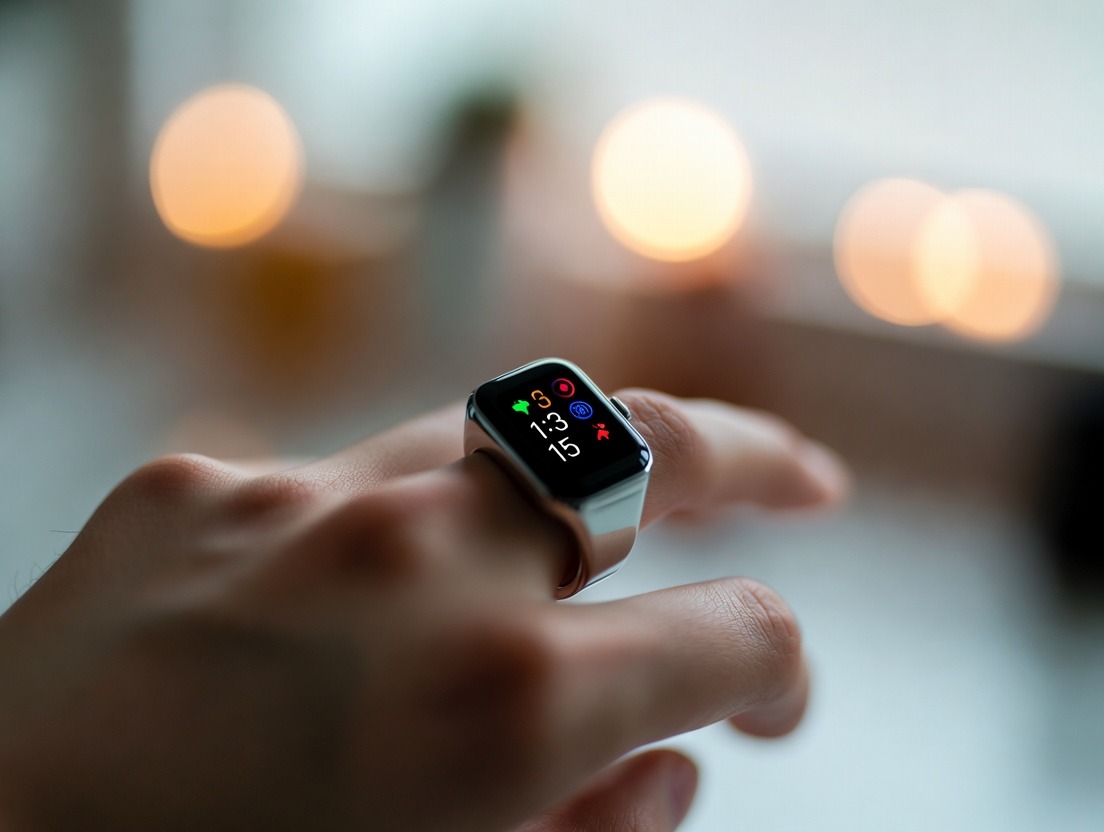
Why a ring? In the crowded landscape of wearables, the smart ring stands apart, not just in form, but in fundamental philosophy. Wrist-worn devices are often bulky, noticeable, and easily removed. They live in a space associated with timekeeping and notification—a space of interruption. A ring, by contrast, is personal, intimate, and constant. It is a piece of jewelry we wear through showers, sleep, handshakes, and hugs. This permanence and subtlety make it the ideal form factor for measuring social and emotional physiology.
The goal of social-emotional tracking is not to audit your conversations or judge your relationships. It is to reveal the unconscious, autonomic nervous system responses that underpin them. These responses—the slight sweat of anxiety (via electrodermal activity), the heart's subtle quickening in excitement or fear (via PPG sensors), the core temperature shift that precedes emotional overwhelm—are often invisible to our conscious mind. We might think a weekly meeting is "fine," while our physiology has been in a low-grade fight-or-flight state for an hour. The smart ring, sitting on a finger rich with capillaries, is exquisitely positioned to capture these signals continuously and passively.
This unobtrusiveness is key. Unlike having to strap on a chest monitor or remember to log a mood in an app, the ring simply collects data in the background of your life. It captures your true baseline during a quiet morning alone. It notes the physiological shift when your child runs to greet you. It sees the calming effect of a walk with a trusted friend versus the strained stress of a contentious phone call. By being always-on and minimally invasive, it avoids the "observer effect," where the act of measurement changes the behavior being measured.
The data becomes a reflection, not an intrusion. For instance, after a social gathering, you could review your stress and recovery metrics not to label the event "good" or "bad," but to understand its cost or benefit to your nervous system. You might discover that large groups are highly draining for you, while one-on-one connections are deeply restorative. This isn't about becoming antisocial; it's about making intentional, informed choices to structure a social life that genuinely fuels you. This kind of insight can directly impact your sleep quality, as social exhaustion is a common sleep disruptor; understanding your patterns can guide you toward a more effective natural sleep preparation perfect evening wind down.
Ultimately, the smart ring transforms from a fitness tracker into a connection tracker. It serves as a gentle, objective mirror, showing us the biological truth of our interactions and helping us align our daily lives with the connections that make us feel—and literally become—healthier.
The idea that relationships are "good for you" is now supported by hard neuroscience and physiology. Our bodies are not self-contained units; they are open systems constantly regulating and being regulated by the people closest to us. This process, called coregulation, is the hidden engine of emotional and physical health.
At its most basic, coregulation is the way a soothed caregiver calms a distressed infant. The baby's chaotic nervous system borrows stability from the adult's calm one through touch, voice, and rhythm. This isn't metaphorical; it's a direct biological transfer. But this need doesn't end in childhood. Adults coregulate constantly, though usually less overtly. A gentle touch from a partner can lower blood pressure. The reassuring voice of a friend can slow a racing heart. Laughter with colleagues can release endorphins and dampen stress hormones. Our relationships provide an external toolkit for managing our internal state.
This is where the concept of physiological synchrony comes in. Advanced studies using synchronized biometric monitors show that during moments of deep connection and rapport, people's physiological rhythms align. Their heart rates rise and fall in tandem. Their breathing patterns match. This synchrony is associated with feelings of trust, empathy, and mutual understanding. It’s the biological signature of "being on the same wavelength."
Conversely, a lack of synchrony or dysregulation is the signature of distress. In conflicted relationships, physiologies can become antagonistic—one person's calming attempts might actually trigger the other's escalation. Chronic relational stress, where the home environment is a source of threat rather than safety, keeps the nervous system in a perpetual state of alert. This has a direct and devastating impact on health, contributing to hypertension, weakened immunity, and systemic inflammation. The restorative power of sleep is also sabotaged by this dynamic, making resources like how to sleep through the night naturally no more 3am wake-ups critically important for those in strained relational environments.
The implication for daily health optimization is profound. It means that curating our relational world is a direct act of biological self-care. Seeking out and nurturing relationships that promote synchrony and coregulation is as important as choosing nutritious food. It means that a difficult but important conversation that leads to resolution (and thus, eventual synchrony) is a health-promoting act, even if it’s stressful in the moment. The smart ring's value here is in making this invisible dance visible. It can help you identify the people and interactions that bring your physiology into harmony, empowering you to prioritize that nourishing sync.
We spend enormous energy trying to manage our emotions, but we often skip the foundational step: accurately identifying them. Most people operate with a limited emotional vocabulary: "good," "bad," "stressed," "fine." This is like a painter trying to create a masterpiece with only four colors. Emotional granularity is the skill of experiencing and labeling emotions with high specificity. It’s the difference between feeling "bad" and discerning that you are feeling "disappointed," "humiliated," "nostalgic," "lethargic," or "wistful."
Why does this matter for health? Because specific emotions have specific action tendencies and physiological profiles. The vague feeling of "stress" could be anxiety (which urges avoidance), anger (which urges confrontation), or frustration (which urges problem-solving). If you mislabel it, you’ll apply the wrong remedy. Telling someone with deep grief to "just go for a run" (an anger/frustration solution) is often unhelpful. They may need the slow, connecting remedy of sadness—perhaps sharing memories with a loved one.
High emotional granularity is a superpower. Research shows people who can precisely pinpoint their emotions:
So how do we build this skill? It starts with mindful curiosity, a turning toward discomfort with a question rather than an immediate solution. Technology, like a smart ring, can act as a curiosity trigger. A notification of "elevated stress" shouldn't be an alarm, but an inquiry: "My body is activated. What is the nuanced emotion underneath this? Is it the tight focus of deadline pressure? The hot agitation of injustice? The hollow dread of uncertainty?"
By pausing to name it precisely—"I'm feeling overwhelmed and inadequate"—you instantly gain a degree of distance and control. The emotion becomes something you have, not something you are. This simple act reduces the amygdala's alarm and engages the prefrontal cortex for regulation. From that clearer place, you can choose an action that fits the true need, rather than reacting blindly. This practice of mindful identification is especially powerful in the evening, turning a chaotic mind into a settled one and paving the way for a natural sleep routine that changed my life real results.
Developing granularity transforms your internal world from a confusing noise into a detailed map. It is the essential first step in emotional optimization, turning raw, overwhelming feeling into intelligible, manageable information.
In our productivity-obsessed culture, even our social lives can become transactional. Networking events are for career advancement. Social media is for personal branding. Catch-ups are crammed into 30-minute calendar slots. We often focus on the quantity of social contact (number of friends, events attended) while neglecting the far more important factor: quality.
Health optimization requires us to shift from social transactions to meaningful interactions. A transaction is an exchange for mutual benefit. An interaction is a shared experience where the primary goal is connection itself. The biological rewards are vastly different. Transactions, while sometimes necessary, often carry a low-grade stress of performance and expectation. Meaningful interactions, characterized by safety, vulnerability, and mutual attention, trigger the release of oxytocin (the "bonding hormone"), reduce cortisol, and activate the parasympathetic "rest-and-digest" nervous system.
How can we intentionally cultivate higher-quality interactions?
Prioritize Dyads and Triads: While large groups have their place, the deepest coregulation and synchrony happen in small settings—one-on-one or with two other people. The cognitive load is lower, allowing for more vulnerability and deeper listening. Make a conscious effort to schedule regular, uninterrupted time with the most important people in your life, with the phone away and the intention to connect.
Embrace Shared Silence: Connection doesn't require constant conversation. Sitting in comfortable silence with someone—on a walk, watching a sunset, reading in the same room—is a powerful testament to secure attachment. It allows nervous systems to co-exist in a calm, unpressured state. This practice is a profound de-stressor and can be a wonderful prelude to restful sleep, much like the principles behind how natural breathing techniques improve sleep quality.
Engage in Cooperative, Not Competitive, Activity: Play a cooperative board game, cook a meal together, work on a puzzle, or go for a hike. Activities with a shared goal, rather than a winner and loser, foster teamwork, laughter, and a sense of shared accomplishment. They create positive associative memories around that person's presence.
Practice Active Constructive Responding: When someone shares good news, your response style dramatically affects connection. An "active-constructive" response (enthusiastic engagement: "That's amazing! Tell me all about it! How did it feel?") amplifies their joy and deepens the bond. Passive or dismissive responses ("That's nice," followed by a subject change) subtly erode it.
A smart ring can provide post-interaction feedback on the physiological impact of these choices. Did that deep, one-on-one coffee chat show a beautiful pattern of initial engagement followed by deep calm? Did the large, noisy party keep your stress metrics elevated throughout? This data isn't meant to make you avoid all stimulating events, but to help you balance your social portfolio and ensure you're investing enough in the high-yield, restorative connections that truly optimize your health.

Our digital tools present the greatest paradox in the history of human socialization. They offer the promise of boundless connection while simultaneously being engineered to foster isolation, comparison, and fragmentation of attention. Optimizing daily health in the 21st century requires that we move from passive consumption of technology to intentional, masterful use of it. We must wield the sword, not be wounded by it.
The Isolation Trap is clear. Endless scrolling through curated highlight reels can induce "compare and despair," fueling loneliness and inadequacy. Notification-driven, splintered communication (quick texts, reactive comments) replaces the deep, sustained attention that nourishes relationships. These platforms are designed to hijack our dopamine systems, keeping us in a state of anxious craving rather than satisfied connection. This state of hyper-arousal is the enemy of both social calm and natural sleep patterns working with your biology not against it.
However, the Connection Potential is equally real. Technology allows for maintained ties across distance through meaningful video calls that preserve facial expressions and tone. It can facilitate finding niche communities of support (for specific hobbies, health conditions, or life stages) that would be impossible locally. It can be a tool for orchestrated, positive social planning and reminiscence (shared photo albums, event planning).
The key is strategy:
Design for Intention, Not Impulse: Turn off all non-essential notifications. Designate specific times to check social media or messaging apps, rather than allowing them to be a constant background interruptor. Use the "do not disturb" function liberally, especially during quality social time and the critical window before bed.
Prioritize Rich-Media, Synchronous Communication: A voice message is better than a text. A video call is vastly superior to a string of emails for personal matters. The more sensory channels involved (voice, video), the greater the potential for coregulation and empathy.
Use Tech to Enable Offline Connection: Use group chats to plan an in-person hike. Use a shared digital calendar to find time for a real dinner. Use technology as the bridge to the analog world, not the destination.
Perform a Digital Relationship Audit: Periodically review who you follow and interact with. Does this account/news source/group leave you feeling energized, informed, and connected, or anxious, angry, and lonely? Prune mercilessly. Curate a digital environment that supports your emotional and social health.
A smart ring can be a powerful ally in this audit. You might notice that your stress levels spike and your HRV dips during certain periods of phone use. Is it the doom-scrolling through news, or the tense family group chat? This objective data can provide the motivation needed to enact healthier digital boundaries, protecting your most valuable asset for connection: your present, attentive, and calm state of mind.
A health-optimized life is not a conflict-free life. In fact, avoiding conflict at all costs is a recipe for resentment, passive aggression, and emotional stagnation—all of which are toxic to health. The goal is not to eliminate disagreement, but to transform it from a source of toxic stress into an opportunity for growth, understanding, and ultimately, stronger connection. Healthy conflict is a catalyst.
Toxic conflict is characterized by the "Four Horsemen" identified by relationship researcher John Gottman: Criticism, Contempt, Defensiveness, and Stonewalling. These behaviors trigger massive physiological stress responses—skyrocketing heart rates, flooding of stress hormones—and shut down the possibility of resolution. They are the arguments where nothing gets solved and everyone feels worse.
Healthy conflict, or repair-oriented disagreement, follows a different physiological and psychological arc. The initial stress of disagreement is still present, but the nervous system is kept within a "window of tolerance" where problem-solving is still possible. The outcome is often a deeper mutual understanding and a solution that strengthens the relationship.
How do we steer conflict toward health?
Regulate Before You Relate: If you feel your body hijacked by anger or fear (heart pounding, face hot, thoughts racing), pause. This is where emotional granularity helps. Say, "I'm feeling too flooded to talk about this well right now. I need 20 minutes to calm down, and then I really want to understand your perspective." This is not stonewalling; it is a committed pause for self-regulation. Techniques from better sleep naturally for anxious minds calming strategies, like focused breathing, can be invaluable here.
Focus on Impact, Not Intent: Use "I feel" statements to describe the impact of a behavior, rather than accusing the other person's character. "I felt hurt and unimportant when our dinner plan was canceled last minute" is more productive than "You are so selfish and flaky."
Seek Understanding, Not Victory: The goal is not to win the argument, but to understand your partner's perspective and be understood yourself. Ask questions. Paraphrase what you hear. "So what I'm hearing is that you felt pressured by work and panicked, not that you didn't want to see me?"
Practice Repair Rituals: Have agreed-upon signals or phrases to de-escalate. It could be a silly word, a hand signal, or simply saying, "This is getting heated, but you matter more than this argument."
A smart ring can serve as an early-warning system for physiological flooding. If it detects your heart rate climbing past a productive threshold during a difficult talk, it could give a discreet vibration, reminding you to pause and regulate. Post-conflict, you can review your recovery time. A quick return to baseline after a healthy argument is a great sign. A prolonged recovery might indicate that the issue needs further, calmer discussion. By reframing conflict as a skill to be mastered rather than a demon to be avoided, we unlock its potential to clear the air, deepen empathy, and build resilient, health-promoting relationships.
Like any aspect of health, social and emotional well-being cannot be sustained by grand, annual gestures alone. It thrives on daily, small-dose rituals—the micronutrients of connection. These rituals are intentional, repeatable acts that signal safety, priority, and presence to our loved ones and to our own nervous systems. They are the antithesis of distracted, transactional contact.
Integrating these rituals creates a web of predictable, positive touchpoints that buffer against daily stress and build a reservoir of relational resilience. Here are foundational practices to weave into your daily life:
The Six-Second Kiss (or Hug): Pioneered by relationship experts, this is a kiss or full-bodied hug that lasts a minimum of six seconds. Why six? It’s the approximate time needed for a meaningful release of oxytocin, the bonding hormone. This simple ritual, done upon parting and reuniting, is a powerful physiological reset that says, "You are my safe harbor." It bookends the day with connection.
The Gratitude Reflection: This can be individual or shared. At the end of the day, reflect on or share with a partner one specific, small thing you appreciated about them or a positive social moment you experienced. "I felt so supported when you made coffee this morning." "I really enjoyed that quick laugh with my coworker today." This practice trains the brain to scan for positive social data, reinforcing the bonds that exist.
The Presence Pause: Before entering your home or a significant meeting, take 60 seconds. Put your phone away. Take three deep breaths. Set an intention to be fully present with the people you are about to encounter. This creates a transition from the transactional outside world to the relational space.
Synchronized Activity: Engage in a simple, quiet activity in parallel with a loved one. Reading in the same room, gardening side-by-side, or even following the same natural breathing techniques improve sleep quality routine before bed. These activities promote non-verbal synchrony and a profound sense of peaceful companionship.
The Weekly Connection Inventory: Once a week, take five minutes to look at your coming week's calendar. Ask: "Where are my opportunities for high-quality connection? Is it a lunch with a friend, an uninterrupted evening with my partner, a phone call to my sibling?" Schedule and protect these like you would a critical business meeting. Then, also identify the potentially draining social obligations and plan for recovery time afterward.
The smart ring can reinforce these rituals by providing positive feedback. Did your stress metric dip after that six-second hug? Did your heart rate variability show a calming pattern during your synchronized reading time? This positive reinforcement makes the intangible benefits of connection tangible, motivating you to maintain these vital daily practices. They become the non-negotiable infrastructure of an optimized, socially-rich life.
You would not run a company without a trusted board of directors offering diverse expertise. Yet, we often try to run our complex lives—with their emotional, logistical, and existential challenges—with a haphazard or undifferentiated support network. Health optimization requires that we become intentional architects of our social support, actively curating a "Personal Board of Directors."
This board is not about popularity; it's about strategic, functional support. Different people in our lives can play different, crucial roles. A well-curated board provides a complete spectrum of support, ensuring no single relationship is overburdened and all your needs are met.
Consider these essential "board seats":
The Confidant: This is the person with whom you can be utterly vulnerable, share your deepest fears and shames, and know you will be met with empathy, not judgment. They offer a sanctuary of unconditional positive regard.
The Celebrant: This is the person who is genuinely thrilled by your successes. They practice active-constructive responding. They remind you to celebrate your wins and see your own light when you forget it.
The Challenger: This person loves you enough to tell you hard truths. They offer respectful, constructive feedback. They ask the tough questions that help you grow, even when it's uncomfortable.
The Comrade: This person shares your specific struggle or journey—a parenting buddy, a fitness partner, a colleague in the same industry. They offer practical tips, shared commiseration, and the deep understanding that comes from walking a similar path.
The Calm: This is the person whose very presence is regulating. They may not say much, but their steady, grounded energy is a balm for your nervous system. Time with them feels like a reset.
The Connector: This person has a wide, diverse network and enjoys introducing people. They can help you expand your social world in meaningful, vetted ways.
Your task is to identify who, in your current circle, might fill these roles (one person can fill multiple). Notice the gaps. Are you lacking a Challenger, leaving you intellectually stagnant? Do you have no Calm presence, leaving you perpetually dysregulated? You can then take small, intentional steps to strengthen relationships in the needed areas or seek out new connections to fill the gaps.
A smart ring can provide data to inform this curation. You might see that time with your "Calm" friend consistently produces your highest HRV readings of the week. You might notice that interactions with a supposed friend consistently spike your stress. This objective feedback helps you allocate your most precious resource—your time and emotional energy—toward the relationships that constitute a truly supportive, health-optimizing board. This intentional social architecture ensures you are never navigating life's challenges alone.
True health optimization cannot exist in a vacuum. While personal rituals are vital, there is a profound power in practices that are shared—experiences that synchronize a group’s physiology and emotion toward a common state of restoration. These are not merely social activities; they are communal wellness protocols that leverage our innate biological drive for belonging to amplify individual health benefits. In an age of fragmentation, the intentional creation of these shared restorative spaces is a radical act of public health.
Communal restoration moves beyond conversation. It engages the body, the breath, and the shared environment to create a unified field of calm or joy. Think of the deep peace felt in a silent group meditation, the collective euphoria of singing in a choir, the synchronized exertion and release of a group yoga class, or the gentle camaraderie of a walking group. These activities trigger what sociologist Émile Durkheim called "collective effervescence"—a shared emotional energy that strengthens social bonds and provides a powerful sense of meaning and transcendence.
The physiological mechanisms are clear. Group synchronization activities, like chanting, dancing, or even rhythmic breathing, can lead to entrainment—where individual heart and respiratory rhythms begin to align. This biological synchrony fosters powerful feelings of unity and trust, while reducing individual perceptions of stress and pain. The shared focus provides a cognitive break from personal worries, offering a form of "social mindfulness." Furthermore, committing to a regular group practice provides the external structure and accountability that many struggle to maintain solo, turning health optimization from a private chore into a shared journey.
Building or joining such a community might be the single most impactful lever you can pull for your social-emotional health. It answers the primal need to be part of a tribe moving toward a common good. For the time-crunched professional, this could be a weekly run club that serves as both cardio and connection. For the new parent feeling isolated, a postpartum yoga class provides physical recovery alongside empathic support from those in the same life stage. For anyone, a regular meditation or breathwork circle can offer structured recovery that directly counters the day's stress and sets the stage for far better sleep, complementing individual efforts like those found in a natural sleep hygiene guide for beginners.
The smart ring’s role here is to measure the before-and-after effect of communal practice on your personal physiology. Does your stress graph show a steep, sustained drop after choir practice? Does your sleep score improve on nights after your men’s/women’s circle? This data validates the profound, measurable impact of chosen community on your biology, moving it from a "nice feeling" to a non-negotiable component of your health protocol.
In our digitized, often contact-averse world, we have systematically undervalued our largest organ: the skin, and its primary language: touch. Yet, touch is a fundamental channel of social and emotional health, a direct line to the autonomic nervous system. To neglect it is to ignore one of the most potent, research-backed tools for health optimization we possess.
Touch is not monolithic; its health impacts vary by type and context. Affiliative touch—the warm, caring touch from a trusted person—is what we most acutely lack. This includes hugs, hand-holds, shoulder squeezes, and casual caresses. This kind of touch:
The deprivation of this kind of touch, known as skin hunger, has devastating effects, linked to increased anxiety, depression, immune dysfunction, and disordered sleep. It tells the body it is alone in an unsafe world.
Professional touch, like massage therapy, offers profound benefits by reducing muscular tension and systemic inflammation, but it often lacks the emotional co-regulation of affiliative touch. Self-touch, like placing a hand on your own heart or giving yourself a gentle arm massage, can be a surprisingly effective tool for self-soothing, activating some of the same calming pathways.
Integrating healthy touch into daily life requires intention and consent. It starts with the small rituals: the six-second hug, a hand on a partner's back while passing in the kitchen, a heartfelt handshake with a friend. For those living alone, seeking out contexts for safe, consensual touch is crucial—this could be through partner dancing, acro-yoga, or even regular professional massage. The goal is to move touch from the periphery of our awareness to the center of our wellness practice.
A smart ring, while not measuring touch directly, can quantify its downstream effects. You might see your heart rate variability—a key indicator of vagal tone—improve significantly on days with high affiliative touch. You might note that a 20-minute massage corresponds with a detectable drop in your nighttime resting heart rate. This biofeedback reinforces the simple, ancient truth: we are meant to be in physical contact. Healing, calming, and regulating each other through touch is not a luxury; it is a biological imperative for a health-optimized life. For those whose sleep suffers from a baseline of anxiety, combining touch with other sensory strategies, like those in how to use natural sounds for deeper sleep, can create a powerful multi-sensory relaxation protocol.

Our closest relationships—with a romantic partner, family members, or lifelong friends—act as the most revealing mirrors for our own emotional and social health. They are the ground where our patterns, wounds, and capacities for love are most vividly displayed. These bonds are not just reflections, however; they are active, dynamic systems that directly shape our physiological state. Optimizing your health, therefore, requires a courageous audit of these primary connections.
A healthy relationship system functions as a secure base and a safe haven. As a secure base, it provides the confidence to explore the world, take risks, and grow, knowing you have support to return to. As a safe haven, it offers unconditional retreat, comfort, and coregulation in times of distress. Relationships that consistently provide this double function are among the greatest health assets a person can have.
Conversely, relationships characterized by chronic unpredictability, criticism, or emotional neglect are significant health liabilities. They create a state of persistent allostatic load—the wear and tear on the body from chronic stress. This manifests not just emotionally, but physically: in suppressed immune function, heightened inflammatory response, increased visceral fat, and accelerated cellular aging.
To use your relationships as a diagnostic mirror, ask these reflective questions:
This is not about finding perfect, conflict-free relationships. It is about discerning between the constructive friction that leads to growth and the destructive friction that leads to erosion. A relationship that challenges you to be better while making you feel fundamentally accepted is a wellness tool. A relationship that makes you feel chronically inadequate, anxious, or drained is a source of toxic stress.
For those in long-term partnerships, the synchronization of daily rhythms—waking, eating, moving, and winding down together—can be a powerful health multiplier. When partners align their routines, they support each other’s biological rhythms. This is especially potent for sleep, where going to bed and waking up together (even if not perfectly synchronized) can regulate both parties' circadian clocks. Exploring a shared natural sleep preparation perfect evening wind down ritual can turn sleep into a connective, health-promoting partnership activity.
The data from a wearable can provide objective, non-blaming insights into this relational system. You might discover that weekends with your partner show beautifully stable stress profiles, while visits with a certain family member produce predictable, prolonged stress spikes. This information isn't meant to mandate cutting people off, but to empower you to manage these interactions with greater awareness, stronger boundaries, and more deliberate recovery strategies. It allows you to see the system you are in, so you can decide how to heal within it—or when necessary, step away from it to preserve your health.
The majority of our daily social and emotional exchanges now occur through a digital medium—text messages, emails, and direct messages. This landscape is fraught with peril for emotional health, as it strips away the crucial non-verbal cues (facial expression, tone of voice, body language) that constitute over 90% of emotional communication. What remains is a barren plain of text, ripe for misinterpretation, projection, and anxiety—a phenomenon often called "digital disambiguation distress."
A simple period can seem angry. A delayed reply can spiral into a narrative of rejection. A lack of emojis can read as coldness. Our brain, designed for face-to-face interaction, tries desperately to fill in the missing data, often with a negative bias born from self-doubt or past hurts. This constant, low-grade guessing game is a significant cognitive and emotional drain, contributing to what anthropologist Natasha Schüll calls "the agitation of maybe."
Cultivating digital empathy is therefore an essential skill for modern wellness. It involves a conscious, two-part practice: managing your own interpretations and crafting your communications with clarity and care.
For Incoming Messages: Practice the "Benefit-of-the-Doubt Protocol."
For Outgoing Messages: Practice "Preventive Clarity."
This mindful approach to digital communication reduces the "noise" in your social-emotional field. It conserves the mental energy otherwise spent on decoding and worrying, freeing it up for real-world connection and personal restoration. It directly lowers the background stress that can poison an evening, making it easier to transition into a state fit for better sleep naturally for anxious minds calming strategies. By mastering digital empathy, you transform a primary source of daily agitation into a tool for clearer, kinder, and more efficient connection.
At the heart of deep social connection lies a counterintuitive act: the voluntary sharing of weakness, fear, or imperfection—in short, vulnerability. In a performance-driven culture, vulnerability is often mistaken for fragility. Yet, from a health optimization standpoint, it is the very mechanism that builds psychological resilience, deepens trust, and triggers powerful biological rewards. It is the engine of the "vulnerability loop," a social feedback system that transforms isolation into bonded strength.
The loop works like this: Person A takes a risk by sharing something authentic and unpolished (e.g., "I really struggled with anxiety before that presentation"). This signals trust. Person B responds with empathy, acceptance, or a reciprocal disclosure ("I totally get that; I had to practice in my car for an hour"). This response rewards the initial risk, deepens the bond, and makes Person B more likely to be vulnerable in return. The loop reinforces itself, creating a space of mutual safety that is profoundly regulating for the nervous system.
Why is this so healthy? Vulnerability, when met with empathy:
The key is contextual vulnerability—sharing the appropriate depth with the appropriate person. Oversharing with an acquaintance can be dysregulating. Strategic, incremental sharing with a trusted confidant is health-promoting.
How to initiate a positive vulnerability loop?
A smart ring can offer a subtle, personal nudge here. If you notice your stress metrics are consistently high around a certain topic you've been avoiding, it might be data suggesting that holding that secret is costing you. Finding a safe person and a right moment to initiate a vulnerability loop around that topic could be the release valve your nervous system needs. It turns the hidden burden into a shared load, lightening the physiological cost of carrying it alone. This emotional unburdening is one of the most direct paths to the mental quietude required for natural sleep patterns working with your biology not against it.
Healthy social ecosystems thrive on a dynamic balance of giving and receiving. This reciprocity is the circulatory system of relational health, ensuring emotional resources flow in all directions. However, many modern wellness seekers, particularly those in caregiving roles or helping professions, fall into a trap of chronic, unreciprocated giving. This leads to empathic drain—a state of emotional and physical exhaustion from over-identifying with and carrying the burdens of others. It is the shadow side of connection, and a major optimizer of health must learn to manage it.
Empathic drain is more than tiredness; it is a specific stress profile. It involves:
The antidote is not to stop caring, but to transform your empathy from a finite resource you deplete into a renewable skill you practice. This requires establishing boundaries and mastering the art of receiving.
Strategies to Maintain Reciprocity Balance:
Technology can be a guardian here. A smart ring tracking stress load can serve as an objective "resource monitor." If you see your stress metrics climbing and staying elevated after a series of caregiving interactions, it's a data-driven signal that your empathic reserves are low. It’s time to switch modes—to seek solitude, engage in a strictly fun activity, or ask for support for yourself. This prevents the slow leak of empathic drain from undermining your broader health, including the recovery that happens during sleep. Without this balance, even the best natural sleep supplements what works and what's just hype will struggle to counteract the systemic exhaustion of chronic over-giving.
This entire journey—from understanding loneliness to practicing vulnerability—is empowered by the data from tools like a smart ring. But this introduces a critical, final skill: the art of moving from data-driven obsession to wisdom-informed living. The goal of tracking is not to achieve a perfect score in "social connection" or "emotional calm." The goal is to use data as a compassionate guide, not a harsh judge, to foster greater self-awareness and intentionality.
Raw biometric data is meaningless without a narrative. A spike in stress is not "bad"; it is information. It could mean you were having a passionate debate, receiving exciting news, or feeling threatened. The wisdom lies in the contextual interpretation.
Principles for Wise Interpretation:
The smart ring, at its best, fades into the background as a tool. The initial phase of checking data frequently gives way to a calmer, more integrated understanding. You start to feel when you're out of sync, or when a connection was nourishing, and the data simply confirms your embodied knowing. It trains your interoception—your sense of what's happening inside.
This wise relationship with data prevents the quantification of your humanity from becoming another source of stress. It allows you to use technology to ultimately become more technologically independent—more attuned to your own body's signals and your heart's truths. It turns the endless pursuit of optimization into a graceful dance of awareness, acceptance, and intentional action. And from that place of integrated wisdom, every choice—from what you eat, to how you move, to who you spend time with, to how you prepare for better sleep naturally in every season weather-proof tips—becomes a coherent expression of a life optimized not just for length, but for depth, connection, and profound vitality.
We have explored the science, the skills, and the individual practices of social-emotional health. Now, we turn to the macro level: the intentional design of your lifestyle and environment to make connection not just an activity, but an inevitable outcome of how you live. This is the architecture of belonging. Just as an architect designs a home to foster family interaction through open kitchens and common spaces, we can design our days, our weeks, and our physical spaces to invite, facilitate, and sustain meaningful connection.
Modern life, with its emphasis on private transportation, segmented work/life divisions, and digital entertainment, is often architected for isolation. We must become counter-cultural designers, inserting pro-connection elements into our personal blueprint.
Temporal Architecture: Scheduling for Serendipity
Our calendars reflect our priorities. A week packed wall-to-wall with solo tasks and appointments leaves no room for the spontaneous conversation, the extended dinner, the impromptu walk. Design your time with intentional whitespace.
Spatial Architecture: Curating Connection-Promoting Environments
Your physical environment profoundly influences social behavior.
This architectural mindset shifts connection from being an extra task on your to-do list to being the natural byproduct of your designed ecosystem. When your environment and schedule are primed for it, connection happens with less friction and more flow. This reduces the "effort" of being social, making it a sustainable part of an optimized life. For example, a home environment designed for calm connection directly supports the wind-down process essential for high-quality sleep, aligning perfectly with principles of natural sleep environment optimizing your bedroom.
While we focus on words, our bodies are having a constant, silent conversation. Posture, facial micro-expressions, eye contact, and gesture broadcast our true emotional state, often contradicting our spoken language. Becoming literate in this non-verbal lexicon is a master skill for social-emotional health. It allows you to truly "read the room," respond with greater empathy, and ensure your own body language aligns with your intent, fostering trust and reducing miscommunication.
Key Channels of Non-Verbal Communication:
The Wisdom of Interoception:
Beyond reading others, the most critical non-verbal skill is reading your own body—a sense known as interoception. This is your ability to perceive internal signals: a clenched jaw signaling rising anger, a sunken feeling in the chest signaling sadness, a flutter in the stomach signaling anxiety or excitement. A smart ring that alerts you to a rising stress level is an exteroceptive tool training your interoception. It’s saying, "Your physiology is changing. Can you feel what emotion is driving it?"
Practical Application:
Before an important conversation, do a quick body scan. Are your shoulders tense? Take a breath and relax them. Is your posture closed? Open up. During the conversation, pay attention to the other person's non-verbal cues as a check on their verbal message. If their words say "It's okay," but their arms are crossed and their gaze is averted, you might gently probe: "I want to make sure I'm hearing you fully. Is there more to this?"
Mastering this silent language reduces social friction and guesswork. It allows you to connect with what is truly being communicated, fostering a sense of being deeply seen and understood. This profound sense of safety is the ultimate social-emotional optimization, and it creates the psychological conditions necessary for the nervous system to fully relax, directly benefiting efforts like how to train your body to sleep better naturally.
Humans are not just social creatures; we are narrative creatures. We make sense of our lives, our identities, and our connections through story. The shared exchange of personal narratives is perhaps the oldest and most potent technology for building social bonds, fostering empathy, and promoting emotional healing. In the context of health optimization, intentionally leveraging storytelling transforms abstract emotional experiences into shared, manageable realities.
When you share a personal story—especially one of vulnerability, struggle, or growth—you are offering a gift of trust. You are allowing someone access to your internal world. The listener, in turn, is not just hearing information; they are neurologically mirroring your experience, activating similar brain regions as if they were living it themselves. This neural coupling is the biological basis of empathy. Furthermore, the act of coherently narrating a difficult past experience is a cornerstone of therapeutic healing. It forces fragmented, traumatic memories into a logical sequence with a beginning, middle, and end, integrating them into your life story rather than letting them remain as disruptive, isolated fragments.
For those struggling with stress or anxiety that disrupts sleep, the narrative approach can be powerful. The 3 AM wake-up with racing thoughts is a fragmented, frightening experience. Writing or speaking it into a coherent story—"My body wakes up feeling threat, my mind grabs the nearest worry, and we spin together until exhaustion"—can itself be calming. It externalizes the problem, making it something you have rather than something you are. This cognitive shift is a critical step toward the mental peace required for how to sleep through the night naturally no more 3am wake-ups.
Storytelling transforms data into drama, facts into feelings, and isolation into a shared human experience. It is the ultimate tool for weaving the separate threads of individual lives into a cohesive, supportive tapestry of community.
Among the pantheon of emotions, awe stands out as a uniquely potent social and emotional elixir. Defined as the feeling of encountering something vast that transcends our current understanding, awe is triggered by nature, art, profound ideas, or acts of great courage or kindness. While often experienced as a solitary wonder, shared awe is a rocket fuel for connection and personal transformation. It is a critical, yet overlooked, component of a health-optimized life.
The science of awe reveals its profound benefits. Experiencing awe:
When awe is shared, these effects are magnified and bonded to the relationship. Watching a breathtaking sunset with a friend, being moved to tears by the same piece of music, or witnessing a historic event together creates a powerful, indelible shared memory. You are not just feeling awe; you are feeling awe alongside someone, which validates the experience and deepens your connection to them. You have been emotionally expanded together.
How to Cultivate Shared Awe Intentionally:
This practice directly counters the myopic, self-focused stress that characterizes modern anxiety. It literally expands your perceptual and cognitive framework. The feeling of "small self" that awe produces is not degrading; it is liberating. It releases you from the tyranny of minor worries and connects you to something larger. This expanded, peaceful state is the ideal prelude to restorative sleep, as it quietens the ego's chatter. It aligns with the goal of finding natural sleep optimization zero-cost methods that work, with awe being one of the most powerful zero-cost methods available.
By scheduling awe, you are not just planning an activity; you are prescribing a profound emotional and social reset for yourself and your relationships.
No relationship, no matter how strong, is immune to missteps, misunderstandings, and hurts. These breaches of trust—from a forgotten commitment to a harsh word—are inevitable. What separates health-sustaining relationships from fragile ones is not the absence of injury, but the presence of a reliable rhythm of repair. Repair is the immune system of a relationship; it detects, contains, and heals injury, preventing infection from spreading and weakening the bond.
A failed repair leaves emotional residue—a layer of resentment, caution, or distance that accumulates over time, slowly eroding the foundation. Successful repair, however, can actually strengthen the connection, building resilience and demonstrating that the relationship can withstand honesty and conflict.
The Anatomy of a Successful Repair:
This rhythm requires vulnerability from both parties: the vulnerability to express hurt and the vulnerability to admit fault. A smart ring can sometimes flag the physiological need for repair before it becomes conscious. A period of prolonged, elevated stress after an interaction with a loved one is a strong data point suggesting an unresolved emotional breach that needs addressing.
Mastering repair turns relational injuries from catastrophic events into manageable, even growth-promoting, incidents. It ensures that small cracks don't become irreparable rifts. This security—knowing that mistakes can be survived and healed—is one of the most significant contributors to long-term emotional and physical health. It removes the chronic background anxiety of relational insecurity, which is a known sleep saboteur. A relationship with a strong rhythm of repair is a safe haven that actively supports practices like natural sleep preparation perfect evening wind down, because the mind isn't carrying unresolved conflict into the night.
Much of health optimization is, understandably, self-focused. We work on our own sleep, our own diet, our own stress. However, a vast body of research points to a powerful paradox: one of the most reliable ways to improve your own well-being is to focus on the well-being of others. Psychologist Erik Erikson called this stage generativity—the concern for establishing and guiding the next generation, which can extend beyond parenting to mentorship, teaching, volunteering, and any act that contributes to a legacy larger than oneself.
Generativity shifts your life orientation from "What can I get?" to "What can I give?" This shift has dramatic health implications:
Importantly, generativity is not about self-sacrifice to the point of empathic drain. It is about sustainable contribution from a place of abundance, however small. It is the difference between burning out as an unpaid, resentful caretaker and finding deep satisfaction in mentoring one person for an hour a week.
Forms of Generative Practice for Daily Life:
This outward focus creates a powerful positive feedback loop for your own health. The social connections, sense of meaning, and positive emotions generated directly lower stress and increase life satisfaction. This holistic well-being is the ultimate foundation for all other health behaviors, including sleep. A life lived with generativity is a life that rests with a sense of accomplishment and peace, naturally conducive to the principles of natural sleep patterns working with your biology not against it, as your daily rhythm includes meaningful contribution rather than purely self-referential striving.
We all wear different hats: professional, parent, friend, partner, child. A common source of social-emotional stress is compartmentalization—the feeling that you must show a different, fragmented version of yourself in each context. The professional is buttoned-up and driven, the friend is easygoing, the partner is vulnerable, and these selves never meet. This splitting requires constant cognitive effort and can lead to a feeling of inauthenticity, which is inherently draining.
Health optimization at the highest level involves the courageous integration of selves. This is the practice of bringing more of your complete, authentic personality into every arena of your life, appropriately and skillfully. It doesn't mean oversharing at work, but it does mean allowing your sense of humor to show in a meeting if it feels natural. It doesn't mean burdening your friends with all your work stress, but it does mean not pretending your life is perfect when it's not.
The Benefits of Integration:
Steps Toward Integration:
A smart ring tracking your stress and energy can reveal the cost of compartmentalization. You might see your stress levels peak during transitions between roles (e.g., leaving work to pick up kids), as your brain works to switch contexts. Integration smooths these transitions. As you become more whole, the physiological shifts between life domains become less jarring, conserving energy and promoting a steadier emotional state. This steadiness is the bedrock of resilience and directly supports the nervous system's ability to transition smoothly into sleep, a process explored in how to train your body to sleep better naturally. When you are not frantically switching between masks, your mind can finally, fully, rest.
As we near the culmination of this exploration, it is essential to frame social-emotional health not as a destination, but as a lifelong practice. There is no finish line, no perfect score to achieve. Like physical fitness, it requires consistent maintenance, adaptation to life's changing seasons, and compassion for periods of setback. The goal is not perfection, but progression—a deepening capacity for connection, understanding, and resilience over the course of your entire life.
This long view liberates you from the tyranny of daily metrics. A difficult week socially doesn't mean failure; it means you're in a challenging chapter of the practice. The data from your tools is not a report card, but a logbook of your journey, showing trends over months and years, not just hours and days.
The Practice Evolves With You:
Throughout all these stages, the core skills remain: vulnerability, empathy, repair, and intentional connection. What changes is the context and the depth.
Committing to the Practice:
This lifelong journey of social-emotional optimization is the ultimate investment. It pays dividends in joy, resilience, and meaning that far exceed any financial return. It ensures that your healthspan—the years you live in full vitality—is rich with shared laughter, empathetic support, and the profound peace of knowing you belong. And from that place of connected strength, every other aspect of health—from the food you choose, to the way you move, to your commitment to better sleep naturally for night shift workers yes it's possible—becomes part of a coherent, beautiful whole: a life not just lived, but deeply shared.
Your Trusted Sleep Advocate: Sleep Foundation — https://www.sleepfoundation.org
Discover a digital archive of scholarly articles: NIH — https://www.ncbi.nlm.nih.gov/
39 million citations for biomedical literature :PubMed — https://pubmed.ncbi.nlm.nih.gov/
Experts at Harvard Health Publishing covering a variety of health topics — https://www.health.harvard.edu/blog/
Every life deserves world class care :Cleveland Clinic - https://my.clevelandclinic.org/health
Wearable technology and the future of predictive health monitoring :MIT Technology Review — https://www.technologyreview.com/
Dedicated to the well-being of all people and guided by science :World Health Organization — https://www.who.int/news-room/
Psychological science and knowledge to benefit society and improve lives. :APA — https://www.apa.org/monitor/
Cutting-edge insights on human longevity and peak performance:
Lifespan Research — https://www.lifespan.io/
Global authority on exercise physiology, sports performance, and human recovery:
American College of Sports Medicine — https://www.acsm.org/
Neuroscience-driven guidance for better focus, sleep, and mental clarity:
Stanford Human Performance Lab — https://humanperformance.stanford.edu/
Evidence-based psychology and mind–body wellness resources:
Mayo Clinic — https://www.mayoclinic.org/healthy-lifestyle/
Data-backed research on emotional wellbeing, stress biology, and resilience:
American Institute of Stress — https://www.stress.org/


