


Deep Sleep for Brain Health: Cleaning Out Mental Clutter
Understand how deep sleep cleans mental clutter through the glymphatic system. Learn how slow-wave sleep removes toxic proteins and why inadequate rest threatens cognitive health.
Understand how deep sleep cleans mental clutter through the glymphatic system. Learn how slow-wave sleep removes toxic proteins and why inadequate rest threatens cognitive health.
%402x.svg)
Every night, as you slip into unconsciousness, something remarkable happens inside your skull. Your brain, which has been actively processing information and navigating the complexities of consciousness all day, begins an intensive cleaning process that quite literally clears out the mental cobwebs. This isn't poetic metaphor but scientific reality—a physiological reset that flushes away the toxic byproducts of waking thought, organizes memories, and prepares your mind for a new day of cognitive challenges.
For generations, we've understood sleep as a time of rest, but only recently have neuroscience and sleep medicine revealed its true function as an active, essential maintenance period for the brain. In our always-on, information-saturated world, this nightly cleaning ritual has never been more crucial. Yet paradoxically, the very conditions that make deep sleep essential—constant stimulation, digital overload, and heightened stress—are the same forces robbing many of us of the quality rest our brains desperately need.
The consequences extend far beyond morning grogginess. When the brain's cleaning mechanisms are disrupted night after night, metabolic waste accumulates, neural connections weaken, and our cognitive functions begin to deteriorate. Research increasingly links poor sleep quality to everything from memory lapses and reduced creativity to more serious long-term risks including cognitive decline. Your brain, quite literally, becomes cluttered—not just with unfinished thoughts and worries, but with actual cellular debris that impairs its function.
But here's the hopeful truth: understanding the science of sleep gives us the power to reclaim this essential biological process. By prioritizing and optimizing our deep sleep, we're not just avoiding fatigue—we're actively investing in long-term brain health, emotional resilience, and cognitive vitality. This article will guide you through the remarkable science of how sleep cleanses your mind, the tangible consequences when it doesn't, and practical, evidence-based strategies to enhance this nightly reset—including how modern technology like smart rings and meditation headbands can provide unprecedented insight into your personal sleep architecture.
Think of this not as another article about "getting more sleep" but as a deep exploration of why quality matters more than quantity, how your brain uses those quiet hours, and what you can do to transform your relationship with rest. Your mind's cleanliness—and therefore its health—depends on what happens after you turn out the lights.
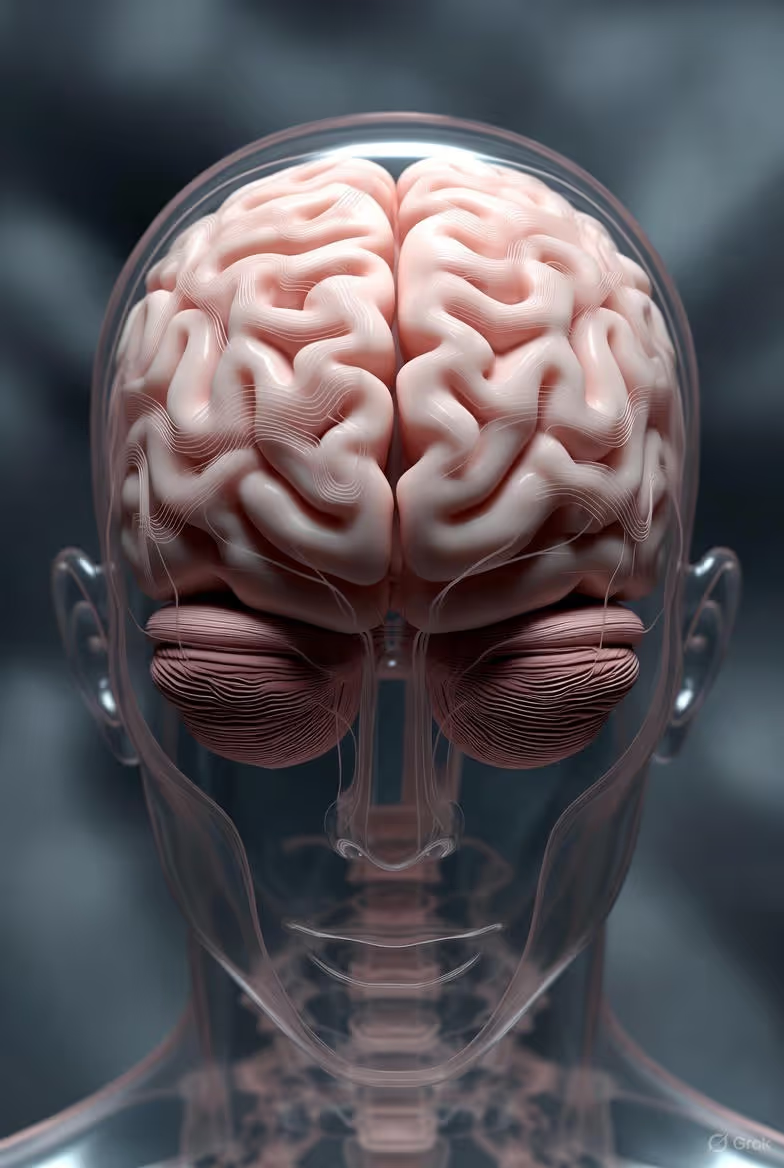
For centuries, scientists and philosophers pondered why we spend roughly one-third of our lives unconscious. The answer began to crystallize in 2013 when neuroscientist Maiken Nedergaard and her team at the University of Rochester made a groundbreaking discovery: the brain possesses its own unique waste clearance system, which they named the glymphatic system. This biological revelation fundamentally shifted our understanding of sleep from passive rest to active maintenance.
The glymphatic system operates like a sophisticated plumbing network specifically designed for the brain's delicate architecture. Unlike the rest of your body, which uses the lymphatic system to remove cellular waste, your brain is protected by the blood-brain barrier—a selective filter that keeps out most pathogens but also prevents traditional lymphatic vessels from entering. The glymphatic system evolved as an elegant solution: it piggybacks on the brain's blood vessels to create a parallel cleaning circuit.
Here's how this nightly detoxification works: during deep sleep, your brain cells actually shrink by about 60%, creating expanded interstitial spaces (the gaps between neurons). Cerebrospinal fluid—the clear liquid surrounding your brain and spinal cord—rushes through these newly widened channels, essentially power-washing your neural tissue. This fluid flushes away metabolic waste products that accumulate during waking hours, including proteins like beta-amyloid and tau, which are associated with neurodegenerative diseases when they build up.
What makes this process particularly remarkable is its exquisite timing. The glymphatic system isn't merely more active during sleep—it's primarily active only during sleep. Research using advanced imaging techniques has shown that cerebrospinal fluid flow increases by a staggering 90-95% during deep non-REM sleep compared to wakefulness. This isn't a slight uptick in activity but a fundamental shift in the brain's operational mode.
Why does this cleaning occur primarily during sleep? The explanation lies in the brain's limited resources. During waking hours, your brain is optimized for information processing—taking in sensory data, making decisions, forming memories. This cognitive work requires substantial energy and leaves behind metabolic waste. The brain simply cannot efficiently perform both high-level computation and system-wide cleaning simultaneously. As one sleep researcher aptly noted, "You can think of it like having a house party. You can either entertain the guests or clean up the house, but you can't really do both at the same time".
The cleaning process follows a precise neurological choreography:
This cycle repeats approximately every 90 minutes throughout the night, with the longest periods of deep sleep typically occurring during the first half of your rest. That's why those initial hours of sleep feel particularly crucial—they contain your brain's most intensive cleaning sessions.
The glymphatic system removes several specific waste products that, if allowed to accumulate, impair brain function:
The implications of this discovery are profound. We now understand that sleep literally cleans the brain at a cellular level. When you shortchange your deep sleep, you're not just accumulating sleep debt—you're allowing neurotoxic waste to build up in the very organ responsible for your consciousness, memory, and identity. This isn't merely about feeling refreshed in the morning; it's about maintaining the long-term health of your most vital organ.

Imagine your conscious mind as a computer desktop. Throughout your waking hours, you open applications (tasks), create documents (ideas), download files (information), and occasionally experience system crashes (overwhelm). A well-maintained system periodically closes programs, organizes files into folders, and empties the trash. But what happens when you skip these maintenance routines? The desktop becomes cluttered with overlapping windows, unsaved documents, and redundant files until the system slows to a crawl or freezes entirely.
This isn't merely an analogy—it's a neurological reality. Psychologists use the term "cognitive clutter" to describe the mental state characterized by excessive competing thoughts, unresolved tasks, and fragmented attention. Unlike physical clutter in your environment (which we'll explore later), cognitive clutter occurs entirely within your mind, yet its effects are equally tangible: decision fatigue, reduced working memory, creative blocks, and that persistent feeling of mental fog.
Neurologically, cognitive clutter represents unfinished cognitive business—thought loops that haven't reached resolution, decisions that remain pending, emotions that haven't been processed. During waking hours, your prefrontal cortex (the brain's executive center) attempts to manage these open loops, but this constant background processing consumes what cognitive scientists call attentional resources—a finite commodity. Every unresolved thought, worry, or task represents a "mental tab" left open, gradually draining your cognitive bandwidth.
Here's where sleep—particularly deep sleep—performs one of its most valuable functions: cognitive consolidation and organization. Just as the glymphatic system clears cellular debris, your sleeping brain organizes the day's mental acquisitions. Research has revealed several specific organizational processes that occur during different sleep stages:
When sleep is disrupted or insufficient, these organizational processes are incomplete. Memories remain fragmented, emotions retain their raw edge, skills plateau, and creativity stagnates. More troublingly, the unprocessed mental material doesn't simply disappear—it accumulates, creating what psychologists call the "Zeigarnik effect": the tendency to remember unfinished tasks better than completed ones. This creates a self-perpetuating cycle where sleep deprivation leads to more cognitive clutter, which in turn makes it harder to achieve the quality sleep needed to clear that clutter.
Perhaps the most pernicious aspect of cognitive clutter is its relationship with stress and sleep disruption. When your mind is filled with unresolved concerns, your body's stress response system remains subtly activated. Cortisol levels—which should naturally decline in the evening—may remain elevated, interfering with the transition to sleep. Once asleep, you're more likely to experience fragmented sleep architecture, with more frequent awakenings and less time in the crucial deep sleep stages where the most intensive cleaning and organization occur.
This creates a dangerous feedback loop:
Breaking this cycle requires understanding that sleep isn't merely recovery from the day's stresses—it's prevention against tomorrow's. By optimizing your sleep, you're not just addressing yesterday's mental clutter; you're building cognitive resilience against the clutter that will inevitably accumulate tomorrow. This forward-thinking approach transforms sleep from passive recovery to active preparation—a shift in perspective that can revolutionize your relationship with rest.

While we've explored the concept of mental clutter, there's a tangible, physical dimension to this phenomenon that directly impacts sleep quality: the environments in which we live and sleep. Emerging research reveals a powerful bidirectional relationship between external disorder and internal disruption, with cluttered living spaces acting as both symptom and cause of poor sleep.
Neuroscientists have discovered that visual clutter—the chaotic arrangement of objects in our environment—creates "cognitive overload" by presenting too many competing stimuli for our brains to process efficiently. Unlike a minimalist space that allows for mental rest, a cluttered environment demands constant low-level attention as our visual cortex attempts to make sense of the disorder. This perpetual processing drains the same cognitive resources needed for focus, decision-making, and importantly, the mental winding-down process that precedes quality sleep.
The impact extends beyond mere visual processing. Clutter often represents unfinished business—piles of unsorted mail symbolize administrative tasks, overflowing laundry hampers represent chores, and disorganized workspaces hint at professional obligations. Each of these visual cues acts as a subtle reminder of incomplete responsibilities, triggering what psychologists call "task-interruption stress." Even when you're not consciously thinking about these tasks, your brain registers them as open loops requiring closure, maintaining a background level of cognitive tension that contradicts the relaxation necessary for sleep onset.
The bedroom environment deserves particular attention, as it's the space most intimately connected to sleep quality. Research consistently shows that people sleeping in cluttered, disorganized bedrooms experience:
These effects aren't merely psychological. The stress response triggered by chaotic environments has measurable physiological components: elevated evening cortisol levels, increased heart rate, and higher sympathetic nervous system activation—all of which directly oppose the parasympathetic "rest and digest" state required for quality sleep.
Furthermore, clutter often correlates with poorer sleep hygiene practices more broadly. Those with disorganized bedrooms are less likely to maintain consistent sleep schedules, more likely to engage in stimulating activities in bed, and less likely to create the dark, cool, quiet environment optimal for sleep. The physical clutter becomes both a symbol and reinforcement of disordered sleep habits.
Beyond the visual and cognitive impacts, clutter carries emotional weight that disrupts sleep. Many people experience "clutter guilt"—the persistent feeling that they should be organizing, cleaning, or managing their possessions more effectively. This guilt doesn't clock out at bedtime; it lingers in the subconscious, contributing to the racing thoughts and anxiety that plague many as they try to fall asleep.
Additionally, clutter often represents deferred decisions—items kept because we can't decide whether to discard, donate, or organize them. This decision paralysis extends beyond the physical objects to mental patterns, potentially reinforcing broader indecisiveness that can spill over into sleep-related decisions ("Should I go to sleep now or watch one more episode?").
Perhaps most insidiously, cluttered environments can undermine our sense of sanctuary—the psychological safety we should feel in our bedrooms. When your sleep space feels chaotic and uncontrolled, it fails to provide the mental separation from daytime stresses that quality sleep requires. Instead of being a refuge, it becomes another source of low-grade stress, compromising what should be your most reliable opportunity for restoration.
The relationship between clutter and poor sleep creates another vicious cycle: fatigue from poor sleep reduces motivation and energy for decluttering, leading to more clutter, which further degrades sleep. Breaking this cycle requires strategic intervention:
By creating an orderly sleep environment, you're not just engaging in home decor—you're practicing preventive sleep medicine. You're removing visual stressors, reducing cognitive load, and creating the physical conditions that support the neurological processes of restoration. In the context of brain health, decluttering becomes not merely a domestic chore but a therapeutic intervention—a way to physically manifest the mental clearing that occurs during deep sleep.

In our productivity-obsessed culture, sleep is often reduced to a single metric: duration. We proudly report getting "eight hours" or guiltily admit to "only six," as if sleep operated on a simple linear scale where more always equals better. But emerging sleep science reveals this to be a dangerous oversimplification. The 2024 study published in Nature's Scientific Reports analyzed data from 9,641 adults over 15 years and found something counterintuitive: both short sleep (<7 hours) AND long sleep (>8 hours) were associated with increased mortality risk compared to the 7-8 hour range.
More revealing than this U-shaped relationship was the discovery that sleep regularity—consistent bedtimes and wake times—proved equally important as duration. Participants with irregular sleep patterns faced similar health risks regardless of how many hours they slept. This research fundamentally challenges our simplistic focus on sleep quantity, redirecting our attention to what happens during those hours—the architecture and quality of sleep that determines its restorative power.
Sleep quality isn't a vague concept but a measurable phenomenon with specific, identifiable components:
It's this last component—sleep stage distribution—that's most crucial for brain cleansing. As we explored earlier, the glymphatic system's cleaning activity peaks during deep non-REM sleep (Stage N3), which primarily occurs during the first half of the night. If your sleep is fragmented by awakenings or if you don't achieve sufficient deep sleep due to factors like alcohol consumption, certain medications, or sleep disorders, the brain's cleaning processes are disrupted regardless of total sleep duration.
Think of it this way: sleeping eight hours with frequent awakenings is like trying to run a complex software update with constant internet disconnections. The process may complete eventually, but it will be inefficient, possibly corrupted, and certainly frustrating. Your brain's nightly cleaning routine requires uninterrupted cycles to function optimally, with particular need for consolidated periods of deep sleep.
Several aspects of contemporary life specifically degrade sleep quality even when duration appears adequate:
The consequences of poor sleep quality extend far beyond fatigue. When the brain's cleaning processes are compromised, metabolic waste accumulates. Research has shown that even a single night of disrupted deep sleep leads to measurable increases in beta-amyloid proteins in the brain. When this pattern becomes chronic, the risk for long-term cognitive consequences increases substantially.
The most encouraging aspect of sleep quality research is the growing evidence that we can improve our sleep architecture through specific practices:
What's revolutionary about focusing on sleep quality rather than mere quantity is the agency it provides. Instead of desperately trying to cram more hours into an over-scheduled life, you can work with the sleep you're already getting, making it more efficient and restorative. This perspective transforms sleep from a time sink to be minimized into an investment to be optimized—a shift that could fundamentally change both your nights and your days.
The brain's nightly cleaning process isn't a luxury—it's a biological necessity with compounding consequences when neglected. Understanding these long-term risks transforms sleep from a daily preference to a non-negotiable pillar of brain health. Research increasingly reveals that chronic sleep disruption doesn't merely make you tired; it actively contributes to neurological decline through multiple interconnected pathways.
The most direct mechanism is the accumulation of neurotoxic proteins. As mentioned earlier, the glymphatic system clears beta-amyloid and tau proteins during deep sleep. When this cleaning is compromised night after night, these proteins gradually build up, forming the plaques and tangles characteristic of Alzheimer's disease. This isn't merely correlation; recent studies using advanced neuroimaging have shown that poor sleep quality predicts future amyloid deposition in the brain, even in cognitively healthy individuals. Essentially, chronic sleep disruption may be creating the pathological conditions for dementia decades before symptoms appear.
But the damage isn't limited to protein accumulation. Chronic poor sleep affects the brain through several additional mechanisms:
These physiological changes manifest in progressively worsening cognitive symptoms. Initially, you might notice subtle deficits: forgetting why you walked into a room, struggling to find words, or making uncharacteristic errors at work. Many dismiss these as normal aging or stress, but they often represent the early warning signs of sleep-related cognitive impairment.
As the pattern continues, deficits become more pronounced:
Perhaps most troubling is the self-reinforcing nature of this decline. As cognitive function deteriorates, people often make poorer decisions about sleep hygiene, stay up later worrying about their cognitive slips, and experience increased nighttime awakenings due to anxiety—all of which further degrade sleep quality, accelerating the downward spiral.
While Alzheimer's represents the most severe potential outcome, chronic sleep disruption contributes to a spectrum of neurological issues:
What makes these risks particularly relevant today is their preventable nature. Unlike genetic risk factors we cannot change, sleep patterns represent a modifiable lifestyle factor with disproportionate influence on neurological health. This isn't about achieving perfect sleep every night—that's neither realistic nor necessary—but about establishing patterns that support the brain's cleaning processes most nights.
The implications extend beyond individual health to societal burdens. The RAND Corporation estimates that sleep deprivation costs the U.S. economy up to $411 billion annually in lost productivity, with significant additional costs in healthcare and accidents. When we consider the long-term care costs of dementia—projected to reach $1 trillion annually in the U.S. by 2050—investing in sleep health becomes not just personal responsibility but societal imperative.
The hopeful perspective is that sleep represents one of our most powerful neuroprotective strategies. While we await pharmaceutical breakthroughs for neurodegenerative diseases, we already possess a remarkably effective tool for maintaining brain health across the lifespan. By prioritizing sleep quality today, we're not just improving tomorrow's focus and mood—we're potentially preserving cognitive vitality for decades to come.
For most of human history, sleep remained a mysterious black box—we knew when we entered and when we emerged, but what happened in between was largely conjecture. The statement "I slept like a baby" or "I tossed and turned all night" represented the limit of our insight. Today, technological advances have created a revolution in sleep understanding, allowing us to peer inside that black box with unprecedented clarity. This isn't just technological novelty; it's a fundamental shift in how we understand and optimize our most essential biological process.
Modern sleep-tracking technology falls into several categories, each offering different insights:
What unites these technologies is their ability to move beyond simple duration tracking to reveal sleep architecture—the cyclical pattern of light, deep, and REM sleep that determines sleep's restorative quality. For the first time, individuals can see not just how long they slept, but how well they slept in terms of sleep stage distribution, disruptions, and efficiency.
Among consumer sleep trackers, smart rings represent a particularly promising category for sleep monitoring. As detailed by RingConn's technical explanation, these devices offer several advantages for sleep tracking:
According to Wareable's 2025 smart ring comparison, leading models like the Oura Ring 4, Ultrahuman Ring Air, and RingConn Gen 2 can track sleep stages, body temperature trends, blood oxygen variations, and provide overall sleep scores without requiring a screen that might disrupt sleep hygiene. This comprehensive data creates a nuanced picture of sleep quality far beyond what's possible with simple time-in-bed tracking.
The most advanced sleep technologies don't merely track—they respond. Devices like the BrainCo OxyZen meditation headband represent the next frontier: responsive sleep and relaxation technology. By combining EEG brainwave monitoring with heart rate and blood oxygen tracking, such devices can detect your state of arousal and deliver personalized interventions.
Imagine a system that notices you're struggling to transition to sleep and automatically initiates a neurofeedback meditation session tailored to your brainwave patterns. Or a device that detects you've entered deep sleep and adjusts your bedroom temperature to optimize its duration. This represents the shift from passive monitoring to active optimization—technology that doesn't just tell you how you slept but helps you sleep better.
The OxyZen headband, as described by Trend Hunter, exemplifies this approach by using "EEG and PPG sensors that capture brainwave, heart rate and blood oxygen levels" to support "relaxation programs, meditation and more thanks to artificial intelligence (AI)-enabled capabilities". While primarily designed for meditation, such technology has obvious applications for sleep onset and quality improvement, particularly for those whose sleep difficulties originate from cognitive hyperactivity or anxiety.
The challenge with sleep technology isn't data collection but data interpretation. A graph showing frequent awakenings is merely frustrating unless it's paired with actionable insights about potential causes and solutions. The most effective sleep technologies provide:
This interpretative layer is where many devices differentiate themselves. As Nova Ring's comparison shows, some provide simple scores while others offer detailed breakdowns and personalized advice. The key is finding technology that not only tracks but educates—that helps you understand the relationship between your daily choices and nightly restoration.
As we embrace sleep technology, several important considerations emerge:
Used wisely, however, sleep technology represents a powerful tool for taking control of our brain health. By making the invisible visible, these devices empower us to become active participants in our neurological maintenance rather than passive recipients of whatever sleep we happen to get. In the context of brain cleansing, this means we can finally measure whether our lifestyle choices are supporting or hindering our brain's nightly detoxification—and adjust accordingly.
Traditional sleep hygiene advice often feels frustratingly generic: "keep a consistent schedule," "avoid screens before bed," "create a relaxing environment." While fundamentally sound, this advice lacks the neurological specificity that might motivate lasting change. By understanding exactly how these practices support the brain's cleaning processes, we can transform them from arbitrary rules into meaningful rituals grounded in biological necessity.
The most effective sleep hygiene practices are those that specifically support the glymphatic system and sleep architecture. Rather than a checklist of disconnected suggestions, consider these practices as interconnected components of a comprehensive brain maintenance routine:
Your activities in the hours before bed don't just affect how quickly you fall asleep—they influence the quality and architecture of the sleep you eventually achieve. A neurologically-informed wind-down routine addresses several specific goals:
A sample neurologically-optimized evening routine might include:
Perhaps the most overlooked aspect of sleep hygiene is how daytime choices fundamentally affect nighttime brain cleaning:
What's revolutionary about this approach is its proactive rather than reactive nature. Instead of trying to fix poor sleep only in the evenings, you're building better sleep through choices made hours or even days in advance. This perspective transforms sleep from a nightly challenge to a daily practice—a continuous investment in your brain's maintenance rather than a desperate attempt at recovery.
Importantly, effective sleep hygiene must be personalized. The practices that optimally support your brain's cleaning processes depend on multiple factors:
This is where sleep tracking technology becomes particularly valuable. By monitoring how specific changes affect your sleep architecture over time, you can move beyond generic advice to personalized optimization. Perhaps you discover that reading fiction before bed increases your deep sleep percentage while nonfiction decreases it. Maybe you find that a particular temperature range yields more consistent sleep efficiency. This data-driven personalization represents the future of sleep hygiene—moving from one-size-fits-all recommendations to individually-optimized practices.
Contemporary sleep hygiene increasingly integrates technology not as a disruptor but as an enabler:
The key is intentional rather than passive technology use. Instead of scrolling until you collapse, you're consciously employing tools that support your biological need for restoration. This represents a fundamental shift in our relationship with technology—from antagonist to ally in our quest for better brain health.
By reimagining sleep hygiene through the lens of brain cleansing, we transform these practices from mundane chores to meaningful rituals of neurological self-care. Each choice becomes not just about feeling rested tomorrow but about maintaining cognitive vitality for decades to come—a compelling motivation that might finally help us prioritize what our brains so desperately need.
The connection between what we eat and how we sleep extends far beyond the common wisdom about avoiding caffeine before bed. Emerging research reveals a sophisticated bidirectional communication network often called the "gut-brain axis" that directly influences sleep architecture and the brain's nightly cleaning processes. Your digestive system and brain are in constant conversation via neural pathways, hormones, and immune system messengers—a dialogue that continues even as you sleep.
At the center of this conversation is the microbiome, the trillions of bacteria residing in your gut. These microorganisms produce neurotransmitters and metabolites that can cross the blood-brain barrier, directly affecting brain function and sleep regulation. For instance, certain gut bacteria produce gamma-aminobutyric acid (GABA), a neurotransmitter that promotes relaxation and sleep. Others influence serotonin production—approximately 90% of your body's serotonin is actually produced in the gut, not the brain—which later converts to melatonin, the sleep-regulating hormone.
The implications for brain cleansing are profound. An imbalanced microbiome can contribute to systemic inflammation, which research shows impairs glymphatic function. Conversely, a diverse, healthy gut ecosystem produces anti-inflammatory compounds and supports the production of sleep-regulating neurotransmitters. This creates a powerful feedback loop: quality sleep supports gut health, and a healthy gut supports quality sleep and effective brain cleansing.
Specific nutrients play direct roles in optimizing sleep for brain health:
The timing of these nutrients matters significantly. A 2022 study published in Nutrients found that carbohydrate-rich meals consumed 4 hours before bedtime significantly increased tryptophan availability to the brain and improved sleep onset compared to protein-heavy evening meals. This challenges conventional low-carb evening approaches and suggests strategic nutritional timing can be a powerful sleep optimization tool.
Just as certain foods support sleep and brain cleansing, others actively interfere with these processes:
Perhaps most insidious is the interactive effect of these dietary components. A typical ultra-processed meal combining saturated fats, refined carbohydrates, and high sodium creates a perfect storm of sleep disruption—impairing sleep onset, reducing deep sleep, and increasing awakenings, thereby compromising multiple phases of the brain's cleaning process in a single night.
Epidemiological studies consistently show that populations following Mediterranean-style dietary patterns experience better sleep quality. This eating pattern—rich in vegetables, fruits, whole grains, legumes, nuts, olive oil, and fish—provides an optimal nutrient matrix for sleep and brain health:
A 2023 meta-analysis in Sleep Medicine Reviews found that adherence to Mediterranean dietary patterns was associated with 30% lower odds of insomnia symptoms and 25% greater sleep efficiency. This protective effect appears particularly strong for deep sleep preservation—the stage most vulnerable to dietary disruption and most crucial for brain cleansing.
Beyond what you eat, when you eat significantly impacts sleep quality and brain cleansing:
Recent research on time-restricted eating (limiting food intake to specific windows each day) suggests potential benefits for sleep quality, though results are mixed. Some studies show improvements in sleep duration and quality when eating is restricted to daylight hours, while others find increased nighttime awakenings if the fasting period is too long. The key appears to be personalization—finding an eating window that supports your sleep rather than disrupting it.
The glymphatic system relies on cerebrospinal fluid flow to flush waste from the brain. This process depends on adequate hydration, yet timing matters enormously:
A practical approach is the "40-40-20 rule" for daily hydration: 40% of fluids before noon, 40% between noon and 5 PM, and no more than 20% after 5 PM. This supports glymphatic function while minimizing sleep disruptions.
Individual variations mean there's no one-size-fits-all nutritional approach to optimizing sleep for brain cleansing. Factors requiring personalization include:
This is where self-experimentation becomes valuable. By tracking your food intake alongside sleep quality data (from devices like smart rings or meditation headbands), you can identify personal patterns and optimal practices. For instance, you might discover that dairy consumption in the evening correlates with more nighttime awakenings, or that salmon for dinner consistently improves your deep sleep percentage.
The convergence of nutrition science and sleep medicine offers exciting possibilities for enhancing brain health through dietary choices. By viewing food not merely as fuel or pleasure but as information for your sleep systems, you can make choices that actively support your brain's nightly renewal processes. In the context of long-term cognitive health, this transforms every meal into a potential intervention—a daily opportunity to nourish not just your body but your brain's essential maintenance needs.
Chronotype represents your innate biological preference for sleep and wake times—essentially whether you're naturally a morning lark, night owl, or somewhere in between. This isn't merely personal preference but genetically influenced physiology that affects everything from hormone release patterns to cognitive performance peaks. Understanding your chronotype is crucial because fighting against it undermines sleep quality and, consequently, brain cleansing efficiency.
Research indicates that approximately 40% of people are morning types, 30% are evening types, and the remaining 30% fall somewhere in the middle. These preferences are largely determined by variations in clock genes that regulate circadian rhythms. For instance, a mutation in the PER3 gene is associated with morning preference, while variations in CLOCK and BMAL1 genes correlate with evening preference. These genetic differences translate to physiological variations:
When you live in alignment with your chronotype, you experience sleep homeostasis—your sleep drive and circadian alerting system work in harmony, promoting consolidated, high-quality sleep with optimal architecture for brain cleansing. When you fight against it—as when a natural night owl must wake at 6 AM for work—you create social jetlag, a mismatch between biological and social time that fragments sleep and reduces its restorative quality.
Forcing yourself into sleep schedules that contradict your chronotype has measurable consequences for brain health:
A 2023 study in Sleep Health found that individuals with greater social jetlag showed elevated markers of neurodegeneration in blood tests, including higher levels of neurofilament light chain (a marker of neuronal damage) and beta-amyloid ratios. This suggests that chronic misalignment between biological and social time doesn't just cause fatigue—it may accelerate neurological aging by compromising the brain's nightly cleaning processes.
While society traditionally favors morning types, there are practical strategies for aligning modern obligations with your biological needs:
For Night Owls in a Morning World:
For Morning Larks in Evening-Oriented Environments:
The growing recognition of chronotype diversity is gradually influencing workplace policies and lifestyle design:
The COVID-19 pandemic's shift toward remote work offered an unintended natural experiment in chronotype alignment. Many night owls reported improved sleep quality and cognitive performance when freed from rigid morning schedules, while some morning types struggled with the lack of structure. This experience highlighted how accommodating chronotype diversity isn't merely about comfort—it's about optimizing cognitive function and potentially brain health.
Two populations face particularly challenging chronotype conflicts:
Adolescents experience a biological shift toward eveningness during puberty, yet most school systems maintain early start times that contradict this natural pattern. The resulting sleep deprivation has measurable cognitive consequences and may compromise the brain development occurring during these years. Later school start times have shown benefits, but implementation remains inconsistent.
Shift Workers, particularly those on rotating schedules, experience what amounts to permanent social jetlag. Their circadian systems never fully adapt, leading to chronic sleep disruption with serious long-term health consequences. For these individuals, strategic light exposure (bright light during night shifts, darkness during daytime sleep), melatonin supplementation, and maintaining extremely consistent sleep schedules even on days off become crucial for minimizing harm.
Determining your chronotype goes beyond simply whether you prefer mornings or evenings. Several assessment tools can provide more nuanced understanding:
Once you understand your chronotype, you can work with rather than against your biology. This doesn't necessarily mean completely restructuring your life around your natural preferences—for many, that's impractical—but rather making strategic adjustments that minimize mismatch while maximizing sleep quality within your constraints.
The journey toward chronotype alignment represents a fundamental shift from viewing sleep as something we "get" to something we cultivate in harmony with our biology. In the context of brain cleansing, this alignment ensures your glymphatic system operates on its optimal schedule, maximizing the efficiency of its nightly purification ritual. By honoring your unique biological rhythm, you're not merely sleeping better—you're providing your brain with the consistent, high-quality maintenance it needs for long-term health.
In our exploration of brain cleansing, we've addressed physical and environmental factors, but perhaps the most challenging clutter to clear is the mental kind—the racing thoughts, worries, and cognitive hyperactivity that prevent the mind from settling into restorative sleep. This is where mindfulness and meditation offer powerful, scientifically validated interventions. These practices don't merely help you fall asleep; they create the mental conditions that optimize sleep architecture and, consequently, brain cleansing.
Mindfulness—the practice of maintaining nonjudgmental awareness of present-moment experiences—and meditation—the training of attention and awareness—both impact sleep through several neurological mechanisms:
A meta-analysis of randomized controlled trials, published in Annals of the New York Academy of Sciences, found that mindfulness-based interventions improved sleep quality with effect sizes comparable to established sleep treatments like cognitive behavioral therapy for insomnia (CBT-I). Importantly, these improvements weren't just subjective—polysomnography studies showed objective changes in sleep architecture, including increased sleep efficiency and more time in restorative sleep stages.
Beyond improving sleep generally, specific meditation practices may directly support the brain's cleaning processes:
The emerging field of contemplative neuroscience is beginning to explore whether meditation might have direct effects on glymphatic function. While research is preliminary, some scientists hypothesize that the deep states of relaxation achieved in meditation might facilitate cerebrospinal fluid flow even during wakefulness, potentially complementing the intensive cleaning that occurs during sleep. Whether this proves true or not, the sleep improvements from meditation undoubtedly support more effective nightly brain cleansing.
Traditional meditation practices now intersect with modern technology in ways that could revolutionize their application for sleep optimization. Devices like the OxyZen meditation headband, which combines EEG brainwave monitoring with heart rate and blood oxygen tracking, represent a new category of responsive meditation technology.
As described in Trend Hunter's coverage, the OxyZen uses "EEG and PPG sensors that capture brainwave, heart rate and blood oxygen levels" to support "relaxation programs, meditation and more thanks to artificial intelligence (AI)-enabled capabilities". Such technology offers several advantages for sleep preparation:
This technological approach addresses one of meditation's greatest challenges: the difficulty for beginners to know if they're "doing it right." When applied to sleep preparation, such devices essentially provide a training wheels approach to achieving the mental state optimal for sleep initiation and quality.
For those new to meditation, the prospect of adding another item to an evening routine can feel overwhelming. The key is integration rather than addition:
Research suggests that consistency matters more than duration. A daily 10-minute practice yields more benefits than longer sessions done irregularly. This makes mindfulness far more accessible than many people assume—it's not about achieving enlightenment but about regularly creating mental space between your daytime experiences and your sleep.
Perhaps the most practical application of mindfulness for sleep is in managing those inevitable nighttime awakenings. Instead of becoming frustrated (which increases arousal), you can employ brief mindfulness techniques:
This approach represents a fundamental shift from sleep effort (trying to force sleep) to sleep allowing (creating conditions in which sleep can occur naturally). The distinction is crucial because effort increases arousal, while allowing promotes the relaxation necessary for sleep.
The benefits of mindfulness for sleep and brain cleansing extend beyond any single night. Regular practice creates what psychologists call neurocognitive resilience—a brain better equipped to handle stress without becoming hyperaroused. This resilience pays dividends at bedtime, as the day's stresses are less likely to translate into sleep-disrupting cognitive activity.
Additionally, by improving sleep quality consistently, mindfulness supports the long-term efficiency of the brain's cleaning processes. With more consolidated deep sleep night after night, the glymphatic system can perform its maintenance more thoroughly, potentially reducing the cumulative burden of metabolic waste that contributes to cognitive decline.
In a world that increasingly values mental performance and cognitive longevity, mindfulness emerges not as New Age indulgence but as practical neuroscience—a way to directly influence the brain's environment and maintenance schedule. By calming the mind, we're not just finding peace in the present moment; we're actively supporting the biological processes that will determine our cognitive health for decades to come.
This completes the first one-third of our comprehensive exploration of deep sleep's role in brain health. In subsequent sections, we'll examine advanced optimization strategies, the intersection of sleep with other lifestyle factors, troubleshooting common sleep challenges, and envisioning the future of sleep technology and neuroscience. Each section builds upon this foundation, moving from understanding sleep's cleansing mechanisms to implementing practical strategies for harnessing this knowledge in daily life.
To continue learning about how technology can support your wellness journey, explore the research behind devices like the OxyZen meditation headband, or read about real user experiences with integrating such technology into daily routines. For those interested in the broader context of sleep technology, our blog regularly features articles on the intersection of neuroscience, wellness, and innovation.
Your Trusted Sleep Advocate: Sleep Foundation — https://www.sleepfoundation.org
Discover a digital archive of scholarly articles: NIH — https://www.ncbi.nlm.nih.gov/
39 million citations for biomedical literature :PubMed — https://pubmed.ncbi.nlm.nih.gov/
Experts at Harvard Health Publishing covering a variety of health topics — https://www.health.harvard.edu/blog/
Every life deserves world class care :Cleveland Clinic - https://my.clevelandclinic.org/health
Wearable technology and the future of predictive health monitoring :MIT Technology Review — https://www.technologyreview.com/
Dedicated to the well-being of all people and guided by science :World Health Organization — https://www.who.int/news-room/
Psychological science and knowledge to benefit society and improve lives. :APA — https://www.apa.org/monitor/
Cutting-edge insights on human longevity and peak performance:
Lifespan Research — https://www.lifespan.io/
Global authority on exercise physiology, sports performance, and human recovery:
American College of Sports Medicine — https://www.acsm.org/
Neuroscience-driven guidance for better focus, sleep, and mental clarity:
Stanford Human Performance Lab — https://humanperformance.stanford.edu/
Evidence-based psychology and mind–body wellness resources:
Mayo Clinic — https://www.mayoclinic.org/healthy-lifestyle/
Data-backed research on emotional wellbeing, stress biology, and resilience:
American Institute of Stress — https://www.stress.org/


