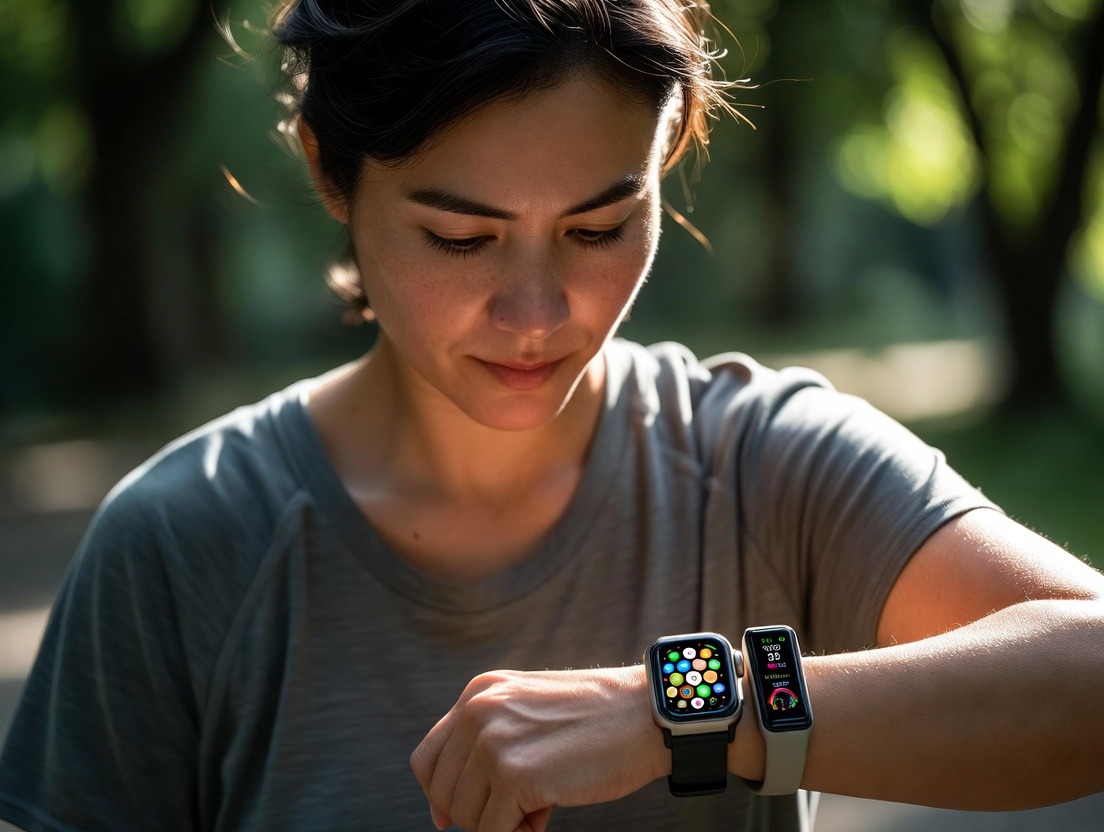
Evening Wellness Rituals for Better Morning Readiness: Ring-Based Planning
Planning your evening based on ring data can improve your morning readiness.
Evening Wellness Rituals for Better Morning Readiness: Ring-Based Planning
We’ve all experienced those mornings. The alarm screams, pulling you from a dense fog of sleep into a world that feels too bright, too loud, and too demanding. You reach for the snooze button, a small act of rebellion against the day. Your body is heavy, your mind is murky, and the idea of facing your responsibilities feels Herculean. This isn’t just a case of the "Mondays"; it’s a systemic failure of your evening before. Your morning didn’t start at 7 AM—it began at 10 PM the previous night.
But what if you could engineer your evenings to consistently produce mornings of clarity, energy, and purpose? What if you could move from a state of survival to one of readiness?
Welcome to the new frontier of personalized wellness, where ancient ritual meets cutting-edge technology. This is not about rigid, one-size-fits-all bedtime routines. It’s about creating a dynamic, responsive, and deeply personal evening practice informed by your own unique biological data. At the heart of this revolution is a simple, yet profound device: the smart ring.
Imagine a tool that silently tracks your heart rate variability, skin temperature, respiratory rate, and sleep stages—not from a bulky wristband or a phone on your nightstand, but from a sleek, always-on ring. This continuous stream of objective data is the missing link between intention and action in your wellness journey. It tells you not just what you did, but how it truly affected your nervous system.
This article is your comprehensive guide to building evening wellness rituals that actually work—for you. We will move beyond generic advice like "avoid screens" and "take a bath," and into the realm of bio-hacking your wind-down. We’ll explore how to use the quantifiable feedback from a smart ring to plan, execute, and refine rituals that directly translate to superior morning readiness. You’ll learn to stop guessing what your body needs and start knowing, transforming your evenings from a time of passive recovery into an active, strategic preparation for the day ahead. The promise is profound: wake up not just rested, but truly ready.
The Science of the Evening Wind-Down: Why Your Night Starts at Sunset
To architect a better morning, we must first understand the biological symphony that unfolds as day turns to night. This isn't merely about feeling sleepy; it's a deliberate, hormonally-driven cascade designed to repair, restore, and consolidate. When we interfere with this process—often unknowingly—we sabotage our own renewal.
The master conductor of this symphony is your circadian rhythm, an internal 24-hour clock primarily set by light exposure. As daylight fades, specialized cells in your eyes signal the suprachiasmatic nucleus (SCN) in your brain. The SCN, in turn, prompts the pineal gland to release melatonin, the hormone of darkness. Melatonin is not a knockout pill; it’s a gentle chemical whisper that tells your body it’s time to transition into rest-and-repair mode. Core body temperature begins to drop—a critical signal for sleep initiation—and the production of cortisol, our alertness hormone, reaches its daily nadir.
Simultaneously, your autonomic nervous system (ANS) must shift its balance. The ANS has two primary branches: the sympathetic (fight-or-flight) and the parasympathetic (rest-and-digest). A successful wind-down requires a deliberate down-regulation of sympathetic activity and an up-regulation of parasympathetic tone. This state is often measured through Heart Rate Variability (HRV)—the subtle variations in time between heartbeats. A higher HRV typically indicates greater parasympathetic activity and better resilience, a key metric of readiness.
Here’s where modern life creates chaos. The blue-rich light from our screens mimics midday sun, brutally suppressing melatonin production. The psychological stress of work emails or social media drama spikes cortisol and adrenaline, locking the nervous system into sympathetic overdrive. A late, heavy meal forces your digestive system into high gear when it should be winding down, raising core body temperature at the wrong time. We are, in essence, shouting over the body’s gentle biochemical whispers.
This is the foundational power of ring-based planning. A smart ring provides an objective readout of this internal state. Instead of thinking you’re relaxed, you can see if your nighttime HRV is improving. Instead of guessing about sleep quality, you can analyze your sleep stage architecture—the crucial balance of deep, light, and REM sleep. You can track if your core body temperature follows its ideal descending curve. This data moves you from subjective assumption to objective strategy, allowing you to craft rituals that directly support these non-negotiable biological processes. Understanding this science is the first step toward working with your biology, not against it, a principle central to all personalized wellness, including approaches like emotional regulation skills everyone should learn in school.
Your Wearable Night Coach: How Smart Rings Decode Your Recovery
You might be wondering: why a ring? Fitness trackers and smartwatches have been on the scene for years. The answer lies in the unique advantages of the form factor for nighttime bio-tracking, turning a simple piece of jewelry into a powerful nocturnal coach.
First, wearability and consistency. Watches are often removed at night due to bulk or discomfort. A well-designed smart ring is unobtrusive, lightweight, and designed for 24/7 wear. This is critical because the most important data for evening ritual planning is collected while you sleep. The ring ensures you get continuous, uninterrupted data from the moment you begin your wind-down until you wake up. It captures your body’s true baseline, not a fragmented snapshot.
Second, clinical-grade sensors in a passive form. Modern smart rings pack photoplethysmography (PPG) sensors, 3D accelerometers, and skin temperature sensors into their tiny chassis. The PPG sensor, typically using infrared light, measures blood volume changes in the capillaries of your finger—a surprisingly optimal location. This allows for the continuous measurement of heart rate, heart rate variability (HRV), and respiratory rate. The finger also provides a stable, consistent site for measuring peripheral skin temperature, a key proxy for tracking circadian rhythm and sleep onset latency (how long it takes you to fall asleep).
Third, actionable metrics, not just data. The raw data is processed through sophisticated algorithms to generate insights you can actually use. Key metrics for evening ritual planning include:
Sleep Score & Stages: A holistic measure of sleep quality, broken down into light, deep, and REM sleep. Deep sleep is crucial for physical restoration, while REM is tied to memory and emotional processing. Your rituals aim to optimize both.
Readiness or Recovery Score: A composite score (often using HRV, sleep data, and body temperature) that indicates your body’s preparedness for the day. This is your ultimate morning report card on last night’s evening.
Nighttime HRV: Your HRV during sleep is your cleanest measure of autonomic nervous system recovery. A rising trend suggests your rituals are effectively boosting parasympathetic tone.
Body Temperature Curve: Seeing if your temperature drops smoothly and stays low throughout the night confirms your circadian rhythm is aligned.
Resting Heart Rate (RHR): A lower overnight RHR generally indicates better cardiovascular recovery.
This device becomes your personal bio-feedback lab. Did the meditation app you used actually lower your resting heart rate before bed? Did that evening yoga session improve your deep sleep percentage? Did a late social event disrupt your body temperature rhythm? The ring answers these questions with hard numbers, removing the guesswork and allowing for truly personalized optimization. It’s a form of interoceptive awareness, but powered by precise technology, helping you connect external actions to internal states.
The Digital Sunset: Crafting Your Light Hygiene Protocol
Light is the most powerful zeitgeber (time-giver) for your circadian rhythm. Managing your light exposure in the evening is arguably the single most effective ritual you can adopt for morning readiness. A "digital sunset" isn’t a metaphor—it’s a necessary biological protocol.
The villain in this story is blue light, specifically in the 460-480 nm range. This wavelength is abundant in daylight and is crucial for daytime alertness. In the evening, however, exposure to it tricks your SCN into believing the sun is still up, halting melatonin production. A 2018 study in the journal Sleep found that reading on a light-emitting device before bed suppressed melatonin, delayed the circadian clock, and reduced REM sleep compared to reading a printed book.
Your ring-based plan starts with awareness. First, establish a baseline. For one week, live as you normally do and use your smart ring to track your sleep onset latency and sleep score. Then, implement a structured light hygiene protocol and watch the metrics shift.
A Tiered Light Hygiene Protocol:
2-3 Hours Before Bed: Begin the transition.
Dim Overhead Lights: Switch bright ceiling lights for dimmable lamps, preferably with warm-white bulbs (under 3000 Kelvin).
Enable System-Wide Night Mode: Activate "Night Shift" (iOS), "Night Light" (Android/Windows), or use software like f.lux on computers. These tools shift screen color temperature to the amber/red end of the spectrum.
Mind Your Environment: Be aware of other light sources like bright LED streetlights or TVs in other rooms.
1 Hour Before Bed: The critical phase.
Screens on Lowest Brightness: Manually reduce your phone/tablet brightness to the minimum usable level.
Consider Blue-Blocking Glasses: If you must use screens, high-quality amber or red-tinted glasses can block the problematic wavelengths. Your ring data can help you test their efficacy for you.
Switch to Non-Lit Activities: This is the ideal time to transition to reading a physical book, journaling, or light stretching in low light.
The Bedroom Sanctuary:
Total Darkness is the Goal: Invest in blackout curtains. Cover or remove all LED indicator lights (chargers, electronics). Consider using a sleep mask if complete darkness isn’t possible.
Correct Nightlights: If you need one, use a dim red or amber nightlight, as these wavelengths have the least impact on melatonin.
The Ring-Based Feedback Loop: After implementing this protocol, watch your ring data. Are you falling asleep faster (reduced sleep onset latency)? Is your sleep score improving? Is your deep sleep more consistent? Perhaps you’ll find you’re sensitive to even small amounts of light, or maybe you’ll discover that 90 minutes of a digital sunset is sufficient for you. The data personalizes the prescription, transforming a generic tip into your custom light recipe for better sleep. This foundational discipline directly supports your nervous system’s need for calm, a principle that extends to managing emotional health, as explored in resources on how sleep deprivation destroys emotional balance.
The Parasympathetic Power Hour: Nervous System Regulation Before Bed
If light hygiene sets the stage, then direct nervous system regulation is the main act. The goal of your evening ritual is to consciously engineer a shift from sympathetic (stressed, alert) dominance to parasympathetic (calm, restorative) dominance. Your smart ring’s HRV and resting heart rate metrics are the direct output monitors for this internal shift.
Think of this as your "Parasympathetic Power Hour"—a dedicated period, ideally 60-90 minutes before your target sleep time, where you engage in practices proven to down-regulate stress. This isn’t about being idle; it’s about being intentionally restorative.
Evidence-Based Practices for Nervous System Toning:
Diaphragmatic Breathing (The Physiological Sigh): This isn't just deep breathing. Techniques like the "physiological sigh"—popularized by Dr. Andrew Huberman—involve a double inhale through the nose to fully inflate the lungs, followed by a long, slow exhale. This pattern is exceptionally efficient at reducing arousal and can be tracked in real-time by watching your live heart rate dip on your ring’s companion app.
Vagus Nerve Stimulation: The vagus nerve is the superhighway of the parasympathetic system. Humming, chanting, or gentle gargling can activate it. Simply placing a cold compress on your face or splashing cold water can also stimulate the dive reflex, linked to vagal activation.
Gentle, Restorative Movement: This is not the time for vigorous exercise. Yin yoga, very slow stretching, or tai chi focus on holding poses with deep breathing, which combined, powerfully signal safety to the nervous system.
Progressive Muscle Relaxation (PMR): Systematically tensing and then relaxing muscle groups from toes to head teaches the body to recognize and release physical tension, a direct counter to the held stress of the day.
The Ring as Your Biofeedback Guide: This is where planning becomes dynamic. Use your ring’s daytime or live session feature to test these practices. Spend 10 minutes doing diaphragmatic breathing while watching the trend line of your heart rate. Does it fall steadily? The next night, try 20 minutes of gentle yoga. Did your subsequent nighttime HRV show a greater increase? You might discover that for you, a cold compress is more effective than meditation, or that PMR leads to faster sleep onset.
This process of experimentation turns abstract wellness concepts into concrete, personal protocols. You are no longer following a guru’s routine; you are following your own nervous system’s feedback, learning its unique language of calm. This kind of self-directed regulation is a cornerstone of managing life's challenges, similar to techniques discussed in restoring emotional balance after trauma.
The Mind Declutter: Cognitive Rituals to Silence Mental Chatter
A calm body is only half the equation. A racing, anxious, or planning-oriented mind is a formidable barrier to sleep and recovery. Evening cognitive rituals are designed to offload the mental burden of the day and create psychological closure, allowing your brain to enter its necessary rest state.
The brain, particularly the prefrontal cortex, needs a clear signal that the work of the day is done. Without this, it can continue to process in the background, leading to fragmented sleep and poor morning cognition. Your ring can track the result of this mental chatter—often seen as elevated resting heart rate or lower HRV during the first half of the night.
Effective Cognitive Wind-Down Strategies:
The Brain Dump Journal: This is not a curated gratitude journal (though that has its place earlier). This is a raw, unfiltered transfer of everything in your mind onto paper. To-do list items, worries, ideas, frustrations. The act of externalizing these thoughts frees your working memory and signals completion. A 2017 study in the Journal of Experimental Psychology found that writing a to-do list for the next 5-10 minutes before bed helped participants fall asleep significantly faster.
Gratitude & Positive Recall: Once the clutter is cleared, you can gently guide your mind toward a positive state. Listing three specific things you were grateful for that day, or reviewing one small success, can create a neurochemical environment more conducive to rest by subtly boosting serotonin.
Mental Imagery & Visualization: Instead of planning your real tomorrow, take an imaginary journey. Visualizing a peaceful, detailed scene (a quiet beach, a forest path) engages the brain in a non-stressful, immersive task that crowds out anxiety. This can be a powerful tool for co-regulation, even when done solo, by evoking memories of safe, calming connections.
The "Not My Problem" Window: Establish a firm cognitive boundary. Decide that after a certain time (e.g., after your brain dump), any problem that arises is "Not My Problem Until Tomorrow." This simple mental framing can help disengage from the problem-solving mode.
Ring-Based Validation: How do you know if your mental ritual is working? Check your sleep data. Are you experiencing fewer recorded awakenings in the first third of the night (often when stress-related wake-ups occur)? Is your sleep efficiency (time asleep vs. time in bed) improving? You might pair your brain dump with a short breathing exercise and see a compounded positive effect on your readiness score. The data reveals whether your chosen cognitive strategy is effectively silencing the noise, allowing for the deep, uninterrupted sleep essential for emotional and cognitive repair. This practice of managing internal narratives is closely tied to developing emotional granularity, the skill of precisely identifying feelings to reduce their intensity.
Nutrition & Hydration for Sleep: The Evening Fuel Strategy
What you consume in the evening directly fuels or sabotages your biochemical journey into sleep. This isn't just about caffeine; it's a nuanced ballet of blood sugar, digestion, and sleep-supportive nutrients. Your smart ring’s skin temperature and sleep stage data are excellent proxies for how well your evening fuel strategy is working.
Key Principles of Evening Nutrition:
The Timing Window: Finish your last large meal at least 2-3 hours before bedtime. Digestion is an active, sympathetic-leaning process. Going to bed with a full stomach can cause discomfort, elevate core body temperature (which should be dropping), and lead to fragmented sleep as your body works to digest instead of restore.
Macronutrient Balance: A small, sleep-supportive snack 45-60 minutes before bed can be beneficial if you’re hungry.
Complex Carbohydrates + Tryptophan: Think a small bowl of oatmeal, a few whole-grain crackers, or a banana. Carbs can help shuttle tryptophan (an amino acid precursor to melatonin and serotonin) into the brain.
Magnesium-Rich Foods: Magnesium is a natural muscle relaxant and nervous system calmer. A handful of almonds, pumpkin seeds, or even a square of dark chocolate (mindful of caffeine) can provide this.
Avoid High-Fat, Spicy, or High-Protein Heavy Meals: These are harder to digest and more likely to cause discomfort or acid reflux when lying down.
The Hydration Paradox: Dehydration can disrupt sleep, but so can waking up for bathroom trips. The strategy is front-loading. Drink the majority of your water earlier in the day and begin tapering off 1-2 hours before bed. A small sip if thirsty is fine.
The Obvious (and Not-So-Obvious) Culprits:
Caffeine: Its half-life is about 5-6 hours. For most, this means a hard cutoff by 2-3 PM. Your ring data can show if you’re more sensitive—does a 4 PM coffee reduce your deep sleep?
Alcohol: It may induce sleepiness, but it’s a sedative that fragments sleep architecture, drastically suppressing REM sleep and leading to non-restorative sleep and lower HRV. Watch how a single drink impacts your ring’s sleep stage breakdown.
Hidden Sugars & Processed Foods: These can cause blood sugar spikes and crashes overnight, potentially triggering wake-ups. Your ring might show more restlessness or a higher average heart rate.
Personalized Testing with Your Ring: Use your device to run experiments. For one week, maintain a strict 3-hour eating window before bed. Note changes in sleep latency and body temperature stability. Try a small magnesium-rich snack and see if it correlates with more deep sleep. The ring transforms nutrition from a vague suggestion into a data-driven experiment, clearly showing you which foods are true "sleep food" for your unique physiology. This biochemical approach to evening wellness complements an understanding of the broader food-mood connection.
The Temperature Tango: Optimizing Your Thermal Environment for Sleep
Your body’s core temperature needs to drop by about 1-2 degrees Fahrenheit to initiate and maintain sleep. This is one of the most reliable physiological signals of the sleep switch. Your evening ritual and bedroom environment must actively support this "thermal downswing." A smart ring with a skin temperature sensor provides an intimate, personal map of this critical process.
Understanding the Cycle: In the late evening, as melatonin rises, blood vessels in your skin dilate (vasodilation). This increases blood flow to your extremities (hands, feet), releasing heat and lowering your core temperature. A cooler room environment facilitates this heat dissipation.
Evening Rituals to Kickstart the Drop:
A Warm Bath or Shower 1-2 Hours Before Bed: This seems counterintuitive, but it’s a powerful hack. The warm water raises your body temperature slightly, but the rapid cooling that happens when you step out enhances the overall temperature drop, sending a stronger signal to your brain that it’s time for sleep. Your ring can track how this practice affects your sleep onset time.
Cooling the Bedroom: The ideal sleep environment is cool, between 60-67°F (15.5-19.5°C). This provides the necessary thermal gradient for your body to shed heat.
Bedding & Pajamas: Use breathable, moisture-wicking materials like cotton, bamboo, or specialized moisture-wicking fabrics. Avoid heavy, non-breathable synthetics that trap heat.
Cooling Technology: Consider a cooling mattress pad, pillow, or bed fan if you tend to sleep hot. For a low-tech solution, a cold pack or damp cloth applied to pulse points (wrists, neck) can provide immediate relief.
Your Ring as a Thermal Detective: Your ring’s nightly skin temperature graph is a goldmine of information. Do you see a smooth, descending curve leading into sleep, or a jagged, elevated line? You can test interventions directly:
Experiment with Bath Timing: Take a bath 90 minutes before bed one night, and 60 minutes before another. Which leads to a steeper, smoother temperature decline?
Test Bedroom Temperature: Adjust your thermostat by 2 degrees cooler for a week. Does your deep sleep increase? Does your temperature stay lower throughout the night?
Identify Food/Drink Impact: Did that evening glass of wine cause a temperature spike at 2 AM, correlating with a wake-up?
By tuning into your personal thermal biology, you can engineer an environment that perfectly supports one of sleep’s most fundamental mechanisms, ensuring your body can progress seamlessly through its necessary repair cycles. This physical regulation is a core component of a holistic self-soothing toolkit for overall well-being.
Pavlov’s dogs didn’t just salivate at the sight of food; they salivated at the cue that predicted food. You can harness this same power of classical conditioning—neuro-association—to train your brain and body for sleep. The goal is to create a set of unique, consistent sensory cues that you only use during your wind-down period. These cues become powerful anchors, signaling to every system in your body that it is now time to shift into rest mode.
Your smart ring helps validate the strength of these anchors by measuring how quickly your physiology responds. Do these cues lead to a faster drop in heart rate? A quicker descent into deep sleep?
Building Your Sensory Sleep Kit:
Olfactory (Smell): The most direct link to the brain’s emotional and memory center (the limbic system).
Use a Diffuser: Lavender, chamomile, sandalwood, or cedarwood essential oils have research-backed calming properties. Use the diffuser only during your Power Hour and turn it off before sleep if it’s audible.
A Dedicated Pillow Spray: A light mist of a calming scent on your pillow creates a powerful olfactory bed-time cue.
Auditory (Sound): Consistent, calming soundscapes can mask disruptive noises and guide brainwave activity toward slower, theta waves associated with sleep onset.
White Noise/Brown Noise: Provides a consistent auditory blanket. Smart rings can sometimes detect "noise" in your environment; pairing this with a white noise machine can improve sleep score metrics.
Binaural Beats or Isochronic Tones: These use specific frequency differences to encourage brainwave entrainment. Tracks designed for sleep (in the delta or theta range) can be a potent part of your ritual.
A Fixed Playlist: Create a 30-60 minute playlist of instrumental, slow-tempo music you only listen to while winding down. Over time, the first song will trigger a relaxation response.
Tactile (Touch):
Weighted Blankets: The deep pressure touch provided by a weighted blanket (typically 10% of body weight) can increase serotonin and melatonin production and reduce cortisol, promoting calm. Your ring’s HRV data is perfect for testing its impact on you.
Consistent Textures: The feel of specific pajamas or bedding can become a cue.
Gustatory (Taste): A caffeine-free herbal tea like chamomile, passionflower, or valerian root, sipped consistently as part of your ritual, becomes a taste anchor for relaxation.
The Ring’s Role in Conditioning: The key is consistency. Perform your sensory ritual at the same time, in the same order, for at least 2-3 weeks while monitoring your ring data. You are looking for trends: a gradual reduction in the time it takes for your heart rate to drop after starting the ritual, or an improvement in your "time to fall asleep" metric. The data confirms that the neuro-association is forming. Your body is learning that this smell + this sound + this activity = sleep. This creation of predictable, calming routines is especially beneficial for establishing helping children develop emotional balance early, but the principle is powerfully effective at any age.
The Ritual of Release: Letting Go of the Day’s Emotional Load
Evenings are not just for processing tasks, but for processing emotions. Carrying unresolved stress, anxiety, or frustration to bed is a surefire way to guarantee restless sleep and a tense morning. Emotional regulation is therefore a non-negotiable component of an evening wellness ritual. Your smart ring’s HRV is a direct mirror of your emotional state—high HRV often correlates with emotional resilience and regulation, while low HRV can indicate sustained stress or emotional turmoil.
The goal is not to avoid emotions, but to complete their cycle and release their physiological grip on your body before sleep. This is a practice of dialectical approach, accepting your feelings while also taking action to change your state.
Evening Practices for Emotional Unloading:
The "Rose, Thorn, Bud" Review: A simple, structured reflection. What was today’s Rose (a highlight, success)? What was the Thorn (a challenge, setback)? What is the Bud (something you’re looking forward to tomorrow)? This practice acknowledges the negative (Thorn) but frames it alongside the positive and the future, preventing rumination.
Compassionate Self-Inquiry: Instead of fighting an emotion, ask it questions with curiosity. "What is this anxiety trying to tell me? What do I need right now?" Often, the simple act of naming and validating an emotion—"I feel overwhelmed about that work project"—reduces its intensity, a core practice of emotional granularity.
Symbolic Release: For persistent worries, try a physical act of letting go. Write the worry on a piece of paper and tear it up, or place it in a "worry jar" to be addressed tomorrow. The physical symbolism can powerfully signal closure to the brain.
Loving-Kindness Meditation (Metta): Directing feelings of goodwill—first to yourself, then to others—can shift your emotional state from isolation or irritation to connection and warmth. This practice directly fosters the capacity for creating healthy dynamics in all your relationships.
Validating Release with Data: After engaging in an emotional release practice, pay attention to two key ring metrics:
Pre-Sleep HRV/Heart Rate: Use a brief breathing session while watching your live data. Has your heart rate come down more quickly than on nights when you skip the emotional work?
Sleep Architecture: Emotions often disrupt REM sleep (where emotional processing occurs) and cause early morning awakenings. After consistent emotional release practices, do you see more stable, longer periods of REM sleep and fewer wake-ups after 4 AM?
The ring provides the objective proof that your emotional hygiene is working on a physiological level. It shows you that letting go isn’t just a nice idea—it’s a measurable biological necessity for restorative sleep and true morning readiness.
Designing Your Personalized Evening Protocol: A Step-by-Step Framework
Now comes the synthesis. You have the knowledge of the why (the science) and the what (the rituals). This section is about the how—constructing a personalized, data-informed evening protocol that evolves with you. This is not about creating a rigid, 47-step checklist that becomes another source of stress. It’s about building a flexible, resilient framework.
Step 1: Establish Your Non-Negotiable Anchor Times. Your protocol lives within a timeline. Define these first:
Last Caffeine Hour: (e.g., 2 PM)
Last Large Meal Hour: (e.g., 7 PM)
Digital Sunset Start Time: (e.g., 8:30 PM)
Parasympathetic Power Hour Start: (e.g., 9:00 PM)
Target Lights-Out Time: (e.g., 10:30 PM)
Step 2: Conduct a Baseline Audit (1 Week). Wear your ring and live normally. Do not change your habits. At the end of the week, note your average scores: Sleep Score, Readiness Score, Sleep Onset Latency, Nighttime HRV. This is your "before" picture.
Step 3: Choose ONE Pillar to Experiment With (The 80/20 Rule). Don’t overhaul everything at once. Start with the area you suspect is your biggest leak. Based on your baseline:
Always on phone late? Start with Light Hygiene.
Feeling wired and anxious? Start with Nervous System Regulation.
Mind racing? Start with Cognitive Declutter.
Eating late or drinking? Start with Nutrition.
Sleeping hot? Start with Temperature.
Implement a change in that one area for one week. (e.g., "This week, I will start a digital sunset at 8:30 PM and read a book instead of scrolling.")
Step 4: Measure, Compare, and Iterate. At the week’s end, compare your ring data to your baseline. Did your sleep score improve by 5+ points? Did you fall asleep 10 minutes faster? If yes, the ritual works for you—lock it in. If not, tweak it. (e.g., "Maybe 8:30 wasn’t early enough. This week, I’ll try 8:00 PM and wear blue blockers after dinner.")
Step 5: Layer in a Second Pillar. Once your first ritual is habitual and data-backed, add a second. Perhaps now you layer in 10 minutes of diaphragmatic breathing after your digital sunset starts. Track the combined effect. Does it boost your results further?
Step 6: Create Your "Minimum Viable Ritual" (MVR) and Your "Ideal Ritual." Life is variable. Your protocol should have two settings:
MVR (20 minutes): The absolute non-negotiable core you do even on chaotic days (e.g., 10 min digital sunset + 5 min brain dump + 5 min breathing).
Ideal Ritual (60-90 minutes): The full, luxurious protocol you aim for on most nights.
Your smart ring helps you understand the cost of skipping your MVR, making you more likely to prioritize it. This structured yet flexible approach to self-care is a skill that supports well-being across the lifespan, much like the strategies for emotional balance and aging.
Troubleshooting & Adaptation: When Your Ring Data Tells You to Pivot
Even the most beautifully designed protocol will need adjustments. Life brings stress, illness, travel, and hormonal shifts. The genius of a ring-based system is that it gives you early warning signs that your current approach isn’t working and provides the clues for how to adapt. Your data is a conversation, not a judgment.
Common Data Patterns and Their Ritual Adjustments:
Persistently Low Nighttime HRV & High RHR:
Signal: Chronic stress or overtraining; nervous system is not recovering.
Ritual Pivot: Double down on parasympathetic practices. Extend your Power Hour. Incorporate more vagus nerve stimulation (humming, cold exposure). Consider a "deload" evening with extra gentle movement like walking and earlier bedtime. This is a time to consult resources on how physical exercise supports emotional balance to understand the recovery side of the equation.
Fragmented Sleep with Frequent Awakenings:
Signal: Could be environmental (noise, light, temperature), digestive, or stress-related.
Ritual Pivot: Audit your sleep sanctuary. Use your ring’s ambient noise/snore detect (if available) to check for disturbances. Reinforce light hygiene. Move your last meal earlier. Introduce a stronger sensory anchor like a white noise machine or weighted blanket. Practice a "back-to-sleep" ritual like focused breathing for when you do wake up.
Poor Deep Sleep (SWS) Percentage:
Signal: Physical restoration is lacking. Could be due to late exercise, alcohol, or an uncomfortable sleep environment.
Ritual Pivot: Focus on temperature and timing. Ensure your room is cool enough. Absolutely eliminate evening alcohol. Finish any moderate/heavy exercise at least 3 hours before bed. Ensure your bedding supports physical comfort.
Poor REM Sleep Percentage:
Signal: Emotional and cognitive processing is impaired. Often linked to stress, alcohol, or certain medications.
Ritual Pivot: Prioritize emotional release and cognitive declutter. Be diligent with your journaling. Practice mindfulness or therapy techniques to address daytime stress. This is where understanding the impact of childhood experiences can inform deeper emotional work. Strictly avoid alcohol.
Delayed Sleep Onset (Can't Fall Asleep):
Signal: Mind/body mismatch. Body is in bed, but nervous system is still alert.
Ritual Pivot: Get out of bed. If you're not asleep in 20 minutes, get up and do a quiet, non-screen activity (e.g., read a dull book in dim light) until you feel sleepy. This breaks the anxiety association with the bed. Re-evaluate your pre-bed light and stimulant exposure.
The Adaptation Mindset: View your ring data as your body’s daily report. A low readiness score isn’t a failure; it’s information telling you, "Today, I need more gentleness, not more pressure." It allows you to pivot your evening ritual in response—perhaps swapping an active practice for a restorative one. This responsive, compassionate approach is the ultimate goal: a fluid, intelligent partnership between you, your technology, and your innate wisdom for healing. It’s a practical application of the opposite action technique, using data to choose behaviors that counter unhelpful physiological states.
From Ritual to Rhythm: Building Consistency and Habit Stacking
Creating a single, perfect evening is an achievement. Turning that evening into a consistent, automatic rhythm is where life transformation occurs. This is the journey from conscious effort to unconscious competence—where your wellness ritual becomes as ingrained as brushing your teeth. Your smart ring is the ultimate accountability partner and progress tracker in this journey, providing the tangible reinforcement needed to build lasting habits.
The neuroscience of habit formation reveals a simple loop: Cue → Routine → Reward. Your evening protocol is the "Routine." The "Reward" is the improved sleep, higher readiness score, and phenomenal morning that follows. But the "Cue" is what triggers the routine automatically. This is where strategic design comes in.
Strategies for Building Unshakeable Evening Rhythms:
Anchor Your Ritual to an Existing Habit (Habit Stacking): This is the most powerful method. Take a habit you already do without fail every evening (e.g., brushing your teeth, feeding the pet, locking the front door) and stack your new ritual immediately after it.
Formula: "After/Before I [CURRENT HABIT], I will [NEW RITUAL]."
Example: "After I brush my teeth, I will immediately go to my chair and do 5 minutes of diaphragmatic breathing while my diffuser runs."
Design Your Environment for Frictionless Success: Willpower is a finite resource. Make the right choice the easy choice.
Preparation: Lay out your journal and pen on your bedside table in the morning. Have your herbal tea in an easy-access cupboard. Charge your e-reader in the living room, not the bedroom.
Redirection: Use app blockers (like Freedom or Cold Turkey) to automatically enforce your digital sunset on your devices. This removes the need for decision-making.
Embrace the "Non-Zero Day" Principle for Rituals: Consistency is not about perfection; it’s about maintenance. Your "Minimum Viable Ritual" (MVR) is your safeguard here. On a chaotic, unpredictable day, your goal is not the full 90-minute ideal. Your goal is to execute your 20-minute MVR without fail. This maintains the neural pathway and the identity of "someone who prioritizes evening wellness." The ring will often show that even this minimal effort provides a measurable benefit over doing nothing.
Leverage Your Ring's Data as the Ultimate Reward: The feedback loop is crucial. Make a practice of checking your Readiness Score each morning. This number is the direct, quantifiable reward for last night’s routine. Celebrate when it’s high. When it’s low, view it with curiosity, not criticism—"What can my data teach me today?" This transforms the reward from a vague feeling of "I should do this" to a concrete, satisfying piece of feedback: "My HRV is up 12% because I did my breathing exercise." This positive reinforcement solidifies the habit loop.
The Ring’s Role in Habit Formation: Beyond the readiness score, use the ring’s trend views. Seeing a 30-day chart where your sleep score line steadily climbs upward is profoundly motivating. It provides visual proof of your cumulative effort, turning daily choices into a compelling story of progress. This data-driven reinforcement helps build the self-trust and resilience that is fundamental to emotional balance for highly sensitive people, who particularly benefit from predictable, nurturing routines.
The Social Sunset: Navigating Relationships and Evening Interactions
Wellness is not lived in a vacuum. Our evening rituals constantly intersect with other humans: partners, children, roommates, and social obligations. A partner who wants to watch an action movie in bed, a friend who calls to vent at 9:30 PM, a child who needs comfort—these can feel like obstacles to a perfect ritual. The key is not to become a solitary wellness hermit, but to learn to navigate these interactions with intention and communicate your needs, using your ring data as a neutral, factual ally in the conversation.
Strategies for a Harmonious Social Sunset:
Communicate with "I" Statements and Data: Instead of a rigid demand ("We can't watch TV after 9"), frame it as a shared wellness experiment. "I'm tracking my sleep with this ring, and I'm noticing that screen light after 9 PM really disrupts my deep sleep score. Would you be open to trying an audio-book or podcast in the dark for our wind-down time this week? We can see if it helps you feel more rested too." This invites collaboration rather than conflict.
Create Shared Rituals: Integrate your loved ones into your wind-down. This could be a family gratitude share over a caffeine-free tea, a couples' stretching session, or reading physical books together in the same room. The ritual becomes about connection and wellness, strengthening both.
Set Digital Boundaries with Grace: For late-night calls or texts, have a prepared, kind response. "It's so good to hear from you. I'm actually in my wind-down routine for the night to make sure I'm present for tomorrow. Can I call you first thing in the morning when I'm fresh?" This honors the relationship while honoring your commitment to yourself.
The "Buffer Zone" Social Event: When you have an evening social commitment, plan your ritual around it. If you're out late, your MVR might be a 5-minute meditation in the car or a quiet walk before entering your home to transition your nervous system. Use your ring the next morning not to judge yourself, but to learn: "Okay, a late dinner with friends drops my HRV by X%. For the next two nights, I'll prioritize extra recovery." This prevents all-or-nothing thinking.
The Ring as a Relationship Tool: Sharing your wellness journey can foster understanding. Showing a partner how your shared ritual of a 15-minute evening walk together correlates with better sleep scores for both of you is a powerful motivator. It turns abstract health advice into a shared, achievable goal. This focus on mutual regulation and connection is a practical application of principles found in emotional balance and relationships.
Tracking Progress Beyond Sleep: Correlating Evening Rituals with Daytime Performance
The ultimate purpose of an evening ritual is not a high sleep score; it is a superior waking life. True morning readiness manifests as sustained energy, emotional stability, sharp cognition, and physical vitality throughout the day. Your smart ring’s daytime metrics—particularly HRV trends and activity data—allow you to draw powerful lines of causation between your evening choices and your daytime reality.
This is where ring-based planning transcends sleep optimization and becomes life optimization.
Key Daytime Metrics to Correlate:
Daytime HRV Baseline: A higher daytime HRV indicates better stress resilience and autonomic flexibility. Are the evenings where you prioritized nervous system regulation followed by days with a higher, more stable daytime HRV?
Activity & Recovery Balance: Most rings provide some form of activity score. Observe the relationship: Does a high-intensity workout day necessitate a more robust evening recovery ritual (like a longer meditation or an Epsom salt bath) to maintain your readiness score the next morning?
Subjective Journaling + Objective Data: Pair your ring data with a simple 1-5 rating in a notes app for:
Morning Mood
Afternoon Energy Slump (yes/no)
Focus & Concentration
Emotional Reactivity After a few weeks, look for patterns. You may discover that your "perfect sleep" nights only lead to great days when paired with a morning hydration ritual, or that nights with slightly less sleep but excellent deep sleep phases lead to better focus than longer, fragmented sleep.
Conducting a Personal Energy Audit: For one month, commit to your evening ritual while tracking these daytime outcomes. Ask:
Cognitive: Was my mind clear? Did I avoid the 3 PM brain fog? Was I productive without burnout?
Emotional: Was I patient and responsive, rather than reactive? Did I handle stressors with more grace? This is a direct measure of the regulatory capacity built the night before, akin to skills discussed in emotional balance in high-stress professions.
Physical: Did I have steady energy? Was my workout strong? Did I recover well?
When you can say, "On the 80% of nights I did my full ritual, my daytime energy was consistently 30% higher and my mood was more stable," the ritual stops being a chore and becomes a non-negotiable pillar of your success. The ring provides the objective proof that your evening investment pays massive daytime dividends.
Advanced Biohacking: Integrating Wearable Data with Other Modalities
For those ready to deepen their practice, the smart ring is not a standalone oracle; it is the central node in a personal bio-sensing network. When its data is combined with other tools and practices, you can achieve a truly holistic, multi-system understanding of your readiness.
Synergistic Modalities for the Enthusiast:
Continuous Glucose Monitoring (CGM): Pairing your ring’s sleep and HRV data with a CGM’s blood glucose readings can reveal profound insights. Does a late-evening carbohydrate snack cause a glucose spike that correlates with a restless night and lower HRV? Does morning glucose stability improve after nights of high deep sleep? This combination is powerful for metabolic health.
Whoop Strap or Oura Ring Comparison: While using two devices is redundant for most, enthusiasts sometimes cross-reference data for validation or to compare different algorithmic interpretations of recovery.
Journaling Apps with Data Integration: Use apps like Exist or Gyroscope that can import data from your smart ring, your calendar, your weather app, and your manual mood entries. These platforms use statistical analysis to find correlations you might miss, such as "Your readiness score is 15% lower on days following meetings with your project manager," or "Your deep sleep peaks two days after your strength training sessions."
Neurofeedback or HRV Biofeedback Training: This takes nervous system regulation to a professional level. Using dedicated devices, you can train your brainwaves or heart coherence in real-time. You can then use your ring to track the carryover effect of this training on your overnight recovery, solidifying the neuroplastic gains.
The Principle of Parsimony: The goal of advanced biohacking is not to become obsessed with data, but to use data to gain wisdom and then return to living. The ring often serves as the foundational, constant stream. You might use a CGM for a 2-month learning period to dial in your evening nutrition, then rely on the ring alone to maintain the habits. The advanced phase is about targeted, time-limited experiments to solve specific puzzles (e.g., "Why do I always feel tired on Wednesdays?"), using the ring as the constant measuring stick. This experimental, evidence-based approach to self-care mirrors the biochemical understanding needed for breaking cycles of dysregulation.
Circadian Alignment: Syncing Rituals with Your Chronotype and Monthly Cycles
A profound flaw in generic sleep advice is its assumption of a "standard" human rhythm. In reality, we have chronotypes (genetically predisposed sleep-wake preferences) and, for many, monthly hormonal cycles that dramatically influence energy, temperature, and sleep architecture. A truly personalized evening ritual must ebb and flow with these innate biological tides. Your smart ring’s longitudinal data is perfect for spotting these personal patterns.
Honoring Your Chronotype: Are you a Wolf (late riser), Bear (follows the sun), Lion (early riser), or Dolphin (light sleeper)? Fighting your chronotype creates constant jet lag.
Lions & Bears: Your evening wind-down can start earlier. You are biologically primed for an earlier melatonin release. A strict digital sunset is critical.
Wolves & Dolphins: Your natural melatonin surge comes later. Your ritual may need to start later, but the components are the same. The focus for Dolphins should be exceptionally strong on cognitive declutter and sensory anchoring to quiet a hyper-alert brain.
Ring-Based Discovery: Your ring will show you your natural rhythm over time. Do you consistently get your best deep sleep between 1 AM and 4 AM? That’s a Wolf signature. Use this data to gently nudge your schedule into a more aligned rhythm, rather than forcing an impossible 10 PM bedtime.
The Menstrual Cycle as a Blueprint (For Those Who Menstruate): Hormonal fluctuations create distinct physiological phases that demand different evening support.
Follicular Phase (Post-Period to Ovulation): Rising estrogen often brings increased energy, social drive, and stress resilience. Evening rituals can be slightly more active—perhaps a social walk or a more engaging book. Your ring may show naturally higher HRV.
Luteal Phase (Post-Ovulation to Period): Rising progesterone increases sleep propensity but can also cause lighter, more fragmented sleep. Core body temperature is elevated. Ritual Pivot:
Temperature: Prioritize cooling strategies earlier in the evening.
Nutrition: Focus on magnesium-rich foods to combat progesterone-related bloating and anxiety.
Expectation: Use your ring data to normalize slightly lower sleep scores or higher resting heart rates in this phase. This prevents self-criticism and allows you to support your body appropriately.
By aligning your rituals with these cycles, you move from fighting your biology to dancing with it. The ring helps you learn the steps of your unique dance.
Overcoming Plateaus and Maintaining Motivation in the Long Term
After 3-6 months of diligent practice, you may hit a plateau. Your sleep scores stabilize, the initial dramatic improvements level off, and the novelty wears off. This is a natural part of any wellness journey, not a sign of failure. It’s a signal to evolve from an optimization phase to a maintenance and refinement phase.
Strategies for Renewing Your Practice:
The "Ritual Rotation" Method: Boredom is the enemy of consistency. Create a "menu" of options within each ritual pillar.
Nervous System Menu: Option A: Guided Meditation. Option B: Yin Yoga. Option C: Breathing with a HRV biofeedback app.
Cognitive Menu: Option A: Brain Dump Journal. Option B: "Rose, Thorn, Bud." Option C: Fiction Reading. Rotating through these keeps the practice fresh while maintaining the core intent.
Set New, Data-Inspired Micro-Goals: Instead of "improve sleep," set a specific, data-backed challenge. "Can I increase my average deep sleep from 1.5 to 1.8 hours over the next month by optimizing my temperature protocol?" or "Can I achieve a 90+ Readiness Score for 7 days in a row?" This renews the sense of playful experimentation.
Embrace Seasonality: Your evening ritual in the bright, hot summer should differ from your ritual in the dark, cold winter. Summer may call for earlier sunsets and cooler routines; winter may invite longer, warmer bathing rituals and more time under a weighted blanket. Let the natural world cue your adaptations.
Practice "Deliberate Recovery" Days: Once a week or once a month, plan a Super Recovery Evening. This is your ideal ritual, extended and enhanced—perhaps a 90-minute routine culminating in a float tank session or a professional massage. This acts as a "reset" and a powerful reminder of the deep state you are cultivating.
Connect to Your Deeper "Why": Revisit why you started. Is it to be a more patient parent? To perform at your peak in a creative project? To manage anxiety? When motivation lags, reconnect to this vision. Look at your trend data and remember how far you've come from your baseline audit. This long-term perspective is key to managing life transitions gracefully.
Your smart ring is your anchor through these phases. Its historical data is a record of your resilience. A plateau on the graph isn't flatlining; it's a new, higher baseline of health that you have successfully maintained—an achievement in itself.
The Future of Evening Wellness: Predictive AI and Proactive Ritual Planning
We are on the cusp of a paradigm shift: from reactive tracking (looking at yesterday's data) to predictive and prescriptive wellness. The next generation of smart rings and their AI platforms will not just tell you how you slept; they will forecast your readiness and proactively suggest tailored evening rituals.
Imagining the Predictive Wellness Companion:
Scenario: At 5 PM, your ring's AI analyzes your day: elevated daytime heart rate from a stressful work meeting, slightly higher skin temperature, and lower-than-usual activity. It cross-references this with your calendar (you have an early meeting tomorrow) and your historical data.
Prescription: A notification pings: *"Based on today's stress load and your early start tomorrow, your recovery need is high. For optimal morning readiness, tonight's recommended protocol is: 1) Digital Sunset at 8:15 PM. 2) Extended 15-minute HRV-coherence breathing session. 3) Cool shower 90 min before bed. 4) Prioritize magnesium-rich snack. Your predicted Readiness Score with this protocol: 92%. Without it: 78%."*
This moves ring-based planning from a manual, analytical task to a seamless, conversational partnership. The AI learns the efficacy of every ritual you try and begins to build a hyper-personalized model of what your body needs under specific conditions.
The Human Element Remains Central: Even in this future, the human is in charge. The AI makes suggestions, but you retain the wisdom to accept, modify, or reject them based on your lived experience. The ultimate goal of the technology is to give you back your time and cognitive bandwidth—to handle the complex analysis so you can simply and effectively show up for your own well-being. It becomes the ultimate tool for fostering interoceptive awareness, by providing external validation of your internal guesses.
Conclusion of This Portion: Your Invitation to Curated Mornings
We began with the struggle of chaotic mornings and the longing for readiness. We have journeyed through the science of the wind-down, the technology that illuminates it, and the rich tapestry of rituals—from light and temperature to emotion and connection—that can compose your perfect evening.
The core message is one of agency. You are not at the mercy of your mornings. With intentionality and the intelligent use of a tool like a smart ring, you can engineer your evenings to consistently produce the conditions for restoration. You move from being a passive recipient of sleep (good or bad) to an active architect of your recovery.
This is not about adding more to your to-do list. It is about curation. It is about thoughtfully selecting the practices that signal safety, closure, and restoration to your mind and body. It’s about replacing scrolling with stretching, worry with wonder, and chaos with calm.
Start not with everything, but with one thing. Let your curiosity guide you. Use data not as a judge, but as a compassionate guide. Build your ritual not as a rigid cage, but as a flexible, nurturing framework that supports the vibrant, demanding, beautiful life you lead during the day.
Case Studies in Transformation: Real-World Applications of Ring-Based Planning
Theory and data are compelling, but lived experience is transformative. Let’s examine three hypothetical, yet highly realistic, case studies that illustrate how personalized evening rituals, guided by smart ring feedback, can solve common, debilitating morning readiness problems. These stories synthesize the pillars we’ve discussed into actionable human narratives.
Case Study 1: The "Wired and Tired" Tech Founder
Profile: Maya, 42, runs a startup. Her mind races with deadlines and strategy long after she logs off. She feels exhausted at night but lies awake, then crashes hard, waking up groggy and reaching for multiple coffees.
Baseline Ring Data (Week 1): High sleep latency (45 min avg.), low deep sleep (<45 min), frequent awakenings after 2 AM, low nighttime HRV. Readiness scores in the 60s.
Identified Leaks: 1) No cognitive closure (laptop in bed). 2) High blue light exposure until midnight. 3) Late cortisol spikes from work anxiety.
Personalized Protocol:
8:30 PM: Hard stop on work. Laptop charges in home office.
8:35 PM: "Brain Dump" journal for 10 minutes, transferring all work thoughts onto paper.
8:45 PM: Digital sunset begins. Amber glasses worn, phones on Night Mode. She listens to a tech podcast (audio-only) while assembling a next-day lunch, engaging her hands but not her eyes.
9:15 PM: Parasympathetic Power Hour starts with a 10-minute HRV biofeedback app session, competing with herself to raise her live heart coherence score.
9:30 PM: Gentle stretching while listening to an audiobook (fiction).
10:15 PM: Lights out with a weighted blanket.
4-Week Results: Sleep latency dropped to 15 min. Deep sleep increased to 75+ min. Readiness scores consistently in the 80s. Subjectively, her morning coffee became a choice, not a necessity. The ring data provided the objective proof that her "downtime" was productive recovery, easing her guilt about not working.
Case Study 2: The New Parent in Survival Mode
Profile: David, 38, with a 6-month-old. Sleep is fragmented by feedings. He feels permanently jet-lagged, irritable, and emotionally raw. His old gym routine is impossible, damaging his self-esteem.
Baseline Ring Data: Highly fragmented sleep (multiple long awakenings), almost no consolidated deep or REM cycles, highly variable HRV. Data reflects the reality of infant care.
Identified Leaks: 1) Misaligned expectation (chasing 8-hour blocks). 2) Using baby’s sleep time for intense TV/scrolling, overstimulating his nervous system. 3) No personal recovery buffer.
Personalized Protocol:
Philosophy Shift: The goal changed from "uninterrupted sleep" to "maximizing recovery per minute of available rest."
Ritual Adaptation: His "evening" began after the baby’s first long stretch of sleep, say 9 PM.
9:00 PM: After putting baby down, he does a 5-minute "emotional release" check-in, acknowledging the frustration and joy of the day without judgment—a mini-version of practices for emotional balance during grief, adapted for this life transition.
9:10 PM: Turns off all overhead lights, uses a salt lamp. Does 7 minutes of diaphragmatic breathing on the couch, focusing solely on lowering his live heart rate on his ring app.
9:20 PM: Goes straight to bed, no screens. Uses a sleep mask and earplugs to maximize the quality of whatever sleep window he gets.
Morning: He checks his Readiness Score not as an absolute grade, but as a guide for the day. A score in the 50s means he prioritizes nap-napping when possible and practices extreme self-compassion.
4-Week Results: Despite unchanged total sleep time, his sleep efficiency (percentage of time in bed actually asleep) improved dramatically. His deep sleep during his first 3-hour block became more robust. His HRV trend began to show slow improvement, indicating his nervous system was adapting with resilience. He felt more in control of his recoverable moments.
Case Study 3: The Shift Worker with an Erratic Schedule
Profile: Lena, 34, a nurse working rotating 12-hour shifts (days and nights). Her circadian rhythm is in constant flux, leading to digestive issues, mood swings, and an inability to enjoy days off.
Baseline Ring Data: Body temperature rhythm is chaotic. Sleep scores are highly variable and generally poor. Readiness is unpredictable.
Identified Leaks: 1) No consistent ritual anchor. 2) Eating at odd hours. 3) Using bright light at the wrong times.
Personalized Protocol: Lena created two distinct ritual blueprints:
"Night Shift Wind-Down" (Post-7 AM shift): Focus on blocking daylight to cue sleep. Blackout curtains, sleep mask, white noise. A light, protein-rich meal before bed to avoid hunger. A consistent 20-minute "shutdown" routine of listening to the same podcast episode with a sleep mask on, signaling sleep time regardless of the clock.
"Day Shift Wind-Down" (Post-7 PM shift): Standard digital sunset and parasympathetic activation. Emphasis on a larger meal earlier in the shift and only a light snack before bed.
The Anchor: Regardless of shift, the first 30 minutes at home were dedicated to a non-negotiable transition: change out of work clothes, hydrate, and do a 5-minute breathing exercise while her ring tracked her HRV shift. This ritual cued her body that "work is over, recovery has begun."
4-Week Results: Her ring data showed her body temperature and sleep began to stabilize within each shift type. While her overall rhythm shifted, the quality of recovery within each cycle improved. Her readiness scores became more predictable based on her protocol, giving her a sense of agency amidst the chaos. This mastery in turbulent conditions is akin to the skills needed for emotional balance in high-stress professions.
These cases demonstrate that ring-based planning is not for a single profile; it’s a flexible framework that meets you in your unique life circumstances, providing data-driven clarity where chaos once reigned.
The Supplement Conundrum: Data-Informed Use of Sleep Aids
In the quest for better sleep, many turn to supplements. The market is flooded with options, from melatonin and magnesium to glycine and apigenin. The critical question is: Are they helping you? Relying on subjective feeling alone is unreliable. A smart ring provides the objective metrics to move from blind experimentation to strategic, data-informed supplementation.
A Framework for Testing Supplements:
Establish a Baseline (2 Weeks): Before introducing anything new, maintain a consistent evening ritual and use your ring to establish your average sleep score, deep/REM sleep, HRV, and resting heart rate.
Introduce ONE Supplement (3-4 Weeks): Choose a single supplement with a mechanism that aligns with your suspected need (e.g., magnesium glycinate for physical relaxation, low-dose melatonin for circadian phase shift). Take it consistently at the same time in your ritual.
Analyze the Ring Data: After 3-4 weeks, compare your data to the baseline. Look for:
Improved Sleep Latency? (Melatonin, glycine).
Increased Deep or REM Sleep? (Magnesium, apigenin).
Any Negative Trends? (e.g., next-day grogginess, paradoxically lower HRV).
Common Supplements and What to Look For:
Magnesium (Glycinate/Bisglycinate): Aims to improve deep sleep and reduce restless legs. Ring Metric to Watch: Deep sleep duration and sleep consistency.
Melatonin (Low Dose, 0.3-1 mg): For circadian reset, not a knockout pill. Ring Metric to Watch: Sleep onset latency and body temperature descent timing.
L-Theanine: Promotes alpha brain waves and relaxation without sedation. Ring Metric to Watch: Pre-sleep HRV and resting heart rate.
Apigenin (from Chamomile): A benzo-diazepine-site modulator that can promote calm. Ring Metric to Watch: Sleep efficiency (less wake time after sleep onset).
Glycine: Has a cooling effect and may improve deep sleep. Ring Metric to Watch: Deep sleep and skin temperature curve.
The Gold Standard Test: Once you have data on a supplement, try a washout week. Stop taking it while keeping everything else identical. Does your ring data noticeably worsen? If yes, the supplement is providing a measurable benefit for your biology. If not, you may save your money. This methodical approach prevents dependency on substances that aren't actively helping and ensures your protocol is built on proven, personal evidence. It is a precise extension of understanding the broader food-mood connection.
The Morning Lock-In: How Your Evening Ritual Powers Your Daybreak Routine
An exquisite evening ritual finds its ultimate validation in a purposeful, energized morning. The two are not separate; they are Yin and Yang. The morning is where you capitalize on the recovery capital you deposited the night before. A smart ring’s Readiness Score is the direct bridge between these two phases, providing a personalized instruction manual for your day.
How to Use Your Morning Readiness Data:
High Readiness Score (85+): Your body is primed for challenge. This is the day to "Invest."
Morning Ritual: Incorporate demanding activities: high-intensity exercise, deep work sessions, important conversations, creative projects.
Mindset: Leverage your peak capacity. Your evening ritual was a success—use the fuel it provided.
Medium Readiness Score (70-84): Your body is in a maintenance state. This is the day to "Sustain."
Morning Ritual: Focus on steady-state activities: moderate exercise (e.g., brisk walk, steady-state cardio), routine tasks, and maintenance work.
Mindset: Consistency over intensity. Honor your body’s need for balance.
Low Readiness Score (<70): Your body is signaling a need for recovery. This is the day to "Restore."
Morning Ritual: Prioritize genuine recovery: gentle movement (yoga, stretching), extra hydration, downtime, and perhaps an earlier bedtime that evening. This is a day to employ your full self-soothing toolkit.
Mindset: Compassion and curiosity, not frustration. Ask, "What does my body need today to rebuild?" This is crucial for preventing burnout and breaking cycles of dysregulation.
The Synergistic Morning Ritual: Based on your readiness, your morning can include:
Light Exposure: Viewing bright light (sunlight or a therapy lamp) within 30 minutes of waking to halt melatonin and set your circadian clock for the next evening.
Movement: A walk, stretch, or workout calibrated to your readiness.
Hydration & Nutrition: A large glass of water and a protein-rich breakfast to stabilize blood sugar, building on the metabolic foundation of your good night's sleep.
Intention Setting: A brief moment to set a tone for the day, informed by the mental clarity your sleep provided.
By letting your evening-derived readiness score guide your morning choices, you create a virtuous, closed-loop system. Your evenings prepare your mornings, and your mindful mornings set the stage for easier, more effective evenings. This creates a self-reinforcing cycle of sustainable energy and well-being.
Navigating Setbacks: Travel, Illness, and Life Disruptions
No ritual is immune to the reality of life. Travel disrupts time zones and environments. Illness demands that all energy go to the immune system. Sudden crises shatter routines. The measure of a resilient wellness practice is not whether it prevents these events, but how quickly it helps you recover from them. Your ring and your ritual framework are your guides back to equilibrium.
Protocol for Disruption Recovery:
During the Disruption (Travel/Illness):
Embrace the "Micro-Ritual": Abandon the ideal. Your goal is to maintain one or two core anchors that signal "care" to your nervous system. This could be 2 minutes of breathing on the plane, using a sleep mask and earplugs in a hotel, or simply sipping herbal tea while sick in bed.
Use the Ring for Awareness, Not Judgment: Wear it, but view the data as pure information. Expect terrible scores. This prevents the added stress of self-criticism. The data objectively quantifies the impact of travel or illness, which can be useful later.
Prioritize the Biggest Lever: During disruption, often light and timing are the biggest levers. Use light exposure strategically to shift your circadian rhythm when traveling (morning light in new time zone, avoid evening light). When sick, sleep whenever your body demands.
The Return Protocol (The "Reset" Sequence):
Day 1-2: The moment you return home or start feeling better, reinstate your Minimum Viable Ritual (MVR) with absolute consistency. Go to bed early. Your ring will likely show poor sleep despite this—this is "rebound" sleep, often rich in deep sleep, and is necessary.
Day 3-5: Gradually layer back in your full Ideal Ritual. Be guided by your Readiness Score. If it’s still low, keep the ritual gentle and restorative.
Analyze and Learn: Once recovered, look at your ring data from the disruption. How long did it take your HRV to return to baseline? Did jet lag affect your temperature rhythm for 3 days or 6? This information helps you plan more compassionately for the next disruption.
This approach builds resilience. You learn that your wellness is not a fragile porcelain vase that shatters with one trip, but a rubber ball that can be compressed and will bounce back—especially if you give it the right, data-informed conditions to do so.
Frequently Asked Questions: Solving Common Evening Ritual Challenges
Q: I don’t have 90 minutes for an evening ritual. Is this even possible for me? A: Absolutely. This is why the Minimum Viable Ritual (MVR) is essential. Start with 20 minutes. Perhaps 10 minutes of a digital sunset (no phone, dim lights) followed by a 10-minute combination of brain dump journaling and a breathing exercise. The consistency of a short, focused ritual is infinitely more powerful than a sporadic 90-minute one. Use your ring to prove to yourself that even this small investment yields measurable returns.
Q: My partner’s schedule/ habits are completely different from mine. How do I manage this? A: Communication and compromise are key. Use "I" statements and share your data: "I’ve noticed my ring shows much better sleep when we wind down without the TV. Could we try reading in bed together for 30 minutes a few nights a week?" Create shared elements (a mutual foot rub, listening to an audiobook together) and then use eye masks and earplugs to personalize your space. A partner who sees you happier and more energetic may become curious about their own rituals.
Q: What if I do everything "right" and my ring data still shows poor recovery? A: This is invaluable information. It tells you there may be an underlying factor your rituals can’t address. Consider:
Undiagnosed Sleep Disorder: Like sleep apnea (often shows as spikes in heart rate and frequent awakenings).
Chronic Stress or Mental Health Condition: Requiring professional support. The ring data can be a powerful tool to show a therapist the physiological impact of your state.
Dietary Sensitivities or Hormonal Imbalances. This may be a cue to consult a functional medicine doctor or dietitian, using your ring data as part of your health history. The ring is a guide, not a diagnostician. It excels at showing when your best efforts are being overridden by a stronger biological force, signaling it’s time to seek expert help.
Q: I get obsessed with the scores. If I see a low readiness, it ruins my day. A: This is a common and important challenge. Reframe the score:
It’s a Guide, Not a Grade. It’s not a judgment of your worth; it’s an instruction manual for your body’s needs that day.
Practice Detachment. Check the score, then put the phone away. Let it inform your choices, not dictate your mood. Use it as an exercise in dialectical thinking—you can accept a low score and also choose to have a good day.
Focus on Trends, Not Drops. A single low score is noise. A two-week downward trend is a signal to investigate. Look at the forest, not a single tree.
Q: Are smart rings accurate enough to base these decisions on? A: For the purposes of tracking trends and relative changes in your own biometrics (which is what ritual planning requires), they are exceptionally valuable. While they may not be medical-grade for absolute diagnosis, their precision in showing you how your own data moves up or down in response to your behavior is their superpower. Consistency (wearing it every night) is more important than absolute, clinical precision.
Your Personal Evening Wellness Blueprint: A Final Integration Exercise
Let’s bring this full circle. You are now the architect. Here is a final integrative exercise to create your living, breathing Evening Wellness Blueprint.
Step 1: The Self-Assessment. Grab a notebook. Answer:
What is my biggest morning struggle? (Fatigue, brain fog, anxiety, aches?)
What is my most disruptive evening leak? (Scrolling, late eating, work stress, bright lights?)
What does my current ring data (or subjective feeling) tell me about my sleep and recovery?
Step 2: Define Your Anchor Times. Based on your chronotype and obligations, set your non-negotiable times:
Last Caffeine: ______
Last Meal: ______
Digital Sunset Start: ______
Power Hour Start: ______
Target Lights Out: ______
Step 3: Build Your Ritual Menus. For each pillar, list 1-3 options you enjoy or are curious about.
Light Hygiene: ______
Nervous System Regulation: ______
Cognitive Declutter: ______
Nutrition/Hydration: ______
Temperature Optimization: ______
Sensory Anchoring: ______
Emotional Release: ______
Step 4: Assemble Your Protocols.
Minimum Viable Ritual (20 min): [ ] + [ ] + [ ]
Ideal Ritual (60+ min): [Sequence your chosen menu items here]
Step 5: Commit to Your First Experiment. Choose ONE pillar to modify for the next two weeks. Write down your hypothesis: "I believe that by doing [X] for the next 14 days, my ring will show an improvement in [Y metric]."
Step 6: Schedule a Review. Two weeks from now, review your ring trends. Did your hypothesis hold? Lock in what worked, tweak what didn’t, and design your next experiment.
This blueprint is not static. It is a living document that grows and changes as you do, informed by the continuous conversation between your intentions and your ring’s data.
The Last Word: Reclaiming Your Night, Owning Your Morning
We end where we began: with the longing for a better morning. But now, that longing is coupled with a map, a set of tools, and a profound sense of possibility.
The journey of ring-based evening planning is, at its heart, a journey of self-reclamation. It is about reclaiming the final hours of your day from the default demands of a hyper-connected world and dedicating them to the quiet, essential work of restoration. It is about replacing passive consumption with active curation of your state of being.
The smart ring is not the answer. You are. The ring is the lens that brings your own incredible, complex biology into focus. It translates the whispers of your nervous system into a language you can understand and act upon. It turns the art of self-care into a science of the self.
This practice teaches resilience. It teaches you that you have agency over your energy, your mood, and your readiness to meet your life. It builds the profound skill of listening to—and trusting—the wisdom of your own body.
So tonight, begin. Not with a revolution, but with a single, kind gesture toward your future self. Dim one light. Take one deep breath. Write down one thought. Put on your ring. And know that in that simple action, you have begun the most important work there is: the work of building a tomorrow you are truly ready to meet.
Your mornings await, no longer as a challenge to be endured, but as a gift to be opened—fresh, vibrant, and full of potential, because of the thoughtful, data-informed care you invested the night before.



%402x.svg)