


The Health Tracking Technology Behind Stress Detection
Explains the physiological signals and algorithms used to estimate moments of stress throughout the day.
Explains the physiological signals and algorithms used to estimate moments of stress throughout the day.
%402x.svg)
You know the feeling. That sudden tightness in your chest during a hectic work call. The restless night of sleep before a big presentation. The lingering irritability after a day of back-to-back deadlines. For decades, stress was a ghost in the machine of our well-being—a sensation we knew was there, wreaking havoc, but could only describe in vague, subjective terms. We were blind to its precise contours, its triggers, and its true physiological toll.
Until now.
A quiet revolution is unfolding on our fingers. The modern smart ring, a sleek band of titanium or ceramic, is no longer just a step counter for your hand. It has evolved into a continuous, clinical-grade bio-sensing laboratory, capable of detecting and decoding the complex biological language of stress. This technology is transforming stress from an abstract concept into a measurable, manageable metric. It’s granting us a real-time window into our nervous system, revealing how our body responds to the world moment-by-moment.
This deep dive explores the groundbreaking health tracking technology behind stress detection. We’ll move beyond the marketing claims and venture into the intricate world of photoplethysmography (PPG), heart rate variability (HRV), galvanic skin response (GSR), and the sophisticated algorithms that translate raw data into meaningful insights. We’ll uncover how a device on your finger can sense a fight-or-flight response, distinguish between good and bad stress, and ultimately guide you toward a more balanced, resilient life. This is the story of how wearable tech is making the invisible, visible, and giving us the ultimate tool for self-regulation in an overstimulated world.
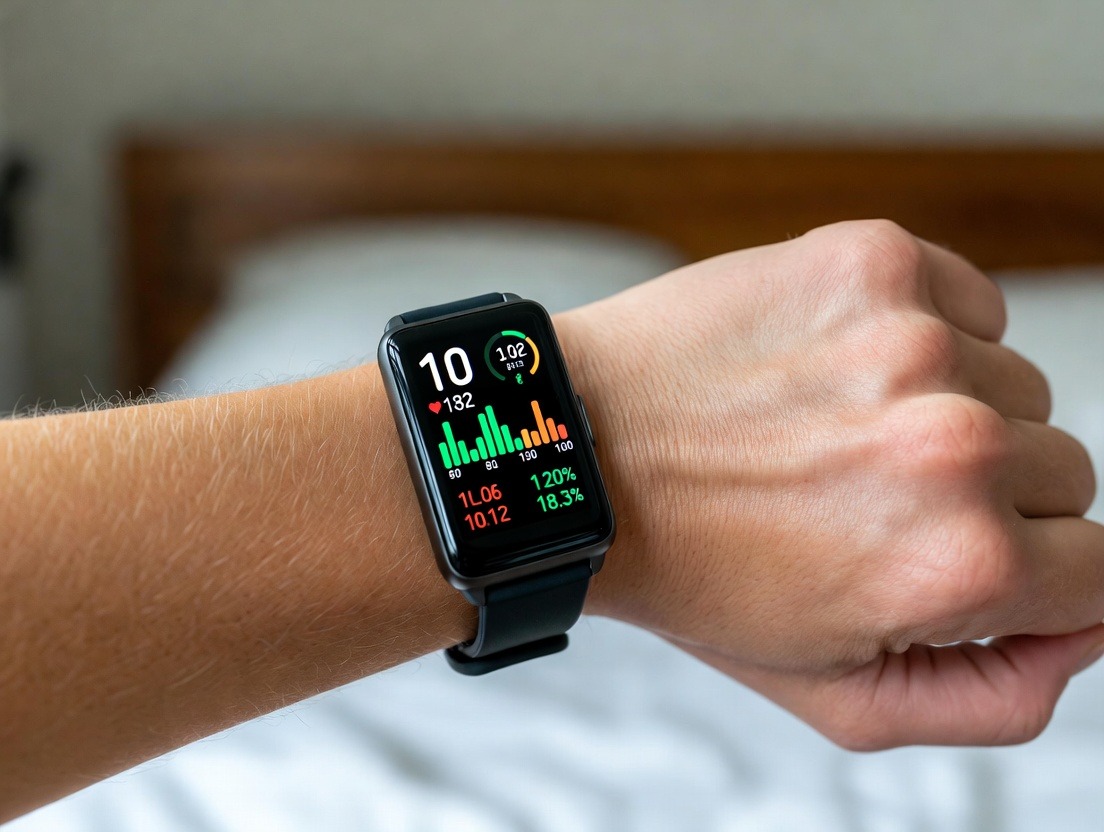
To understand how technology detects stress, we must first understand what stress is at a biological level. Far from being a modern invention of a busy schedule, stress is an ancient, hardwired survival mechanism. When your brain perceives a threat—whether it’s a looming deadline or a saber-toothed tiger—it triggers the hypothalamic-pituitary-adrenal (HPA) axis. This is your body’s central stress response system.
The cascade is swift and profound. The hypothalamus signals the pituitary gland, which in turn prompts the adrenal glands to release a surge of hormones, primarily cortisol and adrenaline (epinephrine). This chemical cocktail initiates a series of dramatic physiological changes designed for one purpose: immediate survival.
This is acute stress, and in a true life-or-death situation, it’s brilliantly effective. The problem in our modern world is that our brain often can’t distinguish between a physical threat and a psychological one. A critical email, a traffic jam, or financial worries can trigger the same primal alarm. When this alarm rings constantly, acute stress becomes chronic stress.
Chronic stress is where the damage is done. The sustained elevation of cortisol breaks down tissues, suppresses the immune system, contributes to anxiety and depression, and is a known risk factor for cardiovascular disease, obesity, and diabetes. It’s a silent, slow-burning fire within.
The key to managing this lies in awareness. For most of human history, we’ve been terrible at recognizing our stress levels until they manifest as burnout, illness, or emotional breakdown. We ignore the subtle signals: the slightly quicker pulse, the restless night, the shortened temper. This is where biometric technology enters the picture. By tracking the direct physical manifestations of this HPA axis activation—like heart rate patterns, skin temperature, and electrical conductivity—a smart ring acts as an objective, 24/7 observer of your nervous system’s state. It catches the whispers of stress long before they become screams.
The journey to a stress-sensing smart ring began not on our fingers, but in clinical settings and on our wrists. The evolution of biometric wearables is a story of miniaturization, sensor fusion, and a fundamental shift from tracking activity to tracking state.
The first mainstream wave of wearables, led by early fitness bands, was all about quantified movement. They counted steps, estimated calories burned, and tracked sleep duration with simple accelerometers. They answered the question: "Did I move enough?" While valuable, this was a crude picture of health, missing the vast, intricate landscape of our autonomic nervous system.
The breakthrough came with the integration of optical heart rate sensors, using Photoplethysmography (PPG). This technology, originally used in hospital pulse oximeters, shone a green LED light into the skin and measured the amount of light reflected back by blood flow. Suddenly, wearables could track heart rate continuously, not just during exercise. This opened the door to analyzing heart rate variability (HRV), a critical metric for stress and recovery that we will explore in depth later.
Wrist-based devices, however, have inherent limitations for precise physiological measurement. The wrist is a prime location for motion artifacts (signals disrupted by movement). The bony structure and distance from major arteries can also lead to noisier PPG data, especially during high-intensity activity or subtle rest.
This led innovators to look at the finger. The finger, particularly the base near the palm, is uniquely suited for biometric sensing:
The modern smart ring is the culmination of this evolution. It leverages the superior physiological vantage point of the finger, combines multiple sensors (PPG, skin temperature, 3D accelerometer), and uses advanced machine learning to filter noise and extract meaningful patterns. It’s no longer just a fitness device; it’s a continuous autonomic nervous system monitor. This shift enables its core function: detecting not just how much you move, but how you respond—to work, to sleep, to exercise, to life itself. It’s the difference between mapping the distance traveled and charting the terrain’s toll on the vehicle. For those seeking a holistic view of their well-being, understanding this connection between restful living and longevity is paramount, and it starts with precise data.

Inside the unassuming band of a smart ring lies a sophisticated micro-lab. It’s the synergy of multiple sensors that creates a comprehensive picture of your stress response. Let’s deconstruct the core sensor suite.
1. Photoplethysmography (PPG) – The Heart of the Matter
This is the primary workhorse. PPG sensors typically use green LED light because it is optimally absorbed by red blood cells. With each heartbeat, a pulse of blood surges through the capillaries, momentarily absorbing more light. Between beats, less light is absorbed. The sensor detects these rhythmic changes in light reflection, creating a waveform that corresponds directly to your pulse. A high-quality, stable PPG signal is the foundational data stream from which heart rate and, crucially, Heart Rate Variability (HRV) are derived. The cleaner this signal, the more accurate the stress insights.
2. 3-Axis Accelerometer & Gyroscope – The Context Provider
Motion sensors are essential for two reasons. First, they enable activity tracking (steps, active minutes). Second, and more importantly for stress detection, they provide context. They distinguish between an elevated heart rate from running up stairs (physical exertion) and an elevated heart rate while sitting at your desk (likely psychological stress). They also detect body movement during sleep to classify sleep stages. By filtering out motion artifacts from the PPG data, these sensors ensure the physiological readings are valid.
3. Skin Temperature Sensor – The Metabolic Beacon
A small, precise thermistor pressed against the skin monitors changes in peripheral body temperature. Stress can influence skin temperature in complex ways. An acute stress response might cause a brief drop due to vasoconstriction (blood moving to the core). Chronic stress and its impact on metabolic rate and circadian rhythm can cause more sustained shifts. Tracking overnight temperature, for instance, can reveal deviations from your personal baseline that correlate with illness, poor recovery, or chronic stress.
4. Galvanic Skin Response (GSR) / Electrodermal Activity (EDA) – The Sweat Gauge
This less common but powerful sensor measures the electrical conductivity of your skin. Your skin conducts electricity better when you sweat, even imperceptibly. Since sweat gland activity is controlled solely by the sympathetic ("fight-or-flight") branch of your autonomic nervous system, EDA is a direct, unfiltered measure of psychological or physiological arousal. A spike in EDA is a near-instantaneous sign of an emotional or stress response. Some advanced rings use opposing electrodes on the inner band to take these measurements.
Together, these sensors create a multi-dimensional data stream. The ring doesn't "feel" your anxiety; it detects its undeniable physical echoes: a heart beating with less variability, a subtle change in skin conductance, a shift in peripheral temperature. It’s the integration and interpretation of these parallel signals that allows the ring’s algorithms to confidently infer your state of stress or calm. For professionals, this data is invaluable for creating calm in stressful jobs, providing objective feedback on what work patterns are most taxing.
If you only learn one metric from your smart ring, let it be Heart Rate Variability. HRV is arguably the single most important biomarker for stress, resilience, and autonomic nervous system balance that modern wearables provide.
Contrary to popular belief, a healthy heart does not beat with the metronomic regularity of a drum machine. The time interval between successive heartbeats, measured in milliseconds, is constantly fluctuating. If your heart rate is 60 beats per minute, it doesn’t mean your heart beats exactly once every second. The intervals might be 985 ms, 1015 ms, 995 ms, and so on. This subtle, natural variation is HRV.
Why does this matter? HRV is a direct window into the tug-of-war between the two branches of your autonomic nervous system:
High HRV is generally good. It indicates a strong, responsive parasympathetic tone and a heart that is resilient and adaptable. It suggests your body is well-recovered and ready to handle stress. Low HRV indicates dominant sympathetic activity. It’s a sign that your body is under strain—whether from psychological stress, physical overtraining, illness, or poor sleep. Your system is less resilient, operating in a more rigid, stressed state.
Smart rings calculate HRV by analyzing the sequence of time intervals between heartbeats (the "R-R intervals") derived from the PPG signal. They often report a metric called rmSSD (root mean square of successive differences), which is well-suited for the shorter, more variable data samples collected by wearables.
How is HRV used for stress detection?
By monitoring HRV, your smart ring shifts from telling you what happened to predicting how you’ll handle what’s next. It’s a foundational metric for anyone interested in managing their energy and building sustainable performance, a concept central to the idea of performance through rest for high-achievers.
While HRV is the cornerstone, true precision in stress detection comes from sensor fusion. Skin temperature and EDA add critical layers of confirmation and nuance, helping to distinguish between different types of arousal.
Skin Temperature: The Slow-Moving Story
Peripheral skin temperature is regulated by blood flow, which is controlled by the autonomic nervous system. During a sudden stress response, blood vessels in the extremities constrict to direct blood to the core and muscles, often causing a measurable drop in finger temperature. Over longer periods, temperature trends tell a different story.
Temperature data provides the background canvas—the slow, metabolic context upon which the faster signals of heart rate and EDA are painted.
Electrodermal Activity (EDA): The Instantaneous Spark
If HRV is a nuanced conversation and temperature is a slow narrative, EDA is a shout. It measures the activity of your sweat glands, which are exclusively innervated by the sympathetic nervous system. Unlike heart rate, which can be elevated by exercise or caffeine, a spike in EDA is a near-direct readout of emotional or sympathetic arousal.
By combining these signals, the ring’s algorithms become robust. A slightly lowered HRV could be ambiguous. But a lowered HRV coupled with a spike in EDA and a drop in skin temperature? That’s the unmistakable fingerprint of an acute stress response. This multi-sensor approach is what separates advanced stress detection from simple heart rate monitoring. Learning to interpret these signals in the context of your own life is a skill, akin to how breathwork supports restful living on a daily basis, turning data into actionable calm.
Raw sensor data is just noise—a river of numbers representing light absorption, millisecond intervals, and electrical conductivity. The magic, the transformation of this data into the insight "You seem stressed," happens in the algorithms. This is where data becomes understanding.
The process is a multi-stage pipeline of computational sophistication:
1. Signal Processing & Noise Filtering: The first job is to clean the data. The accelerometer identifies and helps subtract motion artifacts from the PPG signal. Algorithms smooth out erratic temperature readings. They identify and discard periods of poor sensor contact or extreme motion where data is unreliable. This step ensures only high-fidelity data moves forward.
2. Feature Extraction: From the clean data streams, the algorithm extracts specific "features" or biomarkers. From the PPG waveform, it calculates inter-beat intervals, extracts heart rate, and computes HRV (e.g., rmSSD). It notes the rate of change in skin temperature and the magnitude and frequency of EDA peaks. It also extracts sleep features like duration, restlessness, and time in different stages.
3. Baselines & Personalization: This is where machine learning shines. Over the first few weeks of wear, the system builds a personalized model of you. What is your normal resting heart rate? What is your typical HRV range during deep sleep? What does your daytime temperature curve look like? This establishes a dynamic baseline. The algorithm isn't comparing you to a population average; it's looking for deviations from your own normal.
4. Pattern Recognition & Inference: Now, the system looks for patterns correlated with stress states. It might learn that for you, a combination of:
* HRV dipping 15% below your 7-day rolling average
* +2 microsiemens spike in EDA
* A heart rate that is elevated above your resting rate despite low motion
...historically coincides with self-reported feelings of anxiety or stressful calendar events. It uses these learned patterns to make inferences about your current state.
5. Context Integration: The best systems integrate contextual data you provide (like logged exercise, alcohol consumption, or menstrual cycle) or that they infer (like prolonged sedentary behavior). This helps answer the "why." A low HRV after a hard workout is expected (physical stress); the same low HRV after a day at the office points to psychological strain.
This algorithmic "brain" is constantly evolving. With each day of data, it refines its model of your physiology. It’s this personalization that makes the technology powerful. It’s not giving you generic advice; it’s learning the unique language of your body’s stress responses. The ultimate goal of this technology is to provide feedback that helps you build sustainable habits, much like a weekly restful living plan provides structure for sustainability.
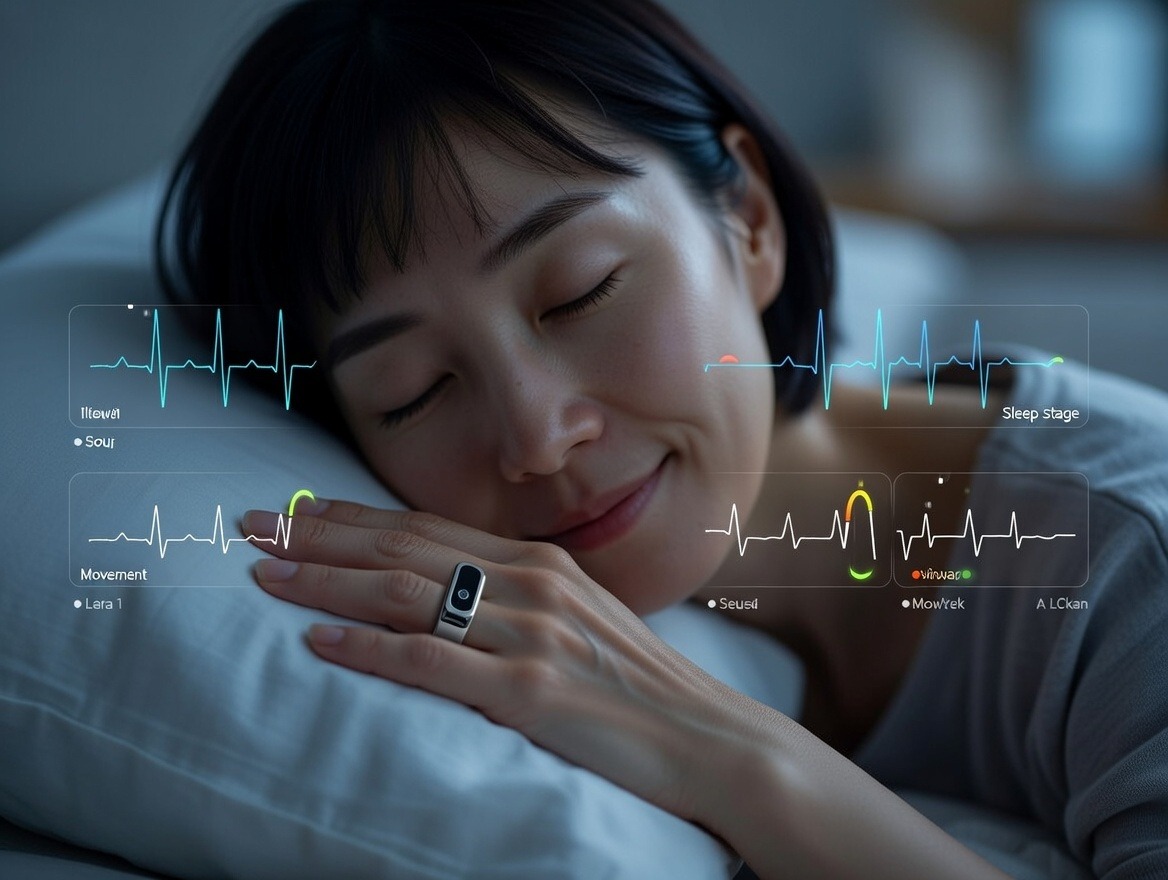
You’ve seen the sensors gather data and the algorithms process it. The final, user-facing output is often a simple, digestible metric: a Stress Score or Body Battery level. This abstraction is crucial—it turns complex physiology into an actionable insight. But what goes into that number?
A well-designed stress score is not a single measurement but a weighted composite index of multiple biomarkers, normalized against your personal baseline. Here’s a breakdown of what it typically synthesizes:
The calculation often works on two timeframes:
It’s Not Just "Bad": Sophisticated systems also attempt to distinguish between "good" stress (eustress) and "bad" stress (distress). A high score after a challenging but satisfying workout is different from a high score after a day of anxiety. Context from your activity data and the pattern of biomarkers (e.g., a sharp EDA spike vs. a gradual HRV decline) helps inform this nuance.
The purpose of the score is not to obsess over a number but to build awareness and guide action. A consistently high stress score is an invitation to investigate: Is it work? Relationships? Diet? Lack of downtime? It provides an objective starting point for making positive changes, such as exploring foods that calm your nervous system as part of a restful living diet.
While daytime stress spikes are important, the most revealing data for chronic stress and overall resilience is collected while you are asleep. During sleep, external stimuli and voluntary movement are minimized. Your body is in control, running its essential maintenance and recovery protocols. A smart ring uses this pristine window to perform its most accurate diagnostic assessment.
Sleep is when the parasympathetic nervous system should be dominantly in charge, promoting deep restoration. Chronic stress disrupts this entire process. Here’s how your ring detects stress through the lens of sleep:
1. Sleep Onset Latency: How long it takes you to fall asleep. A mind racing with worries (sympathetic activation) prolongs this time. Consistent difficulty falling asleep is a classic sign of stress.
2. Sleep Architecture Analysis: Using a combination of heart rate, HRV, and movement, the ring estimates time in Light, Deep, and REM sleep.
3. Nocturnal HRV: This is the gold-standard HRV measurement. Your overnight average HRV, and particularly the peak HRV achieved during deep sleep, is a pure indicator of your recovery capacity and parasympathetic strength. A low or declining nocturnal HRV trend is one of the clearest biometric signs of accumulating stress or poor recovery.
4. Resting Heart Rate During Sleep: Your sleeping heart rate should be at its lowest, most stable point. A trend of elevated overnight resting heart rate is a major red flag for systemic stress, overtraining, or illness.
5. Skin Temperature Dynamics: As you fall asleep, your core body temperature should drop, facilitated by vasodilation in the hands and feet to release heat. A smart ring detects this drop. A blunted or absent temperature drop can indicate poor circadian timing or stress interfering with this vital process.
By analyzing these parameters every night, your ring provides a daily recovery report card. It doesn't just tell you you slept 7 hours; it tells you how restorative those 7 hours were. This data is critical for making informed decisions: Should you push hard in a workout today, or opt for active recovery? Is this a good day for a high-stakes meeting? This understanding of sleep's role is a cornerstone of building restful living boundaries, learning to say no to protect this vital recovery energy.
Knowing your stress score is only step one. The true value of this technology lies in its capacity to close the loop—to move from awareness to intervention. Advanced smart rings and their companion apps are evolving into proactive wellness coaches.
1. Real-Time Biofeedback: This is one of the most powerful applications. Imagine launching a "Calm" session on your phone. As you perform a guided breathing exercise, the app displays your real-time heart rate and perhaps an EDA graph. You can literally see your physiological arousal decrease as you exhale, training your mind-body connection. This immediate feedback reinforces the practice, proving that your actions directly impact your nervous system. It’s applied science, turning the abstract concept of "relaxation" into a tangible, controllable skill.
2. Contextualized Insights: Instead of just a graph, the app might provide notes: "Your stress levels were elevated for 90 minutes today, starting at 10:15 AM. Your heart rate was elevated and HRV was low during this period with minimal movement." You can then cross-reference this with your calendar. "Ah, that was during the quarterly budget review." This builds self-knowledge, helping you identify your specific, personal stress triggers.
3. Personalized Recommendations: Based on patterns, the system might suggest interventions:
* "Your recovery score is low today. Consider a lighter workout or a walking meeting."
* "You’ve had elevated stress scores after late dinners this week. Try finishing your last meal 3 hours before bed."
* "Your sleep has been fragmented. Your wind-down routine might need adjustment." This could involve suggestions for a digital detox to enhance restful living before bedtime.
4. Trend Analysis and Long-Term Coaching: Over weeks and months, you can see how lifestyle changes affect your biomarkers. Did starting a meditation practice improve your nocturnal HRV? Did reducing caffeine after 2 PM help your sleep depth? The ring provides the objective data to validate what works for you, moving you away from generic advice toward personalized optimization.
This transition from passive tracking to active guidance is what makes the technology transformative. It empowers you to become an experimenter in your own life, using concrete data to build habits that enhance resilience. This holistic approach to managing energy and environment is key, whether you’re at home or need a restful living travel guide for maintaining calm on the go.
With all its sophistication, it is crucial to maintain a balanced perspective. A smart ring is a powerful tool, but it is not a medical device, a mind-reader, or a substitute for self-awareness and professional care. Understanding its limitations is key to using it wisely.
1. It Measures Arousal, Not Emotion: The ring detects physiological arousal of the sympathetic nervous system. It cannot label the emotion behind that arousal. The same spike in EDA and heart rate could be caused by anxiety, excitement, anger, or surprise. You provide the context. The ring tells you "your body reacted strongly," and you must decipher whether it was a stressful reaction or a joyful one.
2. The Baseline is Personal, Not Absolute: Your "good" HRV is unique to you. Comparing your raw numbers to someone else’s is meaningless and can lead to unnecessary anxiety. The technology's power is in tracking your own trends over time.
3. Data Can Be Noisy and Confounding: Certain factors can "trick" the sensors or confound the algorithms:
* Medications: Beta-blockers, SSRIs, and other medications directly affect heart rate and HRV.
* Substances: Alcohol, caffeine, and nicotine have dramatic and prolonged effects on all measured biomarkers.
* Medical Conditions: Arrhythmias, thyroid disorders, and other conditions alter baseline physiology.
* Extreme Environments: Very hot or cold ambient temperatures affect skin readings.
4. It’s a Snapshot, Not the Full Picture: The ring provides brilliant physiological data, but it doesn't capture your psychological state, your life circumstances, or your social support network. A period of low HRV might reflect the physical stress of caring for a newborn, not just negative psychological stress. Human interpretation is irreplaceable.
5. Risk of Obsession and "Orthosomnia": An unhealthy fixation on sleep scores or stress metrics can itself become a source of anxiety—a phenomenon clinicians call "orthosomnia." The goal is to use the data for general awareness and trend-spotting, not to achieve a "perfect" score every night.
The smart ring is best thought of as a collaborative partner. It offers an objective, data-driven perspective on your body’s state, but you are the expert on your life. Its insights are most powerful when combined with your own intuition and, when needed, the advice of healthcare professionals. It’s a tool for education and empowerment, not a definitive judge of your health. This balanced approach is part of a broader philosophy, akin to how minimalism enables restful living—by removing clutter and focusing on what truly matters for your well-being.
The technology we see today is just the beginning. The frontier of stress detection and management is moving toward predictive, preventative, and deeply integrated systems. Here’s where the field is headed:
1. Predictive Stress Forecasting: By analyzing long-term trends, circadian rhythms, and even calendar integration (with user permission), future systems may offer gentle predictions: *"Based on your lower recovery score and your full schedule tomorrow, you might be more susceptible to stress. Consider blocking a 15-minute break in the afternoon."* This shifts the paradigm from reactive to proactive management.
2. Multimodal Sensor Fusion: Future rings may incorporate additional sensors, like pulse arrival time for more precise blood pressure trends, or even blood oxygenation (SpO2) trends to assess respiratory health during sleep, which is impacted by stress.
3. Deeper Ecosystem Integration: The true potential lies in seamless integration with our other digital environments. Imagine:
* Your ring detecting rising stress during work, and your smart lights subtly warming to a calmer hue.
* Your calendar automatically suggesting a 5-minute breathing exercise before a historically stressful weekly meeting.
* Your music app shifting to a calming playlist when your evening HRV indicates you’re having trouble unwinding.
This creates an ambient, responsive environment that supports your nervous system without conscious effort.
4. Advanced Health Risk Markers: Research is ongoing into how long-term trends in HRV, sleep, and stress biomarkers correlate with risks for conditions like hypertension, anxiety disorders, and metabolic syndrome. In the future, with proper clinical validation, these devices could provide early, personalized risk indicators, empowering users to seek lifestyle or medical interventions earlier.
5. True Mental Fitness Platforms: The combination of continuous physiological data and periodic psychological check-ins (via the app) could create a holistic "mental fitness" dashboard. It would track not just stress, but resilience, emotional regulation capacity, and overall psychological well-being, offering tailored cognitive-behavioral tools or meditation pathways.
This future points toward a world where technology is less of a tracker and more of a guardian—a subtle, always-present system designed to maintain our autonomic balance in an increasingly demanding world. It’s about using data not for self-optimization at all costs, but for self-preservation and sustainable thriving. This holistic vision naturally extends to all aspects of life, including understanding how restful living improves relationships and mood through the stability it provides.
Owning a stress-sensing smart ring is like being handed the keys to a laboratory. The real challenge—and opportunity—lies in learning to interpret its findings within the rich, messy context of your own life. Data without interpretation is just noise. This section is your guide to moving from graphs and scores to genuine wisdom and behavioral change.
Start with Trends, Not Dots. Your daily stress or recovery score is a single data point. Its true meaning is revealed over time. Instead of worrying about a single "bad" day, look for patterns. Use the weekly and monthly views in your app. Do you see a consistent dip in HRV every Wednesday afternoon? A weekly slump in recovery every Friday morning? These patterns point to recurring, predictable stressors in your life—a weekly high-pressure meeting, a long commute, or the cumulative fatigue of the workweek. Identifying these patterns is the first step to strategically managing them. Perhaps you can schedule a walking break before that Wednesday meeting, or institute a digital detox on Thursday evenings to ensure better recovery before Friday.
Correlate, Don’t Isolate. The most powerful insights come from cross-referencing your biometric data with your personal diary (which many apps include). For one week, diligently log:
After a week, analyze the correlations. You may discover that your beloved post-dinner espresso consistently shaves 10% off your deep sleep. You might see that while social events are fun, large gatherings trigger a measurable stress response. Or, you could find that your 30-minute lunchtime walk, though not logged as "exercise," reliably boosts your afternoon HRV. This process turns abstract data into personal cause-and-effect understanding. For instance, you might learn that your restful living diet choices, like a heavy lunch, directly impact your afternoon physiological calm.
Establish Your Personal Zones. Beyond the app's generic "high" or "low" labels, define what the numbers mean for you.
Use the Data for Positive Reinforcement, Not Self-Criticism. The goal is empowerment, not punishment. If you see a beautiful, high HRV reading after a weekend spent hiking and disconnected from email, that’s powerful positive feedback. It’s your body’s objective "thank you." Let that reinforce the value of that behavior. The ring becomes a tool for celebrating what works, making healthy choices feel validated and tangible. This positive reinforcement loop is essential for building sustainable weekly restful living plans that you'll actually stick with.
By mastering this interpretive skill, you transition from being a passive data subject to an active participant in your own well-being. The ring provides the objective feedback; you provide the narrative. Together, they form a complete picture of your health.

The smart ring is only half of the product. The companion smartphone application is the portal where data transforms into insight, and the quality of this experience is paramount. A clunky, confusing app can render even the most advanced sensor hardware useless. A well-designed app, however, acts as a intuitive guide, coach, and journal.
The Dashboard: Your Biometric Command Center. Upon opening a best-in-class app, you should immediately grasp your current status. A clean, visual dashboard typically features:
Drill-Down Analytics: The Story Behind the Score. The real magic is in the layers beneath the dashboard. Tapping on any metric should reveal:
Guided Pathways and Content Integration. Leading platforms are moving beyond passive tracking to become active wellness hubs. This includes:
The Seamless Sync: A premium experience requires flawless, automatic background synchronization. Data should move from ring to phone (and potentially to the cloud for web dashboard viewing) without user intervention. Battery life management for the ring is also a key part of the UX—a ring that needs a 2-hour charge every day is impractical. The best devices achieve 5-7 days of battery, making the tracking truly continuous and habitual.
Ultimately, the app is the bridge between the cold, precise data of the ring and the warm, complex reality of human life. Its design determines whether the technology feels like a helpful companion or a confusing burden. A great ecosystem doesn't just show you numbers; it helps you write a better story with them, perhaps even guiding you to adapt your restful living approach through the seasons as your body's needs change.
Stress detection is diagnostic. Resilience building is therapeutic. This is the proactive flip side of the coin. Resilience is not the absence of stress; it is the capacity to withstand, adapt to, and recover from stressors. Your smart ring provides the perfect feedback tool for training this capacity, much like a heart rate monitor trains cardiovascular fitness.
The Principle of Hormetic Stress. Not all stress is harmful. Hormesis is the biological concept that a moderate, acute dose of stress can trigger an adaptive response that makes the system stronger. Think of lifting weights—you create micro-tears in muscle (stress), and the body repairs them to be stronger. The same applies to your nervous system. The goal is to apply deliberate, manageable stress, then allow for complete recovery. Your ring is the gauge that tells you if the dose was right and if recovery is happening.
Modalities for Nervous System Training:
The Critical Role of Recovery. Stress + rest = growth. Without adequate recovery, hormetic stress becomes chronic, damaging stress. Your ring is your recovery watchdog. It tells you when you are fully recharged and ready for the next challenge, and when you need to pull back. This might mean taking an unplanned rest day when your recovery score is low, or prioritizing an extra hour of sleep. It enforces the discipline of rest with data, which is especially vital for high-achievers who equate constant activity with performance.
By consciously alternating between deliberate, acute stressors and tracked, high-quality recovery, you are engaging in autonomic fitness training. Over weeks and months, you will likely see your baseline HRV rise, your resting heart rate lower, and your recovery from life's unexpected stressors accelerate. You are not just managing stress; you are building a fundamentally more robust system.
Our stress does not exist in a vacuum. It reverberates through our social ecosystems, affecting partners, families, colleagues, and friends. Conversely, our relationships are a primary source of both stress and buffering. Smart ring data, when viewed through a relational lens, can offer profound insights into this dynamic interplay.
The Contagion of Stress. Stress is literally contagious through processes like emotional contagion and the mirroring of physiological states. If your partner comes home from a high-stress day with a elevated sympathetic tone, your own nervous system can subconsciously synchronize, raising your heart rate and lowering your HRV. With consent and shared curiosity, two people wearing smart rings can observe this phenomenon. You might see your stress scores climb in tandem during a period of shared financial worry or family conflict. This objective data can depersonalize conflict—it’s not "you stressing me out," but "we are both caught in a stressful dynamic." This can be the starting point for a collaborative, rather than adversarial, approach to problem-solving. Understanding this interconnection is a key component of how restful living improves relationships and mood for everyone involved.
Quantifying the "Third Space" Transition. Many struggle to transition from the high-stress environment of work to the calm of home, carrying the physiological burden of the day with them. This is often called the "third space" transition. You can use your ring to measure this. Note the time you leave work and track how long it takes for your heart rate to descend to your true resting baseline and for your HRV to recover. Does it take 30 minutes? Two hours? Never? This data can motivate the creation of a deliberate transition ritual—a walk, a change of clothes, 10 minutes of quiet breathing—with the explicit goal of shortening that physiological recovery time. This protects your home environment from becoming an extension of your stress field.
The Buffer of Positive Connection. Just as negative interactions can spike stress, positive, warm interactions can calm the nervous system. Secure, loving touch releases oxytocin, which dampens cortisol and promotes feelings of safety. You might experiment by tracking a metric like EDA or heart rate during a quiet evening conversation with a loved one versus watching TV separately. The data can reinforce the value of intentional connection as a legitimate wellness practice. Scheduling "connection time" becomes as important as scheduling a workout, with measurable benefits for your autonomic state.
Shared Accountability for Household Well-being. For couples or families pursuing wellness goals, shared biometric data (with clear privacy boundaries) can foster teamwork. You might have a shared goal of improving average sleep scores, creating a mutual incentive to establish a calm, screen-free bedtime routine. Or, you might notice that weekend family hikes lead to superb recovery scores for everyone on Sunday night, validating that investment of time.
Using stress technology in a relational context requires sensitivity, consent, and a focus on shared goals rather than blame. When used well, it can transform relationships from being potential stress amplifiers into powerful, co-created sanctuaries for mutual recovery and resilience. It provides a common language of well-being that extends beyond words, rooted in the shared biology of our human experience. This holistic perspective is part of cultivating a lifestyle where you learn to set restful living boundaries to protect your energy, ensuring you have the capacity to be fully present in your relationships.
The market for advanced health-sensing smart rings has expanded significantly, moving from a niche category to a competitive field with distinct philosophies and technological approaches. Understanding the differences is key to choosing the right tool for your specific wellness journey.
The Recovering Athlete & Data Powerhouse: Oura Ring
Oura pioneered the category and remains a leader. Its strengths lie in:
The Real-Time Stress & Resilience Coach: Whoop Strap
While not a ring, Whoop is a direct competitor in the continuous recovery monitoring space and a key benchmark.
The Holistic Health & Medical-Leaning Platform: Apple Watch (with watchOS Updates)
The Apple Watch, particularly recent models, has aggressively moved into this space, leveraging its ubiquitous platform.
The New Generation of Smart Rings (e.g., Circular Ring, Ultrahuman Ring Air):
New entrants are pushing the envelope with innovative features:
Choosing What’s Right For You:
The decision hinges on your primary goal:
All these devices share the core mission of making your invisible physiology visible. The best one is the one you’ll wear consistently and whose data presentation resonates with you, motivating actionable change. For many, the 24/7 nature and comfort of a ring make it the ideal form factor for the lifelong project of stress awareness and resilience building, a project that benefits from the principles of restful living through the seasons, adapting your tools as your life changes.
While sleep is the cornerstone, recovery is a multifaceted process that occurs 24 hours a day. Your smart ring tracks several key pillars of recovery beyond the simple metric of sleep duration. Understanding these can help you build a more comprehensive and effective recovery strategy.
1. Neurological Recovery: This is about calming the cognitive and emotional centers of the brain.
2. Metabolic Recovery: This involves managing the energy processing systems of your body—digestion, glycogen replenishment, and inflammation.
3. Hormonal & Cellular Recovery: This is the deep repair work managed by hormones like growth hormone (released during deep sleep) and the process of autophagy (cellular cleanup).
4. Emotional & Social Recovery: This is the feeling of being replenished by connection, safety, and joy.
By viewing recovery through these four lenses, you can move beyond the simplistic "get 8 hours of sleep" advice. Your smart ring provides the feedback loop to test which recovery modalities work best for you. You might discover that 7 hours of high-quality sleep with a 20-minute NSDR session in the afternoon leads to a better recovery score than 8.5 hours of fragmented sleep alone. This empowers you to build a personalized, multi-pronged recovery protocol that turns resilience from a concept into a daily practice.
As we invite these intimate devices to collect our most personal data—the real-time state of our nervous system—critical ethical questions arise. Navigating them thoughtfully is essential for both users and manufacturers.
1. The Privacy Paradox: Your Body as a Data Stream.
The data collected by a stress-sensing ring is profoundly sensitive. It can infer when you are asleep, anxious, exercising, or likely ill. It can potentially deduce your daily routines, work patterns, and even intimate moments. Key questions include:
2. Data Ownership and Portability.
The philosophy of a company matters. Do they treat your data as their asset or your property? The ideal model is user-centric: you own your data, and you choose to share it with the service to get insights in return. The ability to download your complete data history in a standardized format (like JSON or CSV) is a mark of a respectful company. This allows you to take your longitudinal health record with you if you switch platforms or share it with a healthcare provider.
3. The Psychological Impact: Anxiety from Awareness.
As mentioned earlier, "orthosomnia" and "quantified-self anxiety" are real risks. The constant feedback can lead to obsessive checking and a unhealthy fixation on optimizing scores, ironically creating a new source of stress. Responsible apps should:
4. Algorithmic Bias and Inclusivity.
Algorithms are trained on datasets. If those datasets are not diverse—across age, sex, ethnicity, and pre-existing health conditions—the insights may be less accurate or relevant for underrepresented groups. For example, HRV norms and sleep patterns differ by sex and age. A responsible company invests in diverse research cohorts to ensure its product provides value for all humans, not just a subset.
5. The Doctor-Patient Relationship.
While these devices empower individuals, they are not diagnostic. A trend of declining HRV should be a conversation starter with a healthcare professional, not a self-diagnosis of illness. The ethical use case is adjunctive. The ring provides context and longitudinal tracking that a 15-minute doctor's appointment cannot, but it does not replace clinical judgment.
As users, we must be informed digital citizens. Read the privacy policies. Choose companies with transparent data practices. Use the technology as a guide, not a guru. Remember, the ultimate goal is to cultivate an internal sense of calm and resilience that eventually makes you less reliant on the external device. It's a tool to help you listen to your body, not a replacement for your own innate wisdom. This ethical, balanced use of technology is itself a form of modern restful living, where you harness tools without being controlled by them.
We stand at the threshold of a new paradigm in personal well-being. The current generation of smart rings is brilliantly diagnostic, offering a mirror to our internal state. The next generation will be prescriptive and ambient, creating an environment that automatically responds to our physiology. This is the shift from observation to harmonious interaction.
Closed-Loop Biofeedback Systems: Imagine a system where your smart ring doesn't just tell you you're stressed; it initiates a personalized countermeasure. Early prototypes and research point to a near future where:
This "closed-loop" concept turns discrete devices into a cohesive, intelligent ecosystem dedicated to maintaining your autonomic balance. The ring becomes the central nervous system for your personal environment.
Predictive Personalization with AI: Beyond real-time reactions, machine learning will enable predictive personalization. By analyzing months of your data alongside contextual information (calendar, weather, location), the system could learn that you always have a depressed recovery score the day after transcontinental travel, or that your stress peaks predictably before weekly team meetings. It could then proactively suggest interventions: *"Based on your history, you may struggle with sleep in the new timezone. I've scheduled a 20-minute yoga nidra session for 9 PM local time."* This moves wellness from generic to hyper-personal.
Multimodal Data Fusion for Holistic Health: The future smart ring will not operate in isolation. It will be one node in a constellation of sensors. Secure, user-controlled integration with other data streams will create a holistic health avatar:
This ambient, predictive, and integrated future is not about outsourcing our well-being to machines. It's about using technology to offload the cognitive load of constant self-monitoring, freeing our conscious minds to engage more fully with life, creativity, and connection. It’s the technological realization of a principle we intuitively understand: that our environment profoundly shapes our nervous system. By making that environment responsive, we can craft a world that actively supports calm on the go, seamlessly adapting whether we’re at home, in the office, or traveling.
The "Quantified Self" movement was the first wave—the collection of data for its own sake. We are now entering the era of the Qualified Self, where the value lies not in the volume of data, but in its quality, interpretation, and integration into formal and informal healthcare pathways. This bridges the gap between consumer wellness and clinical practice.
Empowering the Patient-Provider Conversation. Today, a doctor asks, "How have you been sleeping?" You give a subjective, often flawed, summary. Tomorrow, you arrive with a PDF report generated by your smart ring app, showing:
This transforms the dialogue. The appointment shifts from gathering vague symptoms to investigating precise, data-illustrated patterns. It makes you an informed partner in your own care. Cardiologists, sleep specialists, endocrinologists, and mental health professionals are increasingly open to reviewing this longitudinal biometric data as a valuable adjunct to traditional diagnostics.
Remote Patient Monitoring (RPM) and Chronic Condition Management. For conditions like hypertension, anxiety disorders, or Post-COVID syndrome (Long COVID), where autonomic dysfunction is a core feature, smart rings offer a revolutionary tool for continuous, unobtrusive monitoring outside the clinic.
Driving Participatory Research. The aggregated, anonymized data from millions of users is a treasure trove for medical research. With proper consent and ethics, this data can help scientists understand the real-world physiology of stress and resilience at a population scale. How do major global events affect collective nervous system health? What are the biometric signatures of different mental health conditions? This research can feed back into better algorithms and more effective public health recommendations.
Navigating the Integration Challenge. For this integration to succeed, key hurdles must be cleared:
The destination is a collaborative model. Your smart ring provides the continuous, real-world narrative of your health. Your healthcare provider brings clinical expertise and diagnostic tools. Together, you form a more effective team, focused not just on treating illness, but on cultivating and sustaining vibrant health. This model empowers individuals to take charge of their well-being with professional support, aligning perfectly with the proactive philosophy of building a structured plan for sustainable wellness.
After 20,000 words exploring sensors, algorithms, and scores, we must return to the fundamental human question: What is this all for? The pinnacle of using stress detection technology is not a perfect HRV graph. It is embodied living—a state where you are so attuned to your body's signals that the technology eventually becomes a occasional check-in, not a constant crutch.
The Three Stages of Mastery:
This journey redefines self-care. It moves it from a sporadic treat (a spa day) to a continuous, data-informed practice of energy stewardship. You learn to spend your physiological resources as wisely as your financial ones, investing in recovery, and avoiding costly stress debts. You understand that saying "no" to an extra commitment is not a failure of generosity, but a success in protecting your energy, ensuring you can be fully present for your true priorities.
The Ripple Effect: This embodied state doesn't just benefit you. A person who is physiologically regulated is more patient, empathetic, creative, and resilient. They show up better in their relationships, their work, and their community. The calm you cultivate internally radiates outward. By managing your own stress, you indirectly but powerfully contribute to a less stressed, more compassionate world. This is perhaps the most profound argument for this technology: it has the potential to foster not just personal resilience, but relational and societal resilience.
The health tracking technology behind stress detection represents one of the most significant intersections of human biology and digital innovation in our time. It demystifies the most pervasive health challenge of the modern age, turning the vague specter of stress into a measurable, manageable aspect of our daily lives.
We have journeyed from the ancient physiology of the fight-or-flight response to the cutting-edge algorithms interpreting the light reflected from your capillaries. We've seen how a confluence of sensors—PPG, accelerometers, thermistors, and EDA electrodes—work in concert to listen to the whispers of your autonomic nervous system. We've understood that the true power lies not in the raw data, but in the personalized insights, the behavioral feedback loops, and the capacity to build resilience through deliberate practice.
This technology is not a promise of a stress-free life. Such a life would be inert and devoid of growth. Instead, it is a tool for navigating a stress-filled world with grace, intelligence, and resilience. It helps you distinguish between the stress that strengthens you and the stress that diminishes you. It champions the radical, counter-cultural necessity of deep recovery.
As you wear your smart ring, remember that you are participating in a grand experiment in self-knowledge. You are mapping your inner landscape. Let the data guide you, but let your own lived experience be the final judge. Use it to cultivate moments of pause, to defend your sleep, to embrace breath, and to design a life that aligns with your physiology.
The ultimate metric of success is not on your phone's dashboard. It is felt in the steady calm during a crisis, the deep restorative power of your sleep, the joyful energy you bring to your passions, and the peaceful presence you offer to those you love. This is the future of well-being: not just tracked, but understood; not just managed, but mastered. It begins, quite literally, at your fingertips.
Explore More on Your Wellness Journey:
The path to a balanced, resilient life is multifaceted. Continue exploring how different dimensions of restful living can integrate with your biometric insights:
Let your data inform your journey, and let these principles guide your way to a more peaceful, powerful you.
Your Trusted Sleep Advocate: Sleep Foundation — https://www.sleepfoundation.org
Discover a digital archive of scholarly articles: NIH — https://www.ncbi.nlm.nih.gov/
39 million citations for biomedical literature :PubMed — https://pubmed.ncbi.nlm.nih.gov/
Experts at Harvard Health Publishing covering a variety of health topics — https://www.health.harvard.edu/blog/
Every life deserves world class care :Cleveland Clinic - https://my.clevelandclinic.org/health
Wearable technology and the future of predictive health monitoring :MIT Technology Review — https://www.technologyreview.com/
Dedicated to the well-being of all people and guided by science :World Health Organization — https://www.who.int/news-room/
Psychological science and knowledge to benefit society and improve lives. :APA — https://www.apa.org/monitor/
Cutting-edge insights on human longevity and peak performance:
Lifespan Research — https://www.lifespan.io/
Global authority on exercise physiology, sports performance, and human recovery:
American College of Sports Medicine — https://www.acsm.org/
Neuroscience-driven guidance for better focus, sleep, and mental clarity:
Stanford Human Performance Lab — https://humanperformance.stanford.edu/
Evidence-based psychology and mind–body wellness resources:
Mayo Clinic — https://www.mayoclinic.org/healthy-lifestyle/
Data-backed research on emotional wellbeing, stress biology, and resilience:
American Institute of Stress — https://www.stress.org/


