


How Health Tracking Technology Interprets Movement Patterns
Describes how accelerometers and gyroscopes interpret body movements to identify activities and sleep positions.
Describes how accelerometers and gyroscopes interpret body movements to identify activities and sleep positions.
%402x.svg)
In the quiet pulse of your wrist or the subtle weight of a ring on your finger, a revolution is taking place. Our most fundamental human actions—the steady rhythm of a walk, the restless shift during sleep, the absent-minded fidget at a desk—are no longer just ephemeral movements. They have become a rich, complex language. Health tracking technology has learned to listen, to decode, and to interpret this language of motion, translating the silent story of our bodies into insights that can enhance our longevity, performance, and well-being.
We stand at a fascinating crossroads of biology and data science. For millennia, physicians assessed health through observable movement: gait, posture, tremors. Today, that assessment has moved from the macroscopic clinic to the microscopic digital realm, powered by sensors small enough to wear 24/7. Devices like the advanced smart rings and wearables from innovators such as Oxyzen are not merely counting steps; they are constructing a high-definition map of our kinetic lives. They discern the nuanced difference between stress-induced pacing and purposeful aerobic walking. They identify the signature of poor sleep quality not just from heart rate, but from the micro-movements between sleep cycles. They can whisper warnings of impending fatigue or shout accolades for peak recovery.
This article is a deep dive into the silent conversation between your body in motion and the technology on your finger. We will peel back the layers of engineering, biomechanics, and algorithmic intelligence to understand exactly how health tracking technology interprets movement patterns. From the raw data of acceleration to the profound insights into metabolic health, mental stress, and athletic readiness, we will explore the journey a single gesture takes from physical act to personalized health recommendation. This is not just a story of technology; it’s the story of how we are learning to understand ourselves through the poetry of our own movement.
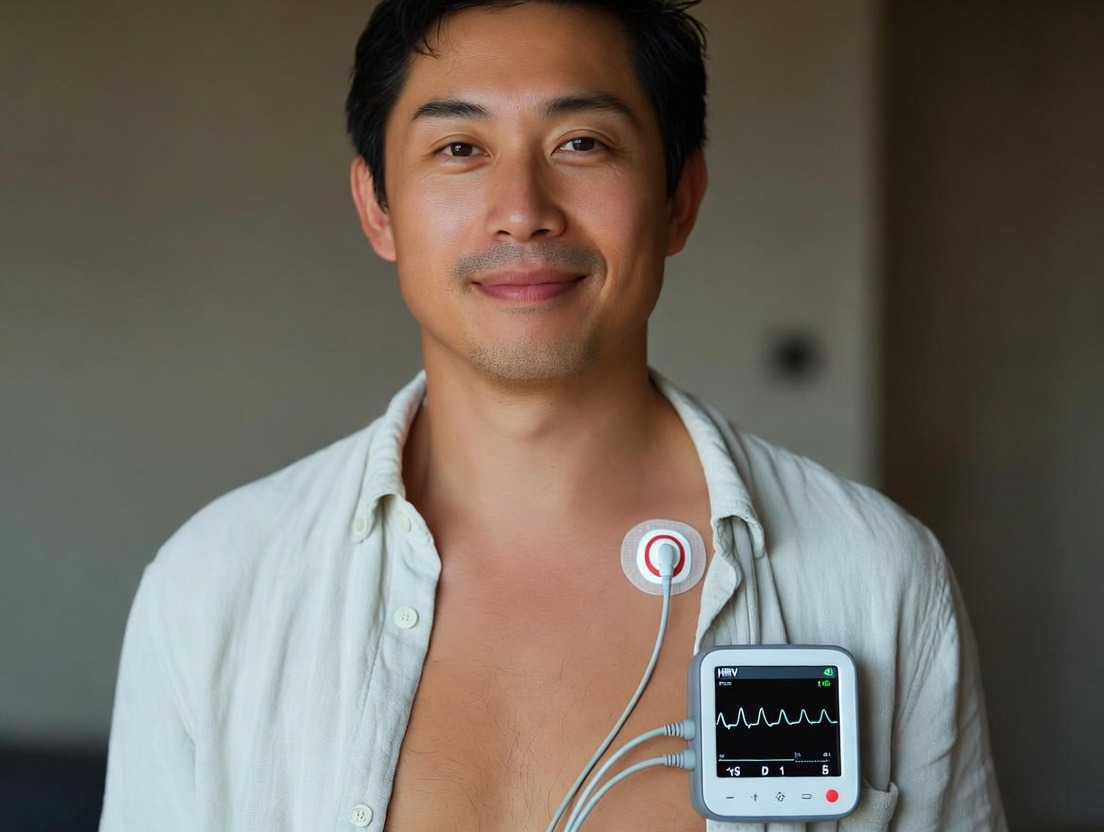
Movement is our first language, long before speech. From the embryonic flutter to our final breath, life is expressed through motion. It is a continuous, unconscious broadcast of our physiological and psychological state. A stiff gait can signal joint inflammation or muscular imbalance. A tapping foot may betray anxiety. The slow, rolling turns of deep sleep contrast sharply with the jerky motions of a restless mind. Every action, from the grand (a sprint) to the imperceptible (the tremor of a heartbeat), forms a data stream of immense value.
Health tracking technology has embraced this fundamental truth: movement is a foundational, real-time biomarker. Unlike a blood test, which provides a snapshot from a single moment, movement analysis offers a cinematic view of health across time and context. It is non-invasive, passive, and holistic. It captures the interplay between systems—how your nervous system commands your muscles, how your cardiorespiratory system fuels them, and how your endocrine system modulates it all.
This continuous monitoring allows for the establishment of a personal kinetic baseline. What is normal for you? Not an average from a population, but your unique signature of movement during a healthy, rested, and unstressed state. Deviations from this baseline become the most powerful signals. A smart ring tracking your sleep, for instance, doesn't just report you were "restless"; it detects that your characteristic sleep movement pattern, established over weeks of data, was fragmented by 40% more micro-awakenings. This deviation prompts the question "Why?"—leading to insights about stress, diet, or overtraining.
The genius of modern interpretation lies in moving beyond simple quantification. It’s not about if you moved, but how. The quality, rhythm, efficiency, and variability of movement tell the deeper story. By decoding this silent language, devices transform from passive recorders to active interpreters, offering a window into our health that is both intimate and incredibly insightful. For those curious about how this technology translates into a wearable product, you can discover how Oxyzen works to capture this language elegantly and unobtrusively.
Before any interpretation can begin, movement must be captured and translated into the digital realm. This translation is the domain of tiny, sophisticated sensors—the unsung heroes embedded within your wearable. Three primary sensors form the core of most advanced movement-tracking systems: the accelerometer, the gyroscope, and the magnetometer. Together, they form an Inertial Measurement Unit (IMU), a complete motion-capture studio on a chip smaller than a fingernail.
The Accelerometer is the workhorse. It measures proper acceleration—the rate of change of velocity relative to freefall. In simple terms, it senses movement and vibration along three axes (up-down, left-right, forward-backward). Every step you take creates a unique acceleration signature. The sharp impact of your heel striking the ground, the swing of your arm, the gentle rise and fall of your chest with each breath—all are captured as precise, high-frequency waveforms of data. By analyzing the amplitude, frequency, and pattern of these waveforms, algorithms can classify activities (walking vs. running), count steps, and even estimate intensity.
The Gyroscope complements the accelerometer by measuring orientation and rotational velocity. It tells the system how the device is turning—the roll of your wrist as you lift a cup, the twist of your torso during a golf swing, the rotation of your body as you turn in bed. This is crucial for distinguishing between similar acceleration patterns. The motion of your hand while jogging (a back-and-forth swing) versus while typing (a smaller, more varied motion) can be differentiated by the rotational data from the gyroscope.
The Magnetometer, essentially a digital compass, measures orientation relative to the Earth's magnetic field. It helps calibrate the absolute direction of movement, correcting for drift in the gyroscope and providing context for movement in space (e.g., distinguishing between walking north versus south).
The raw data from these sensors is a torrent of numbers. The first stage of interpretation is signal processing. Noise—from loose wear, subway vibrations, or random jostles—is filtered out. The clean signals are then fused in a process called sensor fusion, which creates a single, accurate, and reliable model of the device’s movement in three-dimensional space. This rich, multidimensional data stream is the pristine clay from which the algorithms begin to sculpt meaning.
With a clean, fused data stream in hand, the next critical step is activity classification. This is where the chaotic, continuous signal of life is parsed into recognizable events: walking, running, sleeping, cycling, typing. It’s the process of teaching technology the grammar of human motion.
Early fitness trackers used simple threshold-based algorithms. If the accelerometer data showed oscillations above a certain frequency and amplitude, it was counted as a "step." This was effective for basic counting but notoriously poor at differentiating activities. Modern systems, especially those in premium smart rings and wearables, use sophisticated machine learning models. These models are not programmed with rigid rules; they are trained.
The training process involves feeding the algorithm millions of labeled data samples. For example, thousands of accelerometer and gyroscope recordings from people who were known to be running, walking, sleeping, or doing elliptical training are fed into the model. The algorithm learns to identify the unique, complex patterns—the "feature vectors"—associated with each activity. It learns that running has a higher frequency and more vertical impact than walking. It learns that the motion pattern of cycling, with its strong, rhythmic leg movement but stable torso, is distinct from the arm-pumping motion of an elliptical.
This learning enables remarkable granularity. Advanced classifiers don't just detect "exercise"; they can distinguish between swimming strokes (freestyle vs. breaststroke), identify specific strength training movements (bicep curls vs. shoulder presses) with reasonable accuracy, and even recognize periods of non-exercise activity thermogenesis (NEAT), like pacing while on a phone call or gardening.
The classification happens locally on the device in near real-time, a testament to the increasing power of embedded processors. This step is foundational because it transforms raw motion into contextual activity. It provides the first layer of meaning: "What is the user doing?" The answer to this question then fuels the next, more profound layers of interpretation related to energy, health, and performance. For a deeper look at the types of insights derived from this data, you can explore our blog for more wellness tips and detailed breakdowns.
Once an activity is classified, the next question is: How hard was it? Step count is a crude metric; two people can walk 10,000 steps with vastly different physiological impacts. Modern interpretation seeks to understand the metabolic cost—the true energy expenditure of movement. This is where movement data merges with physiological signals.
The primary method for this is through Metabolic Equivalent of Task (MET) estimation and caloric burn modeling. By combining the classified activity type with its intensity (derived from the amplitude and frequency of movement data), and then personalizing it with user-specific metrics like resting heart rate, heart rate variability (HRV), and VO2 Max estimates, algorithms can calculate calories burned with far greater accuracy than ever before.
For example, the system classifies an activity as "running." The accelerometer data indicates a stride rate of 170 steps per minute with significant vertical oscillation. Concurrently, the optical heart rate sensor (if available, often paired in a system like Oxyzen's ecosystem) detects the user's heart rate has risen to 75% of their estimated maximum. The algorithm synthesizes this information: Type: Running. Kinematic Intensity: High. Cardiovascular Response: Significant. It then references an internal physiological model to estimate that this particular user is burning, say, 12 calories per minute during this session.
This metabolic interpretation is crucial for:
This layer transforms movement data from a simple log of actions into a dynamic map of energy flow, bridging the gap between physical motion and internal physiology.

Sleep is not a state of stillness, but one of ordered, cyclical movement. The journey from wakefulness to deep sleep and into REM is choreographed with subtle motor signatures. Health technology interprets these signatures to paint a detailed picture of sleep architecture without wires or EEG machines.
The cornerstone of actigraphy-based sleep tracking is the near-absence of gross motor activity. But the magic lies in detecting the micro-movements. During light sleep (N1 & N2), the body still makes frequent, small adjustments. As we transition into deep sleep (N3), the body becomes almost paralyzed; movement is minimal, characterized mostly by slow, rolling shifts. REM sleep, however, presents a paradox: while the major muscle groups are inhibited (atonia), the eyes dart rapidly, and small twitches in the fingers, face, and toes occur.
Advanced algorithms analyze the frequency, periodicity, and clustering of movements throughout the night. Long periods of stillness interspersed with brief, minor shifts suggest deep sleep. Bursts of very small, high-frequency movements (detected by sensitive accelerometers), especially when correlated with heart rate spikes and a rise in respiratory rate, are strong indicators of REM sleep.
Furthermore, movement data is crucial for identifying sleep disturbances. A classic sign of sleep apnea is not just a pause in breathing (detected via blood oxygen or heart rate variability), but the subsequent micro-arousal and body movement as the brain triggers a gasp for air. Restless Leg Syndrome leaves a clear signature of periodic limb movements. Even environmental disturbances—a noisy street or a partner shifting—can be seen as corresponding movement events.
By weaving together movement patterns, heart rate, and often blood oxygen saturation (SpO2), the technology constructs a hypnogram—a graph of your sleep stages. This interpretation moves far beyond "8 hours in bed." It answers: How restorative was your sleep? Was it fragmented? Did you get sufficient deep and REM sleep for physical repair and cognitive consolidation? This level of insight is foundational for managing everything from chronic fatigue to athletic recovery. Our users often share how this detailed sleep analysis has changed their daily lives, as you can read in these real customer reviews and user experiences.
If sleep tracking tells the story of the night, recovery analysis interprets its meaning for the day ahead. Movement data is a critical, and often overlooked, component of measuring physiological readiness and strain. The concept is simple yet profound: how you move (or don't move) when you are not exercising speaks volumes about your body's internal state.
A key metric here is nocturnal restlessness. As described, the amount and pattern of movement during sleep are direct outputs. But recovery algorithms look deeper. They establish your personal baseline for "quiet sleep." On a night following extreme physical exertion, intense mental stress, or the onset of illness, your movement pattern often becomes agitated. You may have more frequent, sharper shifts. The algorithm detects this increase in restlessness relative to your own norm and interprets it as a sign of elevated systemic stress, impairing sleep quality and, by extension, recovery.
This interpretation is combined with other morning metrics—like Heart Rate Variability (HRV), resting heart rate, and respiratory rate—to generate a Readiness or Recovery Score. Think of movement as the behavioral component of this score. A high resting heart rate and low HRV might indicate autonomic nervous system stress. Elevated sleep movement confirms it was manifest behaviorally, strengthening the conclusion that your body is struggling to regain homeostasis.
Conversely, a night of low restlessness, characterized by long, stable periods of minimal movement, suggests the nervous system is calm and recovery processes are operating efficiently. Even if the sleep duration was slightly short, the high quality indicated by the movement pattern can lead to a favorable readiness score.
This interpretation turns passive observation into proactive guidance. The technology isn't just reporting that you tossed and turned; it's suggesting, "Your movement data indicates poor recovery. Consider a light day, prioritize hydration, and maybe skip that high-intensity workout." It empowers users to align their daily actions with their body's actual capacity, not just their planned schedule.
Human movement isn't only about dynamic action; it's also about the positions we hold and the stillness we endure. In many ways, static posture—sitting at a desk, standing in line, holding a phone—presents a greater modern health challenge than a lack of exercise. Interpreting these non-movements is a frontier in health tracking.
This is a sensorically difficult problem. An accelerometer and gyroscope at rest simply report their orientation relative to gravity. The ingenuity lies in context and duration. By classifying an activity as "sitting" or "standing" and then timing the uninterrupted duration of that state, the technology can infer postural strain.
For instance, if the device's orientation indicates the wrist or finger is held in a position consistent with desk work (based on learned models) for 90 minutes without a significant break involving walking or stretching, it can flag a period of prolonged sedentary behavior. Some advanced systems using multiple points of measurement (e.g., a ring and a phone) can even infer spinal angle or neck flexion by comparing orientations.
The health interpretation is clear and backed by extensive research: prolonged, uninterrupted sitting is associated with negative metabolic, cardiovascular, and musculoskeletal outcomes. Therefore, the simple act of detecting and timing this static state is hugely valuable. The intervention is the famous "movement snack": a notification to stand up and move for a minute or two every hour. By breaking the pattern of stillness, the technology actively encourages healthier movement habits, combating the "sitting disease" of modern life.
This interpretation shifts the focus from adding movement (exercise) to optimizing movement patterns throughout the entire 24-hour cycle. It recognizes that how we spend the 23 hours outside the gym is as important as the one hour inside it. For practical advice on integrating these insights into a busy life, our resource hub offers a wealth of information; you can read our complete guide to daily movement optimization.
In biological systems, too much regularity can be a sign of illness, while healthy complexity often includes a degree of structured variability. This principle, central to the science of biometrics, applies profoundly to movement. The consistency of a runner's stride, the pattern of arm swing during a walk, even the subtle sway of your body while standing still—all contain a signature of variability that is rich with information.
Advanced interpretative models are beginning to analyze this movement variability. In gait analysis, a too-regular, robotic stride can indicate a conscious, guarded movement due to pain or neurological concern, while a naturally variable stride suggests efficient, unconscious, and healthy motor control. A decrease in the complexity of daily activity patterns (e.g., becoming more repetitive and less spontaneous) can be an early behavioral marker of declining mental or physical health.
This is where research intersects with cutting-edge consumer technology. By applying nonlinear analysis and machine learning to long-term movement trend data, algorithms can look for gradual, subtle shifts in a person's movement "fingerprint." For example, a consistent, slight reduction in walking speed or arm swing amplitude over months, imperceptible to the individual, could be flagged as a trend worth discussing with a healthcare provider.
This interpretation moves health tracking from acute insight (you slept poorly last night) to longitudinal health assessment. It seeks to identify deviations from a personal norm that unfold slowly over time, potentially offering early indications of changes in musculoskeletal health, neurological function, or overall vitality. It represents the ultimate promise of the technology: not just to manage fitness, but to guard long-term well-being through the continuous, passive analysis of how we move through our lives.
Raw movement data in isolation can be misleading. The same arm motion could be weightlifting, hammering a nail, or holding on to a subway strap. True intelligence in interpretation comes from data fusion—the marriage of motion data with other contextual and physiological data streams.
The most powerful fusion is with photoplethysmography (PPG), the optical heart rate sensor found in most wearables. This creates a feedback loop between action and reaction:
Furthermore, environmental context from a paired smartphone (location, ambient sound, time of day) adds another layer. The system can learn that certain movement patterns occur in the gym (likely exercise), at your desk (likely sedentary work), or at home (likely domestic activity). This improves classification accuracy and enriches the narrative. A high-stress response (high HR, low HRV) during a commute is interpreted differently than the same response during a workout.
This multidimensional synthesis is where the magic of personalized health insights truly happens. The technology stops looking at data channels in isolation and starts seeing the integrated human being. It can then provide nuanced feedback: "You showed signs of physical strain and elevated stress during your afternoon meeting, followed by unusually restless sleep. Consider managing your stress response with breathing techniques." This holistic view is central to the mission of companies dedicated to whole-person wellness, a philosophy you can learn about through Oxyzen's brand journey and founding story.
The final, and most transformative, stage of interpretation is predictive and prescriptive. Having collected, classified, and contextualized movement patterns, the most advanced systems are now asking: What is likely to happen next, and what should you do about it?
This involves building predictive models from longitudinal data. By analyzing thousands of data points over months, the algorithm can learn individual patterns. It might identify that:
With these learned correlations, the technology moves from hindsight to foresight. It can provide personalized health nudges. Instead of a generic "Get 250 steps this hour!" alert, it might say: "Based on your recent activity and sleep trends, a light recovery walk today would be better than your planned intense workout." Or: *"Your movement patterns suggest elevated stress. A 5-minute breathing exercise now may improve your sleep tonight."*
This shifts the paradigm from tracking to true coaching. The system uses your unique movement biography to offer anticipatory guidance, helping you avoid pitfalls and optimize decisions in real-time. It turns the wearable from a reporter into a partner in health, one that learns your personal language of movement and helps you write a better story with it. The development of such intuitive, predictive technology is a core part of our vision and values at Oxyzen, where we believe the future of wellness is not just monitored, but actively and intelligently guided.

The interpretation of movement patterns has found one of its most potent applications in the realm of athletics and high-performance training. Here, the margin between victory and defeat, or between a personal best and an injury, can be measured in millimeters of movement efficiency and milliseconds of reaction time. For the modern athlete, wearables are not just fitness gadgets; they are essential pieces of coaching equipment, providing a continuous, objective stream of biomechanical and physiological data that was once only available in a lab.
The core principle is load management. Every workout, practice, and game places a specific type of stress—or load—on the musculoskeletal, cardiovascular, and nervous systems. Movement technology interprets this load with incredible granularity. It’s no longer just about "hard" or "easy" days. An advanced smart ring or wearable can quantify:
By tracking these metrics daily, the technology helps construct a strain-recovery curve. For example, a runner’s device might detect a subtle favoring of the right leg during a fatigued state in the final miles of a long run—a potential early warning sign for an overuse injury like iliotibial band syndrome. The system can then recommend a reduction in load, specific mobility work, or a focus on recovery.
Recovery, in fact, is where movement data becomes paramount. As discussed, nocturnal movement and restlessness are direct proxies for autonomic nervous system stress and tissue repair. An athlete coming off a brutal training session will show elevated sleep movement and heart rate. The smart algorithm tracks the return to their personal baseline of quiet sleep. Only when movement patterns during sleep normalize, coupled with favorable HRV and resting heart rate, does it signal that the athlete is truly physiologically ready for another high-intensity bout. This prevents the all-too-common cycle of under-recovery leading to overtraining, burnout, or injury.
This data-driven approach allows for hyper-personalized periodization. Training plans can be adjusted in real-time based on the body’s actual response, not a pre-written calendar. The technology answers the athlete’s most crucial daily question: "Am I ready to push, or do I need to pull back?" This level of insight, once the domain of elite sports institutes, is now accessible to amateur enthusiasts and weekend warriors alike, democratizing high-performance coaching. For athletes seeking to understand their own unique strain and recovery patterns, the insights found on the Oxyzen blog can be an invaluable resource for translating data into actionable strategy.
Beyond the track and gym, the interpretation of movement is making a profound impact in clinical medicine, particularly in the management of chronic diseases. Here, movement acts as a digital biomarker—a continuous, objective measure of disease progression, functional status, and treatment efficacy that can be monitored in a patient’s natural environment, not just during a brief clinic visit.
Consider Parkinson’s Disease. Clinicians assess progression using tools like the Unified Parkinson's Disease Rating Scale (UPDRS), which includes evaluating gait, tremor, and bradykinesia (slowness of movement). These assessments are episodic and subjective. A smart wearable, however, can provide a continuous, quantitative measure of these very symptoms. It can:
This allows for remote patient monitoring, finer titration of medication (seeing if tremor decreases post-dose), and more sensitive detection of progression. Similar applications are being pioneered for Multiple Sclerosis (monitoring gait stability and fatigue-related movement decline), Osteoarthritis (tracking joint usage, pain-related movement avoidance, and daily step count trends), and Cardiovascular Disease.
For heart failure patients, a sudden decrease in overall daily movement or walking speed, coupled with subtle increases in nocturnal restlessness and heart rate, can be an early indicator of fluid retention and clinical worsening—often days before the patient feels severely short of breath. This enables proactive intervention, potentially preventing a costly and dangerous hospital readmission.
In the realm of metabolic health, movement pattern interpretation combats sedentariness, a core driver of Type 2 Diabetes and metabolic syndrome. Technology that prompts breaks from sitting and encourages low-grade activity throughout the day (NEAT) is effectively delivering a continuous, low-dose intervention. It helps manage glucose variability by encouraging muscle engagement, which aids glucose uptake without the need for intense exercise sessions that some patients cannot tolerate.
This clinical application transforms the patient-provider relationship. It provides a rich stream of real-world data, moving healthcare from reactive to proactive and participatory. Patients become engaged partners, and physicians gain insights into the 99% of life that happens outside the examination room. The mission to empower individuals with this kind of actionable health intelligence is a driving force behind many in the field, including the team whose purpose you can explore on our about us page.
The modern workplace is a primary determinant of adult health, often characterized by prolonged sedentariness, repetitive strain, and psychosocial stress. Movement tracking technology is now being leveraged to design healthier, more productive, and more human-centric work environments through corporate wellness programs and ergonomic science.
At the population health level, aggregated and anonymized movement data from employee wearables can reveal powerful insights about organizational well-being. Wellness coordinators can identify:
This data allows for targeted, evidence-based wellness initiatives rather than generic, one-size-fits-all programs.
On the individual level, the technology serves as a postural and movement coach. For the remote worker or office employee, it can:
The interpretation extends to mental well-being. As we've established, movement patterns are tightly coupled with autonomic nervous system state. An employee experiencing chronic work stress may exhibit a tell-tale signature: low overall daily movement variability, high fidgeting during focused tasks, and persistently elevated resting heart rate with low HRV. While the device cannot diagnose anxiety, it can objectively highlight periods of physiological dysregulation and suggest evidence-based micro-interventions like a guided breathing exercise—a digital form of stress first-aid.
The bottom line for business is clear: a healthier, less stressed, and more physically vibrant workforce is a more engaged, creative, and productive one. Investing in technology that helps interpret and improve the movement patterns of employees is an investment in human capital. For companies looking to integrate these insights, understanding the technology's capabilities is key; common questions are addressed in our comprehensive FAQ and support section.
The intimate link between the mind and body is perhaps nowhere more clearly evidenced than in our movement. Mental and emotional states have distinct kinetic fingerprints. Depression, for instance, is often characterized by psychomotor retardation—a slowing of thought and physical movement. This can manifest in wearable data as decreased overall step count, slower walking speed, reduced amplitude of arm swing, and a less variable, more repetitive daily movement pattern. There may also be significant disruptions in sleep architecture, with increased restlessness or hypersomnia.
Conversely, anxiety and acute stress often present with psychomotor agitation. This can be seen as an increase in non-purposeful, fidgeting movements, a higher baseline level of restlessness even during seated periods, and difficulty achieving the sustained stillness necessary for deep sleep. The movement data shows a "jittery" signature, frequently coupled with elevated heart rate and reduced HRV.
Advanced interpretation algorithms are being trained to recognize these patterns as part of a holistic stress and resilience score. The goal is not to diagnose a mental health condition—that is the role of a qualified professional—but to provide the user with objective biofeedback. Someone feeling "on edge" might see their device report: *"Your movement patterns and physiological signals indicate elevated tension. Consider a 10-minute walk to regulate your nervous system."* This externalizes and validates internal experiences, reducing stigma and empowering action.
This technology also shows immense promise in managing Attention-Deficit/Hyperactivity Disorder (ADHD). For some, movement isn't a distraction; it's a regulator. Fidgeting can help maintain focus. By tracking activity, individuals can learn about their unique regulatory patterns. Was focus better on days with more light activity breaks? Did a morning walk improve afternoon concentration? This self-knowledge allows for better environmental and behavioral structuring.
Furthermore, the act of using movement as an intervention is core to mental health. The technology can prescribe "eco-therapy": prompting a walk in nature based on a combination of poor movement variability, high stress signals, and nice local weather. It reinforces the potent, evidence-based connection between physical activity and mental well-being, using personal data to make the recommendation irresistible and timely. By making the invisible link between mental state and physical expression visible, this interpretation fosters greater mind-body awareness and agency.
As the depth of interpretation grows, so does the sensitivity of the data collected. The stream of information detailing our sleep disturbances, stress responses, movement declines, and location-based habits is arguably one of the most intimate datasets possible—a digital diary of our bodily existence. This raises critical questions of data privacy, security, ownership, and ethical use.
The first line of defense is on-device processing. The most privacy-conscious companies ensure that raw sensor data is processed locally on the wearable or smartphone. Instead of transmitting every gyroscope twitch to the cloud, the device extracts the meaningful insights (e.g., "30 minutes of deep sleep," "a 20-minute zone 2 run") and only sends those higher-level, anonymized results for syncing and long-term trend analysis. This minimizes the exposure of raw biometric data.
Transparency and user control are non-negotiable. Users must have clear, granular controls over what data is collected, how it is processed, and with whom it is shared. Can it be used for research? Can it be aggregated for product improvement? Can it be shared with a healthcare provider or employer? These choices must reside with the individual. The principle of data minimization—collecting only what is necessary for the stated function—should be paramount.
The ethical stakes are highest when this data is used in insurance, employment, or clinical diagnostics. While there's potential for positive use (lower premiums for healthy behaviors, early disease detection), the risks of discrimination, coercion, and profiling are significant. Should an insurance company have access to data showing you consistently skip sleep? Could an employer penalize an employee for low "readiness scores"? Robust legal and regulatory frameworks, like GDPR and HIPAA (with expansions for new data types), are needed to prevent harm.
Ultimately, trust is the currency of this industry. Brands must build their technology on a foundation of privacy-by-design. They must be clear that the user is the sole owner of their movement story. The interpretation should empower, not surveil; inform, not judge. This commitment to ethical stewardship is a core part of our story and vision at Oxyzen, where we believe profound insight must be paired with profound respect for the individual.

For all its sophistication, wearable technology is not medical-grade diagnostic equipment. Its value hinges on relative accuracy and consistency rather than absolute, clinical precision. Understanding the limits and proper use of this technology is essential for interpreting its interpretations correctly.
Calibration is Key. The algorithms are trained on large, diverse populations, but you are an individual. The first 1-2 weeks of using a new device are a critical calibration period. The system learns your baseline: your normal walking gait, your typical sleep position movements, your personal heart rate zones. During this time, trends are more reliable than absolute numbers. A device might not know your exact VO2 Max from day one, but it can accurately detect a 10% improvement in your estimated VO2 Max over three months.
Validation Varies by Metric. Not all measurements are created equal:
User responsibility plays a huge role. A device worn improperly (too loose, on the wrong finger or wrist) will produce poor data. The infamous "garbage in, garbage out" principle applies. Furthermore, the human must still contextualize the data. A poor sleep score after celebrating a friend's birthday is different from a poor sleep score for no apparent reason. The technology provides the "what"; the user must often supply the "why."
The most powerful approach is trend-based, not point-in-time, analysis. A single night of terrible sleep data is noise. A two-week trend of declining sleep efficiency and increased resting heart rate is a signal worth investigating. By focusing on longitudinal patterns and coupling device data with subjective feelings ("I feel great!" or "I feel drained"), users can form a truly accurate picture of their health.
With a crowded market of smart rings, watches, bands, and clips, selecting the right device to interpret your movement can be daunting. The choice should be driven by personal priorities, lifestyle, and the specific insights you seek. Here is a framework to guide the decision:
1. Define Your Primary Use Case:
2. Sensor Suite & Biometric Depth:
The core sensors are accelerometer, gyroscope, optical heart rate. Key differentiators include:
3. The Ecosystem & Interpretation Intelligence:
The hardware is only half the story. The software algorithms and user interface determine how insights are delivered. Evaluate:
4. Aesthetic & Comfort:
Since consistency of wear is the single biggest factor in data quality, choose a device you enjoy wearing. A sleek, low-profile ring may be worn consistently by someone who finds watches cumbersome. Consider material, size, and water resistance for your lifestyle.
There is no "best" device, only the best device for you. The goal is to find a kinetic interpreter that fits seamlessly into your life, providing insights you trust and will actually use to make positive changes. Hearing from others who have navigated this choice can be helpful; you can find authentic perspectives in our collection of user experiences and testimonials.
The field is advancing at a breathtaking pace. The next generation of movement interpretation will make today's technology seem rudimentary. Here are the frontiers currently being explored:
1. Multi-Limb Coordination & Full-Body Kinematics: Future systems may involve two or more synchronized wearables (e.g., rings on both hands, a ring and an ankle band). This would allow for true full-body movement analysis, assessing coordination, cross-body asymmetry, and complex movements like a golf swing or tennis serve with lab-grade detail in real-world settings.
2. Predictive Injury Risk Modeling: By combining long-term movement asymmetry data, load metrics, and tissue stress models, algorithms will move from identifying current strain to predicting future injury risk. A system might alert: "Your left hamstring loading has been 8% higher than your right for two weeks during runs. Your injury risk is elevated. Recommend these three corrective exercises."
3. Emotional State Inference: Research is deepening the link between specific movement patterns and emotions. The gait of a happy person is measurably different from that of a sad or angry person. While ethically fraught, future algorithms with explicit user consent may be able to gently flag prolonged periods of movement signatures associated with low mood, prompting connection to resources or social support.
4. Integration with Ambient Sensors: The wearable will not work alone. It will be the hub of a personal-area network that includes smart scales, under-mattress sleep pads, and even camera-based systems (with strict privacy controls) in the home. This will provide context that eliminates guesswork: the wearable knows you were restless; the under-mattress sensor confirms it was due to sleep apnea events; the smart scale notes water retention.
5. Generative AI Health Coaching: Large language models, trained on vast biomedical corpora and personalized with your unique multi-year movement and health data, will act as an interactive health coach. You could ask: "Based on my movement data this week and my goal of running a 5K, what should my weekend look like?" and receive a tailored plan considering your recovery, sleep trends, and historical performance.
These frontiers point toward a future where our technology understands not just our movement, but the contextual meaning of our lives, offering support that is profoundly personalized, anticipatory, and holistic. The journey from a simple step count to this level of sophisticated symbiosis is the great promise of the wearable revolution.
Armed with an understanding of the technology, the most transformative step is applying it to yourself. A Personal Movement Audit is a structured, mindful process of observing and interpreting your own kinetic patterns without judgment. This turns abstract data into self-knowledge. Here’s how to conduct one over a 4-6 week period, whether you have a sophisticated device or just a smartphone.
Phase 1: Establish Your Baseline (Weeks 1-2) – The “What”
During this phase, your goal is pure observation. Wear your device consistently and live your normal life. Avoid making changes based on the data. Simply collect. At the end of each day, spend five minutes reviewing three key areas:
Record these observations in a simple journal alongside notes on your subjective state: energy levels, mood, muscle soreness, and diet. The goal is to see correlations. For example: "Tuesday: High activity day (12k steps, 45 min gym). Sleep score 85 but felt exhausted Wednesday AM. Journal note: Ate late, had wine with dinner."
Phase 2: Identify Patterns & Triggers (Weeks 3-4) – The “Why”
Now, analyze your baseline data for consistent links. Look for answers to these questions:
This phase is detective work. The data provides clues, but you are the sleuth connecting them to your life’s context. You might discover that your acclaimed "high-intensity workout" actually spikes your stress for 24 hours, while a moderate bike ride boosts your mood and sleep. These are profoundly personal insights.
Phase 3: Design Micro-Experiments (Weeks 5-6) – The “How”
With hypotheses in hand, test them. Make one tiny, sustainable change at a time and observe the data and subjective response.
The key is the micro in micro-experiment. Small changes are sustainable and their effects are clearer to isolate in your data. This process transforms you from a passive data consumer to an active participant in your own well-being, using the technology as a feedback tool. For inspiration and more structured experiments, our resource hub offers a wealth of ideas; you can explore our blog for more wellness tips and guided challenges.
Data is meaningless without action. The ultimate goal of interpreting movement patterns is to craft a Kinetic Lifestyle—a way of living that naturally integrates healthy, varied, and joyful movement into the fabric of your day, supported by technology, not dictated by it. This is not about rigid optimization, but about harmonious integration.
1. Choreograph Your Day with Movement "Anchor Points."
Instead of relying on willpower, anchor movement to existing daily rituals.
These anchors create a predictable, low-stress rhythm that automatically increases NEAT and breaks sedentariness.
2. Listen to Your Readiness, Not Just Your Schedule.
This is the paradigm shift. If your device shows a low recovery score or your movement audit revealed you need 48 hours to recover from leg day, have the courage to swap your scheduled hard run for a yoga session or a walk. The Kinetic Lifestyle respects the body’s signals. It uses the objective data to give you "permission" to rest or modify, combating the cultural guilt associated with skipping a workout. Conversely, on a high-readiness day, you might confidently push for a personal best.
3. Prioritize Movement Variety (The Kinetic Spectrum).
Human bodies thrive on variation, not repetition. Structure your week to hit different points on the movement spectrum:
Your wearable can help you see if you’re over-reliant on one type (e.g., only LISS, or excessive HIIT) and guide you toward a more balanced, resilient profile.
4. Optimize the 23 Hours.
The one hour in the gym matters far less than the 23 hours outside it. Use movement insights to improve the quality of your non-exercise time:
By building these principles, your relationship with movement evolves from a chore on a to-do list to a continuous, intuitive dialogue with your body, facilitated by technology. This philosophy of holistic, data-informed well-being is central to the mission behind products designed for this very purpose, a mission detailed in our vision & values statement.
The wearable market is a cacophony of claims: “most accurate,” “clinical grade,” “AI-powered insights.” Navigating it requires a critical eye. Here’s how to evaluate products and their promises like an expert.
Red Flags to Watch For:
Green Flags to Seek Out:
Remember, the most expensive device is not necessarily the best for you. The ideal device is the one you’ll wear consistently, whose insights you understand and trust, and whose ecosystem supports your specific wellness journey. Asking the right questions upfront is crucial; many common queries are addressed in our detailed FAQ and support center.

As we conclude this exploration, we arrive at the most profound question underpinning this entire technological revolution: By quantifying our every movement, are we truly enhancing the quality of our lived experience, or are we reducing the poetry of life to sterile data points?
The risk is real. It’s called obsessive quantification or “orthosomnia”—the unhealthy preoccupation with perfect sleep data. It can turn a walk in the woods into a step-counting chore, or a restful Sunday into a source of anxiety over a low activity score. When the metric becomes the goal, we can lose touch with the intrinsic joy and meaning of the activity itself. The device, meant to be a tool, can become a taskmaster.
The antidote is intentional integration. The technology must serve a human-centric philosophy, not the other way around. The interpretation of movement patterns is most powerful when it leads to:
1. Greater Embodiment, Not Disassociation.
Good technology should draw you into your body, not out of it. Seeing that your stress score is high should prompt you to take a deep breath and notice where you’re holding tension—to feel your feet on the ground. The data is a mirror, reminding you to inhabit the physical vessel you have. It’s a call to presence.
2. Empowerment Through Self-Knowledge.
This is the core promise. For generations, we’ve relied on vague feelings (“I’m tired,” “I’m stressed”) to guide our choices. Now, we have a personalized, objective narrative. That narrative empowers us to advocate for ourselves—with a doctor, a coach, an employer, or our own internal critic. We can say, “The data shows my sleep is consistently disrupted, and it’s affecting my recovery. Let’s find solutions.”
3. The Celebration of Unquantifiable Movement.
The ultimate wisdom is knowing when to take the ring off. The dance at a wedding, the playful wrestling with a child, the act of making love, the quiet stillness of meditation—these are movements that defy quantification and whose value is immeasurable. A healthy relationship with tracking technology recognizes its domain and consciously creates space for the sacred, un-tracked moments that make us human.
4. Compassion Over Optimization.
The data should foster self-compassion, not self-criticism. A poor sleep score after a night caring for a sick child isn’t a failure; it’s a data point reflecting love and sacrifice. The interpretation should be contextual and kind, helping us understand our limits and treat ourselves with the same care we would treat the data of a loved one.
In the end, health tracking technology that interprets movement patterns is a remarkable chapter in the long human story of seeking to understand ourselves. From the ancient practice of observing gait to the modern algorithm detecting REM sleep through micro-twitches, the quest is the same. The goal is not a perfect score, but a deeper, more resonant, and healthier life. The numbers on the screen are not the truth; they are a single, insightful language helping to tell the much richer, more complex, and beautiful story of you.
This concludes the first portion of our comprehensive guide to how health tracking technology interprets movement patterns. We have journeyed from sensor to algorithm, from gym to clinic, from data to philosophy. The conversation between our bodies and our technology will only grow richer. May we engage in it with curiosity, critical thinking, and above all, a commitment to our own humanity.
Your Trusted Sleep Advocate: Sleep Foundation — https://www.sleepfoundation.org
Discover a digital archive of scholarly articles: NIH — https://www.ncbi.nlm.nih.gov/
39 million citations for biomedical literature :PubMed — https://pubmed.ncbi.nlm.nih.gov/
Experts at Harvard Health Publishing covering a variety of health topics — https://www.health.harvard.edu/blog/
Every life deserves world class care :Cleveland Clinic - https://my.clevelandclinic.org/health
Wearable technology and the future of predictive health monitoring :MIT Technology Review — https://www.technologyreview.com/
Dedicated to the well-being of all people and guided by science :World Health Organization — https://www.who.int/news-room/
Psychological science and knowledge to benefit society and improve lives. :APA — https://www.apa.org/monitor/
Cutting-edge insights on human longevity and peak performance:
Lifespan Research — https://www.lifespan.io/
Global authority on exercise physiology, sports performance, and human recovery:
American College of Sports Medicine — https://www.acsm.org/
Neuroscience-driven guidance for better focus, sleep, and mental clarity:
Stanford Human Performance Lab — https://humanperformance.stanford.edu/
Evidence-based psychology and mind–body wellness resources:
Mayo Clinic — https://www.mayoclinic.org/healthy-lifestyle/
Data-backed research on emotional wellbeing, stress biology, and resilience:
American Institute of Stress — https://www.stress.org/


