


Movement and Wellness: Tracking the Mood-Exercise Connection
It tracks the clear connection between movement and improvements in mood.
It tracks the clear connection between movement and improvements in mood.
%402x.svg)
For generations, the advice to “go for a run” or “get some fresh air” when feeling down has been passed along as folk wisdom. But in our data-driven age, we are no longer satisfied with anecdotal evidence. We crave proof. We seek to quantify the intangible, to see the direct line between a pounding heart and a peaceful mind, between physical exertion and emotional equilibrium. The profound link between movement and mood is no longer just a feeling—it’s a measurable, trackable, and optimizable phenomenon.
This exploration delves into the heart of one of the most powerful relationships in human health: the intricate dance between our physical activity and our mental and emotional state. We will move beyond generic advice and into the realm of personalized insight. By examining the neuroscience, physiology, and psychology behind the mood-exercise connection, and by leveraging modern technology like advanced wellness wearables, we can finally move from guessing to knowing. This journey isn't just about understanding why a walk can lift your spirits; it's about discovering how much, what type, and when your unique body needs movement to build unshakable resilience, sustained joy, and holistic wellness.
The modern quest for well-being demands more than siloed data—steps here, heart rate there, a subjective note on mood elsewhere. True understanding emerges from correlation, from seeing how these threads weave together to form the tapestry of your daily life. With precise tools like the smart ring from Oxyzen, which offers seamless, 24/7 tracking, we can now observe these connections in high definition. Discover how our technology is designed for this holistic purpose at our main hub, Oxyzen.ai. The goal is clear: to transform the ancient wisdom of "movement is medicine" into a personalized, proactive prescription for a better life.
We often think of exercise as a purely physical endeavor—a way to sculpt muscles, strengthen the heart, and shed pounds. But the first and most profound impact of movement is neurological. Every step, stretch, and sprint initiates a cascading cocktail of neurochemicals and stimulates structural changes within the brain itself, crafting an internal environment primed for positivity.
At the forefront of this biochemical ballet are endorphins, the body's famed natural painkillers and mood elevators. While the "runner's high" was once attributed solely to them, science now reveals a more complex ensemble. Exercise also triggers the release of dopamine, the neurotransmitter of reward, motivation, and pleasure. It floods the system with serotonin, a key regulator of mood, appetite, and sleep, often targeted by antidepressants. Furthermore, it elevates levels of brain-derived neurotrophic factor (BDNF), a protein that acts like fertilizer for the brain. BDNF supports the survival of existing neurons and encourages the growth and differentiation of new ones, particularly in the hippocampus—the brain's central hub for memory and emotion. A well-nourished hippocampus is more resilient to the corrosive effects of stress and is critical in the fight against anxiety and depression.
The structural changes are just as compelling. Regular physical activity has been shown to increase the volume of the prefrontal cortex, the area responsible for executive function, decision-making, and emotional regulation. Simultaneously, it can calm the hyperactivity of the amygdala, our brain's threat detection center, which is often overactive in states of chronic stress and anxiety. In essence, exercise doesn't just make you feel happier in the moment; it physically remodels your brain to be more balanced, more adaptable, and more resistant to negative emotional spirals.
This isn't a one-size-fits-all process, however. The neurological response varies by exercise type, duration, and intensity. A brisk 20-minute walk may provide a gentle serotonin and dopamine boost, perfect for lifting a foggy mood. High-Intensity Interval Training (HIIT) might trigger a more significant endorphin and BDNF release, ideal for building long-term resilience. The key is consistency; the brain, like a muscle, adapts and strengthens with regular training. Understanding this internal symphony is the first step to harnessing it. For a deeper look at how the brain recovers during rest, which is just as crucial as the activity itself, consider exploring the resources on our Oxyzen blog.
Perhaps one of the most vital neurological benefits of exercise is its role as a buffer against stress. Physical activity is a form of "controlled stress" that teaches the body's central nervous system to recover more efficiently. By repeatedly raising your heart rate and engaging your stress-response systems in a safe context, you improve their flexibility. This process, known as stress inoculation, means that when psychological stress hits, your physiological reaction is less severe and you return to baseline faster. Your body learns: "This is not a threat; this is just like my workout." This trained resilience is a cornerstone of long-term emotional wellness, turning exercise from a simple task into a powerful training regimen for your entire nervous system.
While the brain is the command center, the mood-enhancing effects of exercise resonate through every system in the body, creating a holistic symphony of wellness. This physiological concert explains why the benefits of movement extend far beyond a temporary chemical high, influencing everything from inflammation to gut health.
One of the most significant systemic effects is the powerful anti-inflammatory action of regular activity. Chronic, low-grade inflammation is now recognized as a key biological underpinning of depression and anxiety. Exercise stimulates the production of myokines, proteins released by working muscles, which have potent anti-inflammatory effects throughout the body. By reducing this inflammatory load, exercise helps create a physiological terrain that is less hospitable to mood disorders.
Next, consider the cardiovascular and respiratory boost. Improved circulation means more oxygen is delivered not just to muscles, but to your brain, enhancing cognitive function and clarity. This can directly combat the mental fatigue and "brain fog" that often accompany low mood. Furthermore, the rhythmic, deep breathing associated with many forms of exercise, from running to yoga, activates the parasympathetic nervous system—the "rest and digest" counterpoint to the stress-inducing "fight or flight" response. This shift signals safety to the body, lowering blood pressure, slowing the heart rate, and promoting a state of calm.
The connection extends into an unexpected area: gut health. Emerging research on the gut-brain axis reveals that our digestive system is in constant, bidirectional communication with our brain. Exercise promotes a more diverse and healthy gut microbiome. A thriving gut flora produces a vast array of neurotransmitters and neuroactive compounds that influence our mood. In this way, a good workout doesn't just strengthen your legs; it cultivates an internal ecosystem that supports mental well-being.
Finally, we must account for body temperature and circadian rhythm. Moderate to vigorous exercise raises core body temperature. The subsequent cooldown period mimics the natural drop in temperature that occurs in the evening, promoting better sleep onset and quality. Since sleep is foundational to emotional regulation—a topic we explore in depth in articles like what is deep sleep and why you're not getting enough—this indirect effect is monumental. Regular daytime movement helps synchronize your internal clock, leading to more restorative nights and more stable days.
Tracking these interconnected physiological signals is where modern wellness technology becomes indispensable. A device that only counts steps misses the full picture. To truly understand your personal mood-exercise connection, you need insight into heart rate variability (a marker of nervous system balance), sleep quality, and daily readiness. This is the integrated approach championed by Oxyzen, designed to give you a complete view of your wellness. For a firsthand look at how users have transformed their understanding of these connections, browse through our customer testimonials.

The connection between movement and mood isn't solely a bottom-up process of biochemistry; it’s also a top-down story of psychology and behavior. Often, the hardest step is the first one. The psychological barriers of low energy, lack of motivation, or feelings of overwhelm can feel insurmountable. This is where the powerful concept of behavioral momentum comes into play.
Behavioral momentum is the psychological principle that starting with small, easy actions creates a sense of accomplishment and forward motion, making it easier to continue with larger, more demanding tasks. In the context of exercise and mood, you don't need to aim for an hour at the gym to reap benefits. The act of simply putting on your walking shoes, stepping outside for five minutes, or doing three stretches by your desk can break the static inertia of a low mood. That small action generates a "win," releasing a trickle of dopamine that reinforces the behavior and builds the momentum to do a little more.
This approach directly counteracts the all-or-nothing thinking that sabotages so many wellness journeys. The goal shifts from "I must have a life-changing workout" to "I will initiate a positive action." This is critical because consistency trumps intensity for long-term mental health benefits. Ten minutes of movement every day is far more powerful for regulating mood than a single two-hour session once a month that leads to burnout or injury.
Establishing a movement ritual also rebuilds a sense of agency—the feeling that you are in control of your actions and, by extension, your state of mind. Depression and anxiety often thrive on a sense of helplessness. By committing to a daily walk, a morning yoga flow, or an evening stretch routine, you are making a powerful statement to yourself: "I have the power to influence how I feel." This reclamation of control is a potent antidepressant in itself.
Furthermore, mindful movement practices like yoga, tai chi, or even a conscious walk in nature combine physical activity with present-moment awareness. This pulls you out of rumination (the repetitive, negative thought loops characteristic of low mood) and anchors you in the sensations of your body and environment. This break from mental chatter is often exactly what's needed to reset an emotional pattern. To build a holistic routine that supports both movement and recovery, understanding your sleep architecture is key. Our guide on the deep sleep vs REM sleep difference explains how different sleep stages contribute to your daily readiness.
For centuries, the mood-exercise link was subjective—a feeling, an observation. Today, we stand at the frontier of objective quantification. The rise of wearable technology and advanced biometric tracking has given us a powerful lens through which to view this intimate relationship, transforming vague intuition into actionable, personalized insight.
This is the era of biofeedback for wellness. We can now track not just our steps, but our heart rate variability (HRV), a precise indicator of autonomic nervous system balance and recovery status. We can monitor our resting heart rate, which often decreases with improved fitness and can elevate with stress or illness. We can analyze our sleep stages with remarkable detail, understanding the quality of our physical and mental restoration each night. When these data streams are viewed in correlation with logged exercise and subjective mood notes, powerful patterns emerge.
Imagine seeing a clear graph showing that on days your HRV is high (indicating good recovery and resilience), your 30-minute run leads to a sustained elevation in self-reported energy for the next 12 hours. Conversely, you might discover that when your deep sleep—the most physically restorative phase—is low (you can check your own metrics against our guide on ideal deep sleep duration by age), a high-intensity workout leaves you feeling drained and irritable instead of energized. This is personalized medicine for the mind and body.
A smart ring like Oxyzen is ideally suited for this continuous, unobtrusive tracking. Unlike wrist-worn devices that can be bulky or interfere with certain activities, a ring provides comfortable, 24/7 wear, capturing data during workouts, sleep, and everything in between. This creates a seamless, comprehensive dataset. You’re not just tracking your exercise; you’re tracking your body’s response to it. You can answer questions like: Does a morning workout improve my focus more than an evening one? Does yoga or weight training have a bigger impact on my stress levels? How many hours after my workout does my mood typically peak?
This data-driven approach removes guesswork and empowers you to experiment. It turns your own life into a well-instrumented laboratory for wellness. For those curious about the technology enabling these insights, our article on how sleep trackers actually work provides a fascinating look under the hood. To begin your own journey of discovery, the best place to start is our main storefront at Oxyzen.shop.
With this power comes a necessary note of caution: data is a guide, not a gospel. The goal of quantification is to foster awareness and informed choice, not to breed anxiety over every fluctuating metric. The healthiest relationship with this technology is one of curious observation, not compulsive checking. The numbers should serve your sense of well-being, not undermine it. They are points on a map, but you are the navigator.
Not all movement is created equal when it comes to modulating mood. Different activities engage the body and mind in distinct ways, making them uniquely suited to address specific emotional states. Understanding this spectrum allows you to choose the right "tool" for your current mental and emotional needs, moving beyond a generic exercise prescription to a personalized emotional toolkit.
For Anxiety and Racing Thoughts: Rhythmic, Meditative Movement.
Activities that involve repetitive motion and conscious breathing are excellent for calming an overactive nervous system. Think running, swimming, rowing, or cycling at a steady, moderate pace. The rhythmic nature of these exercises can induce a meditative state, helping to quiet mental chatter. Even more potent are deliberate mindfulness practices like yoga, tai chi, or qigong. These combine movement with breath awareness, directly teaching the body to down-regulate from a state of high alert. The focus on form and flow pulls attention away from anxious thoughts and into physical sensation.
For Low Energy and Depression: Energizing and Uplifting Movement.
When feeling sluggish, heavy, or low, the key is to start gently but aim for activities that can generate an energizing effect. A brisk walk in nature combines light cardiovascular activity with the proven mood-boosting effects of green space. As energy permits, dance to favorite music, a group fitness class with motivating music and social energy, or interval training with short bursts of effort can be incredibly effective. These activities trigger a stronger neurochemical response (dopamine, endorphins) and can help "shake off" the physical heaviness associated with low mood. The social component of a class can also combat isolation.
For Frustration and Anger: High-Intensity and Expressive Release.
Emotions like anger and frustration are characterized by a surge of energy that seeks an outlet. Channeling this into intense physical exertion can be cathartic and constructive. High-Intensity Interval Training (HIIT), heavy bag work, kickboxing, or intense weight training allow for the safe expression and release of this pent-up energy. The physical exertion metabolizes the stress hormones flooding your system, and the focused effort provides a cognitive distraction, leading to a calmer, more spent state afterward.
For Stress and Overwhelm: Grounding and Restorative Practices.
When stress feels cumulative and the body is tense, the goal is restoration, not exertion. Gentle stretching, restorative yoga, or a slow walk can help release physical tension without adding systemic stress. Focusing on mobility work or foam rolling shifts attention to nurturing the body rather than pushing it. These practices signal safety to the nervous system, promoting the parasympathetic "rest and digest" mode essential for recovery from chronic stress.
The ability to track how your body responds to these different modalities is revolutionary. Does a yoga session indeed lower your resting heart rate more than a walk? Does a HIIT workout lead to better deep sleep that night, as suggested in our article on deep sleep optimization for athletes? Your personal data holds the answers.
No discussion of the mood-exercise connection is complete without addressing its most powerful partner: sleep. This relationship is a bidirectional loop of cause and effect. The quality of your sleep dictates your capacity for effective, mood-enhancing movement, and the nature of your movement profoundly influences the quality of your sleep. Breaking this loop is the root of many wellness struggles; optimizing it is the path to transformation.
Sleep as the Foundation:
Think of sleep as the essential recovery phase where the benefits of exercise are consolidated. It is during deep sleep that tissue repair, muscle growth, and the release of growth hormone occur. It is during REM sleep that the brain processes emotions and memories, essentially "resetting" your emotional palate for the next day. When sleep is poor or insufficient, this recovery is incomplete. The result? You wake up with higher perceived effort for tasks, lower motivation, impaired glucose metabolism (sapping your energy), and a brain that is emotionally reactive. Attempting a vigorous workout on this foundation is not only harder but can feel counterproductive, adding to your stress load rather than alleviating it. If you’re unsure about your sleep quality, our FAQ on common tracking questions can be a helpful resource.
Movement as the Regulator:
Conversely, regular daytime physical activity is one of the most reliable, drug-free prescriptions for improving sleep. As mentioned earlier, exercise helps regulate the circadian rhythm through body temperature fluctuations and exposure to daylight. It reduces anxiety and rumination, two major thieves of sleep onset. It builds a healthy "sleep debt"—a natural, physiological tiredness that makes falling asleep easier. However, timing and intensity matter. Vigorous exercise too close to bedtime can be overly stimulating for some, while gentle movement like stretching may be beneficial.
Tracking the Feedback Loop:
This is where continuous tracking becomes non-negotiable for serious optimization. By observing your own data, you can pinpoint your personal patterns.
Understanding this loop allows you to make smart trades. On a day you slept poorly, you might swap a planned intense run for a restorative yoga session, honoring your body's need for recovery. On a day you feel great after solid sleep, you might push for a personal best. This dynamic adaptation is the hallmark of an intelligent, sustainable wellness practice. For more strategies on improving this critical recovery phase, our article on how to get more deep sleep tonight offers practical tips.
Human beings are social creatures, and our well-being is deeply intertwined with our sense of connection. When we integrate the social dimension with physical movement, we unlock a multiplier effect on mood and motivation that far exceeds the sum of its parts. This is the power of movement in community.
Exercising with others—whether it's a running club, a group fitness class, a hiking group, or a team sport—provides a potent combination of psychological benefits:
The mood-boosting effects of social connection are biological. Positive social interactions trigger the release of oxytocin, the "bonding hormone," which reduces stress and promotes feelings of trust and safety. When combined with the neurochemical cascade from exercise, the impact on mood can be profound and lasting.
For those who prefer solo movement, a virtual community or a shared data platform can offer a similar, though different, form of connection. Sharing your achievements, comparing non-competitive stats, or participating in challenges with friends through a wellness app can provide a layer of accountability and shared purpose. At Oxyzen, we believe in the power of personalized data to fuel your journey, whether solo or social. Learn more about our philosophy and mission on our About Us page.
Our bodies and lives are not static, and neither is the relationship between movement and mood. The type, intensity, and even the primary psychological benefit of exercise can shift significantly as we move through different decades and life circumstances. Honoring this evolution is key to maintaining a lifelong, sustainable practice that supports mental wellness at every stage.
In Youth and Early Adulthood (20s-30s): This stage is often characterized by high energy, establishing career and family, and managing new stressors. Movement can be a primary tool for stress relief, social connection, and building identity. High-intensity workouts, team sports, and exploration through activities like hiking or climbing are common. The focus is often on performance and capacity. However, this is also the critical time to establish foundational movement habits and learn to listen to the body’s signals to prevent burnout.
In Mid-Life (40s-50s): Physiological changes begin, such as a natural decline in muscle mass and metabolism, and hormonal shifts like perimenopause and andropause. Stressors often involve career peaks, family complexities, and caring for aging parents. Here, the mood-movement connection often pivots towards sustainability and resilience. Strength training becomes paramount to combat sarcopenia and support bone health, which is intrinsically linked to a sense of vitality and confidence. Mindfulness-based movement like yoga becomes more valuable for managing stress and maintaining flexibility. Recovery, including prioritizing deep sleep for memory and brain health, becomes as important as the workout itself.
In Later Adulthood and Beyond (60s+): The primary goals shift decisively towards mobility, independence, and cognitive health. Movement is medicine for maintaining function and combating the social isolation that can impact mood. Balance-focused exercises (like tai chi), gentle strength training, regular walking, and water aerobics take center stage. The mood benefit is closely tied to the preservation of autonomy and the joy of continued engagement with life. Furthermore, research shows that physical activity is one of the most effective ways to support cognitive function and potentially delay age-related decline, providing a profound sense of purpose and mental well-being. Understanding how sleep needs change is also crucial, as detailed in our resource on how age affects deep sleep.
At every stage, the core principle remains: movement is a non-negotiable pillar of mental health. But its expression must be fluid, adapting to the changing landscape of our bodies and lives. A one-size-fits-all approach fails here. Personalized data from a device like an Oxyzen ring can help you navigate these transitions, showing you how your body recovers, what type of movement improves your sleep, and how your readiness changes—allowing you to adapt your practice intelligently as you age.
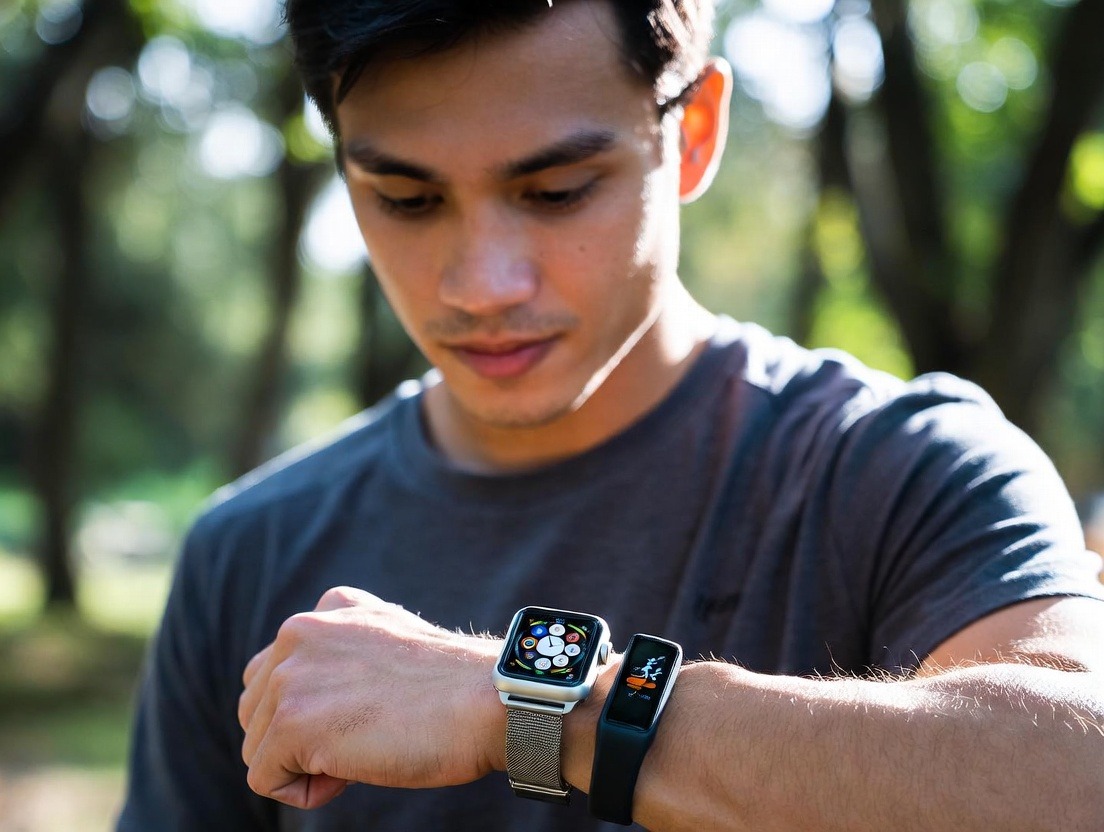
We've explored the science, the psychology, the modalities, and the life-stage nuances. Now, we arrive at the synthesis: how to use modern technology not as a passive recorder, but as an active guide in constructing your personal blueprint for mental and physical well-being. This is the shift from being data-rich to being insight-driven.
The goal is to move beyond isolated metrics (10,000 steps, 8 hours in bed) and into the realm of correlation and pattern recognition. Your wearable device should act as a coach that helps you connect the dots. Here’s a practical framework for using your data to map your unique mood-exercise connection:
This self-knowledge is empowering. It turns you from a passenger into the pilot of your own health. For those ready to begin this journey of discovery, the tools and technology are here. Explore the full potential of holistic tracking and find your starting point at the Oxyzen shop. And for continued learning on optimizing every aspect of your well-being, from sleep to nutrition, our comprehensive blog is an ever-growing resource.
Building upon the foundational science and personalization strategies we've explored, we now venture into the practical art of sustaining motivation, the critical role of nourishment, and the real-world stories of transformation. This journey is about turning insight into ingrained habit and understanding that the mood-exercise connection is part of a larger ecosystem of wellness that includes what we eat, how we think, and how we navigate inevitable setbacks. The goal is no longer just to track a connection, but to weave it seamlessly into the fabric of a thriving life.
Understanding the benefits is one thing. Accessing them on a cold, rainy morning when you're stressed and tired is another. Motivation is not a constant reservoir to draw from; it's a fluctuating state that must be strategically managed and, more importantly, bypassed with systems. To build a lifelong movement practice, you must learn to operate on commitment and discipline, not just fleeting inspiration.
The most powerful tool in your arsenal is friction reduction. Every obstacle between you and your workout diminishes the likelihood you'll do it.
Shift your internal narrative. Instead of "I have to work out," try "I get to move my body." Instead of focusing on weight loss or performance, set process-oriented goals: "My goal is to complete three sessions this week," or "My goal is to be consistent for one month." This makes success more attainable and less tied to external outcomes.
More profoundly, start to embody the identity of someone who values movement. Don't say, "I'm trying to exercise." Say, "I am an active person." Ask yourself, "What would an active person do in this situation?" This subtle cognitive shift, backed by action, reinforces the behavior at a core level.
Your wearable should be a compass, not a critic. Use its features strategically:
Remember, consistency is not about never missing a day. It's about the swiftness and compassion with which you return after a miss. Tracking helps you see the broader trend, so a single off-day doesn't derail your sense of progress. For support on using your device effectively, our FAQ section is always available.
You cannot out-train or out-track a poor diet. Nutrition provides the fundamental building blocks for both physical performance and neurotransmitter production. The food you eat directly influences your energy for movement and your brain's capacity for positive mood, creating a virtuous (or vicious) cycle.
Eating to support exercise isn't just about physical power; it's about ensuring your brain has the glucose it needs to stay focused and positive during your session.
The 45-minute window after exercise is a critical opportunity to enhance both physical recovery and the mood benefits.
As noted earlier, your gut microbiome is a key player. A diet rich in diverse plant fibers (prebiotics) and fermented foods (probiotics) nurtures a healthy gut, which in turn produces mood-regulating compounds like serotonin. In fact, a significant portion of the body's serotonin is produced in the gut. Therefore, the food that fuels your run also fuels the production of the very chemicals that make that run feel rewarding. For insights into foods that specifically support the recovery phase of your wellness cycle, explore our article on 10 foods that increase deep sleep naturally.
How can you tell if your nutrition is supporting your movement-mood cycle? Your biometric data offers clues.
By viewing nutrition as a core component of your mood-exercise data set, you gain another powerful lever to pull in your quest for holistic well-being.
Theory and data come alive through human experience. Let’s examine hypothetical but data-informed case studies of individuals who used a tracking-first approach to unravel their personal mood-exercise code and transform their well-being.
Case Study 1: The Stressed Executive (Anya, 42)
Case Study 2: The Post-Parental Slump (David, 38)
Case Study 3: The Menopausal Transition (Maria, 52)
These stories illustrate that the power of tracking lies not in the numbers themselves, but in the personalized narrative they help you write—a narrative of self-awareness, intelligent adaptation, and reclaiming agency over your well-being.

The final, transformative layer in optimizing the mood-exercise connection is the integration of mindfulness. This moves movement from a purely physical or even biochemical transaction into a holistic practice of mind-body integration. Mindful movement is the practice of bringing full, non-judgmental attention to the physical sensations, emotions, and thoughts that arise during activity.
Here, technology and mindfulness are not at odds; they are complementary. Your smart ring can show you the objective outcome of a mindful session: perhaps a faster post-workout heart rate recovery, or a lower stress graph during the activity compared to a distracted one. You provide the subjective experience: "I felt more present and less stressed." Together, they form irrefutable evidence for the value of the practice. This integrated approach is at the core of what we believe in at Oxyzen, a principle born from our founding vision to unite technology with human-centric wellness.
Just as physical fitness journeys encounter plateaus, injuries, and life interruptions, so too will your journey of leveraging movement for mood. The path is not linear. The true measure of success is not an unbroken streak of perfect workouts and elevated moods, but your resilience and adaptability in the face of these inevitable challenges. This is where a data-informed, compassionate mindset becomes your greatest asset.
You’re doing everything "right"—consistent movement, good sleep, solid nutrition—but the mood boost feels diminished, or your performance has stalled. This is a signal, not a failure.
A physical setback can be mentally devastating, severing your primary tool for mood management. The key is to redefine "movement."
Travel, a demanding work project, or family emergencies will disrupt your routine. The strategy is flexibility and minimum viable dose.
The long-term game is about building emotional fitness—the capacity to navigate these ebbs and flows without your self-worth or mental state collapsing. Your tracking data becomes the journal of this resilience, showing you that after every dip, a recovery and new peak is possible. It teaches you that you are not your off-days; you are the trend line of your persistent, adaptive effort.
We stand at the precipice of a revolution in personalized well-being. The future of the mood-exercise connection lies in even deeper integration, predictive analytics, and seamless human-technology collaboration. The goal is a wellness ecosystem that is not just reactive, but proactively supportive.
Predictive Personalization: Imagine your device, analyzing your past week's sleep, HRV, activity load, and subjective mood logs, sending you a notification: *"Based on your current recovery state and yesterday's intense session, a moderate 30-minute walk today is predicted to optimize your mood and energy for tomorrow's important meeting. A HIIT workout carries a 70% chance of leading to fatigue."* This moves recommendations from generic ("move more") to hyper-personalized and contextual.
Integrated Biomarker Tracking: Future wearables may non-invasively track relevant biomarkers like cortisol (stress hormone) trends, blood glucose variability, or even neurotransmitter metabolites. This would provide a direct biochemical link between your morning workout, your afternoon glucose stability, and your evening sense of calm, offering unparalleled insight into your unique physiology.
The Seamless Feedback Loop: Your smart ring, your meditation app, your workout streaming service, and your food logging app will communicate within a secure, integrated platform. You'll see a dashboard showing: "Your mindful morning yoga session correlated with a 15% reduction in afternoon stress metrics. The salmon dinner you logged likely supported the high deep sleep score you achieved, contributing to today's high readiness for strength training." This creates a closed-loop system for experiential learning and optimization.
Ethical and Empowered Use: As this future unfolds, the core principles remain: user agency, data privacy, and psychological safety. The technology must serve to empower and educate, not to create anxiety or dependency. The mission of companies in this space, like Oxyzen—which you can learn more about on our About Us page—must be to provide clarity, not noise; insight, not obsession.
The journey of tracking the mood-exercise connection is ultimately a journey back to yourself. It is using the tools of our age to listen more deeply to the ancient wisdom of the body. It is about discovering that the most powerful technology is the one that helps you reconnect with the fundamental human truth: to move is to live, and to live well, we must move with awareness, intention, and joy. The data is the map, but the territory is your lived experience—a experience ripe for exploration, understanding, and profound enhancement.
We have journeyed through the neuroscience, physiology, and psychology that bind our physical activity to our emotional world. We've explored how to personalize this connection with data, navigate life's inevitable shifts, and fuel the cycle with intention. Now, we arrive at the synthesis: the actionable framework. This final portion is about moving from understanding to doing, from insight to integrated daily practice. It's about crafting a sustainable, intelligent, and joyful movement life that forms the bedrock of your mental and emotional resilience.
Transforming knowledge into lasting change requires a structured yet flexible plan. This framework leverages everything we've discussed to help you build your own personalized blueprint.
Before you can optimize, you must observe. Dedicate one full week to non-judgmental data collection. Do not try to change your behavior; simply track it with curiosity.
Now, formulate a simple, testable hypothesis based on your baseline. For example: *"I hypothesize that a 20-minute afternoon walk on my work-from-home days will improve my evening mood rating by at least 1 point."*
From your successful experiments, identify 2-3 movement "pillars" that reliably support your mood. These become your non-negotiable habits, designed with minimal friction.
Your movement does not exist in a vacuum. Integrate it into your broader wellness ecosystem.
Every 3-4 months, conduct a formal review of your trends.
This framework turns you into both the scientist and the subject of your own well-being, empowered by tools that provide objective feedback. For ongoing support and new ideas as your journey progresses, a wealth of resources is available on our Oxyzen blog.

While the mood-exercise connection is powerful, it is most potent when viewed as one essential pillar in a temple of well-being. True, sustained emotional health arises from balance across multiple domains. Movement synergizes with these other pillars to create an unshakeable foundation.
Pillar 1: Movement & Physical Activity – The catalyst for neurochemical change, stress metabolism, and vitality.
Pillar 2: Sleep & Recovery – The non-negotiable period of physical repair, emotional processing, and cognitive consolidation. Without it, the benefits of movement are nullified. Understanding this is crucial, as explored in our article on the science of deep sleep.
Pillar 3: Nutrition & Hydration – The provision of raw materials for energy, neurotransmitter production, and cellular repair.
Pillar 4: Stress Management & Mindfulness – The practices that regulate the nervous system, build emotional agility, and enhance the quality of both movement and rest.
Pillar 5: Connection & Community – The relational web that provides meaning, support, and shared joy, amplifying the benefits of all other pillars.
Neglecting one pillar puts strain on the others. For example, using exercise to manage stress while chronically under-sleeping is like trying to fill a bucket with a hole in the bottom. The integrated data from a holistic tracker helps you see this architecture clearly, allowing you to shore up the pillar that needs support in any given week.
As we conclude this deep exploration, it is vital to address the ultimate goal of all this tracking and analysis: to cultivate a deep, intuitive trust in your own body.
Technology and data are bridges back to self-knowledge. They are not meant to be a lifelong crutch, but rather a training wheel set. Initially, they provide the external validation and proof you need: "See, the data shows that when I move, I feel better." Over time, however, the goal is to internalize this knowledge. The numbers on the app confirm what you already sense in your being: that you are more patient after a workout, that your anxiety softens with a walk, that your sleep is deeper on days you've been active.
The pinnacle of this journey is when you move not because the ring tells you to, but because you know it serves your mood. You choose the gentle session not because your HRV is low, but because you feel the need for restoration. The data becomes a periodic check-in, a system for navigating complex periods or plateaus, rather than a daily oracle.
This is the promise of modern wellness technology when used wisely: to help us relearn the ancient language of our own physiology. To turn the folk wisdom of "go for a walk to clear your head" into a personalized, precise, and profoundly empowering practice. It is about reclaiming agency over your emotional state, not through sheer willpower, but through the intelligent, compassionate application of movement.
Your body has been speaking this truth all along. Now, you have the tools to listen, understand, and respond.
Begin Your Personalized Journey
The connection between your movement and your mood is your unique story to write, your personal data set to explore. If you're ready to move from theory to practice, to see the contours of your own mood-exercise connection with clarity, the tools to begin are at your fingertips.
The path to sustained well-being is not a straight line—it's a dynamic, responsive, and deeply personal cycle of movement, recovery, and growth. You now have the map. The first step, as always, is yours to take.
Your Trusted Sleep Advocate (Sleep Foundation — https://www.sleepfoundation.org/)
Discover a digital archive of scholarly articles (NIH — https://www.ncbi.nlm.nih.gov/
39 million citations for biomedical literature (PubMed — https://pubmed.ncbi.nlm.nih.gov/)
experts at Harvard Health Publishing covering a variety of health topics — https://www.health.harvard.edu/blog/)
Every life deserves world class care (Cleveland Clinic -
https://my.clevelandclinic.org/health)
Wearable technology and the future of predictive health monitoring. (MIT Technology Review — https://www.technologyreview.com/)
Dedicated to the well-being of all people and guided by science (World Health Organization — https://www.who.int/news-room/)
Psychological science and knowledge to benefit society and improve lives. (APA — https://www.apa.org/monitor/)
Cutting-edge insights on human longevity and peak performance
(Lifespan Research — https://www.lifespan.io/)
Global authority on exercise physiology, sports performance, and human recovery
(American College of Sports Medicine — https://www.acsm.org/)
Neuroscience-driven guidance for better focus, sleep, and mental clarity
(Stanford Human Performance Lab — https://humanperformance.stanford.edu/)
Evidence-based psychology and mind–body wellness resources
(Mayo Clinic — https://www.mayoclinic.org/healthy-lifestyle/)
Data-backed research on emotional wellbeing, stress biology, and resilience
(American Institute of Stress — https://www.stress.org/)


