


Health Tracking Technology: The Miniaturization Achievement
Highlights the engineering achievement of fitting powerful health sensors into a tiny ring form factor.
Highlights the engineering achievement of fitting powerful health sensors into a tiny ring form factor.
%402x.svg)
Imagine the most advanced medical-grade health diagnostics, condensed into an object no larger than a ring on your finger. This is no longer science fiction. The journey from clunky hospital machinery to discreet, wearable sensors represents one of the most profound miniaturization achievements in modern technology. It’s a silent revolution happening right on our hands, transforming how we understand our bodies, predict our health, and take control of our daily wellness.
This article delves deep into the story of how health tracking was miniaturized. We will explore the convergence of materials science, microelectronics, and data analytics that has made the impossible, possible. We'll trace the path from the first pedometers to today's sophisticated smart rings, unpacking the specific technological leaps that allowed us to move from tracking to truly understanding. This isn't just about making things smaller; it's about making insights bigger, more personal, and profoundly more accessible. The ring, a timeless symbol of commitment, is now being reimagined as a personal health guardian—a commitment to oneself.
The implications are staggering. We are shifting from reactive healthcare, where we respond to illness, to a continuous, proactive model of health awareness. The miniaturization of health technology is the cornerstone of this shift, enabling the seamless, 24/7 collection of the biometric data that forms the language of our wellbeing. Let’s begin by stepping back in time to see where this all started.

The dream of personal health monitoring is an old one. For centuries, physicians relied on external, often cumbersome tools to glimpse the body's inner workings. The stethoscope, invented in 1816, was a breakthrough, but it still required a trained ear and physical presence. The true genesis of portable tracking began in the 20th century with a simple, mechanical focus: counting steps.
The Japanese "manpo-kei" (10,000-step meter) of the 1960s was a clip-on pedometer, a clever but limited device using a mechanical swing arm. It was single-purpose, prone to error, and provided no context. The late 1990s and early 2000s saw the digitization of this concept with accelerometer-based devices from brands like Fitbit, which moved tracking from the clip to the wrist. This was the first major miniaturization win—embedding motion sensors into a watch-like form factor.
Parallel to this, the hospital was undergoing its own quiet evolution. Electrocardiogram (ECG) machines, once the size of large filing cabinets, began to shrink. Pulse oximeters, used to measure blood oxygen saturation, transitioned from bulky bedside units to the now-ubiquitous clip-on finger sensors. These developments were crucial. They proved that core physiological signals—heart electrical activity, blood oxygenation—could be captured reliably by smaller, solid-state components.
The true catalyst, however, was the smartphone revolution. The mass production of micro-electromechanical systems (MEMS)—tiny accelerometers, gyroscopes, and magnetometers—for phones dramatically drove down their cost and size. Consumer tech companies realized these same sensors could be repurposed for health. Suddenly, the wrist became a battleground for health data, with smartwatches adding heart rate optical sensors to the mix.
But the wrist has limitations. Watches can be bulky, interfere with typing or sports, and must be removed for charging, creating data gaps. The quest for a more seamless, less obtrusive form factor was inevitable. The question became: if we can put this tech on the wrist, can we make it even smaller, more comfortable, and more integrated into our lives? The answer, as we now see, was to look one digit lower. For a deeper look at how this evolution impacts modern wellness, you can explore our blog for more insights into wearable tech trends.
Miniaturization is not merely taking a large sensor and building a smaller version. It often requires a complete reimagining of the underlying physics and material engineering. The core challenge is maintaining signal integrity, accuracy, and power efficiency in a package a fraction of its original size. Let's break down how key health sensors achieved this feat.
Optical Heart Rate & Blood Oxygen (PPG): Traditional pulse oximeters use a technique called photoplethysmography (PPG), shining red and infrared light through a fingertip to measure light absorption by oxygenated vs. deoxygenated blood. Miniaturizing this meant developing surface-mount light-emitting diodes (LEDs) and photodiodes that are microscopic yet powerful enough to penetrate skin tissue from the surface, not through a fingertip. Advances in LED efficiency and ultra-sensitive photodetectors allowed these components to be arranged in a ring's confined interior, often using green light (better for heart rate) and infrared (for SpO2) in a package just millimeters wide.
Temperature Sensing: Clinical-grade thermometers require precise, stable probes. The miniaturization hero here is the Negative Temperature Coefficient (NTC) thermistor. These tiny semiconductor beads exhibit a predictable change in electrical resistance with temperature. Modern microfabrication allows these to be produced at sub-millimeter scales with high accuracy, enabling continuous skin temperature monitoring—a key metric for stress, illness onset, and menstrual cycle tracking.
Motion & Sleep (Accelerometry): The MEMS accelerometer is a marvel. It consists of microscopic silicon structures that behave like tiny springs and masses. Movement causes these structures to deflect, and this deflection is measured capacitively (by changes in electrical charge). Manufacturing these at scale using photolithography—the same process used for computer chips—allows for 3-axis motion sensing in a package smaller than a grain of rice, consuming minimal power.
The Battery Conundrum: None of this works without a power source. The development of high-density lithium-polymer batteries was pivotal. These batteries can be shaped into tiny, curved forms that fit a ring's profile, while advances in low-power Bluetooth transmission and ultra-efficient chip design (like ARM Cortex processors) ensure that a ring can last a week on a single charge despite its tiny size. This dance between sensor power draw, data processing efficiency, and battery capacity is the unsung engineering triumph of modern wearables. To understand how one company integrates these tiny powerhouses into a cohesive system, you can learn more about Oxyzen's approach to hardware design.
While the wrist dominated the first wave of wearables, it is, from a physiological monitoring standpoint, a compromise. The finger, however, presents unique advantages that become critically important when you shrink technology to ring-size. It's not just a convenient location; for many metrics, it's a superior one.
Vascular Access: The finger contains some of the body's most capillary-rich tissue. This dense network of small blood vessels is closer to the skin's surface than at the wrist. For optical PPG sensors, this means a stronger, cleaner signal with less "noise" from skin, bone, and tendon movement. The result is more accurate and reliable heart rate and blood oxygen readings, especially during periods of low perfusion (like when you're cold or in intense stress).
Core Temperature Proxy: The arteries in your fingers are "peripheral," meaning they constrict and dilate to regulate body temperature. By continuously monitoring skin temperature at the finger with a high-precision sensor, a smart ring can detect subtle shifts that are often precursors to fever, onset of illness, or changes in metabolic state. This data is more dynamic and sensitive at the finger than at the wrist, which is often covered or influenced by external factors.
Minimized Motion Artifact: This is a major differentiator. During sleep or typing, a watch on the wrist can move significantly relative to the underlying arteries. A ring on the finger, especially when properly fitted, moves with the artery. This drastically reduces motion-based signal noise, which is the primary enemy of accurate sleep staging and heart rate variability (HRV) measurement. HRV, a key indicator of nervous system balance and recovery, requires detecting millisecond differences between heartbeats—a task nearly impossible with a noisy signal.
Social and Practical Discreteness: A ring is culturally normative. It's worn 24/7, in showers, during sports, and while sleeping. It doesn't need to be removed for charging daily, avoiding data gaps. This leads to continuous data collection, which is the holy grail for building a true baseline of an individual's health. The finger, therefore, isn't just an alternative to the wrist; for comprehensive, uninterrupted health monitoring, it is rapidly becoming the gold-standard location. For users curious about the practicalities of this, our FAQ covers common questions about wearing and maintaining a health ring.
A miniaturized sensor collecting data is merely a sophisticated data logger. The true magic—the transformation of raw voltage readings into life-changing insights—happens in the realm of data science and machine learning. This is the "silent intelligence" that turns a hardware achievement into a wellness revolution.
From Absolute Numbers to Relative Meaning: Early health trackers gave you numbers: "You slept 7 hours," "Your heart rate is 62 BPM." Without context, these figures are of limited value. Is 7 hours good? For you? The breakthrough of modern algorithms is the establishment of a personal baseline. By analyzing weeks or months of your unique data—your sleep patterns, resting heart rate, temperature circadian rhythm, and HRV—the system learns your normal. It then flags deviations from your baseline, which are far more significant than deviations from a population average.
Algorithmic Fusion: No single sensor tells the whole story. The power lies in sensor fusion. An algorithm doesn't just look at motion to determine sleep; it cross-references motion with heart rate drop, temperature decline, and HRV increase. Was that spike in heart rate due to a nightmare (indicated by sudden motion) or stress (indicated by a simultaneous drop in HRV)? By fusing data streams, the system can make far more nuanced and accurate interpretations of your physiological state.
Predictive Analytics: This is the frontier. By analyzing long-term trends and subtle patterns, advanced algorithms can move from descriptive ("you had a restless night") to predictive ("your trending data suggests you may be fighting off an infection" or "your recovery metrics indicate you are at higher risk of injury if you train intensely today"). This shifts the paradigm from reporting the past to guiding future actions.
The Challenge of Individuality: Human physiology is wildly diverse. A fantastic algorithm for a 25-year-old athlete may be poor for a 50-year-old peri-menopausal woman. The best systems now use clustered machine learning models trained on diverse demographic and phenotypic data sets, ensuring the insights are personalized not just to your baseline, but to bodies that function like yours. This complex backend is what makes a device like the Oxyzen ring a true personal health companion, rather than just a sensor hub.

For decades, truly understanding sleep required a polysomnography (PSG) study in a lab—a tangle of wires, electrodes, and sensors. It was expensive, inconvenient, and a poor representation of a typical night's sleep. The miniaturization of health tech has democratized sleep science, bringing lab-grade insights into our homes. Rings, in particular, are becoming the preferred tool for serious sleep enthusiasts and researchers alike.
The Multi-Sensor Advantage for Sleep Staging: Clinical PSG uses brain waves (EEG), eye movements (EOG), and muscle tone (EMG) to distinguish between wakefulness, light sleep (N1, N2), deep sleep (N3), and REM sleep. While a ring cannot measure brain waves, its multi-sensor fusion provides a powerful proxy. The combination of heart rate variability (HRV), heart rate, respiratory rate (derived from heart rate rhythm), body temperature, and absolute lack of motion creates a unique signature for each sleep stage. For instance, deep sleep is characterized by a low, steady heart rate, elevated HRV, very low body temperature, and minimal movement. REM sleep shows a more variable heart rate, suppressed HRV (similar to waking), and, crucially, episodes of muscle atonia (paralysis) which manifest as no motion despite a brain-active state.
Beyond Staging: The Micro-Structure of Sleep: Advanced ring algorithms can now detect sleep disturbances that you may not even remember. A brief spike in heart rate coupled with a tiny movement could indicate a sleep apnea event or a nightmare. A gradual rise in skin temperature during the night might signal a deviation from your optimal thermal regulation cycle. By quantifying sleep latency (how long it takes to fall asleep) and sleep efficiency (percentage of time in bed actually asleep), rings provide a complete picture of sleep quality, not just duration.
The 24/7 Context: A ring's true power for sleep analysis is that it doesn't stop when you wake up. It understands how your daytime activity and evening behavior impact your night. Did a late workout raise your nocturnal temperature? Did high daytime stress suppress your deep sleep? This holistic view enables truly actionable feedback. You can experiment with lifestyle changes—like adjusting caffeine cutoff times or evening light exposure—and see their direct, quantified impact on your sleep architecture the very next morning. For a collection of real-world stories on this transformation, our testimonials page reveals how users have reclaimed their sleep.
If there is one metric that best encapsulates the miniaturization achievement, it is Heart Rate Variability (HRV). Once a tool exclusive to cardiology research labs requiring expensive ECG hardware, HRV is now a daily wellness metric delivered by a device on your finger. It is the ultimate window into your autonomic nervous system (ANS), the automatic control center regulating stress, recovery, digestion, and immunity.
What HRV Really Measures: Contrary to intuition, a healthy heart does not beat like a metronome. The time interval between successive heartbeats fluctuates by milliseconds. This variability is controlled by the tug-of-war between your sympathetic nervous system (fight-or-flight, which decreases variability) and your parasympathetic nervous system (rest-and-digest, which increases variability). A higher HRV generally indicates a stronger, more resilient nervous system with good parasympathetic tone, meaning your body is in a state capable of recovery, repair, and adaptation.
The Miniaturization Miracle: Measuring HRV requires detecting the precise moment of each heartbeat (the R-wave in an ECG) with extreme accuracy. In a lab, this is done with chest-strap electrodes. Translating this to a ring required perfecting PPG-based pulse wave analysis. The challenge is that the pulse wave at the finger is not as sharp as an ECG electrical spike. Advanced signal processing algorithms had to be developed to pinpoint the exact peak of each pulse wave from the optical signal, filter out motion noise (again highlighting the finger's advantage), and calculate the time differences (RR intervals) reliably. This is a staggering computational feat happening in real-time on a tiny ring processor.
From Data to Daily Practice: Modern systems don't just show you a raw HRV number. They provide a stress score or recovery score that synthesizes HRV with other data like skin temperature, sleep, and activity. A low recovery score in the morning is a science-backed suggestion to take it easy, even if you feel fine. Conversely, a high score confirms your body is ready for a challenging workout. This turns an abstract physiological concept into a direct, personalized guide for daily decision-making. It empowers you to align your lifestyle with your body's actual capacity, not just your mental ambition. To dive deeper into the science behind these metrics, our blog features detailed articles on HRV and nervous system health.
The most profound potential of miniaturized, continuous health monitoring lies in its predictive capacity. By establishing a rich, multi-parameter baseline of "you at your normal," these devices can act as an early warning system, detecting deviations that often precede noticeable symptoms. This transforms the ring from a wellness tool into a potential guardian of long-term health.
Fever & Illness Onset: A sustained elevation in nocturnal skin temperature—even just half a degree Celsius above your personal baseline—is one of the earliest signs your body is mounting an immune response. A ring, tracking temperature continuously through the night, can detect this shift 12-24 hours before you might feel achy or reach for a thermometer. Coupled with a rising resting heart rate and changes in HRV, it creates a high-probability alert that your body is fighting something.
Inflammation & Metabolic Shifts: Chronic, low-grade inflammation is at the root of many modern diseases. While rings don't measure inflammatory markers directly, they can detect their secondary effects. Persistent changes in heart rate patterns, sleep disturbance, and temperature dysregulation can serve as indirect, continuous proxies for inflammatory states. For women, these patterns are key to tracking menstrual cycles and menopausal transitions with unprecedented objectivity, revealing how hormonal shifts impact core physiology.
Overtraining & Injury Risk: For athletes, the line between peak performance and overtraining is perilously thin. A miniaturized health ring is the perfect sentinel. A consistent drop in HRV, a rising baseline resting heart rate, and increasingly poor sleep quality—despite adequate rest—are the classic signs of unsustainable strain. This data allows for proactive adjustment of training loads to prevent injury, burnout, or illness caused by a suppressed immune system.
The Future: Longitudinal Health Signatures: Imagine a decade of continuous health data for an individual—a "longitudinal health signature." This dataset would be invaluable for personal health management and medical research. It could reveal individual precursors to migraines, allergic reactions, or even cardiac events. The challenge and opportunity lie in the responsible and private analysis of this data to extract patterns that signal a need for professional medical consultation. This positions companies in this space not just as gadget makers, but as stewards of intimate health data. Our mission at Oxyzen is rooted in this responsible, user-centric approach to health intelligence.
A technological marvel is useless if people won't wear it. The final, critical layer of the miniaturization achievement is ergonomic and material design. A health ring must be more than a sensor housing; it must be a piece of jewelry you forget you're wearing, yet one that maintains perfect sensor contact. This requires a synergy of industrial design, materials science, and biomechanics.
The Anatomy of a Comfortable Ring: Unlike a decorative ring, a health tracker must maintain skin contact for its optical sensors. This necessitates an inner sensor bulge. The design challenge is to make this bulge comfortable and unobtrusive. This is achieved through careful sculpting, using smooth, hypoallergenic materials like titanium or medical-grade ceramic, and ensuring the bulge sits perfectly against the finger's palmar side, where it is naturally protected and less likely to catch on objects.
Material Choices for Performance & Comfort: The material must be durable, lightweight, non-corrosive, and biocompatible. Titanium is a favorite: it's strong, hypoallergenic, and has a low thermal conductivity, meaning it doesn't feel unusually cold or hot against the skin. Ceramics offer a sleek finish and excellent radio signal transparency for Bluetooth. The inner sensor surfaces often use a proprietary medical-grade resin or coating that is gentle on the skin, easy to clean, and optimized for optical transparency for the PPG sensors.
Sizing & Fit Science: Fit is paramount. Too loose, and the sensors lose contact, creating data gaps (the "spin gap"). Too tight, and it's uncomfortable and can even restrict circulation, ironically skewing the very vascular data it's trying to measure. Companies provide precise sizing kits, often advising a "snug but comfortable" fit, with specific guidance on which finger (often the index) provides the best signal. The goal is a seamless integration into the user's life—so seamless that the only reminder of its presence is the insightful data it provides each day.
Charging Without Data Gaps: A ring you have to take off every night to charge is a ring that misses your most important physiological data: sleep. The elegant solution is a portable charging case (like those for earbuds) that holds multiple charges. You charge the ring during a 1-2 hour period of low activity, like while showering, working at a desk, or watching a movie. This preserves the 24/7 data continuity that is the cornerstone of baseline establishment and predictive insights. For more on the practicalities of fit and daily use, many answers can be found in our comprehensive support and FAQ section.
A smart ring is not an island. The true value of its miniaturized sensors is unlocked when its data flows into a broader digital health ecosystem. This integration creates a holistic health dashboard that connects the dots between physiology, behavior, and environment, offering a level of personal health insight previously unimaginable.
The App as the Command Center: The companion smartphone app is the user-facing manifestation of all the complex data science. Here, sleep scores, readiness scores, and activity data are presented intuitively. But the best apps go further, allowing for manual logging. You can log a late coffee, a stressful work meeting, a new medication, or the start of a menstrual cycle. The system can then correlate these subjective events with objective biometric changes, answering questions like, "How does alcohol really affect my deep sleep?" or "How long does caffeine elevate my heart rate?"
Open APIs and Third-Party Integration: The most powerful ecosystems are open. Through secure APIs (Application Programming Interfaces), your ring's anonymized data can be shared—with your explicit permission—with other apps you use. Imagine your workout app adjusting your training plan based on your morning recovery score from your ring. Or your meditation app receiving your real-time stress level and guiding your session accordingly. This creates a responsive, closed-loop system where various tools in your life work in concert, informed by a central, trusted source of biometric truth.
The Professional Interface: The future of personalized medicine will involve sharing this continuous data with healthcare providers. Imagine going to your doctor not just with symptoms, but with a 30-day report showing precise sleep degradation, trending temperature shifts, and heart rate patterns. This objective data can lead to faster, more accurate diagnoses and more personalized treatment plans. For fitness coaches and physical therapists, this data provides an undeniable record of a client's recovery state and response to training.
Privacy as a Foundation: This level of integration hinges on absolute trust. Companies must employ bank-level encryption for data in transit and at rest, provide clear, granular user controls over data sharing, and adhere to strict data privacy regulations like GDPR. The value of the ecosystem is destroyed if users do not feel their most intimate health data is secure. This ethical responsibility is a core part of the product's promise. At Oxyzen, we believe transparency about our vision and values in handling user data is fundamental to our relationship with our community.
The ultimate impact of miniaturizing health technology is not technological, but human. It represents a powerful democratization of health knowledge, shifting agency from institutions to individuals. By making continuous, sophisticated biometric monitoring accessible, comfortable, and actionable, we are fostering a new era of health awareness and personal empowerment.
From Episodic to Continuous Care: Traditional healthcare is episodic: a snapshot from an annual physical or a visit when you're sick. This misses the dynamic, daily story of your health. A smart ring provides continuous care, filling the vast gaps between doctor's visits with meaningful data. It turns each user into the CEO of their own health, equipped with a dashboard to monitor their most important asset.
Preventative Mindset Cultivation: By making the invisible visible—showing how stress physically manifests, how poor sleep degrades recovery, how alcohol impacts heart rate variability—these devices cultivate a preventative mindset. People begin to see direct cause-and-effect relationships between their lifestyle choices and their body's internal state. This fosters intrinsic motivation to make healthier choices, not based on vague future promises, but on immediate, tangible feedback.
Bridging the Quantified Self with the Qualified Self: The "Quantified Self" movement was often criticized for creating data overload without meaning. Modern miniaturized tech, with its advanced algorithms and personalized baselines, bridges this gap. It doesn't just quantify; it qualifies the data. It tells you not just what changed, but what it likely means for you and, crucially, what you might consider doing about it. This transforms data from a curiosity into a conversation with your own body.
The Path Forward: As this technology continues to evolve, becoming even more accurate, more integrated, and more insightful, its potential to improve global wellbeing is immense. It promises a future where we are no longer passengers in our health journey, but informed, proactive pilots. The miniaturization of health tracking is more than an engineering feat; it is the key to unlocking a more intuitive, personalized, and empowered relationship with our own health. To begin exploring what this future looks like today, we invite you to discover more about the Oxyzen smart ring and its philosophy.
The river of data flowing from a miniaturized health ring is vast, but raw data, even when visualized, is not enough to create lasting behavior change. The next evolutionary leap—the true completion of the miniaturization promise—is the development of an AI-powered personal health coach. This is not a pre-recorded set of generic tips, but a dynamic, contextual, and deeply personalized intelligence that transforms data into actionable wisdom.
Beyond Dashboards: Contextualized Narrative Generation. Early apps presented dashboards: graphs of sleep, charts of HRV. The AI coach moves beyond this to generate personalized narratives. Instead of seeing "Sleep Score: 78," you receive a morning summary: "Your deep sleep was strong last night, but you had three periods of restless sleep around 2:15 AM and 4:30 AM, which coincided with a rising heart rate. This pattern is common for you after late dinners. Consider finishing your last meal 3 hours before bed tonight to see if it improves continuity." This narrative style turns data into a relatable story about your body's night.
Proactive, Not Reactive, Suggestions. The AI analyzes trends and makes micro-suggestions before a problem compounds. If it detects your resting heart rate has been trending up for three days alongside a dip in HRV, it might suggest: "Your recovery metrics are slightly depressed. This could be early stress or fatigue. Consider a 20-minute mindfulness session today instead of a high-intensity workout. Here's a link to a guided breathing exercise." This shifts the paradigm from explaining the past to shaping a healthier future.
Adaptive Learning and Habit Integration. The most sophisticated systems learn what works for you. If you log that you tried "no caffeine after 2 PM" and the following night your deep sleep increased by 12%, the AI notes this positive correlation. It may then gently reinforce this habit or experiment with suggesting it again before a known stressful period. It can integrate with your calendar, noticing a block of back-to-back meetings and prompting you to take a 5-minute movement break to mitigate the physiological impact of prolonged stress.
The Ethical Core of Algorithmic Guidance. This level of personal guidance walks a fine line between helpful and intrusive, between coaching and practicing medicine. The best AI coaches are transparent about their reasoning ("This suggestion is based on your lowered HRV and elevated skin temperature"), frame advice as experimentation ("Try this and see how your body responds"), and always defer to human medical professionals. They are partners in curiosity, not authoritarian figures. This builds a relationship of trust between the user and the technology, which is essential for long-term engagement. Our approach at Oxyzen is to build an AI companion that empowers without overriding your own intuition.

The sensors we have today—optical, thermal, inertial—are just the beginning. The frontier of miniaturization is aiming at the holy grail: non-invasive, continuous blood chemistry monitoring. Imagine a ring that could track glucose, lactate, hydration, or even specific biomarkers for inflammation, all without a single needle prick. While not yet commercialized in consumer rings, the research pathways are clear and thrilling.
Spectroscopic Sensing: This technique involves shining specific wavelengths of light (often in the infrared or Raman spectrum) onto the skin and analyzing the reflected light. Different molecules in the interstitial fluid (the fluid surrounding cells, which closely mirrors blood chemistry) absorb and scatter light in unique spectral "fingerprints." Miniaturizing this technology involves creating ultra-tiny, tunable lasers and hyperspectral sensors that can fit within a wearable form factor. The challenge is signal strength and isolating the target molecule's signature from the complex biological "noise" of skin, fat, and other compounds.
Electrochemical Sensing through Skin: Another avenue is using minimally invasive microneedles or advanced transdermal patches that, when integrated into a ring's inner surface, could draw tiny amounts of interstitial fluid for electrochemical analysis. These microneedles are so small they don't reach pain receptors. The ring would contain a microfluidic channel and a nano-sensor array to analyze the fluid. This is a monumental miniaturization challenge, merging microfluidics, nanotechnology, and sensor design.
The Glucose Monitoring Revolution: Continuous Glucose Monitors (CGMs) have already miniaturized significantly, but they still require a subcutaneous filament. The race is on to create a truly non-invasive CGM. A ring that could track glucose trends would be transformative not just for diabetics, but for anyone interested in metabolic health, helping to identify individual responses to different foods and optimize energy levels throughout the day.
Environmental and DNA Sensors: Future iterations may include miniaturized sensors for environmental factors like UV exposure, air quality (volatile organic compounds), or even ambient noise levels, contextualizing your physiological data further. Looking further ahead, the integration of personalized genomic data could allow algorithms to interpret your biometrics through the lens of your genetic predispositions, creating a truly predictive and preventative health model. The Oxyzen blog often explores these cutting-edge research areas, providing a window into the future of wearable health.
Humans are social creatures, and our health journeys are often more sustainable and understood within a community context. Miniaturized health technology is now creating new, data-informed social layers, allowing for healthy comparison, shared motivation, and even new forms of research.
Anonymous, Opt-In Aggregation for Normative Insights. With user permission, anonymized data from millions of wearables can be aggregated to answer fascinating population-level questions. "How did sleep duration change globally during a major news event?" "What is the average HRV for men aged 40-45 who exercise 5 times a week?" As a user, you can then see how your personal baseline compares to a relevant peer group, not the entire population. This provides powerful context—knowing your deep sleep is in the top 10% for your age and activity level is more meaningful than a simple score.
Challenges and Shared Goals. Fitness apps have long had step challenges. The next generation involves physiologically-informed challenges. Teams could compete not on who exercises the most, but on which team best improves their average sleep score or lowers their collective stress index over a month. This shifts the focus from destructive, output-based competition to cooperative, recovery-based goals that promote long-term health.
Research at Scale and Citizen Science. This is perhaps the most profound social impact. Academic researchers can partner with wearable companies to conduct large-scale observational studies with unprecedented ease and granularity. Thousands of participants can contribute continuous data on sleep, activity, and physiology in their natural environments, leading to breakthroughs in understanding conditions like Long COVID, chronic fatigue, or menstrual cycle disorders. Users become citizen scientists, contributing to the advancement of human health knowledge simply by living their lives.
Privacy-Preserving Social Features. The key to all social features is robust, user-controlled privacy. Sharing must be granular and explicit. You might choose to share your "Readiness Score" with your personal trainer, your sleep trends with a close accountability partner, and nothing at all with the wider community. The technology must be designed to foster connection without coercion, offering social support as an opt-in layer over a foundation of absolute personal data sovereignty. For examples of how our community engages with their data, you can read real user stories and experiences on our testimonials page.
With great data comes great responsibility—not just for companies, but for users. The democratization of health technology requires a parallel democratization of health data literacy. As we are flooded with scores, graphs, and alerts, developing critical thinking skills is essential to avoid anxiety, misinterpretation, and "orthosomnia" (an unhealthy preoccupation with perfect sleep data).
Understanding Variance, Not Chasing Perfection. A core principle to internalize is that biological systems are inherently variable. Your HRV will not go up every day. Your sleep score will have natural dips. The AI coach looks for trends and significant deviations from your personal baseline. Users must learn to do the same, avoiding the trap of fixating on a single day's "poor" number. The goal is a resilient, adaptable system, not a perfectly flat line on a graph.
Correlation is Not Causation (But It's a Clue). Your ring might show that on nights you have a glass of wine, your deep sleep drops by 15%. This is a powerful correlation. It does not prove wine was the sole cause (maybe you also stayed up later watching TV), but it provides a strong hypothesis to test. The empowered user uses data to form hypotheses, runs personal experiments (e.g., "No wine for three nights"), and observes the results. This turns you into a scientist of your own life.
When to Ignore the Data and Listen to Your Body. The technology is a tool, not an oracle. If your ring says you're "100% recovered" but you feel exhausted, listen to your body. The sensors may not be capturing everything (e.g., mental fatigue, emotional strain). Conversely, if you feel great but your data suggests you're stressed, use it as a prompt for introspection—maybe you're overriding subtle signals. The data and your subjective feeling should be in dialogue, not in a hierarchy where one always dominates.
Seeking Professional Interpretation. For significant, persistent deviations from your baseline, the data serves as a powerful communication tool for a healthcare professional. It provides objective evidence to support your subjective experience. However, it is not a diagnostic tool. A user's responsibility is to bring concerning data to a professional, not to attempt to diagnose themselves based on internet research and sensor outputs. Our FAQ includes guidance on how to responsibly use your data in conversations with healthcare providers.
The story of technological progress must now include its environmental footprint. The miniaturization of complex electronics presents unique sustainability challenges and opportunities. A responsible company must consider the entire lifecycle of the device, from sourcing to end-of-life, ensuring that the pursuit of personal health does not come at the cost of planetary health.
Material Sourcing and Ethical Supply Chains. The tiny components inside a ring—rare earth elements for sensors, lithium for batteries, gold for circuitry—often come from mining operations with significant environmental and social impacts. Leading companies are now mapping their supply chains with greater transparency, prioritizing recycled materials (like recycled titanium or gold), and sourcing from suppliers committed to ethical labor practices and reduced ecological damage. This is a complex but vital part of modern product development.
Longevity and Repairability by Design. The most sustainable product is one that lasts. This means designing for durability: using scratch-resistant materials, ensuring water and dust resistance, and creating software that supports the device for many years. A major challenge with miniaturized electronics is repairability. When components are fused and glued into a tiny, sealed package, repair becomes impossible, leading to a "replace, don't repair" culture. Innovation is needed in modular ring design, where a depleted battery or faulty sensor module could potentially be replaced without discarding the entire device.
The Battery Dilemma and Low-Power Innovation. The battery is the component with the most finite lifespan. Designing a ring with a user-replaceable battery is extremely difficult due to size and waterproofing constraints. Therefore, maximizing battery lifespan through ultra-low-power chip design and efficient charging circuits is paramount. Furthermore, establishing robust recycling and take-back programs is non-negotiable. Companies must provide easy, cost-free pathways for users to return end-of-life devices so that precious metals can be recovered and toxic components can be kept out of landfills.
Carbon-Neutral Operations and Packaging. The final product footprint includes the energy used in manufacturing, shipping, and data storage. Companies can offset this through verified carbon credit programs and by using minimal, recyclable packaging made from post-consumer waste. The narrative of a health ring must expand from personal wellness to planetary wellness, acknowledging that a healthy individual exists on a healthy planet. This holistic ethos is central to Oxyzen's vision and operational values.
As we stand at the precipice of this new era, it is worth projecting forward. Based on the current trajectory of miniaturization, sensor fusion, and AI, what might the health ring of 2034 look like? The possibilities are as exciting as they are transformative, pointing toward a future where proactive health management is as seamless and integrated as checking the time.
The Multi-Modal Health Hub. The ring will evolve from a sensor package into a true health command center. It may incorporate subtle haptic feedback for guided breathing exercises or stress interruption. A tiny, imperceptible speaker and microphone could allow it to interact with voice assistants for hands-free logging ("Log: just had a coffee") or to capture ambient sound levels for stress analysis. It could even use bio-impedance to estimate hydration levels or body composition trends.
Deep Integration with Smart Environments. Your ring will communicate with your surroundings. As you walk into your home, it could signal your smart lights to adopt a wind-down color temperature based on your current stress level. Your car could be alerted if it detects a drop in alertness indicative of drowsiness. Your thermostat could adjust overnight based on your personal temperature curve for optimal sleep. The ring becomes the biometric key that personalizes your world.
From Tracking to Prescribing: The Closed-Loop System. With regulatory advances, the future may see closed-loop systems for certain conditions. For a diabetic, the ring's non-invasive glucose monitor could communicate with an insulin pump. For someone with anxiety disorders, the ring detecting the physiological onset of a panic attack could trigger a personalized intervention protocol on a connected device, like administering a specific breathing pattern or notifying a support person.
The Ultimate Personal Health Record (PHR). A decade of continuous, multi-parameter data will constitute the most comprehensive Personal Health Record ever conceived. This longitudinal dataset, owned and controlled by the individual, could be shared selectively with AI diagnostic tools (with appropriate oversight) to screen for early signs of chronic disease, or with geneticists to understand phenotype expression. It will form the core of a truly personalized, predictive, and participatory medicine.
The miniaturization of health tracking technology is not a finished story; it is an accelerating narrative. From the first mechanical pedometer to the AI-coaching, sensor-fused ring of today, we have witnessed a revolution in accessibility and insight. As we look ahead, the ring on our finger promises to become less of a "tracker" and more of a lifelong health partner—an intelligent, empathetic, and always-present ally in our journey toward a longer, healthier, and more vibrant life. This journey is one we are deeply committed to, and we invite you to explore the current realization of this future with Oxyzen.
While the technological achievements are staggering, the ultimate success of miniaturized health tech hinges on a softer, more human factor: user adoption and sustained engagement. A device that is worn but ignored, or an app that is opened once and forgotten, fails its core mission. The true challenge lies in designing an experience that seamlessly bridges the cold objectivity of data with the warm, subjective reality of a person's daily life.
From Overwhelm to Intuitive Insight. The initial encounter with a health dashboard can be paralyzing—a sea of graphs, numbers, and unfamiliar terms like "HRV" and "PPG." The best systems employ progressive disclosure. Day one, you might see only your sleep duration and a simple readiness score. As you become familiar, new layers are revealed: heart rate trends, then temperature, then the nuances of sleep staging. This learning curve mirrors the user's own journey from curiosity to competence, preventing data overload.
The Power of Positive Reinforcement and Micro-Celebrations. Human psychology responds to reward. Advanced platforms use data to generate positive reinforcement. Instead of just highlighting a poor sleep night, they celebrate wins: "This is your highest HRV this month!" or "You've consistently met your sleep goal for 5 nights in a row—your consistency is building resilience." These micro-celebrations reframe the journey from fixing deficits to building strengths, fostering a more positive and motivating relationship with one's own health.
Personalization of Language and Goals. A 25-year-old athlete and a 60-year-old retiree have different health paradigms. The AI coach must adapt its language and goal-setting accordingly. For the athlete, it might speak about "performance optimization" and "recovery benchmarks." For the retiree, the focus might be on "maintaining vitality," "joint health," and "cognitive sharpness." Allowing users to set their own primary focus areas—be it stress management, sleep improvement, or fitness—ensures the feedback remains relevant and meaningful.
Creating Rituals, Not Chores. The goal is to integrate health awareness into daily rituals, not add another task. The morning health report becomes part of the coffee routine. The evening wind-down suggestion is paired with brushing teeth. By anchoring insights to existing habits, the technology fades into the background, while its wisdom becomes a natural part of the rhythm of life. This is the hallmark of a truly human-centered design. For those curious about how this feels in practice, real user testimonials often highlight this seamless integration.
For the medical community and informed consumers to trust these miniaturized devices, robust clinical validation is non-negotiable. A sleek design and compelling app are not enough; the data must be proven accurate against gold-standard medical equipment. This process transforms a consumer gadget into a legitimate tool for insight, building a bridge between the wellness and clinical worlds.
The Rigors of Validation Studies. Reputable companies invest in third-party, peer-reviewed validation studies conducted by independent research institutions. These studies typically involve a cohort of participants wearing both the consumer device (e.g., the smart ring) and FDA-cleared or CE-marked medical devices simultaneously. For sleep, this means polysomnography (PSG) in a lab. For heart rate and HRV, it’s an ECG chest strap. For blood oxygen (SpO2), it’s a clinical finger pulse oximeter. The data is then statistically analyzed for correlation, bias, and limits of agreement.
Understanding Accuracy vs. Precision. It’s crucial for users to understand what their device is and is not. A ring may be precise (highly consistent in its measurements) and accurate (close to the true value) for nocturnal resting heart rate and heart rate variability derived from pulse-to-pulse intervals. Its accuracy for absolute SpO2 values during motion or very low perfusion might have a wider margin of error, making it excellent for tracking trends and detecting drops, but not a certified medical device for diagnosing hypoxemia. Transparency about these distinctions is a mark of integrity.
The Emergence of "Vital Signs of Daily Living" (VSDL). This is a key conceptual shift. In a clinical setting, vital signs are captured in a snapshot, under stress, in an unfamiliar environment. A smart ring captures Vital Signs of Daily Living—continuous data in a person's natural habitat. This provides a profoundly different and complementary dataset. Validation ensures these VSDLs are trustworthy, allowing them to reveal meaningful trends and patterns that a single clinical reading could never show, such as nocturnal tachycardia or circadian temperature dysregulation.
Building Trust with the Healthcare Community. As validation evidence mounts, forward-thinking physicians are beginning to incorporate patient-generated health data (PGHD) from these devices into their practice. It allows them to see a patient’s health narrative between visits. Companies that prioritize and openly publish their validation research contribute to this bridge-building, advancing the field from "interesting gadget" to "valuable health insight tool." Our commitment to this scientific foundation is part of Oxyzen's dedication to trustworthy innovation.
In an era of frequent data breaches and commoditized personal information, the data generated by a health ring sits in a uniquely sensitive category. It is a continuous, intimate diary of your body's inner state. How this data is stored, processed, and protected is not a secondary feature—it is the bedrock of the entire value proposition. The miniaturization of sensing must be matched by a maximization of security and user sovereignty.
End-to-End Encryption and Anonymization. From the moment biometric signals leave the ring, they should be encrypted. The best systems use end-to-end encryption (E2EE), meaning data is encrypted on the device and only decrypted on the user's own smartphone. For cloud storage (used for long-term trend analysis), data should be anonymized and aggregated, stripping away directly identifiable information and using pseudonymous identifiers. This ensures that even in the extremely unlikely event of a cloud data breach, the information cannot be traced back to an individual.
The Principle of Local Processing First. A growing trend is to perform as much data processing as possible on-device or on the user's smartphone. Instead of sending raw heartbeat intervals to the cloud, the ring or phone calculates the HRV, and only the derived metric is synced. This minimizes the exposure of the most sensitive raw physiological signals and puts greater control in the user's hands. It also enhances functionality when offline.
Granular User Controls and Data Portability. True ownership means control. Users should have a clear, easy-to-use dashboard where they can choose exactly what data is shared, and with whom. Can it be used for internal research to improve algorithms? (Opt-in). Can it be aggregated anonymously for population studies? (Opt-in). Can it be shared with a family member or doctor? (User-initiated and revocable). Furthermore, adherence to data portability standards allows users to download all their raw data in a universal format, ensuring they are never locked into a single ecosystem.
Transparency as a Service. Companies must be transparent about their data practices in clear language, not buried in legalese. Who has potential access? How long is data retained? What are the protocols for responding to government data requests? This transparency builds the essential trust required for users to fully embrace the technology. We believe in empowering our users with knowledge, which is why we detail our approach in our comprehensive FAQ and privacy policy resources.
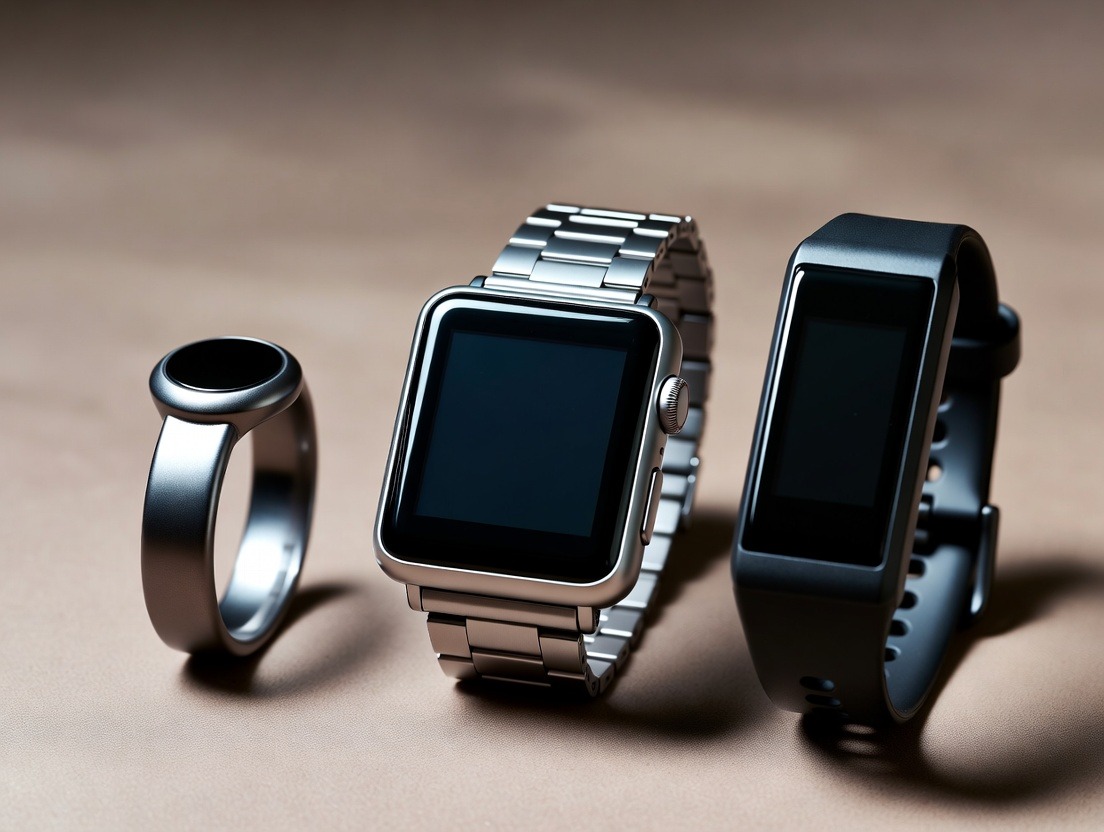
The pinnacle of miniaturization is not just physical smallness, but perceptual invisibility. The goal is for the technology to recede entirely, leaving only the benefit. This involves a mastery of industrial design, materials, and social integration, ensuring the device is not a "tech statement" but a natural extension of the self.
The Jewelry-First Design Philosophy. The most successful health rings are designed by teams that include jewelers and fashion designers, not just engineers. This means considering proportions, finishes (matte, polished, brushed), and weight distribution so the ring feels balanced and premium. It means offering a range of finishes (titanium black, brushed silver, gold PVD) to match personal style. The device should spark the comment, "That's a nice ring," not "What does that gadget do?"
Camouflaging the Necessary. The sensor bulge and the charging contacts are functional necessities. Great design integrates these seamlessly. The bulge is sculpted to look like an intentional, decorative element of the ring's interior profile. Charging contacts are hidden within the band's geometry or placed discreetly on the inner rim. The goal is to eliminate any visual cue that screams "electronics here."
The Social Comfort Factor. A device worn 24/7 must be socially unobtrusive. It shouldn't look out of place in a boardroom, at a wedding, or at the gym. Its form factor should be neutral and timeless. This social comfort is critical for consistent wear, which is the only path to consistent data. When the wearer forgets they are wearing a piece of technology, and others don't notice it, the miniaturization achievement is complete.
Charging as a Frictionless Ritual. Even the charging process can be designed for invisibility. The portable charging case, resembling a polished pebble or a piece of minimalist tech, lives on a nightstand or in a bag. Placing the ring in it becomes as subconscious as placing wireless earbuds in their case. The 60-90 minute charge time aligns with other daily downtimes (showering, a focused work session), ensuring the device is almost always on the body and gathering data. This relentless focus on removing friction is what turns a novel device into an indispensable life tool. Discover more about the design journey behind such integration on our Our Story page.
The impact of miniaturized health technology extends far beyond the individual in the developed world. It holds immense potential to address systemic health disparities on a global scale, acting as a force multiplier for public health initiatives and frontline healthcare workers in low-resource settings. This is the miniaturization dividend—the societal benefit derived from making advanced health sensing affordable, portable, and easy to use.
Revolutionizing Remote Patient Monitoring (RPM). In regions with poor healthcare infrastructure, patients with chronic conditions like hypertension, diabetes, or heart disease often lack continuous monitoring. A durable, long-battery-life health ring could allow community health workers to remotely monitor the vital signs of hundreds of patients. Alerts for dangerous trends (sustained high heart rate, poor SpO2) could trigger timely interventions, preventing complications and hospitalizations.
Epidemiological Research and Early Outbreak Detection. Aggregated, anonymized data from wearables in a population can serve as a powerful early-warning system for public health threats. A sudden, regional spike in average resting heart rate and body temperature across thousands of devices could signal the early spread of an influenza-like illness weeks before hospital reports spike. This "digital epidemiology" could enable faster, more targeted public health responses.
Maternal and Infant Health. In many parts of the world, maternal mortality remains high. A simple ring could allow for the monitoring of a pregnant woman's vital signs, flagging potential warning signs like pre-eclampsia (through blood pressure trends and elevated resting heart rate). While not a replacement for clinical care, it could be a lifeline, prompting earlier referral to a medical facility.
The Challenge of Equitable Access. To realize this dividend, the cost barrier must be addressed. This may involve developing simplified, ultra-low-cost versions with core sensors for specific public health use cases, or novel financing models through governments and NGOs. The vision is a future where the health insights unlocked by miniaturization are not a luxury, but a tool for global health equity. Exploring these possibilities is part of our broader vision, which you can learn more about here.
As this technology grows more powerful and intimate, it forces us to confront profound ethical questions that extend beyond privacy. The era of continuous biometric monitoring opens debates about consent (especially passive data collection), algorithmic bias, and the very definition of human health and enhancement.
Informed Consent in a Continuous Data Stream. Traditional medical consent is for a specific procedure or test. How does consent work for a device that collects data every second of every day? This requires a new model of dynamic, layered consent. Users should be able to toggle consent for different data types and uses in real-time. For example, you might consent to heart rate analysis for sleep coaching but opt out of voice snippet analysis for stress detection if a microphone is added later.
Algorithmic Bias and Health Equity. AI models are trained on data. If the training data predominantly comes from wealthy, Western, able-bodied, young-to-middle-aged users, the algorithms will be less accurate for everyone else. A stress algorithm trained mostly on male physiology may misinterpret female hormonal cycles as "stress." A relentless focus on diverse and inclusive training datasets is an ethical imperative to ensure these tools serve all of humanity, not just a privileged subset.
The Quantified Employee and Workplace Surveillance. There is a dangerous potential for employers or insurers to mandate or heavily incentivize the use of health wearables, crossing the line from wellness programs to surveillance. Policies must be established to prevent data from being used for punitive measures, discrimination, or calculating insurance premiums. Health data must remain the sovereign property of the individual, with sharing always being a voluntary choice.
From Health to Enhancement: Defining the "Optimal Human." As we gain the ability to continuously optimize sleep, stress, and recovery, we approach a frontier of human enhancement. When does self-optimization become an anxiety-inducing obsession? Does a society of bio-hacked, perfectly recovered individuals create new forms of pressure and inequality? These are not technical questions, but philosophical ones that we must grapple with as a society. The technology provides the tools; wisdom must guide their use. For ongoing discussion on these critical topics, our blog serves as a platform for exploration and dialogue.
We have traversed a remarkable journey—from the history of shrinking sensors to the physics of their operation, from the ideal monitoring site on the finger to the silent intelligence of AI, and from personal empowerment to global health implications. The miniaturization of health tracking technology is an unfinished revolution, one that is accelerating in both capability and complexity.
What began as a quest to count steps has evolved into a profound new relationship with our own biology. We are no longer strangers in our own bodies, receiving only coarse signals like pain, fatigue, or illness. We now have a continuous, nuanced dialogue—a translation of our body's silent language into actionable insights. The ring, or its future equivalent, is the interpreter in this dialogue.
The responsibility now lies with both creators and users. Creators must build with integrity, security, and scientific rigor, always prioritizing the human good over mere technological novelty. Users must engage with curiosity and critical thinking, using data as a guide, not a gospel, and remembering that the ultimate metric of health is a life well-lived, not just a sleep score optimized.
The next chapters of this revolution will be written in the convergence of biotechnology, artificial intelligence, and human-centered design. They will bring us closer to non-invasive blood chemistry, predictive diagnostics, and deeply personalized environmental integration. As this future unfolds, one thing remains certain: the miniaturization of health technology has irrevocably changed the paradigm. We have moved from episodic, reactive healthcare to continuous, proactive health awareness. The goal is no longer just to treat sickness, but to cultivate and sustain vitality at its most fundamental level.
The ring on your finger is more than a piece of technology. It is a symbol of this new era—a commitment to listening, understanding, and nurturing the incredible, complex system that is you. This journey of discovery is one we are passionate about advancing every day. To see how this vision is being built into a tangible reality, we invite you to explore the world of Oxyzen.
Your Trusted Sleep Advocate: Sleep Foundation — https://www.sleepfoundation.org
Discover a digital archive of scholarly articles: NIH — https://www.ncbi.nlm.nih.gov/
39 million citations for biomedical literature :PubMed — https://pubmed.ncbi.nlm.nih.gov/
Experts at Harvard Health Publishing covering a variety of health topics — https://www.health.harvard.edu/blog/
Every life deserves world class care :Cleveland Clinic - https://my.clevelandclinic.org/health
Wearable technology and the future of predictive health monitoring :MIT Technology Review — https://www.technologyreview.com/
Dedicated to the well-being of all people and guided by science :World Health Organization — https://www.who.int/news-room/
Psychological science and knowledge to benefit society and improve lives. :APA — https://www.apa.org/monitor/
Cutting-edge insights on human longevity and peak performance:
Lifespan Research — https://www.lifespan.io/
Global authority on exercise physiology, sports performance, and human recovery:
American College of Sports Medicine — https://www.acsm.org/
Neuroscience-driven guidance for better focus, sleep, and mental clarity:
Stanford Human Performance Lab — https://humanperformance.stanford.edu/
Evidence-based psychology and mind–body wellness resources:
Mayo Clinic — https://www.mayoclinic.org/healthy-lifestyle/
Data-backed research on emotional wellbeing, stress biology, and resilience:
American Institute of Stress — https://www.stress.org/


