


How Movement Throughout the Day Beats One-Hour Gym Sessions
Data proves that moving consistently throughout the day is often better for health than one concentrated gym session.
Data proves that moving consistently throughout the day is often better for health than one concentrated gym session.
%402x.svg)
For decades, the narrative of fitness has been dominated by a singular, almost mythical image: the dedicated hour. The sacred, sweat-drenched block of time carved from our impossibly busy schedules. We’ve been told that this is the price of admission to health—60 minutes of concentrated effort, after which we’ve "earned" the right to sit for the other 23 hours. We wear our gym sessions like badges of honor, believing that this single act of discipline can absolve us of our sedentary sins. But what if this fundamental premise is flawed? What if the key to optimal health, metabolic vitality, and even longevity isn't found in the heroic burst, but in the quiet, consistent rhythm of motion woven throughout the fabric of our day?
Emerging science is painting a compelling and revolutionary picture. It turns out that our bodies were not designed for prolonged stillness punctuated by violent exertion. We evolved as persistent movers—gatherers, wanderers, and gentle laborers. Our physiology expects near-constant, low-grade signals from our muscles and joints. When we replace this natural movement pattern with the modern "sedentary + exercise" model, we create a metabolic and physiological dissonance that no single hour, no matter how intense, can fully reconcile. The concept is known as Non-Exercise Activity Thermogenesis (NEAT), and it is the unsung hero of energy expenditure. It encompasses every calorie you burn outside of formal exercise, eating, or sleeping: fidgeting, walking to the printer, pacing while on a call, standing, gardening, and taking the stairs.
This article dismantles the myth of the all-or-nothing workout and champions the profound power of consistent, all-day movement. We'll explore how ditching the guilt over a missed gym session and embracing a "movement-rich" lifestyle can lead to superior metabolic health, enhanced cognitive function, better mood regulation, and more sustainable fitness outcomes. We'll also introduce the crucial role of modern technology, like the advanced biometric tracking offered by smart rings such as those from Oxyzen, in making this subtle yet powerful shift measurable, personalized, and achievable. This isn't an argument against exercise; it's a case for redefining what "being active" truly means, transforming our entire day into an opportunity for wellness.
We’ve all heard the alarming phrase: "sitting is the new smoking." While hyperbolic, it stems from a robust and growing body of epidemiological research. Studies consistently show that prolonged sedentary time—independent of one’s level of moderate-to-vigorous exercise—is associated with a significantly higher risk of cardiovascular disease, type 2 diabetes, certain cancers, and all-cause mortality. This is the "active couch potato" paradox: an individual who jogs for 45 minutes each morning but then spends the next 8–10 hours almost motionless at a desk still carries substantial health risks.
The mechanism is rooted in our metabolic machinery. When we sit for extended periods, our large muscle groups, particularly in our legs and back, go dormant. This inactivity suppresses the enzyme lipoprotein lipase, which is responsible for breaking down fats in our bloodstream for energy. Consequently, triglycerides rise, HDL (good) cholesterol drops, and insulin sensitivity plummets. Our bodies essentially switch into a storage-and-conserve mode. A single bout of exercise, while excellent for cardiovascular fitness and building strength, acts like a powerful but temporary metabolic flare. It improves these markers, but its effects can be partially undone by subsequent prolonged stillness.
The revolutionary insight is that these negative processes aren't just halted by exercise; they are primarily triggered by inactivity itself. Therefore, the antidote is not just more intense exercise, but less continuous sitting. Breaking up sedentary time with light movement every 20–30 minutes has been shown to dramatically improve glucose metabolism and insulin response. A seminal study found that just five minutes of light walking for every 30 minutes of sitting can blunt the blood sugar and blood pressure spikes associated with a sedentary day. This frequent, low-grade muscular activity acts like a constant, gentle signal to the body's metabolic systems, keeping them primed and responsive. It’s the difference between letting a fire go out and occasionally throwing a log on it versus keeping a steady, warm flame burning all day long. For a deeper understanding of how your body’s systems, like recovery, are impacted by daily habits, consider exploring the science of deep sleep and what happens to your body.
This science forces us to reframe the goal. The objective shifts from "achieving 150 minutes of moderate exercise per week" to "minimizing and fragmenting sedentary bouts throughout all waking hours." The former is a component of health; the latter is the foundation upon which all other fitness is built.
The advantages of weaving movement into your day extend far beyond calorie burning and metabolic markers. This integrated approach nourishes the body, brain, and spirit in ways a segmented workout cannot.
Metabolic Magic: As discussed, NEAT is a major lever for total daily energy expenditure. Small movements add up to a significant caloric burn over weeks and months, aiding in weight management without the stress of chronic dieting or exhaustive workouts. More importantly, this constant muscle engagement helps maintain insulin sensitivity, keeping your body efficient at using fuel and reducing the risk of metabolic syndrome.
Cognitive Clarity and Creativity: Movement is cognitive fertilizer. Light physical activity, like a short walk, increases blood flow to the brain, delivering oxygen and nutrients. It also stimulates the release of Brain-Derived Neurotrophic Factor (BDNF), a protein that supports the health of existing neurons and encourages the growth of new ones. This is why you so often get a flash of insight or solve a stubborn problem while taking a stroll. A day punctuated with movement is a day of sustained mental clarity and enhanced creative potential, combating the brain fog that sets in after hours of static focus.
Emotional Regulation and Stress Resilience: Our nervous system is deeply connected to our physical state. Prolonged sitting and inactivity can contribute to feelings of stagnation, anxiety, and low-grade depression. Periodic movement acts as a natural reset button for the nervous system. A two-minute stretch can release muscular tension linked to stress. A walk outside can shift perspective and lower cortisol levels. This rhythmic regulation of emotion throughout the day prevents stress from accumulating to overwhelming levels, building a more resilient emotional foundation than a single endorphin rush post-workout can provide.
Joint Health and Functional Longevity: Our joints are nourished by movement. Synovial fluid, which lubricates joints, is circulated through motion. Gentle, varied movement throughout the day maintains joint mobility and flexibility, reducing stiffness and the risk of injury. It also reinforces the neural pathways for balance and coordination—skills critical for functional independence as we age. This stands in contrast to the common pattern of joint stiffness from all-day sitting, followed by potentially stressful impact during a high-intensity workout. To understand how recovery and repair are tied to these daily rhythms, our blog delves into topics like deep sleep optimization for athletes and recovery while you rest.
The Momentum of Micro-Wins: Psychologically, choosing to take the stairs, do a set of squats while waiting for the kettle to boil, or have a walking meeting creates a cascade of positive reinforcement. Each small act is a "micro-win," building a self-image of someone who is active and in control of their health. This is often more sustainable and empowering than the boom-and-bust cycle associated with rigid, all-or-nothing gym routines.
Non-Exercise Activity Thermogenesis (NEAT) is the cornerstone of the movement-rich lifestyle. But what exactly falls under its umbrella, and how can we move from theory to tangible tracking?
The NEAT Spectrum: NEAT encompasses a vast range of activities, all burning calories without raising your heart rate into "exercise" zones. It exists on a spectrum:
The beauty of NEAT is its accessibility. It requires no special equipment, clothing, or membership. It is the democratization of physical activity.
Measuring the Invisible: The challenge with NEAT has always been its invisibility. It’s diffuse, sporadic, and hard to quantify with traditional metrics like steps alone (though step count is a useful proxy). This is where modern wearable technology becomes revolutionary. A device like a smart ring from Oxyzen.shop is uniquely positioned to measure NEAT because it's worn continuously, without the inconvenience of a wrist-based device during typing or other hand movements.
Advanced rings track more than steps. They monitor heart rate variability (HRV) and resting heart rate responses to low-grade activity, providing insight into how your nervous system is handling daily movement. They can track generalized movement patterns and periods of prolonged inactivity, sending gentle reminders to get up and move. Some even use skin temperature and other biomarkers to infer metabolic activity throughout the day. By giving you a holistic dashboard of your 24/7 activity—not just your workout—you can see the direct impact of choosing to stand during a meeting or taking a post-lunch walk. This data transforms NEAT from an abstract concept into a measurable, optimizable component of your health, much like tracking your deep sleep and what your numbers should look like provides concrete goals for restorative rest.
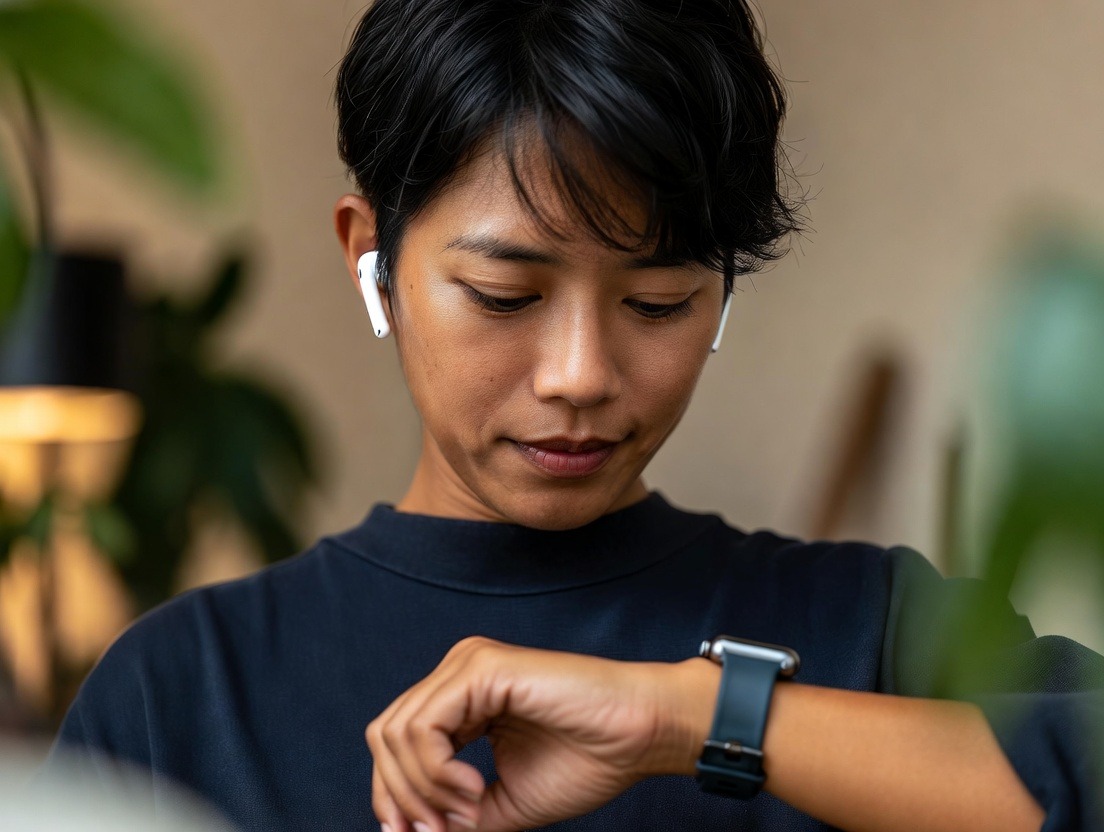
Knowing the "why" is useless without the "how." Transforming a sedentary life into a movement-rich one requires intentional design and simple, scalable habits. Here’s how to build your own ecosystem of motion.
The Home Micro-Environment:
The Office Revolution:
Leveraging Technology:
The principle is habit stacking—attaching a new, tiny movement habit to an existing, automatic routine (like making coffee or waiting for a file to load). For more ideas on building sustainable wellness routines, the team at Oxyzen shares a wealth of strategies on their blog.
In the quest for all-day movement, awareness is everything. You cannot optimize what you do not measure. While fitness trackers and smartwatches have popularized step counting, the smart ring category, exemplified by devices available at Oxyzen.shop, offers a distinct and powerful advantage for this specific lifestyle shift.
Unobtrusive, Continuous Wear: A ring is the ultimate minimalist wearable. It doesn't get in the way during typing, sleeping, or weightlifting. This 24/7 wearability is critical for capturing the full picture of your activity and inactivity, not just the periods you remember to put on a wrist device.
Holistic Biomarker Tracking: Beyond steps, advanced rings track physiological signals that are deeply affected by your movement patterns:
Personalized, Actionable Insights: The software behind these devices doesn't just show data; it provides context. It can highlight that while you hit your step goal, you had a 4-hour uninterrupted sedentary block in the afternoon, and your resting heart rate was elevated as a result. It can congratulate you for maintaining consistent movement variability, even without a formal workout. This transforms the device from a passive tracker into an active coach, guiding you toward a balanced, movement-rich rhythm. For those curious about the technology enabling these insights, you can learn how sleep trackers actually work.
The Motivation of Tangible Data: Seeing a graph of your "active hours" or a score for your daily movement variability provides a powerful motivator. It turns the invisible—the fidgeting, the standing, the extra trips—into a validated, rewarding part of your health journey.
Our bodies are not static machines; they operate on a finely tuned 24-hour cycle known as the circadian rhythm. This internal clock governs sleep-wake cycles, hormone release (like cortisol and melatonin), digestion, and even muscle function. Aligning your movement patterns with this rhythm can amplify benefits and reduce stress.
Morning (6 AM – 12 PM): The Energy & Mobilization Phase
Afternoon (12 PM – 6 PM): The Strength & Stability Window
Evening (6 PM – 10 PM): The Wind-Down & Recovery Phase
Listening to Your Personal Rhythm: While this framework is general, individual variations exist (the classic "night owl" vs. "early bird"). A smart ring is invaluable here, as it can help you identify your personal circadian patterns by tracking your 24/7 readiness, body temperature trends, and sleep data. You can then tailor your movement intensity to sync with your unique biology, not just the clock on the wall.
The greatest obstacle to embracing all-day movement is often not physical, but psychological. The "heroic hour" mentality is deeply ingrained, leading to self-sabotaging thought patterns that must be consciously dismantled.
"If I can't do my full workout, it's not worth doing anything."
"I'm too busy. I don't have time."
"This little movement doesn't burn enough calories to matter."
"I feel silly doing calf raises at my desk."
The Power of Identity: The most powerful psychological shift is moving from "I need to work out" to "I am an active person." An active person takes the stairs without a second thought. An active person stands and stretches when they feel stiff. An active person chooses a walking meeting. When your identity incorporates movement into your very being, it ceases to be a chore and becomes a natural expression of who you are. Reading real user experiences and testimonials can provide social proof and inspiration for making this identity shift.
Viewing movement in isolation is a mistake. It exists in a dynamic triad with nutrition and recovery. All-day movement optimizes this relationship in unique ways.
Movement and Nutrient Partitioning: When your muscles are regularly engaged, even lightly, they become more sensitive to insulin. This means the carbohydrates you eat are more likely to be shuttled into muscle cells for energy or storage (glycogen) rather than being stored as fat. A day of consistent movement essentially "primes" your body to use fuel more intelligently.
Appetite Regulation: Interestingly, light to moderate activity throughout the day can help regulate appetite hormones like ghrelin (hunger) and leptin (satiety) more smoothly than the sometimes extreme fluctuations caused by intense, sporadic exercise. It prevents the ravenous hunger that can follow a major calorie-burning session and supports more mindful eating patterns.
The Recovery Imperative: Increased movement, especially when new, places a demand on the body. This makes quality recovery non-negotiable. The two pillars of recovery are nutrition (adequate protein, micronutrients) and sleep. This is where the loop closes beautifully. Daytime movement promotes better sleep quality and depth. In turn, deep sleep is where your body performs its most critical recovery and repair, rebuilding muscle tissue, clearing metabolic waste from the brain, and restoring hormonal balance. Poor sleep, conversely, sabotages your energy and motivation to move the next day, creating a vicious cycle.
Hydration as the Lubricant: All-day movement increases your need for consistent hydration. Water is essential for joint lubrication, nutrient transport, and temperature regulation. Sipping water regularly—and making trips to refill your bottle a movement opportunity—becomes part of the integrated system.
By seeing movement as the catalyst that improves how you process food and how deeply you recover, you stop chasing isolated fitness goals and start cultivating a self-reinforcing ecosystem of health. For those struggling with the recovery piece, our resources on how to get more deep sleep tonight offer practical starting points.
Theory meets reality in the daily lives of real people. Here’s how the philosophy of all-day movement translates across different archetypes.
The Remote Knowledge Worker (Sarah):
The On-Site Professional (David):
The Busy Parent (Maya):
The Endurance Athlete (James):
These vignettes illustrate that the principle is universal, but the application is personal. It’s about creatively inserting motion into the existing structures of your life. To explore more personalized strategies and insights, the experts at Oxyzen have compiled extensive resources on their about us page, detailing their mission to support this kind of holistic health journey.
The journey from understanding the theory of all-day movement to living it requires a bridge. That bridge is built from data, insight, and personalized feedback. This is the domain where intention meets instrumentation, and where a device like a smart ring evolves from a simple tracker into a true lifestyle architect. Quantification isn't about obsessive score-keeping; it's about cultivating awareness and creating an evidence-based feedback loop for sustainable change.
Moving Beyond the Step Count: While a useful metric, steps are a one-dimensional view of a three-dimensional life. Ten thousand steps in a single hour-long walk followed by stillness is physiologically different from ten thousand steps accumulated in small bouts across 16 waking hours. Advanced wearables now provide a more nuanced suite of metrics critical for the movement-rich lifestyle:
The Data-Informed Feedback Loop: The process follows a simple, powerful cycle:
This loop turns self-experimentation into a guided process. You’re no longer guessing what works for your body; you’re collecting evidence. For example, you might discover that your afternoon movement directly correlates with the quality of your deep sleep as measured by your tracking device, providing a powerful motivator to stay consistent.
Personal Baselines and Meaningful Progress: The most important data point is your own baseline. Comparing your "Movement Variability Score" to a global average is less useful than seeing your own score improve from a 5 to a 7 over two weeks. This personalized benchmarking fosters intrinsic motivation—you are competing against your past self, not an arbitrary ideal. It also helps identify red flags; a sudden, unexplained dip in your daily activity levels or a rise in resting heart rate can be an early signal of impending illness or overstress, allowing for proactive rest. This holistic view of health data is at the core of the mission behind brands like Oxyzen, which you can learn more about here.

To truly appreciate the power of all-day movement, we must delve deeper into the cellular and molecular symphony it conducts. This isn't just about burning a few extra calories; it's about sending a continuous stream of life-affirming signals that regulate some of the most fundamental processes in the human body.
The Glucose Guardian Effect: Postprandial (after-meal) glucose spikes are a significant stressor on the body, contributing to inflammation, endothelial damage, and over time, insulin resistance. Research has consistently shown that light movement after eating is one of the most effective ways to blunt these spikes. A 10-15 minute walk after a meal can reduce the glucose excursion by up to 30%. Why? Contracting muscles actively pull glucose from the bloodstream for fuel, independent of insulin. This gives your pancreas a break and keeps your blood sugar on an even keel. Contrast this with the common pattern of a large lunch followed by immediate, sustained sitting—a recipe for a massive glucose rollercoaster and the ensuing afternoon crash.
Muscle as an Endocrine Organ: We now understand that skeletal muscle is not just for locomotion; it's a vast endocrine gland. When muscles contract, they release myokines—hormone-like signaling molecules that have wide-ranging effects. For instance, the myokine irisin has been shown to stimulate the "browning" of white fat (making it more metabolically active) and improve cognitive function. Another, interleukin-6 (IL-6), when released from muscle during exercise, plays an anti-inflammatory role, unlike the pro-inflammatory IL-6 released from fat tissue. Frequent, low-grade muscle contractions throughout the day ensure a steady, beneficial trickle of these myokines, bathing your body in healthy signals.
Gene Expression: Turning on the Good Genes: Physical activity, even in small doses, influences gene expression through a process called epigenetics. It can turn on genes associated with fat burning, mitochondrial biogenesis (creating more cellular energy powerhouses), and antioxidant defense, while turning down genes linked to inflammation and storage. A single, intense workout can trigger these changes, but the epigenetic landscape is dynamic. Consistent, daily movement helps maintain a healthier genetic "profile," essentially teaching your genes to support a more resilient, active physiology. It’s a use-it-or-lose-it principle at the molecular level.
Mitochondrial Health: Mitochondria are the power plants of our cells. Sedentary behavior leads to mitochondrial dysfunction and a decline in both the number and efficiency of these organelles. Regular movement, including low-intensity activity, stimulates mitochondrial biogenesis and improves their efficiency. Think of all-day movement as providing a constant, low-demand workload that keeps these cellular engines tuned up and ready, rather than letting them atrophy from disuse and then shocking them with a sudden, high-power surge.
This deep dive reveals a profound truth: the body perceives continuous stillness as a state of threat, a signal to downregulate, conserve, and store. Conversely, it perceives frequent movement as a state of safety and abundance, a signal to upregulate, optimize, and thrive. For a comprehensive look at how all your body's systems interconnect, from movement to metabolism to nightly repair, the Oxyzen.ai blog offers a library of research-backed explanations.
Willpower is a finite and unreliable resource. The most successful strategy for adopting a movement-rich lifestyle is not to rely on constant conscious decisions, but to design your physical and digital environments so that movement becomes the default, easy, and often unavoidable choice. This is the concept of "choice architecture" applied to physical health.
The Physical Space Makeover:
The Digital Environment Nudge:
Social and Scheduling Design:
By thoughtfully designing your surroundings, you reduce the cognitive load required to choose movement. The path of least resistance becomes the active path. The friction for sitting too long becomes higher than the friction for getting up and moving. This environmental design works in harmony with the data from your smart ring—the ring shows you when you're stagnant, and your designed environment makes it easy to do something about it. For those starting this design journey and looking for supportive tools, exploring the collections at Oxyzen.shop can provide the technological cornerstone.
To fully internalize why the "sedentary + exercise" model is so discordant, we must take a brief journey through our deep past. For over 99% of human history, Homo sapiens existed as persistence hunters and gatherers. Our survival depended not on bursts of maximal effort, but on continuous, low-to-moderate activity interspersed with periods of rest.
The Persistence Hunter's Blueprint: Our ancestors would track game over distances of 15-20 miles or more, often at a slow trot or fast walk, using their superior endurance to exhaust prey. They foraged for plants, carried children and supplies, built shelters, and crafted tools—all activities requiring sustained, varied muscular engagement. High-intensity bursts (like fleeing a predator or making a final kill) were occasional events layered on top of this constant activity baseline. This is the movement pattern for which our physiology was honed: a high volume of low-grade movement, with sporadic, life-or-death intensity.
The Agricultural and Industrial Revolutions: These periods began the shift, but activity was still largely integrated into daily labor—tending fields, manual craftsmanship, etc. The body was still in motion for most of the day.
The Digital Age Cataclysm: The 21st century represents an unprecedented departure. For the first time, we can meet nearly all our survival needs—food, social connection, work, entertainment—with minimal physical displacement. We have engineered movement out of existence. This creates what anthropologists call an evolutionary mismatch: our Stone Age biology is trapped in a Space Age environment. The consequences are the chronic diseases of civilization: obesity, diabetes, heart disease, and musculoskeletal decay.
Our bodies are still expecting the signals of all-day movement. When they don't arrive, systems go awry:
Understanding this mismatch is liberating. It means that feeling stiff, sluggish, and unfocused after a day of sitting isn't a personal failing; it's a biologically predictable response to an unnatural state. The urge to fidget, to pace, to get up—that's not distraction; it's your primal physiology pleading for the motion it was designed for. Embracing all-day movement isn't adopting a newfangled biohack; it's a homecoming. It's aligning your modern life with your ancient design. To see how this principle applies to another critical biological function, consider the evolutionary importance of deep sleep and why you might not be getting enough.
Championing all-day movement is not a dismissal of structured exercise. Strength training remains irreplaceable for building and maintaining muscle mass, bone density, and raw power. High-Intensity Interval Training (HIIT) is incredibly efficient for improving cardiovascular capacity and metabolic rate. However, placing the entire burden of "physical activity" on this single hour creates significant limitations and psychological pitfalls.
The Metabolic Blind Spot: A grueling 60-minute workout may burn 600 calories and create an "afterburn" effect (Excess Post-exercise Oxygen Consumption, or EPOC). However, if the remaining 23 hours are spent almost completely sedentary, the body's overall metabolic rate can still be suppressed. The powerful, acute stimulus of the workout cannot fully counteract the chronic, dampening signal of stillness. It's like heating a house with a blast from a furnace for one hour and then turning off the insulation for the other 23.
The Injury and Burnout Factor: The "all-or-nothing" exerciser often approaches their limited workout window with maximal intensity to "make it count." This pattern, especially without a foundation of daily movement and mobility, increases the risk of overuse injuries. Furthermore, the psychological pressure to perform can turn exercise into a punishing chore, leading to burnout and eventual abandonment of the routine altogether.
The Dangerous Myth of "Earning" Rest (or Food): This mindset is perhaps the most pernicious side effect. It leads to the belief that one must "burn off" calories or "deserve" to relax. This fosters an unhealthy, transactional relationship with the body and can contribute to disordered eating and exercise patterns. It frames movement as punishment or currency, rather than as nourishment and a natural state of being.
Compensatory Behaviors: Research in the field of "activitystat" theory suggests some people may subconsciously (or consciously) reduce their non-exercise activity on days they work out. You kill yourself at the gym, then feel justified in taking the elevator, lying on the couch, and moving as little as possible for the rest of the day. This "compensation" can erode up to 30% of the theoretical calorie burn from the workout. A smart ring can starkly reveal this pattern, showing a day with a great "workout" score but a terrible "movement variability" score.
The Missing Skill of "Moving Well": An exclusive focus on lifting heavy weights or running fast can neglect fundamental movement patterns and mobility. How is your hip mobility for sitting on the ground and standing up? Your thoracic rotation for looking behind you while driving? All-day movement naturally incorporates a wider, more functional variety of motions—bending, reaching, twisting, balancing—that support real-world physical competence and longevity.
The goal, therefore, is integration. Let the gym hour build your strength and power. Let the all-day movement maintain your metabolic health, joint mobility, and cognitive vitality. They are complementary, not competing, philosophies. For a balanced perspective on using technology to support—not punish—your health journey, the FAQ at Oxyzen.ai addresses many common questions on this integration.
Let's crystallize all these concepts into a tangible, hour-by-hour blueprint. This is not a prescriptive regimen to follow rigidly, but an illustrative example of how the principles can flow seamlessly through a typical day. Imagine this is a day for a hybrid office worker named Alex, who uses a smart ring for feedback.
6:30 AM – Wake Up
7:00 AM – Morning Routine
8:00 AM – Commute / Start of Work
9:00 AM – 12:00 PM – Focused Work Block
12:30 PM – Lunch Break
1:30 PM – 4:30 PM – Afternoon Work Block
5:30 PM – End of Work & Transition
6:30 PM – Evening at Home
9:30 PM – Wind-Down
Result: Alex never "worked out" in the traditional sense. Yet, they accumulated over 90 minutes of purposeful light activity, broke up sedentary time over a dozen times, boosted their metabolism after every meal, and primed their body for restorative sleep. Their smart ring would show high movement variability, stable heart rate, and excellent sleep preparedness.

The ultimate promise of a movement-rich life is not just a better today, but a radically improved tomorrow. The cumulative effect of this lifestyle is a powerful, protective buffer against the declines of aging, building what gerontologists call "healthspan"—the number of years we live in good health.
Building a Functional Reserve: Aging inevitably leads to a decline in physiological capacity—loss of muscle mass (sarcopenia), bone density (osteopenia), balance, and coordination. The rate of this decline is not fixed. Consistent, daily movement builds a higher "peak" in mid-life and slows the descent. Someone with a strong foundation of muscle, mobile joints, and a robust cardiovascular system from lifelong activity has a much larger functional reserve to draw from as they age. They are more resilient to illness, injury, and hospitalization.
The Anti-Inflammatory Effect: Chronic, low-grade inflammation (inflammaging) is a key driver of age-related disease. The steady release of anti-inflammatory myokines from muscle contractions, along with the improved metabolic health that reduces pro-inflammatory fat tissue, makes all-day movement a potent anti-inflammatory lifestyle. This helps protect against arthritis, cognitive decline, and cardiovascular disease.
Cellular Aging and Telomeres: Telomeres are the protective caps on the ends of our chromosomes that shorten with each cell division; shorter telomeres are associated with aging and disease. While the relationship is complex, higher levels of physical activity—including moderate, non-exercise activity—have been associated with longer telomere length. Movement may literally help protect your DNA from the wear and tear of time.
Neurological Protection: The increased cerebral blood flow and BDNF stimulated by regular movement are like fertilizer for the brain. This builds cognitive reserve, helping to stave off dementia and maintain executive function, memory, and processing speed deep into later life. The balance and coordination practiced in daily movement also protect against falls, a major cause of disability in the elderly.
The Social-Emotional Dividend: A lifestyle built on moving within your community—walking to shops, gardening, playing with grandchildren, joining walking groups—combats the loneliness and isolation that are profound health risks for seniors. This integrated approach keeps people connected and engaged, which is itself a longevity booster.
In essence, a life of integrated movement doesn't just add years to your life; it adds life to your years. It ensures that your later decades are characterized by independence, vitality, and continued engagement with the world, rather than frailty and dependence. This long-term, holistic view of health is central to the vision of companies innovating in this space, a vision you can explore further by reading about Oxyzen's mission and values.
Even with the best intentions and a perfectly designed environment, obstacles will arise. Anticipating and planning for these roadblocks is key to long-term adherence.
"My job is genuinely demanding and I can't just get up whenever I want."
"I travel constantly for work. My environment is never my own."
"I have chronic pain/injury that limits my movement."
"I get bored. It feels too repetitive."
"I don't see results fast enough."
The path is not about perfection. It's about direction. A day where you only managed to break up your sitting three times is still infinitely better than a day where you didn't at all. Consistency beats intensity when building a lifestyle. For additional support and answers to specific technical or practical questions, a great resource is the comprehensive FAQ page, which covers many user scenarios.
Adopting a movement-rich lifestyle is not just a personal endeavor; it often involves navigating social norms and workplace cultures that are fundamentally designed for stillness. The individual who stands during a meeting, paces on a call, or does discreet calf raises at their desk can feel like an outlier. Creating a larger cultural shift—or at least, cultivating a personal environment of support—is a powerful accelerant for change.
Leading by Example (The Ripple Effect): Your consistent movement can become a subtle, positive contagion. When colleagues see you return from a walking meeting energized, or notice you never take the elevator, it plants a seed. Without preaching, you become a living case study. You might be asked, "How do you have so much energy in the afternoons?" This opens a door to share the philosophy in a helpful, non-judgmental way. Over time, you may find others joining you for post-lunch walks or advocating for standing desks.
Reframing Movement as a Productivity Tool, Not a Distraction: The dominant cultural narrative often equates sitting and stillness with focus and professionalism. We must actively counter this by framing movement as a cognitive and performance enhancer. Use language that aligns with business and productivity values:
When leaders and managers model this and encourage their teams to take movement breaks, it transforms company culture from one of "face time" to one of "healthy output."
Creating Micro-Communities: Find or form your tribe. This could be a "lunch walk club" with two other coworkers, a family pact to always take an evening stroll, or an online community focused on NEAT and non-gym fitness. Shared commitment creates accountability and normalizes the behavior within your immediate social circle. Sharing data insights from devices like smart rings can add a layer of friendly, supportive comparison and motivation.
Advocating for Environmental Change: If you have any influence in your workplace, advocate for environmental shifts that benefit everyone. This could be as simple as suggesting walking paths for meetings in the company handbook, advocating for subsidized standing desks, or ensuring stairwells are well-lit and inviting. These changes remove barriers for everyone and signal that the organization values employee health holistically.
The goal is to move from being a conscious objector to the sedentary standard to becoming a proactive architect of a more dynamic culture. This shift reduces the social friction of your choices and creates a wider environment where movement is not just accepted, but expected and encouraged. For stories of how individuals and communities are embracing this holistic health shift, the testimonials and user experiences shared by wellness technology users can be a source of inspiration and solidarity.
In an economy increasingly driven by knowledge work and creative output, our most valuable asset is our focused attention. Ironically, the very tool we use for this work—the computer—tethers us to the seated position that undermines our cognitive prowess. Understanding the direct link between physical motion and mental performance is a game-changer.
The Physiological Basis of the "Brain Break": When we focus intensely on a cognitive task, we deplete neurotransmitters in specific neural pathways. Prolonged static posture also reduces cerebral blood flow. A movement break of just 2-5 minutes acts as a system reset. Increased heart rate pumps more oxygenated blood to the brain. The change in visual scenery (looking into the distance versus a screen) relaxes the eye muscles and engages different parts of the visual cortex. Simple movement also stimulates the cerebellum and vestibular system, which are involved not just in balance, but in attention and thought coordination.
Incubation and the "Aha!" Moment: Creative breakthroughs rarely happen while staring directly at a problem. They occur in the shower, on a walk, during a drive—when the conscious mind is relaxed and the subconscious is free to make novel connections. This process is called incubation. Intentionally using movement breaks during work is a form of directed incubation. You step away from the problem physically, allowing your brain to work on it in the background. The rhythmic, low-demand nature of walking or light stretching is the perfect state for these insights to bubble up to the surface.
Movement and Neuroplasticity: As mentioned, movement elevates BDNF. This protein doesn't just maintain brain health; it is essential for learning and memory formation. A day punctuated with movement is a day in which your brain is literally more capable of forming new neural connections, absorbing information, and adapting to new challenges. It’s like upgrading your brain's hardware in real-time to better run the software of your work.
Practical Application: The Movement-Enhanced Work Sprint: Instead of the traditional 60-90 minute work block followed by fatigue, try a Movement-Enhanced Sprint Cycle:
This structure harnesses your natural ultradian rhythms (90-120 minute cycles of alertness) and uses movement to prolong the quality of focus within each cycle and enhance recovery between them. The result is more high-quality output in less total time, with less mental exhaustion. For knowledge workers seeking to optimize every aspect of their performance, understanding the role of deep sleep in memory consolidation and brain function is the perfect complement to this daily movement strategy.
We've established that technology, particularly in the form of advanced wearables like smart rings, is the linchpin for making the invisible visible. But the evolution of this technology is moving beyond simple tracking toward genuine partnership. The future—and in many ways, the present—is about contextual, personalized, and predictive health guidance.
From Data to Contextual Insight: Early wearables gave you data points: "10,000 steps," "8 hours sleep." Next-generation devices and their algorithms provide context: "You met your step goal, but 70% were accumulated in one hour, and you had a 4-hour sedentary block this afternoon which correlated with a higher evening resting heart rate." Or, "Your sleep duration was good, but your deep sleep was low. Your data shows that on days you take a post-dinner walk, your deep sleep increases by 15%." This contextual analysis turns raw data into actionable wisdom, answering the "so what?" question.
Personalized Baselines and Dynamic Goals: Advanced systems learn your unique physiology. Your "optimal" movement variability score or resting heart rate is based on your trends, not population averages. The device can then set dynamic, personalized goals: "Today, let's focus on reducing your longest sedentary bout to under 60 minutes," or "Your recovery score is high today, try adding two more vigorous movement snacks." This adaptive guidance prevents plateaus and aligns challenges with your current capacity.
Predictive Nudges and Integrative Guidance: The most sophisticated platforms are moving toward prediction and integration. Based on your historical data, time of day, and current physiological state (e.g., elevated stress reading), your device might suggest: "You usually experience a focus dip around 3 PM. Consider a 5-minute brisk walk now to prevent it," or "Your activity has been low today and your wind-down time is in 2 hours. A 10-minute gentle yoga session tonight could improve your sleep latency." This shifts the model from retrospective reporting to real-time, proactive coaching.
The Ecosystem Integration: The true power emerges when your movement data conversations with other digital health inputs. Imagine a future where:
This is the promise of a device like those developed by Oxyzen—not as a standalone gadget, but as the central, intelligent node in your personal health ecosystem, providing a seamless, 24/7 feedback loop. To understand the full potential of this integrated approach to wellness, you can explore the vision behind Oxyzen's technology.

The pursuit of all-day movement offers a profound, often overlooked spiritual benefit: it is a powerful pathway to mindfulness and present-moment awareness. In a world of digital distraction, movement can ground us firmly in our physical selves.
Movement as Moving Meditation: Practices like walking meditation, tai chi, and yoga explicitly link motion with mindfulness. But any movement can become meditative with intention. Washing dishes while feeling the warm water and the texture of the plates. Walking while consciously feeling the heel-to-toe roll of your foot, the swing of your arms, the rhythm of your breath. These acts pull you out of the churning stream of thoughts and into the sensory reality of the present moment. This breaks the cycle of ruminative stress that is so common in sedentary, mentally-focused work.
The Body as an Anchor: In mindfulness practice, we use an anchor—often the breath—to return to when the mind wanders. The physical sensations of movement provide a powerful, dynamic anchor. The burn in your muscles during a set of squats, the stretch in your hamstring, the feeling of balance on one foot—these are intense, present-moment experiences that demand attention. This cultivates a deeper, more compassionate connection with your body, moving it from an object you "work on" to a subject you "inhabit."
Interoception: Hearing Your Body's Wisdom: Prolonged sitting dulls our interoceptive sense—our ability to perceive internal bodily signals. Do you eat because you're hungry or because it's noon? Do you feel the early signs of stress in your clenched jaw or tight shoulders? Regular, mindful movement sharpens this sense. You begin to notice when you need to stretch a tight hip, when a walk would clear your head, when your body is asking for rest. This embodied intelligence is the ultimate guide for a sustainable, responsive health practice, far superior to any rigid, external schedule.
Reducing Anxiety and Rumination: Anxiety is often future-oriented; rumination is past-oriented. Both take us out of the present. Rhythmic, physical activity is a well-established anxiolytic (anxiety-reducer). It helps metabolize stress hormones like cortisol and adrenaline. By forcing attention to the physical present, it provides a mental respite from cyclical worries. A two-minute stretch break can be a more effective reset for anxiety than five minutes of trying to "think your way out of it."
Integrating this mindful approach transforms movement from a box to check into a nourishing ritual. It becomes a daily practice of coming home to yourself, building resilience not just in your muscles, but in your nervous system and your mind. This holistic view of wellness, where physical habits support mental calm, is a theme explored in depth in resources like the Oxyzen.ai blog, which covers the full spectrum of mind-body health.
The fitness industry has a notorious dropout rate. Gyms see a surge in January memberships that evaporate by March. The primary reason is that intense, discrete exercise often feels like a separate, burdensome "should" layered on top of life, rather than an integrated part of it. The movement-rich philosophy offers a fundamentally more sustainable path because it aligns with human psychology and the reality of modern life.
Lower Barrier to Entry: The requirement to change clothes, travel to a location, dedicate 60+ minutes, shower, and return is a massive logistical and psychological hurdle. In contrast, the hurdle for doing 10 squats while waiting for your coffee is almost zero. By dramatically lowering the barrier to entry, you dramatically increase the frequency of success. Success breeds motivation, not the other way around.
The Compound Interest of Consistency: A brutal, 60-minute workout you force yourself to do 3 times a week is impressive, but fragile. Miss a week due to travel or illness, and the habit crumbles. In contrast, a habit of moving for 2-5 minutes every hour is incredibly robust. It's woven into the fabric of your day. You can do it when you're tired, busy, traveling, or under the weather (perhaps with modified intensity). This day-in, day-out consistency, like financial compound interest, yields staggering long-term results with seemingly small daily deposits.
Alignment with Identity: As James Clear articulates in Atomic Habits, lasting change comes from identity shift. The statement "I'm trying to work out" is weak. "I'm the kind of person who takes the stairs" is strong. All-day movement provides countless opportunities to reinforce this active identity. Every time you choose to stand, stretch, or walk, you are voting for the identity of an active, healthy person. This repeated voting solidifies the identity, making the behavior automatic and effortless.
Joy and Variety Over Grind and Monotony: The gym can feel monotonous. All-day movement is inherently varied and contextual. It’s playing with your kids, gardening, dancing in the kitchen, taking a scenic walk, exploring a new neighborhood on foot. This variety taps into intrinsic motivations like curiosity, play, and connection, which are far more powerful and enduring than extrinsic motivators like guilt or vanity.
Resilience to Life's Disruptions: Life is unpredictable. The rigid "gym at 6 PM" schedule is the first casualty of a sick child, a work deadline, or a social event. A movement-rich lifestyle is antifragile. It adapts. If you can't get your walk, you do more desk stretches. If you're in airports all day, you walk the terminals. The core habit—frequent movement—remains intact even when the specific manifestations change.
This approach reframes fitness from a destination (a beach body, a race time) to a manner of traveling through your life. The goal is no longer to "get fit" so you can then live well; the goal is to live well through being fit in a way that is seamless, enjoyable, and sustainable for decades. For those building this lifelong practice, having the right tools for feedback and encouragement is key, which is why many find value in exploring the features of devices available at Oxyzen.shop.
The most powerful and effective fitness paradigm is not an "either/or" but a "both/and." The future belongs to the individual who intelligently blends the potent, specific stimuli of structured exercise with the foundational, metabolic, and holistic benefits of all-day movement. This creates a synergistic effect where each component makes the other more effective and sustainable.
The New Hierarchy of Physical Activity: Think of it as a pyramid.
Without the strong, wide base, the peak is unstable and can lead to injury and burnout. The base ensures the work done at the peak is effectively recovered from and integrated.
Synergistic Benefits:
The "Minimum Effective Dose" for Strength: For those primarily focused on building or maintaining muscle, research suggests that the stimulus doesn't need to be frequent, but it does need to be intense. This is where the 2-3 weekly strength sessions fit perfectly. They provide the necessary high-tension stimulus, while the all-day movement and good nutrition (supported by quality deep sleep for optimal recovery) create the anabolic environment for muscle repair and growth during the other 165 hours of the week.
This integrated model liberates you. Your workout is no longer responsible for fixing all the problems caused by sitting. It can focus on what it does best: building strength, power, and specific skills. Your daily life handles the rest, creating a state of continuous, vibrant health.
We have journeyed through the science, the psychology, the practical strategies, and the future vision of a movement-rich life. We've dismantled the myth that health is earned in a single, heroic hour and rebuilt it as a practice woven into the very minutes of our day. This is not a call to abandon your gym membership or your love of running, but an invitation to expand your definition of what it means to be an active, healthy human.
The evidence is clear and compelling: our bodies are designed for constant, low-grade motion. When we honor this design, we unlock a cascade of benefits—from stable blood sugar and a robust metabolism to a clear, creative mind and a calm, resilient nervous system. We build a body that is not just strong in the gym, but functional and capable in the world. We cultivate a practice that is sustainable for a lifetime, rooted in identity and joy rather than obligation and punishment.
The cornerstone of this transition is awareness. You cannot change what you cannot see. This is where modern technology, particularly in the elegant, continuous form of a smart ring, becomes your most valuable ally. It shines a light on the invisible hours of stillness and illuminates the powerful impact of your small choices. It transforms abstract principles into personal, actionable insights. To begin exploring how this kind of technology can serve your journey, a great starting point is the main Oxyzen storefront, where form meets function in the service of wellness.
The next part of this extensive guide will dive even deeper. We will explore advanced protocols for different life stages and health conditions, examine the connection between movement and specific hormonal systems in detail, provide a comprehensive resource guide for movement "snacks" and micro-workouts, and take a detailed look at the cutting-edge biometrics that the next generation of wearables will monitor to guide our health. We will answer the question: "What does a truly optimized, movement-centric life look like over a week, a month, a year?"
But you need not wait. Your invitation begins now, with your very next moment. As you finish reading this, what is one tiny, almost effortless movement you can perform? A deep breath that expands your ribs? A roll of your shoulders? Standing up to look out a window?
That single, conscious act is the first step. The journey of ten thousand steps—and a vibrant, healthy life—begins with one.
Your Trusted Sleep Advocate (Sleep Foundation — https://www.sleepfoundation.org/)
Discover a digital archive of scholarly articles (NIH — https://www.ncbi.nlm.nih.gov/
39 million citations for biomedical literature (PubMed — https://pubmed.ncbi.nlm.nih.gov/)
experts at Harvard Health Publishing covering a variety of health topics — https://www.health.harvard.edu/blog/)
Every life deserves world class care (Cleveland Clinic -
https://my.clevelandclinic.org/health)
Wearable technology and the future of predictive health monitoring. (MIT Technology Review — https://www.technologyreview.com/)
Dedicated to the well-being of all people and guided by science (World Health Organization — https://www.who.int/news-room/)
Psychological science and knowledge to benefit society and improve lives. (APA — https://www.apa.org/monitor/)
Cutting-edge insights on human longevity and peak performance
(Lifespan Research — https://www.lifespan.io/)
Global authority on exercise physiology, sports performance, and human recovery
(American College of Sports Medicine — https://www.acsm.org/)
Neuroscience-driven guidance for better focus, sleep, and mental clarity
(Stanford Human Performance Lab — https://humanperformance.stanford.edu/)
Evidence-based psychology and mind–body wellness resources
(Mayo Clinic — https://www.mayoclinic.org/healthy-lifestyle/)
Data-backed research on emotional wellbeing, stress biology, and resilience
(American Institute of Stress — https://www.stress.org/)


