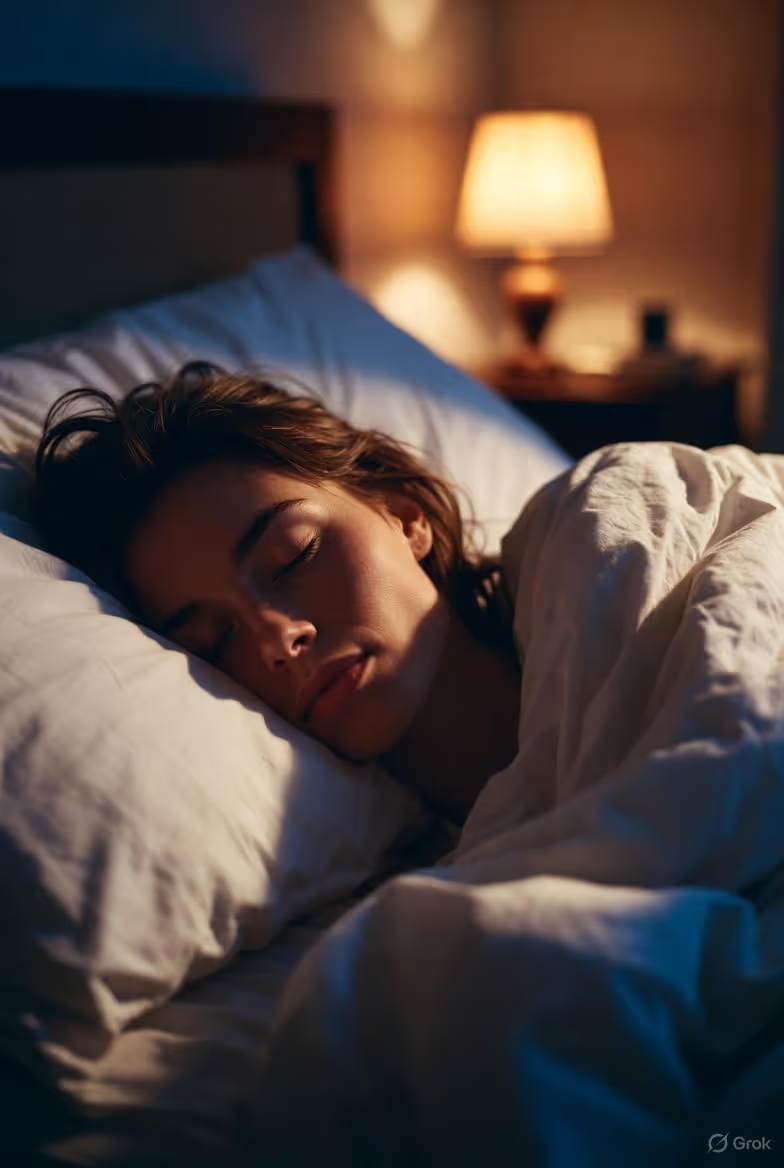
How Alcohol Affects Sleep Quality: The Truth About That Nightcap
Alcohol appears to help you fall asleep but significantly disrupts sleep quality throughout the night. This evidence-based guide explains how even moderate drinking affects sleep architecture, reduces restorative stages, increases awakenings, and prevents truly refreshing rest despite feeling sedated initially.
How Alcohol Affects Sleep Quality: The Truth About That Nightcap
For centuries, the nightcap has held a cherished place in our cultural imagination—a symbol of winding down, a ritual of relaxation before bed. That final glass of wine after dinner, the calming beer while watching the evening news, or the dram of whiskey to "quiet the mind" are woven into the fabric of modern life. For the 50-60% of Americans who drink, consuming alcohol in the hours before bedtime is a common practice. Nearly half of adults over 65 report having consumed alcohol in the past year, and among those with persistent insomnia, a staggering 30% admit to using alcohol specifically as a sleep aid.
The seductive logic is simple and seemingly self-evident: alcohol makes you feel drowsy and relaxed, so it must help you sleep. But what if this deeply ingrained belief is a biological illusion? What if our favorite sleep aid is, in fact, our sleep's greatest saboteur?
Emerging from a comprehensive body of scientific research is a clear and consistent narrative: alcohol and sleep are not friends. They do not mix well. While a drink may help you fall asleep faster, it hijacks and fragments the architecture of your night, stealing the deep, restorative rest your brain and body desperately need. This article will dismantle the myth of the helpful nightcap, taking you on a journey through the neuroscience of sleep, the pharmacology of alcohol, and the real-world consequences of their collision. We will explore not just why you wake up at 3 a.m. after a drink, but how this pattern, over time, can erode your cognitive sharpness, emotional balance, and long-term health. By understanding the truth, you can reclaim your nights and awaken to more vibrant, energized days.
The Alluring Myth: Why We Believe Alcohol Helps Us Sleep
The belief that alcohol is an effective sleep aid is one of the most pervasive wellness myths in modern society. It's not born out of collective ignorance, but from a powerful and immediate personal experience shared by millions. You have a stressful day, your mind is racing, and sleep feels miles away. You pour a drink. Within the hour, a wave of relaxation washes over you, your eyelids grow heavy, and you drift off to sleep more quickly than usual. The evidence feels incontrovertible: It worked.
This experience has a solid neurochemical basis. Alcohol is a central nervous system depressant. It enhances the effects of gamma-aminobutyric acid (GABA), the brain's primary inhibitory neurotransmitter. When GABA activity increases, neural firing slows down, leading to feelings of calm, sedation, and drowsiness. This is the same general mechanism used by prescription sedatives and sleeping pills. So, in the short term, the sensation is real. Research confirms that drinking before bed can reduce the time it takes to fall asleep—a metric known as sleep onset latency.
The myth is further reinforced by cultural narratives and personal habit loops. The "nightcap" is romanticized in literature and film as the sophisticated conclusion to a day. For many, it becomes an ingrained part of a bedtime ritual—a signal to the brain that the day is over. Furthermore, when people suffer from acute stress or insomnia, the quick relief alcohol provides is powerfully reinforcing. The desperate need for sleep overrides long-term considerations, creating a cycle where the solution (alcohol) gradually becomes a primary cause of the problem (poor sleep).
However, this initial seduction is a pharmacological sleight of hand. The critical error is conflating "falling asleep" with "achieving good sleep." Sleep is not a binary state of being awake or unconscious. It is a dynamic, architecturally complex process of distinct stages, each with vital functions. By focusing only on the gateway to sleep, the nightcap myth completely ignores what happens to the quality of rest once you cross the threshold. As one sleep specialist starkly puts it, "Alcohol and sleep are not friends. They do not mix well". The journey into sleep after drinking is not a peaceful descent into restoration; it is the beginning of a disrupted and dysfunctional night.
Sleep Architecture 101: Understanding the Nightly Repair Cycle
To fully grasp how alcohol vandalizes our rest, we must first appreciate the elegant complexity of normal sleep. Think of a good night's sleep not as a flat line of unconsciousness, but as a carefully choreographed performance in several acts, repeated multiple times throughout the night. This performance is known as sleep architecture.
A full sleep cycle lasts about 90 to 120 minutes, and a well-rested person will journey through four to six of these cycles per night. Each cycle is composed of two main types of sleep: Non-Rapid Eye Movement (NREM) sleep and Rapid Eye Movement (REM) sleep.
NREM Sleep (Stages 1-3): This encompasses the progression from light to deep sleep.
Stage 1 (N1): This is the lightest stage, the brief transition from wakefulness to sleep. It's easy to be awakened here.
Stage 2 (N2): This stage constitutes nearly half of a typical night's sleep. Your heart rate slows, body temperature drops, and the brain begins to produce bursts of rapid rhythmic brain wave activity known as sleep spindles, which are crucial for memory consolidation and learning.
Stage 3 (N3 - Slow-Wave Sleep): Often called deep sleep or delta sleep, this is the most restorative physical stage. During N3, the body repairs tissues, builds bone and muscle, and strengthens the immune system. Brain waves slow to a deep, rhythmic delta pattern. This is the stage that leaves you feeling physically refreshed.
REM Sleep: This is the final stage of the cycle, often associated with vivid dreaming. The brain becomes highly active—almost as active as when you're awake—while the body experiences temporary muscle paralysis (atonia) to prevent you from acting out your dreams. REM sleep is the cognitive repair shop. It is essential for processing emotions, consolidating memories, fostering learning, and supporting brain development and creativity. Waking up after adequate REM sleep is linked to mental clarity and emotional balance.
The progression through these stages is not random. In a healthy sleep architecture, the first half of the night is dominated by deep N3 sleep, fulfilling the body's physical restoration needs. As the night progresses, REM sleep periods become longer and more prominent, especially in the second half of the night, handling the brain's maintenance.
This cyclical, stage-dependent process is what makes sleep restorative. Disrupting this architecture—skipping stages, shortening them, or fragmenting them—is like trying to build a house by randomly piling bricks together without a blueprint. The raw materials might be there, but the structure is weak and dysfunctional. With this understanding of the delicate system alcohol intrudes upon, we can now examine the specific ways it causes chaos in the night.
The Initial Seduction: Alcohol's False Promise of Deep Sleep
When you consume alcohol before bed, it doesn't just gently nudge you toward sleep; it forcefully reshapes the beginning of your night's architecture. This is where the deception deepens. Not only do you fall asleep faster, but early in the night, when blood alcohol levels are at their peak, you may actually experience an increase in deep, slow-wave sleep (N3).
To the untrained observer, this sounds like a benefit—more of that coveted "deep sleep." In reality, it's a neurological hijacking. Alcohol artificially induces this deep sleep by intensifying its sedative, GABA-enhancing effects. It's as if a loud, overpowering noise has drowned out the natural, gentle symphony of your sleep cycle's opening movements.
The consequence of this artificial front-loading of deep sleep is two-fold, and both are detrimental.
Suppression of REM Sleep: The most immediate and well-documented casualty is REM sleep. Alcohol is a powerful REM suppressant. In the first half of the night, REM sleep is often delayed (longer REM latency) and drastically reduced in duration. Since REM is critical for emotional regulation and memory, losing it is like finishing a day's work but never saving the files. The experiences and learning of the day aren't properly processed and integrated.
Disruption of Natural Sleep Homeostasis: Your brain operates on a "sleep debt" system. The longer you're awake, the stronger the pressure for deep sleep becomes. By artificially satisfying this deep sleep drive early and excessively with alcohol, you disrupt the brain's natural homeostasis—its balanced need for both deep and REM sleep across the night.
This creates a biological debt. The brain still needs its REM sleep and a balanced structure. So, as the sedative effects of alcohol wear off and blood alcohol levels begin to drop—typically in the second half of the night—the brain initiates a frantic and dysfunctional correction. This leads directly to the harsh reality that awaits later in the night: the crash and fragmentation that shatters any illusion of rest.
The Second-Half Crash: Rebound Wakefulness and Sleep Fragmentation
The calm, deep sleep of the early night is a temporary mirage. As your liver works to metabolize the alcohol—at an average rate of about one standard drink per hour—its sedative grip on your brain begins to loosen. This decline in intoxication triggers a neurochemical rebound effect, essentially a mini-withdrawal that plays out while you are still asleep.
This rebound is the source of the all-too-familiar experience: falling asleep easily after a drink, only to find yourself wide awake at 2 or 3 a.m., staring at the ceiling with a racing mind. This phenomenon is clinically referred to as rebound insomnia.
Here’s what happens inside your disrupted sleep architecture during this second-half crash:
A Surge in Light Sleep: As the alcohol metabolizes, your sleep becomes dramatically lighter. There is a significant increase in Stage 1 (N1) sleep, the lightest and least restorative stage. This stage is fragile, making you highly susceptible to awakenings.
Fragmented and Broken Sleep: The night becomes punctuated by micro-arousals and full awakenings. You may not remember all of them, but your brain does. Sleep becomes choppy and inefficient. Studies using polysomnography (detailed sleep monitoring) show that alcohol leads to more frequent awakenings and increased "wake after sleep onset" (WASO). Your sleep is no longer a continuous, restorative stream but a series of shallow puddles.
REM Rebound: In a confused attempt to pay back the debt incurred earlier, your brain may pack intense, often vivid or even disturbing dreams into the later sleep cycles. This "REM rebound" can further disrupt sleep continuity and contribute to a feeling of unrest.
The result is that the second half of your night offers little restorative value. You are trapped in a cycle of light, fragmented sleep, robbed of the crucial, extended REM periods needed to feel mentally restored. When your alarm sounds, you may have been "asleep" for 7 or 8 hours, but your brain has been on a chaotic rollercoaster. You wake up feeling unrefreshed, groggy, and foggy—a state sometimes called "sleep drunkenness" that is distinct from standard fatigue. As sleep specialist Dr. Nancy Foldvary-Schaefer notes, "It’s a matter of quality more than quantity". The nightcap hasn't given you sleep; it has given you an agitated simulation of it.
Beyond Fragmentation: How Alcohol Worsens Snoring and Sleep Apnea
The disruption caused by alcohol isn't limited to your brain's electrical patterns; it physically compromises your breathing throughout the night. This is one of its most dangerous effects on sleep.
Alcohol is a potent muscle relaxant. As it circulates in your system, it causes the muscles throughout your body to relax—including the delicate muscles in your throat and soft palate that keep your airway open during sleep.
For anyone, this relaxation can lead to increased snoring, as the airway narrows and the relaxed tissues vibrate more with each breath. But for a significant portion of the population, the consequences are far more severe.
Exacerbating Obstructive Sleep Apnea (OSA): For individuals with OSA, a condition where the airway repeatedly collapses during sleep, alcohol is a major aggravator. The extra relaxation makes collapses more frequent, last longer, and more severe. This leads to more dramatic drops in blood oxygen levels and more violent arousals as the brain gasps for air. Research shows that people who consume alcohol have a 25% higher risk of having obstructive sleep apnea. For someone with untreated OSA, a nightcap can be genuinely risky.
Impact on Central Sleep Apnea (CSA): Alcohol can also worsen central sleep apnea, a less common form where the brain fails to send proper signals to breathe. By depressing central nervous system activity, alcohol can further dampen these crucial respiratory signals.
The combination of fragmented sleep from rebound insomnia and breathing disruptions from airway relaxation creates a perfect storm of poor sleep quality. The body is starved of oxygen and never achieves sustained, restorative sleep stages. This is why people with sleep apnea often feel exhausted despite spending a full night in bed. Furthermore, the strain of fighting for breath and the oxygen drops put significant stress on the cardiovascular system, linking poor sleep directly to long-term heart health risks. If you or a partner has noticed louder, more erratic snoring after drinking, it is not just a nuisance—it is a visible sign of a significantly compromised airway.
The Deeper Toll: Long-Term Effects on Sleep Regulation and Health
Using alcohol as a nightly sleep aid isn't just a bad habit for one night; it's a strategy that can backfire catastrophically over time, leading to chronic sleep disorders and altering your brain's fundamental sleep-wake systems.
Tolerance and Escalation: The human body is remarkably adaptive. With repeated use, it develops a tolerance to alcohol's sedative effects. The glass of wine that once helped you drift off may no longer be sufficient. This can lead to a dangerous escalation: drinking more to achieve the same initial sleep-inducing effect, thereby increasing overall consumption and the risk of dependency.
Chronic Insomnia: What begins as acute sleep aid can spiral into persistent insomnia. The cycle is vicious: you drink to sleep, the alcohol causes fragmented and poor-quality sleep, leading to daytime fatigue and anxiety about the next night, which in turn fuels more drinking to quell that anxiety and induce sleep. Studies indicate that as many as three-quarters of people with alcohol dependence experience insomnia symptoms. The relationship is bidirectional, with insomnia also increasing the risk of developing an alcohol use disorder.
Circadian Rhythm Disruption: Your circadian rhythm is your internal 24-hour biological clock, regulated by light exposure and the hormone melatonin. Emerging evidence suggests that chronic alcohol use can interfere with this system, blunting the body's sensitivity to light/dark cues and disrupting the natural release of melatonin. This can permanently dysregulate your sleep-wake cycle, making you feel alert when you want to sleep and sleepy when you need to be awake.
Longitudinal Evidence: The long-term impact is starkly revealed in major studies. Research following older adults for three decades found that men who maintained heavy drinking patterns were significantly more likely to have chronic sleep problems, including waking multiple times a night and waking up tired. Another large community study of over 11,000 people found a clear dose-response relationship: higher alcohol consumption was directly associated with poorer overall sleep quality.
The long-term health implications of this chronic sleep disruption are profound and extend far beyond tiredness. Consistently poor sleep is linked to a weakened immune system, increased inflammation, higher risks of obesity, type 2 diabetes, cardiovascular disease, depression, and anxiety. It may even play a role in the risk of neurodegenerative diseases like Alzheimer's. The nightcap, therefore, isn't just stealing a good night's rest; it's potentially chipping away at your long-term health foundation.
Gender and Age Differences: Is Everyone Affected Equally?
While alcohol disrupts everyone's sleep, a growing body of research suggests that the magnitude and manifestation of these effects can vary significantly based on biological sex and age. Understanding these differences is crucial for a personalized view of risk.
Gender Differences in Sleep and Alcohol Metabolism: Multiple studies have pointed to a stronger correlation between alcohol use and poor sleep quality in men. A Korean hospital study found that for men, higher scores on an alcohol use disorder test were positively correlated with worse global sleep quality, specifically linked to poorer subjective sleep quality, shorter sleep duration, and more sleep disturbances. The large Whitehall II study of older adults also found clearer negative associations between heavy drinking and sleep problems like waking multiple times at night for men, while the findings for women were less consistent.
The reasons for this are likely multifaceted:
Metabolism: Women generally have less body water and a lower activity of the stomach enzyme alcohol dehydrogenase, leading to higher blood alcohol concentrations than men after consuming the same amount. This could theoretically intensify alcohol's disruptive effects on sleep architecture in a single episode.
Hormonal Factors: The interaction between alcohol, sleep, and hormonal cycles (like menstruation and menopause) is complex and an area of active research. Hormonal fluctuations can independently affect sleep, potentially creating a different baseline of vulnerability.
Reporting and Sleep Disorders: Women are statistically more likely to report insomnia symptoms, which might interact differently with alcohol use patterns. It's also possible that women are more likely to discontinue drinking (becoming "former drinkers") if it affects their sleep or health, as suggested by some longitudinal data.
The Vulnerability of Older Adults: Age is another critical factor. The prevalence of insomnia tends to increase with age, and alcohol consumption among older adults is common. This combination is particularly problematic.
Increased Sensitivity: Aging bodies metabolize alcohol more slowly, meaning its effects last longer. The muscle-relaxing effect that worsens sleep apnea is especially dangerous for older adults, who may already have age-related weakening of airway muscles.
Compounding Health Issues: Older adults are more likely to have co-existing health conditions (hypertension, diabetes, chronic pain) and take medications that can interact negatively with alcohol and further disrupt sleep.
Long-Term Cumulative Damage: The 30-year Whitehall study highlights that it is sustained heavy drinking, or unstable drinking patterns over decades, that are most strongly linked to poor sleep profiles in later life. This underscores that the sleep cost of alcohol can accumulate over a lifetime.
These differences tell us that while the fundamental truth—alcohol harms sleep quality—applies to all, individual risk profiles vary. Men engaging in heavy drinking may see a more direct impact on measurable sleep metrics, while older adults of any gender should be particularly cautious due to slower metabolism and increased health vulnerabilities. For anyone struggling with sleep, these factors underscore the importance of looking at alcohol consumption through a personal, not just a general, lens.
Practical Guidance: Minimizing Alcohol's Impact on Your Sleep
If you choose to drink, being strategic can help mitigate—though never eliminate—its disruptive effects on your sleep. The goal is to give your body the best possible chance to metabolize the alcohol before your head hits the pillow. Based on expert recommendations from sleep physicians and major health institutions, here is a practical framework.
The Golden Rule: Time Your Last Drink. The single most effective step is to establish a minimum alcohol-free buffer zone before bedtime. The consensus recommendation is to finish your last drink at least 3 to 4 hours before you plan to sleep. This allows your liver significant time to metabolize much of the alcohol, reducing the concentration in your bloodstream as you enter your first sleep cycles.
Moderate Your Intake. Dose matters. The more you drink, the longer it takes to metabolize and the more severe the disruption. Adhering to moderate drinking guidelines (generally defined as up to one drink per day for women and up to two for men) will inherently limit the damage. A "drink" is defined as:
5 ounces of wine (12% alcohol)
12 ounces of beer (5% alcohol)
1.5 ounces of distilled spirits (40% alcohol)
Hydrate Strategically. Alcohol is a diuretic, promoting fluid loss and contributing to dehydration, which can cause nighttime thirst and headaches. Counter this by drinking a full glass of water alongside each alcoholic beverage and having more water after your last drink. However, avoid chugging large volumes of water right before bed to minimize disruptive bathroom trips.
Never Mix with Sleep Medications. This cannot be overstated. Combining alcohol with sedatives, sleep aids, or certain pain medications (especially opioids) can dangerously suppress breathing and central nervous system function, posing a risk of fatal respiratory depression. Always consult your doctor or pharmacist about interactions.
Listen to Your Body and Track Your Sleep. Pay attention to how you feel the morning after an evening drink. Do you wake up refreshed or groggy? Do you remember waking up at night? Using a sleep tracker can provide objective data. Modern devices like the Oxyzen smart ring can monitor your sleep stages, heart rate, and movement throughout the night, offering a clear picture of how alcohol affects your personal sleep architecture. Seeing the tangible data—reduced REM sleep, increased restlessness—can be a powerful motivator for change. You can learn more about how this technology provides insights on our blog dedicated to wellness trackinghttps://oxyzen.ai/blog.
Consider a "Sleep First" Policy. For those seriously committed to improving sleep quality, the most effective strategy is the simplest: reserve alcohol for occasions that don't precede a night where you need optimal rest. Make great sleep your priority and let drinking be the occasional exception, not the nightly rule.
Healthier Alternatives: Building a Sustainable Sleep Sanctuary
Breaking the reliance on an alcohol-centric wind-down routine requires replacing it with positive, evidence-based habits—a practice known as sleep hygiene. The goal is to create a sanctuary and ritual that naturally guide your nervous system toward rest without the need for chemical sedation.
Craft a Consistent, Tech-Free Wind-Down Routine:
Set a Digital Curfew: The blue light from phones, tablets, and computers suppresses melatonin production. Aim to power down all screens at least 60 minutes before bed.
Embrace Calming Activities: Engage in low-stimulation practices like reading a physical book, listening to soft music or a podcast, taking a warm bath, or practicing gentle stretching or yoga.
Try Mindfulness or Meditation: Apps or simple breathing exercises (like the 4-7-8 technique) can calm a racing mind and reduce the anxiety that often drives the desire for a drink.
Optimize Your Sleep Environment:
Make it Cool, Dark, and Quiet: Aim for a bedroom temperature around 65°F (18°C). Use blackout curtains, an eye mask, and earplugs or a white noise machine to block disruptions.
Reserve the Bed for Sleep (and Intimacy): Train your brain to associate the bed with rest, not work, eating, or watching TV.
Invest in Comfort: A supportive mattress and pillows tailored to your sleep position are foundational.
Leverage Natural Sleep-Promoting Tools:
Soothing Beverages: Swap the nightcap for non-alcoholic options like herbal tea (chamomile, valerian root), warm milk, or tart cherry juice, which contains natural melatonin.
Consider Supplements with Caution: Melatonin supplements can help reset circadian rhythms (like after jet lag) but are not a universal sleep pill. Always consult a healthcare provider before starting any supplement.
Address the Root Cause: Often, the urge to drink for sleep stems from untreated stress, anxiety, or an underlying sleep disorder.
Seek Professional Help: If you suspect you have insomnia, sleep apnea, or chronic anxiety, consult a doctor or sleep specialist. Cognitive Behavioral Therapy for Insomnia (CBT-I) is a highly effective, drug-free treatment.
Build Daytime Resilience: Regular exercise (finished several hours before bed), sunlight exposure in the morning, and managing stress through therapy or hobbies build a foundation for better sleep.
Replacing a nightcap with these habits isn't about deprivation; it's about empowerment. It’s choosing a path of genuine restoration over artificial sedation. For more inspiration and practical tips on creating a holistic wellness routine, explore the stories and journeys shared by others on our community testimonials page https://oxyzen.ai/testimonials. Building a better night starts long before bedtime.
How Alcohol Affects Sleep Quality: The Truth About That Nightcap
Chronobiology and Timing: When You Drink Matters as Much as What You Drink
The ancient field of chronobiology—the study of our body's natural rhythms—has revealed a crucial truth about alcohol's impact: timing is everything. Consuming a glass of wine with dinner at 7 p.m. is a fundamentally different physiological event than having the same glass at 11 p.m. This is because alcohol interacts dynamically with our circadian system, the internal 24-hour clock that governs not just sleep, but hormone release, body temperature, metabolism, and nearly every biological process.
Our sleep-wake cycle is driven by this master clock, located in the brain's suprachiasmatic nucleus (SCN). The SCN responds to light cues and regulates the production of melatonin, the "hormone of darkness" that signals to the body that it's time to rest. Alcohol doesn't just knock on the door of this finely tuned system; it barges in and disrupts its operation.
Disruption of Circadian Phase: Research indicates that alcohol consumption can alter the expression of "clock genes" in the brain and peripheral tissues. In practical terms, drinking close to bedtime can shift your circadian phase, delaying the natural timing of sleepiness and wakefulness. This is why drinking late can make you feel alert at bedtime but then cause you to crash and wake up groggy and out of sync the next morning.
Suppression of Nocturnal Melatonin: Studies have shown that alcohol, particularly when consumed in the evening, can blunt the natural nighttime rise in melatonin. One study found that drinking a moderate amount of alcohol (0.5g/kg, roughly equivalent to one drink for a 150-pound person) one hour before bed suppressed melatonin production by nearly 20%. Without this clear hormonal signal, your body's transition into sleep is less smooth and natural.
The "Two-Peak" Disruption Pattern: Alcohol's effects on sleep architecture follow a predictable two-phase pattern tied directly to its metabolism. The first phase, occurring while blood alcohol concentration (BAC) is rising and high, is dominated by sedation, increased deep sleep, and suppressed REM. The second phase, as BAC falls toward zero, is characterized by rebound arousal, lighter sleep, and REM rebound. Drinking later pushes more of this disruptive second phase into your core sleep period, maximizing fragmentation.
The chronobiological takeaway is clear: The closer alcohol consumption is to bedtime, the more severe its assault on sleep quality and circadian integrity. To minimize damage, align drinking with your body's natural rhythms by finishing early, allowing the sedative phase to occur before you aim to sleep and giving your system time to metabolize the alcohol before your most crucial sleep cycles begin. This principle is a cornerstone of the advice from sleep specialists and is a key reason why the 3-4 hour buffer before bed is so critical.
Individual Biochemistry: Why Your Friend Sleeps Fine After Wine and You Don't
If you've ever wondered why some people swear they sleep "like a baby" after a few drinks while you're guaranteed a night of tossing and turning, the answer lies in the complex interplay of individual biochemistry. Alcohol is metabolized and interacts with our brains in ways that are highly personalized, influenced by genetics, physiology, and even psychology.
Genetic Factors in Alcohol Metabolism: The speed at which you process alcohol is largely genetic. It depends on the activity of key enzymes, primarily alcohol dehydrogenase (ADH) and aldehyde dehydrogenase (ALDH). Individuals with more active forms of ADH break down alcohol into acetaldehyde (a toxic intermediate) more quickly. Those with less active ALDH then break down the acetaldehyde more slowly, leading to a buildup that causes facial flushing, nausea, and rapid heartbeat—a reaction common in many people of East Asian descent. This faster initial metabolism or unpleasant reaction can alter drinking patterns and, consequently, sleep impact. Furthermore, genetic variations in the neurotransmitter systems alcohol affects (GABA, glutamate, adenosine) can make some brains more or less sensitive to its sedative and disruptive effects.
Tolerance and Habitual Use: As discussed, chronic use leads to tolerance. A person who drinks regularly may experience less pronounced initial sedation and a different sleep architecture disruption than a infrequent drinker consuming the same amount. Their brain has adapted to the presence of alcohol, potentially altering baseline neurotransmitter levels. This can create a false sense of security ("It doesn't affect my sleep"), while longitudinal data shows the chronic toll on sleep quality is still being exacted.
Underlying Health Conditions: Pre-existing conditions dramatically change the equation.
Sleep Disorders: Someone with undiagnosed sleep apnea will experience exponentially worse breathing disruptions after alcohol.
Mental Health: Individuals with anxiety or depression often have pre-existing sleep architecture abnormalities (like reduced slow-wave sleep). Alcohol may temporarily quiet anxious thoughts but will further degrade an already fragile sleep structure, often worsening mood symptoms the next day.
Gastrointestinal Issues: Alcohol can exacerbate acid reflux (GERD), which is a common cause of nighttime awakenings and discomfort.
The Power of Expectancy (The Placebo/Nocebo Effect): The psychological belief in alcohol's effects is powerful. If you firmly believe a drink helps you sleep, you may relax more at bedtime, potentially improving sleep onset through reduced anxiety—a placebo effect. Conversely, if you believe it will ruin your sleep, the anxiety about that outcome (a nocebo effect) could itself cause sleep disruption. This mind-body connection is real, though it doesn't negate the objective physiological disruptions occurring.
Understanding your individual biochemistry is key. It explains why blanket advice has limits and underscores the value of personalized data. This is where modern wellness technology shines. By using a device like the Oxyzen smart ring to track your sleep on nights with and without alcohol, you move beyond anecdote and see your unique physiological response—how your heart rate variability changes, how your deep sleep percentage drops, or how your sleep score is impacted. This objective feedback, as explored in our resources on understanding your body's signalshttps://oxyzen.ai/blog, is the most powerful tool for making informed, personalized decisions about alcohol and sleep.
The Vicious Cycle: Alcohol, Poor Sleep, and Next-Day Consequences
The damage inflicted by a nightcap doesn't magically disappear when the sun rises. Instead, it rolls forward into the next day, creating a self-perpetuating cycle that can trap individuals in a downward spiral of fatigue and compensation.
The "Hangover" of Sleep Deprivation: Waking up after alcohol-fragmented sleep often brings a specific type of fatigue distinct from simple sleep shortness. It's a combination of:
Sleep Inertia & Grogginess: The rebound effect and light, choppy sleep of the early morning hours lead to intense grogginess and impaired alertness upon waking—a state that can last for hours.
Cognitive Impairment: The loss of REM and deep sleep directly translates to deficits in attention, concentration, memory consolidation, and executive function. Studies show that performance on cognitive tasks the day after drinking is impaired even when the alcohol itself is fully metabolized, due solely to the sleep disruption it caused.
Emotional Dysregulation: REM sleep is crucial for processing emotional experiences. Without it, people are more likely to experience mood instability, irritability, and heightened stress reactivity. The amygdala, the brain's fear center, becomes more reactive, while prefrontal cortex regulation is weakened.
Physical Symptoms: Headaches, dehydration, and general malaise from alcohol metabolism compound the fatigue from poor sleep.
Fueling the Cycle: These debilitating next-day consequences create powerful incentives to continue the damaging pattern.
Daytime Fatigue Leads to Stimulant Use: To combat grogginess and brain fog, individuals often reach for excessive caffeine or sugary foods for an energy boost. This can then disrupt sleep the following night, creating a new sleep debt.
Evening Anxiety and Craving for Relief: As the day wears on and the residual fatigue mixes with the stress of impaired performance, anxiety about facing another sleepless night builds. The memory of alcohol's initial sedative effect becomes powerfully alluring. The brain, seeking relief from the discomfort of fatigue and anxiety, craves the quick fix. This is how alcohol transitions from a voluntary nightcap to a perceived necessity for sleep.
Tolerance and Escalation: As tolerance builds, the cycle intensifies, potentially leading to increased consumption and a greater risk of dependency.
Breaking this cycle requires intervention at the point of the consequence. Recognizing that the "solution" (the drink) is the primary cause of the problem (the next-day fatigue and anxiety) is the first step. The second step is finding truly restorative alternatives to reset the system. For those seeking to understand this cycle in the context of overall well-being, learning about our holistic approach to health tracking can provide a framework for change https://oxyzen.ai/about-us.
Beyond the Nightcap: Social Drinking, Binge Patterns, and "Weekend Catch-Up"
While the nightly nightcap presents a clear pattern, alcohol's impact on sleep extends to other common consumption models, each with its own destructive signature.
The Social Evening Out: This scenario involves moderate drinking ending 1-2 hours before bed—common after a dinner party or event. Here, the peak BAC and sedative phase collide directly with bedtime. You may fall asleep quickly but will likely experience a severe second-half crash with intense rebound wakefulness around 3 or 4 a.m. The disruption is acute and pronounced, often ruining the next day.
Binge Drinking Episodes: Defined as consuming 4+ drinks for women or 5+ drinks for men in about 2 hours, binge drinking is a perfect storm for sleep demolition. The high BAC leads to a powerful, unnatural sedation (often passing out rather than falling asleep). This is followed by an extreme metabolic rebound. The nervous system swings from profound suppression to hyper-arousal. Consequences include:
Severe REM suppression followed by intense, disturbing REM rebound dreams.
Prolonged slow-wave sleep disruption across multiple nights.
Massive fragmentation and frequent awakenings.
Exacerbation of sleep-disordered breathing to dangerous levels. Research clearly links binge drinking to significantly worse sleep quality, longer-term sleep disturbances, and a higher risk of developing chronic insomnia.
The "Weekend Warrior" & Sleep Debt Misconception: Many believe they can "recover" from a week of poor sleep and late-night drinking by sleeping in on the weekends. This is a flawed and harmful strategy.
Circadian Disruption: Sleeping late on weekends shifts your internal clock, creating "social jet lag" come Monday morning, making it harder to wake up for work and perpetuating weekly sleep instability.
Sleep Architecture is Not Bankable: The deep and REM sleep lost due to alcohol is not a debt that can be fully repaid by sleeping longer later. While extra sleep can reduce general sleep drive, it does not selectively restore the specific, missed stages of sleep architecture in the same proportion. The brain does not have a "make-up" function for restorative N3 and REM sleep.
Reinforcement of the Cycle: The weekend binge-and-crash pattern entrenches the association between alcohol and weekend "relaxation," while the ensuing social jet lag ensures you start the new week already in a state of circadian misalignment and residual fatigue, potentially setting the stage for more weekday sleep problems and alcohol use.
The underlying message is that no pattern of consumption is benign when it comes to sleep. Whether it's a steady nightly habit, a social spree, or a weekend binge, alcohol consistently degrades the architecture of rest. The body and brain do not get a "pass" based on the timing or intention behind the drinking.
Navigating Special Cases: Medications, Aging, and Pregnancy
The interaction between alcohol and sleep becomes even more critical—and potentially dangerous—in specific populations where physiology is altered or vulnerability is heightened.
Alcohol and Sleep Medications (A Critical Warning): Combining alcohol with prescription sleep aids (like zolpidem/Ambien, eszopiclone/Lunesta), benzodiazepines (like lorazepam/Ativan), or even over-the-counter antihistamine-based sleep aids is extremely hazardous. Both alcohol and these medications work by enhancing GABA activity. Together, they can lead to:
Profound, dangerous sedation and loss of consciousness.
Severe respiratory depression (slowed or stopped breathing), especially in individuals with sleep apnea.
Complex sleep behaviors like sleepwalking, sleep-eating, or sleep-driving, with no memory of the event.
Increased risk of overdose and death. This combination should be avoided entirely. If you are prescribed medication for sleep, alcohol is contraindicated. Always consult your doctor or pharmacist, and for more information on safe usage, you can refer to our support and FAQ resourceshttps://oxyzen.ai/faq.
Aging and Increased Sensitivity: As we age, several factors converge to make alcohol more disruptive:
Slower Metabolism: The liver metabolizes alcohol less efficiently, so it stays in the system longer, prolonging its disruptive effects.
Changes in Body Composition: Increased fat mass and decreased water volume lead to higher BAC per drink.
Increased Prevalence of Sleep Disorders: Age-related sleep fragmentation, higher rates of insomnia, and sleep apnea mean the baseline sleep is already more fragile. Alcohol acts as a multiplier on these problems.
Polypharmacy: Older adults are more likely to be on multiple medications, increasing the risk of adverse interactions. For seniors, even moderate drinking close to bedtime can significantly worsen sleep quality and increase fall risk during nighttime awakenings.
Pregnancy and Postpartum: The guidance here is unequivocal: There is no known safe level of alcohol consumption during pregnancy. Alcohol crosses the placenta, and its disruption of fetal sleep architecture—which is critical for brain development—can be part of the spectrum of harm associated with prenatal exposure. In the postpartum period, sleep is already severely fragmented due to infant care. A new parent might be tempted to use alcohol to fall asleep during brief windows. However, this:
Further degrades the quality of already scarce sleep.
Impairs responsiveness to the infant, which is a serious safety concern.
Can contribute to or exacerbate postpartum mood disorders. Non-alcoholic wind-down strategies are essential for parental well-being during this demanding phase.
In these special cases, the risks associated with alcohol consumption for sleep far outweigh any perceived benefit, making abstinence or extreme caution the only prudent path.
The Cumulative Health Cost: From Sleep Disruption to Systemic Disease
Viewing alcohol's sleep disruption as merely a matter of next-day tiredness is a profound underestimation. Chronic sleep fragmentation and the loss of deep, restorative sleep stages act as a slow-burning fuse connected to a wide array of serious long-term health conditions. The systemic inflammation, hormonal imbalances, and metabolic chaos induced by poor sleep create a fertile ground for disease.
Cardiovascular Disease: The link is strong and multi-faceted. Sleep disrupted by alcohol keeps the body in a state of sympathetic nervous system dominance ("fight or flight"), leading to elevated nighttime heart rate and blood pressure. The oxygen desaturations from worsened sleep apnea strain the cardiovascular system. Chronic sleep deficiency is associated with increased inflammation, arterial stiffness, and a higher risk of hypertension, heart attack, and stroke.
Metabolic Dysfunction and Weight Gain: Sleep architecture is crucial for metabolic regulation. Deep sleep (N3) is when growth hormone is released, aiding in fat metabolism and muscle repair. Disrupting this stage, as alcohol does, can lead to:
Insulin Resistance: Poor sleep reduces the body's sensitivity to insulin, increasing the risk of Type 2 diabetes.
Hormonal Imbalances: Alcohol-related sleep loss disrupts leptin (the "satiety hormone") and ghrelin (the "hunger hormone"), leading to increased appetite and cravings for high-calorie, carbohydrate-rich foods.
Reduced Energy Expenditure: Fatigue leads to less physical activity, creating a perfect storm for weight gain and metabolic syndrome.
Immune System Suppression: Deep sleep is when the immune system releases cytokines, proteins that help fight infection and inflammation. Fragmented, alcohol-disrupted sleep reduces this protective cytokine production and lowers the activity of infection-fighting T-cells, making you more susceptible to common illnesses like colds and flu and potentially impairing the body's ability to respond to vaccines.
Mental Health and Neurological Risk: The brain's nightly cleansing and repair processes are critically dependent on uninterrupted sleep, particularly the glymphatic system, which is most active during deep sleep.
Mood Disorders: The bidirectional relationship is clear: alcohol-induced sleep disruption is a major risk factor for developing depression and anxiety.
Cognitive Decline: Chronic poor sleep is a significant risk factor for neurodegenerative diseases, including Alzheimer's. The accumulation of beta-amyloid plaques, a hallmark of Alzheimer's, is thought to be cleared less efficiently during disrupted sleep.
When you choose a nightcap, you are not just trading tomorrow's alertness for tonight's sedation. You are making a cumulative, long-term withdrawal from your health capital. Protecting your sleep architecture is one of the most powerful preventative health measures you can take. This commitment to long-term wellness through better sleep is at the heart of our mission and visionhttps://oxyzen.ai/our-story.
Rethinking Relaxation: Building a Truly Restorative Pre-Sleep Ritual
To move beyond the nightcap, we must fundamentally redefine "winding down." True relaxation is not about sedation; it's about actively transitioning the nervous system from a state of alertness (sympathetic dominance) to a state of rest and digest (parasympathetic dominance). This transition is a skill that can be cultivated with practice.
Deconstructing the Craving: The desire for an evening drink often stems from identifiable triggers:
The Need for a "Bookend": A clear signal that work/obligations have ended and personal time has begun.
Mental Rumination: An overactive mind that needs help quieting.
Physical Tension: Muscle stiffness or aches from the day.
Habit & Association: The sheer force of routine.
Constructing Your Sanctuary Ritual: Address these needs with intentional, alcohol-free practices. Begin your ritual 60-90 minutes before your target sleep time.
The Physical Transition (The "Bookend"):
Change Your Environment: Physically leave your workspace. Dim the lights in your home.
Change Your Clothes: Putting on comfortable sleepwear is a powerful psychological cue.
Gentle Body Scan: Take 5 minutes to lie down and mentally scan your body for areas of tension, consciously relaxing them.
The Mental Wind-Down (Quieting the Mind):
The "Brain Dump": Keep a notebook by your bed. Write down every lingering thought, worry, or to-do list item. This gets it out of your cyclical mental space and onto paper.
Guided Meditation or Breathwork: Use an app for a short, guided body scan or mindfulness meditation. The 4-7-8 breathing technique (inhale for 4, hold for 7, exhale for 8) is a potent tool for activating the parasympathetic nervous system.
Read Fiction: Immersing yourself in a narrative (from a physical book or e-ink reader, not a backlit tablet) pulls your mind away from its own stories.
The Sensory Soothe (Addressing Tension):
Warm Bath or Shower: The rise and subsequent fall in core body temperature mimics the natural temperature drop that precedes sleep, sending a strong sleep signal.
Herbal Tea Ritual: Sip a warm, non-caffeinated tea like chamomile, passionflower, or valerian root. The ritual of preparation and the warmth are calming.
Light Stretching or Yoga Nidra: Gentle, restorative yoga poses or a guided Yoga Nidra ("yogic sleep") practice can release physical tension without raising the heart rate.
The Power of Consistency: The magic is in the repetition. By performing the same sequence of calming activities nightly, you create conditioned cues that tell your brain and body, "It is now time to prepare for deep, restorative sleep." This self-generated routine is far more powerful and sustainable than any chemical shortcut.
For inspiration on crafting a personalized wellness journey that includes better sleep rituals, you can explore the real-world experiences and successes shared by our community https://oxyzen.ai/testimonials. The journey to better sleep is deeply personal, and seeing how others have made the shift can be a powerful motivator.
A Deeper Look at REM Rebound: Vivid Dreams and Emotional Hangovers
The phenomenon of REM rebound is one of the most visceral and memorable consequences of drinking before bed, yet its underlying mechanisms and implications are often misunderstood. When alcohol suppresses REM sleep in the first half of the night, the brain's need for this cognitively crucial stage doesn't disappear; it accrues as a biological debt. As alcohol is metabolized and its sedative grip loosens, the brain attempts to settle this debt with a vengeance, leading to an intense, concentrated period of REM sleep, often characterized by extraordinarily vivid, bizarre, or emotionally charged dreams.
This isn't merely an interesting side effect—it's a sign of a brain scrambling to perform essential maintenance under duress.
Neurological Overdrive: During REM rebound, the brain's activity isn't just normal REM activity; it can be hyper-intense. The limbic system—the emotional center of the brain—becomes particularly active. This is why dreams during this phase can feel more emotionally potent, surreal, or even nightmarish. It's as if the brain is trying to compress a full night's worth of emotional processing into a truncated, chaotic session.
The "Emotional Hangover": Waking from a night of intense REM rebound can leave you with a lingering feeling of unease, anxiety, or emotional fatigue—a distinct "emotional hangover" that compounds the physical grogginess. This occurs because the brain has been flooded with emotional processing activity without the proper, gradual integration that normal REM architecture allows. The boundary between dream emotion and waking emotion can feel blurred.
Sleep Continuity Sacrificed: To achieve this REM rebound, the brain often sacrifices sleep continuity. These intense REM periods are frequently punctuated by micro-arousals or full awakenings, sometimes coinciding with the climax of a vivid dream. This contributes to the overall feeling of fragmented, non-restorative sleep, even if you don't fully remember waking up.
Understanding REM rebound reframes the experience of "weird dreams" after drinking. It is not a curiosity but a clear diagnostic signal of significant sleep architecture disruption. It's the brain's distress call, indicating it has been deprived of its necessary cognitive and emotional maintenance window and is now working overtime in a compromised state.
The Gut-Brain-Sleep Axis: How Alcohol Disrupts a Critical Triangle
Emerging science highlights a profound connection between our digestive system, our brain, and our sleep—often called the gut-brain axis. Alcohol acts as a disruptive force at every point of this triangle, creating a feedback loop that degrades both sleep quality and overall health.
Alcohol's Impact on the Gut Microbiome: The gut is home to trillions of bacteria (the microbiome) that play a crucial role in producing neurotransmitters and regulating inflammation. Alcohol, especially in excess, can:
Cause Dysbiosis: It disrupts the balance of "good" and "bad" gut bacteria, reducing microbial diversity.
Increase Intestinal Permeability ("Leaky Gut"): It can damage the lining of the intestines, allowing bacterial endotoxins to enter the bloodstream, triggering systemic inflammation.
How Gut Disruption Ruins Sleep: This gut inflammation has direct neurological consequences:
Neurotransmitter Production: A significant portion of the body's serotonin (a precursor to melatonin) and GABA is produced or influenced by gut bacteria. Dysbiosis can impair this production.
Systemic Inflammation: The inflammatory signals from a distressed gut travel to the brain and can disrupt the function of the hypothalamus, the region that houses the sleep-wake regulator (SCN). Inflammation is also known to fragment sleep and reduce slow-wave sleep.
Direct Sleep Disruption: Studies have linked poor gut microbiome health directly to shorter sleep duration and lower sleep efficiency.
The Vicious Loop: This creates a self-reinforcing cycle:
Alcohol disrupts the gut microbiome and increases inflammation.
The inflamed gut sends signals to the brain that disrupt sleep architecture (less deep sleep, more awakenings).
Poor sleep further alters gut microbiome composition and increases permeability, leading to more inflammation.
Increased inflammation and fatigue the next day may drive cravings for more alcohol or unhealthy foods, perpetuating the cycle.
Breaking this cycle requires addressing all three points: reducing alcohol intake, supporting gut health with probiotics and fiber, and prioritizing sleep hygiene to help restore microbial balance. It's a powerful reminder that the path to better sleep often involves caring for your entire ecosystem, not just your nighttime routine.
The Impact of Different Types of Alcohol: Does Wine, Beer, or Spirits Matter?
A common question is whether the type of alcoholic beverage influences its sleep-disrupting effects. While the primary culprit is ethanol, and its dose is the most critical factor, secondary compounds in different drinks can modulate the impact.
The Ethanol Constant: Regardless of the source, ethanol is ethanol. Its fundamental mechanisms of action—GABA enhancement, REM suppression, muscle relaxation, and diuretic effects—remain the same. A standard drink of wine, beer, or spirits contains an equivalent amount of ethanol and will have a similarly disruptive core effect on sleep architecture.
Modulating Factors: Congeners and Additives:
Congeners: These are chemical byproducts of the fermentation and aging process that contribute to the taste, aroma, and color of drinks. Darker liquors (bourbon, whiskey, brandy, red wine) tend to have higher congener content than clear liquors (vodka, gin, white wine). Congeners can intensify hangover symptoms like headache and nausea, which can indirectly worsen sleep quality by causing discomfort. However, their direct effect on sleep architecture is less significant than ethanol itself.
Histamines and Sulfites: Red wine is particularly high in histamines and sulfites. For individuals sensitive to these compounds, they can cause allergic-like reactions including headaches, nasal congestion, and flushing, which can make falling and staying asleep more difficult.
Sugar Content: Sweet cocktails, dessert wines, and certain beers are high in sugar. A spike in blood sugar followed by a crash can trigger nighttime awakenings. Furthermore, sugar itself is inflammatory and can exacerbate the gut dysbiosis discussed earlier.
Carbonation (Beer, Champagne): The carbon dioxide in fizzy drinks can cause bloating and gas, leading to physical discomfort that may disrupt sleep, particularly for those with reflux.
The Behavioral Context: Often, the type of drink is tied to specific behaviors that matter more than the drink itself:
Wine with Dinner: Finishing a glass of wine 3-4 hours before bed is less disruptive than a nightcap.
High-Proof Cocktails: These often lead to consuming a larger ethanol dose more rapidly.
Caffeinated Mixers (Rum & Coke, Vodka Red Bull): These directly counteract sedation with stimulants, creating a confusing signal for the brain and severely degrading sleep quality.
The Verdict: While a glass of red wine might give a sensitive person a worse headache than vodka, and a sugary cocktail might cause a blood sugar crash, the dominant factor for sleep disruption is the total amount and timing of ethanol consumption. Choosing a "clear" spirit over a "dark" one does not grant a free pass. The most impactful choice is to control the dose and finish drinking early, regardless of the beverage in your glass.
Quantifying the Disruption: What Sleep Trackers Reveal About the Nightcap
In the era of quantified self, wearable sleep technology provides an unprecedented window into the objective impact of alcohol. While they are not medical-grade polysomnography, modern smart rings and watches offer highly accurate proxies for sleep stages, restlessness, and physiological markers. The data they reveal is a powerful tool for breaking through personal denial and understanding one's unique response.
Common Data Patterns After Alcohol Consumption: Users who track their sleep consistently report seeing clear, reproducible changes on nights they drink, even moderately:
Elevated Resting Heart Rate (RHR): Alcohol increases heart rate. A device will typically show a RHR that is 5-10 beats per minute (BPM) higher than your nightly average, often throughout the entire night. This is a sign of sympathetic nervous system activation and metabolic stress.
Reduced Heart Rate Variability (HRV): HRV, the variation in time between heartbeats, is a key indicator of recovery and parasympathetic ("rest and digest") nervous system activity. Alcohol consistently lowers HRV, showing the body is under stress and not in a truly restorative state.
Disrupted Sleep Stage Architecture: The tracker's sleep stage algorithm will often show:
A drop in REM sleep percentage, especially in the first half of the night.
An increase in light sleep (Stage N1/N2) and a corresponding decrease in deep sleep (Stage N3) in the second half of the night.
Fragmentation: Multiple periods of "awake" or "restless" time, particularly in the early morning hours (3-5 a.m.).
Decreased Sleep Score: Most devices compile these metrics into a single "sleep score." It is common to see a 10-30 point drop on a night with alcohol compared to a clean night.
The Power of Personal Anecdote Becomes Data: This objective feedback is transformative. It changes the conversation from "I feel okay" to "My physiology shows significant stress." Seeing the correlation between a 6.5% REM sleep night after two glasses of wine versus a 22% REM sleep night without alcohol provides irrefutable, personal evidence of the cost.
For those dedicated to optimizing recovery and performance, this data is essential. It allows for true experimentation: What if I have one drink instead of two? What if I stop drinking by 7 p.m. instead of 10 p.m.? The tracker provides the answer. This commitment to using data for personal insight is a core part of the Oxyzen philosophyhttps://oxyzen.ai/our-story, empowering individuals to make informed choices about their health.
Beyond Abstinence: Harm Reduction Strategies for Social Drinkers
For many, complete abstinence from alcohol is not the goal. The reality of social and cultural life involves drinking. The pragmatic approach, then, is harm reduction—strategically minimizing alcohol's negative impact on sleep when you do choose to drink.
The Strategic Drink Plan:
The "One-and-Done" Early Rule: Set a firm limit of one standard drink and consume it only with or immediately after dinner, ensuring a 4+ hour buffer before bed. This minimizes the ethanol load and maximizes metabolizing time.
The "Alternate and Hydrate" Protocol: For longer social events, make every other beverage a non-alcoholic one (sparkling water, soda with lime). This slows consumption, reduces total intake, and maintains hydration.
Dilution is Key: Choose drinks that are inherently diluted (wine spritzer, light beer, a single shot in a large mixer) over neat spirits or strong cocktails.
The Post-Drink Wind-Down (If You Drank Later Than Planned): If your buffer zone was shorter than ideal, don't just go straight to bed. Implement damage control:
Hydrate Aggressively (Now): Drink 16-24 ounces of water immediately.
Have a Light, Sleep-Supportive Snack: A small snack containing complex carbs and a bit of protein (e.g., a few whole-grain crackers with cheese, a banana with a tablespoon of almond butter) can help stabilize blood sugar through the night.
Gentle Movement: 5-10 minutes of very gentle stretching or walking can aid metabolism and relaxation without being stimulating.
Extend Your Wind-Down: Add an extra 15-20 minutes to your normal pre-sleep routine with a meditation or reading session to help counter the initial stimulant effect of alcohol as it begins to metabolize.
The Next-Day Reset:
Prioritize Morning Light: Get outside within 30 minutes of waking for at least 15 minutes of natural light. This is the strongest signal to reset your circadian rhythm, which alcohol may have disrupted.
Move, But Don't Punish Yourself: Gentle to moderate exercise can improve mood and energy, but avoid intense, depleting workouts that add stress to a body already recovering.
Nourish for Recovery: Focus on anti-inflammatory foods: leafy greens, berries, nuts, fatty fish, and plenty of water. Avoid sugary breakfasts that will cause an energy crash.
Commit to a Clean Night: Make the following night an alcohol-free one to give your sleep architecture a full cycle to recover and re-stabilize.
These strategies are not about justifying poor choices but about practicing mindful consumption and taking active responsibility for the consequences. They represent a balanced, realistic approach to modern life while still prioritizing the non-negotiable importance of restorative sleep. For more personalized strategies and support, our comprehensive FAQ resourcehttps://oxyzen.ai/faq addresses many common questions on balancing lifestyle with wellness goals.
The Neurochemistry of the Crash: Adenosine, Glutamate, and the Rebound Effect
To fully appreciate why alcohol's sedative effect is always followed by a disruptive crash, we must dive deeper into the neurochemical chess game it plays in the brain. Alcohol doesn't simply press a single "sleep" button; it manipulates several key neurotransmitter systems, creating an initial imbalance that the brain must violently correct.
The Adenosine Illusion: Adenosine is a neuromodulator that accumulates in the brain throughout the day, creating "sleep pressure." Caffeine works by blocking adenosine receptors. Alcohol, in a roundabout way, increases adenosine activity. It facilitates the release of adenosine in the basal forebrain, a key sleep-regulating area. This surge contributes to the feeling of sudden drowsiness—the "sedative hit" of a nightcap. However, this is a pharmacologically induced flood, not the natural, gradual buildup of a day well-lived. When the alcohol is metabolized, adenosine levels drop rapidly, removing that artificial sleep pressure and contributing to premature awakening.
GABA's Temporary Tranquility and Glutamate's Revenge: This is the core of the rebound effect.
Initial Phase (Sedation): Alcohol potently enhances the effect of GABA, the brain's primary inhibitory neurotransmitter. This globally slows down neural firing, leading to relaxation, loss of inhibition, and sedation.
Rebound Phase (Arousal): Simultaneously, alcohol inhibits NMDA receptors, which are activated by glutamate—the brain's primary excitatory neurotransmitter. In response to this suppression, the brain undergoes a compensatory adaptation: it downregulates GABA activity and upregulates glutamate activity to try to maintain equilibrium.
The Crash: As blood alcohol levels fall, you are left with a brain that has less GABA-mediated inhibition and more glutamate-mediated excitation than when you started. This neurochemical state is the definition of hyperarousal. It leads to the racing thoughts, anxiety, and fragmented light sleep that characterizes the second half of the night. The brain is essentially in a state of mini-withdrawal, over-excited and struggling to regain balance.
This intricate dance explains why you can't have the sedation without the subsequent crash. The initial quieting of the brain is achieved by forcing it into a chemically unbalanced state. The rebound is the brain's inevitable, tumultuous effort to right itself, and it does so at the cost of your sleep continuity. Understanding this makes it clear: the post-drinking wakefulness isn't bad luck; it's a predictable neurochemical certainty.
Alcohol's Hidden Impact: Thermoregulation and Nocturnal Sweating
One of the less discussed but commonly experienced effects of an evening drink is waking up drenched in sweat or tossing off the covers. This isn't just discomfort; it's a sign of alcohol's profound disruption of one of sleep's most delicate processes: thermoregulation.
The Body's Natural Temperature Rhythm: A core component of the sleep-wake cycle is a predictable drop in core body temperature, which begins in the evening and reaches its nadir in the middle of the night. This cooling is a key signal that facilitates the onset of sleep and the maintenance of deep sleep. The body achieves this by increasing blood flow to the skin (vasodilation) to release heat.
Alcohol Hijacks the Process: Alcohol is a vasodilator. It causes blood vessels near the skin's surface to widen, creating that familiar feeling of warmth after drinking. This artificial, drug-induced vasodilation mimics the body's natural pre-sleep cooling signal, which is part of why you feel sleepy.
However, this is where the problem arises:
Rapid Heat Loss: The intense vasodilation causes a too-rapid drop in core temperature. The body can over-cool.
Compensatory Overheating: As the alcohol is metabolized and its effects wear off a few hours later, the blood vessels constrict again (vasoconstriction). The body's thermoregulatory system, now confused, may overcorrect. Combined with the neurochemical rebound and activation of the sympathetic nervous system, this can lead to sudden increases in core temperature and profuse sweating as the body tries to shed this unexpected heat.
Sleep Disruption: This thermal rollercoaster—artificial cooling followed by rebound heating—is a major driver of micro-awakenings. The brain is forced to arouse to regulate temperature, pulling you out of deep or REM sleep. The physical discomfort of sweating or chills can also lead to full awakenings.
For individuals already prone to night sweats (e.g., perimenopausal women), alcohol can dramatically worsen the symptom. This thermoregulatory disruption is a standalone reason why alcohol degrades sleep efficiency, proving that its interference is systemic, affecting even our most basic physiological controls.
The Long-Term Brain Adaptation: How Chronic Use Rewires Sleep Systems
When nightly drinking becomes a habitual coping mechanism for sleep, the brain doesn't just suffer nightly disruptions; it undergoes lasting adaptations that can fundamentally alter its sleep-wake circuitry. This is the transition from acute effects to chronic dysfunction.
Tolerance at a Circuit Level: With repeated exposure, the brain's neurotransmitter systems adjust to the constant presence of alcohol to maintain function.
GABA receptors may become less sensitive, requiring more alcohol to achieve the same initial sedative effect.
Glutamate systems may become persistently over-reactive, contributing to a baseline state of hyperarousal and anxiety, even during the day.
The delicate feedback loops between the sleep-promoting ventrolateral preoptic nucleus (VLPO) and the wake-promoting monoaminergic systems (e.g., orexin/hypocretin) can become dysregulated.
The Creation of Persistent Insomnia: This neuroadaptation helps explain why long-term heavy drinkers often suffer from severe, persistent insomnia, both during periods of use and, famously, during withdrawal. The brain has lost its innate ability to self-regulate the sleep-wake cycle. The sleep system has been so chronically manipulated by an external chemical that it can no longer orchestrate the natural rhythm on its own. This is why treating insomnia in individuals with Alcohol Use Disorder (AUD) is complex and must address the underlying neurochemical dysregulation.
Incomplete Recovery with Abstinence: While sleep improves dramatically with sustained abstinence, some studies suggest that subtle sleep abnormalities, such as reduced slow-wave sleep or persistent fragmentation, can linger for months or even years in former chronic drinkers. This indicates that for some, the neurological changes may be partially long-lasting or that other alcohol-induced damage (e.g., to the frontal cortex or circadian clock cells) takes a very long time to heal.
This long-term perspective is crucial. It moves the conversation beyond "tonight's bad sleep" to "the health of my brain's fundamental restorative system." Using alcohol for sleep isn't just borrowing rest from the next day; it's potentially mortgaging the integrity of the very system that generates rest for years to come. Protecting this system is an investment in lifelong cognitive and emotional health.
The Social and Behavioral Reinforcement: Why the Myth Persists
Despite the overwhelming scientific evidence, the nightcap myth remains stubbornly alive. This persistence is driven by powerful psychological and social forces that reinforce the behavior.
The Power of Immediate Positive Reinforcement: Human behavior is shaped by consequences. The sequence is potent:
Action: Drink alcohol.
Immediate Consequence: Feel relaxed, drowsy, and fall asleep quickly (positive reinforcement).
Delayed Consequence: Experience fragmented, poor-quality sleep and next-day fatigue (punishment).
The brain is wired to weigh immediate rewards much more heavily than delayed punishments. The immediate relief from anxiety and rapid sleep onset powerfully reinforces the behavior, while the negative effects, being hours removed and sometimes subtle, are less effective at stamping it out.
Cognitive Dissonance and Self-Justification: When people hold two conflicting beliefs ("I need good sleep" and "I enjoy a drink at night"), they experience psychological discomfort (cognitive dissonance). To resolve this, they often minimize or deny the negative evidence. Statements like "I sleep like a rock," "It's just one glass," or "I deserve it to unwind" are classic dissonance-reducing justifications. The subjective feeling of "being out cold" is mistaken for quality sleep, ignoring the objective lack of restoration.
Cultural and Social Scripts: The nightcap is embedded in our culture as a symbol of adulthood, sophistication, and self-care. Advertisements show happy couples sharing a glass of wine in a cozy evening setting. This creates a powerful social script that frames alcohol consumption as an integral part of relaxing and transitioning to rest. Challenging this feels like challenging a cultural norm.
The Role of Misinformation and Industry Influence: For decades, the potential "health benefits" of moderate drinking (like red wine for heart health) have been widely publicized, often oversimplified and overstated. This has created a halo effect, leading people to generalize potential benefits to areas like sleep, where no such benefit exists. While this is changing, the residual belief that alcohol can be part of a "healthy" routine lingers.
Breaking the nightcap habit, therefore, requires more than just information. It requires consciously re-evaluating personal rewards, challenging internal justifications, and rewriting one's own evening script to create new, healthier associations between relaxation and bedtime. It is a process of behavioral change that acknowledges the strength of the myth's roots while firmly planting the flag of scientific truth.
Holistic Alternatives: Herbal Allies and Adaptogens for Sleep Support
For those seeking a natural, non-habit-forming assist in winding down, the world of herbal medicine and adaptogens offers a gentler, more synergistic path. Unlike alcohol, which forces sedation, these substances often work by supporting the body's own relaxation mechanisms and mitigating stress.
Key Herbal Allies:
Chamomile: Perhaps the most famous sleep tea, chamomile contains apigenin, an antioxidant that binds to GABA receptors in a mild, calming way. It's best for mild anxiety and general relaxation.
Valerian Root: This herb has a stronger, more direct evidence base for improving sleep quality and reducing sleep latency. It is thought to increase GABA levels and inhibit its breakdown in the brain. Its earthy smell can be off-putting to some, but it is effective for many.
Lemon Balm: Often combined with valerian, lemon balm has a calming effect that can ease nervousness and promote restful sleep.
Passionflower: Used traditionally for anxiety and insomnia, passionflower may boost levels of GABA in the brain, similar to but gentler than valerian.
Magnolia Bark: Used in Traditional Chinese Medicine, magnolia bark (containing honokiol and magnolol) has demonstrated anxiolytic and sedative properties in studies, promoting relaxation without significant grogginess.
The Role of Adaptogens: Adaptogens are a class of herbs (like ashwagandha, rhodiola, and holy basil) that help the body adapt to and resist stress by modulating the hypothalamic-pituitary-adrenal (HPA) axis. They don't cause sedation directly but can be invaluable for sleep by lowering the high cortisol levels and systemic stress that prevent relaxation.
Ashwagandha: Particularly notable, multiple studies show that ashwagandha extract can significantly improve sleep quality and reduce anxiety by lowering cortisol levels. It helps address the root cause of stress-related sleeplessness.
Important Considerations:
Synergy: These herbs often work best in combination, as found in many high-quality tea blends or supplements.
Consultation: Always consult with a healthcare provider before starting new supplements, especially if you are on medication (e.g., sedatives, blood thinners) or have a health condition.
Patience and Consistency: Herbal remedies are not pharmaceutical knockout pills. They work subtly over time, supporting the body's systems. Consistency is key.
Building a ritual around a cup of warm, herbal tea provides the same psychological "bookend" as a nightcap, but it delivers supportive phytochemicals instead of a neurotoxic disruptor. It is a way of partnering with your body's innate wisdom for rest, rather than overriding it with a chemical sledgehammer. For a deeper exploration of holistic wellness practices that complement technological tracking, our blog offers a wealth of resourceshttps://oxyzen.ai/blog on integrating ancient wisdom with modern science.



%402x.svg)