


How Your Wellness Ring's HRV Score Predicts Energy Levels
How your wellness ring's HRV score predicts your daily energy levels.
How your wellness ring's HRV score predicts your daily energy levels.
%402x.svg)
You wake up after a solid eight hours of sleep. The sun is shining, your calendar is clear, and yet, a heavy fog of fatigue clings to you, making the thought of your morning workout or a focused work session feel impossible. Conversely, there are those magical days following a shorter night’s rest where you feel unstoppable—energized, focused, and ready to conquer your to-do list. What explains this paradox?
For decades, we’ve relied on crude metrics like hours slept or step counts to gauge our readiness. But these are often lagging indicators, telling us what we did, not how we are. The secret to predicting your energy, resilience, and overall capacity isn't found in the quantity of your rest, but in the subtle, millisecond-level quality of your heart's rhythm. This is the domain of Heart Rate Variability (HRV), and it's the most profound biomarker your wellness ring tracks.
Your Oura, Whoop, or other advanced wellness ring is more than a sleep tracker; it’s a window into your autonomic nervous system—the command center controlling your stress, recovery, and energy expenditure. At the heart of this insight (literally) is your HRV score. A higher HRV doesn't just correlate with better fitness or less stress; it is a direct, scientifically-validated predictor of your energy availability. It tells you if your body is in a state of "go" (sympathetic dominance) or "grow and restore" (parasympathetic dominance), and crucially, how much adaptive energy you have in reserve to meet the day's demands.
This article will demystify the complex relationship between your nightly HRV score and your daily energy levels. We'll move beyond the basic "higher is better" explanation and delve into the physiology of energy production, how your nervous system acts as its gatekeeper, and why HRV is the ultimate proxy for your battery's charge level. You'll learn to interpret the trends, not just the numbers, and transform this data into actionable strategies for sustained vitality, preventing burnout, and optimizing your performance, both mental and physical.
To understand how HRV predicts energy, we must first dismantle a common misconception: a healthy heart is not a metronome. Contrary to intuition, a perfectly steady, tick-tock heartbeat is a sign of stress, fatigue, or illness. A healthy, resilient heart exhibits beat-to-beat variability. This means the time interval between one heartbeat (R-R interval) and the next is constantly changing, usually by tens of milliseconds.
Imagine you're breathing in. Your heart rate slightly accelerates. As you exhale, it subtly decelerates. This is called respiratory sinus arrhythmia, and it's a primary source of HRV. It's a beautiful dance between your breathing and your heart, orchestrated by your vagus nerve—the main highway of your parasympathetic (rest-and-digest) nervous system.
HRV is not a measure of heart health in the traditional, cardiological sense. Instead, it's a non-invasive, dynamic readout of your autonomic nervous system (ANS) balance. Your ANS has two primary branches:
HRV emerges from the continuous tug-of-war between these two systems. High HRV indicates a strong, adaptive parasympathetic influence and a flexible nervous system. Your body can swiftly apply the brake when needed, promoting deep recovery, and can also efficiently press the gas for action, returning to baseline quickly afterward. It's a sign of resilience.
Low HRV suggests sympathetic dominance or a weakened parasympathetic response. Your nervous system is stuck in a state of high alert, like an engine idling too high. This constant drain leaves less energy for repair, cognitive function, and physical performance. It's akin to your phone running too many background apps, depleting the battery even when you're not actively using it.
Your wellness ring, like the advanced models from Oxyzen, calculates your HRV overnight using sophisticated time-domain (SDNN, RMSSD) or frequency-domain analyses. It captures this data during deep sleep when external influences are minimized, giving you the clearest picture of your basal recovery state. This nightly HRV score is your foundational energy forecast. As you'll see in the next section, this forecast is so powerful because your nervous system is the ultimate master controller of your body's energy resources. To dive deeper into the technology behind these measurements, you can always explore our blog for detailed breakdowns of biometric tracking.
Where does your energy actually come from? The simplified answer is adenosine triphosphate (ATP), the cellular currency of energy. But the more profound answer is: your energy availability is governed by your autonomic nervous system. Think of your ANS as the chief financial officer (CFO) of your body's energy corporation. It doesn't generate ATP directly, but it decides where and when to allocate the company's limited resources.
Every single process in your body—from pumping blood and firing neurons to digesting food and repairing muscle tissue—has an energy cost. Your ANS is responsible for budgeting this energy in real-time, prioritizing functions based on perceived demand.
Your nightly HRV score is a direct report from this CFO. A high score tells you, "The books are balanced. We had ample resources for maintenance and have a healthy surplus for the day ahead." A low score is a red flag: "We are in deficit. Resources were diverted to handle ongoing stressors. Enter the day with caution, as our capacity is diminished."
This is why HRV is a superior predictor of energy compared to simple sleep duration. You could sleep for nine hours but spend the night with a ramped-up sympathetic system due to psychological stress, poor diet, or an underlying immune response. Your ring would capture this as a depressed HRV, accurately forecasting your low energy, despite the "good" sleep quantity. Conversely, a night of shorter but higher-quality, parasympathetic-dominated sleep can yield a higher HRV and predict more available energy.
Understanding this gatekeeper role is the first step. Next, we must explore the specific, tangible pathways through which this nervous system state translates into the feeling of being energized or drained. For a closer look at how one company is building technology to translate this complex science into user-friendly insights, consider learning more about the Oxyzen mission and approach.
The connection between your nervous system's "state" (reflected by HRV) and your subjective feeling of energy isn't mystical; it's grounded in concrete biochemistry and physiology. A high-HRV, parasympathetic state actively creates the conditions for optimal energy production at the cellular level. Let's trace three primary pathways.
1. The Oxygen Highway: Heart Rate Variability and Respiratory Efficiency
As mentioned, HRV is tightly coupled with breathing. High HRV is associated with smooth, coherent breathing patterns, often achieved through practices like paced breathing or meditation. This coherence maximizes gas exchange in the lungs. More efficient oxygen uptake means more oxygen is delivered to your mitochondria—the power plants of your cells. The mitochondrial process of turning oxygen and nutrients into ATP (aerobic respiration) is exponentially more efficient than anaerobic pathways, producing up to 18 times more ATP per glucose molecule. Simply put, a high-HRV state helps your cells "breathe" better, fueling a more powerful and cleaner energy burn.
2. The Recovery imperative: HRV and Glycogen Replenishment
Your muscles and liver store carbohydrates as glycogen, your body's most readily available fuel source for moderate to high-intensity activity. Glycogen replenishment occurs primarily during rest, especially sleep, and is heavily influenced by the parasympathetic system. A high HRV night signals a strong PNS drive, which optimizes blood flow to the liver and muscles and creates the hormonal environment (lower cortisol, balanced insulin) conducive to refilling these energy tanks. A low HRV night suggests this process was interrupted, leaving you starting the day with partially depleted fuel reserves, akin to beginning a road trip with a half-empty gas tank.
3. The Hormonal Symphony: Cortisol, HRV, and the Energy Seesaw
Cortisol, your primary stress hormone, follows a diurnal rhythm: high in the morning to help you wake up (the "cortisol awakening response"), gradually tapering throughout the day to a low at night. This rhythm is exquisitely sensitive to ANS balance.
Your wellness ring tracks the physiological results of this symphony. A low HRV score is often the canary in the coal mine, alerting you to a hormonal imbalance that is directly sapping your energy long before you might notice other symptoms. By tracking your HRV trends, you gain a proactive tool for managing your energy budget. If you have questions about how these metrics appear in your own data, our comprehensive FAQ section addresses common user queries.
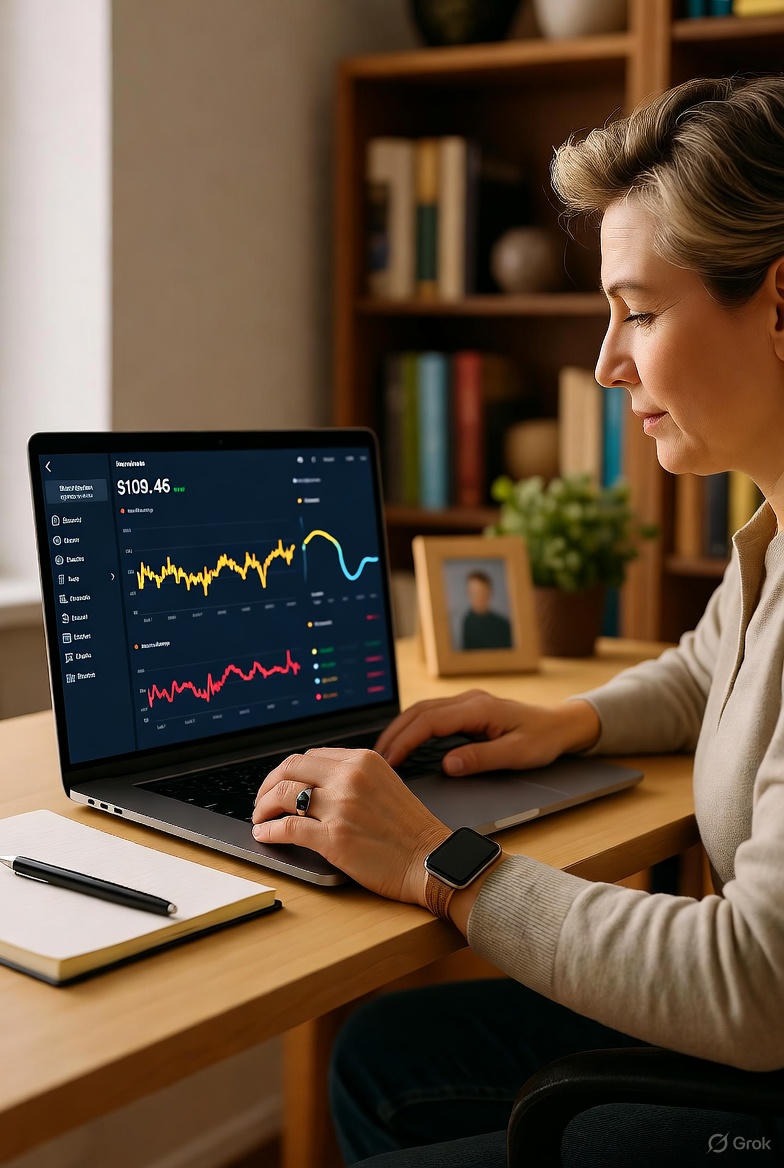
A single night's HRV score, in isolation, is almost meaningless. The true predictive power lies in the trend. This is where wellness rings provide unparalleled value, offering a longitudinal dataset that no single morning reading can provide.
Imagine your HRV as the stock market. Daily fluctuations are normal and expected. What matters is the 200-day moving average—the overall direction. Your personal baseline is your unique, average HRV range when you are healthy, well-recovered, and not under unusual stress. This baseline is influenced by genetics, age, fitness level, and overall health. One person's "low" could be 40ms, while another's "high" could be 60ms. Comparing your score to others is a futile exercise; the only meaningful comparison is you vs. you.
How Trends Predict Energy:
Your wellness ring’s app doesn't just show you a number; it shows you this graph—the story of your nervous system. Learning to read this story allows you to predict your energy for the week. A downward trend prompts you to dial back intensity, prioritize sleep, and say no to extra commitments. An upward trend gives you the green light to push a little harder or take on a new challenge. This dynamic feedback loop is the core of using data for sustainable energy management. For real-world examples of how users interpret their trends, our testimonials page shares powerful stories of transformation.
Now that we understand HRV as a predictor, we can identify the specific inputs that degrade its signal and, by extension, drain our predicted energy. These are the "energy killers" that show up clearly in your ring's data.
1. Psychological Stress and Sleep Anxiety: Chronic worry, anxiety, and rumination are potent sympathetic nervous system activators. They can maintain a low-grade fight-or-flight response throughout the night, severely depressing HRV. The irony of sleep anxiety—worrying about not sleeping—creates a vicious cycle that directly sabotages the recovery (high HRV) state needed for energy.
2. Poor Sleep Hygiene and Timing: This goes beyond duration. Irregular bedtimes, exposure to blue light before bed, and a warm room disrupt circadian biology. Your HRV follows a circadian rhythm, typically peaking during deep sleep in the first half of the night. Disrupting your natural rhythm with inconsistent sleep schedules blunts this peak, leading to suboptimal recovery and lower predicted energy.
3. Overtraining and Under-Recovering: Exercise is a stressor—a beneficial one that, with proper recovery, boosts HRV over time. However, excessive volume or intensity without adequate rest creates a chronic sympathetic load. Your HRV will show a persistent decline, a classic sign of overreaching or overtraining syndrome, predicting fatigue, performance plateaus, and injury risk.
4. Dietary Triggers: Alcohol and Inflammatory Foods: Alcohol is a confirmed HRV suppressor. It disrupts sleep architecture (reducing restorative deep sleep) and places a metabolic stress on the liver. Similarly, meals high in refined sugars and processed fats late at night can trigger inflammation and oxidative stress, forcing the body to divert energy to digestion and damage control instead of restoration.
5. Dehydration and Electrolyte Imbalance: Your blood volume and autonomic function are closely tied. Even mild dehydration increases heart rate and reduces HRV, as the sympathetic system works harder to maintain blood pressure. Electrolytes like sodium, potassium, and magnesium are crucial for nerve conduction and muscle function, including the heart muscle.
Monitoring your HRV response to these factors turns your wellness ring into a personal biofeedback lab. You can have an objective answer to questions like: "Does that late-night glass of wine really affect me?" (Spoiler: Your HRV will show it does). "Is my new workout routine too much?" The trend doesn't lie. This empirical approach removes the guesswork from energy management.
Fortunately, just as we can identify energy killers, we can cultivate "energy boosters"—practices that actively improve HRV and, consequently, your predicted and felt energy levels. These are levers you can pull based on the feedback from your ring.
1. Strategic Breathwork and Meditation: This is the most direct tool for hacking your ANS. Slow, diaphragmatic breathing (e.g., 4-7-8 technique: inhale for 4, hold for 7, exhale for 8) directly stimulates the vagus nerve and the PNS. Studies show even 5-10 minutes daily can significantly increase HRV over time. Meditation and mindfulness practices reduce the psychological "noise" that drives sympathetic tone.
2. Cold Exposure: Brief, controlled cold exposure (cold showers, ice baths) is a hormetic stressor—a short, sharp challenge that trains your nervous system to be more resilient. It provokes a strong sympathetic response followed by a powerful, rebound parasympathetic activation, leading to a net increase in HRV and a feeling of invigorating calm afterward.
3. Nature Immersion and "Awe" Walks: Time in nature, especially without digital devices ("forest bathing"), has been shown to lower cortisol, reduce rumination, and increase HRV. The combination of fresh air, natural light, and the experience of "awe" acts as a potent nervous system reset.
4. Nutrient-Dense, Anti-Inflammatory Nutrition: Fueling your mitochondria with high-quality nutrients supports efficient energy production. A diet rich in omega-3 fatty acids (from fatty fish), antioxidants (colorful fruits and vegetables), and magnesium (leafy greens, nuts, seeds) provides the raw materials for cellular energy and reduces inflammation that can burden the ANS.
5. Social Connection and Positive Emotion: Genuine laughter, touch, and positive social interactions trigger the release of oxytocin and endorphins, which have a calming, parasympathetic effect. Loneliness and social isolation, conversely, are chronic stressors that correlate with lower HRV. Prioritizing meaningful connection is not just good for the soul; it's good for your energy budget.
Implementing these boosters while mitigating the killers creates a powerful positive feedback loop. You use your HRV trend to guide your choices, and those improved choices lead to a higher HRV, which predicts and delivers more energy to sustain those positive habits. It’s the science of building resilient vitality.
Modern wellness ring platforms synthesize your overnight HRV data with other metrics (like resting heart rate, sleep stages, and temperature) to generate a single, simplified Readiness or Recovery Score. This is your actionable energy forecast for the day. But to use it wisely, you must understand what it's truly telling you.
Interpreting the Score Ranges:
The power of this system is its objectivity. On a morning when you feel motivated but your score is low, the data is protecting you from yourself, warning that pushing hard today could lead to a deeper energy debt tomorrow. Conversely, a high score on a day you feel sluggish can be the nudge you need to get moving, trusting that your physiological capacity is actually present.
This data-driven approach moves you from being reactive to your energy levels ("I'm so tired today, I give up") to being proactive ("My score is low, so I will strategically rest today to ensure I have energy tomorrow"). For more on crafting a personalized action plan based on your data, our blog features numerous guides and case studies.
Viewing HRV solely as a daily energy predictor misses its grander significance. It is, in fact, a powerful biomarker of health span—the number of years we live in good health, free from chronic disease. The connection between energy and longevity is direct: the gradual loss of vitality we often chalk up to "aging" is frequently the result of a declining nervous system resilience.
Research consistently shows that lower HRV is associated with a higher risk of nearly every major age-related condition, including cardiovascular disease, diabetes, cognitive decline, and depression. Why? Because a chronically low-HRV state represents a system under constant, low-grade attack. The energy that should be allocated to cellular repair, immune surveillance, and metabolic regulation is instead wasted on a maladaptive stress response. This accelerates cellular aging (telomere shortening) and increases systemic inflammation.
Therefore, the daily practice of monitoring and nurturing your HRV is not just an optimization hack for productivity or athletic performance. It is a foundational practice for extending your health span. By using your wellness ring's feedback to maintain a higher average HRV over years and decades, you are actively:
In this light, the daily energy prediction becomes a micro-indicator of a macro-trajectory. A trend of rising or stable HRV suggests you are investing in your future vitality. A long-term decline is an early warning system, prompting deeper lifestyle or medical investigation long before a clinical diagnosis might appear. This proactive, preventative approach to health is the true promise of personalized biometrics. It’s a philosophy deeply embedded in the story and vision behind companies focused on this future of wellness.
Let’s crystallize these concepts with a practical narrative. Meet Alex, a knowledge worker who trains for triathlons. Here’s how a week of HRV data from their wellness ring guides their energy and decisions.
Sunday Night: Alex’s ring records an HRV of 75ms (personal baseline ~70ms). They had a relaxed weekend with good sleep and no alcohol. Prediction: High energy for Monday.
Monday: Readiness Score: 85 (Green). Feeling great. Alex has a focused, productive workday and completes a planned high-intensity interval training (HIIT) session in the evening. They prioritize post-workout nutrition and get to bed on time, knowing the workout was a significant stressor.
Tuesday Morning: Readiness Score: 62 (Yellow). HRV dropped to 65ms. This is the expected acute dip from the hard workout. Prediction: Moderate energy. Alex's Action: They swap their planned running workout for a gentle 30-minute swim and focus on hydration and protein-rich meals at work. They use breathwork before bed.
Wednesday Morning: Readiness Score: 78 (Green). HRV has rebounded to 72ms. The quick recovery is a sign of good fitness. Prediction: Energy is back. Alex has another solid workday and a moderate cycling session.
Thursday Morning: Readiness Score: 58 (Yellow). HRV is down to 63ms, but there was no hard workout yesterday. Alex checks the app's notes: they had two glasses of wine with dinner and worked late on a stressful project. The data clearly links the drop to lifestyle factors, not training. Prediction: Lower energy. Alex's Action: They consciously manage stress at work, take a walking lunch break, and commit to an early, alcohol-free evening to protect sleep.
Friday Morning: Readiness Score: 82 (Green). HRV bounced back to 74ms after a clean night. Alex feels refreshed and ends the work week strong.
Saturday Morning: Readiness Score: 71 (Yellow). HRV is at 69ms. Alex slept in after a late night with friends. The score isn't low, but it's below baseline. Prediction: Slightly depleted. Alex's Action: They listen to their body and postpone a long run, opting for a hike with friends instead—combining movement, nature, and connection, all HRV-supportive activities.
By Sunday, Alex's system is balanced, not burned out. This week demonstrates the fluid, responsive management of energy that HRV data enables. It transforms health from a static goal into a dynamic, daily conversation with your own biology. The journey to understanding this conversation is unique for everyone, and often begins with a simple decision to pay closer attention, as many have shared in the experiences documented by our user community.

Thus far, we've primarily discussed HRV as a predictor of physical energy and recovery. However, its most immediate impact for many may be on mental energy, cognitive clarity, and emotional resilience. The brain is the most energy-demanding organ in the body, consuming about 20% of the body's resources. How efficiently it operates is directly gated by the state of the autonomic nervous system, as reflected by HRV.
Autonomic Flexibility and the Prefrontal Cortex
Your prefrontal cortex (PFC)—the brain's executive center responsible for focus, decision-making, planning, and emotional regulation—is particularly sensitive to autonomic state. It functions optimally in a calm, parasympathetic-dominant environment. When the sympathetic nervous system is chronically activated (low HRV), the PFC is effectively "hijacked." Resources are diverted to more primitive brain regions (like the amygdala) tuned for threat detection and survival.
This neurophysiological shift manifests subjectively as:
A high HRV score, indicating strong vagal tone and autonomic flexibility, predicts the opposite: a brain poised for directed mental energy. It suggests your PFC has the metabolic support and the neurochemical environment (balanced neurotransmitters like dopamine and norepinephrine) to maintain sustained attention, navigate complex problems, and regulate emotions effectively.
The HRV-Cognition Feedback Loop
Research shows that individuals with higher resting HRV consistently perform better on tasks requiring executive function, attention, and emotional regulation. But the relationship is bidirectional. Just as low HRV impairs cognition, engaging in focused cognitive work under stress can lower HRV. Your wellness ring can help you identify your personal cognitive "overload" point. A noticeable dip in HRV after a day of back-to-back meetings or deep work sessions is a quantifiable sign of mental energy expenditure. It signals the need for cognitive recovery—true downtime, not just switching from work to social media.
By using your morning HRV as a cognitive forecast, you can strategically plan your day:
This application transforms HRV from a fitness metric into a productivity and mental wellness tool. It provides a physiological basis for the popular concept of "working with your energy, not against it." For more on optimizing cognitive performance with biometrics, our blog delves into specific mental fitness protocols.
One of the most remarkable predictive powers of HRV is its ability to act as an early warning system for illness and subclinical inflammation—long before you feel overt symptoms. This "invisible drain" on your energy is a key reason why HRV can predict low-energy days that seem to come out of nowhere.
When your body is fighting a pathogen (virus, bacteria) or dealing with systemic inflammation (from poor diet, hidden food sensitivities, or autoimmune activity), it initiates an immune response. This response is energetically expensive and is orchestrated by signaling molecules called cytokines. Many of these cytokines are pro-inflammatory and have a direct effect on the brain and the autonomic nervous system.
The Mechanism:
What This Means for Your Energy:
That unexplained, "I feel like I'm coming down with something" fatigue—the kind where you're not sick, but you're certainly not well—is almost always mirrored by a dip in your HRV. Your ring is detecting the physiological cost of an active immune response. The energy you would normally have for your daily life is being diverted to your immune system.
Practical Application:
By monitoring your HRV trend, you can:
This predictive capability turns your wellness ring into a personal sentinel, guarding not just your energy but your overall health. It underscores that your "energy level" is not a psychological failing but a complex physiological output. Learning its language allows for profound self-care. If you're curious about how others have used this data to manage chronic issues, you can read about user experiences and discoveries.
A one-size-fits-all approach to HRV interpretation is flawed, particularly when it comes to biological sex and hormonal cycles. For women and people with menstrual cycles, HRV exhibits a predictable, healthy fluctuation that is tied directly to energy availability. Ignoring this rhythm can lead to misinterpreting natural dips as signs of poor recovery.
The Menstrual Cycle and Autonomic Tone:
The two primary phases of the cycle—follicular and luteal—are governed by different hormonal landscapes that directly influence the ANS.
Key Takeaway: A dip in HRV during the week before your period is often a normal, adaptive physiological response, not a sign of failing health. It predicts a natural downshift in energy availability. Trying to fight this rhythm—by pushing for personal bests in the gym or taking on excessive social commitments during the luteal phase—often leads to frustration and burnout.
Strategic Energy Management Across the Cycle:
By tracking HRV alongside their cycle in their wellness app, individuals can harness this rhythm:
For men, HRV also shows diurnal and ultradian rhythms, though they are less dramatic than the menstrual cycle. Testosterone, which follows a circadian pattern (highest in the morning), can influence ANS balance. Understanding your personal, hormonal-inflected HRV pattern removes judgment from energy fluctuations and replaces it with intelligent planning. It’s a cornerstone of truly personalized health, a principle central to the Oxyzen philosophy of individualized data interpretation.
Your autonomic nervous system does not operate in a vacuum. It is constantly responding to external environmental inputs, which in turn shape your daily energy forecast. Two of the most significant are light and temperature.
1. Light: The Master Zeitgeber
Light exposure, particularly sunlight, is the primary cue that synchronizes your circadian rhythm. Your circadian rhythm, in turn, governs the daily oscillation of your ANS—sympathetic tone naturally rises during the day to support activity and parasympathetic tone rises at night to support recovery.
Your wellness ring can detect the downstream effect of poor light hygiene: a depressed or erratic HRV. It answers the question, "Does my screen time really affect me that much?" with hard data.
2. Temperature and Thermoregulation
Your body's effort to maintain a stable core temperature (thermoregulation) is a major autonomic workload.
Seasonal Shifts:
Many people notice their HRV trends and energy levels change with the seasons. Lower HRV in winter can be attributed to:
By correlating your HRV data with these environmental factors, you move from being a passive recipient of your energy levels to an active architect of your personal environment for optimal vitality. Small, consistent adjustments based on this feedback can yield significant improvements in your energy forecast. For those seeking to optimize their environment, our blog offers actionable tips on sleep hygiene and circadian health.
To truly master the predictive power of HRV for energy, one must understand the Stress-Recovery Balance. A simple yet powerful framework for this is the Stimulus → Recovery → Adaptation model, often visualized as a wave. HRV is the clearest metric we have to gauge where we are in this wave.
The Model:
The Danger Zones:
Using Your Ring to Navigate the Balance:
Your wellness ring provides the crucial data to navigate this tightrope.
This model elevates HRV interpretation from "my number today" to understanding your dynamic capacity. It predicts not just tomorrow's energy, but your trajectory for the next month. Are you building a bigger battery, or slowly draining the one you have? This systemic view is what separates savvy biohackers from casual trackers. It's a journey of self-experimentation that many begin with a single device, as illustrated in the founding story behind tools designed for this very purpose.
While powerful, HRV is not a crystal ball. A mature, effective relationship with this data requires understanding its limitations. Relying on it too dogmatically can itself become a source of stress (ironically lowering your HRV).
1. HRV is a Response Metric, Not a Cause Metric.
Your ring tells you that your nervous system is under strain, but it doesn't always tell you why. A low score could be due to:
2. The "Paradoxical" Low HRV of Elite Athletes.
In some highly trained endurance athletes, resting HRV can be lower than expected. This is a complex phenomenon sometimes related to increased parasympathetic tone at rest being so strong it reduces variability, or other factors like cardiac remodeling. The key here, as always, is trends and performance. If an athlete's HRV is stable at their "low" baseline and they are hitting performance markers without issue, it's not a concern. This highlights why personal baselines are everything.
3. Psychological Detachment and Subjectivity.
You can have a "good" HRV score and still feel subjectively tired due to psychological factors like boredom, lack of motivation, or depression that aren't fully captured by autonomic metrics. Conversely, you can feel amazing on a day with a moderate HRV due to excitement, caffeine, or social engagement. HRV measures physiological capacity, not subjective feeling. They are related but not identical. The goal is to align feeling with capacity, not to ignore your feelings in favor of the data.
4. Sensor Limitations and Noise.
Wrist- and ring-based optical heart rate sensors (PPG) are excellent for longitudinal trend tracking but can be susceptible to motion artifact and poor fit. An unusually high or low reading should be cross-referenced with how you feel and other metrics (like resting heart rate and sleep quality). The trend over multiple nights is vastly more reliable than a single data point.
Embracing these limitations is a sign of sophisticated data literacy. It means using your HRV score as a compass, not a GPS. It provides direction and warns of storms, but you still need to steer the ship based on all available information—including your own intuition and lived experience. For help navigating these nuances, our comprehensive FAQ addresses many common questions about data accuracy and interpretation.
We've explored the science, the factors, and the models. Now, we arrive at the synthesis: how do you take this stream of data and forge it into a Personal Energy Blueprint—a living, breathing guide to your sustainable vitality?
Step 1: Establish Your Baseline (The 30-Day Observation)
Don't jump to conclusions. Wear your ring consistently for a month during a period of relatively normal activity. Let the app calculate your baseline HRV and resting heart rate. This is your foundational "normal."
Step 2: Identify Your Personal Levers (The Correlation Hunt)
Use the app's journaling or tagging feature (or your own notes) to log potential influencers:
Step 3: Create Your Action Hierarchy (The Response Protocol)
Based on your findings, build a tiered response plan for different HRV readings:
Step 4: Review and Refine Quarterly (The Strategic Audit)
Every three months, step back. Look at your 90-day HRV trend. Is it sloping upward? Congratulations, you're expanding your energy capacity. Is it flat? You may be in a good maintenance phase. Is it declining? It's time for a deeper audit—are you dealing with chronic stress, an unresolved health issue, or simply need a dedicated recovery block?
This blueprint turns passive tracking into active self-management. It makes you the CEO of your own energy company, with HRV as your quarterly financial report. The ultimate goal is not to be enslaved by the number, but to develop such a keen sense of body awareness that the data simply confirms what you already feel—until it doesn't, and then it saves you from a crash.
This journey of discovery, of connecting the dots between your lifestyle and your physiology, is at the core of the modern wellness movement. It's a journey that starts with a single point of data and unfolds into a deeper understanding of oneself, a narrative echoed in the experiences shared by our community of users. The path to predictable, sustainable energy is no longer guesswork; it's written in the rhythm of your heart.

Your Heart Rate Variability score is the star of the show, but it doesn't perform alone. Its predictive power is magnified when viewed in concert with the other biometrics your wellness ring tracks. Think of it as an orchestra: HRV is the conductor, but the harmony comes from the entire ensemble. Together, they create a nuanced, multi-dimensional picture of your energy status.
1. Resting Heart Rate (RHR): The Complementary Counterpoint
RHR and HRV are the classic duo. Generally, as your parasympathetic (rest-and-digest) tone increases, your RHR decreases and your HRV increases. However, their relationship during stress is particularly telling.
2. Sleep Stages and Disturbances: The Foundation of Recovery
Your overnight HRV is measured during sleep, so the quality of that sleep is paramount. A high HRV score derived from a night of fragmented, light sleep is less meaningful than the same score from a night rich in deep (Slow-Wave) and REM sleep.
3. Body Temperature: The Subtle Metabolic Signal
Many advanced rings now track distal body temperature (usually from the finger or wrist). A elevated nighttime temperature or a blunted temperature drop can be a precursor to illness, overtrainings, or hormonal shifts (like the luteal phase in women).
By learning to read this symphony of data, you move from a one-dimensional forecast ("HRV is low, so energy is low") to a diagnostic insight ("HRV is low, RHR is up 5 bpm, and my temperature is elevated—my body is fighting something, so I need to prioritize immune support today"). This integrated view is what makes a wellness ring far more powerful than any single metric tracker. For a deeper exploration of how these metrics interplay, our blog features detailed analyses and case studies.
Our energy isn't just for solitary pursuits; it's the currency of our social lives. The ability to be present, empathetic, patient, and engaging with others requires significant mental and emotional resources—resources governed by your autonomic state. Here, HRV reveals itself not just as a predictor of personal energy, but of relational capacity.
Vagal Tone and Social Engagement: The Polyvagal Theory Link
Dr. Stephen Porges' Polyvagal Theory provides a powerful framework. It posits that the evolution of the mammalian vagus nerve gave rise to our capacity for social connection. The ventral vagal complex, which influences HRV, is directly tied to our "social engagement system." When ventral vagal activity is high (reflected in higher HRV), we are physiologically primed for connection:
Conversely, low HRV (indicating a withdrawal of this ventral vagal influence) primes us for defense. We become more withdrawn, irritable, quick to misinterpret cues, or overly reactive.
The Practical Social Forecast:
The Reciprocal Loop:
This relationship is bidirectional. Just as low HRV can impair social skills, positive, warm social interactions have been shown to boost HRV. A hug, a genuine laugh with a friend, or a moment of deep connection can trigger a parasympathetic response. Conversely, chronic loneliness and social conflict are potent stressors that depress HRV over time.
By checking your readiness score in the morning, you're not just planning your workout; you're planning your social footprint. This awareness fosters self-compassion and better relationship management. It turns "I'm so snappy today, what's wrong with me?" into "My nervous system is on edge today (see: low HRV), so I need to be mindful in my conversations." This holistic view of health—encompassing the relational self—is integral to the vision behind comprehensive wellness tools.
Understanding HRV is powerful, but influencing it directly is transformative. This is the realm of HRV Biofeedback (HRVB), a training technique where you use real-time feedback to learn to increase your heart rate variability, thereby enhancing autonomic balance and energy resilience.
How It Works:
HRVB typically involves using a sensor (your ring can sometimes serve this purpose, or a dedicated chest strap for more precise feedback) connected to an app that displays your heart rhythm in real time. The core technique involves synchronizing your breathing with your heart rate via a phenomenon called Respiratory Sinus Arrhythmia (RSA).
The Coherent Breathing Technique:
The most common protocol is to breathe at a specific, slow pace—often around 5 to 6 breaths per minute (an inhalation for 5 seconds, exhalation for 5 seconds). At this rhythm, the natural speeding up (inhalation) and slowing down (exhalation) of the heart become maximally synchronized. The app shows your heart rate wave becoming smooth and sine-wave-like—a state called coherence. In this state, HRV is maximized.
The Energy Benefits of Consistent Practice:
Regular HRVB training (even 10-20 minutes a day) doesn't just create a temporary spike in HRV; it can lead to lasting increases in baseline HRV and profound shifts in energy management:
Integrating with Your Ring:
While your ring provides nightly HRV scores (the outcome), you can use biofeedback sessions as the input to improve those scores. Track your practice in your journal and observe over weeks if your average overnight HRV trend responds. This closes the loop, turning you from a passive observer into an active participant in engineering your own energy landscape. It’s the ultimate application of the data: using it to guide direct interventions that rewire your physiology for greater vitality. For individuals eager to start this practice, our FAQ includes guidance on incorporating biofeedback with wearable data.

Zooming out from daily predictions, HRV offers a profound lens through which to view the entire process of aging. The gradual decline in HRV with age is one of the most consistent findings in physiology. But this decline is not a fixed destiny; it's a trajectory that lifestyle can dramatically alter. In this context, your HRV trend becomes a biomarker of your rate of biological aging and your lifelong energy potential.
Why HRV Declines with "Normal" Aging:
Age-related reductions in HRV are linked to several factors:
The Vitality Link:
This decline parallels the common experience of aging: less energy, slower recovery, reduced adaptability to stress, and increased fatigue. Therefore, maintaining a higher HRV for your age is tantamount to preserving a more youthful autonomic function—and by extension, a more youthful capacity for energy.
The Research-Backed Interventions to Slow the Decline:
The lifestyle factors that boost HRV daily are the same ones that decelerate its age-related decline:
Your Ring as an Aging Dashboard:
By tracking your HRV over years, you are not just monitoring weekly recovery; you are monitoring the health of a system fundamental to your longevity and healthspan. A 50-year-old with the HRV of a typical 35-year-old likely has the energy, recovery, and stress resilience of a younger person.
This long-term perspective reframes the daily work. Going for that run, choosing the salad, taking ten minutes to meditate—these aren't just tasks for today's score. They are investments in your future energy capital. They are actions that directly combat the entropy of aging, preserving your vitality for decades to come. This empowering, long-term vision is at the heart of why tracking these metrics matters, a principle deeply embedded in the mission of companies focused on lifelong wellness.
The journey with HRV is not a linear, always-upward path. You will encounter plateaus, periods of stagnation, and even frustrating setbacks where your numbers backslide despite your best efforts. This is normal. Understanding how to interpret and navigate these phases is critical to avoiding discouragement and making intelligent adjustments.
Understanding the Plateau:
After an initial period of improvement from cleaning up lifestyle basics (better sleep, regular exercise, improved diet), progress in HRV often slows. This is a consolidation phase. Your body has adapted to the new baseline level of stress and recovery. The plateau itself is a sign of improved stability. The question is: are you plateauing at a level that supports the energy and performance you want?
Strategies to Break a Plateau:
If you wish to push your HRV (and energy capacity) higher, consider introducing a new, focused stimulus:
Navigating the Setback (The Unexplained Drop):
A true setback—a sustained multi-week drop in HRV back to former levels—is a signal to listen to, not fight.
The Mindset Shift:
A plateau or setback is not failure; it's data. It’s your body communicating that the current equation of stress and recovery is in a new balance. Your job is to listen, hypothesize, adjust, and observe. This iterative process is the practice of energy mastery. It requires patience and self-compassion, qualities that are themselves parasympathetic virtues. For encouragement and to see how others have overcome their own plateaus, you can find inspiration in real-user stories and journeys.
We have journeyed from the millisecond intervals of your heartbeat to the broad horizon of lifelong vitality. The connection between your wellness ring's HRV score and your energy levels is not a simple correlation; it is a causal narrative written by your autonomic nervous system, the master allocator of your body's most precious resource: energy.
What begins as a curious number on your phone each morning evolves into a profound dialogue with your own physiology. The HRV score is the opening line of that dialogue. It asks: "Did we recover? Are we resilient? What is our capacity today?" How you answer—through your choices of activity, rest, nourishment, and connection—writes the next line.
This is not about obsessing over a metric. It is about cultivating awareness. It's the awareness that a late-night decision echoes in tomorrow's focus. That a stressful thought has a metabolic cost. That a brisk walk has a regenerative effect beyond calories burned. Your ring quantifies these truths, making the invisible visible.
By integrating this knowledge, you shift from being a passenger in your body to a skilled pilot. You have instruments—HRV, RHR, temperature, sleep data—that predict the weather of your energy. You learn to navigate headwinds (stress, illness) with caution and to take flight with confidence when conditions are favorable (high readiness).
The ultimate goal is harmony: a state where your subjective feeling of energy aligns with your physiological capacity, where you have the vitality to pursue your passions, connect deeply with others, and meet life's challenges with resilience. Your heart's variability, captured silently on your finger each night, is the most honest guide you have on that journey. It tells the unvarnished story of your life's impact on your body. Learning to read that story is the first, and most powerful, step toward writing a better one—a story of sustained energy, health, and vitality for all the chapters to come.
To continue exploring the practical applications, advanced interpretations, and community insights around harnessing your biometric data for a fuller life, we invite you to explore the wealth of resources available on our blog. The journey to mastering your energy is ongoing, and you don't have to walk the path alone.
Your Trusted Sleep Advocate (Sleep Foundation — https://www.sleepfoundation.org/)
Discover a digital archive of scholarly articles (NIH — https://www.ncbi.nlm.nih.gov/
39 million citations for biomedical literature (PubMed — https://pubmed.ncbi.nlm.nih.gov/)
experts at Harvard Health Publishing covering a variety of health topics — https://www.health.harvard.edu/blog/)
Every life deserves world class care (Cleveland Clinic -
https://my.clevelandclinic.org/health)
Wearable technology and the future of predictive health monitoring. (MIT Technology Review — https://www.technologyreview.com/)
Dedicated to the well-being of all people and guided by science (World Health Organization — https://www.who.int/news-room/)
Psychological science and knowledge to benefit society and improve lives. (APA — https://www.apa.org/monitor/)
Cutting-edge insights on human longevity and peak performance
(Lifespan Research — https://www.lifespan.io/)
Global authority on exercise physiology, sports performance, and human recovery
(American College of Sports Medicine — https://www.acsm.org/)
Neuroscience-driven guidance for better focus, sleep, and mental clarity
(Stanford Human Performance Lab — https://humanperformance.stanford.edu/)
Evidence-based psychology and mind–body wellness resources
(Mayo Clinic — https://www.mayoclinic.org/healthy-lifestyle/)
Data-backed research on emotional wellbeing, stress biology, and resilience
(American Institute of Stress — https://www.stress.org/)


