


HRV and Reaction Time: The Performance Metric That Matters
HRV as a metric that affects reaction time and performance.
HRV as a metric that affects reaction time and performance.
%402x.svg)
Have you ever wondered why, on some days, you feel like a Formula 1 driver—processing information at lightning speed, reacting with precision, and executing tasks flawlessly—while on others, you resemble a fog-bound commuter, sluggish, clumsy, and perpetually a half-second behind? The difference between a gold-medal performance and a frustrating misstep might not be found in your training log or your diet plan, but in the silent, rhythmic conversation between your heart and your brain. This conversation is measured by Heart Rate Variability (HRV), and its most tangible, real-world output is your reaction time.
For decades, reaction time was relegated to the realm of cognitive labs and sports combine events—a simple metric of how fast you can press a button in response to a stimulus. Meanwhile, HRV was a niche parameter understood only by cardiologists and the most avant-garde physiologists. Today, we stand at a revolutionary convergence. The rise of wearable technology, particularly advanced smart rings, has democratized access to these profound biometrics, revealing an undeniable and powerful link: HRV is the biological bedrock of optimal reaction time.
This is not merely about sports. This is about your performance in every facet of modern life. It’s about the executive making a split-second decision in a high-stakes meeting, the surgeon performing a delicate procedure, the driver avoiding a sudden hazard, the gamer executing a perfect combo, and the parent catching a toddler before a fall. Your reaction time is your interface with a world that demands rapid adaptation. And that interface is governed by your autonomic nervous system (ANS), the master controller whose finest and most accessible dial is your HRV.
In this deep exploration, we will dismantle the silos between physiology, neuroscience, and performance. We will journey into the mechanics of your heartbeat to understand how its subtle variations orchestrate your brain's readiness to act. We will move beyond theory into actionable strategy, showing you how to measure, interpret, and, most importantly, train your nervous system to build a faster, more resilient reaction time. This is the new frontier of human optimization, moving from tracking steps and sleep to hacking the very core of your biological performance engine.
To understand why HRV matters for reaction time, we must first move beyond a critical misconception: a healthy heart is not a metronome. It is a dynamic, responsive symphony.
If your heart beat at a perfectly rigid 60 beats per minute (bpm), the interval between each beat would be exactly 1.000 second. In reality, that interval fluctuates—perhaps 1.050 seconds between one beat, then 0.950 seconds between the next. This beat-to-beat variation, measured in milliseconds, is your Heart Rate Variability. Far from being a sign of instability, higher HRV (greater variability) is a powerful indicator of a healthy, resilient, and adaptable autonomic nervous system.
The Autonomic Nervous System: Your Body's CEO
Your ANS operates below the level of conscious thought, managing critical functions like digestion, respiration, and, crucially, heart rate. It has two primary branches engaged in a constant, delicate tug-of-war:
HRV as the Readout of the Tug-of-War
Think of HRV as the scoreboard of this internal competition. High HRV indicates a strong, dominant parasympathetic tone and a flexible ANS. Your body can respond robustly to stress (hit the gas) and then recover efficiently (apply the brakes). It's a sign of resilience. Low HRV, conversely, suggests a sympathetic-dominant state—your foot is perpetually on the accelerator, leaving your system in a state of chronic stress, with limited capacity to recover or adapt. This rigidity leaves you vulnerable.
The Neurovisceral Connection: The Heart-Brain Axis
The link goes deeper than mere physiology. This is the neurovisceral connection. Your heart and brain are in constant, bidirectional communication via neural pathways, hormones, and electromagnetic fields. The state of your heart directly influences your brain's function, particularly areas like the prefrontal cortex (responsible for executive function and decision-making) and the amygdala (the center for threat detection and emotional response).
A high-HRV state, reflective of strong vagal tone, is associated with:
In essence, a variable heart fosters a calm, clear, and ready brain. And a brain in this state is fundamentally primed for fast, accurate reactions. As you’ll discover in our complete guide to the science behind our metrics, this heart-brain dialogue is the foundation of true physiological intelligence.
When we hear "reaction time," the image is often simplistic: a sprinter exploding from the blocks at the sound of the gun. While this simple reaction time is a component, it's just the tip of the iceberg. True reactive performance in life and sport is a complex, multi-stage neurological process that HRV profoundly influences.
Let's deconstruct what happens in the milliseconds between a stimulus and your response:
The Critical Role of the Autonomic Nervous System
Your ANS state permeates every single one of these stages. A sympathetically dominant (low-HRV) state creates "neurological noise." It can lead to:
Conversely, a balanced, high-HRV state creates "neurological clarity." It acts as a biological filter and optimizer, enabling:
This is why two athletes with identical "simple" reaction times in a lab can have wildly different "complex" or "choice" reaction times on the field. The one with higher HRV and better ANS regulation maintains processing speed and accuracy as the cognitive and physical demands increase. They aren't just reacting; they are responding intelligently.
For a deeper look at how technology is now capturing these complex interactions, explore how Oxyzen works to translate raw biometrics into actionable performance insights.
The connection between HRV and reaction time is not theoretical; it's established in a growing body of scientific literature across fields from sports medicine to cognitive neuroscience. This research paints a clear picture: the state of your heart sets the stage for your brain's performance.
The Vagus Nerve: The Information Superhighway
The parasympathetic influence on the heart, and thus on HRV, is largely mediated by the vagus nerve—the longest cranial nerve in the body. It's a two-way communication channel. When we measure high HRV, we are indirectly measuring strong "vagal tone." This vagal tone has a direct calming effect on the brain, particularly by inhibiting the amygdala's stress response. A calm amygdala allows the prefrontal cortex, your CEO, to remain online and in charge during challenging situations.
Key Research Findings:
The Biological Mechanism: From Milliseconds to Molecules
On a micro level, how does this work?
In short, HRV is the biomarker of a brain ready to receive, process, and act on information with maximum speed and precision. It is the foundation upon which sharp reactions are built. For athletes and high-performers looking for that edge, understanding this link is non-negotiable. The journey of many of our users, detailed in their own words in our user experiences section, often begins with this revelation.
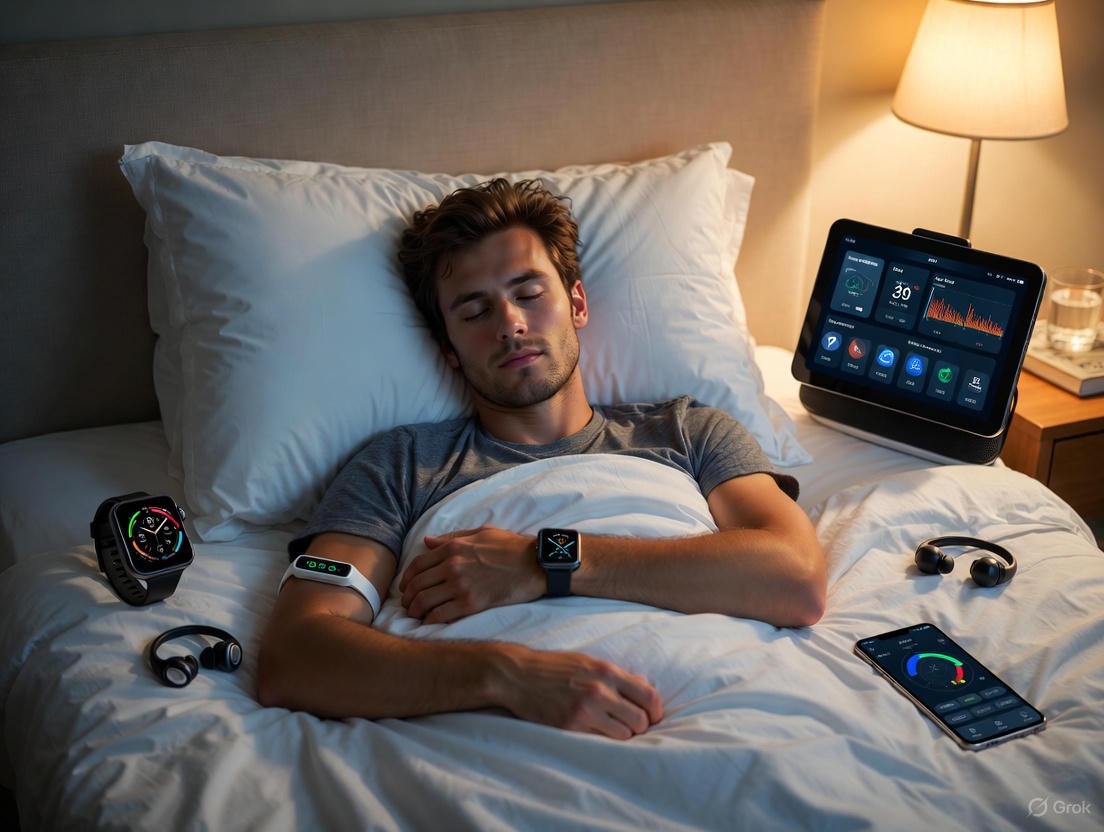
You cannot manage what you do not measure. This timeless adage is the cornerstone of the biometric revolution. In the context of HRV and reaction time, guesswork about your "readiness" is obsolete and often counterproductive. Your subjective feeling ("I feel tired") can be misleading, and a single, spot-check measurement of reaction time is practically meaningless without context.
This is where the power of baselining comes in.
What is a True Baseline?
Your baseline is not a universal number. It is your personal, dynamic range of normal. For HRV, it's the range of values you exhibit when you are recovered, unstressed, and well-rested. For reaction time, it's your typical performance speed in a rested state. Crucially, these baselines are interdependent for you.
Establishing Your Dual Baseline:
The Pitfalls of Ignoring Your Baseline:
Without a baseline, you risk two major errors:
By establishing your baseline, you move from reactive guesswork to proactive management. You learn to trust the objective data over the subjective noise. This foundational practice is central to the mission of our company—to empower individuals with the self-knowledge to perform at their best, sustainably.
The science of HRV and reaction time is not new. What is revolutionary is our ability to track these metrics accurately, continuously, and unobtrusively in the real world. The journey from clinical devices to consumer wearables has democratized high-level biofeedback.
The Evolution of Measurement:
Measuring Reaction Time:
While hardware measures HRV, reaction time is typically assessed through software—specifically designed cognitive tests. The most valuable approach integrates the two:
The future lies in the fusion of continuous ANS data (HRV from a ring) with periodic cognitive check-ins (reaction time tests on a phone). This creates a holistic picture: your underlying physiological readiness (HRV) and its functional output (Reaction Time). To see how this integrated approach comes to life, you can discover the Oxyzen story and the vision behind creating a seamless biometric experience.
Your HRV and reaction time are not fixed traits; they are dynamic states conducted by your daily choices. Every action, meal, and thought sends a command to your autonomic nervous system, tuning it either toward clarity and speed or toward noise and delay. Let’s explore the primary lifestyle levers.
Sleep: The Master Reset
Sleep is non-negotiable for ANS recovery. During deep sleep, parasympathetic activity dominates, the vagus nerve is active, and HRV naturally rises. Poor sleep quality or short duration blunts this recovery, leaving you sympathetically dominant with low HRV and sluggish reactions the next day. It's not just about hours in bed; it's about the architecture of sleep, which advanced wearables can now help you optimize.
Nutrition: Fueling the Nervous System
What you eat directly impacts inflammation, blood sugar stability, and gut health—all of which communicate with the ANS.
Hydration: The Electrical Fluid
Your nervous system is an electrochemical network. Even mild dehydration increases blood viscosity, forcing the heart to work harder (sympathetic activation) and reducing HRV. Reaction time is one of the first cognitive functions to degrade with fluid loss.
Stress & Mindfulness: The Direct Dial
Chronic mental and emotional stress is a perpetual sympathetic activator. It’s like holding down the accelerator pedal all day. Practices that actively engage the parasympathetic system are direct "HRV training":
Caffeine & Alcohol: The Common Saboteurs
By auditing these lifestyle factors in the context of your biometric data, you move from generic advice to personalized strategy. For common questions on how to integrate tracking with lifestyle changes, our comprehensive FAQ is an excellent resource.
Knowing the levers is one thing; knowing how to pull them systematically is another. This is where theory becomes practice. You can actively "train" your ANS for higher HRV and, by extension, faster reaction times. Think of it as gym sessions for your vagus nerve.
1. Foundational Recovery Protocols:
2. Direct Vagal Stimulation Exercises:
3. Cognitive-Motor Reaction Training:
The Synergy: The greatest results come from combining these approaches. A foundational lifestyle that supports high HRV (great sleep, good nutrition) creates a physiological state where dedicated vagal training and cognitive drills yield maximum returns. It’s a virtuous cycle: better HRV enables better training, which in turn builds a more resilient nervous system.
As you explore these protocols, remember that consistency trumps intensity. The nervous system adapts gradually. For more detailed guides on specific protocols and how our community implements them, explore our blog for more wellness tips.
In the fragmented world of health tech—a sleep app here, a workout tracker there, a meditation app somewhere else—the true power of biometrics is lost in the noise. The real breakthrough happens when data streams converge to tell a coherent story about you. This is the integrated advantage that a purpose-built ecosystem like Oxyzen provides.
From Data Points to Narrative Intelligence
Oxyzen is not merely a smart ring that records HRV; it is a central hub in a performance intelligence system. By capturing the most accurate overnight HRV and combining it with daytime stress metrics, sleep stages, activity, and body temperature, it weaves these disparate threads into a single, actionable narrative: your Readiness Score.
How Integration Unlocks the HRV-Reaction Time Link:
Beyond the Individual: A New Language for Teams
This integrated insight scales. Imagine a sports coach who can see not just which players are physically tired, but whose nervous systems are fried and whose reactions are therefore likely dulled. Or a corporate leader who can encourage team-wide "low readiness days" to work on deep thinking instead of client presentations, boosting collective performance and reducing errors.
This holistic view—seeing the body as an interconnected system where heart rhythms dictate brain performance—is at the core of our vision & values. It's about providing not just data, but wisdom; not just tracking, but transformation.

The theory of HRV and reaction time is compelling, but its true power is revealed in application. How does this knowledge translate from the chart on your phone to tangible results in the real world? Let’s examine scenarios where this metric duo doesn't just improve performance—it safeguards it.
Case Study 1: The Elite Climber (Precision Under Pressure)
Alex, a professional rock climber, uses an Oxyzen ring to manage an intense competition schedule. During a training block, he notices a steady, week-long decline in his HRV despite feeling "okay." His morning reaction time tests become inconsistent. The data suggests autonomic fatigue. Heeding the warning, he inserts two extra recovery days before a major competition. On competition day, his HRV has rebounded. In the finals, on a brutally technical route, he makes a dynamic, mid-fall catch of a hold that most competitors missed. His post-competition analysis credits the decision to rest not to a gut feeling, but to the objective HRV trend that predicted his nervous system's need for recovery, ensuring his reaction speed was primed for that millisecond-critical move.
Case Study 2: The ER Surgeon (Decisiveness in Chaos)
Dr. Sharma works long, erratic shifts in a trauma center. She began tracking her HRV to manage burnout. She discovered a clear pattern: on mornings after consecutive night shifts, her HRV was in the tank and her simple cognitive test scores dropped by 15%. She now uses this data proactively. On a low-readiness morning, she will request (where possible) to handle more routine procedures rather than being on call for traumas. She uses brief, app-guided breathing exercises between cases to stimulate vagal tone. She reports feeling a greater sense of calm and control during complex surgeries, attributing it to using her biometrics to ensure she operates only when her biological hardware is optimized for life-or-death decisions and steady-handed reactions.
Case Study 3: The Tech Executive (Cognitive Endurance)
Michael, a startup CEO, faced the "3 PM crash"—a foggy, irritable state where his decision-making suffered. Tracking revealed his HRV plummeted every afternoon. Correlating with his food log, he pinpointed a high-carb lunch as the trigger, causing a blood sugar spike and sympathetic stress response. By switching to a protein-and-fat focused lunch, his afternoon HRV stabilized. The "crash" vanished. His ability to quickly parse complex emails, engage in rapid-fire negotiations, and maintain emotional reactivity during late-afternoon investor calls improved dramatically. He managed his cognitive fuel to preserve his reaction speed.
The Common Thread: Predictive Self-Knowledge
In each case, the individual moved from being a victim of their unpredictable energy and performance to being the architect of it. They used the predictive relationship between HRV (the cause) and reaction time/performance (the effect) to make pre-emptive adjustments. This is the essence of modern performance management: using internal data to optimize external output. These stories mirror the transformative experiences shared by many in our community of users, who have moved from guessing to knowing.
We live in a culture that glorifies "pushing through." The narrative of relentless hustle, of out-working your competition through sheer force of will, is deeply ingrained. Yet, this mindset collides catastrophically with the objective reality of human physiology. Your autonomic nervous system operates on a biological truth that is indifferent to your deadlines, your ambition, or your motivational quotes. When your HRV is chronically low and your reaction times are slowing, it is not a character flaw—it is a biological red flag. Ignoring it is the equivalent of ignoring the oil light on your car's dashboard while flooring the accelerator.
The High Cost of Overriding the Signal
Forcing performance in a state of low HRV (high sympathetic dominance) comes with severe and cumulative costs:
Listening to the Wisdom of the Body
Shifting from a "push-through" to a "listen-and-respond" model is the core of sustainable high performance. Your HRV and reaction time metrics provide the language for this dialogue.
Respecting these limits is not weakness; it is strategic intelligence of the highest order. It is the understanding that willpower is a finite resource that operates atop a biological substrate. You cannot will your vagus nerve to fire more strongly any more than you can will your heart to beat slower. You must create the conditions for it to happen. For those navigating the demanding path of entrepreneurship and leadership, this principle is central to our company's mission of enabling sustainable excellence.
The implications of this biometric duo extend far beyond personal optimization. They offer a revolutionary lens for understanding and enhancing group performance. In high-stakes environments—surgical teams, special forces units, cockpit crews, corporate boardrooms—the collective reaction time and decision-making speed of the group determine outcomes. This collective capability is deeply influenced by the individual and aggregate physiological states of its members.
The Concept of "Team HRV"
While not a literal average, the aggregated readiness of a team creates a physiological climate. Research in organizational physiology suggests that stress and recovery states can be contagious, a phenomenon linked to mirror neurons and empathetic arousal.
Applications in Practice:
The future of leadership may involve not just emotional intelligence, but physiological intelligence—the ability to read and regulate the biological underpinnings of performance, both in oneself and within one's team. This holistic view of human potential is a key part of the vision we're building towards.
We are on the cusp of moving from descriptive biometrics (telling you what happened) to predictive and prescriptive intelligence. The fusion of continuous, high-fidelity data streams (like HRV from a smart ring) with advanced machine learning algorithms will transform how we approach performance, health, and safety.
From Reaction to Prediction
Today, you see a low HRV score and deduce you may have slower reactions. This is reactive insight. The next step is algorithmic prediction:
Personalized Prescriptions
Beyond prediction lies prescription. AI will move from generic advice ("get more sleep") to hyper-personalized intervention protocols.
The Integrated Biometric Dashboard
The smart ring will become the central, always-on sensor in a constellation of specialized devices: continuous glucose monitors, portable EEG headbands, blood pressure cuffs. A unified AI will synthesize this data into a holistic "Human Performance Index," with reaction time as one of the key functional outputs to validate the internal state.
This is not science fiction; it is the logical endpoint of the current trajectory. The goal is a seamless, ambient intelligence that supports your performance without demanding your cognitive bandwidth. It’s about technology that understands your biology so you can focus on living your life. To stay at the forefront of these developments, our blog regularly explores the intersection of technology and human potential.

Knowledge is only potential power. Execution is everything. This section provides a concrete, actionable framework to transform the principles discussed into a living, breathing practice—your Personal Performance Blueprint. Follow these steps to systematically engineer a faster, more resilient nervous system and sharper reactions.
Phase 1: The Measurement Foundation (Weeks 1-4)
Phase 2: The Connection & Correlation Phase (Weeks 5-8)
Phase 3: The Optimization & Refinement Phase (Ongoing)
This blueprint turns you from a passive recipient of data into an active experimentalist of your own potential. For support and answers to common questions as you build your plan, our FAQ resource is designed to help.
The Ethical Dimension: Privacy, Autonomy, and the Quantified Self
As we embrace this powerful level of self-knowledge, we must also navigate its profound ethical implications with open eyes. The data we are discussing—HRV, cognitive performance, sleep patterns—paints an intimate portrait of our inner state. Who owns this portrait? How is it used? The path of the quantified self must be walked with careful consideration for privacy, autonomy, and the very nature of being human.
Data Sovereignty: Who Owns Your Biology?
The first and most critical principle is that your biometric data belongs to you. It is not a byproduct of using a device; it is your personal property. When choosing a platform like Oxyzen, scrutinize its data policy.
The Pressure to Perform vs. The Right to Recover
In corporate or team settings, the potential for coercion is real. Could "opt-in" wellness programs with biometric tracking become de facto mandatory for career advancement? Could low HRV scores be used to deny opportunities or label someone as "not resilient"? The line between empowering self-knowledge and oppressive surveillance is thin. Protocols must be designed to protect the individual. Data should be used to grant permission to rest, not to demand evidence for more work.
The Paradox of Measurement: Losing the Felt Sense
A subtle risk of deep quantification is "metric fixation"—becoming so focused on the score that you lose touch with your own subjective, felt experience. You might ignore a genuine desire for a spontaneous, fun workout because your "readiness score" is 5 points low. The data should be a guide, not a gospel. It should enhance your intuition, not replace it. The goal is to reconnect with your body's wisdom, not outsource it to an algorithm.
Guiding Principles for Ethical Engagement:
Navigating this new landscape responsibly is a commitment we take seriously. It's woven into the fabric of our brand journey, ensuring that as we build tools for enhancement, we steadfastly protect the individual's right to privacy and self-determination.
Conclusion of Part One: The Foundation is Laid
We have journeyed from the microscopic fluctuations of a heartbeat to the grand stage of human performance, tracing the unbroken thread that connects them: Heart Rate Variability is the master regulator, and Reaction Time is its ultimate expression in a world that demands speed.
We've dismantled the myth of the metronomic heart and revealed the high-HRV state as the biological signature of resilience, clarity, and readiness. We've moved reaction time out of the cognitive lab and into the complex, messy reality of life, showing how it is not a fixed trait but a dynamic output of your nervous system's current state. We've armed you with the science, the tools, and the ethical framework to begin a new relationship with your own biology—one based on listening, interpreting, and strategically responding.
You now understand that:
This is more than biohacking; it is a fundamental upgrade to your operator's manual. It is the difference between driving your car while ignoring every warning light and having a full diagnostic dashboard and a master mechanic's understanding of the engine. In the demanding landscape of modern life, that understanding isn't a luxury—it is the core competency for anyone who seeks to perform consistently, avoid breakdowns, and achieve their potential.
The foundation is laid. The principles are clear. The journey from theory to transformation begins with a single, conscious choice: to move from being a passenger in your own body to becoming its expert pilot.
The Long Game: HRV, Reaction Time, and Lifelong Health
Thus far, we’ve framed HRV and reaction time primarily through the lens of performance—excelling in sport, business, and daily challenges. Yet, this dynamic duo holds an even more profound significance: they are powerful, predictive biomarkers of long-term health, cognitive longevity, and overall vitality. The same system that makes you sharp today protects you decades from now. This is where the pursuit of peak performance beautifully converges with the science of healthy aging.
HRV as a Crystal Ball: Predicting Healthspan
A large and compelling body of epidemiological research reveals that low HRV is not just a marker of present stress; it is a robust, independent predictor of future adverse health events. Reduced HRV has been associated with an increased risk of:
Why is this? Because HRV is a measure of your system's adaptive capacity. Aging, in many ways, is the gradual loss of adaptability. A high-HRV individual has a resilient, flexible system better equipped to handle the myriad stressors of life without breaking down into pathology. It's a buffer against disease.
Reaction Time: The Canary in the Cognitive Coal Mine
Similarly, simple and choice reaction time are among the most sensitive indicators of central nervous system integrity. Cognitive slowing is one of the earliest detectable signs of aging and neurological issues.
The Protective Flywheel: Training for Tomorrow
This is the most empowering insight: the practices that boost your HRV and sharpen your reactions for tomorrow's presentation or race are the very same practices that build your health capital for the next 30 years.
Therefore, investing in your HRV and reaction time is not a vanity project for the competitive; it is foundational healthcare. It is moving from a disease-care model ("What's wrong?") to a true health-performance model ("How can I make my system more resilient?"). This long-term, holistic perspective is central to the vision driving our work.
To fully appreciate the critical nature of this biological link, we must look to the most demanding human arenas: elite military operations, deep-space exploration, and competitive esports. In these domains, where margins of error are zero and the cost of a slow reaction is catastrophic, understanding and optimizing the HRV-reaction time axis is not advanced strategy—it is mission-critical survival.
Special Operations: The Calm in the Chaos
For special forces operatives, the physiological demand is paradoxical: they must maintain a state of hyper-vigilance and explosive physical readiness for extended periods, yet also possess the icy calm to make precision shots and complex decisions under extreme duress. This is the ultimate test of ANS regulation.
Space Exploration: Isolated, Confined, and Extreme (ICE) Environments
Astronauts on a Mars mission will face prolonged isolation, radiation, microgravity, and immense psychological pressure. Cognitive slowing or autonomic dysfunction could doom the mission.
Competitive Esports: The 300-APM Nervous System
Professional gamers operate at an inconceivable cognitive pace, with Actions Per Minute (APM) often exceeding 300. This requires sustained, hyper-fast choice reaction time over hours of competition.
These edge cases prove the universal principle: when human performance is pushed to its absolute limit, the conversation inevitably turns to the foundational biology of the autonomic nervous system. The technology and strategies pioneered here, like those explored in our blog on cutting-edge performance, eventually filter down to benefit all high-performers.

We’ve explored the brain-heart axis via the vagus nerve, but there is a third critical organ in this communication loop: the gut. The emerging science of the gut-brain-heart axis reveals that your digestive system is not a passive tube but a active player in determining your HRV and, consequently, your cognitive reactivity. The path to a faster reaction time may well begin with your microbiome.
The Gut as a Second Brain
Your gastrointestinal tract contains over 100 million neurons—the enteric nervous system—often called the "second brain." It produces more than 90% of the body's serotonin and about 50% of its dopamine. This "gut brain" is in constant, bidirectional chatter with your "head brain" via the vagus nerve, the same nerve that governs HRV.
Inflammation: The Silent ANS Disruptor
An unhealthy gut, characterized by dysbiosis (an imbalance of good and bad bacteria) and a "leaky" gut lining, can become a source of chronic, low-grade inflammation. Inflammatory molecules (cytokines like IL-6 and TNF-alpha) can:
The Bi-Directional Loop: Stress -> Gut -> HRV -> Performance
This creates a vicious cycle:
Psychological/Physical Stress -> Sympathetic activation -> Alters gut motility and permeability -> Worsens dysbiosis and inflammation -> Further inhibits vagal tone and lowers HRV -> Impairs prefrontal cortex function and slows reaction time -> Increases perceived stress... and the cycle repeats.
Breaking the Cycle: Nutritional Strategies for a High-HRV Gut
You can nourish your way to a faster nervous system:
By viewing your gut as a performance organ, you add a powerful lever to your blueprint. A calm gut supports a variable heart, which fosters a quick brain. The testimonials of users who have combined biometric tracking with dietary changes, found in our user experiences section, often highlight this unexpected but profound connection.
While our focus has been on optimization, it is crucial to acknowledge the clinical side. Chronically low HRV and significantly impaired reaction time are not just performance issues; they can be symptoms of underlying medical conditions. Recognizing when to seek professional help is a vital aspect of responsible self-tracking.
HRV as a Diagnostic Ally
Cardiologists and neurologists are increasingly looking at HRV as a supplementary diagnostic and prognostic tool.
Reaction Time as a Neurological Vital Sign
Similarly, a sudden, persistent, or severe slowing of reaction time warrants medical attention, as it can indicate:
The Role of Wearables in Collaborative Care
This is where the democratization of data becomes powerful for healthcare. You, as an informed patient, can walk into a doctor's office not just with subjective symptoms ("I feel slow and tired"), but with objective, longitudinal data: "My nightly HRV has been 30% below my personal baseline for six weeks, and my morning reaction times have slowed by an average of 20%. Here are the trends."
This facilitates a more productive, evidence-based conversation and can help differentiate between overtraining, burnout, and a potential medical issue.
A Critical Disclaimer
A smart ring is a wellness and performance device, not a medical device. It is designed for trend analysis and personal insight, not for diagnosis. Any concerning, persistent changes in your biometrics, especially when accompanied by other symptoms, should be discussed with a qualified healthcare professional. For more on the intended use and support of these technologies, please refer to our official FAQ.
The Synthesis: Your 24-Hour Performance Cycle – A Practical Model
We have dissected the theory, the science, the tools, and the strategies. Now, let's synthesize it all into a practical, idealized 24-hour cycle that optimizes the HRV-Reaction Time axis. This model encapsulates everything we've learned into a daily rhythm.
Phase 1: The Evening Wind-Down (8 PM - Sleep) – Preparing the Recovery Engine
Phase 2: The Sleep & Recovery Phase (Sleep - Wake) – The Non-Negotiable Rebuild
Phase 3: The Morning Assessment (Upon Waking) – Reading the Dashboard
Phase 4: The Daytime Execution (Post-Wake - Evening) – Operating with Intelligence
This cyclical model turns knowledge into automatic, intelligent living. It creates a self-reinforcing loop where smart evenings enable deep recovery, which enables accurate morning assessment, which enables intelligent daily execution, which sets up the next successful evening wind-down. For a deeper dive into crafting your own perfect day, our blog offers numerous frameworks and examples.
As we stand at the confluence of physiology, neuroscience, and wearable technology, the potential extends beyond personal optimization. We are glimpsing the possibility of a cultural shift—from valuing constant hustle to honoring intelligent rhythm, from ignoring our body's signals to conversing with them fluently.
A New Definition of Fitness
The fittest individual of the future may not be the one with the most muscle or the lowest body fat, but the one with the highest adaptive capacity. This is measured by a resilient HRV that recovers quickly from stress, and is demonstrated by consistently sharp reactions and sound decisions in unpredictable environments. Fitness becomes less about aesthetics and more about functional resilience of the entire nervous system.
The End of "Burnout Culture"
As tools like smart rings make the invisible visible—showing the clear physiological cost of chronic stress and poor recovery—the cultural narrative must shift. "I'm so busy" will cease to be a badge of honor when the biometric data shows it as a precursor to breakdown. Leaders will be judged not on hours logged, but on their ability to cultivate high-HRV, high-performing teams that are sustainable. The story of many pioneering companies, including our own journey, is increasingly centered on this sustainable performance ethos.
Personalized, Preventative Health
The fusion of HRV, reaction time, and other biomarkers will move healthcare from a reactive, symptom-treating model to a proactive, systems-based model. Your wearable data will feed into a personal AI health coach that can recommend micronutrients, adjust sleep protocols, and suggest de-stressing activities with a precision unimaginable today, all to keep your adaptive capacity high and your biological age low.
The Ultimate Goal: Agency
At its heart, this entire exploration is about restoring agency. In a world of overwhelming demands and constant stimulation, we often feel like reactive creatures, buffeted by external forces. By understanding and training the HRV-reaction time axis, you reclaim agency over your internal state. You learn that between a stimulus and your response, there is a space—a space governed by your autonomic nervous system. In that space lies your freedom and power to choose your response. With practice, you can widen that space. You can choose calm over panic, clarity over confusion, and a swift, appropriate action over a delayed, erratic one.
Conclusion: The Metric That Unlocks Everything
We began by asking why some days you feel like a Formula 1 driver and others like a fog-bound commuter. The answer, as we have seen in exhaustive detail, lies in the intimate, real-time dialogue between your heart and your brain.
Heart Rate Variability is the master metric, the elegant readout of your autonomic nervous system's balance, your resilience, and your capacity to meet challenge. Reaction Time is the ultimate expression of that readiness, the functional proof of a system operating at its peak.
This is no longer niche science. It is the foundational principle for anyone who seeks to perform—whether on the athletic field, in the operating room, on the trading floor, or in the quiet, daily challenges of a meaningful life. It connects the dots between how you sleep, what you eat, how you breathe, how you think, and how quickly and accurately you act in the world.
The journey from curiosity to mastery follows a clear path: Measure to establish your truth. Learn to understand the connections. Experiment to find what works for your unique biology. Integrate these practices into the rhythm of your life. And finally, Thrive, armed with the self-knowledge that allows you to predict your peaks, protect your valleys, and consistently bring your best self to the moments that matter.
The technology has arrived to make this journey accessible, accurate, and seamless. The science is robust and growing. The only remaining ingredient is your decision to start—to move from being a passenger in your body to becoming its conscious, skilled pilot.
Your performance, your health, and your potential are waiting. And it all begins by listening to the wisdom of your own heartbeat.
Your Trusted Sleep Advocate (Sleep Foundation — https://www.sleepfoundation.org/)
Discover a digital archive of scholarly articles (NIH — https://www.ncbi.nlm.nih.gov/
39 million citations for biomedical literature (PubMed — https://pubmed.ncbi.nlm.nih.gov/)
experts at Harvard Health Publishing covering a variety of health topics — https://www.health.harvard.edu/blog/)
Every life deserves world class care (Cleveland Clinic -
https://my.clevelandclinic.org/health)
Wearable technology and the future of predictive health monitoring. (MIT Technology Review — https://www.technologyreview.com/)
Dedicated to the well-being of all people and guided by science (World Health Organization — https://www.who.int/news-room/)
Psychological science and knowledge to benefit society and improve lives. (APA — https://www.apa.org/monitor/)
Cutting-edge insights on human longevity and peak performance
(Lifespan Research — https://www.lifespan.io/)
Global authority on exercise physiology, sports performance, and human recovery
(American College of Sports Medicine — https://www.acsm.org/)
Neuroscience-driven guidance for better focus, sleep, and mental clarity
(Stanford Human Performance Lab — https://humanperformance.stanford.edu/)
Evidence-based psychology and mind–body wellness resources
(Mayo Clinic — https://www.mayoclinic.org/healthy-lifestyle/)
Data-backed research on emotional wellbeing, stress biology, and resilience
(American Institute of Stress — https://www.stress.org/)


