


HRV Made Simple: The One Health Metric That Predicts Everything
HRV presented as a key predictive metric for overall health.
HRV presented as a key predictive metric for overall health.
%402x.svg)
You’ve tracked your steps. You’ve obsessed over sleep scores. You’ve worn a heart rate monitor on every run. Yet, you still get that nagging feeling that you’re missing something—a deeper, more fundamental truth about your health. Why do you feel utterly drained on a day your fitness tracker says you’re “100% recovered”? Why can a seemingly minor stressor leave you feeling flattened for days, while your friend bounces back instantly?
The disconnect lies in measuring the what instead of the why. We track outputs—calories burned, hours slept—but not the underlying system that governs them all: your nervous system. There is, however, a single, profound metric that offers a direct window into this command center, a number that doesn’t just reflect your health but actively predicts it. It’s called Heart Rate Variability (HRV), and understanding it is the closest thing we have to a crystal ball for our overall well-being.
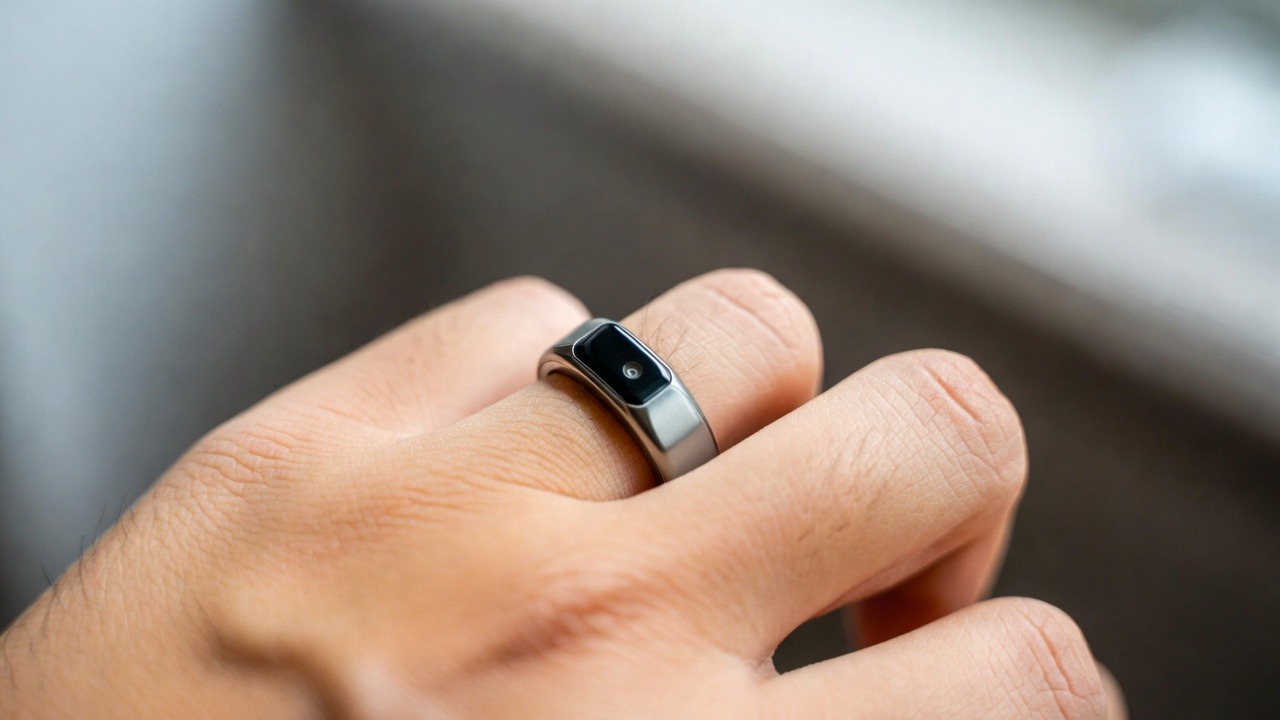
For decades, HRV was confined to cardiology clinics and high-performance sports labs, its complexity relegating it to the realm of experts. But a revolution in wearable technology, particularly in sleek, always-on devices like smart rings, has democratized this vital sign. Suddenly, the most predictive health metric on the planet is available 24/7, from the comfort of your own home.
This article will demystify HRV. We’ll strip away the complex science to reveal a simple, powerful truth: HRV is your body’s most honest communication channel. It tells you how resilient you are, how stressed you are, how well you’re recovering, and even how susceptible you might be to future illness—long before you feel a single symptom. This isn't just another data point; it's the master key to unlocking personalized, proactive health. By the end, you’ll not only understand what your HRV is telling you, but you’ll know exactly how to respond, transforming this number from a curiosity into your most trusted health advisor.
Let’s start with a fundamental, counterintuitive fact: a healthy heart does not beat with the metronomic regularity of a drum machine. If your heart ticked at a perfect, unwavering 60 beats per minute (bpm), it would be a sign of serious distress, not peak efficiency. Health is revealed in the subtle, millisecond variations between each heartbeat. This is Heart Rate Variability.
Imagine your heart’s rhythm as a conversation between two branches of your autonomic nervous system (ANS)—your body’s autopilot. The sympathetic nervous system (SNS) is your gas pedal. It accelerates your heart rate, preparing you for "fight or flight" action. The parasympathetic nervous system (PNS) is your brake. It slows your heart rate, promoting "rest and digest" recovery. These two systems are in a constant, dynamic tug-of-war, sending signals to your heart’s natural pacemaker.
HRV is the measure of the outcome of this conversation. High HRV means there’s a rich, complex dialogue. Your body can swiftly and appropriately hit the gas for a challenge and then smoothly apply the brake to recover. It signifies adaptability, resilience, and a robust nervous system. Low HRV, conversely, indicates a monotonous, rigid conversation—often one where the sympathetic “gas pedal” is chronically pressed. Your system is stuck in a state of high alert, lacking the flexibility to respond to life’s demands. It’s a sign of stress, fatigue, or poor recovery.
To visualize this, think of two runners:
This is why HRV is so revolutionary. While your resting heart rate tells you how fast your engine is idling, HRV tells you how well your transmission is working. It’s a measure of system-wide balance. Crucially, it’s objective. You can tell yourself you’re fine, but your HRV often knows the truth, revealing hidden stressors—from an impending cold and poor sleep quality to emotional anxiety and overtraining—long before they manifest in obvious ways. For a deeper dive into the body’s signals, our blog features a range of articles on understanding your nervous system through data.
The journey of HRV from a critical care tool to a mainstream wellness metric is a story of technological triumph. Its value was first starkly demonstrated in medicine. In the 1960s and 70s, researchers made a chilling discovery: patients who had recently suffered a heart attack and exhibited very low HRV had a dramatically higher risk of sudden cardiac death. The heart’s inability to vary its rhythm was a sign of severe autonomic nervous system damage and a fatal lack of resilience. This established HRV as one of the most potent prognostic tools in cardiology.
From there, its applications exploded. Psychophysiologists began linking low HRV to chronic stress, anxiety, and depression. Sports scientists discovered it was the ultimate recovery metric: a dropping HRV trend could predict overtraining and injury risk in elite athletes more reliably than any coach’s intuition. Functional medicine practitioners started using it to assess overall systemic inflammation and “allostatic load”—the cumulative wear and tear on the body from chronic stress.
But there was a catch. Measuring HRV accurately required either a clinical electrocardiogram (EKG) with chest electrodes or a cumbersome chest strap, and interpreting the data required advanced statistical analysis (like RMSSD, SDNN, or LF/HF ratios—terms we’ll simplify later). It was inaccessible.
The first consumer breakthrough came with the advent of Bluetooth chest straps, beloved by biohackers and athletes. Then, optical heart rate sensors (PPG) in wristwatches attempted to bring HRV to the masses. However, the wrist presents problems: motion artifact from daily activity, poor blood flow in cold weather, and the simple fact that we don’t usually wear watches to bed, missing the most consistent reading window.
The true democratization of HRV arrived with the smart ring. Worn on the finger, it solves the wrist’s limitations. The finger provides a strong, consistent PPG signal. People naturally wear rings 24/7, enabling seamless, overnight measurement—the gold standard for baseline HRV. This elegant form factor, exemplified by devices developed by companies with a mission for holistic health like Oxyzen, turned a clinical metric into a continuous, user-friendly wellness companion. You can explore our story to learn more about the vision behind making such advanced health monitoring accessible.

This is the most critical paradigm shift in using HRV: Forget comparing your number to anyone else’s. The single biggest mistake newcomers make is asking, “Is my HRV of 55 good?” Without context, that question is almost meaningless.
HRV is highly individual. Your absolute number is influenced by a constellation of factors you can’t change:
Therefore, a 25-year-old elite marathon runner might have an average HRV (using the common RMSSD measure) of 120ms, while a healthy, fit 55-year-old might have a robust baseline of 40ms. Both are perfectly "good" for their context.
The real power of HRV lies in tracking your own trends over time. Your personal baseline is your North Star. The goal is to understand what your "normal" looks like when you feel healthy, rested, and energized. From there, you watch for significant deviations from that normal.
Think of it like the fuel gauge in your car. It doesn’t matter if your friend’s truck has a 30-gallon tank and your sedan has a 12-gallon tank. What matters is that you know when your tank is full, when it’s half-empty, and when you’re running on fumes. Your HRV trend is your personal fuel gauge for your nervous system’s resilience. For those curious about how to establish and track this baseline effectively, our FAQ section covers common questions on getting started with daily monitoring.
HRV’s predictive power stems from its position as an integration point. It’s not a solitary metric; it’s the readout from your body’s master control panel, reflecting the state of several interconnected systems. Let’s break down the key connections.
While stress diaries and mood trackers rely on subjective recall, HRV provides an objective, physiological measure of your stress load. When your brain perceives a threat (a looming deadline, a difficult conversation, even too much caffeine), it triggers the sympathetic nervous system. This immediately reduces HRV as your heart rhythm becomes more rigid, preparing for action. Chronic stress keeps the SNS activated, leading to a suppressed HRV baseline. By monitoring your HRV, you can identify not just acute stressful moments, but more importantly, see if you’re carrying a chronic stress burden that’s depleting your resilience reserves.
Sleep is the primary time for parasympathetic (rest-and-digest) dominance and system repair. High HRV during deep sleep stages is a hallmark of quality recovery. Conversely, if your HRV remains low overnight, it’s a sign your body isn’t fully switching into repair mode. This could be due to sleep disorders like apnea, alcohol consumption (which severely disrupts HRV), or simply insufficient sleep duration. Your overnight HRV average is often considered your most reliable daily baseline, precisely because it’s measured under standardized, resting conditions.
This is where HRV shines for athletes and active individuals. Exercise is a controlled stressor. You break down muscle, and with proper recovery, you rebuild stronger (a process called supercompensation). HRV directly reflects this balance. After a hard training session, it’s normal for HRV to dip temporarily. The critical insight comes in the days that follow. If your HRV rebounds to or above your baseline, you’ve recovered well and are ready for the next challenge. If it remains depressed for several days, it’s a clear signal of under-recovery—you’re digging a hole that can lead to overtraining, injury, and illness. Following an HRV-guided training plan means listening to this signal and adjusting your workout intensity accordingly.
Perhaps one of the most fascinating relationships is between HRV and immunity. Studies have repeatedly shown that a significant drop in HRV often precedes the overt symptoms of an infection—sometimes by 24-72 hours. Your body detects the invading pathogen and mobilizes its defenses, a process that creates internal stress and shifts nervous system balance. By watching your HRV trend, you might get a heads-up that your body is fighting something, allowing you to prioritize rest, hydration, and nutrition to potentially mitigate the severity of the illness.
In essence, HRV sits at the nexus of mind and body. It’s the quantitative link between your mental state, your physical exertion, your restorative sleep, and your defensive immunity. It tells a cohesive story where other metrics offer only isolated chapters.
Now that you understand the “why,” let’s tackle the “what.” When you open your wellness app and see your HRV data, you’ll likely encounter a few key terms. Don’t be intimidated; we can simplify them.
Key Metrics You’ll See:
How to Interpret Your Daily Flow:
Your data will tell a story across the day and night.
Actionable Framework:
Remember, the goal is not to chase a perpetually high number. It’s to observe the natural ebb and flow and learn what causes the dips and rises for you. This personalized feedback loop is the foundation of biohacking. To see how real people interpret and act on their data, you can read through authentic user experiences and testimonials.
Spot-check HRV readings, like those taken with a chest strap first thing in the morning, provide a valuable snapshot. But they are just that—a single frame in a 24-hour movie. To truly understand the narrative of your nervous system, you need continuous monitoring. This is the game-changing advantage of modern wearable technology, particularly devices worn during sleep.
Here’s why 24/7, and especially overnight, data is non-negotiable for serious insight:
1. It Captures Your True Baseline: The conditions for a morning reading can vary wildly—did you check your phone first? Did your partner wake you up? Did you need to use the bathroom? An overnight average, calculated while you are in a prolonged, consistent state of rest, filters out this noise. It provides the most reliable, comparable benchmark from night to night.
2. It Reveals Sleep Architecture: HRV fluctuates beautifully in sync with your sleep stages. During deep sleep (NREM), HRV typically rises as the parasympathetic system dominates repair work. During REM sleep, it can become more variable due to brain activity. By tracking HRV throughout the night, you can infer sleep quality beyond just duration. A flat, low HRV line all night suggests poor, unrefreshing sleep, even if you were in bed for 8 hours.
3. It Identifies Hidden Stressors: That late-night heavy meal, the glass of wine with dinner, or even an anxious thought loop as you drift off—all of these can leave a clear fingerprint on your nighttime HRV. Continuous data helps you connect these dots, identifying lifestyle factors that impact your recovery that you might otherwise miss.
4. It Provides Context for Daily Dips: Seeing a low HRV reading at 3 PM is more meaningful when you can see that it followed a night of already-poor recovery. It tells you your system started the day in a deficit, making you more vulnerable to daily stresses.
The smart ring form factor is uniquely suited for this continuous, unobtrusive monitoring. Unlike a watch that might be removed for charging or because it’s uncomfortable to sleep in, a ring becomes a seamless part of you, gathering this crucial overnight data effortlessly. This constant stream of information transforms HRV from a periodic check-up into a real-time guide for daily decisions. For a look at the technology that enables this level of seamless monitoring, you can learn more about Oxyzen's approach.
While the connection to fitness and sleep is profound, HRV’s reach extends into virtually every corner of your cognitive and emotional life. It is a potent biomarker for mental and performance resilience.
Cognitive Performance & Decision-Making
Your brain’s executive functions—focus, working memory, cognitive flexibility, and impulse control—are energetically expensive and highly dependent on a balanced nervous system. Research shows that higher HRV is correlated with better cognitive performance, especially under stress. When your HRV is high, it indicates your prefrontal cortex (the brain’s CEO) has sufficient resources to maintain control. When HRV is low, indicating sympathetic dominance, the more reactive amygdala can hijack your responses, leading to poor decisions, brain fog, and impaired focus.
Emotional Regulation & Resilience
HRV is intimately tied to our ability to manage emotions. Think of a stressful event: a high-HRV individual is more likely to experience a sharp physiological reaction but then show a swift return to baseline—they “bounce back.” A low-HRV individual may have a similarly sharp reaction, but their physiology remains elevated for hours, ruminating on the event. This is why practices that increase HRV, like paced breathing, are so effective for anxiety; they directly strengthen the brake (parasympathetic system) to counter emotional turbulence.
Social Connection & Vagal Tone
The “vagus nerve” is the primary superhighway of the parasympathetic system. “Vagal tone” is often used synonymously with HRV as a measure of its health. The vagus nerve doesn’t just regulate the heart; it’s also central to our social engagement system. It controls muscles for facial expression and vocal tone. Higher vagal tone (higher HRV) is linked to greater empathy, better social connectedness, and more positive relationships. It’s the physiological basis for feeling calm and connected.
Creativity & "Flow" States
The state of “flow”—where you are fully immersed and performing at your peak—has a distinct physiological signature. It’s not a state of hyper-arousal (high stress) or hypo-arousal (lethargy), but of dynamic balance. This often corresponds to a coherent HRV pattern, where heart rhythm becomes more ordered and sinusoidal in response to a challenging yet achievable task. By learning to modulate your HRV, you can potentially cultivate the internal conditions more conducive to entering these optimal states.
In short, HRV is not just a fitness metric; it’s a human performance metric. It underpins how clearly we think, how calmly we react, how deeply we connect, and how creatively we engage with the world.
Seeing a low HRV trend can be frustrating, but it’s ultimately empowering. It means you have a clear signal to act upon. HRV is remarkably responsive to daily habits. You can think of these as “levers” you can pull to directly influence your nervous system balance. Here are the most powerful, evidence-based ones.
1. Breath: The Remote Control
This is the fastest, most direct lever. The breath is unique—it’s an automatic function we can consciously override. Slow, deep, diaphragmatic breathing stimulates the vagus nerve and parasympathetic system, boosting HRV almost instantly.
2. Sleep: The Non-Negotiable Foundation
Nothing repairs nervous system balance like quality sleep. Prioritizing 7-9 hours, maintaining a consistent schedule, and creating a cool, dark environment are foundational. Remember, alcohol, while it may induce sleep, catastrophically crushes nighttime HRV and should be avoided if you’re focused on recovery.
3. Movement & Training: The Double-Edged Sword
4. Nutrition: Fuel for the Nervous System
5. Mind & Environment: Managing the Load
The key is experimentation. Pull one lever at a time—perhaps start with 5 minutes of resonant breathing before bed—and watch your trend over the next few days. This turns health from a guessing game into a personalized experiment. For more detailed guides on implementing these lifestyle changes, our blog is a dedicated resource.
As HRV gains popularity, misinformation and oversimplification follow. To use this tool effectively, you must steer clear of these common traps.
Pitfall 1: Chasing a High Number for Its Own Sake
The Truth: HRV is a biomarker of adaptability, not a score to be maximized. An unnaturally or artificially sustained high HRV isn’t the goal. The healthy pattern is a dynamic wave—it should go down with appropriate stress (a great workout, a mental challenge) and back up with recovery. A flat, high line might even indicate a lack of meaningful challenge.
Pitfall 2: Over-Reacting to a Single Data Point
The Truth: A single low reading is noise. Life happens: a bad night’s sleep, a stressful day, a few drinks. The power is in the trend. Never make a significant life or training decision based on one day’s data. Look at the 3-to-7-day rolling average for the true signal.
Pitfall 3: Ignoring Context (The “Why” Behind the “What”)
The Truth: Your app might flag a “low HRV” alert. The crucial next step is contextualization. Check your notes: Did you travel across time zones? Are you fighting off your kid’s cold? Is it the week before a major project deadline? The data tells you that something is off; your job is to hypothesize why. This turns raw data into actionable wisdom.
Pitfall 4: Assuming All Wearables Are Created Equal
The Truth: Not all HRV data is of equal quality. The accuracy of optical PPG sensors can vary based on device fit, skin tone, motion, and the specific algorithms used. A device worn on the finger at night (like a smart ring) generally provides more consistent overnight data than a wrist-based device worn loosely during the day. It’s essential to choose a device from a company invested in clinical-grade sensing and transparent about its methodology.
Pitfall 5: Neglecting the Big Picture for the Metric
The Truth: HRV is a guide, not a god. The ultimate metric is still how you feel (your subjective sense of energy, mood, and readiness). If your HRV is in the “green” but you feel exhausted, listen to your body. Use HRV to explain your feelings, not to override them. The most effective approach is a marriage of subjective feeling and objective data.
By avoiding these pitfalls, you move from being a passive data consumer to an active, discerning interpreter of your own biology.
We stand at the precipice of a major shift in healthcare: moving from a reactive model (“sick care”) to a truly proactive and predictive one. HRV is poised to be a cornerstone of this revolution because it is fundamentally a metric of risk and resilience.
Imagine a future where:
This is not science fiction. Foundational research exists. What has been missing is the continuous, user-friendly data stream and intelligent interpretation. That barrier is now falling.
The smart ring and its 24/7 monitoring capability provide the missing data layer. Advanced analytics and machine learning can then identify personalized patterns. For you, a 10% drop in HRV might perfectly predict a migraine. For someone else, it might predict a bout of insomnia or a period of low mood.
This transforms health management from generic advice (“get 8 hours of sleep”) to personalized, pre-emptive insight (“Your data pattern suggests you need to prioritize sleep tonight to avoid a energy crash in 2 days”). It empowers you to make micro-adjustments in real-time to stay in your optimal zone of performance and well-being. To understand how one company is building towards this future, you can read about the mission and vision behind Oxyzen.
Understanding HRV theoretically is one thing; building an intuitive relationship with your own data is another. This 14-day challenge is designed not to optimize you, but to help you observe, learn, and connect the dots. You’ll need a device that measures HRV (a smart ring is ideal for this, but a consistent morning reading with a chest strap or compatible watch can work).
The Core Habit:
Weekly Focus:
Days 1-7: The Baseline Week
Days 8-14: The Intervention Week
The Analysis:
At the end of 14 days, look back. Don’t just look at the numbers; look at the stories.
The goal isn’t to see a massive transformation. The goal is to witness, perhaps for the first time, the direct conversation between your lifestyle and your nervous system. You are learning the vocabulary of your body’s most honest language. This self-knowledge is the first, and most important, step toward taking the reins of your long-term health and performance. For support and answers during your discovery journey, remember our comprehensive FAQ is always available.
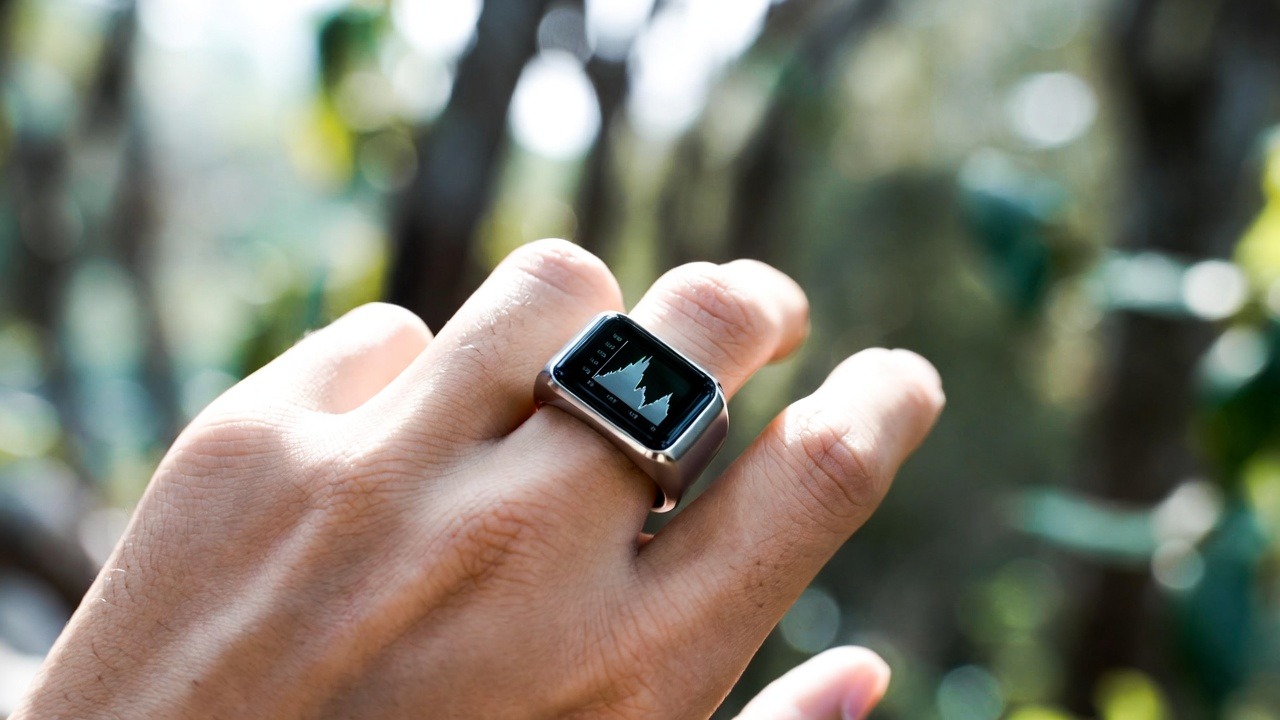
You've gathered two weeks of data. You see the numbers, the trends, the notes. Now comes the most fascinating part: moving from general principles to personal truth. Your HRV signature is as unique as your fingerprint. It responds to your specific life, your unique stressors, and your personal recovery strategies. This stage is about becoming a detective of your own biology.
Identifying Your Personal Triggers and Boosters
Through consistent tracking, you’ll begin to see clear, repeatable patterns. These are your levers and your landmines.
Creating Your Personal HRV Playbook
This is where you transition from observation to strategy. Based on your detective work, create a simple, two-column list:
When I see THIS signal...
I will try THIS response...
*HRV 15%+ below baseline for 2 days*
1. Prioritize 8+ hours of sleep. 2. Swap planned intense workout for walking or gentle yoga. 3. Double-check hydration. 4. Practice 10-min breathwork before bed.
*HRV is high and stable for 5+ days*
I am well-recovered. I can confidently tackle a challenging workout or a demanding work project.
Overnight HRV is low after a social event
Reflect: Was it alcohol, late-night food, or high-stimulus conversation? Use it to inform choices for next time.
HRV dips sharply after a specific work task
Identify the stressor (e.g., public speaking, conflict). Plan to schedule such tasks for mornings when my HRV baseline is high, and institute a recovery ritual afterwards.
This playbook turns you from a passive passenger into the pilot of your health. For more ideas on building personalized routines, our community often shares strategies on the Oxyzen blog.
The pursuit of longevity isn't just about adding years to life, but adding life to years—maintaining vitality, cognitive function, and resilience deep into later life. Emerging research strongly suggests that HRV is not just a snapshot of your current health but a powerful predictor of your healthspan.
HRV as a Biomarker of Biological Age
Chronological age is the number on your birthday cake. Biological age reflects the functional state of your cells and systems. HRV is increasingly recognized as a key component of biological age. Studies consistently show that individuals with higher HRV for their age group exhibit characteristics of slower biological aging. They often have better cardiovascular health, lower inflammation, and more robust immune function. In essence, a higher HRV suggests your autonomic nervous system is "younger" and more adaptable than your chronological years would predict.
The Link to Chronic Disease Risk
The pathways are clear. Chronic low HRV indicates a state of sustained sympathetic dominance and elevated allostatic load. This creates a fertile ground for the development of chronic diseases:
HRV as a Tool for Healthspan Extension
This isn't doom and gloom; it's empowerment. Because HRV is modifiable, it provides a actionable target for longevity interventions. By using the lifestyle levers discussed earlier, you are not just boosting a daily score—you are actively engaging in practices that:
In this light, monitoring your HRV becomes a long-term investment in your future self. It's a daily check-in on the very systems that determine how vibrantly you will age. It moves the goal from "living longer" to "staying stronger, sharper, and more adaptable for longer." The story of how technology can support this lifelong journey is part of our own mission at Oxyzen.
We've explored the brain-heart connection, but there's a third critical player in this symphony: the gut. The emerging science of the gut-brain-heart axis reveals a fascinating triangular dialogue, and HRV sits squarely at its center as a key indicator of this system's health.
The Vagus Nerve: The Information Superhighway
The vagus nerve is the physical link that makes this axis possible. It is the longest cranial nerve, running from the brainstem down to the heart and lungs, and further to the digestive tract. It carries bi-directional traffic:
HRV as a Measure of Vagal Tone
Since the vagus nerve is the primary conductor of the parasympathetic (rest-and-digest) system, HRV is considered one of the best non-invasive measures of "vagal tone." High HRV indicates strong, healthy vagal activity. This means the vagus nerve is efficiently sending "calm down" signals to the heart and, importantly, to the gut.
The Gut Connection: How Digestion Influences HRV (and Vice Versa)
Practical Implications for HRV Optimization
This axis provides a powerful lens for action:
Understanding this axis transforms HRV from a simple heart metric into a holistic system readout. It connects your emotional state, your digestive comfort, and your cardiovascular resilience into one coherent picture. For answers to common questions on how lifestyle impacts these interconnected systems, our FAQ section provides further clarity.
Once you have a solid grasp of your baseline and core lifestyle levers, you can explore more advanced techniques to deliberately train your nervous system for greater resilience. This is the realm of HRV biohacking—actively using technology and practice to improve your autonomic flexibility.
HRV Biofeedback: Training Your Nervous System Like a Muscle
Biofeedback is the process of using real-time data to gain conscious control over an automatic bodily function. HRV biofeedback is a clinically validated practice for this.
Coherence Techniques: The HeartMath Model
Pioneered by the HeartMath Institute, "Heart Coherence" is a specific, practical state characterized by smooth, ordered heart rhythm patterns (high HRV) and synchronization between the heart rhythm, breath, and blood pressure waves.
Technology-Enhanced Protocols: The Edge of Possibility
Modern wearables are beginning to integrate these principles into guided experiences.
The goal of advanced biohacking is not to become obsessed with the data, but to use the data to internalize the skills. Eventually, you may not need to check your ring to know your state; you'll have cultivated the somatic awareness to feel it, and the practiced skills to shift it. To see how cutting-edge technology is being applied in this field, you can explore the capabilities of modern wellness wearables.
The principles of HRV are universal, but their application and priority shifts dramatically depending on your primary life demands. Here’s how HRV interpretation and use differs for key archetypes.
For the Elite Athlete & Serious Fitness Enthusiast
For the High-Performing Professional & Entrepreneur
For Parents & Caregivers
For Those on a Healing Journey (Chronic Stress, Fatigue, Illness)
In all cases, HRV serves as a universal translator, making the invisible load visible and providing a neutral, non-judgmental basis for smarter decisions.
With great data comes great responsibility. For some, the constant feedback loop of HRV can tip from empowering to enslaving. It’s crucial to address the potential psychological pitfalls of deep biometric tracking to ensure it remains a tool for health, not a source of neurosis.
"Orthosomnia": The Obsession with Perfect Sleep Data
A term coined by sleep researchers, "orthosomnia" refers to the anxiety and excessive focus on achieving perfect sleep scores from trackers, which in turn worsens actual sleep. The same phenomenon can happen with HRV. You may lie in bed, anxious that your HRV is low, which spikes your cortisol... which further lowers your HRV. It’s a self-defeating loop.
How to Maintain a Healthy Relationship with Your Data:
When to Ignore the Numbers:
The healthiest biohackers use data as a curious friend, not a tyrannical coach. It’s a dialogue, not a commandment. For a balanced perspective on integrating technology into wellness, the discussions and real user experiences shared on our site can be very grounding.

HRV is a superstar metric, but it doesn’t perform in a vacuum. Its true explanatory power multiplies when viewed in concert with other key biomarkers. This integrated view creates a robust, multi-dimensional dashboard of your health.
The Core Triad: HRV, Resting Heart Rate (RHR), and Sleep
This is the fundamental wellness trifecta for any wearable.
Body Temperature & Menstrual Cycle Insights
Blood Glucose & Metabolic Health
Cortisol & Hormonal Rhythms
While not as easily measured continuously, understanding cortisol’s diurnal rhythm (high in the morning, low at night) is key. High HRV at night supports the proper cortisol decline. If you have subjective symptoms of HPA-axis dysregulation (fatigue, anxiety, weight gain) and low HRV, it points strongly toward adrenal/hormonal stress as a core issue.
Creating Your Integrated Narrative:
Instead of looking at metrics in isolation, read them as a story:
This integrated approach moves you far beyond fitness tracking into true systems-based health management. For those looking to dive deeper into the science of interconnected biomarkers, our blog features ongoing research and insights.
For the athlete—from the weekend warrior to the elite competitor—HRV is the definitive tool to move beyond generic training plans into the realm of personalized, responsive performance optimization. It provides a direct line of communication from your physiology to your training log, telling you not just how you should feel, but how your body is actually adapting.
Traditional training is built on periodization—pre-planned cycles of load and recovery. This is a good framework, but it’s a guess. It assumes you will recover at a predetermined rate. HRV introduces autoregulation: the ability to adjust your training based on your body’s daily readiness.
How It Works:
The true goal of training is not fatigue; it’s the adaptation that occurs during recovery. HRV perfectly maps this cycle.
Overtraining Syndrome (OTS) is a nightmare for athletes, often requiring months of lost training. It’s marked by a performance plateau or decline, persistent fatigue, mood disturbances, and hormonal disruption. Critically, HRV trends can predict OTS weeks before performance drops.
By heeding the early yellow and red lights from your HRV data, you can implement a “deload” week or active recovery block to reverse the trend, effectively preventing OTS. This transforms recovery from a passive hope to an active, managed part of your program.
For the athlete, HRV is the ultimate coach’s eye. It’s the objective, unfiltered feedback that says, “You’re ready—go get it,” or “You’re not—be smart today.” This data-driven humility is what separates good athletes from sustainably great ones. To explore how today’s technology enables this level of precision, learn more about the tools built for performance.
In the modern knowledge economy, your brain is your primary performance organ. The principles of athletic training—stress + recovery = adaptation—apply directly to cognitive work. The "corporate athlete" can use HRV not to run faster, but to think clearer, lead better, and avoid the systemic crash of burnout.
Your prefrontal cortex (PFC)—responsible for executive function, decision-making, and focus—is metabolically greedy and exquisitely sensitive to stress. When your nervous system is sympathetic-dominant (low HRV), the PFC is effectively "offline," and more reactive brain regions take over. This leads to poor decisions, emotional reactivity, and creative blocks.
Just as an athlete tracks training load, you can track cognitive load. Your HRV will reflect it.
Burnout is not a moral failing; it’s a physiological state of exhaustion caused by prolonged exposure to autonomic nervous system imbalance. HRV provides the early-warning system.
Become a scheduler of your own biology.
By treating your cognitive capacity with the same respect an athlete treats their physical capacity, you transform from a reactive worker to a strategic performer. You manage your energy, not just your time. This leads to not just greater productivity, but sustainable career longevity. For professionals navigating high-stress environments, reading about others' experiences with data-driven stress management can be both validating and instructive.
For parents and caregivers, the concept of "optimal recovery" can feel like a cruel joke. The demands are chronic, sleep is fragmented, and personal time is scarce. In this context, HRV is not a tool for optimization, but for survival, compassion, and intelligent triage. It provides objective validation of your load and guides you toward micro-recoveries that actually matter.
During intense caregiving phases (newborn, child’s illness, elder care), your HRV baseline will likely be lower than your pre-caregiving normal. This is not a failure; it is a physiological fact. The goal is not to fight your way back to your old number, but to:
When you are running on empty, societal pressure and internal guilt often say, "You should be doing more." A low HRV reading says something different: "Your body is under immense load. This is objective data. Your feelings of exhaustion are valid." This reframe is profoundly empowering. It turns the metric from a judge into an ally, giving you permission to prioritize self-care not as a luxury, but as a physiological necessity to maintain your caregiving capacity.
For the parent, HRV tracking is a practice in compassionate self-awareness. It’s about finding the smallest, most efficient ways to put a trickle charge back into your battery so you don’t fully go dead. It helps you identify which "self-care" advice is actually useless for you and find what truly works in the chaos. The victory is not a high score, but a stable line that allows you to show up with love and patience, day after demanding day. For more on building resilience in demanding life seasons, our blog offers grounded, practical strategies.
For individuals navigating post-viral syndromes (like Long COVID), chronic fatigue, fibromyalgia, or recovery from major illness, the body’s signals become confusing and unreliable. The classic advice to "listen to your body" breaks down when your body screams in protest at the slightest activity. Here, HRV becomes an external, objective healing compass, providing critical guidance where internal sensation fails.
The central challenge in these conditions is a severe intolerance to exertion, known as post-exertional malaise (PEM). Doing too much triggers a debilitating crash that can last days or weeks. The key is to stay within your "energy envelope." HRV is the best tool to define its borders.
Subjectively, every day may feel bad. HRV provides granularity.
Healing from chronic illness is non-linear. It’s a rollercoaster. Looking at daily HRV can be disheartening. The key is to look at the monthly or quarterly trend.
This long-view perspective prevents despair on bad days and provides objective evidence of improvement that your subjective feeling might miss.
Many chronic conditions involve a nervous system stuck in a hypersensitive, threat-detection mode (low HRV). HRV biofeedback becomes a direct treatment modality.
For the healing individual, HRV transforms the journey from a frightening, unpredictable odyssey in the dark into a mapped path. It provides the boundaries needed for safety and the milestones needed for hope. It is, perhaps, the most compassionate application of this technology. If you're navigating this path, our FAQ section may address some of your specific technical questions about using data in recovery.
Stress is not an emotion; it’s a physiological cascade. And in our always-on, high-pressure world, it has become a silent, chronic epidemic. The problem with chronic stress is that we often adapt to it subjectively—we get used to feeling anxious, wired, and tired. HRV cuts through this adaptation, providing an unblinking, objective measure of your stress load.
You might say you’re "fine," but your HRV tells the real story. This disconnect is crucial because the body pays the price for perceived stress, whether you acknowledge it or not. HRV reveals:
Allostatic load is the cumulative wear and tear on the body from chronic stress. It’s the physiological debt. HRV is a primary indicator of this load.
This data allows you to move from generic "stress relief" to targeted action.
Chronic low HRV and chronic stress form a vicious cycle: stress lowers HRV, and low HRV impairs your ability to emotionally regulate, making you more susceptible to stress. To break it:
By making the invisible visible, HRV empowers you to take concrete, evidence-based steps to manage not just your perception of stress, but its very real, measurable impact on your biology. This is the foundation of true stress mastery. To understand how a deeper mission drives the creation of tools for this purpose, you can read about the values behind our work.
We are on the cusp of a paradigm shift, moving from descriptive health tracking ("This is what happened") to predictive and prescriptive health guidance ("This is what will happen, and here’s what to do"). HRV, as the central biomarker of system resilience, is the key that will unlock this future.
Current apps show you yesterday’s data. The next generation will analyze your continuous HRV stream, combined with activity, sleep, and lifestyle logs, to forecast your readiness and risk.
Imagine a coach that knows you better than you know yourself, because it has access to your uninterrupted physiological data.
The future of HRV is not just consumer-facing; it’s clinical.
This powerful future comes with questions. Who owns this deeply personal data? How is it secured? The most ethical companies will operate on principles of data sovereignty (you own your data) and explainable AI (the system tells you why it’s making a recommendation, not just what it is).
The goal is augmentation, not replacement. The AI coach provides the "what" and the "why," but the human—you—always provides the final "yes" or "no." It’s about enhancing your intuition with superhuman data analysis, freeing you to make more informed choices about your own health. To see a glimpse of how this future is being built today, explore the vision of forward-thinking wellness technology.
Knowledge is only power when applied. After understanding the "why," the final step is crafting the "how"—integrating HRV awareness into your life in a way that feels sustainable, not burdensome. This framework is designed for the long haul.
Structure your habits around these core pillars, using your HRV as the feedback mechanism to tune their intensity.
1. The Sleep Pillar (Non-Negotiable Foundation)
2. The Recovery Pillar (Strategic Rest)
3. The Stressor Pillar (Intelligent Challenge)
4. The Nourishment Pillar (System Support)
Set aside 15 minutes each week (e.g., Sunday evening) for your HRV review.
Your optimal HRV is not a static number. It will have seasons:
A sustainable HRV-centric lifestyle is not about rigid control. It’s about fluid, intelligent conversation with your body. It’s about using data to cultivate self-compassion, make smarter choices, and ultimately, build a life of greater resilience and vitality. For ongoing support and community as you build this practice, remember that our blog is a constant resource for new insights and stories.
Your Trusted Sleep Advocate (Sleep Foundation — https://www.sleepfoundation.org/)
Discover a digital archive of scholarly articles (NIH — https://www.ncbi.nlm.nih.gov/
39 million citations for biomedical literature (PubMed — https://pubmed.ncbi.nlm.nih.gov/)
experts at Harvard Health Publishing covering a variety of health topics — https://www.health.harvard.edu/blog/)
Every life deserves world class care (Cleveland Clinic -
https://my.clevelandclinic.org/health)
Wearable technology and the future of predictive health monitoring. (MIT Technology Review — https://www.technologyreview.com/)
Dedicated to the well-being of all people and guided by science (World Health Organization — https://www.who.int/news-room/)
Psychological science and knowledge to benefit society and improve lives. (APA — https://www.apa.org/monitor/)
Cutting-edge insights on human longevity and peak performance
(Lifespan Research — https://www.lifespan.io/)
Global authority on exercise physiology, sports performance, and human recovery
(American College of Sports Medicine — https://www.acsm.org/)
Neuroscience-driven guidance for better focus, sleep, and mental clarity
(Stanford Human Performance Lab — https://humanperformance.stanford.edu/)
Evidence-based psychology and mind–body wellness resources
(Mayo Clinic — https://www.mayoclinic.org/healthy-lifestyle/)
Data-backed research on emotional wellbeing, stress biology, and resilience
(American Institute of Stress — https://www.stress.org/)


