


The Beginner-Friendly Guide to Professional Wellness Through Lunch Break Optimization
A beginner's guide to optimizing wellness through lunch breaks.
A beginner's guide to optimizing wellness through lunch breaks.
%402x.svg)
In the relentless hum of the modern workday, there exists a quiet, universal rebellion. It’s not a mass resignation or a viral social media campaign. It’s the simple, often overlooked act of taking a lunch break. Or, more accurately, the failure to do so.
For millions of professionals, the midday hour has become a phantom—a ghost of well-being sacrificed at the altar of productivity. We eat at our desks, scroll mindlessly, or power through meetings, mistakenly believing that skipping this pause is a badge of honor. Yet, deep down, we feel the consequences: the 3 PM energy crash, the creeping brain fog, the rising tide of stress that blurs the line between work and life. We’ve been told to optimize our mornings, hack our sleep, and master our evenings, but we’ve left a critical leverage point utterly untapped: the sixty minutes in the middle of our day.
This guide is about reclaiming that time. Not just to eat, but to transform your lunch break into the most powerful professional wellness tool you never knew you had. This isn’t about adding more to your plate; it’s about strategically using a break you’re already entitled to, to replenish your mental, physical, and emotional reserves. We’ll move beyond the stale advice of “step away from your desk” and into a data-informed, actionable framework for lunch break optimization. By the end, you’ll understand how a consciously crafted midday reset can elevate your cognitive function, fortify your resilience against burnout, and create a positive ripple effect that enhances every other aspect of your well-being.
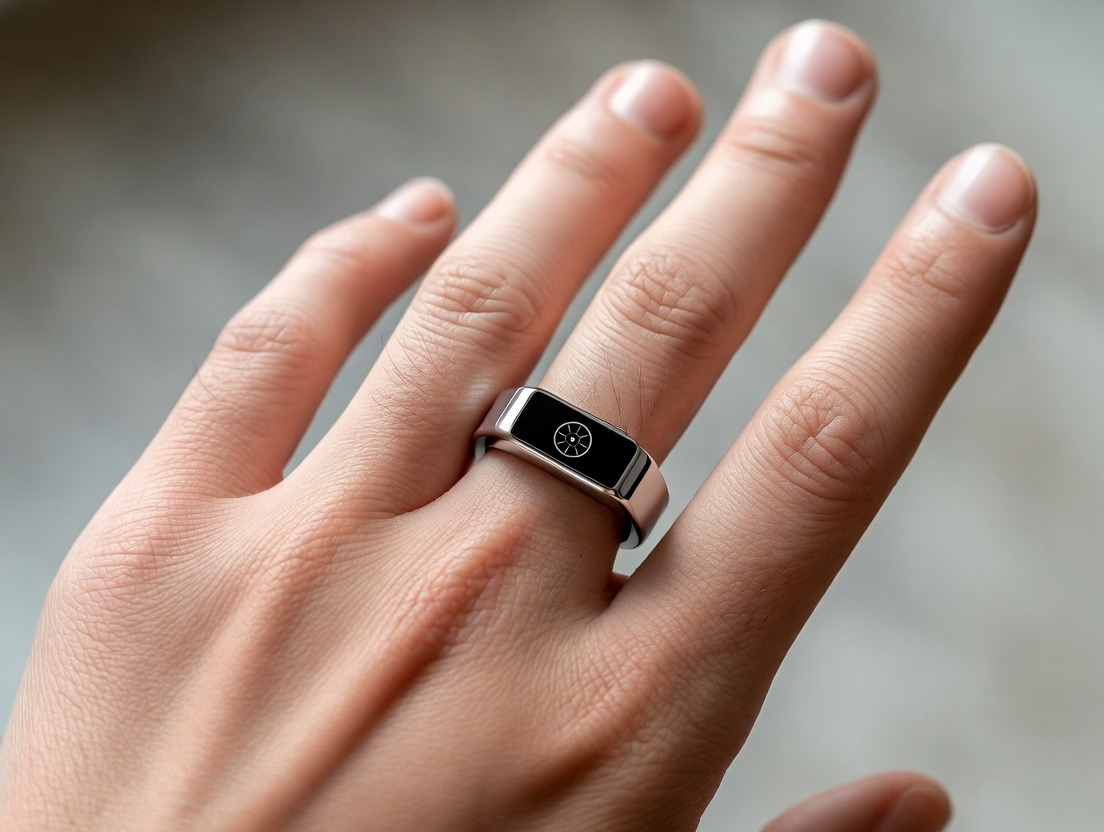
And we’ll do this with a powerful ally: the continuous, objective insight of a smart wellness ring. While your mind might tell you you’re “fine” powering through, biometrics like Heart Rate Variability (HRV), resting heart rate, and sleep data don’t lie. They reveal the true cost of poor recovery and the profound benefit of strategic pauses. This guide will show you how to use these insights to personalize your lunch break, turning it from an afterthought into a cornerstone of sustainable high performance.
Consider this your invitation to start a quiet revolution—one lunch break at a time. Let’s begin.

You glance at the clock. It’s 12:37 PM. Your sandwich sits unwrapped next to a keyboard dotted with crumbs from yesterday. Three chat windows are blinking, an email notification pops up, and you have a 1:30 PM deadline looming. The thought process is instantaneous, almost autonomic: “I’ll just finish this. I can eat while I work. It’s more efficient.”
This is the moment where professional wellness is most commonly abandoned. We rationalize stealing from our personal recovery time to give to the insatiable machine of work output. But what are we actually sacrificing? The lunch break is not a luxury or a relic of a slower-paced era; it is a biological and psychological necessity, a scheduled pressure valve in the middle of the workday. To skip it is to fundamentally misunderstand how human performance works.
Neurologically, our brains operate in cycles of focus and renewal, typically in 90 to 120-minute ultradian rhythms. Pushing through these natural dips with caffeine and willpower leads to diminishing returns, increased errors, and cognitive fatigue. The lunch break is perfectly timed to serve as a deliberate renewal phase, allowing the prefrontal cortex—the seat of decision-making, focus, and emotional regulation—to reset. Without this reset, you’re essentially running a mental marathon without water stations.
The data from wearable technology paints a stark picture of this neglect. A smart ring tracking your physiological signals can reveal the direct impact of a missed or poor-quality break. You might see your resting heart rate remain elevated throughout the afternoon, a sign of sustained stress. Your HRV—a key metric of your nervous system’s resilience and recovery capacity—may fail to show its typical healthy variability, indicating your body is stuck in a low-grade “fight or flight” mode. This isn’t just about feeling tired; it’s about your body broadcasting a measurable state of dysregulation.
The compounding cost is immense. What we dismiss as a “grumpy afternoon” is actually accumulated cognitive debt. Studies link skipped breaks to higher rates of burnout, decreased job satisfaction, and a significant increase in afternoon workplace errors. You are, quite literally, less intelligent, less creative, and more emotionally volatile in the hours after neglecting a true break.
Reframing the lunch break is the first critical step. It is not lost time. It is an investment in the quality of the next four hours of your workday. It is a proactive wellness strategy disguised as a pause. By protecting and optimizing this hour, you are not being less dedicated to your job; you are ensuring you can perform it with greater consistency, clarity, and sustainability. Think of it as the most important meeting on your calendar—the one where the attendee is your future, more resilient self.
This strategic approach to recovery is a foundational habit for modern professionals. For a deeper exploration of how small, consistent habits create outsized impacts on your wellness metrics, our analysis on how a wellness ring validates small daily habits over big occasional efforts provides compelling evidence.
Our culture has a productivity paradox. We glorify "hustle" and visible busyness, yet the science of peak performance consistently points to the critical role of strategic rest. True productivity isn't about the number of hours logged; it's about the quality of output within the hours worked. And quality is inextricably linked to recovery.
The traditional view of a lunch "break" is passive—a cessation of work. Optimization flips this script. It’s an active engagement in recovery processes that make subsequent work more effective. It’s moving from not working to actively recharging. This is where we must broaden our definition of a productive work activity to include those that replenish our cognitive and physical resources.
Consider three types of capital we deplete every morning: Cognitive Capital (focus, problem-solving, memory), Emotional Capital (patience, empathy, resilience), and Physical Capital (energy, posture, metabolic health). A typical morning of work withdrawals heavily from all three accounts. A suboptimal lunch break—like desk-side scrolling—makes a negligible deposit. An optimized lunch break, however, is a structured deposit into each of these accounts.
The magic of an optimized lunch break is that a single activity can often contribute to multiple accounts simultaneously. A walk with a friend invests in physical, cognitive, and emotional capital. This is high-efficiency recovery.
Your smart ring becomes the auditor for these deposits. You’re not guessing if your "productive break" was effective; you’re tracking the results. Did that 15-minute meditation after eating lower your resting heart rate? Did a brisk walk improve your afternoon readiness score? This objective feedback loop is what turns well-intentioned ideas into sustainable habits. By tracking the downstream effects, you learn which specific lunchtime activities yield the highest return on investment for your unique biology.
This data-driven approach to habit formation is a game-changer. To understand the foundational science behind this, our beginner-friendly guide to habit formation science using a smart ring breaks down how biometric feedback accelerates behavior change.
You may think you know what you need at lunch. "I need caffeine." "I need to check Instagram." "I need to finish this report." But these are often cravings of a fatigued brain, not prescriptions for genuine recovery. Your body, however, holds the real-time data on your state of depletion. A smart wellness ring acts as a continuous translator, giving you a biometric blueprint for what your system truly needs to recover before the afternoon session.
Unlike a smartwatch that you glance at, a ring works passively, collecting a rich stream of physiological data 24/7. For lunch break optimization, three key metrics are particularly illuminating:
1. Heart Rate Variability (HRV): Your Recovery Dashboard
HRV is the gold-standard, non-invasive window into your autonomic nervous system (ANS). It measures the subtle variations in time between each heartbeat. A higher HRV generally indicates a resilient, adaptable system with a strong "rest and digest" (parasympathetic) tone. A lower HRV suggests your body is under stress, fatigued, or stuck in "fight or flight" (sympathetic) dominance.
2. Resting Heart Rate (RHR): Your Stress Barometer
While HRV is nuanced, Resting Heart Rate is a more direct gauge. An elevated RHR (compared to your personal baseline) can indicate physical or mental stress, dehydration, poor sleep, or the onset of illness.
3. Sleep & Readiness Scores: Your Energy Bank Statement
Your ring’s morning readiness or recovery score is a composite algorithm based on your sleep, HRV, RHR, and temperature. It’s essentially a statement of your energy capital for the day.
By checking your ring’s data mid-morning, you can move from a generic lunch routine to a prescriptive recovery session. The ring answers the question: "What does my body need today to perform best this afternoon?" This personalized, responsive approach is the core of modern professional wellness. It teaches you to listen to your body’s signals with data, not just guesswork.
Sometimes, the data reveals deeper imbalances that extend beyond a single break. If you consistently see poor scores, it may point to chronic work-life balance problems your wellness ring can detect.
Armed with the knowledge of your biometric starting point, you can now engineer your break for a specific outcome: a cognitive reboot. The goal here is to clear the mental cache, reduce decision fatigue, and return to your desk with renewed clarity and creativity. This isn't about passive rest; it's about active mental rejuvenation.
The enemy of afternoon focus is often "attentional residue"—when thoughts of a previous task persist and interfere with your performance on a new one. A proper cognitive reboot clears this residue. Here’s how to structure it:
Phase 1: The Complete Context Switch (First 5 Minutes)
Do not, under any circumstances, transition straight from work to your break activity. Your brain needs a signal that the context has changed.
Phase 2: The Nourishment & Movement Core (30-40 Minutes)
This is the main engine of your reboot. Combine fuel and motion strategically.
Phase 3: The Novelty or Mindfulness Spark (10-15 Minutes)
This phase is about engaging your brain in a fundamentally different way than work requires.
Phase 4: The Intentional Transition (Last 5 Minutes)
Don’t let the break end abruptly with a jarring return to Slack and emails.
The result of this structured reboot is not just feeling less tired. It’s about entering a flow state more easily, solving complex problems with greater agility, and protecting the mental clarity that is so often sacrificed by mid-afternoon. You are systematically resupplying the cognitive resources your work consumes.
This kind of intentional habit-building is especially crucial during demanding periods. For strategies on maintaining these practices when pressure is high, see our guide to building habits during high-stress periods.
The modern office is a monument to stillness. We sit for the commute, sit at our desks, sit in meetings, and then sit for the commute home. This sustained sedentary behavior is a silent killer of wellness, linked to poor posture, metabolic slowdown, back pain, cardiovascular risk, and yes—reduced cognitive function. Your lunch break is your daily, scheduled opportunity to declare war on this stillness.
Movement is not just about "exercise" in the traditional sense. It’s about signaling to your body that it is a biological organism meant for activity, not a statue. Integrating purposeful movement into your break provides physical benefits that pay dividends for the rest of your workday and into the evening.
Why Midday Movement is Non-Negotiable:
Actionable Movement Strategies for Any Environment:
1. The 15-Minute Power Walk (The Gold Standard):
This is the simplest, most effective tool. Don’t amble; walk with purpose. If you have access to a park or green space, use it—nature adds an extra layer of cognitive restoration. No park? Walk around the block, through different floors of your building, or even a long corridor. Use this time to listen to an uplifting podcast, an audiobook, or simply practice being present. The goal is to get your heart rate into a light aerobic zone (where you can hold a conversation but feel your body working).
2. The "Deskercize" Circuit (For When You Can't Escape):
Stuck in a rainstorm or a back-to-back day? Create a 7-minute circuit in a vacant room, bathroom, or even behind your closed office door.
3. The Active Commute Extension:
If you bike or walk to work, use your lunch break to extend that activity. Take a different route to explore, or simply spend more time in motion rather than sitting. If you drive, park 10-15 minutes away from your office in the morning and use that walk as part of your lunch ritual.
4. The Micro-Movement Mindset:
Beyond a dedicated block, cultivate a mindset of breaking up sitting during your break. If you’re eating with colleagues, suggest a "walking meeting" for the last 10 minutes. Stand while you drink your tea. Fidget, stretch, or pace while on a personal phone call.
The data from your smart ring will powerfully validate this habit. You may notice a quicker return to baseline in your heart rate after a stressful morning, or an improvement in your sleep quality because you've helped regulate your circadian rhythm with daylight exposure. It directly supports the habits of successful smart ring users who track consistently. Watch how a consistent midday movement practice begins to positively influence your core biometrics over time, proving that you are not just working at your body, you are working for it.
Human beings are social organisms, and our nervous systems are deeply regulated by connection. However, in the context of a lunch break, "social" doesn't automatically mean a loud, large group lunch. It means an intentional engagement that meets your specific emotional needs at that moment. For some, that’s vibrant conversation. For others, it’s the quiet camaraderie of a shared walk in silence. And for many, it’s the vital, non-negotiable need for solitude.
The key is to choose deliberately, not default to habit. Did your morning involve four hours of back-to-back video calls draining your social battery? Then a solo, quiet break is likely what you need. Did you spend the morning working in isolation on a deep-focus task, feeling a bit lonely or disconnected? A lunch with a trusted colleague might be the perfect recharge.
The Art of the Recharging Social Lunch:
When you choose to connect, make it meaningful and bounded.
The Power of the Solo Recharge:
Solitude is not loneliness. It is a chosen state of being alone with your thoughts, free from external input. It is essential for processing emotions, consolidating memories, and fostering creativity.
Leveraging Technology for Long-Distance Connection:
If you work remotely and crave connection, use your break for a short, intentional video or phone call with a friend, family member, or a colleague in a different department. Keep it light and uplifting. This can bridge the gap of physical isolation.
Your smart ring can offer subtle clues about your social needs. If you notice your stress metrics (like a elevated resting heart rate) don't drop after a highly social break, it might be a sign you need more solitude. Conversely, if you feel flat and your readiness scores are consistently low after isolated days, it could indicate a need for more connection. The ring tracks the physiological outcomes of your social choices, helping you refine your approach. This awareness of how your interactions affect your core physiology is a cornerstone of social wellness habits that a ring can indirectly track.
Ultimately, the goal is to exit your lunch break feeling emotionally replenished, not drained. Whether that comes from laughter with a friend or the peaceful quiet of your own company, honoring that need is a profound act of professional wellness.
You can have the perfect movement and social plan, but if you fuel your body with the wrong nutrients, you’ve built your recovery on a foundation of sand. The infamous 3 PM crash—the desperate longing for a nap, the foggy brain, the irresistible siren call of the vending machine—is often a direct result of midday nutritional missteps. Lunch optimization requires us to think of food not just as pleasure or fuel, but as information that programs your biological systems for the next 4-6 hours.
The core principle is blood sugar stability. A rapid spike in blood glucose from refined carbohydrates and sugars triggers a corresponding insulin spike, which can lead to a precipitous crash later. This rollercoaster stresses your hormones, drains your energy, and impairs cognitive function. Your goal is the gentle hill: a slow rise and a gentle decline.
The Plate Architecture for Sustained Energy:
Visualize your lunch plate divided to prioritize steady fuel.
Practical Lunch-Building Hacks:
What to Minimize or Avoid:
The impact of these choices is measurable. Users who track their habits often find that on days they eat a balanced, whole-food lunch, their afternoon readiness metrics stay higher, and their sleep scores improve because they haven’t burdened their system with a heavy digestive load at night. It’s a direct example of how daily wellness habits make a wellness ring investment worth it.
Listen to your ring’s feedback. If you see a significant dip in your afternoon HRV or a spike in resting heart rate after certain lunches, investigate the cause. Your body is giving you a data-driven review of your meal choices. Use it to learn what truly fuels your sustainable performance.

Here is the most common, and most insidious, modern lunch break mistake: swapping one screen for another. You stop working on your laptop, only to pick up your phone and scroll through social media, news, or emails. This is not a break. This is a shift in cognitive consumption, and it is often more mentally draining than the work you just left.
A digital detox during your lunch break is not a nice-to-have wellness trend; it is a neurological imperative for cognitive recovery. Here’s why:
Implementing a Practical Lunchtime Digital Detox:
You don’t need to throw your phone in a locker. Start with manageable, bounded steps.
1. The 20-Minute Phone-Free Commitment:
This is the simplest rule. For the first 20 minutes of your break—the time you are eating—your phone is on Do Not Disturb and placed face down or in a drawer. Just eat. Observe your surroundings. Taste your food. If you’re with someone, engage fully. This single habit builds mindfulness and breaks the compulsive check-in reflex.
2. Create a "Lunch Break" Phone Focus Mode:
Use your phone’s built-in Focus or Digital Wellbeing tools. Create a "Lunch" mode that silences all notifications except for phone calls from specific contacts (like family). You can even use it to block access to specific apps (email, Slack, Twitter, Instagram) for the duration of your break.
3. Leave the Device Behind:
If you go for a walk, leave your phone at your desk. It’s liberating. If you need it for safety or music, put it in airplane mode or use a dedicated music player. The goal is to remove the option to check.
4. Replace Digital with Analog:
Carry a paperback book, a journal, or a sketchpad. When the urge to scroll hits, pick up the book instead. This provides a cognitive engagement that is linear, paced, and not designed to hijack your attention.
The benefits will extend far beyond your break. You’ll return to your desk feeling mentally clearer and less frazzled by the digital noise of the world. You may find your afternoon focus is sharper because you haven’t fragmented your attention span.
Your smart ring can provide fascinating validation of this habit. You might notice that on days you successfully disconnect, your stress metrics show a cleaner, more pronounced dip during your break. You’re giving your nervous system a true signal of safety—"nothing is required of you right now"—which is the essence of recovery. For a deeper dive into the relationship between screens and your physiology, our beginner-friendly guide to screen time habits explores what your ring can reveal.
Let's be realistic. Some days are back-to-back from dawn till dusk. The ideal 60-minute optimized break feels like a fantasy. On these days, the goal shifts from optimization to damage control and strategic reset. The danger is believing that because you can't do the full routine, you should do nothing at all. That’s a catastrophic error.
Enter the 15-Minute Power Reset Protocol. This is your emergency toolkit, designed to deliver the maximum neurological and physiological benefit in the minimum amount of time. It’s based on the principle of "minimum effective dose" for midday recovery. Commit to this non-negotiable quarter-hour.
The Protocol (Set a Timer for 15 Minutes):
Minute 0-1: The Hard Cut-Off
Close your laptop. Silence your phone and place it out of sight. Stand up and stretch your arms overhead. Take three of the deepest breaths you’ve taken all day. Acknowledge, "This is my reset."
Minute 1-6: Hydrate and Nourish (Micro-Fueling)
Drink a full glass of water. Then, consume a small, balanced snack if you haven’t eaten. Ideal examples: a handful of almonds and an apple, a Greek yogurt, a hard-boiled egg with some carrot sticks. The goal is to provide steadying fuel, not a full meal. Avoid sugar.
Minute 6-12: The Focused Movement Burst
This is not a leisurely stroll. This is purposeful, attention-focused movement.
Minute 12-15: The Parasympathetic Anchor
The final 3 minutes are the most important. Sit or stand quietly.
Why This Works:
It hits all the levers in a condensed format: hydration/nutrition, circulation-boosting movement, and a direct nervous system down-regulation via breathwork. It forces a complete context switch. It’s long enough to break the stress cycle but short enough to be feasible on any day.
On these chaotic days, your smart ring’s data is especially valuable. After implementing this protocol, check your stress metrics or live heart rate reading. You will likely see a tangible drop. This isn't anecdotal; it's proof that even a tiny, focused intervention can change your physiological state. It reinforces the habit and proves that you are never too busy for a reset—you just need the right protocol. This builds resilience and is a key tactic in preventing burnout through ring monitoring.
We’ve covered the principles and strategies. Now comes the art and science of personalization. What works for your colleague—a high-intensity gym session—might leave you frazzled for the afternoon. Your perfect meditation might put your deskmate to sleep. The ultimate power of combining lunch break optimization with a smart ring is the ability to move from general advice to a personalized protocol that evolves with you.
This is an iterative process of experimentation, observation, and refinement. Your ring provides the objective feedback loop.
Step 1: Establish a Baseline (Week 1)
For one week, don’t change anything. Simply go about your normal lunch habits, but wear your ring and take note of your key afternoon metrics. What does your stress timeline show between 2 PM and 5 PM? What’s your average HRV in the afternoon compared to the morning? How does your sleep score on days you skip a break vs. days you take one? This data is your "before" picture.
Step 2: The Single-Variable Experiment (Weeks 2-4)
Introduce one new lunch break variable per week and observe the impact on your afternoon and evening biometrics.
Step 3: Analyze the Ring’s Report Card
After each experiment week, review your data. Did the walking week show a marked improvement in your afternoon readiness scores? Did the food experiment lead to better sleep efficiency? Your ring will tell you which lever has the biggest positive effect on your system.
Step 4: Assemble Your Blueprint
Based on your experiments, build your ideal break template. It might look like:
Step 5: Refine and Adapt
Your needs will change with stress, sleep, menstrual cycle, or training load. Get in the habit of checking your morning readiness score and HRV as a guide for what type of break you need today. Your blueprint is a living document, informed by continuous data.
This process turns you from a passive recipient of wellness advice into an active biohacker of your own performance. You are using empirical evidence to make daily decisions about your recovery. This is the pinnacle of modern self-care. For those looking to extend this personalized, data-driven approach to other areas, our guide on how a wellness ring helps identify your most important daily habits is an excellent next step.
You've built your personalized blueprint. You understand the science, feel the benefits, and see the validating data on your ring. Yet, a formidable obstacle remains: the silent, judgmental gaze of workplace culture and the internal whisper of guilt. Taking a proper lunch break, especially in an environment where "eating al desko" is a badge of honor, can feel like a rebellious act. You might worry about being perceived as lazy, less dedicated, or not a team player. This psychological barrier is often the final, toughest lock to pick.
The first step is to recognize that this guilt is not a personal failing; it's a cultural construct. The "hustle" narrative glorifies visible busyness and sacrifice, equating long hours and skipped breaks with commitment and productivity. However, this narrative is fundamentally at odds with the science of human performance and sustainable success. Your task is not to conform to a broken system, but to confidently model a better one.
Reframing Your Break as a Strategic Professional Tool:
Stop thinking of your break as "time off" and start framing it, both internally and externally, as "strategic recovery time for enhanced afternoon productivity." This isn't semantics; it's a power shift. You are not escaping work; you are optimizing your capacity to do it well.
Leading by Stealth Example:
You don't need to preach. Simply do, and let the results speak. Be consistently calm, focused, and productive in the afternoons. When you are seen returning from a walk refreshed and diving into complex work while others are slumping, you become a quiet advertisement for the method. Your sustained energy and output become your argument.
Creating Micro-Cultural Shifts:
Your smart ring provides the unshakable confidence to do this. When cultural pressure or self-doubt creeps in, you have biometric proof that you are making the correct choice for your system. Seeing your afternoon HRV stabilize or your sleep score improve after a week of consistent breaks is armor against guilt. It moves the decision from the realm of opinion ("Am I being lazy?") to the realm of empirical evidence ("My body performs better when I do this.").
This struggle is a direct component of establishing healthy professional boundaries. For a broader framework on using data to protect your time and energy, our beginner-friendly guide to setting boundaries through smart ring insights offers valuable strategies.
Ultimately, by normalizing your break, you contribute to a healthier, more sustainable workplace culture. You become a subtle force for change, proving that peak performance and well-being are not opposing forces, but synergistic partners.
Knowledge is powerless without consistent application. Moving from understanding the "why" and "how" of lunch break optimization to making it an automatic, non-negotiable part of your day is the ultimate goal. This is the stage where a practice becomes a ritual—a sacred, self-honoring ceremony that you protect fiercely. Habit formation is the bridge between intention and transformation.
To build this ritual, we must leverage the core principles of behavioral science: cue, routine, and reward. Your smart ring supercharges this loop by providing a profound, personalized, and data-driven reward.
1. Engineer Unmistakable Cues:
Your cue shouldn't be "when I feel like it." It must be specific, time-based, or situational.
2. Standardize Your Routine (The Ritual):
This is your personalized blueprint in action. The more consistent the sequence, the more ritualistic and automatic it becomes. A sample ritual skeleton:
3. Harness the Power of the Reward:
This is where most habit strategies fail, relying on vague feelings. Your smart ring delivers a concrete, scientific reward.
Stacking and Tracking:
Use habit-stacking by attaching your new ritual to an existing one. "After I fill my water bottle at noon (existing habit), I will put on my walking shoes (new habit)." Use your ring's app or a simple journal to track your compliance. The simple act of checking a box alongside viewing your positive biometric data creates a powerful feedback loop.
The ritualization process teaches you to respect your own time and needs as you would a critical business meeting. It moves the break from an optional activity to a fundamental component of your workday architecture. For a comprehensive roadmap on building such resilient habits, our complete beginner-friendly guide to building habits your ring measures dives deeper into this science.
When your optimized lunch break becomes a ritual, you no longer expend willpower to do it. It becomes simply "what you do at lunch." It is a gift of predictability and self-care you give yourself daily, guarded against the chaos of the workday.
The impact of a single, daily, optimized hour extends far beyond the confines of 1:00 PM to 5:00 PM. Like a stone dropped in a pond, it creates positive ripples that touch every domain of your well-being. The lunch break is a keystone habit—a single practice that unintentionally strengthens other good habits and creates a cascade of positive change. Your smart ring is the perfect tool to observe this fascinating domino effect in your own life.
Ripple 1: From Afternoon Stability to Evening Wind-Down (The Sleep Connection)
A chaotic, high-stress afternoon often bleeds into the evening. You come home frazzled, your mind racing with unfinished business, making it difficult to psychologically detach. This elevated sympathetic nervous system activity is the arch-nemesis of quality sleep.
Ripple 2: Lowering the Allostatic Load (The Stress Connection)
Allostatic load is the cumulative wear and tear on the body from chronic stress. Every afternoon crash, every moment of sustained high cortisol, adds to this load. An optimized break is a daily intervention that reduces this burden.
Ripple 3: Creating Positive Feedback Loops (The Habit Connection)
Success with one habit breeds confidence and creates templates for others.
Ripple 4: Improving Metabolic Health (The Physical Health Connection)
Consistent post-meal movement and stable blood sugar from a balanced lunch have direct, long-term benefits.
By observing the interconnected trends on your smart ring dashboard—seeing sleep scores rise as break consistency improves, watching your weekly HRV average climb—you witness your own holistic upgrade. The lunch break stops being an isolated event and becomes the lever you pull to uplift your entire system. It proves that you don’t need a massive lifestyle overhaul to see significant change; you need strategic, consistent pressure on the right points.
For the remote or hybrid professional, lunch break optimization presents a unique paradox. You have ultimate freedom: no judgmental colleagues, no strict office policies, full control over your environment and schedule. This is the edge. The pitfall is the complete evaporation of boundaries. Your kitchen is your cafeteria. Your living room is your break room. Your work is always right there, physically and psychologically. The separation between "on" and "off" becomes dangerously thin, making a true break both more critical and more challenging to execute.
To seize the edge and avoid the pitfall, you must become an architect of boundaries. Your home office needs invisible, yet firm, walls.
Strategy 1: The Physical Exodus (The Most Powerful Tool)
The single most effective rule for a remote worker: To take a break, you must leave your workspace. This is non-negotiable.
Strategy 2: Create a "Break Zone"
Designate a specific area in your home as your break sanctuary. It could be a sunny corner of the living room, your balcony, or your dining table (if not used for work). The rule is: no work devices allowed in this zone. Use it only for eating, reading, or relaxing. This spatial differentiation helps compartmentalize your day.
Strategy 3: Leverage Proximity for Superior Nourishment & Movement
This is your superpower. Use your home kitchen to prepare fresh, wholesome meals in minutes—something nearly impossible in an office. A 10-minute walk in your own neighborhood can be more refreshing than a circuit of a corporate park. You have direct access to better fuel and better environments. Use it.
Strategy 4: Combat Digital Presenteeism
Remote work often leads to "digital presenteeism"—staying logged in and visibly online to prove you're working. This kills the break.
Strategy 5: The Social Bridge
Remote work can be isolating. Use your break to fulfill the social connection your office might naturally provide.
Your smart ring is an essential watchdog in this unbounded environment. It will clearly show you the physiological cost of failing to separate. If your stress metrics remain flatlined or elevated throughout your supposed "break," it's proof you never truly disengaged. Conversely, it will validate successful boundaries by showing clear recovery dips. This objective feedback is crucial for remote workers who lack the external structure of an office. For a deeper look at the unique challenges and solutions, our article on work-life balance for remote workers is a vital resource.
Mastering the break while remote is the ultimate test of self-leadership. It’s about granting yourself the same consideration you’d automatically give in an office setting: permission to recharge.
The principles of strategic recovery are not exclusive to Monday through Friday, 9-to-5. In fact, your weekends and vacations are the extended "lunch breaks" of your life—the critical recovery phases that determine your capacity for the next "workweek" of life, whatever that may entail. Yet, we often mismanage these longer breaks spectacularly, either by packing them with frantic activity ("errand burnout") or collapsing into total inertia ("bed rot"), neither of which is truly restorative.
The goal is to apply the same intentionality to your weekends that you do to your lunch break: a balance of rejuvenating activity, genuine rest, and mindful consumption, all guided by listening to your body’s needs.
The Weekend as a Macro-Break: Applying the Framework
Vacations: The Ultimate Recovery Protocol
A vacation is not just a change of location; it should be a change of state. The goal is to return with a significantly lower allostatic load and a higher sense of vitality.
Tracking this long-wave recovery is one of the most rewarding uses of a smart ring. Seeing the tangible, biometric proof of a restorative weekend or vacation—and observing how long those benefits last upon return—teaches you what true recovery looks and feels like. It moves the concept from abstract to empirical. For a dedicated framework on this, explore our complete beginner-friendly guide to weekend wellness habits for recovery.
By extending the philosophy of the optimized break to your longer time off, you ensure that your recovery scales with your exertion, creating a sustainable cycle of performance and renewal throughout the year.
Even with the best blueprint and intentions, you will hit snags. The data on your ring might not show the improvement you expected. You might feel consistently unmotivated. This is not failure; it’s feedback. Your personalized protocol is a living system, and these moments are opportunities for refinement. Here’s how to troubleshoot common issues.
Problem 1: "My biometrics aren't improving. My afternoon stress is still high."
Problem 2: "I'm bored or dread my break routine."
Problem 3: "Unexpected work crises constantly interrupt my break."
Problem 4: "I see great data on some days, but can't string together consistency."
Your smart ring is your chief troubleshooting officer. When something’s off, don't guess—look at the data. A flat stress graph during your "break" means you weren’t relaxed. A high resting heart rate after lunch points to food or dehydration. Use this objective feedback to ask better questions and make smarter adjustments. This iterative process is where true personalization and long-term success are forged.
In the world of business, every investment is scrutinized for its Return on Investment (ROI). It’s time to apply the same clear-eyed analysis to your investment in lunch break optimization. What are you getting back for dedicating 5 hours per week to strategic recovery? The returns are both quantitatively measurable through your biometrics and qualitatively felt in your daily life. Let’s audit the gains.
The Tangible ROI (Measured by Your Smart Ring)
The Intangible ROI (Felt in Your Life & Work)
The Ultimate ROI: Sustainable Performance
The aggregate of these returns is what we might call Sustainable Performance. You are not spiking your output with unsustainable effort that leads to crash and burnout. Instead, you are creating a consistent, reliable, high-quality output engine that is fueled by strategic renewal. You become the professional who is "always on" not in the sense of being available 24/7, but in the sense of being consistently effective, resilient, and engaged when it matters.
This is the profound proof that smart rings can validate when you've achieved better balance. The data tells the story of a system operating efficiently, not in constant emergency mode. The feeling is one of thriving, not just surviving.
When you view your lunch break through this ROI lens, any lingering guilt evaporates. You are not costing the company an hour of labor; you are investing in the asset that creates all the company’s value—your focused, creative, and sustainable human capital.
Your Trusted Sleep Advocate: Sleep Foundation — https://www.sleepfoundation.org
Discover a digital archive of scholarly articles: NIH — https://www.ncbi.nlm.nih.gov/
39 million citations for biomedical literature :PubMed — https://pubmed.ncbi.nlm.nih.gov/
Experts at Harvard Health Publishing covering a variety of health topics — https://www.health.harvard.edu/blog/
Every life deserves world class care :Cleveland Clinic - https://my.clevelandclinic.org/health
Wearable technology and the future of predictive health monitoring :MIT Technology Review — https://www.technologyreview.com/
Dedicated to the well-being of all people and guided by science :World Health Organization — https://www.who.int/news-room/
Psychological science and knowledge to benefit society and improve lives. :APA — https://www.apa.org/monitor/
Cutting-edge insights on human longevity and peak performance:
Lifespan Research — https://www.lifespan.io/
Global authority on exercise physiology, sports performance, and human recovery:
American College of Sports Medicine — https://www.acsm.org/
Neuroscience-driven guidance for better focus, sleep, and mental clarity:
Stanford Human Performance Lab — https://humanperformance.stanford.edu/
Evidence-based psychology and mind–body wellness resources:
Mayo Clinic — https://www.mayoclinic.org/healthy-lifestyle/
Data-backed research on emotional wellbeing, stress biology, and resilience:
American Institute of Stress — https://www.stress.org/


