


How Your Smart Ring Validates When You've Achieved Better Balance
Shows how positive trends in your ring's data validate that you've achieved a healthier work-life balance.
Shows how positive trends in your ring's data validate that you've achieved a healthier work-life balance.
%402x.svg)
For centuries, the pursuit of balance has been a central tenet of wellness philosophy—a beautiful but frustratingly abstract concept. We’re told to seek “work-life balance,” to “find our center,” and to listen to our bodies. Yet, without concrete data, this journey often feels like navigating in the dark. Is that sense of calm genuine recovery, or merely burnout in disguise? Is your energy sustainable, or are you running on cortisol and caffeine? Your intentions are noble, but your body’s truth is written in a language of biometrics: heartbeats, temperature shifts, and nocturnal rhythms.
Enter the modern smart ring, a silent sentinel on your finger. This unassuming device does more than count steps; it deciphers that biometric language in real-time, transforming the ephemeral goal of “balance” into a tangible, validatable state. It moves wellness from the realm of intuition into the domain of evidence. This isn't about obsessive tracking for its own sake. It’s about gaining an objective, personalized witness to your life—a partner that doesn’t judge, but illuminates.
This article will guide you through exactly how this powerful technology validates your hard-won equilibrium. We’ll explore how it benchmarks your unique normal, detects the subtle signatures of strain and harmony, and ultimately confirms that you are not just feeling balanced, but physiologically living it. The path to true balance begins not with a vague resolution, but with a clear, data-backed conversation with yourself.

We’ve all had those weeks. You’re ticking boxes, meeting deadlines, and maintaining a social calendar. You might even say you “feel fine.” But “fine” is the most dangerous word in the wellness lexicon—a placid surface that can hide turbulent undercurrents. Human perception, especially of our own stress and recovery, is notoriously flawed. We are phenomenal adapters, normalizing elevated stress hormone levels, chronic sleep deprivation, and low-grade inflammation until they feel like our baseline. This is known as allostatic load: the cumulative wear and tear on the body from chronic stress.
Consider two scenarios. In the first, you finish a demanding project. You feel tired but satisfied, and you sleep deeply. In the second, you finish a similarly demanding project but spend the evening wired, struggling to quiet your mind, and sleep fitfully. Subjectively, the sense of accomplishment might feel similar. But physiologically, the stories are radically different. The first shows a healthy stress response followed by recovery. The second shows a stress response that has overshot, hindering the nervous system's ability to downshift. Your intuition might lump both under “busy at work,” but your body knows the critical difference.
This is where the smart ring becomes an essential truth-teller. It measures your Heart Rate Variability (HRV)—the subtle variations in time between each heartbeat. A higher HRV generally indicates a resilient, adaptable nervous system (the "rest and digest" state is accessible). A lowered HRV is a clear, objective signal that your sympathetic nervous system ("fight or flight") is dominant, even if you’re sitting calmly on the couch telling yourself to relax. You cannot feel your HRV dip in real-time, but your ring sees it. It provides the missing objective data that bridges the gap between “I think I’m handling this well” and “My body is actually handling this well.”
The validation begins not by telling you what you already feel, but by revealing the physiological reality you cannot feel. It corrects the narrative, moving you from the myth of feeling balanced to the science of being balanced. This foundational awareness is the first, and most crucial, step in any genuine wellness journey. As you learn to interpret these signals, you can start to connect activities with their true physiological cost or benefit, a process explored in depth in our guide on how to use sleep pattern data to optimize your entire life.
Fitness trackers of the past focused on external outputs: steps taken, calories burned, floors climbed. These are metrics of movement, not necessarily health. True balance is an internal state, governed by the autonomic nervous system (ANS). The modern smart ring targets this directly by monitoring the Biometric Trinity: Heart Rate Variability (HRV), Resting Heart Rate (RHR), and Body Temperature. Together, they form a holistic picture of your stress, recovery, and metabolic health.
Heart Rate Variability (HRV) is your body's readiness score. Think of it as the granular measurement of your nervous system's flexibility. When you inhale, your heart rate slightly accelerates; when you exhale, it decelerates. This is healthy variability. During stress, illness, or overtraining, the ANS gets "stuck" in a high-alert mode, and these variations become muted—your heart beats like a monotonous metronome. A consistently high or trending-upward HRV is one of the strongest validations that your lifestyle supports recovery and resilience.
Resting Heart Rate (RHR) is your engine’s idle speed. A well-tuned, recovered body can maintain circulation with minimal effort, resulting in a lower RHR. When your body is fighting inflammation, dealing with stress, or is sleep-deprived, your heart has to work harder even at rest, raising your RHR. Tracking its trend over time is more valuable than any single number. Seeing your RHR gradually decrease and stabilize is a powerful confirmation of improving cardiovascular fitness and systemic recovery.
Skin Temperature is a nuanced signal of circadian rhythm and inflammation. Your core temperature follows a daily cycle, dipping at night to initiate sleep and rising in the morning to promote wakefulness. A smart ring tracking distal body temperature can detect deviations. An elevated nighttime temperature can signal poor sleep onset, an impending illness, or a hormonal shift. A stable, predictable temperature rhythm validates that your circadian clock is well-aligned with your lifestyle.
When this trinity moves in harmony—HRV trending up, RHR trending down, and temperature following a clean circadian wave—you have objective, multi-point validation of a body in balance. It’s a symphony of data where each metric confirms the story told by the others, moving far beyond the simplistic narrative of steps. This deep analysis is akin to the insights gained from a detailed sleep pattern analysis, revealing what your tracker is really telling you.
Here’s the most liberating principle of biometrics: there is no universal "good" number. The online forums are filled with people comparing HRV scores, but this is a futile exercise. A "good" HRV is one that is optimal for you. A marathon runner might have an HRV of 120ms, while a healthy, fit individual might naturally sit at 40ms. The key is not the absolute value, but the trend and the context within your own biology.
This is why the first 30 days with a smart ring are not about improvement, but about observation. This period allows the device’s algorithms to learn your unique patterns. What is your HRV on a perfect, stress-free Sunday after a great night's sleep? What does it do after two glasses of wine, a tough workout, or a stressful meeting? What is your typical RHR, and how much does it fluctuate? This phase establishes your Personal Physiological Baseline.
This baseline is your new compass. It makes the data actionable and personal. Instead of asking, "Is my HRV good?" you learn to ask, "Is my HRV good for me, given what I did yesterday?" You might discover that your "normal" RHR is higher than the textbook ideal, but that it's stable—and that stability itself is a sign of your unique balance.
For instance, you may learn that your baseline involves a slightly elevated temperature every 28 days, explaining periodic sleep disturbances. Or you may see that your HRV is naturally lower on weekdays and recovers every weekend—a pattern known as social jet lag, a common weekend sleep pattern problem. Recognizing this as your baseline pattern isn’t a failure; it’s crucial intelligence. You cannot validate improvement until you know your starting point. This baseline becomes the calm center from which all deviations—both positive and negative—are measured, allowing you to truly understand how stress alters your sleep patterns and recovery.
Stress isn't just a pounding heart during a presentation. In fact, the most damaging stress is often the chronic, low-grade variety that flies under the radar of your conscious awareness: the constant inbox ping, the long commute, the unresolved argument, the financial worry. This is "hidden stress," and it leaves a clear biometric signature that your smart ring is exquisitely tuned to detect.
The primary red flag is a depressed HRV. If you see your HRV score consistently below your personal baseline for multiple days, despite "feeling okay," it's a direct signal that your nervous system is under sustained pressure. It’s as if your body’s shock absorbers are worn out; even small bumps in the road are causing strain.
Next, look for an elevated Resting Heart Rate. A spike in your morning RHR (5-10+ beats above your baseline) is one of the clearest early indicators of something amiss. Your body is expending extra energy just to maintain basic function. This could be due to dehydration, the onset of an illness, excessive training, or psychological stress. It’s your body shouting, "I'm working harder than I should be!"
Finally, observe nocturnal disturbances. A balanced body should show a steady, low resting heart rate and a stable temperature throughout the night. Strain manifests as a elevated or "spiky" heart rate during sleep, indicating your body is still in a state of high alert when it should be restoring. Your sleep stages may show less deep and REM sleep, the critical phases for physical and mental repair. This disruption is a classic sign that your daily stressors are invading your sanctuary of recovery.
Seeing this signature of strain is not meant to induce anxiety. On the contrary, it’s empowering validation. It takes an invisible, insidious force and makes it visible and measurable. It answers the question, "Why am I so tired?" with hard data. It can help you pinpoint triggers: Was it the late-night screen time? The intense workout without proper fueling? The difficult conversation? By identifying the signature of strain, you gain the power to address its source, a crucial step before you can even hope to build a consistent, restorative sleep pattern where regular timing matters profoundly.

If strain has a signature, so does deep, genuine recovery and balance. These are the "harmony indicators"—the data patterns you learn to recognize and cultivate. When you see these consistently, you have the ultimate validation that your lifestyle choices are working in concert with your biology.
The foremost indicator is a high or trending-upward HRV. When you wake up to an HRV score at or above your personal baseline, it’s a green light. It tells you your nervous system is resilient, recovered, and ready to handle the day’s challenges. It’s the biometric equivalent of feeling refreshed and mentally clear.
A low and stable Resting Heart Rate is the next pillar. Waking up with an RHR at your personal low point suggests your cardiovascular system isn't fighting any invisible battles. Your body has efficiently repaired itself overnight. When this low RHR is maintained throughout the night on your sleep graph—forming a smooth, deep valley—it’s a sign of high-quality, uninterrupted sleep.
The third key indicator is optimal sleep architecture. Your ring’s sleep staging shows you the proportion of light, deep, and REM sleep. Balance is validated by sufficient amounts of both deep sleep (for physical restoration and immune function) and REM sleep (for memory consolidation and emotional processing). A balanced sleep cycle isn't just about total hours; it's about cycling robustly through these stages. You can see the tangible result of good sleep hygiene and a calm mind.
Finally, look for circadian regularity. Your daily temperature curve should show a predictable rhythm, dipping as you approach bedtime and rising toward morning. Your body’s readiness score should follow a logical pattern—higher in the morning after recovery, dipping naturally in the afternoon, and rising again for evening activity. This predictable ebb and flow is the rhythm of a body in sync with its environment. This harmonious state is the ultimate goal of understanding and working with your body's natural design, much like matching your sleep pattern to your lifestyle for optimal performance.
Sleep is not just another metric; it is the foundational pillar upon which all other balance is built. It is the primary time for physical repair, cognitive consolidation, and nervous system reset. A smart ring transforms this subjective experience into an objective, nightly report card on your overall state of balance. It validates whether your "eight hours" were truly restorative or merely an extended period of unconsciousness.
Your ring analyzes several critical dimensions of sleep. Sleep Latency (how long it takes you to fall asleep) is a direct window into your mind's state at bedtime. A consistently short latency (under 20 minutes) suggests good sleep pressure and a calm nervous system. A long or fluctuating latency can point to evening stress, poor timing, or disruptive light exposure that shapes your sleep patterns.
Sleep Efficiency is the percentage of time in bed you are actually asleep. High efficiency (over 90%) is a hallmark of solid, consolidated sleep. Low efficiency, marked by frequent awakenings or long periods of wakefulness, is a major red flag for imbalance, often linked to stress, an inconsistent schedule, or environmental factors.
Most importantly, the ring breaks down your Sleep Stages. Seeing ample deep sleep (often concentrated in the first half of the night) validates that your body is getting the physical restoration it needs. Seeing healthy blocks of REM sleep (more prevalent in the second half) validates emotional and cognitive processing. An imbalance here—chronically low deep or REM sleep—is a specific diagnostic clue. Low deep sleep can be tied to physical pain, alcohol consumption, or an elevated core temperature. Suppressed REM can be linked to stress, certain medications, or a sleep schedule that cuts your night short.
Waking up to a high sleep score, with strong marks across latency, efficiency, and staging, is one of the most straightforward validations of daily balance. It confirms that your previous day’s activities, diet, and stress management were within your recovery capacity. It turns the abstract concept of "good sleep" into a validated, data-backed achievement. For a deeper exploration of what these patterns mean, you can delve into an explanation of monophasic, biphasic, and polyphasic sleep patterns.
Armed with data on HRV, RHR, temperature, and sleep, the smart ring’s masterstroke is the Readiness Score (sometimes called a Recovery Score). This is a single, composite number that synthesizes the entire biometric trinity and your sleep data into one actionable insight. It answers the fundamental morning question: "What kind of day can my body handle today?"
A high Readiness Score (often 80-100) is your green light. It’s your ring’s validation that you are recovered, resilient, and primed for performance. This is the day to tackle that intense workout, take on a challenging project, or be highly social. Your body has the resources to not only handle stress but to grow from it. This score confirms your balance is strong.
A moderate score (e.g., 60-79) is a yellow light. It suggests you are somewhat recovered but not at your peak. Perhaps your HRV is slightly depressed, or your sleep was a bit light. The recommendation here is for maintenance: moderate exercise, steady work, and a focus on good recovery habits. It’s a nudge to listen closely and not overextend.
A low Readiness Score (below 60) is a clear red flag. This is your ring’s urgent validation that you are not balanced. Your body is signalling a deficit. It’s telling you that today should be dedicated to restoration: gentle movement like walking or yoga, stress-management techniques, hydration, nutrition, and an early bedtime. Ignoring a low Readiness Score and pushing through is the fastest way to erode long-term balance and invite burnout or injury.
The true power of the Readiness Score is its role in breaking the "push at all costs" mentality. It provides objective permission to rest. When you see a low score and choose a recovery day, you are not being lazy; you are making a data-informed decision to invest in sustainable health. This daily guidance system is what transforms the ring from a passive tracker into an active coach for balance, helping you navigate the common sleep pattern mismatch when work and biology clash.
With your baseline established and your daily Readiness Score as a guide, the smart ring becomes a powerful platform for personal experimentation. This is where you move from observation to optimization. You can finally answer, with data, questions that have plagued wellness enthusiasts for years: Does intermittent fasting improve my energy? Does a 6 AM workout leave me drained or energized? Does meditation actually lower my stress?
The process is simple: introduce one change at a time, and observe the biometric response over 3-7 days.
This ability to run n-of-1 experiments is revolutionary. It cuts through generic, one-size-fits-all advice and delivers personalized truth. You learn not what is "optimal" in a textbook, but what is optimal for the unique, complex system that is you. It empowers you to craft a lifestyle built not on trends, but on your own validated biometric feedback. For example, you might use this method to finally discover your ideal sleep schedule through a personal sleep pattern test.
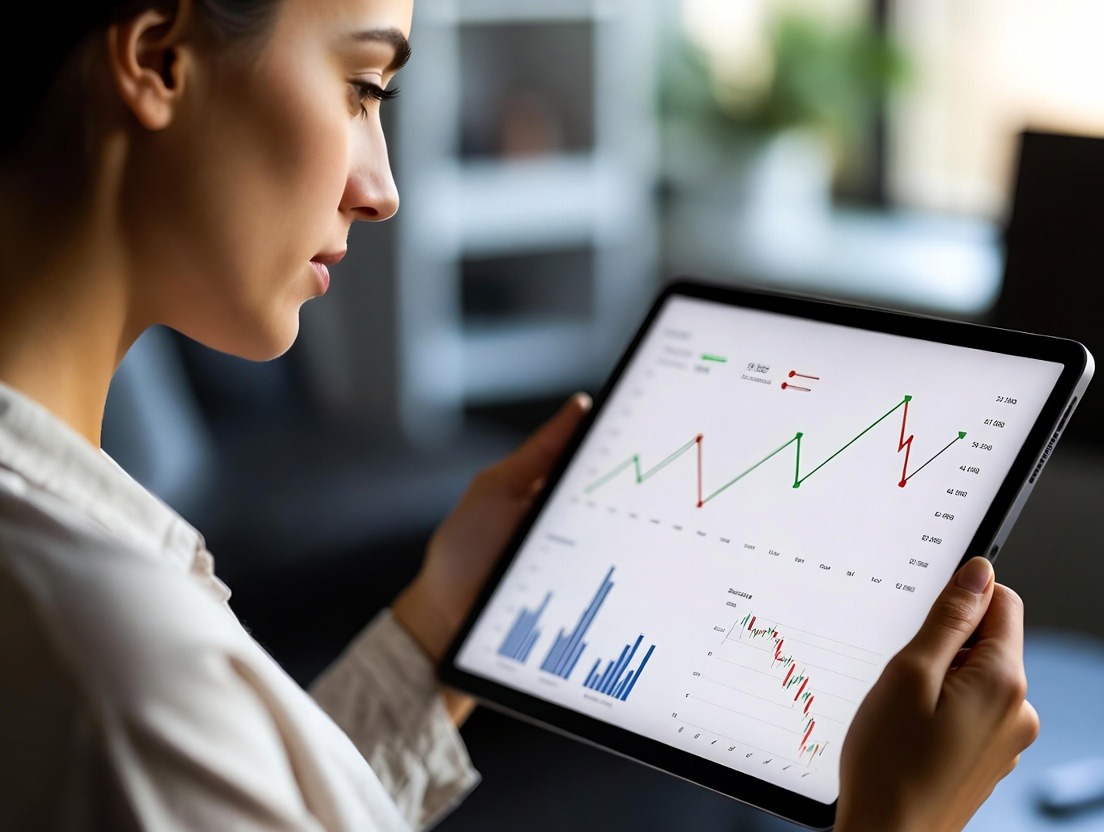
Daily and weekly data are crucial, but the ultimate validation of achieving better balance is seen in the long-term trend graph. This is where you witness the transformation from a state of reactivity to a state of stability. Imagine opening your app and looking at a 90-day view of your HRV or Sleep Score.
In an imbalanced life, this graph looks like a volatile stock market—sharp peaks and deep valleys. A great night of sleep after a vacation is followed by a crash when real life returns. A stressful week at work sends all your metrics into a trough. The graph is chaotic, reflecting a body constantly reacting and struggling to find equilibrium.
As you implement learnings from your ring—honoring your Readiness Score, refining your sleep hygiene, managing stressors—this graph begins to change. The wild fluctuations dampen. The valleys become shallower; the recovery after a stressor becomes faster. The overall trendline for HRV gently slopes upward. The trendline for RHR gently slopes downward. Your sleep scores show less night-to-night variability.
This "smoothed-out" graph is the gold standard of validation. It doesn't mean you never have bad days. It means your system has become more resilient. The dips are less extreme, and the return to baseline is quicker. You have built a wider "container" for stress. This visual proof of increased stability and resilience is profoundly motivating. It shows you are no longer at the mercy of life's ups and downs but have developed the capacity to navigate them while maintaining a steady center. This long-term stability is the antidote to the destructive cycle of how shift work can destroy natural sleep patterns, offering a model for creating consistency against the odds.
The final stage of validation is when the technology begins to fade into the background. You’ve spent months in conversation with your data. You’ve learned how your body speaks. You know the feeling that precedes a dip in HRV. You can anticipate how a late meal will affect your sleep. The ring’s data no longer surprises you; it confirms what you’ve grown to intuitively understand.
At this point, balance becomes less of a conscious pursuit and more of an autopilot state. You’ve internalized the patterns. You naturally gravitate toward evening routines that promote good sleep. You sense when you need a recovery day before your ring shows a low score. You understand your personal energy rhythms throughout the day and week.
The smart ring then transitions from a coach to a guardian. It remains as a silent sentinel, providing continuous validation and early warning detection. It’s there to catch the hidden stressors you might miss and to confirm that your intuitive practices are still serving you. It allows you to live your balanced life with confidence, knowing you have an objective backup system.
This journey from data to wisdom is the ultimate goal. The ring doesn't create balance for you; it illuminates the path so clearly that you can walk it yourself. It validates not just the outcome, but every mindful step you took to get there. This deep, embodied wisdom is what allows you to maintain equilibrium through life's inevitable changes, much like understanding how sleep patterns change throughout your life prepares you for each new phase.
In the end, the smart ring’s greatest gift is objectivity. In a world saturated with wellness opinions and contradictory advice, it gives you a source of truth that is uninterested in trends, immune to your own cognitive biases, and dedicated solely to the language of your physiology. It validates your achievements with cold, hard data and gently corrects your missteps with unambiguous signals.
Achieving better balance is not a destination marked by a finish line, but a continuous, dynamic process of adjustment and alignment. Your smart ring becomes the perfect partner for this journey—a partner that never gets tired, never offers judgmental advice, and always tells the truth. It transforms the hope of balance into a lived, measurable, and validated reality. By listening to its insights, you are not outsourcing your intuition; you are augmenting it with a depth of self-knowledge previously unimaginable. The balance you achieve is no longer just a feeling; it is a scientifically-validated state of being, witnessed and confirmed every single day.
The path to balance isn't linear; it’s a continuous loop of action, feedback, and adjustment. Before smart technology, this feedback loop was slow and imprecise. You might feel sluggish for a week before connecting it to poor sleep, or you might push through fatigue for months, assuming it was normal. The smart ring accelerates and refines this loop into a real-time conversation. Each choice you make—from your afternoon coffee to your bedtime—generates a biometric response that the ring captures, creating immediate, tangible feedback that reinforces better habits.
This is known as biofeedback on a lifestyle scale. When you see your Resting Heart Rate spike after a stressful meeting, that visceral data point makes the abstract concept of "stress" concrete. When you observe your Heart Rate Variability climb after a week of consistent meditation or an early bedtime, you receive a direct reward for your discipline. This positive reinforcement is psychologically powerful. The brain craves clear cause-and-effect, and the ring provides it, turning nebulous wellness goals into a satisfying game of measurable optimization.
For example, consider the common dilemma of evening exercise. You love your late gym session, but sometimes you struggle to sleep. Is it related? Your ring can provide the answer. On nights you work out after 8 PM, you might see a pattern: elevated nighttime heart rate, reduced deep sleep, and a lower readiness score the next morning. The data creates a clear link. Armed with this, you experiment by moving the workout to the morning. The subsequent feedback—improved sleep scores, higher HRV—validates the change. The ring didn’t tell you what to do; it showed you the consequence of your actions, allowing you to make an informed choice. This process is critical for overcoming ingrained patterns, such as understanding how caffeine timing intricately affects your unique sleep pattern.
This closed-loop system turns intention into informed action and action into validated results. It bridges the knowing-doing gap. We all know we should prioritize sleep and manage stress, but seeing the quantified impact of doing (or not doing) those things provides the motivation to consistently follow through. The ring becomes a mirror reflecting the physiological truth of your lifestyle, making the pursuit of balance an engaging, evidence-based journey of self-discovery.
Your body is not designed to run at a constant RPM. It operates on a roughly 24-hour internal clock known as your circadian rhythm, governing everything from hormone secretion and digestion to cognitive function and sleep propensity. True balance is, in large part, circadian balance—living in harmony with this innate temporal structure. Your smart ring provides unparalleled validation of this synchronicity through continuous temperature and heart rate monitoring.
Your core body temperature follows a circadian wave, typically reaching its nadir in the second half of your sleep period and rising throughout the morning to promote alertness. A well-aligned rhythm shows a smooth, predictable temperature curve. Your smart ring tracks the subtle changes in skin temperature that reflect this internal cycle. When your lifestyle supports your circadian rhythm, the curve is clean and consistent. When you disrupt it—with late-night light exposure, erratic meal times, or social jet lag—the curve becomes jagged, flattened, or phase-shifted.
Furthermore, your daily heart rate pattern is a circadian proxy. In a state of balance, your heart rate follows a predictable diurnal rhythm: low during sleep, rising sharply upon waking (the cortisol awakening response), gradually declining through the afternoon, and rising slightly for a "second wind" in the early evening before descending again for sleep. A disrupted circadian rhythm blunts this pattern. The morning rise may be muted (signaling poor sleep quality or adrenal fatigue), or the evening wind-down may fail to occur (signaling excessive evening stimulation).
Seeing a strong, reproducible diurnal rhythm in your heart rate and a clean circadian wave in your temperature is profound validation. It means your external life—your sleep, light exposure, meals, and activity—is in sync with your internal biology. This alignment is the bedrock of metabolic health, stable mood, and robust energy. It’s the opposite of the disarray caused by factors like irregular schedules, which can be explored in the context of how seasonal changes also affect our sleep patterns. Achieving this sync is one of the highest forms of balance you can validate.
Balance does not mean a life devoid of stress. That’s impossible. True balance is defined by stress resilience—your ability to encounter a stressor, mount an appropriate response, and then fully recover. It’s about the speed and completeness of your "bounce-back." This is where the smart ring shifts from measuring static states to measuring dynamic responses, offering perhaps the most sophisticated validation of all.
Let’s quantify resilience using your ring’s data. A stressful event—a hard workout, a difficult conversation, a travel day—will typically cause a temporary dip in your HRV and a rise in your RHR. This is normal and healthy. The critical metric is the recovery trajectory.
Your ring allows you to test and build this resilience. You can introduce a controlled stressor (like a new workout) and watch your recovery. Over time, as your fitness and recovery habits improve, you’ll see the same stressor produce a smaller dip and a faster rebound. This is quantitative proof that you are getting stronger, not just physically, but systemically.
This validation reframes how you view challenges. A tough day is no longer just "bad"; it’s an opportunity to gauge and build your resilience. You learn which stressors are "eustress" (positive, growth-promoting) and which are "distress" (overwhelming and depleting). You can strategically schedule demanding tasks on high-readiness days and protect your recovery after them. By tracking your bounce-back, you are no longer fearing stress; you are mastering your relationship with it, a key skill for managing the inevitable sleep pattern disruptions that signal your schedule is off.

Food is information. Every meal sends instructions to your hormones, immune system, and nervous system. Until now, understanding your personal nutritional responses was guesswork, reliant on vague feelings of bloating or energy crashes. The smart ring brings objective data to the table, validating how your dietary choices support or undermine balance.
The primary metrics here are nighttime heart rate and HRV. A large, late, or inflammatory meal can have a pronounced effect. You may see:
Conversely, a well-timed, balanced meal that agrees with you will show minimal disturbance. Your nighttime heart rate remains low and stable, and your HRV holds steady or improves.
Hydration status is also vividly reflected in your data. Even mild dehydration increases the concentration of your blood, forcing your heart to work harder. This manifests as an unexplained elevation in your resting heart rate and a lower HRV. Seeing this pattern can prompt you to drink water, and you can often watch your metrics improve within hours as you rehydrate.
This turns nutrition into a personal science experiment. You can test how your body responds to gluten, dairy, high sugar, or high fat. You can validate the benefits of an earlier dinner time. The ring provides the non-judgmental, physiological feedback that helps you move away from dogmatic diets and towards a way of eating that genuinely fosters your personal balance and metabolic peace. This kind of personal experimentation is a cornerstone of taking control, much like the process of resetting unhealthy sleep patterns within a defined timeframe.
Balance isn't solely an internal, physiological state; it's also relational. Humans are social creatures, and our connections—as well as our need for solitude—profoundly impact our nervous systems. Your smart ring can become an unexpected tool for validating your social-emotional equilibrium, detecting the biometric footprint of healthy connection and the strain of toxic interactions or loneliness.
Consider the data signatures:
By reviewing your data after different social engagements, you can learn what truly fills your cup and what drains it. This isn't about becoming antisocial; it's about making intentional, validated choices. It might confirm that a weekly dinner with a particular friend is a net positive for your health, while large, noisy parties are a net negative that require extra recovery. This awareness is crucial for couples as well, helping to navigate the challenges of managing different chronotypes and sleep patterns in relationships.
Your physiology is in constant dialogue with your environment. Light, temperature, noise, and air quality silently nudge your nervous system throughout the day and night. Your smart ring can serve as a diagnostic tool to validate the impact of your surroundings and guide you to optimize them for balance.
Light is the primary driver of your circadian rhythm. Your ring can help you validate your light hygiene. If you struggle with sleep onset, check your evening routine. Exposure to bright, blue-rich light from screens after sunset can suppress melatonin and delay your temperature drop. The validation comes in the form of long sleep latency and disrupted sleep. Implementing a "dark hour" before bed and seeking bright morning light should, over days, improve your sleep scores and sharpen your daily temperature rhythm, proving the connection.
Temperature and Humidity affect sleep quality. A room that's too warm is a common culprit for fragmented sleep and reduced deep sleep, as your body struggles to lower its core temperature. Your ring’s sleep graph might show more awakenings and a less pronounced nighttime heart rate dip. Experimenting with a cooler bedroom temperature (around 65-68°F or 18-20°C) often yields validated improvements in sleep efficiency and readiness.
Noise pollution, even at levels that don't fully wake you, can trigger micro-arousals, elevating your heart rate and pulling you out of deep sleep. If your sleep shows unexplained restlessness, consider environmental noise. Using your ring to test a white noise machine or earplugs can validate their effectiveness by showing a smoother heart rate trace and better sleep stage continuity.
By using your biometrics as feedback, you can transform your home and workspace from passive settings into active promoters of your well-being. You move from guessing what "might" help to knowing what does help, based on your body's unambiguous response. This process of environmental tuning is a practical application of the broader science behind how light exposure fundamentally shapes your sleep patterns.
For the fitness enthusiast or athlete, the line between productive training and overtraining is perilously thin. The old model relied on perceived soreness and performance plateaus—lagging indicators that often arrive after the damage is done. The smart ring introduces a paradigm of real-time, physiological periodization, validating whether your training load is promoting adaptation or driving you into imbalance.
The key metrics for the athlete are HRV Trend, Resting Heart Rate, and Sleep Quality.
This allows for truly personalized training. Instead of blindly following a pre-written plan, you can adjust based on your daily readiness. A green light score means go hard. A yellow light might mean switch to technique work or aerobic conditioning. A red light means a day of complete rest or gentle mobility. This dynamic approach, validated by your body's signals, maximizes gains while minimizing injury risk and burnout. It’s the ultimate tool for understanding the precise relationship between sleep patterns and athletic or cognitive performance.
While smart rings don't directly measure brain waves, they provide powerful proxies for cognitive readiness and emotional stability. Your mind's ability to focus, regulate emotions, and think creatively is inextricably linked to the state of your autonomic nervous system. A balanced body is the prerequisite for a balanced mind, and the ring validates this foundation.
A high HRV is scientifically correlated with better emotional regulation, higher cognitive flexibility, and greater resilience to distractions. When your nervous system is in a parasympathetic state (indicated by high HRV), your prefrontal cortex—the seat of executive function—has the resources to operate effectively. Conversely, low HRV is linked to anxiety, rumination, and impulsive behavior.
Your ring’s data allows you to connect mental states to physiological ones. You might notice that on days you wake up with a low readiness score, you’re more prone to irritability, brain fog, and poor decision-making. The data validates that it’s not a "bad attitude"—it’s a depleted nervous system. This insight is profoundly freeing. It shifts the solution from "trying harder to think positively" to the more effective action of engaging in recovery: taking a walk, practicing breathwork, or postponing a demanding mental task.
Furthermore, by tracking your responses to mental stressors (a tight deadline, a complex problem), you can see their physical cost. This awareness allows you to schedule deep work during your peak physiological windows and buffer intense cognitive days with extra recovery. You learn to treat your mental energy with the same respect as your physical energy, validated by the same set of data. This holistic view is essential, especially when considering the complex relationship between sleep patterns and mood disorders.
Travel is one of the most disruptive forces to our delicate balance, brutally exposing our circadian rigidity. Jet lag isn't just feeling tired; it's a state of internal desynchrony where your organs are in different time zones. Your smart ring becomes an essential co-pilot, objectively measuring the severity of the disruption and validating the effectiveness of your adaptation strategies.
Before the ring, you guessed at your jet lag. Now, you can quantify it. Upon landing in a new time zone, you’ll see the evidence:
The ring then allows you to test countermeasures. If you strategically seek morning sunlight at your destination, does your temperature rhythm adjust faster? If you avoid evening light and meals, does your sleep improve on the second night? The data provides clear answers.
Watching your biometrics gradually re-synchronize over days is a fascinating and validating process. You can see the exact day your HRV recovers and your temperature curve re-establishes its normal shape. This turns the miserable experience of jet lag into a manageable, monitored adaptation phase. You have a objective timeline for your recovery, which reduces anxiety and helps you plan important meetings or activities for when your body signals it's ready. For a comprehensive approach, you can integrate these insights with specific strategies for managing sleep patterns during travel across time zones.
For individuals with menstrual cycles, the quest for balance has an added, powerful dimension. Hormones like estrogen and progesterone don't just affect reproduction; they influence body temperature, heart rate, sleep architecture, nervous system tone, and metabolic rate. The monthly cycle is a biological rhythm as fundamental as the circadian one. Smart ring technology represents a breakthrough in cycle-aware health tracking, validating the natural phases and highlighting when something is amiss.
A typical, ovulatory cycle leaves a clear biometric signature:
Validating this pattern month after month is empowering. It normalizes the cyclical nature of energy, recovery capacity, and temperature. It allows you to plan your life in harmony with your biology—scheduling demanding workouts and projects in the follicular phase, and prioritizing recovery and gentler movement in the luteal phase.
Critically, deviations from this pattern provide early validation of potential issues. An anovulatory cycle may show no temperature rise. A very short luteal phase may be visible. Severe PMS or PMDD may correlate with dramatic crashes in HRV and terrible sleep scores in the days before menstruation. This data equips you with powerful, objective information to bring to healthcare providers, moving the conversation beyond subjective symptoms. It fills a critical gap in understanding what to expect with sleep patterns during pregnancy and other hormonal transitions.
Every wellness journey hits plateaus. The initial progress from new habits slows, motivation wanes, and the old definition of "balance" starts to feel stale. This is where most people give up, assuming they've reached their limit. Your smart ring acts as a plateau breaker, providing the nuanced data needed to make precise, advanced adjustments and reignite progress.
When you're plateaued, the high-level metrics (sleep score, readiness) might look "fine" but stagnant. To break through, you must delve deeper into the trends and correlations.
The ring turns the plateau from a frustrating wall into a puzzle to be solved with data. It encourages a mindset of curiosity over judgment, of experimentation over resignation. This continuous, data-informed refinement is the practice of lifelong balance—not as a fixed state, but as an evolving harmony with a self you are constantly coming to know more deeply. This journey of discovery is supported by the broader science of sleep patterns and what research continues to reveal.
In the pursuit of balance, we often focus on the "doing"—the workouts, the work, the activities. Yet, the "undoing"—recovery—is where the magic of adaptation and growth truly happens. Not all rest is created equal. Your smart ring introduces a critical distinction between passive rest (like scrolling on the couch) and active recovery (like walking, stretching, or meditation), validating which truly moves the needle toward physiological restoration.
Passive rest might feel relaxing, but it may not engage the parasympathetic nervous system deeply. Your ring can reveal this: an evening spent sedentary in front of a screen might show a flat or only slightly improved HRV, and your sleep that night might be shallow. In contrast, active recovery practices have a measurable, positive signature. A 20-minute guided breathing session or a gentle yoga flow should produce a noticeable, acute rise in HRV during and immediately after the practice. This is your nervous system downshifting in real-time. Similarly, a leisurely walk in nature often leads to a lower resting heart rate in the hours that follow and a deeper sleep graph that night.
This validation empowers you to be strategic with your downtime. Instead of assuming "resting" is helping, you can see what type of rest your body needs and responds to best. On a day with a low readiness score, you can experiment: try 10 minutes of box breathing and watch your live HRV respond. The immediate data feedback reinforces the behavior, turning active recovery from a vague suggestion into a rewarding, validated tool you can deploy with precision. This skill is vital for breaking the cycle of exhaustion, much like learning to reset unhealthy sleep patterns requires active, not passive, intervention.
For individuals managing chronic conditions like anxiety disorders, adrenal fatigue, POTS (Postural Orthostatic Tachycardia Syndrome), or long-term recovery from illness, the subjective experience can be a rollercoaster. Good days and bad days seem random, making it difficult to identify triggers or confirm stability. Here, the smart ring transcends wellness optimization to become a management and stabilization tool, providing objective validation of symptom flares and periods of remission.
The data offers a stabilizing external reference point. For someone with anxiety, a perceived "panic" might be questioned: "Is this a real physiological crisis or a wave of thoughts?" A glance at their ring data can provide clarity. If their HRV is extremely low and heart rate is spiking to 120 bpm while seated, the data validates the physiological reality of the event, informing the need for immediate coping techniques. Conversely, if the heart rate is normal and HRV is stable, the data can help validate that this is a cognitive pattern, which might be addressed with different tools.
For conditions like POTS or chronic fatigue, the ring can validate orthostatic stress. By noting heart rate spikes upon standing (which the ring tracks continuously), one can correlate symptoms (lightheadedness, fatigue) with objective data. Over time, they can validate whether treatments, hydration strategies, or pacing techniques are reducing the severity of these spikes, providing hope and direction.
Seeing a week or month of stable, improved metrics becomes a profound source of validation and encouragement. It moves the narrative from "I think I'm doing a little better" to "My nervous system is showing measurable signs of stabilization." This objective feedback is crucial for mental well-being when managing a chronic condition, offering a compass in often-turbulent seas. It underscores the importance of consistency, which is as critical in managing health as it is in maintaining a steady sleep pattern where regular timing matters most.
Mindfulness, meditation, and breathwork are cornerstones of modern wellness, advocated for their ability to reduce stress and improve focus. Yet, for many, the practice can feel intangible. "Am I doing this right?" "Is it really working?" Your smart ring closes this loop, providing real-time and longitudinal validation of these practices' physiological impact.
Breathwork is the most immediate. Practices like coherent breathing (5.5 seconds inhale, 5.5 seconds exhale) or box breathing are designed to increase HRV and synchronize heart and respiratory rhythms. As you engage in a session, you can literally watch your HRV number climb on your phone's live display. Your heart rate trace will show a smooth, rhythmic "sinus wave" pattern. This is instant biofeedback, proving the technique's efficacy and deepening your practice by showing you the precise rhythm that works best for your body.
Meditation's impact is seen both acutely and cumulatively. After a 20-minute meditation, you may see a sustained elevation in HRV for several hours. Longitudinally, a consistent meditation practice often manifests as a higher HRV baseline, a lower resting heart rate, and improved sleep scores over weeks and months. The ring validates that the quiet, internal work is translating to tangible, systemic change.
This quantification transforms mindfulness from a spiritual or abstract practice into a trainable skill for your nervous system. You can test different types of meditation (guided, silent, body scan) and see which yields the greatest physiological calm for you. It provides the "why" behind the practice, reinforcing commitment. This data-driven approach to mental training is a powerful complement to understanding your natural rhythms, such as those uncovered by exploring your natural sleep pattern or chronotype.
Our always-on, digitally-saturated lifestyle is a novel, pervasive stressor on human physiology. The constant notifications, the endless scroll, the blue light bombardment—we sense it's not great for us, but the smart ring can validate the exact physiological cost, turning a vague concern into a quantified reason for change.
The impacts are visible across multiple metrics:
Armed with this validation, you can conduct powerful experiments. Implement a strict "no phones in the bedroom" rule and track the change in your sleep efficiency and deep sleep percentage. Use app blockers after 8 PM and note the improvement in your sleep latency and readiness scores. The data provides the undeniable proof needed to establish and maintain healthier digital boundaries, protecting your most valuable asset: your nervous system's capacity for balance. This is a critical modern application of the principles behind how technology reveals sleep patterns you never noticed.
In a culture that glorifies "the grind," the most counterintuitive yet essential skill for balance is strategic withdrawal—the deliberate deload. This isn't quitting; it's a planned period of reduced stimulus to allow for supercompensation. Your smart ring provides the objective authority to implement these phases without guilt, validating their necessity for long-term progress.
A deload might be prompted by your ring's consistent feedback: a string of low readiness scores, a steadily declining HRV trend, or rising RHR despite unchanged activity. This data tells you that fatigue is accumulating. A planned deload week—where you reduce training volume by 40-50%, prioritize sleep, and minimize non-essential stress—should produce a clear biometric rebound.
The validation comes in the recovery metrics. By the end of the deload week, you should see:
This data validates that the deload was not lost time, but an investment. It proves that you were in a state of functional overreaching, and the deload allowed your body to fully adapt. Returning to your normal routine after this validated recovery often leads to breaking through performance or wellness plateaus. Learning to honor these data-driven deloads is a masterclass in sustainable achievement, preventing the burnout that comes from ignoring your body's signals, a common issue in our 24/7 world that leads to a clash between work schedules and biological needs.
Balance is not cultivated in a vacuum. Our social ecosystems—our relationships, community support, and sense of belonging—profoundly influence our physiology. Loneliness is a recognized health risk, while strong social bonds are protective. Your smart ring can begin to validate the quality of your social environment by reflecting its impact on your nervous system.
Consider the data patterns associated with different social contexts:
This validation encourages you to audit your social energy with the same rigor as your diet or exercise. It helps you identify which relationships are truly restorative and which are depleting. It provides a physiological reason to invest time in community building and to set boundaries with energy vampires. In the context of shared lives, this data can foster empathy and compromise, especially when navigating challenges like sleep patterns in couples with different chronotypes.
A common assumption is that declining metrics are an inevitable function of aging: HRV goes down, RHR goes up, sleep gets worse. While some change is natural, a smart ring reframes this narrative. It allows you to distinguish between inevitable age-related changes and accelerated decline due to modifiable lifestyle factors. The goal becomes optimizing your personal trajectory for healthy aging.
With long-term tracking, you establish your age-based baseline trend. A healthy, active 50-year-old will have different absolute numbers than a healthy 25-year-old, and that's okay. The ring helps you validate that you are aging well. Key validations include:
When you see these metrics holding steady or declining only very gradually over the years, it's powerful validation that your lifestyle—your exercise, nutrition, stress management, and sleep hygiene—is effectively supporting longevity. If you see a sudden, sharp deviation from your personal trend, it's an early warning to investigate, potentially catching health issues before they become serious. This aligns with a proactive understanding of how sleep patterns change from infancy to our senior years.
The ultimate validation a smart ring provides is the evolution of the user. Over months and years of observation, you transition from a passive consumer of data to an active scientist of your own being. You develop a refined, data-informed intuition. You begin to feel the precursors to a dip in HRV. You can anticipate how a poor night's sleep will impact your afternoon energy. The ring's feedback trains your own internal awareness.
This stage is characterized by prediction. You might think, "That workout was tough; I bet my HRV is down tomorrow," and you're right. Or, "I feel amazing today; let me check my readiness score," and find it's a 92. The external data and internal feeling become aligned and mutually validating.
At this point, the ring's role subtly shifts. You may check it less frequently, using it more for confirmation and long-term trend spotting than for daily direction. You have internalized the lessons. You've learned your personal formulas for balance, recovery, and resilience. The technology has facilitated a deeper connection with yourself, providing the education needed to eventually trust your own tuned-in wisdom. This self-knowledge is the pinnacle of the journey, akin to moving from simply tracking sleep to mastering the art of using sleep pattern data to holistically optimize your life.
In our pursuit of quantified validation, we must address the shadow side: the potential for metric obsession. Balance validated by data can tip into imbalance driven by anxiety over the data itself. Seeing a "bad" score can become a stressor, creating a negative feedback loop. Therefore, the final, most advanced form of validation is knowing when to ignore the ring.
True balance includes the flexibility to sometimes prioritize life over optimization. Attending a joyous, late-night celebration with old friends might wreck your sleep score for one night, but the emotional and social nourishment is invaluable. Your ring might show a low readiness score the next day, validating the physiological cost, but you can view that cost as a conscious, worthwhile trade-off, not a failure.
The wise user learns to use the data as a guide, not a gospel. They understand that the trends over weeks matter infinitely more than any single day's score. They can take a "data vacation"—wearing the ring for collection but not checking the app for days—to reconnect with their subjective experience. This ability to engage and disengage mindfully ensures the technology remains a servant to your well-being, not its master. It's the ultimate application of the information, preventing the wellness tool from becoming another source of the very stress that alters our sleep patterns and recovery.
We stand on the brink of a new era where the validation provided by smart rings will become predictive and prescriptive. Current technology validates your present and recent past state. The next generation, powered by advanced AI and larger aggregated datasets, will aim to predict your future state and offer personalized prescriptions to maintain balance.
Imagine your ring not just saying, "Your recovery is poor today," but predicting, "Based on your current stress load and sleep debt, if you continue this pattern, you have a 65% likelihood of catching a common cold in 4 days." It could then offer a tailored protocol: "To mitigate this, we suggest an extra 30 minutes of sleep tonight, 2 liters of water tomorrow, and consideration of vitamin C supplementation."
This predictive model moves validation from reactive to proactive. It would validate the success of preventive measures by showing how they alter the predicted negative outcome. Furthermore, as datasets grow, comparisons will become more meaningful—not against the general population, but against a cohort of "people like you" in terms of age, gender, genetics, and health goals. Your improvements will be validated against the most relevant benchmark possible.
This future turns the smart ring into a true health guardian, its validations becoming earlier, more specific, and more powerfully connected to actionable insights. It represents the logical conclusion of the journey from wondering if you're balanced to having a constantly evolving, deeply personal blueprint for maintaining it, built on a foundation of understanding the genetics of sleep patterns and what you inherited.
The journey through these layers of validation reveals a profound truth: the smart ring does not give you balance. It gives you visibility. It illuminates the intricate, real-time conversation between your life and your biology. It validates your efforts, exposes your blind spots, and celebrates your resilience. It turns the philosophical pursuit of balance into a tangible, navigable path paved with personal data.
You learn that balance is not a perfect, static score. It is a dynamic, resilient range. It is the capacity to be stressed and to recover fully. It is the wisdom to align your actions with your rhythms. It is the empowerment to make choices—to work, to rest, to connect, to strive—with a deep understanding of their true cost and benefit to your system.
The validation you receive is ultimately a validation of self-knowledge. You are no longer guessing. You are learning, adapting, and thriving with evidence. The ring on your finger is more than a device; it is a mirror reflecting a more authentic, data-empowered version of yourself—a self that is not chasing an abstract ideal, but living a validated, balanced life. This journey of discovery is continuous, each day offering new insights, much like the ongoing exploration of the sleep pattern spectrum, from early birds to night owls, reminding us that balance is personal, dynamic, and always within reach when we have the tools to see it clearly.
Your Trusted Sleep Advocate: Sleep Foundation — https://www.sleepfoundation.org
Discover a digital archive of scholarly articles: NIH — https://www.ncbi.nlm.nih.gov/
39 million citations for biomedical literature :PubMed — https://pubmed.ncbi.nlm.nih.gov/
Experts at Harvard Health Publishing covering a variety of health topics — https://www.health.harvard.edu/blog/
Every life deserves world class care :Cleveland Clinic - https://my.clevelandclinic.org/health
Wearable technology and the future of predictive health monitoring :MIT Technology Review — https://www.technologyreview.com/
Dedicated to the well-being of all people and guided by science :World Health Organization — https://www.who.int/news-room/
Psychological science and knowledge to benefit society and improve lives. :APA — https://www.apa.org/monitor/
Cutting-edge insights on human longevity and peak performance:
Lifespan Research — https://www.lifespan.io/
Global authority on exercise physiology, sports performance, and human recovery:
American College of Sports Medicine — https://www.acsm.org/
Neuroscience-driven guidance for better focus, sleep, and mental clarity:
Stanford Human Performance Lab — https://humanperformance.stanford.edu/
Evidence-based psychology and mind–body wellness resources:
Mayo Clinic — https://www.mayoclinic.org/healthy-lifestyle/
Data-backed research on emotional wellbeing, stress biology, and resilience:
American Institute of Stress — https://www.stress.org/


