The Beginner-Friendly Guide to Screen Time Habits: What Your Smart Ring Reveals
A beginner's guide to understanding how screen time habits affect your sleep and recovery, per ring data.
The Beginner-Friendly Guide to Screen Time Habits: What Your Smart Ring Reveals
In the quiet hum of the modern world, two silent forces constantly tug at our well-being: the glowing screens that command our attention for hours each day, and the subtle, often-ignored rhythms of our own bodies. We know excessive screen time can’t be good for us—we feel the eye strain, the procrastination guilt, the midnight scroll-induced regret. Yet, quantifying its true impact has always been elusive. We rely on vague feelings of fatigue or the built-in screen time reports from our devices, which tell us the "what" but never the "why" or the "so what."
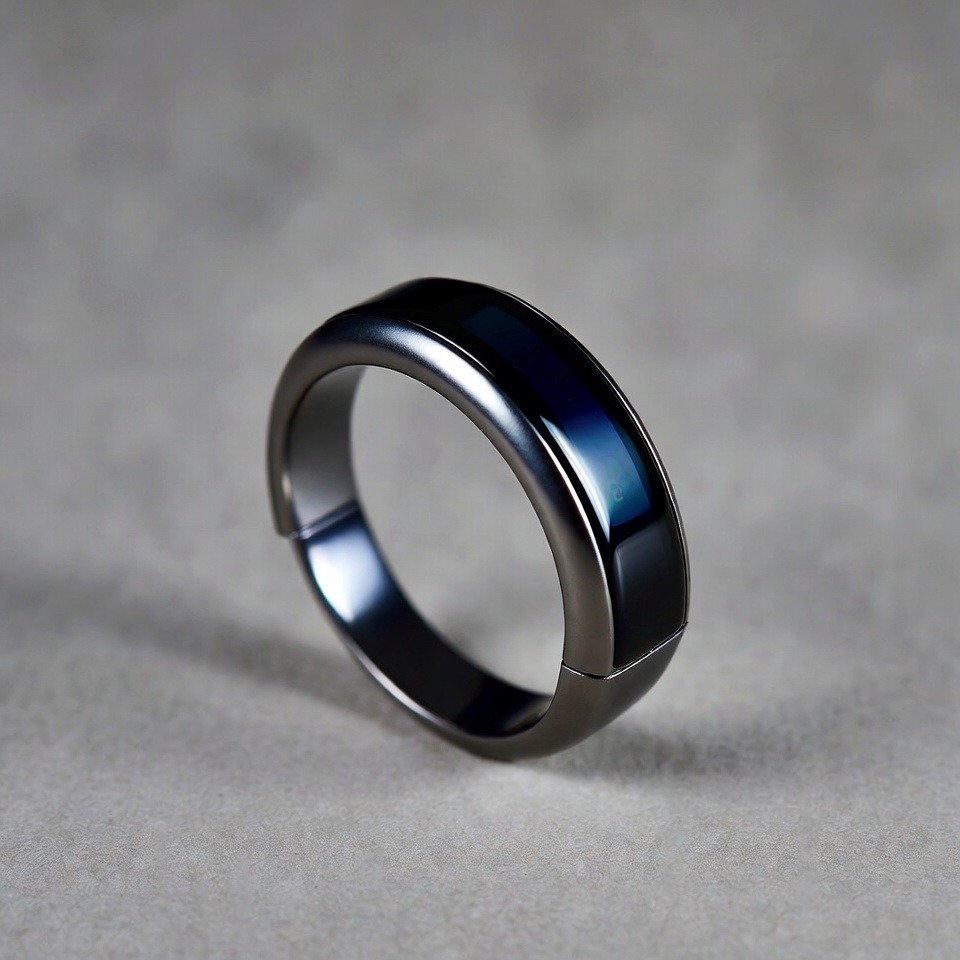
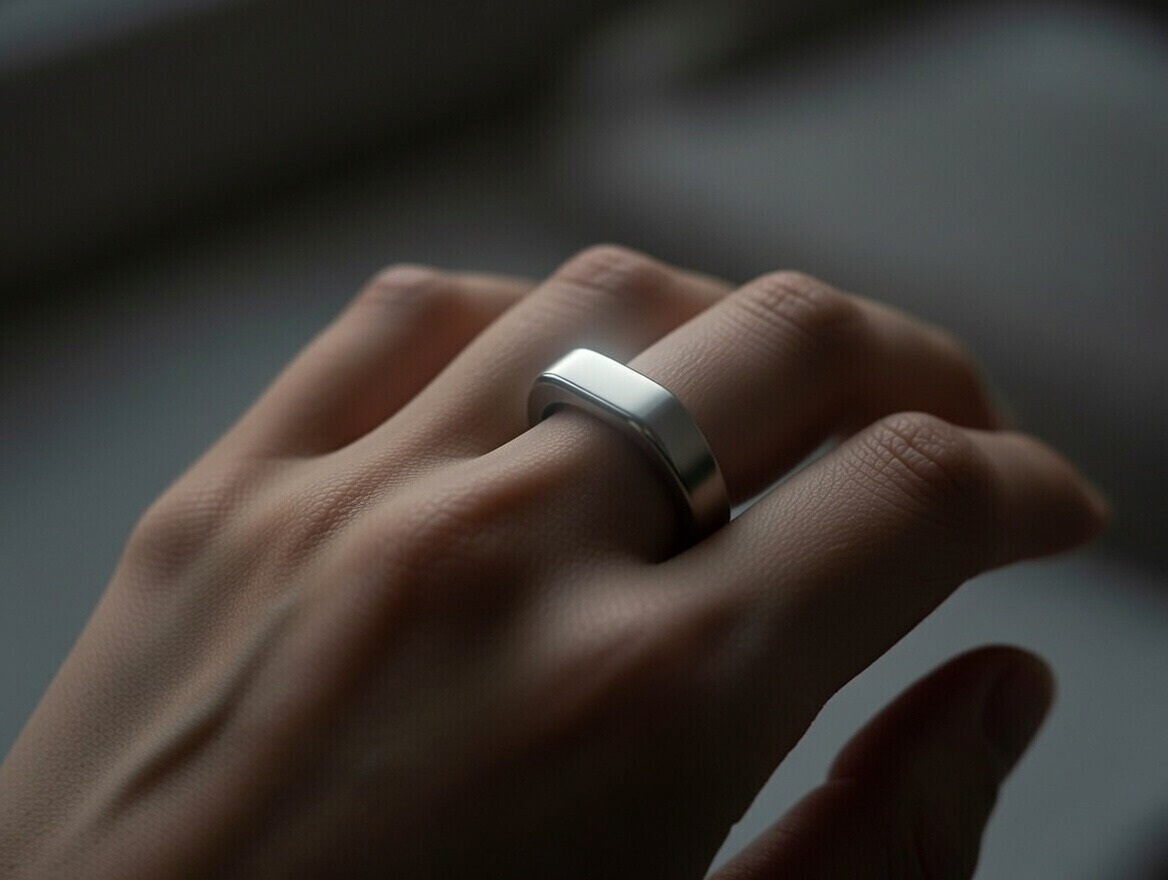
Enter the smart ring: a discreet, wearable powerhouse that is revolutionizing personal wellness tracking. Unlike phones that track digital engagement in a vacuum, a smart ring like Oura, Ultrahuman, or Circular measures your physical response to that engagement. It connects the dots between your digital consumption and your corporeal reality—your sleep quality, stress levels, heart rate variability, and overall readiness to thrive.
This guide is your compass in this new landscape of quantified self-awareness. We’re moving beyond simply counting minutes on TikTok. We’re learning to interpret what your body is saying about those minutes. For the beginner, this is an empowering journey from passive screen user to active architect of your digital well-being. By pairing the raw data of your device usage with the profound biometric insights from a smart ring, you’ll gain a holistic, beginner-friendly understanding of your screen time habits and, more importantly, how to transform them for a healthier, more balanced life.
The Silent Partner: How Your Smart Ring Tracks More Than Just Steps
When you slip on a smart ring, you’re not just wearing a piece of tech; you’re inviting a silent biometrical partner to observe the symphony of your body’s signals. To understand how it can shed light on your screen habits, we must first appreciate the depth of what it actually tracks. Forget step counts; that’s surface-level. The magic lies in its continuous, passive monitoring of your autonomic nervous system (ANS)—the control center for all the processes you don’t consciously think about.
At its core, a smart ring uses photoplethysmography (PPG), a fancy term for using LED light to measure blood volume changes in the capillaries of your finger. This tiny, constant stream of data unlocks a treasure trove of insights:
Heart Rate (HR): Your beats per minute, both at rest and during activity.
Heart Rate Variability (HRV): The time variation between each heartbeat. This is a crucial, non-invasive window into your recovery and stress state. A higher HRV typically indicates a more resilient nervous system and better recovery, while a lower HRV can signal stress, fatigue, or overtraining.
Resting Heart Rate (RHR): Your heart rate when you are truly at rest, a foundational metric for cardiovascular fitness and overall strain.
Body Temperature: Continuous skin temperature tracking, which can show circadian rhythm shifts, the onset of illness, or the impact of lifestyle choices.
Blood Oxygen Saturation (SpO2): Measured primarily during sleep, this can indicate breathing regularity and sleep quality.
Activity & Movement: Not just steps, but periods of rest, low activity, and specific workout tracking.
Now, here’s the connection to screen time. Your ANS has two main branches: the sympathetic ("fight-or-flight") and the parasympathetic ("rest-and-digest"). A thrilling movie, a stressful work email, or even the compulsive brightness of social media can trigger a sympathetic response—elevating your heart rate, lowering your HRV, and potentially raising your body temperature. Your smart ring detects these subtle shifts in real-time.
While you’re mentally engrossed in a screen, your body is having a physiological reaction. The ring sees that reaction. It doesn’t know you’re watching a scary movie or arguing on Twitter; it simply reports: "Nervous system activation detected. Recovery metrics are dipping." This is the revolutionary link. By reviewing your biometric data alongside your daily log or screen time report, you begin to see patterns. That late-night gaming session correlated with a 10% dip in your HRV and a delayed drop in core temperature, leading to a fragmented sleep score. That’s a story your iPhone’s Screen Time could never tell you.
This biometric foundation is your first step toward true digital self-awareness. As you learn to read these signals, you transform from a consumer of screen time data to an interpreter of your body’s language in the digital age. To build a complete picture of your wellness, understanding this biometric layer is as critical as understanding the basics of good rest, which you can explore further in our foundational guide, Sleep Health 101: Everything Beginners Need to Know.
Beyond the Clock: Redefining "Screen Time" for the Biometric Age
For years, "screen time" has been a monolithic, guilt-inducing number—a simple tally of hours and minutes spent staring at a glass rectangle. We’ve been conditioned to think less is universally better. But what if that’s an oversimplification? What if the true impact isn’t just about duration, but about context, content, and timing? Your smart ring provides the data to move beyond the clock and redefine screen time into something far more meaningful.
The old model asks: "How long?" The new, biometric-informed model asks:
What type? (e.g., Passive video streaming vs. active video calls vs. stressful work vs. relaxing e-reading).
At what time? (e.g., Morning vs. afternoon vs. the critical 90 minutes before bed).
In what state? (e.g., Were you already stressed? Were you properly recovered?).
With what physiological cost? (e.g., Did it spike your heart rate? Suppress your HRV? Delay sleep onset?).
Let’s break this down with examples:
The Calm vs. The Chaotic: Sixty minutes of video-calling family overseas may leave you feeling connected and happy, with minimal biometric disturbance. Conversely, sixty minutes of doomscrolling through newsfeeds or engaging in heated online debates could send your sympathetic nervous system into overdrive, reflected in a plummeting HRV and elevated resting heart rate that persists for hours. The screen time number is identical; the biometric impact is worlds apart.
The Timing Trap: An hour of bright screen use at 2 p.m. may have negligible long-term effect on your sleep. That same hour from 10 p.m. to 11 p.m., however, is a direct assault on your circadian biology. The blue light suppresses melatonin production, and engaging content can prevent your nervous system from winding down. Your smart ring will likely show a delayed drop in body temperature, a higher nighttime heart rate, and a reduced deep sleep score. This illustrates why Sleep Health vs. Sleep Hygiene: Understanding the Difference is crucial—hygiene is the action (limiting screens), while health is the outcome (the biometric sleep data), and the ring measures the latter.
The Content Conundrum: A creative session designing graphics on a tablet may be cognitively demanding but not inherently stressful. Compare that to constantly checking a work Slack channel after hours, which creates a state of anticipatory anxiety. Your ring can show you the "digital hangover" from stressful content—a sustained elevation in your resting heart rate long after you’ve put the device down.
By using your smart ring data, you stop vilifying "screens" and start auditing screen behaviors. You learn to identify which digital activities are true recovery detractors and which are relatively neutral or even positive. This shifts the goal from an arbitrary minute count to a deliberate cultivation of habits that protect your nervous system and align with your body’s natural rhythms. It’s the first, most critical step in building a sustainable, personalized digital wellness plan.
Your Body's Nightshift: How Evening Screens Sabotage Sleep (The Data Doesn't Lie)
Of all the connections between screen time and biometrics, the most profound and well-documented is the devastating impact of evening screens on sleep. This isn't just about feeling tired; it's about a measurable, multi-system breakdown that your smart ring captures with stark clarity. Understanding this is fundamental, as sleep is the cornerstone of all health and recovery. If you want to know Why Sleep Health Matters More Than You Think, the evening screen-sleep connection is a perfect case study.
The sabotage happens on two fronts: circadian disruption and nervous system activation.
1. Circadian Disruption (The Blue Light Effect): Your body relies on a master clock in the brain, synchronized by light cues. As the sun sets, diminishing light signals the pineal gland to produce melatonin, the "sleep hormone," which lowers body temperature and induces drowsiness. The blue wavelength light emitted by smartphones, tablets, and laptops mimics midday sun. It tricks your brain into thinking it’s still daytime, suppressing melatonin production sometimes by over 50%. Your smart ring tracks the consequence: a delayed drop in skin temperature. Since a cooling core is a prerequisite for sleep onset, this delay directly translates to "tossing and turning" and a long "time to fall asleep" metric in your sleep score.
2. Nervous System Activation (The Content Effect): Even if you use blue light filters, the content itself can be stimulating. A thrilling show, a stressful email, or the variable rewards of social media trigger dopamine releases and activate the sympathetic nervous system. Your ring sees this as an elevated heart rate and lowered HRV in the hour before bed. Going to bed in a sympathetically dominant state is like trying to park a race car at full throttle. Your sleep architecture suffers—you get less restorative deep sleep (N3) and rapid eye movement (REM) sleep, which are critical for memory, learning, and emotional processing.
What Your Ring Reveals After a Bad Screen Night:
Poor Sleep Score: A composite drop across multiple factors.
High Resting Heart Rate: Your heart works harder overnight.
Low HRV: Indicates poor recovery and system strain.
Disrupted Sleep Stages: Shallow, fragmented sleep with inadequate deep and REM.
Elevated Body Temperature: A flatter, less pronounced nighttime temperature curve.
Low Readiness Score: The next morning’s verdict: your body is not fully recovered.
The data provides undeniable cause and effect. You can literally watch your sleep metrics deteriorate in correlation with late-night screen use. This makes your smart ring the ultimate accountability partner for establishing a true "digital sunset." It moves the recommendation from a vague "avoid screens before bed" to a precise, data-driven insight: "For me, screen use after 9:30 p.m. consistently reduces my deep sleep by 20%." This personalized feedback is the key to lasting change and forms part of The Foundation of Good Sleep Health: Core Principles that every digital citizen needs to understand.
The Daytime Ripple: Screen-Induced Stress and Your All-Day Readiness
We often compartmentalize screen time as a nighttime sleep issue, but its tentacles reach far into your waking hours, influencing your stress, focus, and overall daily readiness. Your smart ring’s daytime metrics—specifically Heart Rate Variability (HRV) and resting heart rate (RHR)—act as a live dashboard for your nervous system, revealing the "digital stress" that accumulates long before bedtime.
Think of your body’s resilience as a bucket. Good sleep, nutrition, and mindfulness fill the bucket. Stressors—physical, mental, and digital—poke holes in it. Chronic, low-grade digital stress from constant notifications, email anxiety, and compulsive checking can create a slow, steady leak that empties your bucket by midday.
Here’s how your ring exposes this daytime drain:
The Notification Spike: Feel your phone buzz with a work message? Even if you don’t consciously feel stressed, that interruption can trigger a micro-stress response. Your smart ring, with its continuous tracking, may show a momentary heart rate spike and a dip in HRV coherence. Multiply this by 50-100 notifications a day, and you have a background hum of sympathetic activation that erodes your resilience.
The Doomscroll Drain: Spending your lunch break or downtime scrolling through negative or anxiety-inducing content isn’t neutral. It’s an active stressor. You might finish a 20-minute scroll feeling vaguely agitated. Your ring quantifies it: a suppressed HRV trend for the next hour and an elevated RHR, indicating your body is still in a heightened state, impairing your ability to recover and focus on subsequent tasks.
The Multitasking Myth: Jumping between a video call, a chat window, and a document might feel productive, but it’s cognitive task-switching that the brain handles poorly. This "technostress" forces your brain to consume more glucose (energy) and increases the production of cortisol and adrenaline. Biometrically, this can manifest as a steady, elevated RHR throughout a work period marked by heavy digital multitasking.
Connecting the Dots to "Readiness": Most smart rings compile your data each morning into a "Readiness" or "Recovery" score. This score is a prediction of your body’s capacity to handle stress and perform for the day ahead. If your daytime screen habits are chronically stressful, you’ll see the impact in two ways:
Lower Baseline Scores: Over time, if digital stress is constantly depleting you, your morning readiness scores will trend lower, even with decent sleep.
Poor Resilience: On days you start with a lower score, you’ll be more biologically vulnerable to the negative effects of additional screen time, creating a vicious cycle.
By observing these daytime correlations, you learn to identify your personal digital stress triggers. This awareness allows you to strategically schedule demanding digital work when your readiness is high, and institute protective habits—like notification silencing, single-tasking blocks, and conscious consumption breaks—to plug the leaks in your resilience bucket. This proactive management is a core strategy for anyone learning How to Prioritize Sleep Health When Life Gets Busy, as it prevents daytime digital strain from spilling over and ruining your night.
The Personalized Audit: How to Correlate Your Screen Log with Ring Data
Armed with the knowledge of what your ring tracks and why it matters, the next step for the beginner is the practical art of correlation. This is where you move from theory to personal insight, conducting your own personalized digital audit. You are the scientist, your life is the experiment, and your smart ring app and phone’s screen time report are your lab notebooks.
Step 1: Gather Your Data Streams
Biometric Data: Open your smart ring app (Oura, Ultrahuman, etc.). Familiarize yourself with the key daily graphs: HRV, RHR, sleep score, and body temperature (if available). Note the trends, not just the single number.
Screen Time Data: On iOS, use the built-in Screen Time report in Settings. On Android, use Digital Wellbeing. These provide breakdowns by app category, specific apps, and pick-up frequency. For more detail, consider a dedicated app like Moment or RescueTime.
Subjective Log: For a few days, keep a simple journal note. Briefly jot down moments of high digital stress (e.g., "long video call," "argued on social media," "scrolled mindlessly before bed") and moments of positive digital use (e.g., "video-chatted with family," "read an e-book to relax").
Step 2: Look for Patterns, Not Perfection Don’t get overwhelmed. Start with one simple question each evening or morning:
"Did I have more or less screen time than usual yesterday, especially before bed? What does my sleep score look like today?"
"Did I have a particularly stressful digital interaction (tense email, long call)? What did my afternoon HRV trend look like?"
"Did I take a real, screen-free break today? Is that reflected in a more stable resting heart rate?"
Step 3: Conduct a Weekly Review (The "Aha!" Session) Once a week, set aside 15 minutes to review the data together.
The Nighttime Review: Line up your screen time for the hour before bed with your sleep data over the last week. Can you see that the nights you watched an action movie in bed correspond to lower deep sleep scores? Can you see that reading a Kindle (e-ink, no blue light) resulted in a faster sleep onset?
The Daytime Review: Look at a day with many meetings and constant email. Does your HRV graph look flatter and lower? Compare it to a calmer day, perhaps a weekend. See the difference?
The Content Review: Use your subjective log. Did that relaxing e-book session before bed have a different biometric signature than the Instagram session? It likely did.
Example Discovery: *"Every Thursday, I have back-to-back video calls from 1-4 p.m. My screen time report shows high 'Productivity' app use. Consistently, my smart ring shows a pronounced dip in my HRV starting at 1:30 p.m. that doesn't recover until after dinner. This tells me that these calls are a major stressor, depleting my nervous system for hours. Maybe I need to schedule a proper break afterward, not just jump into more work."*
This audit process is not about guilt; it’s about clarity. It turns invisible habits into visible data. These insights are as valuable as those in The Beginner's Sleep Health Toolkit: What You Actually Need, because they provide the diagnostic tools to understand your unique challenges. You’ll begin to identify your personal "digital kryptonite"—the specific screen behaviors that cost you the most in recovery and readiness.
The Recovery Champions: Positive Digital Habits Your Ring Will Reward
So far, we’ve focused on the problematic side of screens. But digital life isn't inherently bad. In fact, your smart ring can also highlight and reward the positive digital habits that support recovery and well-being. These are the habits that fill your resilience bucket. By cultivating them, you create a balanced digital ecosystem where technology serves you, not the other way around.
1. The Intentional Unwind (vs. The Default Scroll): Instead of automatically reaching for your phone to "relax," choose a low-stimulus digital activity with intention. Your ring will likely show the benefit.
Example: Listening to a calming podcast or audiobook (with the screen off) vs. watching fast-paced YouTube videos. The auditory-only input is less neurologically stimulating, allowing your nervous system to stay in a more parasympathetic state. Your HRV may remain higher during this activity compared to visual scrolling.
Ring Reward: A smoother transition into sleep, reflected in better "time to fall asleep" and "sleep stability" metrics.
2. The Scheduled Digital Sunset: This isn't just a suggestion; it's a biomechanical necessity. Setting a firm, non-negotiable time to stop using stimulating screens (typically 60-90 minutes before bed) is the single most effective digital habit for sleep. Replace it with analog activities: reading a physical book, gentle stretching, conversation, or meditation.
Ring Reward: This is one of the fastest ways to see dramatic improvements in your sleep data. You’ll observe a clearer nighttime temperature drop, higher HRV during sleep, and more deep and REM sleep. It’s a cornerstone habit that directly supports The Quick Start Guide to Better Sleep Health.
3. The Focused Work Block (Single-Tasking): Use app blockers or "Focus" modes to dedicate 60-90 minutes to a single digital task with notifications silenced. This reduces cognitive load and technostress.
Ring Reward: You may see a more stable, lower resting heart rate during this period compared to a chaotic multi-tasking hour. The reduced stress preserves your HRV, leaving you with more resilience for the rest of the day.
4. The Conscious Consumption Break: Build 5-10 minute screen-free breaks into every hour of computer work. Look out a window, walk around, make a tea. This gives your eyes a break from focusing at one distance and allows your nervous system a moment to reset from the cognitive demand.
Ring Reward: These micro-resets can prevent the steady creep-up of RHR that happens during prolonged, uninterrupted screen sessions. It helps maintain a healthier HRV baseline throughout your workday.
5. The Connection-Forward Use: Using video chat to connect meaningfully with loved ones or using a meditation app for a guided session are examples of using screens to foster human connection or personal calm.
Ring Reward: While a video call has some stimulatory elements, the positive emotional connection can have an overall parasympathetic effect. You might see a temporary HRV dip during the call (from mild stimulation) followed by a strong rebound as you feel connected and supported.
The goal is to shift your identity from a passive "screen time user" to an active "digital habit gardener." You plant the recovery champions and weed out the energy drainers. Your smart ring provides the objective feedback loop, showing you in clear data which habits are truly restorative. This process of building positive rituals is parallel to building a strong sleep foundation, as outlined in The Sleep Health Pyramid: Building from the Bottom Up, where consistent, positive habits form the base of lasting well-being.
Decoding Your Dashboard: A Beginner's Guide to Key Smart Ring Metrics
To effectively use your smart ring as a guide for screen habits, you need to become fluent in its language. The dashboard can seem overwhelming at first—a sea of numbers, graphs, and scores. Let’s demystify the four most important metrics for your digital wellness audit, explaining what they are, what they mean, and specifically how they can be influenced by your screen behaviors.
1. Heart Rate Variability (HRV): Your Nervous System's Compass
What it is: The variation in time between successive heartbeats, measured in milliseconds. It’s controlled by your autonomic nervous system.
What it means: Higher HRV (generally good): Indicates a resilient, adaptable nervous system. Your body can easily switch between stress (sympathetic) and recovery (parasympathetic) modes. Lower HRV (context matters): Can indicate physical/mental stress, fatigue, poor recovery, or illness. It suggests your system is under strain and is less adaptable.
The Screen Connection: This is your #1 metric for digital stress. Chronically stressful screen use (doomscrolling, work anxiety, chaotic multitasking) keeps your sympathetic system engaged, suppressing your HRV. Positive screen habits and digital breaks allow for parasympathetic recovery, which can boost your HRV. Look at your daily HRV graph: dips often correlate with high-stress digital periods.
2. Resting Heart Rate (RHR): Your Engine's Idle Speed
What it is: Your heart rate when you are truly at rest (best measured during sleep or upon waking).
What it means: Lower RHR (generally good): Indicates better cardiovascular fitness and efficient heart function. Elevated RHR: Can signal dehydration, illness, stress, fatigue, or lack of recovery. A trend of increasing RHR over days/weeks is a red flag for accumulating strain.
The Screen Connection: Engaging, stimulating, or stressful screen time can cause a short-term spike in your heart rate. More importantly, chronic poor sleep caused by late-night screens leads to a higher nighttime and waking RHR, as your heart works harder to compensate for a lack of restorative rest. Improving your evening screen habit is one of the fastest ways to lower your RHR trend.
3. Sleep Score: The Nightly Performance Review
What it is: A composite score (usually out of 100) based on multiple factors: total sleep, efficiency, restfulness, sleep stages (deep, REM, light), latency (time to fall asleep), and timing.
What it means: A higher score indicates more restorative, high-quality sleep. It’s the foundation for next-day readiness.
The Screen Connection: This is the most direct feedback loop. Evening screen use negatively impacts almost every component of this score:
Latency: Blue light delays sleep onset.
Restfulness/Stages: Nervous system activation from content leads to more awakenings and less deep/REM sleep.
Timing: Late screens push back bedtime, disrupting circadian alignment. Your nightly sleep score is a direct report card on your pre-bed digital behavior.
4. Readiness/Recovery Score: Your Day's Forecast
What it is: A score predicting your body’s capacity to handle physical and mental stress for the coming day. It’s calculated from your previous night’s sleep data, HRV, RHR, temperature, and sometimes activity balance.
What it means: A high score suggests you are well-recovered and can take on challenges. A low score suggests you should prioritize recovery, go easier on yourself, and be extra mindful of stressors (including digital ones).
The Screen Connection: This score integrates the long-term effects. If poor screen habits have degraded your sleep and elevated your RHR, your readiness score will be low. This is your ring telling you: "Based on your data, you depleted yourself yesterday. Be extra careful with stressful screens today." It empowers you to have a "low-readiness day protocol," which might include stricter digital boundaries.
Learning to read this dashboard turns abstract concerns about screen time into concrete, actionable feedback. You begin to see your body not as a separate entity from your digital life, but as its integrated, responding partner. For a broader context on how these daily metrics fit into a larger wellness journey, consider The Sleep Health Journey: What to Expect in Year One, where consistent tracking leads to profound self-knowledge.
The 30-Day Digital Detox Challenge (Smart Ring Edition)
Theory and data are powerful, but transformation happens through action. This is a practical, beginner-friendly 30-day challenge designed to use your smart ring not just as a tracker, but as a coach and accountability partner. The goal isn't total digital abstinence—that’s unrealistic—but to systematically test changes and observe the biometric rewards, creating sustainable habits.
Phase 1: Days 1-10 — The Foundation & Evening Audit
The Habit: Implement a 60-minute digital sunset. No phones, tablets, or laptops 60 minutes before your target bedtime. Charge your phone outside the bedroom.
The Replacement: Choose one analog activity: read a physical book, journal, gentle stretching, listen to music (from a non-smart device if possible), or have a conversation.
The Ring Task: Each morning, note only your Sleep Score and Time to Fall Asleep. Don’t worry about the other numbers yet. Just observe: Is sleep onset faster? Is the score creeping up? The ring provides positive reinforcement for this one change.
Phase 2: Days 11-20 — Taming the Daytime
The Habit: Introduce "Focus Sprints." Two times per workday, activate a 45-minute "Focus" or "Do Not Disturb" mode on all devices. Close all unnecessary tabs/apps. Work on one primary task.
The Replacement: After each sprint, take a 5-10 minute conscious break without screens. Stand up, look out the window, walk, make a drink.
The Ring Task: Check your HRV graph in the afternoon. Do you see more stability or a less severe dip during your focused work periods compared to previous weeks? Note your subjective focus levels.
Phase 3: Days 21-30 — Cultivating Awareness & Choice
The Habit: Conduct a weekly "Content Audit." Use your screen time report. Which app categories or specific apps are your top 3? For each, ask: Does this leave me feeling informed/connected/relaxed (a recovery champion) or drained/anxious/agitated (a recovery drainer)?
The Action: For one "drainer," implement a boundary. Examples: Delete the app from your phone, use it only on a computer; set a daily 15-minute app timer; turn off all notifications for it.
The Ring Task: Review your weekly average RHR and Readiness Score. Compare the last 10 days of the challenge to the first 10 days. Have your baseline metrics improved? This is your proof of concept.
Pro-Tips for the Challenge:
Log Subjectively: Keep a 2-sentence journal note each evening: "Today's digital win was... Today's digital drain was..."
Don't Chase Perfect Scores: The goal is trends, not perfection. A bad night doesn't mean failure. It's more data.
Celebrate the Ring's Rewards: When you see a higher sleep score after a good digital sunset, that's your body giving you a high-five. Let that feeling of success reinforce the habit.
This challenge framework provides the structure you need to move from insight to implementation. It’s a personalized experiment where you are both researcher and subject. The insights you gain about your personal triggers and effective interventions will be invaluable, helping you avoid common pitfalls similar to those discussed in Sleep Health Mistakes Beginners Make and How to Avoid Them.
From Data to Wisdom: Building Your Personalized Screen Time Philosophy
After 30 days of conscious experimentation and data collection, you’ll have moved far beyond the beginner stage. You’re no longer just reacting to screen time reports; you’re proactively shaping your digital environment based on biometric feedback. The final step is to synthesize this knowledge into your own personalized screen time philosophy—a flexible set of guiding principles, not rigid rules, that align your digital life with your physical well-being.
This philosophy is built on three pillars:
1. Intentionality Over Abstinence: Your goal is not zero screen time, but zero mindless screen time. Your ring has shown you which activities have a high physiological cost. Your philosophy becomes: "I engage with screens with purpose. I open this app for a specific reason, and when that purpose is fulfilled, I close it." This shifts your relationship from one of compulsion to one of choice. You start asking, "Is this screen use serving my recovery or depleting it?"
2. Context is King (The "It Depends" Rule): You now know that not all screen minutes are created equal. Your philosophy internalizes this nuance.
"A video call with a close friend after a good night's sleep? Usually a net positive for connection."
"The same video call when my readiness score is 65 and I'm tired? Might be draining. I'll keep it short or reschedule."
"Scrolling through photos on my phone during a calm afternoon? Neutral."
"Scrolling through a work email thread at 10 p.m.? Forbidden by my own data."
3. The Body is the Ultimate Authority: Your smartphone’s Screen Time feature gives you data from the device's perspective. Your smart ring gives you data from your body's perspective. Your personal philosophy prioritizes the body’s data. If your phone says you used social media for only 45 minutes, but your ring shows a crashed HRV and poor sleep that night, you learn to trust the ring. The ring tells the story of the impact, not just the exposure.
How to Codify Your Philosophy:
Create "Non-Negotiables": Based on your clearest data, establish 2-3 ironclad rules. E.g., "No screens in the bedroom after 9:30 p.m." or "All notifications off except for direct messages from family."
Create "Flexible Guidelines": Develop rules of thumb for gray areas. E.g., "On days my readiness score is below 70, I will not engage in online debates or consume stressful news." or *"I will take a 5-minute screen-free break for every 45 minutes of focused computer work."*
Schedule Digital Fasting: Based on your ring’s recovery data, proactively schedule lighter digital days. If you have a high-stress period coming up, block out low-screen time in your calendar to protect your resilience, just as you would protect time for sleep.
This personalized philosophy turns you from a passive consumer of technology into its conscious master. It’s a living document that evolves as your life and data change. It empowers you to navigate the digital world without fear, because you have a proven, internal compass built on your own biometric truth. This level of self-knowledge and proactive design is the ultimate goal of any wellness journey, much like achieving the clarity described in How Poor Sleep Health Shows Up in Your Daily Life—but in this case, you’re using data to make the invisible visible and correct course.
The Modern Stress Triad: Screens, Caffeine, and Cortisol
Your screen habits do not exist in a vacuum. They interact powerfully with other daily inputs, creating a modern stress triad that can overwhelm your nervous system. The three key players are: Screen-Induced Stimulation, Caffeine Consumption, and your body's natural Cortisol rhythm. Your smart ring, by tracking HRV and RHR, is perfectly positioned to reveal how these forces combine to either fuel resilience or drive you into burnout.
Understanding the Triad:
Cortisol (Your Natural Alertness Hormone): This follows a daily rhythm, peaking in the morning to help you wake up (the "cortisol awakening response") and gradually declining throughout the day to allow for sleep at night.
Caffeine (An Adenosine Blocker): It artificially promotes alertness by blocking sleep-signaling neurotransmitters. Its effects can last in your system for 6-8 hours.
Screens (A Neurological and Circadian Stimulant): They provide cognitive/emotional stimulation and emit circadian-disrupting light.
How They Collide (The Data-Backed Scenarios):
The Morning Double-Whammy: You wake up and immediately check your phone (screen stimulation) while drinking a strong cup of coffee (caffeine). You are layering an artificial stimulant on top of your body’s natural cortisol peak. Your ring might show a sharp, jagged spike in your morning heart rate and a suppression of your post-wake HRV bounce. This "hyper-stimulated" start can lead to an energy crash by mid-afternoon, prompting more screens and caffeine, creating a vicious cycle.
The Afternoon Sabotage: At 3 p.m., during the natural post-lunch dip in energy, you reach for both a diet soda and social media scroll. The caffeine and digital stimulation provide a short-term fix but further dysregulate your cortisol curve, potentially pushing its natural decline later. Your ring data may reveal elevated RHR and lower HRV persisting into the early evening, making it harder to wind down later.
The Evening Perfect Storm: This is the most damaging. Having caffeine after 2 p.m. (which is still in your system at 8 p.m.) while then engaging in stimulating screen use after 9 p.m. is a direct, two-pronged attack on sleep. The caffeine delays sleep pressure, the screens suppress melatonin and activate your nervous system. Your ring will report the consequences unequivocally: poor sleep latency, low deep sleep scores, and a high nighttime heart rate.
Using Your Ring to Disentangle the Triad:
Isolate the Variables: For one week, maintain your normal screen habits but cut caffeine after 12 p.m. Note your afternoon/evening RHR and sleep data. The following week, keep caffeine but implement a strict digital sunset. Compare the results.
Observe the Morning: Try delaying both phone check and caffeine by 60-90 minutes after waking for three days. Drink water, get sunlight, move your body first. Does your daily HRV baseline improve? Do you feel less "wired but tired"?
Find Your "Last Call": Use your ring’s sleep latency and deep sleep scores to find your personal cutoff for both caffeine and stimulating screens. The data will be clear.
By analyzing this triad, you learn to sequence your day harmoniously. You might discover that your afternoon screen slump is better solved by a 10-minute walk (which your ring may reward with a slight HRV boost) than by another latte and Instagram session. This holistic view is essential, as fragmented advice rarely works. It’s a principle that applies equally to broader wellness, as seen when building a robust routine from The Sleep Health Pyramid: Building from the Bottom Up—each layer supports the next.
Beyond Blue Light: The Hidden Impact of Content and Context on Recovery
While blue light filters and night modes are valuable first steps, they address only one piece of the puzzle. The content you consume and the psychological context in which you consume it may have an even more profound impact on your recovery metrics. Your smart ring’s stress and readiness scores are exquisitely sensitive to these subtler dimensions.
The Content Spectrum: From Anabolic to Catabolic Think of content as having a metabolic effect on your mind.
Catabolic (Breaking-Down) Content: This depletes your emotional and physiological resources. It includes: argumentative social media threads, distressing news cycles, work emails that trigger anxiety, violent or highly suspenseful entertainment, and comparison-driven browsing ("compare and despair").
Anabolic (Building-Up) Content: This nourishes and restores. It includes: educational podcasts that inspire curiosity, calming music or nature sounds, uplifting stories, connecting video calls with loved ones, and guided meditations.
Your ring detects the physiological signature of catabolic consumption:
A sustained elevation in resting heart rate during and after the activity.
A noticeable dip or suppression in your HRV trendline.
Increased body temperature from sympathetic activation.
A lower subsequent sleep score, even if you used a blue light filter.
The Critical Role of Context:
Mindless vs. Mindful Consumption: Eating lunch while passively watching a stressful news channel is different from intentionally watching a documentary to learn. The former is a background stressor; the latter is engaged but not necessarily distressing. Mindless consumption often leads to greater biometric disturbance because you are not processing the information consciously; it becomes ambient anxiety.
The "Work Profile" vs. "Personal Profile" Trap: Using the same device for high-stakes work and for leisure creates a context collapse. Checking your personal Instagram on your work laptop can inadvertently trigger low-grade work anxiety, as your brain associates the device with stress. This can subtly elevate your RHR. Your ring data might show you're never fully leaving "work mode."
Actionable Insights from Content & Context Data:
Perform a "Content Biopsy": For one day, log your digital activities and rate them subjectively 1-5 on "stress/agitation" and "joy/connection." Then check your ring's HRV graph for that day. Do the dips correlate with your high-stress ratings? This creates a personalized "Content Blacklist" of activities to avoid, especially when your readiness is low.
Create Contextual Boundaries:
Device Segregation: If possible, use different devices or browser profiles for work and personal activities.
Ritual Transitions: After finishing work, close all work apps and browsers, and physically put your work device away. Do a short ritual (e.g., a 5-minute walk, washing your hands) to signal the context shift. Your ring may show a faster recovery of your HRV in the evening with this practice.
Curate Your Inputs: Actively subscribe, follow, and bookmark sources of anabolic content. Have a "recovery" folder on your phone with links to calming music, guided breathwork, or uplifting reads. Choose this folder over a doomscroll when you need a break.
Understanding this layer moves you from a technical solution (blue light blockers) to a psychological and philosophical one. You become the curator of your digital mental diet. This nuanced approach to managing inputs is a key skill for maintaining balance, similar to the discernment needed to separate fact from fiction in Sleep Health Myths Every Beginner Needs to Unlearn.
Gamifying Your Wellness: Using Ring Data to Set and Crush Digital Goals
Motivation often wanes when goals are vague. "Use my phone less" is a weak goal. "Increase my average nightly HRV by 5% over the next month by implementing a digital sunset and reducing catabolic content" is a powerful, data-driven goal. Your smart ring turns behavior change into a personal wellness game where you are both player and coach.
How to Set S.M.A.R.T. Digital Wellness Goals: Use the S.M.A.R.T. framework, powered by your ring’s metrics.
Specific: Target a specific behavior and a specific metric.
Weak: "Be on my phone less at night."
Smart Ring Specific: "Reduce pre-bed screen time (10 p.m.-11 p.m.) from 45 to 15 minutes on weeknights to improve my Sleep Latency score."
Measurable: Your ring provides the measurement.
Metric: Sleep Latency (Time to Fall Asleep), tracked in the app.
Achievable: Start small. A 30-minute digital sunset is more achievable than a 3-hour one.
Relevant: It must matter to you. If you value morning energy, a goal tied to deep sleep (which restores physical energy) is highly relevant.
Time-Bound: Set a review period—one or two weeks is ideal for seeing initial trends.
Examples of Gamified Goals:
The Sleep Score Streak: "Achieve a sleep score of 85+ for 5 nights in a row." The reward for success? A tangible, non-digital treat you enjoy.
The HRV Bounce-Back Challenge: "On days my readiness score is below 75, I will take two 10-minute screen-free walks. Goal: See less than a 10% dip in my afternoon HRV on those days compared to previous low-readiness days."
The Notification Neutralization Quest: "Turn off all non-essential notifications for one week. Goal: Reduce the number of daytime heart rate 'spikes' (visible on the detailed graph) by 20%."
Using Trends, Not Daily Numbers: The true power is in trends. Don't get discouraged by one bad data point. Look at your weekly averages for RHR, HRV, and Sleep Score. Is the line of your HRV trend sloping gently upward over 4 weeks? That's a massive win, indicating improving nervous system resilience, likely due to your cumulative habit changes.
Creating a Feedback Loop:
Set a weekly calendar reminder to review your ring’s weekly report.
Celebrate the wins: Did your average sleep score go up by 2 points? That’s progress! Acknowledge it.
Troubleshoot the losses: If a metric dropped, ask your data: "What was different last week? Did I have more evening calls? Did I start a new stressful show?" Adjust accordingly.
This gamified approach builds consistency and makes the process of habit change engaging. It provides the objective feedback that willpower alone lacks. For the beginner, this structured yet fun method is far more sustainable than vague resolutions, much like having a clear plan as suggested in Sleep Health for Beginners: Your First 30 Days provides a critical roadmap for early success.
The Social Scroller's Dilemma: Tracking the Impact of Social Media on Stress
For many, social media is the epicenter of screen time—and often, of digital stress. Its impact is uniquely potent due to its designed variable rewards, social comparison, and often catabolic content. Your smart ring can cut through the fog of "it's just how I relax" to show the real, physiological cost of your scrolling habits.
Specific Social Media Stress Signatures Your Ring Can Detect:
The Comparison Cascade: Spending time on platforms where you compare your life to curated highlights triggers a stress response linked to perceived social threat. This can manifest as:
A gradual elevation in resting heart rate during a scrolling session.
A suppressed HRV that takes time to recover after you put the phone down.
If done before bed, it directly contributes to a lower sleep score, particularly impacting REM sleep, which is involved in emotional processing.
The Outrage Engine: Engaging with or even passively consuming politically charged, angry, or divisive content activates the amygdala (the brain's fear center). Your ring sees this as a classic sympathetic stress response: heart rate up, HRV down.
The "FOMO" (Fear Of Missing Out) Refresh Cycle: The compulsive checking driven by FOMO creates micro-stresses. Each check is a mini-dose of anticipation and potential disappointment. This can lead to a "sawtooth" pattern on your heart rate graph throughout the day—small, repeated spikes—and an overall lower HRV baseline.
Conducting a Social Media Audit with Your Ring:
Baseline Week: Use your phone’s screen time report to note your total social media use. Don’t change anything. Note your average daily HRV and RHR for that week.
The Isolation Experiment: For one platform (e.g., Instagram), do one of two things for 5-7 days:
Option A (Full Detox): Delete the app from your phone.
Option B (Controlled Use): Use it only on a desktop computer for a pre-set 15 minutes per day.
Measure the Difference: Compare your biometric averages from the experiment week to the baseline week. Pay special attention to:
Afternoon/evening HRV trends.
Sleep scores (especially "restfulness").
Your subjective mood and focus.
You are likely to find one of two outcomes, both informative:
Outcome 1 (Significant Improvement): Your metrics improve noticeably. This tells you this platform was a major recovery drainer for you. The data gives you the conviction to maintain the new boundary.
Outcome 2 (Negligible Change): Your metrics stay the same. This might mean that platform is relatively neutral for you, or that your stress is coming from other digital sources. It allows you to re-prioritize your change efforts.
Beyond Deletion: Building Healthier Social Habits: If quitting entirely isn't desired or practical, use your ring data to build smarter habits:
Scheduled Sittings: Check social media only at 1-2 scheduled times per day for a limited time, not in constant micro-moments.
Curate Aggressively: Unfollow accounts that trigger comparison or anxiety. Your ring data justifies this as a health measure.
Transform the Ritual: Follow this with a calming activity (e.g., 5 minutes of breathwork) to actively counter the potential stress response and bring your nervous system back to baseline.
This data-driven approach removes the moralizing from social media use. It’s not "good" or "bad"; it’s a set of stimuli with a measurable effect on your body. You get to decide, informed by your own biology, what level of effect is acceptable. This kind of personalized assessment is a powerful tool, akin to using The Sleep Health Checklist: Are You Getting It Right? to objectively evaluate your habits rather than relying on guesswork.
When Work Is the Problem: Quantifying "Technostress" and Setting Boundaries
For the knowledge worker, the line between "screen time" and "work" is invisible. The device is the office. This creates a unique form of chronic stress called "technostress"—the stress induced by constant connectivity, information overload, and the blurred boundaries between work and personal life. Your smart ring is an essential tool for quantifying this stress and providing the hard data needed to defend your recovery time.
How Technostress Manifests in Your Biometrics:
The Never-Off Heart Rate: Checking work emails or Slack after hours prevents your nervous system from fully decoupling from work mode. This can result in an evening resting heart rate that fails to drop to its true baseline, remaining 5-10 BPM higher than on true days off.
The Weekend Lag: You might notice your HRV is significantly higher on Saturday morning than on Friday morning, indicating a release of accumulated workweek strain. If it takes all weekend to recover, your work habits are likely too draining.
The Meeting Marathons: Back-to-back video calls are a perfect storm: cognitive load, performance anxiety, and sustained screen exposure. Your ring can show a steady climb in RHR or a plummeting HRV trend across a series of meetings.
The Sleep-On-It Fallacy: "I'll just send this last email at 10 p.m." Even if it takes 2 minutes, it reactivates work-associated neural pathways and can trigger rumination. Your ring may show increased sleep latency and lower sleep efficiency on those nights.
Using Data to Build Defensible Boundaries:
Prove the "After-Hours Tax": Use a week of data. Correlate evenings you engaged with work after 7 p.m. with that night's sleep score and the next morning's readiness score. Calculate the average cost. This gives you a powerful statement: "When I check email after 7 p.m., my sleep score drops by an average of 8 points." This isn't an opinion; it's a data-backed company health insight.
Design Your "Shutdown Ritual": Create a 15-minute ritual to end your workday. This should include:
Planning the next day's top 3 tasks.
Closing all work apps and browser tabs.
Sending a final "end of day" note if needed.
A physical or mental cue (e.g., shutting laptop lid, a short walk, changing clothes).
Ring Metric to Track: How quickly does your HRV begin to recover after your ritual starts?
Negotiate for "Focus Blocks": Use your ring data on meeting fatigue to advocate for buffer times between calls. Propose "no-meeting blocks" for deep work. You can frame it as a productivity and wellness measure: "My biometric data shows my focus and recovery are optimal when I have protected time for concentrated work."
The "Work Profile" Hack: If you use one device for everything, use separate browser profiles or even separate user accounts for work and personal use. Log out of work profiles at the end of the day. This simple context switch has a psychological and biometric benefit, helping your brain—and your ring’s metrics—recognize that work is over.
By quantifying technostress, you shift the conversation from "I feel overwhelmed" to "My biometric data indicates sustained sympathetic activation due to current work patterns." This objective evidence empowers you to make structural changes, protecting your long-term capacity. It underscores a vital truth explored in How Sleep Health Affects Every Aspect of Your Life—the quality of your recovery directly fuels or depletes your professional performance and sustainability.
The Family Dynamic: Tracking Screens' Impact on Household Rhythms
Screen habits are rarely an individual pursuit; they are a family or household ecosystem. The blue glow from one person's tablet can affect a partner's sleep; a teenager's late-night gaming can disrupt the entire home's calm; parents' constant phone checking can model behavior for children. Your smart ring can help you understand and harmonize these digital rhythms within your shared space.
Mapping the Household Digital Footprint:
The Secondhand Screen Effect: Even if you are not directly using a device, light and sound pollution from a partner's screen in the same room can impact your biology. Your ring might show poorer sleep scores on nights your partner stays up later with screens in the bedroom, even if you wear a sleep mask. The subtle light and cognitive awareness of their activity can be disruptive.
The Collective Wind-Down: A household that winds down together creates a synergistic calm. If one person is blasting action movies in the living room while another is trying to read, the agitated energy can be palpable. Your rings could collectively show that on nights you share a quiet, screen-free hour before bed (e.g., reading, talking, board games), everyone's sleep scores and readiness scores improve.
Modeling and Mirroring: Children and teens are highly sensitive to modeled behavior. A parent constantly tethered to a phone implicitly communicates that this is normal. Your own ring data can be a powerful conversation starter: "My watch/ring says my stress goes up when I'm on my phone a lot, and my sleep gets worse. I'm trying to put it away more at night. Want to try a no-phone hour after dinner with me?"
Creating Data-Informed Household Rules:
The Charging Station: Establish a central family charging station outside the bedrooms for all devices overnight. This removes temptation and eliminates light/sound disturbances. Track the effect on everyone's sleep duration and consistency.
Digital Sunsets for All: Set a household time when entertainment screens (TVs, tablets, gaming) turn off. The pre-bed time can then be for individual quiet activities or family connection. Use your ring data after a week of this to show the tangible benefit: "Look, everyone's average sleep score went up 5 points this week!"
Screen-Free Zones & Times: Designate areas like the dining room table as screen-free. Correlate family meal times without screens with your post-meal HRV (digestion is a parasympathetic process hindered by screen stress).
Using Data for Empathetic Conversations: Instead of punitive rules, use the framework of shared wellness. "The data from our wearables shows our collective sleep is best when we're all offline by 10. How can we make that easier for everyone?" This frames screen limits not as deprivation, but as a collective investment in everyone's mood, energy, and health the next day.
Harmonizing household digital habits is one of the most impactful ways to improve collective well-being. It reduces friction and builds a shared culture of intentional tech use. It turns a personal wellness tool into a tool for relational and environmental health, creating a sanctuary for recovery—a principle that aligns with the holistic approach of understanding The Sleep Health Journey: What to Expect in Year One, where changes in environment and routine lead to compounding benefits.
The Long Game: How Consistent Digital Habits Reshape Your Baseline Health
The ultimate promise of using a smart ring to guide your screen habits isn't just about better sleep tonight or less stress this afternoon. It's about something far more profound: reshaping your physiological baseline. Chronic, dysregulated screen habits keep your nervous system in a perpetual state of low-grade fight-or-flight, elevating inflammatory markers, impairing metabolic function, and accelerating cellular aging. Conversely, consistent, intentional digital habits become a form of daily training for your autonomic nervous system, building resilience from the ground up.
What "Reshaping Your Baseline" Looks Like in the Data:
A Higher HRV Floor: Instead of your HRV dipping into the 20s or 30s (ms) on stressful days, your new low point might be in the 40s. Your weekly average HRV trends steadily upward over months, indicating a more adaptable, resilient system.
A Lower RHR Ceiling: Your resting heart rate becomes less reactive to daily stressors. Its natural fluctuations become smaller, and your average RHR decreases by several beats per minute over time—a key marker of improved cardiovascular efficiency.
Sleep Score Stability: You achieve consistently high sleep scores (e.g., 85+) not through perfect conditions every night, but because your system is so resilient that minor disruptions (a late dinner, a bit of stress) don't derail your sleep architecture as severely.
Faster Recovery: After an inevitable high-stress day or poor night's sleep, your metrics bounce back to optimal levels more quickly. Your body's homeostatic mechanisms become more robust.
The Compound Interest of Digital Wellness: Think of each positive digital habit—a successful digital sunset, a focused work block, a conscious consumption break—as a deposit into your "resilience bank." Each deposit earns compound interest in the form of slightly better sleep, slightly lower inflammation, slightly more neural repair. Over weeks and months, these micro-gains compound into a macro shift in your health trajectory.
Month 1-3: You see acute improvements. Sleep gets better, morning fatigue lifts.
Month 4-6: Your new habits become automatic. Your baseline metrics (avg. HRV, RHR) show clear improvement. You handle stress with more ease.
Month 7-12: The changes solidify. You have a deeply ingrained personal philosophy. Your ring data shows a transformed, more resilient physiological profile. You've likely prevented the slow creep of digital-age chronic stress that affects so many.
Your Ring as a Long-Term Health Monitor: This long-term view transforms your ring from a habit tracker into a preventative health monitor. A sustained, unexplained drop in your HRV baseline or a creep in your RHR over weeks could be an early warning sign of overtraining, impending illness, or chronic stress from a source you haven't yet identified (perhaps a new work project or hidden digital drain). It allows for proactive adjustment long before symptoms become debilitating.
Committing to this long game requires patience and trust in the process. The data is your proof. It’s the same commitment required for any foundational health shift, much like the enduring journey described in How Sleep Health Changes Throughout Your Life—an ongoing adaptation and investment that pays dividends across your entire lifespan.
Troubleshooting Your Data: When Your Ring and Habits Don't Align
You've implemented a stellar digital sunset, you're mindful of content, but your sleep score is stuck or your HRV is dropping. This is a critical moment of learning, not failure. Your smart ring is telling you a more complex story. The relationship between habits and biometrics isn't always linear due to confounding factors, lag effects, and your body's complexity. Here’s how to troubleshoot like a pro.
Timing: Are you going to bed and waking at consistent times? (Circadian rhythm).
Environment: Is your room cool, dark, and quiet enough? (Your ring's temperature and restlessness data can hint at this).
Diet/Alcohol: Did you eat too late or have alcohol? (Both can crush HRV and disrupt sleep stages, which your ring shows clearly).
Stress: Are you dealing with non-digital life stress? (Your daytime HRV will be low overall).
"My HRV is low, but I feel great."
Consider Context: HRV is highly individual and sensitive. A single low reading can be due to intense but positive physical training (your body is in recovery mode), a heavy meal, hydration status, or even a menstrual cycle phase. Look at trends, not single days. If your readiness score is high and you feel good, a low HRV in isolation might not be a concern.
Check for Lagging Indicators: Sometimes, the physiological cost of stress (digital or otherwise) shows up 24-48 hours later. That low HRV today might be the bill for your hyper-stimulating day two days ago.
"My data is all over the place with no clear pattern."
Simplify Your Experiment: You may be changing too many variables at once. Go back to a single, focused 7-day challenge (e.g., only the digital sunset) and observe. Use the tagging or journal feature in your ring app to note specific events (e.g., "late work deadline," "drank wine," "intense workout").
Ensure Proper Wear: Is the ring fitting snugly? A loose ring can give noisy, unreliable data, especially for HRV.
The Systematic Troubleshooting Protocol:
Identify the Metric: Which one is concerning you? (e.g., Low Deep Sleep).
Check for Obvious Confounders: Review your app's tags, your own journal, and life events from the past 48 hours.
Form a Hypothesis: "I think my deep sleep is low because my room is too warm lately." (Your ring's temperature graph might support this).
Run a Micro-Experiment: For 3 nights, try a cooler room setting or lighter blankets.
Analyze the Result: Did your deep sleep score improve? If yes, you've found a lever. If no, form a new hypothesis.
This troubleshooting mindset is what turns data into wisdom. It teaches you that you are a complex system, and your ring is a guide to that system, not a simplistic judge. It encourages curiosity over criticism, which is the only sustainable path to long-term self-improvement. This analytical, kind approach is what helps beginners persevere, avoiding the disillusionment that can come from focusing on Sleep Health Mistakes Beginners Make and How to Avoid Them.
Your Personalized Digital Wellness Plan: Synthesizing All You've Learned
This is the culmination. You’ve gathered data, run experiments, identified triggers, and built habits. Now, it’s time to synthesize everything into a living, breathing Personalized Digital Wellness Plan (PDWP). This is your one-page playbook, informed by your unique biometrics, that you can reference daily and adjust quarterly.
How to Build Your PDWP:
Section 1: My Non-Negotiable Guardrails (Based on Clearest Data)
Example: "Digital Sunset begins at 9:30 p.m. All entertainment screens off. Phone charges in kitchen."
Example: "No catabolic content (news, social arguments) after 8 p.m. or on days my Readiness Score is < 70."
Example: "Work shutdown ritual completed by 6 p.m., including closing all work apps."
Section 2: My Daily Tactics (Habit Stacking)
Morning (Support Cortisol Rhythm): "First 60 minutes: No phone. Sunlight, water, movement. Caffeine only after this period."
Workday (Manage Technostress): "Focus Sprints: 45 mins on / 15 mins off (screen-free break). Notifications silenced during sprints."
Evening (Protect Sleep): "After dinner, device use is for anabolic content only (e.g., calming music, e-book) or connection (family video call)."
Section 3: My Weekly Review Ritual
"Every Sunday evening, review my ring’s weekly report and phone screen time."
"Ask: What was my best digital win? What was my biggest digital drain?"
"Set one small intention for the coming week based on the data (e.g., 'Reduce Twitter use by 15 mins daily')."
Section 4: My Adaptation Clauses (For Real Life)
"On high-stress workdays (deadlines, presentations), I will be extra strict about my shutdown ritual and digital sunset."
"When traveling, my goal is to protect sleep timing first; screen limits may be more flexible but I will prioritize blue light blocking."
"If my average HRV drops for two consecutive weeks, I will initiate a 7-day 'digital minimalism' reset and audit all inputs."
Section 5: My Support System & Environment
"Household Rule: Living room is screen-free after 9 p.m."
"Accountability: Share one weekly win with my partner/friend."
"Environment: Blue light blocking glasses for unavoidable late screen work. Physical books on nightstand."
Making It a Living Document: Store your PDWP in a note-taking app. Revisit and revise it every season (quarterly). Your life and stressors change; your plan should evolve. The goal is not rigid adherence, but intelligent navigation, using your ring as your North Star.
This synthesis is the difference between having information and having a strategy. It’s your declaration of independence from reactive digital living. With this plan, you are equipped not just to understand your screen time habits, but to master them, using the unparalleled biofeedback from your smart ring to build a life of sustained energy, resilience, and well-being in the digital age. This proactive, planned approach is the final step in moving from novice to proficient, completing the journey that begins with foundational knowledge like The Beginner's Guide to Understanding Sleep Health and ends with a fully personalized, self-directed practice.



%402x.svg)