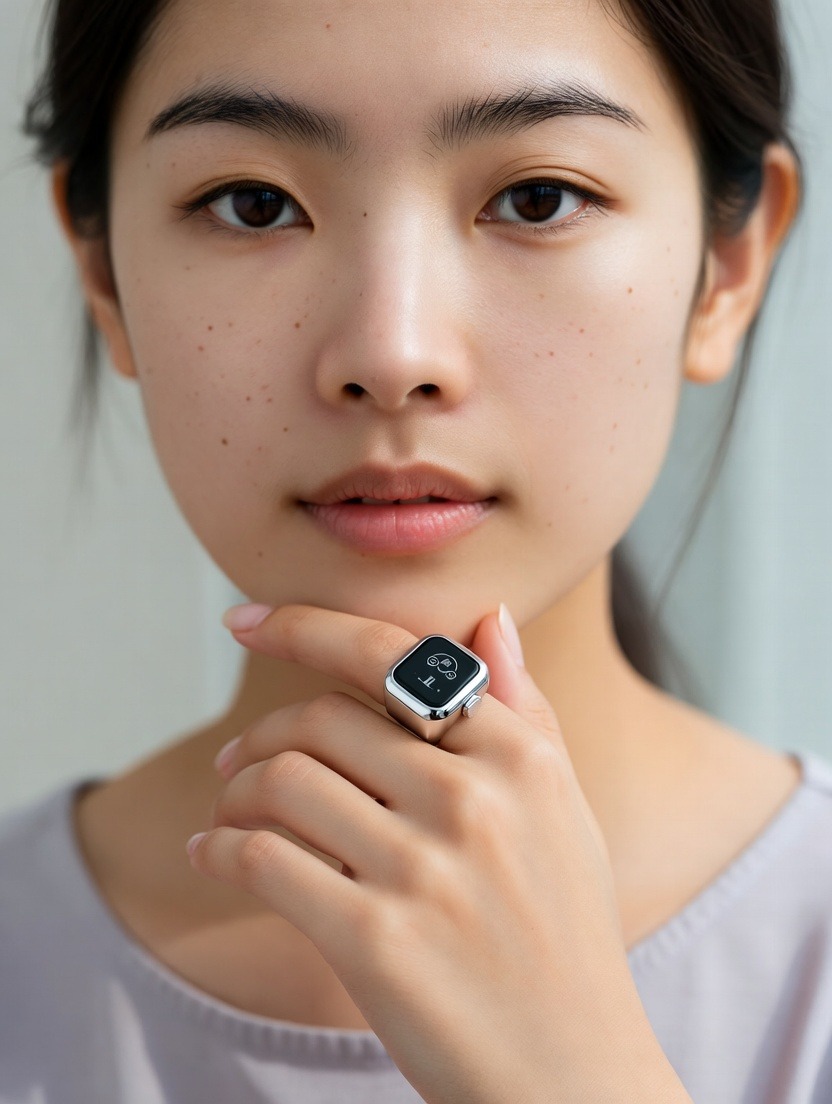
Lifestyle Improvement Strategies for Better Sleep: Ring-Verified Methods
Ring-verified methods for improving sleep through lifestyle changes.
Lifestyle Improvement Strategies for Better Sleep: Ring-Verified Methods
For generations, sleep was a mystery. We knew we needed it, but its inner workings—the precise dance of hormones, brainwaves, and bodily restoration—were locked in the dark. We relied on subjective feelings of grogginess or restless nights, guessing at the quality of our slumber. Today, that mystery is being solved in real-time on our very own fingers. The advent of advanced wearable technology, specifically the smart ring, has ushered in a new era of sleep intelligence. No longer are we guessing; we are knowing.
This article is not about generic sleep tips. It is a deep, evidence-based exploration of lifestyle improvement strategies that are verified by your own biometric data. We move beyond the "maybe this will work" approach and into the precise, personalized realm of "this is what my body actually needs." By leveraging the continuous, non-invasive tracking of metrics like heart rate variability (HRV), resting heart rate (RHR), respiratory rate, skin temperature, and movement, a smart ring transforms from a piece of tech into a personal sleep consultant. It tells you not just how long you slept, but how well you recovered. It reveals the hidden impact of your evening habits, your stress levels, your meals, and your workouts.
Here, we will dissect the core pillars of sleep hygiene and optimization, but through a revolutionary lens: objective verification. We will explore how to interpret your ring's data to create a feedback loop of positive change. The goal is to equip you with strategies that are not just theoretically sound, but demonstrably effective for you. Prepare to move from chasing sleep to engineering it, with your smart ring as your chief engineer.
The Sleep Data Revelation: What Your Ring Is Really Telling You About Your Nights
Before we can improve, we must understand. The dashboard of your sleep-tracking app can be overwhelming—a sea of graphs, scores, and percentages. But each metric is a vital sign, a direct line into your nervous system's overnight activity. Decoding this language is the first step toward strategic change.
Sleep Stages Demystified: Your ring uses a combination of accelerometry (movement) and photoplethysmography (PPG) to detect heart rate and pulse wave variations, which are key indicators of sleep stages. It doesn't read brainwaves like a clinical polysomnogram, but advanced algorithms accurately infer your time in Light, Deep, and REM sleep.
Light Sleep: This is the gateway sleep, making up about 50-60% of your night. It's vital for memory consolidation and mental recovery. Your ring shows this as periods of lowered heart rate and some movement.
Deep Sleep: The physical restoration phase. This is when growth hormone is released, tissues are repaired, and the immune system is bolstered. It’s characterized by a very low, steady heart rate and minimal movement. Seeing consistent deep sleep blocks is a hallmark of good physical recovery.
REM Sleep: The mental and emotional processing phase. Your brain is almost as active as when awake, facilitating dreaming, memory integration, and emotional regulation. Your ring identifies REM by a heart rate that climbs closer to your waking rate and becomes more variable, coupled with a body that is essentially paralyzed (to prevent acting out dreams).
A healthy sleep architecture cycles through these stages roughly every 90 minutes. Your ring’s readout shows you if you’re getting enough of each crucial phase. For instance, chronic stress can crush deep sleep, while alcohol can obliterate REM.
The Recovery Metrics: HRV and RHR: Perhaps the most powerful insights come from these two numbers.
Heart Rate Variability (HRV): This is the gold-standard, ring-verified metric for your autonomic nervous system balance. It measures the subtle variations in time between each heartbeat. A higher HRV generally indicates a resilient, adaptable nervous system with strong parasympathetic ("rest-and-digest") tone. Your ring tracks your nightly HRV average. A consistently low or dropping HRV trend is a glaring red flag from your body, signaling accumulated stress, overtraining, illness, or poor recovery. It’s your body’s plea for rest before you consciously feel you need it.
Resting Heart Rate (RHR): Your lowest overnight heart rate. A well-recovered body will have a lower, stable RHR. A sudden elevation in your nightly RHR can be an early sign of infection, dehydration, or excessive stress load.
The Environmental & Behavioral Sensors:
Skin Temperature: Your core body temperature needs to drop to initiate and maintain sleep. Your ring tracks distal skin temperature trends. A failed temperature drop can explain difficulty falling asleep. Furthermore, data on nocturnal temperature variations can offer clues about circadian rhythm health and even hormonal cycles.
Respiratory Rate: The number of breaths you take per minute during sleep. This is a remarkably stable vital sign. Significant deviations from your personal baseline can be an indicator of sleep-disordered breathing (like apnea) or other underlying issues.
By learning to read this story each morning, you shift from a passive sleeper to an active investigator. You can start asking the right questions: "Why was my HRV 15% lower last night?" "Did that late dinner impact my deep sleep?" This data-driven awareness is the bedrock of all the ring-verified strategies to follow. To build a comprehensive understanding of your baseline health, consider conducting an emotional audit assessing your current balance level, as emotional and physical states are deeply intertwined with sleep quality.
Chronotype Alignment: Programming Your Life to Your Biological Clock
You’ve likely heard of "night owls" and "early birds." This personal sleep-wake preference is your chronotype—an innate, genetically influenced rhythm dictated by your suprachiasmatic nucleus (SCN), your body's master clock. Fighting your chronotype is like swimming against a relentless current; it depletes your energy and sabotages your sleep. Aligning with it is the ultimate biohack.
Discovering Your True Rhythm: While you can guess your type, your smart ring provides objective verification. Analyze your data over several weeks, free from alarm clocks on weekends if possible.
The Owl: Ring data shows a naturally later sleep onset (after midnight), a later temperature minimum (in the early morning hours), and optimal cognitive performance in the evening. Forcing a 5 AM workout will likely show as poor sleep efficiency and low HRV.
The Lark: The ring reveals easy early sleep onset, an early temperature drop, high morning HRV, and peak energy in the forenoon. A late-night social event will devastate their next-day recovery scores.
The Hummingbird (Intermediate): The most common type, with a flexible rhythm that falls somewhere in between.
Ring-Verified Alignment Strategies:
Schedule by Data, Not Dogma: Use your ring’s sleep consistency score. If you're an owl, stop setting a punishing early alarm. Negotiate a later work start time if possible. Schedule your most demanding cognitive tasks during your peak performance window, which your energy levels (often inferred from heart rate patterns) can help identify.
Light Exposure Protocol: Light is the primary "zeitgeber" (time-giver) for your SCN. Owls benefit from massive, bright light exposure immediately upon waking (a morning walk is ideal) to shift their clock earlier. Larks must rigorously avoid bright blue light after sunset, as it can delay their clock and fragment their sleep. Your ring can show the impact—improved sleep latency and consolidation when you get this right.
Meal & Exercise Timing: Your metabolism follows your circadian rhythm. Ring data often shows that late-night eating, especially for Larks, leads to elevated overnight heart rate and reduced HRV. Align larger meals with your active phase. Similarly, intense late-evening exercise can be overly stimulating for some chronotypes, raising core temperature too close to bedtime. Track how different workout times affect your sleep depth score.
The Social Jetlag Trap: This is the chronic misalignment between your social clock (work, social life) and your biological clock. Your ring quantifies this cost. Consistent weekend "catch-up" sleep that is much longer than your weekday sleep is a classic sign. The long-term solution is gradual, gentle shifting of your daily rhythm toward consistency, using light and meal timing as your primary tools.
By respecting your chronotype, you reduce the internal friction that wastes energy. You fall asleep easier, sleep more soundly, and wake up feeling restored because your life is in sync with your biology. This foundational alignment makes every other sleep strategy more effective. For those whose emotional rhythms feel equally misaligned, exploring concepts like the emotional pendulum why balance means movement not stillness can provide a parallel framework for understanding natural fluctuations.
The 90-Minute Wind-Down: A Data-Backed Evening Ritual
The human nervous system does not have an "off" switch. It requires a deliberate downshift from the sympathetic-driven alertness of the day to the parasympathetic state conducive to sleep. The modern habit of scrolling in bed until our eyes close is a direct assault on this process. A ring-verified wind-down ritual is a non-negotiable buffer zone, and its success is measured in your sleep latency (time to fall asleep) and HRV data.
Phase 1: The Digital Sunset (90-60 Minutes Before Bed): This is the single most impactful change you can make. The blue light from screens suppresses melatonin production by up to 50%. But the psychological impact is worse: the endless scroll, work emails, and stressful news activate the mind and trigger cortisol release.
Ring Verification: On nights you implement a strict digital sunset, watch your sleep latency graph drop. You’ll likely see a more pronounced dip in your skin temperature trend and a higher, healthier HRV. The "readiness" or "recovery" score on your app will often be markedly improved.
Action: Set a firm alarm for 90 minutes before your target bedtime. This is your signal to plug your phone into a charger outside the bedroom. Use an old-school alarm clock.
Phase 2: The Environmental Transition (60-30 Minutes Before Bed): This phase is about signaling safety and calm to your primal brain.
Dim the Lights: Use lamps with warm-toned bulbs. Consider smart bulbs that automatically shift to red/orange hues in the evening, which have the least impact on melatonin.
Temperature Drop: Cue your body’s natural cooldown. A drop in core temperature is a key sleep signal. Take a warm bath or shower. The paradox is that the warm water brings blood to your skin's surface, and when you step out, heat radiates away, causing a rapid cooldown that mimics the natural sleep-onset drop. Your ring’s skin temperature sensor will show this beautiful, steep decline correlating with faster sleep onset.
Tidy Up: A cluttered space can subconsciously signal a cluttered mind. A quick, 5-minute tidy of your living space can reduce anxiety.
Phase 3: The Nervous System Calm (30-0 Minutes Before Bed): The final approach. Activities here should be exclusively analogue and calming.
Gentle Movement: Light stretching, yoga nidra, or restorative yoga poses (like legs-up-the-wall) can release physical tension. Check your ring’s data the morning after incorporating gentle evening stretching; many users see a direct boost in deep sleep percentage.
Mindful Practices: This is where you actively engage the parasympathetic system. Consistent practice of mindfulness has been shown to develop emotional balance over time](https://oxyzen.ai/blog/how-mindfulness-practice-develops-emotional-balance-over-time), which directly quiets the pre-sleep mental chatter. A simple 10-minute guided body scan meditation or breathwork practice (like 4-7-8 breathing) is profoundly effective. Your ring will capture the result: a lower pre-sleep heart rate and a smoother transition into sleep.
Reflective Journaling: The "brain dump." Write down tomorrow’s to-dos to park them outside your head. Practice gratitude journaling—listing three things you’re grateful for—which has been shown to improve sleep quality by shifting emotional state. For a structured approach to processing the day's emotions, learn how to use journaling for emotional balance and regulation.
The wind-down is not a luxury; it’s a physiological necessity. By creating this predictable cascade of calming cues, you are programming your body for success. The data from your ring will prove it.
Nutritional Timing & Sleep Chemistry: The Nightly Meal's Impact on Your Data
You are not just what you eat, but when you eat it. Every meal is a set of instructions for your hormones and neurotransmitters. The wrong instructions in the evening can dismantle your sleep architecture, and your smart ring provides the forensic evidence.
The Last Meal Countdown: Digestion is an active, sympathetic-leaning process. A large, rich meal too close to bedtime forces your body to choose between digestion and deep sleep recovery—and digestion often wins, to the detriment of your sleep.
The 3-Hour Rule: Aim to finish your last substantial meal at least 3 hours before bedtime. This allows for significant digestion, a drop in insulin, and the initiation of the natural overnight fast.
Ring Verification: Compare nights with late, heavy dinners to nights with an early, light dinner. The data is often stark: elevated resting heart rate throughout the night, reduced HRV, suppressed deep sleep, and more frequent awakenings. The body is simply too busy to rest deeply.
Macronutrients & Sleep Signals:
Carbohydrates: Complex carbs (sweet potato, oats, brown rice) can aid sleep if consumed a few hours before bed by increasing the availability of tryptophan, a serotonin and melatonin precursor. However, a large spike of simple sugars right before bed can cause a blood sugar rollercoaster, leading to a cortisol wake-up call in the middle of the night. Watch for correlating mid-sleep wake-ups or a dip in HRV.
Protein: Necessary for sleep-related repair, but very high-protein, high-fat meals (like a giant steak) are extremely taxing to digest and should be avoided late.
Fats: Healthy fats are satiating and support hormone production, but like protein, heavy fats slow digestion.
Sleep-Promoting Nutrients & Compounds:
Magnesium: The premier relaxation mineral. It regulates melatonin and GABA, a calming neurotransmitter. A magnesium-rich food (leafy greens, nuts, seeds) at dinner or a quality supplement (like magnesium glycinate) can improve sleep depth. Track your deep sleep percentage after introducing it.
Tryptophan: Found in turkey, dairy, nuts, and seeds. It's the building block for serotonin and melatonin.
Glycine: An amino acid found in bone broth and collagen. Studies show it can lower core body temperature and improve sleep quality. Some users report ring-verified improvements in sleep onset latency with glycine supplementation.
The Dehydration & Electrolyte Factor: Mild dehydration thickens the blood, forcing the heart to work harder, elevating RHR, and reducing HRV. However, guzzling water right before bed guarantees disruptive bathroom trips. The solution is consistent hydration throughout the day and ensuring adequate electrolyte intake (sodium, potassium, magnesium), which helps retain fluid in the cells. A balanced electrolyte drink with dinner can support stable overnight hydration without the urgency.
By treating your evening meal as a strategic component of your sleep protocol and using your ring to validate its effects, you turn nutrition from a sleep saboteur into a powerful sleep aid. This awareness of how physical inputs affect your state is a key component of a broader strategic implementation of mindfulness in modern life, where every choice is made with intention and its effects are observed.
The Daytime Foundation: How Your Waking Hours Architect Your Sleep
A magnificent building requires a deep, solid foundation. Your sleep is that building, and your daytime habits are the foundation. It is a profound misconception that sleep is solely about the night. How you spend your waking hours—your light exposure, activity, stress management, and even social interactions—directly writes the code for your night's rest.
Morning Light: The Master Zeitgeber: Within 30-60 minutes of waking, seek at least 10-15 minutes of bright, outdoor light. This isn't just "nice to have"; it's a non-negotiable command to your SCN. It sharply suppresses melatonin, sets your circadian clock for the day, and increases cortisol in its healthy, alerting morning pulse. This simple act improves circadian amplitude, making the contrast between day (alert) and night (sleepy) stronger. Your ring can reflect this through improved sleep consistency scores and more stable daily heart rate patterns.
Daytime Movement & Sleep Pressure:
Adenosine Buildup: Physical and mental activity throughout the day produce adenosine, a neurotransmitter that accumulates in the brain, creating "sleep pressure." By evening, high adenosine levels make you feel sleepy. Exercise accelerates this healthy buildup.
The Exercise Timing Balance: While any exercise is better than none, timing matters for sleep. Morning or afternoon exercise reinforces a strong circadian rhythm and boosts deep sleep. Intense exercise too close to bedtime (within 1-2 hours for most) can be overly stimulating for some, raising core temperature and cortisol. However, this is highly individual. Use your ring data: If your deep sleep score is consistently lower on days you do late workouts, shift them earlier. Conversely, if you feel and sleep better, your data will support it.
Stress Containment: Preventing the Nighttime Spillover: Unmanaged daytime stress leads to elevated cortisol and sympathetic tone that doesn't magically disappear at bedtime. It follows you into the dark, manifesting as racing thoughts, high resting heart rate, and low HRV.
Strategic Breaks: Incorporate short "resets" throughout your day—a 5-minute walk, some deep breaths, a moment of stretching. This prevents stress from accumulating to an unmanageable peak.
The Power of a Lunchtime Walk: A double win: light exposure + movement + a mental break from work stress. This can help prevent the post-l afternoon slump and contribute to healthier sleep pressure.
Mindful Transitions: Create a ritual to end your workday, even if you work from home. Shut down your computer, review your to-dos for tomorrow, and perhaps go for a short walk. This creates a psychological boundary, preventing work stress from contaminating your evening. This practice of creating boundaries is crucial for emotional balance and boundaries protecting your peace, which is a prerequisite for peaceful sleep.
Social & Cognitive Engagement: Meaningful social interaction and cognitively stimulating work provide a healthy "dose" of dopamine and other neurotransmitters that contribute to a satisfying day, which in turn supports a restful night. Isolation and boredom can paradoxically co-exist with nighttime anxiety. Your overall life satisfaction, tracked through your mood and energy logs in your app, often correlates with sleep stability.
By architecting your days with intention—prioritizing morning light, consistent movement, and proactive stress management—you build a foundation so strong that excellent sleep becomes the natural, supported outcome, not a desperate nightly pursuit. This holistic approach mirrors the principles of mindful living for beginners essential first 30 days, where small, consistent daily actions compound into profound transformation.
Optimizing the Sleep Cave: Environment Engineering for Perfect Data
You can follow every behavioral protocol flawlessly, but if your sleep environment is working against you, your data will show the struggle. Your bedroom should be a purpose-built sleep cave—a sanctuary engineered for one function only: supreme biological restoration. Your smart ring’s sensors are the ultimate quality control inspectors for this environment.
The Absolute Non-Negotiables:
Darkness: Even small amounts of light—from a charging LED, a streetlamp, or a crack under the door—can disrupt melatonin production and sleep architecture. Pitch black is the goal.
Ring Verification: Light exposure during sleep can lead to more frequent, brief arousals (visible as movement spikes or heart rate jumps) and shallower sleep overall. Investing in blackout curtains, an eye mask, and electrical tape over LEDs often results in a measurable increase in deep and REM sleep duration.
Coolness: The science is clear: the optimal room temperature for sleep is between 60-67°F (15.5-19.5°C). Your body needs to drop its core temperature by about 1-2 degrees Fahrenheit to initiate and maintain sleep.
Ring Verification: This is where your ring’s skin temperature sensor shines. In a room that’s too warm, you’ll see a flatter, less pronounced temperature drop curve, correlating with longer sleep latency and more restless sleep. In a cool room, the curve is beautifully steep and sustained.
Pro-Tip: Use breathable, moisture-wicking bedding (like cotton, linen, or advanced synthetics). Consider a mattress cooling pad or a ChiliPad for precision control.
Quietness: Intermittent noise—a snoring partner, traffic, a creaky house—triggers micro-arousals, pulling you out of deep sleep even if you don’t remember waking.
Solution: White noise or pink noise machines are not a placebo; they create a consistent, masking soundscape that buffers against unpredictable disruptions. Your ring’s sleep stage consistency often improves with their use.
The Advanced Optimizations:
Air Quality: Stale, high-CO2 air from poor ventilation can impair sleep quality and cognitive function. A simple cracked window or an air purifier with a HEPA filter can make a noticeable difference. Some advanced rings or paired devices can track ambient conditions, providing direct correlation data.
Humidity: Dry air can irritate airways and disrupt breathing during sleep. Aim for a relative humidity of around 40-60%. A hygrometer is an inexpensive tool to monitor this.
The Bed Itself: Your mattress and pillow should provide proper spinal alignment. If you wake with aches or show consistent movement/restlessness in a specific part of the night, your bedding may be the culprit. While your ring can't diagnose a bad mattress, it can show you periods of poor sleep efficiency that may coincide with a worn-out sleep surface.
The Psychology of the Space: Your bedroom should be a stress-free zone. Remove work materials, exercise equipment, or anything that triggers anxiety or alertness. This reinforces the mental association that bed = sleep and intimacy only. The calm you cultivate in this space supports the process of building emotional stability research based architecture long-term equilibrium, as the environment itself becomes a cue for safety and rest.
By methodically engineering your sleep cave and using your ring to validate each change (e.g., "After getting blackout curtains, my deep sleep increased by 12 minutes on average"), you take full control of the external factors, allowing your body's innate sleep mechanisms to operate without interference.
Caffeine, Alcohol, & Substances: The Ring Exposes the Truth
Society is filled with sleep myths, especially around common substances. "A nightcap helps me sleep." "I can drink coffee after dinner, it doesn't affect me." Your smart ring cuts through this self-deception with brutal, unbiased data. Understanding the pharmacological impact of these substances is key to wielding them—or eliminating them—strategically.
Caffeine: The Long Shadow of an Adenosine Antagonist: Caffeine works by blocking adenosine receptors in your brain. Adenosine is the sleep-pressure chemical that builds up all day. By blocking it, you feel alert. But the caffeine doesn't stop adenosine from accumulating; it just hides it from you. Once caffeine metabolizes, you can get hit with a "caffeine crash" as all that pent-up adenosine floods the receptors.
The Half-Life Problem: Caffeine has a half-life of 5-6 hours. That means if you have a coffee with 200mg of caffeine at 4 PM, you still have about 100mg in your system at 10 PM, and 50mg at 4 AM. This is enough to significantly fragment sleep architecture.
Ring Verification: The data is unambiguous. On days with afternoon or evening caffeine, users typically see: Increased sleep latency (trouble falling asleep), reduced deep sleep (as the nervous system remains subtly stimulated), and more frequent awakenings in the second half of the night (as the caffeine finally clears and adenosine rebound causes restless transitions).
The Strategy: Establish a caffeine curfew. For most, this should be at least 8-10 hours before bedtime. If your sleep data is poor, experiment with moving your last coffee to before noon. Decaffeinated does not mean caffeine-free; it can still contain 10-20mg, which may be enough for sensitive individuals.
Alcohol: The Seductive Saboteur of Sleep Quality: Alcohol is a sedative, not a sleep aid. It may knock you out, but it ravages the structure of your sleep.
The Biological Betrayal: Alcohol suppresses REM sleep in the first half of the night. Your brain then attempts a REM rebound in the second half, leading to vivid, often unsettling dreams and restless sleep. It also relaxes throat muscles, exacerbating or causing sleep apnea (visible as spikes in your respiratory rate or heart rate). It dehydrates you, leading to an elevated RHR.
Ring Verification: The signature of an alcohol-affected night is unmistakable: a steep, deep sleep may appear early (the sedation), followed by a plummeting HRV, a high and variable RHR, and a severely suppressed or fragmented REM sleep period. The sleep score will be low despite a long duration.
The Strategy: If sleep quality is a priority, alcohol is a significant trade-off. Limit consumption and finish your last drink at least 3-4 hours before bed to allow for metabolism. For every alcoholic drink, have a glass of water. Use your ring to see the direct cost of "just one or two glasses."
Other Substances & Medications:
Nicotine: A stimulant. It increases heart rate and blood pressure, delaying sleep onset and causing withdrawal-driven awakenings later.
Cannabis: While it may help with sleep onset for some, chronic use can suppress REM sleep (similar to alcohol) and lead to dependency for sleep initiation. Withdrawal can cause intense insomnia and vivid dreams.
Certain Medications: Common culprits include decongestants (pseudoephedrine), some antidepressants (SSRIs can initially disrupt sleep), and beta-blockers (can cause nightmares and insomnia). Always consult your doctor about the sleep effects of your medications.
By conducting self-experiments—a week with a strict caffeine curfew, a week without alcohol—and letting your ring data be the judge, you move from anecdote to evidence. You gain the power to make informed choices, understanding the exact recovery tax you will pay for each substance. This kind of objective self-awareness is a cornerstone of both good sleep hygiene and the broader journey of mindful living beyond buzzword to real practice.
Stress & Sleep: Breaking the Vicious Cycle with Biofeedback
Stress and poor sleep are locked in a vicious, self-perpetuating cycle. A stressful day leads to a night of poor, shallow sleep. That sleep deprivation lowers your emotional resilience and stress tolerance the next day, making you more reactive to stressors, which then ruins the next night's sleep. It's a downward spiral that feels impossible to escape. Your smart ring, however, provides the tools not just to observe this cycle, but to actively disrupt it with biofeedback.
The Physiology of the Nighttime Stress Response: When you go to bed stressed, your body remains in a state of sympathetic nervous system dominance. Cortisol levels, which should be at their daily low, remain elevated. This results in:
A higher, less variable heart rate (low HRV).
Difficulty falling asleep (high sleep latency).
Fragmented sleep with more micro-awakenings (poor sleep efficiency).
Suppressed deep sleep, as the body is too "on guard" to enter its most vulnerable, restorative state.
Using Your Ring as a Biofeedback Tool: Biofeedback is the process of using real-time data from your body to learn to control its functions. Your ring provides a delayed but powerful form of this.
Identify Your Stress Signature: Look at the data from a known stressful day. You'll likely see a lower daytime HRV, a higher RHR, and a poor sleep score. The correlation becomes undeniable.
Practice Daytime Stress Buffers: Implement a calming practice during the day when you see stress building or when your daytime HRV is trending down. This is proactive, not reactive. A 5-minute breathing exercise, a walk in nature, or a quick meditation can act as a "pressure release valve."
The Pre-Sleep HRV Hack: Before your wind-down ritual, sit quietly and use a breathing pacer (many apps and smartwatches have them) to practice slow, diaphragmatic breathing (e.g., 5 seconds in, 7 seconds out) for just 5-10 minutes. This directly stimulates the vagus nerve, boosting parasympathetic activity and HRV before you even try to sleep. Check your ring's "momentary" or "live" HRV reading during this practice to see the immediate effect.
Cognitive Strategies for the Racing Mind: When anxious thoughts are the primary sleep disruptor, data alone isn't enough. You need cognitive tools.
The "Parking Lot" Journal: Keep a notepad by your bed. When a recurring worry or a to-do item pops up, write it down with the commitment to address it tomorrow. This physically moves it from your mind onto paper.
Scheduled Worry Time: Paradoxically, scheduling 15 minutes of "worry time" in the late afternoon allows you to contain anxiety, preventing it from exploding at bedtime.
Mindful Detachment: Learn to observe thoughts without engaging them. Imagine them as leaves floating down a stream. This skill of strategic emotional disengagement is critical for stopping the pre-sleep thought spiral.
The Long-Term Play: Building Stress Resilience: Ultimately, the goal is to raise your baseline stress tolerance. This comes from consistent practices that improve your nervous system's flexibility:
Regular Mindfulness Meditation: This is the single most evidence-based practice for increasing HRV and improving emotional regulation. It trains the brain to return to calm. As discussed, this is a long-term project of emotional balance patience progress.
Social Connection: A powerful buffer against stress.
By using your ring to connect daytime stress with nighttime outcomes, you are motivated to intervene earlier. You stop seeing stress as a vague feeling and start seeing it as a measurable physiological state that you have tools to manage, breaking the cycle at its source.
Movement & Exercise: Finding the Sweet Spot for Recovery
Exercise is a double-edged sword for sleep. Done correctly, it is one of the most potent deep sleep enhancers available. Done incorrectly—through poor timing, excessive volume, or inadequate recovery—it can become a primary source of sleep disruption. Your ring is the perfect coach to help you find your personal "Goldilocks Zone" of movement.
The Sleep Benefits of Exercise:
Increased Sleep Pressure: Expends energy and builds adenosine.
Temperature Regulation: Raises core temperature during the activity, promoting a more robust cooldown later, which strengthens the sleep signal.
Anxiety & Stress Reduction: Releases endorphins and helps metabolize stress hormones like cortisol.
Circadian Reinforcement: Morning/afternoon exercise helps set a strong daily rhythm.
Direct Deep Sleep Boost: Consistent aerobic exercise is correlated with increased time in deep (slow-wave) sleep, the most physically restorative phase.
How Your Ring Validates Your Training Load: This is where wearables shine. The old model of "more is better" is flawed. The optimal model is "stress + rest = growth."
HRV as Your North Star: Your nightly HRV average is the single best indicator of whether your training load is appropriate. A consistent downward trend in HRV over several days is a clear sign of overreaching or overtraining. Your body is saying it needs more rest, not more strain. Ignoring this and pushing harder is a direct ticket to injury, illness, and terrible sleep.
Resting Heart Rate (RHR): A sudden, sustained elevation in your RHR (5+ bpm above your baseline) can indicate that your body is fighting something—overtraining, illness, or severe stress.
Sleep Quality as the Outcome Measure: Your sleep score and deep sleep percentage are the report card for your recovery. If you're increasing your training volume but your deep sleep is dropping and your sleep is becoming restless, you are not recovering adequately.
Finding Your Exercise Sweet Spot:
Respect Your Chronotype: A 6 AM HIIT class might be perfect for a Lark but catastrophic for an Owl's sleep that night. Schedule workouts during your natural energy peaks.
The 90-Minute Rule (for Intense Exercise): As a general guideline, finish vigorous exercise at least 90 minutes before bedtime to allow heart rate, core temperature, and adrenaline to return to baseline. Test this with your ring. Some people are more sensitive and may need 2-3 hours.
Embrace Low-Impact & Recovery Movement: On rest days or high-stress days, gentle movement is king. A walk, light yoga, or stretching can actually improve HRV and sleep by promoting circulation and relaxation without adding systemic stress. Your ring will often show better recovery scores after an active recovery day versus a completely sedentary one.
Listen to the Data, Not the Ego: If your ring shows poor recovery (low HRV, high RHR) and you have a hard workout planned, have the discipline to swap it for a gentle walk or a complete rest day. This is "training smart," and it leads to better long-term progress and consistently good sleep.
The Role of Non-Exercise Activity Thermogenesis (NEAT): Don't underestimate the power of low-grade, all-day movement—taking the stairs, walking while on calls, gardening, etc. High NEAT is associated with better overall health and can contribute to healthy sleep pressure without the recovery cost of structured, intense exercise.
By letting your ring's recovery metrics guide your movement choices, you transform exercise from a potential sleep disruptor into its most powerful ally. You learn to work with your body's rhythms, not against them, ensuring that your efforts in the gym fuel your recovery in bed, not undermine it.
Napping Strategy: The Art of the Power Boost Without the Sleep Debt
To nap or not to nap? It's a question that divides the wellness world. The answer, as verified by your smart ring, is: It depends. Done correctly, a nap can be a phenomenal cognitive reset and performance enhancer. Done incorrectly, it can steal from your nighttime sleep debt repayment, leaving you feeling groggy and ruining your next night's data. The key is strategic, data-informed napping.
Understanding Sleep Inertia & The Nap Zone: The groggy, disoriented feeling after a nap is called sleep inertia. It's caused by waking up from deep sleep. The goal of a strategic nap is to stay in light sleep.
The 20-Minute "Power Nap": This is the gold standard. It provides the benefits of Stage 2 light sleep—memory consolidation, alertness boost, and motor skill enhancement—without entering deep sleep, thus minimizing inertia. Set a firm alarm for 20-25 minutes.
The 90-Minute "Full Cycle" Nap: This allows you to complete a full sleep cycle (Light -> Deep -> REM). You'll wake from REM or light sleep, often feeling creatively refreshed and emotionally balanced. However, it requires more time and isn't always practical.
The 30-60 Minute "Danger Zone": Waking during deep sleep (which typically begins around the 30-minute mark) guarantees severe sleep inertia. Avoid this length unless you can commit to the full 90.
Ring-Verified Napping Guidelines:
Timing is Everything: The ideal nap window is early to mid-afternoon, typically between 1 PM and 3 PM. This aligns with the natural post-lunch dip in circadian alertness (the "siesta" zone). Napping after 4 PM for most people begins to directly rob sleep pressure from the coming night.
Let Your Data Guide You: Check your previous night's sleep score and HRV. Did you have terrible, short sleep? A planned 20-minute power nap the next afternoon can be a lifesaver. Did you sleep a full 8 hours with great data? You likely don't need a nap, and taking one might fragment your next night's sleep. Your ring's "daytime readiness" score can be a good prompt.
The Nap Test: Experiment! Take a strategic 20-minute nap on a day you feel an afternoon slump. That night, check your ring data: Did your sleep latency increase? Was your deep sleep affected? For many, a short nap has no negative impact and may even improve nighttime sleep efficiency by reducing pre-sleep fatigue and stress.
When to Avoid Napping:
If you suffer from insomnia, napping can reduce the crucial homeostatic sleep drive you need at night. For you, consolidating all sleep to one nighttime block is usually the best strategy.
If you consistently have trouble falling asleep at night, even after short naps.
If you have untreated sleep apnea, napping can sometimes worsen daytime sleepiness.
Optimizing the Nap Environment: Make it quick and effective. Find a dark, quiet spot. Use an eye mask and earplugs if needed. Set your alarm. Don't fight sleep; the goal is to drift off quickly. Even a period of quiet rest with closed eyes (non-sleep deep rest, or NSDR) can be beneficial.
By treating napping not as a guilty pleasure but as a deliberate, tactical tool—and using your ring to monitor its effects on your overarching sleep architecture—you can harness its benefits without paying a price at 2 AM. This nuanced approach to energy management reflects a deeper understanding of one's personal rhythms, much like learning to navigate the emotional balance during hormonal transitions pregnancy menopause andropause requires attunement to the body's changing signals.
Travel & Schedule Disruption: Mitigating Jet Lag and Social Obligations
Life happens. Time zone changes, shift work, late-night social events, and early morning obligations constantly threaten our hard-earned sleep consistency. These disruptions are inevitable, but their impact on your recovery is not predetermined. With a smart ring and a proactive strategy, you can mitigate the damage and rebound faster.
Conquering Jet Lag with a Data-Driven Plan: Jet lag is the ultimate circadian mismatch. Your internal clock is in one city, but the external light-dark cycle is in another.
Pre-Travel Adjustment (3-4 Days Before): Gently shift your sleep schedule toward your destination's time zone by 60-90 minutes per day. Adjust meal times and light exposure accordingly. Use your ring to ensure these shifts aren't destroying your sleep quality as you prepare.
The Flight Strategy:
Hydration is Key: Cabin air is brutally dry. Dehydration will crush your HRV and RHR. Drink water consistently, not coffee or alcohol.
Light Manipulation: This is your most powerful tool. Use it aggressively. If you land in the morning at your destination, seek bright light immediately. If you land at night, wear blue-light blocking glasses on the plane and avoid bright screens. Use a sleep mask to simulate darkness if trying to sleep on the plane.
Post-Arrival Protocol: Your goal is to forcefully reset your SCN. Get outside into natural light at the "correct" local times, especially in the morning. Even if you're exhausted, avoid napping longer than 20 minutes during the local daytime. Eat meals on local time. Your ring will show the struggle—low HRV, high RHR, fragmented sleep—but by day 2-3, you should see your metrics begin to stabilize to the new rhythm if you've been diligent with light.
Managing Social Jet Lag (Weekend vs. Weekday): This is the chronic, weekly form of jet lag where your sleep schedule on free days differs from your workdays.
The Data Doesn't Lie: Your ring's sleep consistency score will be low. You'll see a pattern: poor sleep Sunday night as you try to readjust, leading to a rough Monday.
The Mitigation Strategy: Limit the shift. Try to keep your wake-up time on weekends within 60-90 minutes of your weekday alarm. If you stay up late, still get up relatively early and take a short afternoon power nap if needed. This smaller shift is far easier for your body to forgive.
Surviving Shift Work: This is the most extreme challenge to circadian health. For night shift workers, the strategy flips:
Simulate Night During the Day: After your night shift, wear blue-light blocking glasses on your commute home. Use blackout curtains, an eye mask, and white noise to create a pitch-black, cool, quiet sleep environment during the day. Your ring is crucial for tracking if this "daytime night" is actually providing quality sleep.
Strategic Light Exposure: Use bright light therapy lamps during your night shift to promote alertness. Upon waking in the late afternoon/evening before your shift, get bright light exposure to signal "morning" to your system.
Monitor Health Metrics Vigilantly: Shift work carries health risks. Your ring's trends in HRV, RHR, and sleep scores are early warning systems. A consistent downward trend warrants a discussion with a healthcare professional about mitigation strategies.
The "One-Off" Event Recovery: You have a wedding, a concert, or a deadline that keeps you up 3 hours later than usual.
The Proactive Rest: In the days leading up to the event, prioritize excellent sleep to build up a "recovery reservoir."
The Morning After: Get your morning light exposure at your normal wake-up time, even if you got less sleep. This holds your circadian anchor in place. Avoid sleeping in excessively. A short, 20-minute nap in the early afternoon can help.
The Ring's Role: Expect and accept a poor sleep score for that one night. Don't panic. Look for a return to baseline within 1-2 nights of normal routine. If it takes longer, it's a sign your foundational sleep health needs strengthening.
By planning for disruptions and using your ring to track your recovery from them, you take back a sense of agency. You learn that while you can't control every night, you can control your response, minimizing the fallout and accelerating your return to optimal rest. This resilience in the face of disruption is a skill that benefits all areas of life, akin to learning how to recover emotional balance after emotional outbursts—it's about the swift, skillful return to baseline.
Longitudinal Analysis & Trend Spotting: From Nightly Scores to Lifelong Health Insights
A single night of poor sleep is a data point. A week of declining HRV is a trend. A seasonal shift in your sleep architecture is an insight into your holistic health. The true power of your smart ring isn't revealed in the morning score, but in the longitudinal data collected over weeks, months, and years. This is where you move from reactive sleep management to proactive health foresight.
Identifying Your Personal Baselines: Before you can spot a meaningful deviation, you must know your normal. Spend the first month with your ring establishing these key baselines:
Average Sleep Need: Not 8 hours. Your need. What duration consistently yields a high readiness score? It might be 6.5 hours or 9 hours.
HRV Range: What is your typical high, low, and average? (e.g., 45-75 ms, avg 60). Men and women often have different ranges.
Typical Sleep Stage Distribution: What’s your personal ratio of Light/Deep/REM? (e.g., 55%/20%/25%).
RHR Baseline: Your personal floor.
The Art of Trend Spotting: Your ring’s weekly and monthly reports are treasure maps. Look for these patterns:
The Gradual Decline: A slow, steady downtrend in HRV and sleep quality over 2-3 weeks, despite no major life changes, can be a silent signal of overtraining syndrome, subclinical burnout, or the early stages of a nutrient deficiency (like iron or vitamin D). It’s your body whispering a problem before it starts shouting.
The Seasonal Shift: Many people’s data shows clear seasonal variations. Winter often brings longer sleep duration but sometimes lower HRV (less light, potential for Seasonal Affective Disorder). Summer might show slightly shorter, but more efficient sleep, with impacts from heat and longer daylight. Tracking this year-over-year helps you anticipate and adjust (e.g., using a light therapy lamp in winter).
The Hormonal Signature: For menstruating individuals, the ring can vividly chart the monthly cycle. The luteal phase (post-ovulation) often shows a higher resting heart rate (by 3-8 bpm), a lower HRV, elevated skin temperature, and sometimes more fragmented sleep. The follicular phase typically shows the best recovery scores. This isn’t a flaw; it’s data. It explains why some weeks you feel bulletproof and others you need more rest. It validates the need for cycle-syncing your training and nutrition. This deep connection between physical cycles and emotional state underscores the importance of managing emotional balance during hormonal transitions pregnancy menopause andropause with compassion and data.
The Stress-Load Correlation: Overlay periods of high work pressure, family stress, or emotional turmoil with your sleep graphs. The correlation between external stressors and internal metrics (low HRV, high RHR, suppressed deep sleep) will become undeniable. This turns abstract "stress" into a quantifiable physiological cost.
Actioning the Trends: A trend is only useful if it prompts a change.
Downward HRV Trend: This is a red flag. Respond by dialing back intense exercise, prioritizing sleep duration, incorporating more mindfulness (as outlined in how mindfulness practice develops emotional balance over time), and scrutinizing diet and hydration. It’s a signal to rest, not push harder.
Upward HRV / Improved Sleep Trend: What are you doing right? Double down on those habits. This positive feedback loop reinforces effective behaviors.
Cyclical Shifts: Use the data to plan your life. Schedule important presentations or heavy training during your high-recovery phases. Be gentle with yourself and prioritize restorative practices during your low-recovery phases.
By mastering longitudinal analysis, you become the CEO of your own health, using data-driven insights to make strategic decisions that prevent burnout and optimize performance across seasons and life cycles.
Addressing Specific Sleep Disruptors: Snoring, Apnea, and Restless Legs
For some, poor sleep isn't just about habits; it's about physiological disruptions. The generic advice fails here. Thankfully, your smart ring can act as a powerful screening tool, providing clues that can lead to life-changing medical interventions.
Snoring & Sleep-Disordered Breathing: Snoring is the sound of turbulent airflow through a narrowed airway. It’s often a precursor to obstructive sleep apnea (OSA), where the airway collapses completely, causing breathing to stop (apnea) or become shallow (hypopnea).
Ring Detection Clues: While a ring can't diagnose apnea, it can show highly suggestive patterns:
Spikes in Resting Heart Rate: During an apnea event, oxygen drops and the brain triggers a micro-arousal to restart breathing, causing a heart rate spike. A ring’s heart rate graph on a night with untreated apnea often looks like a "city skyline"—frequent, sharp upward spikes.
Elevated Respiratory Rate Variability: While the absolute respiratory rate may be stable, the variability or the presence of large, effortful breaths after pauses can be indicative.
High Nighttime Movement: The body struggling to breathe leads to tossing and turning.
Consistently Low HRV & High RHR: Chronic oxygen desaturation is a massive stressor on the cardiovascular system.
The Next Step: If your ring shows these patterns consistently—especially coupled with daytime fatigue, morning headaches, or partner-reported gasping—consult a sleep physician. They may recommend a home sleep test or in-lab polysomnography. Treatment (like CPAP therapy) is transformative, often causing dramatic improvements in ring data overnight: HRV soars, RHR plummets, and deep sleep rebounds.
Restless Legs Syndrome (RLS): RLS involves an irresistible urge to move the legs, accompanied by uncomfortable sensations, typically in the evening or during sleep.
Ring Detection Clues: The primary signature is increased periodic limb movement (PLM) during sleep. Your ring’s accelerometer can detect these stereotypical, repetitive movements—often every 20-40 seconds—that fragment sleep. This manifests as poor sleep efficiency, many brief awakenings, and unrefreshing sleep despite adequate time in bed.
Ring-Verified Management: Use your ring to track the impact of potential triggers and solutions:
Triggers to Identify: Caffeine, alcohol, and certain medications (like antihistamines) can worsen RLS. Does your data show worse movement on nights you have wine?
Solutions to Validate: Iron deficiency is a common cause. If supplementation is recommended, does your movement data improve after your ferritin levels rise? Gentle evening stretching, massage, or walking can help. Does your sleep efficiency score improve after implementing these?
Insomnia: The Data-Driven Cognitive Shift: Chronic insomnia is often maintained by anxiety about sleep itself. The ring can be a tool to break this cycle, but it must be used carefully.
The Pitfall: Becoming obsessed with the morning score can increase performance anxiety, making sleep harder. If you have insomnia, avoid checking the data first thing in the morning. Look at it later in the day, analytically.
The Benefit: The data can disprove catastrophic thinking. "I didn't sleep a wink!" is often contradicted by the ring showing 5-6 hours of fragmented, but real, sleep. This cognitive correction—"I slept more than I thought"—reduces anxiety.
Verifying Sleep Restriction Therapy: This is a core component of Cognitive Behavioral Therapy for Insomnia (CBT-I). It involves temporarily restricting time in bed to match actual sleep time, building strong sleep drive. Your ring provides objective proof that sleep efficiency improves during this process, validating the difficult protocol.
For those navigating the emotional toll of chronic sleep issues, developing resilience is key. The principles of building emotional stability research based architecture long-term equilibrium are directly applicable, helping you maintain perspective and perseverance through the diagnostic and treatment journey.
The Mind-Body Feedback Loop: Using Meditation, Breathwork, and HRV Training
We’ve discussed stress management as a strategy. Now, we elevate it to a precision skill. Your smart ring provides real-time biofeedback, allowing you to directly witness how specific mental and breathing practices alter your nervous system state. This creates a powerful feedback loop: practice -> observe improved data -> feel motivated to practice more.
Meditation & Sleep: The Direct Connection: Regular meditation is associated with increased gray matter in brain regions responsible for emotional regulation and decreased size of the amygdala (the fear center). For sleep, this translates to a quieter mind at night.
Ring Verification: Practitioners often see two key improvements: 1) A higher baseline HRV over time, indicating improved autonomic flexibility, and 2) Reduced sleep latency, as the skill of disengaging from racing thoughts is directly transferable to the bedtime setting.
The Experiment: Commit to a 10-minute mindfulness meditation daily for one month. Use an app like Calm or Headspace. Don't just track your subjective mood; watch the "HRV Trend" line in your ring’s monthly view. For many, it begins to climb steadily. This objective proof is a powerful motivator to continue, embodying the concept that mindfulness is a long-term project of emotional balance patience progress.
Breathwork as an On-Demand Sleep Switch: Conscious breathing is the fastest way to manually stimulate your parasympathetic nervous system.
The 4-7-8 Method (Dr. Andrew Weil): Inhale quietly through your nose for 4 counts, hold the breath for 7 counts, exhale forcefully through your mouth for 8 counts. Repeat 4 times.
Box Breathing (Navy SEAL Technique): Inhale for 4, hold for 4, exhale for 4, hold for 4.
Ring Verification in Real-Time: Do this exercise while looking at your ring’s live heart rate or HRV reading (if available). You will likely see your heart rate drop within 60 seconds and a brief HRV increase. This immediate feedback teaches your brain that you have direct control over your state of calm. Performing this in bed when you can’t sleep is far more effective than just "trying to relax."
HRV Biofeedback Training: This is the advanced class. Dedicated HRV biofeedback devices and some advanced apps guide you to breathe at your resonant frequency—the breathing rate (usually between 4.5 and 6.5 breaths per minute) that creates the largest, smoothest oscillations in your heart rate, maximizing HRV.
The Process: A pacer guides your inhale and exhale. The software shows your heart rate rhythm in real-time. Your goal is to make the wave pattern as big and regular as possible.
The Carryover to Sleep: Training this for 10-20 minutes a day teaches your body to access this coherent state effortlessly. Over time, this coherence becomes your default setting more often, including during sleep. Your ring’s nightly HRV average is the report card for this training.
By engaging in these practices and using your ring to validate their physiological impact, you stop viewing "relaxation" as a vague concept. You see it as a trainable, measurable physiological skill with direct dividends paid out in your sleep data every single night.
Integration with Other Health Data: A Holistic View of Recovery
Sleep does not exist in a vacuum. It is the grand finale of your daily physiological symphony, influenced by every note that came before it. To truly master sleep, you must view it as part of an integrated system. Your smart ring’s sleep data becomes exponentially more meaningful when correlated with other health and lifestyle metrics.
The Fitness & Activity Integration: Your ring tracks activity, but integrating with a dedicated fitness app (like Apple Health, Google Fit, or Strava) provides a complete picture.
Workload & Recovery Balance: Correlate your daily training load (miles run, weight lifted, Active Calories) with your subsequent night’s HRV and deep sleep. This creates your personal "stress-recovery" model. You’ll learn that a 10k run impacts your sleep differently than a heavy weightlifting session.
The Readiness Score: Many ring ecosystems generate a "Readiness" or "Recovery" score each morning, synthesizing sleep, HRV, RHR, and sometimes previous day’s activity. Let this score guide your day. A low score isn’t a failure; it’s an instruction manual: prioritize recovery, choose lighter exercise, manage stress. A high score is permission to perform.
Nutrition & Glucose Monitoring: For those using continuous glucose monitors (CGMs) or detailed food logging apps, integration is revolutionary.
The Late-Night Meal Effect: See the direct line from a high-glycemic snack at 10 PM to a spike in glucose, followed by a compensatory dip that triggers cortisol, leading to a mid-sleep awakening your ring captures at 3 AM.
Macro-Nutrient Impact: Does a higher-fat dinner lead to more stable overnight glucose and better deep sleep scores than a high-carb dinner? Your data will show you.
Caffeine & Alcohol: The combined data is irrefutable. The CGM shows the blood sugar rollercoaster from a evening dessert wine, and the ring shows the resultant HRV crash and sleep fragmentation.
Menstrual Cycle & Hormonal Tracking: For half the population, this is the most critical integration. Syncing your ring data with a cycle-tracking app (like Natural Cycles, Clue, or Apple Cycle Tracking) reveals profound patterns.
Progesterone’s Thermal Effect: The post-ovulation rise in progesterone increases basal body temperature. Your ring’s skin temperature sensor tracks this rise with remarkable accuracy, often confirming ovulation.
Recovery Phase Mapping: You can clearly map your high-recovery (follicular) and low-recovery (luteal) phases. This allows for true cycle-syncing: planning intense projects, key workouts, and social events during your resilient phases, and scheduling rest, creative work, and self-care during your more vulnerable phases. This level of self-awareness is a masterclass in emotional balance and boundaries protecting your peace, as you learn to honor your body’s natural rhythms without judgment.
Mental & Emotional Wellbeing Logs: Many ring apps allow you to log daily mood, stress, and energy. This subjective data, when placed next to objective biometrics, is enlightening.
The Lag Effect: You may log a highly stressful day, but see the biggest dip in HRV two nights later. This reveals your personal stress recovery timeline.
Validating Feelings: Feeling "off" or anxious? Check your recent sleep and HRV data. There’s often a physiological correlate, validating your experience and moving you from confusion to targeted action (e.g., "I’m not just being lazy; my body is showing clear signs of needing rest.").
By creating this holistic dashboard of your life—linking movement, fuel, hormones, mood, and sleep—you gain a systems-thinking approach to health. You stop optimizing one metric in isolation and start orchestrating a symphony of habits that drive comprehensive recovery and performance. This integrated view is the essence of what is mindful living beyond buzzword to real practice—seeing the interconnectedness of all your choices.
Personalization & Experimentation: Building Your Unique Sleep Protocol
There is no universal "best" sleep protocol. The strategies that send one person into a deep sleep coma might leave another staring at the ceiling. The final, most advanced step is to use the scientific method on yourself. Your smart ring is your lab equipment. You are both researcher and subject.
The Framework for Self-Experimentation:
Ask a Question: "Does taking magnesium glycinate 30 minutes before bed improve my deep sleep percentage?"
Establish a Baseline: For one week, follow your normal routine and record your average deep sleep % and sleep latency. Note other consistent variables (no alcohol, consistent bedtime).
Introduce One Change: For the next week, take 200mg of magnesium glycinate 30 minutes before bed. Keep everything else as identical as possible.
Measure the Results: Compare the average deep sleep % and latency from the experimental week to the baseline week. Did deep sleep increase by 5% or more? Did latency decrease?
Draw a Conclusion: If the data shows clear improvement, you’ve found a valid tool for your protocol. If not, magnesium may not be a lever for you, or the dose/timing needs adjustment.
Key Areas for Personal Experimentation:
Ideal Sleep Duration: Try going to bed 15 minutes earlier for a week. Does your readiness score plateau after 7.25 hours? That’s your need.
Last Meal Timing: Experiment with finishing dinner at 7 PM vs. 8 PM. Which yields a lower overnight RHR?
Evening Exercise: Try a gentle yoga session at 8 PM. Does it improve next-morning HRV vs. a completely sedentary evening?
Wind-Down Activity: Compare reading a physical book vs. listening to an audiobook in the dark. Which leads to faster sleep onset?
Weekend Catch-Up Sleep: Test the impact of sleeping in 2 hours vs. 1 hour on Sunday. Which leads to better sleep Sunday night?
Creating Your "Sleep Recipe": After months of experimentation, you will assemble a personalized checklist of what works for you. Your recipe might look like:
Non-Negotiables (90%+ adherence): Digital sunset at 9:30 PM, bedroom 66°F, blackout curtains, last coffee before 11 AM.
High-Impact Levers (80% adherence): 20-minute walk for morning light, magnesium supplement, 10-minute meditation.
Fine-Tuners: White noise machine, specific pillow, pre-sleep 4-7-8 breathing.
The Danger of Perfectionism: The goal is optimal, not perfect. Your ring data should inform you, not enslave you. There will be nights for late parties, spicy meals, and skipped routines. The robustness of your foundation—built through consistent application of your personalized protocol—determines how quickly you bounce back from these deviations. This balanced approach prevents the obsession that can itself disrupt sleep, aligning with the philosophy of the emotional pendulum why balance means movement not stillness.
By embracing personalization, you claim ownership of your sleep health. You move beyond generic advice into a confident, data-backed understanding of your unique physiology, empowering you to make choices that consistently lead to restorative rest.
Beyond the Night: Correlating Sleep with Daytime Performance & Mood
The ultimate validation of a good night's sleep isn't a high score in an app; it's a vibrant, productive, and emotionally stable day. The final piece of the puzzle is to close the loop, actively observing how your ring-verified sleep metrics translate into real-world outcomes. This creates the most powerful motivation of all: experiencing the tangible life benefits.
Cognitive Performance & Sleep:
The Test: On mornings after a high sleep score (especially with strong deep/REM sleep), pay attention to your mental clarity. Are you breezing through complex work? Finding words easily? Learning a new skill more quickly?
The Correlation: Research clearly links deep sleep with memory consolidation and REM sleep with creative problem-solving and emotional processing. Your lived experience will confirm this. A night of poor, fragmented sleep often leads to brain fog, forgetfulness, and impaired decision-making. Use your ring data to explain "off" days and to strategically schedule demanding cognitive work after nights of verified good recovery.
Emotional Regulation & Sleep: This is one of the strongest and most immediate correlations.
The Ring-Verified Truth: A night of low HRV and poor sleep efficiency primes you for emotional reactivity. You are more likely to be snappy, anxious, or overwhelmed by minor stressors.
The Practice of Awareness: When you feel emotionally frayed, check your sleep data from the previous 1-3 nights. There is almost always a link. This isn't about excusing poor behavior, but about understanding its source. It allows you to say, "I'm feeling reactive today, and my data shows I'm not recovered. I need to be gentle with myself and others, and prioritize rest tonight." This insight is a core component of learning to recover emotional balance after emotional outbursts.
The Positive Loop: Conversely, after a series of good sleep nights, notice your increased patience, resilience, and overall sense of calm. This positive feedback makes prioritizing sleep feel worthwhile.
Physical Energy & Athletic Performance:
The Workout Data: Sync your ring with your workout tracker. Do you hit more personal records, maintain better form, or feel stronger on days following high-recovery scores?
The Subjective Feeling: Note your perceived exertion during a standard workout. After poor sleep, a routine run can feel grueling. After great sleep, you might feel like you have springs in your legs.
Injury Risk: Chronic sleep deprivation lowers pain tolerance and impairs coordination and judgment, increasing injury risk. A consistent sleep protocol, verified by your ring, is a key part of any injury prevention strategy.
The Social & Relational Impact: We are social creatures, and our sleep quality directly impacts our interactions.
Empathy & Connection: Sleep deprivation blunts our ability to read social cues and empathize with others. Good sleep fosters presence and patience, which are the bedrocks of healthy emotional balance in romantic relationships independence intimacy and all social bonds.
Conflict Resolution: A well-rested brain is better equipped for nuanced communication and compromise.
Creating Your "Benefit Journal": For one month, don't just log your sleep data. Log your days. Next to your sleep score, jot down:
Energy level (1-10)
Mood (1-10)
Key wins or challenges
Any notable interactions
Over time, the pattern will be undeniable. You will have a personalized, incontrovertible case study proving that investment in sleep pays massive dividends in every domain of your life. This holistic payoff is the ultimate goal of all wellness technology: not just a better number on a screen, but a better, more vibrant life.



%402x.svg)