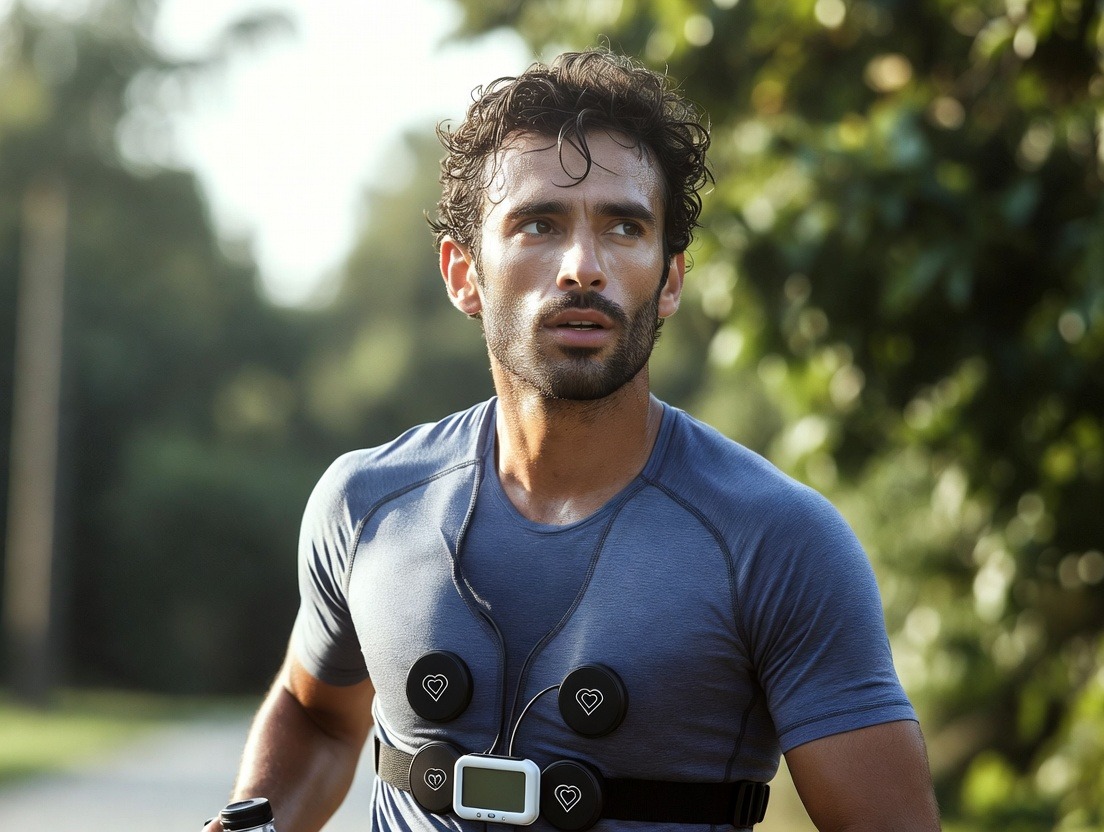
The Personal Health Insights That Optimize Your Workouts
Personal insights that help optimize your workout routine.
The Personal Health Insights That Optimize Your Workouts: A Data-Driven Revolution
For decades, the pursuit of fitness was guided by a handful of simple metrics: how much you lifted, how fast you ran, how long you endured. We chased the burn, the sweat, the exhaustion, believing these were the truest indicators of progress. The gym floor echoed with the mantra, "no pain, no gain." But what if this approach, with its focus on external output alone, was missing the most critical component of the equation—you?
We are not machines with identical blueprints. Your perfect workout is not determined by a generic magazine plan or the routine of the influencer you follow. It is written in the unique, biological language of your own body: in the rhythm of your heart, the depth of your sleep, the subtle whispers of your nervous system, and the silent tide of your hormones. Until recently, this language was largely illegible, a mystery locked inside our physiology. We trained deaf to its signals.
That era is over. We stand at the precipice of a revolution in personal wellness, powered by a convergence of biometric technology, data science, and a profound shift in philosophy. The focus is moving from external performance to internal readiness. This is the era of the optimized self, where the most powerful tool in your fitness arsenal isn't a heavier dumbbell, but a deeper insight.
This article is your guide to this new frontier. We will journey beyond the calorie counters and step trackers to explore the profound, personal health insights that truly dictate how you should move, recover, and excel. We’ll demystify the biomarkers that matter, explain how to interpret them, and provide a practical framework for turning this data into tangible, life-changing results. Whether you’re a weekend warrior, a dedicated athlete, or someone simply seeking more energy and vitality, the principles of internal optimization are your key to unlocking potential you never knew you had—sustainably, intelligently, and in harmony with your body’s own wisdom.
Welcome to the future of fitness. It’s personal.
The End of One-Size-Fits-All Fitness: Why Your Body’s Data is the Ultimate Coach
The fitness industry has long thrived on universality. Fad diets promise results for “everyone,” and workout programs are sold as magic bullets. But human biology is a spectrum, not a monolith. Your neighbor might thrive on daily high-intensity interval training (HIIT), while for you, that same regimen could lead to burnout, injury, and stalled progress. The difference isn’t willpower; it’s physiology.
The old model of fitness was fundamentally reactive. You feel tired? Push through. You’re sore? Work it out. This "ignore the signals" approach often leads to a vicious cycle: overtraining, injury, frustration, and quitting. The new model is predictive and proactive. It asks a simple, transformative question: What is my body capable of today?
Answering this question requires data—not just any data, but personal data. This is where modern technology, particularly subtle, continuous wearable devices like smart rings, becomes our interpreter. Imagine having a coach that doesn't just watch your form but monitors your heart rate variability (HRV) overnight, tracks your core temperature trends, and analyzes the quality of your sleep phases. This coach doesn't yell generic encouragement; it gently suggests, "Your recovery score is low today. Consider a light mobility session instead of heavy weights."
This shift represents the move from ego-driven training to evidence-based optimization. It’s the difference between guessing and knowing. By understanding your unique baselines and daily deviations, you can:
Match workout intensity to physiological readiness, maximizing gains while minimizing injury risk.
Identify unseen stressors (like poor sleep or latent illness) before they derail your progress.
Personalize nutrition and hydration based on actual exertion and metabolic strain.
Objectively measure recovery, taking the guesswork out of rest days.
Companies at the forefront of this movement, like Oxyzen, are building ecosystems that translate complex biometrics into actionable insights. The goal isn't to create more data noise, but to provide clear, personalized guidance—a true partnership between human intuition and machine intelligence. To understand how this partnership works, we must first explore the cornerstone metric of internal readiness: your body's own measure of stress and recovery.
Beyond the Beat: Heart Rate Variability (HRV) as Your Nervous System’s Honest Messenger
If you only track one biomarker beyond your workout heart rate, it should be Heart Rate Variability. HRV is arguably the most significant advance in personal health monitoring for the active individual. Despite its name, HRV has nothing to do with heart disease. Instead, it is a powerful, non-invasive window into your autonomic nervous system (ANS).
What is HRV, Simply Put? Contrary to popular belief, a healthy heart does not beat with the monotonous regularity of a metronome. The time interval between successive heartbeats varies by milliseconds. This subtle, natural fluctuation is Heart Rate Variability. A higher HRV (greater variability) generally indicates a more resilient, adaptable nervous system—one where the "rest-and-digest" parasympathetic branch is strong. A lower HRV (more rigid, consistent intervals) suggests your body is under stress, with the "fight-or-flight" sympathetic branch dominating.
Why HRV is a Game-Changer for Workouts Your ANS is the master regulator of recovery, resource allocation, and physiological readiness. Before you even lace up your shoes, your ANS has decided how prepared your body is for stress.
High HRV (Green Light): Your body is well-recovered, resilient, and primed to handle intense training. It’s a signal that you can productively push for a personal record, complete a demanding HIIT session, or reap maximum benefits from your workout.
Low HRV (Yellow or Red Light): Your body is dealing with other stressors—incomplete recovery from a previous workout, emotional stress, poor sleep, dehydration, or the onset of illness. Training hard on a low HRV day is like trying to sprint with the parking brake on. You’re more likely to perform poorly, increase injury risk, and prolong recovery.
Tracking and Interpreting Your HRV The key with HRV is trends, not single readings. A single low measurement isn't a crisis; a sustained downward trend is a clear message from your body. The most reliable time to measure HRV is during a consistent window, typically during deep sleep or immediately upon waking, using a device capable of capturing accurate beat-to-beat data.
“Think of HRV as your body’s daily briefing. It doesn’t tell you what to do, but it tells you how you are. Ignoring it is like a pilot ignoring the pre-flight check.”
By integrating HRV data into your planning, you transition from a fixed weekly schedule (e.g., "Monday is always leg day") to a dynamic, adaptive training plan. This practice, often called autoregulation, ensures your training load is always in sync with your capacity. For those curious about the technical nuances of how devices measure this and other vital signs accurately, our FAQ page dives deeper into the science of sensor technology.
The Recovery Paradox: Why Sleep Quality Trumps Sleep Quantity Every Time
You know sleep is important. But in the context of workout optimization, not all sleep is created equal. You can be in bed for 8 hours and still wake up feeling wrecked. Why? Because the architecture of your sleep—the cyclical journey through light, deep, and REM stages—is far more critical than the simple duration.
Sleep is when the magic of adaptation happens. It’s not a passive state; it’s a highly active period of physiological repair crucial for anyone who trains.
Decoding the Stages:
Deep Sleep (Slow-Wave Sleep): This is your physical repair shop. Human Growth Hormone (HGH) is released, facilitating muscle repair, bone building, and tissue growth. This is where the micro-tears from your workout are literally stitched back together, stronger than before.
REM Sleep: This is your cognitive recovery center. It’s essential for memory consolidation, learning motor skills (like perfecting your tennis swing or clean-and-jerk technique), and emotional regulation. It’s how your brain "practices" and solidifies new patterns.
The Biometrics of Sleep Optimization Modern wearables track these stages using a combination of accelerometers (for movement), heart rate monitoring, and sometimes temperature and SpO2. Here’s what to look for:
Sleep Latency: How long it takes you to fall asleep. Consistently long latency can point to evening stress or poor routine.
Sleep Consistency: The percentage of time you spend in each stage compared to healthy benchmarks. Are you getting enough deep sleep for physical repair?
Resting Heart Rate (RHR) During Sleep: Your nocturnal RHR is a purer metric than your daytime RHR. A trend of elevated nighttime RHR is a classic sign of under-recovery or systemic stress.
Sleep Disruptions: Visible awakenings, often correlated with drops in blood oxygen (SpO2) or movement.
Actionable Insights for the Athlete: If your data shows poor deep sleep, consider: Are you fueling properly post-workout? Is your room cool and dark? Are you avoiding alcohol and heavy meals too close to bedtime? If REM sleep is lacking, look at: Screen time before bed, managing life stressors, and ensuring your overall sleep duration is sufficient (REM cycles lengthen later in the night).
By treating sleep as a measurable, optimizable component of your training regimen—just like your sets and reps—you unlock a level of recovery previously reserved for elite athletes with dedicated sleep labs. The story of how this technology moved from the lab to your finger is a fascinating one, and you can read our story to learn about the journey to make these insights accessible.
The Silent Signal: How Body Temperature Trends Predict Illness and Overtraining
Your body is a meticulous thermostat. Core body temperature is regulated within a narrow range, and subtle, sustained deviations from your personal baseline are among the earliest warning signs your body can give.
While a fever is an acute response to infection, smaller, trend-based changes in your nocturnal or basal body temperature can tell a more nuanced story about training load and health.
Temperature and Training Strain: Intense exercise creates inflammation and metabolic heat. As part of the recovery process, your body may run a slightly elevated temperature overnight as it repairs tissues. This is normal. However, a persistently elevated basal temperature over several nights, especially when coupled with a lowered HRV, is a strong indicator of overtraining syndrome. Your body is essentially in a chronic state of low-grade inflammation, struggling to complete the repair cycle.
The Early-Warning System: Perhaps more powerfully, a rise in your nightly temperature trend is very often the very first sign of an oncoming illness—sometimes 24-48 hours before you feel a single symptom. Catching this signal allows you to make a critical pivot: swap a planned intense workout for rest, hydration, and immune support. This single intervention can mean the difference between nipping a cold in the bud and being knocked out for a week, destroying your training momentum.
Tracking for Precision: Wrist-based temperature sensors can be influenced by external factors. More advanced wearables, like smart rings worn on the finger, have a unique advantage. The vasculature in the fingers is very sensitive to core-driven changes, providing a more reliable and consistent stream of temperature data for trend analysis. By observing your own temperature curve, you learn your body's unique language of stress and defense.
This proactive, data-driven approach to health management transforms you from a passive recipient of illness to an active guardian of your own well-being. It's a cornerstone of the philosophy behind holistic wellness platforms, where the mission is to give you these silent signals a voice. You can learn more about our mission to understand the principles that guide this kind of innovation.
The old adage "you are what you eat" needs a modern update: "You recover and perform based on what you eat, in context with what you did." Generic macro calculators (e.g., "active men need 3,000 calories") are a starting point at best. True nutritional optimization is dynamic, changing with your daily physiological output and state.
Biometric data closes the loop between exertion and nourishment.
From Calories to Context:
Actual vs. Estimated Burn: Many devices over or under-estimate calorie expenditure. By using more robust metrics like heart rate strain, movement, and even temperature change, you get a clearer picture of your true daily energy output. This allows for far more precise fueling, whether your goal is lean muscle gain or fat loss.
The Recovery Nutrition Window: Data can pinpoint when your body most needs nutrients. For instance, if your sleep data shows poor deep sleep, it might indicate inadequate protein or glycogen replenishment post-workout. If your HRV is slow to rebound after intense training, your carb or electrolyte intake may need adjustment.
Hydration Driven by Data: Dehydration doesn't start with thirst; it shows up in your biometrics first. Elevated resting heart rate, lowered HRV, and even changes in skin temperature can be early markers of fluid imbalance. Tracking these can prompt you to hydrate before performance suffers.
Listening to Your Metabolic Fingerprint: Beyond workout nutrition, daily biomarkers can reveal how your body handles different fuels. While not a replacement for medical glucose monitors, trends in wellness data can help you notice how your energy, sleep, and recovery respond to dietary choices, encouraging a more mindful and personalized approach to eating.
This isn't about obsessive calorie counting. It's about developing an intuitive, data-informed relationship with food as fuel. It's understanding that the 500 calories you burn in a soul-crushing, high-strain workout require different replenishment than the 500 calories burned in a gentle, restorative walk on a high-HRV day. For practical tips on integrating these insights, our blog regularly features guides on data-driven nutrition and recovery.
The Strain Score: Quantifying Your Workout’s True Physiological Cost
Steps are superficial. "Active minutes" are vague. To optimize, you need to quantify the true internal cost of your activity—its physiological strain. This is where composite metrics, often called "Strain" or "Effort" scores, become invaluable.
A Strain Score is a smart algorithm's interpretation of how hard your body worked during an activity. It synthesizes heart rate data (how high and for how long), heart rate variability suppression, duration, and sometimes movement intensity into a single, personalized number.
Why This Beats Simpler Metrics:
It’s Personalized: A 30-minute run at a 10-minute mile pace will generate a different strain score for a seasoned marathoner versus a beginner. The score reflects your body’s response.
It Accounts for Internal State: If you run that same route on a day with low HRV (high stress), your strain score will likely be higher for the same external output, because your body had to work harder.
It Allows for Smart Weekly Planning: By tracking your daily strain, you can aim for a productive weekly "strain volume" while avoiding dangerous spikes. This helps prevent the classic pattern of going too hard on Monday and being exhausted by Wednesday.
Using Strain to Balance Your Week: Imagine your body has a recovery "budget." A high-strain workout is a major withdrawal. You cannot make unlimited withdrawals without deposits (sleep, nutrition, rest days). By viewing your strain score alongside your recovery metrics (HRV, sleep score), you can strategically sequence your training:
High Strain Day: Followed by a planned Low Strain day or complete rest.
Low Strain Day: Active recovery, mobility, gentle yoga—activities that promote circulation without high physiological cost.
Rest Day: True rest, especially if biometrics indicate incomplete recovery.
This dynamic approach prevents the boom-and-bust cycle and leads to sustainable, linear progress. It’s the application of the fundamental principle of periodization—varying stress and recovery—but automated and personalized to your daily life. Real users who have adopted this approach often share how it transformed their relationship with exercise, something you can explore through real customer experiences.
Resting Heart Rate (RHR): The Simple Metric with Profound Implications
Resting Heart Rate is the most accessible and historically tracked biometric, and for good reason. It remains a powerfully simple indicator of cardiovascular fitness and overall physiological stress.
The Fitness Correlation: As your cardiovascular system becomes more efficient through consistent aerobic training, your heart muscle strengthens. It can pump more blood with each beat (increased stroke volume), meaning it doesn’t need to beat as often at rest. A downward trend in your RHR over weeks and months is one of the clearest objective signs your fitness is improving.
The Daily Stress Gauge: On a day-to-day basis, RHR is highly sensitive to your state of recovery and stress. Your RHR upon waking:
Elevated by 5-10+ BPM above your baseline: A strong indicator of incomplete recovery. This could be from a hard previous workout, dehydration, poor sleep, emotional stress, or the onset of illness. It’s a red flag to take it easy.
At or below your baseline: Suggests you are well-recovered and potentially ready for more demanding work.
The Nocturnal Truth: While morning RHR is useful, your average RHR during sleep is even more telling. It’s measured in a completely passive state, free from the influences of caffeine, posture, or immediate stressors. A creeping rise in your sleeping RHR is one of the most reliable composite signals that your body is fighting something—be it training load, life stress, or infection.
Tracking RHR gives you a fundamental vital sign that connects long-term fitness gains with short-term readiness. It’s the foundational layer upon which more complex metrics like HRV are built. When you see your sleeping RHR climb and your HRV drop in concert, the message from your body is unequivocal: prioritize restoration.
Blood Oxygen (SpO2) During Sleep: Uncovering the Hidden Hurdle to Recovery
While we think of blood oxygen saturation (SpO2) in the context of serious medical conditions or high-altitude climbing, its nocturnal measurement has become a critical wellness metric for athletes and active individuals.
During the day, a healthy individual should maintain SpO2 levels at 95-100%. At night, it’s normal for levels to dip slightly. However, significant, repeated dips—a condition known as nocturnal hypoxemia—can severely sabotage recovery and performance, even if you’re completely unaware of it.
How Low Oxygen Disrupts Recovery:
Sleep Fragmentation: Each significant dip in SpO2 can cause a micro-arousal, pulling you out of deep or REM sleep. You may not fully wake up, but your sleep architecture is shattered. This prevents you from spending adequate time in the physically and mentally restorative stages.
Increased Systemic Stress: Intermittent low oxygen is a major physiological stressor, activating the sympathetic nervous system and increasing inflammation. This can manifest as elevated morning RHR, lower HRV, and unrefreshing sleep.
Impact on Performance: Chronic poor sleep quality from oxygen desaturations leads to daytime fatigue, reduced cognitive function (bad for coordination and technique), and impaired muscular recovery.
Causes and Actions: Common causes include sleep apnea, but also seasonal allergies, sinus congestion, or even sleeping position. Tracking your SpO2 trend can provide the evidence you need to investigate further. If you see consistent, significant dips, it’s a powerful data point to discuss with a healthcare professional. Addressing underlying breathing issues during sleep can be one of the most impactful "performance enhancements" an athlete can make, often leading to dramatic improvements in energy, recovery speed, and overall well-being.
The Synergy Effect: How to Combine Metrics for Holistic Readiness Scores
By now, you understand the power of individual metrics. But their true transformative potential is unlocked not in isolation, but in synergy. The most advanced personal wellness systems don’t just show you numbers; they synthesize them into a holistic picture of your readiness.
Think of it like an orchestra. HRV is the conductor, RHR is the steady rhythm section, sleep stages are the melody, and temperature is the harmony. A Readiness or Recovery Score is the beautiful music they create together—a single, actionable piece of intelligence.
How a Composite Score is Built: An algorithm weighs your nightly data:
Sleep Quality & Duration: Did you get enough deep and REM sleep?
HRV Balance: How did your HRV compare to your personal baseline?
RHR Response: Was your sleeping RHR elevated?
Temperature Trend: Are you showing signs of strain or illness?
Restorative Time: How much of the night were you in a truly restorative state?
The output is a simple score (e.g., 1-100) or a color-coded indicator (Green/Yellow/Red).
The Practical Power of One Number: This score becomes your daily prescription.
High Readiness (Green): "Your body is primed. Go for that intense workout or personal best."
Moderate Readiness (Yellow): "Proceed with caution. Consider a moderate session or focus on technique. Prioritize recovery habits today."
Low Readiness (Red): "Your body is stressed. Today is for rest, gentle movement, hydration, and sleep hygiene. Training hard today would be counterproductive."
This removes paralysis by analysis. You don’t have to be a biostatistician. You get a clear, evidence-based recommendation tailored to your unique physiology on that specific day. It democratizes the kind of expert guidance once only available to professional athletes. To see how this philosophy is integrated into a user-centric product, you can discover how Oxyzen works.
From Data to Action: Building Your Dynamic, Auto-Regulated Training Plan
Knowledge is only power if you apply it. This final section of our foundation is about building your bridge from insight to action. We move from being a passive data collector to an active auto-regulator of our training.
The Auto-Regulation Framework:
Establish Your Baselines: Spend 2-4 weeks wearing your tracker consistently during sleep and activities without making drastic changes. This establishes your personal baselines for HRV, RHR, sleep, etc.
Start Each Day with Your Readiness Score: Let this be your first filter for decision-making. Check it before you check your email or social media.
Tier Your Workouts: Pre-plan your weekly exercise menu, but don’t assign them to days. Categorize them:
Tier 3 (High Strain): Heavy strength sessions, long runs, intense HIIT, competitions.
Green Readiness: You have the green light for a Tier 3 workout. This is when you challenge your limits.
Yellow Readiness: Opt for a Tier 2 or Tier 1 day. Focus on maintenance, skill, and movement.
Red Readiness: This is a mandatory Tier 0 or Tier 1 day. The goal is restoration, not exertion.
Practice Reflective Adaptation: At the end of each week, review not just your workouts, but how your body responded. Did your readiness stay stable? Did a hard workout crash your HRV for two days? Use this to refine your understanding of what "Tier 3" truly means for you.
This system creates a sustainable, injury-resistant, and highly effective training life. It respects your body as a dynamic, changing system, not a machine to be programmed rigidly. It’s the ultimate application of personal health insights, ensuring every ounce of effort you expend is spent wisely.
The Mind-Body Connection: How Psychological Stress Manifests in Your Biometrics
We cannot discuss physical optimization without addressing the elephant in the room: your mind. Psychological stress—from work deadlines, relationship tensions, or financial worries—is processed by your body as a very real physiological event. It activates the same hypothalamic-pituitary-adrenal (HPA) axis and sympathetic nervous system response as a physical threat.
Your Data Doesn't Lie: A brutal day at the office or an emotional argument can wreak havoc on your biometrics, often more profoundly than a hard workout. You will see it in:
A Suppressed HRV: Chronic mental stress keeps your nervous system in a state of sympathetic dominance, lowering HRV.
An Elevated RHR: Your heart is constantly prepared for "fight or flight."
Disrupted Sleep: Stress hormones like cortisol can delay sleep onset and fragment sleep architecture, particularly reducing deep sleep.
A Higher Strain Score: Even a light workout will feel harder and show a higher physiological strain because your body is already under load.
The Critical Implications for Training: This means you cannot compartmentalize. "I'll just push through my workout to destress" can be a dangerous fallacy on a high-stress day. Exercising hard on top of significant psychological stress is a recipe for overtraining, injury, and burnout. Your biometrics provide the objective proof that your body is already taxed.
Using Data for Mindfulness: This is where the technology becomes a tool for holistic wellness, not just fitness. Seeing a low readiness score on a day you didn't workout can prompt you to ask, "What's stressing my body?" It encourages you to deploy psychological recovery tools:
Meditation or Breathwork: Proven to improve HRV and activate the parasympathetic system.
Nature Time: A walk in green space (a Tier 1 activity) can lower cortisol.
Digital Detox: Reducing screen time, especially before bed.
Connection: Social support is a powerful buffer against stress.
By acknowledging the mind-body link in your data, you cultivate a more compassionate and intelligent approach to your health. You learn that sometimes the most optimal "workout" is a meditation session or a walk with a friend. This integrated view is core to the vision of modern wellness, a vision you can explore further in our about section.
Periodization Perfected: Tailoring Macro and Micro-Cycles to Your Biometric Feedback
For elite athletes, periodization—the strategic planning of training cycles—is nothing new. Coaches design annual plans with phases for building base strength, intensifying power, peaking for competition, and active recovery. However, for the non-professional, these plans have always been generic, based on population averages and fixed calendars. What if you could periodize your training based not on the date, but on the direct, real-time feedback from your own body?
This is the promise of biometric-driven autoregulation. It brings the science of periodization down to the individual level, making it dynamic and responsive. Let's translate traditional cycles into your personal data language.
The Macro-Cycle (The Big Picture): Your long-term goal—running a marathon, building significant strength, achieving a body composition target—is your macro-cycle. Instead of a fixed 16-week plan, you use trend data to guide your progression.
Baseline & Build Phase: You start by establishing fitness while closely monitoring how your body responds. Is your HRV trending upward? Is your resting heart rate slowly dropping? These are signs of positive adaptation, telling you it's safe to gradually increase volume (the principle of progressive overload).
Intensification Phase: As you push into heavier loads or higher mileage, your daily readiness scores become critical. The goal isn't to be "green" every day, but to strategically place hard sessions on high-readiness days and ensure adequate recovery afterward. A sustained downward trend in HRV or upward trend in RHR over this phase signals it's time to insert a planned deload week before you crash.
Taper & Peak: For an event, you reduce volume. Biometrics confirm you're tapering effectively: HRV should rise significantly, RHR drop, and sleep quality improve. If it doesn't, your taper might be too abrupt or you're dealing with other stress. The data lets you fine-tune it.
Transition/Recovery: Post-goal, you actively rest. Your biometrics guide you back to a sustainable baseline, telling you when you're truly recovered and ready to build again.
The Micro-Cycle (Your Weekly Rhythm): This is where daily readiness scores shine. Your week is no longer "Monday: Chest, Tuesday: Back..." It's a fluid structure:
Proactive Deloads: Instead of pushing for three hard weeks and then deloading on the fourth because a plan says so, you deload when your body asks for it. A cluster of yellow/red readiness scores is your signal. This prevents digging a recovery hole so deep it takes weeks to climb out of.
Exercise Selection: On a yellow day, you might swap barbell back squats (high systemic fatigue) for belt squats or split squats (less neural demand). The data guides not just if you train, but how you train.
By using your body's signals to drive periodization, you align ambition with biology, creating the most efficient path to your long-term goals while honoring the need for recovery. This intelligent approach is what separates those who plateau from those who progress sustainably. Many users document these journeys, and you can find inspiration by reading real customer reviews and experiences.
Sport-Specific Signals: Optimizing for Running, Strength, Team Sports, and Endurance
While the core biomarkers (HRV, RHR, sleep) are universal, how you interpret and prioritize them can vary dramatically based on your primary athletic pursuit. The internal cost of a marathoner's long run is different from that of a powerlifter's max effort day. Let's break down the data nuances for different disciplines.
For the Runner and Endurance Athlete:
Primary Metric: Heart Rate & HRV. Aerobic efficiency is king. Trends in resting heart rate are hugely telling. A creeping elevation is a classic early sign of overreaching. HRV is your guide for integrating high-intensity interval days versus steady-state volume.
Key Insight: Nocturnal HRV & Next-Day Readiness. The cardiovascular strain from endurance work is systemic. Your overnight HRV recovery is paramount. A hard interval session that suppresses your HRV for two days means you need more easy days between intensity than you might think.
The Sleep Priority: Deep sleep is critical for repairing the musculoskeletal system from repetitive impact. Poor deep sleep scores should give any runner pause before a high-mileage day.
Watch For: Low SpO2 trends can indicate breathing inefficiencies during sleep that directly impact aerobic recovery and performance.
For the Strength and Power Athlete:
Primary Metric: HRV and Sleep Quality (especially Deep Sleep). Strength training is a neural and muscular stressor. The nervous system component is massive. HRV is a direct readout of your CNS readiness. Training heavy on a low HRV day is a fast track to missed lifts and potential injury.
Key Insight: The 48-72 Hour Window. Muscle protein synthesis and neurological recovery from a heavy strength session can take 2-3 days. Your readiness score on the day after a lift might be deceptively okay, but it's the second day where the cumulative fatigue often hits. Track your readiness across this window.
The Temperature Link: Slightly elevated temperature after a heavy session is normal (inflammation for repair). Persistently elevated temp suggests the inflammatory load is too high or recovery resources are insufficient.
For the Team Sport and HIIT Athlete:
Primary Metric: Strain Score and HRV. Your training is inherently variable and high-intensity. The composite Strain Score is perfect for quantifying the chaotic, stop-start stress of a soccer game or a CrossFit WOD.
Key Insight: Sympathetic Overload. Team sports and HIIT are massive sympathetic nervous system drivers (high heart rate, adrenaline). This makes post-session parasympathetic recovery—getting that "rest and digest" system back online—critical. A very low post-workout HRV that stays low is a red flag.
Sleep Architecture Matters: You need both deep sleep for tissue repair and REM sleep for cognitive recovery, motor skill consolidation (sport-specific skills), and reaction time. Neglecting sleep quality will directly impair coordination and decision-making on the field.
Understanding these nuances allows you to customize your data dashboard's focus. It transforms generic wellness tracking into a bespoke performance tool for your chosen arena. For more detailed guides on applying these insights to specific activities, our blog is a continually updated resource.
The Travel & Disruption Protocol: Using Data to Navigate Jet Lag, Time Zones, and Life Interruptions
Life happens. Work trips, vacations, family emergencies—these disruptions can derail the best-laid training plans. In the old model, you'd either stubbornly try to stick to the plan (and fail) or abandon it entirely. With a biometric-informed approach, you have a third, superior option: the adaptive protocol. You use your data to navigate the disruption with minimal fitness loss and maximal recovery.
Conquering Jet Lag with Data: Jet lag is a brutal physiological stressor, disconnecting your internal circadian clock from the external environment. Your biometrics will reflect this chaos, and you can use them to re-synchronize faster.
The Pre-Travel Baseline: Note your normal HRV, RHR, and sleep scores.
During Travel & First 72 Hours: Expect and don't panic over terrible scores. A plummeting HRV, elevated RHR, and shattered sleep architecture are normal. The goal here is not to train hard. It's to manage stress and seek daylight for circadian resetting.
The Actionable Signal: Your first sign of adaptation will be an improvement in sleep consistency in the new time zone, even if duration is short. Once your deep sleep starts to normalize (as seen in your data), your body is beginning to adapt.
The Return to Training: Do not resume intense training until your HRV and RHR are trending back toward your personal baseline. This might take days. Use this time for Tier 1 activities: walking, light mobility, and exposure to natural light.
The "Stressful Life Event" Pivot: When facing non-training stressors (a big project, family illness), your biometrics are your permission slip to pivot.
Observe the Impact: You'll see the stress manifest clearly: low HRV, high RHR, poor sleep. This is objective proof your recovery capacity is compromised.
Shift from Performance to Preservation: Your training goal temporarily changes from "progress" to "maintain and manage stress." Drastically reduce volume and intensity. A 20-minute brisk walk will do more for your stress and fitness maintenance than a grueling, draining gym session that deepens the recovery deficit.
The Comeback Protocol: As the life stressor resolves, watch your metrics. A rising HRV is your green light to gradually reintroduce normal training load. This prevents the common mistake of jumping back in at 100% and getting injured.
This framework turns disruptions from derailments into manageable detours. You learn that fitness is resilient, and sometimes the most strategic workout is the one you skip in favor of preserving your nervous system. This philosophy of intelligent adaptation is central to our approach, which you can learn more about here.
Body Composition and Metabolic Health: Moving Beyond the Scale with Physiological Data
The scale is a liar. It tells a one-dimensional story of mass, ignoring the composition of that mass (muscle vs. fat), the health of the systems underneath, and the hydration fluctuations that can obscure real progress. For those focused on body recomposition—losing fat while gaining or preserving muscle—biometric data provides the multidimensional truth.
The Limitations of the Scale: You can be gaining muscle and losing fat simultaneously, a process called recomposition, and the scale may not budge for weeks. This can be incredibly demotivating if the scale is your only metric. Conversely, you can lose water weight quickly on a crash diet and see the scale drop while losing precious muscle and damaging your metabolism.
How Biometrics Tell the Fuller Story:
Resting Heart Rate as a Metabolic Hint: A very low-calorie diet can, over time, lead to a drop in resting heart rate as the body tries to conserve energy (a metabolic adaptation). If you're in a fat-loss phase and see your RHR trending down significantly alongside weight loss, it may be a signal that your deficit is too aggressive and you risk losing muscle.
HRV and Diet Quality: Drastic dietary changes, especially severe carb restriction, can initially lower HRV as a stress response. A chronically low HRV during a diet phase suggests high systemic stress, which can elevate cortisol and make stubborn fat loss more difficult. It might be time to integrate a diet break or increase calories slightly.
Sleep as the Secret Weapon for Fat Loss: Poor sleep (shown by low deep sleep scores) wreaks havoc on hormones that regulate appetite (ghrelin and leptin). After a bad night's sleep, you're biologically driven to crave high-calorie foods. Furthermore, inadequate deep sleep reduces HGH output, impairing muscle recovery. Optimizing sleep via your data is a non-negotiable pillar of body composition change.
Temperature and Metabolic Rate: While not a direct measure, a consistently very low body temperature trend can sometimes correlate with a down-regulated metabolism. More importantly, ensuring your temperature normalizes after workouts (showing good recovery) means your body is efficiently repairing muscle, which is metabolically active tissue.
The Actionable Strategy:
Weigh-in Context: Only give the scale meaning when viewed alongside your weekly average HRV, RHR, and sleep scores. Are you leaning out while maintaining or improving these metrics? That's a fantastic sign of healthy recomposition.
Use Photos & Measurements: These, combined with how your clothes fit, are better visual indicators than the scale.
Diet Breaks Guided by Data: If your HRV is chronically low and your progress stalls during a fat-loss phase, a planned week at maintenance calories (guided by your improved readiness scores) can reset hormones, improve recovery, and boost metabolism for the next phase.
This holistic view fosters a healthier relationship with your body, focusing on function, health, and sustainable change over a meaningless number. For support on navigating these complex journeys, you can always reach out with questions to explore common challenges and solutions.
The Female Athlete: Honoring the Cycle and Leveraging Phases for Performance
For half the population, a critical, innate biological rhythm has been historically ignored in fitness planning: the menstrual cycle. Training a female body with a male-derived, linear model is not just suboptimal—it can be detrimental. Hormonal fluctuations across the cycle create distinct physiological phases, each with unique strengths, challenges, and recovery needs. Biometric tracking is the key to harmonizing your training with this rhythm, a practice known as cycle syncing.
Mapping Your Cycle to Your Metrics: A typical cycle has two main phases, dictated by estrogen and progesterone:
Follicular Phase (Day 1 of period to ovulation): Estrogen rises. This hormone is anabolic (muscle-building) and enhances insulin sensitivity. Biometrically, many women experience:
Higher HRV and better stress resilience.
Lower RHR.
Improved recovery capacity.
This is the performance window. It's an ideal time for high-intensity training, strength, power work, and attempting personal records. The body is primed to build muscle and handle heavy neural load.
Luteal Phase (Post-ovulation to next period): Progesterone rises, increasing core temperature and metabolic rate. This phase is more catabolic. Biometric trends often show:
Gradually lowering HRV and higher nervous system stress.
Elevated resting heart rate (by 5-10 BPM is common).
Elevated basal body temperature.
Potentially more fragmented sleep.
This is the endurance & maintenance window. The body is less efficient at building muscle and more prone to breaking down protein for fuel. Focus shifts to moderate-intensity cardio, skill-based work, mobility, and strength maintenance with lower volume. Recovery needs are higher.
How Tracking Empowers You:
Personalization: Not every woman's cycle is textbook. Tracking lets you discover your unique pattern. Do you crash on Day 21? Does your HRV peak on Day 8? This personal map is invaluable.
Permission to Adapt: Seeing a physiological reason (like a progesterone-driven HRV dip) for feeling weaker allows you to adjust expectations and training load without guilt. You're not "failing"; you're working with your biology.
Identifying Red Flags: A complete absence of biometric shifts, or extremely severe crashes (like dangerously low HRV for weeks), can be data points to discuss with a healthcare provider regarding conditions like amenorrhea or PMDD.
Menopause and Beyond: For perimenopausal and postmenopausal women, the rules change again. Hormonal fluctuations become erratic, often leading to poor sleep (hot flashes) and increased systemic inflammation. Biometric tracking becomes essential for distinguishing between training fatigue and menopausal transition symptoms, allowing for intelligent adaptation during this new phase of life.
Embracing this data-driven, cycle-aware approach transforms training from a fight against your body into a powerful collaboration with it. It’s a profound step toward truly personalized fitness. The journey to creating technology that respects these nuances is part of our broader story and vision for inclusive wellness.
Longevity and Resilience: Building a System That Thrives for Decades
The ultimate goal of fitness isn't a six-pack for a summer or a single race PR. It's resilience—the capacity to withstand, recover from, and adapt to physical, mental, and environmental stress throughout a long, vibrant life. This shifts the focus from acute performance peaks to chronic system health. Your biometrics are the dashboard for your long-term resilience engine.
The Biomarkers of Longevity: While performance metrics like VO2 Max are important, the foundational biomarkers we've discussed are directly tied to longevity and healthspan:
High HRV: Strongly correlated with cardiovascular health, emotional regulation, and resilience to disease. It's a marker of a robust, adaptable autonomic nervous system.
Low Resting Heart Rate (when fit): Indicates an efficient heart and is associated with lower all-cause mortality.
Deep, Consistent Sleep: The non-negotiable pillar of cellular repair, metabolic health, and cognitive function. Poor sleep architecture is linked to nearly every chronic disease.
Stable Temperature Rhythms: A sign of a well-regulated hypothalamic function and immune system.
Training for Resilience, Not Just Results: This philosophy changes how you interpret your data and design your training life:
Avoiding the Red Zone: Consistently training through low readiness (red scores) creates systemic inflammation, hormonal dysfunction, and cellular damage that accelerates aging. The data helps you stay in the productive "stimulus-recovery" zone, not the destructive "stress-breakdown" zone.
Prioritizing Recovery as Training: In a longevity context, a perfect recovery day with high HRV and great sleep is a "win" equal to a great workout. It means your system is strengthening its baseline.
Embracing Variety: Resilience comes from capacity across domains: strength (to prevent sarcopenia), cardiovascular fitness (for heart health), mobility (for injury-free movement), and stability. Your data helps you balance these stimuli without overloading any single system.
The Minimum Effective Dose (MED): What is the smallest dose of training that maintains or slowly improves your resilience biomarkers? As life gets busy, finding your MED via data ensures you stay healthy without burning out. Sometimes, that's two strength sessions and three walks per week.
The 80/20 Rule of Lifelong Fitness: Aim for 80% of your training to be at a moderate, controlled intensity (where you can hold a conversation) that promotes mitochondrial health, fat adaptation, and low systemic fatigue. Use the other 20% for higher-intensity work to stimulate power and peak cardiovascular function. Your HRV and readiness scores are the best tools for managing this balance, ensuring the high-intensity 20% is placed on days you can actually recover from it.
By optimizing for resilience biomarkers, you're not just training for your next event; you're investing in the quality of every future decade. You're building a body that not only lives longer but thrives longer. This commitment to sustainable health is at the core of our company's mission and values.
The Pitfalls and Perils: Common Misinterpretations and How to Avoid Data Anxiety
With great data comes great responsibility. An unintended consequence of deep self-tracking can be orthosomnia (an unhealthy preoccupation with perfect sleep data) or data anxiety, where the numbers themselves become a source of stress, defeating their purpose. The goal is to use data as a compassionate guide, not a punitive judge.
Common Misinterpretations:
Overreacting to a Single Data Point: A single low HRV reading or a bad night's sleep is noise. Biology is variable. Only trends over 5-7 days hold meaningful insight. Don't cancel your workout over one yellow score.
Chasing High HRV as an End Goal: HRV is highly individual. Comparing your 45 ms to someone else's 80 ms is meaningless. Focus on your trends relative to your baseline. Furthermore, forcing "recovery" activities in a desperate attempt to raise a number can create its own stress.
Ignoring Context: Did you have alcohol? A late meal? A tough conversation before bed? These will directly impact your metrics. Always interpret your data through the lens of your life log. A low score with a known cause (a celebration dinner) requires no action. A low score with no obvious cause warrants attention.
Using Data to Justify Avoidance: "My readiness is 52, not 75, so I can't do anything." This is the opposite of the intent. The system is designed to encourage appropriate action, not inaction. A score of 52 suggests a walk or yoga, not the couch.
Building a Healthy Data Relationship:
Set Review Windows: Don't check your data constantly. Look at your readiness score in the morning to plan your day, and perhaps review trends once a week. Don't live in the app.
Embrace the "Why": Use the data as a starting point for curiosity, not condemnation. "My sleep was poor. Why? Oh, I had coffee after 3 PM. I'll experiment with cutting that off earlier."
Practice Data Detoxes: If you find yourself becoming anxious, take the ring off for a weekend. Reconnect with how you feel subjectively. The data should enhance your bodily awareness, not replace it.
Focus on Actionable Insights: The only data point that matters is one that leads to a positive behavior change. If seeing a low score leads you to prioritize an extra hour of sleep instead of late-night TV, that's a win. If it just makes you anxious, reframe your approach.
Remember, you are more than your metrics. They are a tool in your wellness toolkit, not the definition of your health. For support on finding this balance, our community and support resources often address these common psychological aspects of tracking.
The Future Is Now: Emerging Biomarkers and the Next Frontier of Personal Optimization
The technology we have today is revolutionary, but it is merely the foundation. The frontier of personal health insights is rapidly expanding, with new biomarkers and analytical models on the horizon that will make optimization even more precise and powerful.
On the Immediate Horizon:
Continuous Glucose Monitoring (CGM) Integration: While currently a separate device, the integration of glucose trend data with activity, sleep, and HRV will be transformative. It will allow for hyper-personalized nutrition, showing you exactly how your body responds to different foods in the context of your training and recovery state.
Advanced Sleep Staging with Brainwave Tech: Moving beyond movement and heart rate to more accurately measure sleep stages using gentle, wearable EEG sensors will provide a gold-standard view of sleep quality and its impact on recovery.
Electrodermal Activity (EDA) for Stress: Measuring minute changes in skin conductance provides a direct window into sympathetic nervous system arousal, offering a second layer to HRV for understanding real-time stress responses.
The Longer-Term Vision:
Biomarker Panels for Inflammation & Hormones: Future wearables may non-invasively track key markers like cortisol (stress hormone), CRP (inflammation), and testosterone/cortisol ratios, providing a direct look at anabolic/catabolic balance.
AI-Powered Predictive Health Coach: The next step is an AI that doesn't just report data but predicts outcomes. "Based on your current HRV trend and projected sleep, if you complete this planned hard workout tomorrow, your recovery probability is 30%. We suggest moving it to Thursday." This moves from descriptive to truly prescriptive analytics.
Personalized Supplement & Nutrition Protocols: Combining biomarker data with genetic information could lead to dynamically suggested micronutrient support, hydration formulas, and meal timing tailored to your daily physiological state and long-term goals.
The Ethical Imperative: As data gets more personal, the responsibility of companies to be stewards of this intimate information becomes paramount. Transparency in how data is used, robust security, and clear user ownership are non-negotiable. The goal must always be to empower the individual, not to exploit them.
This exciting future is being built today by researchers and innovators committed to deepening our understanding of human performance. Staying informed on these developments is key, and you can explore our blog for ongoing updates on the evolving world of wellness technology.
The 30-Day Implementation Blueprint: Your Step-by-Step Guide to Biometric Mastery
Understanding the theory is one thing. Implementing it seamlessly into your life is another. This section is your practical playbook—a clear, phased 30-day plan to transition from a data novice to an informed, auto-regulating athlete. The goal is not perfection, but progressive understanding and integration.
Phase 1: Days 1-7 — The Observation Week (Become a Scientist)
Action: Wear your tracker consistently, especially during sleep. Go about your normal routine.
Mindset: Collect data without judgment. Do not change your behavior.
Daily Task: Each morning, simply note your readiness score and one-word feeling ("energized," "tired," "stressed").
Weekly Review: At the end of the week, look at your averages. What was your average sleep score? Your average HRV? This establishes your personal baseline. No comparisons. This is your unique starting point. Our FAQ section can be helpful here for understanding what you're seeing in these initial readings.
Phase 2: Days 8-21 — The Connection Phase (Find the Patterns)
Action: Begin to lightly experiment and observe correlations.
On a day you have a light schedule, aim for 30 minutes of extra sleep and note the next day's score.
Drink a large glass of water first thing upon waking for three days. See its effect on your morning resting heart rate.
Observe what happens to your next day's readiness after a hard workout versus a moderate one.
Weekly Review: Look for cause and effect. "Every time I have a late, heavy meal, my deep sleep percentage drops." "My HRV is consistently higher on days after yoga." This phase builds your personal playbook of what works for you.
Phase 3: Days 22-30 — The Integration Phase (Start Auto-Regulating)
Action: Begin making decisions guided by your data.
Mindset: Empowered collaborator with your body.
Daily Task: Let your readiness score be the first filter for your workout decision. Use the Green/Yellow/Red framework.
Green: Execute your planned hard session.
Yellow: Modify. Swap heavy squats for goblet squats. Swap a 5-mile run for a 3-mile run with strides.
Red: Actively recover. 20-minute walk, foam rolling, meditation. Consider this a "physiological investment day."
Weekly Review: Assess not just your fitness, but your consistency of recovery. Are you seeing fewer red scores over time? That's a sign of increasing resilience. Celebrate that as a win equal to a new personal record.
By the end of 30 days, this process will have moved from a conscious practice to a more intuitive part of your wellness lifestyle. You will have started a lifelong conversation with your body.
Real-World Case Studies: Transformation Through Data
Theory and plans are compelling, but stories bring them to life. Let’s examine three anonymized, composite case studies based on common user experiences that illustrate the transformative power of personal health insights.
Case Study 1: The Plateued Powerlifter (Mark)
The Problem: Mark, 38, followed a rigid 5-day strength split. His progress had stalled, and he was chronically sore and irritable. He believed the answer was "more volume, more intensity."
The Data Revelation: Upon tracking, Mark discovered his HRV was chronically low, and his resting heart rate was elevated 8 BPM above population averages for his age. His deep sleep was consistently poor. The data showed he was in a permanent state of sympathetic overdrive.
The Intervention: We convinced Mark to follow his readiness score for two weeks. He was shocked to see only 2 "green" days in 14. On yellow and red days, he swapped barbell lifts for kettlebell circuits, sled pushes, and mobility work.
The Result: After two frustrating weeks of "feeling like I'm not working hard," his biometrics began to shift. His HRV climbed 25%, and his RHR dropped by 6 BPM. On his third "green" day, he returned to his main lifts and—despite not touching them for weeks—matched his previous 1-rep max with far less perceived exertion. He broke through his plateau by learning to recover. He now trains with higher intensity, less frequently, and with better results.
Case Study 2: The Stressed-Out Runner (Chloe)
The Problem: Chloe, 29, training for a marathon while managing a high-pressure job. She followed her plan to the letter but was constantly getting sick, felt exhausted, and her easy runs felt hard.
The Data Revelation: Chloe's data showed a clear weekly pattern: her HRV would slowly climb over the weekend, peak on Monday (after rest), and then plummet Tuesday through Friday under the combined stress of work and training. Her sleep score was terrible on weeknights. The data visualized her work-life-training imbalance perfectly.
The Intervention: Using the data as evidence, Chloe gave herself permission to flex her plan. She moved her key interval session from stressful Wednesday to calmer Monday. She replaced her Thursday medium-long run with two shorter, easier runs. She instituted a strict 9:30 PM digital curfew on worknights.
The Result: Her weekly HRV graph flattened into a healthier, more stable pattern. She stopped getting sick. Her "easy" run pace actually became easy again. She not only completed her marathon but set a personal best, feeling strong the entire way. She learned that managing life stress was part of the training plan.
Case Study 3: The Perimenopausal Executive (David)
The Problem: David, 52, was successful but struggling with energy. His old 5-day gym routine was leaving him wiped out. He was gaining stubborn belly fat despite "doing everything right."
The Data Revelation: David’s data showed wildly erratic sleep, with frequent nighttime awakenings (correlated with a rising temperature trend). His HRV was low and highly variable. The data pointed not to a fitness problem, but a recovery and hormonal transition problem.
The Intervention: We shifted his goal from "fat loss" to "metabolic health and resilience." He reduced gym days to 3 focused strength sessions (prioritizing compound lifts) based on green scores. He added 30 minutes of daily walking. He used his temperature trend to understand his sleep disruptions, investing in cooling bedding and timing his hydration to minimize nighttime wakes.
The Result: While the scale moved slowly, his body composition visibly improved over 4 months. His energy levels stabilized, his sleep score improved by 40%, and his HRV became less erratic. He reported feeling "in control" of his health for the first time in years. His story is a testament to the power of adapting your approach to your life stage, a principle you can read more about in our community testimonials.
The Troubleshooter's Guide: Decoding Common Biometric Scenarios
Even with a blueprint, you'll encounter confusing data patterns. This guide helps you diagnose and act on common scenarios.
Scenario 1: "My HRV is consistently low, but I feel great."
Potential Causes:
Under-Recovering but Adapting: You may be in a sustained training load that your body is coping with, but not thriving under. This is a high-injury-risk state.
High Non-Exercise Stress: Unmanaged work or emotional stress is keeping your nervous system on alert.
Dietary Issues: Chronic under-eating, dehydration, or food sensitivities can suppress HRV.
Action Plan: First, ensure you're hydrated and well-fueled. Then, for one week, deliberately reduce training intensity by 30% and prioritize sleep and relaxation. If your HRV rises, you were under-recovered. If it doesn't, consider life stress or a consult with a nutritionist.
Scenario 2: "I slept 9 hours, but my sleep score is terrible."
Potential Causes:
Poor Sleep Architecture: You got lots of light sleep, but little deep or REM sleep (common after alcohol consumption or late eating).
High Resting Heart Rate: Your body was working hard overnight (fighting something, digesting, or stressed).
Frequent Awakenings: You may not remember them, but your device detected many disruptions (check SpO2 for possible breathing issues).
Action Plan: Look at the breakdown, not the duration. Improve sleep hygiene: cool, dark room; no screens 1 hour before bed; finish eating 3 hours before sleep. Track for a week.
Scenario 3: "My readiness is high, but I performed poorly in my workout."
Potential Causes:
Technical/Mental Off Day: Readiness measures physiological preparedness, not skill or motivation. You can be physically ready but have poor technique or focus.
Fueling/Hydration Error: You may have been ready systemically, but lacked the muscular glycogen or hydration for that specific task.
The "Last Straw" Phenomenon: Sometimes a hard workout is the final stressor that tips the scales. Your readiness was accurate before the workout; the poor performance is the result.
Action Plan: Don't discount the system. Review your pre-workout nutrition and hydration. Ensure you warmed up properly. Sometimes, it's just an off day. Trust that consistently training on green days will yield more good performances than bad.
Scenario 4: "All my metrics are great, but I'm not seeing physical results (strength, composition)."
Potential Causes:
The Stimulus is Insufficient: Great recovery means you're able to handle a challenge. If the challenge (workout intensity/diet) isn't there, you won't adapt. You are well-recovered but under-stimulated.
Nutritional Alignment: You may be eating for maintenance, not for your specific goal (muscle gain or fat loss).
Action Plan: Use your high readiness as a license to safely increase the progressive overload in your training. Ensure your nutrition supports your specific performance or body composition goal. Great data means you have the capacity to push harder. For deeper dives on aligning nutrition with biometrics, our blog offers advanced strategies.
Building Your Personal Insight Optimization System: A Final Integration Framework
You have the knowledge, the blueprint, and the troubleshooting guide. Now, let's architect your permanent system—your personalized operating model for lifelong fitness and health. This is the synthesis of everything we've covered.
The Four Pillars of Your System:
The Daily Ritual (5 minutes):
Morning: Check your readiness score. Decide on your activity tier (Green=3, Yellow=2, Red=1). Note your subjective feeling.
Evening: Briefly log any major stressors, dietary highlights, or workout notes that aren't tracked automatically. Prepare for sleep (digital sunset, cool room).
The Weekly Review (20 minutes, Sunday evening):
Look at your weekly trend lines for HRV, RHR, and Sleep Score. Are they stable, improving, or declining?
Review your Strain/Recovery balance. Did you have more strain than recovery this week?
Plan the skeleton of your next week: Block in non-negotiable life events. Slot in 2-3 potential "Green Day" workout slots. Leave the rest flexible.
The Monthly Audit (30 minutes, end of month):
Compare this month's averages to last month's. Are your resilience biomarkers improving?
Review your progress toward your macro-cycle goal (e.g., race time, strength target). Is your system moving you in the right direction?
Celebrate non-scale victories: A higher average HRV, better sleep consistency, or completing more workouts on "green" days are huge wins.
Set one intention for the next month (e.g., "Improve deep sleep by focusing on a pre-bed routine").
The Quarterly Recalibration (1 hour):
Re-assess your goals. Are they still relevant?
Evaluate your equipment and plan. Do you need a new program? New shoes?
Consider a deload or active rest week if trend data suggests cumulative fatigue.
The Golden Rule of the System: Flexibility Within Framework. Your system provides the framework (the pillars and the process). Your daily data provides the flexibility to move within it. This dynamic interplay is what makes it sustainable and powerful. It’s a system designed for the human experience—variable, unpredictable, and beautiful.
Conclusion: The Empowered Athlete—Living in Harmony with Your Biology
We began this journey by declaring the end of one-size-fits-all fitness, of the "no pain, no gain" dogma that asked us to ignore our body's signals. We end it with a new paradigm, one of collaboration, intelligence, and profound self-knowledge.
The personal health insights available to us today are not about creating cyborg athletes or fostering narcissistic self-obsession. They are about restoring a conversation that modern life has largely severed: the dialogue between your conscious intentions and your physiological reality.
You now possess the knowledge to:
Listen to your body's subtle language through HRV, sleep architecture, and temperature.
Interpret what it is saying about readiness, stress, and recovery.
Respect its messages by adjusting your actions accordingly.
Collaborate with it to achieve goals that are ambitious yet sustainable.
Invest in your long-term resilience, building a body and mind that can thrive for decades.
This is the ultimate optimization. It’s not about squeezing 1% more performance from a single workout. It’s about aligning your entire lifestyle—training, sleep, nutrition, stress management—into a cohesive, self-reinforcing system that elevates your baseline of health, energy, and vitality. It’s about training smarter for a lifetime, not just harder for a season.
The technology, like the Oxyzen smart ring and its evolving ecosystem, is a powerful enabler. But the true agent of change is you. You, armed with insight, empowered by data, and guided by a renewed trust in your own biology.
The path forward is no longer a blind grind down a predefined road. It is a dynamic, illuminated trail, with your body providing the light for each step. You are no longer just an athlete training. You are a scientist, a coach, and an athlete, all in one—an empowered human, finally able to work with your nature, not against it.
This is the future of fitness. It’s personal. It’s intelligent. And it begins today. To continue this journey of discovery and to join a community focused on this intelligent approach to wellness, we invite you to explore our complete vision and resources.



%402x.svg)