


Ring vs Watch Comparison: Why Athletes Choose Smart Rings
Why many athletes prefer smart rings over smartwatches.
Why many athletes prefer smart rings over smartwatches.
%402x.svg)
For decades, the smartwatch has reigned supreme on the wrists of runners, cyclists, and gym-goers. It became the ubiquitous symbol of the quantified self—a mini-computer strapped to your arm, buzzing with notifications and tracking every lap. But a quiet revolution is underway in locker rooms, on trails, and inside training facilities. A new contender, sleeker and more subtle, is gaining a powerful foothold: the smart ring. This isn't just about a new form factor; it's a fundamental shift in how athletes approach data, recovery, and the very experience of training.
The modern athlete’s pursuit is no longer just about logging miles or lifting heavier. It’s a holistic science of optimizing performance, preventing injury, and mastering recovery. In this high-stakes environment, the choice of wearable technology is critical. It must be an unobtrusive partner, providing relentless, accurate data without interfering with the purity of movement. The smartwatch, for all its brilliance, often feels like a supervisor on your wrist—a constant presence with a bright screen and a tether to the digital world. The smart ring, by contrast, aims to be an innate extension of the body—a silent, physiological biographer dedicated solely to the story your body is telling.
This article is a deep dive into the great wearable debate. We will dissect the core strengths and inherent compromises of both smart rings and smartwatches through the discerning lens of the athlete. We’ll move beyond spec sheets and marketing jargon to explore the real-world implications for training efficacy, data accuracy, and mental focus. From the granular details of heart rate monitoring during high-intensity intervals to the long-game of sleep and recovery tracking, we will uncover why a growing cohort of pros and dedicated amateurs are choosing to wear their tech on their finger. This is the definitive comparison for anyone serious about understanding the future of athletic performance technology.
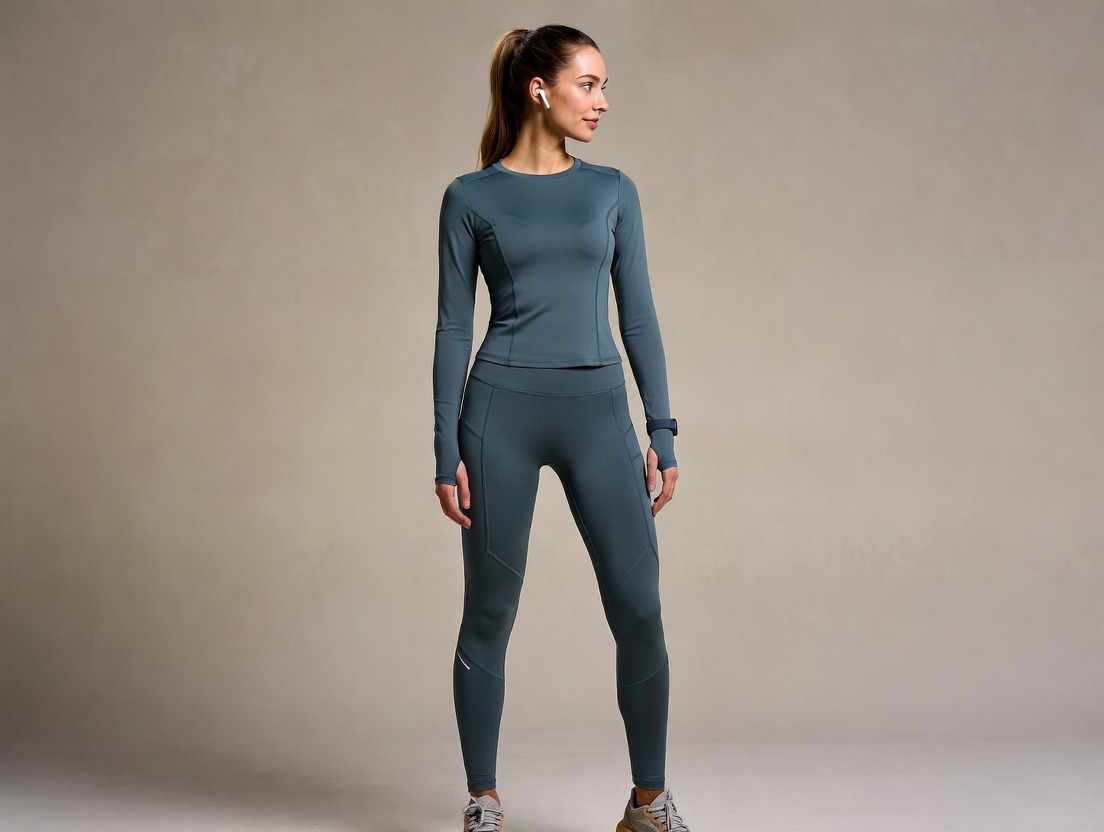
Before we can declare a winner in the ring vs. watch showdown, we must first establish the criteria for judgment. For an athlete, a wearable is not a fashion accessory or a notification hub; it is a mission-critical piece of equipment. Its value is measured in actionable insights, not just raw data points. So, what constitutes the anatomy of an ideal athletic wearable?
First, and foremost, is Physiological Accuracy. At the core of any performance device is its sensor array. Can it reliably measure heart rate (HR) and heart rate variability (HRV) during the chaotic, high-motion environment of a sprint, a swim, or a clean and jerk? Wrist-based photoplemmography (PPG) sensors in watches have improved, but they are notoriously prone to "motion artifact"—noise caused by arm movement. This can lead to cadence lock (where the sensor mistakenly reads your stride rate as your heart rate) and unreliable data spikes during intense activity. For an athlete, inaccurate HR data renders training zone analysis, calorie estimates, and effort quantification meaningless.
Second is Form Factor and Wearability. An athletic wearable must conform to the sport, not the other way around. Does it interfere with equipment like gloves, wrist wraps, or a barbell? Does it create a pressure point or chafe during long sessions? Is it secure during contact sports or underwater? The device’s physical presence can be a distraction or even a hazard. The ideal wearable disappears until you need its insights.
Third is the Depth of Recovery Metrics. Training is only half the equation. The magic happens during recovery. Modern athletes need more than just sleep duration; they need to understand sleep quality, stages, disturbances, and crucially, how their body is responding to stress. Nocturnal HRV, respiratory rate, and skin temperature trends are now considered gold-standard metrics for assessing readiness to train. A device that excels only in activity tracking but fails to provide nuanced recovery data is selling the athlete short.
Fourth is Battery Life and Ritual. An athlete’s life is built on routine and consistency. A device that requires daily charging introduces a point of failure—a dead battery means a missed training session’s worth of data. Long battery life is not a convenience; it’s a reliability feature that ensures continuous physiological storytelling.
Finally, there’s Mental Unburdening. This is an often-overlooked but critical aspect. An athlete’s focus is a precious resource. Constant screen glances, buzzing notifications, and the temptation to "check stats" mid-workout can fracture concentration. A wearable should empower mindfulness in training, not distract from it.
With this anatomical framework in mind—Accuracy, Form, Recovery, Battery, and Focus—we can begin our detailed comparison. The question is no longer which device has more features, but which architecture best serves these core athletic principles. For a deeper exploration of how leading-edge devices are engineered around these principles, you can discover how Oxyzen works.
To understand where we are, we must appreciate the journey. The evolution of the athletic wearable is a story of miniaturization, sensor fusion, and a shifting focus from external performance to internal physiology.
The Age of the Stopwatch (Pre-2000s): For nearly a century, the athlete’s tool was mechanical and singular in purpose: measuring elapsed time. It was an external metric, a way to quantify speed against a standard. The data point was simple, but the connection to performance was direct.
The Digital Revolution & The Rise of GPS (2000-2010s): The advent of consumer GPS and accelerometers birthed the dedicated running watch. Brands like Garmin and Polar transformed training by providing distance, pace, and elevation—external spatial metrics mapped with incredible precision. The wrist became the logical home for a device that needed a clear view of the sky and a stable platform. These watches were, and for many still are, superb sports computers.
The Smartwatch Era (2010s-Present): Apple, Samsung, and Fitbit brought the "smart" to the watch. These devices merged sports tracking with smartphone connectivity, apps, and notifications. The wearable expanded from a training tool to a general health and communication device. For the athlete, this was a double-edged sword: more features, but also more distractions and a design increasingly optimized for everyday life over athletic purity.
The Dawn of the Smart Ring (2020s-Present): The smart ring represents a philosophical pivot. It doesn’t try to be a sports computer or a phone-on-your-wrist. Its genesis lies in the scientific quest for better physiological data. Researchers long knew the finger (and the ear) often provided a stronger, cleaner PPG signal than the wrist due to denser capillary beds. Early ring prototypes focused on sleep and all-day wellness. But athletes quickly recognized the potential: what if this superior, discreet form factor could be engineered for the rigors of sport? This convergence of better biometrics and athletic demand marks our current chapter. You can trace this fascinating evolution of wellness tech in more detail by heading to our blog.
The stage is set. We’ve moved from timing races, to mapping runs, to connecting to our digital lives, and now, to listening more intimately to our bodies. This historical context is crucial—it shows that the smart ring isn't just a smaller watch; it's a different kind of tool born from a different set of priorities.
Let us be unequivocal: the modern smartwatch is a technological marvel and, for many athletic use cases, remains an incredibly powerful tool. To dismiss it would be folly. Its strengths are rooted in its real estate, its history, and its computational power.
Dominant Display and Real-Time Feedback: The most obvious advantage is the screen. For sports where real-time data visualization is crucial—like pacing during a marathon, navigating a trail via a map, or tracking split times in an interval session—the smartwatch’s display is unmatched. A quick wrist flick lets you check your current pace, heart rate zone, or remaining distance without breaking stride. This interactive feedback loop is integral to many athletes’ training and racing psychology.
GPS Precision and Mapping Prowess: Dedicated sports watches have honed GPS and GLONASS accuracy over decades. They offer detailed breadcrumb navigation, pre-loaded course following, and metrics like track detection and elevation profiles. For trail runners, ultramarathoners, and cyclists, this mapping intelligence is often non-negotiable. While some rings are exploring connected GPS (using your phone’s signal), the integrated, high-sensitivity GPS chip in a premium watch remains superior for standalone, precise location tracking.
Multisport Versatility and Ecosystem: The smartwatch is a Swiss Army knife. It can seamlessly transition from tracking a pool swim (with stroke detection) to a bike ride (with power meter connectivity) to a gym session. This broad compatibility with external sensors (ANT+, Bluetooth) like cycling power meters, foot pods, and heart rate straps creates a comprehensive ecosystem. The watch acts as the central hub, aggregating data from multiple sources into a single workout file.
On-Device Controls and Smart Features: The ability to control music playback, take calls (on some models), or use contactless payments mid-run are genuine conveniences. For the athlete who trains in urban environments or doesn’t want to carry a phone, these features add significant utility.
Robustness and Familiarity: High-end sports watches are built to military-grade durability standards. They are waterproof to significant depths, resistant to extreme temperatures, and designed to withstand impacts. Furthermore, the interface—physical buttons for use with gloves or in water—is a proven, reliable design language understood by millions.
For the athlete whose primary sports demand navigation, real-time data fields, or extensive sensor networks, the smartwatch’s strengths are substantial. It is a command center. However, as we will explore next, this command center model comes with inherent trade-offs that a new generation of athletes is starting to question. For those weighing these trade-offs, our FAQ addresses many common questions about device capabilities.
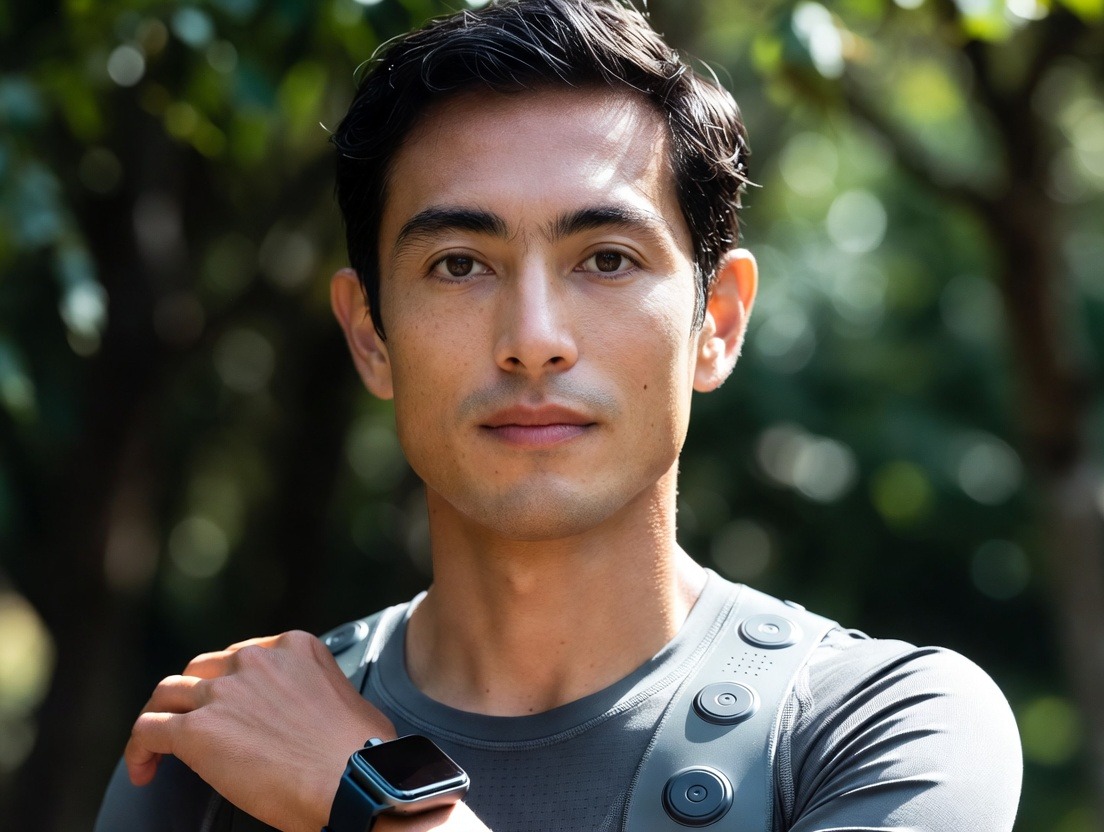
For all its power, the smartwatch architecture carries baggage—limitations that become glaring under the demands of high-level, diverse athletic training. These aren't minor quibbles; they are fundamental compromises born from the device's location and its "jack-of-all-trades" mission.
The Problem of Motion Artifact and Data Accuracy: The wrist is a terrible place for clean optical heart rate data during dynamic movement. When you run, lift, or swing a racket, the muscles and tendons in your forearm flex and the watch shifts minutely on your skin. This movement scatters the light from the PPG sensor, causing noise. While algorithms have improved, they are still playing catch-up, often resulting in smoothed-over or wildly inaccurate heart rate readings during high-intensity intervals, strength training, or sports with arm action like tennis or basketball. For precision training guided by heart rate zones, this is a critical flaw.
Interference with Sport-Specific Equipment: This is a practical and sometimes painful limitation. Weightlifters and CrossFit athletes know the danger of a metal watch case scraping against a barbell during a clean or snatch—it can damage the equipment and the athlete. Wearing a watch under boxing or MMA gloves is impossible. Cyclists sometimes find the watch buckle irritating against handlebars. Even wearing a watch for kettlebell work can be uncomfortable. The watch often has to be removed, creating a gap in your physiological record.
Sleep Tracking: The Uncomfortable Compromise: While watches track sleep, wearing a bulky device on your wrist can be distracting or uncomfortable for many, potentially affecting the very sleep quality it's trying to measure. Furthermore, the wrist is prone to movement during sleep that doesn’t correlate with sleep stages, leading to less precise staging (deep, light, REM) compared to a more stable location.
The Distraction Economy Strapped to Your Arm: Perhaps the most significant, yet subtle, limitation is cognitive. The smartwatch, by design, is an interruptive device. Notifications, the urge to check messages, or simply the glowing screen can pull an athlete out of "the zone." Training and competition require a state of flow—a deep, present-minded focus. A device that constantly nudges you back to the digital world undermines this psychological state. It turns a training session into just another connected moment in the day.
Battery Life: The Daily Ritual of Anxiety: Most full-featured smartwatches require charging every 24-48 hours. This creates a logistical hurdle. Forget to charge it one night, and your entire next day of activity, recovery metrics, and sleep data is lost. For athletes dedicated to longitudinal tracking, this is an unacceptable point of failure.
The smartwatch, in trying to do everything for everyone, inevitably makes compromises. For the general user, these are acceptable. For the athlete seeking purity of data, unimpeded movement, and deep focus, these compromises are the cracks in the foundation. It is precisely these cracks that the smart ring is engineered to fill. Many athletes have shared their experiences with this transition in our testimonials section.
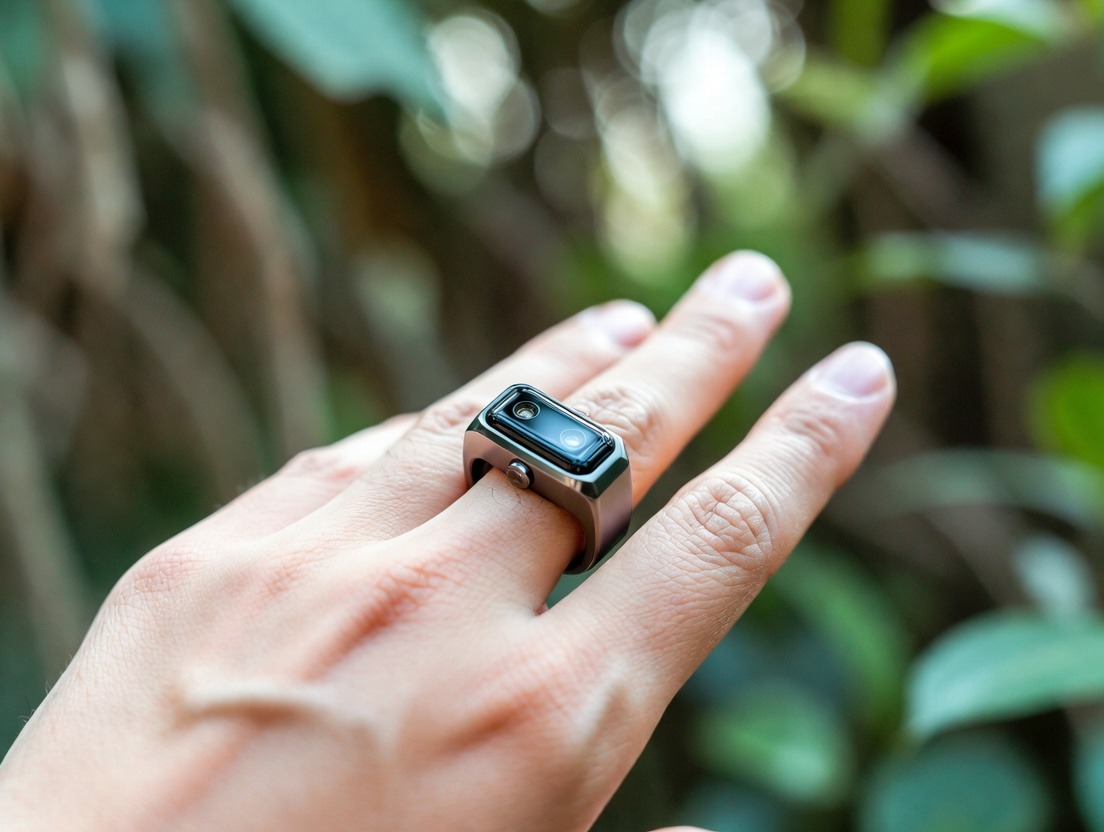
Enter the smart ring. It represents a design philosophy built from the ground up for continuous, intimate biometrics. Its advantages are not about doing more than a watch, but about doing the core things better, with less interference. For the athlete, this focused excellence is transformative.
Superior Biometric Fidelity: The Signal Advantage: This is the bedrock of the ring’s value proposition. The finger (specifically the base of the finger) offers a denser network of blood vessels and a more consistent position against the sensor compared to the bony, mobile wrist. This anatomical advantage translates to a stronger, cleaner PPG signal. The result is markedly improved accuracy in continuous heart rate monitoring and, most importantly, in Heart Rate Variability (HRV) measurement. HRV, a key metric for nervous system balance and recovery readiness, is exceptionally sensitive to measurement noise. The ring’s stable position provides the gold-standard conditions for reliable, night-long HRV tracking, making its recovery insights far more trustworthy.
The Disappearing Act: Unobtrusive Form Factor: A ring simply gets in the way less. It doesn’t interfere with gloves, wrist wraps, gymnastic grips, or barbells. It’s safe for contact sports and completely imperceptible during swimming or yoga. This allows for true 24/7 wear—from your hardest training session to your deepest sleep—without a single adjustment. The data continuity is seamless because the device itself becomes a seamless part of you.
Sleep as a First-Class Citizen: Because it’s so comfortable to wear, the smart ring doesn’t compromise sleep tracking. Athletes consistently report forgetting they’re wearing it. This leads to more natural sleep behavior and, combined with the superior signal, yields incredibly detailed sleep analysis: accurate staging, sleep latency, restlessness, and even subtle changes in nocturnal heart rate and respiratory rate. For recovery-focused athletes, this isn’t a feature; it’s the main event.
Extended Battery Life: The Forgotten Wearable: Most smart rings boast a battery life of 5-7 days or more. This eliminates the daily charging anxiety and protects against data gaps. The charging ritual becomes a brief, weekly pause rather than a daily vulnerability. In the relentless pursuit of consistent data, reliability is king.
The Psychology of Minimalism and Focus: By eschewing a screen, the smart ring makes a powerful statement: your attention should be on your sport, your body, and your environment—not on a device. It collects data in the background, silently. You review the insights later, turning your post-session analysis into a purposeful act of learning rather than a constant mid-activity distraction. This fosters a more mindful, present approach to training. To understand the philosophy behind this human-centric design, you can explore our story.
The smart ring’s proposition is one of specialization. It is a dedicated physiological monitoring platform that prioritizes accuracy, comfort, and continuity over interactivity and external connectivity. It asks the athlete to trade the real-time screen for far superior longitudinal body intelligence.
The claim of superior accuracy isn't marketing; it's rooted in human physiology and signal processing physics. Let's delve into the "why" behind the ring's biometric advantage, as this is the most critical technical differentiator for the data-driven athlete.
Vascular Access: A Richer Data Stream: The primary arteries supplying the fingers (the digital arteries) are terminal branches of the ulnar and radial arteries. At the finger, especially the palmar digital arteries, blood vessels are closer to the skin's surface and form a rich, dense capillary bed. This provides the optical sensor in a ring with a larger, more consistent volume of blood to measure. The wrist, while it has major arteries (radial and ulnar), also has more bone, tendon, and connective tissue, which can scatter the sensor's light and create a noisier, weaker signal.
Sensor Stability: The Immobile Advantage: This is arguably the bigger factor. A ring worn snugly at the base of the finger experiences minimal relative motion. The skin beneath it is stable. During sleep or even daily activity, the ring and the finger move as a single unit. A watch on the wrist, however, sits on a complex joint. It can slide, rotate, and lift away from the skin with every hand movement. This constant micro-movement is the primary source of "motion artifact," the noise that plagues wrist-based optical HR, especially during exercise.
The HRV Imperative: Heart Rate Variability is the millisecond variation in time between each heartbeat. It is a direct, non-invasive window into your autonomic nervous system (ANS). To calculate it accurately, the device must detect the precise timing of each heartbeat (the R-R interval). Any noise in the signal—like that caused by a moving watch—smudges these precise timestamps, rendering HRV data unreliable. The ring’s stable platform preserves the integrity of each heartbeat’s "timestamp," making it the preferred form factor for clinical-grade HRV tracking outside of a chest strap (which measures electrical activity, not light).
Thermal Monitoring: A Hidden Gem: Many advanced smart rings include a skin temperature sensor. The finger is an excellent site for this because of its good peripheral blood flow. Tracking longitudinal, nocturnal temperature trends (a rise can indicate inflammation, onset of illness, or hormonal changes) provides another powerful recovery and health biomarker. While some watches now include temperature sensors, the ring’s stable, snug fit often allows for more precise trend tracking.
For the athlete, this scientific advantage translates to trust. You can trust your overnight HRV score as a true reflection of your recovery. You can trust that the heart rate data from your weightlifting session isn't being confused by your arm movements. This trustworthy data forms the foundation for meaningful, personalized insights that can truly guide training decisions. The team behind Oxyzen is deeply committed to this scientific rigor, a principle you can learn about on our about us page.
The theoretical advantages of the ring must be proven in the arena of specific sports. How does each device fare across the diverse landscape of athletic endeavor? Let's break it down.
Strength & Power Sports (Weightlifting, CrossFit, Powerlifting):
Endurance Running & Cycling:
Swimming & Water Sports:
Combat & Contact Sports (Boxing, BJJ, Rugby):
Mind-Body & Precision Sports (Yoga, Golf, Archery, Rock Climbing):
Team Sports (Soccer, Basketball, Hockey):
The conclusion is clear: the smartwatch remains the tool of choice for sports where real-time external data (pace, map, power) is the primary need. The smart ring becomes the essential tool for sports where physiological accuracy, unimpeded movement, and 24/7 recovery intelligence are paramount. For many athletes, the future involves using both—the watch as a sports computer for key sessions, the ring as the always-on physiological guardian.
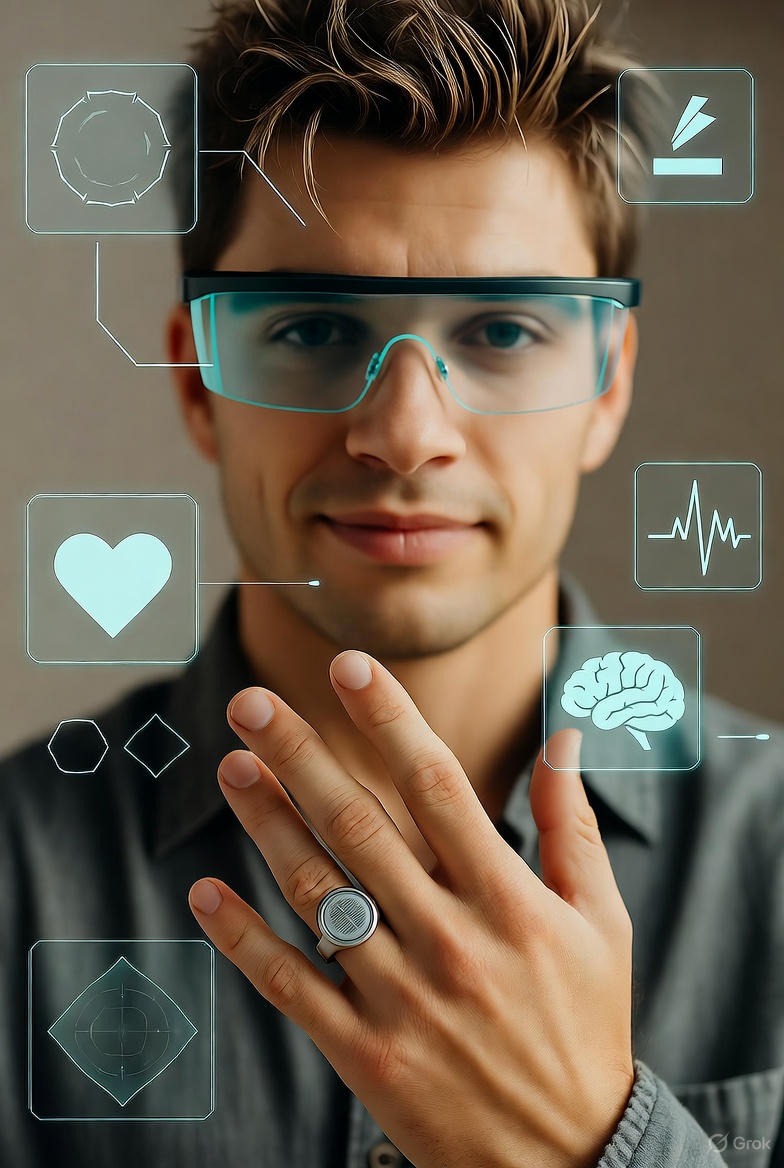
Elite performance is built not in the workout, but in the repair and adaptation that follows. Therefore, the most important data for a modern athlete is often not their 5k split, but their overnight HRV trend. This is the domain where the smart ring shifts from being an alternative to being the undisputed authority.
The 24/7 Physiological Narrative: Recovery isn't a single metric; it's a story told through multiple biomarkers over time. A ring, worn continuously, writes this story without gaps. It tracks:
Actionable Readiness Scores: The true value lies in synthesis. Advanced ring platforms like Oura and the upcoming Oxyzen don't just show raw data; they use proprietary algorithms to synthesize these metrics into a simple, actionable "Readiness" or "Recovery" score. This score answers the athlete's most pressing morning question: "How hard can I push today?" It can advise to go hard if the body is primed, suggest a light active recovery session, or even recommend complete rest. This transforms subjective feeling ("I feel tired") into an objective, data-driven decision.
Identifying Hidden Stress: Training stress is only one part of the equation. Life stress—work deadlines, travel, emotional events—taxes the same recovery systems. The ring’s continuous monitoring catches this. An athlete might see a depressed readiness score despite light training, prompting them to address sleep hygiene, nutrition, or life stressors before they lead to burnout or injury.
The Feedback Loop for Periodization: Over weeks and months, recovery data allows for precise training periodization. An athlete and their coach can see exactly how the body is responding to increased load, how long it takes to rebound from a hard block, and when the body is optimally prepared for a peak performance or competition.
In the realm of recovery, the smartwatch is a visitor, taking snapshots. The smart ring is a live-in biographer, documenting the full narrative. For the athlete who understands that the trophy is won during rest, this comprehensive insight is non-negotiable. To see how real users apply these insights to transform their training, browse through authentic testimonials.
Beyond the metrics lies an intangible yet profound advantage of the smart ring: its contribution to the athlete's mental state. In an age of digital distraction, the ability to cultivate deep focus is a competitive superpower.
The Principle of Minimal Cognitive Load: Every notification, every glance at a screen, every decision to interact with a device pulls mental resources away from the primary task. This is known as cognitive load. A smartwatch, by design, increases cognitive load. A smart ring, with no screen and no alerts, minimizes it. Your attention remains on your breathing, your form, your pace, your opponent—the visceral elements of your sport.
Fostering a "Body First" Awareness: Without a screen to constantly check, athletes begin to rely more on internal cues—perceived exertion, muscle feel, rhythm. The ring encourages this internal dialogue. You learn to correlate how you feel with what the data later shows. This develops a richer, more intuitive athletic intelligence. The data becomes a confirmation and a teacher, not a crutch.
Post-Session Analysis as a Ritual: By moving data review to a dedicated time after the session, the athlete engages in a more thoughtful, analytical process. Instead of reacting to a pace number mid-run, you can later analyze your heart rate zones, recovery metrics, and performance trends in context. This turns data review into a strategic planning session rather than a reactive distraction.
The Symbolism of the Tool: What we choose to wear signals our priorities. Slipping on a smartwatch signals a connection to the digital world. Slipping on a smart ring signals a commitment to listening to your body. This subtle psychological shift can reinforce an athlete’s identity as someone dedicated to the holistic science of their craft.
For coaches, this is equally valuable. They get clean, accurate physiological data from their athletes without the device being a point of distraction during practice. They can manage training load based on objective recovery metrics, leading to more productive, focused sessions.
The mental game is where the ring’s simplicity becomes its greatest sophistication. It provides the intelligence of a lab without the distraction of a screen, preserving the sacred, focused state where peak performance is born. This philosophy of empowering human potential is central to the vision you can read about in our story.
In the pursuit of longitudinal health and performance data, consistency is everything. A single day's missing data can break a trend line, obscure a warning sign, or invalidate a weekly assessment. Therefore, the logistics of device maintenance are not a minor detail; they are a critical pillar of utility.
The Daily Charge: A Point of Failure: The typical smartwatch battery cycle of 1-2 days creates a recurring vulnerability. It must be charged at approximately the same time every day, usually overnight. This conflicts directly with its function as a sleep tracker. If you charge it overnight, you lose sleep data. If you forget to charge it during the day, it dies by evening, losing activity and the next night's sleep. This dance is a familiar frustration for watch users, inevitably leading to data gaps.
The Weekly Ritual: Building Reliability: Smart rings, with their smaller, dedicated sensors and lack of a power-hungry display, routinely achieve 5-7 days of battery life on a single charge. This transforms the user relationship. Charging becomes a brief, weekly ritual—perhaps during a long shower or a weekly planning session. It is predictable and infrequent. The likelihood of the device dying during a key training block or missing a night's recovery data is drastically reduced.
Data Continuity as a Product Feature: For the athlete invested in tracking trends—like the impact of a new training program, a dietary change, or a sleep intervention—this uninterrupted data stream is invaluable. It provides a coherent, unbroken story of how the body is adapting. The ring’s extended battery life isn't just a convenience spec; it's a direct enabler of its core promise: 24/7 physiological insight.
The "Set and Forget" Ideal: The ultimate goal of any biometric device should be to fade into the background of your life, functioning flawlessly without demand. The smart ring's combination of comfort and long battery life brings us closer to this ideal than the smartwatch ever has. You wear it, and you simply forget about it—until you actively seek its insights. This reliable, silent operation is the unseen backbone that makes all the sophisticated data analysis possible. For practical questions about battery life and device care, our FAQ provides clear guidance.
A common critique of the smart ring is its perceived isolation. It doesn't connect to cycling power meters, running foot pods, or gym equipment. It may not have its own GPS. Does this make it a less insightful tool for the serious athlete? This requires a nuanced understanding of what constitutes valuable insight.
Defining the "Core Insight": For the majority of athletic development, the most impactful insights come from inside the body, not from external gadgets. They answer: Was that session effective? Was it too stressful? Am I recovered? Am I improving my cardiovascular efficiency? These questions are answered by heart rate, HRV, sleep, and temperature data—the ring’s specialties. External metrics like power (watts) or ground contact time are valuable for specific, fine-tuned optimization, but they are secondary to the fundamental internal load and recovery picture.
The Smartphone as a Complementary Hub: The ring’s "connected" approach is different. It typically pairs with a smartphone app that acts as its brain and interface. This app can, in turn, utilize the phone’s GPS for mapping runs or rides. For many athletes, running or cycling with a phone is standard practice. In this model, the phone handles the external sensor/GPS role, while the ring handles the internal biometric role. The data can be synced in platforms like Apple Health, Google Fit, or Strava.
The Case for Specialization: The watch’s attempt to be both an internal and external sensor hub is its strength and its weakness. It can connect to everything, but its core internal sensing is compromised. The ring’s philosophy is one of deep specialization: excel at the internal biometrics and let other, better-suited devices handle the external specifics. An elite cyclist might use a bike computer for power/cadence/GPS and a ring for recovery. A runner might use a foot pod for running dynamics and a ring for physiological strain. The ring becomes the central, trusted source for the body’s response to all those external stimuli.
Future-Proofing Through Focus: By not being tied to the rapidly changing standards of external sensor connectivity, the ring’s core value is more durable. Its accuracy in measuring HRV today will be just as relevant in ten years. It focuses on the timeless biomarkers of human performance.
Therefore, the ring’s ecosystem is not smaller; it's different and more focused. It prioritizes depth of physiological insight over breadth of device connectivity. For the athlete who understands that all performance is ultimately mediated by the body’s internal state, this focused insight is far more powerful than a long list of compatible gadgets.
We stand at a fascinating inflection point. The smart ring has proven its worth as a superior biometric platform, but this is merely chapter one. The technology is evolving at a rapid pace, driven by advances in sensor miniaturization, artificial intelligence, and material science. For the forward-looking athlete, understanding these trajectories isn't about speculation; it's about anticipating the tools that will define the next generation of performance optimization.
Next-Generation Sensors: Beyond PPG. The current foundation is the optical PPG sensor (for heart rate/HRV) and a skin temperature sensor. The immediate future will see the integration of additional, clinically-validated biomarkers into the ring form factor.
Advanced Materials and “Invisible” Design. The future ring will be lighter, stronger, and more adaptable. We'll see wider adoption of advanced titanium and ceramic composites for strength and signal transparency. More radically, the rise of flexible electronics and “e-skin” technology points toward a future where the sensing apparatus is embedded in a thin, breathable, and virtually unnoticeable band. The goal is a device that is not just unobtrusive, but truly invisible in feel.
AI-Driven, Personalized Coaching. Raw data is inert. The value is in the insight. The next leap will be from generalized algorithms to deeply personalized, AI-powered coaching engines. Imagine a system that:
This transforms the ring from a monitoring tool into an intelligent, proactive training partner. The AI doesn't replace the coach; it amplifies them with unprecedented levels of personal data.
True Interoperability and the “Body API”. The future isn't about one device to rule them all, but about a seamless ecosystem where each device plays to its strengths. The smart ring will act as your body’s primary “Data Authentication Node”—the most trusted source for core biometrics. It will seamlessly and wirelessly share this certified physiological data with:
In this model, the ring is the foundational source of truth, enabling a constellation of connected devices to be more responsive and personalized. The team at Oxyzen is actively engaged in shaping this interconnected future, a vision detailed in our about us section.
The Passive Diagnostic Tool. Looking further ahead, the continuous, clinical-grade data from a ring could serve as an early warning system for overtraining syndrome, Relative Energy Deficiency in Sport (RED-S), and other systemic imbalances long before symptoms become severe. It could help track the efficacy of rehabilitation from injury. In essence, the smart ring is poised to become the first always-on, preventive health guardian designed specifically for the demands of an athletic life.
The smart ring’s rise does not mean the smartwatch is static. Faced with this competition, watchmakers are innovating aggressively, focusing on their own unique advantages and addressing key weaknesses.
Sensor Accuracy: The Multi-Sensor Arms Race. Watch companies are investing heavily in mitigating the motion artifact problem. We’re seeing:
Dedicated Athletic Models: Doubling Down on Sports. Brands like Garmin, Coros, and Polar are less concerned with being mini-smartphones and more focused on being elite sports instruments. Their evolution is in more granular performance metrics:
The Hybrid Approach: The “Smart Strap”. An intriguing development is the concept of modularity. What if the watch case housed the compute, display, and GPS, but the biometric sensor was in a separate, optimized module? We see glimmers of this in the WHOOP strap (a dedicated biometric device) and in patents for watch bands with advanced sensors. The future could be a watch with a ring-like sensor embedded in its band, attempting to combine the best of both worlds.
The Apple Factor. Never underestimate Apple. The Apple Watch’s deep integration with the iOS ecosystem, its continuous health research initiatives (like the AFib history feature), and its immense R&D budget ensure it will remain a dominant force. Its focus is broadening from fitness to comprehensive health, which may see it incorporate more ring-like, recovery-focused features.
The smartwatch’s path is one of enhancement and specialization. It will likely remain the device of choice for athletes who need rich, real-time interaction with data during their sport. However, for the foundational, 24/7 physiological narrative—the bedrock of intelligent training—the architectural advantages of the finger location present a formidable challenge that simply adding more sensors to the wrist may not fully overcome. For a deeper discussion on the evolving landscape of wearables, explore our dedicated blog.
The most compelling validation of any sports technology comes from its adoption at the highest levels of competition. Here, the smart ring is not just gaining traction; it's becoming embedded in professional sports culture. This shift isn't about sponsorship deals; it's a cold, calculated decision to gain a marginal edge.
From Reactive to Predictive Analytics. Team sports scientists have long used GPS vests and heart rate monitors during practice to manage acute load. The smart ring introduces the missing 2/3 of the equation: recovery and readiness. By providing objective, overnight data on each player, staff can move from guessing about fatigue to predicting it. They can identify which players are still under-recovered from a tough game, who might be fighting off an illness, and who is primed for a peak performance. This allows for hyper-individualized training prescriptions, reducing the risk of soft-tissue injuries common from overtraining.
The Discreet Advantage in Competition. During official games, most external wearables are banned. However, a low-profile, non-electronic-looking ring can often be worn where a watch cannot. This opens the door to collecting unprecedented physiological data on competitive stress, effort during play, and post-game recovery kinetics—data that was previously impossible to gather.
The Individual Pro’s Toolbox. Individual endurance athletes (runners, cyclists, triathletes) and strength athletes are adopting rings as their primary recovery metric source. They often pair it with a dedicated sports watch for training. The rationale is clear: the watch tells them about the work; the ring tells them about the worker. Renowned ultra-runner and coach, David Laney, has spoken about using recovery metrics to guide his high-volume training. Top CrossFit athletes use them to balance the immense strain of their varied regimen. These athletes don't rely on a single device; they curate a tech stack, and the ring is increasingly the central pillar for body intelligence.
Case Study: Sleep Optimization. Perhaps the most universal application is sleep. Professional athletes, whose careers depend on recovery, are obsessed with sleep quality. The comfort and accuracy of a ring make it the preferred tool for this mission. Teams like the NBA's Dallas Mavericks and players across the NFL, MLB, and Premier League soccer have been publicly reported using smart rings to monitor and optimize player sleep, especially during punishing travel schedules.
The Data-Driven Contract. In the future, it’s conceivable that contract incentives or player health assessments could be partially informed by longitudinal biometric data from devices like rings, demonstrating a commitment to optimal conditioning and recovery practices.
This professional endorsement is a powerful signal. When the world's best athletes, with access to any technology, choose to incorporate a smart ring into their regimen, it validates the core premise: for understanding the internal state of the human body, the finger is a more insightful home than the wrist. Read firsthand accounts of how dedicated athletes integrate these insights in our testimonials section.
The most insightful approach for the modern athlete is to abandon the tribal "ring vs. watch" debate and adopt a strategic mindset: What combination of tools best serves my goals? Very few devices can be all things to all people. The future belongs to the curated tech stack.
The "Body Computer" + "Sports Computer" Model. This is the emerging gold standard for the data-savvy endurance or multisport athlete.
The "Ring-Centric" Stack for Strength & Tactical Athletes. For those whose sports are less about external metrics and more about physiological strain and recovery:
The "Minimalist" Stack. For the athlete who values simplicity above all:
The "Ecosystem" Stack (Future State). As interoperability improves:
How to Choose Your Stack:
The goal is not to collect gadgets, but to assemble a suite of tools where each excels, creating a sum greater than its parts. The smart ring, in virtually every stack for the serious athlete, is claiming the non-negotiable role of physiological core. For guidance on selecting the right components for your needs, our comprehensive FAQ is an excellent resource.
Is a smart ring worth the investment? The answer, as with any tool, depends entirely on the user. Let’s break down the value proposition across different athlete profiles, considering both monetary cost and the return in actionable insight.
The Elite/Professional Athlete:
The Dedicated Amateur/ Age-Grouper:
The Fitness Enthusiast & Weekend Warrior:
The Health-Conscious Individual (The "Pre-Athlete"):
Comparative Cost vs. Smartwatch:
The Hidden ROI:
For anyone whose goals extend beyond simply recording an activity to truly understanding their body’s response to training and life, the smart ring offers a uniquely high return on investment. It’s not an expense; it’s an investment in performance intelligence and sustainable health. To understand the value our users derive, explore the experiences shared in our testimonials.
As with any emerging technology, misconceptions abound. Let’s address the most common fears and myths head-on, separating fact from fiction.
Myth 1: “It’s not accurate for heart rate during exercise.”
Myth 2: “It will get in the way / I’m not used to wearing a ring.”
Myth 3: “The sizing is a nightmare and I can’t return it.”
Myth 4: “It doesn’t have a screen, so the data is useless during my workout.”
Myth 5: “They’re too fragile for serious training.”
Myth 6: “The subscription model is a rip-off.”
Myth 7: “It’s just a sleep tracker.”
By dispelling these myths, we can evaluate smart rings on their actual merits and limitations, making an informed choice based on reality, not hearsay. For more detailed answers to technical and practical questions, our support team has compiled a thorough FAQ.
After this deep exploration of capabilities, trade-offs, and philosophies, you are now equipped with the knowledge to make an informed decision. But knowledge alone isn't a decision matrix. This final framework is designed to cut through the noise and guide you to the right wearable—or combination of wearables—for your unique athletic identity.
Ask Yourself These Critical Questions:
The "Either/Or" Decision Guide:
The "And" Solution – The Champion's Stack:
If your budget and commitment allow, the optimal setup for the dedicated amateur or professional is not an "either/or" but a strategic "and."
Budget-Conscious Pathway:
If you must choose one:
Final Verdict: The watch tells the story of your performance. The ring tells the story of your preparation and response. For long-term athletic development, health, and longevity, the story of preparation and response is more fundamental. The performance story is a single chapter within it.
Therefore, while a smartwatch remains an excellent tool for specific athletic tasks, the smart ring represents a more profound shift toward understanding the athlete as a whole human system. It is the cornerstone of a modern, intelligent approach to performance.
In a market filling with options, understanding the philosophy behind a brand is as important as its specifications. Let’s use Oxyzen as a case study in how a company can build its mission around the core principles that make smart rings revolutionary for athletes. This isn't just about selling a product; it's about championing a different relationship with technology and our own bodies.
Designing for the Signal, Not the Screen. From its inception, Oxyzen’s focus was never on how to miniaturize a watch. It started with a question: "How can we build the most reliable, comfortable, and continuous biometric sensing platform possible?" This meant accepting the lack of a display not as a compromise, but as a liberation. It freed engineers to optimize every milligram and milliwatt for sensor fidelity and battery life. The design language—smooth, low-profile, aerodynamic—is a direct result of this "sensor-first" philosophy, ensuring stable contact and minimal snagging during sport. You can see this commitment to purity of purpose throughout our story.
Accuracy as a Non-Negotiable Ethos. For athletes, data they can’t trust is worse than no data at all. Oxyzen’s approach involves not just selecting premium sensors, but developing proprietary algorithms specifically tuned to filter noise from high-motion scenarios and to extract clean HRV from the superior finger signal. This involves relentless validation—not just in labs, but in real-world athletic conditions, from weight rooms to trails. The goal is to provide a level of biometric trust that allows an athlete to make decisions with confidence.
The Ecosystem of Insight, Not Notifications. Oxyzen’s software platform is designed to be a coach, not a pager. Instead of buzzing with messages, it focuses on surfacing meaningful patterns. It might highlight that your sleep depth consistently decreases after late-evening training, or that your resting heart rate trends downward as your aerobic fitness improves. The aim is to create "aha moments" of self-knowledge, turning data into wisdom. This educational approach empowers the athlete to become their own best expert. For examples of the insights users gain, explore our blog.
Sustainability and Longevity. A device worn 24/7 must be built to last. Using durable, hypoallergenic materials like aerospace-grade titanium is an investment in reducing waste. Furthermore, the long battery life and focus on timeless biomarkers (your heart’s behavior won’t go out of style) are inherently sustainable choices. The device is designed to be a companion for years, not a seasonal gadget.
The Community of the Dedicated. Brands like Oxyzen often cultivate a community of users who are serious about improvement. This creates a feedback loop where the most engaged athletes help shape the product’s future through their real-world needs. It’s a partnership in progress, aligning the company’s vision with the athlete’s pursuit of peak potential. You can feel the pulse of this community in our testimonials.
The Oxyzen philosophy, shared by other leaders in the ring space, exemplifies why this category resonates so deeply with athletes. It represents a return to focus—on the body, on recovery, on sustainable performance. It’s a tool designed not to distract you from your potential, but to illuminate the path toward it. To delve deeper into what makes this approach unique, visit about us.
Looking beyond the next product cycle, we can glimpse a future where the distinction between wearable technology and the athlete begins to dissolve. This isn't science fiction; it's the logical endpoint of the trends we see today: miniaturization, biometric integration, and AI personalization.
The "Invisible Wearable": The ring is a stepping stone. The ultimate form factor will be something that is truly unnoticeable. This could be:
Continuous, Multi-Modal Biomarker Fusion: The future platform won’t rely on one sensor type. It will fuse data from optical (PPG), electrical (ECG/EKG), biochemical (via sweat analytes like lactate or cortisol), and motion sensors to create a dynamic, multi-dimensional health model. An AI would interpret this fusion to say, "Your heart rate variability is low, your nocturnal lactate markers are elevated, and your movement asymmetry is up 5%. This indicates muscular overload. Prescribe 48 hours of contrast therapy and prioritize protein synthesis nutrition."
The Digital Twin and Predictive Health: Your continuous biometric data would feed a "digital twin"—a sophisticated software model of your unique physiology. This model could run simulations. It could predict how you’ll respond to a new training block, how likely you are to get sick before a big race, or what nutritional intervention would best support your current recovery phase. Coaches and sports scientists would interact with this digital twin to plan with supernatural precision.
Closed-Loop Biofeedback Systems: Imagine a device that doesn't just monitor but actively intervenes to optimize state. For example, a wearable that detects pre-race anxiety through HRV and EDA and uses subtle haptic patterns or sound frequencies to guide your nervous system back to an optimal, calm-alert state. Or a system that detects the onset of overheating and triggers a smart fabric to enhance cooling.
Ethical and Personal Sovereignty: This powerful future raises critical questions. Who owns this profoundly intimate data? How is it secured? The next battle will be for biometric sovereignty. The most trusted brands will be those that give athletes full control, transparency, and ownership of their data, allowing them to choose when and with whom to share it—be it a coach, a medical professional, or a research study.
The journey from the stopwatch to the smart ring has been about moving from measuring the external world to listening to the internal self. The future is about conversing with that internal self, creating a symbiotic partnership where technology provides not just data, but the contextual intelligence to thrive. In this future, the goal of the wearable isn't to make you a better athlete in the game; it's to help you become the healthiest, most resilient, and most self-aware version of yourself, both on and off the field.
The debate between smart ring and smartwatch, when viewed through the narrow lens of features, may seem like a stalemate. But when examined through the prism of athletic purpose, a clear, compelling narrative emerges.
The smartwatch is a testament to human ingenuity in external measurement and connection. It is a powerful coach on your wrist, a navigator for your adventures, and a hub for your athletic ecosystem. For specific, performance-centric tasks, it remains unparalleled.
The smart ring, however, represents a leap in internal understanding and self-awareness. It is the quiet, persistent voice of your physiology. It excels not in the glamour of the workout, but in the critical, unseen spaces between them: the quality of sleep, the balance of the nervous system, the subtle trends that whisper of strain or growth. It offers the unseen advantage.
For the athlete, this is the ultimate edge. Because victory is not just secured in the hour of competition; it is built in the twenty-three hours of recovery that follow. It is forged in consistent, intelligent training made possible by a body that is understood and respected.
The trend is unmistakable. As athletes continue to pursue holistic optimization, the demand for devices that prioritize biometric truth, unimpeded movement, and mental focus will only grow. The smart ring, with its architectural advantages for recovery and readiness, is not merely an alternative to the watch. For a growing legion of athletes, from weekend warriors to Olympians, it is becoming the foundational tool—the primary source of truth for the most important metric of all: the readiness of the human body to perform.
The future of athletic wearables isn't on your wrist. It's on your finger, quietly gathering the intelligence that turns effort into excellence, and training into transformation.
Your journey toward deeper body intelligence starts with a choice. Will you listen to the clamor of the wrist, or the precise signal from the finger? The next generation of athletes has already begun to decide.
Your Trusted Sleep Advocate: Sleep Foundation — https://www.sleepfoundation.org
Discover a digital archive of scholarly articles: NIH — https://www.ncbi.nlm.nih.gov/
39 million citations for biomedical literature :PubMed — https://pubmed.ncbi.nlm.nih.gov/
Experts at Harvard Health Publishing covering a variety of health topics — https://www.health.harvard.edu/blog/
Every life deserves world class care :Cleveland Clinic - https://my.clevelandclinic.org/health
Wearable technology and the future of predictive health monitoring :MIT Technology Review — https://www.technologyreview.com/
Dedicated to the well-being of all people and guided by science :World Health Organization — https://www.who.int/news-room/
Psychological science and knowledge to benefit society and improve lives. :APA — https://www.apa.org/monitor/
Cutting-edge insights on human longevity and peak performance:
Lifespan Research — https://www.lifespan.io/
Global authority on exercise physiology, sports performance, and human recovery:
American College of Sports Medicine — https://www.acsm.org/
Neuroscience-driven guidance for better focus, sleep, and mental clarity:
Stanford Human Performance Lab — https://humanperformance.stanford.edu/
Evidence-based psychology and mind–body wellness resources:
Mayo Clinic — https://www.mayoclinic.org/healthy-lifestyle/
Data-backed research on emotional wellbeing, stress biology, and resilience:
American Institute of Stress — https://www.stress.org/


