


How to Listen to Your Body's Recovery Signals With Smart Ring Data
The 7 recovery signals your wellness ring detects each night.
The 7 recovery signals your wellness ring detects each night.
%402x.svg)
You know the feeling. That dull, persistent ache in your muscles that wasn’t there yesterday. The mental fog that makes focusing feel like wading through syrup. That inexplicable afternoon slump, or the night you spend tossing and turning despite being utterly exhausted. Your body is talking to you, whispering (and sometimes shouting) signals about its need for recovery. But in the noise of modern life—the constant pings of notifications, the endless to-do lists, the “hustle” culture that glorifies burnout—these signals are too often ignored or misunderstood.
We’ve been taught to push through. To have that extra cup of coffee, to squeeze in one more late-night work session, to hit the gym even when our energy is at zero. We treat our bodies like machines, expecting relentless output without proper maintenance. But the human body is not a machine. It’s a complex, dynamic, biological system that operates on rhythms, cycles, and a delicate balance of stress and repair. Ignoring its pleas for rest doesn’t make you stronger; it leads you down a path of diminished performance, chronic fatigue, injury, and illness.
For decades, understanding these internal signals was relegated to guesswork and generic advice. “Get eight hours of sleep.” “Listen to your body.” But what does that actually mean? How do you quantify a feeling? How do you know if your fatigue is from overtraining, under-eating, stress, or an oncoming illness?
Enter the era of the smart ring. This unassuming piece of wearable technology is revolutionizing how we understand our physiology. By moving from the wrist to the finger, these devices gain access to a richer, more accurate data stream from the body’s core—tracking everything from heart rate and heart rate variability (HRV) to skin temperature, blood oxygen levels, and detailed sleep architecture, all from a single, comfortable point of contact.
This article is your definitive guide to moving from guessing to knowing. We will dive deep into the science of recovery, decode the specific biometrics that smart rings measure, and teach you how to transform raw data into actionable, personalized wisdom. This isn’t about becoming a slave to numbers; it’s about using those numbers to finally understand the language your body has been speaking all along. It’s about learning to listen, so you can truly thrive.
The concept of recovery is not new. Ancient Greek athletes practiced periodization. Traditional Chinese medicine has long emphasized balance and restorative practices. The value of sleep and rest is woven into cultural fabrics worldwide. Yet, somewhere in the pursuit of industrialization and hyper-efficiency, we collectively decided that rest was a luxury, or worse, a sign of weakness.
Our biology, however, did not get the memo. The fundamental processes that make us human—muscle repair, memory consolidation, hormone regulation, immune system fortification—occur almost exclusively during periods of rest and, most critically, during sleep. Recovery is not a passive state of doing nothing; it is an active, physiologically intense state of rebuilding everything.
The modern problem was a lack of precision. We had the wisdom—“rest is important”—but not the tools to personalize it. A “good night’s sleep” for a 25-year-old athlete is quantitatively different from one for a 50-year-old executive. A stressful work project and a heavy leg day at the gym place different kinds of load on your nervous system. Without data, we apply one-size-fits-all solutions and wonder why they don’t always fit.
The smart ring closes this gap. It acts as a 24/7 personal biometrist, silently collecting the objective truth of your body’s state. It translates the subjective “I feel tired” into objective data: “Your night-time heart rate is 8 bpm higher than your baseline, your HRV has dropped by 12%, and your deep sleep was 40 minutes short of your personal optimal amount.” This is the revolution: moving from generic folklore to personalized, data-informed insight.
By wearing a device like the Oxyzen smart ring, you are not just tracking sleep; you are building a continuous, confidential diary of your body’s inner workings. This foundational data is the first critical step in learning its unique language. For those new to this technology, understanding what you’re looking at is key. A great starting point is our detailed guide on how sleep trackers actually work, which breaks down the science behind the sensors.
To listen to your body with data, you must first understand what the data points represent. Think of your smart ring as providing a dashboard for your autonomic nervous system (ANS)—the part of you that controls automatic functions like heartbeat, digestion, and stress response. The ANS has two main branches: the sympathetic (“fight or flight”) and the parasympathetic (“rest and digest”). Recovery is predominantly a parasympathetic state. Your smart ring’s core metrics are direct windows into which branch is in the driver’s seat.
Heart Rate (HR): Your baseline resting heart rate (RHR), measured best during sleep, is a fundamental health indicator. A lower RHR generally suggests better cardiovascular fitness and efficient heart function. More importantly for recovery, trends are key. A sustained elevation of 5-10 beats per minute above your personal baseline can be one of the earliest and clearest signals from your body. It can indicate systemic stress from physical overexertion, emotional anxiety, dehydration, the onset of illness, or even insufficient recovery from prior days. It’s your body’s internal engine running hotter than necessary, burning precious energy.
Heart Rate Variability (HRV): This is arguably the most important and misunderstood metric for recovery. HRV is not your heart rate; it is the variation in time between each heartbeat. Contrary to intuition, a higher HRV is generally better. It indicates a resilient, adaptable nervous system that can smoothly switch between stress and relaxation. A low or dropping HRV suggests your sympathetic nervous system is dominant—you’re in a prolonged state of “high alert,” leaving little capacity for repair and restoration. Tracking your HRV trend over time gives you a direct line into your nervous system’s readiness to handle stress and its current recovery status.
Sleep Stages (Light, Deep, REM): Sleep is not a monolithic state. It’s a complex architecture of cycles, each stage serving a distinct recovery purpose. Light sleep acts as a gateway and occupies about 50% of the night. Deep sleep (or slow-wave sleep) is the physical restoration phase—it’s when tissue growth and repair occur, human growth hormone is released, and energy is restored. REM sleep is the mental restoration phase, crucial for memory consolidation, learning, and emotional processing. A smart ring uses movement and heart rate patterns to estimate time spent in each stage. Disruptions in this architecture—like a lack of deep sleep—point directly to why you might feel physically drained, while poor REM can explain brain fog. For a deeper dive into this critical stage, explore our article on the science of deep sleep and what happens to your body.
Skin Temperature: Your peripheral body temperature follows a circadian rhythm, typically dropping at night to initiate and maintain sleep. A smart ring tracks subtle shifts in your wrist or finger temperature. A consistently elevated nighttime temperature can signal inflammation, an overactive metabolism, or a disruption in your circadian rhythm, all of which hinder recovery.
Blood Oxygen (SpO2): This measures the saturation of oxygen in your blood. While typically stable in healthy individuals, nocturnal dips (especially when correlated with snoring or breathing disturbances) can indicate sleep apnea or other issues that fragment sleep and prevent you from reaching restorative stages, leaving you fatigued no matter how long you’re in bed.
Respiratory Rate: The number of breaths you take per minute, often measured during sleep. Like RHR, a significant increase in your baseline respiratory rate can be a very early sign of physical stress, respiratory infection, or excessive metabolic load.
Together, these metrics form a symphony of data. The art of listening lies not in obsessing over a single note from one day, but in understanding the melody and harmony—or dissonance—they create together over time.
The single biggest mistake newcomers make with biometric data is over-interpreting a single day’s reading. Seeing a low HRV score on Tuesday and deciding you’re “unrecovered” is like hearing one word in a foreign language and assuming you understand the entire sentence. Context is everything, and that context is your personal baseline.
Your baseline is your body’s unique, normal operating range. It is not a comparison to your friend, a professional athlete, or a population average. A 35-year-old female yoga instructor, a 22-year-old male college student, and a 60-year-old CEO will all have wildly different—yet equally healthy—baselines for HRV, RHR, and sleep.
How to Establish Your Baseline:
Once you know your baseline, you can start to see meaningful deviations. A data point becomes significant when it falls outside your normal range. For instance, if your average HRV is 50ms with a typical range of 45-55ms, a reading of 35ms is a massive red flag. That same 35ms reading might be perfectly normal for someone else. This personalization is the core power of the technology.
This baseline also helps you set realistic goals. Instead of chasing an arbitrary “8 hours,” you’ll learn that you function optimally with 7 hours and 20 minutes of quality sleep. Instead of worrying about a “low” HRV number, you’ll focus on supporting the factors that keep it in your optimal zone. To see what healthy ranges can look like, our article on deep sleep tracking and what your numbers should look like provides excellent context.
Most smart ring platforms synthesize your multi-metric data into a single, user-friendly metric often called a “Readiness Score,” “Recovery Index,” or “Body Battery.” This score is the first and most crucial translation of raw data into actionable insight. Think of it as your body’s daily briefing.
A high readiness score (e.g., 85-100) is a green light. It tells you: “Your nervous system is resilient, your recovery was effective, and your body is primed to handle physical, mental, and emotional stress today. It’s a good day to challenge yourself—hit that intense workout, tackle that big presentation, or socialize heavily.”
A moderate score (e.g., 70-84) is a yellow light. The message: “You’re operational, but not at peak capacity. Your body is managing some residual stress. Today is a day for maintenance, not breaking records. Consider a lighter workout like yoga or walking, prioritize good nutrition, and be mindful of your stress levels.”
A low score (e.g., <70) is a red light. This is your body saying: “Resources are depleted. The priority today is restoration, not stress.” This is a day for active recovery (gentle stretching, a slow walk), saying no to extra commitments, focusing on hydration and nutrient-dense foods, and planning for an early night. Pushing through on a low-readiness day is the fastest way to dig a deeper recovery hole and risk injury or illness.
The Art Lies in the “Why.” A great readiness score is not just a number; it’s a diagnosis. Click into it. Did your score drop because your RHR spiked? That might point to illness or inflammation. Did it dip because your HRV plummeted? That suggests nervous system stress, perhaps from work anxiety or poor sleep quality the night before. Was it a combination of low deep sleep and high nighttime heart rate? That’s a classic sign of physical overtraining.
By investigating the contributors to your score, you move from “I feel off” to “I feel off because my nervous system is stressed from yesterday’s hard workout and my sleep was insufficient for repair.” This clarity is transformative. It replaces guilt and confusion with understanding and a clear action plan.

If recovery were a pyramid, sleep would be the entire base. No amount of foam rolling, meditation, or supplements can compensate for chronic sleep deprivation. Smart ring data makes the abstract value of sleep concrete, showing you exactly how the quantity and quality of your sleep directly translate into the next day’s physiological readiness.
Quantifying Sleep Quality: Moving beyond just hours in bed, your ring shows you:
Actionable Feedback Loop: This is where data becomes behavior change. For example:
This process turns sleep from a passive activity into an optimizable pillar of performance. You learn the specific levers—temperature, timing, light exposure, meal timing—that affect your sleep architecture. This foundational work supports every other aspect of recovery. For a comprehensive overview of this essential topic, our Sleep Tracking 101 guide for beginners is an invaluable resource.
While sleep is the foundation, Heart Rate Variability (HRV) is the most sensitive real-time gauge of your nervous system’s balance. Understanding HRV is key to managing all forms of stress—not just the physical.
What Influences Your HRV? Nearly everything. It is lowered by:
It is supported by:
The HRV Trend is Your Guide: A single low HRV reading isn’t a crisis. A sustained downward trend over 3-7 days, however, is a clear message from your body that the total load (physical + mental + emotional) is exceeding your current capacity to recover. It’s a warning to pull back before more serious symptoms like burnout, anxiety, or injury manifest.
Using HRV for Lifestyle Design: This is advanced body listening. You can run lifestyle experiments:
HRV empowers you to make proactive, preventive decisions. Instead of waiting to feel burnt out, you see the signs in the data and can schedule a “de-load” day, prioritize a breathing session, or decline an extra social commitment to protect your recovery. It turns the vague concept of “managing stress” into a precise, personal science.
The fitness world has co-opted the term “recovery,” often limiting it to what you do after a workout: foam rolling, ice baths, protein shakes. Smart ring data reveals a much broader truth: your body does not differentiate between the stress of a heavy squat session and the stress of a difficult conversation with your boss, a sleepless night with a sick child, or digesting a poor-quality meal. To your nervous system, stress is stress.
Your ring’s biometrics will often flag recovery needs that have nothing to do with the gym.
The Mental Workload Signal: You didn’t exercise for three days, but your HRV is in a slump and your RHR is elevated. Look at your life: Are you in a period of intense cognitive work—finishing a project, studying for exams, planning a major event? Your brain is metabolically expensive and consumes vast amounts of glucose and oxygen. Demanding mental work activates the sympathetic nervous system, elevating cortisol and adrenaline, which is reflected in your recovery metrics. On these days, “active recovery” might mean a digital detox, a creative hobby, or a mindful walk—not a light jog.
The Emotional and Social Stress Signal: Relationship conflicts, family drama, or social overload can create a persistent low-grade stress that wreaks havoc on your physiology. You might see fragmented sleep (high WASO) and suppressed HRV. The recovery prescription here is often connection (with supportive people), disconnection (from draining situations), or practices like journaling or therapy to process emotions.
The Digestive Stress Signal: That rich, heavy meal late at night? Your ring will likely show a higher nighttime heart rate and lower sleep efficiency as your body diverts energy to digestion instead of restoration. A pattern of poor scores after certain foods can help you identify personal food sensitivities that impact recovery.
The Circadian Disruption Signal: Shift work, jet lag, or even consistent late nights scrolling under bright lights disrupt your circadian rhythm. This often shows up as an elevated skin temperature at night, poor sleep stage distribution (lack of deep sleep early in the night), and a depressed readiness score, even with adequate total sleep hours.
Learning to interpret these non-physical signals is perhaps the most profound benefit of body listening. It fosters holistic self-care, encouraging you to see your physical, mental, and emotional health as one interconnected system. For stories of how others have integrated this holistic view, you can find inspiration in our customer testimonials.
Resting Heart Rate (RHR) is a beautifully simple and powerful metric. While HRV is nuanced, a spike in your RHR is often your body’s equivalent of a klaxon alarm. It’s a non-specific but high-amplitude signal that something is systemically wrong.
Causes of a Sustained RHR Elevation:
The Action Protocol: A one-night spike may be due to a single late meal or a nightmare. But if you see your 7-day average RHR climb by 5+ beats per minute, it’s time for immediate and deliberate recovery action:
In this context, your elevated RHR is a gift—an early warning system that allows you to intervene proactively, potentially heading off a full-blown cold or a state of burnout. It turns a reactive “I’m sick” into a proactive “My body is fighting something, I need to support it.”
Armed with an understanding of your baseline and the meaning behind the metrics, you can now graduate from reading the dashboard to becoming the pilot. This means creating a personalized, dynamic recovery protocol that responds to what your data tells you each day. This is the culmination of learning to listen.
Your Green Light (High Readiness) Protocol:
Your Yellow Light (Moderate Readiness) Protocol:
Your Red Light (Low Readiness) Protocol:
The Weekly Review: Once a week, spend 10 minutes reviewing your trends. What was your average readiness? Did you have more red days than usual? What life events correlated with your best and worst recovery scores? This macro-view helps you spot patterns—maybe your recovery always dips on Mondays (Sunday night anxiety?) or improves when you meal prep. This ongoing analysis allows you to refine your lifestyle for sustained balance.
This personalized, responsive approach is the antithesis of rigid, pre-programmed training plans. It honors the dynamic nature of your life and biology. It is the ultimate application of smart ring data: turning numbers into a living, breathing dialogue with the one body you have, so you can support it not just for a single workout, but for a lifetime of health and vitality.
While daily readiness scores provide invaluable tactical guidance, the true transformative power of smart ring data lies in longitudinal analysis—observing trends over weeks, months, and years. This shifts the focus from “How do I perform today?” to “How am I aging? How is my lifestyle affecting my long-term resilience? What is my body’s story over time?”
Your personal baseline is not static. It evolves with age, fitness, lifestyle changes, and major life events. By tracking these macro-trends, you move from reactive recovery management to proactive healthspan optimization.
Identifying Lifecycle Patterns:
Seasonal Rhythms: You may discover your own unique seasonality. Perhaps your HRV naturally dips in the dark winter months (a potential sign of Seasonal Affective Disorder’s physiological impact) and peaks in the summer. Your sleep duration may lengthen in winter. Recognizing these patterns allows you to adjust expectations and self-care rituals with the seasons, not fight against your biology.
Preventive Health Insights: Long-term trends can serve as early warning systems for creeping issues. A gradual, sustained rise in your resting heart rate over six months, unrelated to training, could warrant a conversation with your doctor about cardiovascular health. A steady decline in your deep sleep percentage might prompt an investigation into sleep hygiene or even sleep apnea. You become the owner of a rich, continuous dataset about your own health, making you an informed partner in your medical care.
By regularly reviewing your long-term charts—a feature central to platforms like Oxyzen’s dashboard—you cultivate a relationship with your future self. You’re no longer just trying to feel good tomorrow; you’re making choices today that your 70-year-old body will thank you for.

Your smart ring provides a masterful stream of autonomic nervous system and sleep data, but it doesn’t operate in a vacuum. True body listening involves integrating its insights with other key pieces of your health puzzle. This creates a holistic, multi-dimensional picture that is greater than the sum of its parts.
The Nutrition Connection: Your ring shows the effect; a food journal or glucose monitor (if you use one) can help identify the cause. For instance:
The Training Load Mismatch: Fitness trackers and apps provide external load data: workout duration, intensity, volume (sets x reps x weight). Your smart ring provides the internal response: How did your body actually handle that load?
The Mental & Emotional Log: Pairing your biometric trends with a simple mood or stress journal (even just a few notes in your phone) is powerful. You may find that days you log “anxious about work presentation” correlate precisely with a 30% drop in your HRV, even with great sleep. This validates the mind-body connection and shows you the quantifiable cost of unmanaged stress, motivating you to prioritize practices like meditation, which you can then track for efficacy through improving HRV trends.
The Hormonal Layer (For Women): For those who menstruate, syncing your cycle with your biometric data is revolutionary. You will likely see clear patterns: a potential rise in resting heart rate and a dip in HRV during the luteal phase (post-ovulation), and a corresponding need for more sleep or different types of exercise. Your data helps you honor your cycle’s natural rhythm—scheduling intense workouts during the follicular phase when resilience is higher, and prioritizing recovery, strength, and gentler movement in the luteal phase. This is the epitome of listening to your body instead of fighting it.
By becoming the integrator of these data streams, you become the expert on you. Your smart ring is the central hub, providing the physiological truth against which you can contextualize everything else.
A significant danger in the world of biometrics is the slide into “data obsession”—where you become a slave to the numbers, ignoring your own innate feelings in favor of what the screen says. The ultimate goal of using a smart ring is not to replace your intuition, but to refine and validate it. It’s a tool to bridge the gap between vague sensation and precise understanding, so that eventually, your calibrated intuition can often lead the way.
The Calibration Phase: When you first start, there will be mismatches. You might “feel great” but see a low readiness score. Or you might “feel tired” but see a green score. In these moments, don’t dismiss either source. Get curious.
Over time, these mismatches diminish. You begin to feel the subtle signs of a high HRV day (a sense of calm, steady energy) and the early whispers of a low HRV day (irritability, a feeling of being “wired but tired”).
Using Data to Trust Your Gut: The ring’s data gives you permission to honor sensations you might otherwise ignore. That feeling of “I just don’t have it today” is now backed by a red readiness score, liberating you from guilt to take a rest day. That instinct that a certain food doesn’t agree with you is validated by a visible spike in your nighttime heart rate. The data builds confidence in your own somatic intelligence.
The Practice of Checking In: Make it a habit. Before you look at your score each morning, pause. Ask yourself: “On a scale of 1-10, how recovered do I feel? What’s my energy level? How’s my mood?” Then, check your data. This daily practice sharpens your interoceptive awareness—your ability to perceive the internal state of your body.
Knowing When to Disconnect: This is a crucial skill. Once you’ve established strong patterns and a tuned intuition, it’s healthy to occasionally take a break from the data. Go on a vacation and leave the ring in the safe. Spend a weekend just feeling instead of measuring. This prevents the tool from becoming a source of anxiety and reaffirms that you are in control. The ultimate sign of success is when you can make wise choices for your well-being with or without the device.
As you master this balance, the smart ring becomes less of a daily oracle and more of a trusted coach—one you check in with for confirmation, to troubleshoot when things feel off, or to provide motivation through visible progress on your long-term health journey.
While HRV and RHR often take center stage, the suite of other metrics from your smart ring provides nuanced, advanced signals that can complete the diagnostic picture, especially when something is amiss.
Nocturnal Skin Temperature: The Inflammation and Circadian Compass
Your core body temperature follows a distinct circadian rhythm, dipping in the evening to initiate sleep and reaching its nadir in the early morning hours. A smart ring, measuring from the finger (a good proxy for core temperature trends), tracks this cycle.
Respiratory Rate: The Silent Messenger of Stress and Load
The number of breaths you take per minute at rest is a remarkably stable metric for a healthy individual. Like RHR, it’s the changes that matter.
Blood Oxygen (SpO2): The Sleep Quality Sentinel
For most healthy people at sea level, SpO2 will hover consistently between 95-100% during sleep. The ring isn’t looking for the absolute number, but for dips.
Mastering these advanced signals turns you into a skilled interpreter of your body’s complete report card. A pattern of slightly elevated temperature, elevated respiratory rate, and a small dip in HRV paints a different picture than a massive HRV crash with stable temperature. The former might suggest a light immune activation or mild dehydration; the latter points to acute nervous system exhaustion. This granularity allows for precision in your recovery response.
Data without action is merely trivia. Once your smart ring has highlighted a recovery deficit, what do you do? This section transforms insights into a practical, evidence-based toolkit. Think of these as prescriptions you can fill based on your body’s specific signals.
For the Nervous System (Low HRV, High RHR):
For Sleep Architecture (Lacking Deep or REM):
For Inflammation & Immune Support (Elevated Temperature, RHR):
The Principle of Minimum Effective Dose: The goal is not to do everything at once, but to choose the 1-2 tools most relevant to your current data. If you’re red-lining, a 10-minute breathing session and an early bedtime are more effective than a frantic attempt to cold plunge, meditate, foam roll, and juice kale. Let your recovery score guide the intensity of your intervention.
Theory comes alive through story. Let’s explore hypothetical but realistic scenarios where smart ring data provided the critical insight needed to change course.
Case Study 1: Maria – The “Healthy” Over-Trainer
Case Study 2: David – The Stressed Executive with “Fine” Sleep
Case Study 3: Chloe – Navigating Perimenopause
These stories illustrate that body listening with data leads to personalized, empowered health decisions that generic advice could never provide.
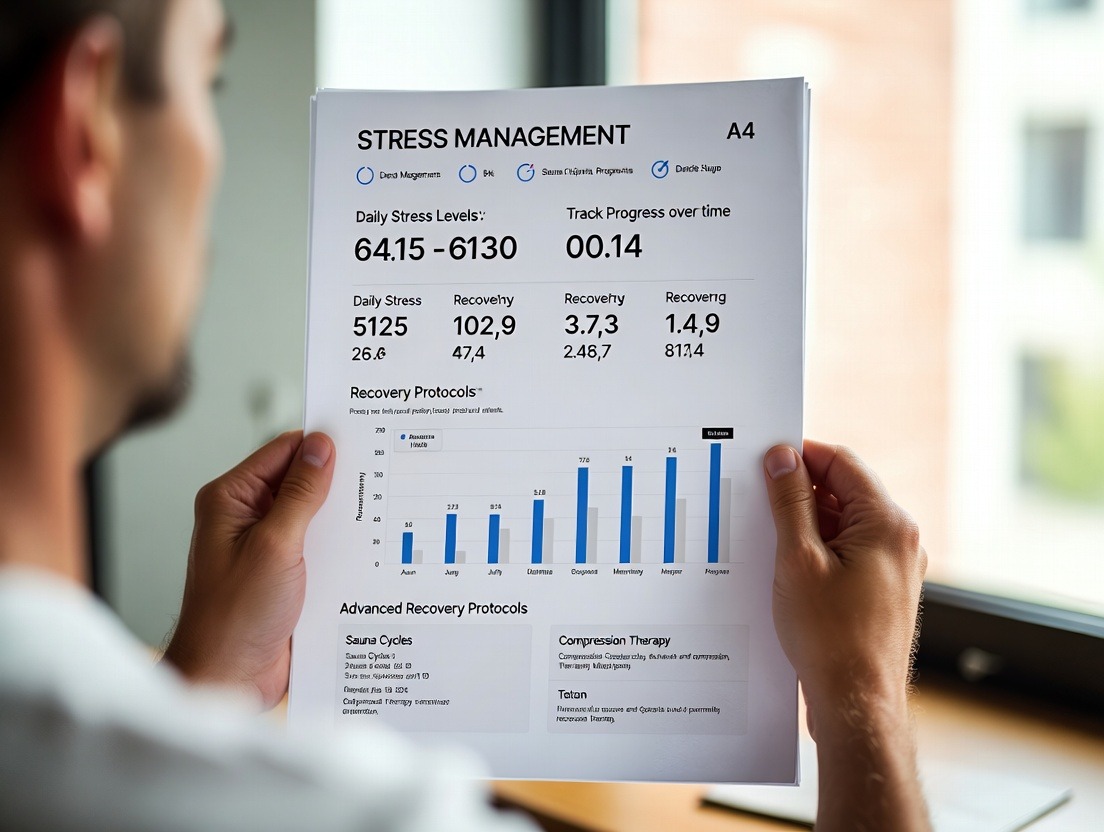
The path to body literacy with a smart ring isn’t without its potential pitfalls. Awareness of these common traps ensures your journey remains empowering, not anxiety-inducing.
Pitfall 1: Obsessing Over Single Data Points. This is the most common error. A single day of low HRV is a weather report, not the climate. It could be due to a single bad meal, a nightmare, or a hard workout. The trend over 3-7 days is what matters. Solution: Train yourself to look at the weekly average and the trend line. Use the daily number as a guide for the day, not a final judgment on your health.
Pitfall 2: Comparisonitis. Your friend brags about their HRV of 100ms, and yours is 45ms. You feel deflated. Solution: Remember, HRV is highly personal. Age, genetics, fitness type (endurance athletes often have higher HRV than strength athletes), and even gender play a role. The only valid comparison is you vs. you from last month or last year. A rising trend for you is a victory.
Pitfall 3: Ignoring Feelings for the Score. “My ring says I’m 90% ready, but I feel awful. I guess I should train.” This surrenders your autonomy to a device. Solution: The ring is an advisor, not a dictator. If there’s a strong mismatch, err on the side of caution and how you feel. Use the mismatch as a curiosity prompt: “Why might I feel tired when my data looks good?” Investigate other factors like mood, motivation, or hydration.
Pitfall 4: Creating Performance Anxiety Around Sleep. Watching your sleep score in real-time or stressing about “needing” to get a high score can create anxiety that itself ruins sleep—a cruel irony known as “orthosomnia.” Solution: Set the intention for good sleep hygiene, put the ring on, and then let go. Look at the data in the morning with curiosity, not judgment. Never check the app if you wake up in the middle of the night.
Pitfall 5: Data as a Stick, Not a Carrot. Using low scores to berate yourself (“I’m so unhealthy”) is counterproductive. Solution: Reframe the data as neutral, compassionate information. A low score isn’t a failure; it’s a helpful message saying, “Hey, we need some extra care today.” It’s your body asking for help, not criticizing you.
Maintaining Balance: Schedule regular “data holidays.” Once you are deeply attuned to your patterns, take a weekend or a vacation without the ring. Practice relying on your honed intuition. This reinforces that you are in charge, and the tool serves you. For continued support and community, remember you can always visit the Oxyzen FAQ for answers to common questions, or explore our blog for more perspectives on balanced, data-informed wellness.
By navigating these pitfalls, you ensure that your smart ring remains what it was designed to be: a powerful ally in your quest for a healthier, more attuned, and vibrant life.
The smart ring on your finger today represents just the beginning of a profound shift in personalized health monitoring. As sensor technology, artificial intelligence, and our understanding of human physiology advance, the future promises a level of body listening that moves from reactive insight to proactive prediction and truly seamless integration.
Next-Generation Sensors and Multi-Modal Data:
Future iterations will likely incorporate a wider array of non-invasive sensors.
AI and Predictive Analytics:
Current apps provide analysis; future platforms will offer true artificial intelligence co-pilots.
Seamless Integration and the “Digital Twin”:
The ultimate goal is a unified, holistic health model.
Ethical and Practical Considerations: This future is not without challenges. Data privacy and security will be paramount. Who owns this incredibly intimate data? How is it protected from insurers or employers? There will also be a greater need for digital literacy and guidance to prevent data overload or misinterpretation. The role of companies like Oxyzen will evolve from providing devices to being stewards of this sensitive data and guides through its ethical, empowering use. Learning about a company’s mission and values becomes crucial in this context.
The trajectory is clear: the future of body listening is one of deeper, more contextual, and increasingly predictive partnership between human intuition and machine intelligence, all aimed at extending healthspan and optimizing the human experience.
We have journeyed from the basic biometrics to advanced interpretation, from daily tactics to long-term strategy. Now, we arrive at the synthesis: how to weave all these threads into a sustainable, lifelong practice of attunement. This is not a 30-day challenge; it’s a new way of relating to your physical self.
The Four Pillars of Sustainable Body Listening:
Creating Your Personal Body Listening Ritual:
The Evolution of Your Relationship with the Device:
Initially, you will check it frequently, learning the language. This is the student phase. After 3-6 months, you will likely check it only in the morning and for weekly reviews. This is the integration phase. Eventually, it may become like a trusted, silent partner—you wear it out of habit, you act on its insights almost automatically, and you only dive deep into the data when something feels “off” and you need diagnostic help. This is the mastery phase, where the tool has successfully enhanced your innate body wisdom.
Knowing When to Lead with Intuition: As your practice deepens, you’ll encounter days where your intuition and data are in perfect harmony, and days where they diverge. Honor both. If your data says green but your intuition screams rest, rest. The data is a reflection of known physiological patterns; your intuition is the sum of your conscious and subconscious perception, which may be picking up on signals the sensors cannot yet measure. Let this dialogue between the quantitative and the qualitative be the heart of your practice.
By building this practice, you are investing in the most important relationship you will ever have: the one with yourself. You are choosing to be an active, informed participant in your health, not a passive passenger.
We began with a simple, almost ancient premise: your body is constantly communicating its needs. For generations, we’ve strained to hear its whispers through a fog of busyness, generic advice, and cultural noise that glorifies pushing past limits.
The smart ring represents a quiet revolution in this timeless endeavor. It is not a magic bullet, but a powerful translator. It takes the subtle, analog language of physiology—the ebb and flow of your heart, the depth of your sleep, the rhythm of your breath—and converts it into a digital dialogue you can finally understand.

This journey through the data—from heart rate variability and sleep stages to temperature trends and readiness scores—is ultimately a journey back to yourself. It’s a process of reclaiming authority over your own well-being. The numbers are not the destination; they are the map. The destination is a state of being where you no longer need to “push through” or “crash and burn,” but where you can flow with your body’s natural cycles of stress and renewal.
You learn that recovery is not wasted time, but the very source of your strength, creativity, and resilience. You discover that the most productive thing you can do on a Tuesday afternoon might be to take a walk, not answer more emails. You realize that honoring your need for nine hours of sleep isn’t laziness; it’s what allows you to be brilliantly focused for the other fifteen.
This path of data-informed body listening leads to a more compassionate, intelligent, and sustainable way to live. It helps you align your daily choices with your long-term vitality. It turns health from a static goal into a dynamic, engaging conversation.
The invitation is now open. Start by exploring the technology that can serve as your guide. Dive into the resources, like our extensive blog on sleep and recovery science, to deepen your knowledge. But most importantly, begin to pay attention. Put your hand on your chest and feel your heartbeat. Notice the quality of your energy after different meals. Honor the pull toward rest.
Your body has been speaking your entire life. Now, with a blend of ancient wisdom and modern technology, you have the tools to listen, understand, and respond. The conversation starts today. What is your body saying?
A Final Note on Your Journey:
Remember, this is your unique path. The data, the insights, and the optimal rhythm you discover will be yours alone. There will be days of clear signals and days of mystery. Embrace it all as part of the process. The ultimate goal is not a perfect score every day, but a profound, unshakable connection to the wisdom that resides within you, supported by the clearest mirror we’ve yet invented to see it reflected back. Welcome to the future of knowing yourself.
Your Trusted Sleep Advocate (Sleep Foundation — https://www.sleepfoundation.org/)
Discover a digital archive of scholarly articles (NIH — https://www.ncbi.nlm.nih.gov/
39 million citations for biomedical literature (PubMed — https://pubmed.ncbi.nlm.nih.gov/)
experts at Harvard Health Publishing covering a variety of health topics — https://www.health.harvard.edu/blog/)
Every life deserves world class care (Cleveland Clinic -
https://my.clevelandclinic.org/health)
Wearable technology and the future of predictive health monitoring. (MIT Technology Review — https://www.technologyreview.com/)
Dedicated to the well-being of all people and guided by science (World Health Organization — https://www.who.int/news-room/)
Psychological science and knowledge to benefit society and improve lives. (APA — https://www.apa.org/monitor/)
Cutting-edge insights on human longevity and peak performance
(Lifespan Research — https://www.lifespan.io/)
Global authority on exercise physiology, sports performance, and human recovery
(American College of Sports Medicine — https://www.acsm.org/)
Neuroscience-driven guidance for better focus, sleep, and mental clarity
(Stanford Human Performance Lab — https://humanperformance.stanford.edu/)
Evidence-based psychology and mind–body wellness resources
(Mayo Clinic — https://www.mayoclinic.org/healthy-lifestyle/)
Data-backed research on emotional wellbeing, stress biology, and resilience
(American Institute of Stress — https://www.stress.org/)


