


Ring vs Watch Comparison: Third-Party App Integration
Comparing which device works with more third-party apps.
Comparing which device works with more third-party apps.
%402x.svg)
For years, the wristwatch reigned supreme. It told time, then it tracked steps, and eventually, it became a miniature smartphone strapped to your arm—a digital command center buzzing with notifications, maps, and music. Its dominance in wearable tech seemed unassailable. Then, a challenger emerged from an unexpected place: your finger. The smart ring, a minimalist band of titanium or ceramic, promised a more intimate, less intrusive form of biometric tracking. It wasn't trying to replace your phone's screen; it was trying to understand your body's silent language.
The initial battle lines were drawn around hardware: battery life, sensor accuracy, and discreet design. But as both categories have matured, a new, more decisive frontier has emerged—one that is less about the device on your body and more about the digital ecosystem it unlocks. This frontier is Third-Party App Integration.
Think of your wearable not as a gadget, but as a translator. It listens to the raw data of your physiology—your heart's rhythms, your sleep cycles, your temperature fluctuations. Third-party apps are the specialists who interpret that translation for specific, powerful purposes. They are the bridge between raw biometrics and actionable insight in your fitness, healthcare, productivity, and smart home.
A device with robust integration isn't just a tracker; it's a hub. A device with a walled garden of limited connectivity is, ultimately, a data silo. This distinction is where the fundamental choice between a smart ring and a smartwatch crystallizes. It's a choice between a specialized, deeply integrated health agent and a generalist, multi-purpose digital assistant.
In this exploration, we will dismantle the myth that this is a simple comparison of form factors. We are diving into the architecture of connectivity that defines the modern wearable experience. We will examine how the smartwatch's established app-store model contrasts with the smart ring's emerging, health-focused API partnerships. We'll see how integration impacts everything from a doctor's diagnosis to the automation of your living room lights.
The question is no longer merely, "Which device looks better on me?" It is: "Which device seamlessly becomes a part of my digital life, empowering my health and goals through the apps and services I already trust?" The answer lies in understanding the invisible bridge of integration. Let's begin by mapping the territories of these two wearable kingdoms.

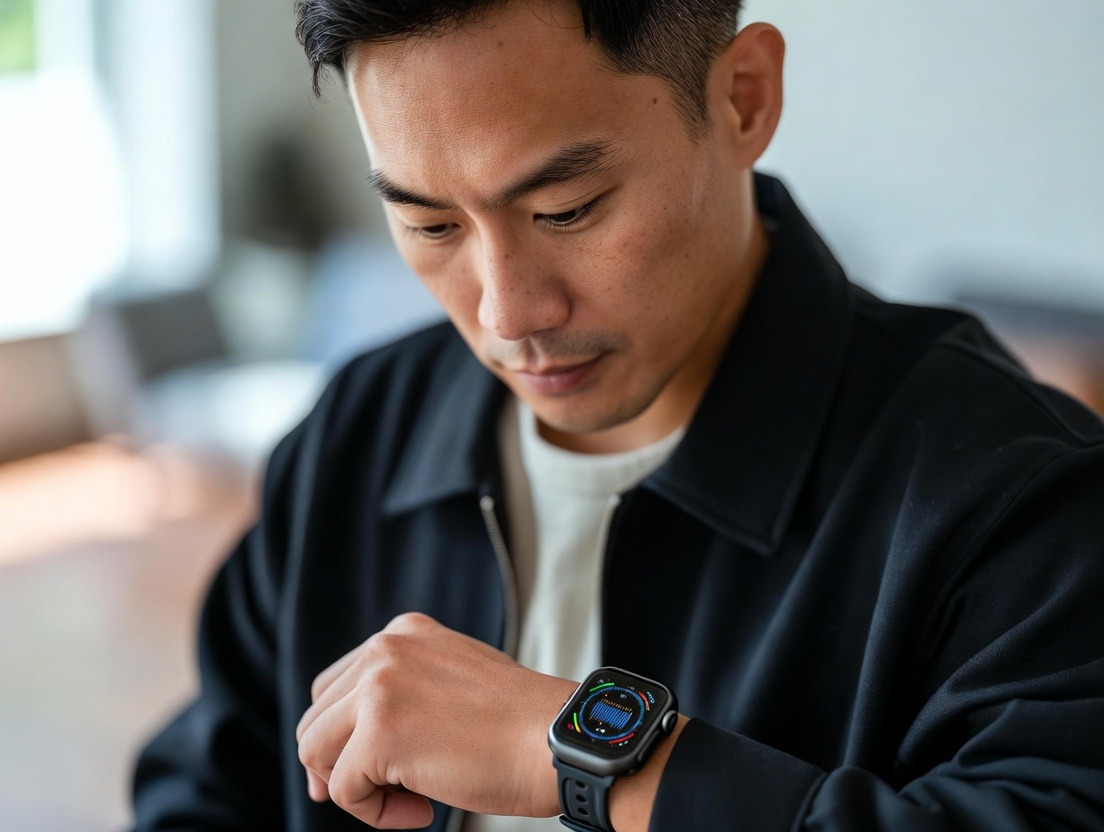
To understand their approach to app integration, we must first appreciate the core philosophical DNA of the smartwatch and the smart ring. They were born from different lineages with divergent purposes, shaping their entire architecture—including how they play with others in the digital sandbox.
The modern smartwatch is the evolutionary descendant of the personal digital assistant (PDA) and the smartphone. Its lineage is one of function aggregation. From telling time, it expanded to manage notifications, run mobile apps, play media, and facilitate contactless payments. The screen is its raison d'être—a conduit for interaction, control, and consumption. Companies like Apple, Samsung, and Google (with Wear OS) approached it as a companion computer, a satellite device to reduce phone dependency. This "generalist" philosophy means its primary value is breadth: how many tasks can it competently handle from your wrist?
Consequently, its integration model is expansive and user-directed. It mimics the smartphone’s app store paradigm. Users browse, download, and manage standalone apps directly on the device. The watch becomes a platform. You might have your banking app, a standalone Uber client, a translation tool, and a dozen different fitness apps all living independently on your wrist. The integration is often about replicating phone functionality in a more accessible location.
The smart ring, by stark contrast, descends from the medical and wellness tracker. Its ancestry lies in clinical pulse oximeters, sleep lab studies, and basic fitness monitors. Oura, a pioneer in the space, didn't start with a screen; it started with sensors and an algorithm to interpret them. The ring’s philosophy is specialized depth. Its value proposition is not to do everything, but to do one thing exceptionally well: provide continuous, accurate, and non-invasive biometric monitoring. The form factor—small, always-on, and closer to major blood vessels—is optimized for this singular goal of passive data collection.
This "specialist" DNA dictates a fundamentally different integration strategy. A ring has no screen for app interfaces. Therefore, its integration is not about hosting apps, but about being a data source for them. It functions as a privileged sensor array, streaming high-fidelity physiological data to a curated ecosystem of partner apps via APIs (Application Programming Interfaces). Its integration is about biometric empowerment, feeding your health data into platforms that can provide deeper analysis, coaching, or contextual actions.
This philosophical chasm creates a clear divergence. The smartwatch asks: "What app do you want to run?" The smart ring asks: "What system do you want your health data to empower?" One offers a library of tools you can manually use. The other offers a firehose of trusted data you can plug into automated systems. As we explore specific integration domains, keep this core difference in mind: the watch expands your wrist's capabilities; the ring expands your body's data connectivity. To see how this philosophy translates into real-world ecosystems, you can explore our blog for a deeper dive on wearable design principles.
The smartwatch’s integration powerhouse is its on-device app marketplace. Apple’s App Store for watchOS and the Google Play Store for Wear OS are microcosms of their smartphone counterparts, offering a staggering array of downloadable applications. This model represents the pinnacle of user-centric choice and immediate functionality.
On a smartwatch, integration is often direct and visible. You want to control your Spotify playlist during a run? Download the Spotify watch app, log in, and you have a dedicated controller on your wrist. Need to quickly check your upcoming calendar events? The Outlook or Google Calendar app presents them in a glanceable format. From navigating with Citymapper to checking in for a flight with your airline’s app, the watch serves as a remote control for your digital life. The integration here is about convenience and reducing friction in daily micro-interactions.
For fitness, this translates to a smorgasbord of options. A runner might use Strava, a cyclist might use Komoot, a gym-goer might use Strong, and a yogi might use Down Dog. Each app can leverage the watch’s built-in sensors (GPS, heart rate, accelerometer) to provide a tailored experience. The watch becomes a chameleon, adapting its function to the chosen app. This is powerful for multi-sport enthusiasts or those with very specific workout tracking needs.
However, this kingdom of choice has its shadows: fragmentation and clutter. Because each app operates in its own silo, data is often not synthesized. Your heart rate data from a Strava run lives in Strava. Your sleep data from a separate sleep-tracking app lives there. There is rarely a unified, holistic dashboard that understands the relationship between your intense workout, your subsequent sleep quality, and your morning resting heart rate. The user is left to be their own data integrator.
Furthermore, this model consumes resources. Each app requires storage space, background processes, and updates, which can impact the watch’s already limited battery life. The experience can become sluggish, and managing a multitude of tiny app icons on a small screen is hardly optimal. The very strength of boundless choice can lead to a paradox of overwhelm, where the wearable becomes a source of digital noise rather than a source of curated insight.
The smartwatch app model is democratic and powerful, but it demands curation and technical savvy from the user. It excels at providing specific tools for specific tasks but often falls short in providing a unified, intelligent narrative of your overall well-being. It’s a toolkit, not a biometrically-aware assistant. For those seeking a more harmonized, less intrusive flow of data, the smart ring’s approach offers a compelling alternative.
Lacking a screen and an on-device store, the smart ring’s power of integration is channeled through a different conduit: the Application Programming Interface (API). This is the invisible, behind-the-scenes handshake that allows one software system to talk to another. For smart rings, this means their companion smartphone app doesn’t just display data—it acts as a secure data hub, broadcasting validated biometric streams to a vetted network of partner applications.
This creates a curated ecosystem of integration. A company like Oura or Circular doesn’t allow any developer to build directly for the ring. Instead, they establish formal partnerships and provide API access to select health, wellness, and fitness platforms. This model prioritizes data integrity, security, and purposeful utility over sheer volume of apps.
The user experience is seamless but indirect. You don’t “get an app” for your ring. Instead, you log into your ring’s account within a trusted third-party app and grant permission for data sharing. For example, you might authorize your natural cycle-tracking app to read your ring’s core body temperature and heart rate variability data to pinpoint ovulation with unparalleled accuracy. You might connect your ring to a sleep coaching platform like Somnox, which uses your readiness score to tailor wind-down routines. Or, you might link it to a telehealth provider’s portal, allowing your doctor to view longitudinal trends in your resting heart rate and sleep stability.
This is integration as biometric empowerment. The ring is not trying to be the app; it is becoming the most reliable sensor for the app. The value flows from the ring’s specialized data into specialized platforms that can apply deep domain expertise. The fitness app Humanizer can craft a dynamic training plan based on your ring’s recovery metrics. The meditation app Headspace could suggest a session length based on your current stress levels (as inferred from HRV). The ring enables these apps to become context-aware of your body’s state in a way a smartwatch app, relying on less consistent or frequent data, cannot.
The trade-off is clear: you exchange the democratic, wide-open choice of an app store for a more gated, high-fidelity network. The ring’s ecosystem is smaller but potentially deeper. It’s designed not for browsing and experimenting with random utilities, but for creating powerful, automated data pipelines between your physiology and the services that can interpret it meaningfully. This philosophy of focused, secure data sharing is central to our mission at Oxyzen, which you can read more about in our company's story and vision.

In fitness, the difference between smartwatch and smart ring integration isn't just about tracking; it's about the fundamental role data plays in the training paradigm. Smartwatches have dominated this space by being excellent workout loggers and real-time display units. Smart rings are emerging as indispensable recovery monitors and adaptive training advisors.
The Smartwatch as Your Coach on the Wrist: When you start a run with a Garmin or Apple Watch, you are entering an active tracking session. The watch uses its GPS, optical heart rate sensor, and accelerometer to provide live metrics: pace, distance, heart rate zones, elevation. This data is streamed in real-time to apps like Strava, allowing for segment competitions and social sharing. Post-workout, the integration is about data export and community. Your run file is synced, analyzed, and displayed within the third-party app’s interface. The watch handled the capture; the app handles the presentation and social layer. This is perfect for athletes who thrive on performance analytics and community engagement.
The Smart Ring as Your Recovery Sentinel: A smart ring doesn’t track your 10K run in real-time (it lacks GPS and a screen for pace). Instead, its integration happens around the workout. It feeds pre- and post-workout physiological context into training platforms. Connect your Oura ring to Strava, and after your run, Strava doesn’t just get distance and time—it receives your ring’s Readiness Score or Recovery Index. Suddenly, your workout tile is annotated with a crucial piece of information: how prepared your body was for that effort, and how impactful it was on your system.
This is where integration becomes transformative. Platforms like TrainingPeaks or Whoop (which, while a bracelet, operates on a similar recovery-centric model) can use this recovery data for dynamic periodization. Instead of following a rigid, calendar-based plan, your training schedule can auto-adjust. A low recovery score from your ring could trigger your connected training app to automatically swap today’s high-intensity interval session for a gentle mobility or recovery workout. The ring’s 24/7 data provides the context the workout log lacks.
Furthermore, rings often provide superior nocturnal data—heart rate variability (HRV), respiratory rate, and sleep stages—which are gold standards for measuring systemic stress and recovery. Integrating this data with a platform like Elite HRV or HRV4Training gives athletes a lab-grade insight into their autonomic nervous system balance, far beyond what a watch’s spot-check HRV measurement can offer.
In essence, smartwatch integration answers "How did I perform?" Smart ring integration answers "Was that performance sustainable, and what should I do next?" One focuses on the event; the other focuses on the organism. For endurance athletes or anyone practicing serious training, the combination of both—a watch for execution and a ring for evaluation—powered by integrated platforms, represents the pinnacle of data-driven fitness. For more on optimizing training through biometrics, our blog features several case studies and guides.
This is perhaps the most significant and rapidly evolving arena for third-party integration, and it’s where the smart ring’s design advantages shine with profound potential. While smartwatches have made headlines with ECG and blood oxygen features, their integration into the healthcare system is often limited to user-initiated PDF reports. Smart rings, through continuous, passive data collection, are poised for deeper biomarker monitoring and remote patient management.
Smartwatches: Spot-Check Tools with Notification-Based Alerts: The Apple Watch’s FDA-cleared ECG app is a landmark achievement. Its integration allows users to take a 30-second reading and share a PDF with their physician. Similarly, irregular heart rhythm notifications are powerful. However, these are moment-in-time or algorithmically triggered data points. They are excellent for detecting intermittent atrial fibrillation (AFib) but provide limited context on overall cardiovascular trends. Integration with electronic health records (EHRs) like Apple Health Records is a step forward, but it often remains a one-way data dump for patient review.
Smart Rings: Continuous Biomarker Streams for Longitudinal Care: A smart ring’s true power lies in creating a continuous baseline of key physiological metrics. Nightly averages for resting heart rate, HRV, respiratory rate, and skin temperature become a personalized fingerprint of your health. Deviations from this baseline are often the earliest signs of illness, overtraining, or metabolic changes.
Third-party integration turns this data stream into a clinical asset. Imagine these scenarios:
The integration here is not about providing more data to the user, but about providing better data to the caregiver. It shifts the model from reactive, symptom-driven care to proactive, data-informed health maintenance. The ring’s unobtrusive, all-day-and-night wearability is key to this; you cannot get this quality of longitudinal data from a device you charge every night on your nightstand. For answers to common questions about how this data is used and secured, our FAQ section provides detailed information.
If there is one domain where the smart ring’s integration capabilities leave the smartwatch decisively behind, it is in sleep and recovery. While modern smartwatches have greatly improved their sleep tracking algorithms, the fundamental limitations of form factor and user behavior place a ceiling on their potential. The ring, designed for this very purpose, unlocks a deeper level of integration with specialized sleep science platforms.
The Smartwatch’s Sleep Hurdle: To track sleep, you must remember to wear your watch to bed. For many, a bulky watch is uncomfortable for side sleeping. Its optical heart rate sensor on the bony wrist can suffer from more signal loss (known as "wrist artifact") during the night compared to a finger. Most critically, its battery life often necessitates charging daily, typically at night—the exact time you need it for sleep tracking. This creates a behavioral friction that leads to inconsistent data, the enemy of meaningful sleep analysis.
The Smart Ring’s Native Advantage: A smart ring is worn 24/7. There is no "starting" a sleep session. It automatically detects sleep based on immobility, heart rate, and temperature drops. Its placement on a finger, with richer blood vessels, provides a stronger, more consistent photoplethysmogram (PPG) signal for measuring heart rate variability and blood oxygen saturation (SpO2) during sleep. This results in highly reliable data on:
Integration with Sleep Science Platforms: This high-fidelity data becomes incredibly powerful when fed into specialized third-party apps. For instance:
In sleep and recovery, the ring’s integration creates a closed loop: Measure → Analyze → Recommend → Validate. The ring provides the ground-truth measurement, the third-party app provides the analytical framework and behavioral guidance, and the ring again validates the outcome. This seamless, data-rich feedback loop is something the smartwatch, due to its inherent design compromises, struggles to achieve consistently. The result is a level of personal insight that feels less like gadgetry and more like having a personal sleep lab at home. Discover how real users have transformed their sleep by reading their firsthand testimonials and experiences.
Wearables have long been used to disconnect from the digital world (by filtering notifications) but are now being integrated to help us engage with the physical world more mindfully. Here, the smartwatch's approach is one of active management, while the smart ring’s is one of passive, biometric context.
Smartwatch: The Digital Gatekeeper: WatchOS and Wear OS have robust "Do Not Disturb" and "Focus" modes that sync with your phone. Integration with calendar apps allows your watch to automatically enter a "Meeting" focus mode. Productivity apps like Todoist or Things can send task reminders to your wrist. Mindfulness is often app-driven: you open Headspace on your watch for a guided session, and it may use the watch’s heart rate sensor to show a post-session coherence graph. The watch is a tool for managing your digital boundaries and scheduling your mindfulness practice.
Smart Ring: The Physiological Context Engine: The ring operates on a subtler level. Instead of managing notifications based on your calendar, what if your devices understood your cognitive state? This is the frontier of biometric integration.
The ring’s value here is ambient biometry. It provides a continuous, low-fidelity readout of your nervous system that other software can use to make your environment and tools more adaptive. It’s not about adding another notification or app to manage; it’s about making your existing digital life more intelligent and empathetic to your physical state. It moves productivity from time management to energy and context management.
The Internet of Things (IoT) promised a home that anticipates our needs. So far, automation has been largely based on simple triggers: time of day, geolocation (arriving home), or voice commands. The integration of wearable biometric data introduces a revolutionary new trigger: the state of your body. This turns automation from procedural to personal, and it’s a domain where the smart ring’s constant wearability gives it a distinct edge.
Smartwatch as a Remote (with Limitations): A smartwatch can certainly control a smart home. With apps for Philips Hue, Google Home, or SmartThings on your wrist, you can turn off lights, adjust the thermostat, or view camera feeds without reaching for your phone. It’s a convenient remote control. You can also create "scenes" that are manually activated from the watch. However, for true automation—where the environment adapts to you without conscious input—the watch is limited. Its biometric data is not typically streamed in real-time to smart home platforms, and its need for daily charging breaks the constant data stream needed for reliable automation.
Smart Ring as an Autonomous Bio-Sensor: The ring, worn continuously, can provide the real-time and historical physiological context needed for meaningful automation. Imagine these integrated scenarios through platforms like IFTTT, Zapier, or native APIs:
This is the pinnacle of "ambient computing." The technology disappears, and the environment simply responds to your biological needs. The ring becomes the unobtrusive translator between your autonomic nervous system and your networked home. It enables a level of personalization that time-based or location-based rules cannot achieve, because your body’s clock is not always aligned with the wall clock. For a brand dedicated to creating this seamless harmony between human physiology and technology, you can learn more about our foundational mission and values here.
As we rely on wearables for deeper health and life insights, a critical question emerges: Who truly controls the narrative of your data? Third-party app integration is only as free as the underlying data portability allows. This is where the strategic philosophies of watch and ring platforms create very different landscapes of user sovereignty and potential "ecosystem lock-in."
The Walled Gardens and Their Gates: Major smartwatch platforms, particularly Apple Health and Google Fit, have made significant strides in being central health data repositories. They are designed to collect data from many sources (your watch, your scale, your blood pressure cuff) and, crucially, to export it to qualified third-party apps. Apple Health, for instance, has a robust system of user-granted permissions for reading and writing data. This model encourages a hub-and-spoke system where your watch feeds data into the hub (Health/ Fit), and you decide which spokes (other apps) can access it. The user retains significant control over data flow.
However, lock-in remains. Deepest integration and unique features (like the Apple Watch’s ECG) are often only fully functional within the brand’s ecosystem. Exporting raw sensor data can be difficult. You can share a PDF of an ECG, but not the underlying waveform data for independent analysis.
The Smart Ring’s Curated Data Stream: Ring companies, by necessity of their specialist model, often maintain tighter control over their core biometric algorithms. They sell insights—Readiness, Sleep Scores, Recovery—more than raw data streams. While most provide API access to partners, the granularity of shared data is curated. You might grant a fitness app access to your "Readiness Score" and "Sleep Score," but not necessarily to the minute-by-minute heart rate variability or raw accelerometer data used to calculate them.
This creates a different kind of lock-in: insight lock-in. Your historical data and the proprietary algorithms that generate your scores are deeply embedded in the ring company’s platform. Switching from one ring brand to another means losing your longitudinal baseline and starting over. Your data story is not easily portable.
The Central Question of Ownership: True integration freedom requires open standards like FHIR (Fast Healthcare Interoperability Resources) used in professional healthcare. The ideal scenario is a wearable that acts as a pure sensor, streaming fully anonymized, raw or lightly processed data to a personal health repository you own (a concept like a "Personal Health Node"). From there, you could grant granular access to any app, service, or researcher, revocable at any time.
Today, we are between these worlds. Smartwatches, by virtue of being part of larger tech ecosystems, often offer broader syntactic portability (data can move). Smart rings, focused on proprietary health insights, offer deeper semantic integration (data means more) but within a narrower, more controlled corridor. As a user, your choice hinges on a trade-off: do you prioritize the ability to widely share varied data, or do you prioritize enabling a few, deeply insightful integrations with high-quality biometric context? Understanding this landscape is key, and our resource blog often discusses the ethics and future of health data.
The availability and quality of third-party integrations are ultimately dictated by the developers who create them. The experience, tools, and incentives offered to developers by smartwatch and smart ring platforms are radically different, shaping the kind of applications that get built.
Building for a Smartwatch: The UI/UX Challenge: Developing for watchOS or Wear OS is, in many ways, a specialized form of mobile app development. The primary constraints are the tiny screen real estate and limited interaction modalities (touch, crown, buttons). Developers must master micro-interactions, glanceable complications, and efficient navigation hierarchies. The Apple Watch and Wear OS provide rich Software Development Kits (SDKs) with UI frameworks, allowing for the creation of standalone, visually interactive apps.
The incentive is clear: access to a massive, established user base. The challenge is standing out in a crowded marketplace and designing an experience that feels native and useful on a 44mm display. The data from watch sensors is often accessed in bursts (during a workout) or for specific features (heart rate in a meditation app). The development mindset is task-oriented and interactive.
Building for a Smart Ring: The Data Pipeline Challenge: Developing for a smart ring means you are not building an "app for the ring." You are building a smartphone or web application that consumes data from the ring's API. There is no UI to design for the device itself. The development work is almost entirely back-end and data science-focused: establishing secure OAuth authentication, handling data streams, parsing JSON data packets containing sleep, activity, and readiness metrics, and then deciding how to algorithmically use that data within your own application.
The incentives here are different. The market is smaller but potentially more dedicated and health-focused. The developer’s value is not in creating a new watch face, but in creating a novel algorithm or service that adds a layer of intelligence on top of the ring’s biometric stream. For example, a developer might create an app that correlates ring HRV data with dietary logs to predict food sensitivities, or one that uses sleep stage data to optimize alarm times for shift workers.
The barrier to entry is higher in some ways (requiring partnerships, dealing with health data regulations like HIPAA/GDPR) but lower in others (no need to master wearable-specific UI). The development mindset is data-centric and ambient. It’s about creating value from a continuous feed of context, not from a user’s direct interaction with a device.
This fundamental difference explains the nature of the integrations we see. Watch app stores are full of utilities and trackers. Ring API partners are typically focused on health, fitness, and wellness analytics. One platform attracts a broad spectrum of UI/UX designers; the other attracts data scientists and health specialists. This divergence will continue to define the depth and character of integrations available for each device type for the foreseeable future. For developers and tech enthusiasts interested in this evolving space, we encourage you to explore our platform’s technical vision and opportunities.

Choosing a wearable is an investment, not just in money, but in a digital companion you plan to live with for years. In the fast-paced world of technology, where gadgets can feel outdated in a season, a critical question arises: which device—the smartwatch or the smart ring—is more future-proof? The answer lies not in the hardware specs alone, but in the evolution of their integration ecosystems.
Hardware has a predictable obsolescence curve. Sensors improve, batteries degrade, and new form factors emerge. The true longevity of a wearable is increasingly defined by its software lifespan and connectivity relevance. A device that can form new, valuable connections with emerging apps and services long after its release retains its utility far beyond its silicon.
The Smartwatch's Software-Driven Shelf Life: Smartwatches, particularly those from Apple, Google, and Samsung, benefit from being part of vast, entrenched operating system ecosystems. watchOS and Wear OS receive annual updates that bring new features, frameworks, and APIs to the entire installed base (within a few generations). This means a watch you buy today could gain new integration capabilities via a software update two years from now. For example, the introduction of a new sleep staging API or a standardized stress metric in the OS would instantly empower thousands of existing third-party apps to adopt it.
However, this model has a hard cutoff. Apple famously sunsets support for older models, after which they no longer receive major OS updates. An unsupported watch becomes an integration island. It may still function with the apps it has, but it won't gain access to new data types or integration protocols developed for newer hardware and software. Its ecosystem connections slowly fossilize.
The Smart Ring's Backend-Powered Evolution: A smart ring's "brain" lives primarily in its companion smartphone app and cloud-based algorithms. The ring itself is a relatively simple sensor array. This architecture allows for remarkable backward compatibility and forward adaptability. A company can refine its sleep algorithm, introduce a new recovery metric, or add support for a new biometric like electrodermal activity (EDA) for stress—all via app and server updates. Your two-year-old ring hardware can suddenly provide new insights and, crucially, feed this new data stream into its API for third-party apps.
The future-proofing here is in data relevance, not device features. As long as the ring company maintains its service and API, your device can become more integrated into the digital health landscape over time. The risk is not hardware obsolescence, but company obsolescence. If the ring manufacturer goes out of business or sunsets its cloud services, the device can become a "dumb ring," losing all its smart functionality and integrations. Its longevity is tied to the health of the company behind it.
Thus, we face a paradox. The smartwatch's future is tied to the upgrade cycle of a tech giant's OS, offering a predictable 4-5 year window of evolving integration. The smart ring's future is tied to the viability and innovation of a single company, offering the potential for longer functional life but with higher existential risk. When choosing, you're betting on an ecosystem's momentum versus a specialist's endurance. For a company building for the long term, you can see the foundation we've laid in our story and ongoing mission.
Throughout this analysis, we've framed the discussion as a choice: ring versus watch. But for the data-empowered individual seeking a holistic, seamlessly integrated bio-digital life, the most powerful answer might be conjunction, not opposition. The ring and the watch, when their data streams are intelligently combined through third-party platforms, can create a feedback loop of unparalleled personal insight, overcoming each device's inherent limitations.
This isn't about wearing two devices for redundancy; it's about wearing two specialized sensors that, when integrated, create a unified physiological narrative. Think of it as a medical diagnostic suite: you wouldn't use only a thermometer or only a blood pressure cuff. You use both for a complete picture.
The Combined Data Stack:
Third-Party Platforms as the Unifying Brain: This is where integration becomes magic. A platform like Athlytic, TrainingPeaks, or a future AI health coach can act as the central hub that ingests data from both sources.
Practical Synergies in Action:
The synergy model moves us from isolated data points to contextualized cause-and-effect understanding. The ring answers "what is my body's state?" The watch answers "what am I doing to it?" Together, through intelligent third-party integration, they answer the most valuable question: "What should I do next for optimal health and performance?" This represents the next evolutionary step in wearable technology—not competing devices, but cooperative nodes in a personal area biometric network. To explore how different users combine insights from various wearables, our blog features community discussions and advanced user guides.
The journey through the intricate landscape of third-party app integration reveals that the choice between a smart ring and a smartwatch is far more profound than aesthetics or battery life. It is a choice about how you want technology to relate to your body and your life.
Choose the Smartwatch if your priority is:
The smartwatch is your digital Swiss Army knife—a capable, interactive generalist that keeps you connected and in command.
Choose the Smart Ring if your priority is:
The smart ring is your biometric sentinel—a specialized, silent guardian that translates your body's language for other intelligent systems to understand and act upon.
The Central Truth: In the era of connected health, the value of a wearable is no longer contained within its casing. Its true worth is measured by the breadth and depth of the bridges it can build to the rest of your digital world. The most powerful device is the one that best connects your unique physiology to the tools, insights, and automation that matter most to you.
Whether you choose the versatile command center on your wrist or the intimate data stream on your finger, ensure that your choice is made with an eye toward the ecosystem it unlocks. Look beyond the specs sheet. Investigate the API partnerships. Explore the available integrations. Your wearable should not be an endpoint, but a beginning—the first, vital sensor in a more intelligent, responsive, and healthier life.
For those ready to explore a platform built on the principle of deep, meaningful biometric integration, designed to be the most reliable sensor for your life's data, we invite you to learn more about the Oxyzen approach and discover how it connects. And for any lingering questions on functionality, compatibility, or philosophy, our comprehensive FAQ resource is here to provide clarity. The future of wearables is not on your wrist or finger—it's in the connections they make. Choose the bridge that leads you where you want to go.
The very feature that makes modern wearables so powerful—their ability to share our most intimate data with third-party applications—is also what makes them potential privacy nightmares. The security posture of a smartwatch versus a smart ring is fundamentally shaped by their integration models, and understanding this distinction is crucial for anyone concerned about their digital and biological privacy.
The Smartwatch: The Expanding Attack Surface: A smartwatch running watchOS or Wear OS is essentially a miniature computer. Every third-party app you install directly onto the device represents a new potential attack vector. These apps request permissions to access sensors (heart rate, GPS, microphone) and often sync data back to their own developer servers. The security model relies on:
The risk profile is one of fragmentation. A weather app with microphone access could, in theory, be listening. A flashlight app with GPS permissions could be tracking your location. The more apps you install, the larger your attack surface. Furthermore, data transmitted from the watch to the phone and then to various third-party cloud servers creates multiple points where data could be intercepted or mishandled. A 2023 study by the University of Edinburgh found that over 80% of wearable data transmissions to companion apps lacked basic encryption.
The Smart Ring: The Centralized Data Fortress with Controlled Gates: The smart ring's integration model, by its nature, is more centralized and controlled. Since you don't install apps on the ring itself, the primary attack surface is the ring manufacturer's companion app and its API gateway. The ring streams encrypted data to the manufacturer's secure servers. From there, access is granted to vetted third parties via OAuth tokens, not by installing software on the sensor itself.
This creates a different security paradigm:
However, this creates a single point of catastrophic failure. If the ring company's servers are breached, the aggregated biometric data of all users could be exposed. The risk shifts from many small leaks to one potential flood. Additionally, the "walled garden" approach means users must inherently trust the ring manufacturer's vetting process for API partners. A poorly secured, yet approved, fitness platform could become the leak point.
The Privacy Calculus: Granularity vs. Aggregation: Privacy isn't just about security; it's about data use. Smartwatch data, scattered across dozens of apps, creates a granular but disorganized privacy footprint. It's harder for any single entity to build a complete profile, but many have pieces of the puzzle. Smart ring data, flowing through a central hub, enables the manufacturer—and any partner with broad API access—to build a highly detailed, longitudinal health profile. This data is extraordinarily sensitive, potentially revealing sleep disorders, stress patterns, menstrual cycles, and early signs of illness.
Regulations like GDPR and HIPAA provide some protection, but enforcement is inconsistent. When choosing a device, scrutinize the company's data sovereignty policies. Where is data stored? Is it anonymized before sharing with partners? Can you delete your raw data? Does the company sell aggregated, anonymized data for research (a common practice)? For a company that prioritizes user privacy as a core tenet, you can read about our security-first approach and data principles.
Ultimately, the integration model forces a privacy trade-off: the smartwatch offers distributed risk but requires personal security diligence; the smart ring offers centralized control but demands immense trust in the manufacturer's infrastructure and ethics. Your biometric data is your most personal asset. Choose the ecosystem that guards it with the rigor it deserves.
The initial purchase price of a wearable is just the entry fee. Increasingly, the true cost—and value—is realized in the ongoing subscriptions required to unlock advanced features and, critically, to enable third-party integrations. This economic layer adds another dimension to the ring vs. watch comparison, revealing diverging philosophies on monetizing your data and connectivity.
The Smartwatch: The "Free" App with Premium Tiers: The dominant model for smartwatch third-party apps mirrors the mobile world: freemium. You download a fitness or sleep app for free, and it offers basic functionality using your watch's sensor data. To unlock advanced analytics, personalized insights, or ad-free experiences, you pay a monthly or annual subscription—directly to the app developer.
Examples abound:
In this model, the watch platform (Apple, Google) takes a cut of the subscription through its app store, but the primary financial relationship is between you and the independent app developer. The watch company provides the sensor data "for free," and its revenue is largely hardware-driven. This creates a decentralized cost structure. Your total monthly outlay depends on how many premium app subscriptions you choose, which can quickly add up to a significant recurring cost.
The Smart Ring: The Centralized Service Fee: Smart ring companies almost universally operate on a hardware + software service model. The ring is the sensor, but the algorithms, insights, and API connectivity are part of an ongoing subscription (typically $5-$15/month). This subscription is often mandatory after an initial trial period to keep the device functional.
This subscription is the gatekeeper to integration. Your monthly fee to Oura, for instance, pays for the servers that process your data, maintain the companion app, and operate the API gateway that allows partners like Natural Cycles or Strava to connect. In some cases, the ring company may even share a portion of your subscription revenue with key partners (via revenue-sharing agreements) as an incentive for deep integration.
This creates a centralized cost structure with layered access. You pay one fee to the ring manufacturer to enable the entire ecosystem. However, you may still need to pay for premium subscriptions to the third-party apps themselves (e.g., you need an Oura subscription and a Natural Cycles subscription). The ring fee is the toll for the data bridge; the app fee is for the destination.
The Value Proposition Question: This leads to the core economic evaluation. Is it better to pay à la carte for only the app integrations you truly use (watch model), or to pay a flat fee for a robust data pipeline that empowers many potential integrations (ring model)?
The economic reality is that deep, meaningful, and secure integration is not free to develop or maintain. Both models are ways of funding that infrastructure. The choice hinges on whether you prefer a pay-per-use marketplace or an all-access pass to your own biometric data stream. For transparent information on how we structure access and value, our FAQ details our service model and what it enables.
A wearable's first impression is critical, but its lasting value is determined by how seamlessly it transitions from a novel gadget to an integrated part of daily life. The onboarding journey—the process of setting up the device and connecting it to the apps that will give it purpose—differs dramatically between watches and rings, reflecting their core identities.
The Smartwatch: The Interactive Setup Cascade: Unboxing a smartwatch initiates a familiar, tech-centric ritual. You pair it with your phone via Bluetooth, log into your Apple ID or Google account, and are presented with a series of choices: which notifications to mirror, which stock apps to install, and a tour of the interface. The device immediately feels active and customizable.
The integration onboarding is then a self-directed, often ongoing exploration. You venture into the App Store on your watch or phone, search for "running," "meditation," or "productivity," and download apps one by one. Each app requires its own setup: creating an account, granting permissions to health data (often through a system-level prompt from Apple Health or Google Fit), and configuring settings. This process is empowering for tech-savvy users but can be overwhelming and disjointed for others. The responsibility to create a cohesive system lies entirely with the user. The watch is a blank slate; you must be the architect.
The Smart Ring: The Guided Biometric Initiation: Setting up a smart ring feels less like configuring a computer and more like initiating a health device. The focus is immediately on calibration and baseline establishment. You pair the ring, install the companion app, and the primary task is to wear it consistently—especially during sleep—for several days to a week. The app educates you on the metrics it collects (HRV, temperature, etc.) and explains that meaningful insights will come after it learns your personal patterns.
Third-party integration is presented not as a store to browse, but as a feature to discover. The ring's companion app will typically have a "Partner" or "Connect" section that showcases available integrations with logos like Strava, Apple Health, Google Fit, and key health platforms. Connecting is a deliberate, one-click OAuth process per partner. The journey is curated: "Here are the powerful tools that can use your data." This simplifies choice but limits discovery. The onboarding narrative is: "First, let us understand your body. Then, we'll show you how to connect that understanding to other parts of your life."
The Friction Points:
The Outcome: The smartwatch onboarding is optimized for the explorer who enjoys tinkering and building a personalized toolkit. The smart ring onboarding is optimized for the seeker who wants a guided path to health insight and is comfortable with a more opinionated, curated ecosystem. One offers freedom through complexity; the other offers clarity through constraint. For stories of how real users navigated this journey and found their flow, our testimonials page offers genuine perspectives.
Wearables exist at the intersection of technology and personal expression. How a device looks and what it signals to others can influence not just whether you wear it, but how—and how willingly—you integrate it into your life. The smartwatch and smart ring occupy vastly different positions on the spectrum from tech statement to invisible tool, which in turn affects their role as integration hubs.
The Smartwatch: The Conspicuous Digital Command Center: A smartwatch is, by design, a visible interface. It is meant to be glanced at, interacted with, and noticed. Its aesthetics range from sporty plastic to premium stainless steel, but it is unmistakably a piece of wrist-worn tech. This visibility serves its function: quick interactions with notifications, apps, and calls.
Socially, a smartwatch often signals connectivity, productivity, and engagement with the digital world. It can also be a fashion accessory, with interchangeable bands and watch faces. However, this very visibility can create integration friction in certain contexts. In a formal meeting or a romantic dinner, glancing at or interacting with a glowing screen on your wrist can be seen as distracting or rude. The watch's most powerful feature—its screen—can force a social choice: engage with the integration or disengage for social etiquette. This can lead to "smartwatch anxiety," where users feel compelled to check every buzz, fracturing real-world engagement.
The Smart Ring: The Stealth Biometric Hub: A smart ring's design ethos is typically minimalist and低调 (low-key). It aims to resemble a piece of contemporary jewelry—a sleek band of titanium, ceramic, or gold. Its goal is to disappear both physically (through comfort) and socially (by not drawing attention as a tech device). There is no screen to glance at, no notifications to visibly respond to.
This invisibility is its superpower for integration. It allows for continuous, socially seamless data collection. In the middle of a conversation, during a critical work presentation, or while sleeping, it is gathering the physiological context that will later power insights and automation. There is no social friction. It doesn't signal "I am busy with my devices"; it signals nothing at all, or perhaps only a sense of style. This makes its integrations feel more like ambient magic—your environment adjusts, your recovery score updates, your fertility app gets precise data—all without you taking a visibly technological action in the moment.
The Impact on Integration Behavior:
In essence, the smartwatch integrates you into the digital world through active participation. The smart ring integrates digital insight into your analog world through passive observation. One asks you to look at it; the other watches over you. For a brand that believes technology should enhance life without interrupting it, our story delves into this philosophy of seamless integration.
Beyond the broad categories of fitness and health, there are specific, niche domains where the inherent strengths of each device's integration model make one a clearly superior choice. Examining these reveals the contours of their specialized capabilities.
For the Chronotype & Shift Worker: The Ring's Nocturnal Authority
Individuals whose lives defy the standard 9-5 cycle—night shift nurses, pilots crossing time zones, new parents—require understanding of how their sleep and alertness patterns deviate from the norm. Here, the smart ring is unparalleled.
For the Strength Athlete & Gym Rat: The Watch's Rep-Counting Prowess
While rings excel at systemic recovery, they are poor at tracking specific resistance training metrics. This is the smartwatch's domain.
For the Biohacker & Quantified Self Enthusiast: The Ring as Data Fountain
This community seeks to correlate lifestyle inputs (food, supplements, meditation) with physiological outputs (HRV, glucose, sleep). The smart ring's high-frequency, multi-parameter biometric stream is the essential fuel for this experimentation.
For the Accessibility-Focused User: The Watch's Interactive Interface
For users with certain motor or visual impairments, the smartwatch's screen and haptic feedback can be a more accessible portal to integration than a smartphone.
These niches illustrate that the "best" device is context-dependent. The ring is the superior biometric data source for passive, continuous, and recovery-focused insights. The watch is the superior interactive tool for active tracking, specific performance metrics, and direct control. Recognizing these strengths allows users to match the device—or combination of devices—to their most critical needs. For more explorations of how different lifestyles leverage wearable tech, our blog is a repository of case studies and ideas.
The ideal wearable future is one of fluid interoperability, where data from any sensor (ring, watch, scale, glucose monitor) flows seamlessly into any app or platform of your choice, regardless of brand, using universal open standards. This "plug-and-play" vision for health data would maximize user choice and innovation. The current reality, however, is a landscape of walled gardens and fragile bridges, where smartwatches and smart rings navigate fragmentation differently.
The De Facto Hubs: Apple Health & Google Fit: For smartwatches and many rings, these two platforms have become the closest thing to a universal standard. They act as data aggregators and translators. Your Garmin watch can write sleep data to Apple Health, and your Oura ring can read heart rate data from it. Apple Health, in particular, with its detailed data model and user-controlled permission system, has become a critical interoperability layer in the iOS ecosystem.
However, this interoperability is often shallow. While basic data types like steps, heart rate, and sleep minutes are exchanged reliably, proprietary metrics are not. Apple Health cannot ingest Oura's "Readiness Score" or Whoop's "Strain" as first-class data types; they must be passed as simple numbers or not at all, losing their algorithmic context. The data is shared, but the meaning and nuance are often stripped away.
The Smartwatch's Interoperability Challenge: Watches are often both data sources and data sinks. They generate data and can display/use data from other sources via Apple Health/Google Fit. The fragmentation exists at the OS level (watchOS vs. Wear OS) and the brand level (Garmin's ecosystem vs. Fitbit's vs. Apple's). While Apple Health bridges many devices into the Apple ecosystem, getting data out of that ecosystem and into a non-Apple platform (like a researcher's database or a specialized web app) can be difficult.
The Smart Ring's Interoperability Strategy: Rings primarily position themselves as premium data sources. Their strategy is to push their high-fidelity data into the major hubs (Apple Health, Google Fit) for basic interoperability, while reserving their richest data streams and proprietary metrics for their own API and curated partner network. They offer breadth through the hubs and depth through direct partnerships.
This creates a two-tiered system:
The Stumbling Blocks: The lack of a universally adopted, rich standard like FHIR (Fast Healthcare Interoperability Resources) for consumer wearables is the core issue. Until such a standard emerges that can encapsulate not just data points but derived scores and confidence intervals, true "deep" interoperability will remain a patchwork of bespoke API integrations.
For the user, the implication is clear: if you want your devices to work together in the most meaningful way, you must research specific integrations, not assume universal compatibility. The dream of a perfectly interoperable health ecosystem is just that—a dream. The current reality is one of strategic alliances and prioritized bridges. For those seeking a device built with a vision for connected, meaningful data, explore how we approach this challenge at Oxyzen.
Your Trusted Sleep Advocate: Sleep Foundation — https://www.sleepfoundation.org
Discover a digital archive of scholarly articles: NIH — https://www.ncbi.nlm.nih.gov/
39 million citations for biomedical literature :PubMed — https://pubmed.ncbi.nlm.nih.gov/
Experts at Harvard Health Publishing covering a variety of health topics — https://www.health.harvard.edu/blog/
Every life deserves world class care :Cleveland Clinic - https://my.clevelandclinic.org/health
Wearable technology and the future of predictive health monitoring :MIT Technology Review — https://www.technologyreview.com/
Dedicated to the well-being of all people and guided by science :World Health Organization — https://www.who.int/news-room/
Psychological science and knowledge to benefit society and improve lives. :APA — https://www.apa.org/monitor/
Cutting-edge insights on human longevity and peak performance:
Lifespan Research — https://www.lifespan.io/
Global authority on exercise physiology, sports performance, and human recovery:
American College of Sports Medicine — https://www.acsm.org/
Neuroscience-driven guidance for better focus, sleep, and mental clarity:
Stanford Human Performance Lab — https://humanperformance.stanford.edu/
Evidence-based psychology and mind–body wellness resources:
Mayo Clinic — https://www.mayoclinic.org/healthy-lifestyle/
Data-backed research on emotional wellbeing, stress biology, and resilience:
American Institute of Stress — https://www.stress.org/


