


How Recovery Signals Change With Age (Smart Ring Data Across Decades)
Recovery signals that indicate overtraining syndrome.
Recovery signals that indicate overtraining syndrome.
%402x.svg)
We live in a culture obsessed with optimization. From our morning routines to our sleeping schedules, the quest for peak performance is relentless. Yet, for all our focus on metrics like heart rate, steps, and calories burned, a far more critical dimension of health often goes overlooked: our body's capacity for recovery. Recovery isn't merely the absence of activity; it's the complex, silent symphony of biological repair, hormonal rebalancing, and neural consolidation that dictates how we feel, think, and perform. For decades, understanding this internal landscape was a guessing game, inferred from vague sensations of fatigue or sluggishness. But today, a quiet revolution is unfolding on our fingers.
Smart rings, like those developed by Oxyzen, are transforming subjective feelings into objective, continuous data streams. By monitoring heart rate variability (HRV), resting heart rate (RHR), skin temperature, and blood oxygen saturation—all from the sensitive vasculature of the finger—these devices provide an unprecedented, 24/7 window into our autonomic nervous system and its recovery state. What emerges from this data is a profound, personalized truth: our recovery is not static. It is a story that unfolds across our lifespan, with each decade writing its own unique chapter in the language of physiological signals.
This article delves deep into that story. We've analyzed aggregated, anonymized smart ring data across thousands of users to map how the fundamental pillars of recovery—sleep architecture, cardiovascular resilience, thermal regulation, and stress response—morph from our energetic 20s into our wise 80s. This isn't about decline; it's about intelligent adaptation. By understanding how your body's signals naturally evolve, you can move from fighting against your biology to working with it, optimizing your habits, nutrition, and mindset for the life stage you're in. This knowledge, gleaned from the silent data collected night and day, is the key to not just adding years to your life, but life to your years.
Before we chart the journey across decades, we must first understand the instruments in our orchestra. A modern smart ring is a feat of miniaturized engineering, but the raw data it collects is meaningless without context. It’s the interpretation of these core biomarkers—the subtle interplay between them—that paints a true picture of your recovery status.
Heart Rate Variability (HRV): The Maestro of Recovery
HRV is not your heart rate. While your pulse might be 60 beats per minute, the time interval between each beat is constantly fluctuating, measured in milliseconds. This is HRV. Think of it as the fine-tuning of your heart's rhythm. A higher HRV generally indicates a robust, adaptable autonomic nervous system—your body can easily switch from the energy-spending "fight or flight" mode (sympathetic tone) to the restorative "rest and digest" mode (parasympathetic tone). It is arguably the single most insightful metric for tracking recovery, stress resilience, and overall fitness readiness. When you are well-recovered, your HRV tends to be higher. Physical strain, emotional stress, poor sleep, or illness can cause it to dip. As we will see, the baseline and responsiveness of this metric undergo significant changes as we age.
Resting Heart Rate (RHR): The Steady Drumbeat
Your RHR is the number of times your heart beats per minute while you are completely at rest. A lower RHR typically suggests greater cardiovascular fitness and efficient heart function, as your heart can pump more blood with fewer beats. Smart rings are particularly adept at capturing your true resting heart rate because they measure it continuously throughout the night, eliminating the "white coat effect" or daytime stressors that can skew a manual reading. Tracking trends in your RHR is crucial; a sustained elevation can be one of the earliest signs of overtraining, impending illness, or chronic stress.
Skin Temperature & Blood Oxygen: The Environmental and Metabolic Sensors
Nocturnal skin temperature, measured from the finger, is a powerful proxy for your core temperature rhythm and metabolic health. Your body temperature naturally dips at night to facilitate sleep initiation and deep sleep. A disrupted temperature rhythm—such as a failure to drop sufficiently—can signal poor sleep quality, inflammation, or hormonal imbalances. Similarly, overnight blood oxygen saturation (SpO2) monitoring can reveal subtle fluctuations indicative of sleep-disordered breathing, which fragments sleep and severely hampers recovery. For a deeper dive into the technology behind these measurements, our article on how sleep trackers actually work breaks down the science in accessible detail.
Sleep Staging: The Architecture of Restoration
While not as precise as a clinical polysomnogram, advanced smart rings use the above signals (heart rate, movement, temperature) to infer sleep stages: Light, Deep, and REM sleep. Each stage plays a non-negotiable role in recovery. Deep sleep is the physical repair shop, where tissue growth and repair occur, and the immune system is fortified. REM sleep is the mental and emotional recovery phase, essential for memory consolidation and mood regulation. The proportion and continuity of these stages are perhaps the most visually dramatic metrics that change across a lifetime.
Together, these signals form a recovery dashboard. A night of ideal recovery might show a strong, consistent temperature drop, stable high SpO2, a low and steady RHR, a high or rising HRV, and ample time in both deep and REM sleep. But this "perfect" picture is a moving target. What looks optimal at 25 is a biological fantasy at 65. Let’s now explore exactly how this dashboard gets reconfigured with each passing decade, beginning with the foundation of it all: our sleep.
Sleep is the cornerstone of recovery. It is during these nightly voyages that the bulk of physical repair, cognitive consolidation, and hormonal regulation occurs. Smart ring data reveals that the very structure of sleep—the amount of time we spend in each vital stage—undergoes a profound and predictable metamorphosis from early adulthood into advanced age. This isn't just about needing less sleep; it's about needing different kinds of sleep.
The Deep Sleep Dividend of Youth (20s & 30s)
In your 20s and early 30s, the body is a deep sleep powerhouse. This is the era of maximal slow-wave sleep (SWS), or deep sleep. Users in this demographic routinely show smart ring data with 1.5 to 2 hours of deep sleep per night, often concentrated in the first half of the sleep cycle. This abundance fuels rapid physical recovery from exercise, supports a robust metabolism, and aids in the neural pruning and optimization still occurring in the young adult brain. However, this bounty comes with a vulnerability: consistency is easily shattered. Late nights, alcohol, and irregular schedules can brutally slash deep sleep percentage, leading to the classic "I can bounce back" mentality that often masks significant recovery debt. The data shows that while the capacity for deep sleep is high, the stability of it is often low in this life stage.
The REM Renaissance and the Deep Sleep Decline (40s & 50s)
Entering the 40s, a clear trend emerges in the data: a gradual but steady decline in deep sleep duration. It’s not uncommon to see average deep sleep drop to 1 to 1.5 hours per night. This is a natural, neurologically-driven change, not merely a result of lifestyle. The brain's architecture for generating slow waves becomes less potent. However, nature provides a fascinating counterbalance. This period often sees a relative preservation, and sometimes even an increase, in the proportion of REM sleep. As the demands of career, family, and complex emotional management peak, the brain seems to prioritize this stage of emotional processing, memory integration, and creativity. Smart ring users in their 50s frequently report seeing strong REM cycles, especially in the latter half of the night. The recovery needs shift from purely physical to heavily cognitive and emotional.
Fragmentation and the Need for Precision (60s and Beyond)
From the 60s onward, the most dominant feature in sleep data is fragmentation. Sleep becomes lighter and more susceptible to disruption. The periods of deep sleep may shrink to under an hour, and awakenings during the night become more frequent. This isn't necessarily pathological; it's a normative part of aging. The sleep cycle itself doesn't disappear, but it becomes more fragile. The critical insight from continuous tracking is that sleep quality becomes a far more important metric than sleep quantity. A solid, uninterrupted 6.5 hours may be profoundly more restorative than a fractured 8 hours. This makes the environmental and behavioral levers for protecting sleep—consistent timing, optimal temperature, pre-sleep routine—more important than ever. For a comprehensive look at what constitutes healthy sleep metrics at different ages, our guide on deep sleep tracking: what your numbers should look like is an essential resource.
Understanding this architectural shift is the first step to aging gracefully. You cannot fight the decline of deep sleep in your 50s with the same tactics that worked in your 20s. Instead, the focus must turn to protecting the sleep you get and maximizing its efficiency—a concept we will explore in depth in later sections. For those wondering about the fundamental importance of these stages, our piece on deep sleep vs. REM sleep: what's the difference and why it matters provides a clear breakdown.
If one metric captures the essence of your body's adaptive capacity, it is Heart Rate Variability. HRV is the ultimate biomarker of biological flexibility—the ability to respond to stress and then return swiftly to a calm, restorative state. Across the decades, the story of HRV is one of a gradual, but manageable, descent. The key is not to lament the lower absolute numbers of later life, but to understand what they mean and how to optimize within your personal range.
The High-Variability Plateau (20s & 30s)
For most healthy individuals in their 20s and 30s, HRV data sits on a high plateau. Baselines can vary widely based on genetics and fitness, but the capacity for high HRV is there. The signature of this decade in the data is not just the high number, but its volatility. HRV in youth is highly responsive—it can plummet after a night of heavy drinking or a intense workout and then skyrocket back after a good night's sleep. This volatility is a double-edged sword. It indicates a system that is highly reactive to both positive and negative inputs. The recovery lesson here is about managing that volatility: avoiding the extreme lows allows the system to spend more time in the high, recovered state. Athletes in this age group use HRV for precisely this reason: to gauge whether their body is ready for another high-intensity load or needs a restorative day.
The Gradual Descent and Increased Stability (40s & 50s)
As we move into midlife, a clear downward trend in baseline HRV typically emerges. This is a natural consequence of aging-related changes in the heart and autonomic nervous system. However, smart ring data reveals a crucial nuance: while the baseline lowers, the stability of the signal often increases. The wild day-to-day swings characteristic of the 20s tend to dampen. Your HRV becomes less of a barometer for daily missteps and more of a gauge for chronic load and lifestyle patterns. A sustained drop in HRV over weeks in your 40s is less likely to be about last night's pizza and more likely to be signaling persistent work stress, poor sleep hygiene, or an underlying health issue. The recovery focus shifts from acute recovery to chronic resilience management.
Finding Your New Normal: The Lower, Flatter Line (60s and Beyond)
In the later decades, HRV establishes a new, lower baseline. The goal is no longer to achieve the numbers of your 30s—that is a futile and misguided aim. Instead, the wisdom lies in finding and maintaining your personal optimal range within this new normal. A stable HRV, even if it's lower, is a sign of a well-regulated system. The dangerous pattern is a continued, unexplained downward trend or excessive instability. For seniors, even small, consistent lifestyle interventions—like daily gentle walking, breathwork, and social connection—can have a visibly positive impact on maintaining HRV stability. It becomes a powerful tool for monitoring overall systemic health and the body's tolerance for new medications or lifestyle changes.
The universal takeaway across all ages is that HRV is a personal metric. Comparing your number to someone else's is meaningless. The power is in tracking your own trends over time. A stable or rising trend within your age-based range is a gold-star indicator of good recovery and resilience, regardless of whether the number is 50 or 150. For those experiencing unexplained drops in this key metric, our article on the silent signs of deep sleep deprivation explores one of the most common culprits.

Resting Heart Rate is the workhorse of recovery metrics—simple to understand, yet incredibly informative. A fit heart is an efficient heart, requiring fewer beats to circulate blood at rest. Smart ring data, with its ability to capture true nocturnal RHR, provides the cleanest possible reading, free from the noise of daytime activity. The lifelong trend is generally upward, but the rate of that climb and the daily fluctuations around it tell a more nuanced story about health and habits.
The Fitness Floor (20s & 30s)
For active individuals in their 20s and 30s, RHR can be strikingly low, often dipping into the 40s and 50s during sleep. This is the "fitness floor" era. Endurance athletes may even see rates in the 30s. The data in this group shows a strong inverse relationship with HRV: when HRV is high, RHR is typically at its lowest. The nightly drop is also pronounced. The recovery insight here is that consistency is key. While a single night of elevated RHR might indicate dehydration or fatigue, a baseline creep upward over weeks is a red flag for overtraining, chronic stress, or a decline in cardiovascular fitness.
The Inflection Point (40s & 50s)
Midlife is often when the gradual climb of RHR becomes more noticeable in the longitudinal data. A RHR that averaged 58 in your late 30s might drift into the low 60s by your late 40s. This is partially due to physiological changes in heart tissue and the autonomic nervous system. However, lifestyle factors exert a massive influence. Smart ring data clearly shows that individuals who maintain high levels of cardiovascular activity can dramatically slow this ascent. The difference between a sedentary and an active 50-year-old can be 10-15 beats per minute in nightly RHR—a gap that represents a vastly different cardiovascular workload over a lifetime. In this decade, RHR becomes a powerful motivator and feedback tool for maintaining cardio health.
Stability Over Speed (60s and Beyond)
In later decades, the absolute number of your RHR is less critical than its stability and responsiveness. A RHR of 68 that is consistent night-to-night is a sign of a stable system. More important than the average is the absence of tachycardia (unusually high resting rates) or excessive night-to-night variability, which can be associated with atrial fibrillation or other concerns. Furthermore, the range of your heart rate—the difference between your sleeping RHR and your daytime active heart rate, known as heart rate reserve—remains a vital sign of fitness. Preserving this range through regular, appropriate exercise is one of the most potent longevity strategies, and it's clearly visible in the daily data stream from your ring.
It's also crucial to understand what can cause temporary spikes: digestion of a large meal, alcohol consumption, dehydration, and fighting off an infection. The smart ring allows you to connect these dots, turning RHR from a simple number into a narrative about your daily choices and their impact on your cardiovascular system. For a holistic view of how all these sleep and recovery metrics interconnect, our sleep tracking 101 guide for beginners offers a perfect starting point.
The human body is designed to cool down to initiate and maintain sleep. Core body temperature drops, and blood flow is directed to the extremities (like the hands and fingers) to dissipate heat—a process called distal vasodilation. This is why smart rings, measuring from the finger, are exceptionally good at capturing this circadian thermal rhythm. As we age, this finely-tuned thermostat becomes less precise, and the data reveals a clear degradation in the amplitude and timing of our nightly temperature drop.
The Sharp, Predictable Drop of Youth
In healthy young adults, the temperature graph from a smart ring looks like a clean, steep downhill slope in the first few hours of sleep. The drop is pronounced (often 1.5 to 2 degrees Celsius from the evening baseline) and well-timed with sleep onset. This strong cooling signal is a direct driver of deep sleep. The system is responsive: a cool bedroom environment, a warm shower before bed (which paradoxically helps by bringing blood to the skin's surface to cool), and avoiding late meals all contribute to an optimal temperature curve. The data shows a tight correlation between a steep, early temperature drop and higher deep sleep scores in this age group.
The Blunted Curve and Timing Drift (40s & 50s)
From midlife onward, the slope of the temperature drop begins to flatten. The descent is slower and less pronounced. This blunting is linked to changes in melatonin production, reduced peripheral blood flow, and hormonal shifts (especially in women going through perimenopause and menopause). The timing can also drift, with the body starting its cooling process later in the evening, which can directly conflict with a desired bedtime. Smart ring users in this demographic often see a "shallower valley" in their nightly temperature graph. The recovery implication is massive: if the body isn't cooling efficiently, it cannot access deep, restorative sleep as easily. This makes behavioral interventions—strict sleep schedules, careful bedroom temperature management, and evening routines that promote cooling—non-negotiable for quality recovery.
The Flat Line and Vulnerability to Environment (60s+)
In later life, the nocturnal temperature rhythm can become almost flat. The body loses its ability to self-cool effectively. This is one of the primary physiological reasons why sleep becomes so fragmented and light in the elderly. The smart ring data vividly shows this: the nightly graph has very little variation. At this stage, external temperature management becomes a critical recovery tool. The sleeping environment must do the work the body no longer can. Data consistently shows that seniors who maintain a cool, strictly controlled bedroom temperature (around 65-68°F or 18-20°C) show significantly better sleep continuity metrics than those who don't. It's a clear case of using technology to identify a biological deficit and then using behavioral science to compensate for it. For strategies on harnessing temperature for better sleep, our deep sleep formula: temperature, timing, and habits article provides actionable advice.
While often associated with high-altitude or clinical sleep apnea, continuous overnight blood oxygen saturation (SpO2) monitoring by smart rings reveals subtler, age-related patterns that significantly impact recovery. Even small, repetitive dips in oxygen (called desaturations) can cause micro-arousals, fragmenting sleep and preventing the brain from spending sustained time in restorative deep and REM stages. This metric becomes increasingly important with age.
Stable High Plateaus (20s & 30s)
In young, healthy adults with no respiratory issues, the overnight SpO2 graph is typically a flat, high line, consistently between 95-99%. There may be very occasional, minor dips related to sleep position or mild congestion, but they are infrequent and shallow. In this demographic, significant desaturation events are rare and, when they do appear in the data, are strong indicators that something is wrong—perhaps severe allergies, illness, or the beginnings of sleep-disordered breathing often exacerbated by weight gain or alcohol. For the vast majority, this metric is a quiet confirmation of healthy respiratory function during sleep.
The Emergence of Positional Dips and Lifestyle Links (40s & 50s)
As we enter midlife, the data begins to show more frequent, though often still mild, desaturation patterns. A common finding is positional SpO2 drops—the ring data correlates with movement logs to show that oxygen dips when sleeping on one's back (supine position). This is because gravity can cause the tongue and soft tissues to partially obstruct the airway. The data makes this link explicit, empowering users to experiment with positional therapy (e.g., using a pillow to encourage side-sleeping). Furthermore, the impact of lifestyle choices becomes starkly visible. A night with alcohol consumption, which relaxes airway muscles, will often show a markedly more variable and lower SpO2 trace. This provides concrete, visual feedback on how such choices directly degrade sleep quality, not just through lighter sleep stages but through literal oxygen deprivation.
A Critical Vital Sign: Monitoring for Fragmentation (60s and Beyond)
In older adults, overnight SpO2 monitoring transitions from a wellness metric to a crucial vitality indicator. Age-related loss of muscle tone in the upper airway, along with other physiological changes, makes sleep-disordered breathing more common. The smart ring data here is not intended for diagnosis but for trend identification. A pattern of increasing frequency or depth of desaturation events, paired with elevated resting heart rate and poor sleep scores, forms a compelling picture that should prompt a conversation with a healthcare provider. For this age group, optimizing SpO2—through weight management, positional therapy, nasal breathing practice, and treating allergies—can be one of the most direct ways to improve sleep continuity and, by extension, daytime energy and cognitive function. Understanding the full scope of what your device can measure is key, which is why we recommend our resource on sleep tracking accuracy: what your device can and can't measure.
One of the most profound impacts of wearing a smart ring is the way it illuminates the direct, physiological cost of stress. Stress is no longer an abstract feeling of being "wired and tired"; it is a quantifiable set of waveforms on a graph. This feedback loop—seeing how a difficult conversation, a work deadline, or family drama manifests in your HRV, RHR, and sleep—fundamentally changes your relationship with strain. And this relationship must evolve with age.
The "Burn and Churn" Illusion (20s & 30s)
Young adulthood is often characterized by a high tolerance for stress and a fast perceived recovery. The smart ring data, however, frequently tells a different story. A user in their 20s might feel "fine" after a week of poor sleep and high stress, but their data shows a steadily declining HRV baseline, elevated RHR, and eroded deep sleep. The body is accumulating a recovery debt that isn't immediately felt due to high physiological reserves. The feedback from the ring in this decade is crucial for teaching preemptive recovery. It shows that you can't just "power through" indefinitely. The data makes the invisible cost visible, encouraging habits like digital detox, meditation, and scheduled downtime before burnout occurs.
The Cumulative Load and the Need for Deliberate Detachment (40s & 50s)
In midlife, the recovery window narrows. The data makes it brutally clear: a stressful day now has a more immediate and prolonged impact on nocturnal metrics. The sympathetic nervous system doesn't disengage as easily. You might go to bed with your mind racing, and the ring confirms it—a higher starting RHR, a shallower temperature drop, and a delayed sleep onset. The lesson here is detachment. The data underscores the non-negotiable need for a robust wind-down routine—a buffer zone between the stress of the day and the sanctuary of sleep. Techniques that actively stimulate the parasympathetic system (vagus nerve toning, breathwork like 4-7-8 breathing) show direct, positive correlations in the nightly metrics for this group.
Prioritizing Peace: When Stability Becomes the Goal (60s+)
For older adults, the management of stress transitions from performance optimization to fundamental health preservation. The autonomic nervous system becomes more sensitive to perturbations. A single stressful event can disrupt sleep and recovery metrics for multiple days. Consequently, the smart ring data reinforces the supreme importance of routine and emotional serenity. Consistent daily rhythms, avoiding unnecessary conflict, and engaging in calming activities (like gardening, gentle yoga, or spending time in nature) are not just pleasant—they are directly reflected in more stable HRV, lower RHR, and better sleep continuity. The ring becomes a guide toward a slower, more predictable, and peace-oriented lifestyle, which the data confirms is what the aging nervous system craves for optimal function. To explore how to structure your day for better recovery, our blog on proven strategies to get more deep sleep offers time-tested methods.

While the broad age-related trends apply to all, smart ring data unveils distinct and significant gender-based divergences in recovery patterns. These are driven primarily by the profound influence of sex hormones—estrogen, progesterone, and testosterone—on sleep architecture, thermoregulation, and autonomic function. Understanding these pathways is essential for personalized recovery optimization.
The Female Hormonal Symphony and Its Disruption
For women, the monthly menstrual cycle creates a predictable, yet often disruptive, recovery rhythm. In the follicular phase (post-period, leading up to ovulation), with rising estrogen, many women see their best recovery metrics: higher HRV, lower RHR, and more robust deep sleep. Ovulation itself can cause a temporary spike in waking skin temperature and sometimes a slight dip in sleep quality. The luteal phase (post-ovulation), dominated by progesterone and then a drop in both hormones, is where the data often shows the challenge. Progesterone raises core body temperature, which can blunt the nocturnal cooling curve, leading to lighter, more fragmented sleep and less deep sleep in the days leading up to menstruation. HRV often trends downward and RHR upward in this phase. For perimenopausal and menopausal women, the data captures the chaotic transition: wildly fluctuating night-time temperatures (hot flashes), severely fragmented sleep, and a struggle to stabilize HRV as hormones decline erratically. This makes the ring an invaluable tool for tracking the efficacy of interventions like HRT, lifestyle changes, or cooling strategies.
The Male Androgen Gradient
Male recovery patterns are less cyclically dramatic but follow a longer, slower gradient tied to the gradual decline of testosterone and growth hormone. In their 20s and 30s, high androgen levels support muscle repair and promote deep sleep. The decline, beginning subtly in the late 30s and accelerating past 50, correlates in the data with the well-documented reduction in deep sleep. Lower testosterone is also associated with increased body fat and a higher risk of sleep apnea, which would be reflected in worsened SpO2 metrics. For men, the recovery focus with age must include strategies to naturally support hormonal health: strength training (which boosts testosterone and growth hormone), optimizing body composition, and ensuring zinc and vitamin D sufficiency—all of which can have a positive, measurable impact on sleep and recovery scores.
The Post-Hormonal Convergence
Interestingly, smart ring data suggests a convergence in recovery patterns between men and women in their late 60s and beyond. Once the major hormonal shifts of menopause and andropause are complete, the primary drivers of recovery differences become individual health status, fitness level, and lifestyle, rather than sex. The challenges—temperature dysregulation, sleep fragmentation, lower HRV—are shared, and so too are the solutions: rigorous sleep hygiene, consistent gentle movement, stress management, and social engagement. This highlights a universal truth: while the paths differ, the destination of requiring more intentional care for our recovery systems is a human one. For women specifically navigating the sleep challenges of hormonal change, our article on how age affects deep sleep and how to compensate is tailored to this journey.
Knowledge of these trends is powerful, but it is useless without action. The final step is to translate this decade-by-decade understanding into personalized, actionable strategies. The smart ring provides the feedback; you provide the intervention. Here is how to apply this knowledge at each life stage.
Your 20s & 30s: Building the Foundation
Your 40s & 50s: Precision and Adaptation
Your 60s and Beyond: Optimization and Preservation
By aligning your habits with the biological reality of your decade, you move from fighting your body to partnering with it. The smart ring is the communication device that makes this partnership possible, turning the silent language of your physiology into a daily conversation about your health. To see how real people have used this data to transform their lives, explore the powerful stories in our customer testimonials.
This deep dive into the first nine chapters of your lifelong recovery story provides the foundational knowledge you need to interpret your own data. But the journey doesn't end here. In the next portion of this exploration, we will move from understanding to advanced optimization. We will examine the intersection of nutrition and recovery signals, explore how to tailor fitness routines based on nocturnal data, investigate the impact of technology and environment, and finally, look to the future of how this continuous stream of biological data will redefine preventative healthcare and longevity. The ultimate goal is not to chase the recovery of your 20s, but to cultivate the most resilient, vibrant, and well-recovered version of yourself at every age.
To continue your learning, the Oxyzen blog is filled with resources on everything from the science of deep sleep to practical guides on foods that can enhance your sleep naturally. If you're ready to start tracking your own recovery story, discover the technology that makes it possible at the Oxyzen shop.
Exercise is the primary stimulus for adaptation, but it is also a stressor. The balance between the two defines your recovery curve. Smart ring data provides the ultimate feedback loop, showing you not just how you performed during a workout, but how well you recovered from it. This allows you to evolve your movement practice in lockstep with your body's changing needs, avoiding the common trap of clinging to the workout patterns of your youth long after they've stopped serving you.
Pushing Limits and Rapid Rebounds (20s & 30s)
In youth, the data often supports a high-volume, high-intensity approach—for a time. The signature is a sharp, acute stress response (low HRV, high RHR post-workout) followed by a rapid, "V-shaped" rebound to baseline within 24-48 hours. This indicates good adaptive capacity. The data can be used to fine-tune periodization: stacking hard days when metrics are strong, and inserting mandatory rest or active recovery when HRV is suppressed. However, a crucial warning sign in this data is the failure to rebound. If low HRV and elevated RHR persist for multiple days after a training block, it's a clear signal of overreaching tipping into overtraining. The ring teaches young athletes to respect the need for recovery as part of the training process itself, not an interruption to it.
From Intensity to Consistency and Strength (40s & 50s)
The recovery data in midlife delivers an unambiguous message: the cost of high-impact, high-stress workouts increases, and the repayment window lengthens. A brutal HIIT session or a long run might depress HRV and elevate RHR for three or four days, stealing from sleep quality and overall resilience. The smart move, as revealed by the metrics, is a pivot from peak intensity to sustained consistency and strength. Resistance training becomes non-negotiable. It builds the muscle mass that supports metabolism, joint integrity, and glucose disposal—all of which positively influence recovery signals. The data often shows that a heavy strength session, while stressful, produces a less prolonged negative impact on autonomic metrics than intense metabolic conditioning, and its long-term benefits for body composition improve all nocturnal readings. Workouts should emphasize movement quality, incorporate more recovery days, and blend strength with lower-heart-rate zone cardio (like brisk walking or cycling), which improves cardiovascular health without the systemic inflammatory cost.
Movement as Medicine: Stability, Mobility, and Circulation (60s and Beyond)
For older adults, the goal of exercise, as reflected in recovery data, shifts entirely to supporting daily function and preserving physiological systems. The primary focus should be on exercises that promote stability (preventing falls), mobility (maintaining range of motion), and circulation (supporting cardiovascular and cognitive health). The ring provides positive reinforcement for this approach: a daily walk in the morning sunlight improves circadian rhythm and leads to better sleep scores; a gentle yoga or tai chi session lowers resting heart rate and improves HRV; light resistance work maintains muscle and supports metabolic health. The dangerous pattern is inactivity, which leads to a steady, data-visible decline in cardiovascular tone (rising RHR), poorer temperature regulation, and degraded sleep. The data makes it clear: consistency of gentle, daily movement is infinitely more valuable for recovery and longevity than sporadic, intense exertion. To understand how elite athletes use recovery data, which offers lessons for all ages, read our piece on deep sleep optimization for athletes.
Our recovery does not happen in a vacuum. It is relentlessly shaped by our environment—both digital and physical. Smart ring data excels at quantifying the impact of these external factors, turning abstract wellness advice into concrete, personal cause-and-effect relationships. Mastering these levers becomes increasingly critical as our internal biological systems become less resilient with age.
The Blue Light Assault and Digital Sunset
One of the most consistent correlations across all age groups is between evening screen exposure and degraded sleep onset/quality. The data shows it clearly: nights with high smartphone or TV use before bed correlate with a delayed and shallower temperature drop, elevated pre-sleep RHR, and reduced deep sleep in the first cycle. The melatonin-suppressing effects of blue light are not theoretical; they are measurable in your physiology. Implementing a "digital sunset" 60-90 minutes before bed is one of the highest-ROI recovery habits you can build. For those who cannot avoid screens, the data provides compelling evidence to use blue light filters and dim settings religiously.
The Sanctity of the Sleep Cave
The importance of the sleep environment grows exponentially with age. As we've seen, the body's internal temperature regulation weakens. Therefore, external control becomes paramount. Smart ring data from users who optimize their bedroom consistently shows better outcomes:
The Power of the Wind-Down Ritual
Perhaps the most personalized insight from smart ring data is the effectiveness of an individual’s pre-sleep routine. This is the "bridge" from sympathetic to parasympathetic dominance. The data validates what works: for some, 10 minutes of mindful breathing or meditation visibly lowers pre-sleep heart rate. For others, light stretching or reading fiction creates the mental shift needed. The key is consistency and intentionality. Performing the same calming sequence each night cues the nervous system to begin its recovery process, a pattern that becomes more vital with each passing decade. For a deeper exploration of creating the ideal conditions for restorative sleep, our deep sleep formula article integrates these environmental factors.
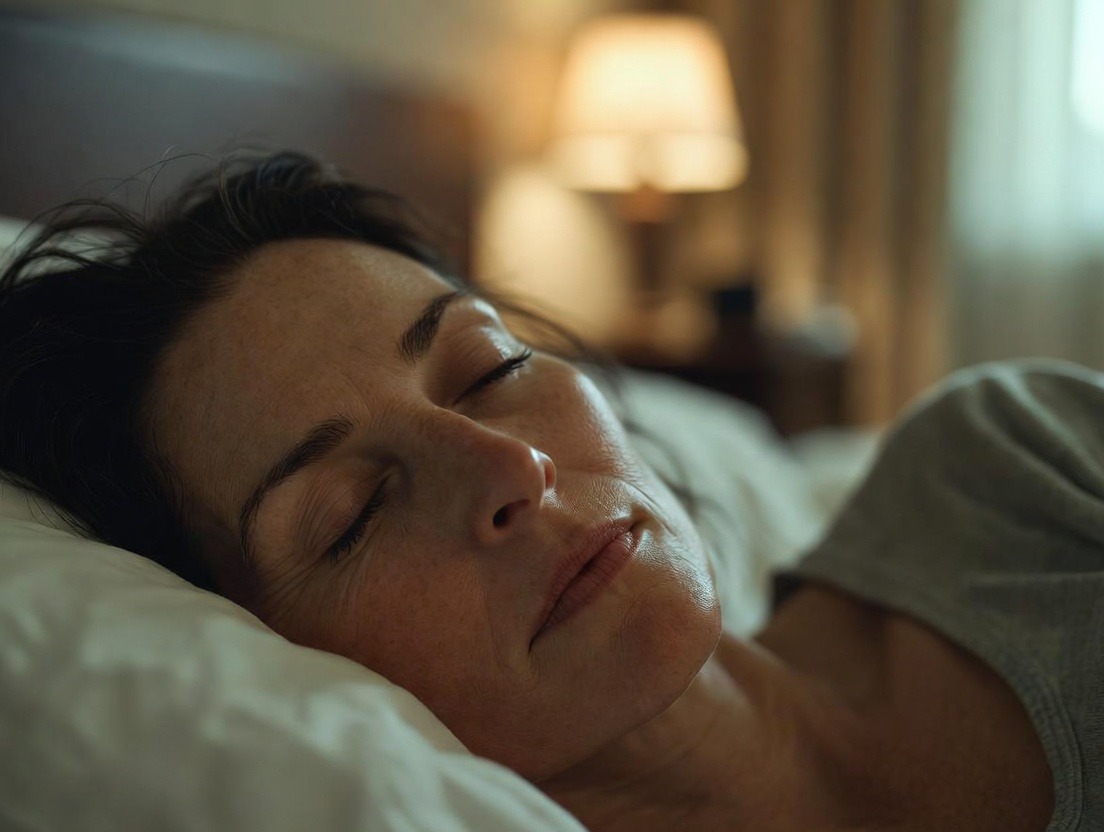
While smart rings capture the outcome of recovery during sleep, the data is fundamentally a report card on your daytime choices. The most sophisticated users learn to read their nocturnal metrics as feedback on how they lived the previous day. This creates a powerful 24-hour feedback loop for holistic health.
Sunlight: The Master Zeitgeber
Your circadian rhythm is set by light. Morning sunlight exposure is arguably the most important daytime habit for nocturnal recovery, and the data proves it. Users who get bright light within an hour of waking consistently show:
Stress Management as a Physiological Skill
Daytime stress that isn't processed or released lingers in the body as autonomic tension. The ring catches it. A day of high anxiety or unresolved conflict often manifests as a higher starting RHR at bedtime, difficulty achieving a temperature drop, and low HRV throughout the night. The data turns stress management from a vague concept into a physiological necessity. It shows the direct benefit of practices like:
Hydration and Rhythm
Dehydration is a stealthy stressor. The data frequently shows that days of inadequate fluid intake lead to a higher nocturnal heart rate and more restless sleep. Conversely, maintaining steady hydration (with electrolytes) supports blood volume and circulation, aiding temperature regulation and cellular repair processes. Furthermore, the data champions daily rhythm: eating, moving, and sleeping at consistent times creates predictable, low-stress signals for the body, resulting in more stable and resilient recovery metrics night after night. For those curious about the broader benefits of understanding sleep, our analysis of whether sleep tracking is worth it covers the tangible impacts on daily life.
Recovery is not merely a physical process; it is a psychophysiological one. Your beliefs, mindset, and emotional state directly influence your autonomic nervous system, and thus, every metric your smart ring tracks. Understanding this connection allows you to leverage your mind as a powerful tool for recovery enhancement.
The Placebo (and Nocebo) Effect of Data
The mere act of tracking can influence outcomes—a phenomenon clearly observed in user behavior. Seeing a high "Readiness Score" or strong HRV can create a positive feedback loop, leading to more confidence, better performance, and continued positive metrics (a placebo effect). Conversely, obsessing over a "bad" score can generate anxiety, which tenses the nervous system and perpetuates poor recovery (a nocebo effect). The key is to adopt a curious, non-judgmental stance toward the data. View it as information, not a grade. This mindful approach prevents stress about recovery from becoming the very thing that impedes it.
Rumination vs. Resolution
Smart ring data provides stark evidence of the cost of unresolved worry. Nights following days filled with rumination—repetitive, negative thought patterns—consistently show poor sleep efficiency, low HRV, and elevated RHR. The mind’s inability to find closure keeps the sympathetic nervous system engaged. The recovery strategy here is psychological: practices like journaling before bed to "download" worries, gratitude reflection to shift emotional tone, or guided meditation to break the cycle of thoughts can have a dramatic, positive effect on the physiological data. The ring validates that emotional processing is a legitimate part of the recovery workload.
The Recovery Mindset Across Ages
Your mindset about aging itself influences your recovery. Individuals who view aging as a process of inevitable decline often exhibit more passive health behaviors, which accelerates negative trends in their data. In contrast, those who adopt a growth mindset about aging—seeing it as an opportunity for mastery, wisdom, and targeted self-care—are more likely to engage in the precise habits (nutrition, movement, sleep hygiene) that optimize their metrics. This proactive, empowered attitude is itself a recovery-promoting psychological factor, creating a virtuous cycle of positive action and positive data. Learning about the company behind the technology that enables this insight can be inspiring; you can read our story here.
The ultimate goal of all this tracking is not to become a slave to numbers, but to gain a profound, intuitive understanding of your unique body. The smart ring is a teacher; its lesson is how you respond to life. The final step is to synthesize a decade’s worth of nightly data points into actionable personal wisdom.
Identifying Your Baselines and Zones
Forget population averages. Your mission is to establish your baselines for HRV, RHR, deep sleep, and temperature drop within your current life decade. These are your "normal" zones. Then, observe your high-recovery zones (the metrics after a perfect day of habits) and your stress-response zones (the metrics after known stressors). This creates a personalized map. You learn, for example, that for you, an HRV below 45 ms signals true depletion, while above 60 ms means you're primed for challenge.
Recognizing Your Unique Triggers and Boosters
Through longitudinal tracking, you become a detective of your own physiology. You'll identify specific, personal triggers: "Dairy after 7 PM fragments my sleep." "Two glasses of wine cuts my deep sleep by 40%." "A 20-minute afternoon walk boosts my HRV by 10%." "My optimal deep sleep occurs when I finish dinner by 6:30 PM." This is hyper-personalized biohacking, moving beyond generic advice to what works for your one-of-a-kind system.
Adapting Your Goals
Your recovery data should directly inform your life goals. In your 20s, the goal might be athletic performance, and the data guides peak training. In your 40s, the goal might shift to sustaining energy for career and family, and the data helps you manage chronic stress. In your 70s, the goal is vitality and independence, and the data confirms that your daily walk and social lunch are the keys to maintaining it. Your metrics become the compass keeping you aligned with what "health" means for you at each stage. For common questions on interpreting this data, our FAQ page is a valuable resource.
This comprehensive journey through the decades, from the cellular signals of sleep to the psychological pillars of mindset, provides a new framework for aging not as decay, but as continuous adaptation. By listening to the data—the silent language of your recovery—you gain the power to partner with your biology, making informed choices that enhance resilience, vitality, and well-being at every turn of life's path. The story written in your heartbeats, breaths, and temperature waves is uniquely yours. It’s time to read it, understand it, and write its next best chapter.
To explore more research and insights on sleep and recovery, the full library of evidence-based articles is available on the Oxyzen blog. And if you're ready to begin decoding your own body's language, start your journey at the Oxyzen shop.
An often-overlooked chapter in the story of age-related recovery involves the substances we intentionally or necessarily introduce into our bodies. From prescription medications to social beverages, every compound leaves a distinct fingerprint on our physiological data. As we age, our metabolism slows, liver and kidney function can change, and polypharmacy (taking multiple medications) becomes more common. Smart ring data provides an objective, personalized log of how these substances interact with our recovery systems, offering crucial insights for managing health and collaborating with healthcare providers.
Alcohol: The Illusion of Sedation vs. The Reality of Disruption
Alcohol’s impact is universal but its recovery cost escalates with age. In a 25-year-old, a few drinks might cause a sharp HRV dip and RHR spike that recovers by the second night. The data fingerprint shows: suppressed REM sleep in the first half of the night, a spike in deep sleep (often misperceived as "good sleep") followed by a rebound of fragmented, light sleep later, and a significant blunting of the temperature drop. By the 40s and 50s, this same amount of alcohol creates a deeper, longer-lasting wound. HRV may stay suppressed for 2-3 days, the REM rebound is more chaotic, and the disruption to thermoregulation is more severe. For those in their 60s+, the data is often stark: even a single glass of wine can fragment sleep architecture, cause noticeable SpO2 dips (as airway muscles relax), and elevate resting heart rate for the entire night. The ring provides incontrovertible evidence that alcohol, a sedative, is the antithesis of restorative sleep at any age, and its toll becomes prohibitively high as our recovery reserves thin.
Caffeine and Its Lengthening Half-Life
Caffeine’s stimulating effects are well-known, but the data visualizes its long shadow. Its half-life—the time it takes for your body to eliminate half of it—increases with age, from about 4-6 hours in a young adult to 8-10 hours or more in an older individual due to reduced liver enzyme activity. A 3 PM coffee in your 20s might delay sleep onset by 30 minutes. That same coffee in your 60s can be seen in the data as a shallower sleep depth, reduced deep sleep percentage, and a higher overall sleep heart rate. The data empowers users to conduct personal experiments, moving their last caffeine dose earlier until their sleep architecture metrics (particularly deep sleep onset and duration) normalize. This often leads to the surprising discovery that "decaf after noon" is a non-negotiable rule for high-quality recovery in midlife and beyond.
The Complex World of Prescription Medications
This is where smart ring data transitions from a wellness tool to a potential partner in healthcare management. Many common medications directly affect recovery metrics:
The value of tracking here is establishing a new baseline. Once stable on a medication, you can see what "normal" looks like for you. Then, you can monitor for any new deviations, which could indicate an interaction, a need for dosage adjustment, or an unrelated illness. This data should always be discussed with a doctor; it provides objective, daily-life context that a sporadic office visit cannot. It turns the question "How are you sleeping?" from a subjective "Okay" into a quantifiable report.
Over-the-Counter Sleep Aids and Antihistamines
Many turn to OTC sleep aids like diphenhydramine. The data reveals the truth: while they may help with sleep onset, they often severely degrade sleep quality. They are anticholinergic, which means they interfere with acetylcholine, a key neurotransmitter for REM sleep. The result is a data trace with very little REM, and often a "hangover" of next-day grogginess reflected in low morning HRV. Similarly, sedating antihistamines used for allergies have the same effect. The data makes clear that these are blunt instruments that solve one problem (getting to sleep) while creating another (robbing the brain of essential restorative phases).
Human beings are inherently social creatures, and our nervous systems are wired for connection. Smart ring data is beginning to quantify what psychologists have long known: our relationships—or lack thereof—have a direct, measurable impact on our physiological recovery. This social dimension becomes increasingly critical for recovery as we age, often serving as a buffer against the natural decline of other systems.
The Co-Regulation Effect
Positive, warm social interaction acts as a form of "co-regulation" for our nervous systems. When we feel safe, heard, and connected, it stimulates the parasympathetic (rest-and-digest) branch. This is visible in data. Days filled with meaningful social contact—a laughter-filled lunch with friends, a deep conversation with a partner, cooperative work—often correlate with higher HRV that evening, a smoother transition into sleep, and better sleep continuity. The data suggests that social bonding is not just psychologically pleasant; it is a pro-recovery activity that lowers allostatic load (the cumulative burden of stress).
Loneliness: A Silent Stressor with Loud Data
Conversely, chronic loneliness and social isolation are profound physiological stressors. The data tells a clear and concerning story: periods of sustained loneliness correlate with a cluster of negative metrics—elevated resting heart rate, lower and less variable HRV, more fragmented sleep, and a blunted circadian temperature rhythm. The body interprets social isolation as a threat, keeping the sympathetic nervous system in a low-grade state of alert. This "loneliness signature" in recovery data is remarkably similar to the signature of chronic anxiety. For older adults, who are at higher risk for isolation due to life transitions, this data can serve as a critical alert system, highlighting the need to prioritize social infrastructure as seriously as diet or exercise.
The Sync of Shared Rhythms
Living with a partner or in a community often imposes a beneficial structure on daily life—shared mealtimes, synchronized sleep-wake schedules. This external rhythm can help anchor a weakening internal circadian clock, especially later in life. Data from couples often shows that when one partner improves their sleep hygiene (e.g., adopting an earlier bedtime), the other's metrics frequently improve in tandem, demonstrating the contagious nature of healthy habits within a social unit. The recovery takeaway is that investing in relationships and community is not a distraction from self-care; it is a foundational pillar of it.

We are on the cusp of a paradigm shift, moving from reactive healthcare to truly predictive and preventative wellness. Smart rings, with their continuous, longitudinal data streams, are at the forefront of this revolution. The recovery metrics we track nightly are not just about how we feel tomorrow; they are the vital signs of our long-term health trajectory. By understanding age-based trends, we can begin to identify deviations that signal risk long before clinical symptoms appear.
Deviations from the Trendline: The Most Important Signal
As we've established, a gradual decline in deep sleep or a gentle rise in RHR is a normative part of aging. The critical insight for predictive health is not the trend itself, but a significant deviation from your personal, age-expected trendline. For example:
These deviations are the "check engine" lights of the human body. The smart ring provides the historical data to know what "normal operation" looks like for you, making any anomaly glaringly obvious.
The Composite Risk Score: Integrating Signals
The future lies in algorithmically weighted composite scores that integrate all recovery signals. Instead of looking at HRV in isolation, a sophisticated system would analyze the interaction between a falling HRV, a rising RHR, increasing sleep fragmentation, and a flattening temperature curve. This multi-system deterioration pattern is a far stronger predictor of impending illness, burnout, or metabolic dysfunction than any single metric. For instance, research suggests that such a composite "strain score" could predict susceptibility to viral infections days before symptoms arise, or signal the early stages of chronic conditions like hypertension or type 2 diabetes.
Empowering the Patient-Provider Partnership
This data-rich future transforms the doctor's visit. Instead of relying on a snapshot from an annual physical and a patient's imperfect recall, a clinician could review a 90-day recovery trend report ahead of an appointment. This report would show sleep stability, autonomic nervous system resilience, and circadian rhythm strength. It would answer questions like: "Is the patient's fatigue due to poor sleep, or is the poor sleep due to an underlying condition?" "Is this new medication affecting their recovery capacity?" This turns healthcare into a collaborative, data-informed dialogue, with the patient as an expert on their own daily-lived physiology. To understand the technology making this possible, learn more about us and our mission at Oxyzen.
Ethical Considerations and Data Sovereignty
As this technology advances, crucial questions arise. Who owns this deeply personal biological data? How is it protected? How can we prevent it from being used for insurance discrimination or employer oversight? The ethical development of this field requires transparent policies where the individual retains sovereignty over their data, with clear, opt-in consent for any aggregation or research use. The promise of predictive health must be built on a foundation of trust and user control.
The journey through the decades, as told by the silent language of heartbeats, breaths, and waves of sleep, is not a story of inevitable decline. It is a narrative of continuous adaptation, of changing needs and evolving strengths. The smart ring is the translator, turning the whispers of your physiology into a dialogue you can understand and act upon.
We have moved from the deep sleep dividend of youth, through the REM renaissance of midlife, to the wisdom of stability in later years. We've seen how our heart's variability gently settles, how our internal thermostat needs external support, and how our recovery from stress demands ever-greater kindness and intention. We've explored how nutrition, movement, connection, and even our medications write their own lines in this ongoing story.
The ultimate goal of this deep dive is empowerment. It is to replace anxiety about aging with curiosity, to swap generic advice for personalized insight, and to transform the passive experience of "getting older" into the active practice of "aging well." Your recovery data is your unique biological fingerprint—a map of your resilience.
The call to action is not to chase the metrics of your 20s, but to honor the story of your present. Use the data to build the habits that support your current chapter. Cool your bedroom. Walk in the morning sun. Eat earlier. Connect deeply. Breathe consciously. Listen to what your body is telling you it needs now.
For this is the great promise of wearable technology: not to extend our lifespans at all costs, but to enhance our healthspans—to ensure that our years are filled with vitality, clarity, and the energy to engage fully with life. By understanding how recovery signals change with age, we gain the knowledge to write our own stories of resilience, one restorative night at a time.
To continue exploring the science of sleep that underpins this recovery journey, delve into our article on the brain-boosting connection between deep sleep and memory. And if you are ready to begin listening to your body's unique narrative, your story starts at the Oxyzen shop.
Author's Note & Further Exploration:
This article synthesizes observed trends from aggregated smart ring data, current physiological research, and behavioral science. It is intended for informational purposes to empower personal wellness and should not be considered medical advice. Always consult with a healthcare professional for medical concerns or before making significant lifestyle changes.
The exploration of recovery is ongoing. For the latest research, user stories, and practical guides on optimizing every aspect of your rest and vitality, the complete library of resources is available on the Oxyzen blog. From understanding your ideal deep sleep duration by age to troubleshooting common tracking questions in our FAQ, we are here to support your journey to better recovery, at every age.
Your Trusted Sleep Advocate (Sleep Foundation — https://www.sleepfoundation.org/)
Discover a digital archive of scholarly articles (NIH — https://www.ncbi.nlm.nih.gov/
39 million citations for biomedical literature (PubMed — https://pubmed.ncbi.nlm.nih.gov/)
experts at Harvard Health Publishing covering a variety of health topics — https://www.health.harvard.edu/blog/)
Every life deserves world class care (Cleveland Clinic -
https://my.clevelandclinic.org/health)
Wearable technology and the future of predictive health monitoring. (MIT Technology Review — https://www.technologyreview.com/)
Dedicated to the well-being of all people and guided by science (World Health Organization — https://www.who.int/news-room/)
Psychological science and knowledge to benefit society and improve lives. (APA — https://www.apa.org/monitor/)
Cutting-edge insights on human longevity and peak performance
(Lifespan Research — https://www.lifespan.io/)
Global authority on exercise physiology, sports performance, and human recovery
(American College of Sports Medicine — https://www.acsm.org/)
Neuroscience-driven guidance for better focus, sleep, and mental clarity
(Stanford Human Performance Lab — https://humanperformance.stanford.edu/)
Evidence-based psychology and mind–body wellness resources
(Mayo Clinic — https://www.mayoclinic.org/healthy-lifestyle/)
Data-backed research on emotional wellbeing, stress biology, and resilience
(American Institute of Stress — https://www.stress.org/)


